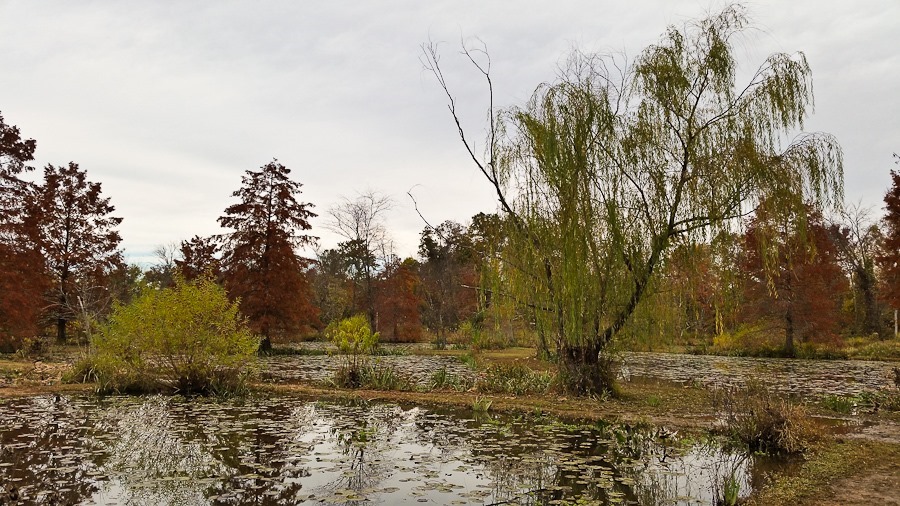
Today we focused on the east side of DC metro. Our first stop was Kenilworth Park and Aquatic Gardens:

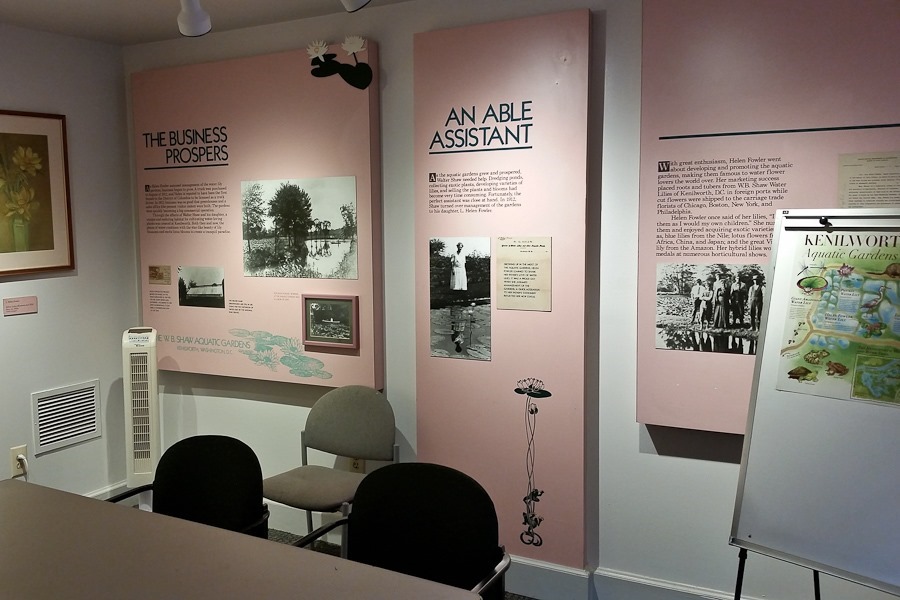
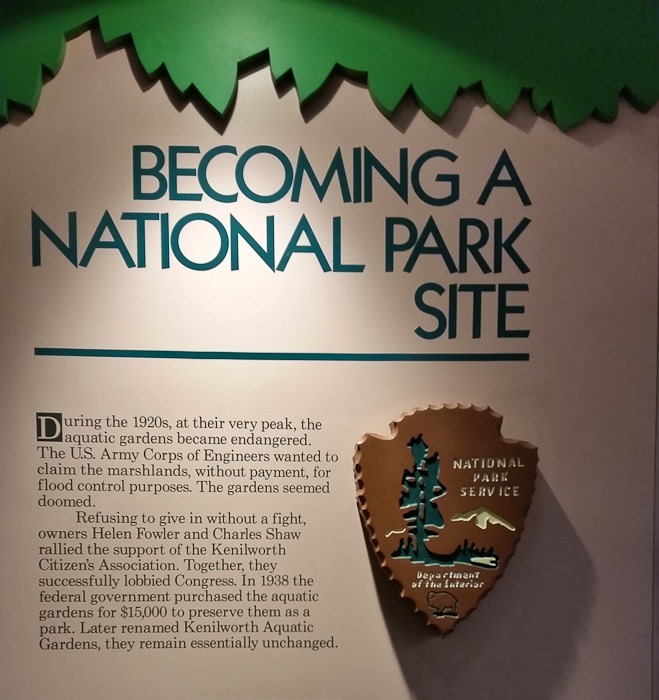
Kenilworth Gardens is a former water plant nursery donated to the NPS, effective after the death of the owners, to avoid imposed filling of the ponds here as “marsh reclamation” by the Army Corps of Engineers:
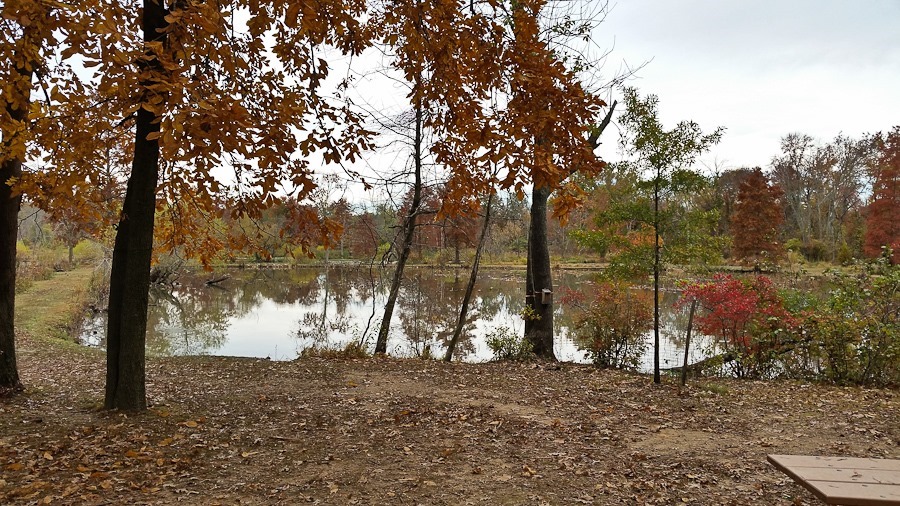
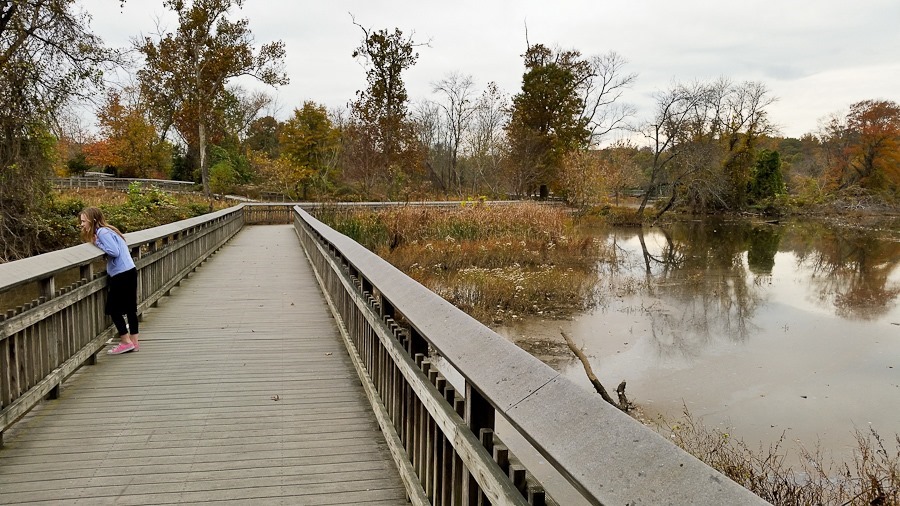
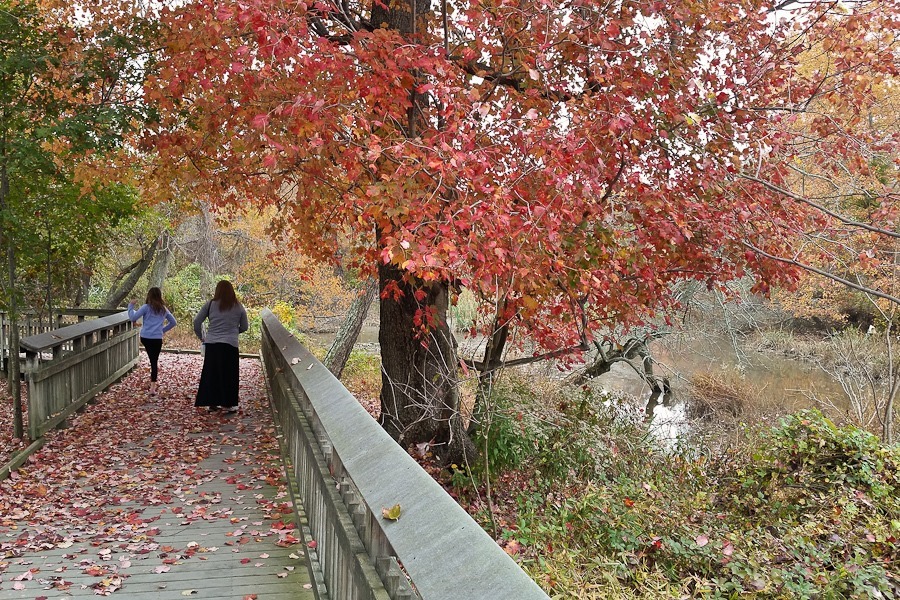
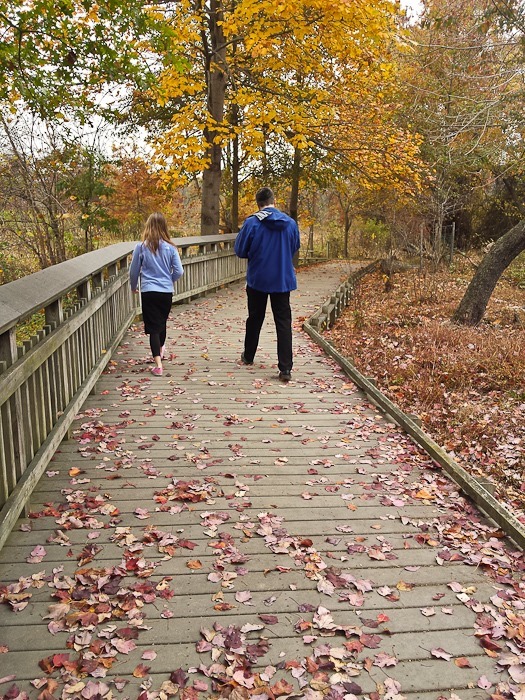
We walked the grounds:
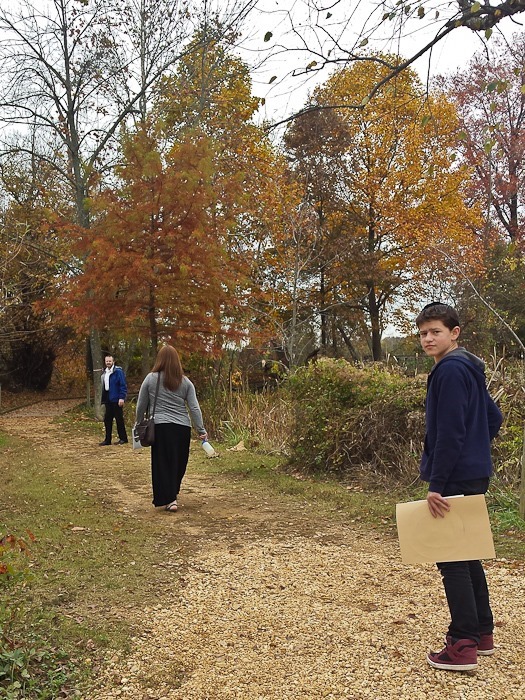
M tried on his paper Junior Ranger hat:

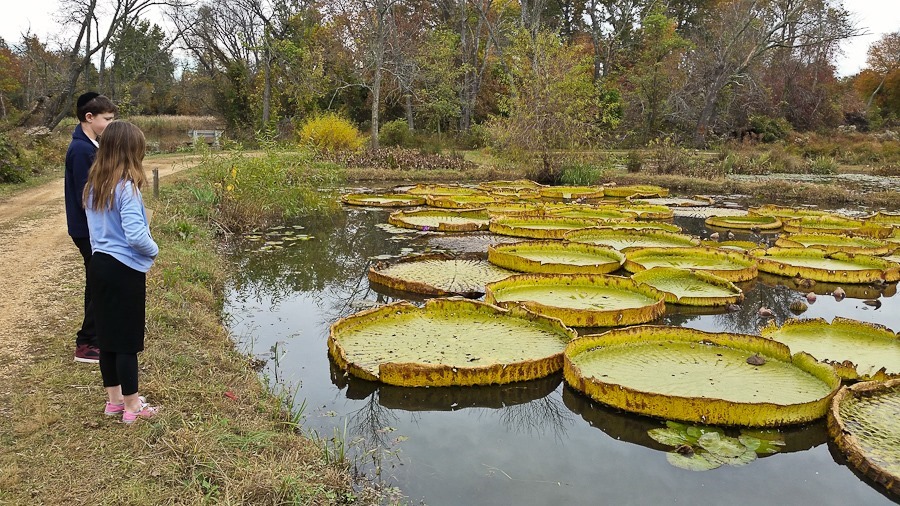
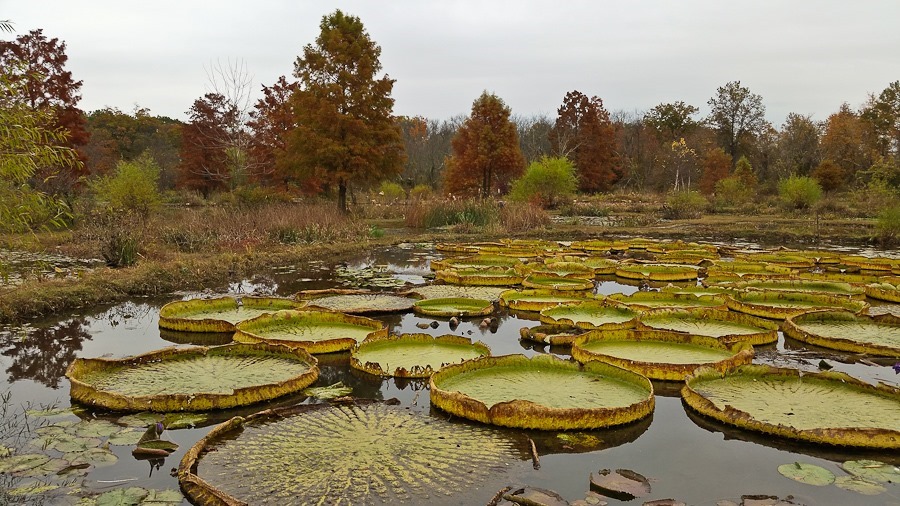
It’s very late in the season, so most of the lilies are gone now, but the massive lily pads of the Amazon water-lily haven’t completely died off:
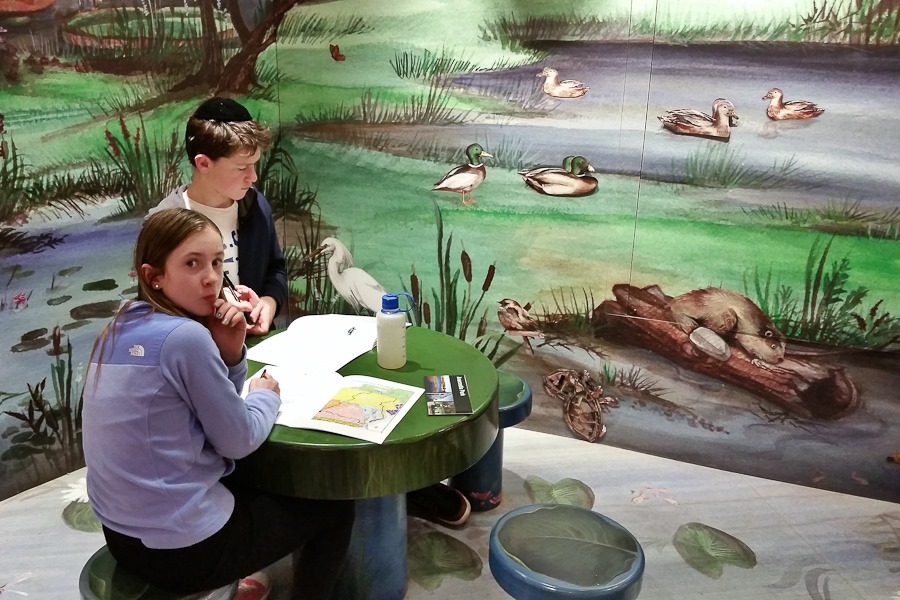
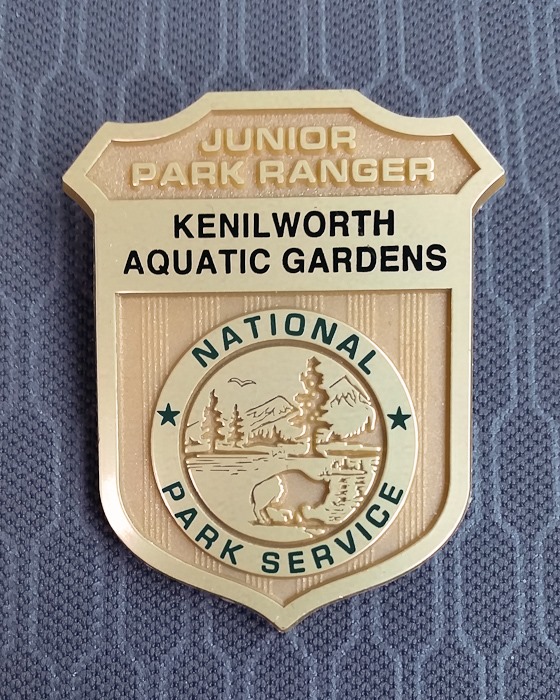
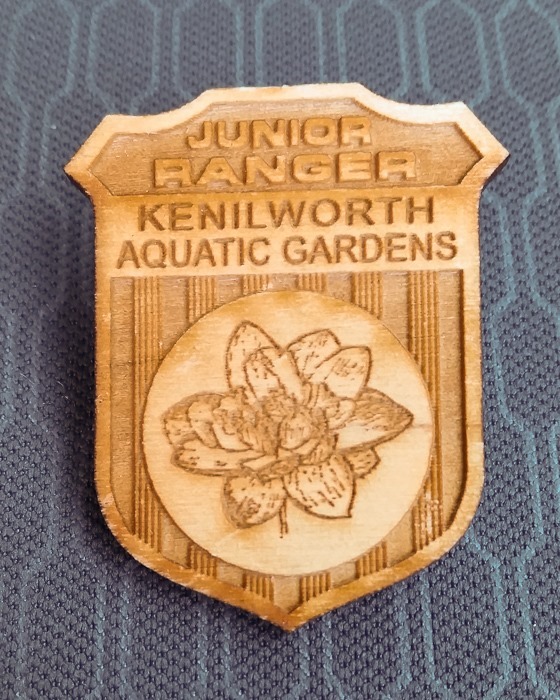
The kids completed their Junior Ranger workbooks and received their badges:
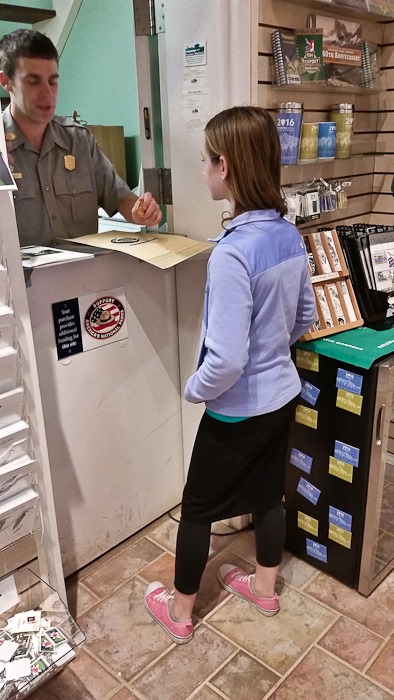
The ranger gave to the kids both the newer plastic and older wooden badges:
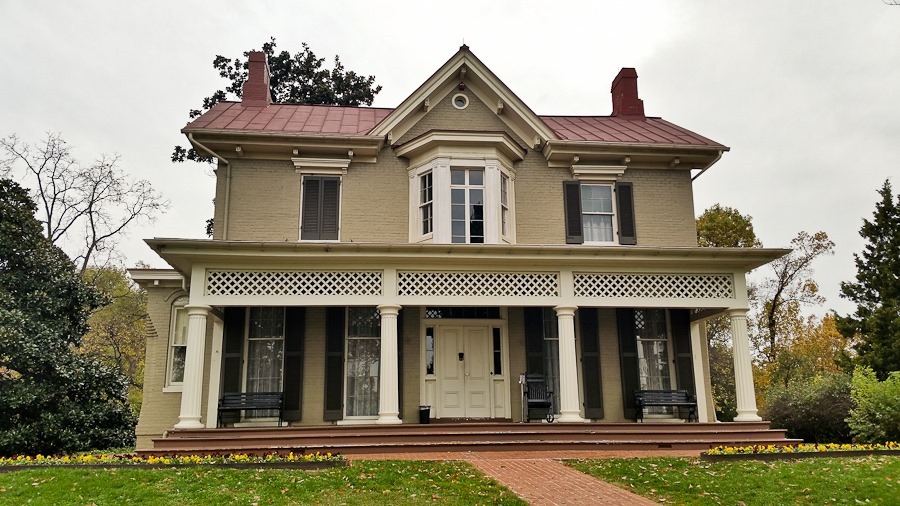
We stopped briefly at Fort Dupont Park, but the ranger station was closed. We continued on to Frederick Douglass National Historic Site:
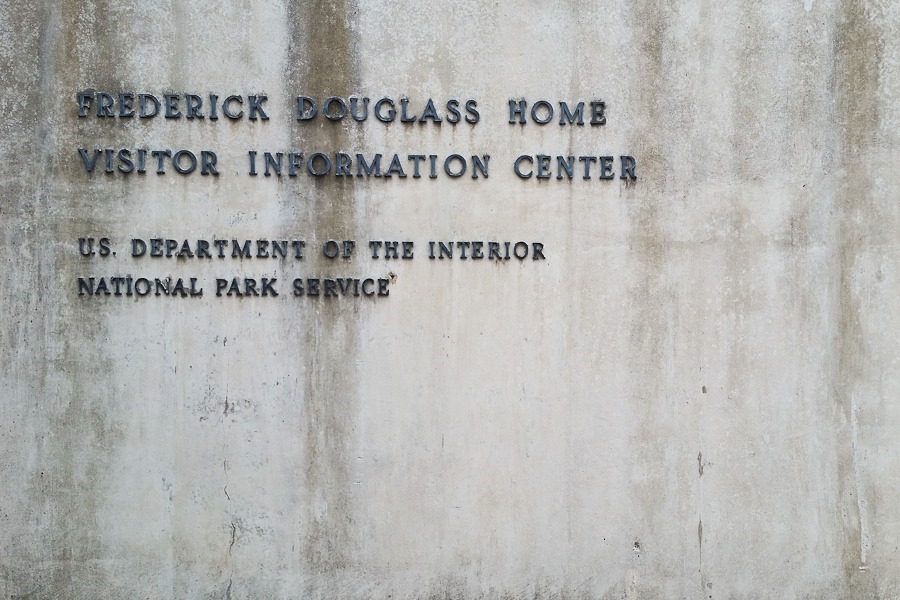
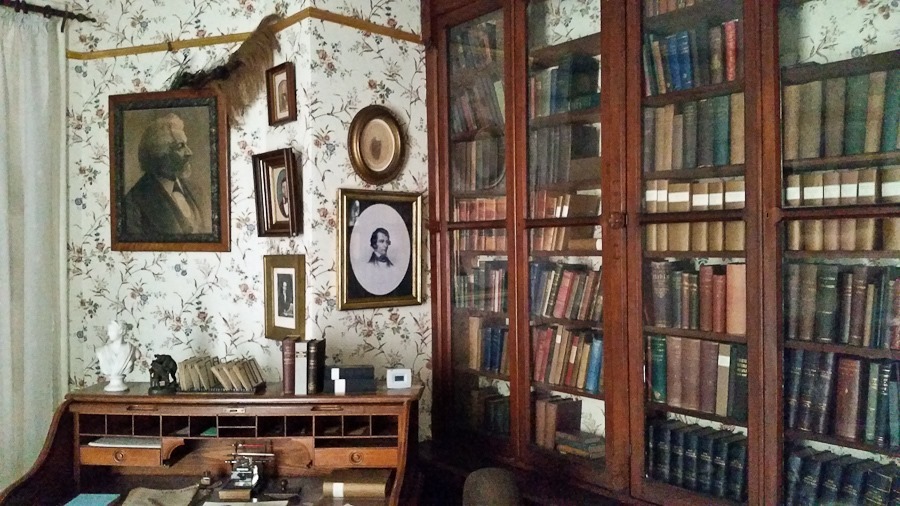
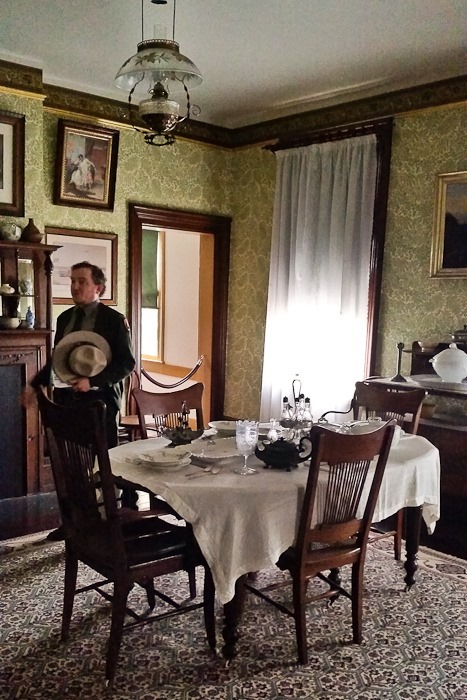
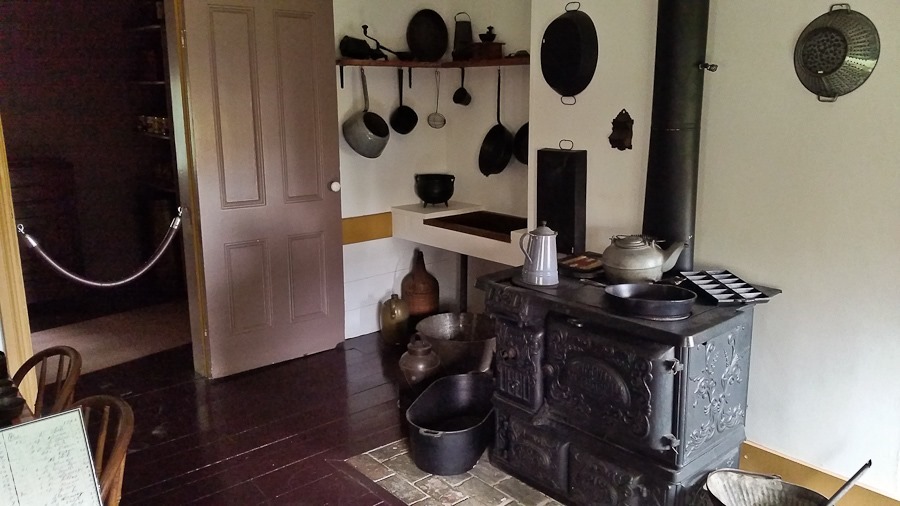
The site preserves the house in present-day Anacostia where Frederick Douglass lived from 1877 until his death in 1895:
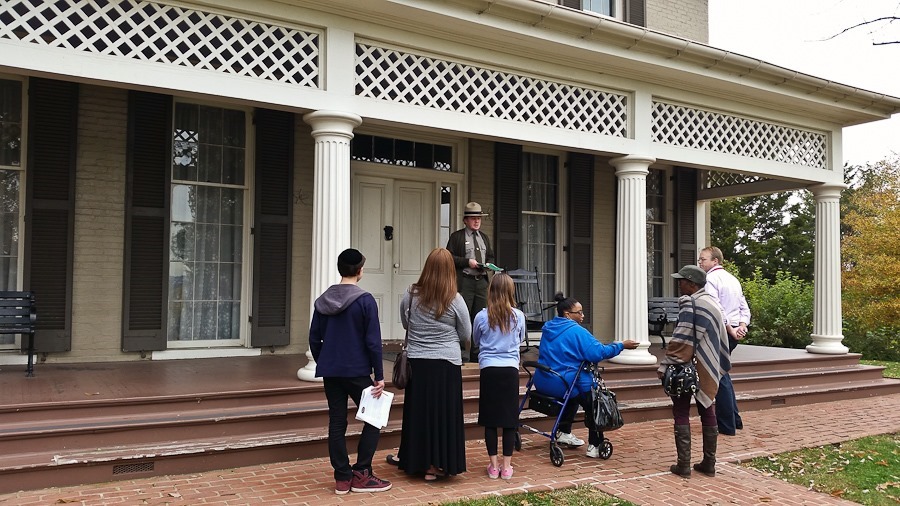
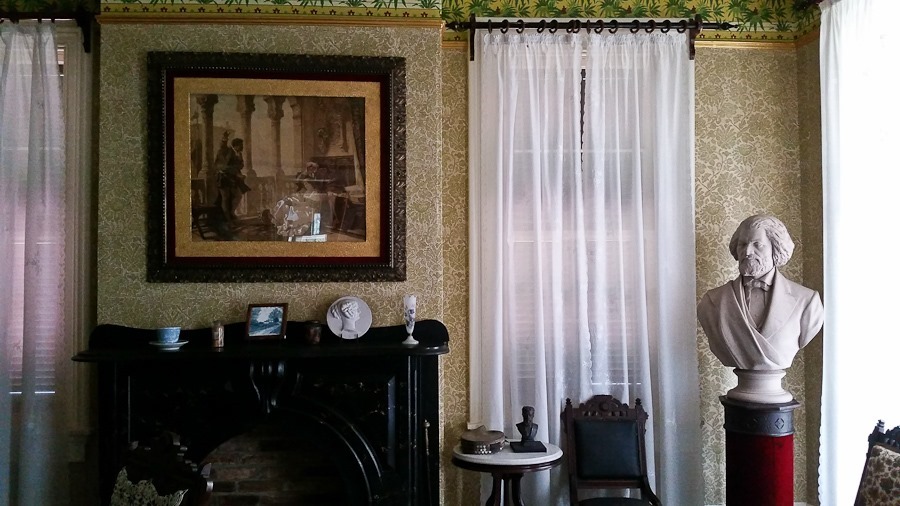
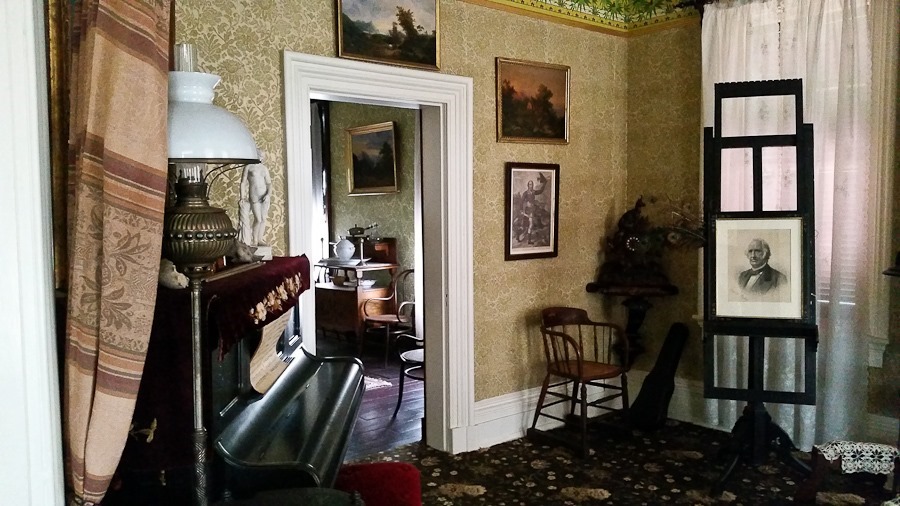
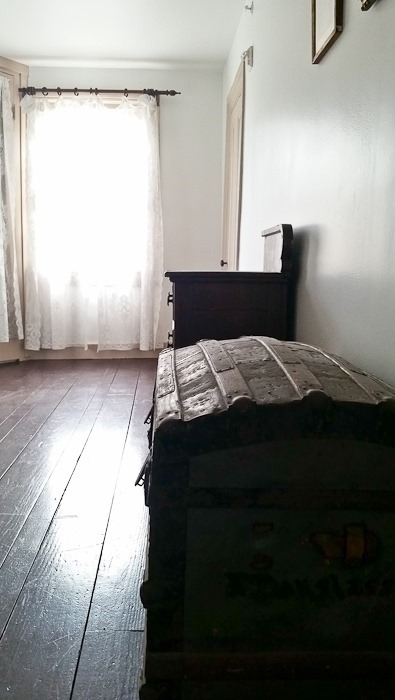
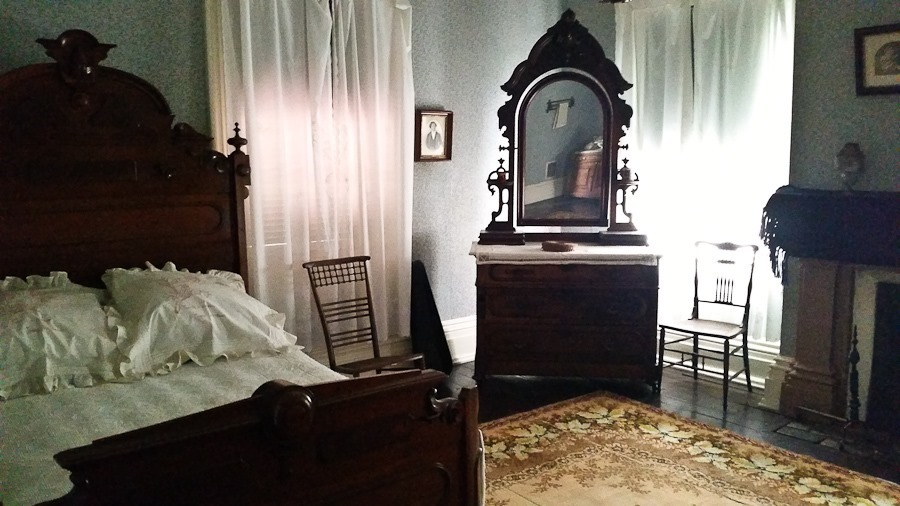
All of the interior furnishings are originals:
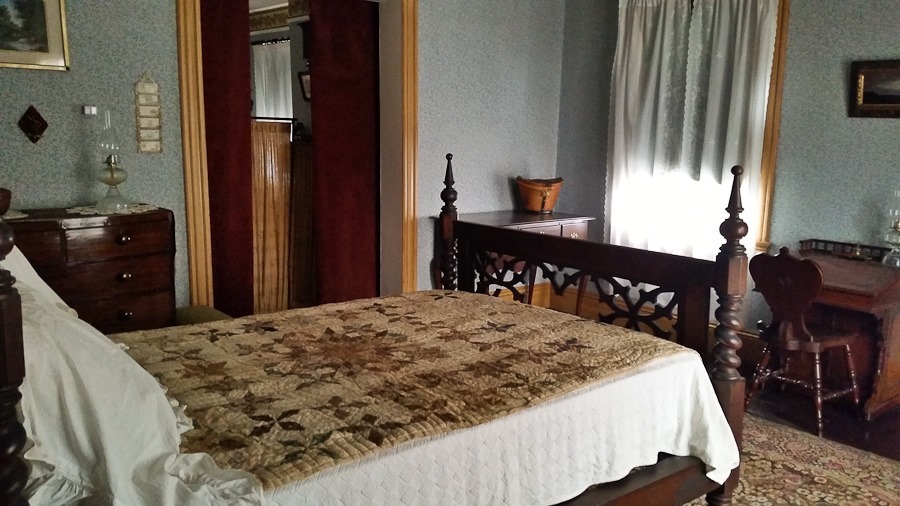
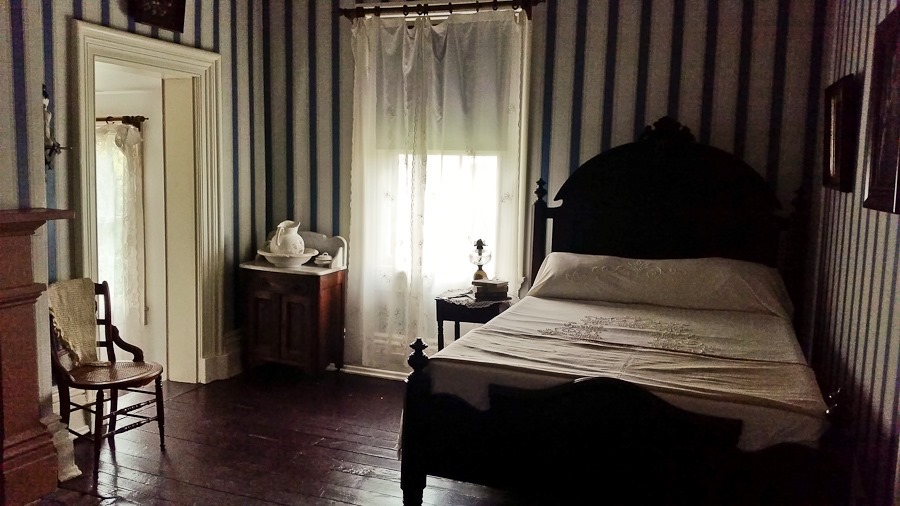
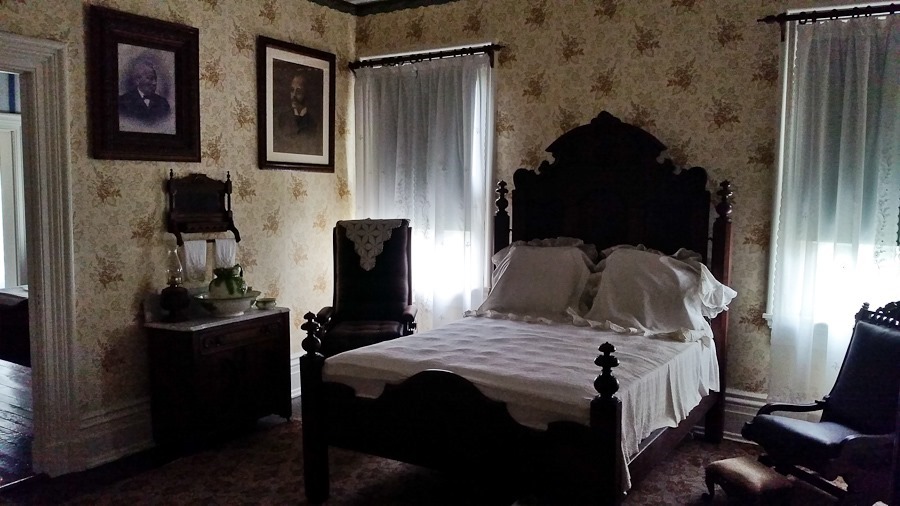
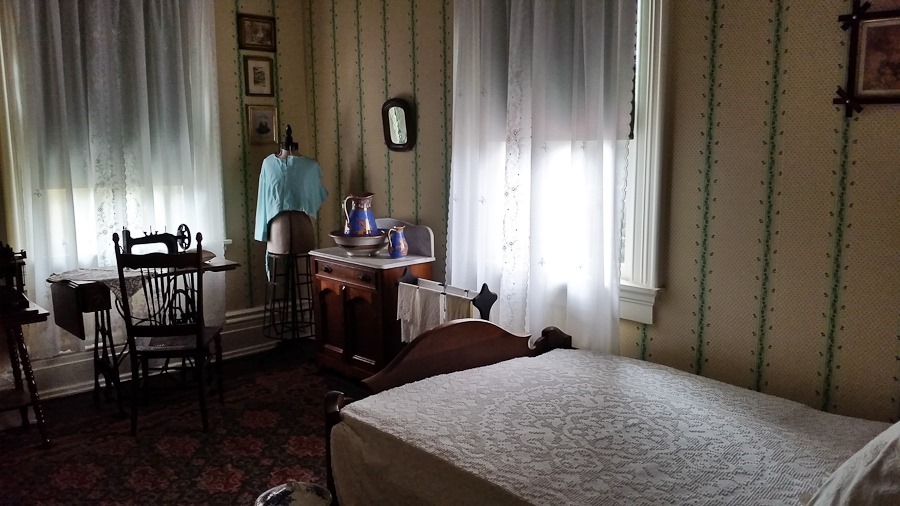
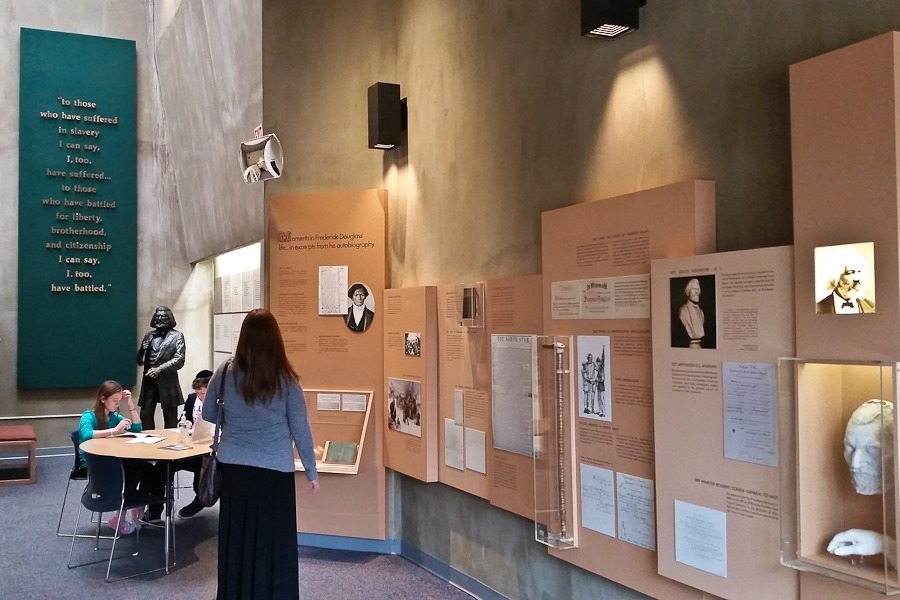
We toured the small visitor center:
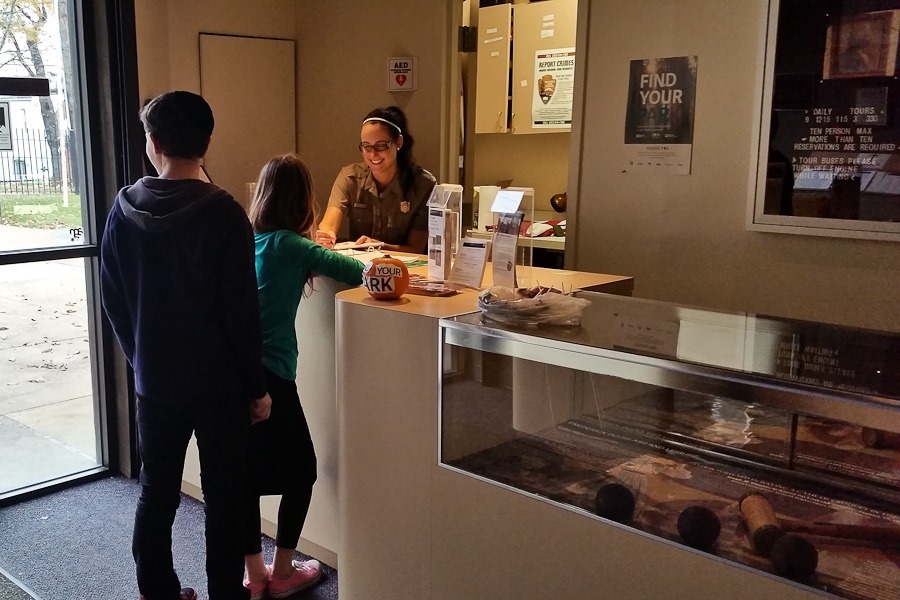
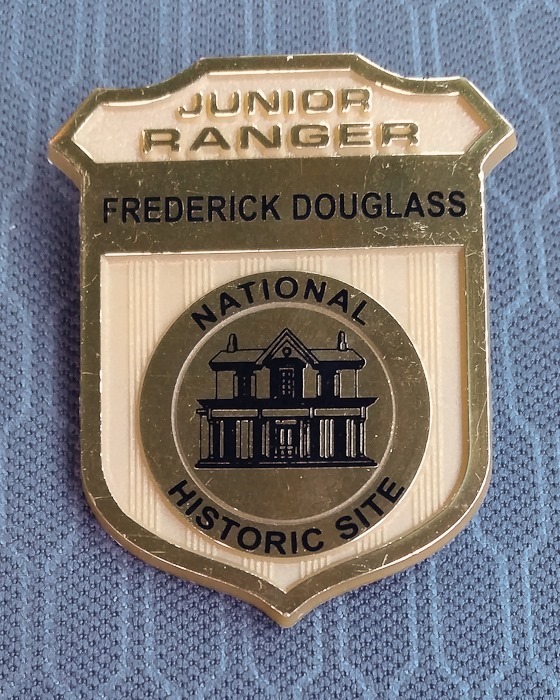
The kids completed their Junior Ranger workbooks and received their badges:
Our next stop was Anacostia Park, where we visited the headquarters of National Capital Parks-East. The kids completed the National Capital Parks-East workbook, and received a badge for both National Capital Parks-East and Anacostia Park:
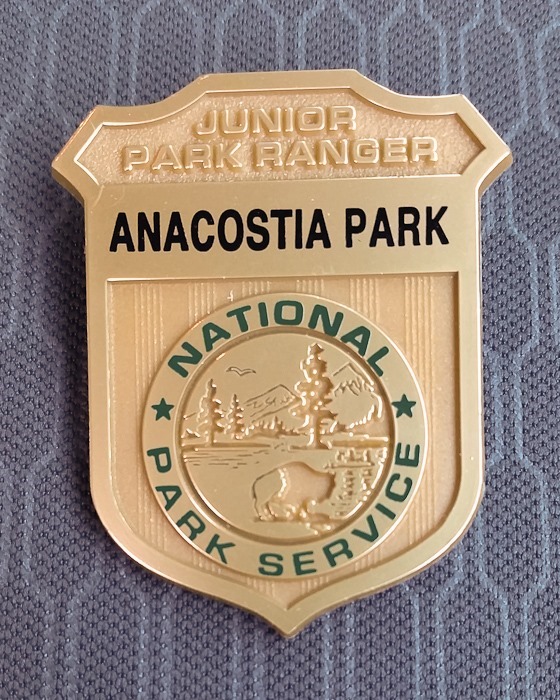
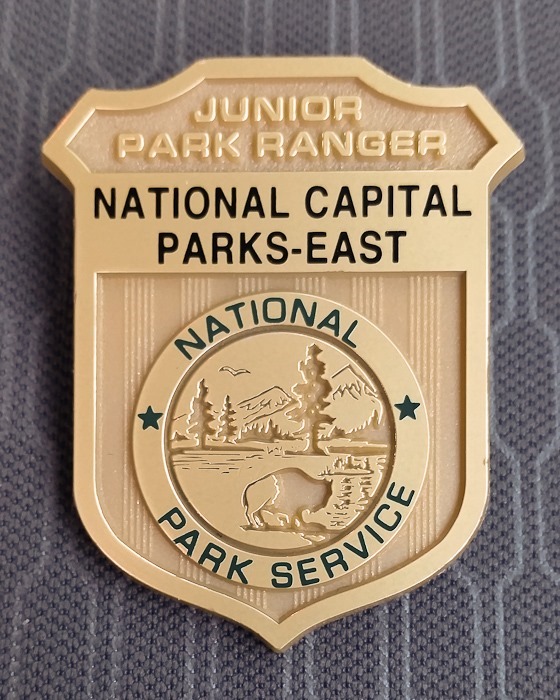
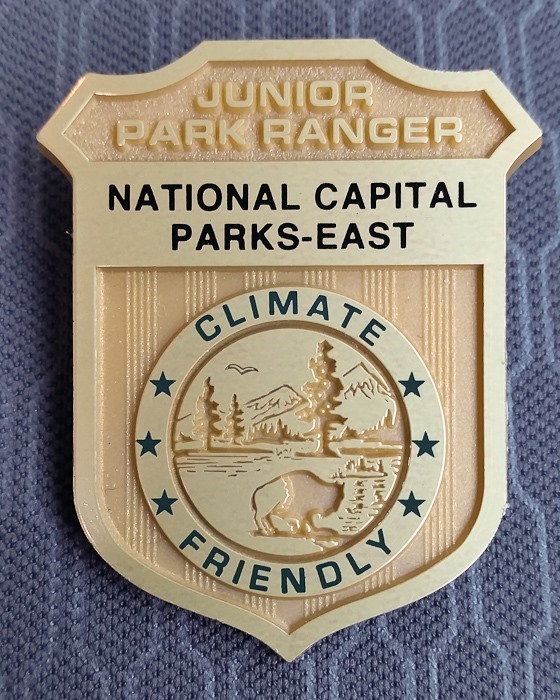
The kids also completed the National Capital Parks-East “Climate Friendly” Junior Ranger workbook:
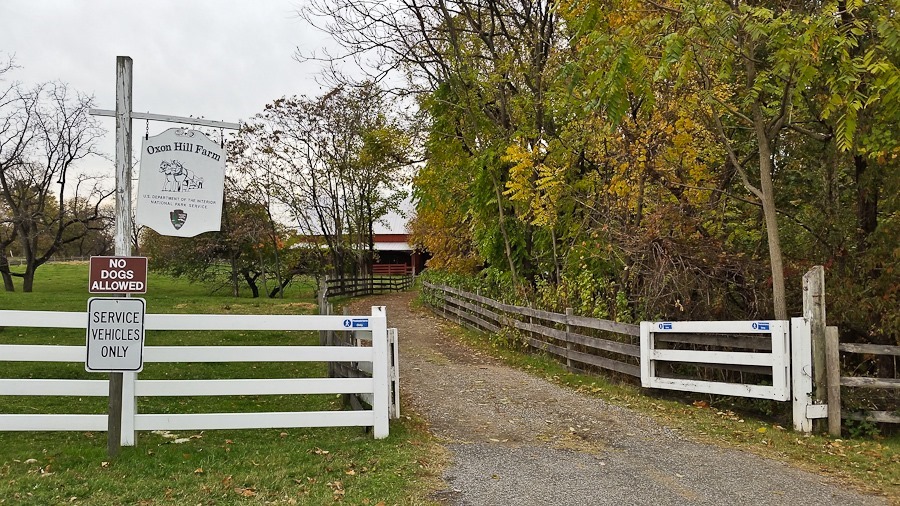
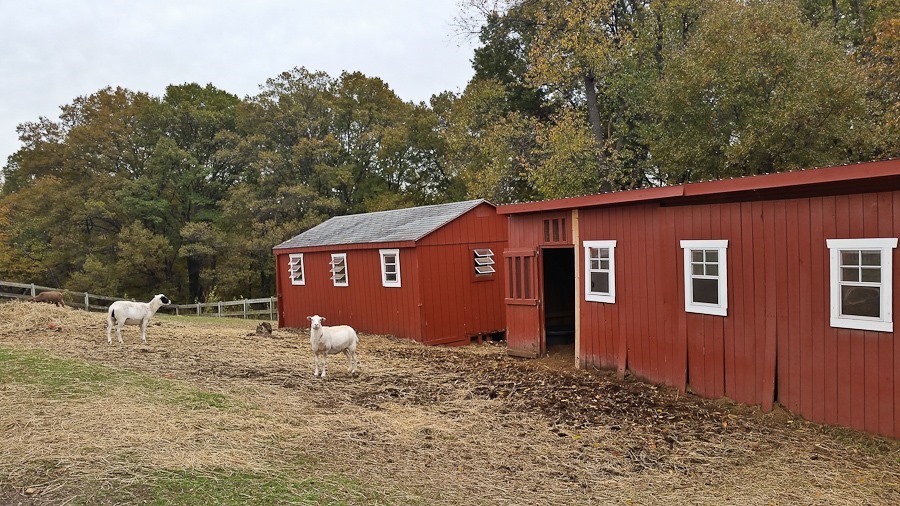
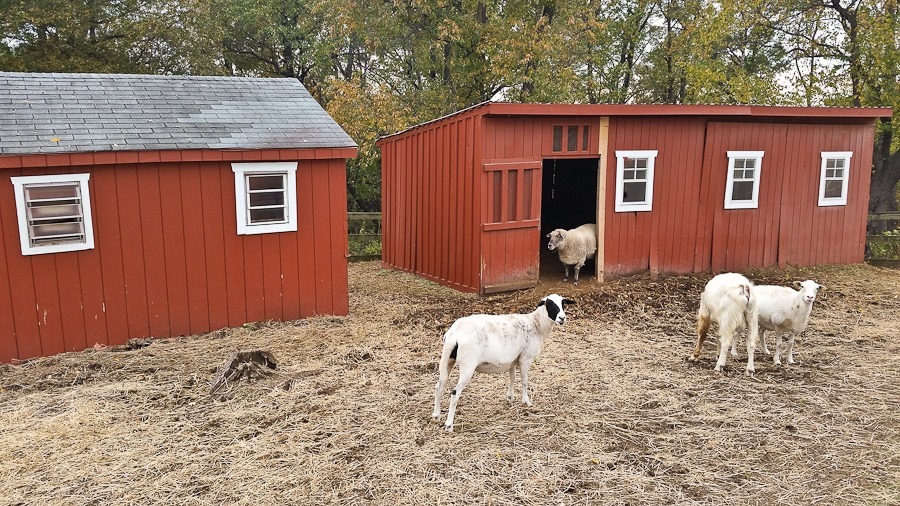
Continuing south, we visited Oxon Cove Park and Oxon Hill Farm, an NPS site last used as farmland to grow crops and act as farm therapy for the patients at a nearby mental hospital:
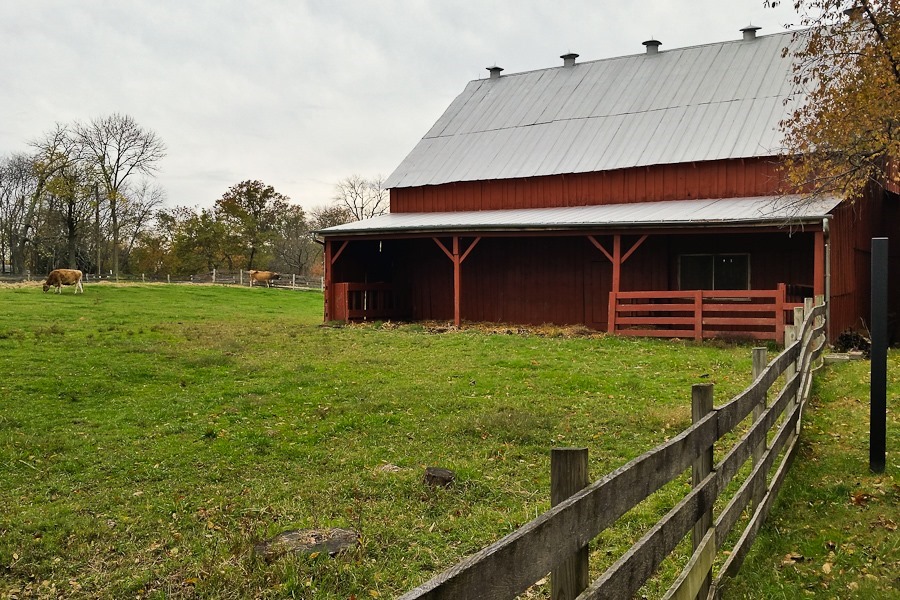
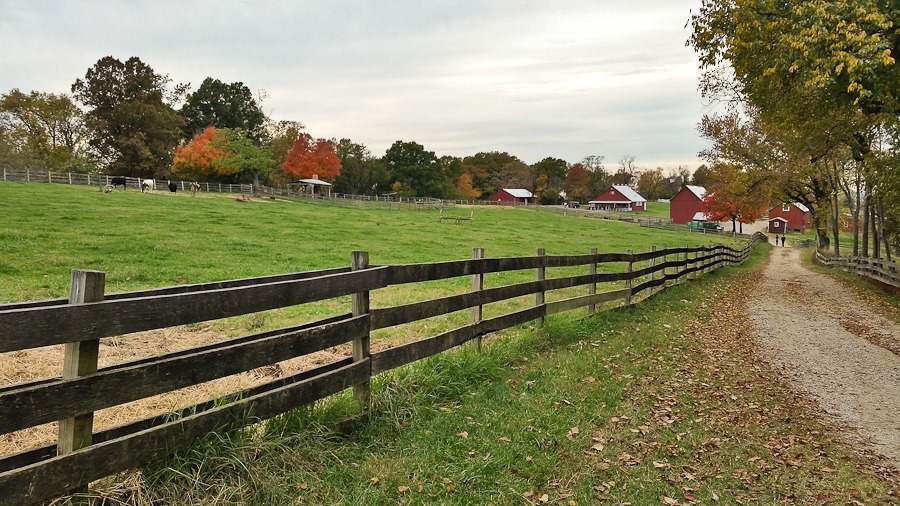
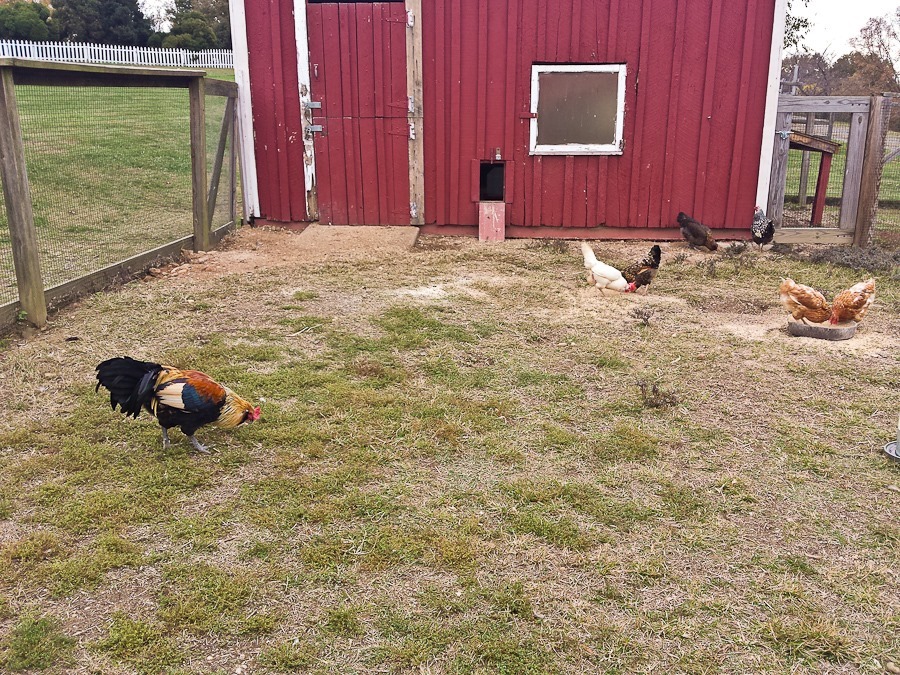
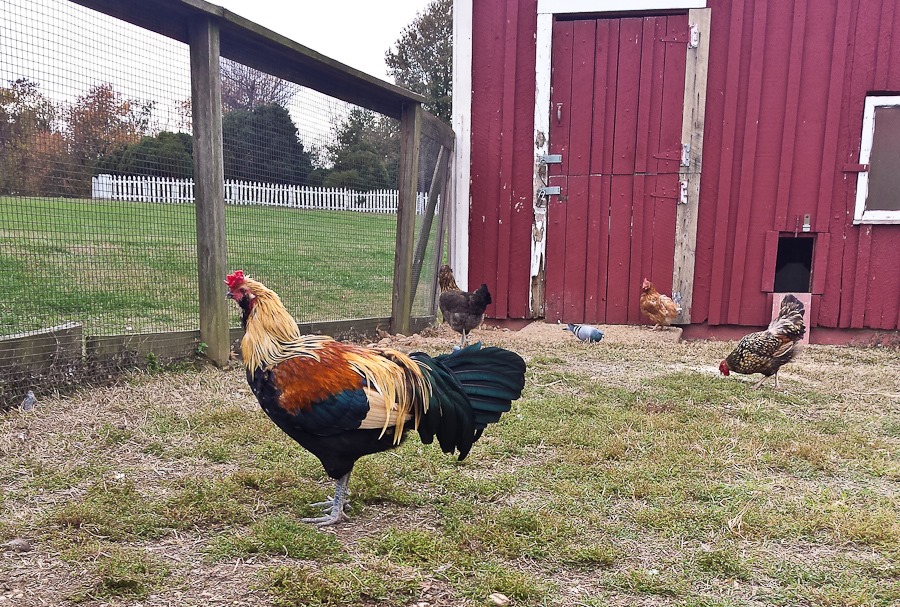
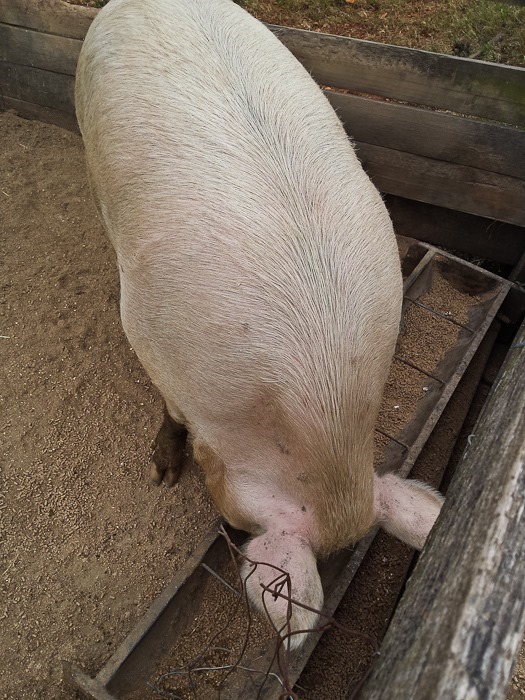
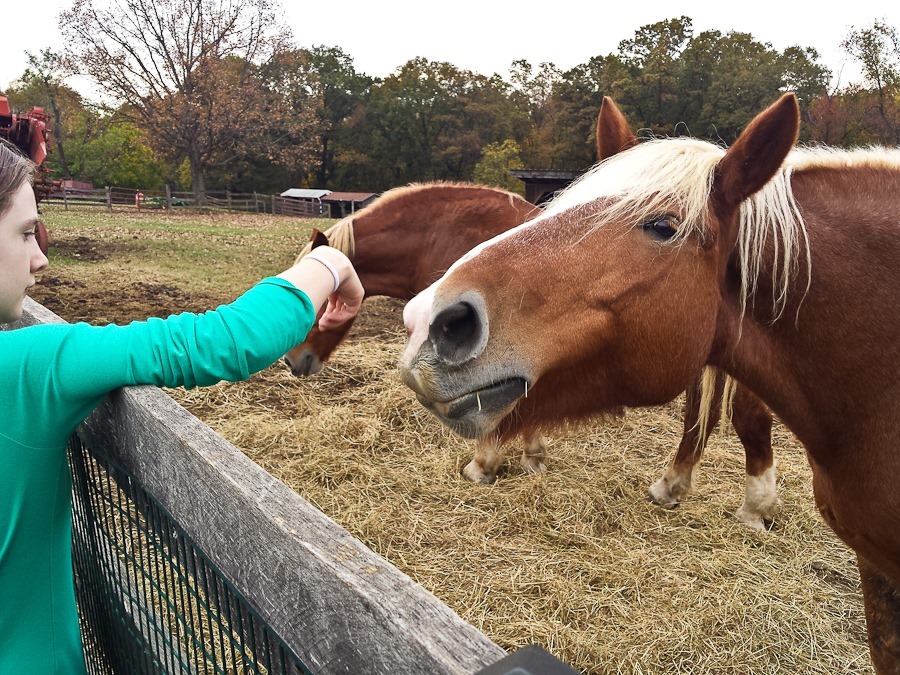
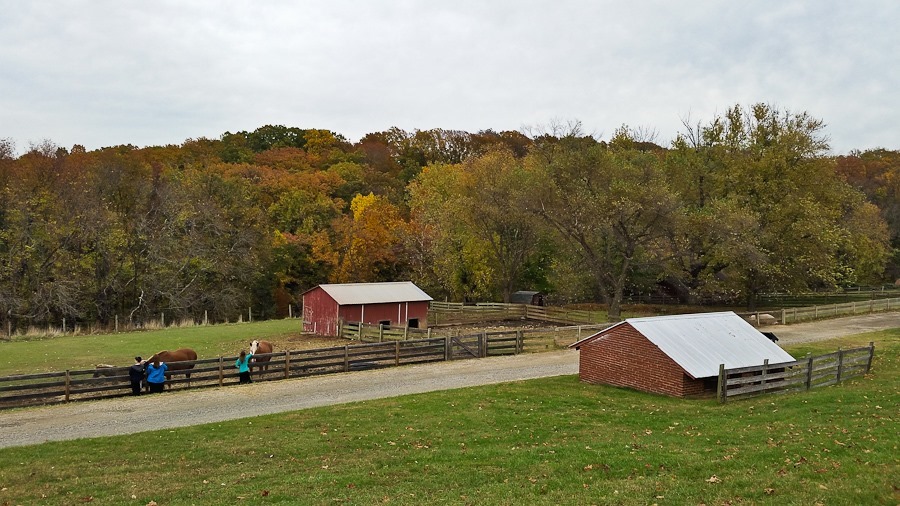
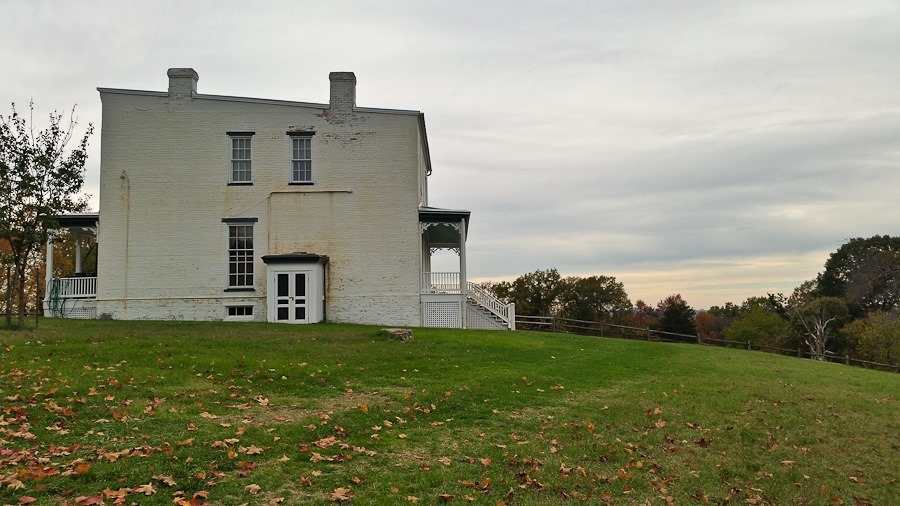
This house, built in 1807, is called Mount Welby:
The kids completed their Junior Ranger workbooks and received their Junior Ranger badges:
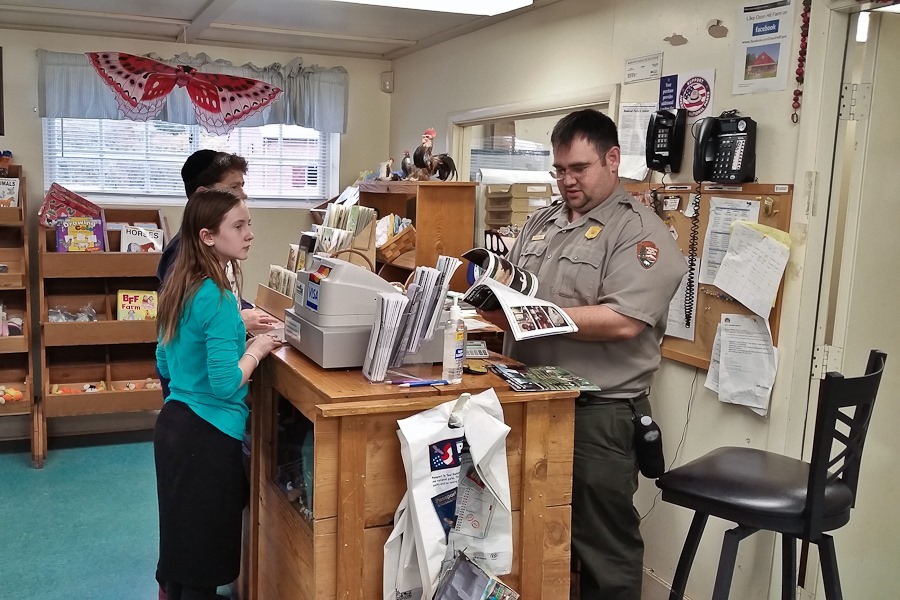
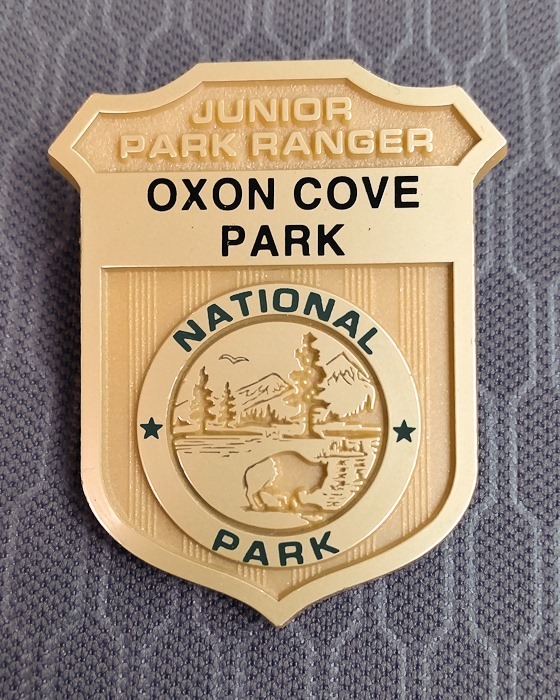
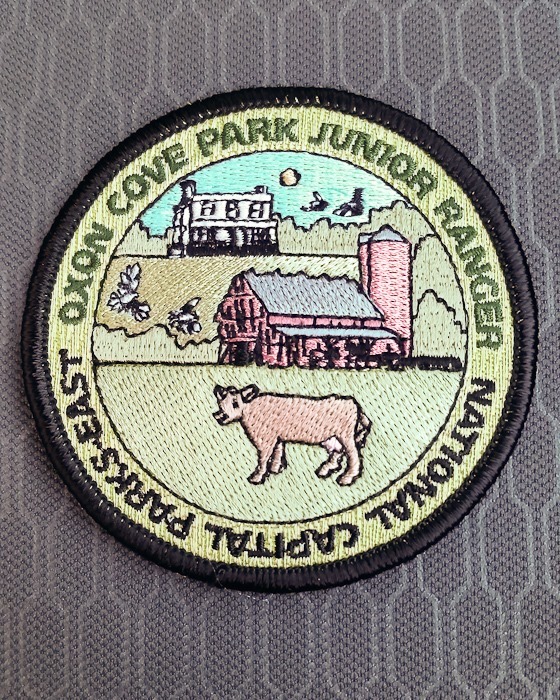
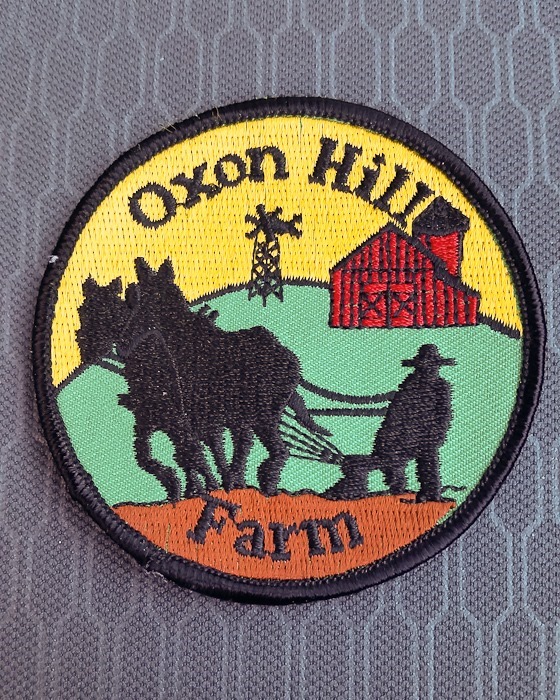
The ranger also gave each of them the old patch they used to use:
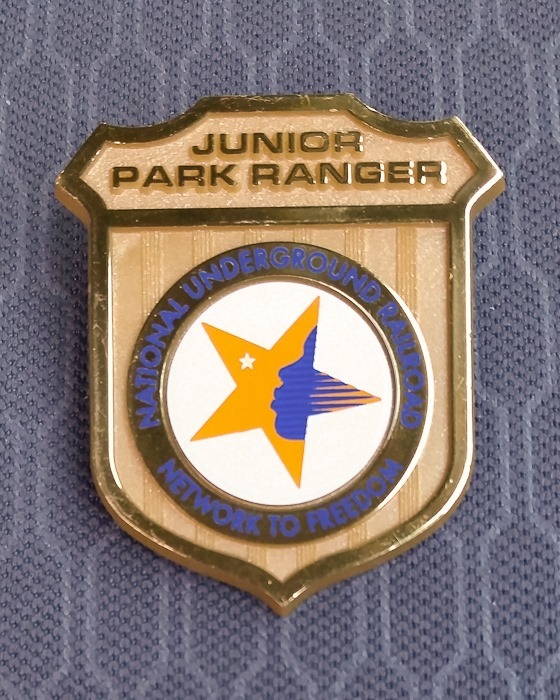
The kids already completed the Junior Ranger program for the National Underground Railroad Network to Freedom on Day 665, but here they had the older badges so we received those as well:
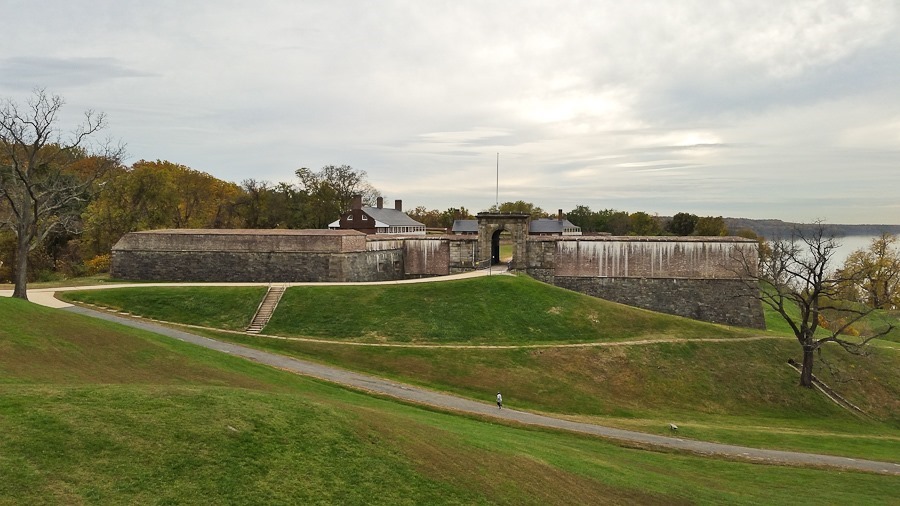
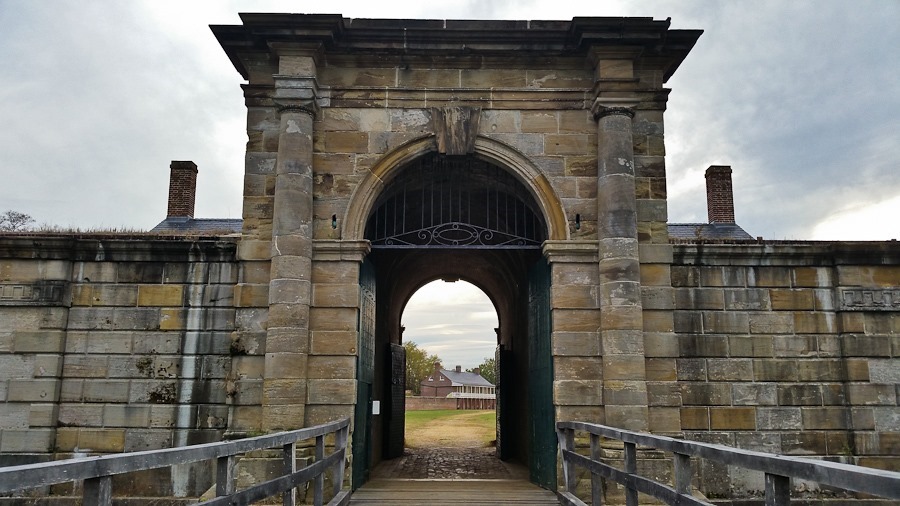
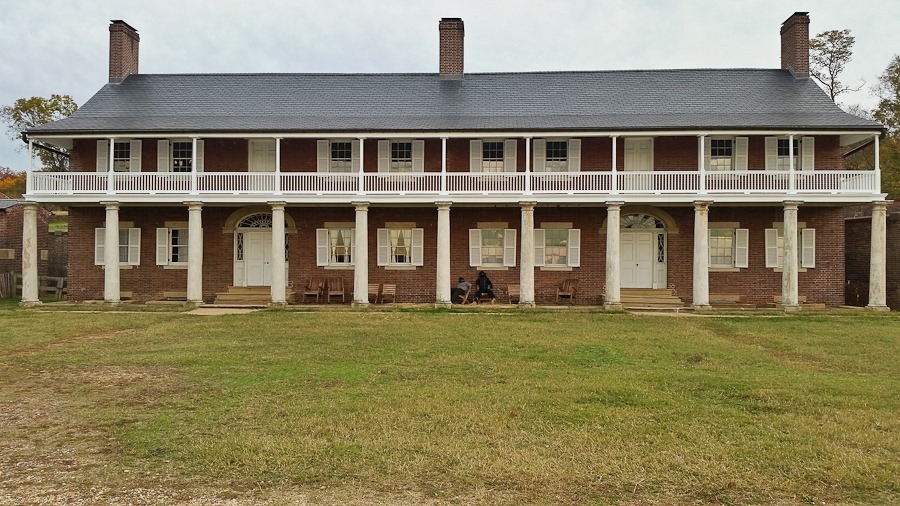
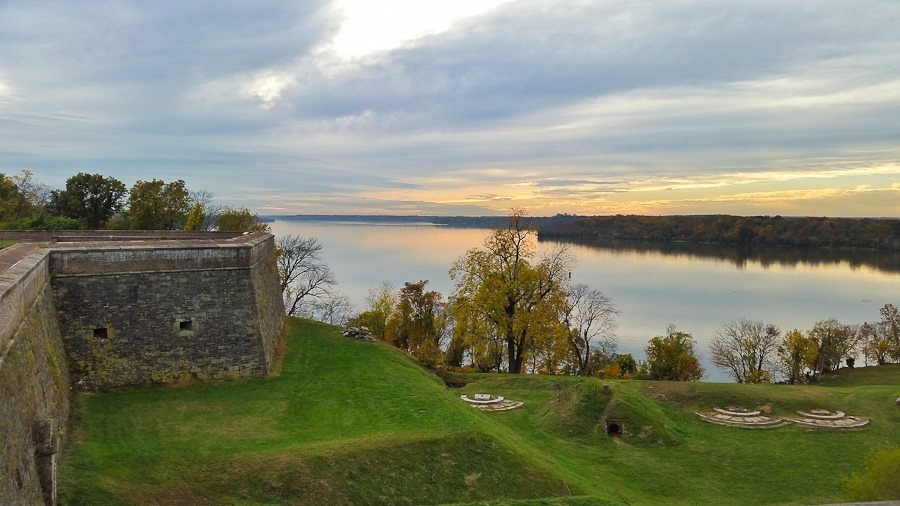
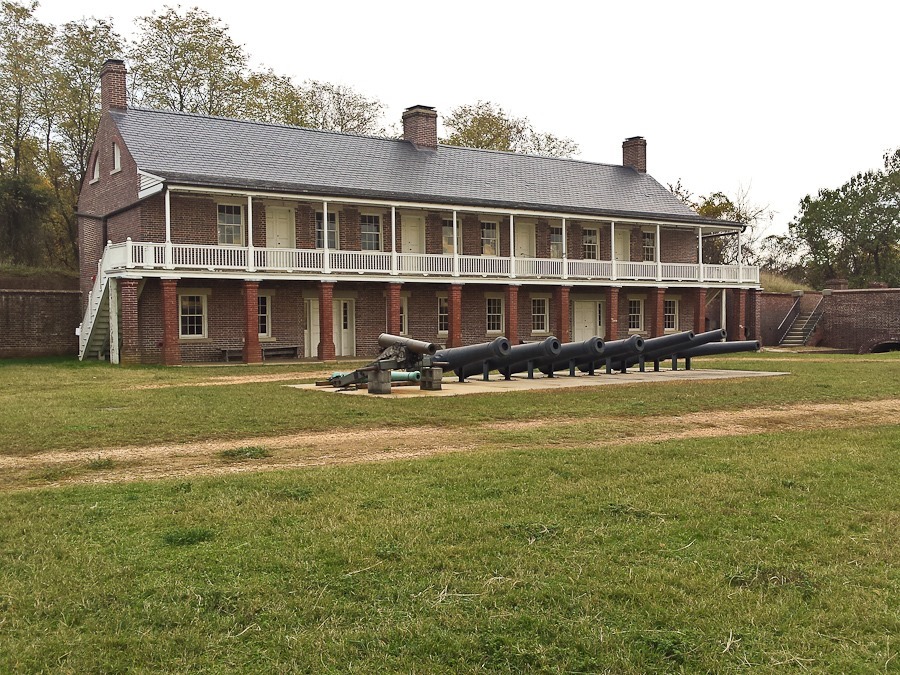
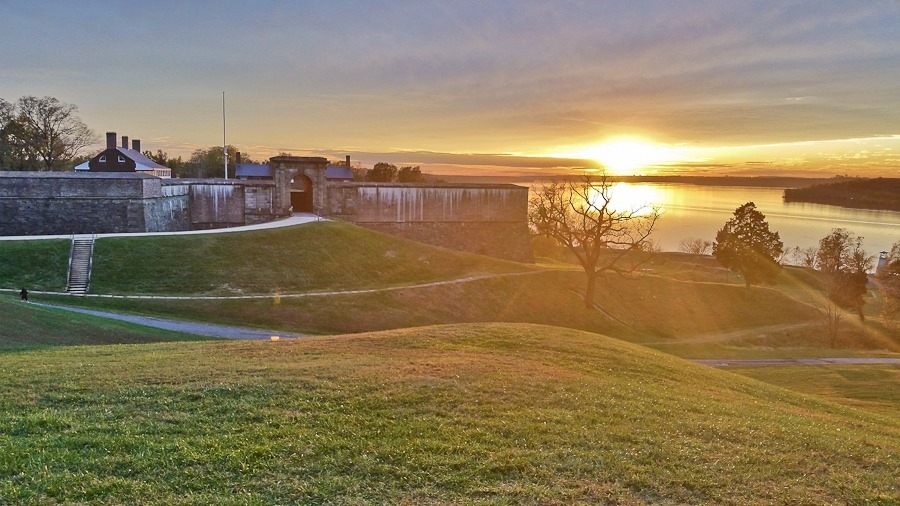
Our last stop of the day was Fort Washington Park, built in 1809, and expanded in 1824, the 1840s, and the 1890s.
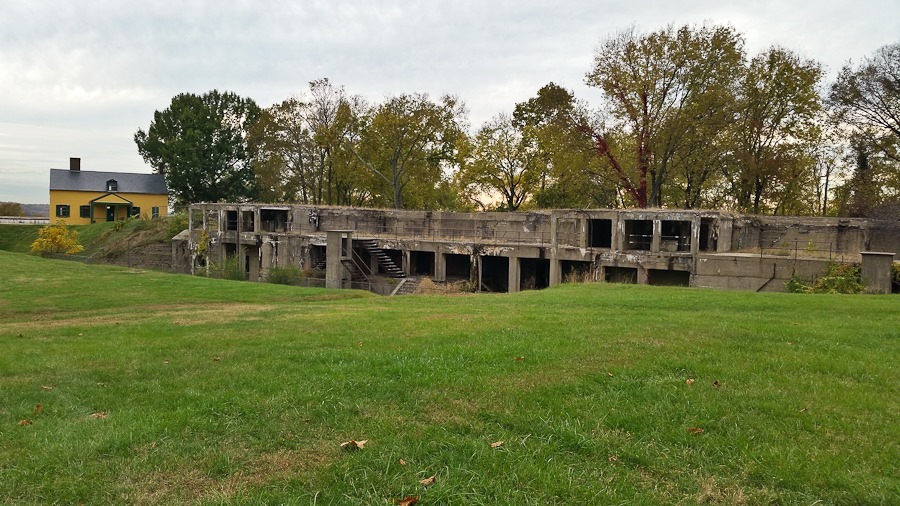
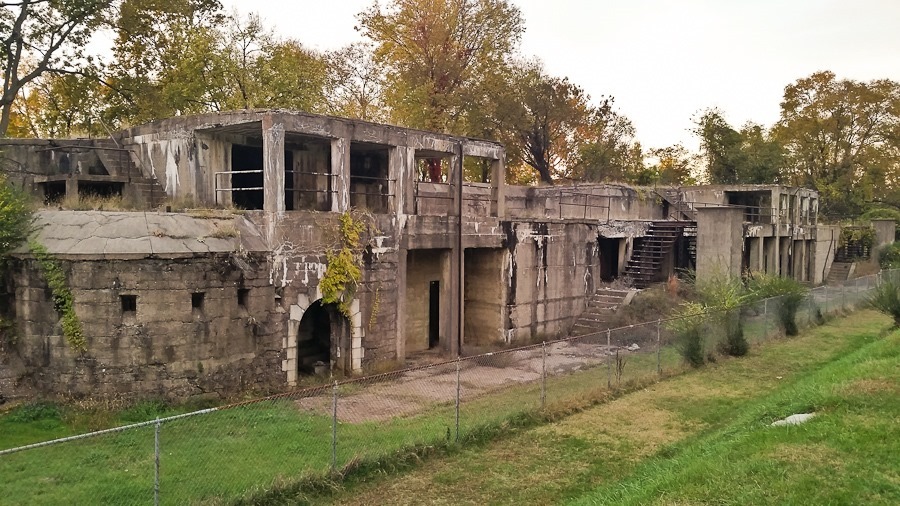
One of many fortifications here, an Endicott period battery, built in the 1890s, equipped with disappearing guns:
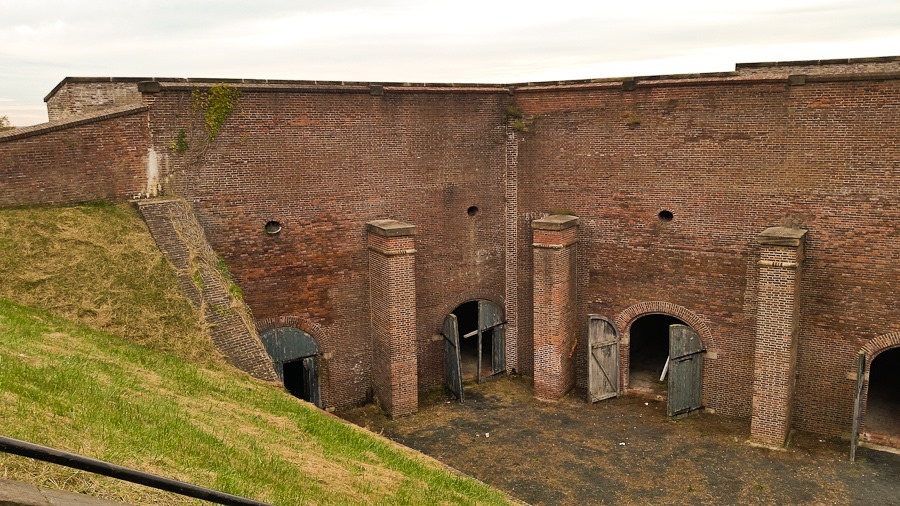
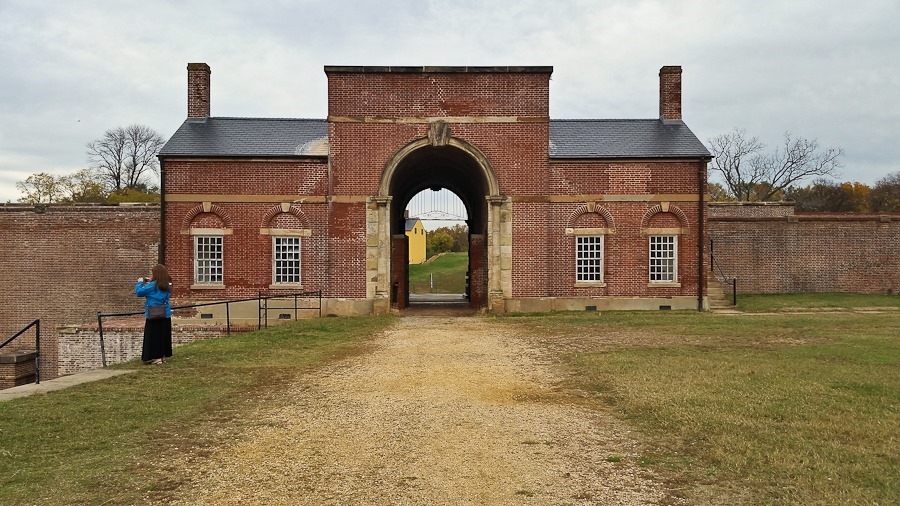
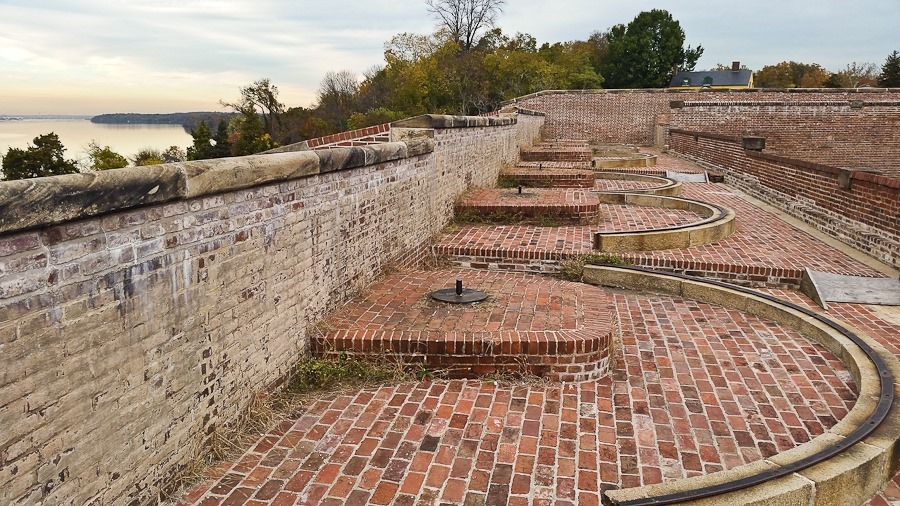
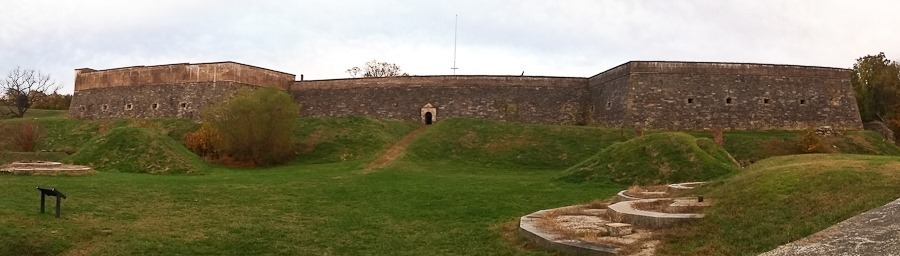
The 1824 fort, built of brick. As we learned during our 2012 visit to Fort Pulaski, before the invention of the rifled cannon, masonry forts were sufficiently strong to resist smoothbore cannon fire:
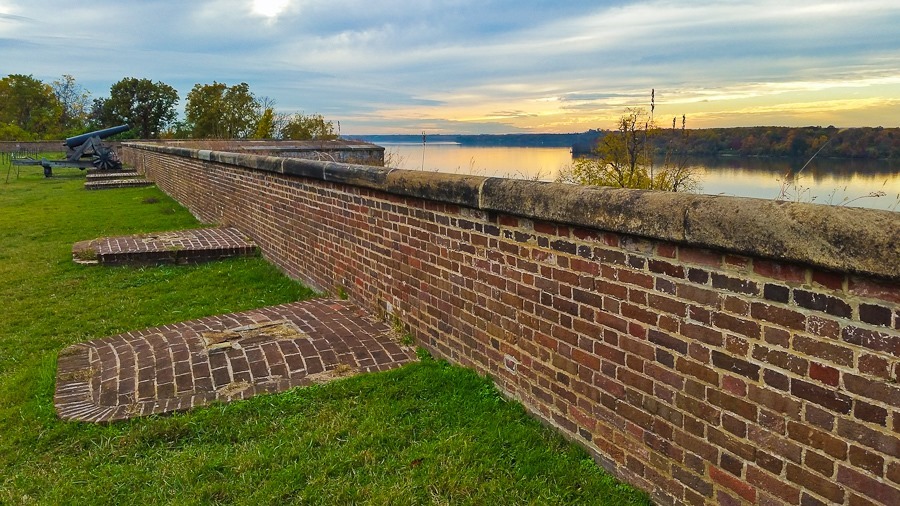
The tracks for the cannon mounts remain:
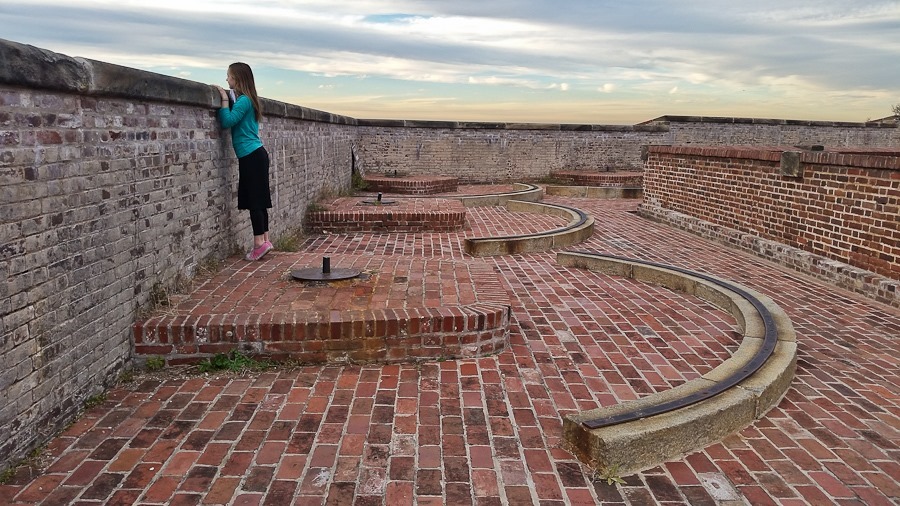
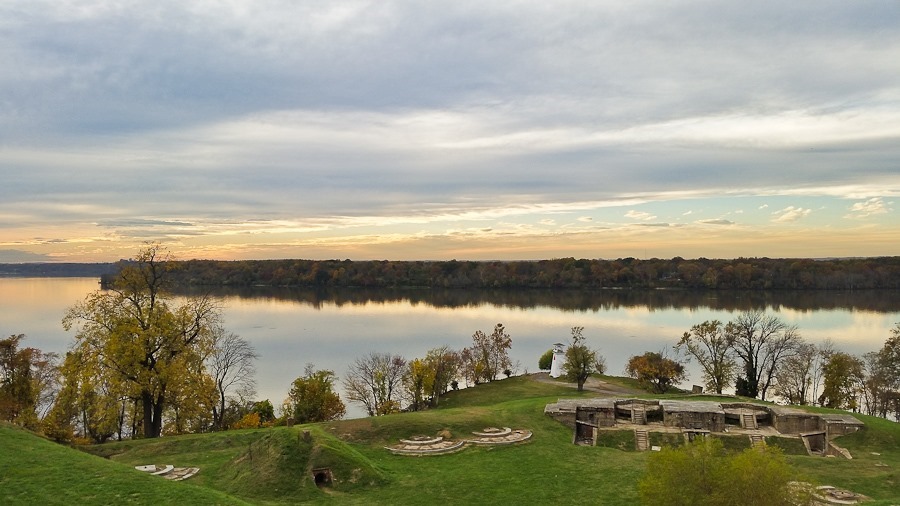
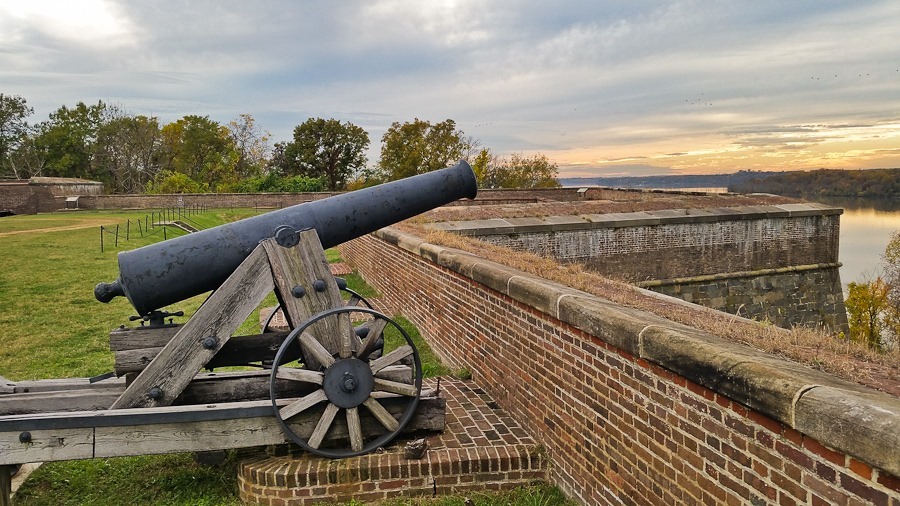
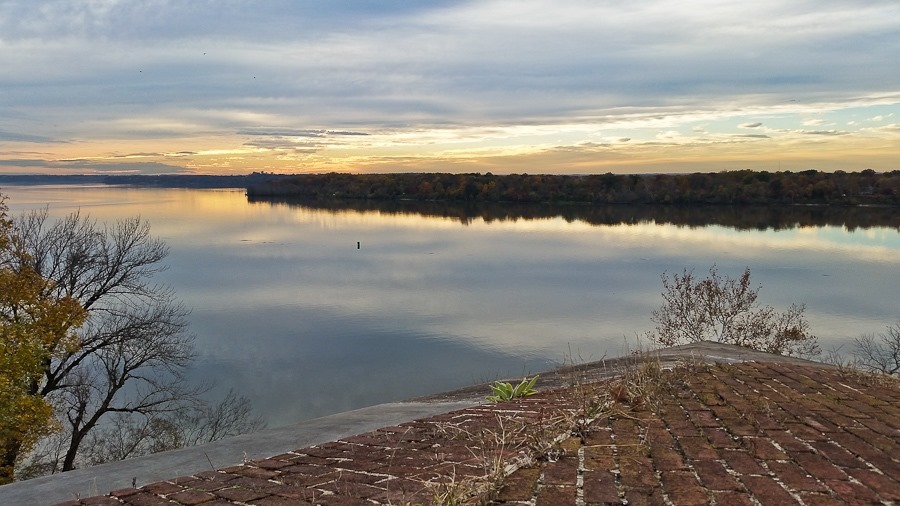
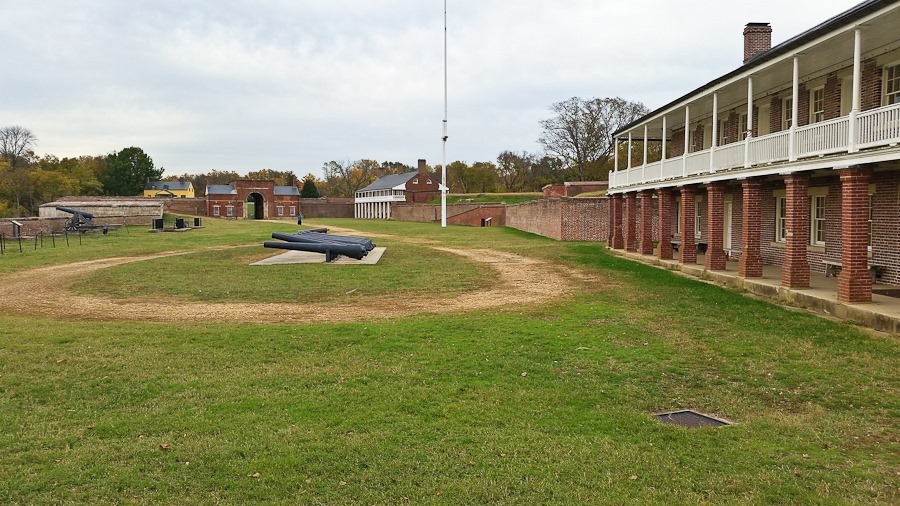
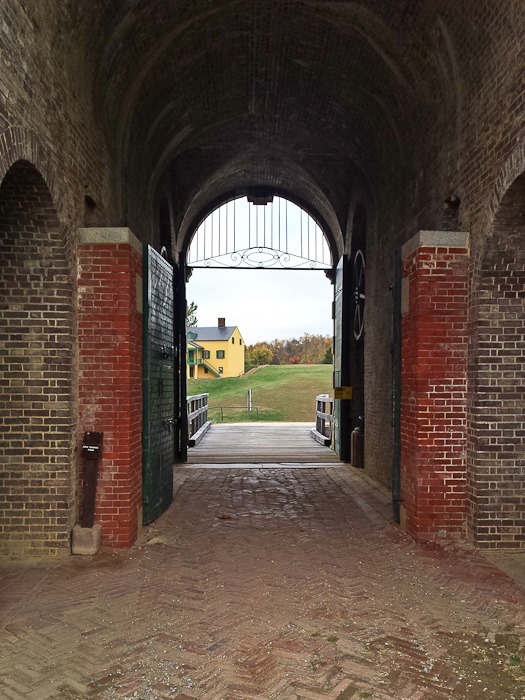
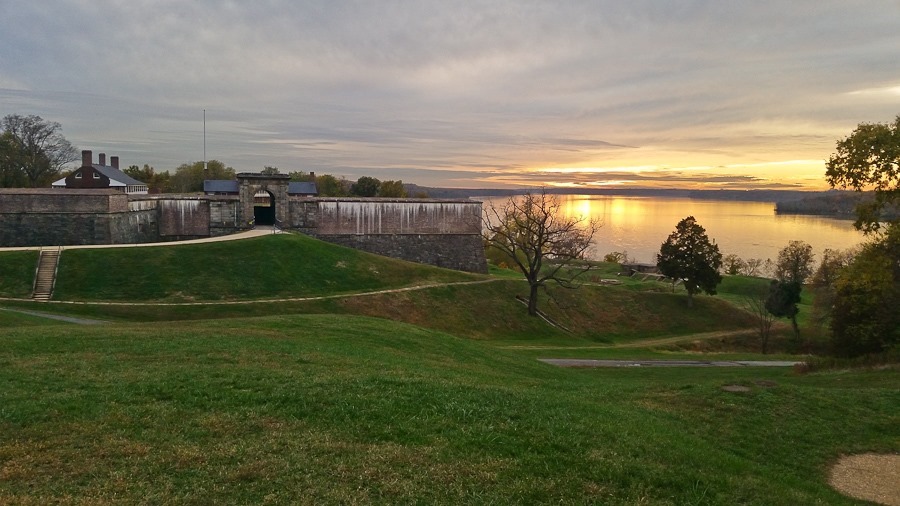
We walked down to the waterfront battery:
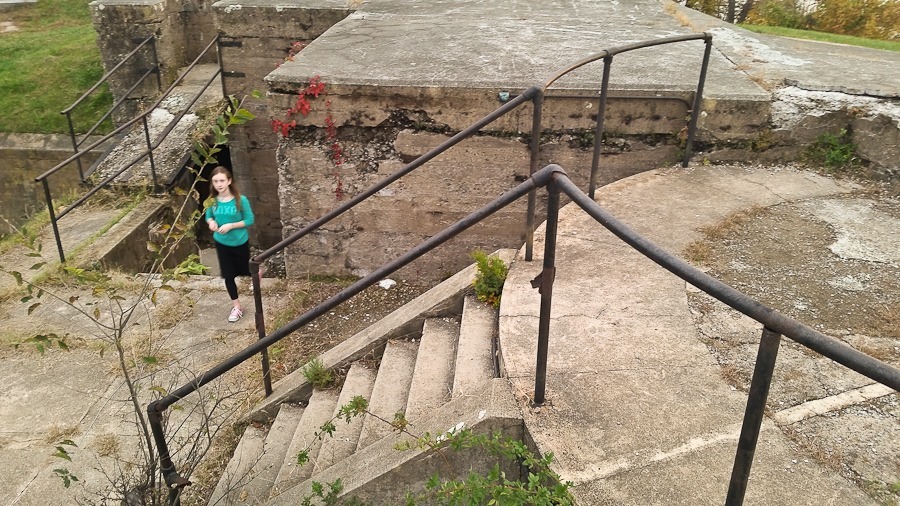
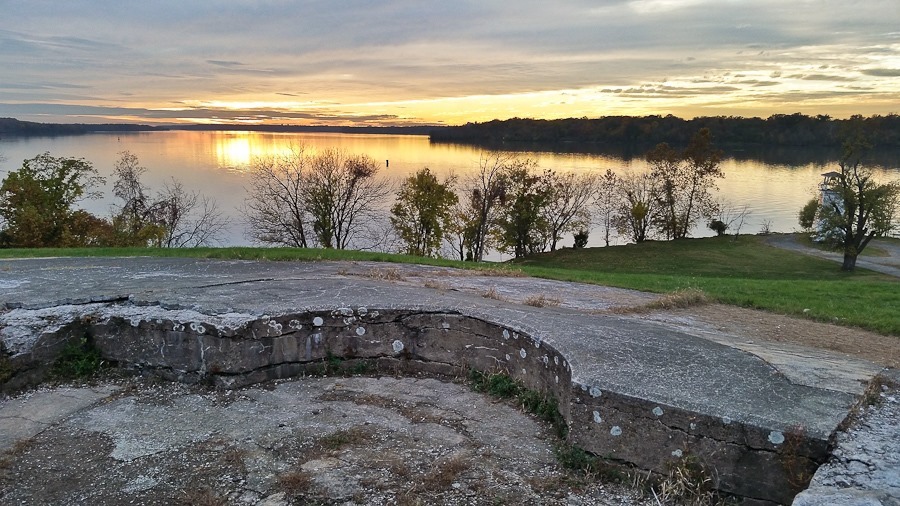
The old fort from the river:
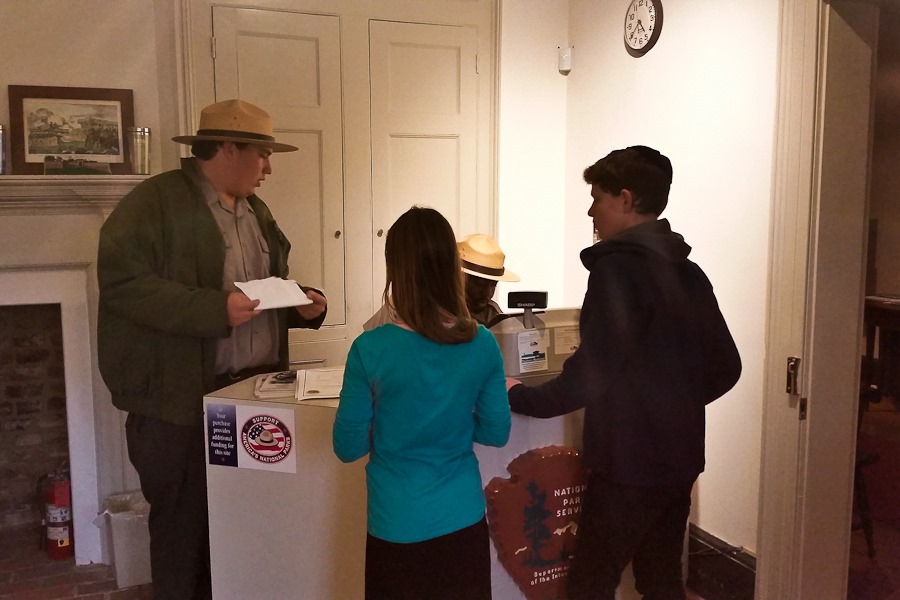
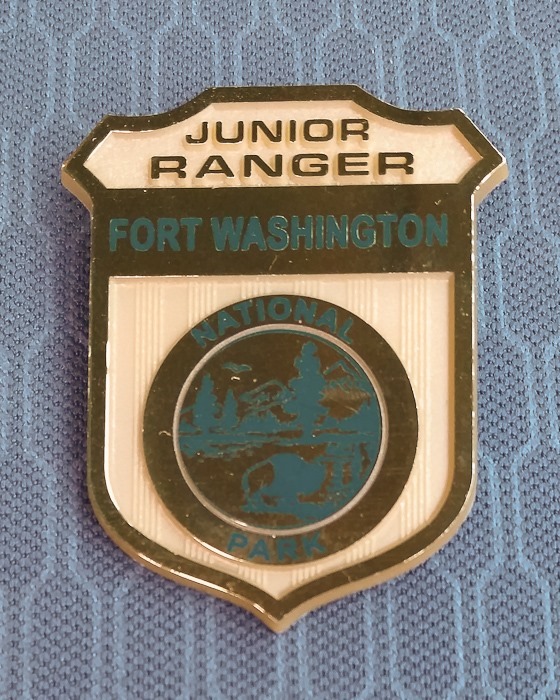
The kids completed their workbooks and received their Junior Ranger badges:
Tomorrow we hope to our the Capitol building.


 Facebook
 Instagram
 Email
Email