
Shabbos at the Walmart of Dartmouth, Nova Scotia was nice. We had mild weather and went for a family walk in the afternoon.
Today we got up early, knowing that we had a full day ahead of us. We drove northwest to Grand-Pré National Historic Site:
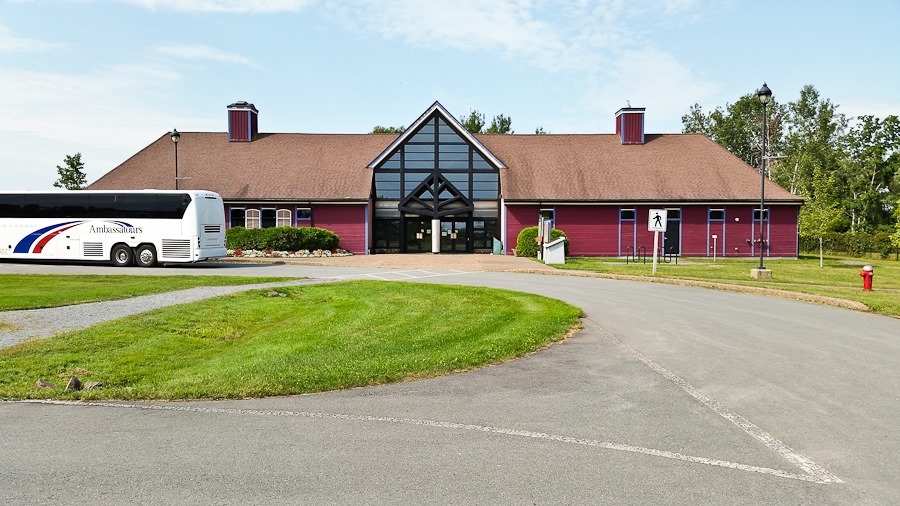
We first watched the site movie in the auditorium. Each seat had headphones with a switch to select english or french audio. The movie focused on the history of Grand-Pré, an Acadian settlement founded in 1682. The settlement flourished until 1755 when the British deported the Acadians from Acadia for refusing to swear allegiance to the Crown of England. The Acadian population, historically French but under alternating French and English rule from 1605 to 1755, developed its own identity and attempted to remain neutral. Acadian assistance in the defense of French Fort Beauséjour (see Day 748) in 1755 encouraged the English to view Acadians as siding with the French, and shortly thereafter the Acadians where deported wholesale from what is today New Brunswick. Most Acadians were forced onto ships and transported to the American colonies, where the English Protestant colonists refused to accept the French-Speaking Catholic Acadians. The Acadians were then shipped back to Europe. Many Acadians fled to what is today Nova Scotia, where they remained until the English captured the Fortress of Louisbourg and expelled the Acadians from Nova Scotia in 1758. Eventually, many Acadians made their way to the only non-English controlled portion of North America, Spanish-controlled Louisiana, where the Acadians became known as Cajuns.
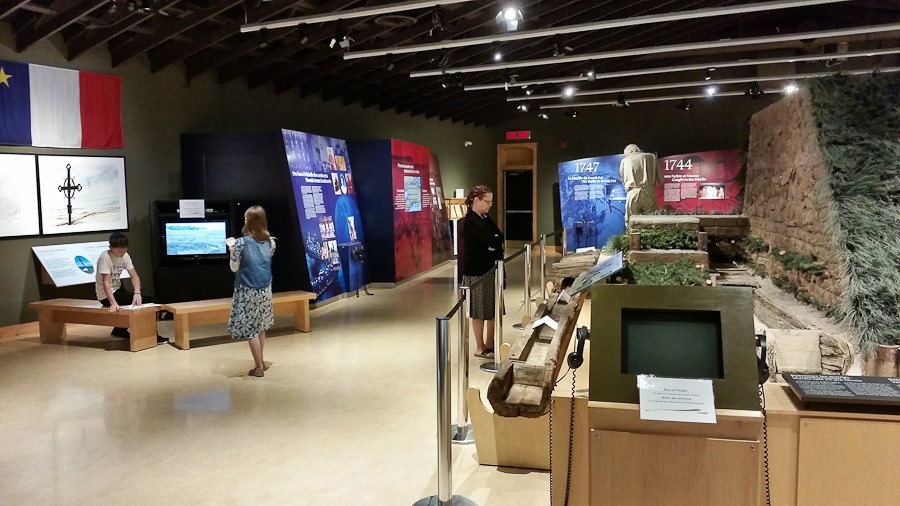
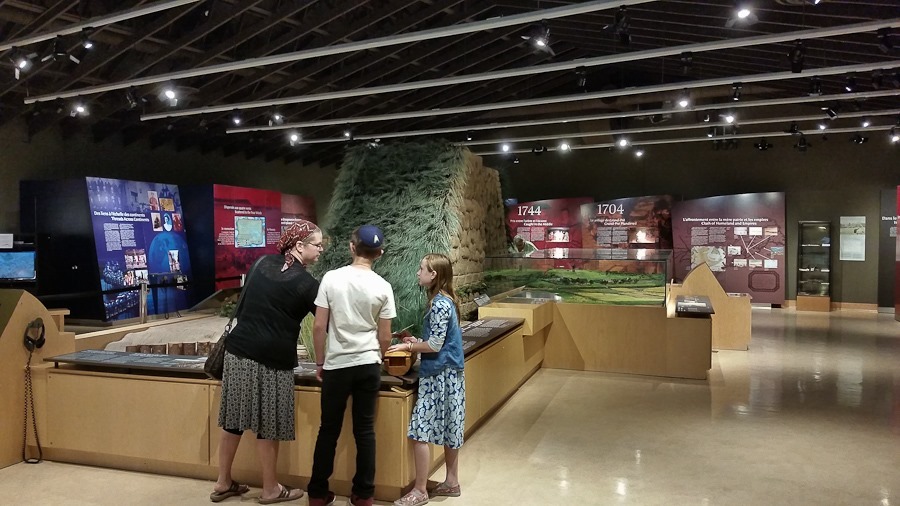
The visitor center had exhibits on the deportation, as well as the extensive dike system built by the residents of Grand-Pré, so historically significant that the “Landscape of Grand Pré” was listed as a World Heritage Site by UNESCO in 2012. The settlers of Grand-Pré used dikes to convert over 1,000 acres of tidal marshland into the most fertile farmland at this latitude in North America:
The dike’s clapet, a one way gate that allows the diked marshland to drain but does not allow incoming seawater into the diked area:

We walked the grounds where the settlement of Grand-Pré used to stand. A statue of Longfellow’s Evangeline, which inspired a wave of Acadian resettlement of Maritime Canada, stands watch over the grounds:

Looking out over the diked marshlands:

Playing settler games:


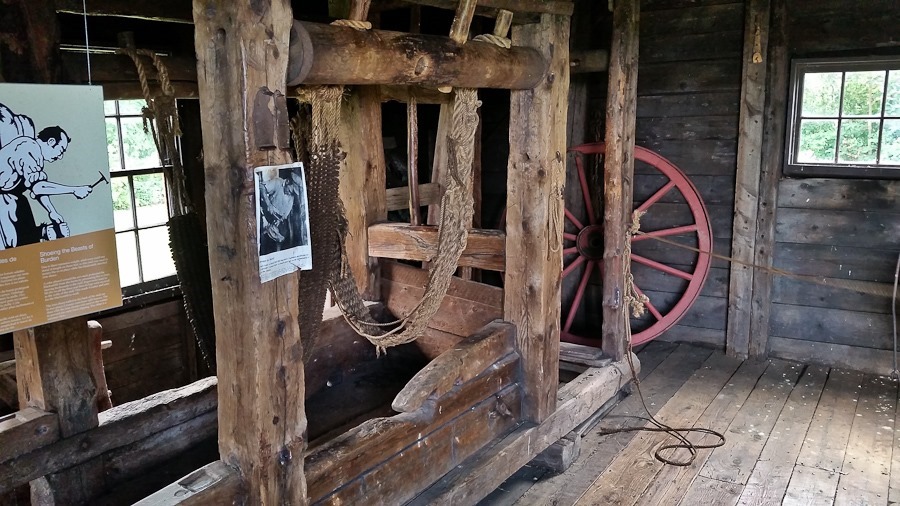
The reconstructed blacksmith shop contains a sling for horses which, when raised, allowed easy access to the hooves for shoeing:
Bust of Longfellow:

An archeological dig is underway to find the palisade built by the English to impound the Acadians during deportation:

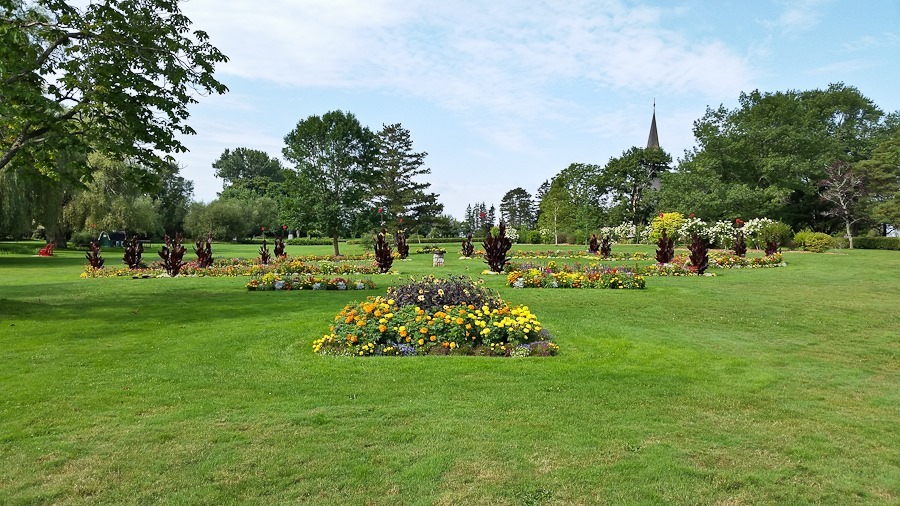
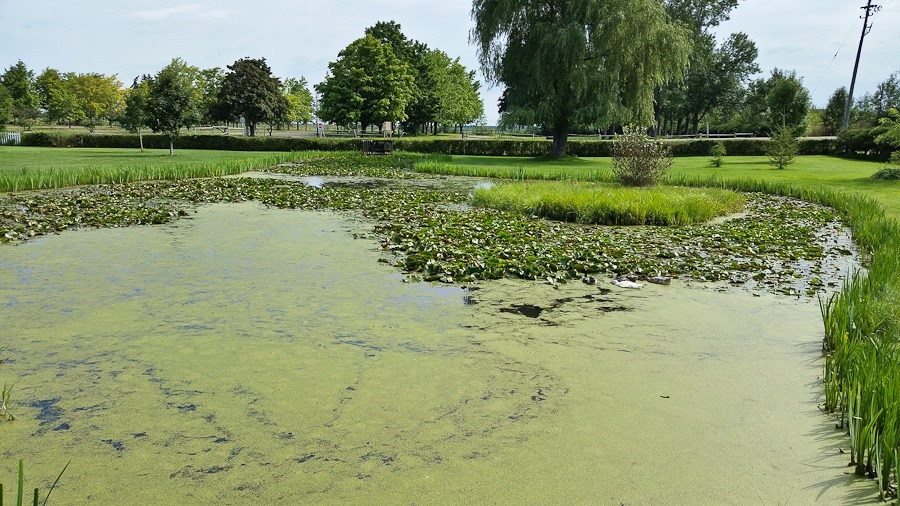
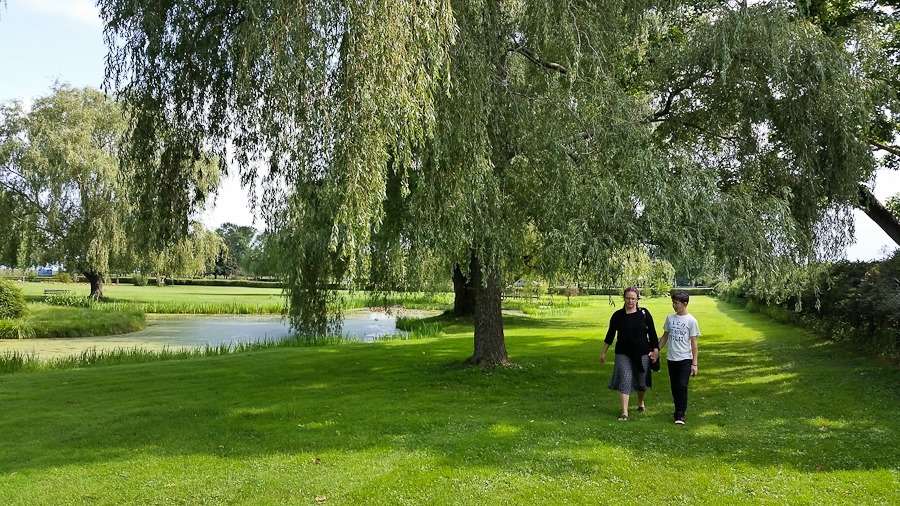


The kids completed their Parks Canada Xplorers workbooks and received their tags:

Continuing west, we stopped at a tourist information center to refill our water tanks, then continued on to Port-Royal National Historic Site:

Port Royal was settled by Pierre Dugua, Sieur de Mons in 1605 after loosing half his colonists in the winter of 1604 at St Croix (see Day 743). This site was the captial of Acadia until 1613 when the English destroyed this site:
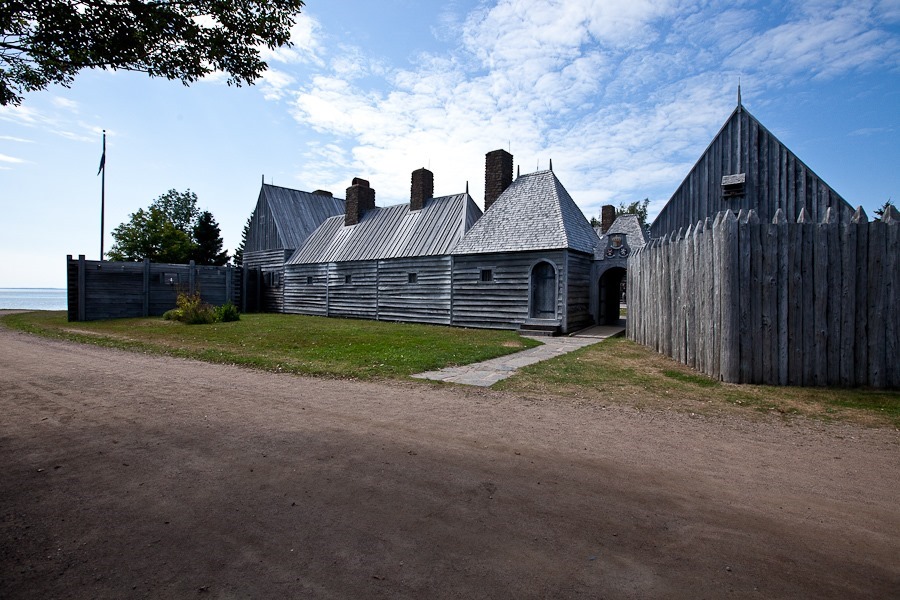
Looking out into the Bay of Fundy:

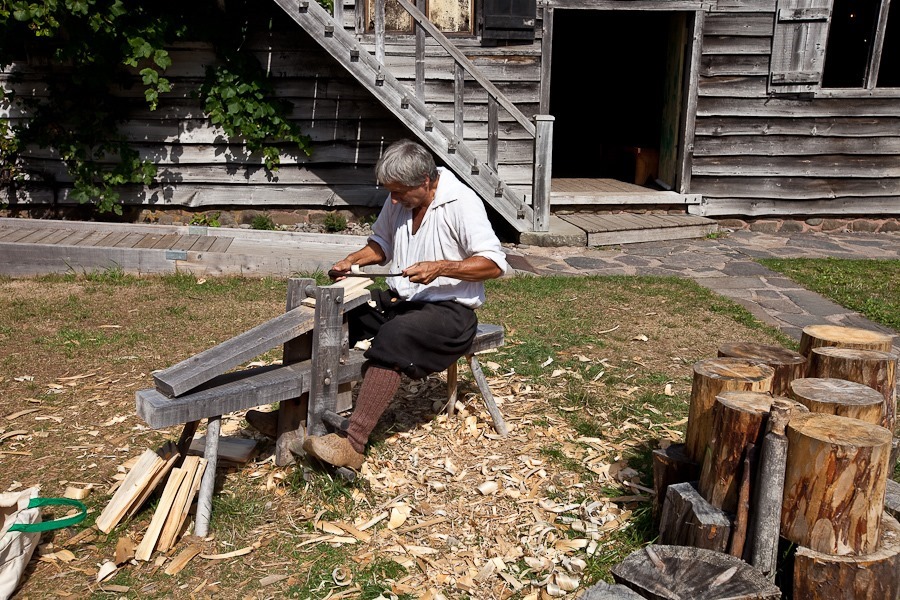
This site was rebuilt in the mid-20th century by Americans in “compensation” for the Amercian colonial destruction of the original site in 1613. The attention to detail is impressive:

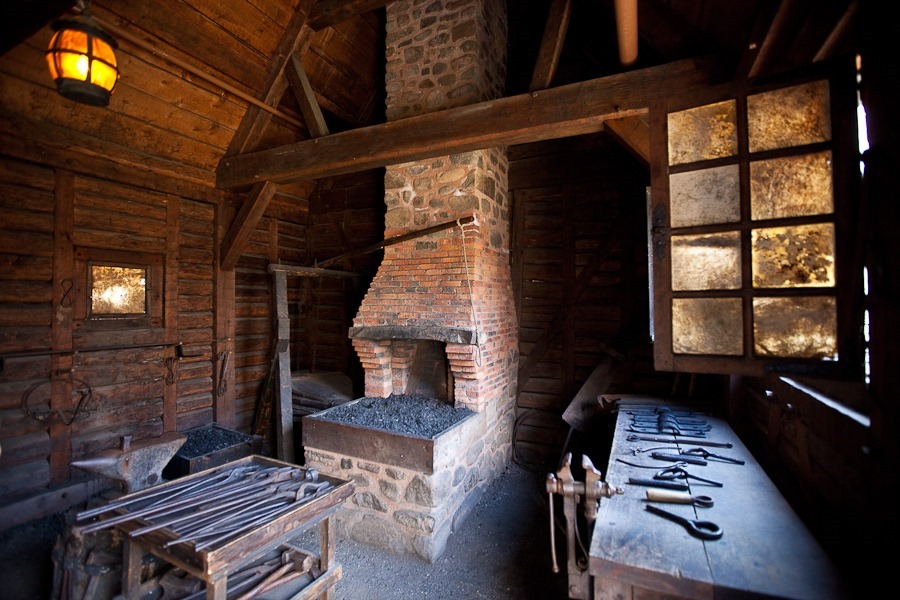
Park staff dressed in period dress use recreated period tools to fabricate roof shingles:



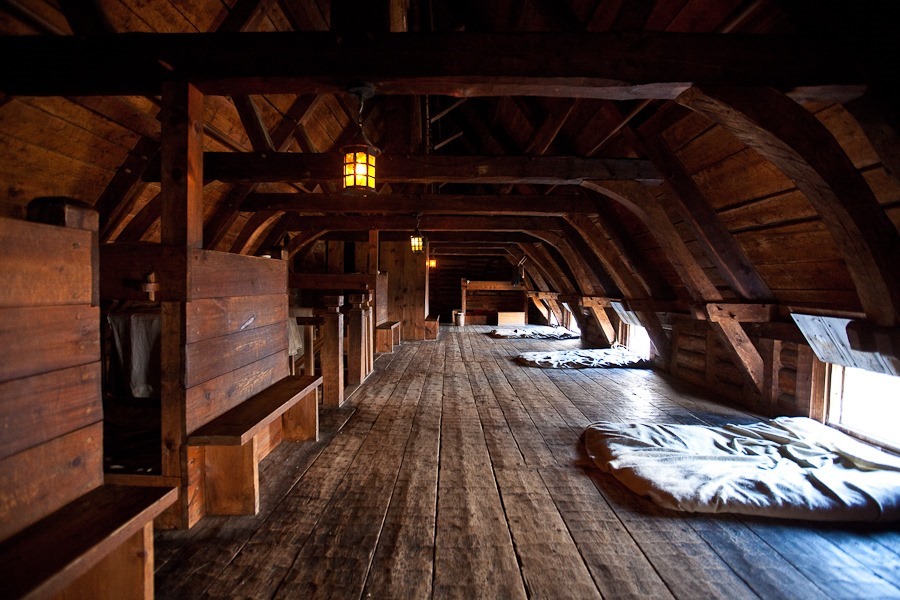


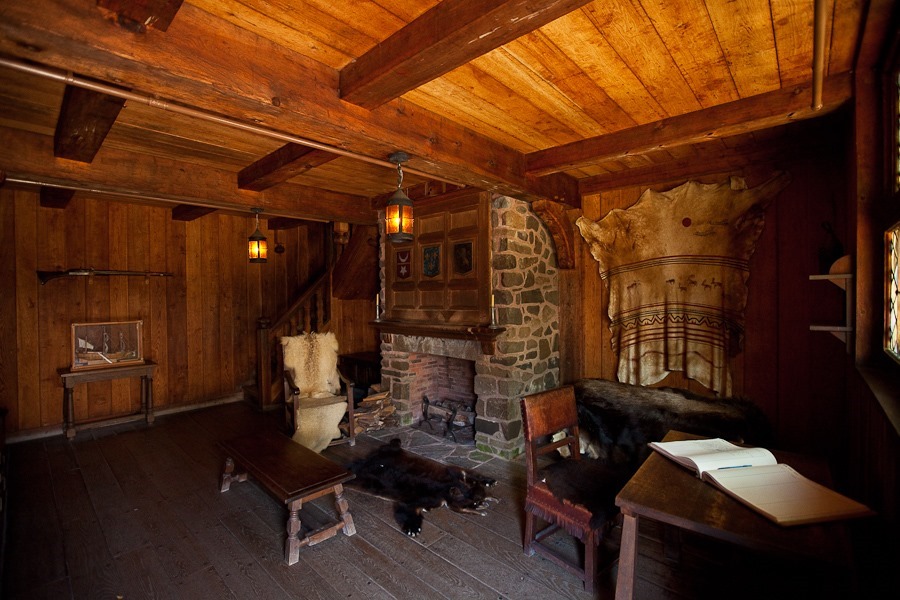
Pondering the Acadian’s fate:
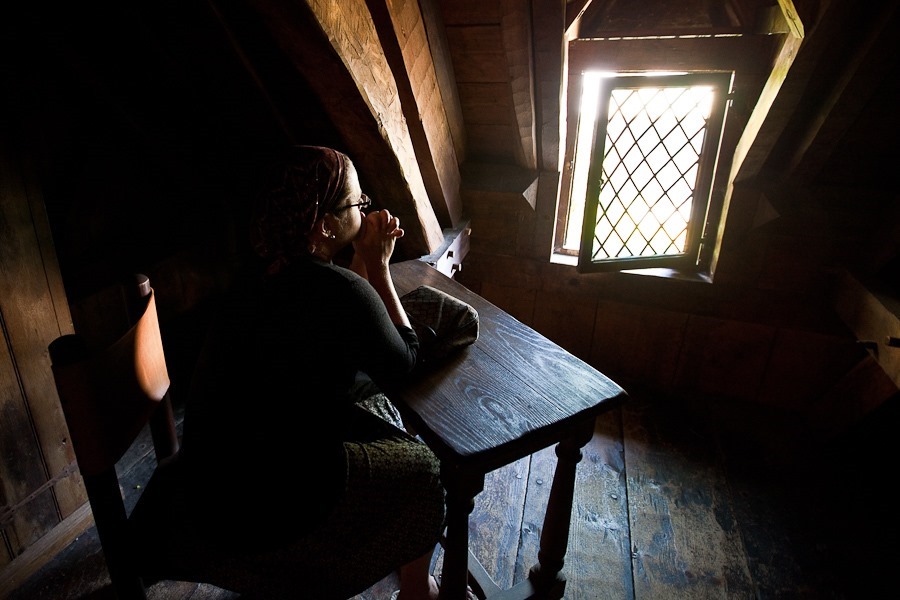

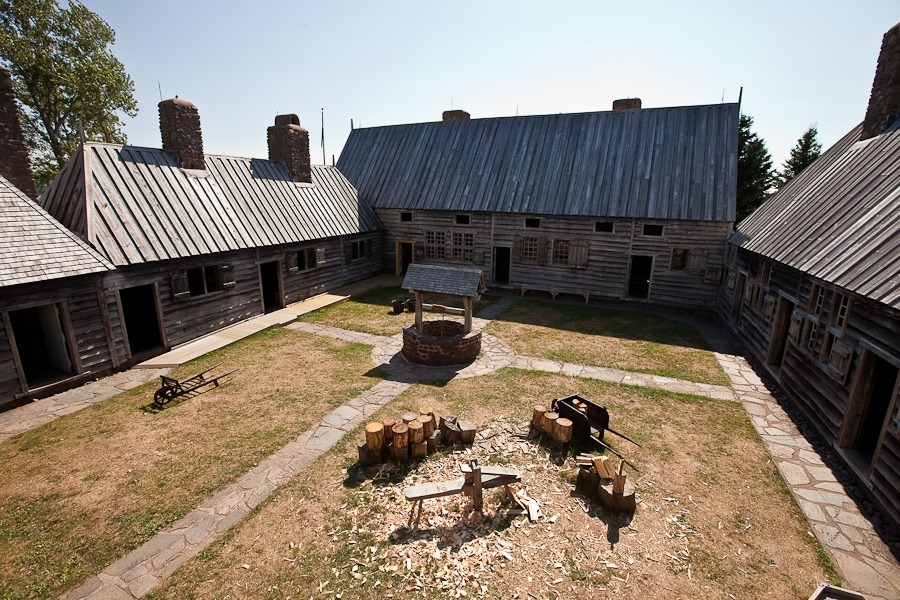
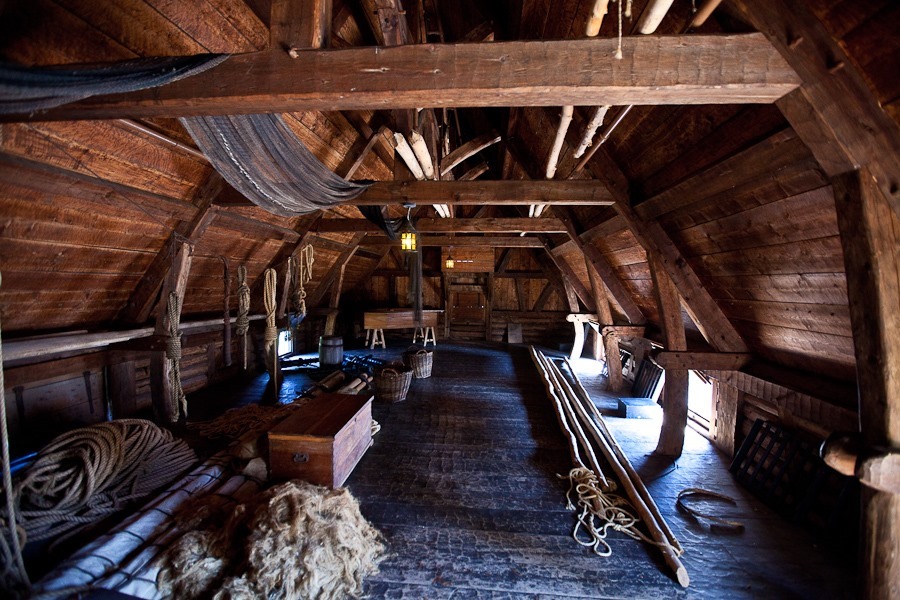
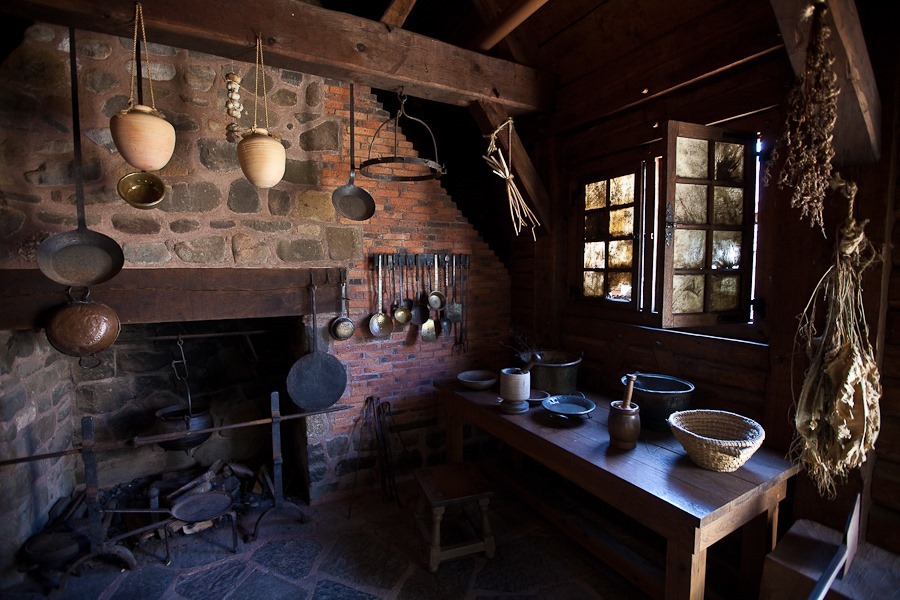


The kids completed their Parks Canada Xplorers workbooks and received their tags:


We drove east a couple miles to Fort Anne National Historic Site. After the above-mentioned destruction of Port Royal in 1613, the French moved the Acadian captial here in 1632, when the area was ceded to the French by treaty, forcing the removal of Scottish settlers from the area. In 1710, the English captured the French fort and ultimately renamed the fort Fort Anne.
This needlepoint, completed by dozens of volunteers, tells the convoluted story of the history of the area:
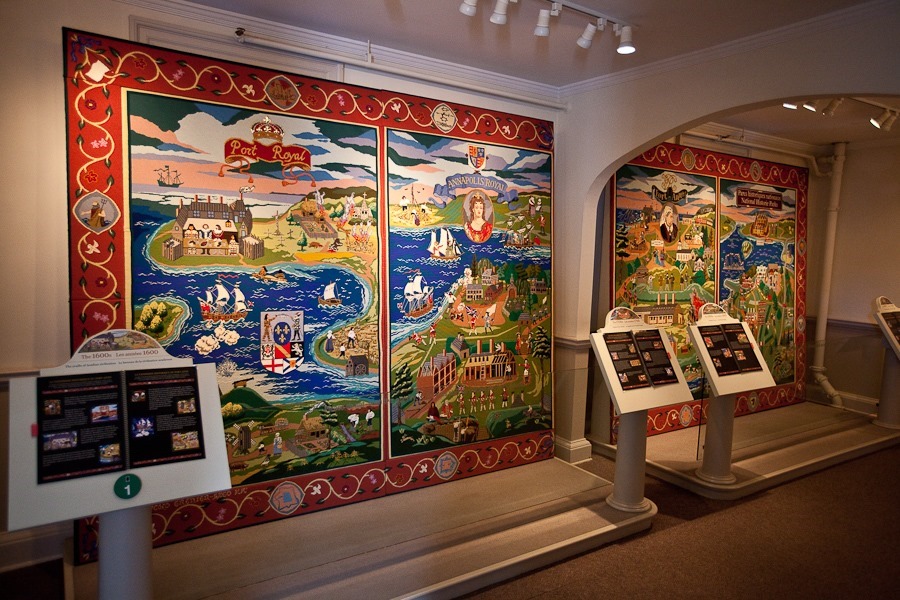

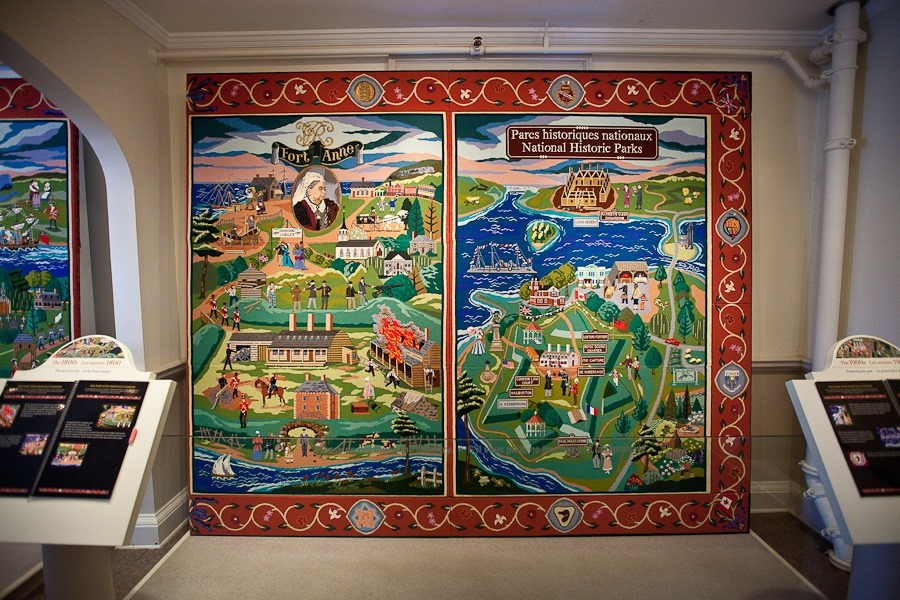
The original charter for Nova Scotia, granted to Sir William Alexander by King James in 1621:

The kids had fun with the costumes in the visitor center:


A model of Fort Anne. Later building projects would add more ravelins:

Out on the grounds, we played croquet:


A casemate, later used as a prison:
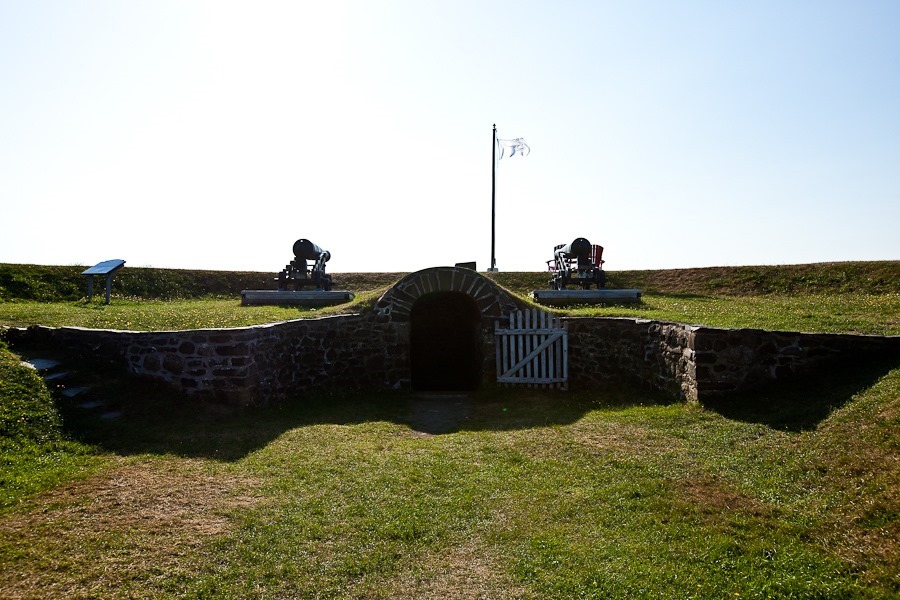

The oldest Parks Canada building in the country, a powder room built in 1708:


This is gym class:


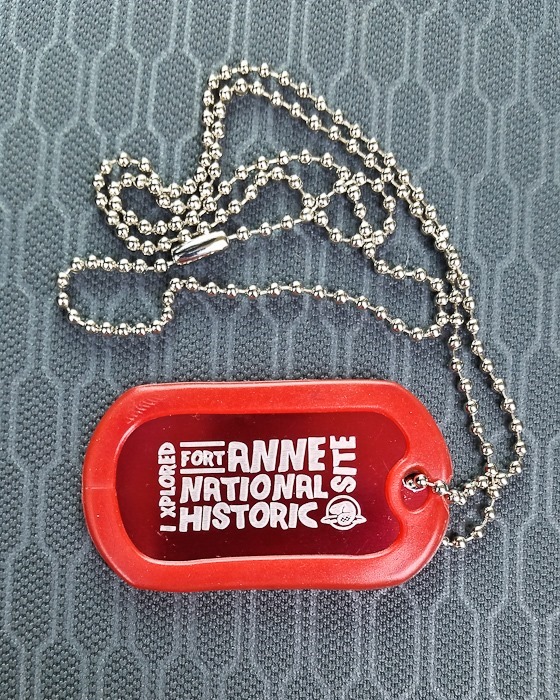
The kids completed their Parks Canada Xplorers workbooks and received their tags:
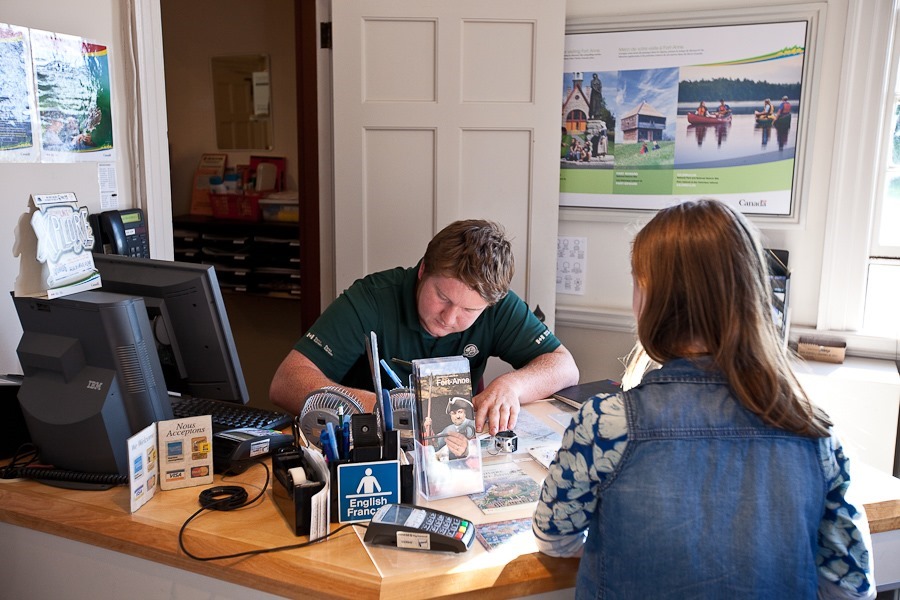
We drove west and south along the Nova Scotia coast. Towards evening, the fog settled in:

Trish has taken up Rug Hooking, a craft synonymous with Scottish Nova Scotia:

Tonight were overnighting at the Walmart of Yarmouth, Nova Scotia. See the trip map for today’s drive and our current location.


 Facebook
 Instagram
 Email
Email