
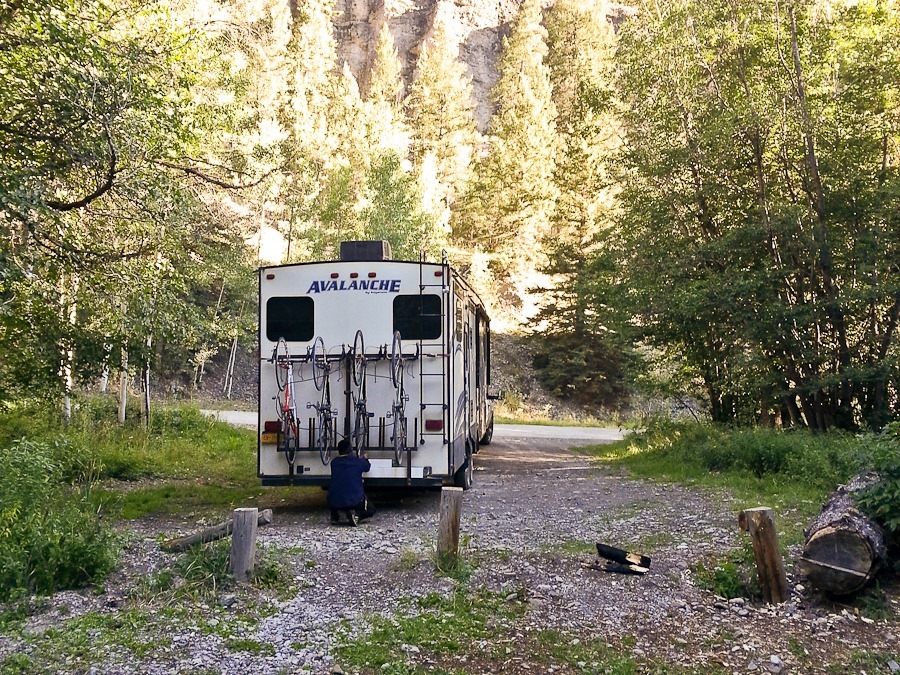
Surprisingly, after yesterday’s climb of Uncompahgre Peak, we were able to walk without pain. We hitched up the RV and said goodbye to our roadside campsite:
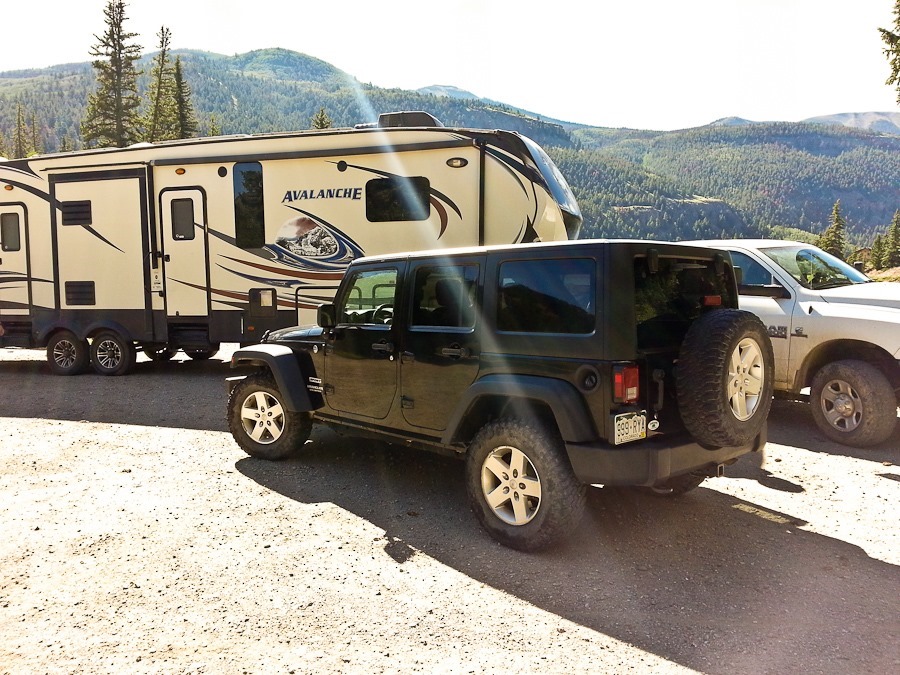
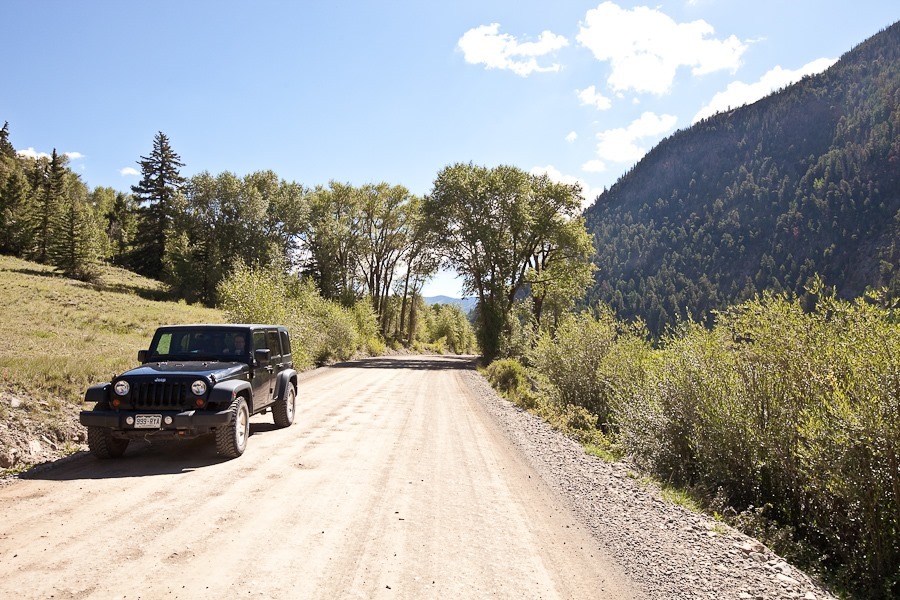
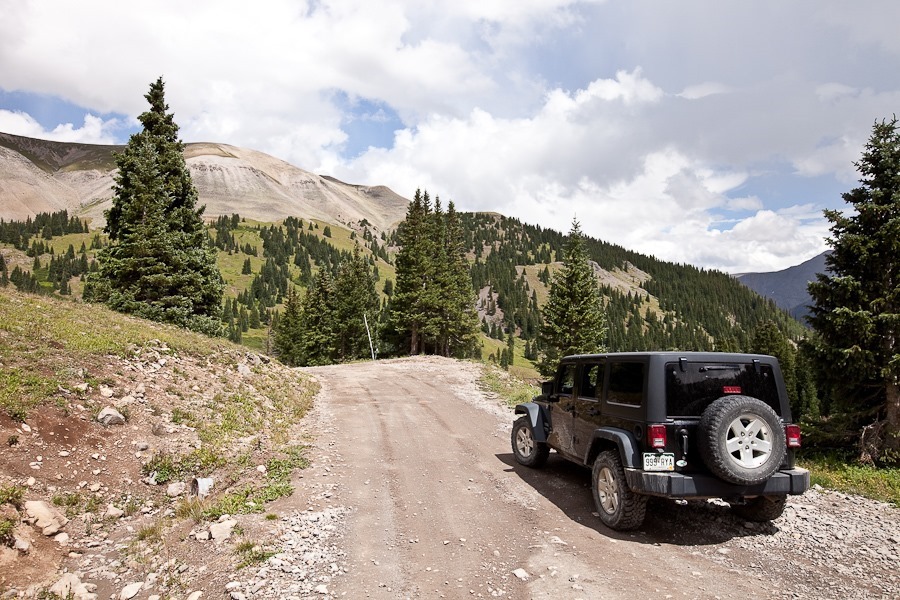
We drove down to Lake City and south to an RV park that rents Jeeps. We got a black one:
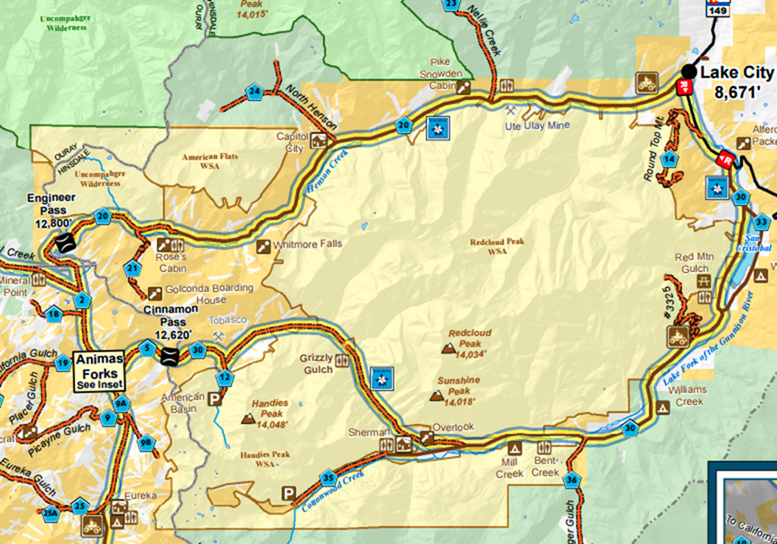
Today’s goal was to drive the Alpine Loop National Back Country Byway. Portions of the road are singletrack and have switchbacks too tight for our truck to navigate, which is why we rented the Jeep. We are driving the route clockwise:
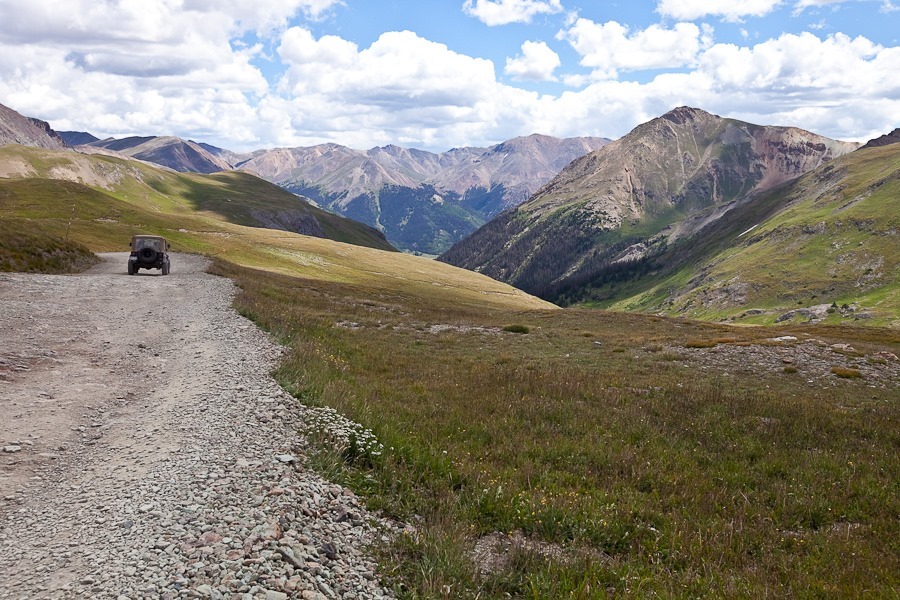
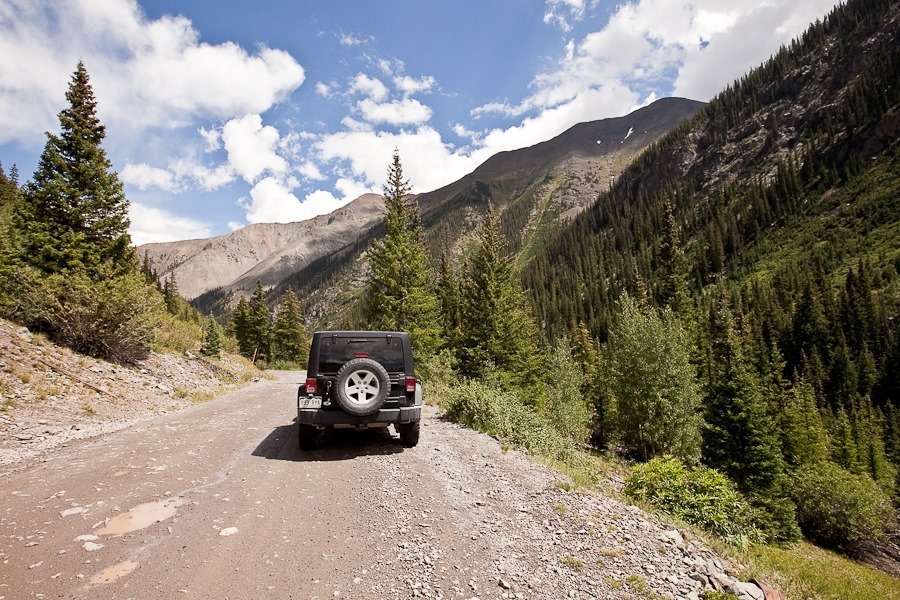
The route started out easily enough:
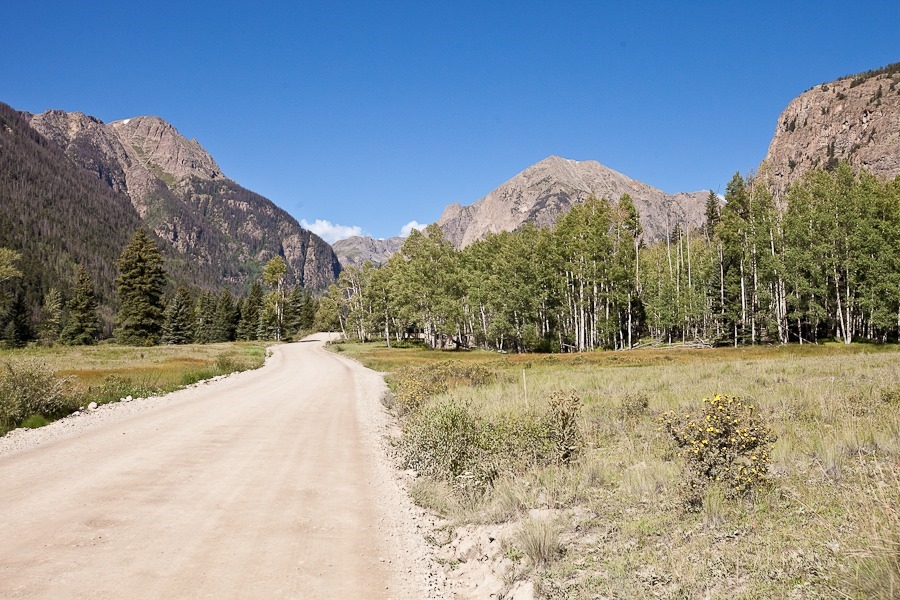
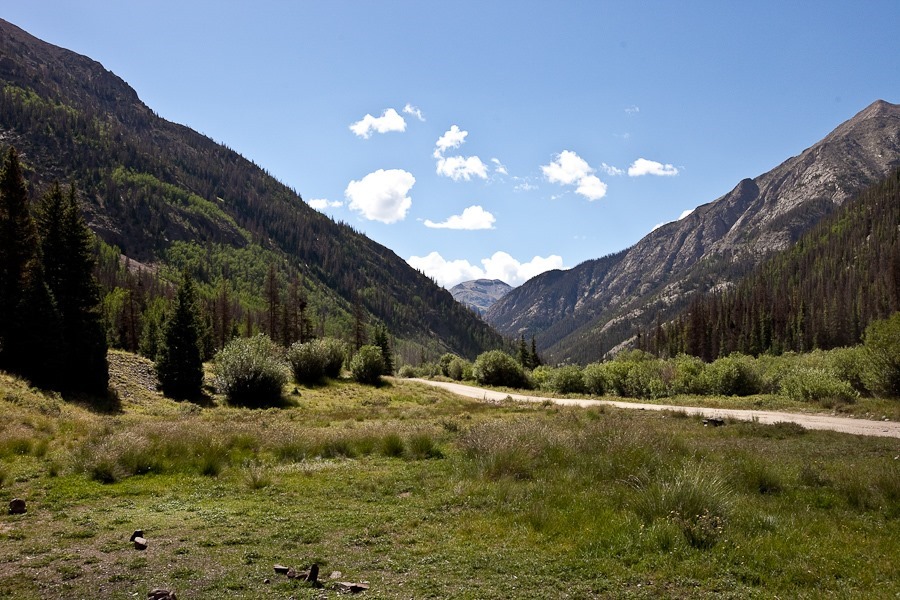
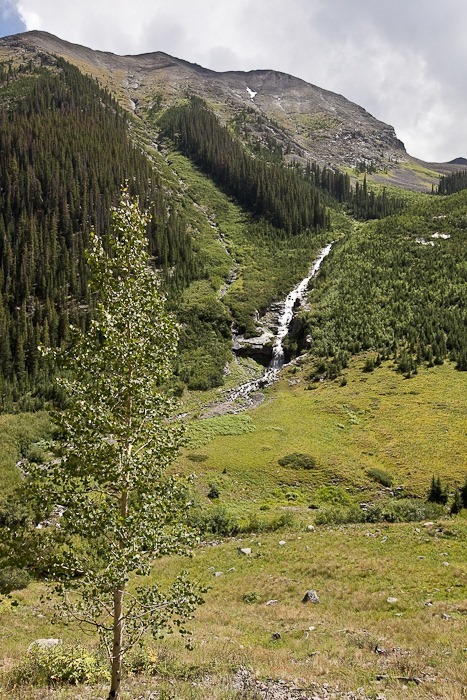
We took a short detour into fabulous American Basin:
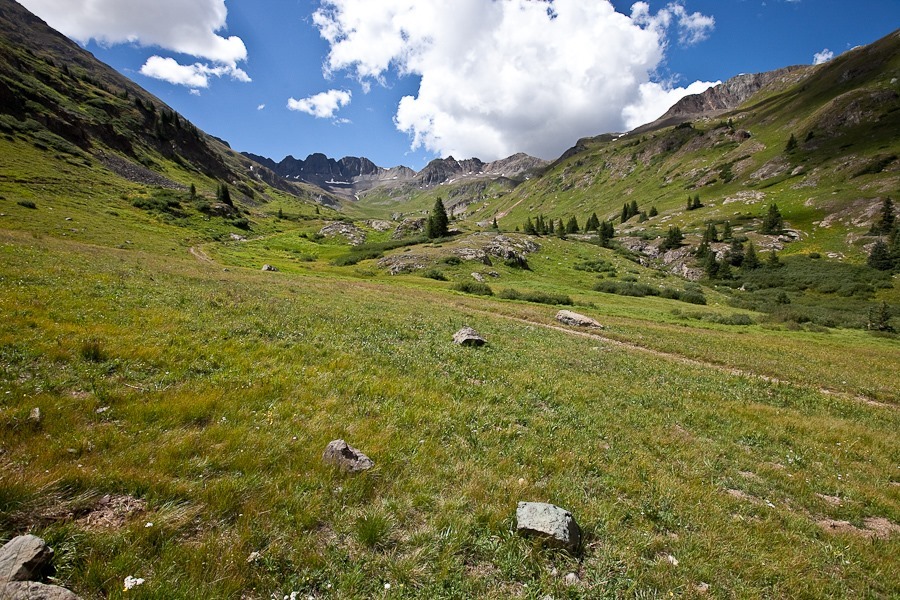
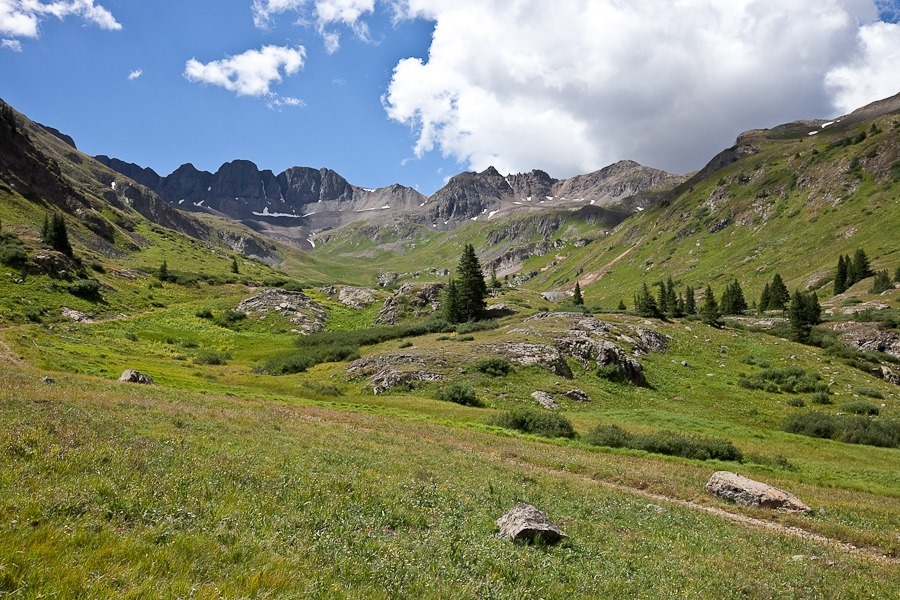
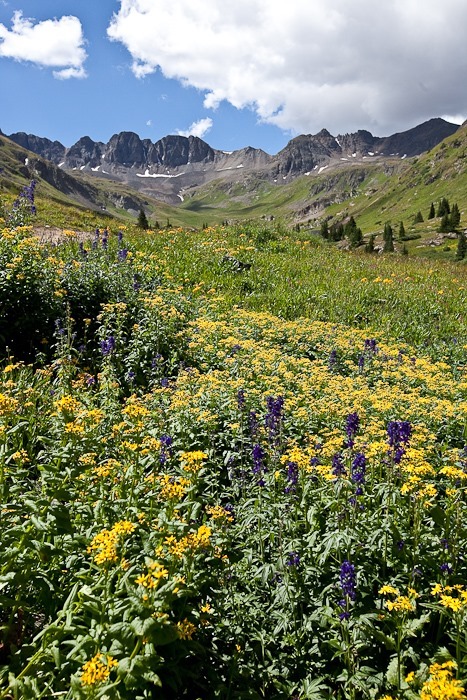
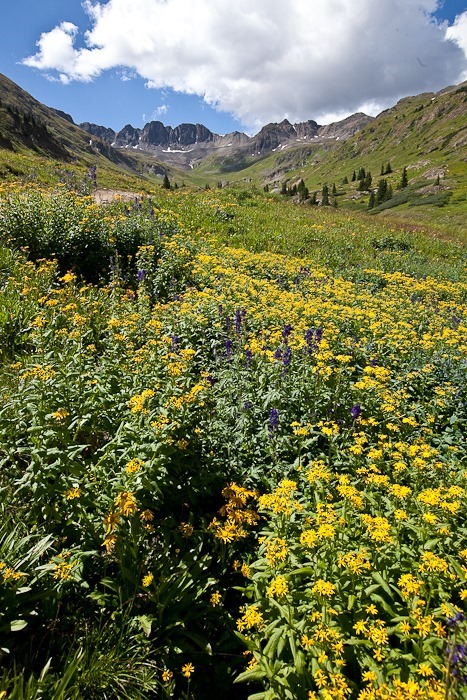
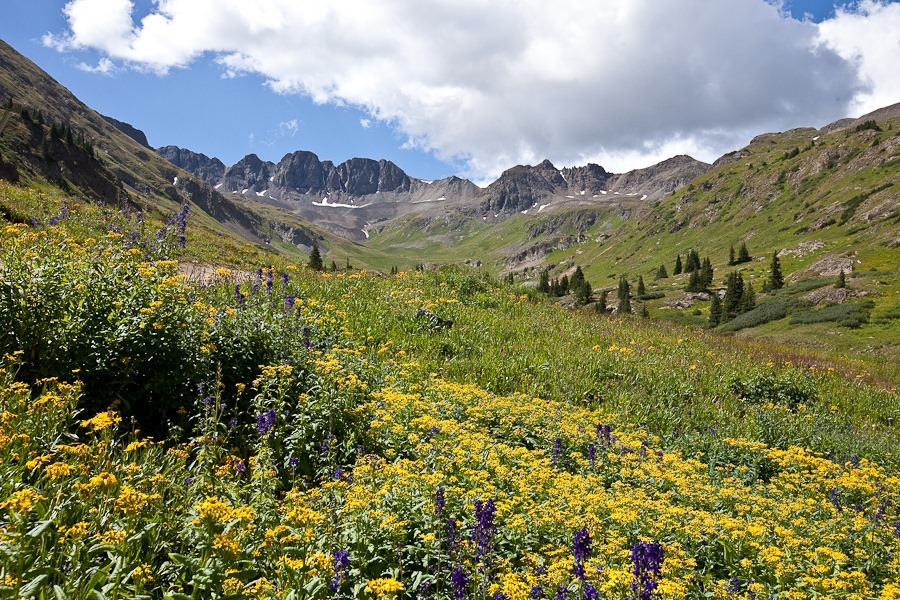
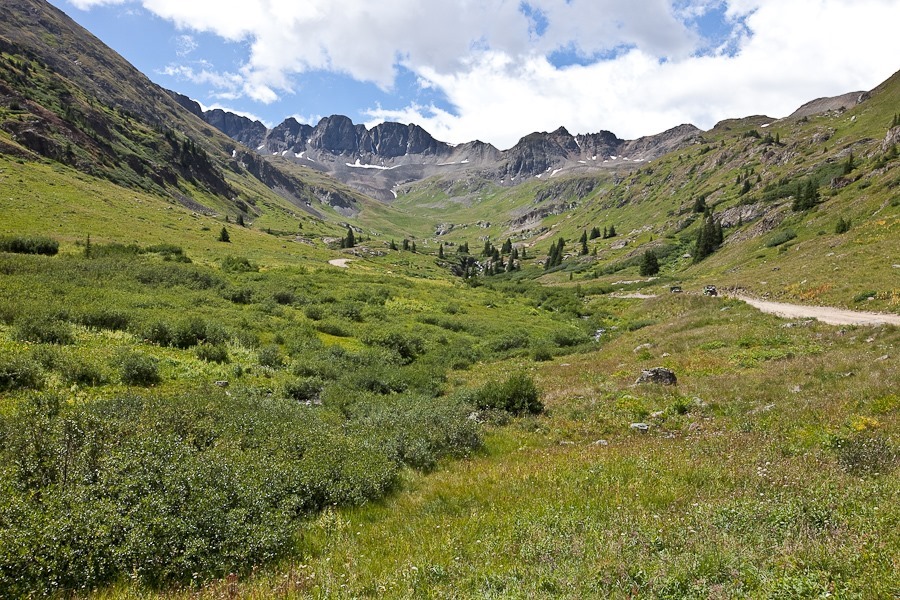
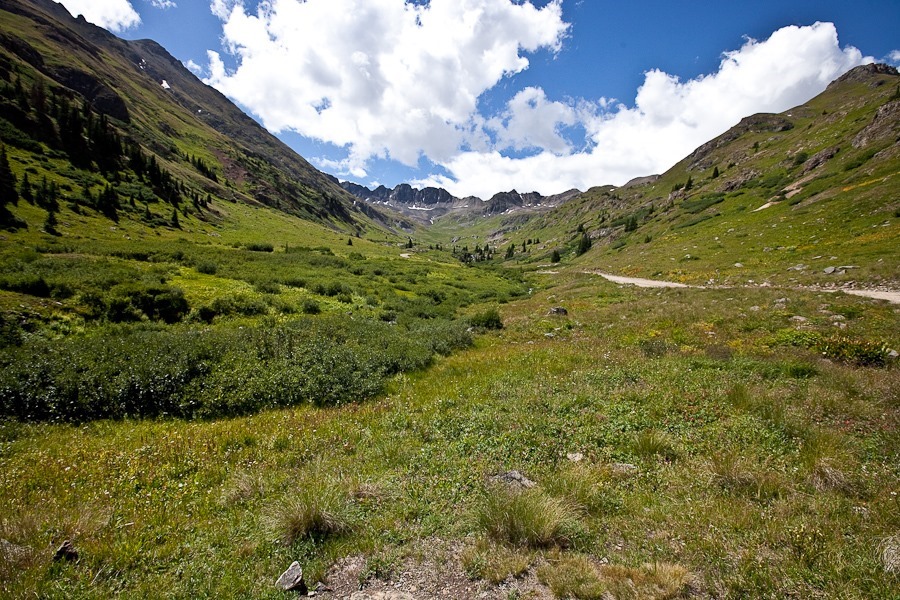
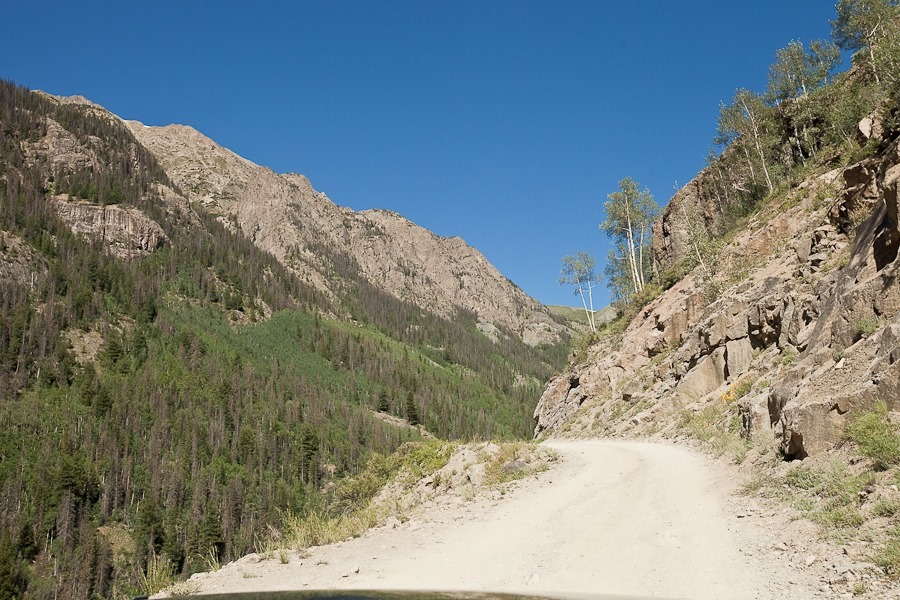
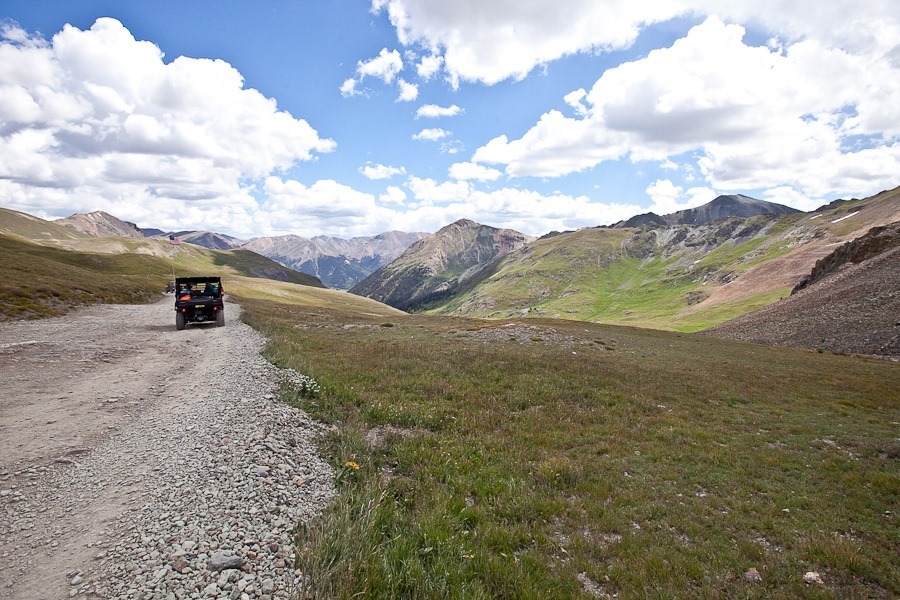
As we continued up toward Cinnamon Pass, the road became more challenging:

Looking back down the switchbacks we just drove up:
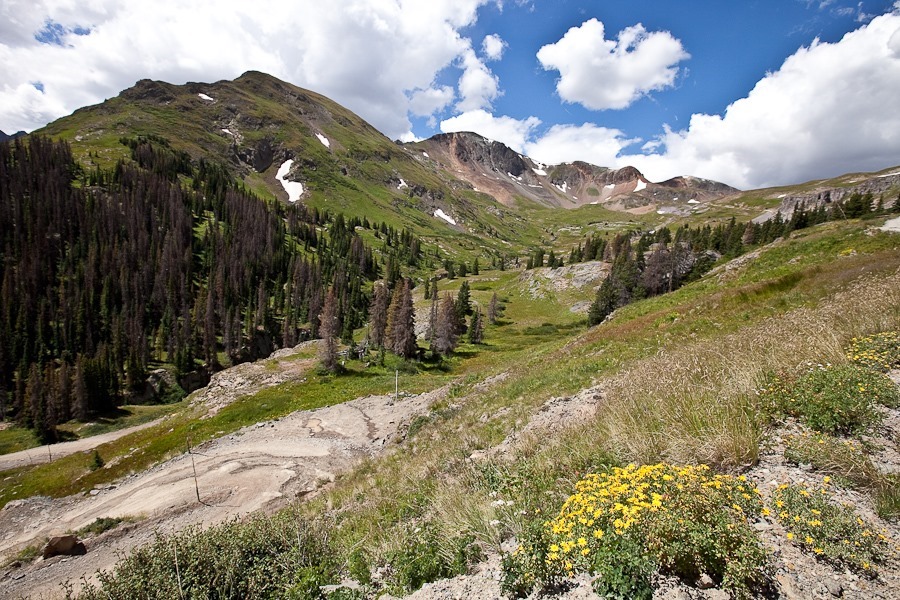
Looking down from Cinnamon Pass:
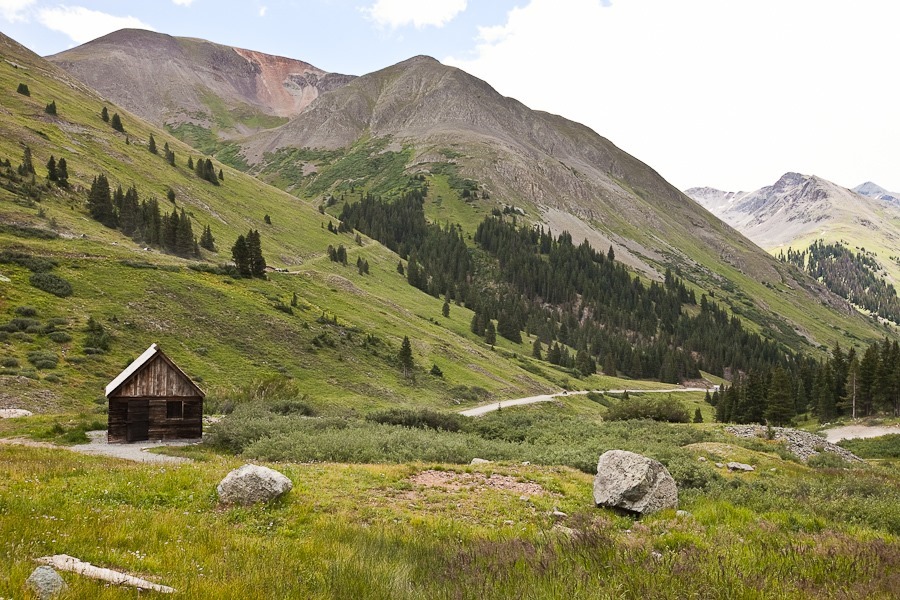
We continued down to the ghost town of Animas Forks, Colorado:
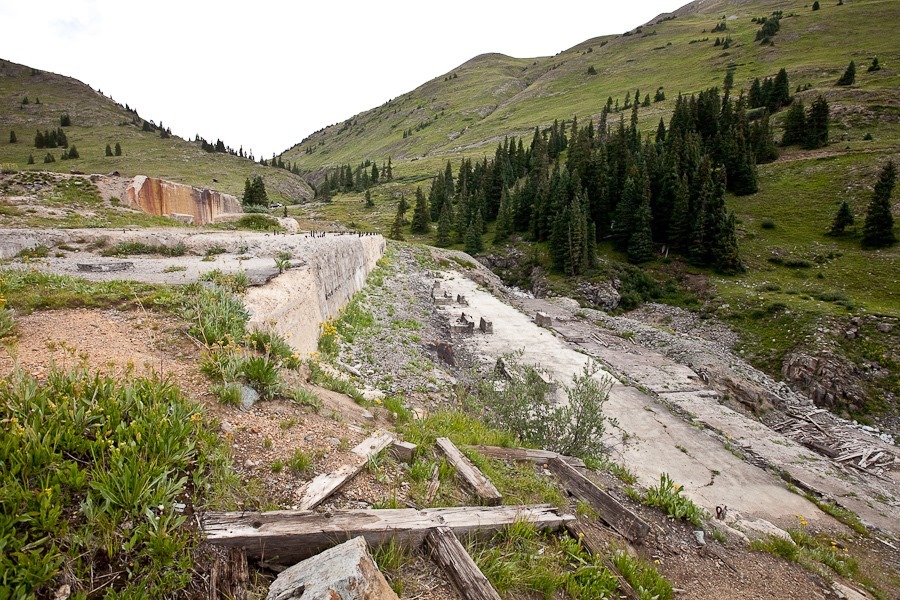
The old ore mill:
The town was an active mining community from the 1870s to 1920:
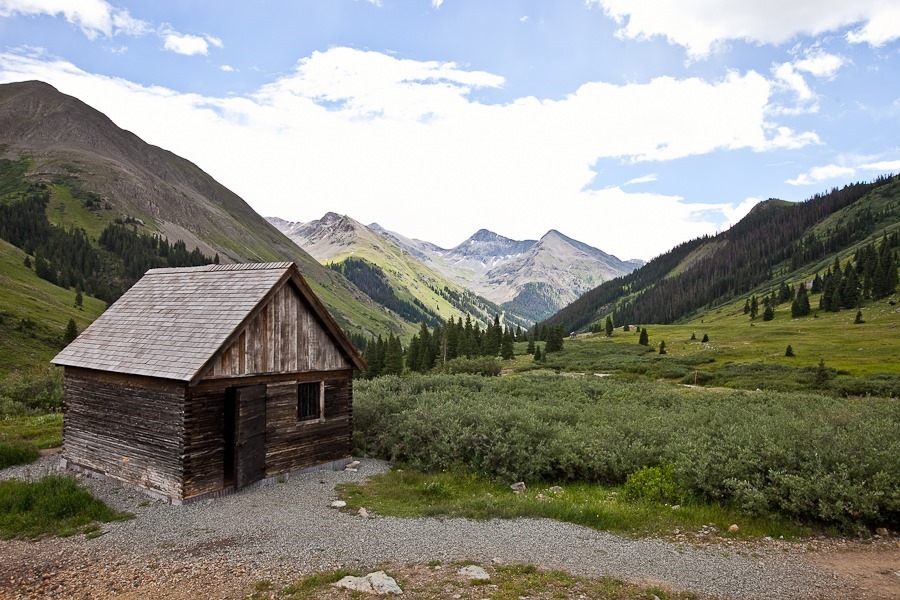
We looked around some of the buildings:
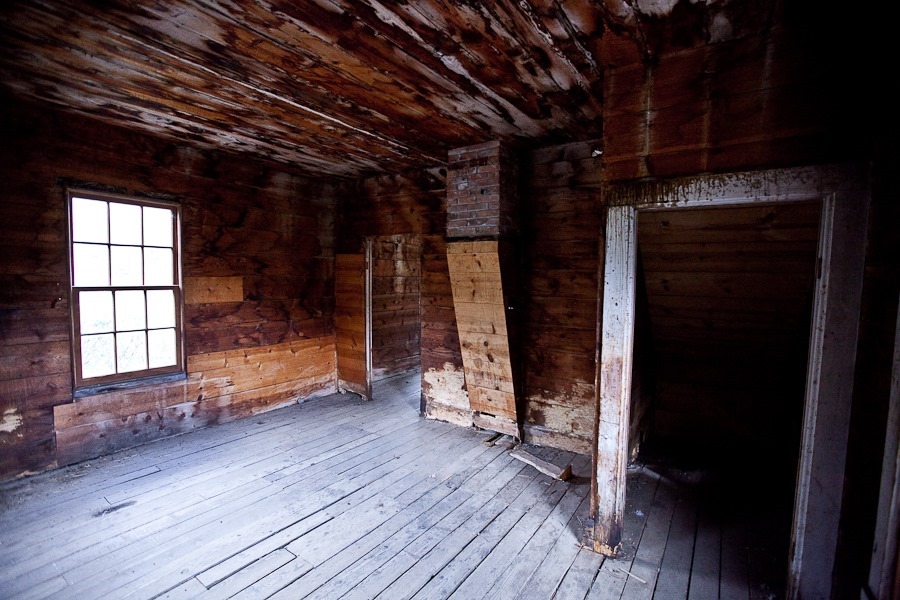
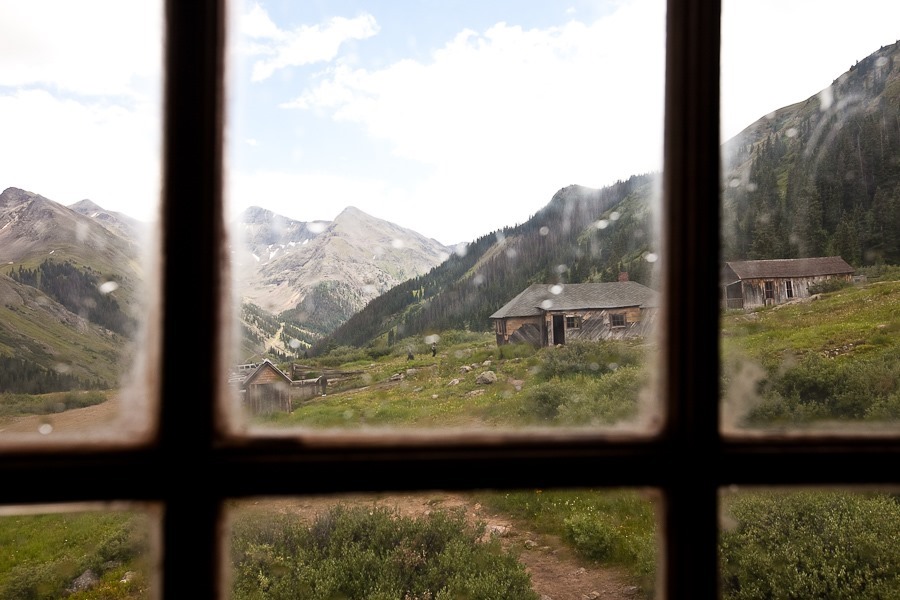
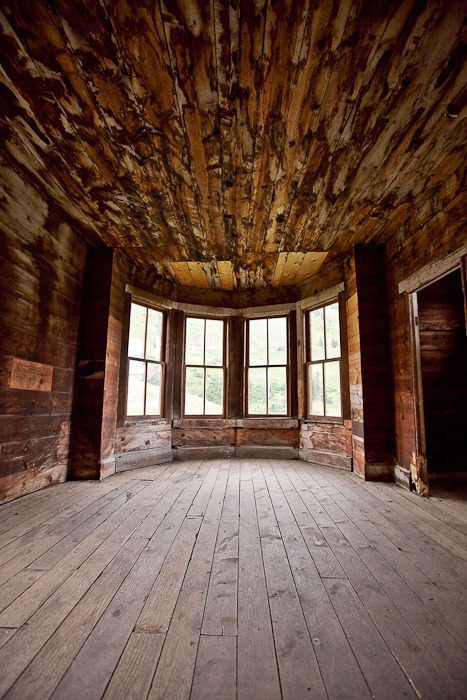
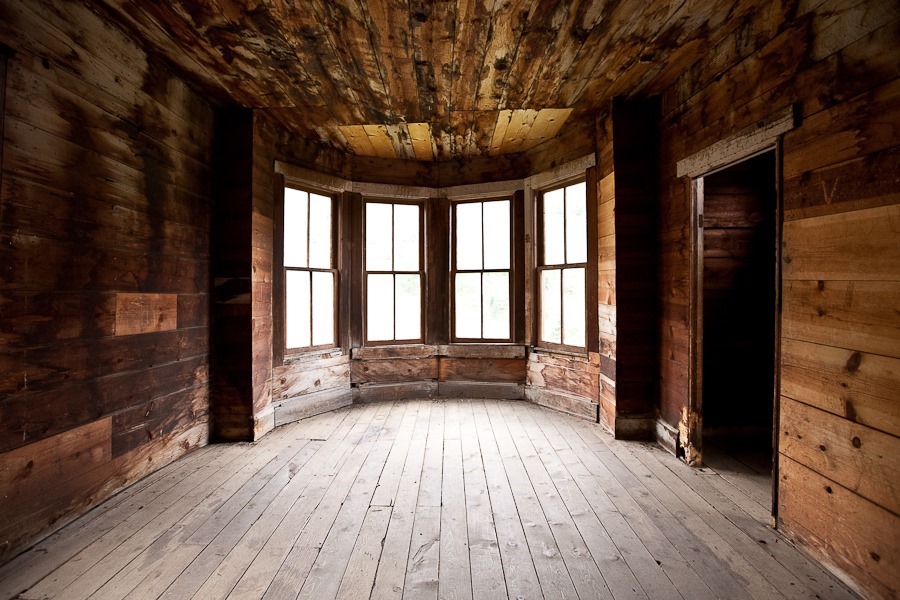
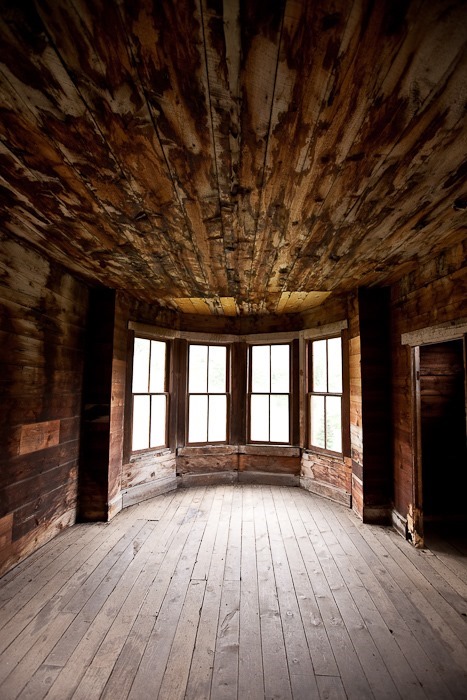
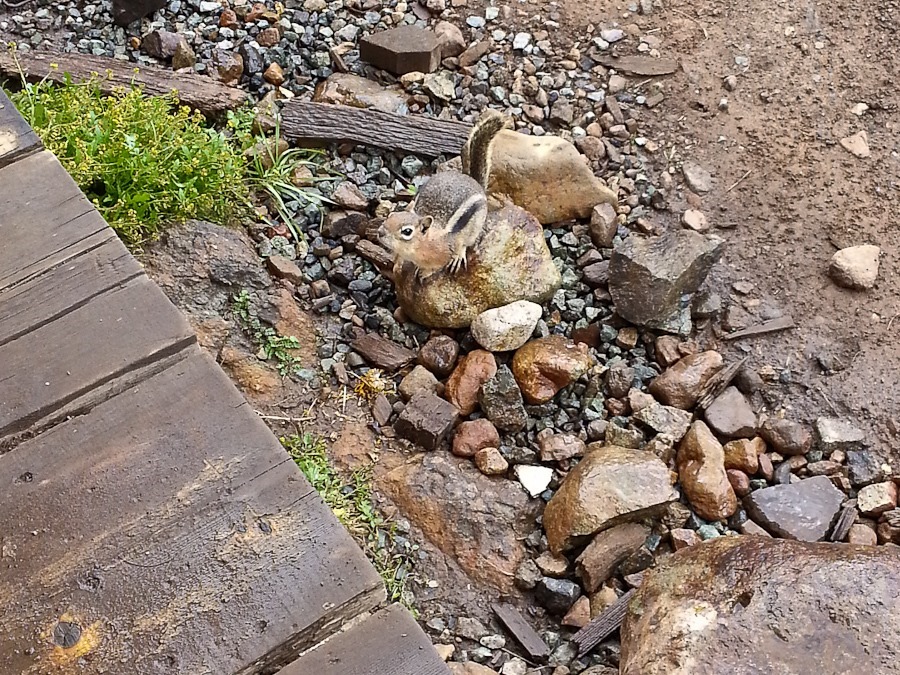
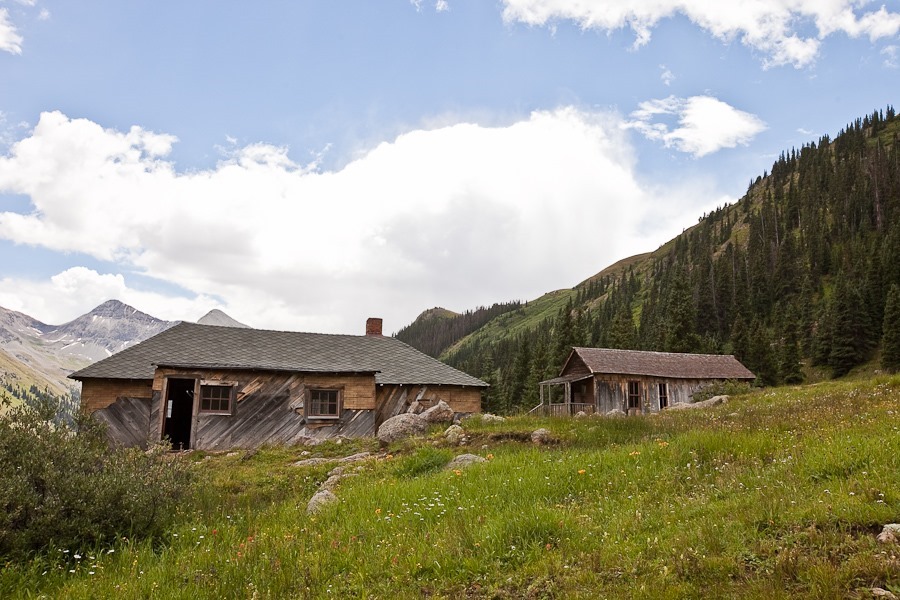
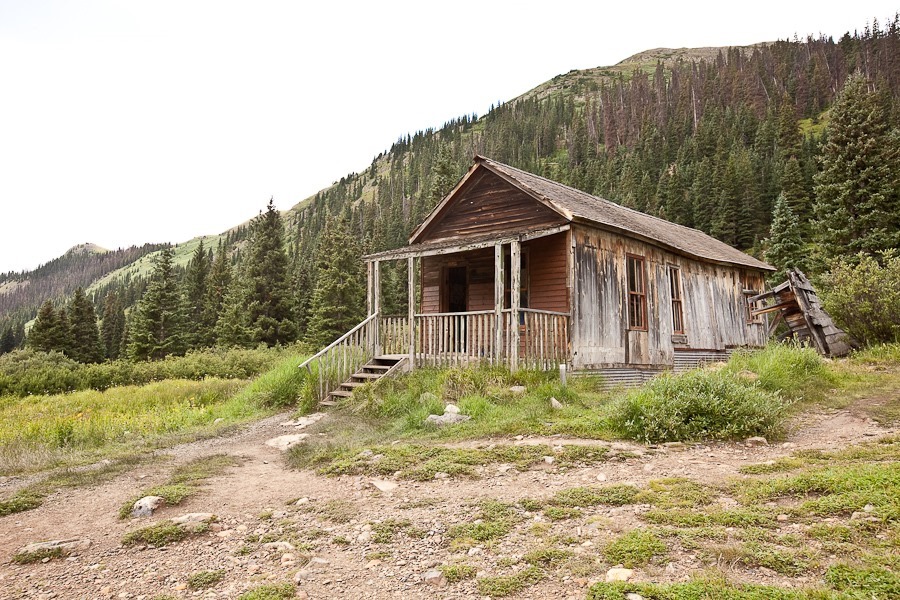
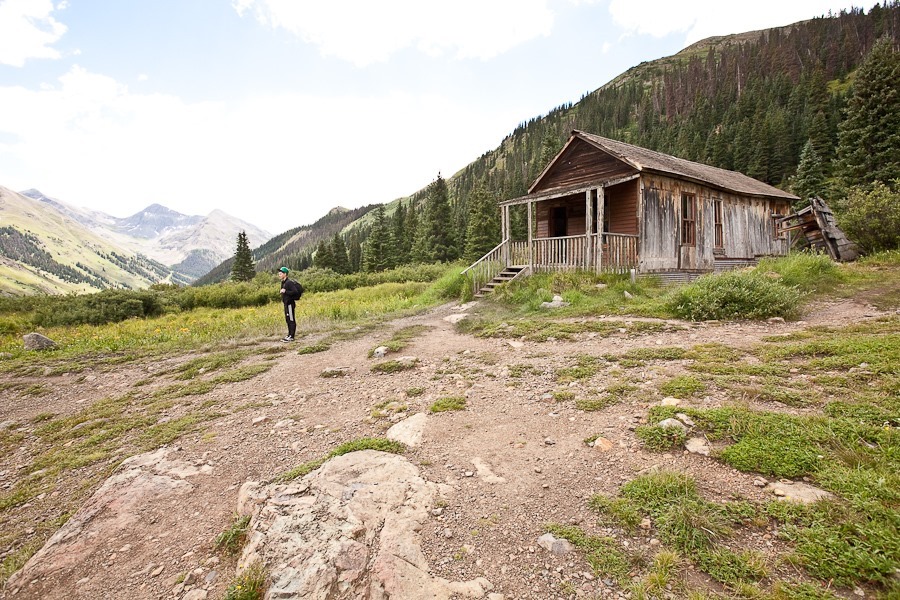
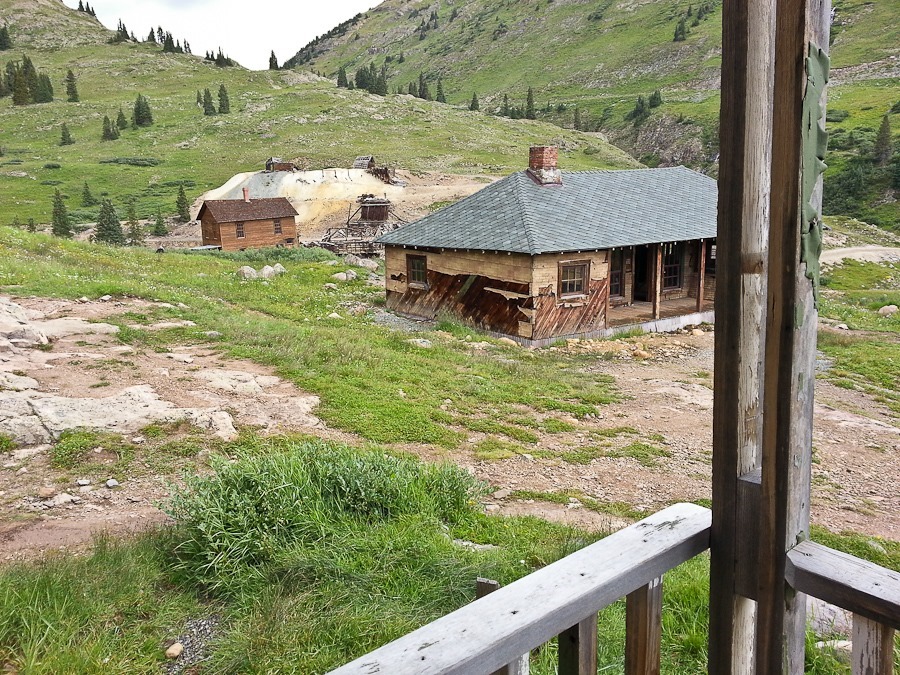
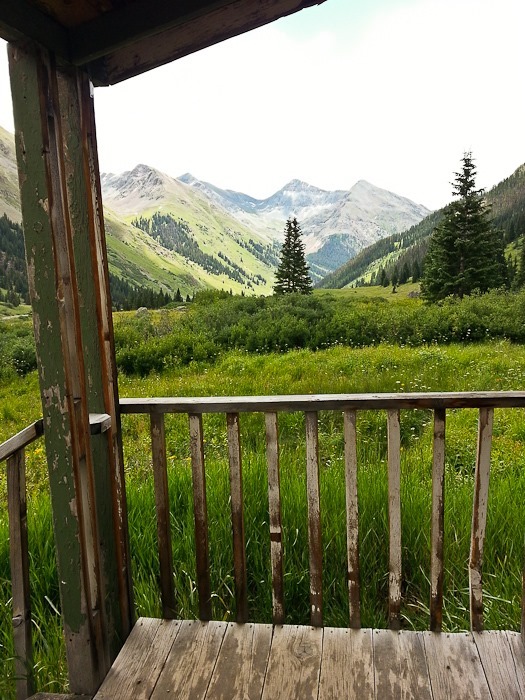
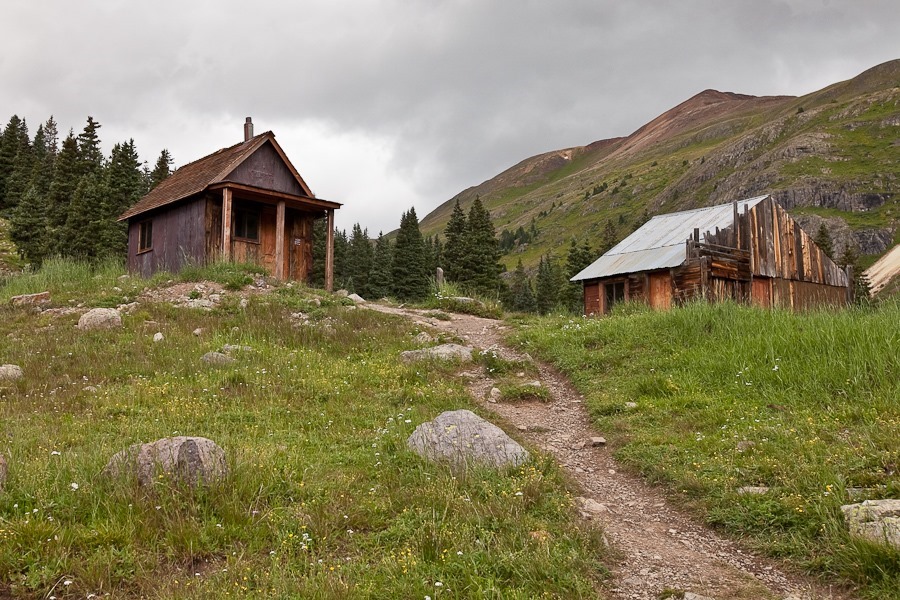
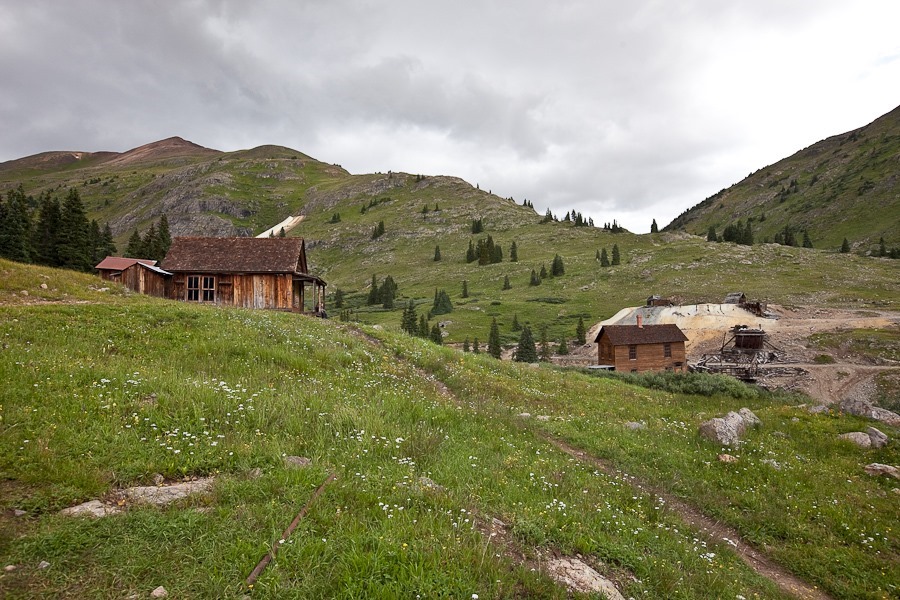
It started to rain as we wrapped up exploring the town:
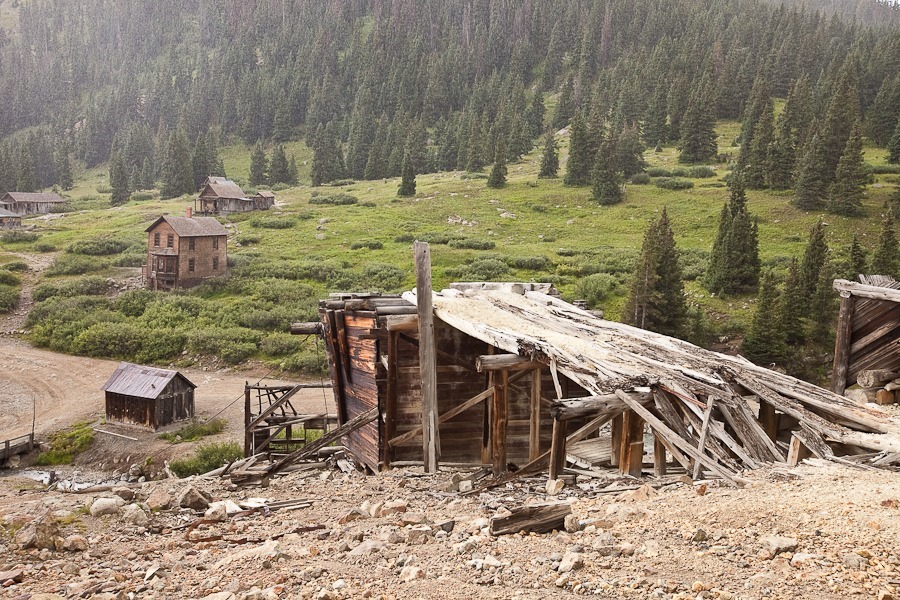
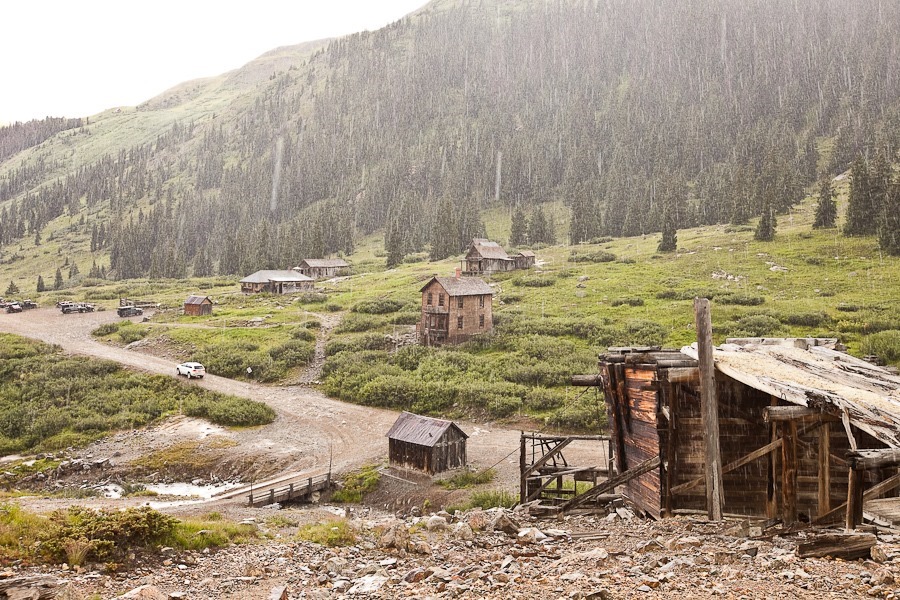
From Animas Forks, we continued up towards Engineer Pass. Looking back down towards Animas Forks:
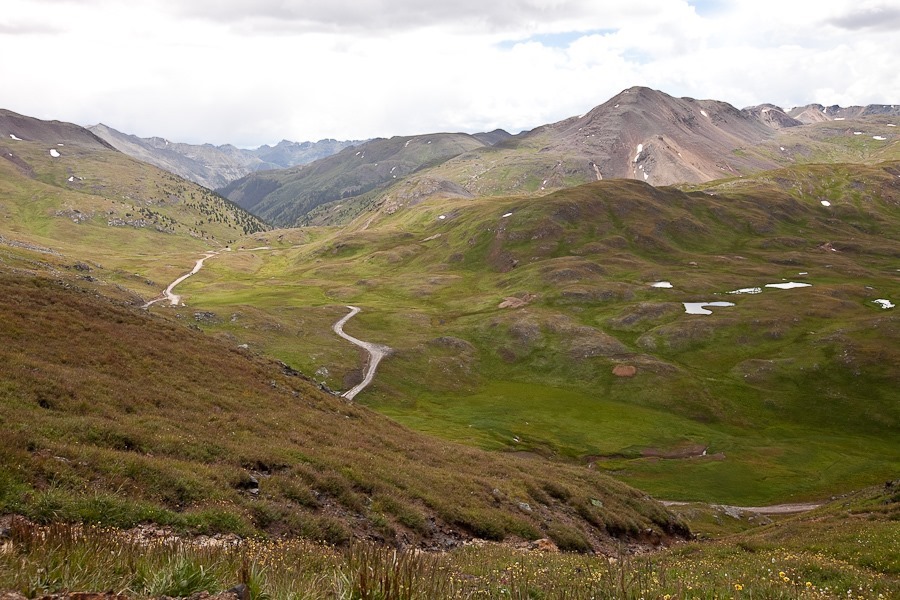
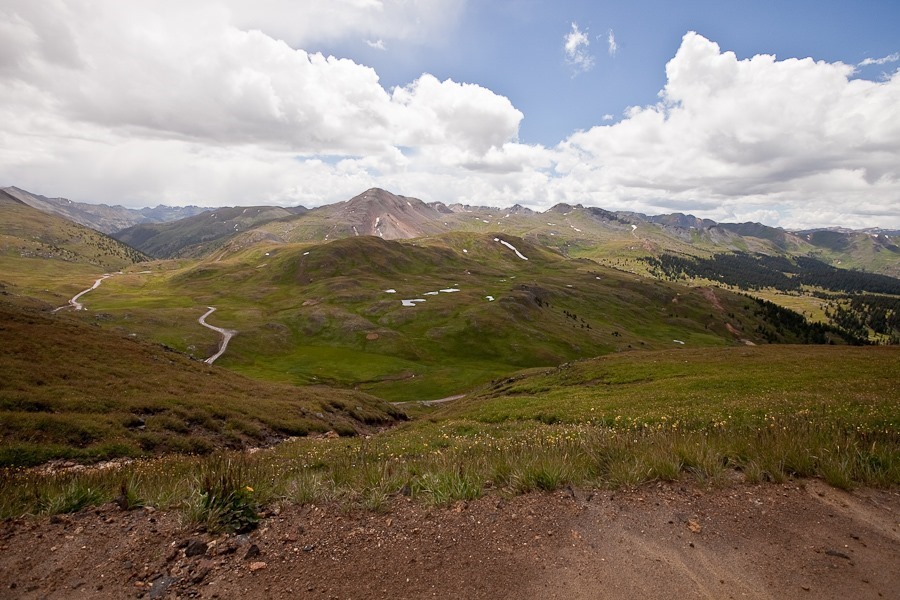
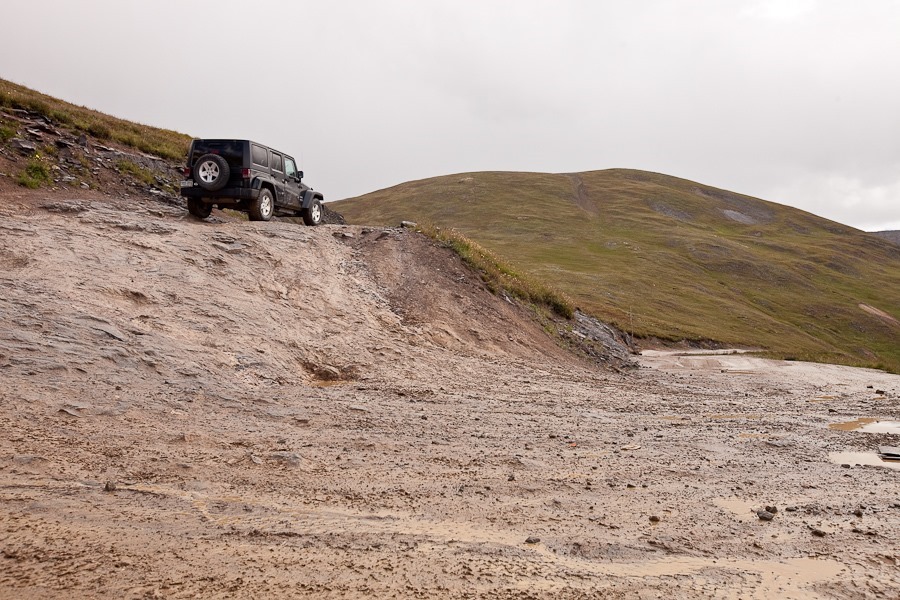
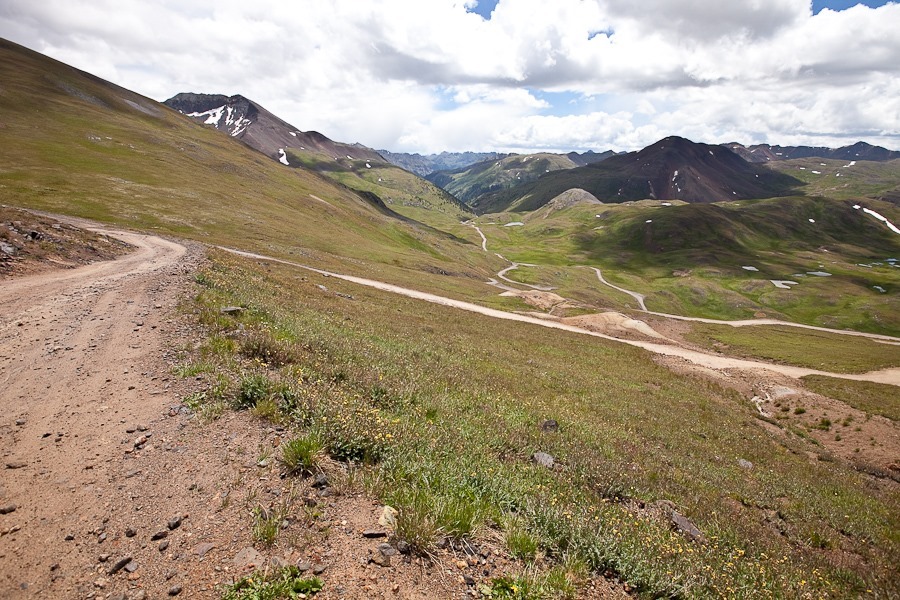
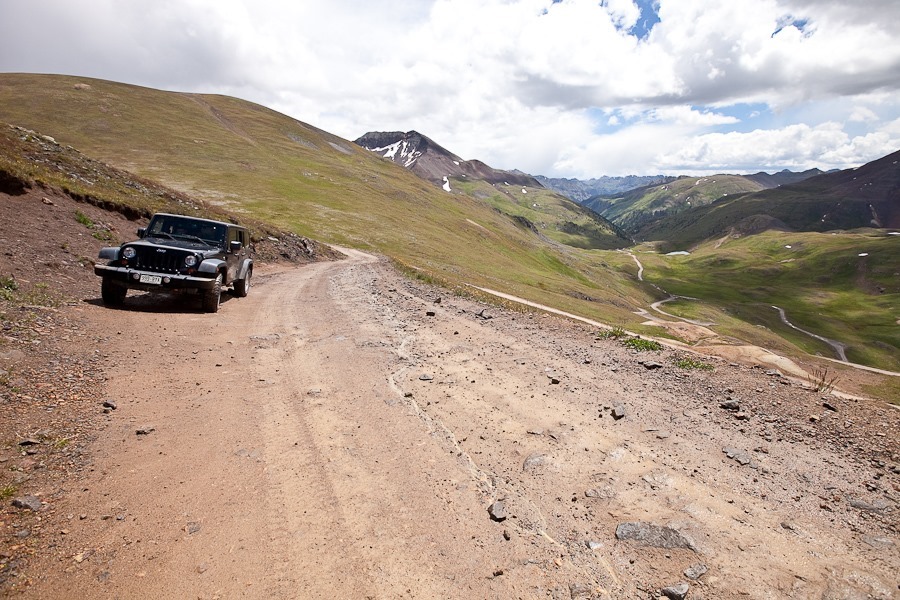
Some of the switchbacks were steep, and we had to be careful to avoid rolling over:
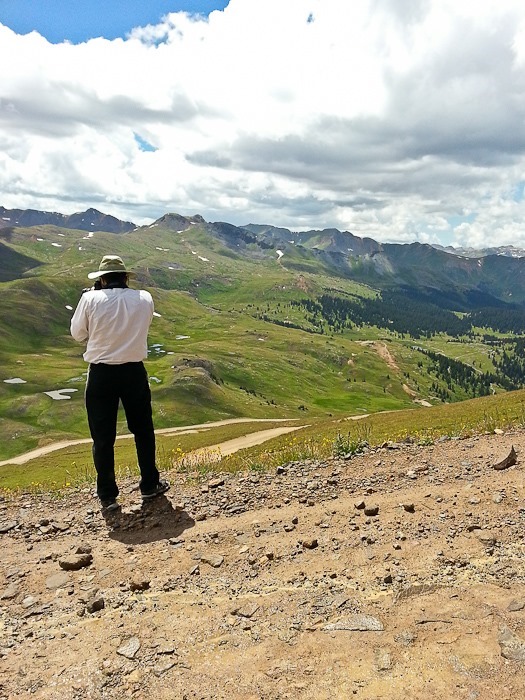
We arrived at Oh! Point, an overlook at the end of a narrow ridge:
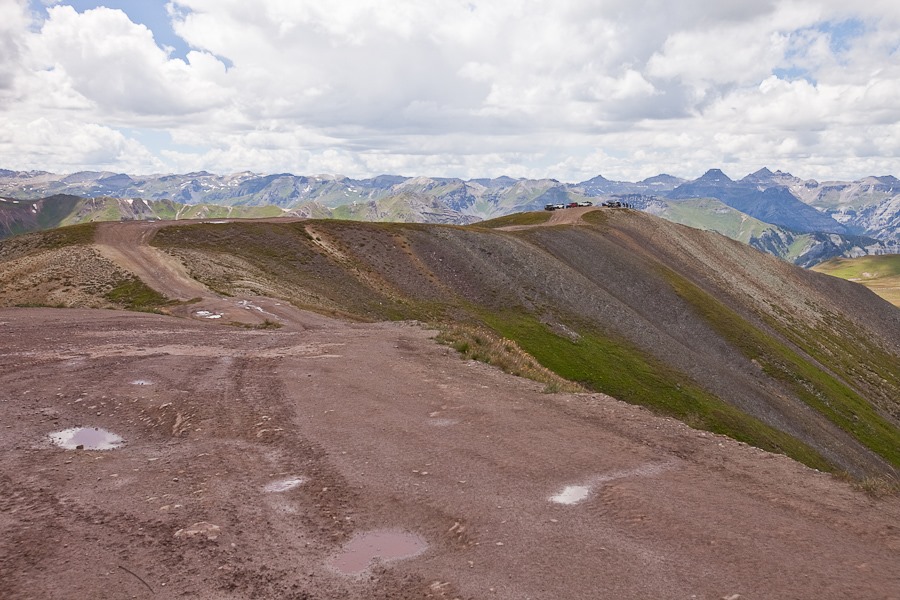
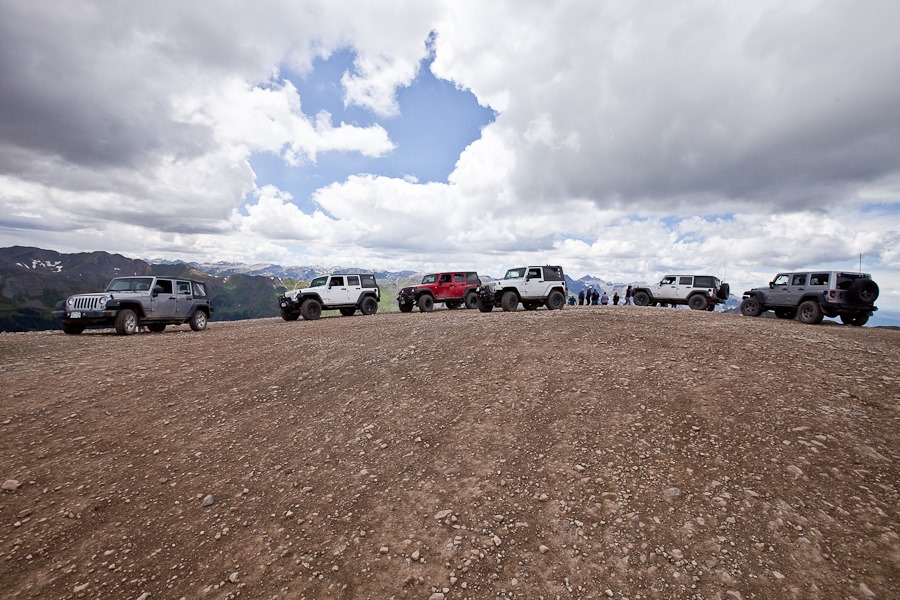
Lots of folks were here:
Views from Oh! Point:
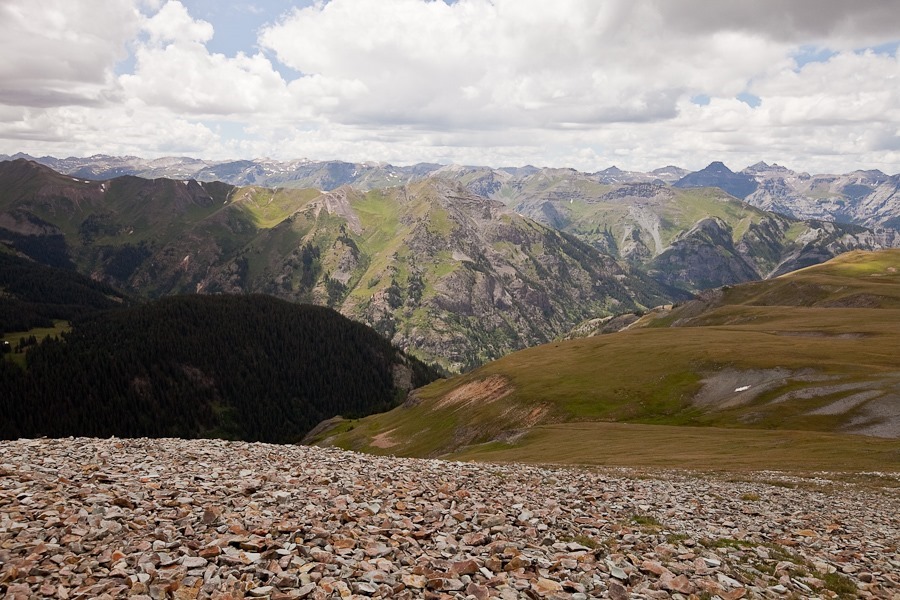
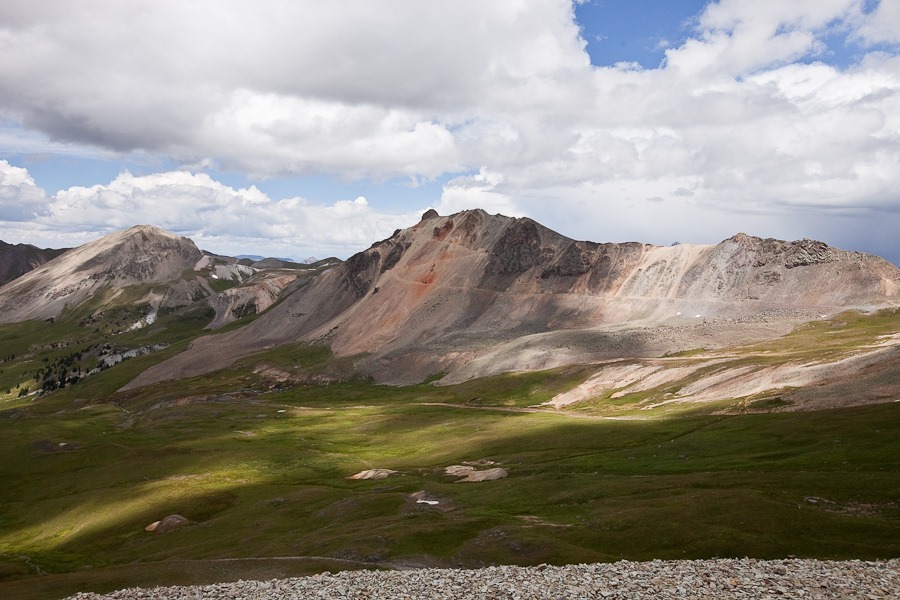
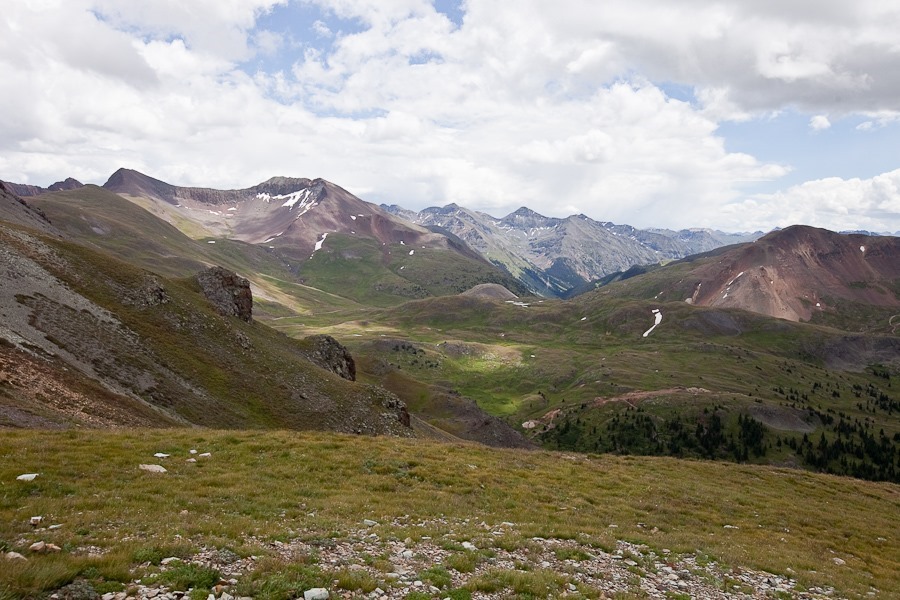
We continued on to Engineer Pass:
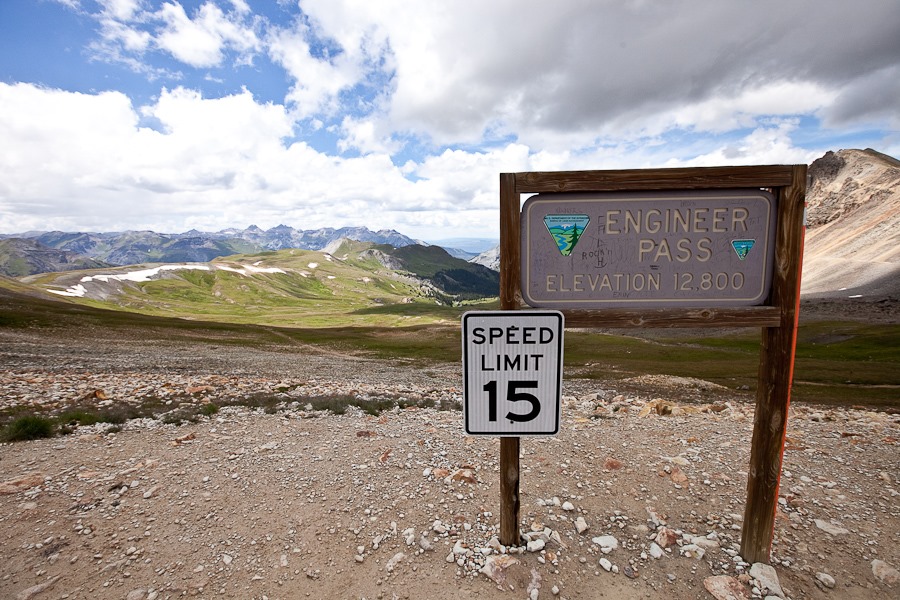
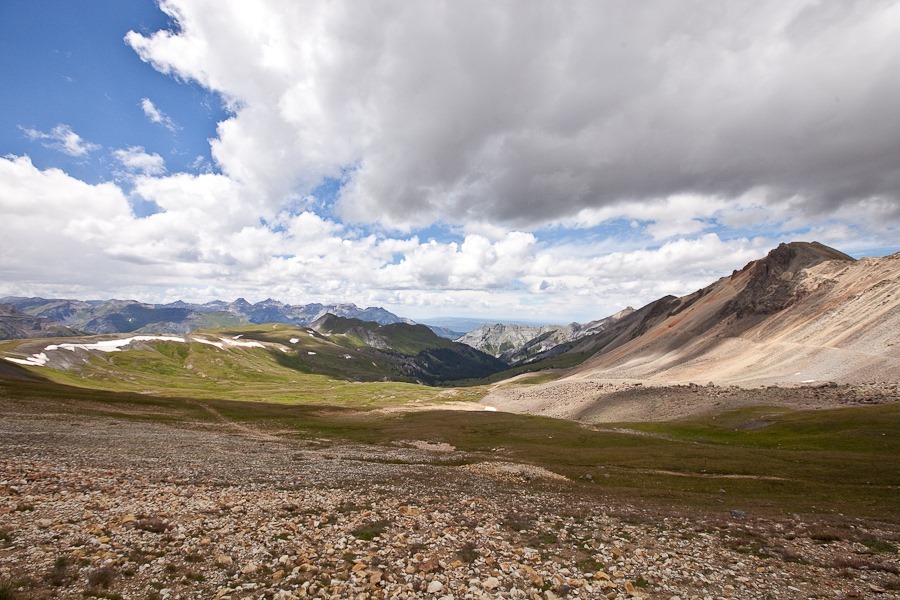
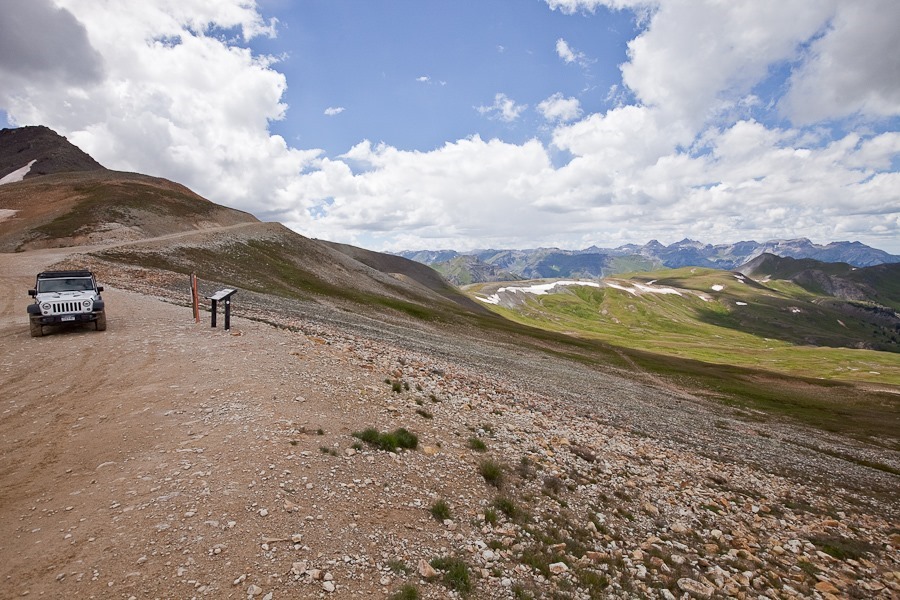
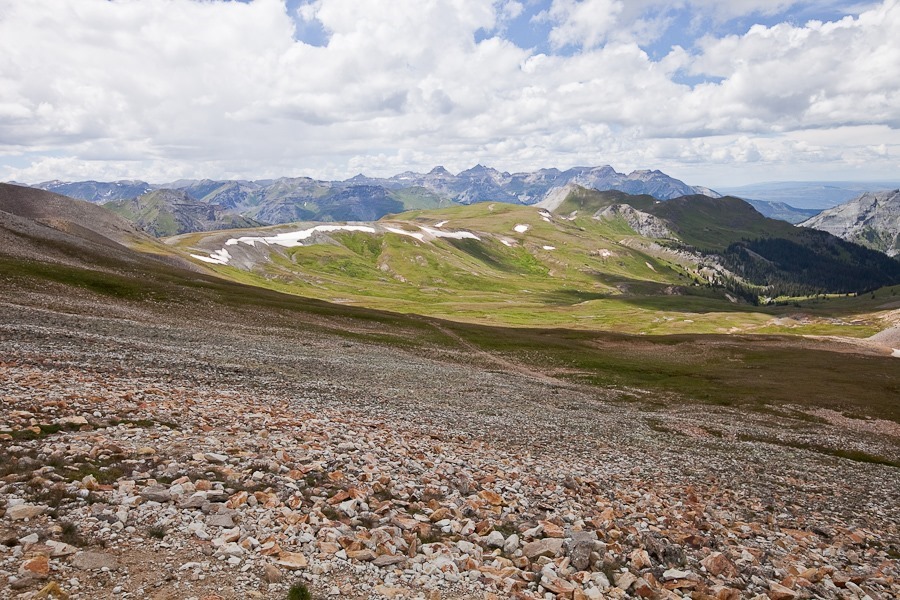
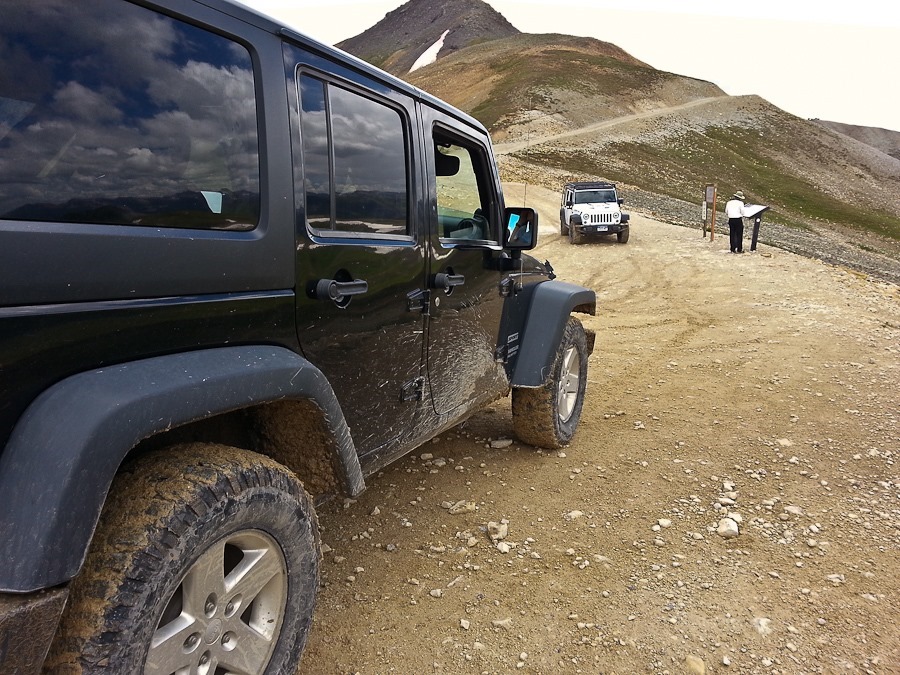

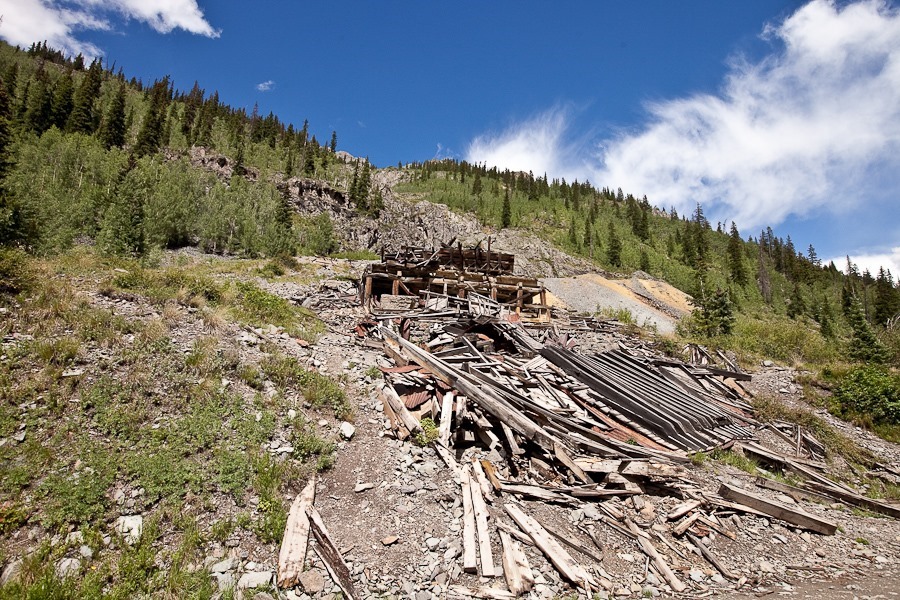
Driving down from Engineer Pass, we passed some old mining structures:
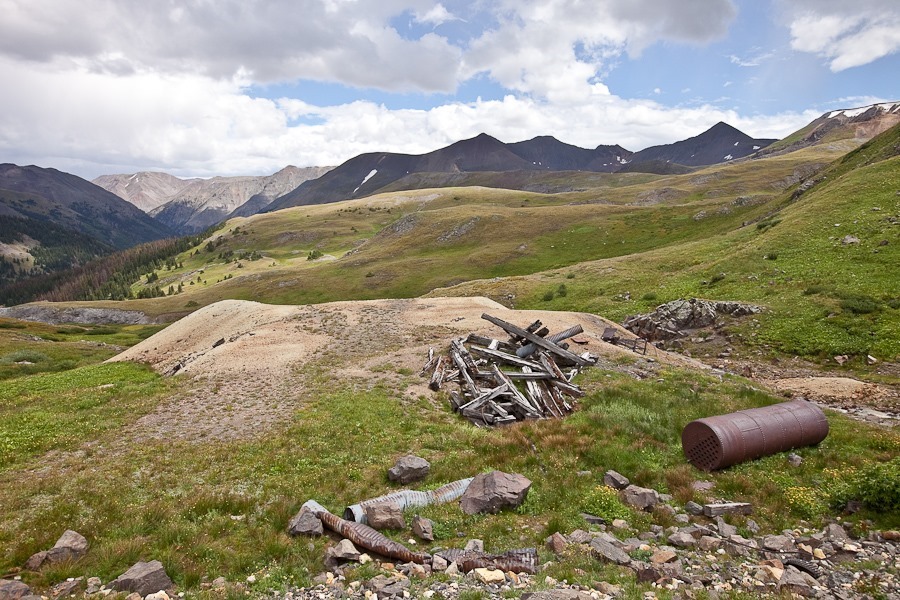

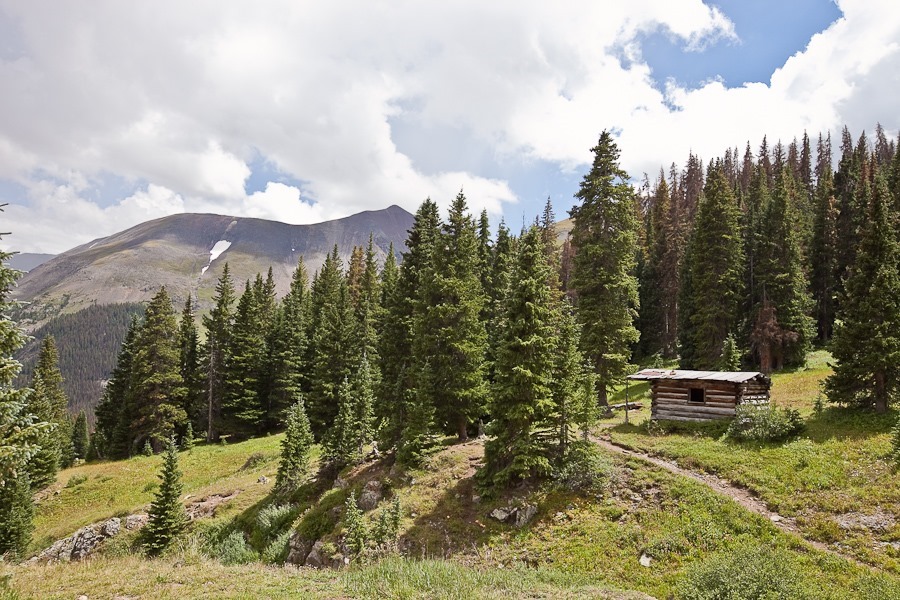
This mining site was recently destroyed by an avalanche:
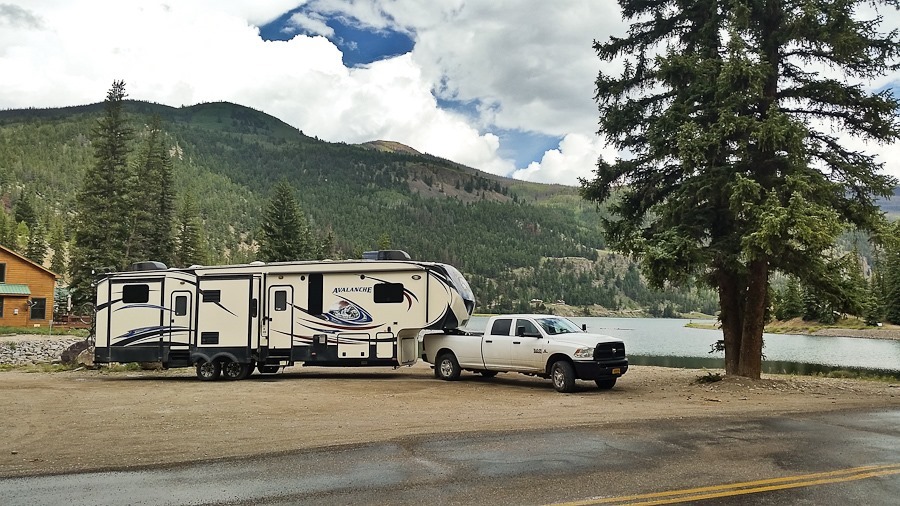
After returning the Jeep, we hitched back up:
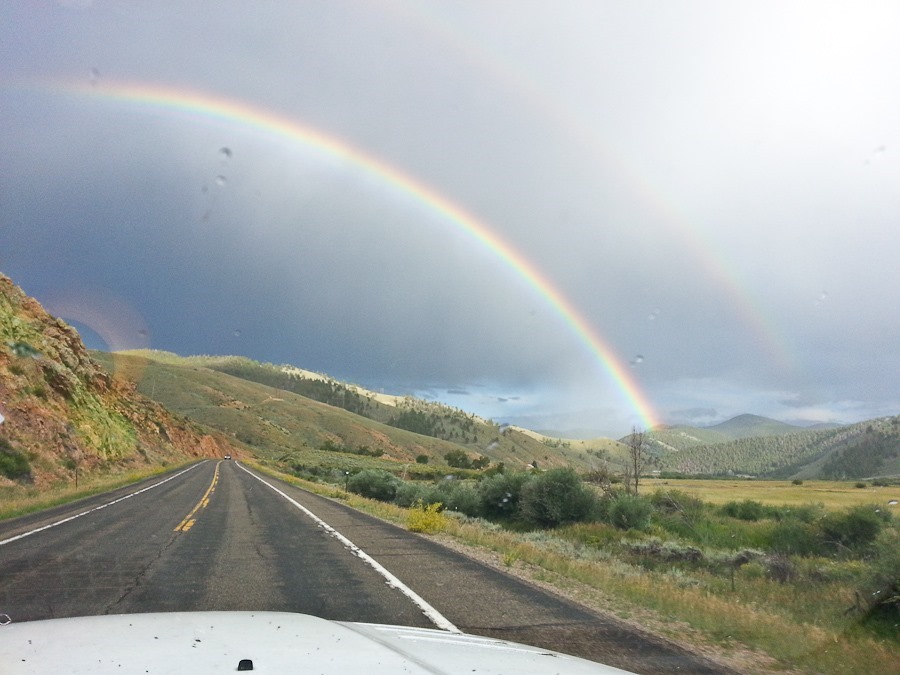
We drove north to Gunnison, then east, passing brilliant rainbows along the way:
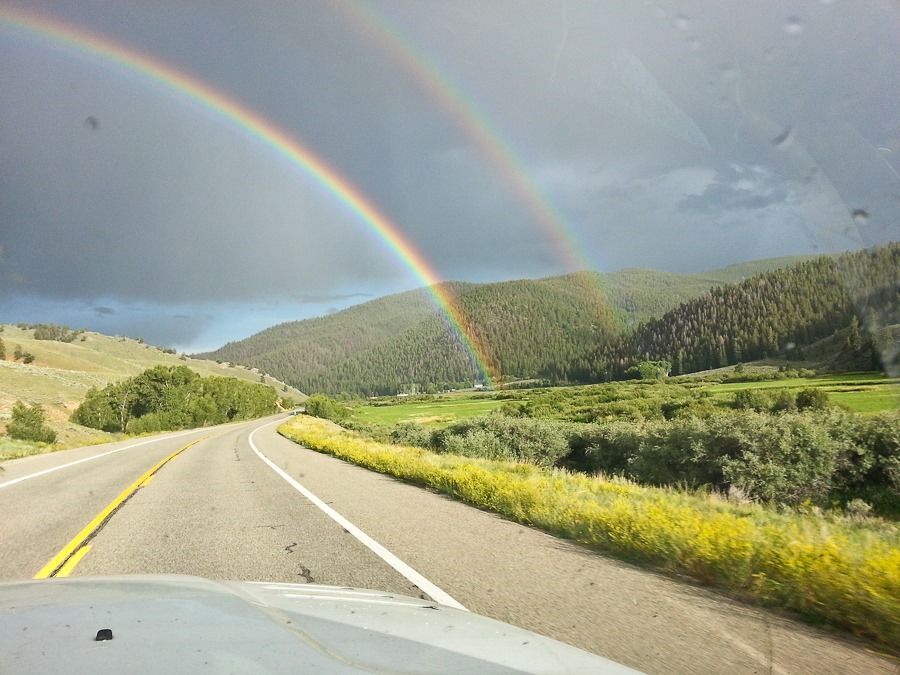

We continued east out the Rockies to Pueblo, then father on to a dispersed camping location south of La Junta, Colorado. See the alternating light blue line on the trip map for today’s drive.


 Facebook
 Instagram
 Email
Email
I’m amazed at how many abandoned sites you’ve visited that have window glass intact. Are there no young rapscallions west of the Mississippi?
The buildings in Animas Forks were restored in the last decade. The location is quite remote, and rural folks don’t seem to have the need to break stuff like urban folks do.