Shabbos was pleasant and it wasn’t too hot. At night, two mice ran by Trish in the living room, so we put out our collection of traps. By morning, both mice had succumbed to our traps. The kids decided to bury them:
After homeschool, B polished our Shabbos candlesticks:
This morning we drove into Cottonwood for the Antique Engine and Tractor show at the fairgrounds. Many vintage tractors were on display:
This tractor is spinning a 1929 Case threshing machine using its PTO:
At the tractor pull, drivers compete to drag a weighted sled the farthest:
The sled has a water filled reservoir that slowly moves from the wheeled rear of the sled to the front of the sled, putting more and more weight on the sled plate until the tractor can drive no farther:
The massive engine on this 1959 Farmall 560 had no trouble pulling the sled all the way to the end of the course:
Dozens of antique engines were on display, most of them hit-and-miss engines like this 1903 beauty that produces 19 horsepower, which doesn’t seem like much for an engine weighing 6,000 pounds:
This engine was used in Paris to drive a water fountain:
This is one of two known 1910 Gibson model F engines in existence today:
A tractor from 1905ish:
Indoors, there were various vendors, including this fellow selling cottonwood bark sculptures:
The local model train club had a couple tracks set up:
Tractor toys made from old sewing machines:
This hand cranked machine turns 16 strands of floss and a center core material into braided rope:
This 1/6th model of a hit-and-miss engine runs on white gas:
An antique fan operated not by electricity, but rather a propane powered Stirling Engine:
M tried the kiddie tractor pull:
Around noon there was a tractor parade:
In the afternoon, we drove to Sedona and visited the upscale Tlaquepaque shopping village. We visited dozens of shops filled with stuff we don’t need that we could buy with money we don’t have:
On the way back to the RV, we visited the Coconino National Forest visitor center. The red rocks of Sedona were visible in the distance:
Smokey gets no respect:
Trish has been working on beading around cabochons she made with polymer clay:
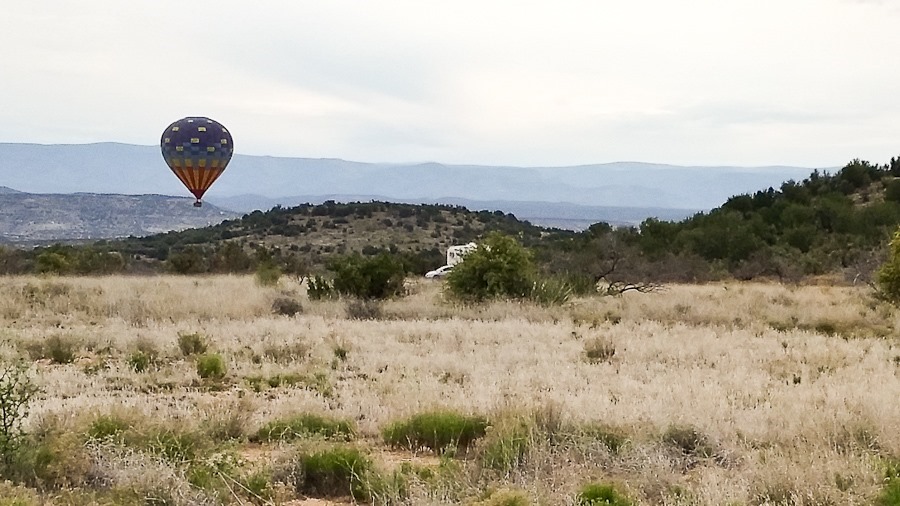
Good Shabbos from Forest Service land near Cottonwood, AZ:
No doubt so our RV manufacturer could save money by using lighter duty suspension components, our RV only has a 45 gallon fresh water tank, which is on the small side for an RV of this size. Most RVs used by fulltimers have at least 100 gallons of fresh water on board. In turns out to not be that big of a deal for us, as we can last about 5 days on 45 gallons of water, and we tend to go out on trips or to do errands frequently enough that we fill up our 45 gallon water bag in the bed of our pickup and bring the water back to the RV. A few times, though, we’ve run out of water and have been forced to make a special trip just to get more water.
Water in the RV is pumped from the fresh water tank into the plumbing to create water pressure at the sink and shower. Cold water is also pumped into the 12 gallon water heater. The pressure on the cold side pushes the heated water out of the water heater into the hot water lines. When there’s no more water in the fresh water tank, hot water no longer gets pushed out of the water heater, so it just sits there.
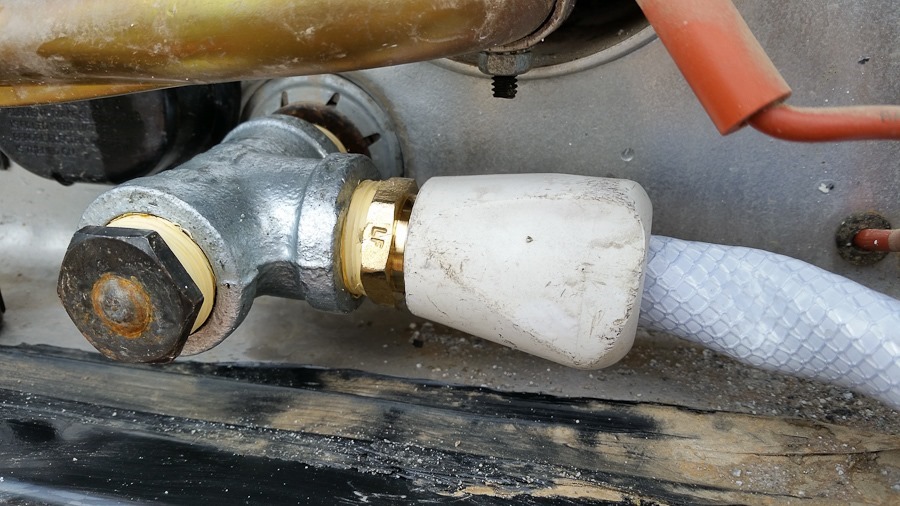
I realized we could use this 12 gallons of water heater water if we could access it. I removed the anode rod from the tank and added a T fitting which allowed me to screw the anode rod back into the T fitting and install a garden hose attachment on the side:
I then attached the other end of the hose to the fresh water fill attachment on the RV, and set the fill mode to “winterize”, which uses the onboard pump to draw from the fill attachment, not from the fresh water tank. This is normally used to draw anti-freeze into the RV’s plumbing for winter storage, but in this case I’m sucking water out of the water heater and making it available for use! We now have 12 gallons of water we can use in a pinch if we empty our fresh water tank.
For this to work, I have to open the pressure valve at the top of the water heater so that air can enter the tank to replace the water removed. I installed a screen over the valve to prevent bugs from crawling into the water heater through the vent. I also installed a screen between the hose and the RV pump so that any scale or other particles from the water heater aren’t ingested by the pump.
Just for fun, we lived on water heater water for the whole day!
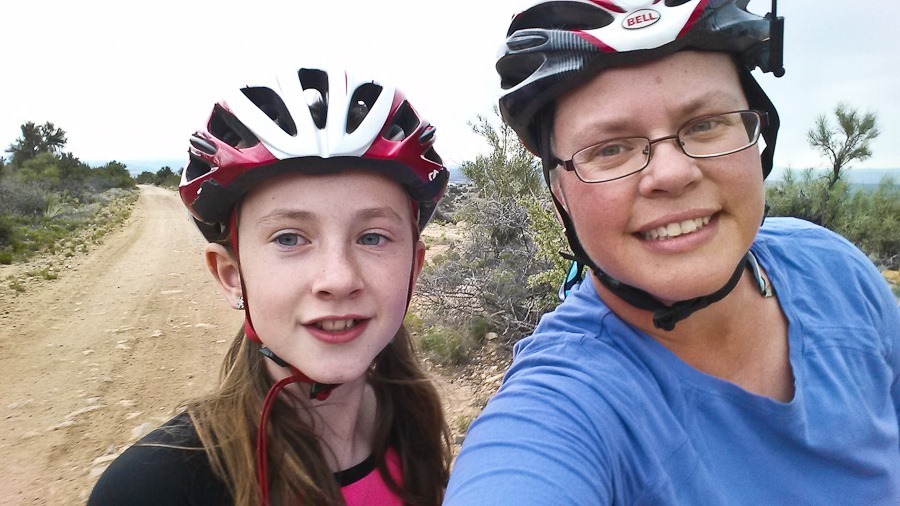
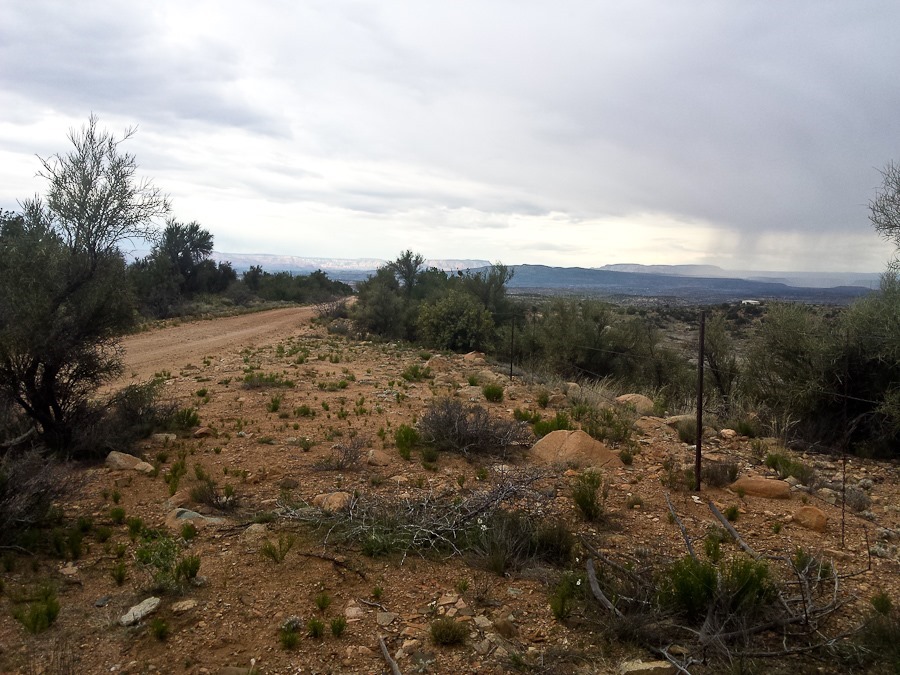
This afternoon, B and I went for a ride “around the block”. Much of the Forest Service road was quite rough, and we passed a dead rattlesnake on the road! At one point, there were cows all over the road, which made B nervous, so I rode ahead and encouraged them to move along.
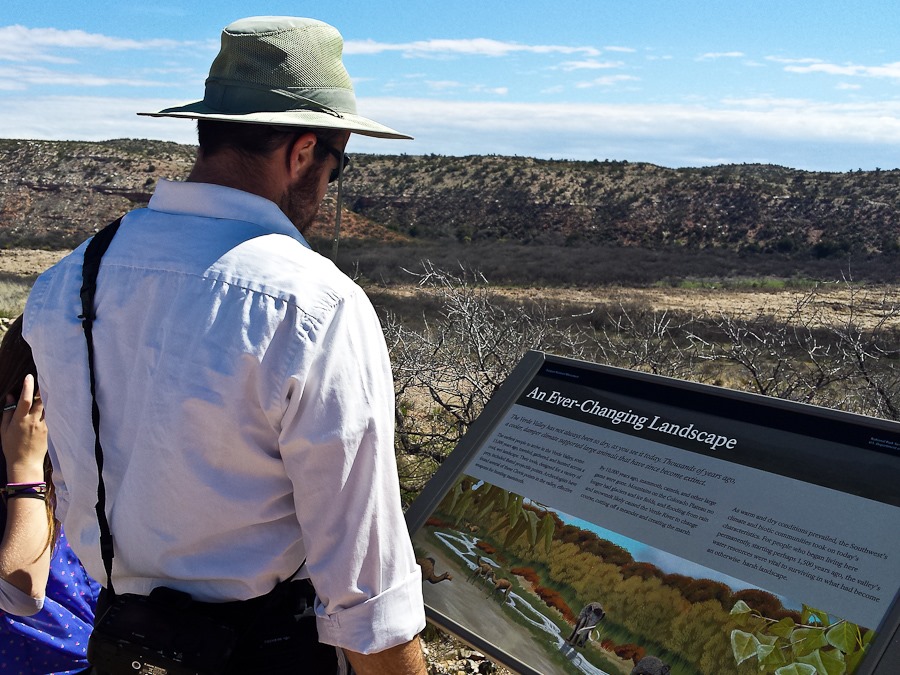
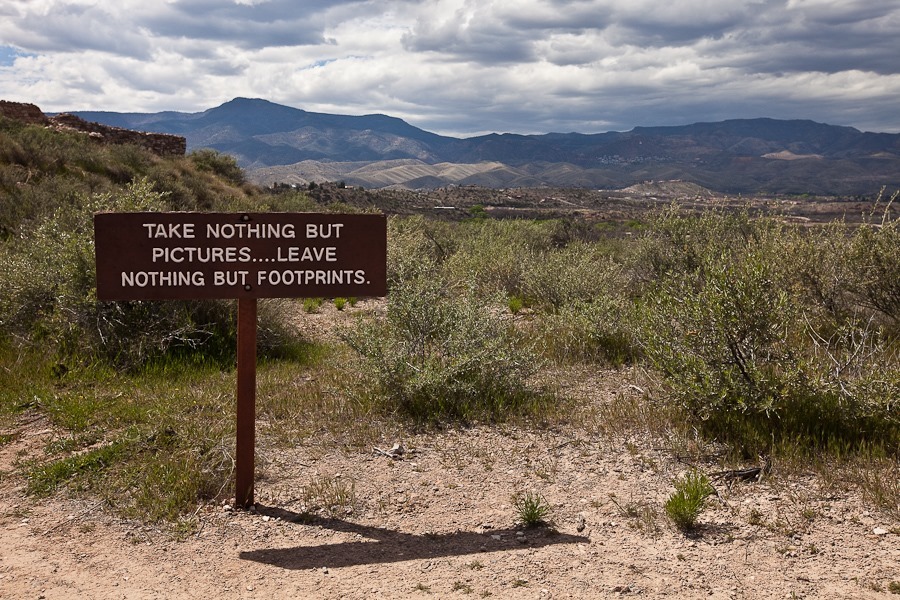
This morning we drove north to Tuzigoot National Monument, where a 14th-century, 110-room Sinaguan pueblo was discovered and rebuilt in the 1930s. We first did the marsh hike:
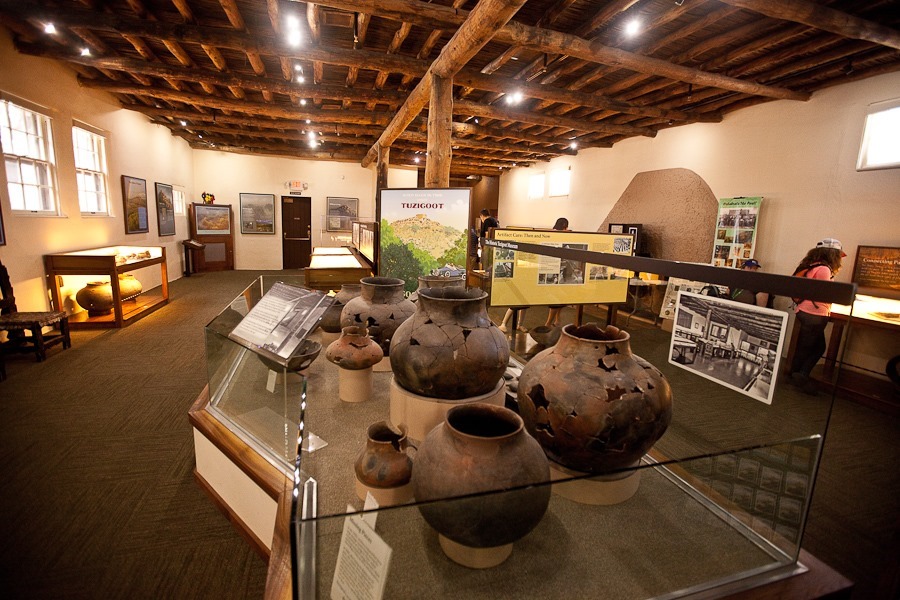
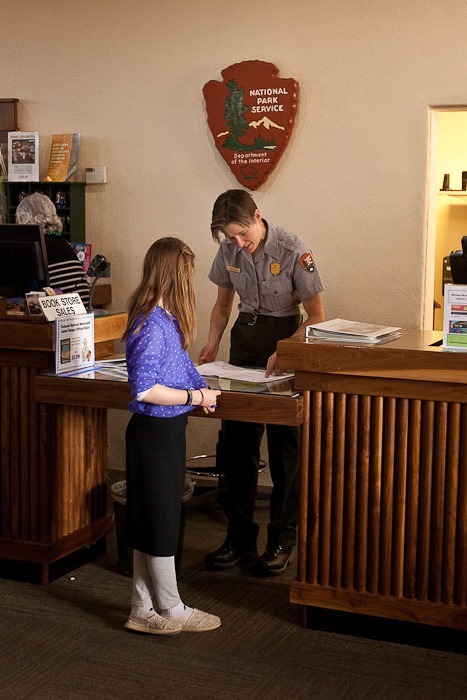
Next we visited the visitor center:
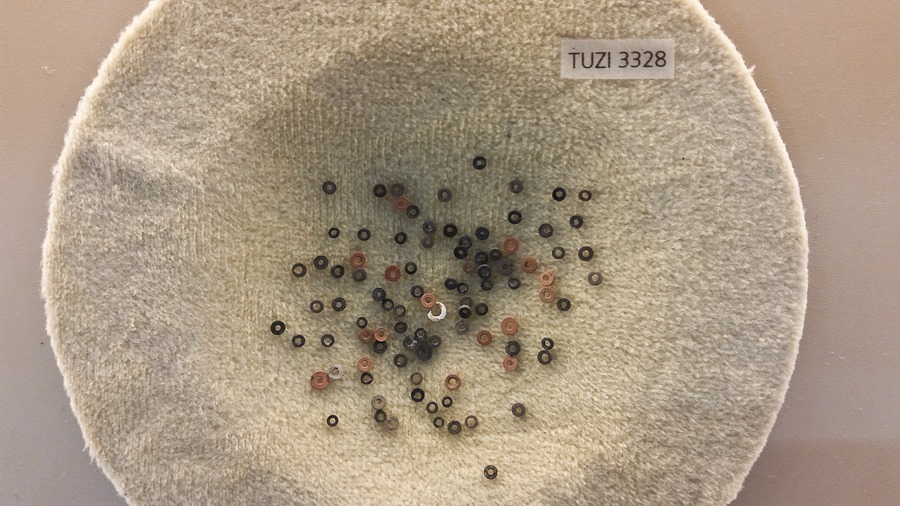
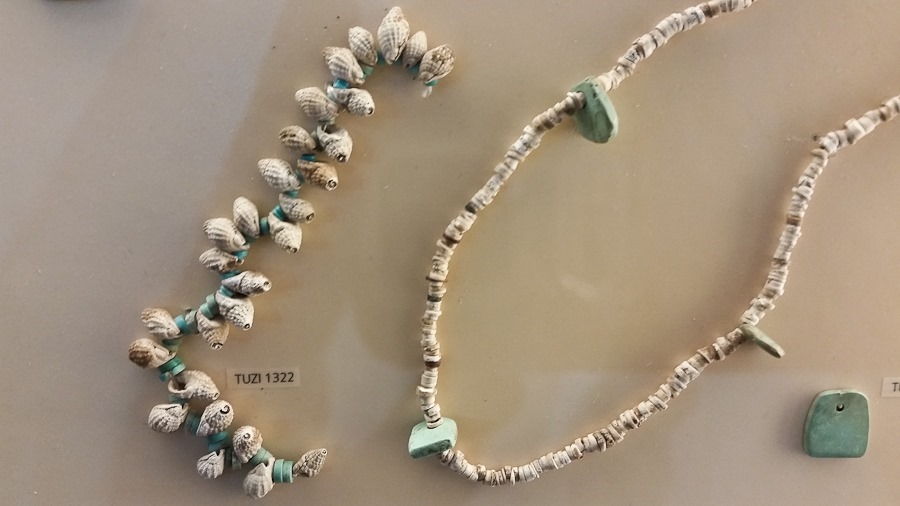
It was fascinating to see 500 year old jewelry:
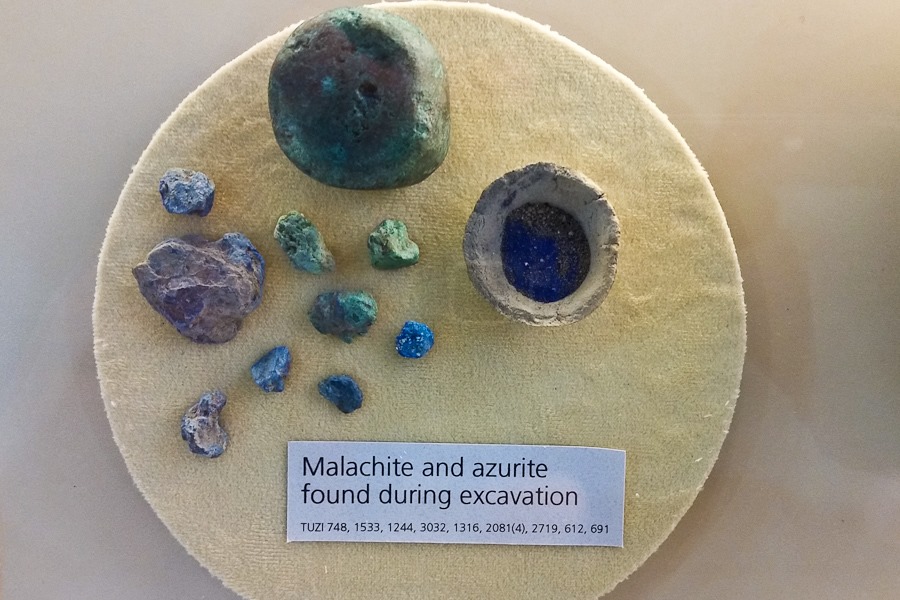
The Indians here mined and traded a number of colorful minerals:
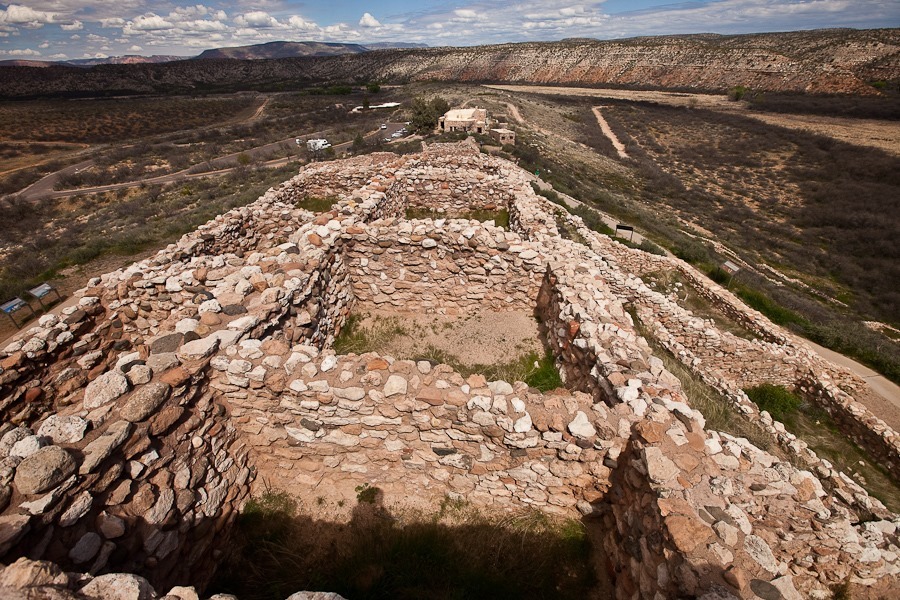
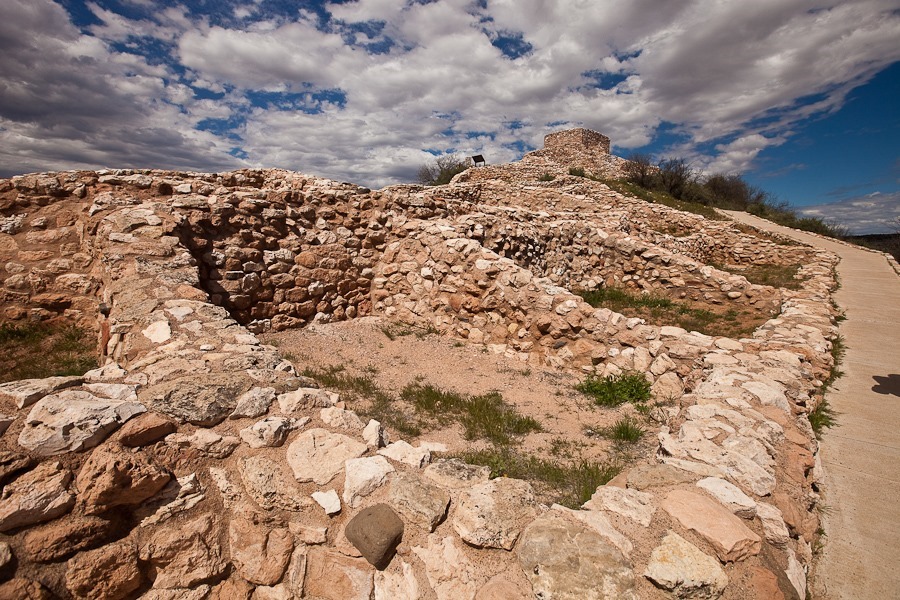
Next we hiked out to the pueblo site:
When the site was found in the 1930s, the walls had all collapsed, leaving behind the only the lowest row of stone and mortar. The park service reconstructed the site to give visitors a better idea of what it looked like back in the day.
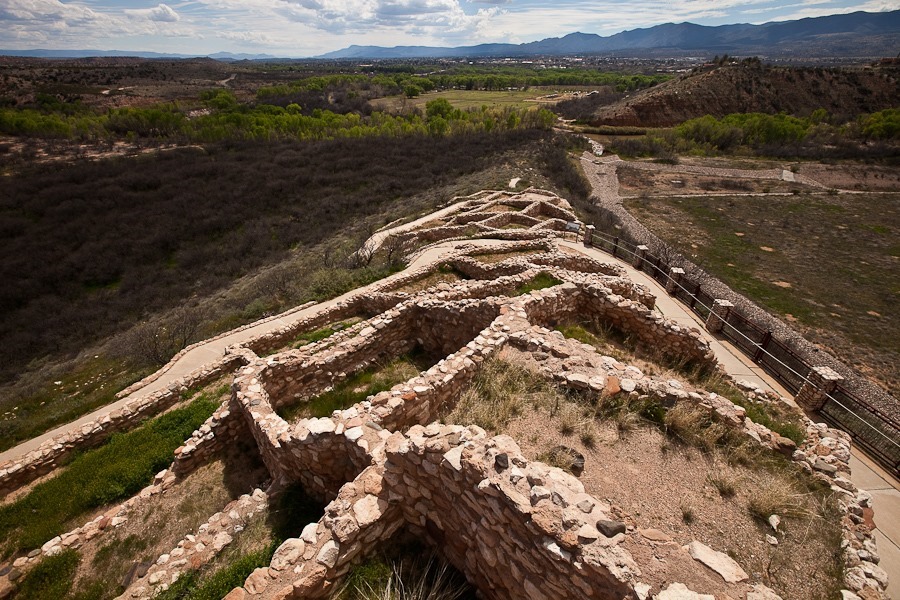
Looking north from the top:
And South:
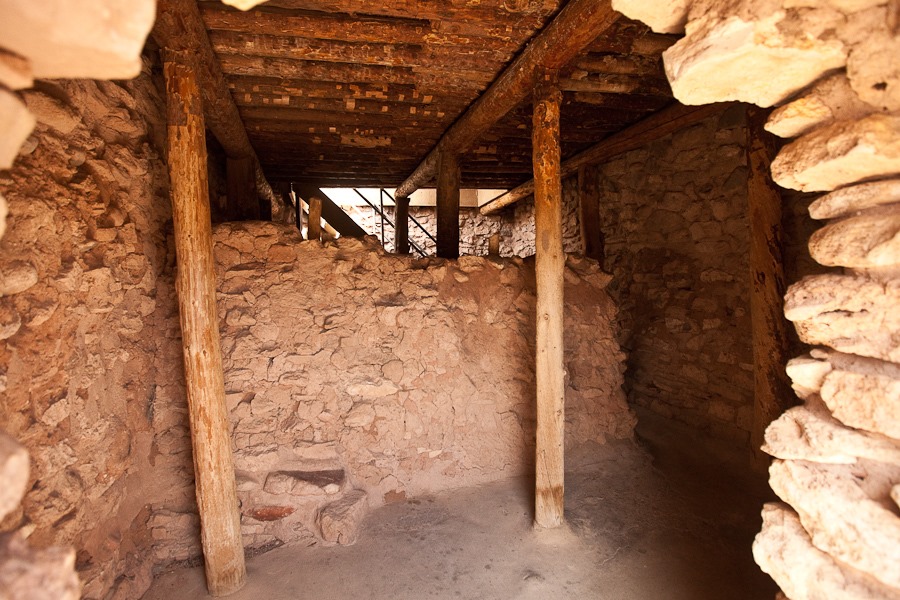
The park service rebuilt this enclosed room to give visitors a better idea of what the dwellings look like inside:
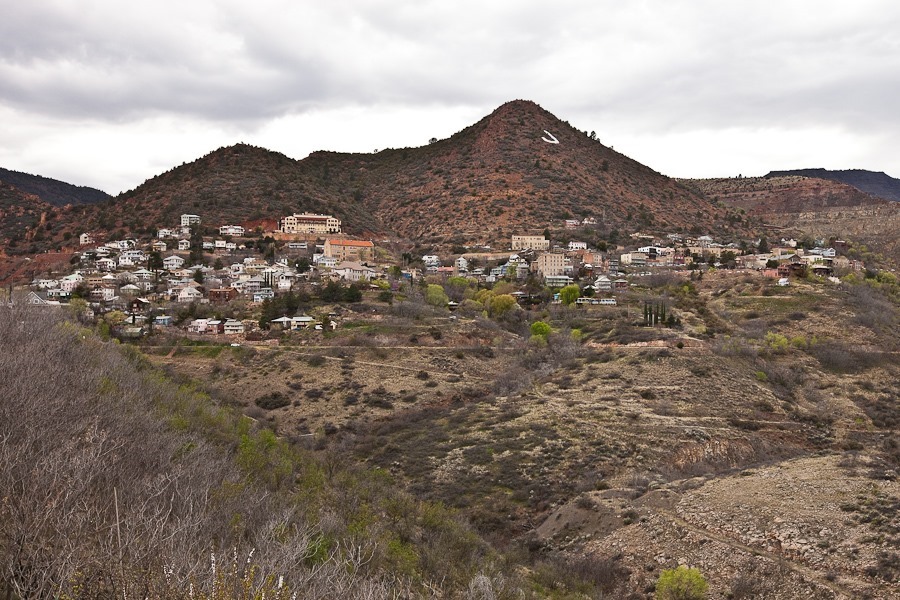
Next we drove west to the hillside town of Jerome:
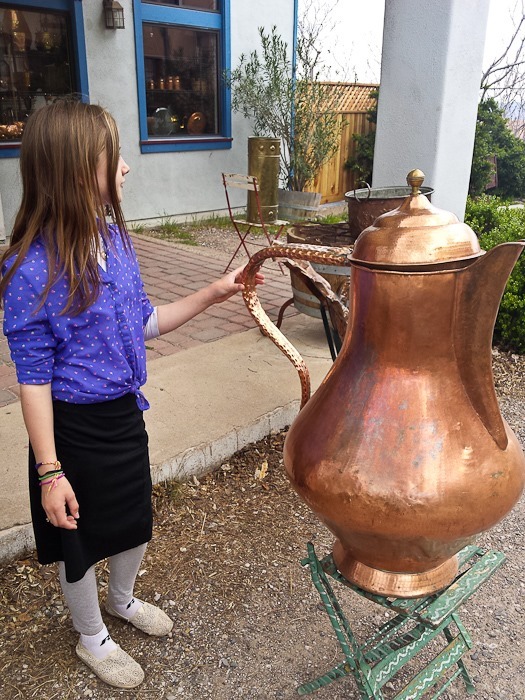
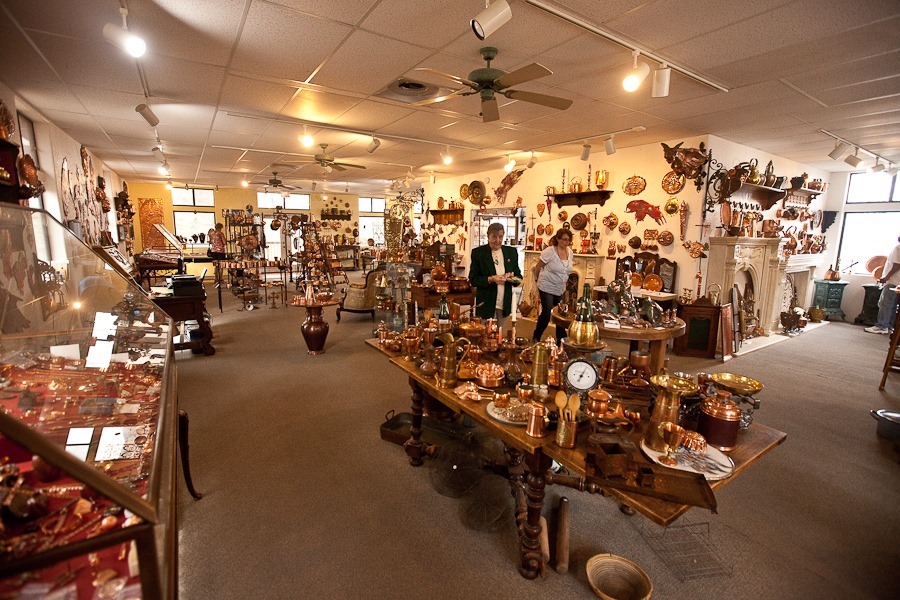
Jerome has many galleries and shops. We stopped to visit this copper boutique:
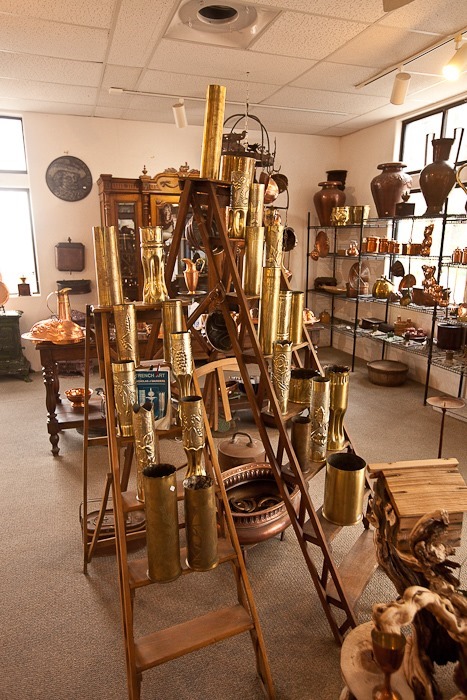
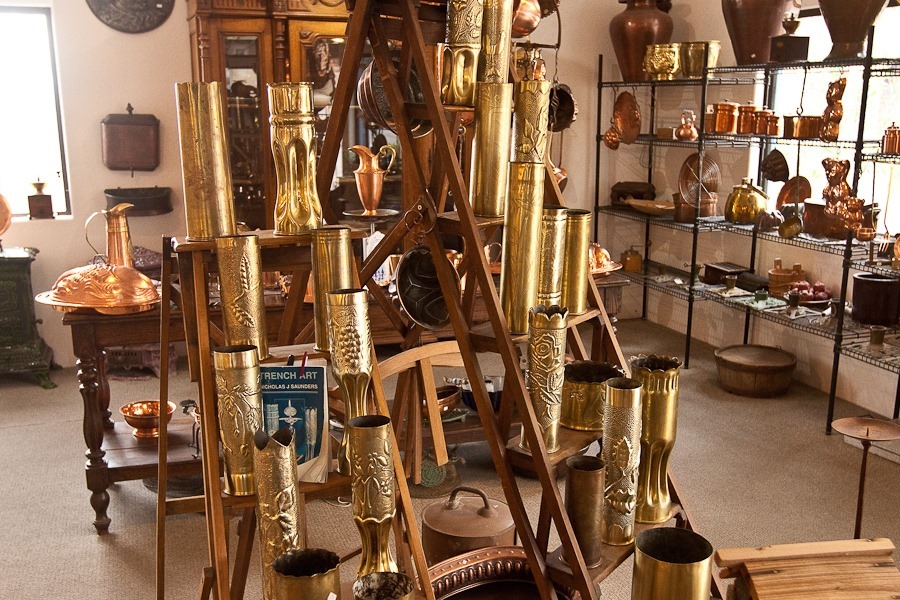
The shop had a number of artillery cartridges from World War I that soldiers at the time had crafted into trench art:
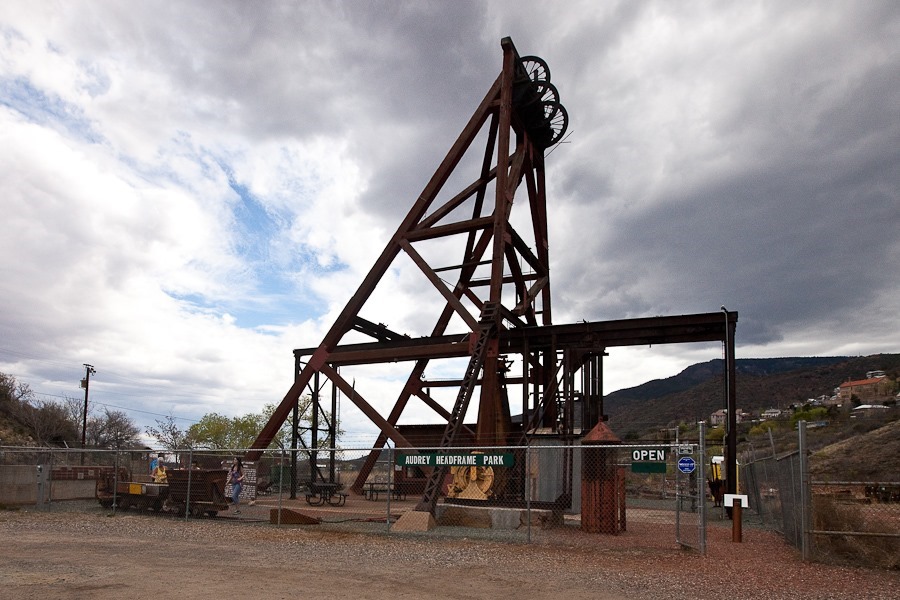
We also visited the Audrey Shaft Headframe Park. The headframe stands above a 1,900 foot deep shaft that was use to bring copper ore to the surface. The mine eventually produced over 500,000 tons of copper:
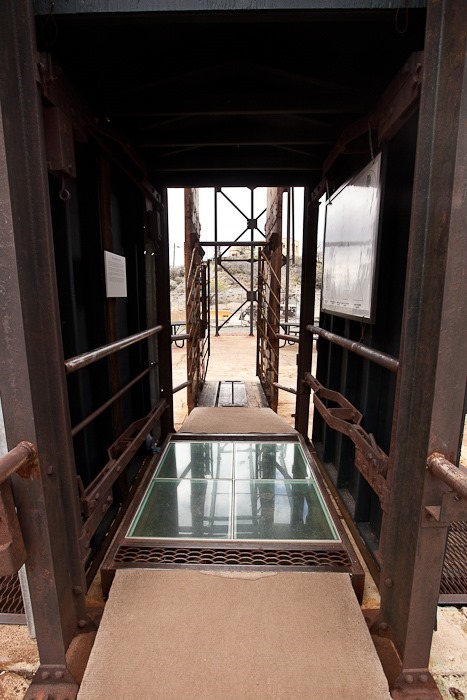
The shaft itself is covered with an acrylic walkway. Walking over it, we could look down into the darkness as we stood over a 1,900 foot vertical drop below our feet. Falling down the shaft would entail a free-fall 650 feet longer than from the roof of the Empire State Building to ground level:
We tried to explore downtown Jerome, but parking was a problem, so we returned to Cottonwood and did some grocery shopping before returning to the RV.




 Facebook
 Instagram
 Email
Email