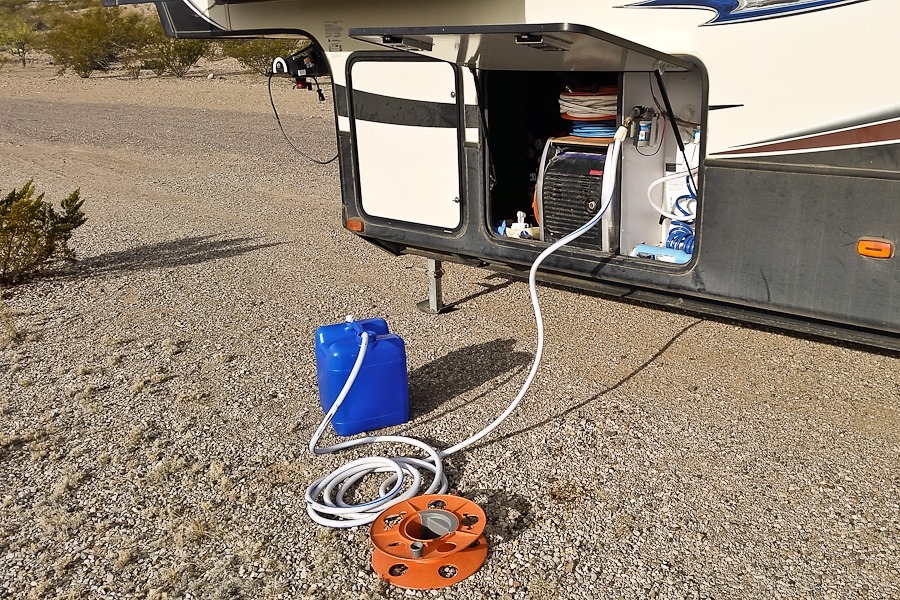
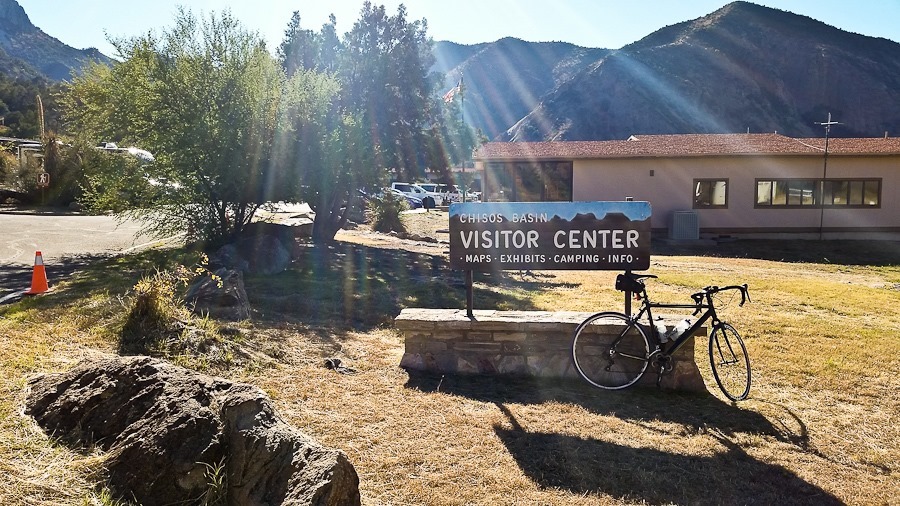
Today was a stay at home day. Every time we’ve gone out to go explore the park, we’ve filled up our 7-gallon jerry can at the visitor center. Today, while the kids were doing homeschool, I used the transfer pump to move yesterday’s water into the main RV tank:
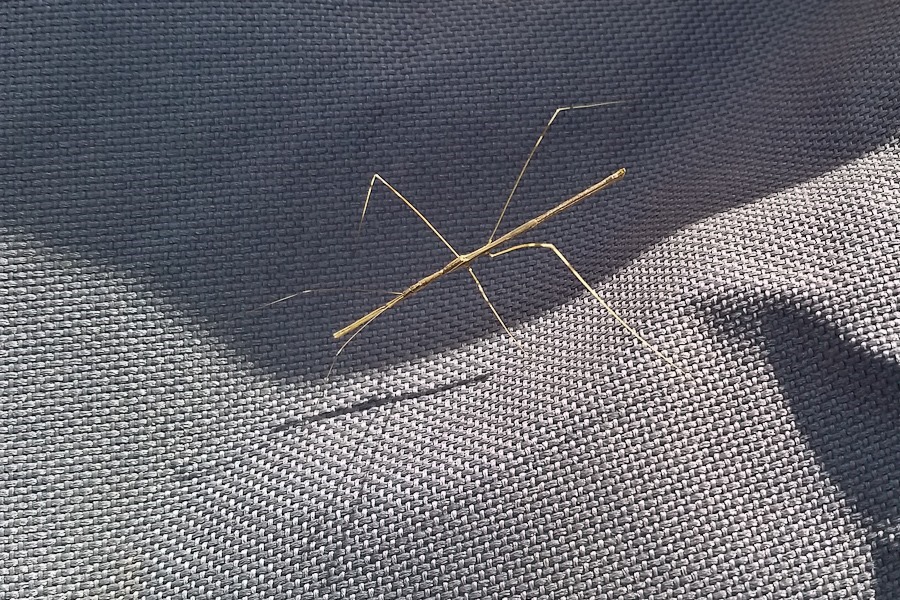
B and I did some homeschool outside, and we found this stick bug on my chair:
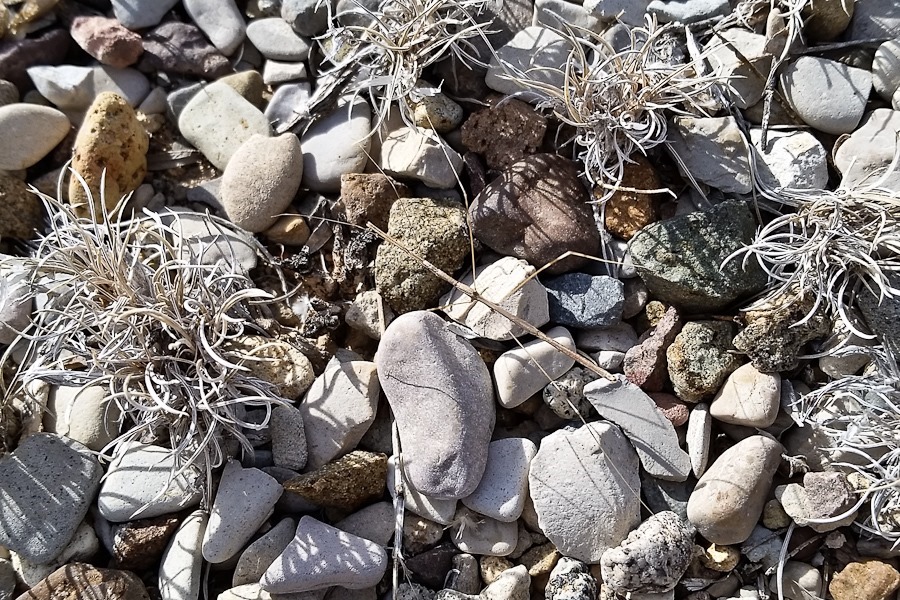
In its natural habitat, it’s much harder to see:
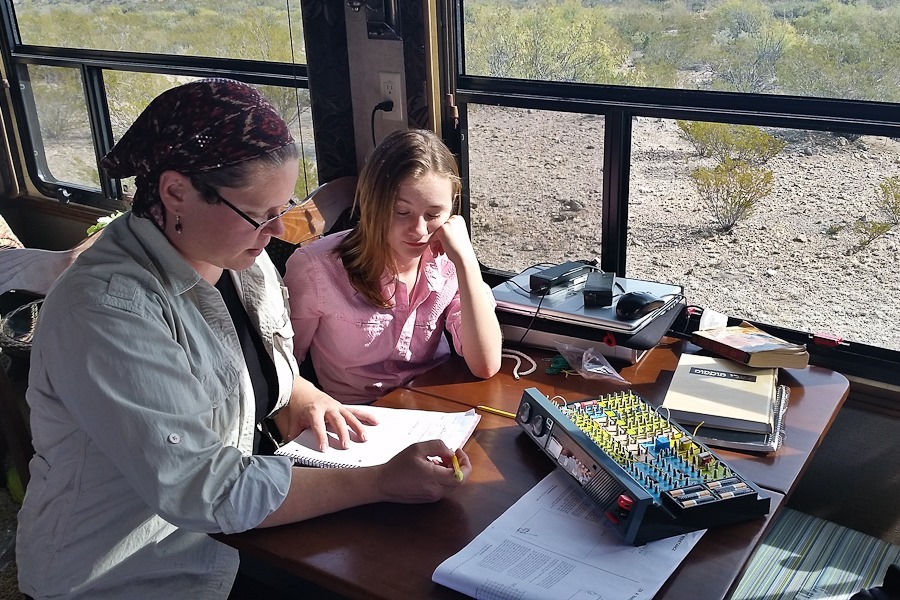
Trish taught B how a voltage divider works. Obviously, I married well:
Once I finished teaching my subjects, I rode my bike towards the Chisos Mountains, a ride which would have a 2700 foot elevation gain over 12 miles. The section from our campsite to Panther Junction was a 3% to 5% grade:
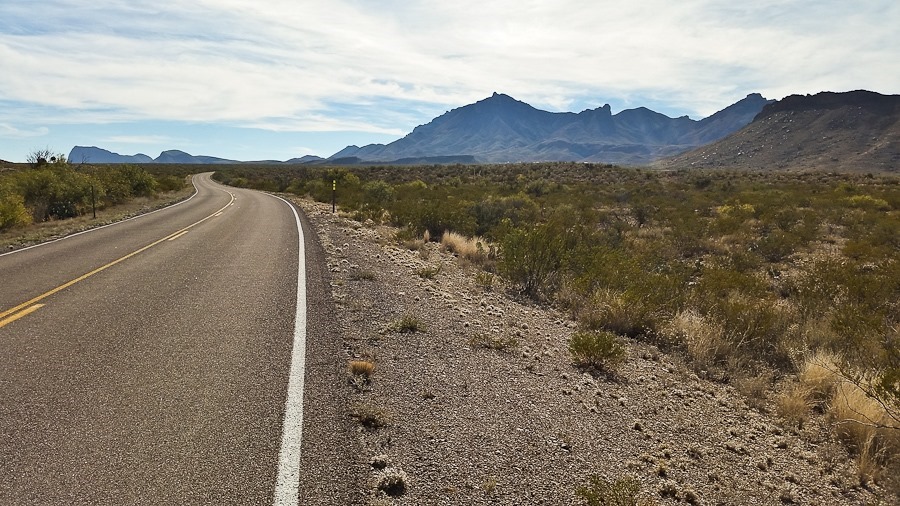
I then turned west at Panther Junction, fighting a brutal headwind until I turned south onto the Chisos Basin road. Here the grade kicked up quite a bit:
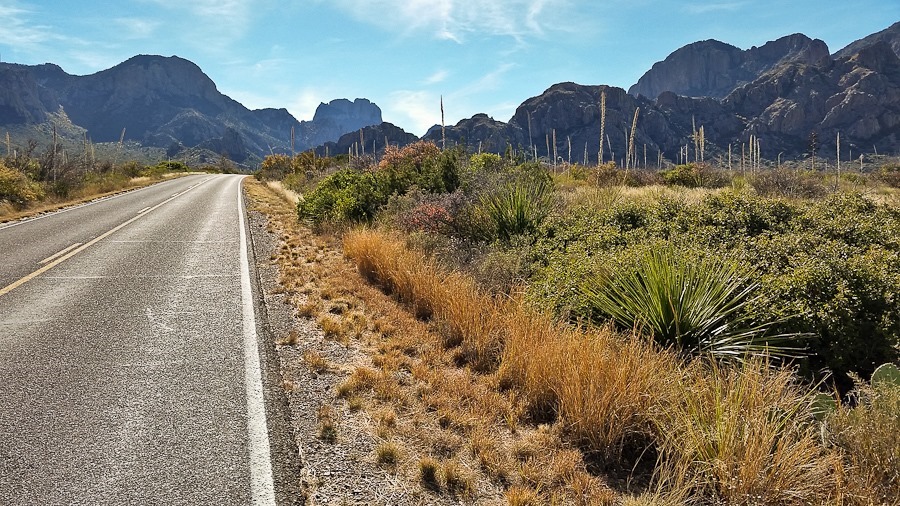
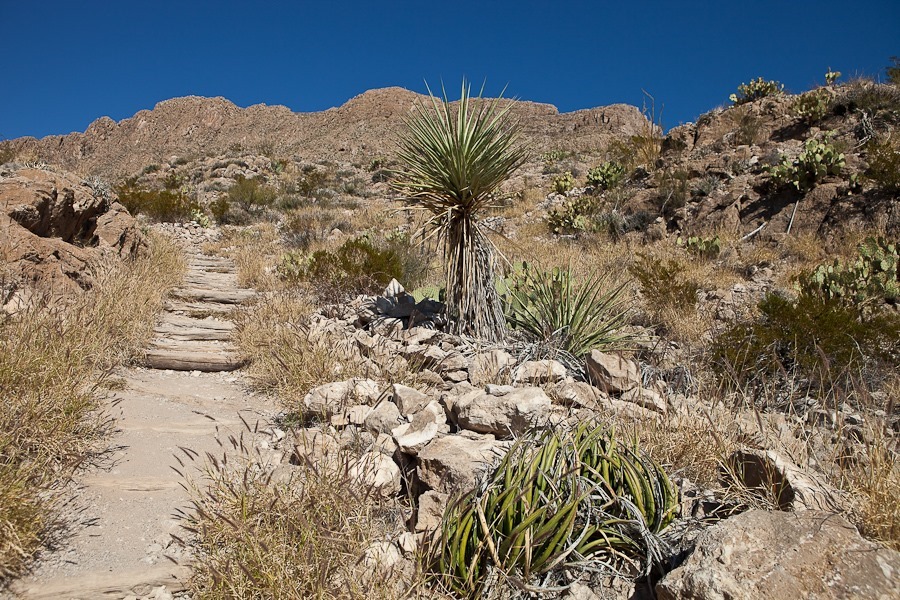
In the higher elevations, different plants grow:
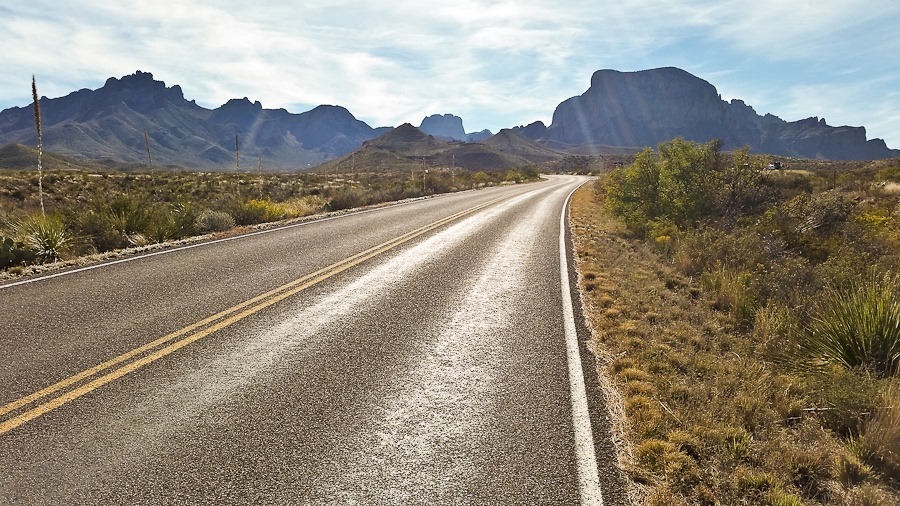
At this point, I could see the saddle through which I would cross into the Chisos Basin:
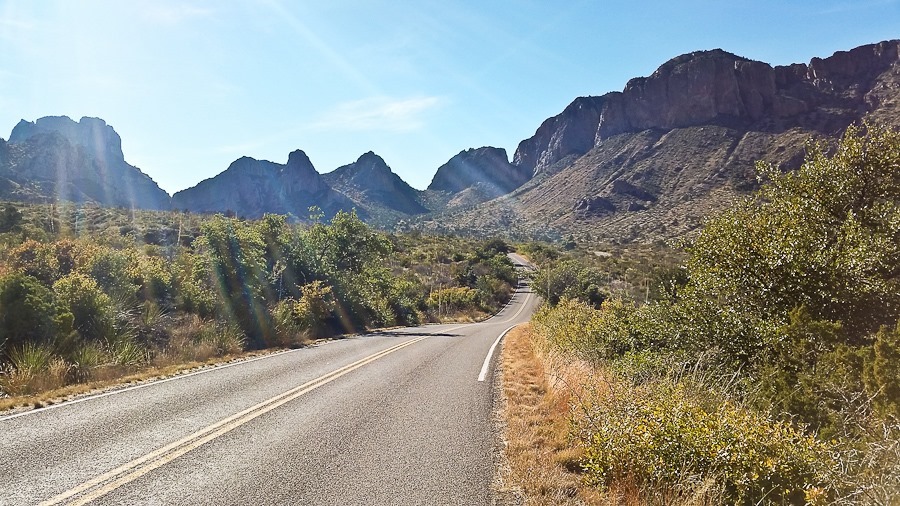
After crossing the summit at 5700 feet, I descended a few hundred feet to Chisos Basin:
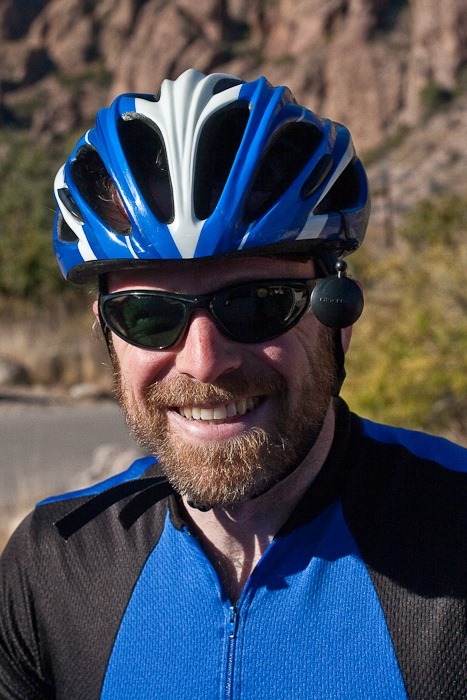
Trish and the kids met me here:
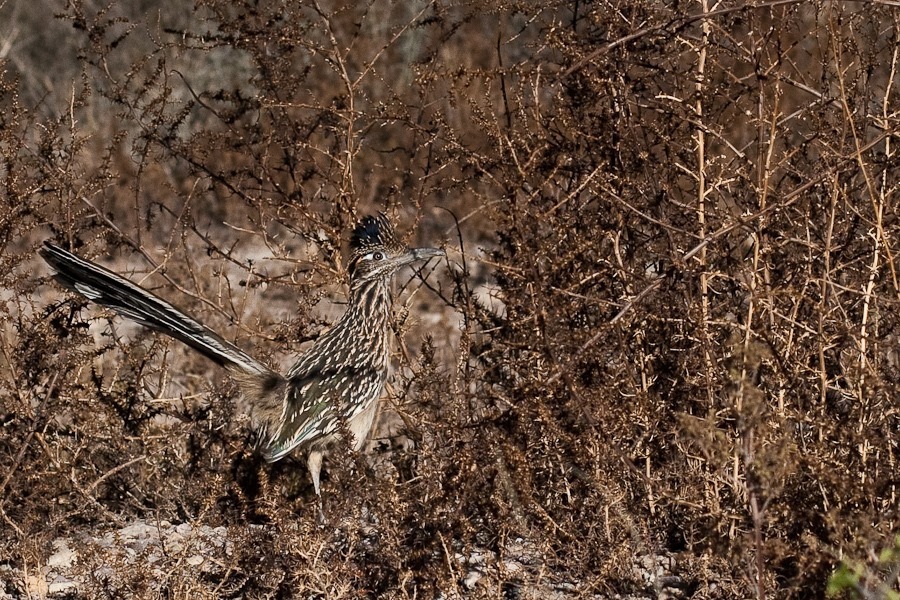
While I changed back into normal clothes, M hunted the elusive roadrunner:
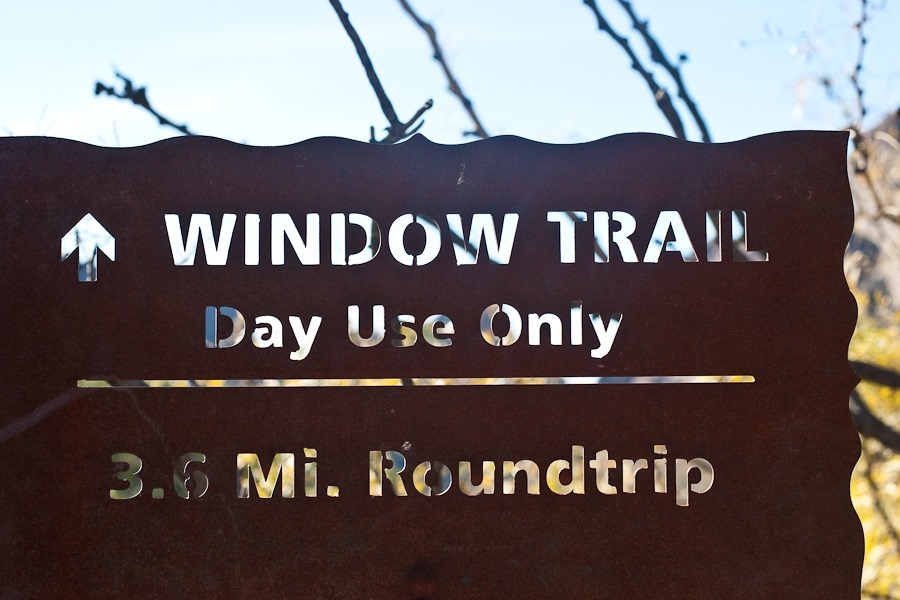
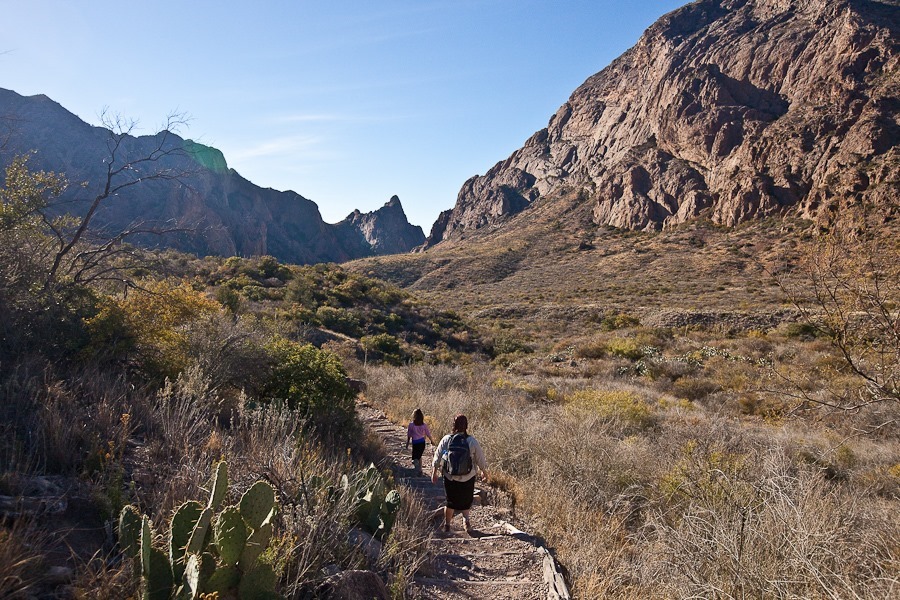
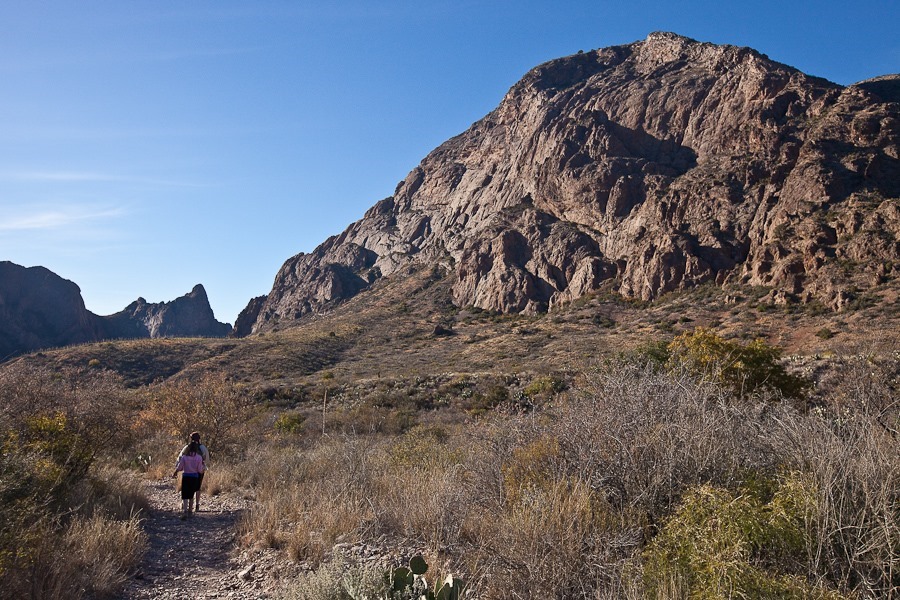
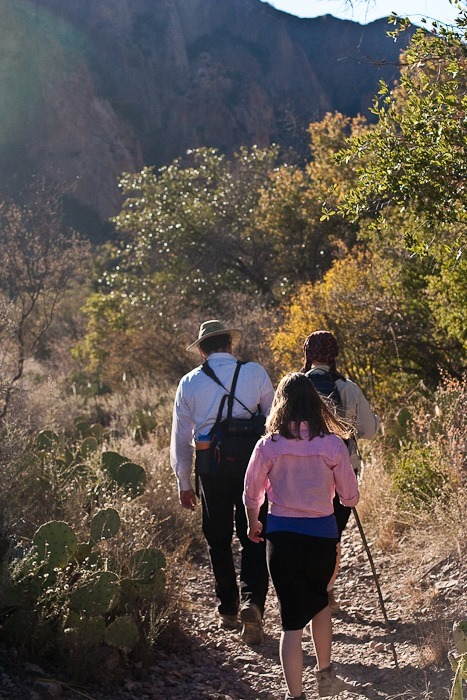
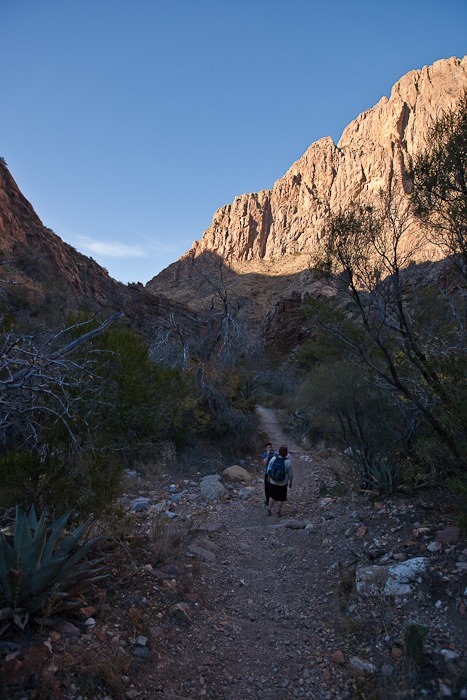
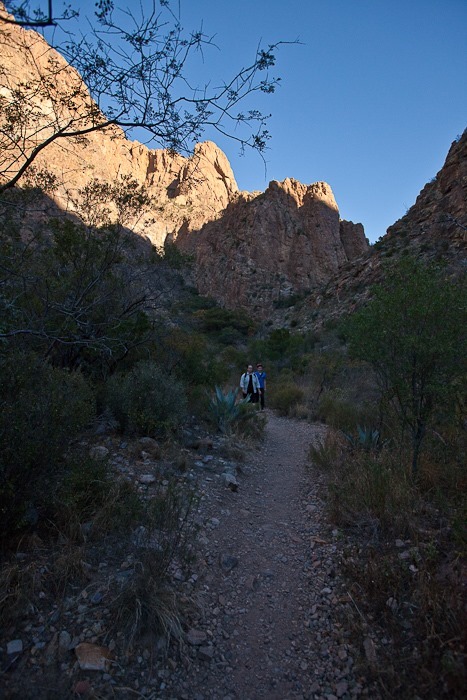
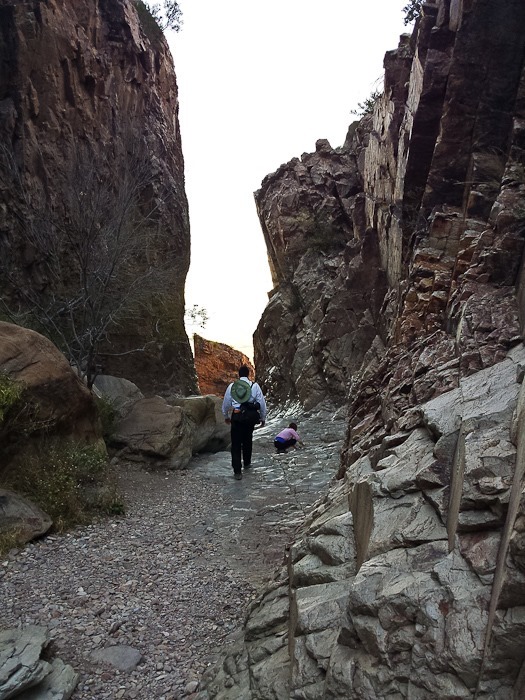
We set out to hike the Window Trail:
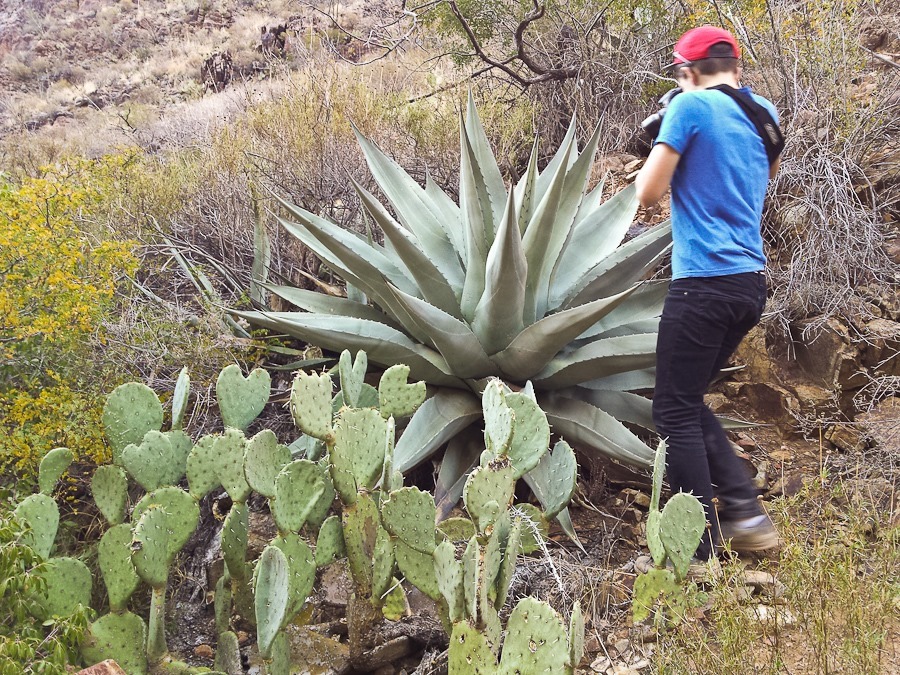
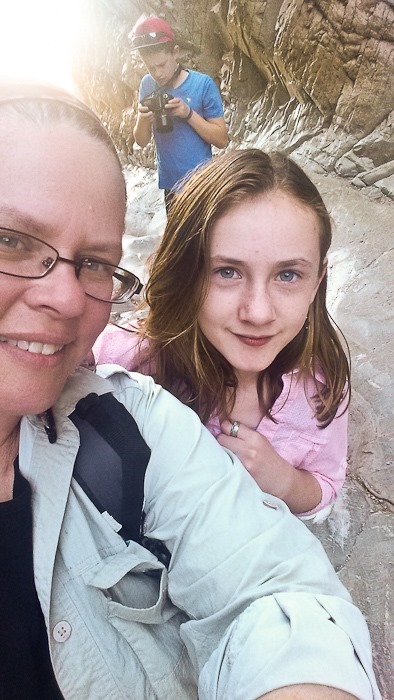
M continues to experiment:
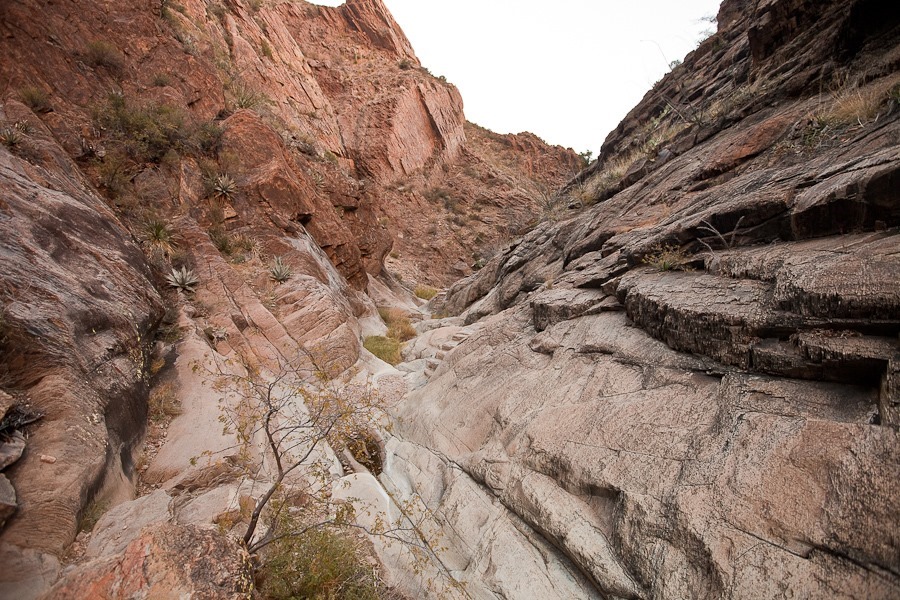
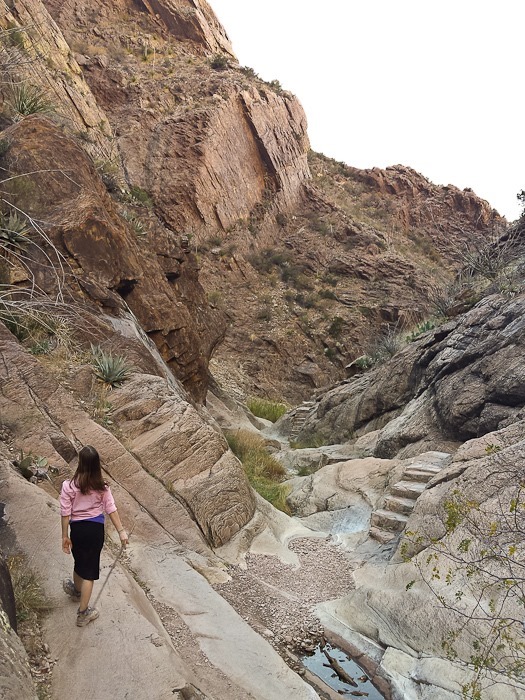
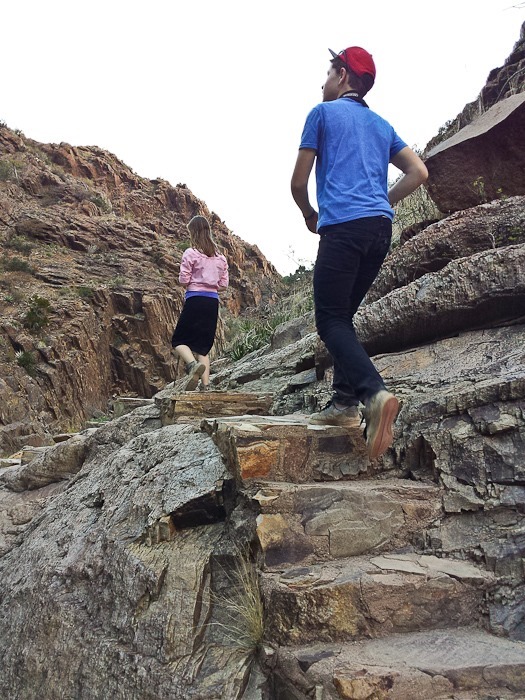
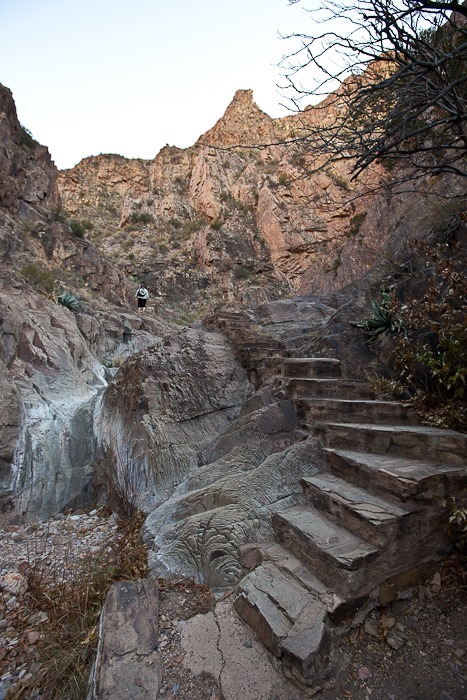
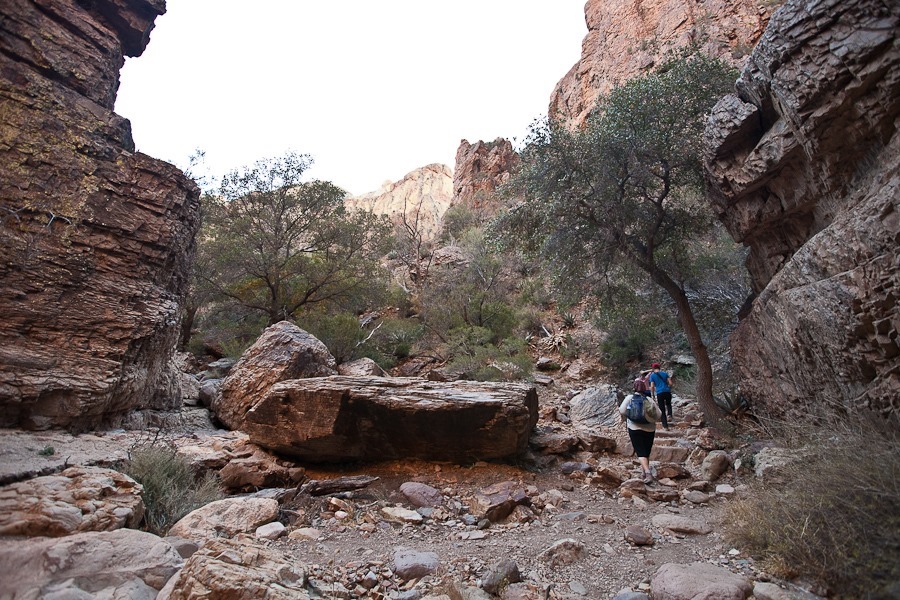
Here the canyon narrows, and steps have been built into the canyon wall:
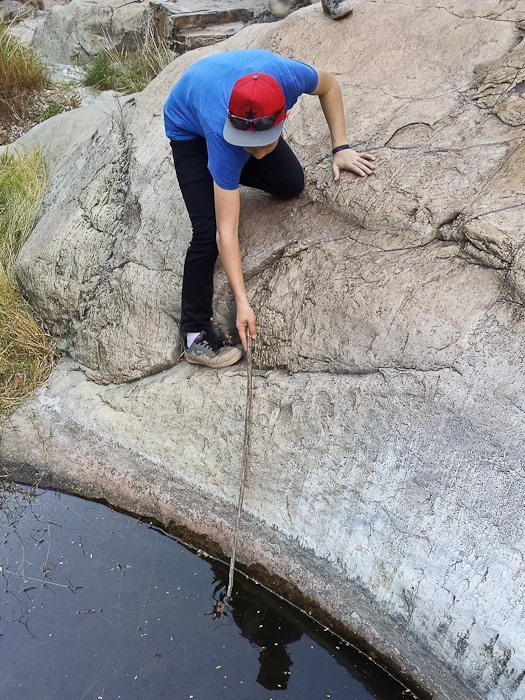
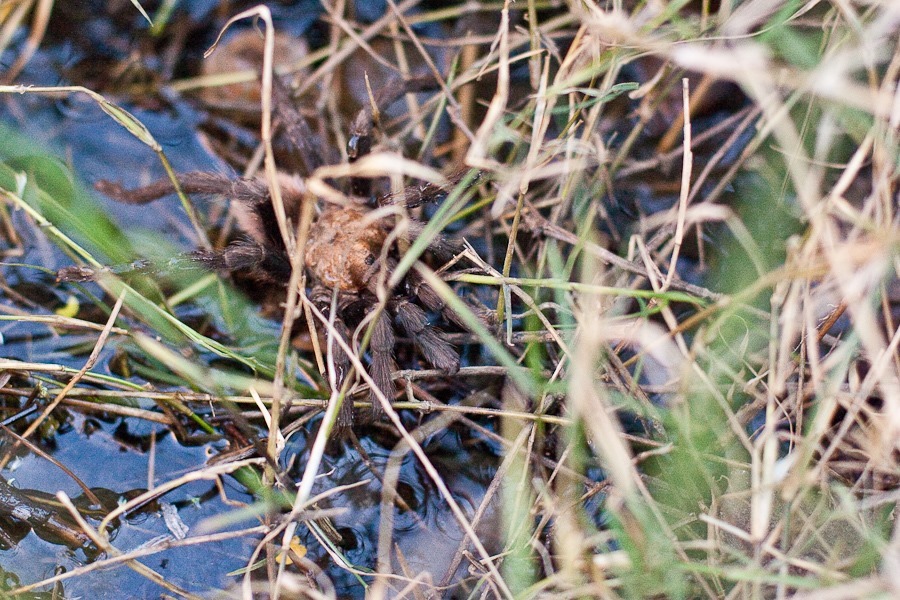
We noticed a tarantula fall into this water hole. M used a stick to push it to safety:
The spider safely on shore:
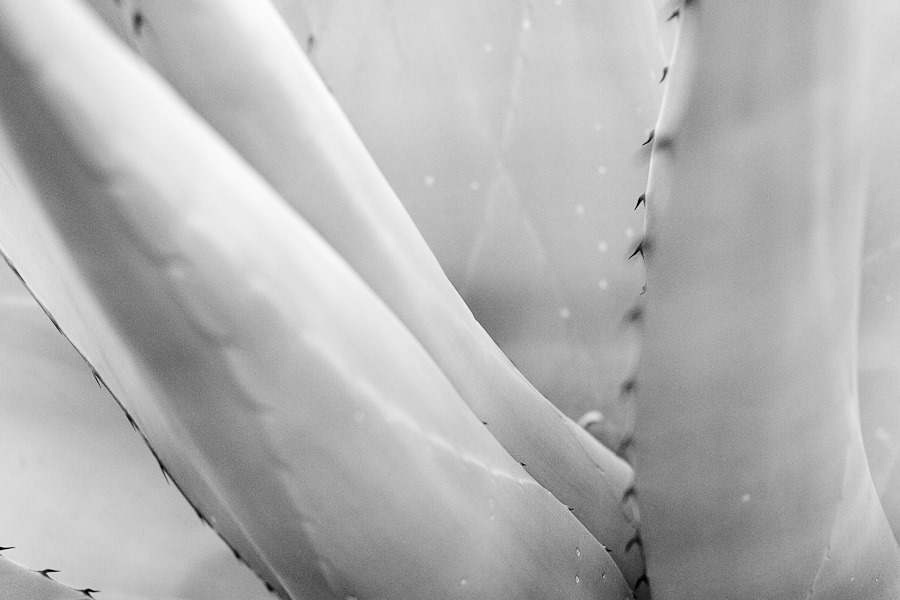
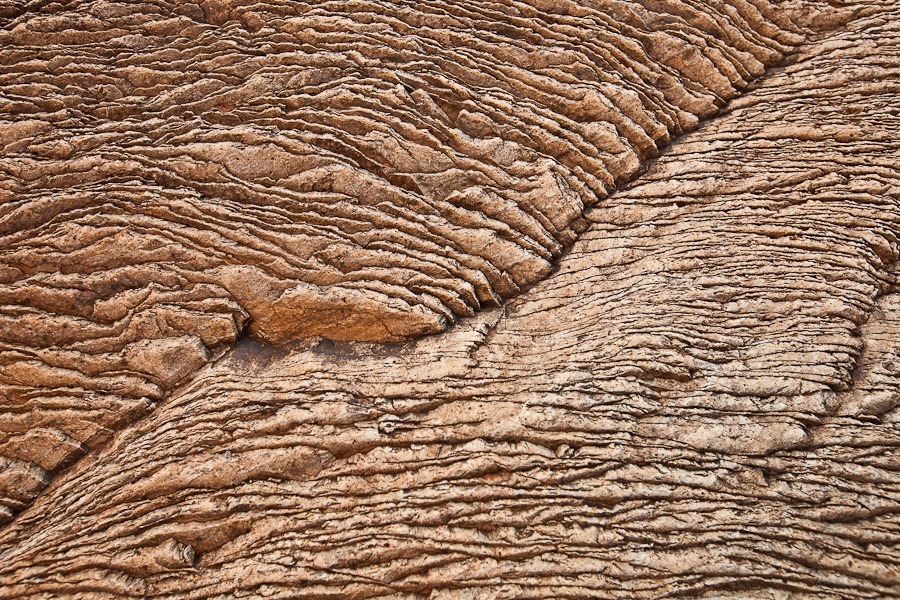
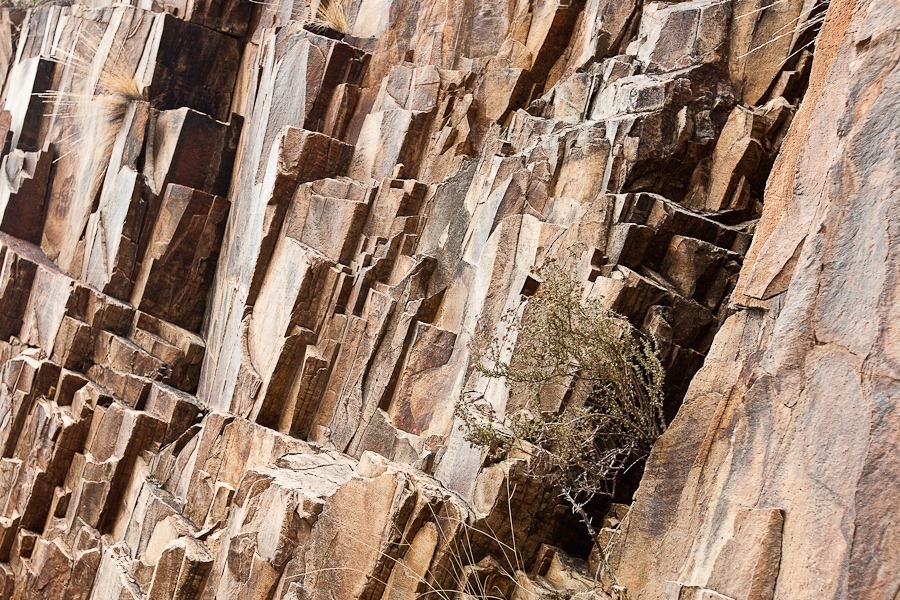
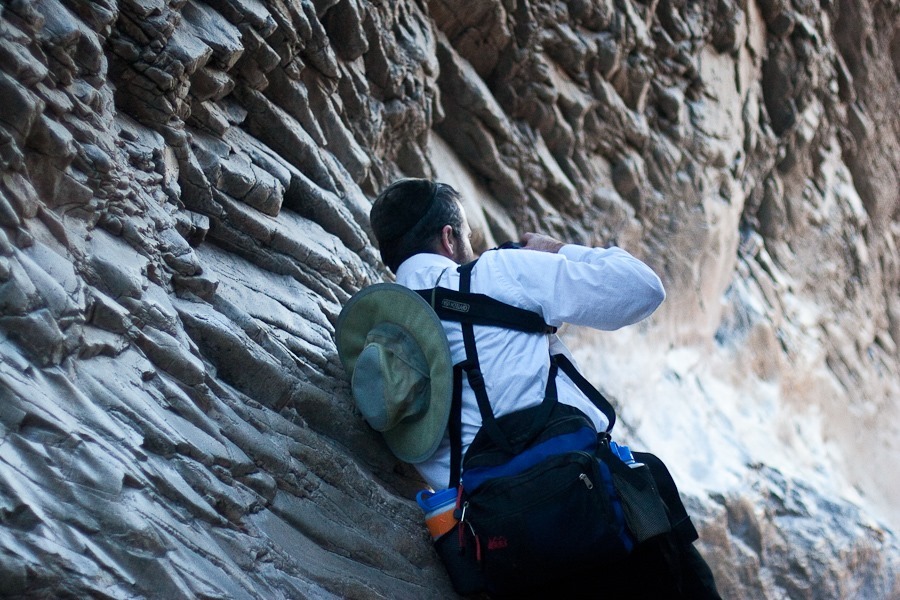
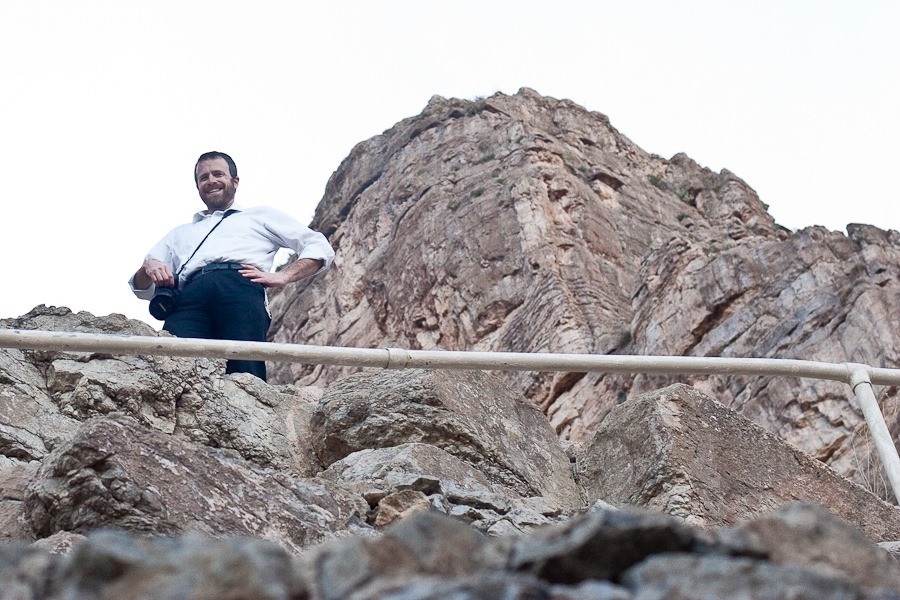
Photographing rock textures:
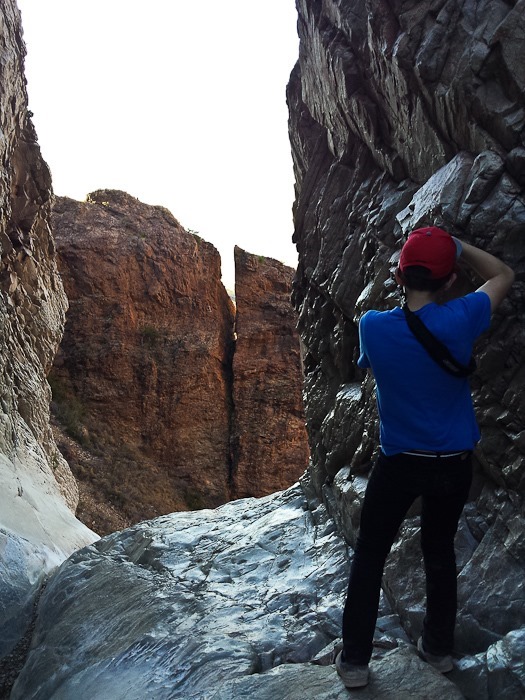
At last we arrived at the Window:
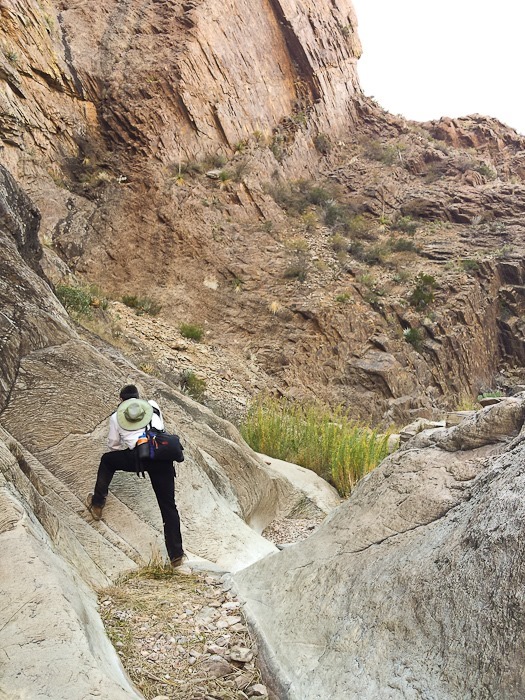
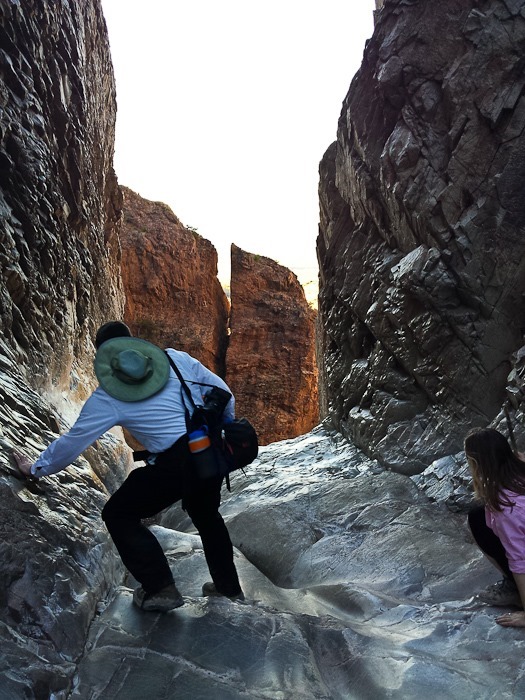
The rock here has been worn slick by rain storms and that last step is hundreds of feet down, so we were very careful:
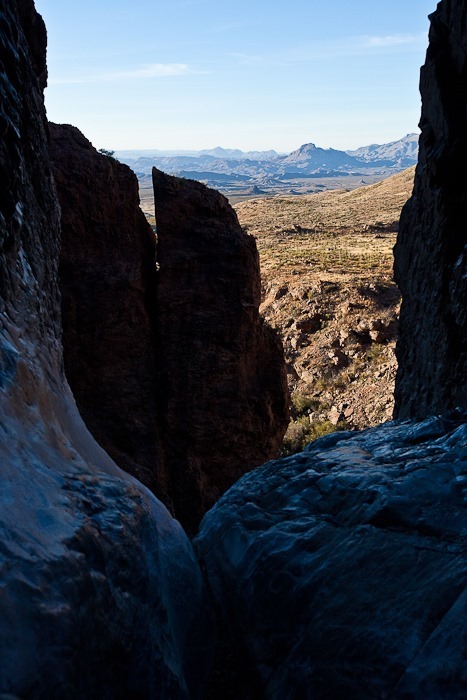
The view from the Window:
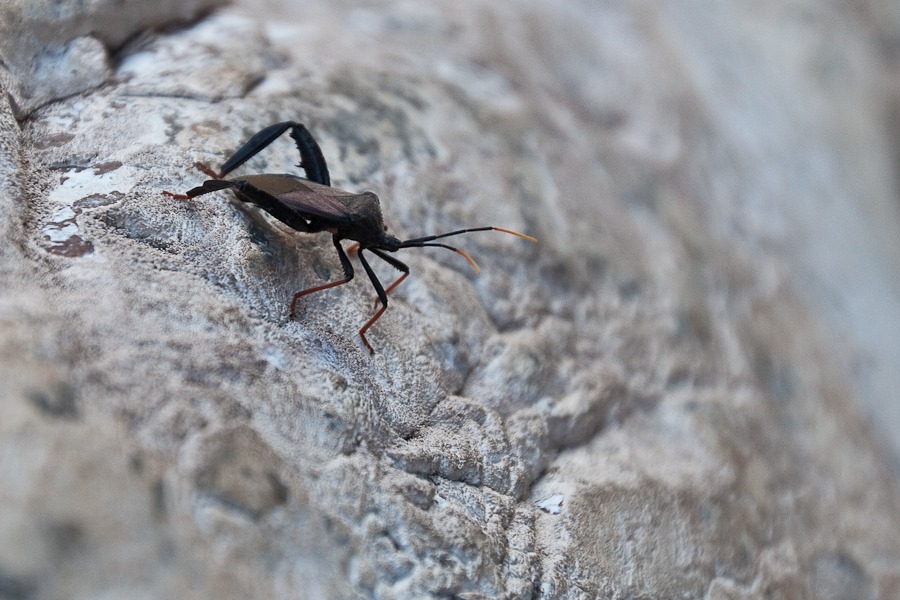
This insect is nearly two inches long, and they’re everywhere:
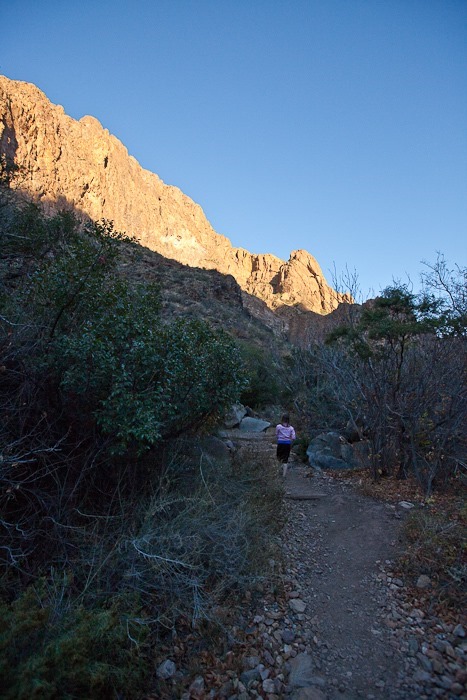
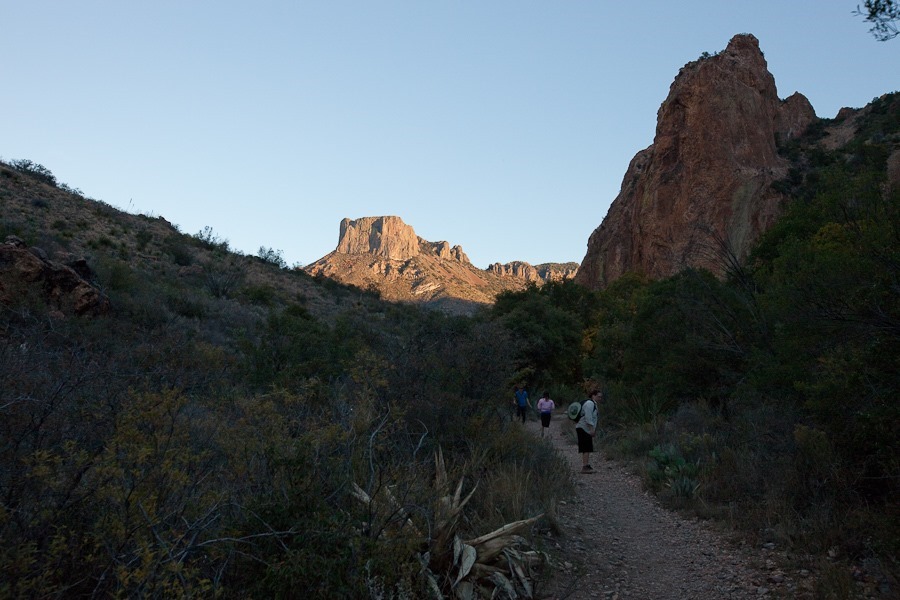
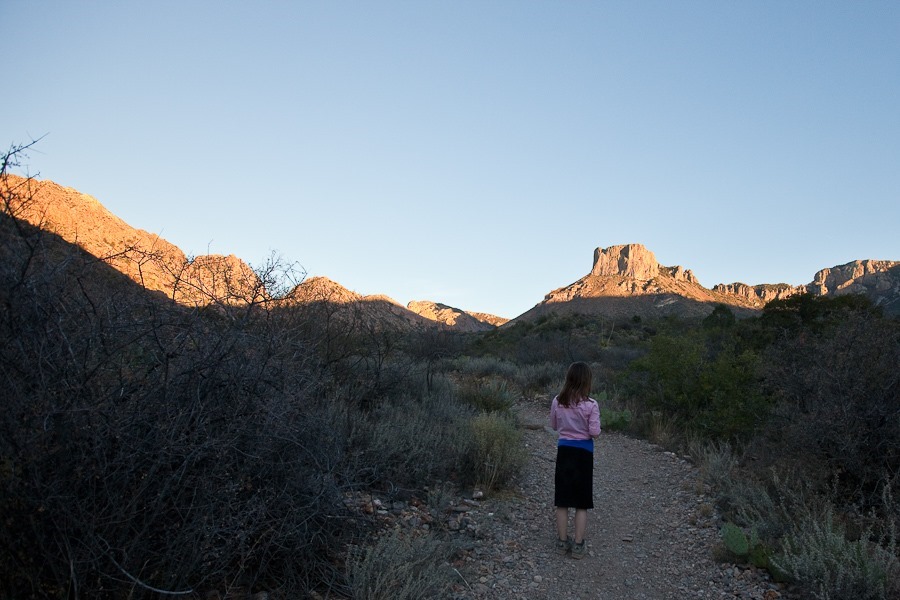
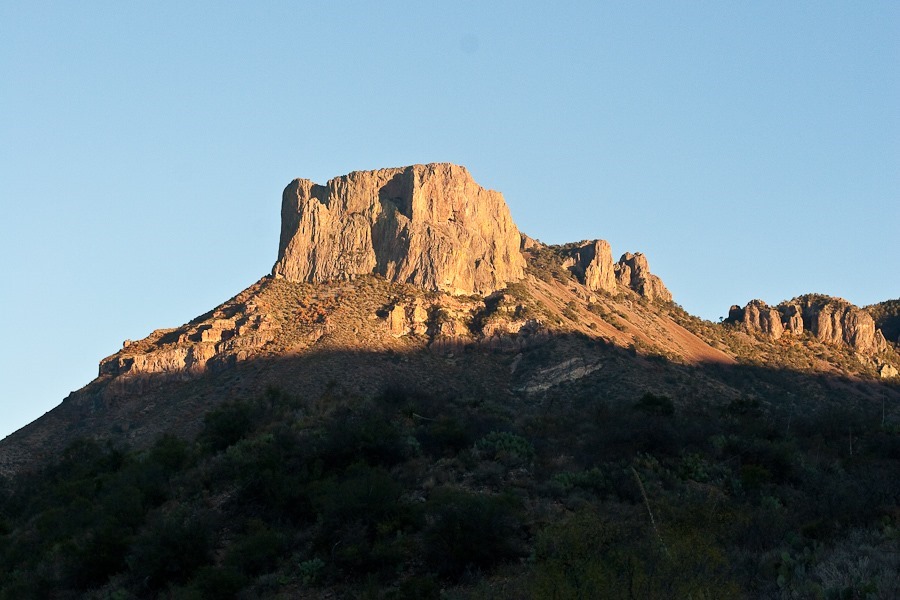
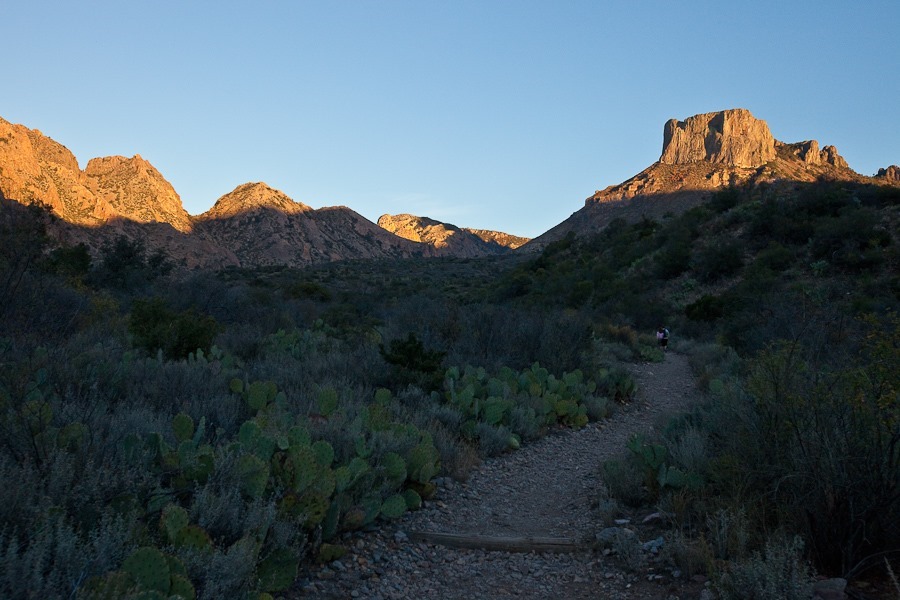
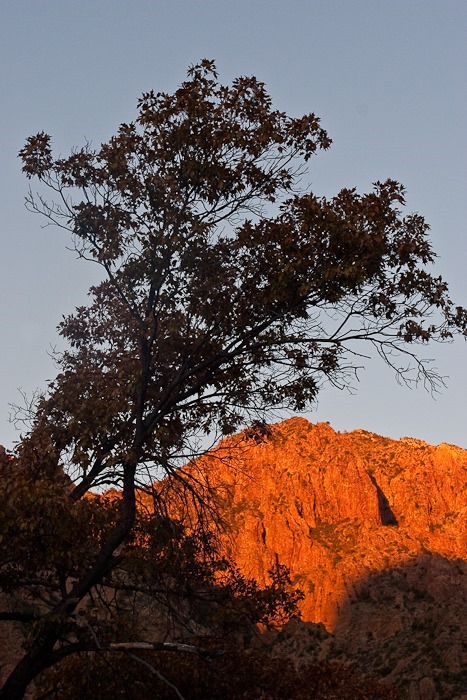
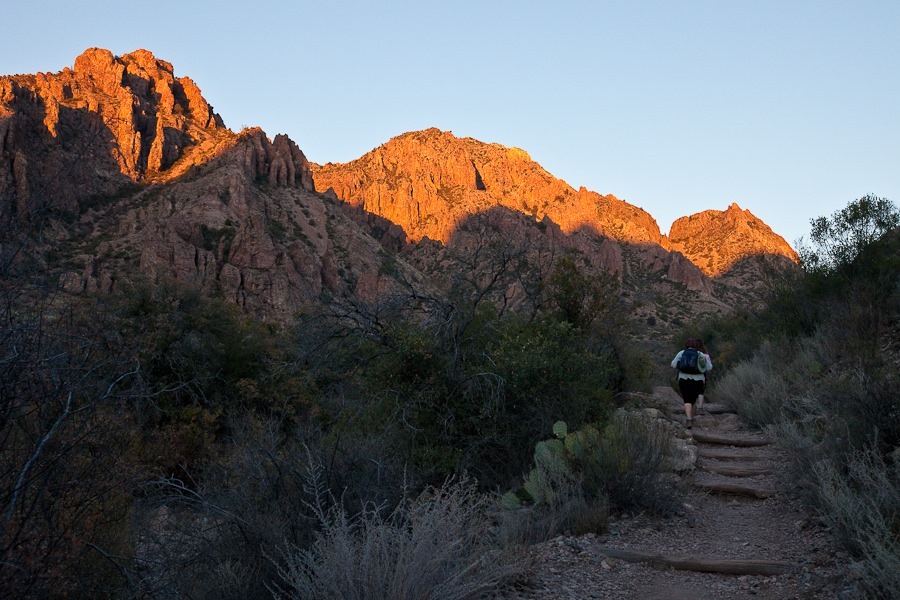
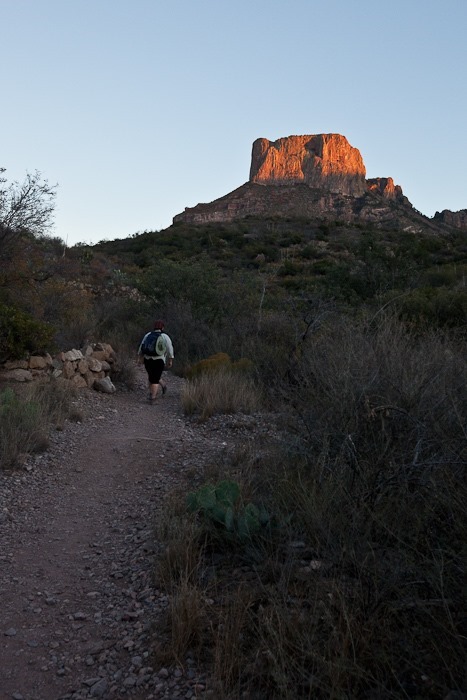
We started back with less than an hour of sunlight:
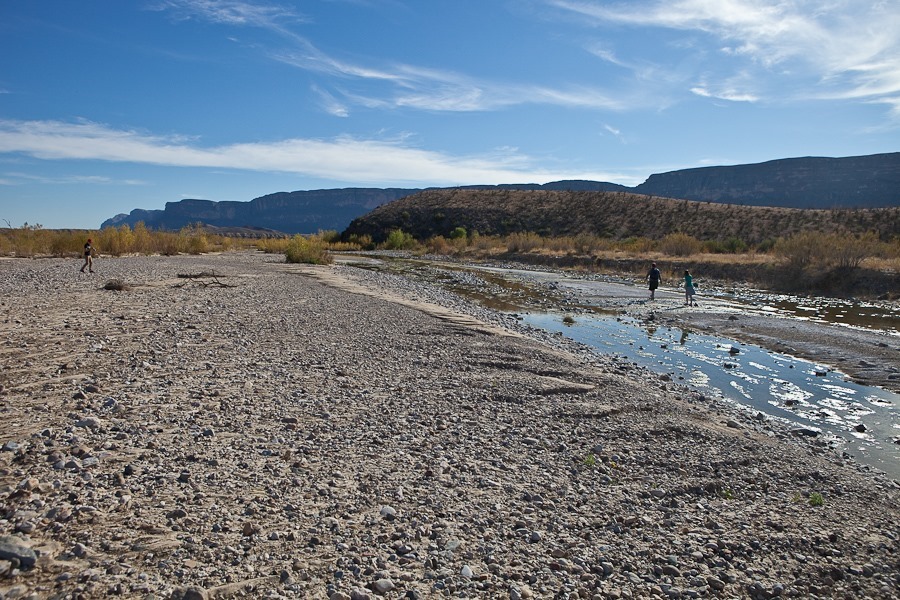
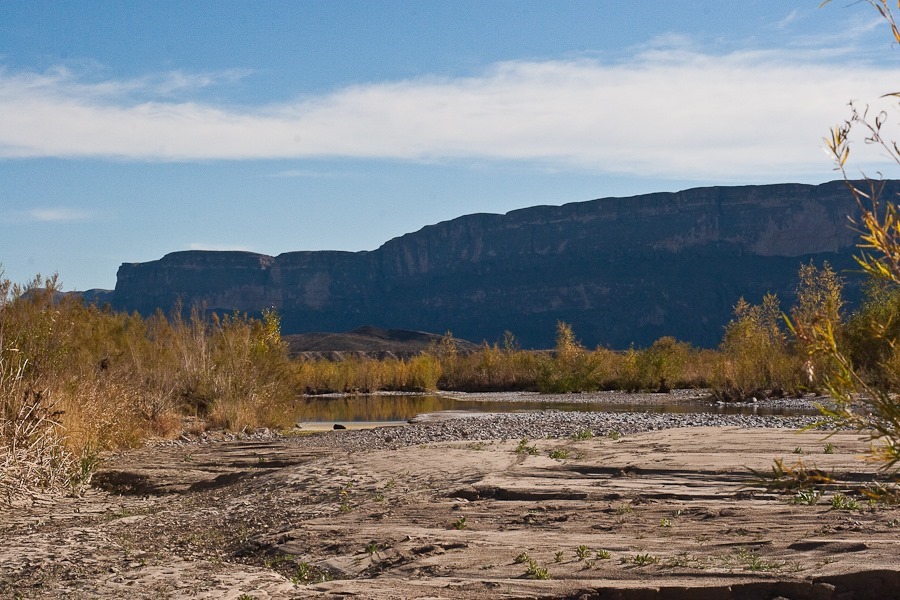
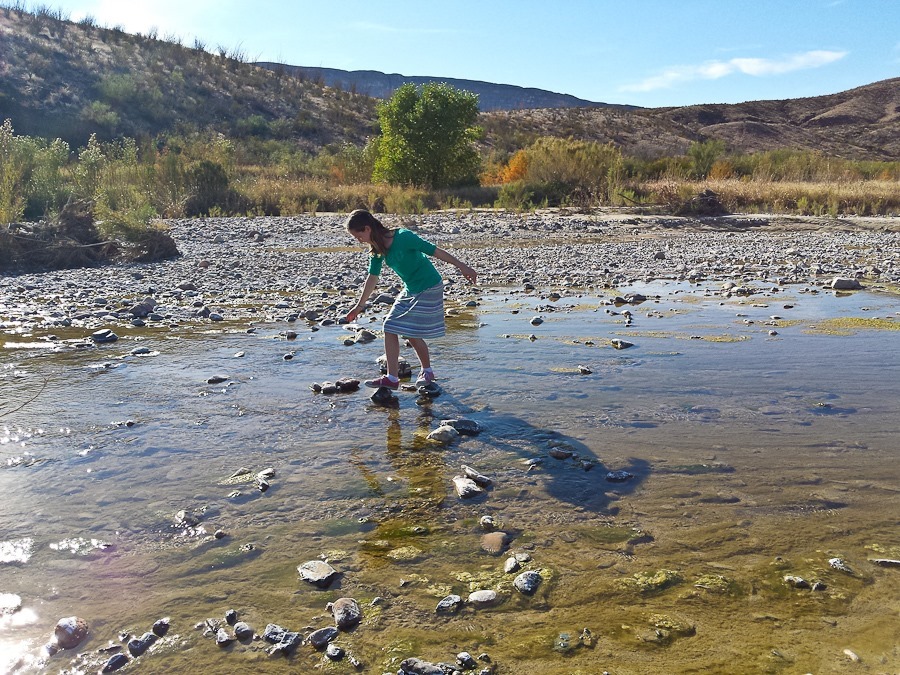
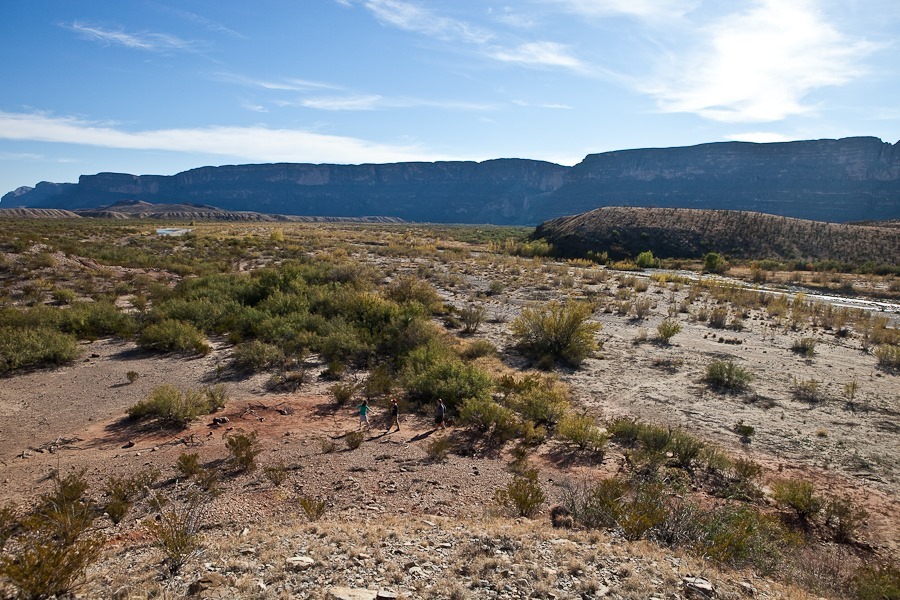
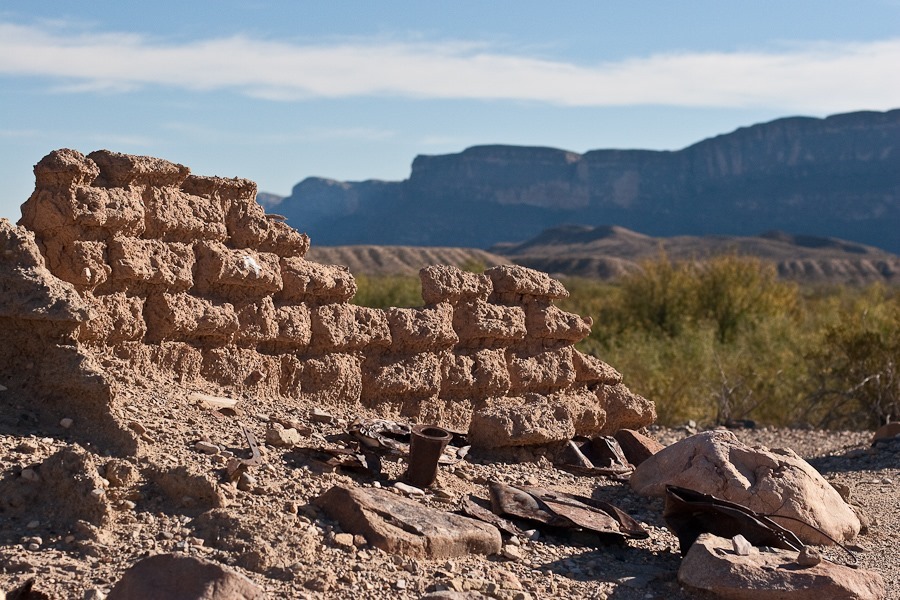
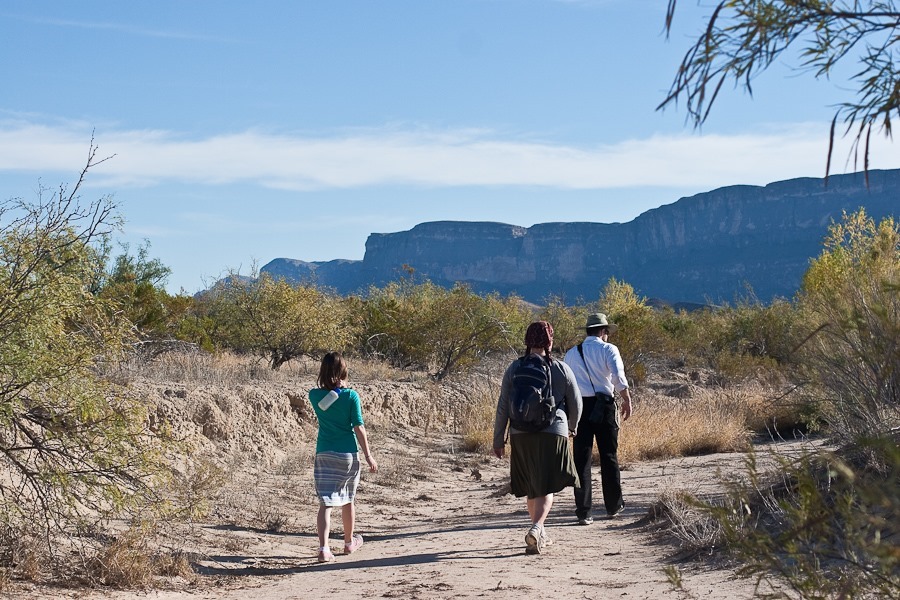
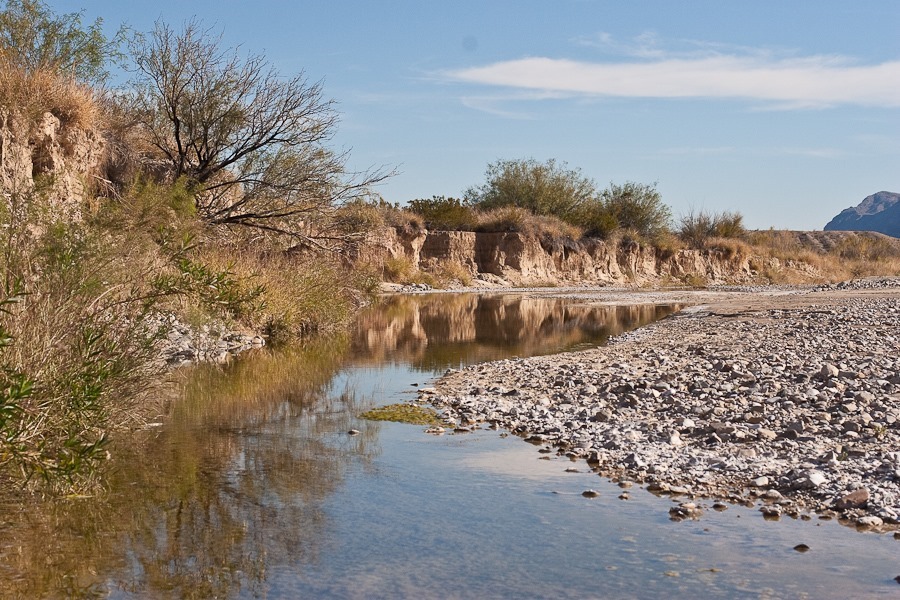
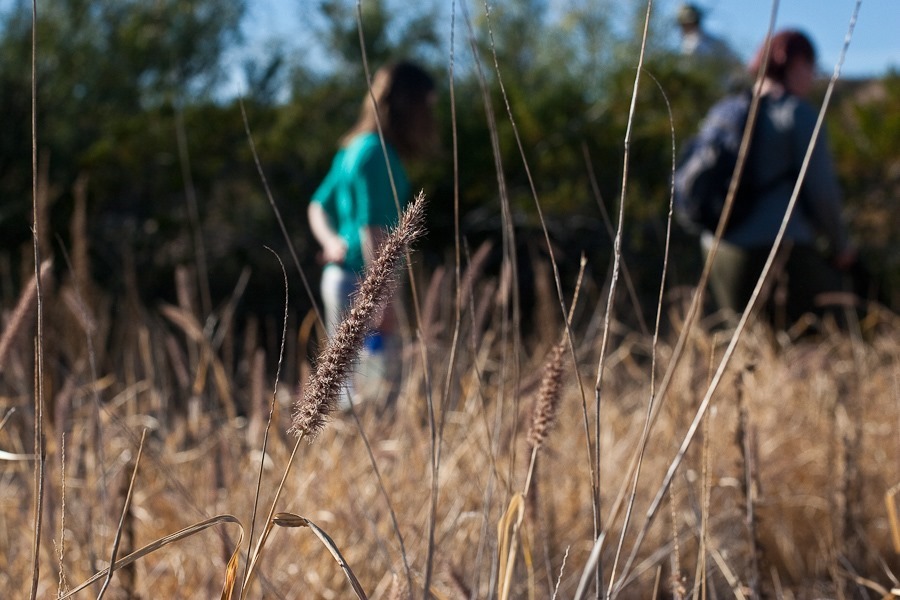
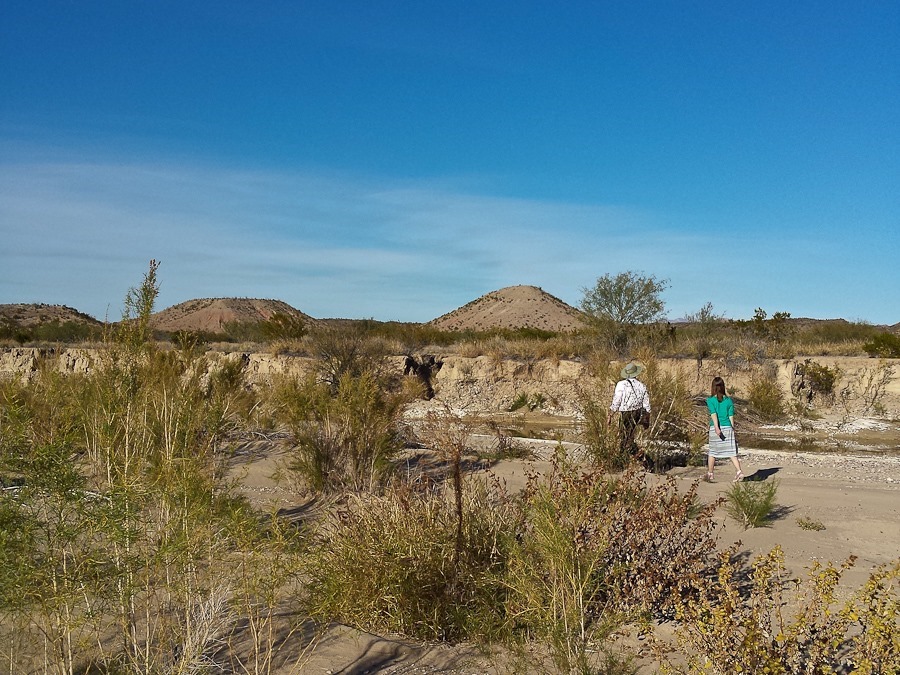
This morning after homeschool we drove out to the west side of the park. We stopped at the Ocotillo Grove dispersed camping area to look for remnants of the farming community called Terlingua Abajo. We walked along Terlingua Creek:
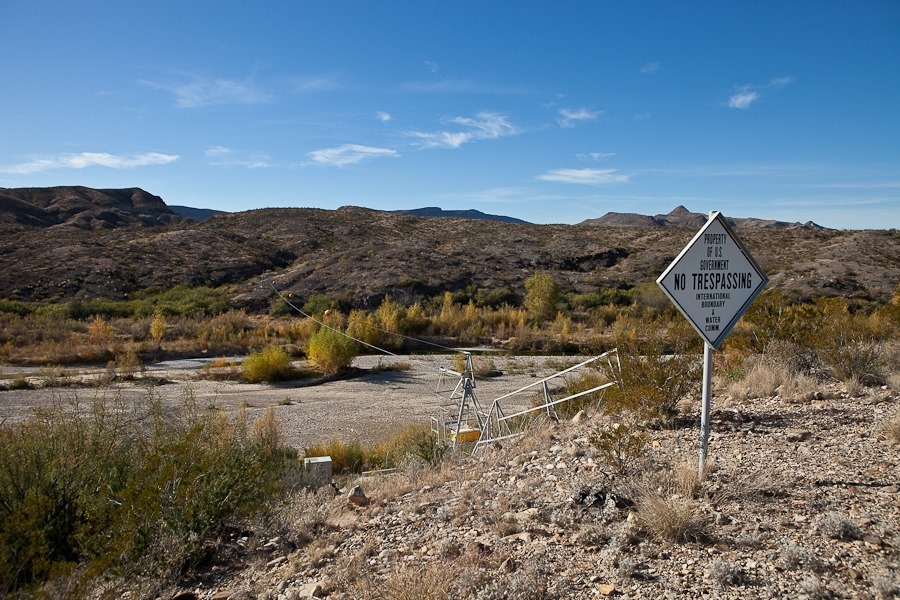
On top of a low hill, there’s a cable trolley that goes across the creek to the gauging station on the other side:
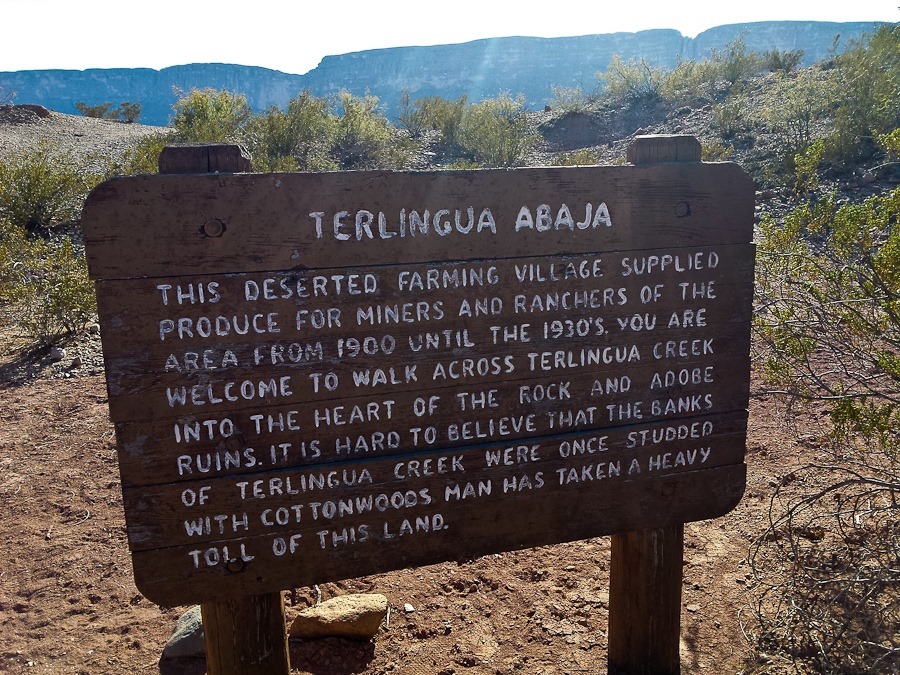
We eventually found an interpretive sign:
This side of the creek has a couple ruins, but most of them are on the other side of the creek:
We forded the creek and found the remnants of the old village:
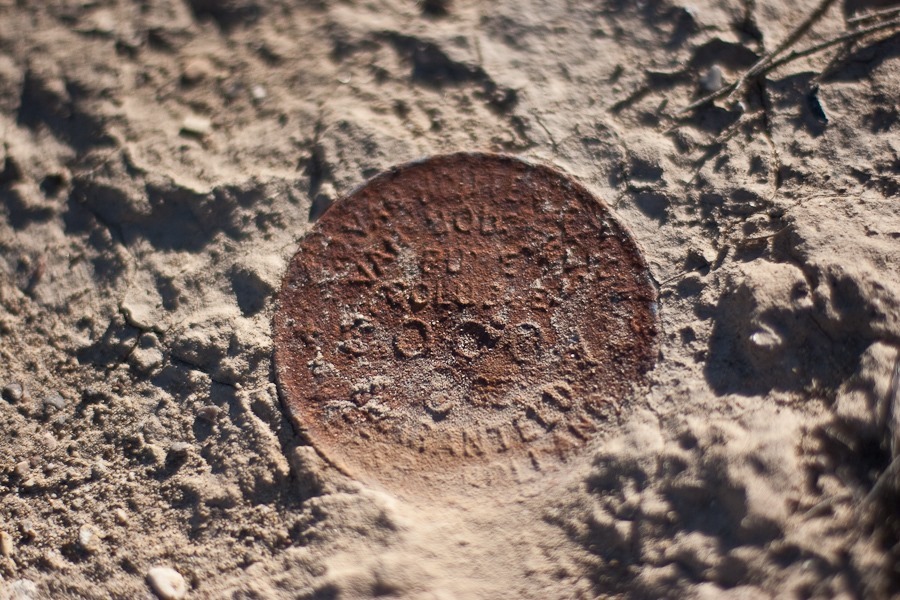
Scattered across the area was evidence of prior habitation:
We headed back across the river to the truck:
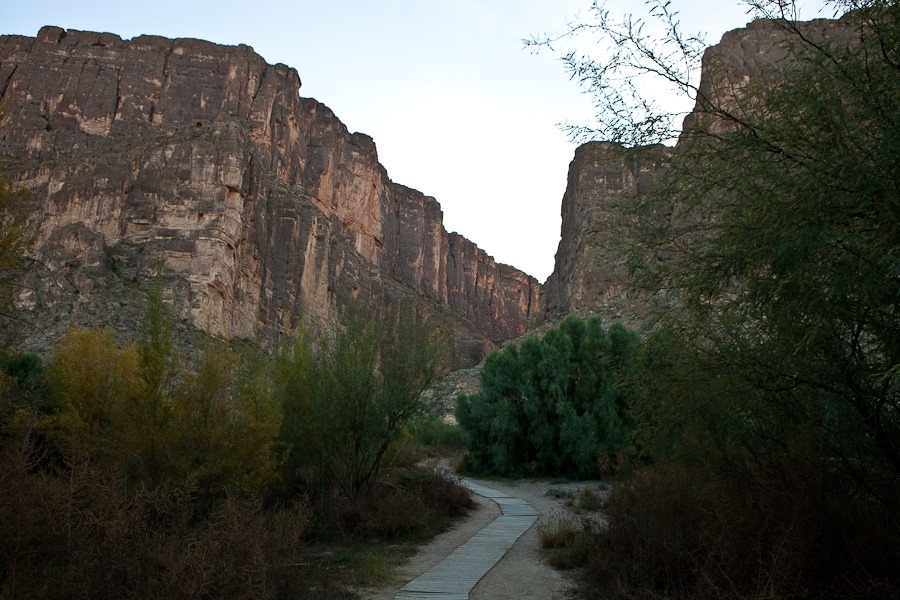
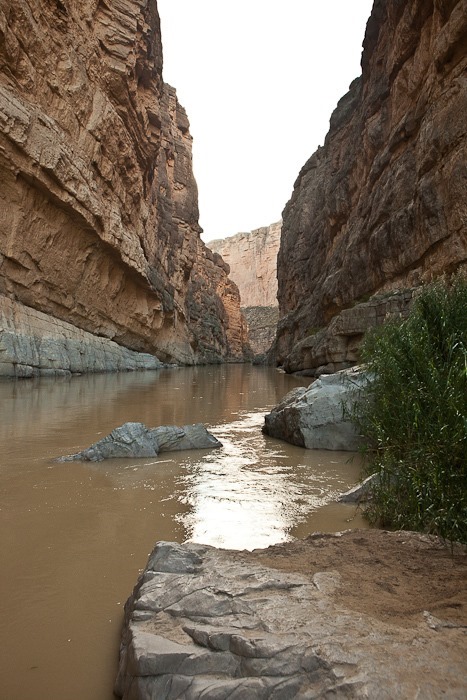
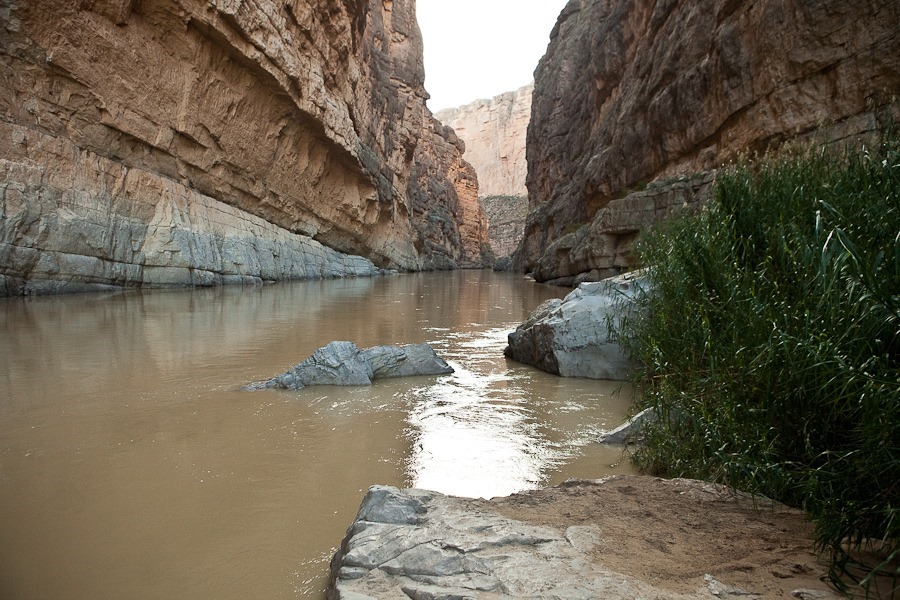
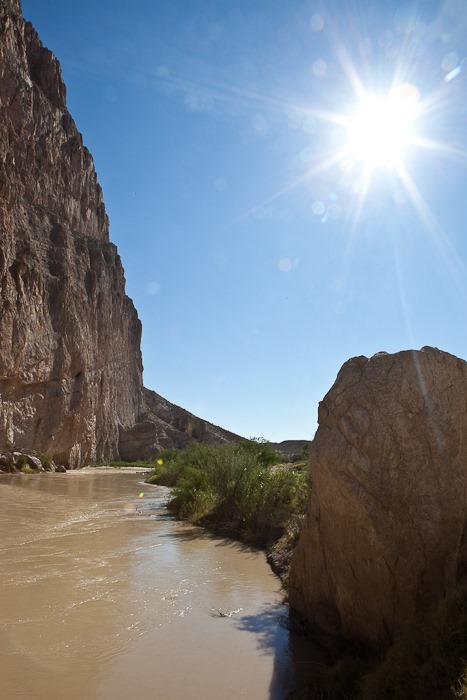
Our next stop was the Santa Elena Canyon trail:
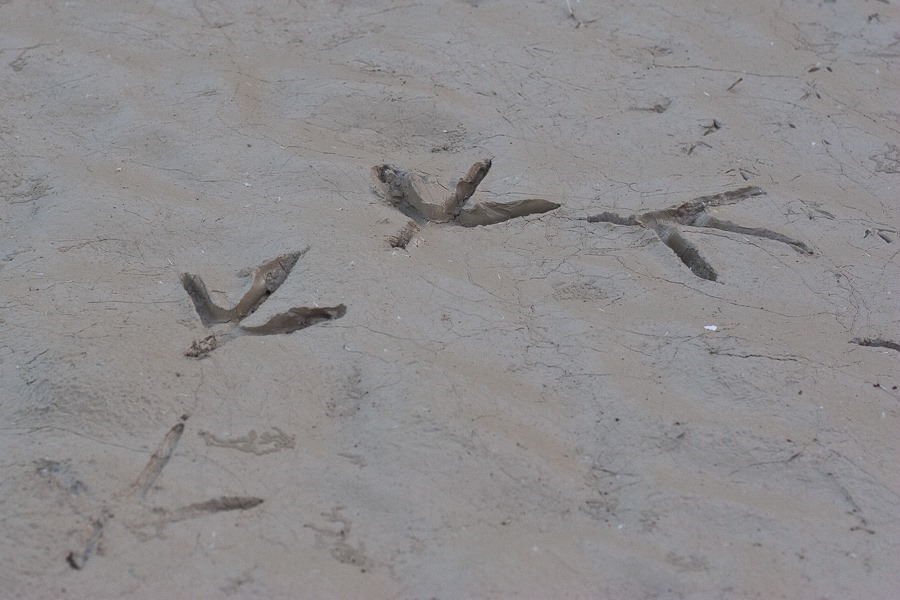
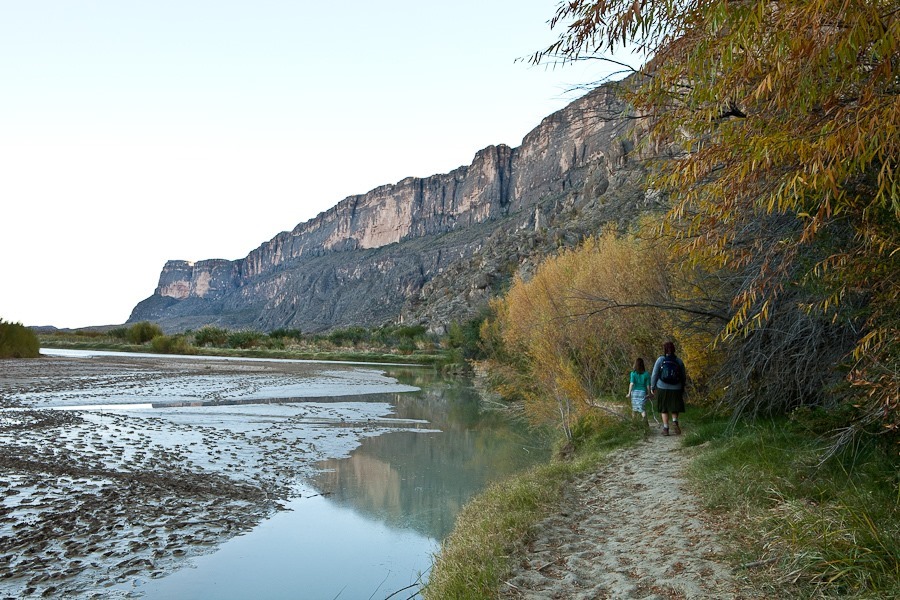
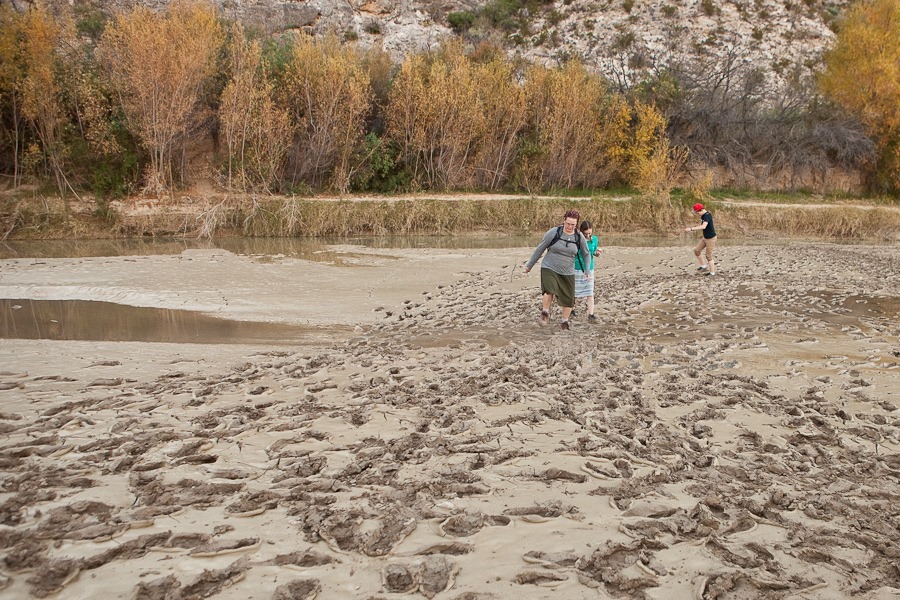
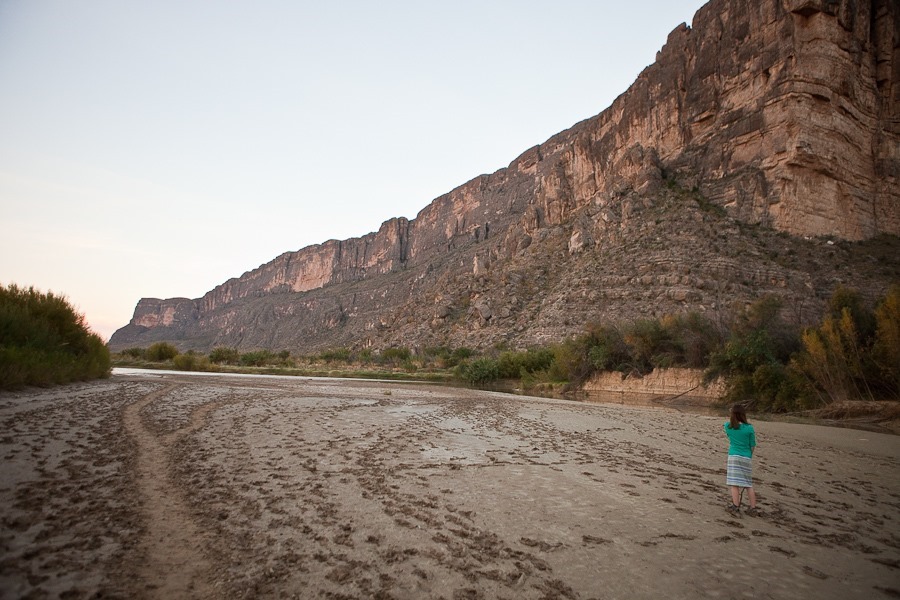
The river is banked by mud flats, so it’s easy to tell who has been here:
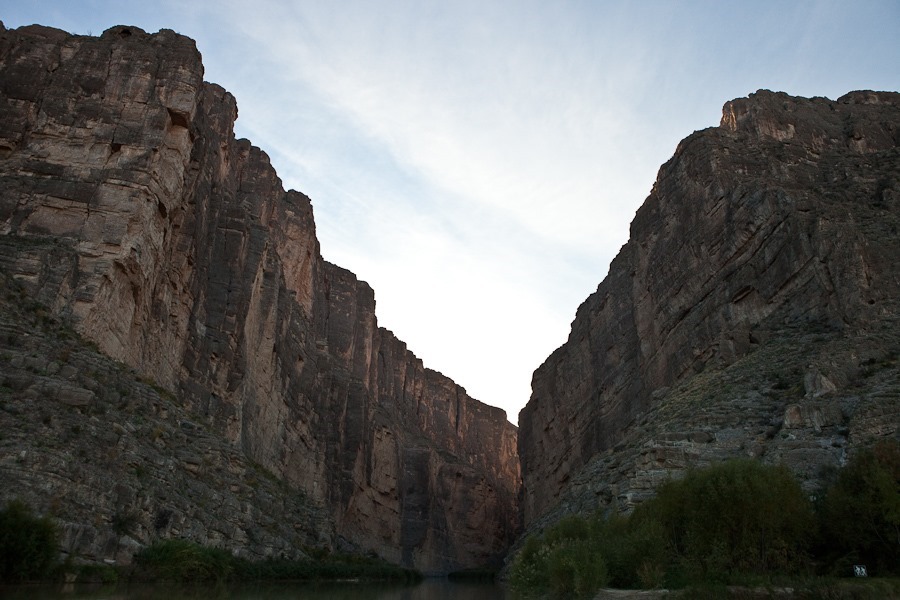
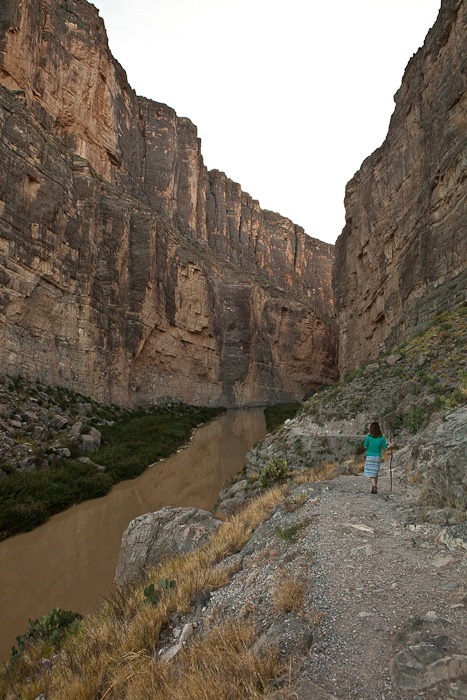
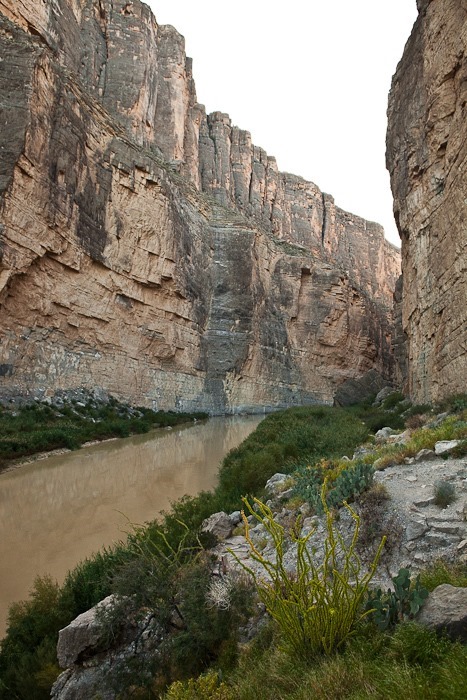
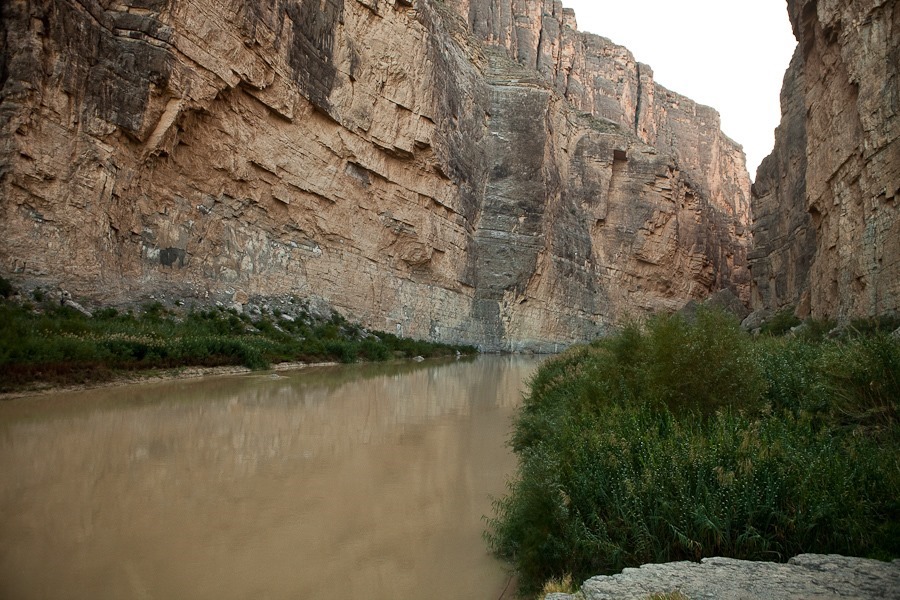
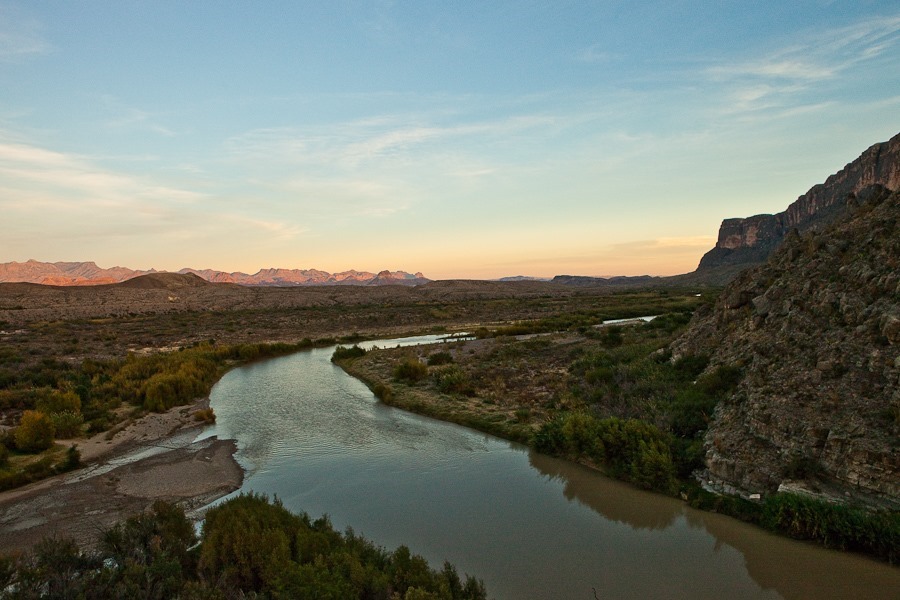
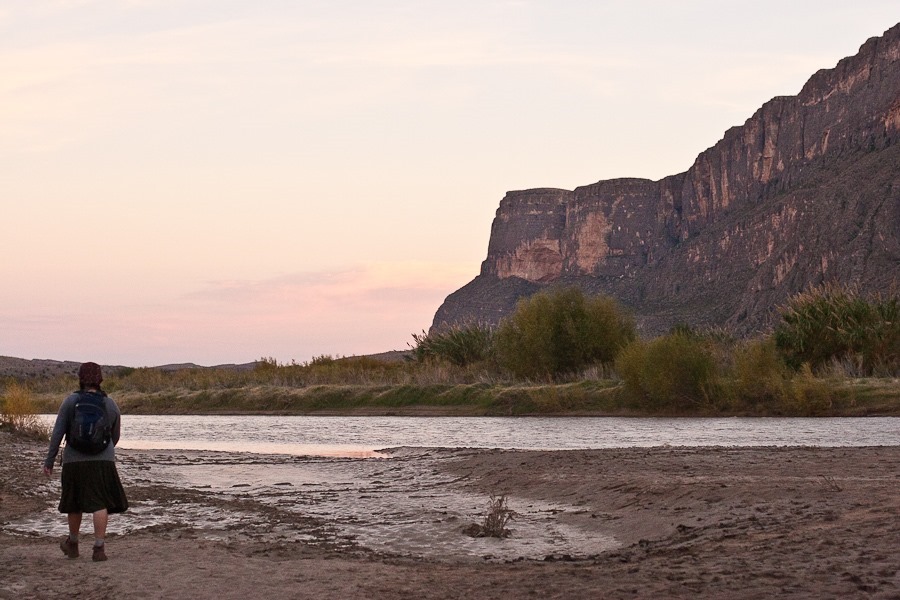
The Rio Grande flows through the canyon. The left bank is Mexico:
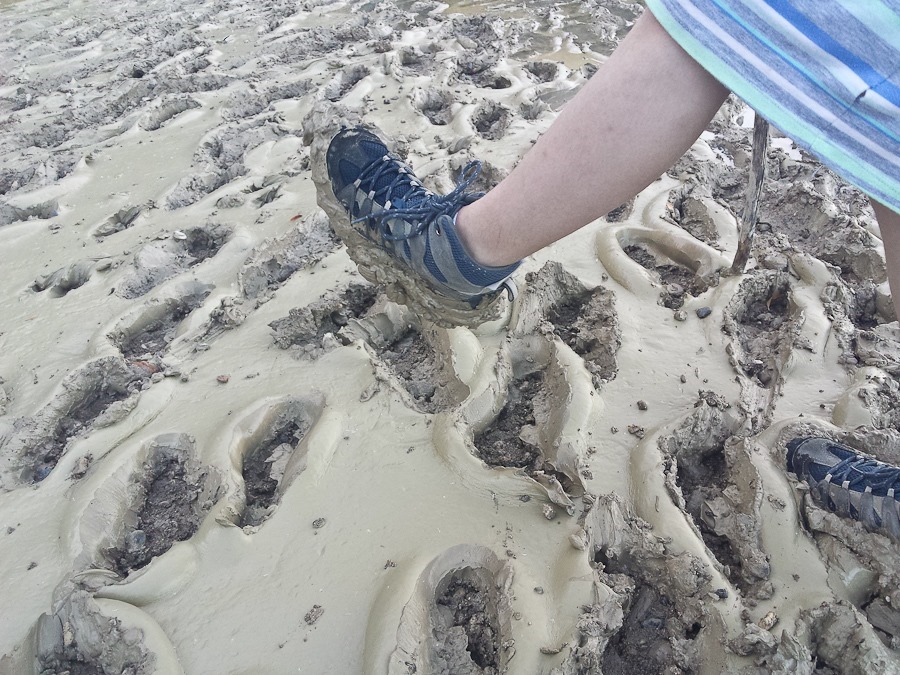
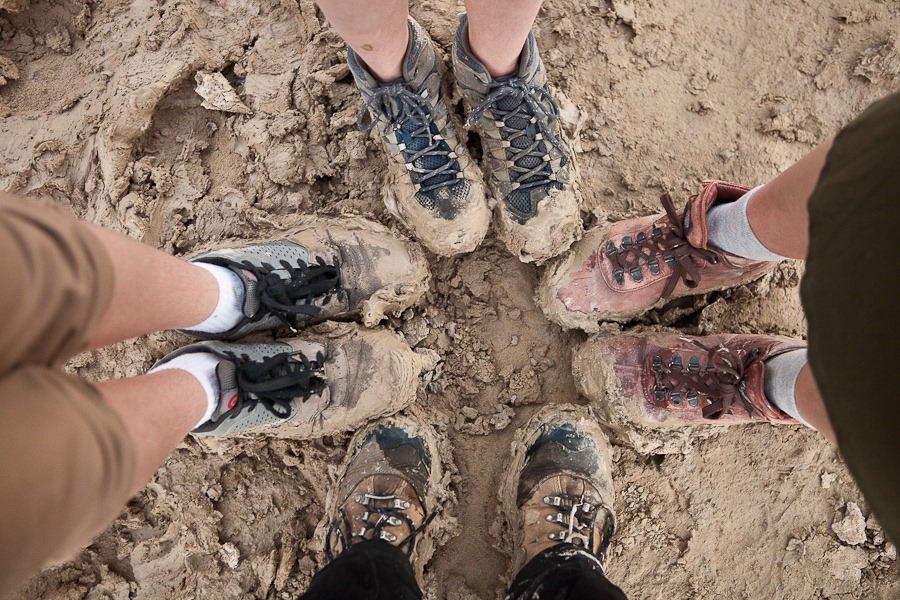
It was a muddy trek to get to the trailhead:
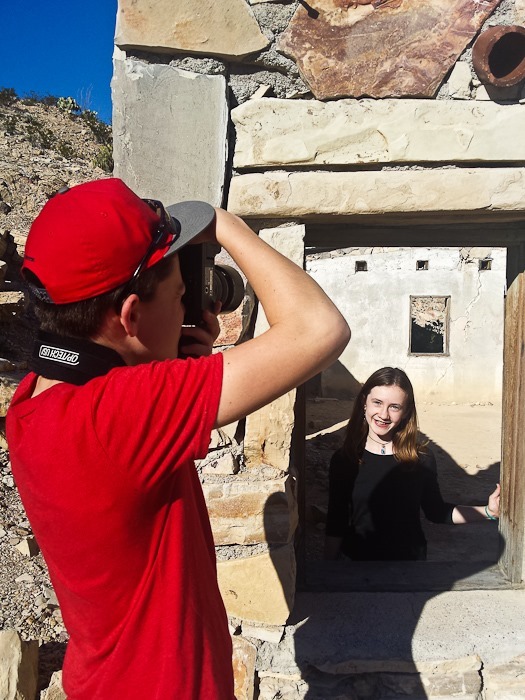
M practiced his photography:
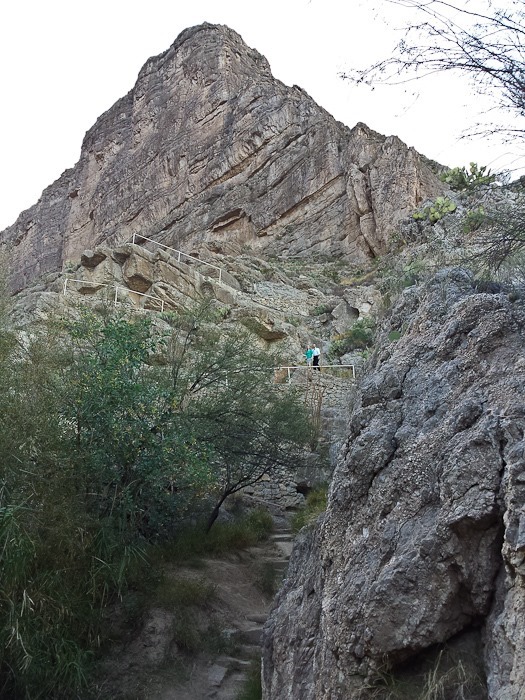
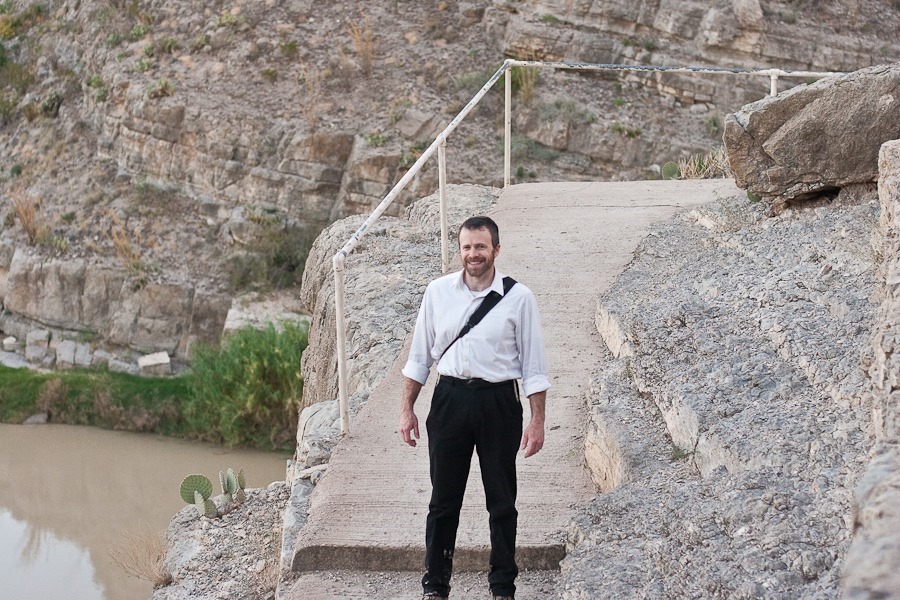
The canyon leaves no river bank here, so the trail goes up and around:
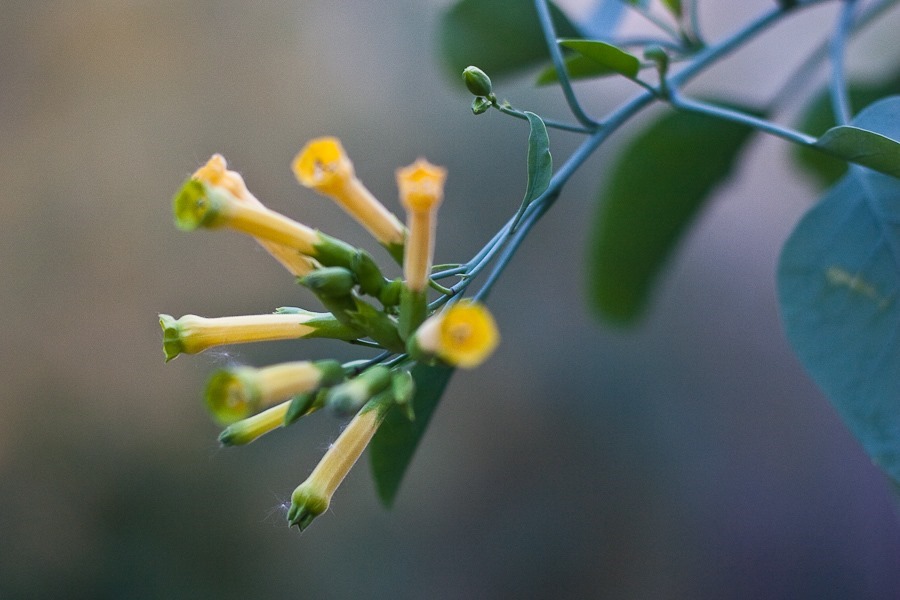
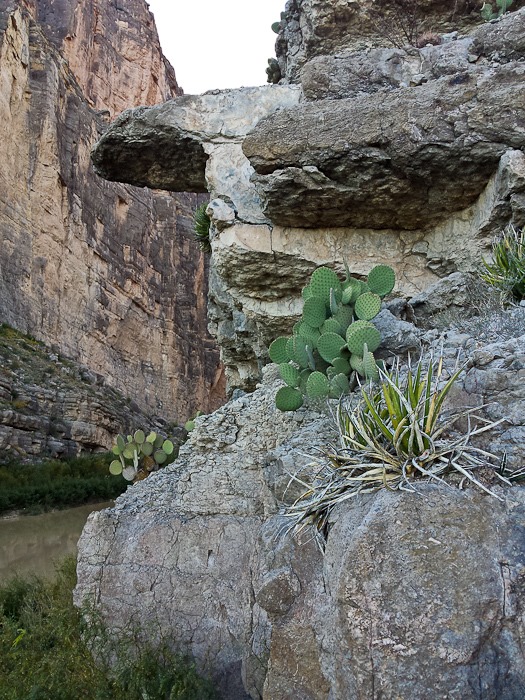
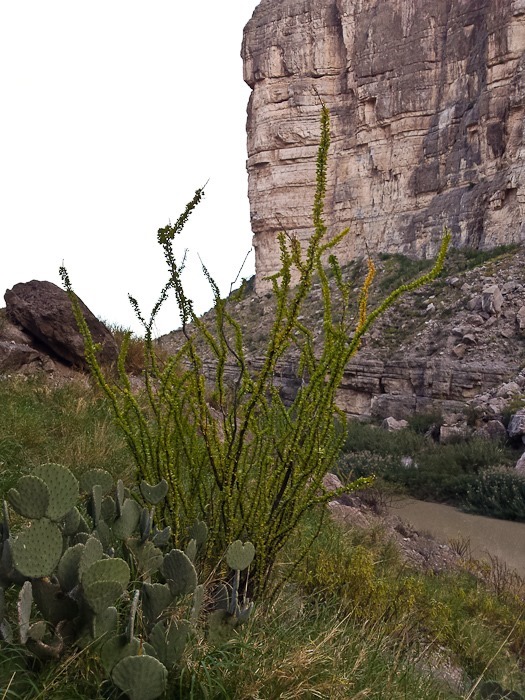
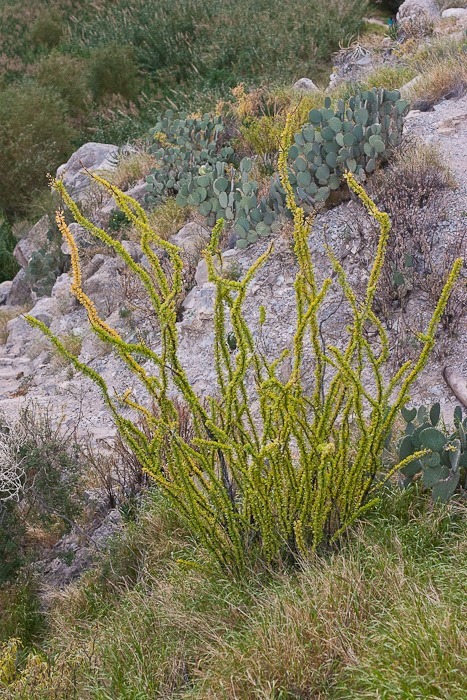
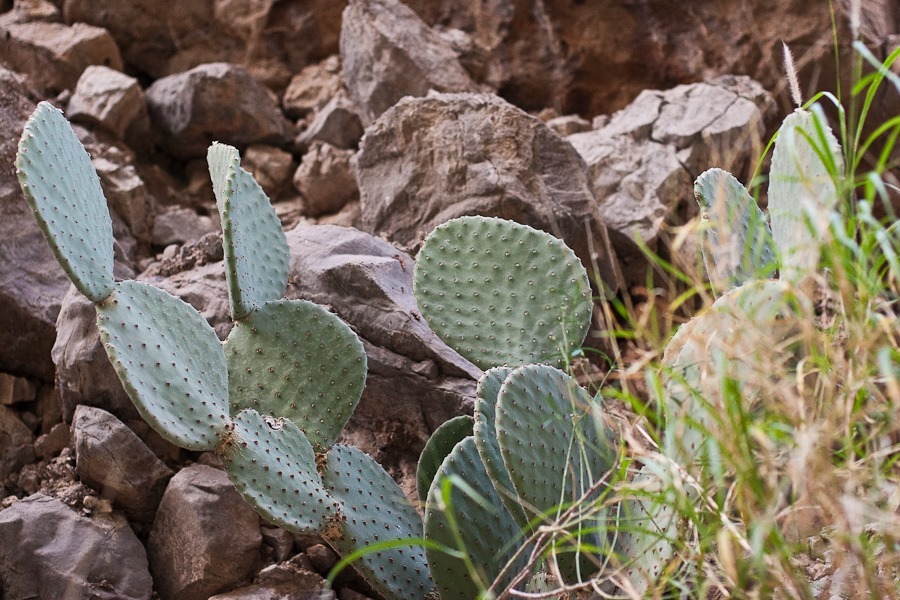
Plant life clings to the rock:
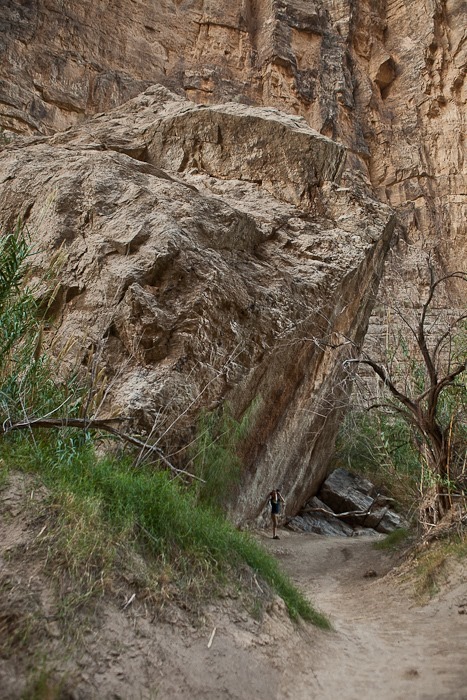
I really hope that rock doesn’t tip over:
The trail ends here:
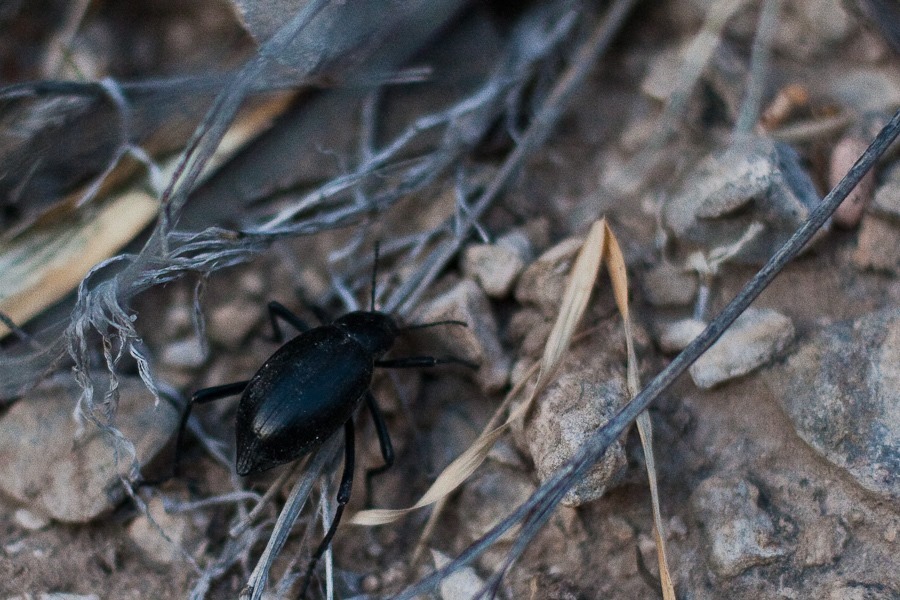
M noticed this fellow:
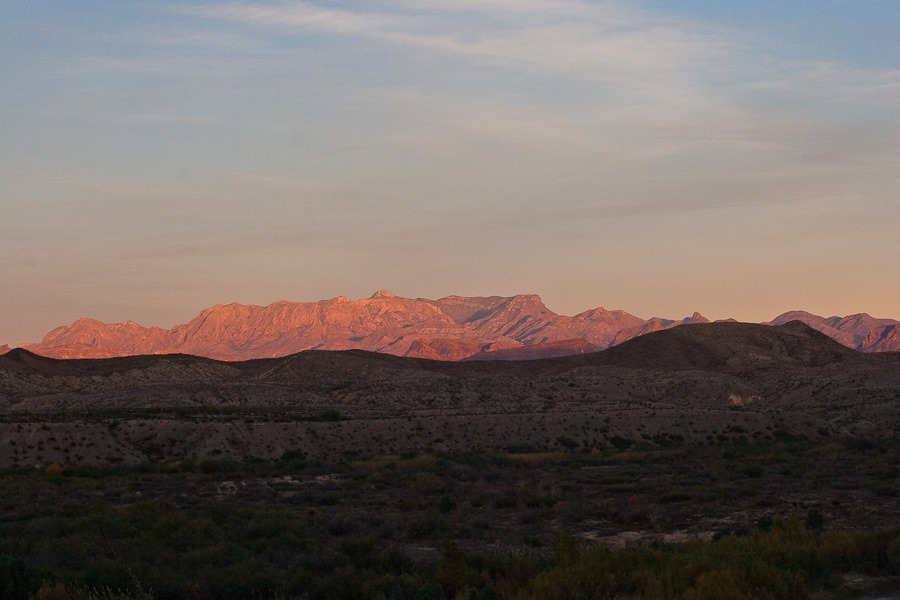
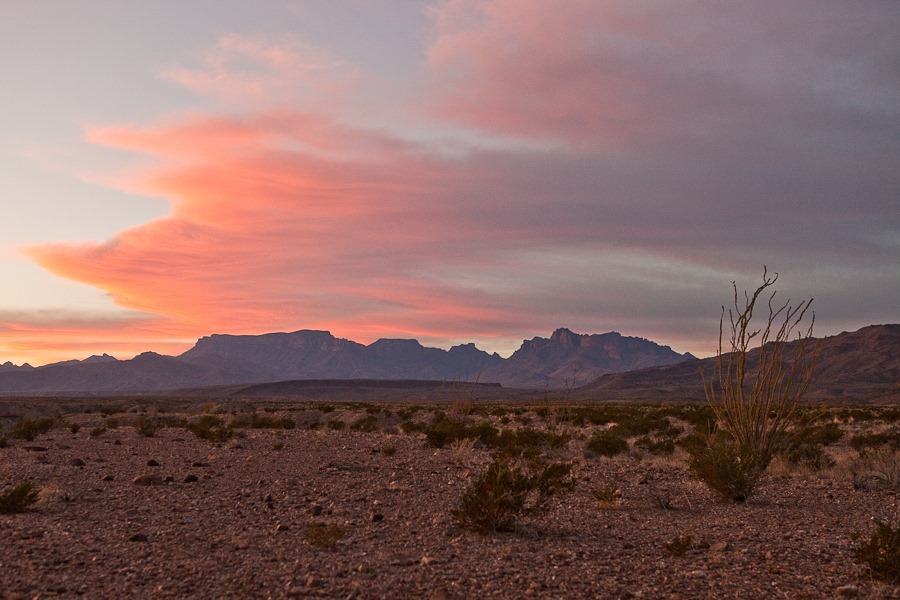
We emerged from the canyon into sunset on the Chisos Mountains
Crossing the mud flats to get back to the truck:
The GPS doesn’t work well in the canyon, we did not in fact cross the Rio Grande in Mexico:
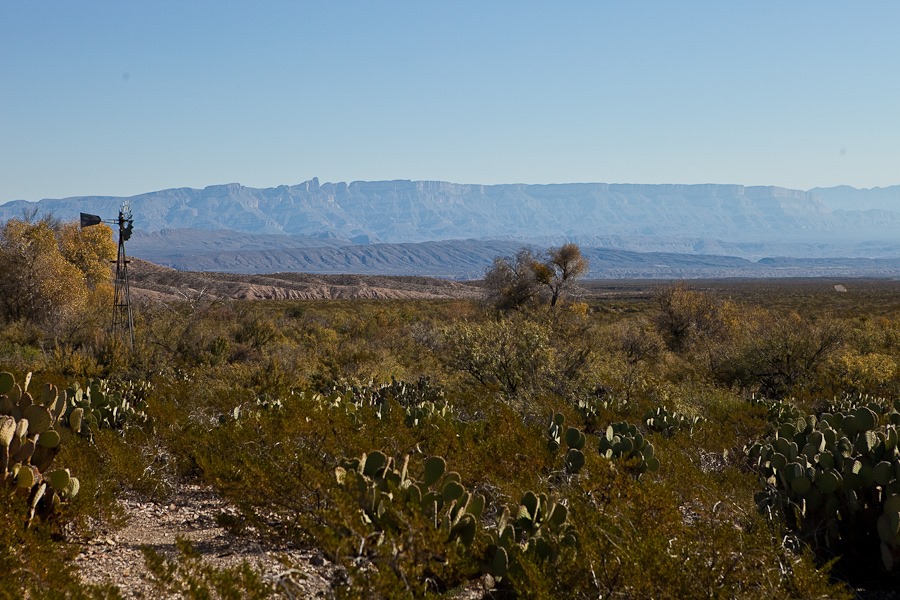
Dugout Wells is named for the natural seep here. Settlers added a windmill-driven well pump to support their homestead. The buildings are gone, but the windmill remains:
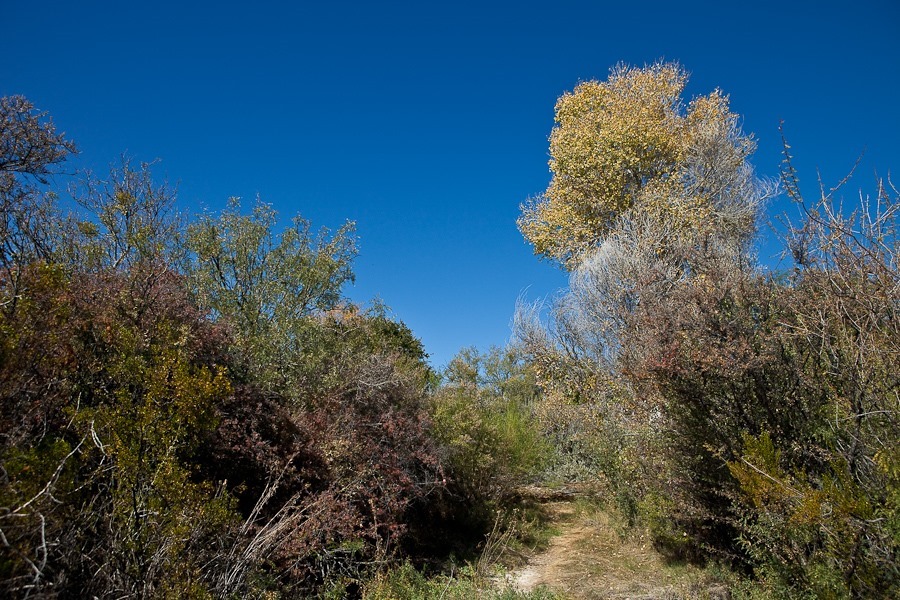
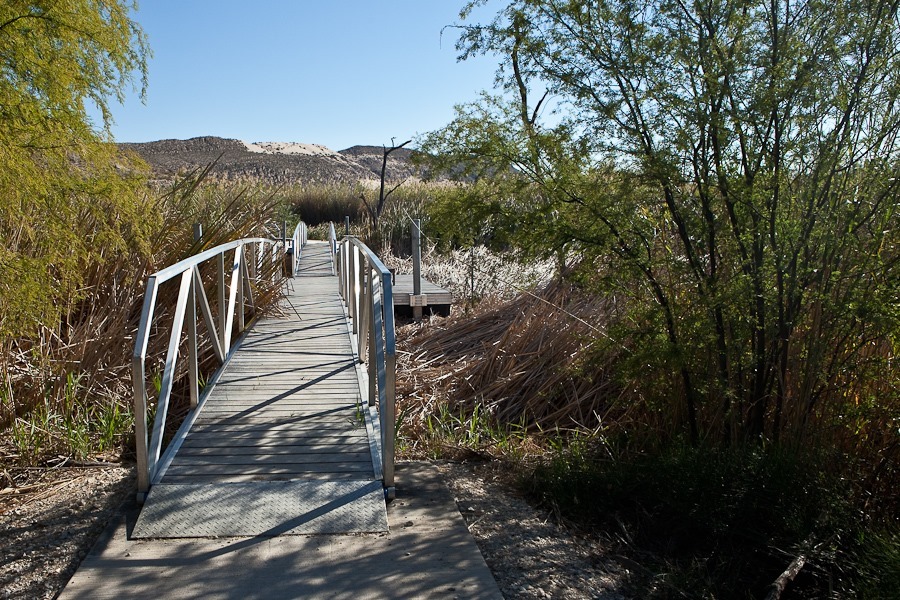
In the seep area, cottonwoods and other less drought-tolerant plants grow:
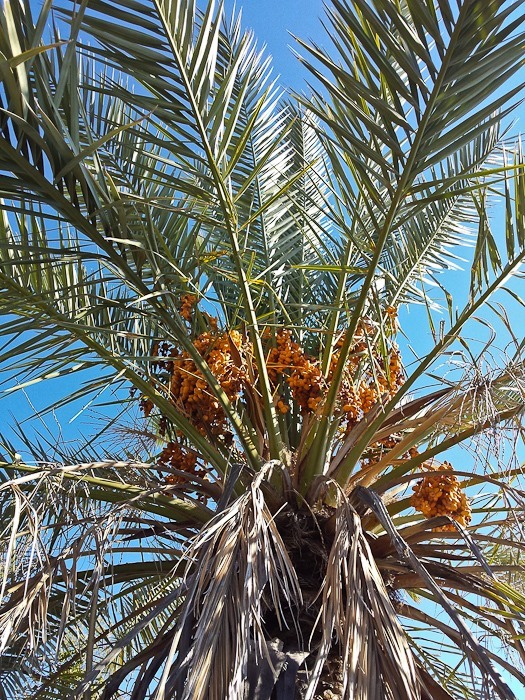
A date palm:
Our next stop was the Boquillas Canyon Trail:
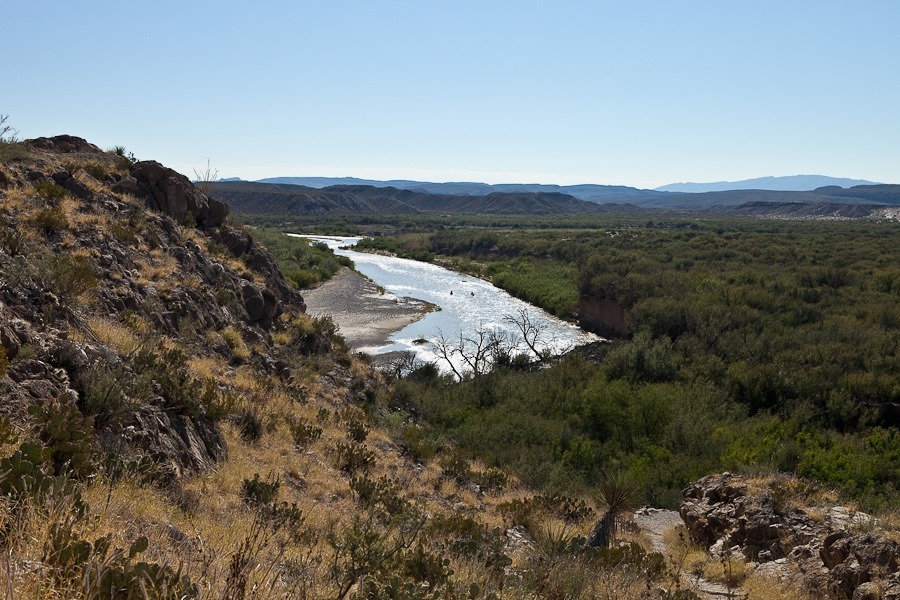
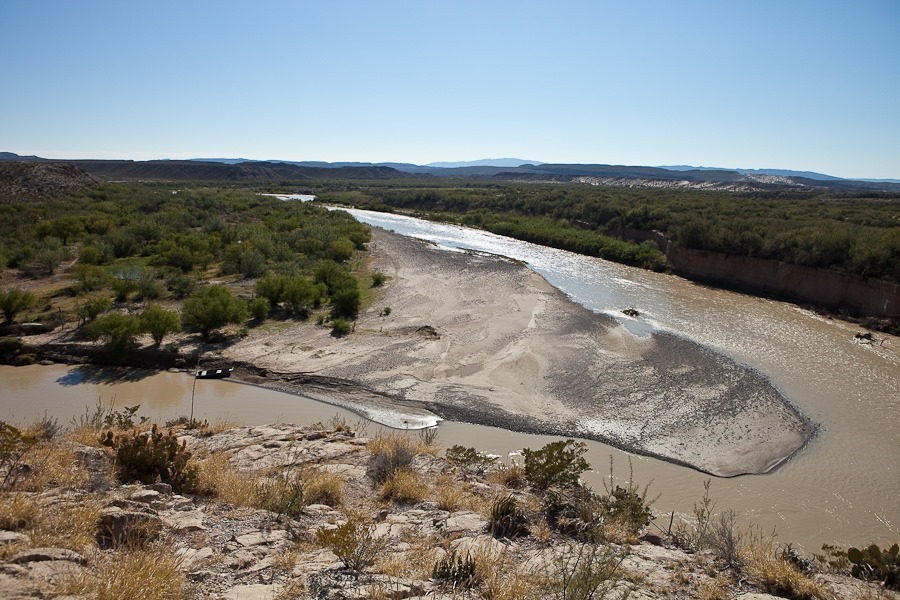
The Rio Grande river is the border between the US and Mexico:
The row boat is in Mexico:
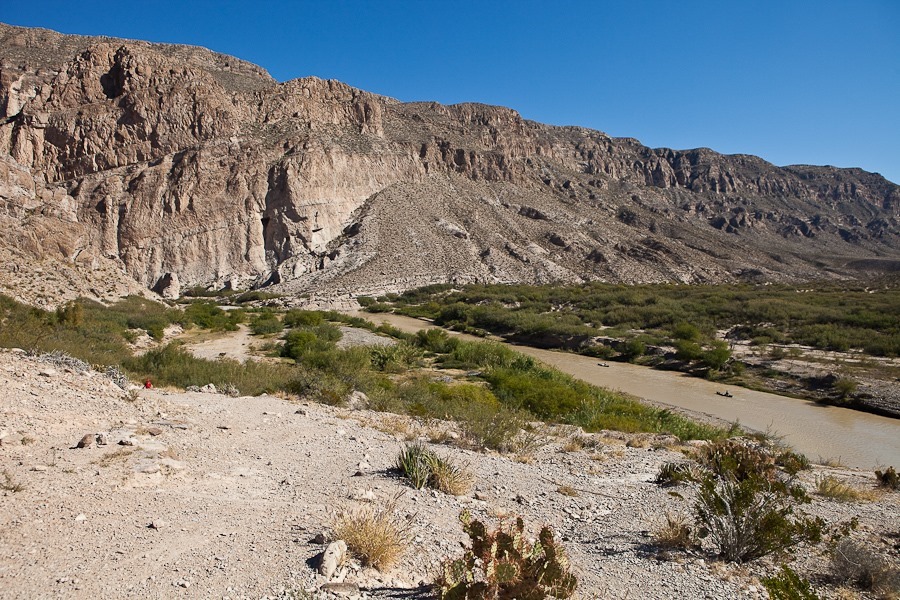
The two canoes in the river are an NPS park patrol:
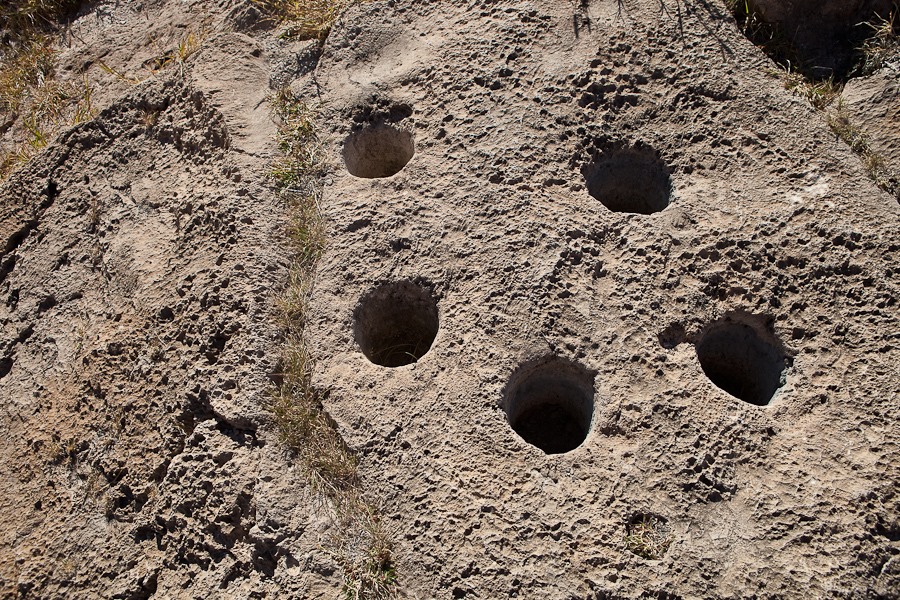
Along the way, we spotted these holes in the rock, made by Native Americans grinding grains into flour:
As we walked along the trail, we saw a Mexican singing to us from across the river. After completing a particularly off-key rendition of De Colores, he said “For you, amigo!”. It was then we noticed a tip jar on the ground with a sign for “Jesus, the singing Mexican”.
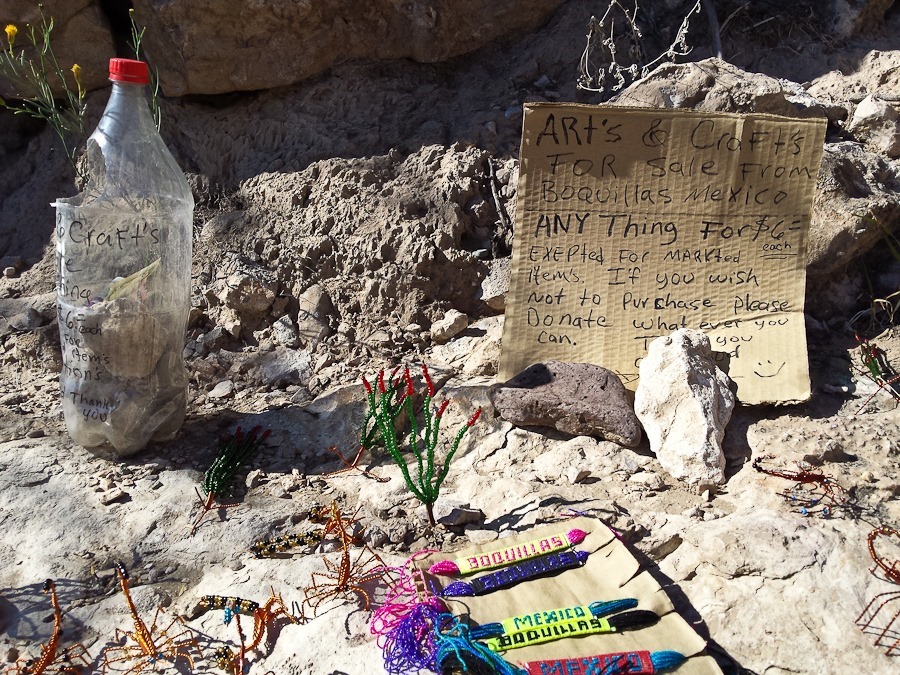
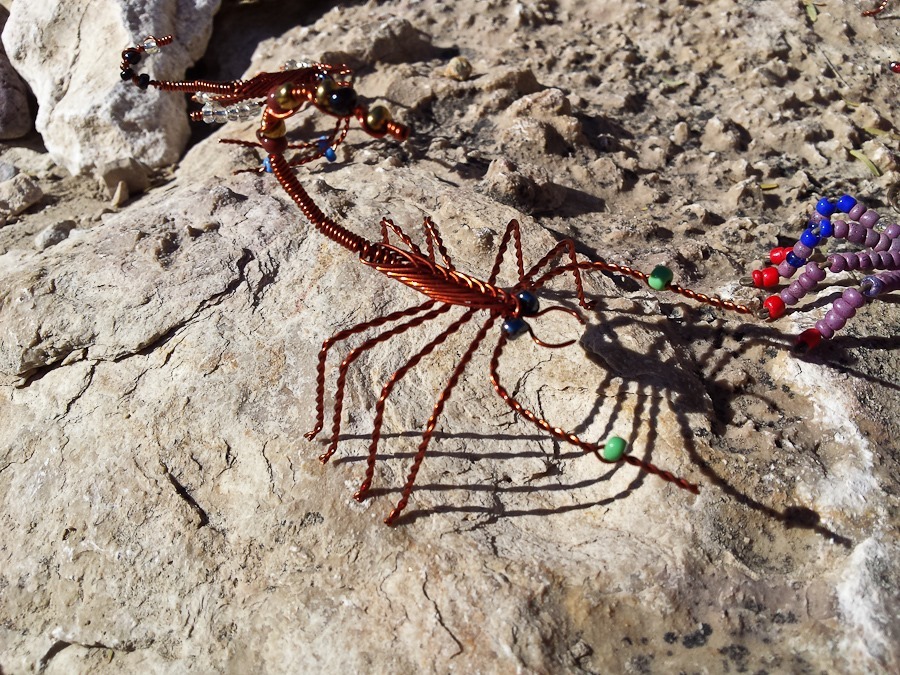
In a similar vein, Mexicans sneak across the river and set up these “gift shops” along the trail. We can see them watching us with binoculars. When an item is purchased, they come across the river to collect the money:
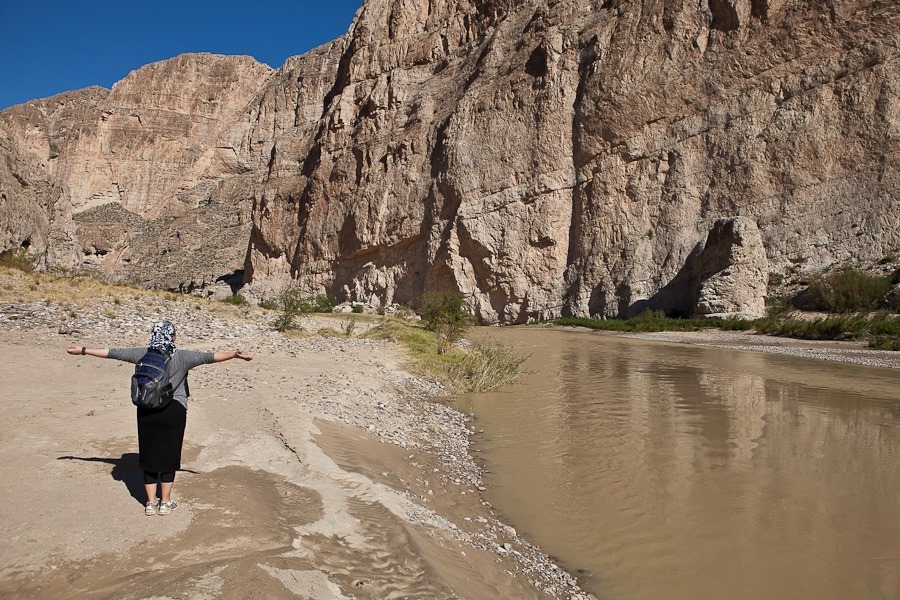
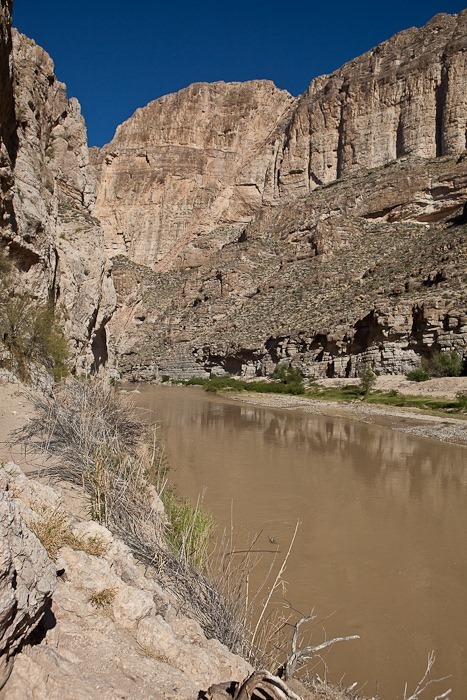
Boquillas Canyon. The far side of the river is Mexico:
Our next stop was the nature trail at the Rio Grande Village campground:
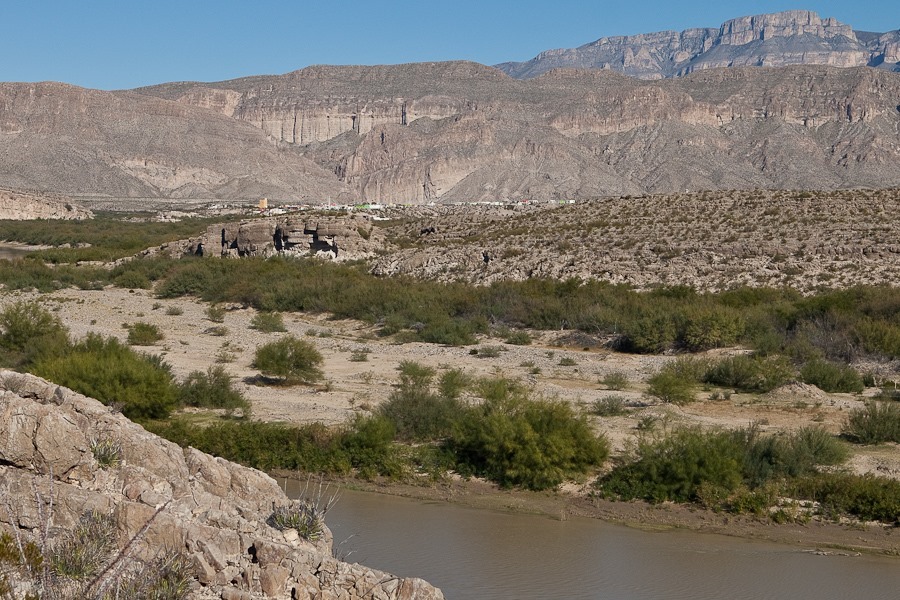
Looking across the Rio Grande, we could see the Mexican town of Boquillas del Carmen:
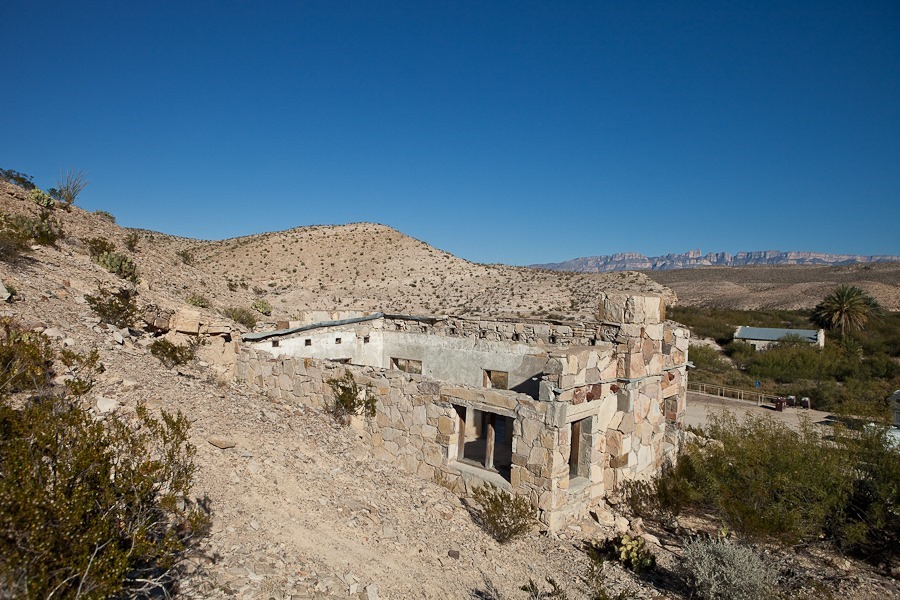
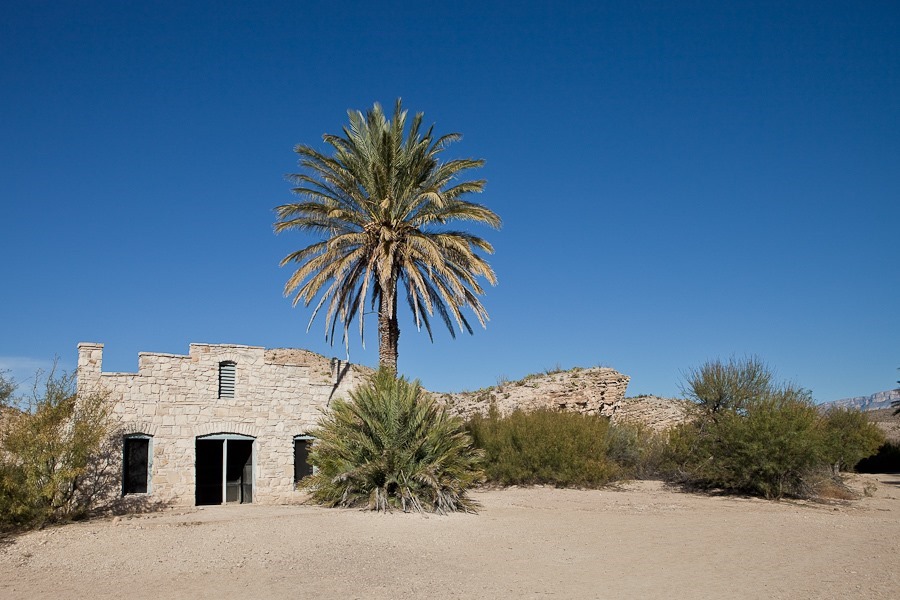
Next we checked out the Langford Ruins, named for the Langford family which lived here and operated a store in the first half of the 20th century:
The abandoned Langford store:
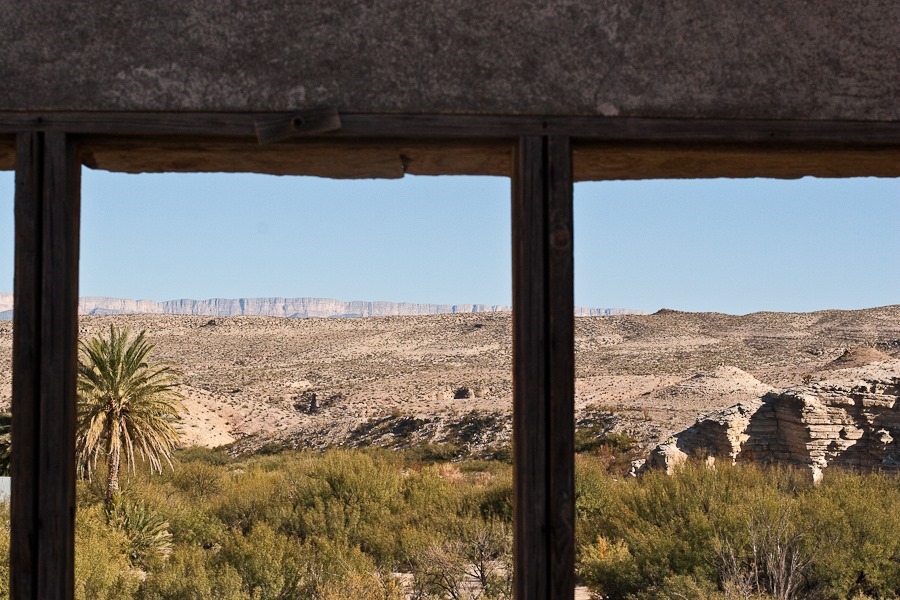
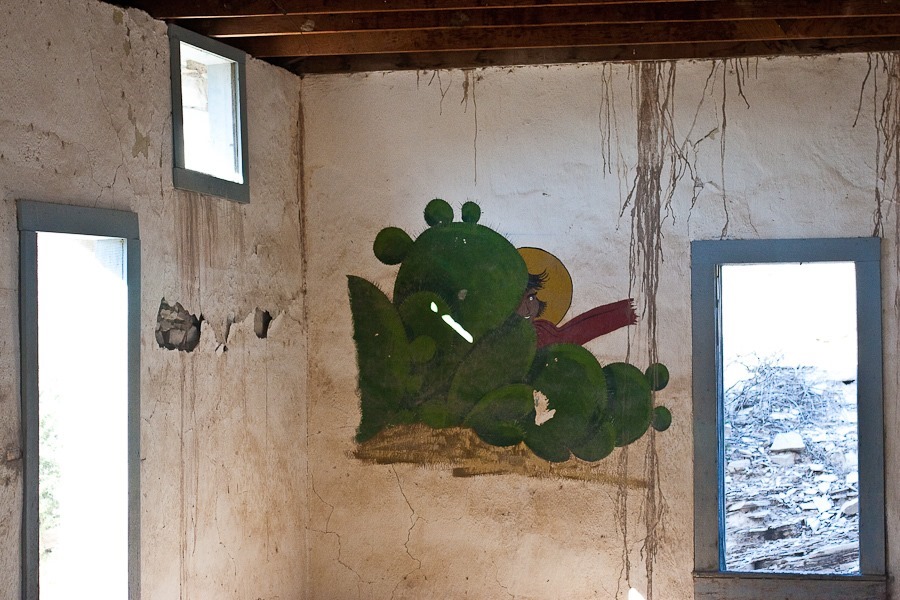
The inside of the store has several wall murals:
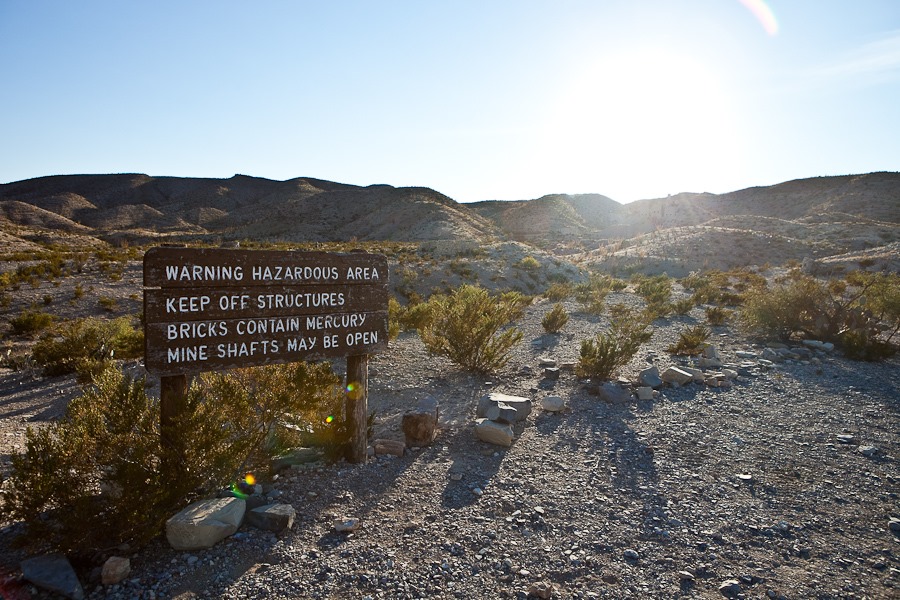
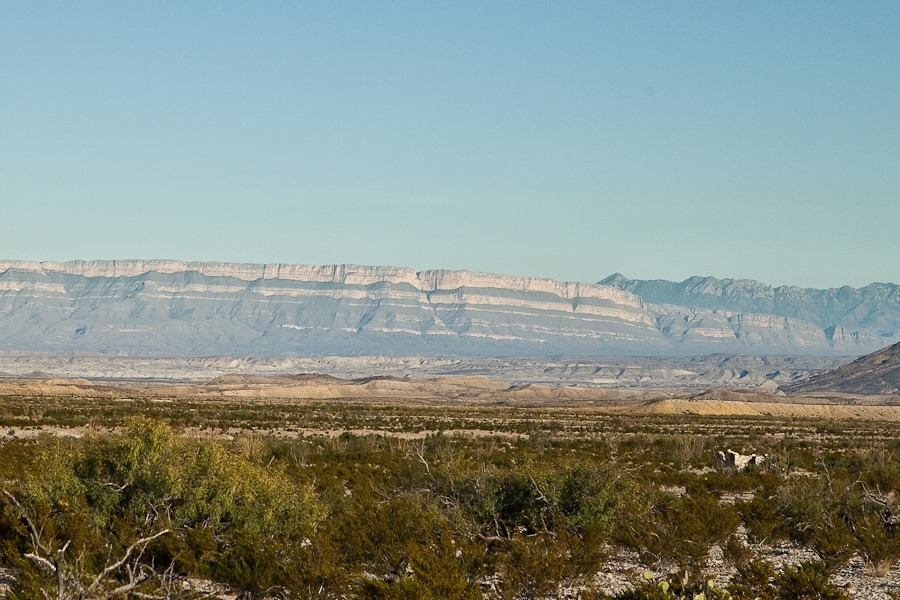
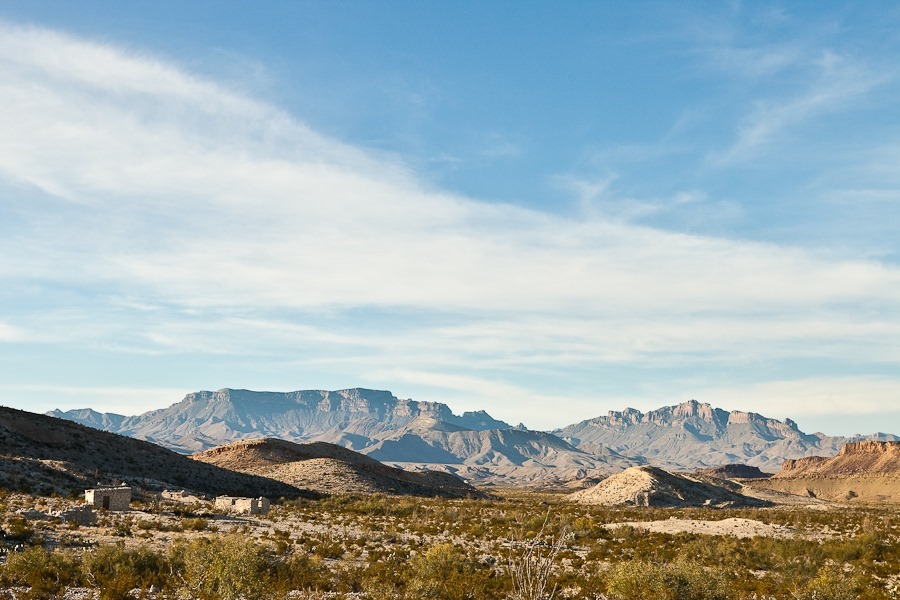
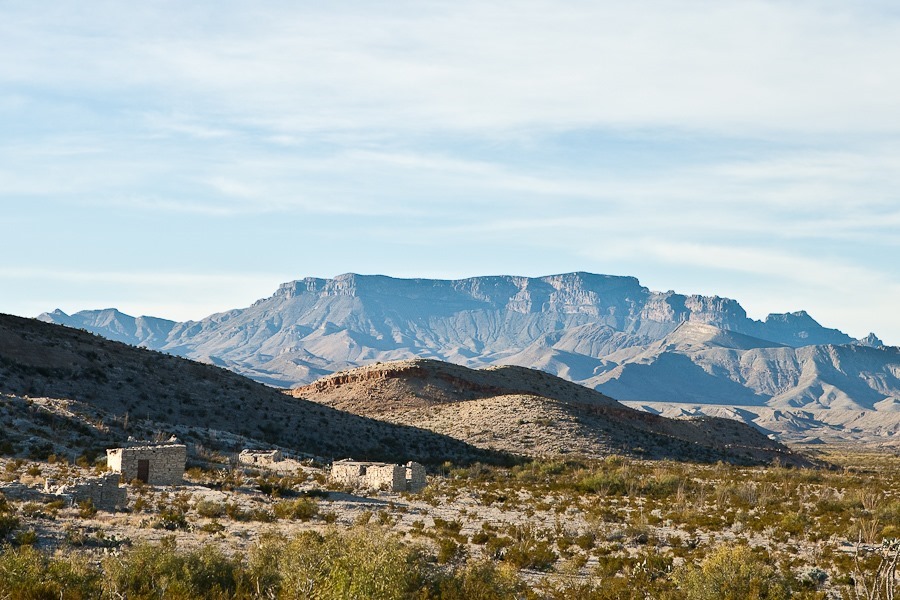
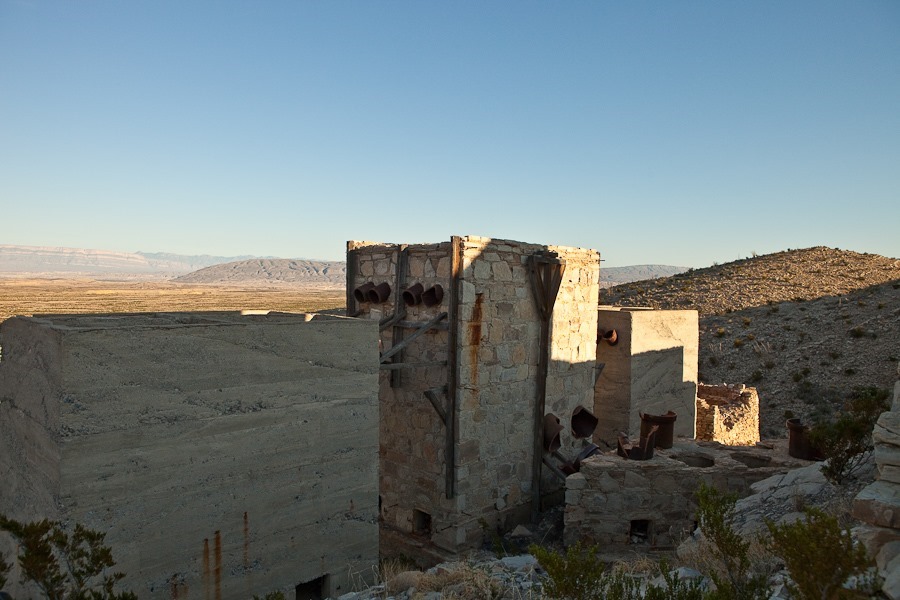
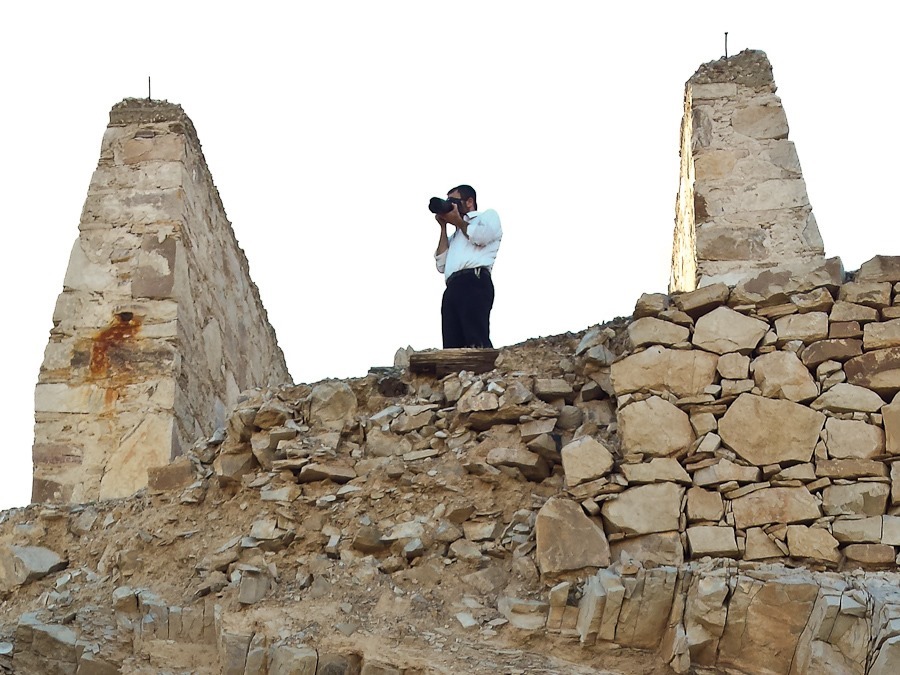
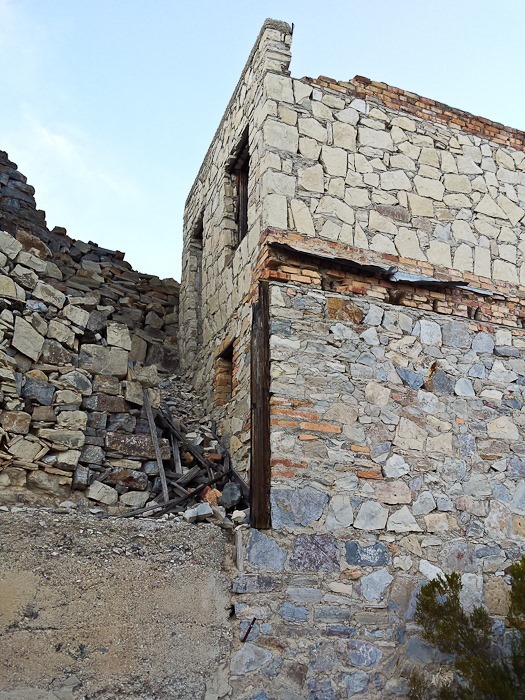
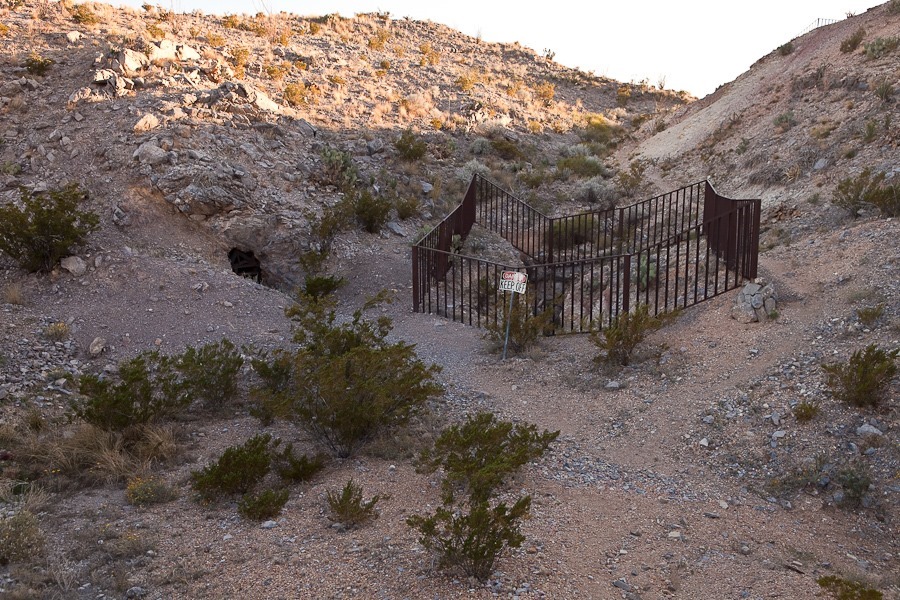
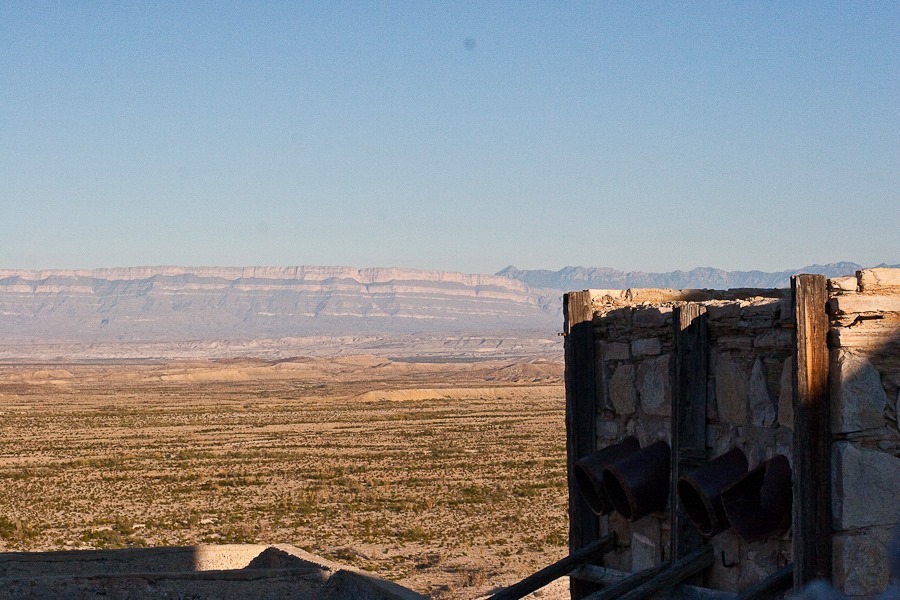
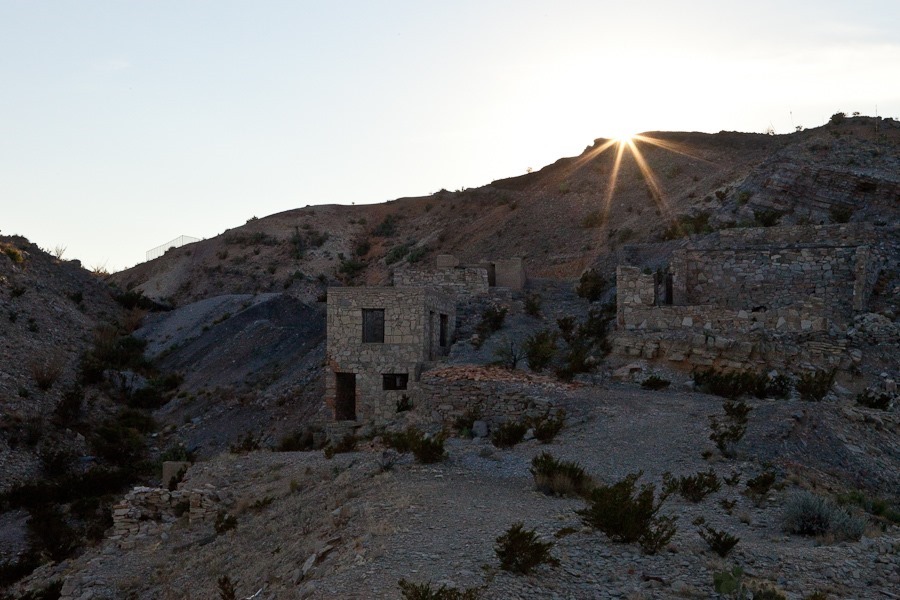
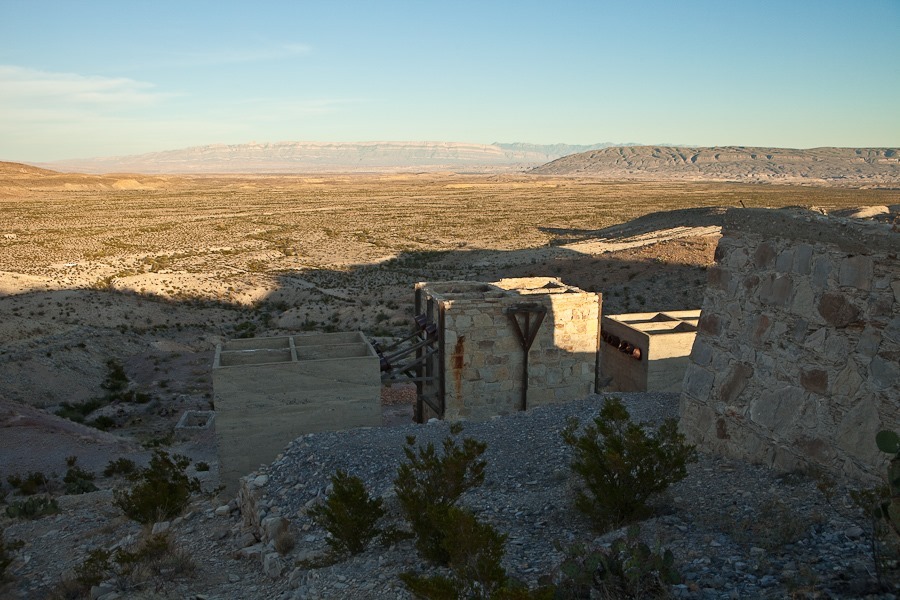
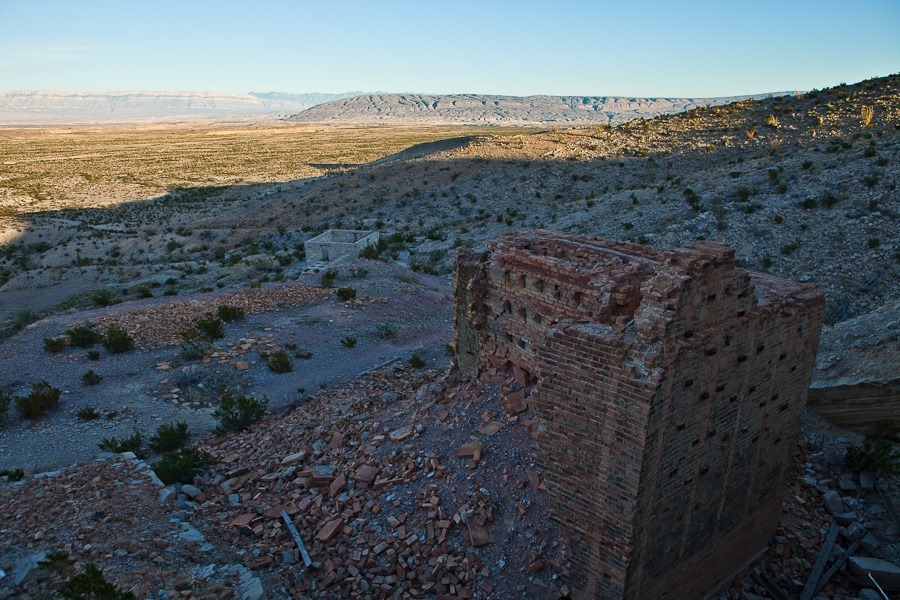
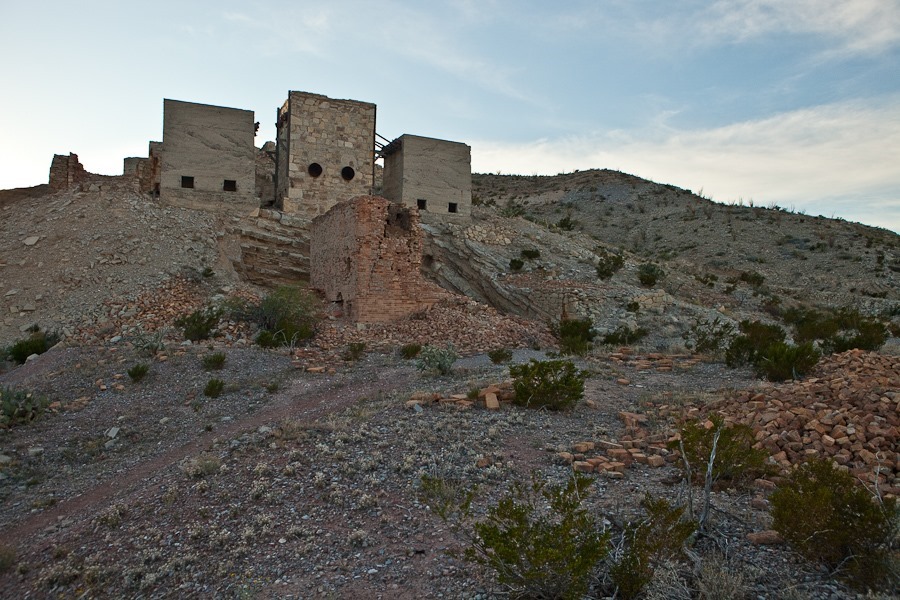
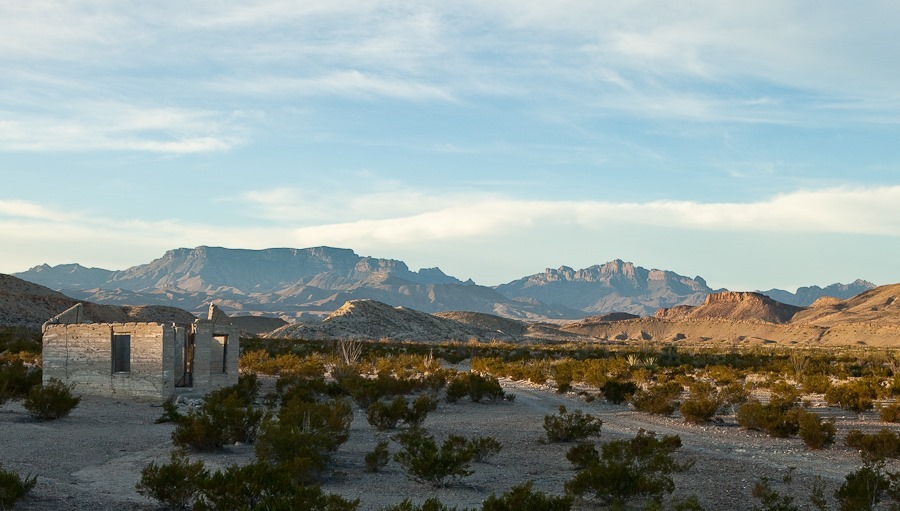
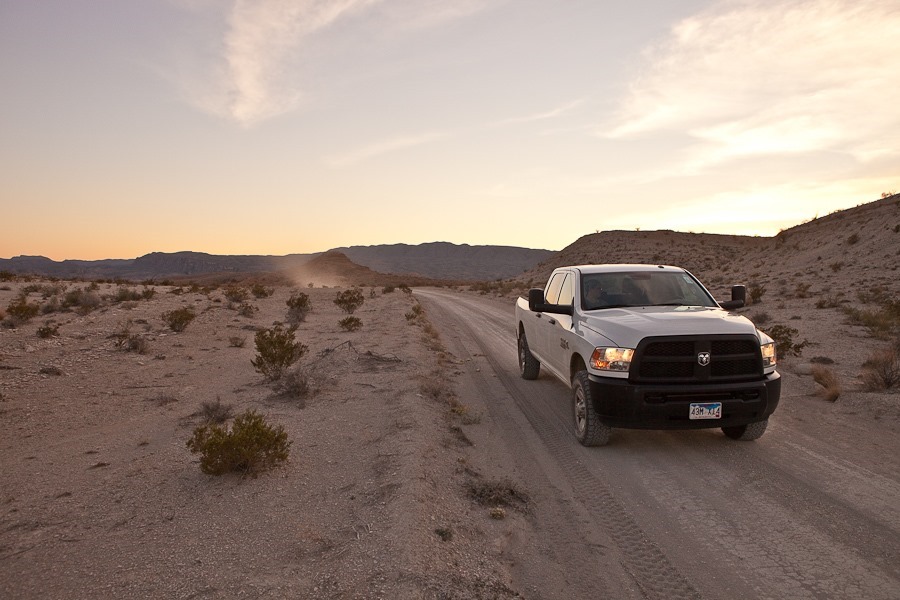
We left the Langford ruins and drove for about an hour on rocky roads to arrive at the ruins of the Mariscal Mine, which produced a quarter of the mercury produced in the US from 1900 to 1943. You can tell you’re in Texas because the NPS merely warns of hazards rather than shutting down access:
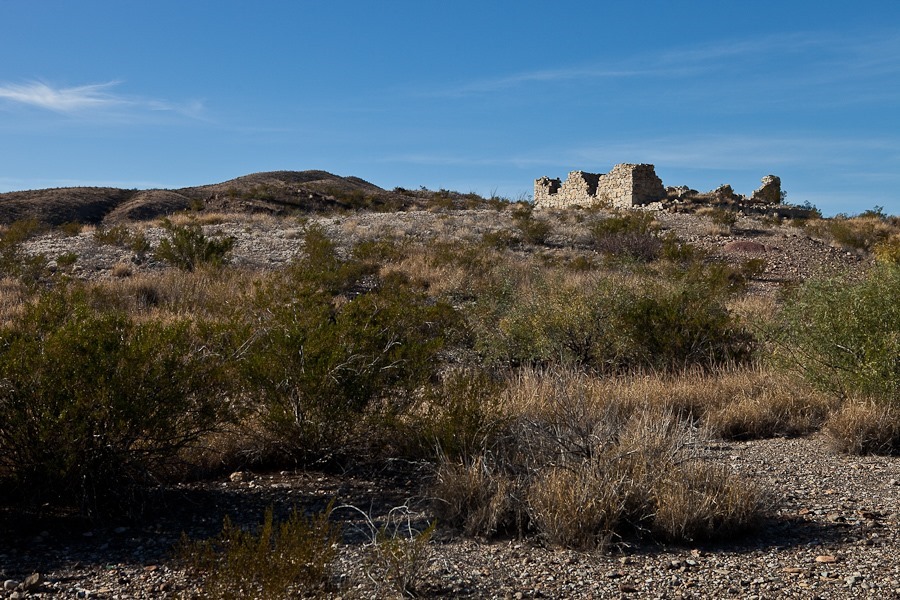
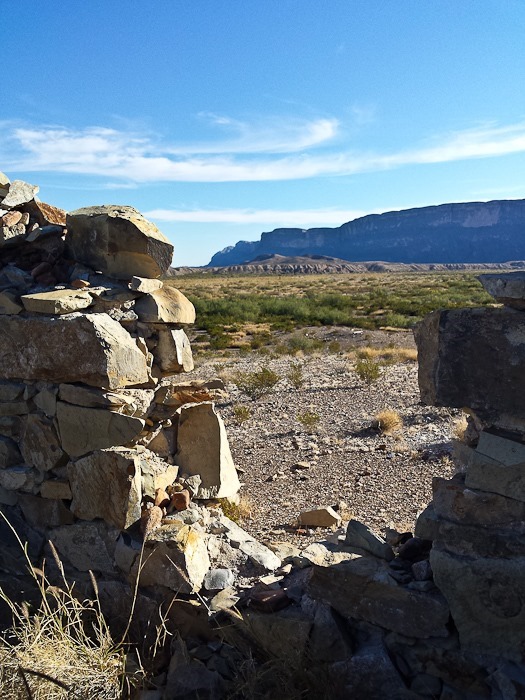
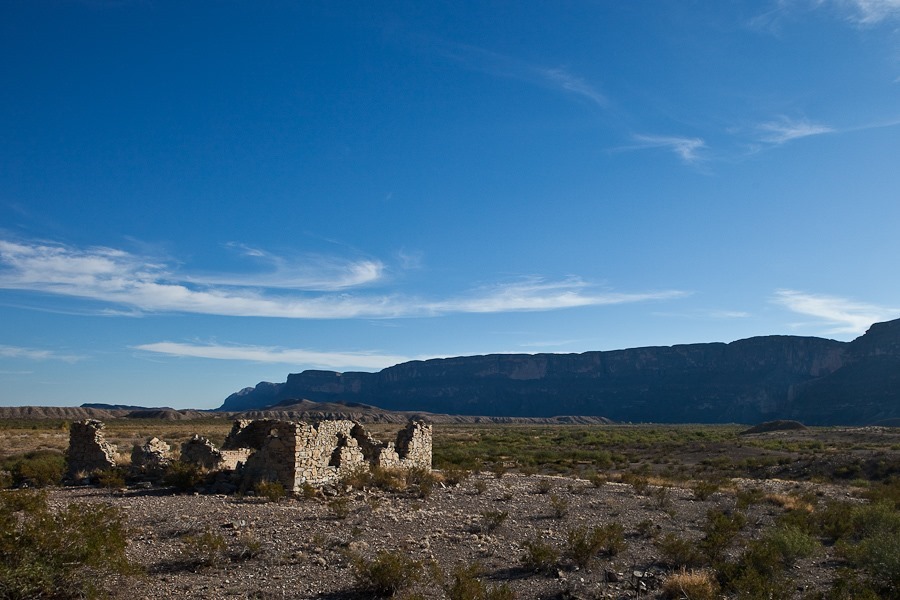
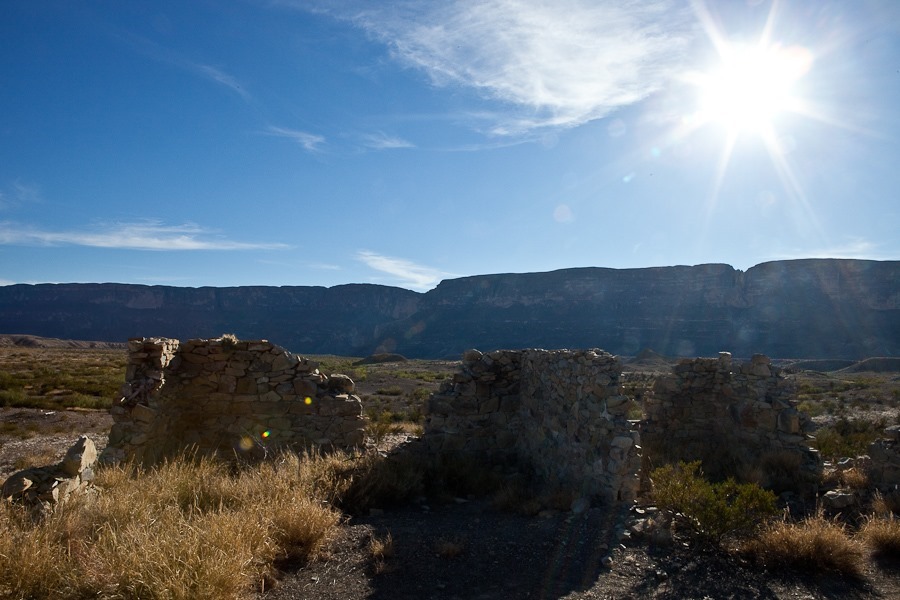
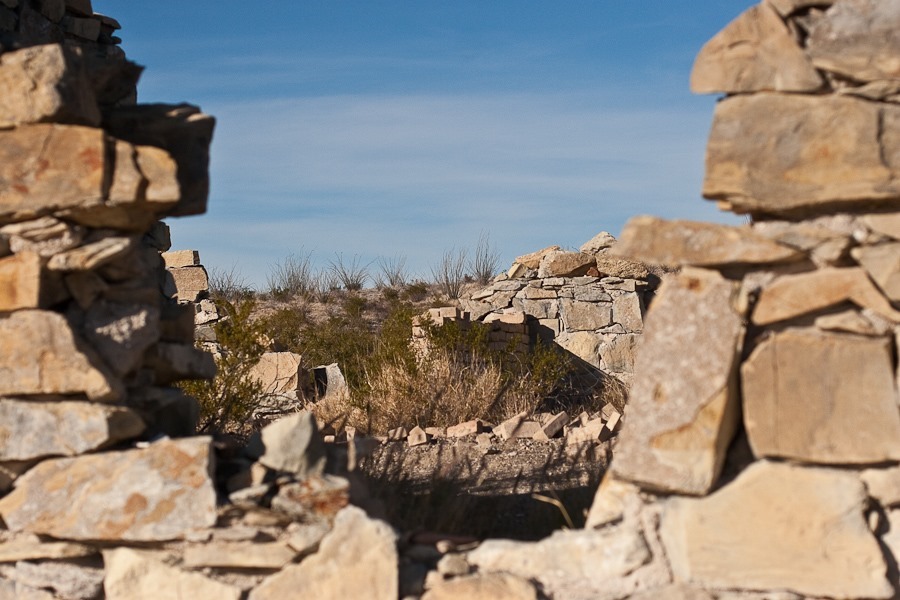
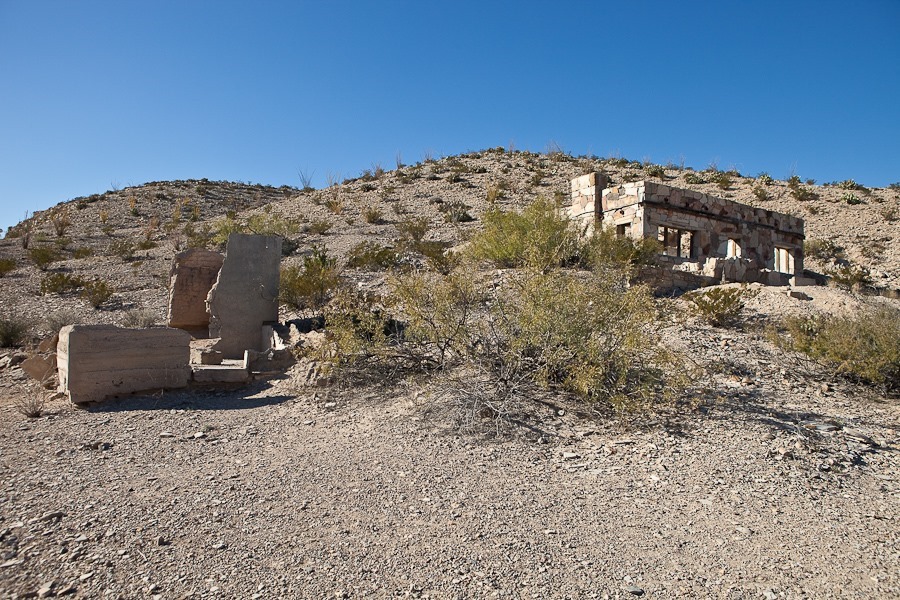
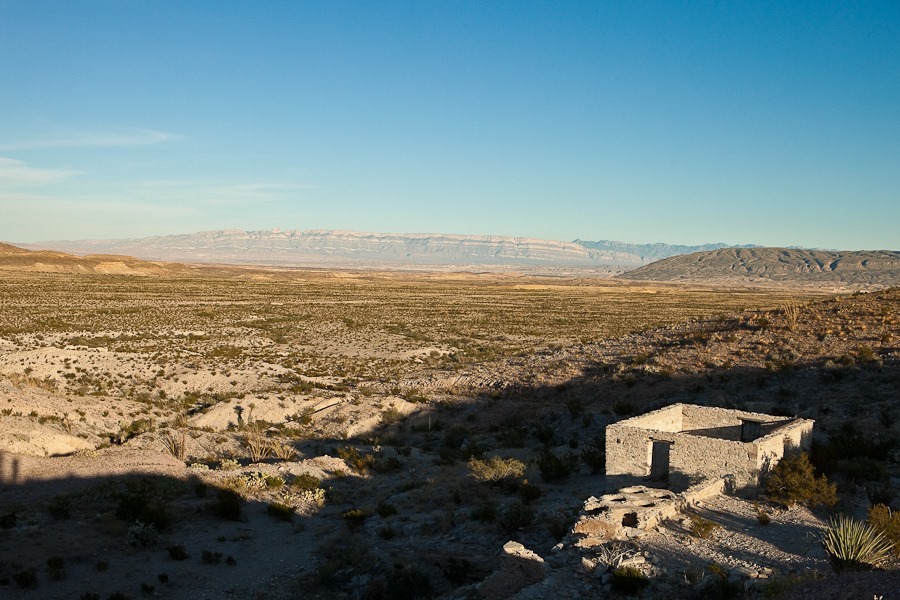
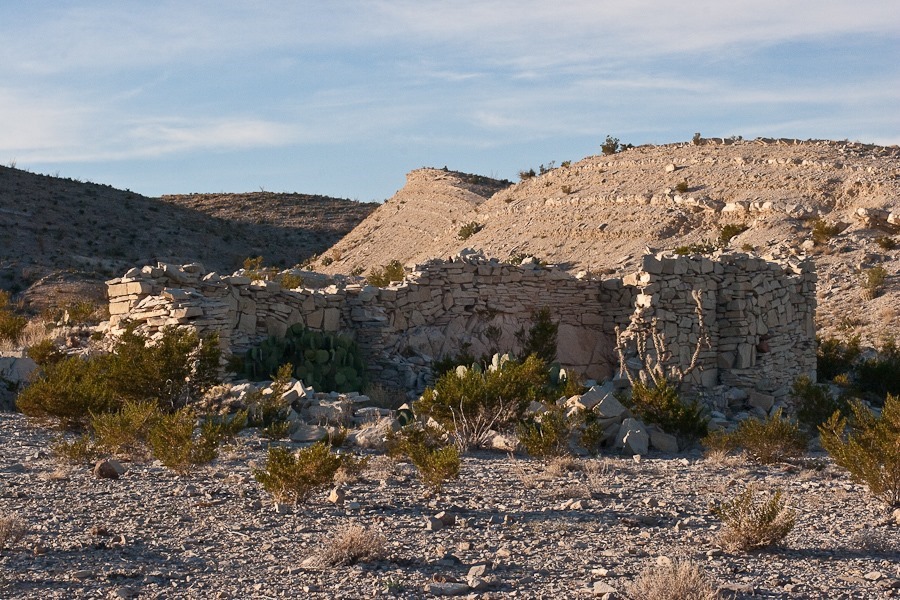
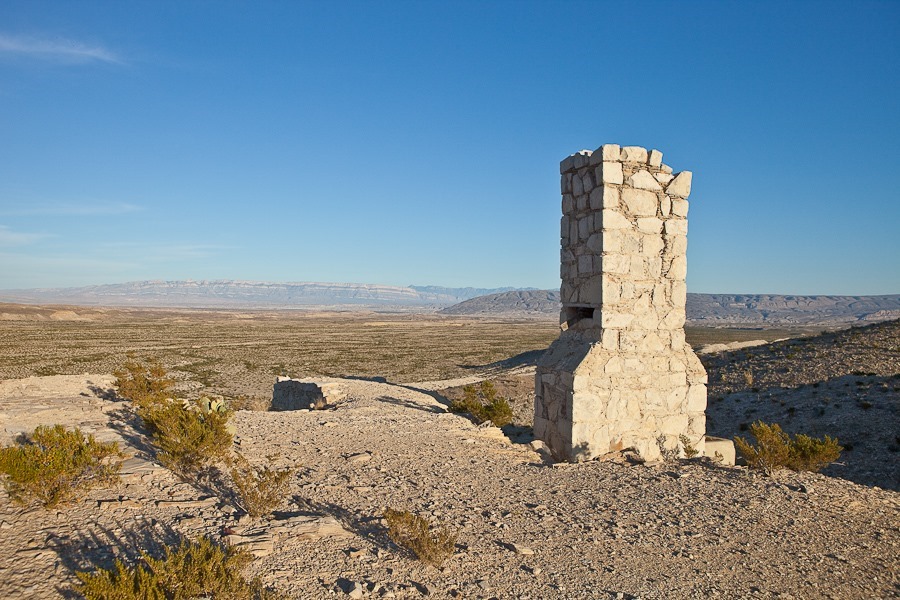
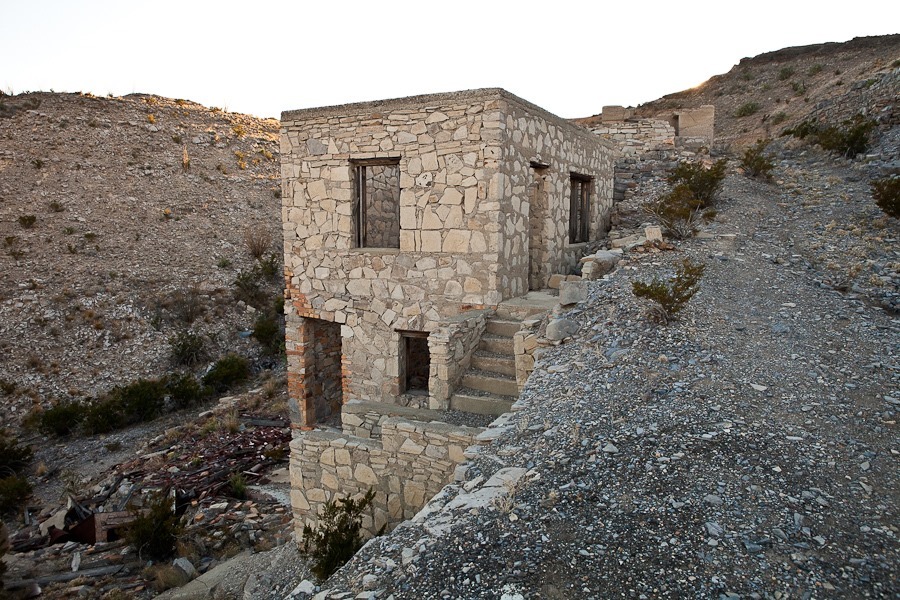
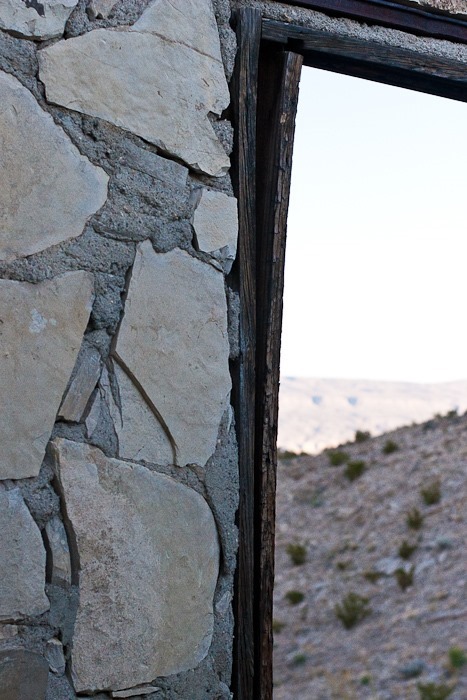
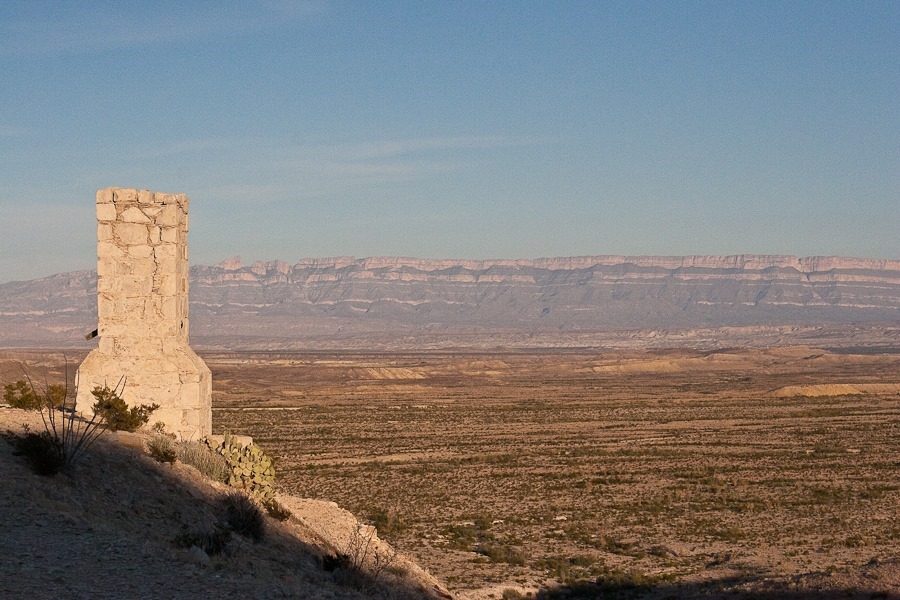
Mexican miners built their own houses here. Fragments of these buildings remain:
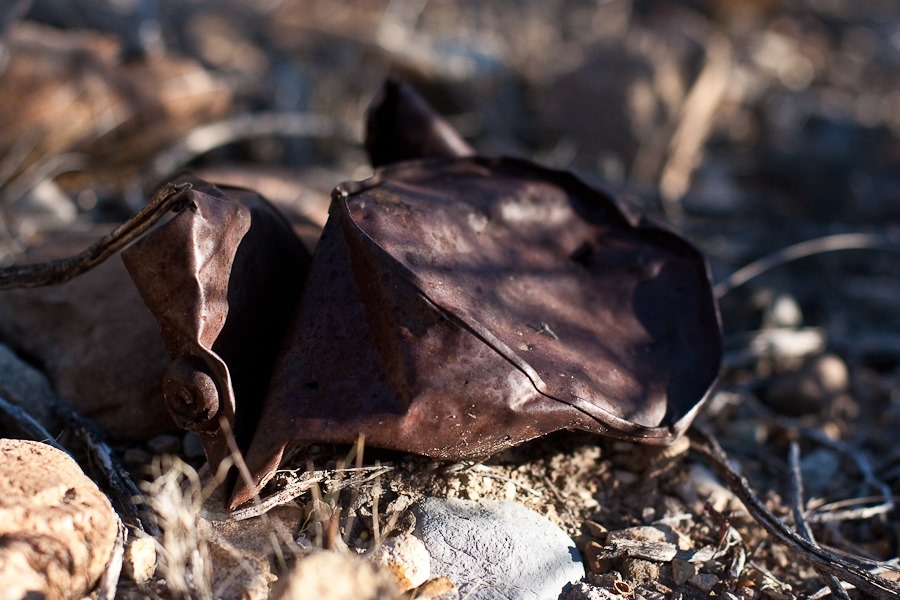
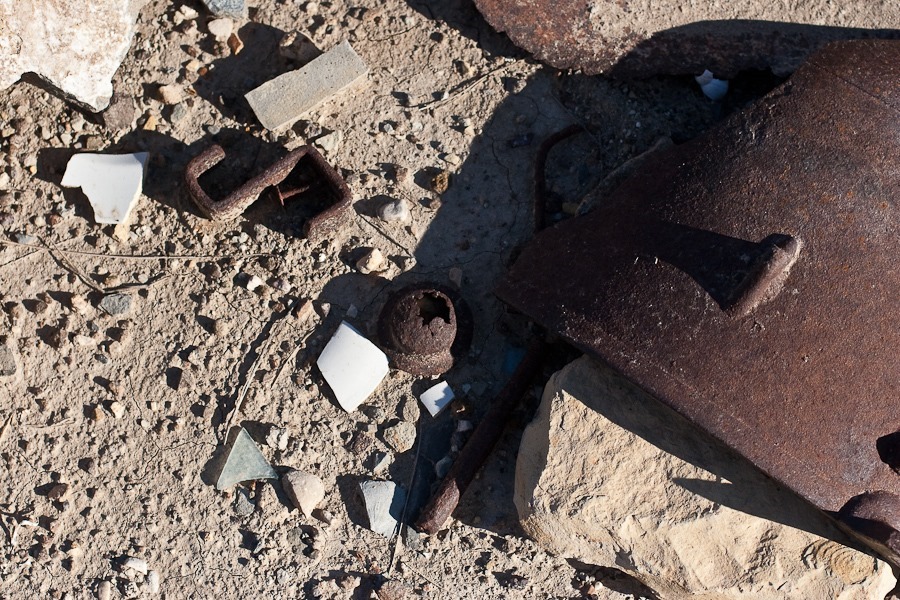
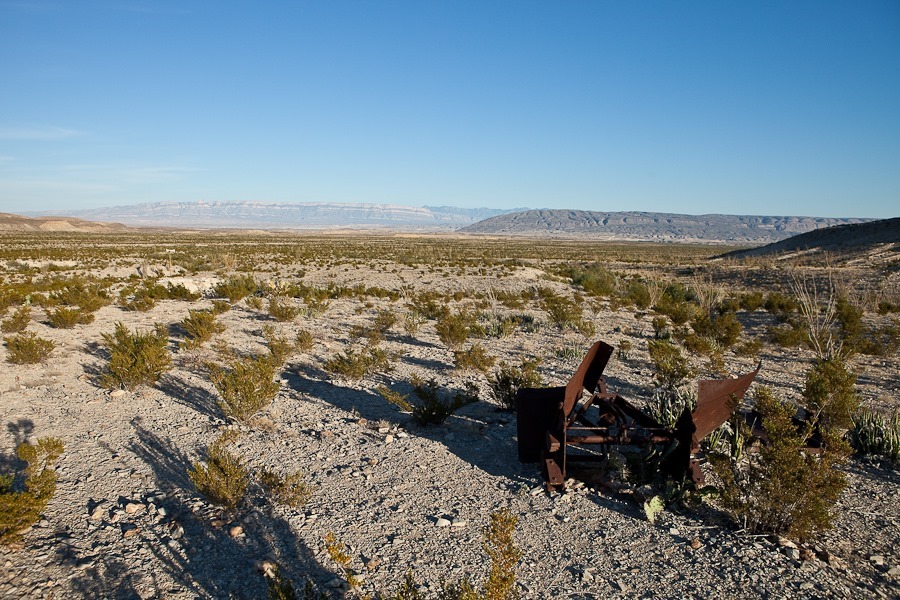
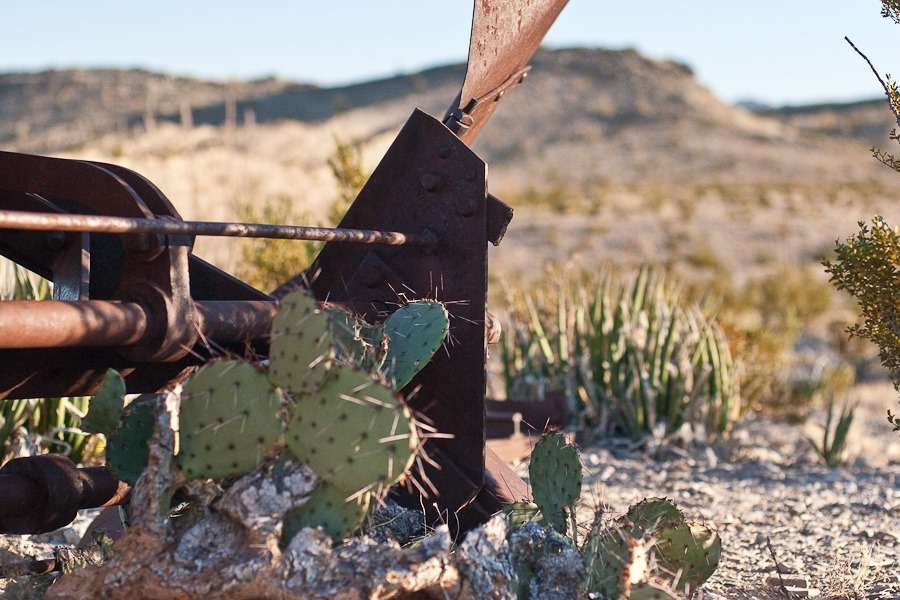
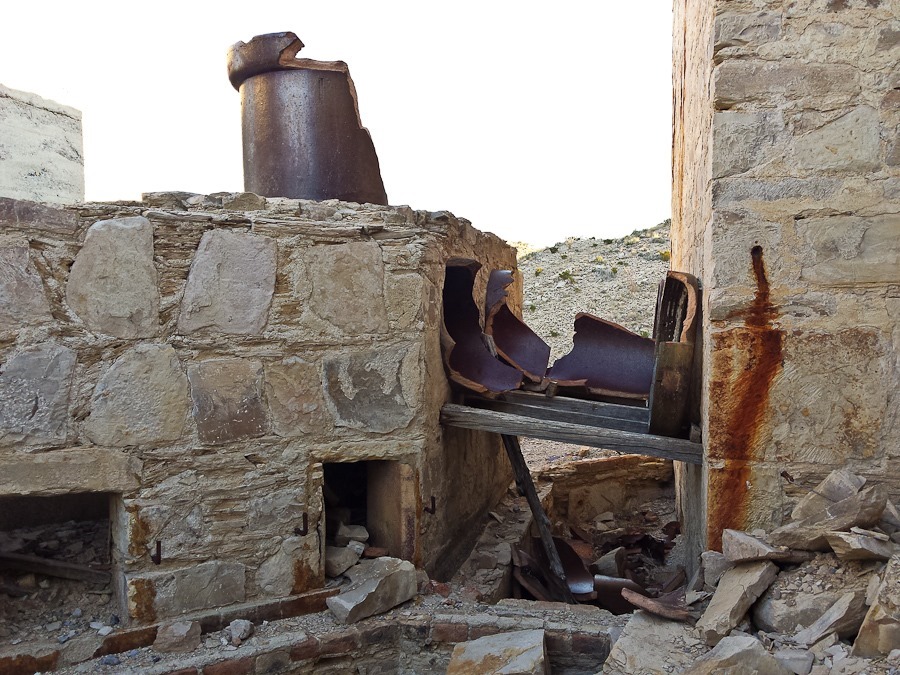
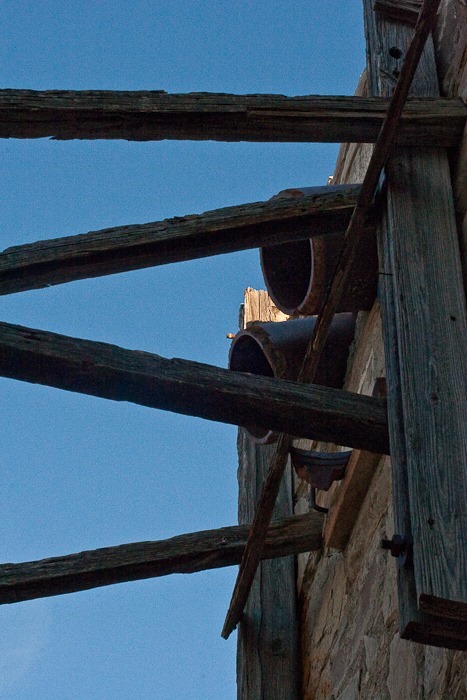
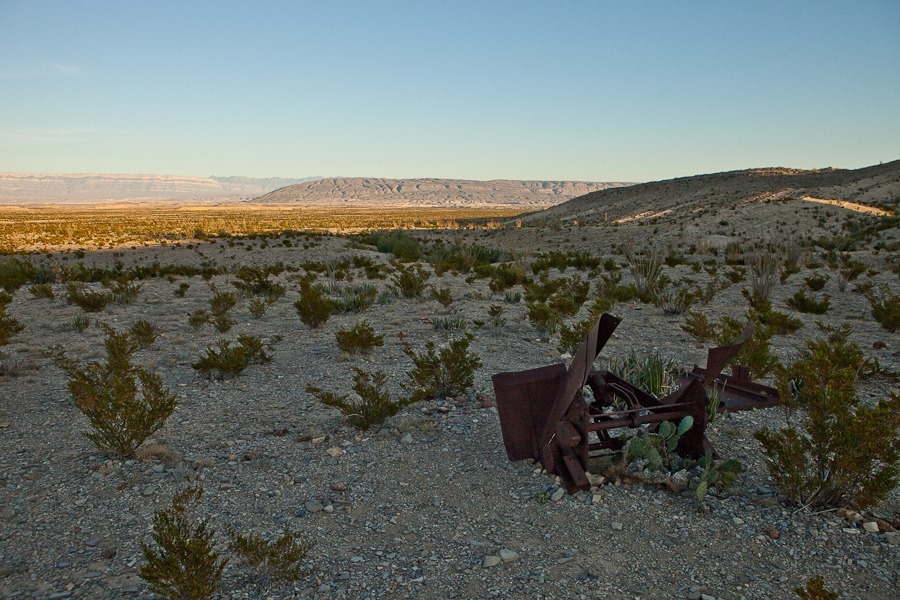
Old mining implement:
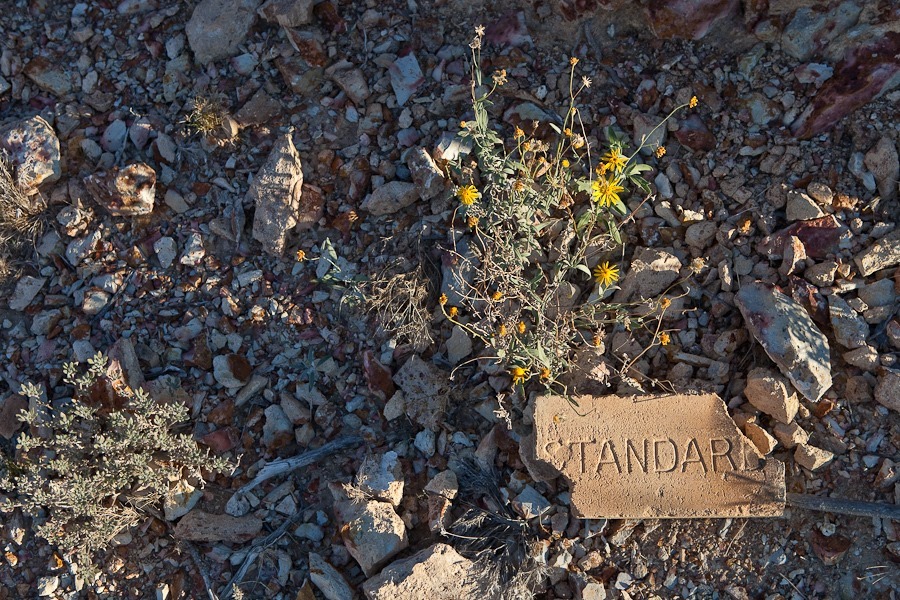
Photo by M:
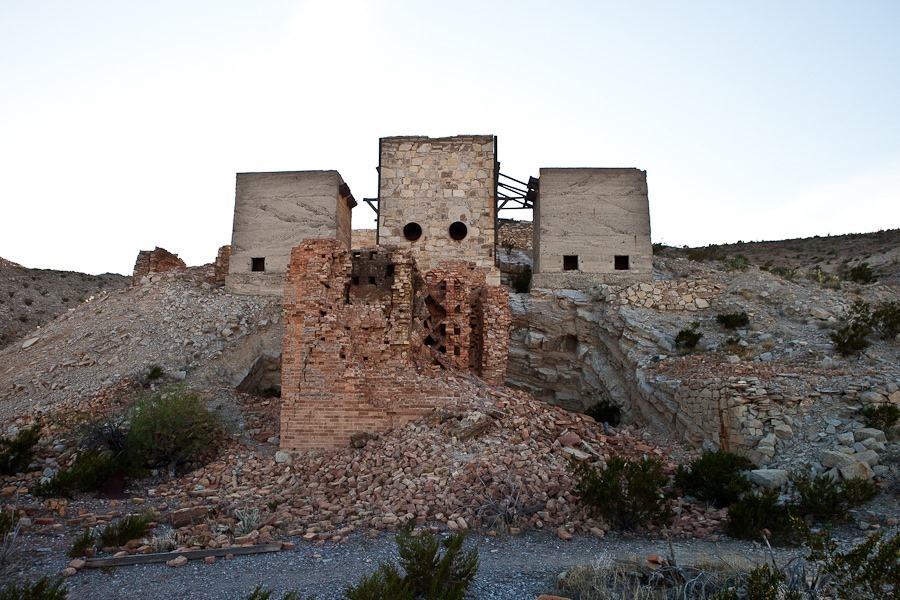
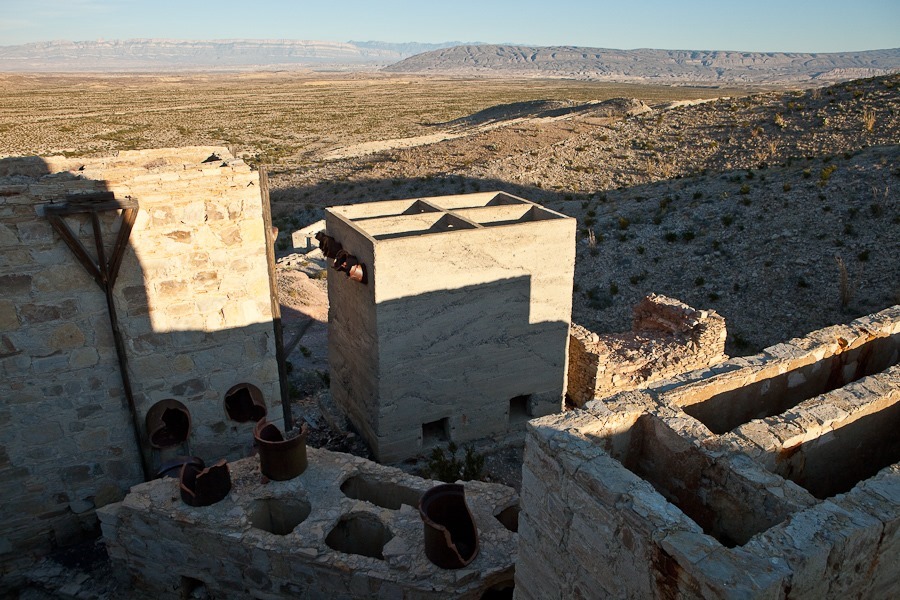
We didn’t touch anything here, as most everything, especially the oven bricks, are saturated with mercury:
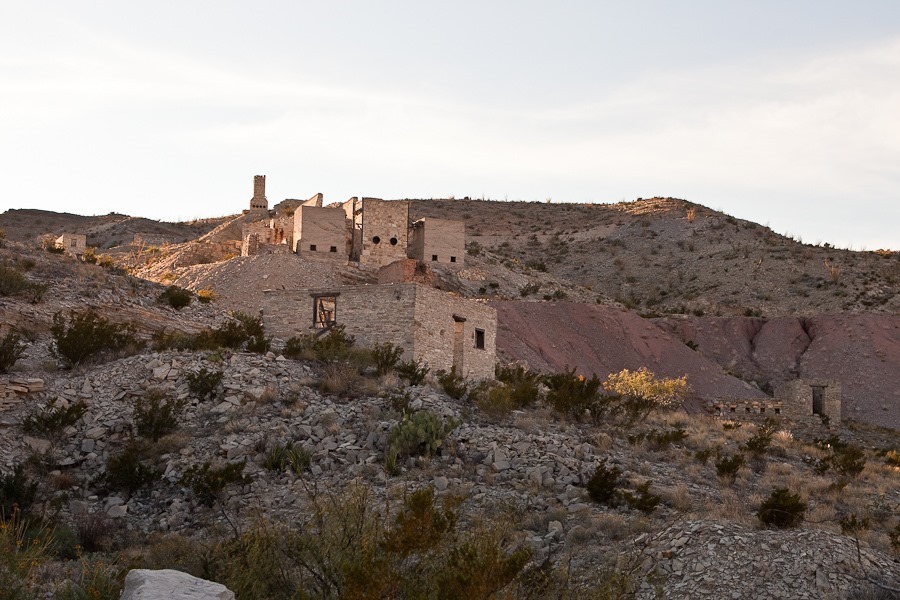
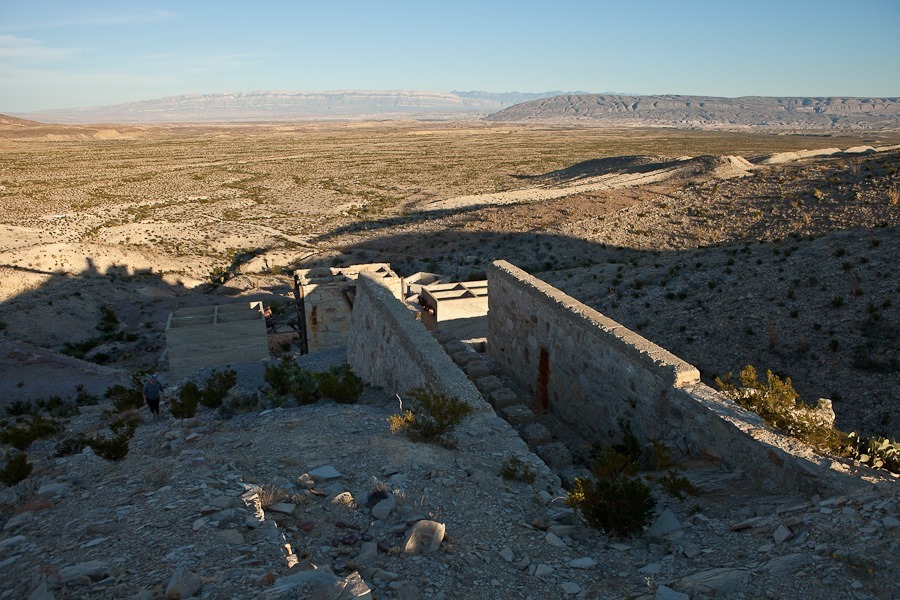
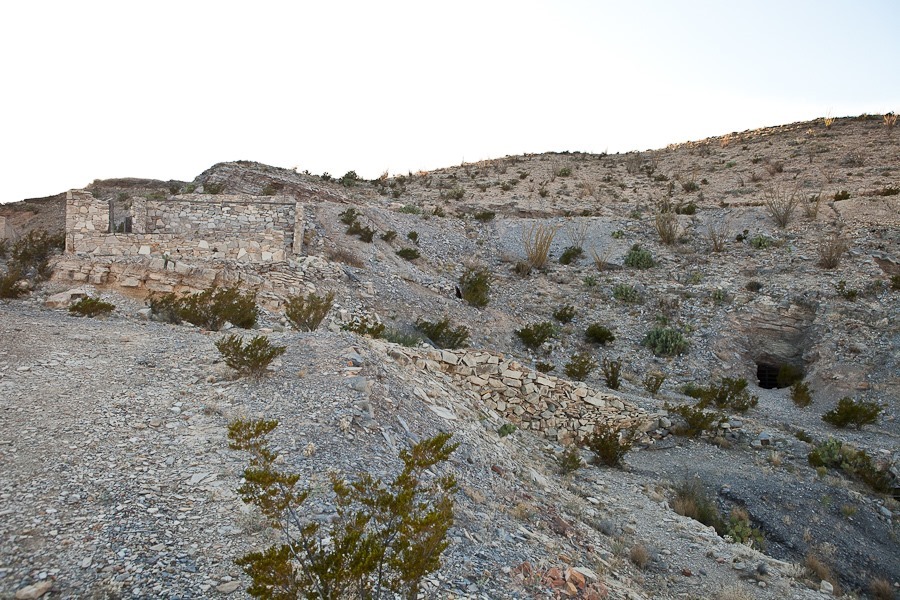
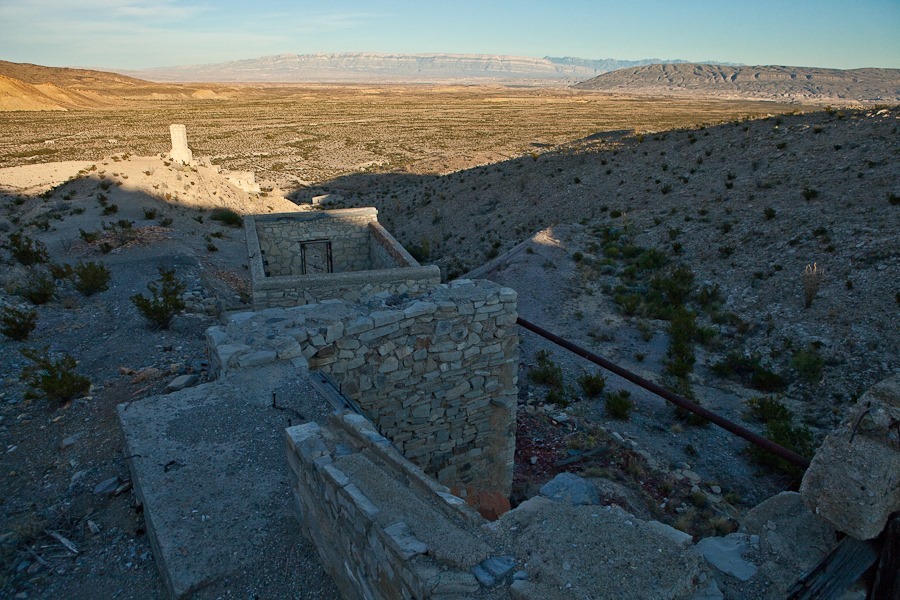
The mine site:
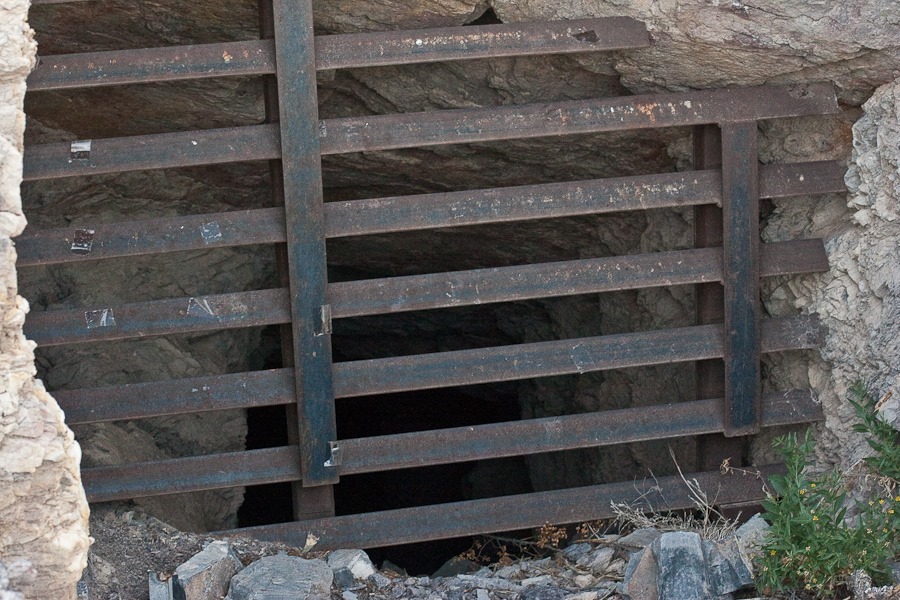
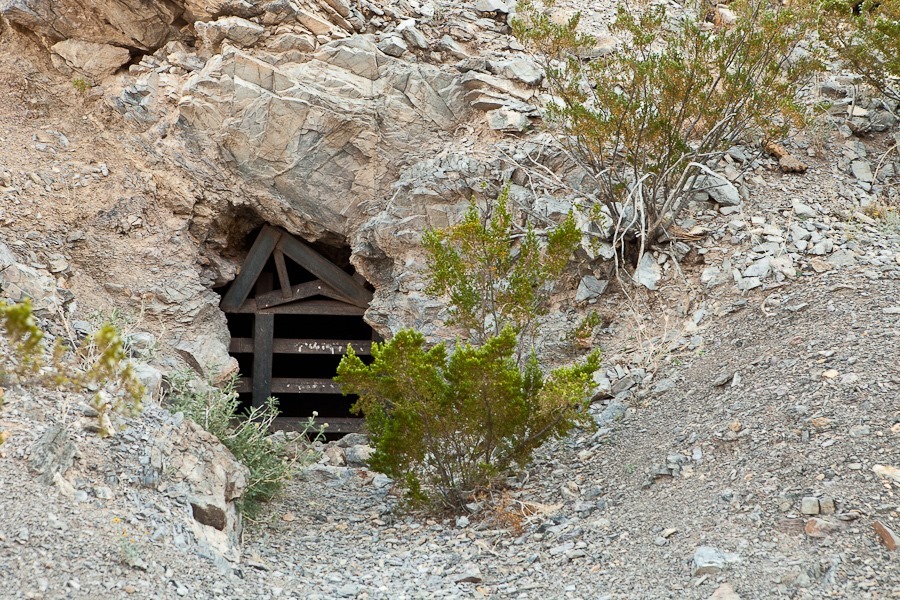
Going higher up through the complex, we found one of many mine shafts:
More mine shafts:
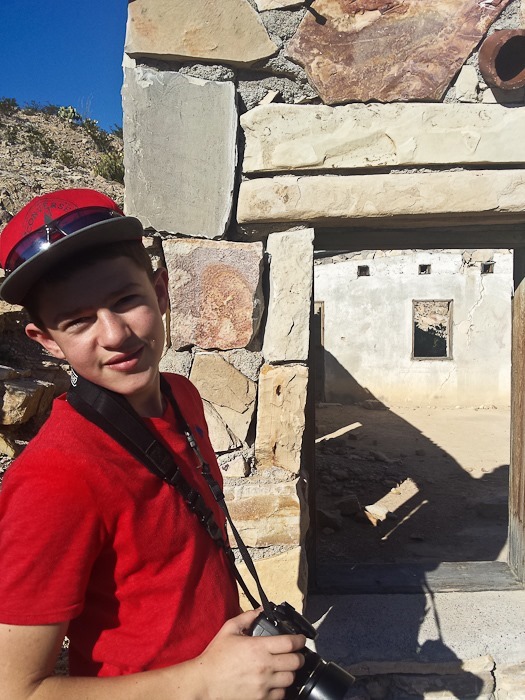
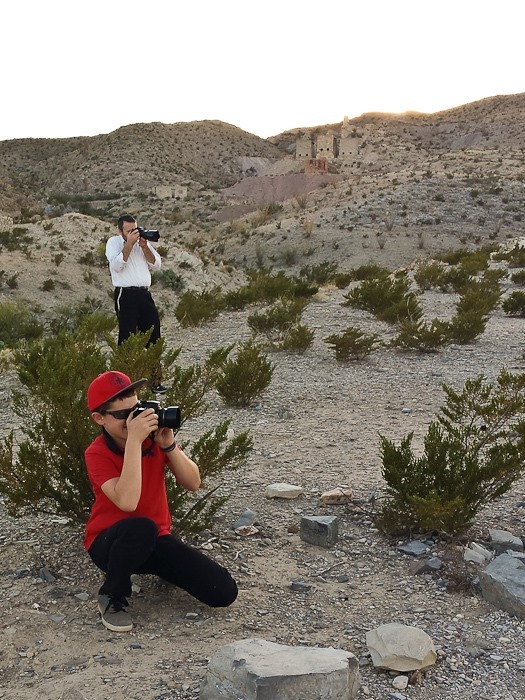
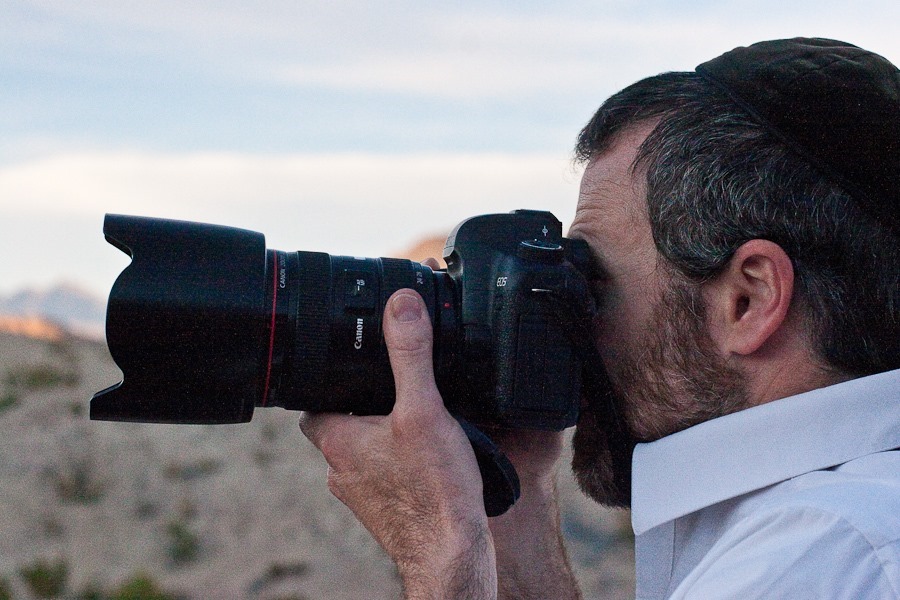
M has become very interested in photography over the last few days:
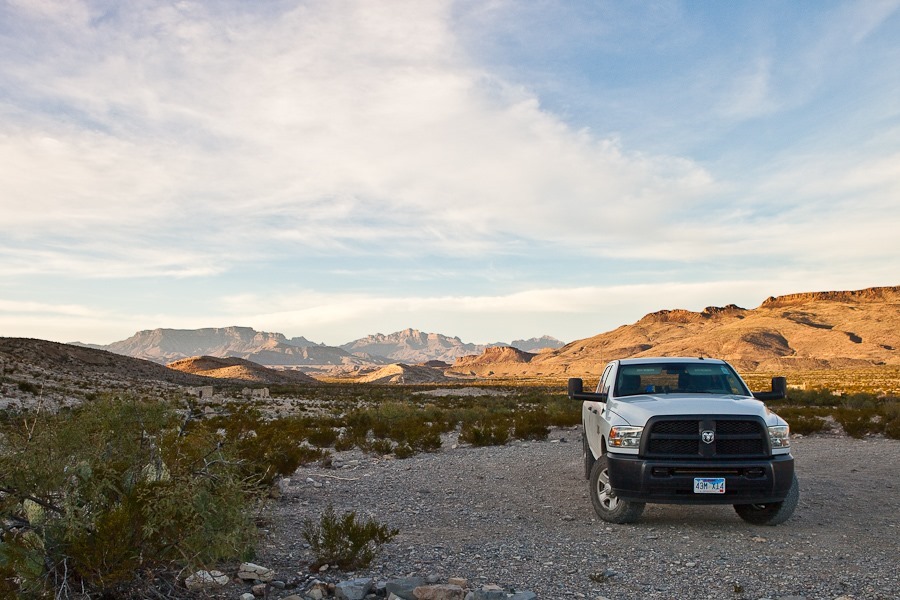
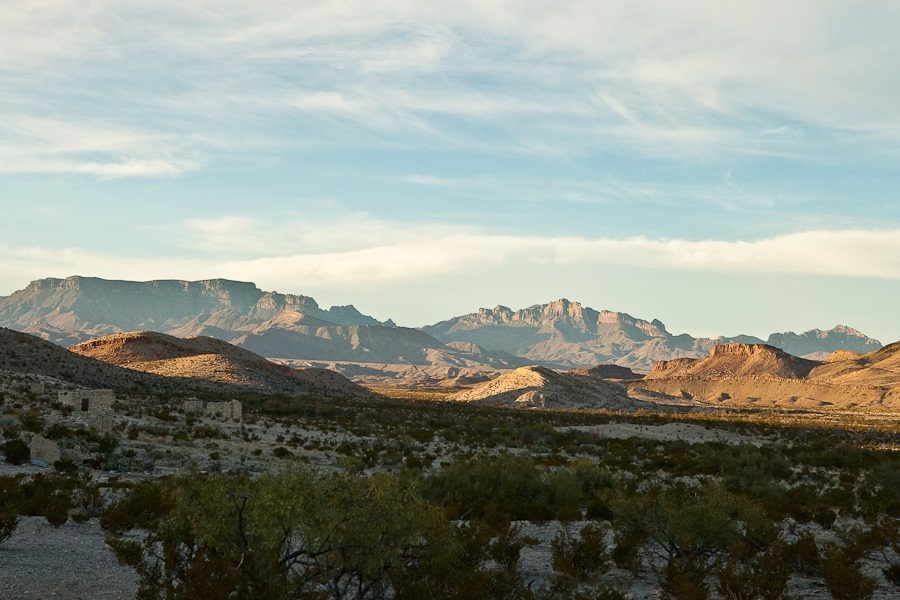
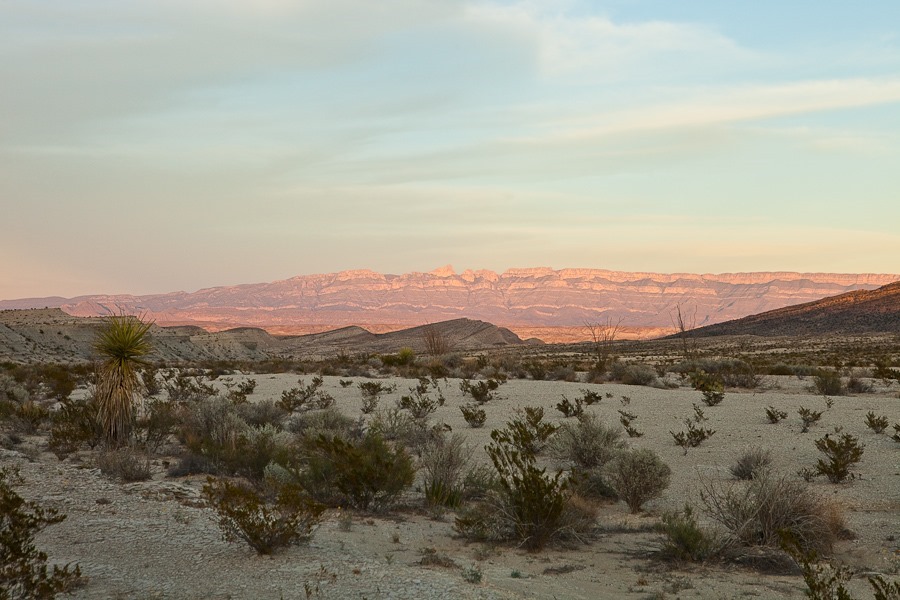
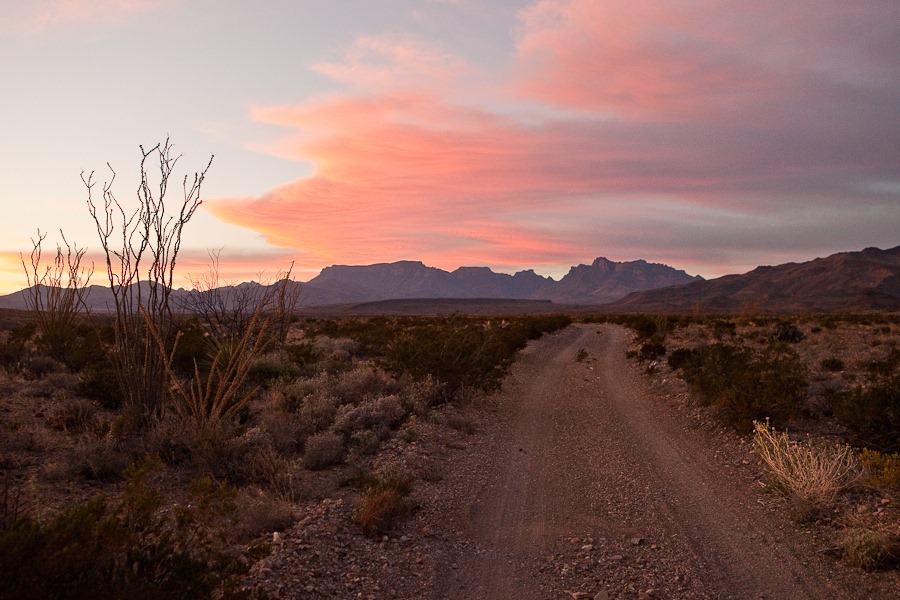
As the sun set, we drove back towards the RV, trying to get away from the border before dark:
Photo by M:
We got back after dark and enjoyed the most amazing night sky. Big Bend has the darkest skies in the continental US.
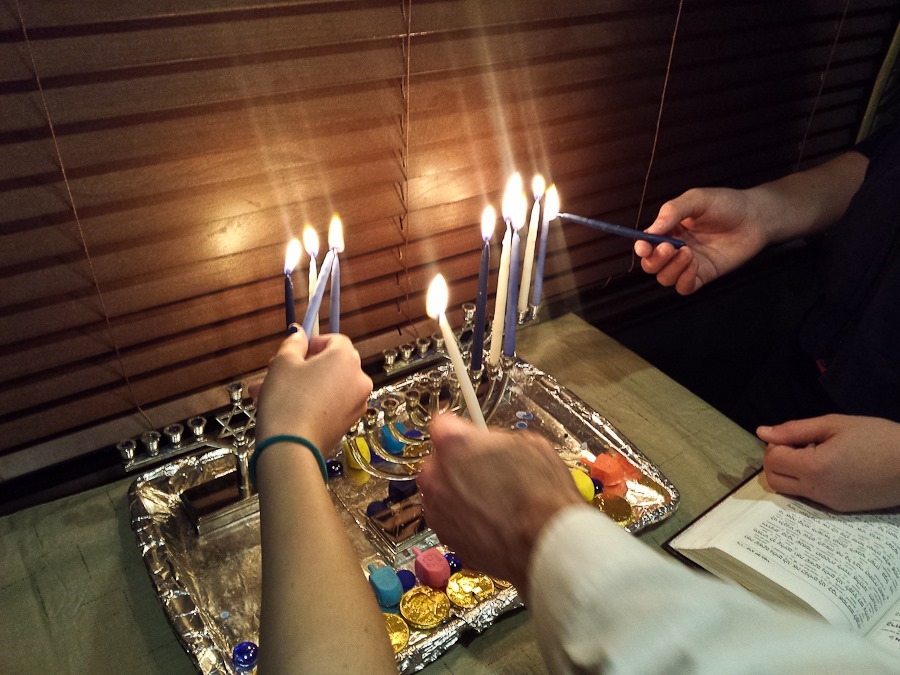
We enjoyed a pleasant Shabbos here at Amistad National Recreation Area. We went for a walk in the afternoon, and I ended up chatting for a bit with a group of bow hunters.
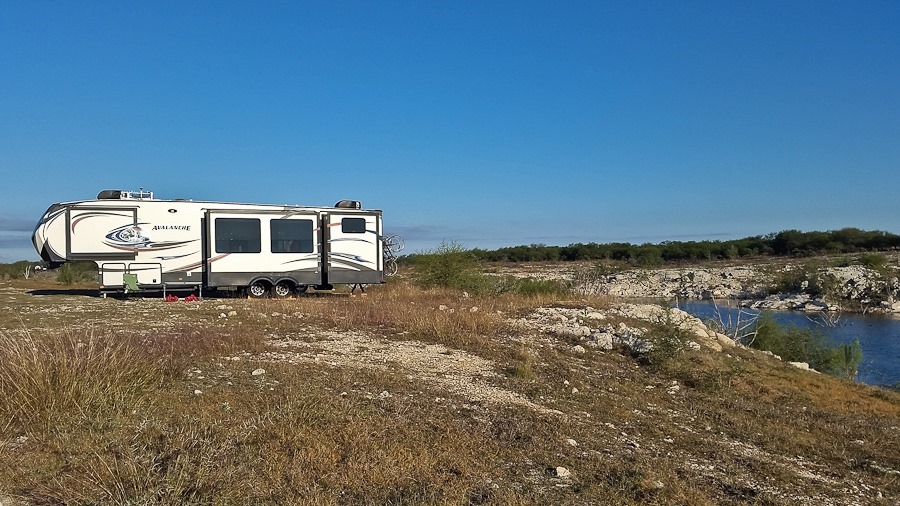
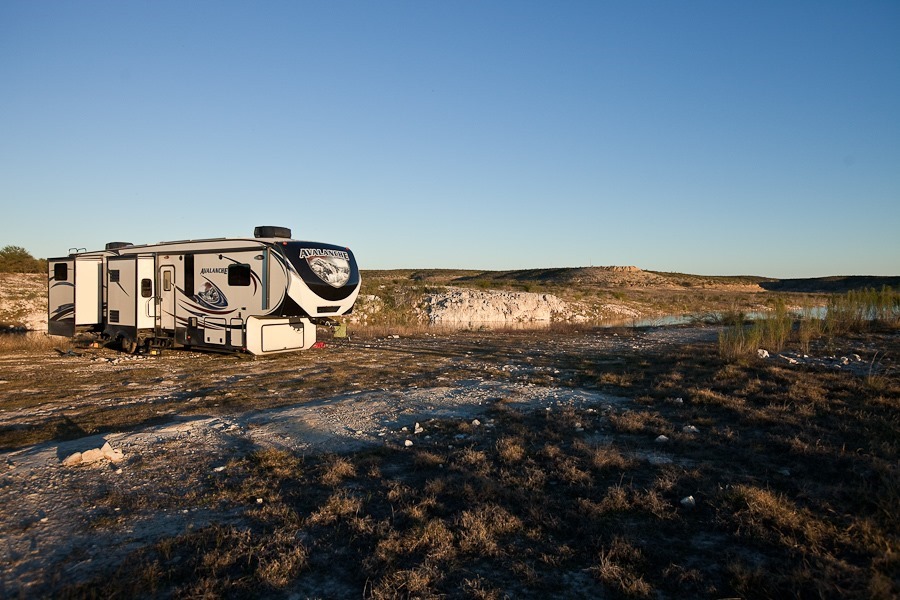
We had originally intended to head over to Big Bend National Park today, but in the end decided to stay here one more day:
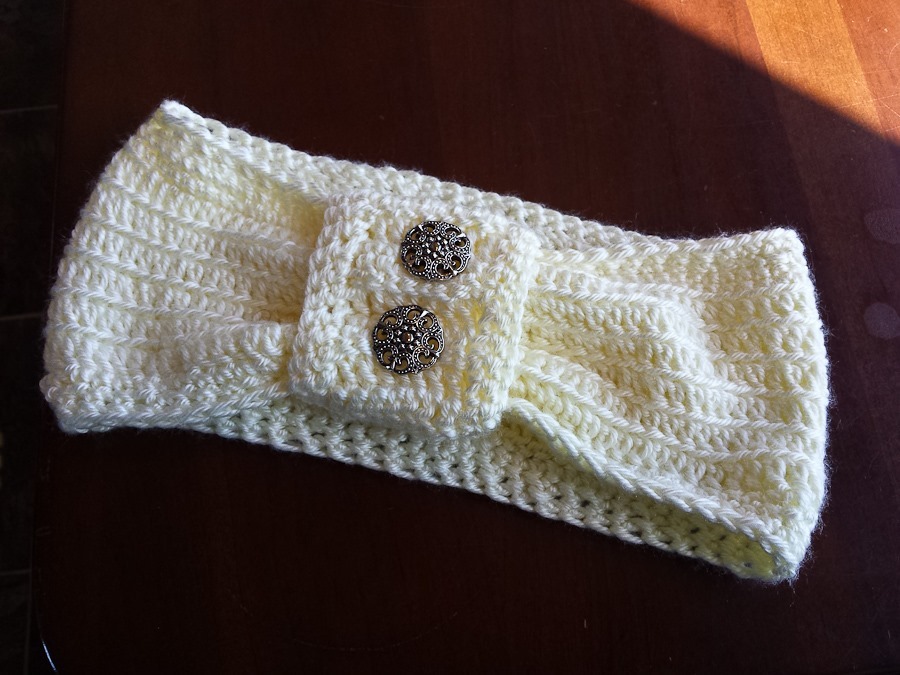
We did homeschool today and Trish worked on a crocheting project:






 Facebook
 Instagram
 Email
Email