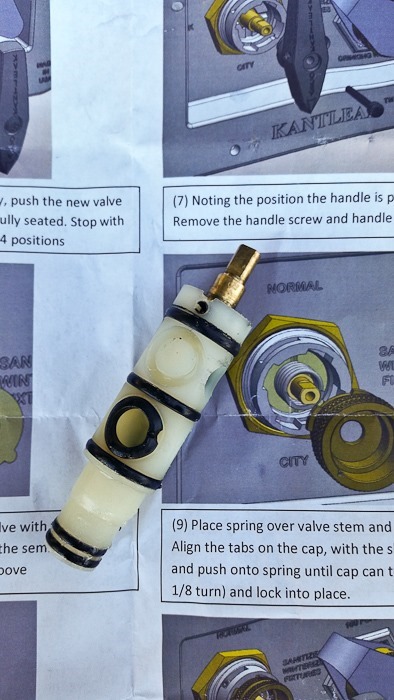
This morning I replaced the valve in the water pump selector switch. The circular rubber gasket had failed, allowing the pump to draw air as well as water, so the pump didn’t work very well:
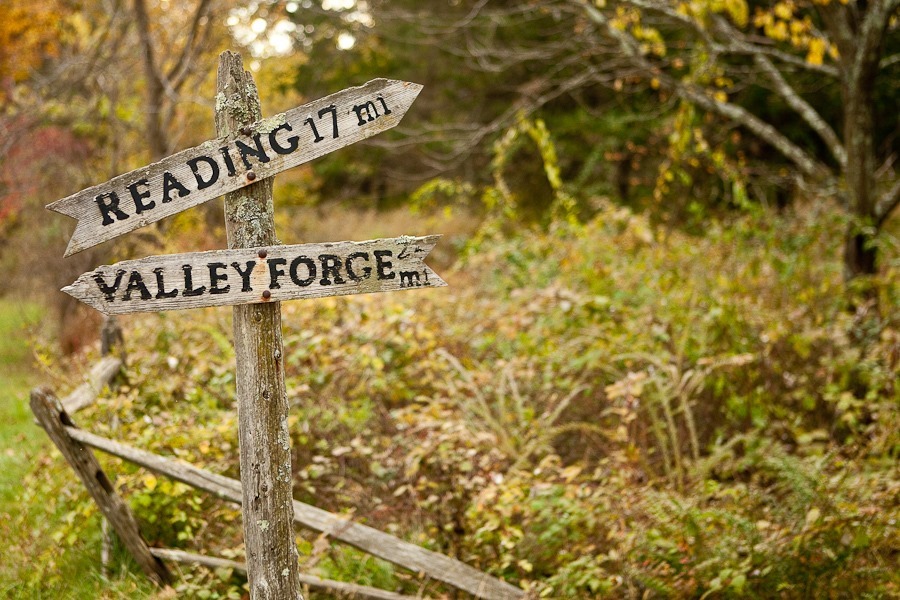
We drove a few miles from Walmart to Valley Forge National Historical Park, where Washington’s army spent a winter with inadequate supplies during the Revolutionary War:
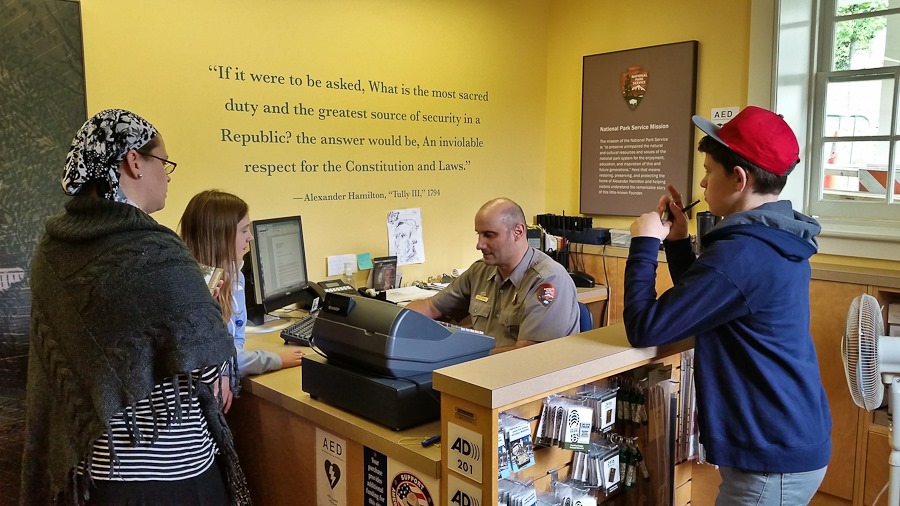
Nice visitor center:
Yes, these are our children:
We drove the self-guided loop road:
At one stop, a group of reenactors manned a small cannon:
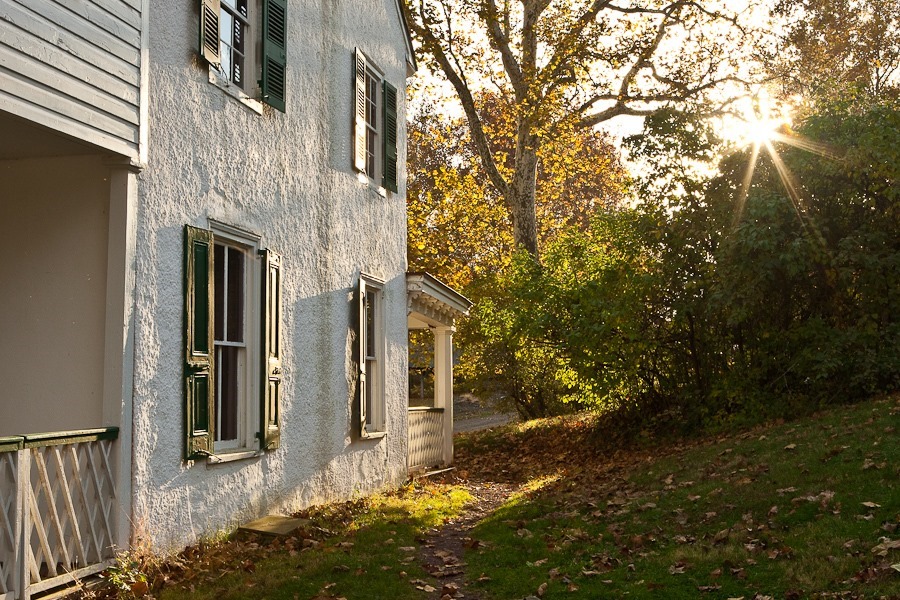
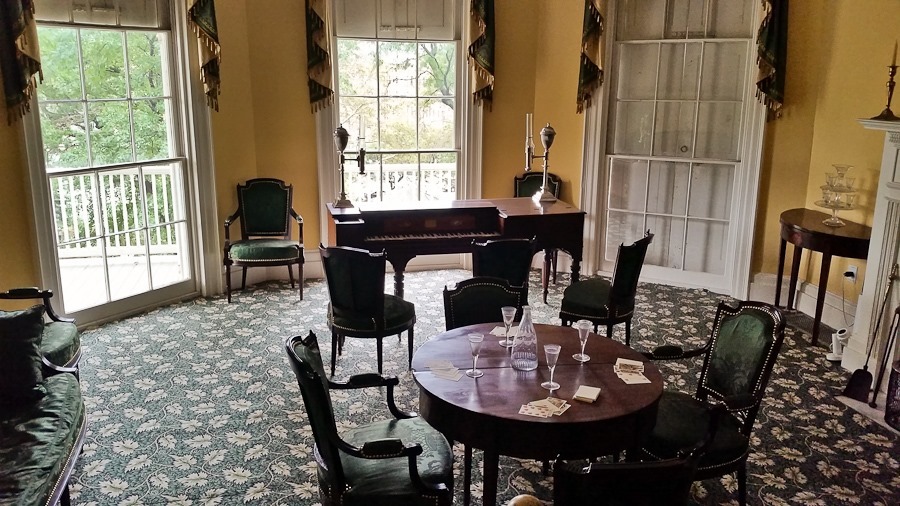
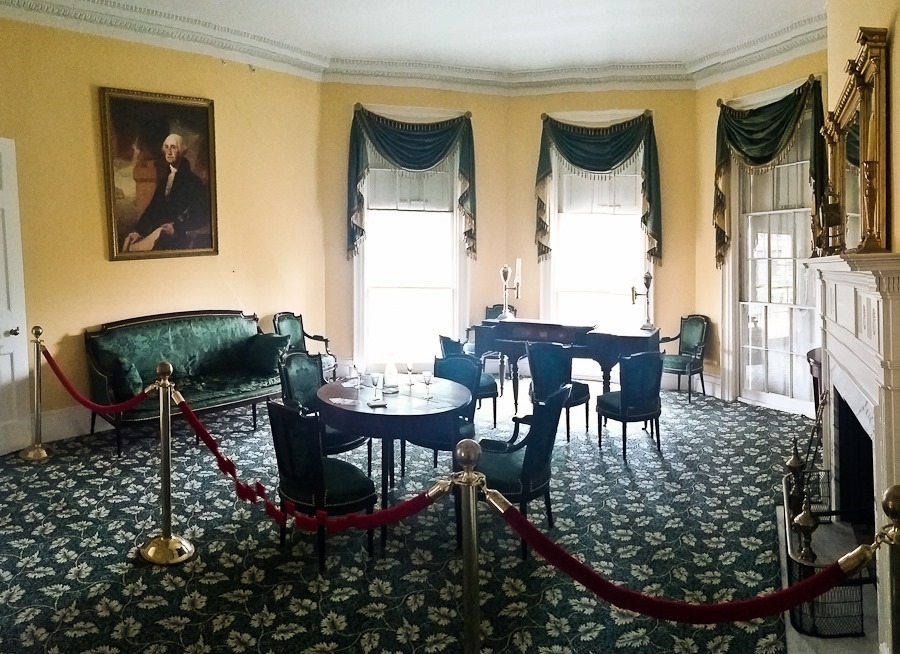
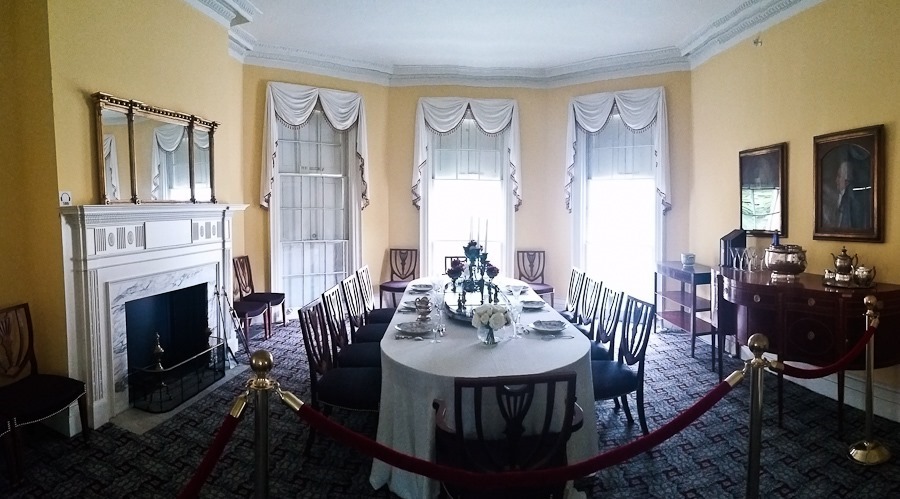
Our next stop was Washington’s headquarters for that winter:
Washington’s bodyguard detail lived in these huts:
The kids completed their Junior Ranger badges and received their badges:
This morning we left the RV at the Lower Merion Synagogue and drove into Philadelphia to visit Independence National Historical Park. We found curbside parking and walked over to the site:
The visitor center had exhibit space showcasing the many historic buildings in the park:
On our way to Independence Hall, we walked by the excavated basement of the president’s residence, home to presidents Washington and Adams while the US capital was in Philadelphia from 1790 to 1800:
Independence Hall, where the Declaration of Independence and the Constitution were signed:
Independence Hall was built as the colonial seat of power for the colony of Philadelphia in 1753. In this room, the colonial court presided:
In this room, the Second Continental Congress debated and signed both the Declaration of Independence and the Constitution. Washington sat up front:
The Constitution was signed with this ink set:
One of the original printed copies of the Constitution:
The kids handed in their Junior Ranger workbooks and received their badges:
No caption needed:
We visited the building that housed the Supreme Court while the US capital was in Philadelphia:
We also visited the legislative building. Congress sat in this room:
The Senate met in a smaller room upstairs:
We visited Carpenters’ Hall, meeting place of the First Continental Congress:
On our way back to the truck, we visited the courtyard where Benjamin Franklin’s house once stood:
This building was built by Franklin as a rental property:
Inside, the building has been stripped to the outer walls, so flue paths, fireplaces, and floor locations can be seen in this three-story structure:
We returned to the RV, hitched up, and drove northwest to overnight at the Walmart of King Of Prussia, PA. See the trip map for today’s drive and our current location.
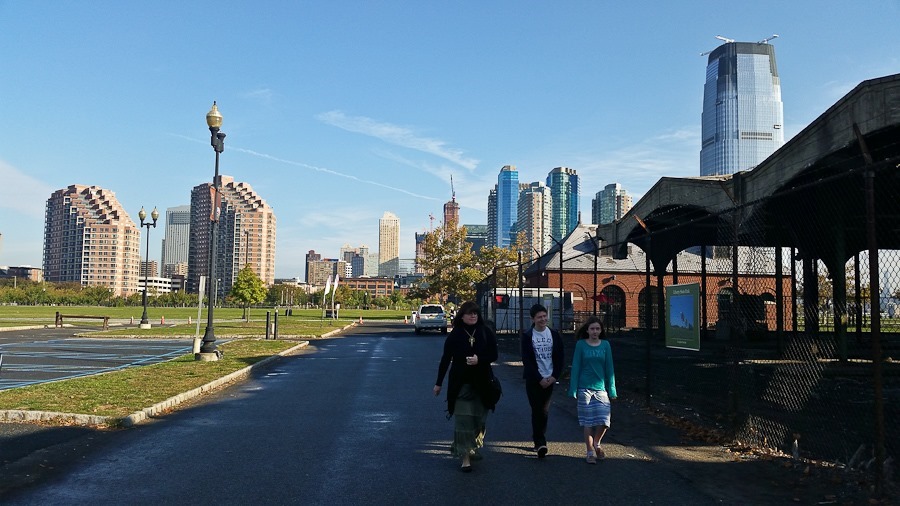
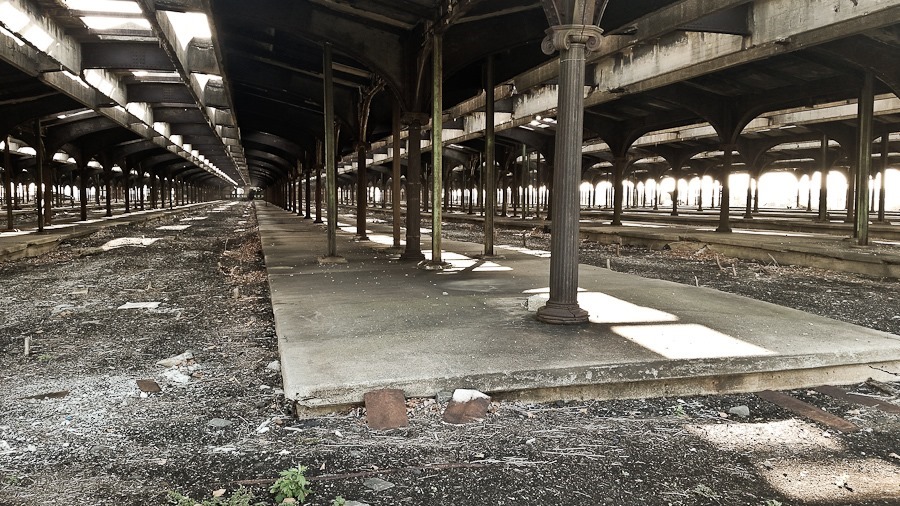
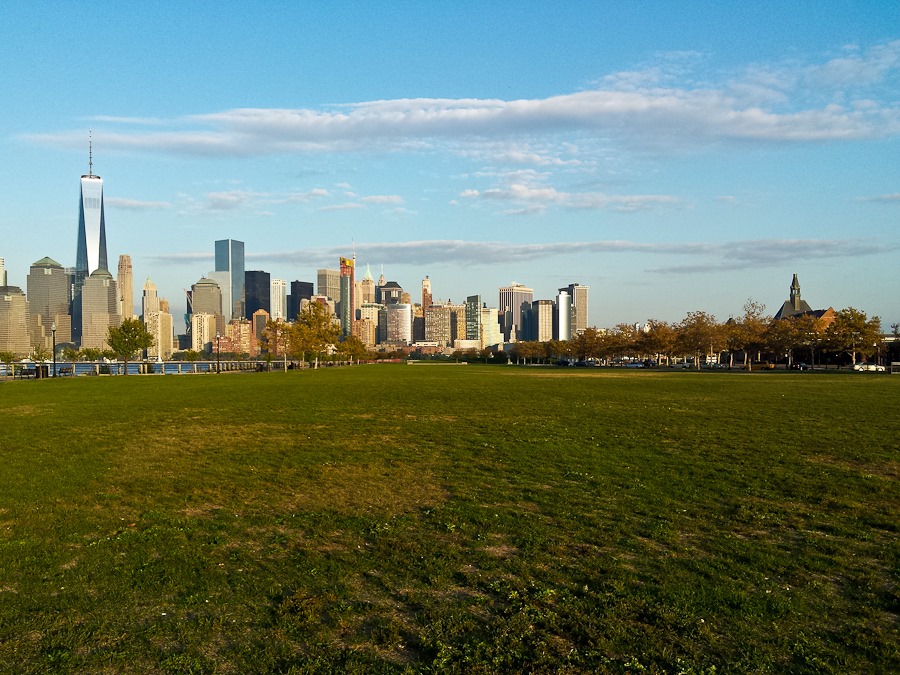
The abandoned train station at Liberty State Park:
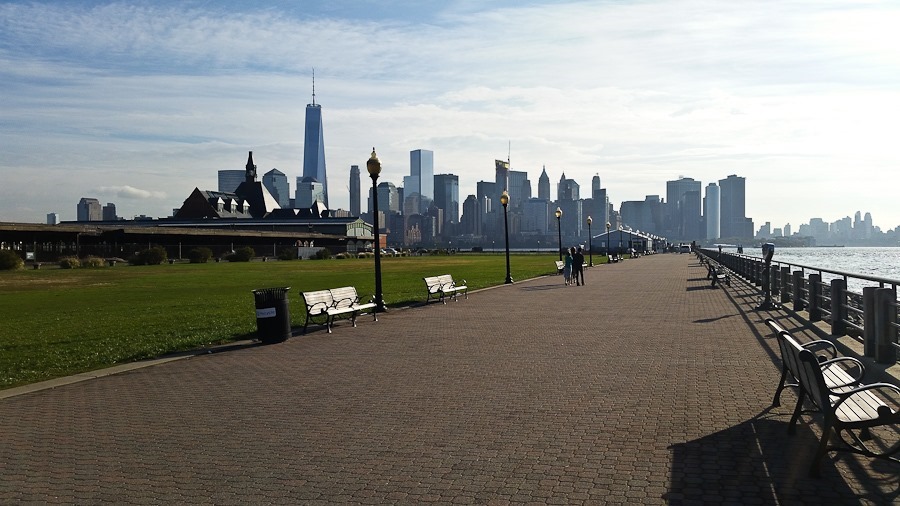
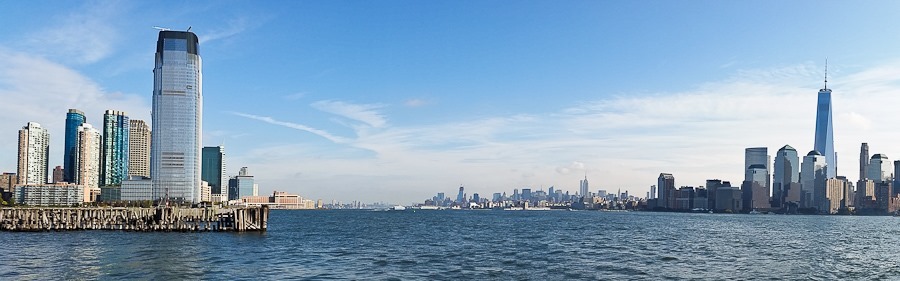
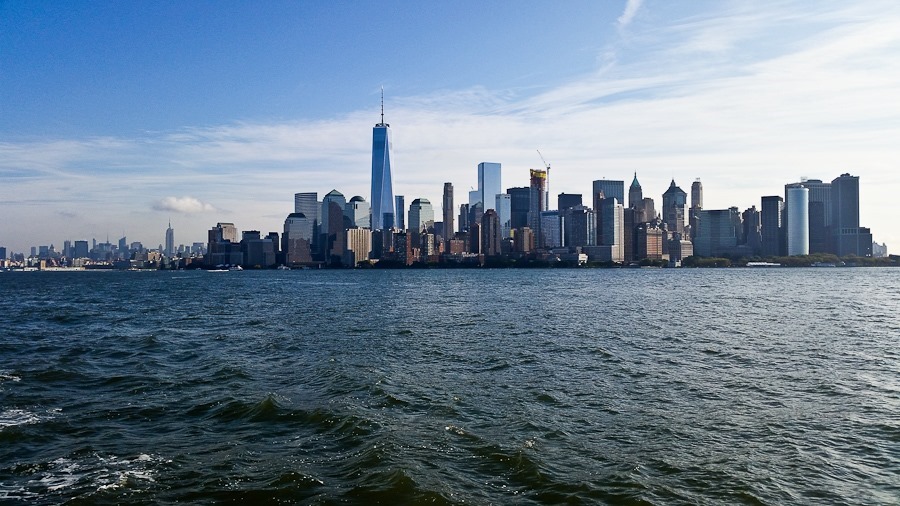
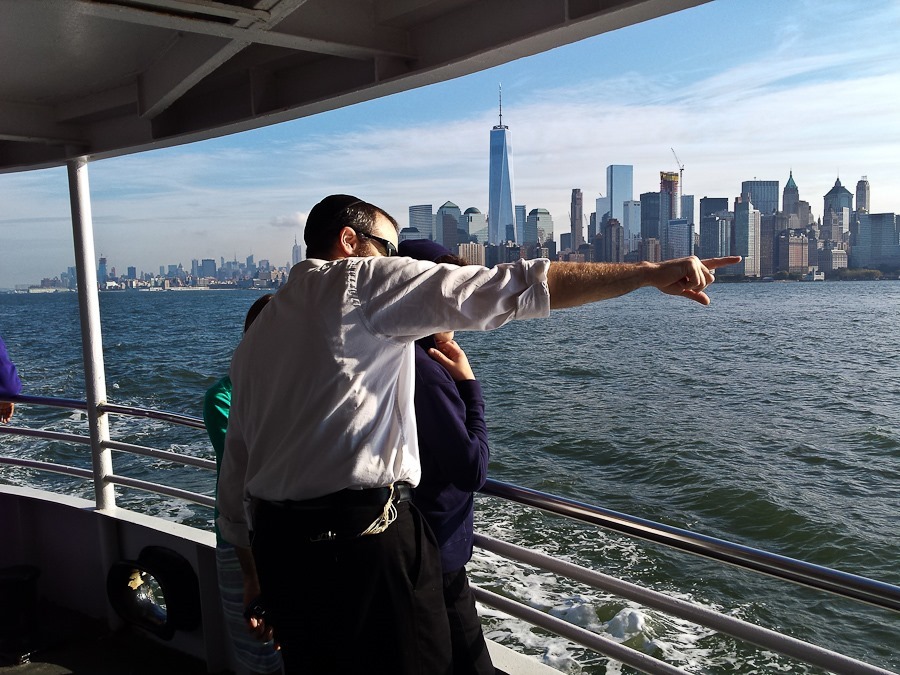
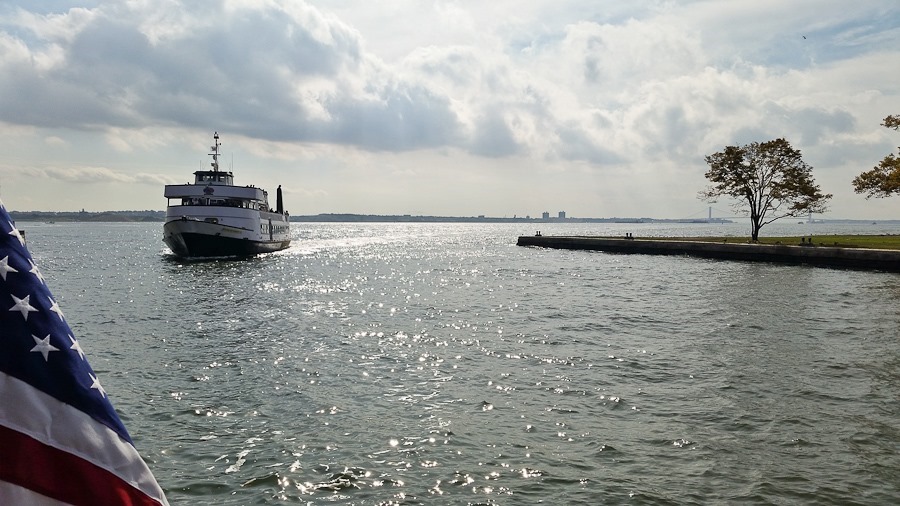
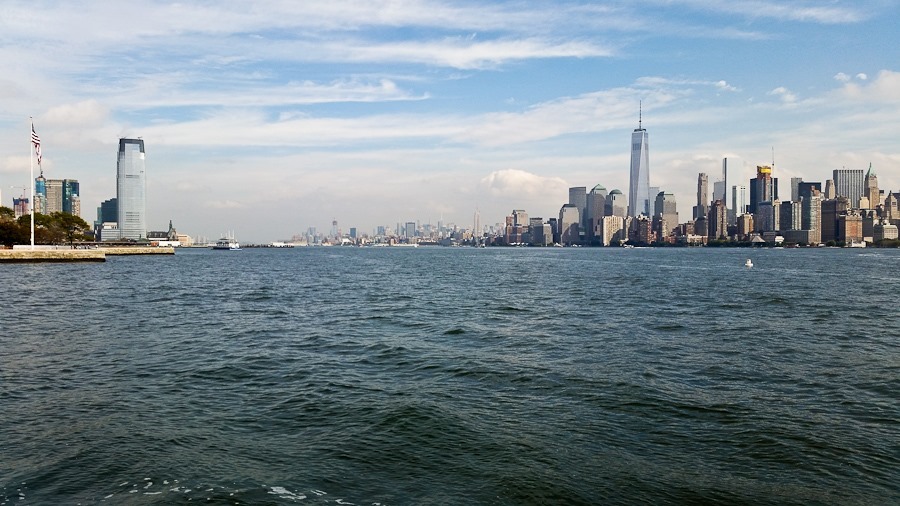
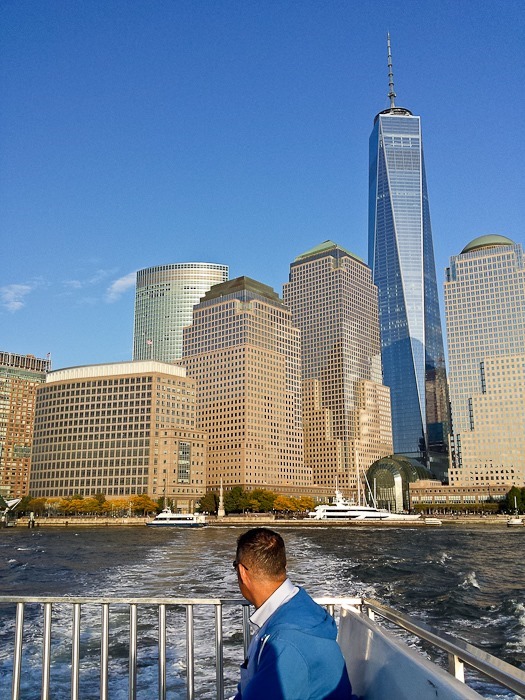
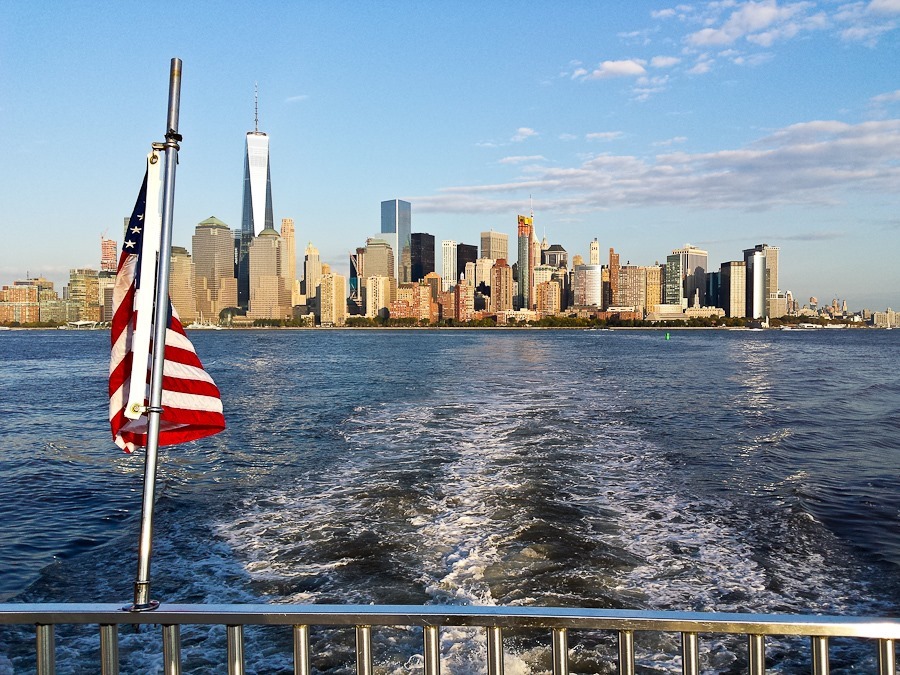
I was turned back at security because I had my Leatherman with me, so I hid it in the jetty rocks next to the ferry terminal. We boarded the ferry and could see New Jersey on the left and Manhattan on the right:
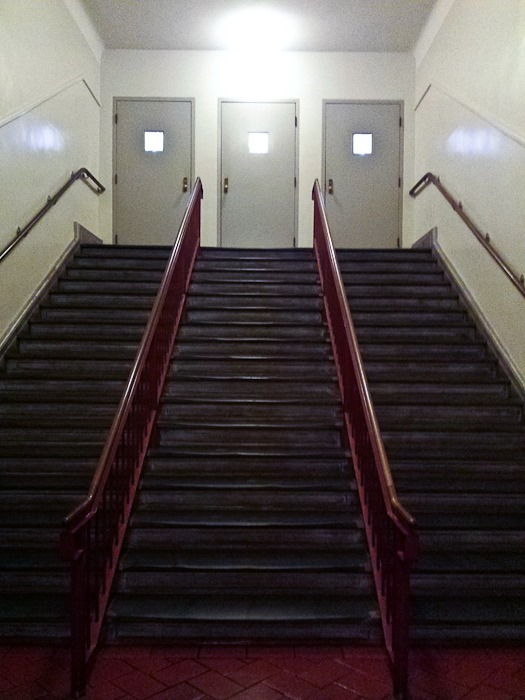
This staircase was used by immigrants after being released by immigration authorities:
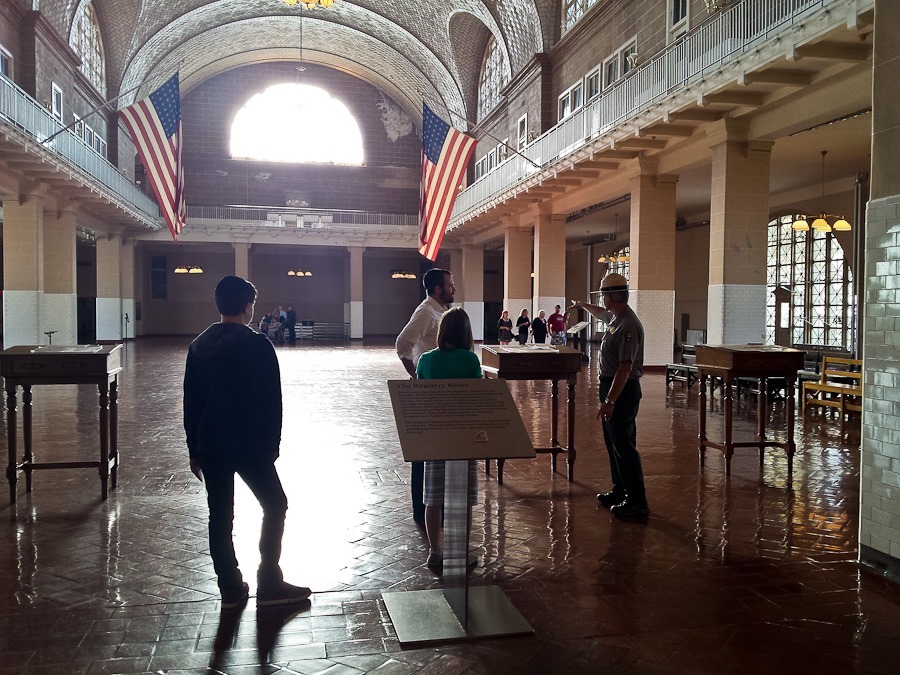
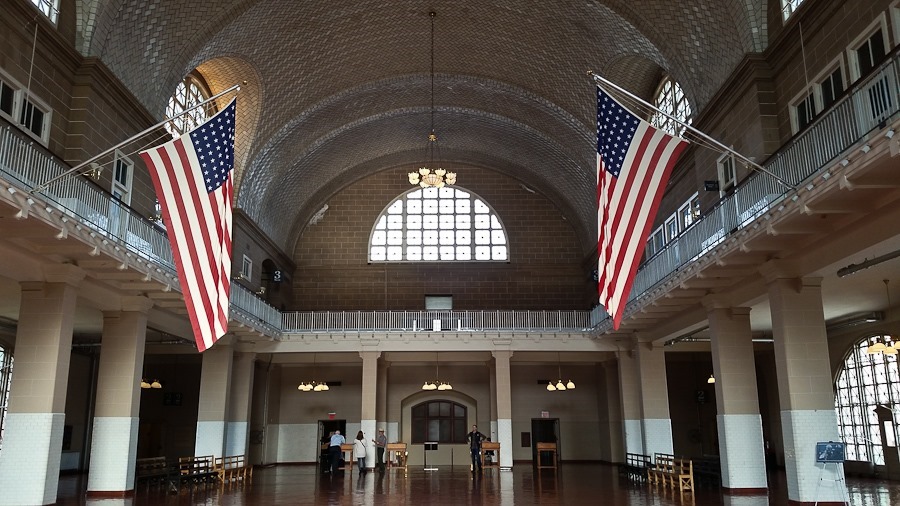
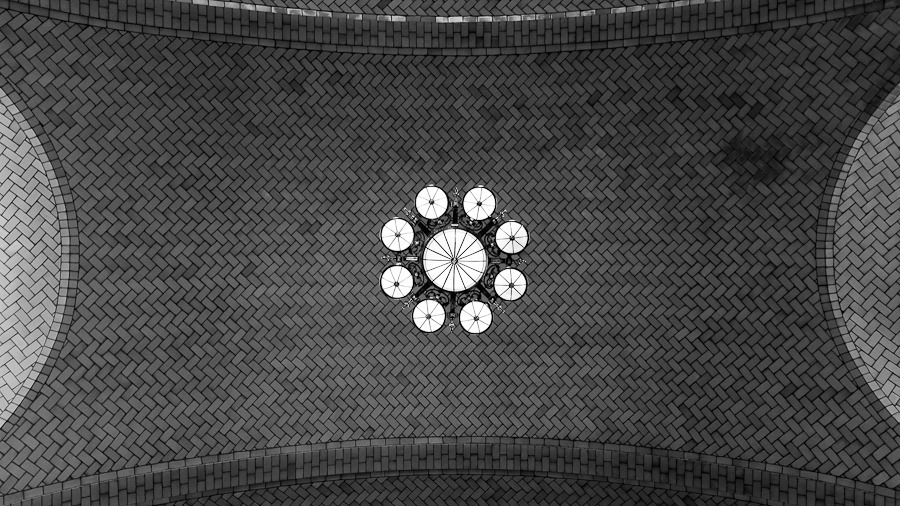
The great hall, where immigrants were processed:
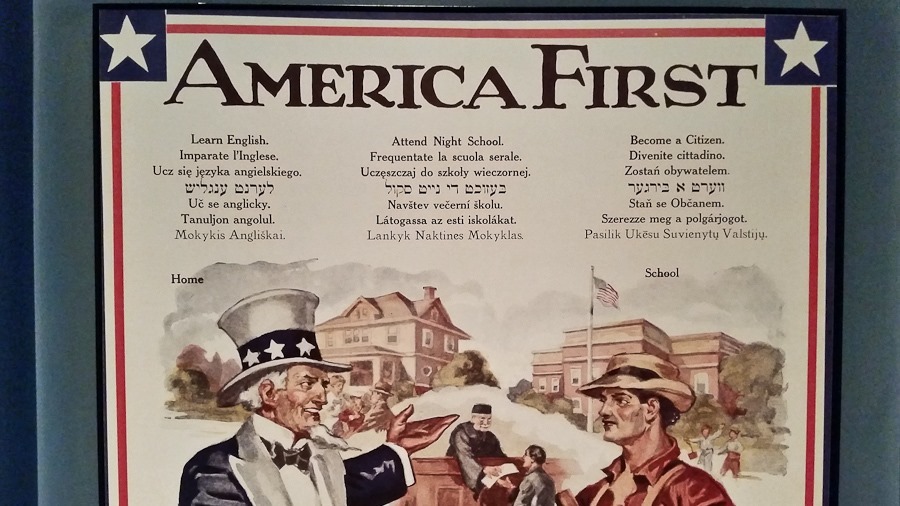
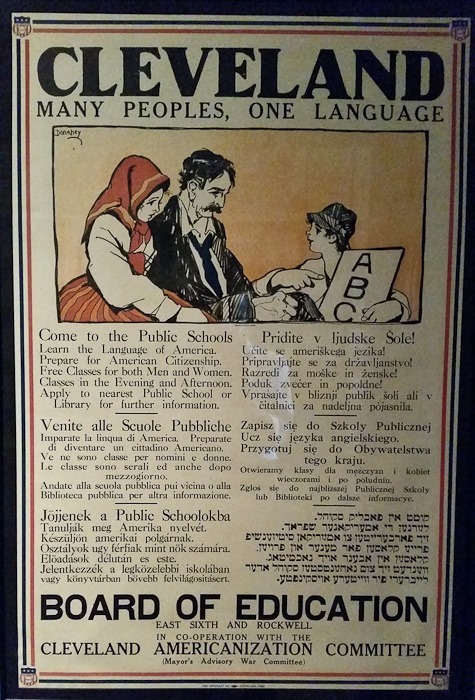
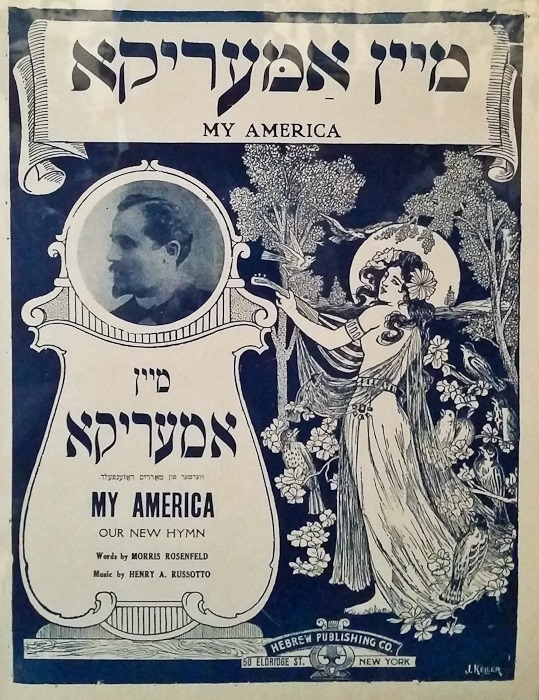
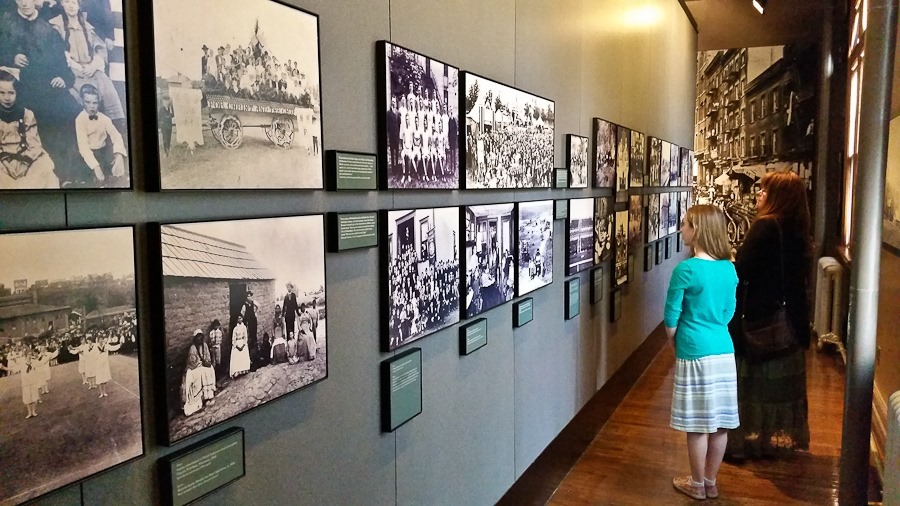
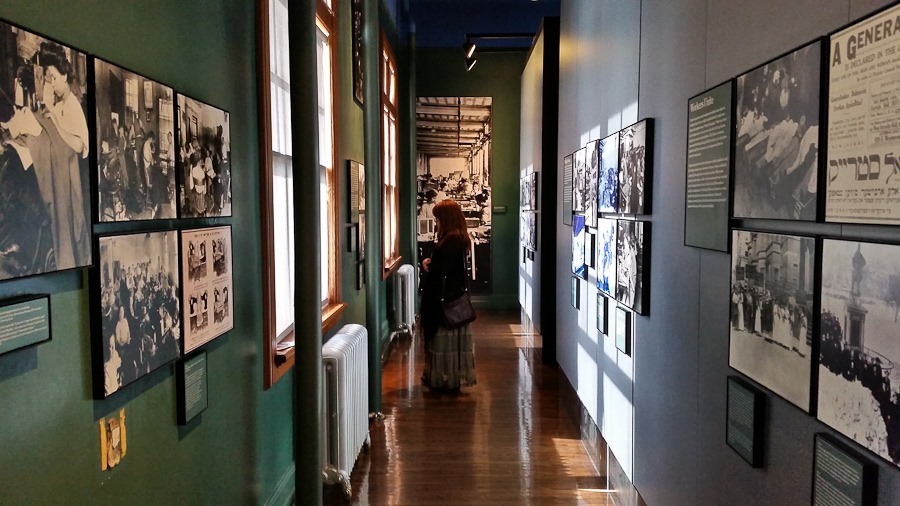
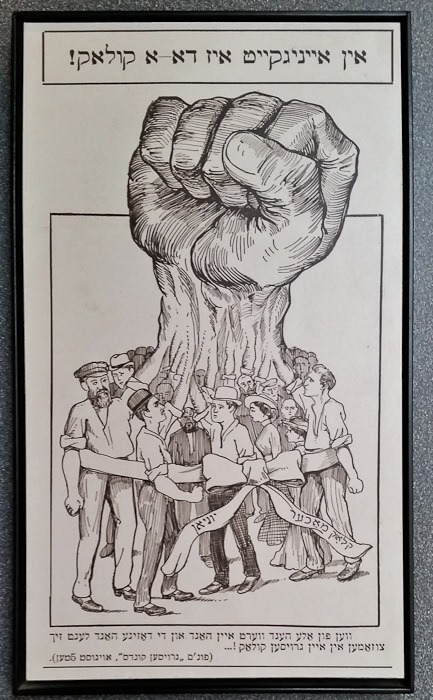
We saw the park video and browsed one of the exhibit spaces, enjoying the old posters which included Yiddish:
The kids completed their Junior Ranger workbooks, but the park is out of badges, so they were given a Junior Ranger sticker. The park will mail the badges to us when they arrive at the park:
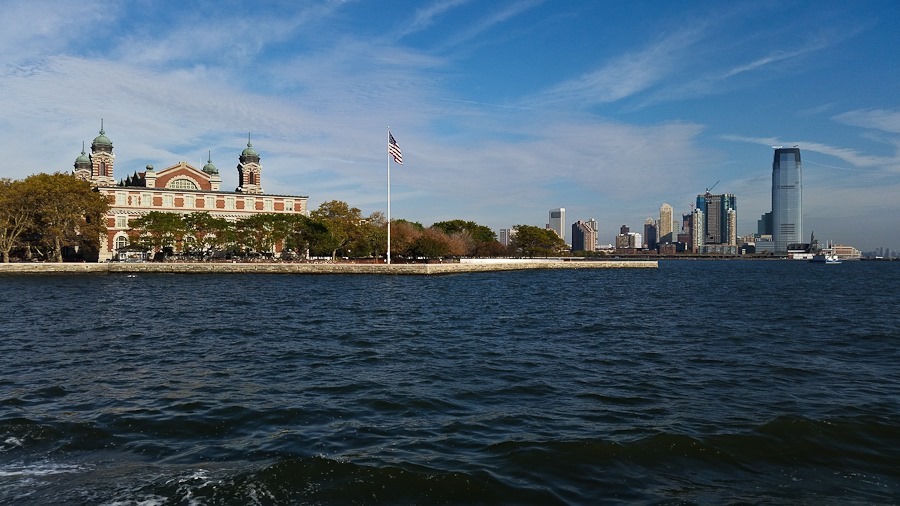
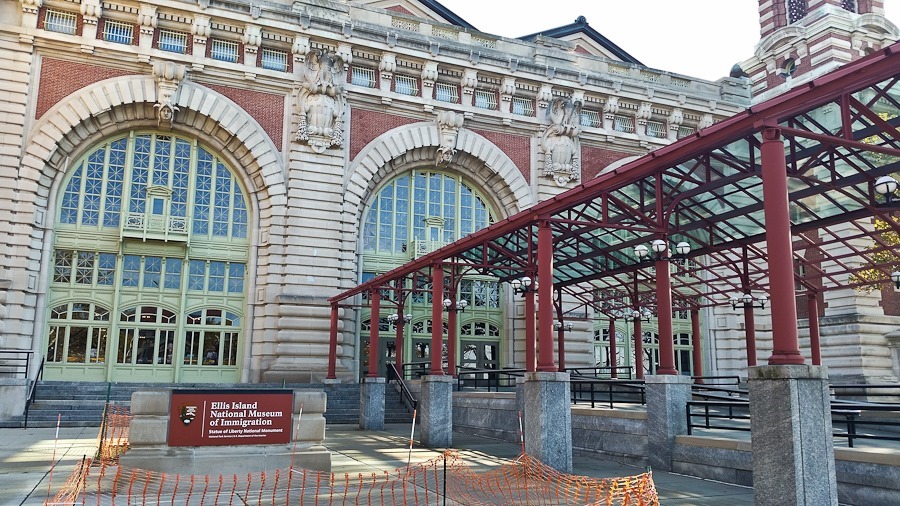
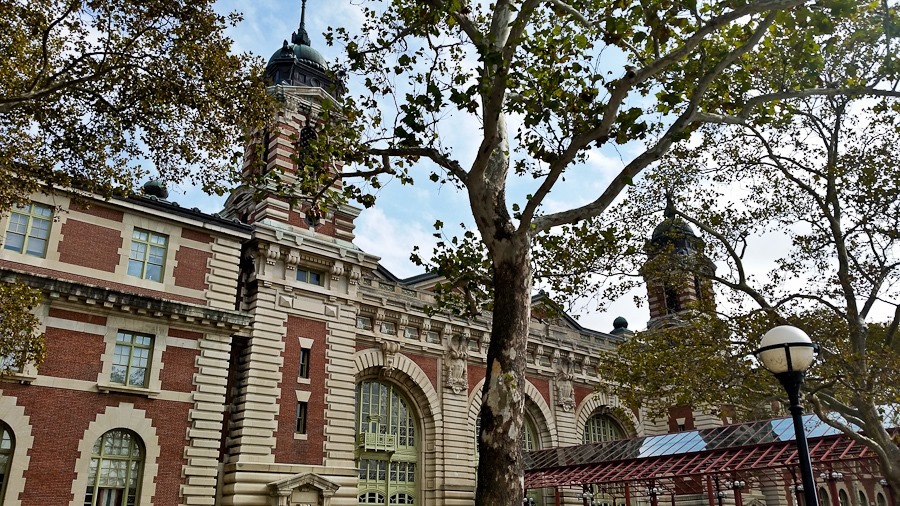
Back outside:
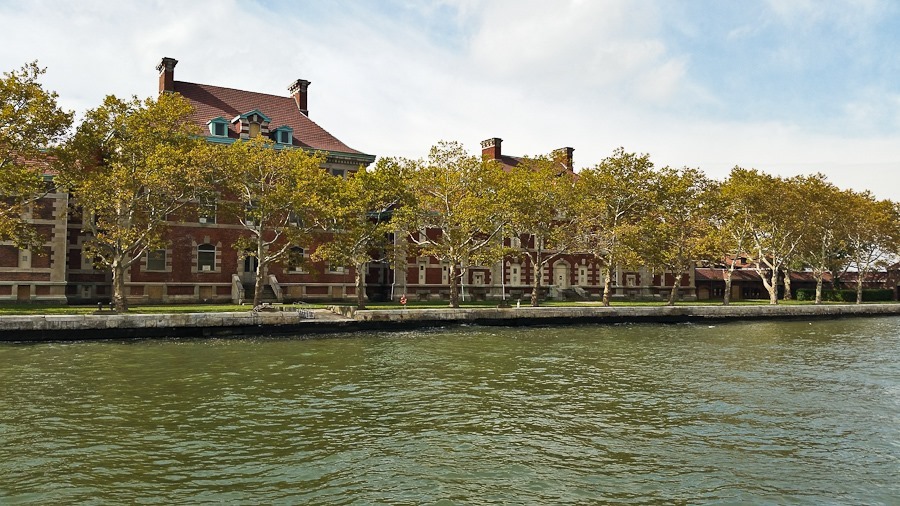
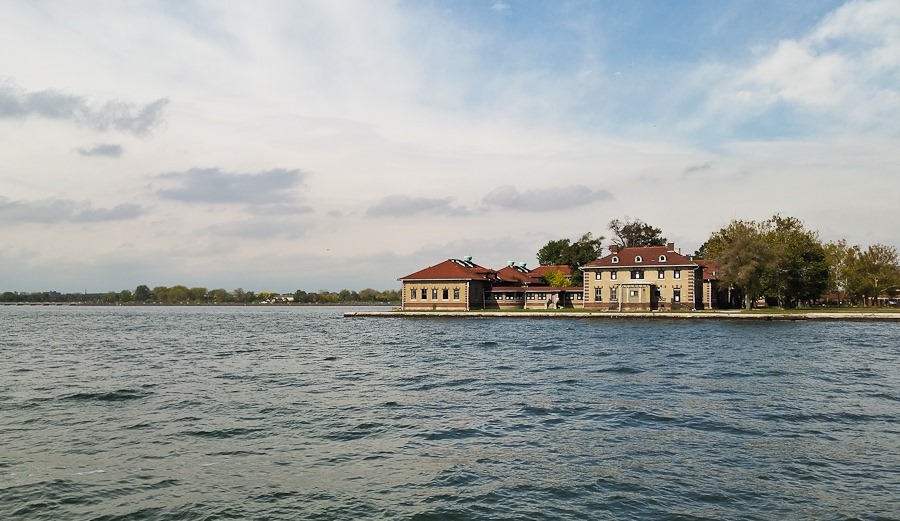
The hospital buildings:
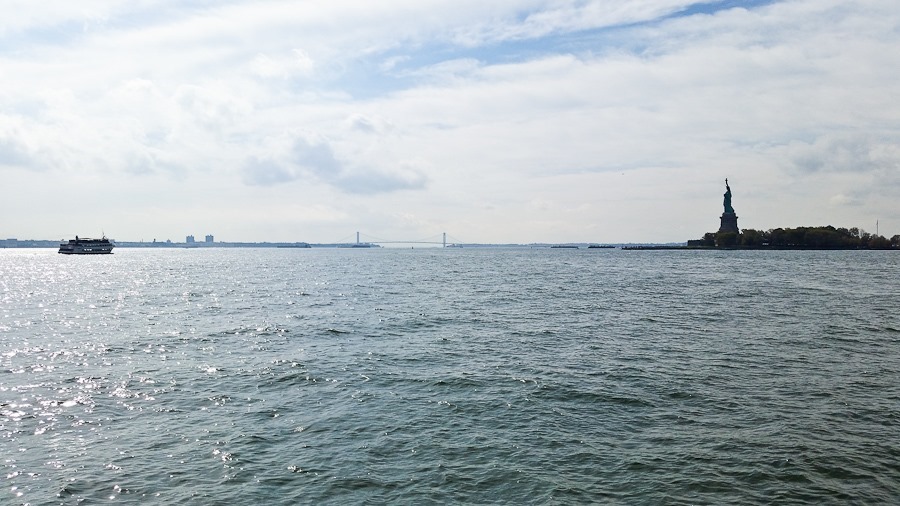
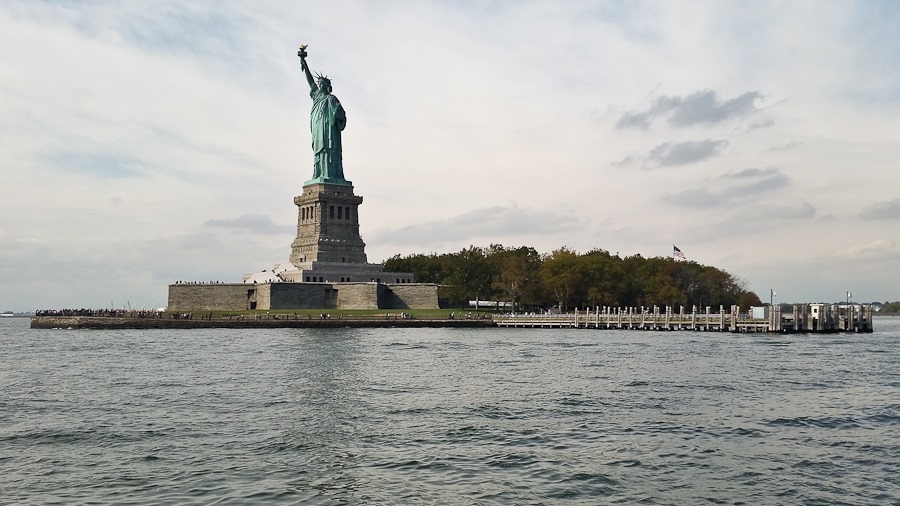
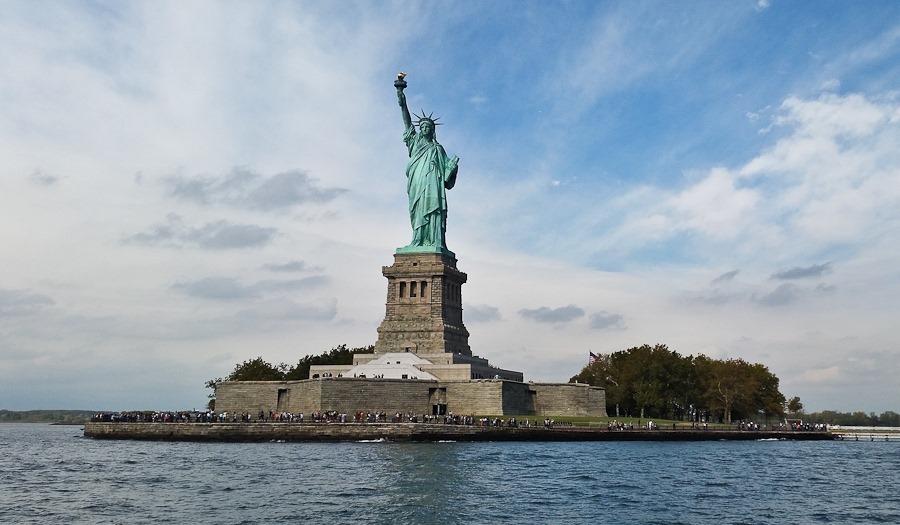
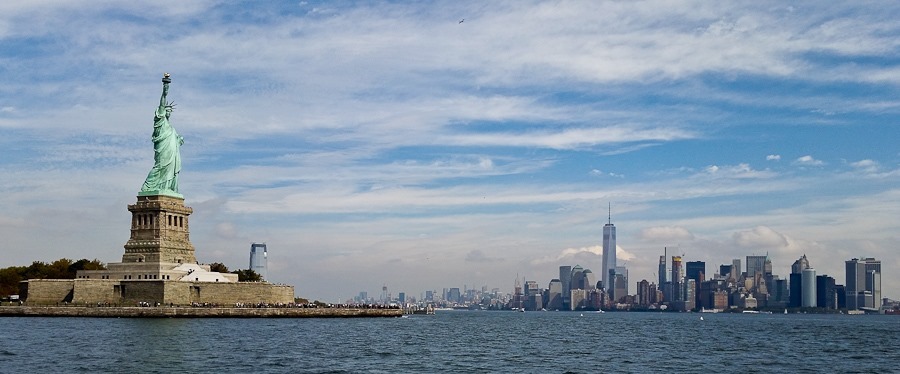
It turns out Ellis Island would take a whole day to fully explore, so we had to say goodbye much sooner than we would have liked, but the ferry was coming to take us to the Statue of Liberty:
So long, Ellis Island:
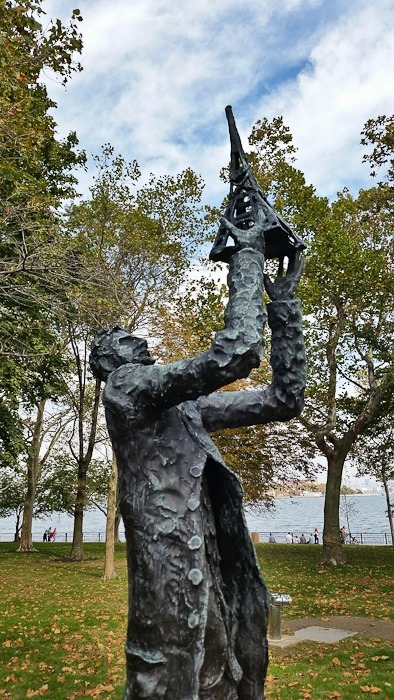
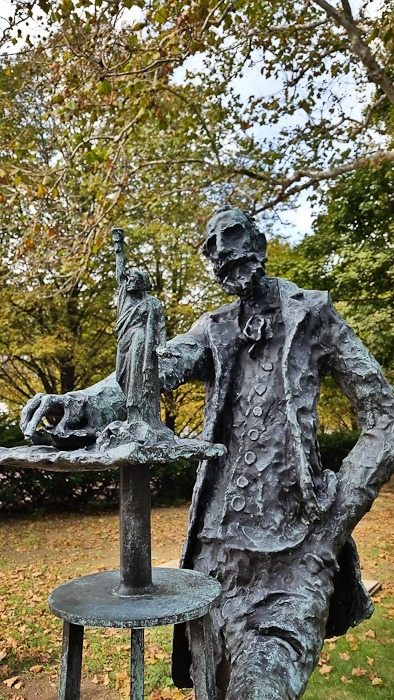
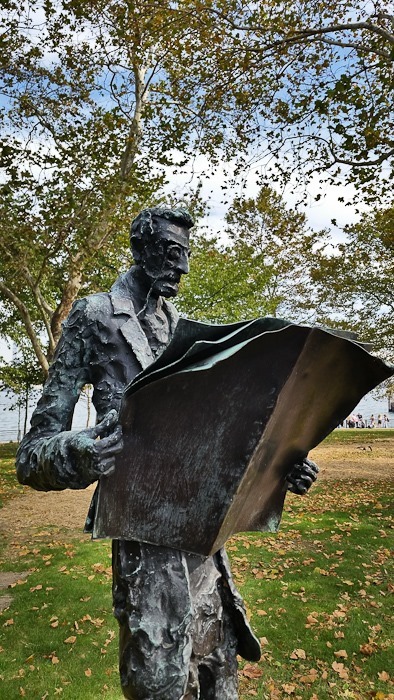
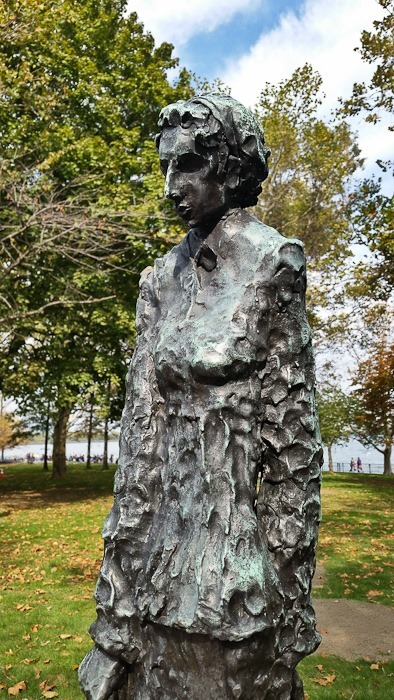
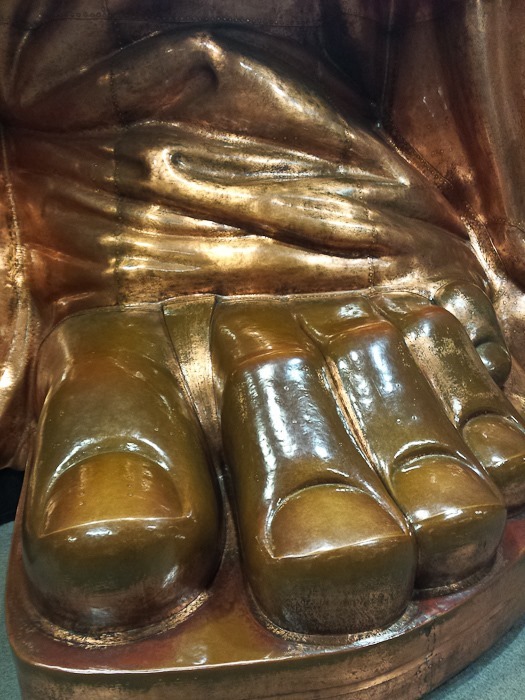
Liberty Island includes statues of prominent figures in the creation of the Statue and its relocation to the US:
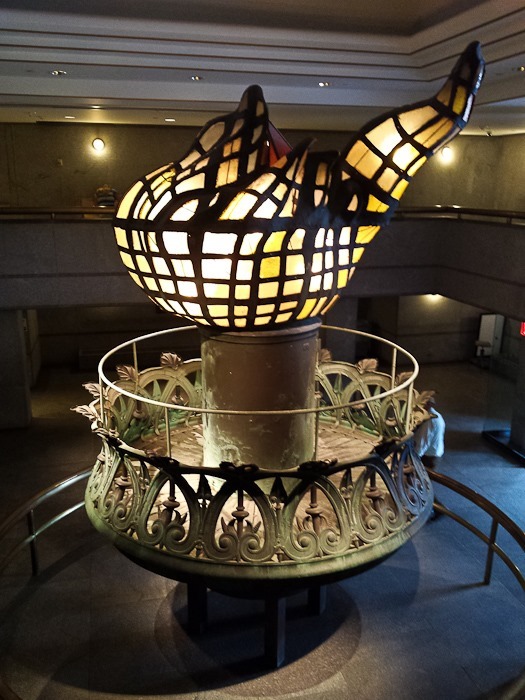
A scale model of the torch:
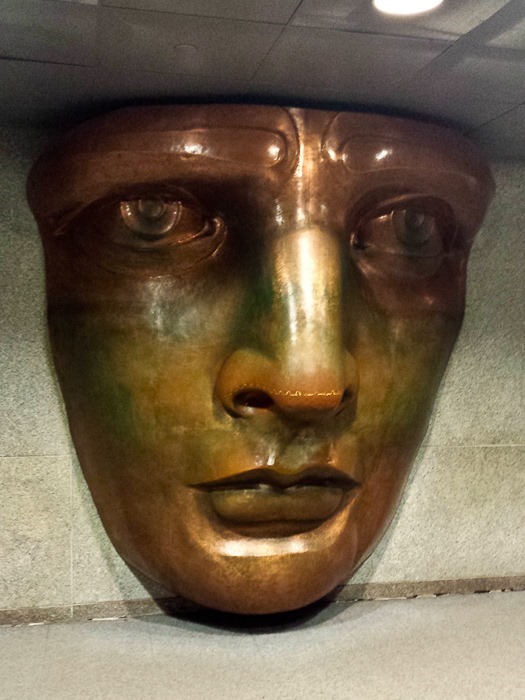
A scale model of Lady Liberty’s face:
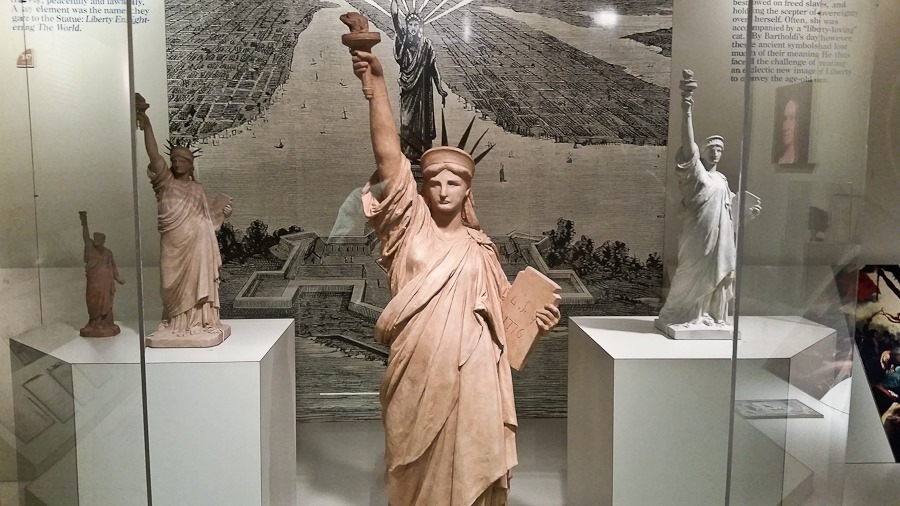
Early models for the statue:
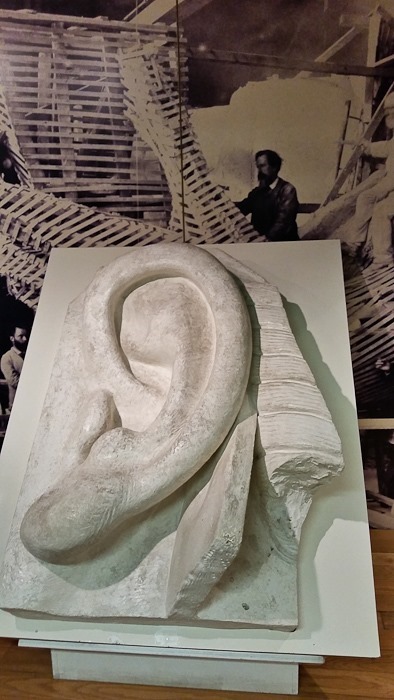
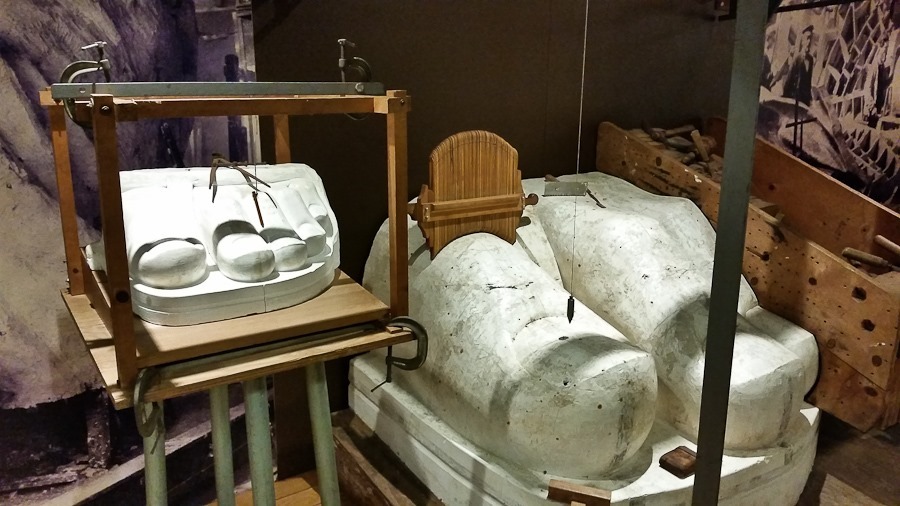
This apparatus allows the enlargement of the original scale model to the final, actual size statue:
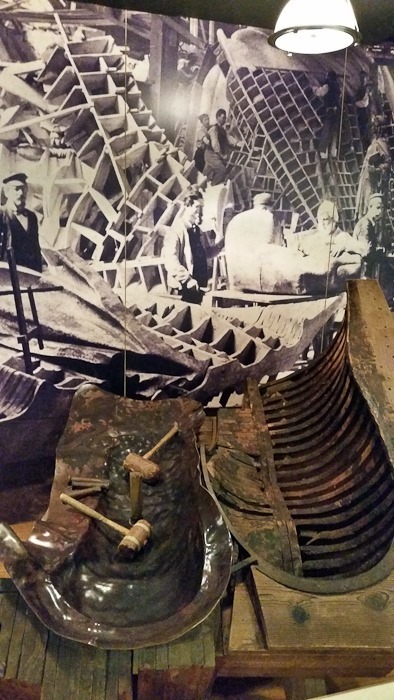
Copper sheeting was pounded into wooden forms:
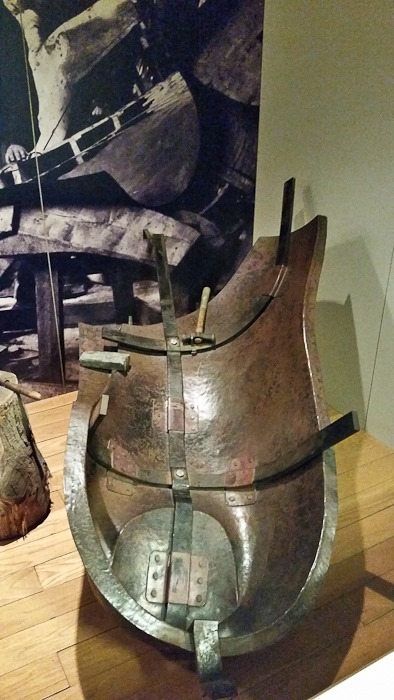
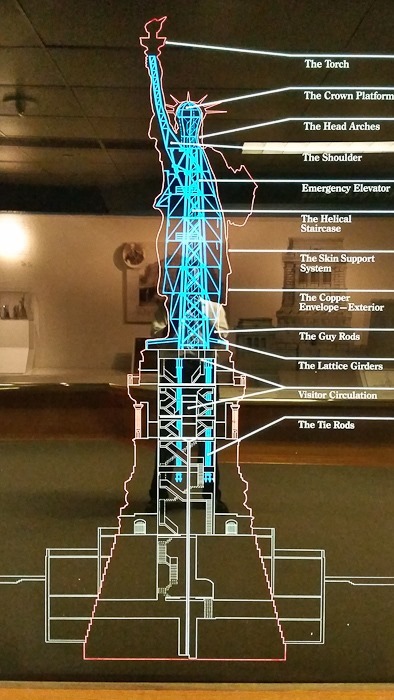
Steel straps are used to attach the copper sheeting to the statue’s superstructure:
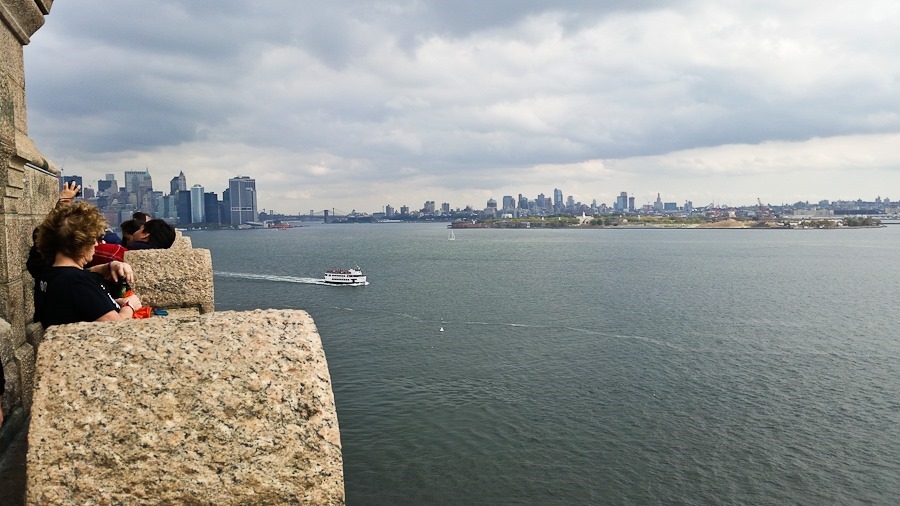
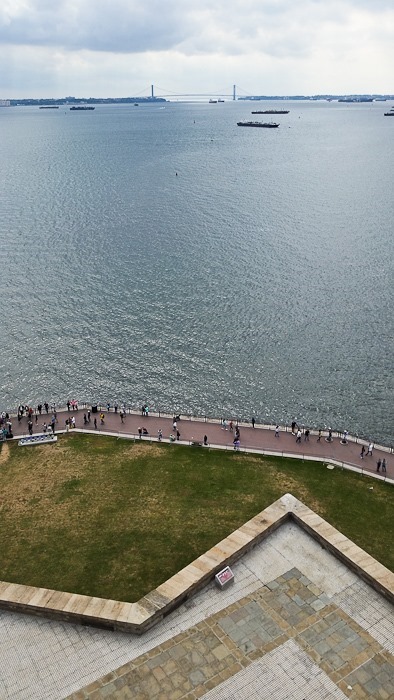
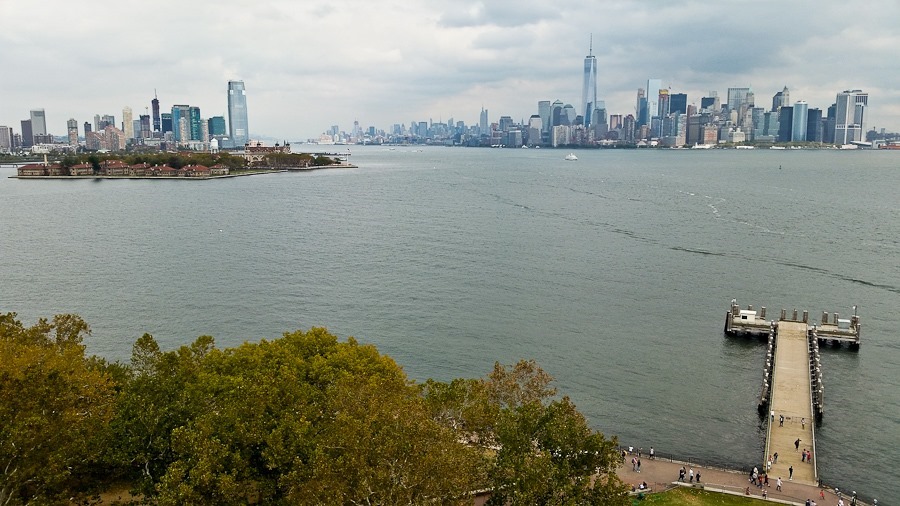
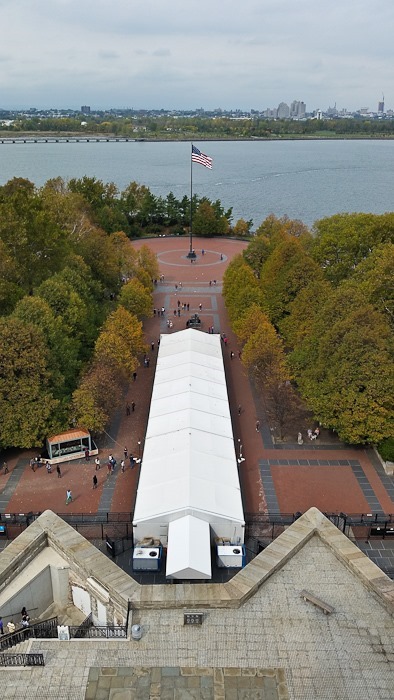
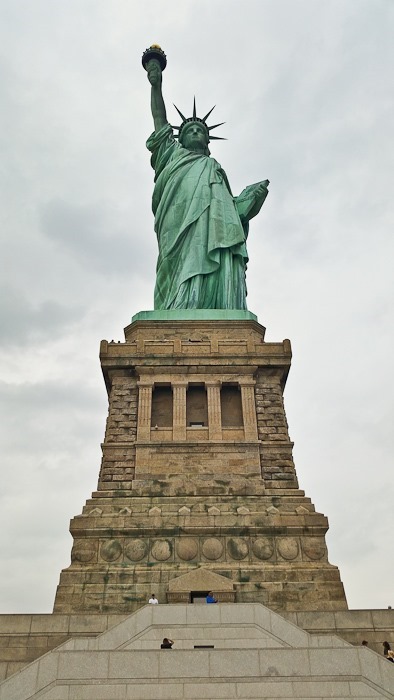
We walked up to the pedestal viewing area:
Back down on the ground:
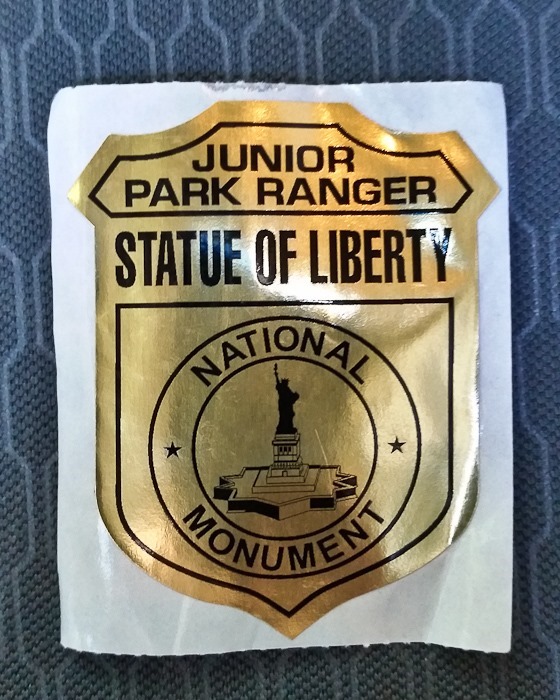
Like at Ellis Island, the kids completed their Junior Ranger workbooks, but the park is out of badges, so they were given a Junior Ranger sticker. The park will mail the badges to us when they arrive at the park:
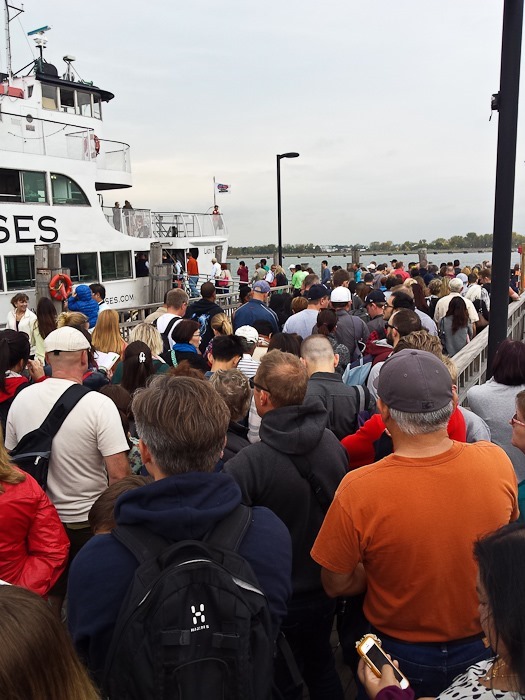
We boarded the ferry that would take us to Manhattan. It was much more crowded than the New Jersey ferry:
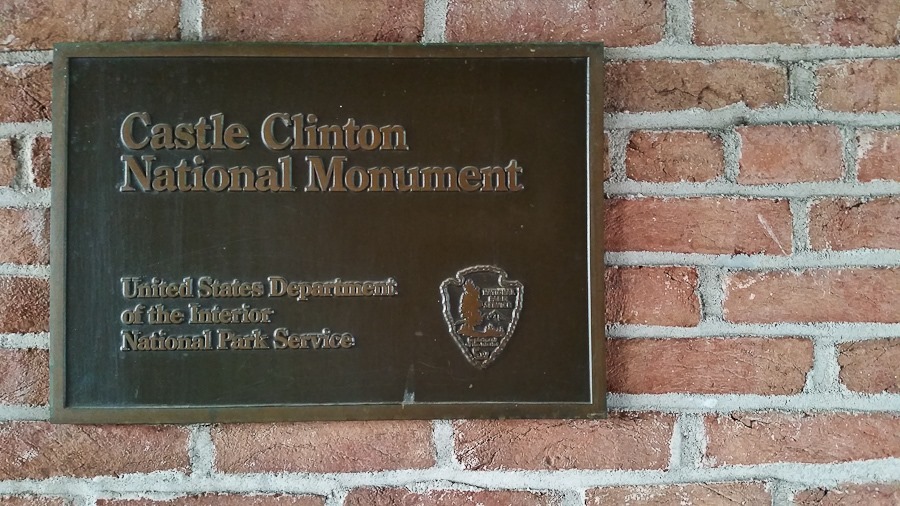
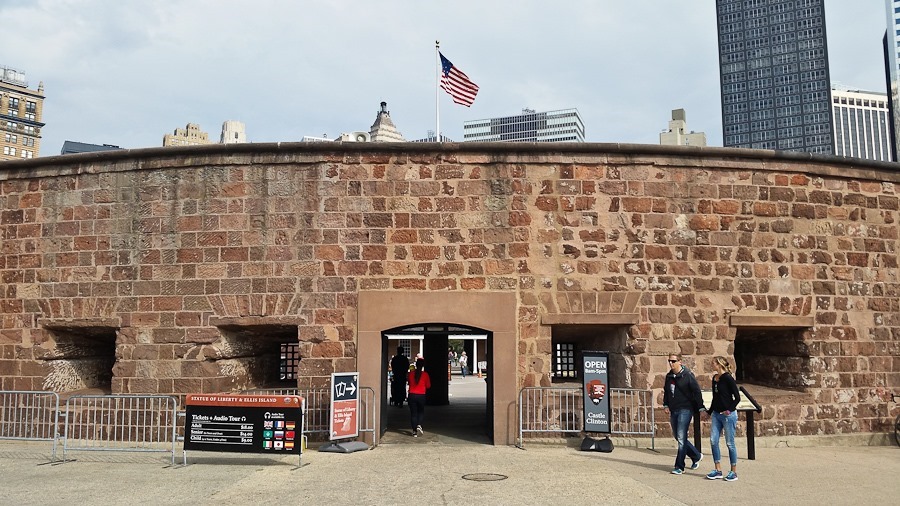
Castle Clinton was built as a defensive fort, then was used as a opera hall, an immigration center prior to the opening of Ellis Island, and finally as an aquarium. The NPS has restored the structure to its original appearance:
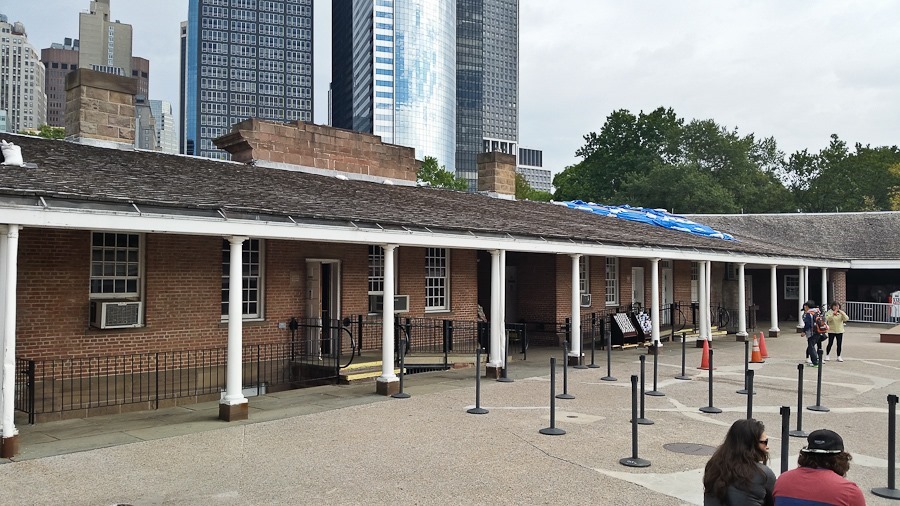
Inside the fort:
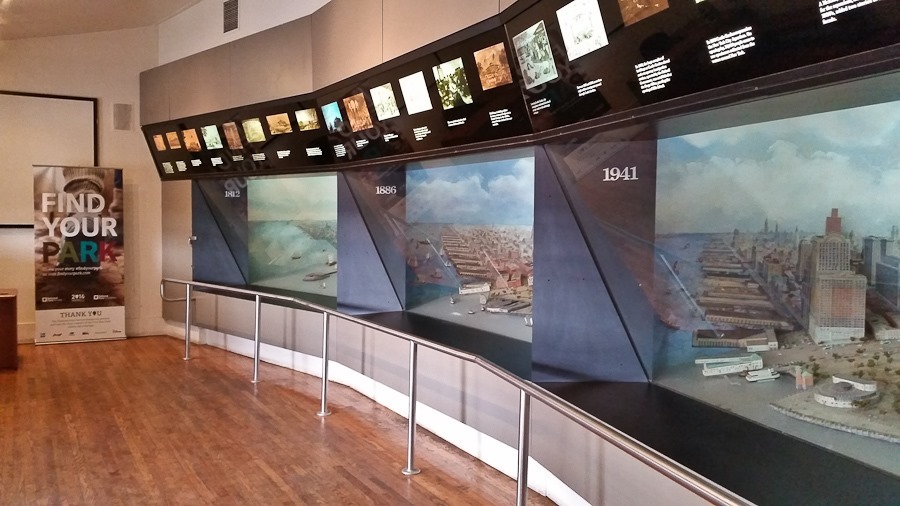
The fort contains a small visitor center:
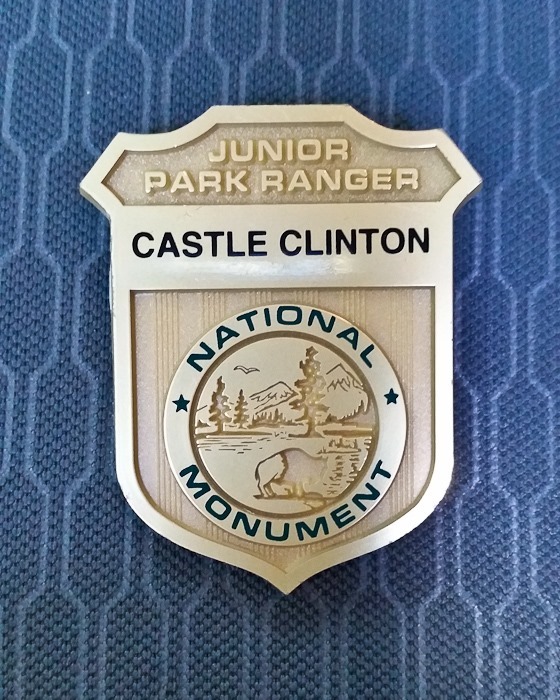
The kids completed their Junior Ranger workbooks received their badges:
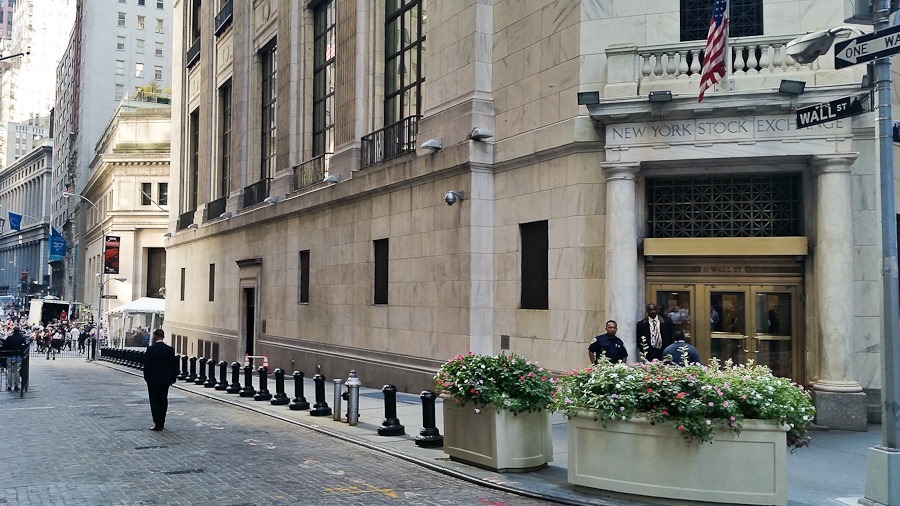
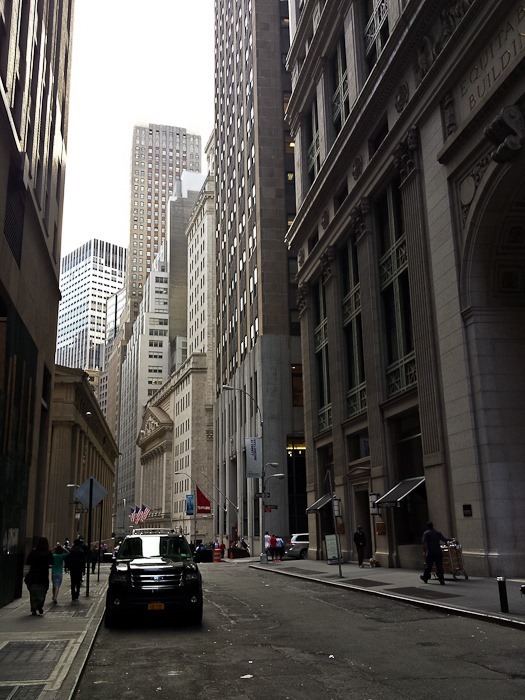
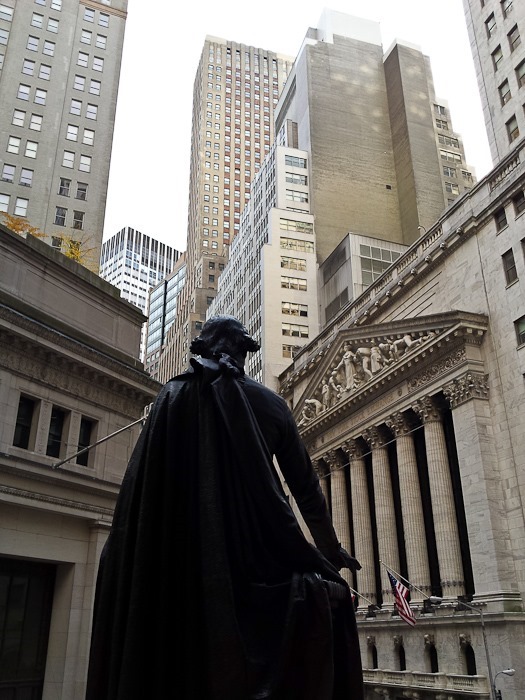
We walked north, passing the New York Stock Exchange on Wall Street:
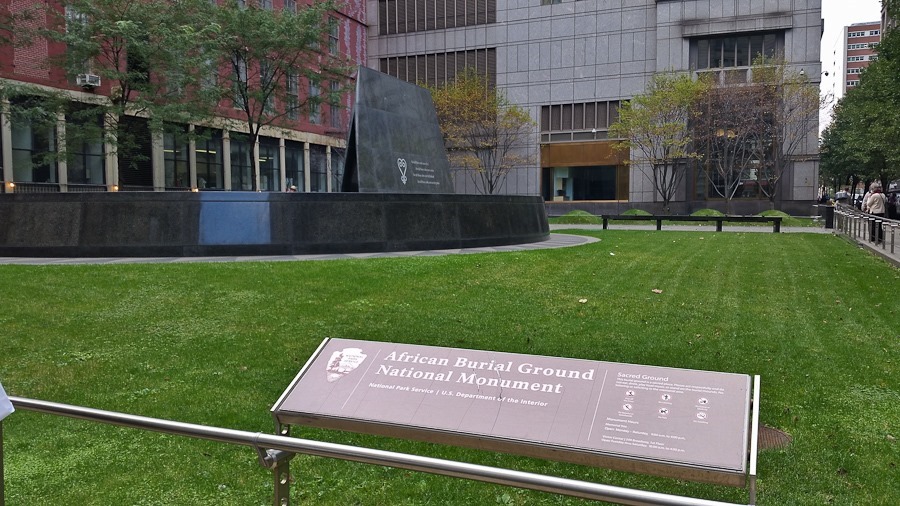
We arrived at African Burial Ground National Monument, which preserves a portion of a 17th- and 18th-century African American burial ground accidentally discovered in 1991 during the building of a government building:
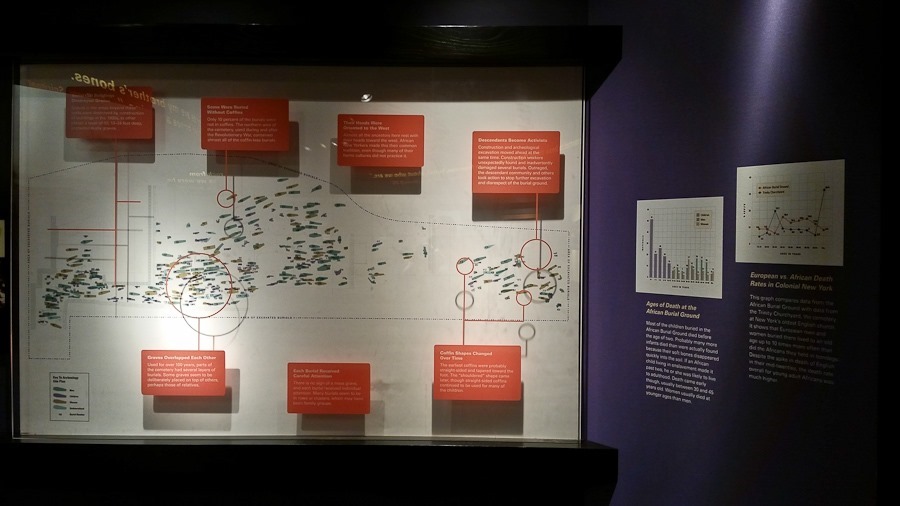
This diagram shows a top-down view of the grave distribution:
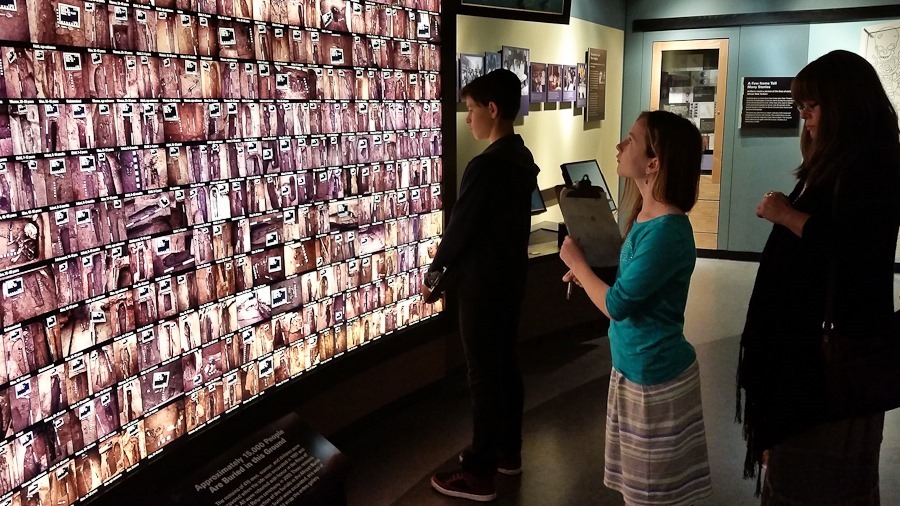
Photographs of the discovered graves. Over 400 graves were discovered in the excavated portion of the burial grounds, leading archeologists to estimate that over 15,000 graves are located in the burial ground, which today is under a dozen or so square blocks of Manhattan:
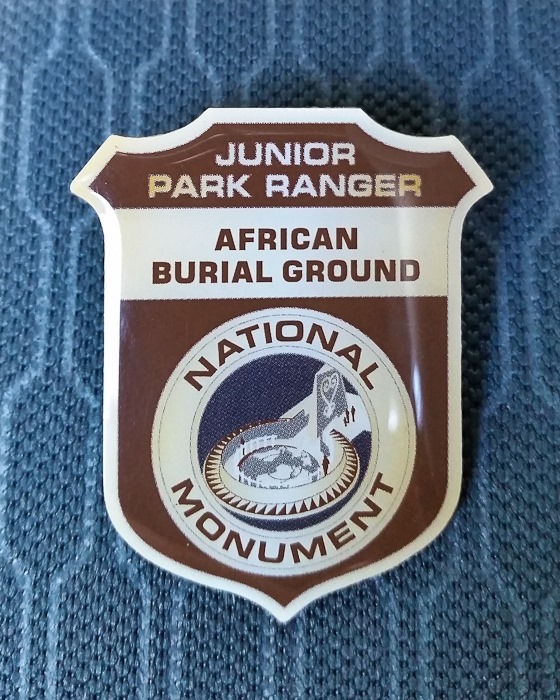
The kids completed their Junior Ranger workbooks and received their badges:
Walking through Manhattan:
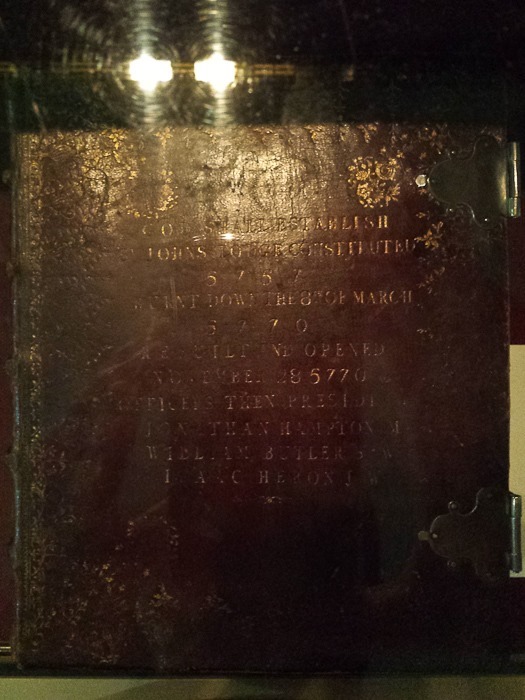
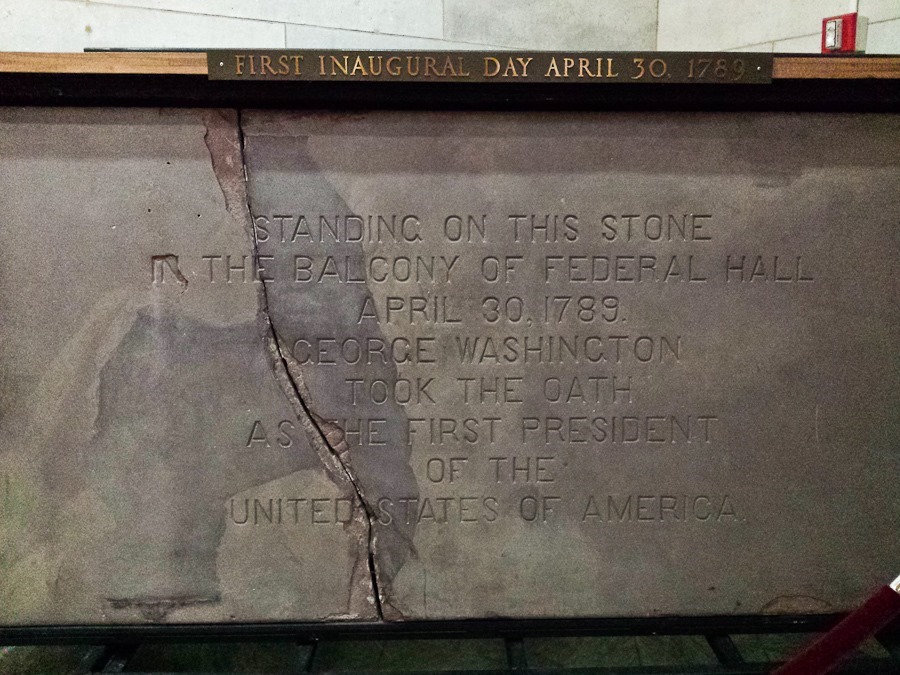
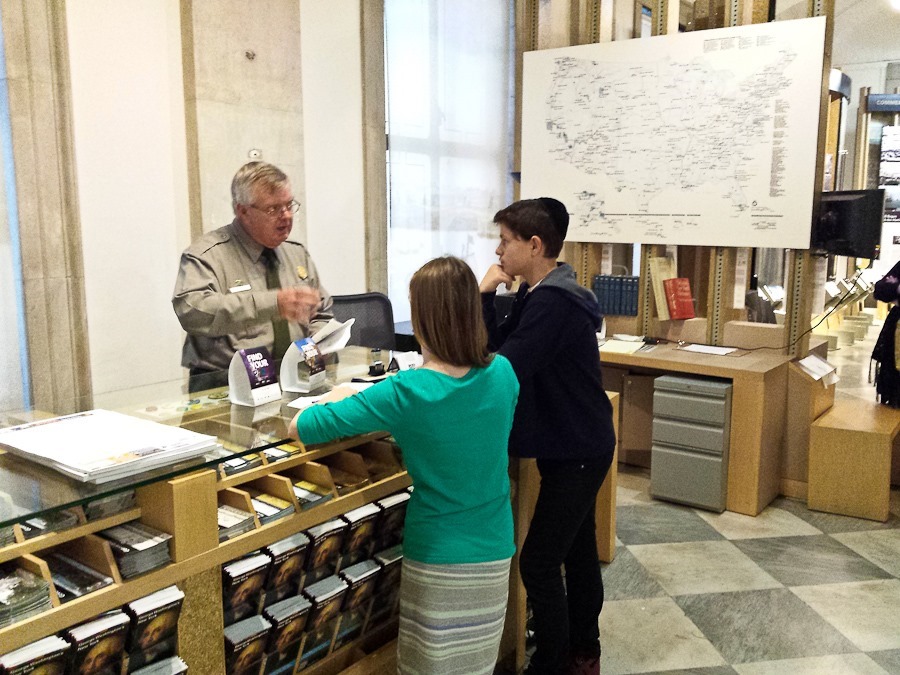
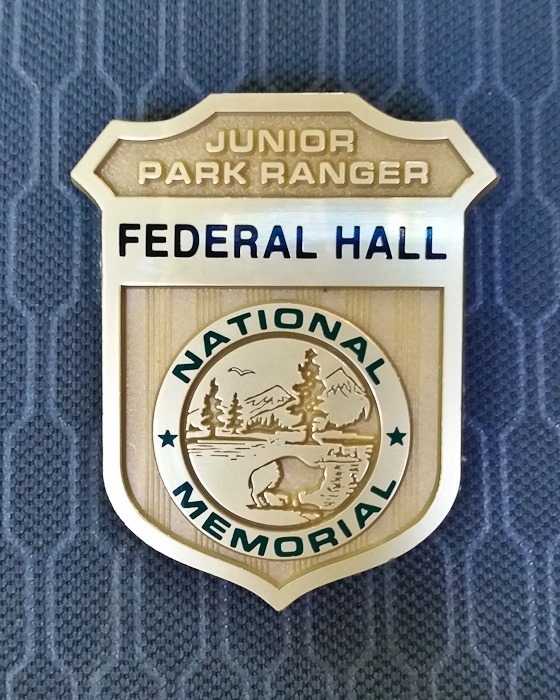
Our next stop was Federal Hall National Memorial, site of Washington’s inauguration and location of the US Capitol from 1789 to 1790. One of the artifacts on display is the Bible used in Washington’s inauguration:
The kids completed their Junior Ranger workbooks and received their badges:
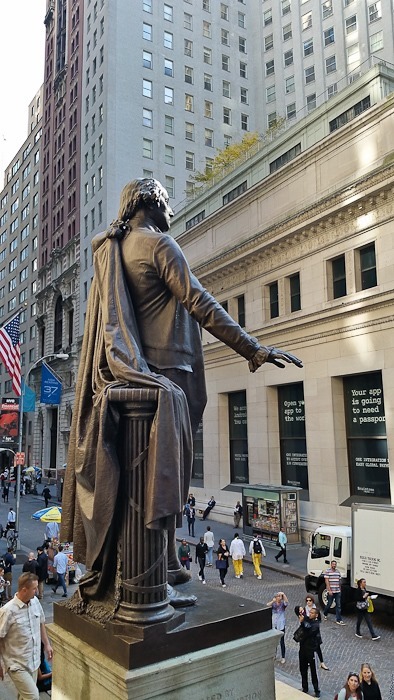
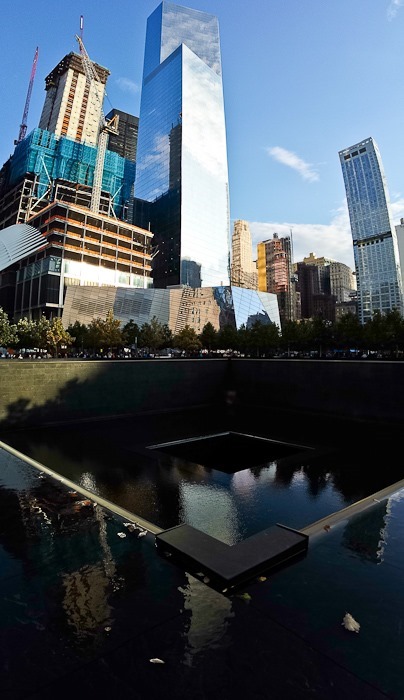
I wonder what Washington would think of today’s New York:
Despite living in the shadow of New York City for over a decade, we never spent any significant time exploring the city. Today we decided to visit a few NPS sites in and around Manhattan.
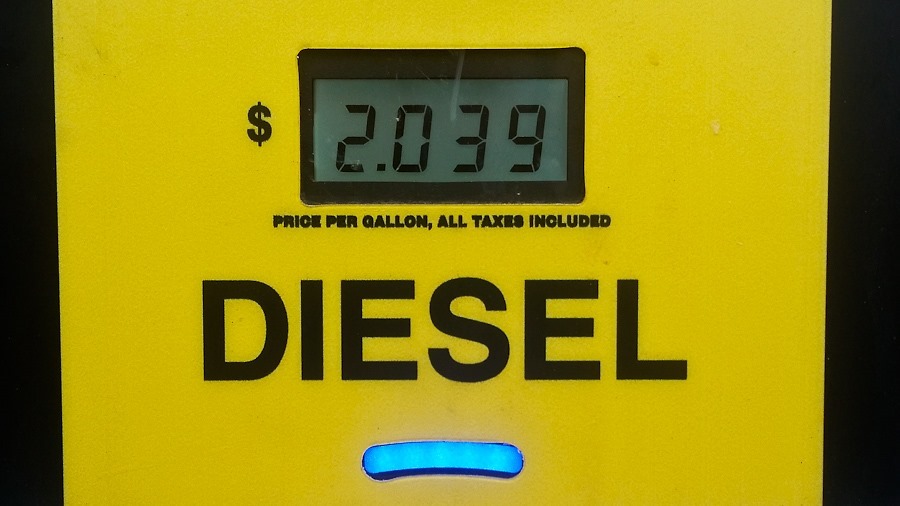
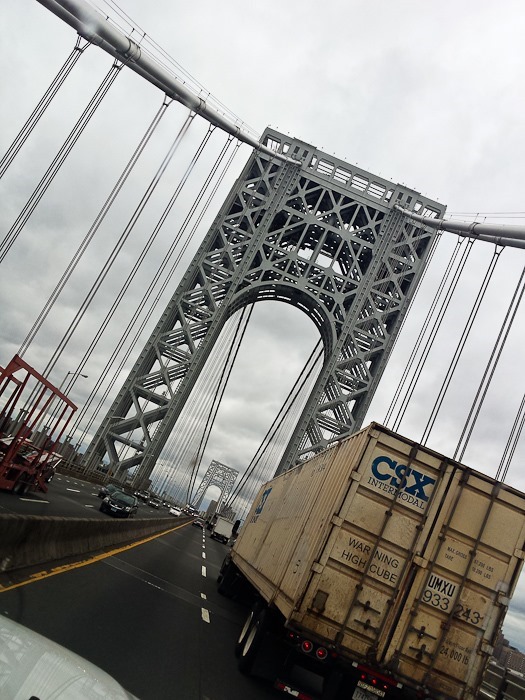
On the way to the GWB, we filled up on cheap Jersey diesel. I’ve heard New Jersey has the lowest fuel tax in the US, while New York has the highest, which explains why diesel is over a dollar per gallon cheaper in New Jersey:
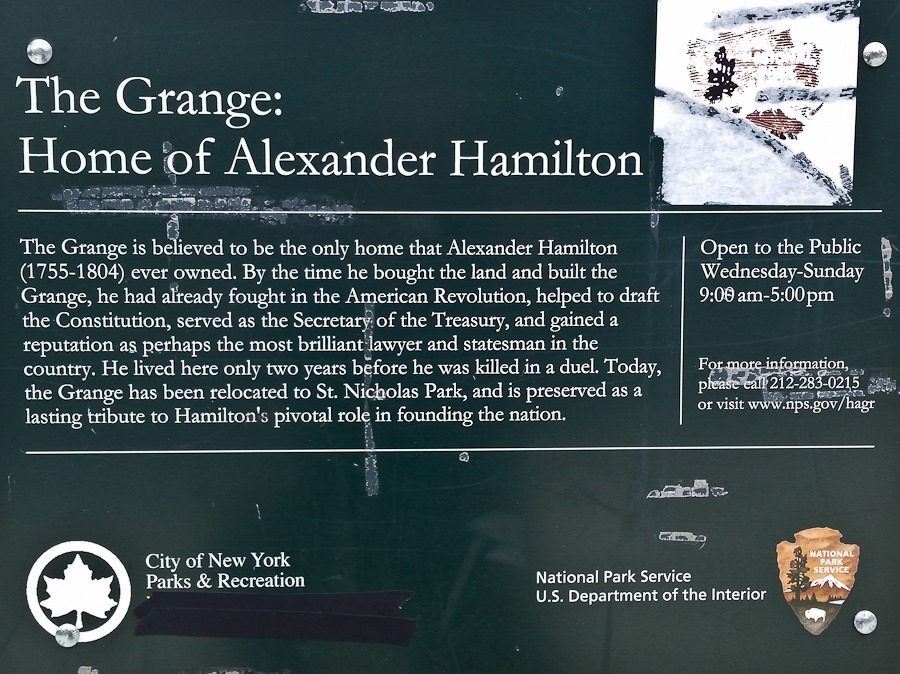
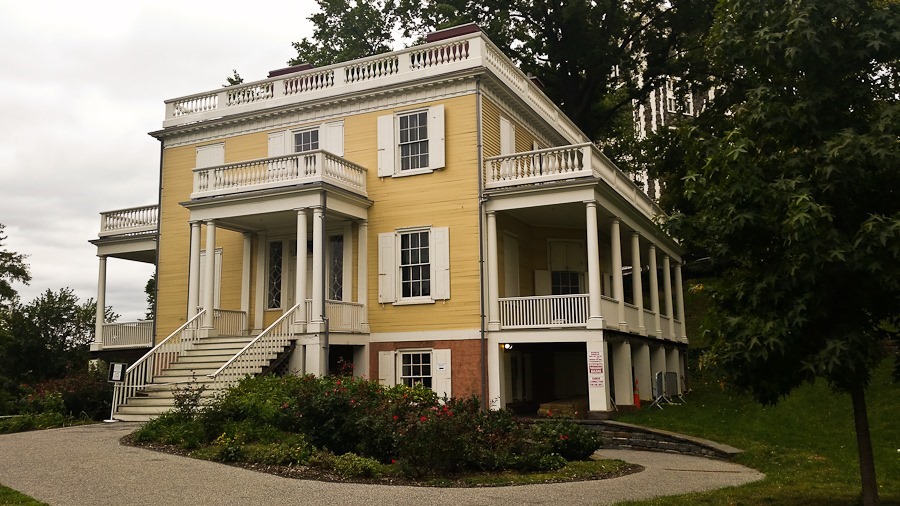
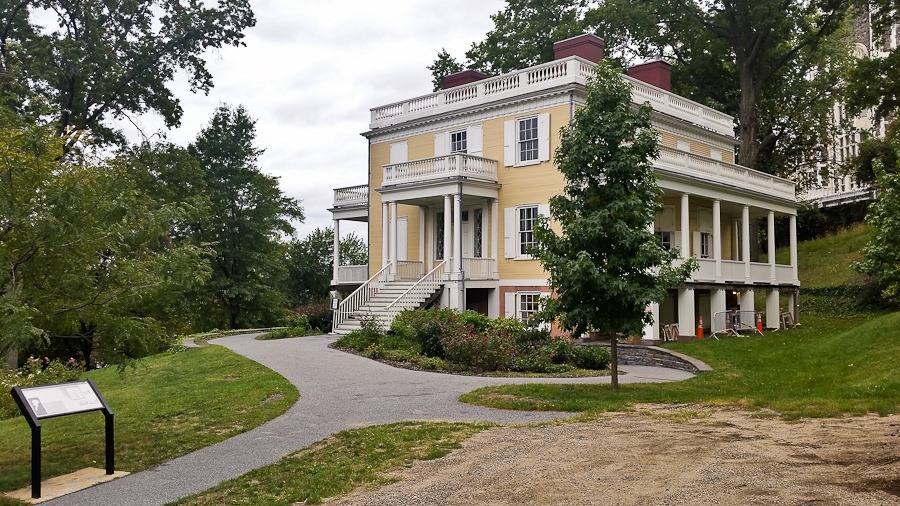
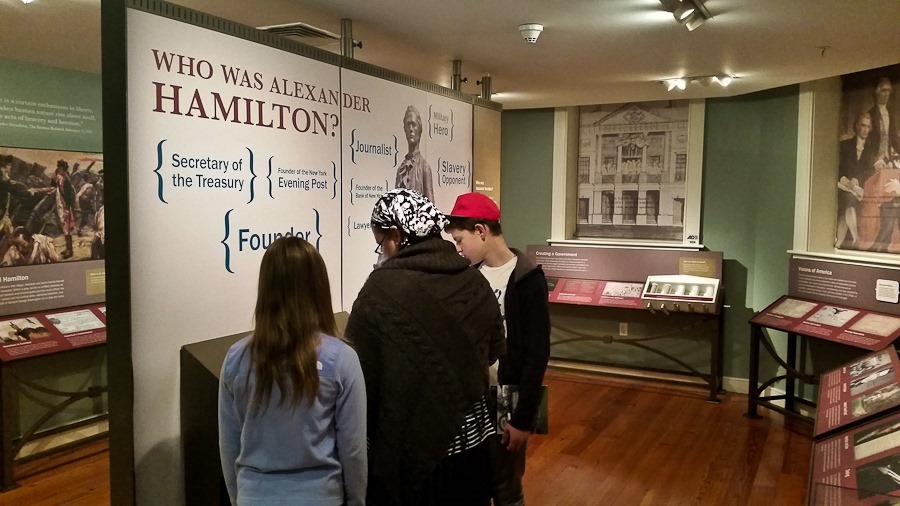
This house, built by Alexander Hamilton, Aide-de-camp to General George Washington and first US Secretary of the Treasury among other achievements, was built in a different location by Hamilton in 1802. The house was purchased to be used as a church and moved to another location in 1889, then moved here by the park service in 2006. All three locations where this building has stood are within the boundaries of Hamilton’s original 37-acre estate here in Harlem:
The kids completed their Junior Ranger workbooks, but the site was out of badges, so they will be mailing them to us:
As we left the house, we could see the church building built in 1892 to replace the house as the church:
We walked around the corner to view the site where the house stood from 1889 to 2006. The church was built partially around the house, so the house had to be raised three stories, rolled on elevated rails to the street, then lowered down onto dollies for the move around the block:
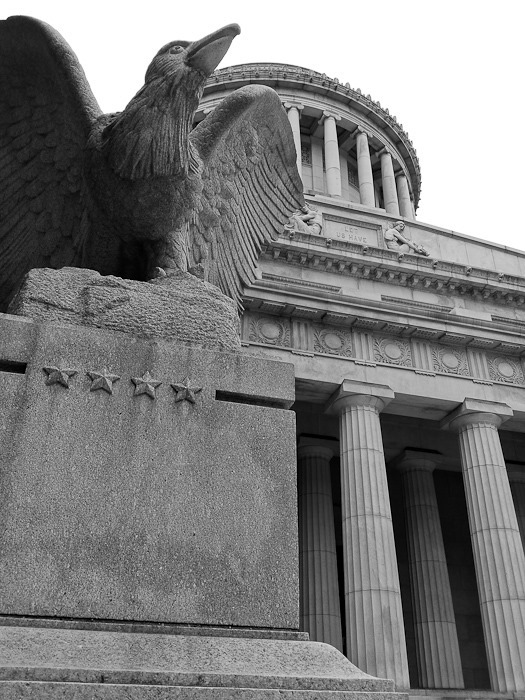
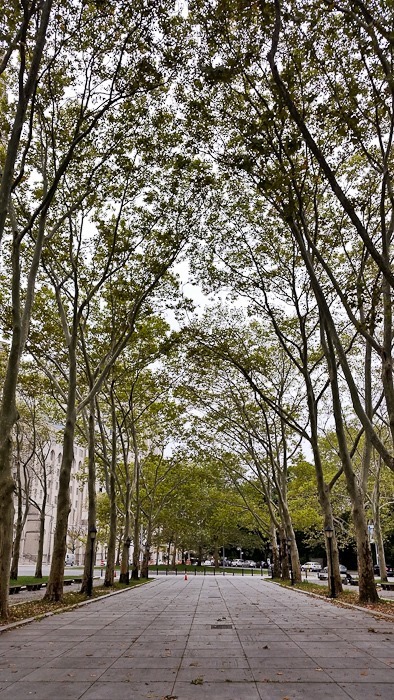
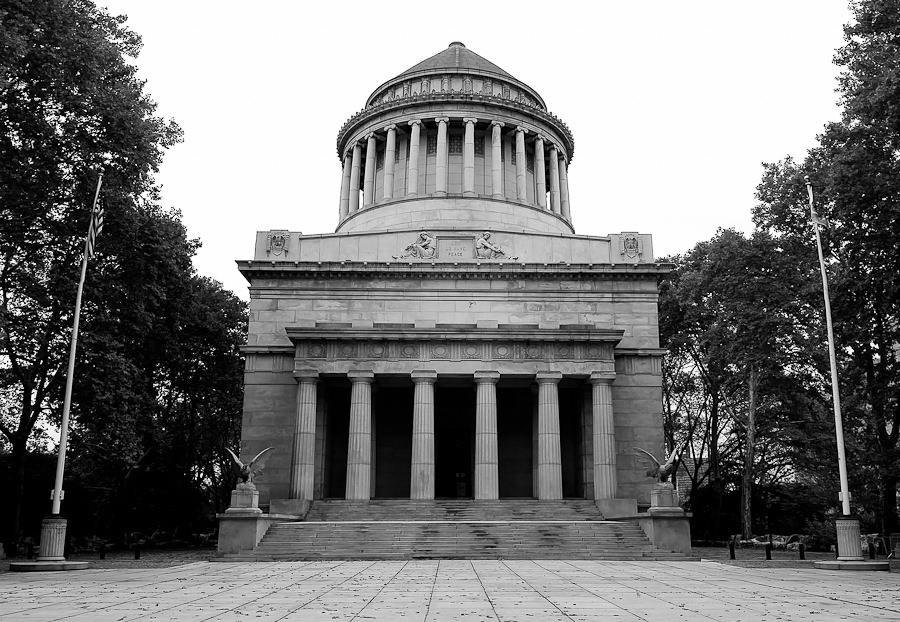
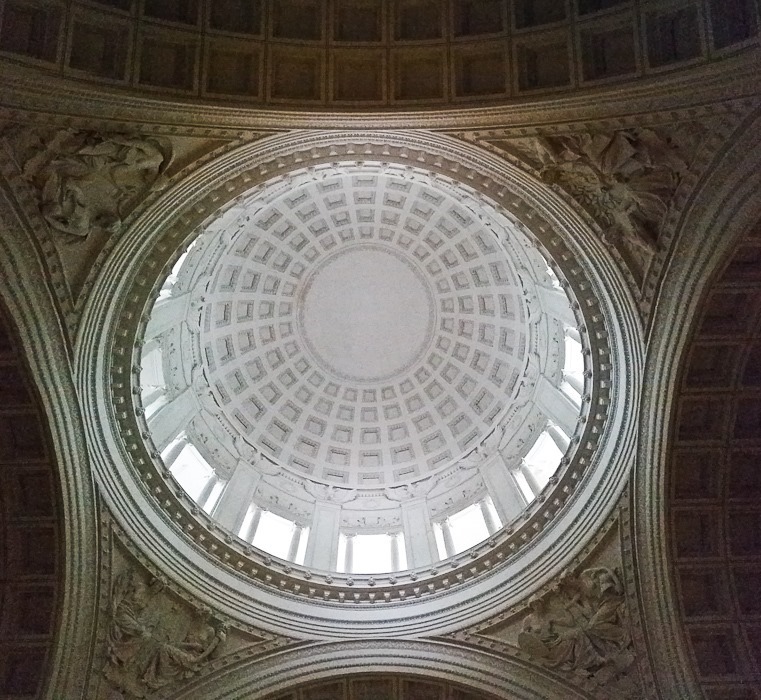
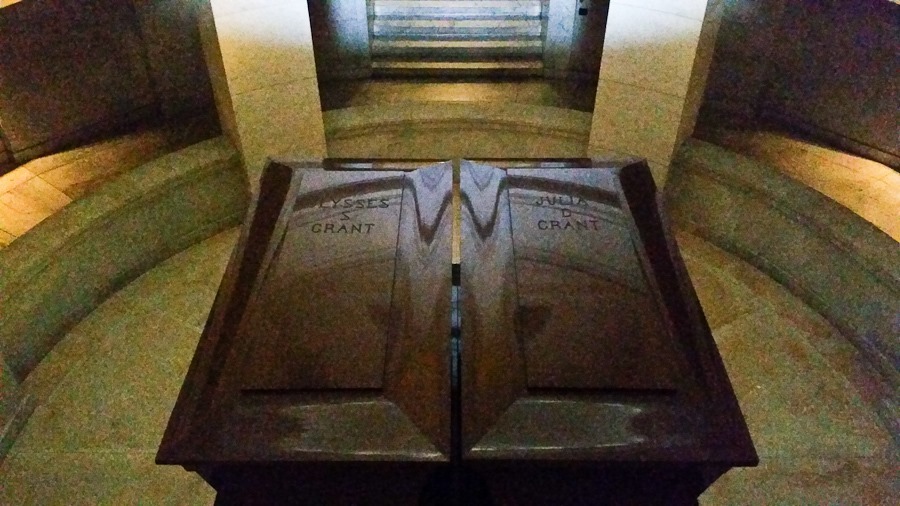
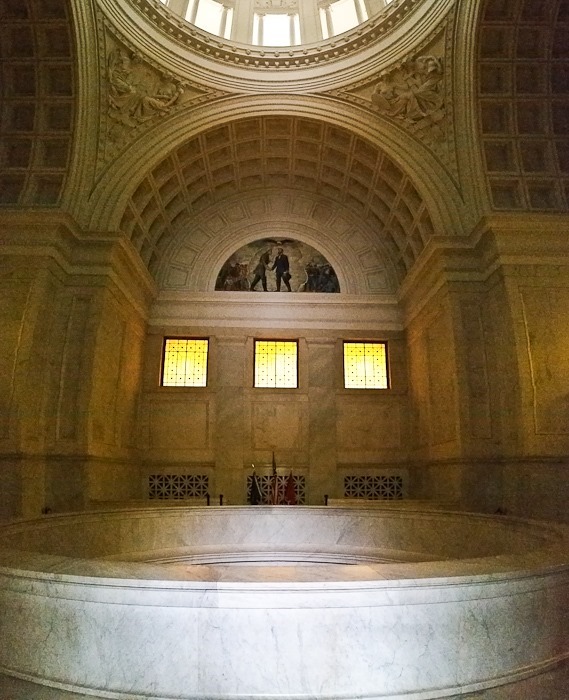
Grant’s Tomb is the largest mausoleum in North America:
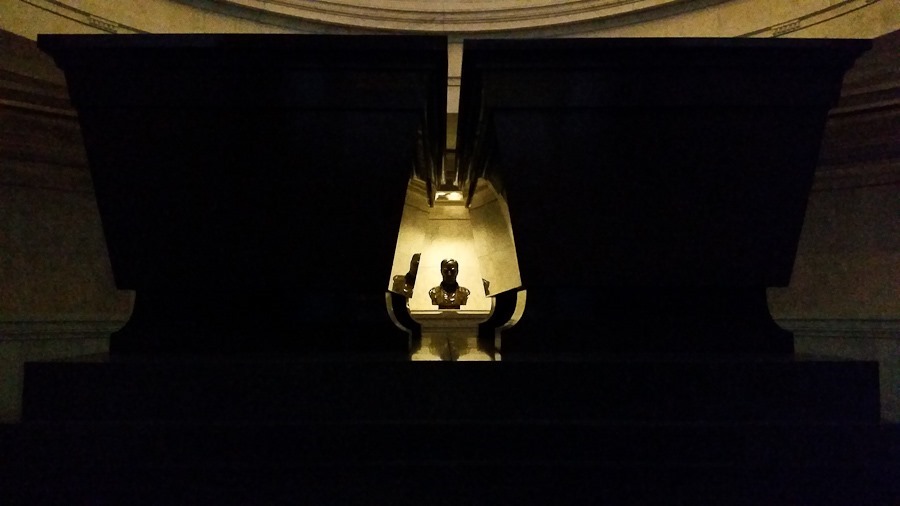
In the lower level, busts of Grant’s lieutenant generals ring the chamber:
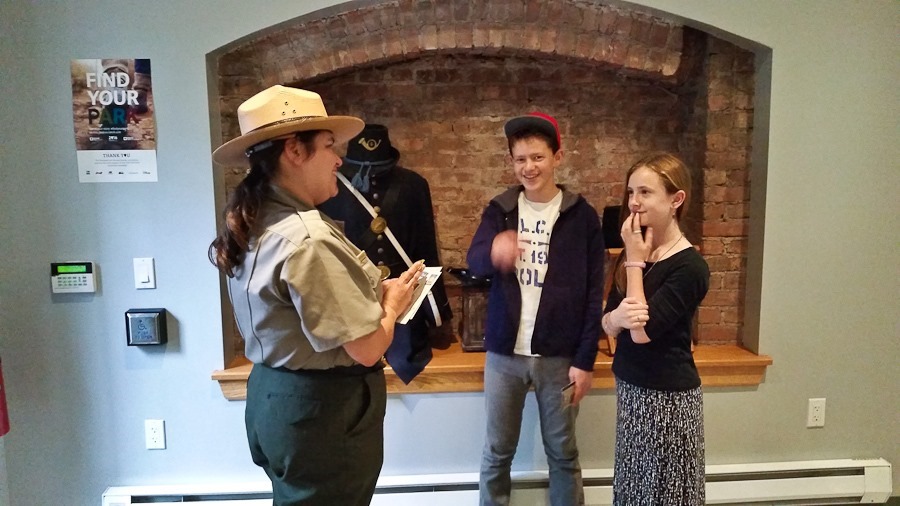
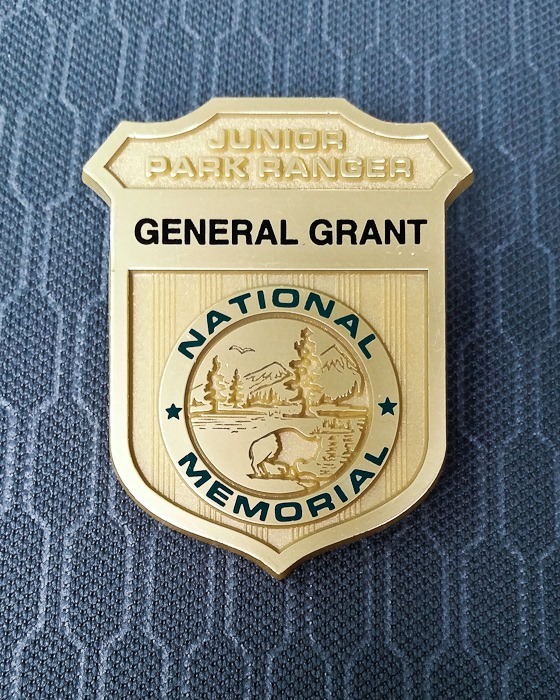
The kids completed their Junior Ranger books and received their badges:
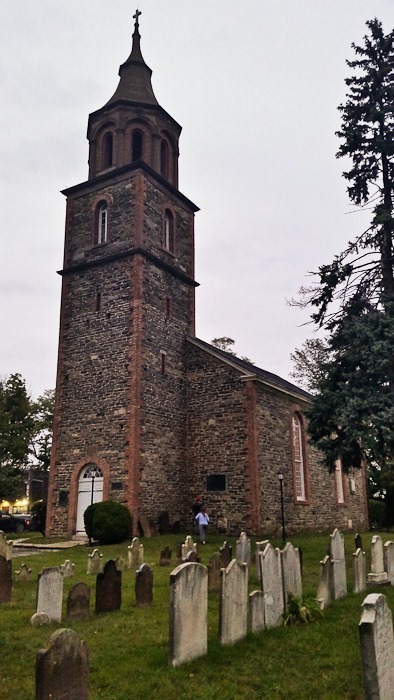
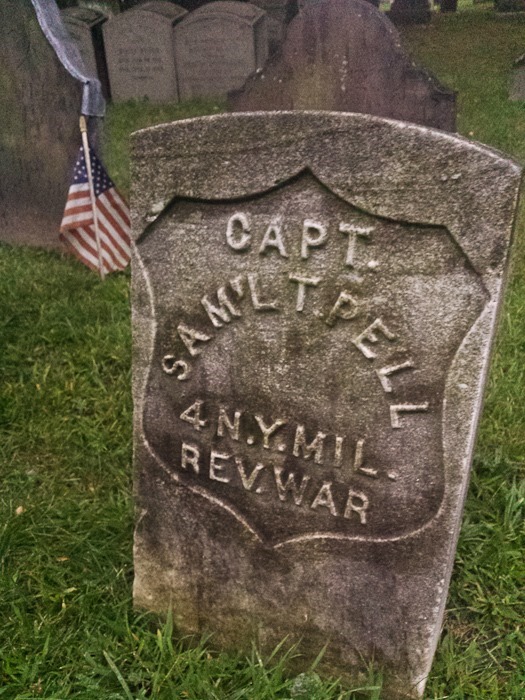
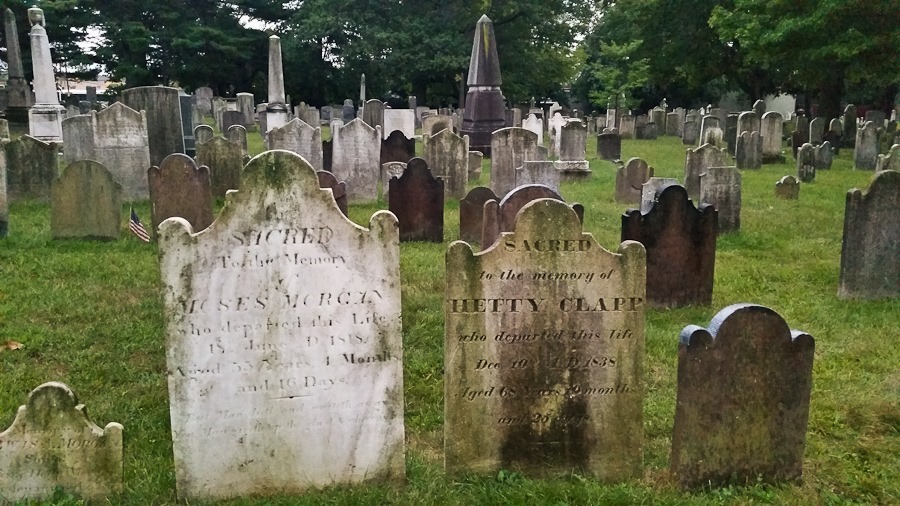
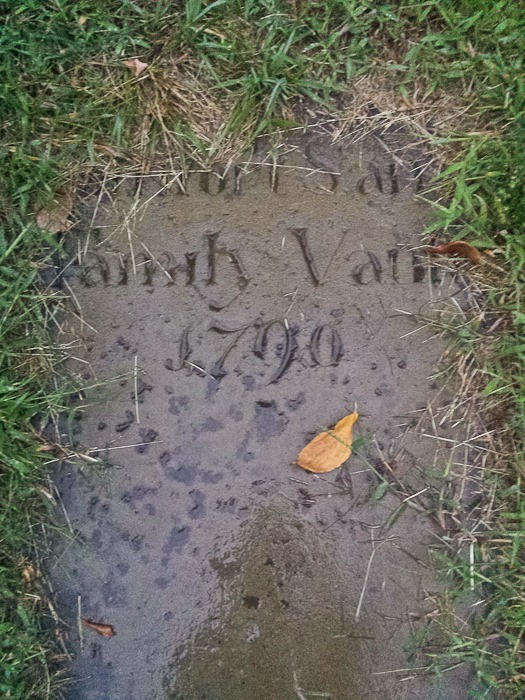
Our last stop today was Saint Paul’s Church National Historic Site, which preserves an 18th century church used as a military base and hospital by the British and Colonials in the Revolutionary War, as well as a cemetery dating back to the early 1700s. This area is also the site of the “Great Election” in 1733, which raised the issues of Freedom of Religion and Press and led to legislation that removed the need to pledge an oath when voting. In 1980, the church was formally declared to no longer be a religious site by the Episcopal Diocese and given to the NPS as a historic site.
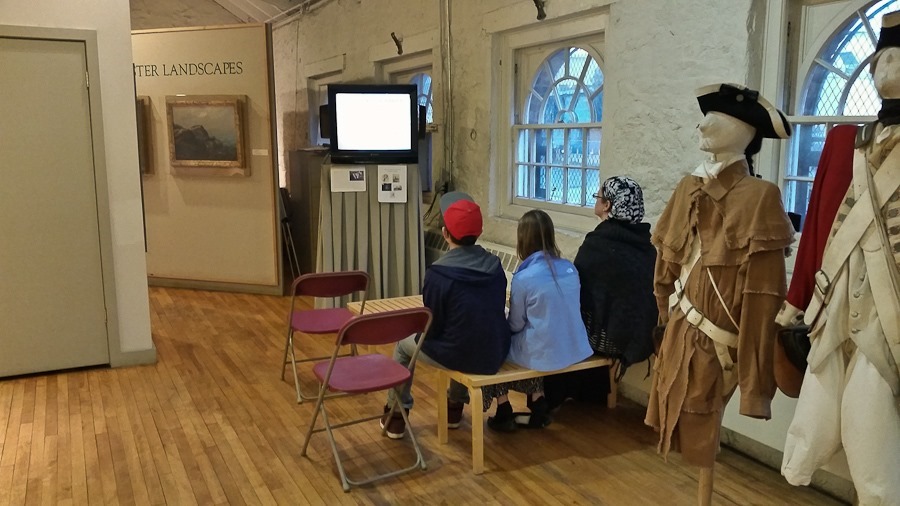
We watched a video about the history and significance of the site:
The Junior Ranger workbook had the kids exploring the grounds and cemetery:
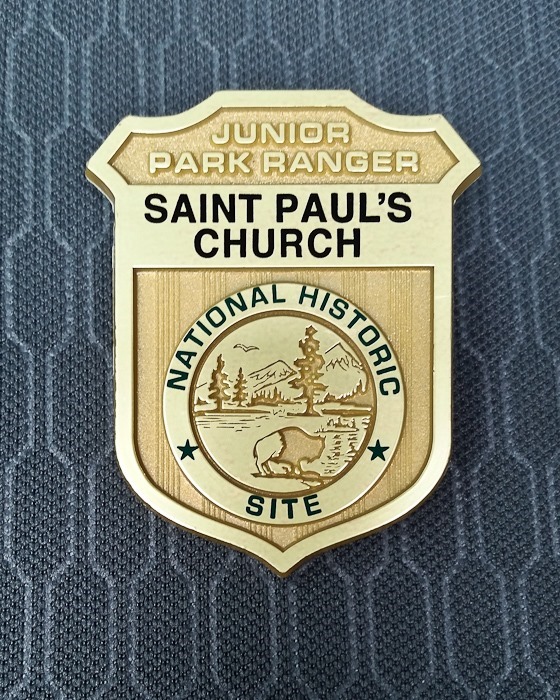
The kids completed their Junior Ranger books and received their badges:
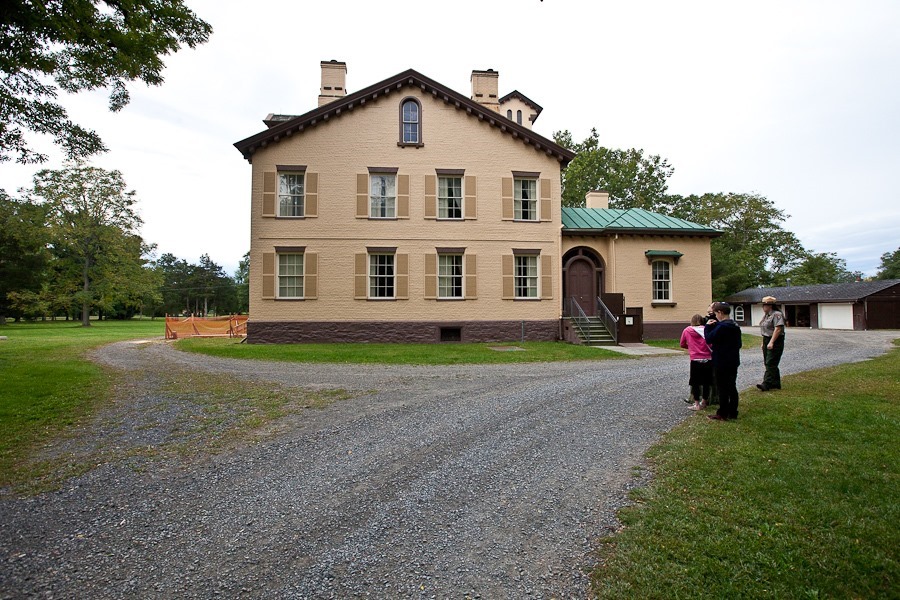
I know, you’re thinking, “what an unfortunate fusion of Italianate, Gothic, Palladian and Georgian architecture”, aren’t you? Yes, you are.
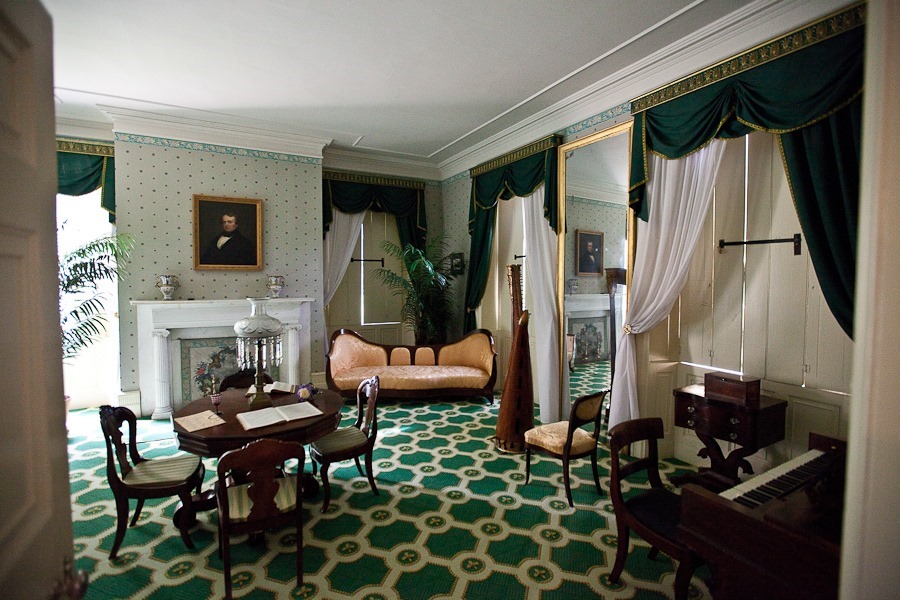
Van Buren was the son of a tavern keeper, but became wealthy later in life. He imported French wallpaper for his great hall to impress his guests:
The original wallpaper from 1839:
The president’s bathtub, used as a horse trough until the NPS acquired the building and restored it:
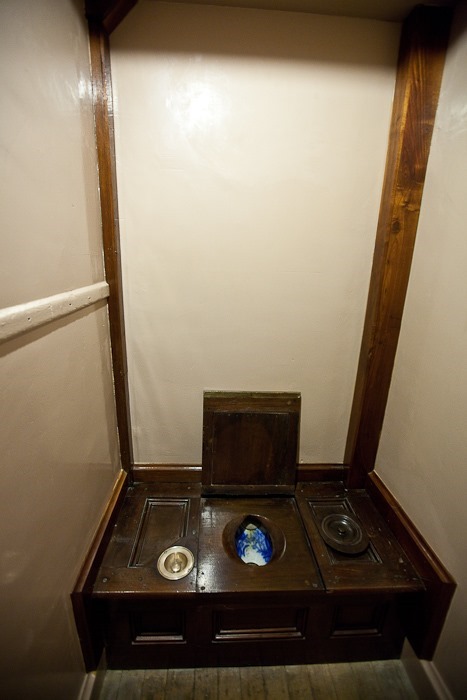
The house includes a very early flush toilet, virtually unheard of in the mid-1800s:
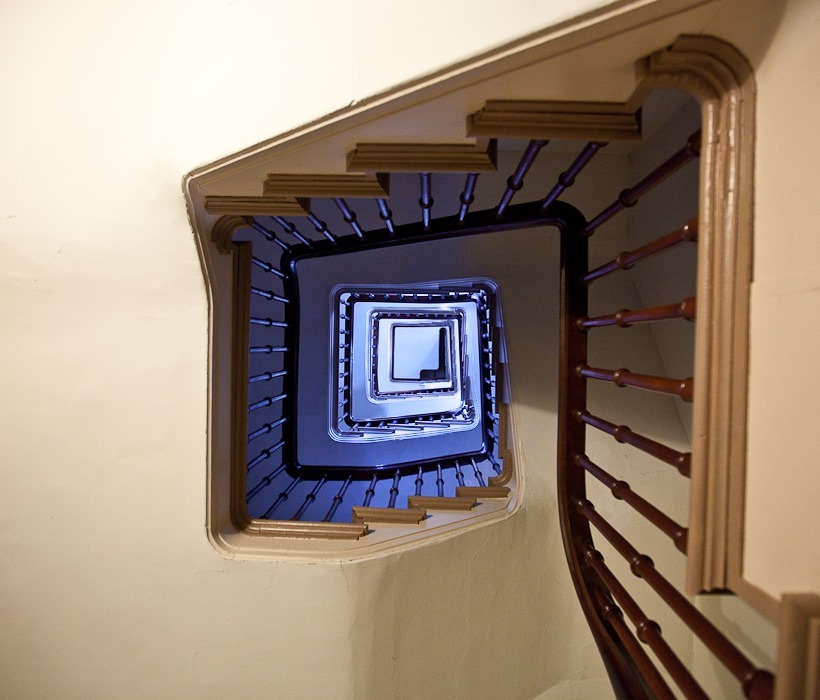
Looking up into five story tower that was part of the Italianate addition to the home, added by Van Buren’s son when he moved back home at his father’s request:
Van Buren died at 79 in this room in 1862:
We learned a lot about the considerable accomplishments of our eighth president today. The kids completed their Junior Ranger workbooks and received their badges:
Continuing south, we visited Home of Franklin D. Roosevelt National Historic Site. After watching the excellent site movie, we walked the grounds, which include a monument to FDR and Churchill. The silhouettes in the background are carved from a section of the Berlin Wall:
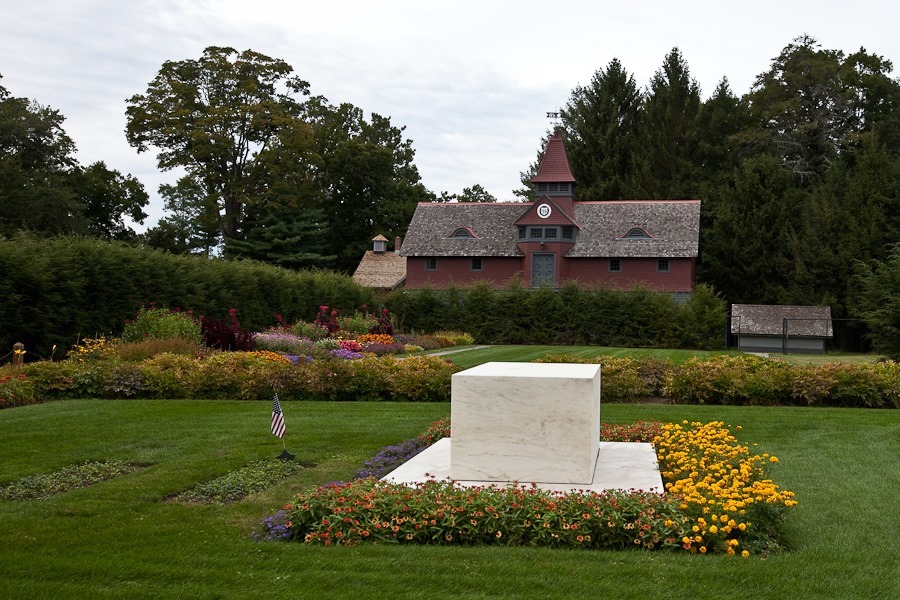
FDR’s tomb:
FDR’s childhood home:
The kids completed their Junior Ranger workbooks (called here Junior Secret Service) and received their badges:
We continued south, trying to take 9W but forced to exit due to tunnels with insufficient clearance. Completing our drive via the thruway, we arrived at our house and backed up our driveway. We will be here for the holidays of Yom Kippur, Sukkos, Shemini Atzeres, and Simchas Torah.
Yom Kippur is tomorrow, so the next blog post will be on Thursday, 9/24. See the trip map for today’s drive and our current location.

















 Facebook
 Instagram
 Email
Email