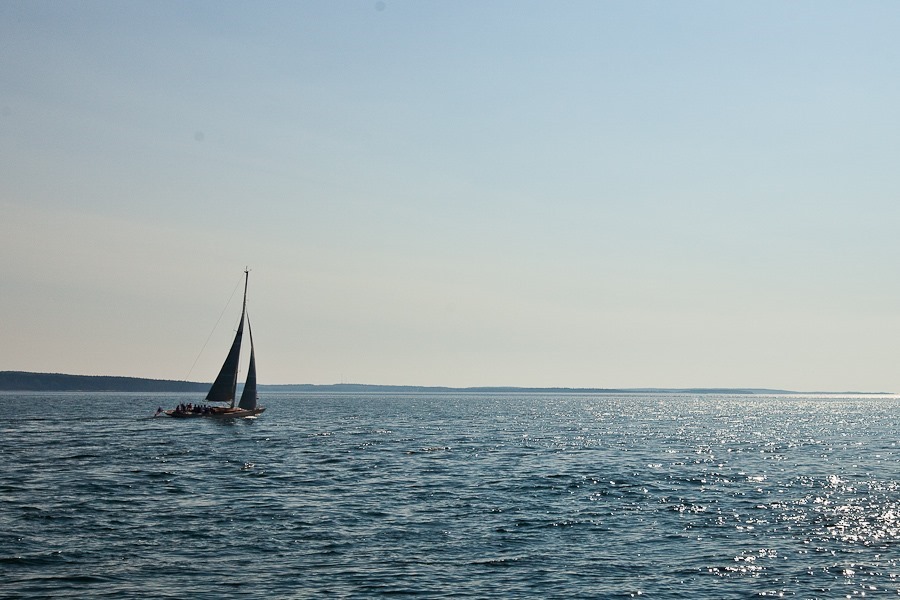
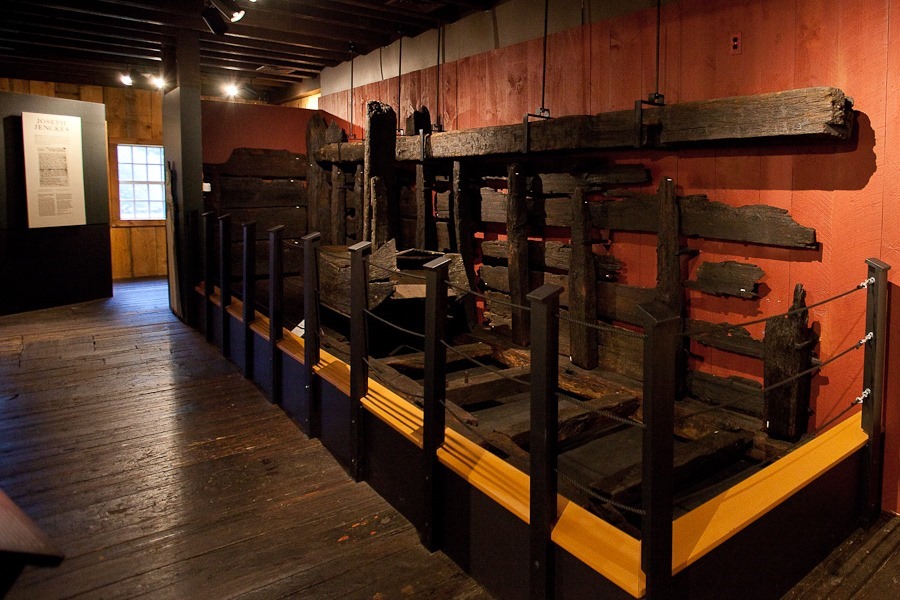
Day 743: St. Croix Island NHS, Canada’s St. Andrews Blockhouse NHS and Carleton Martello Tower NHS

Today we said goodbye to the Lubec Airport.  Morning and Evening fog for our entire stay prevented any flying, unfortunately.

We drove north along the shore of Passamaquoddy Bay, then along the shore of the St. Croix River to the US visitor center for Saint Croix Island International Historic Site.  The island itself is in the center of the St. Croix River, just off shore from the visitor center.  The site interprets the history of the island, location of the first permanent French settlement in North America, built in 1604.

The ranger presented the fascinating history of French and English colonization of the area:

Day743_01

Day743_02

We walked the short trail from the visitor center to the shore of the St. Croix River:

Day743_04

Day743_03

Would Pierre Dugua, Sieur de Mons approve of this mockery?  Methinks not.

Day743_05

St. Croix Island is faintly visible through the fog:

Day743_06

The kids completed their Junior Ranger books and received their patches:

Day743_07

Day743_08

As we were leaving, we met a military family from Virginia whose older daughter has completed 135 Junior Ranger sites, roughly the same as what we’ve done.

We drove north to Calais, Maine, and crossed over into Canada.  Thankfully, our border crossing this time didn’t involve a half-hour strip search of our RV like it did last summer.

We drove south to Saint Andrews, New Brunswick, home of Canada’s St. Andrews Blockhouse National Historic Site.  The blockhouse was built during the war of 1812 to defend the river-facing canon battery that protected the town from American privateers who might try to raid the town:

Day743_09

Ahoy, Yankees!  Actually, no Americans ever tried to raid the town, probably due to the presence of these canons:

Day743_10

Day743_11

We’re still on the Bay of Fundy, so all the brown land is underwater at high tide:

Day743_16

The block house is appointed with period furnishings:

Day743_12

Upstairs, a small canon peers out over the main battery and the river:

Day743_13

Day743_14

Driving East, we stopped at the St. John information center, where we failed to find a Nova Scotia visitor’s guide but stumbled onto the onsite dump station and water spigot, which we used:

Day743_17

In St. John we visited Carleton Martello Tower National Historic Site.  One of many Martello Towers built around the world, this tower was built, like the St. Andrews Blockhouse, during the war of 1812 to protect the town of St. John from American naval attack.  During World War II, the roof was removed and a two-story concrete structure was added to allow the tower to be used as an observation post to direct fire at enemy ships:

Day743_18

The visitor center was well done:

Day743_19

The entrance to the tower is on the second floor, where the soldiers lived and slept:

Day743_20

Day743_21

One level down was the powder magazine, as well as musket ports to repel an infantry attack:

Day743_22

Looking out through the musket ports:

Day743_23

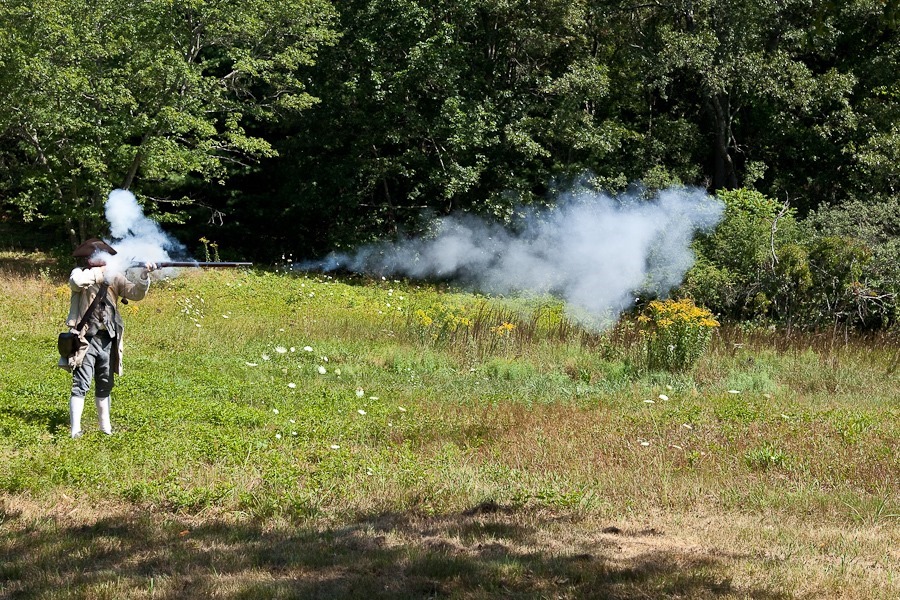
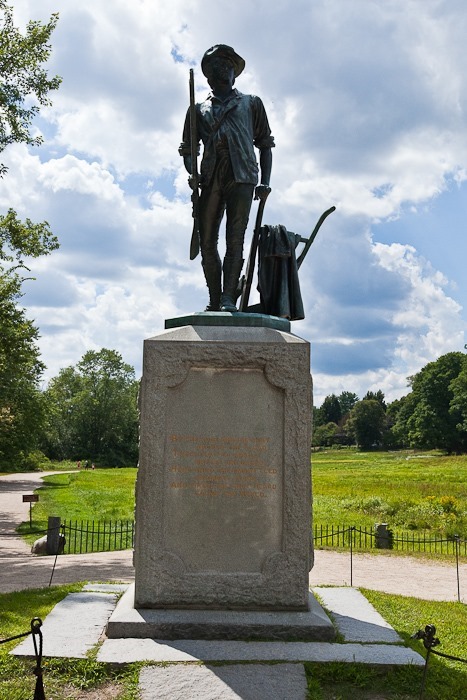
The kids practiced the maneuvers they learned at Minuteman National Historic Park two weeks ago:

Day743_24

Day743_25

Day743_26

The powder magazine:

Day743_27

We took the stairs to what used to be the roof:

Day743_28

This level originally had a parapet with canons, but in World War II two more concrete stories were added:

Day743_29

Day743_30

Day743_31

Heading back down:

Day743_32

The kids completed their Parks Canada Xplorers workbooks and received their dog tags:

Day743_33

Day743_34-2

This is B’s second Xplorers tag, having earned her first tag at the SS Klondike historic site in Whitehouse, Yukon Territory last summer.

We continued east to overnight at the Walmart of Sussex, New Brunswick.  See the trip map for today’s drive and our current location.
Day 739: Acadia National Park

We had a great Shabbos with the community in Bangor, Maine.  Including me and M, we had a minyan for shacharis.  I ended up doing a portion of the Torah reading, which wasn’t pleasant for anyone, but eventually we got ‘er done.  In the afternoon we visited and played a couple games of dominoes, which thanks to Grandpa Glenn and Edna we already knew how to play.

Today we left the RV at Bruce and Naomi’s house in Bangor and drove down to Acadia National Park.  We stopped in at the obscenely crowded visitor center and picked up Junior Ranger workbooks for the kids.  Our first stop was Cadillac Mountain, the highest mountain on Acadia’s Mount Desert Island.  At 1530 feet above sea level, it’s the highest coastal mountain on the US east coast.

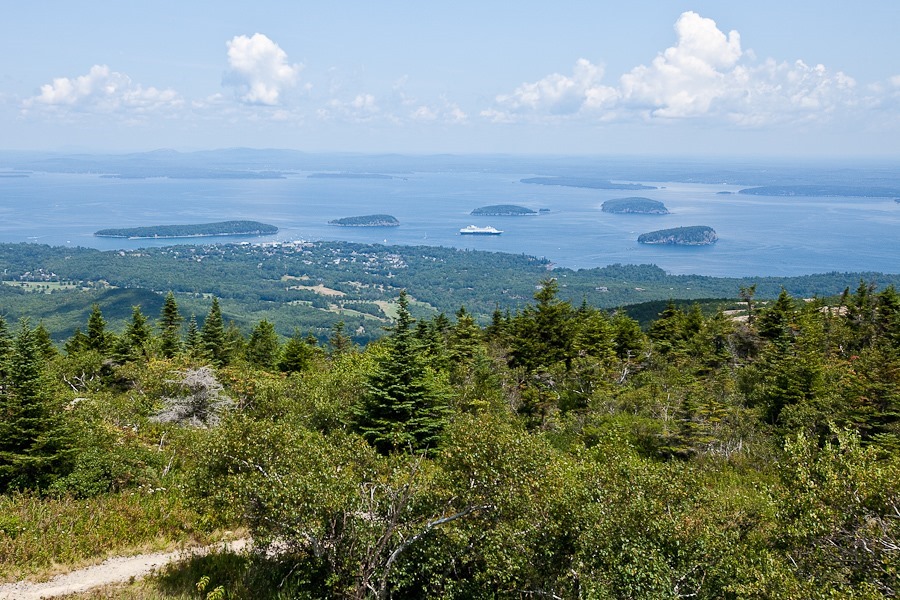
From the summit, we looked out over the island group in Frenchman Bay towards the Schoodic Peninsula beyond:

Day739_01

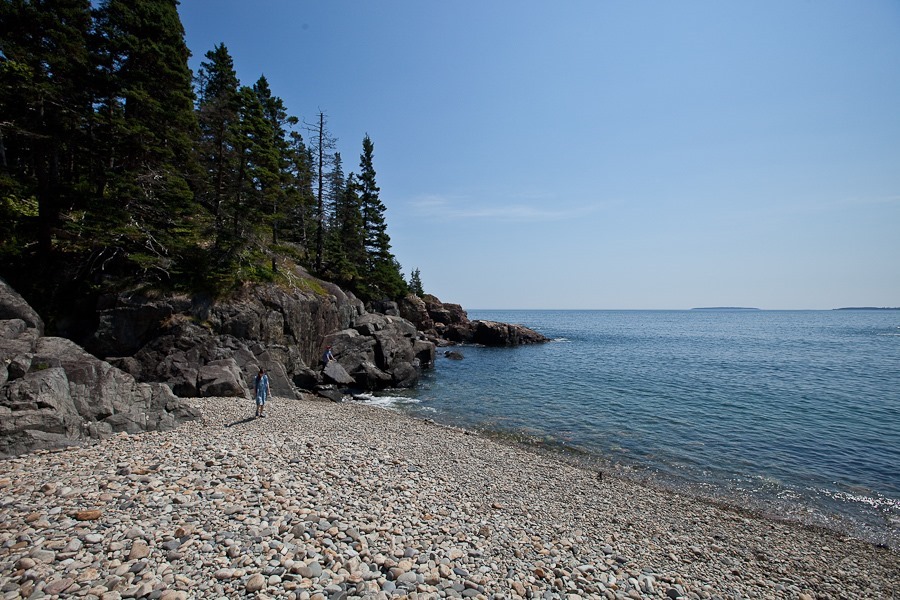
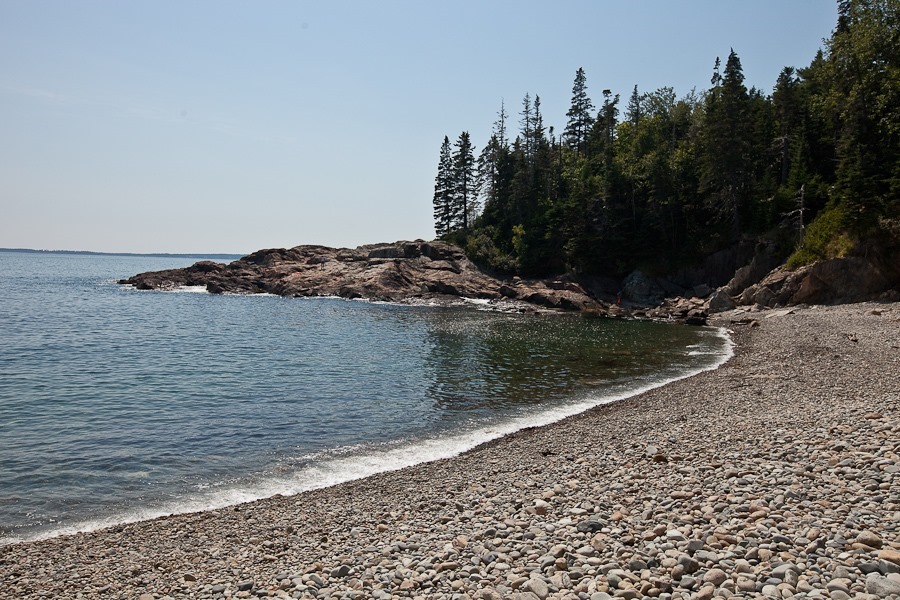
We followed the loop road around to Sand Beach and Thunder Hole, but the parking areas were full, so we continued on to visit Little Hunters Beach.  When a large wave receded, the cobbles rolling towards the ocean made a wonderful sound:

Day739_02

Day739_03

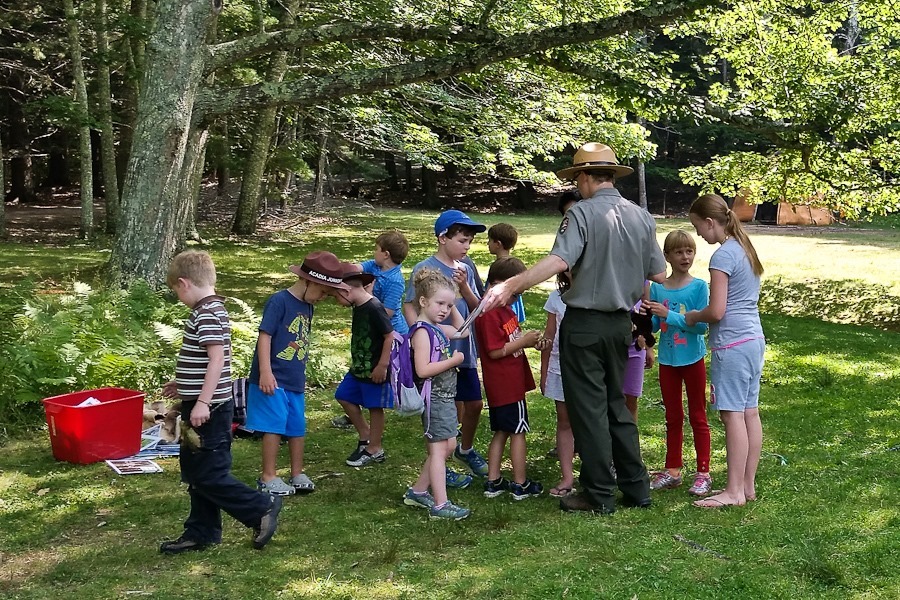
The Junior Ranger workbook required that we attend a ranger program, but this program was for the younger set, so we didn’t stay:

Day739_04

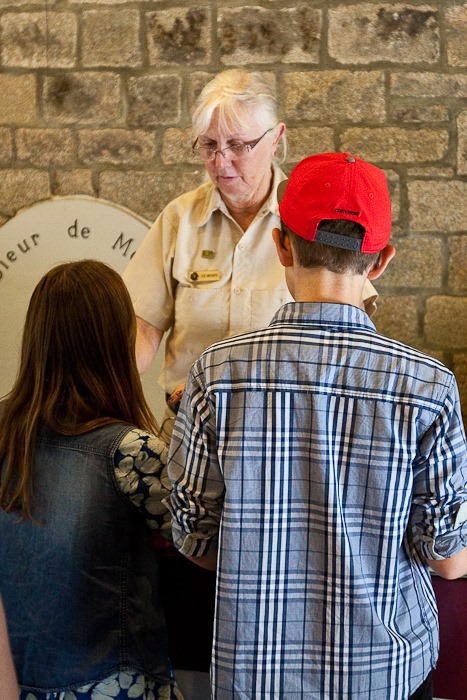
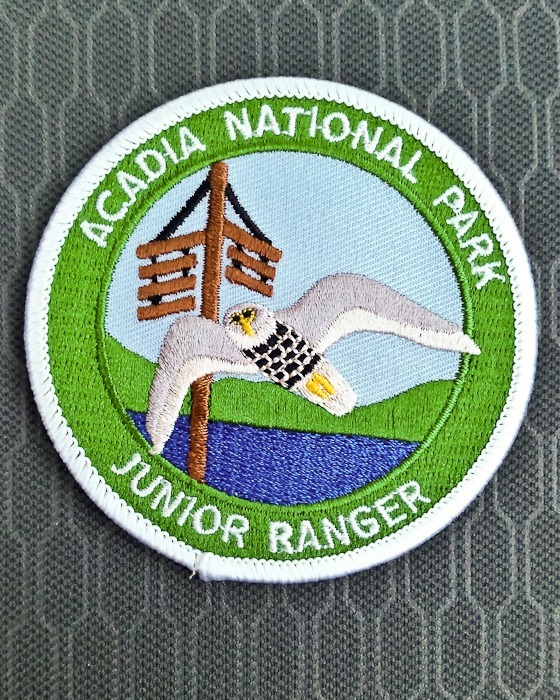
The kids completed their workbooks and received their Junior Ranger patches:

Day739_05

Day739_06

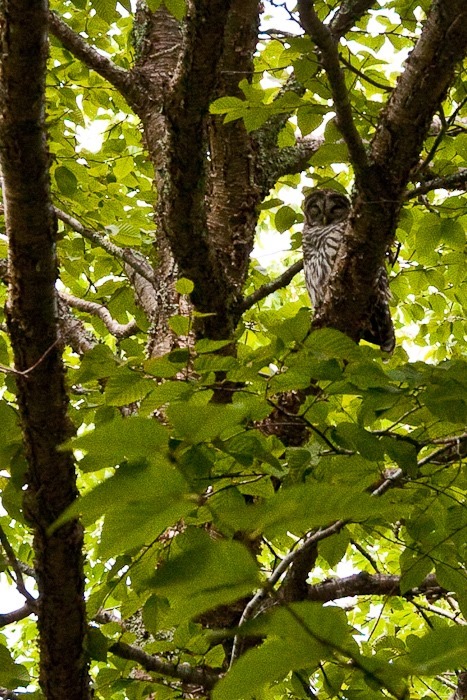
Near the visitor center, we toured the “Wild Gardens of Acadia”, which is a series of planted areas that simulate the various biomes found on the island.  In the “woodland stream” area, a toddler ran up to us and told us that we had to come see an owl in the tree:

Day739_07

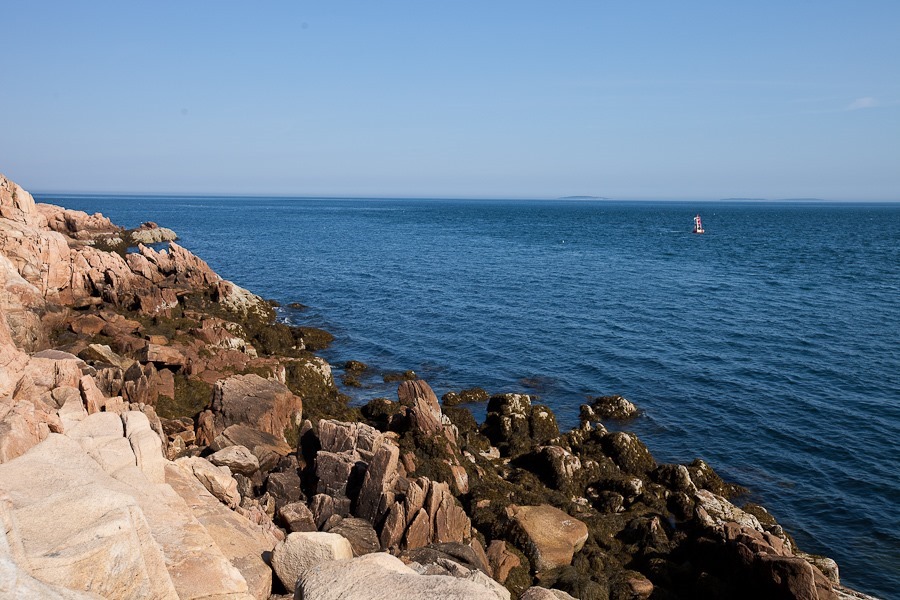
We drove to the southwest corner of the island and visited the area called “Seawall”:

Day739_08

Day739_09

Day739_10

Day739_11

Day739_12

Day739_13

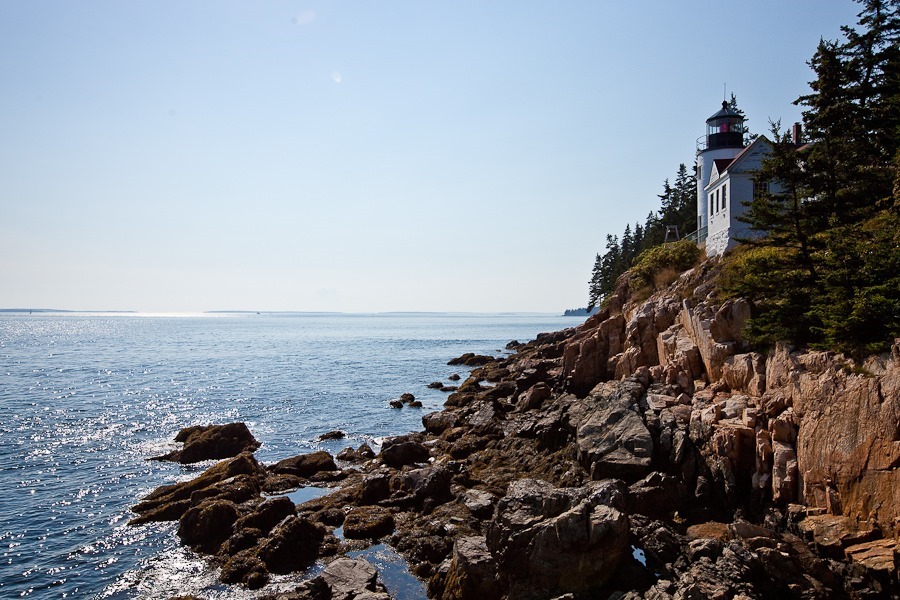
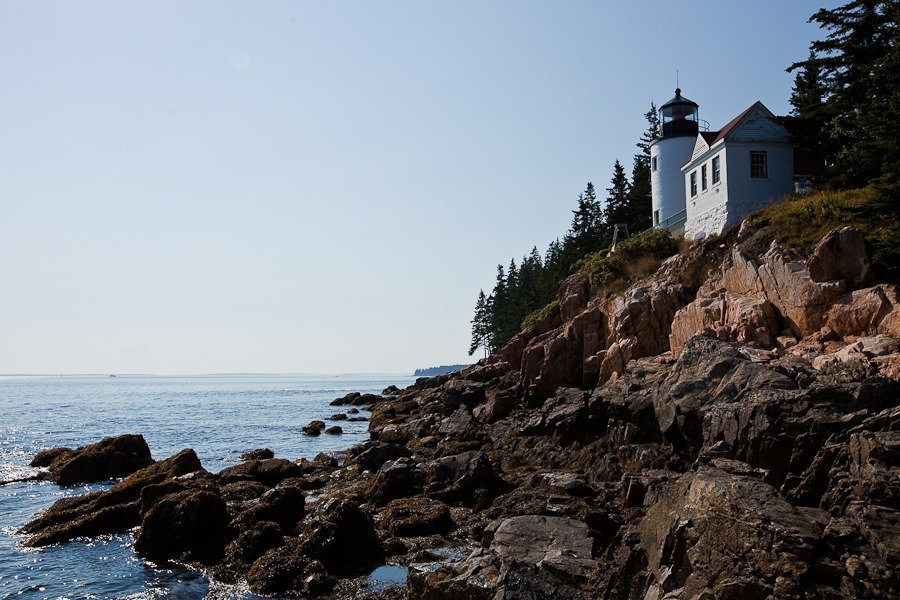
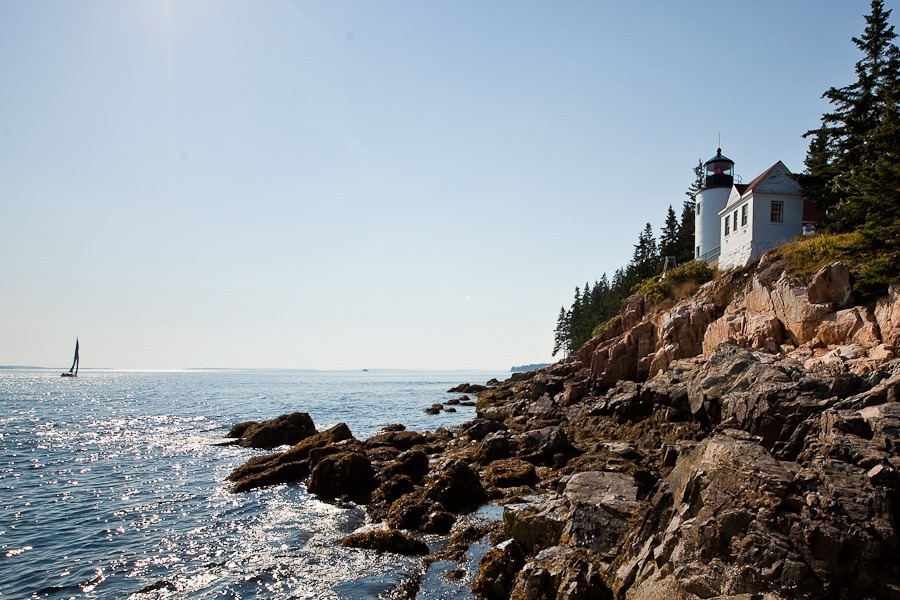
Nearby, we visited Bass Harbor Head Light:

Day739_14

Day739_15

Day739_16

Day739_17

Day739_18

Day739_20

This was our last stop before we drove back to Bangor.  Acadia was worth the visit, but I didn’t find it to be remarkable compared to the Oregon coast.

See the trip map for today’s drive.

Day 734: Saugus Iron Works NHS, Salem Maritime NHS

Today we reluctantly said goodbye to our new friends at Congregation Beth Israel in Malden.  Over the lest few days we really started to feel like part of the community.

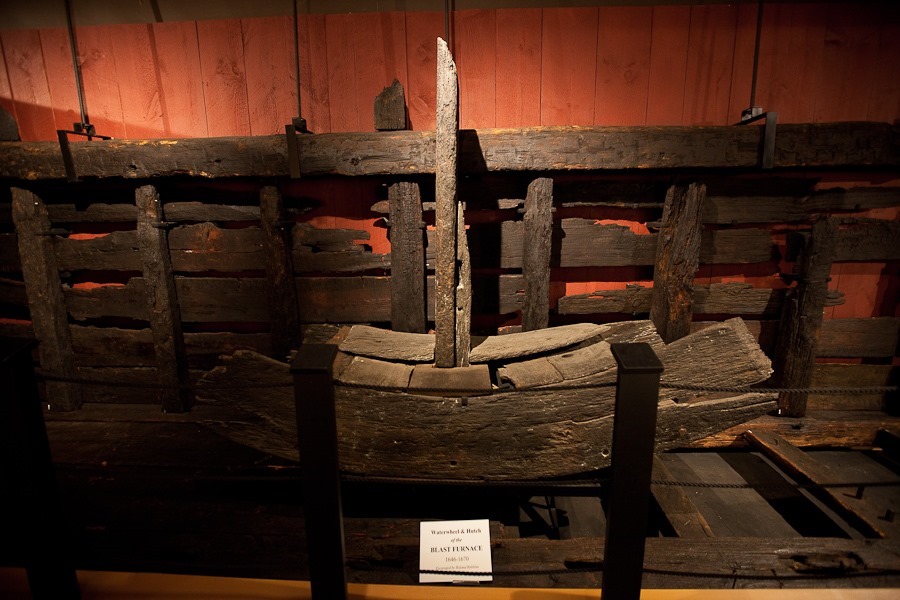
Our first stop was Saugus Iron Works National Historic Site, which interprets 17th century iron production in this area.  The visitor center included parts of one of the original water wheel systems, used in the mid-1600s:

Day734_01

Day734_02

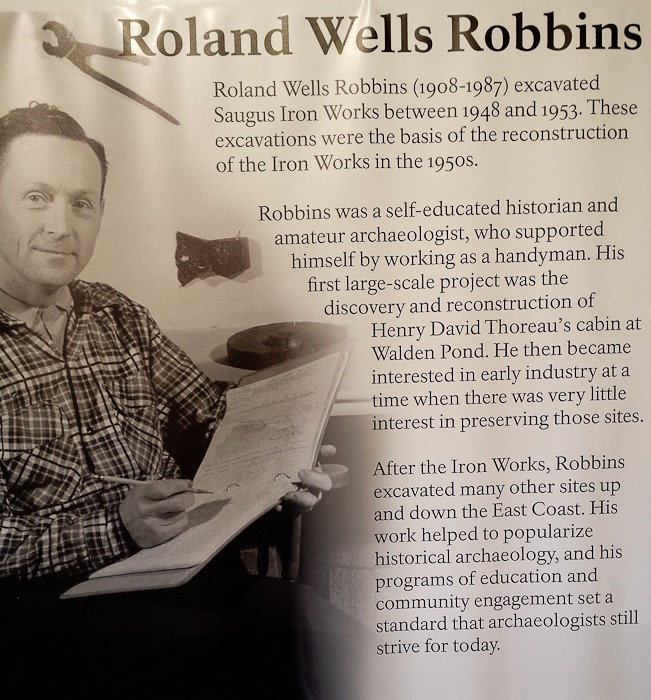
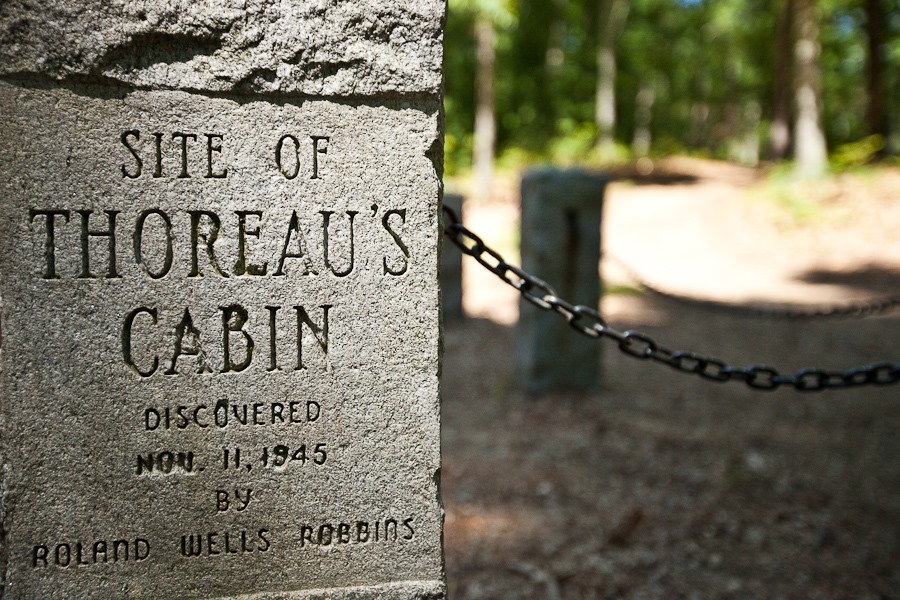
The location of Saugus Iron Works was discovered by Roland Wells Robins, who, as I mentioned yesterday, also discovered the location of Thoreau’s cabin on Walden Pond:

Day734_03

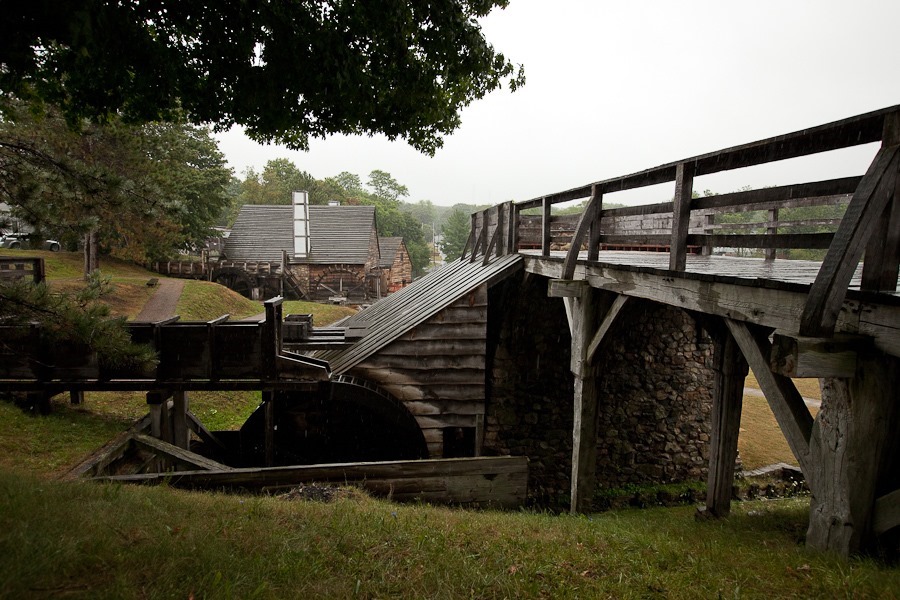
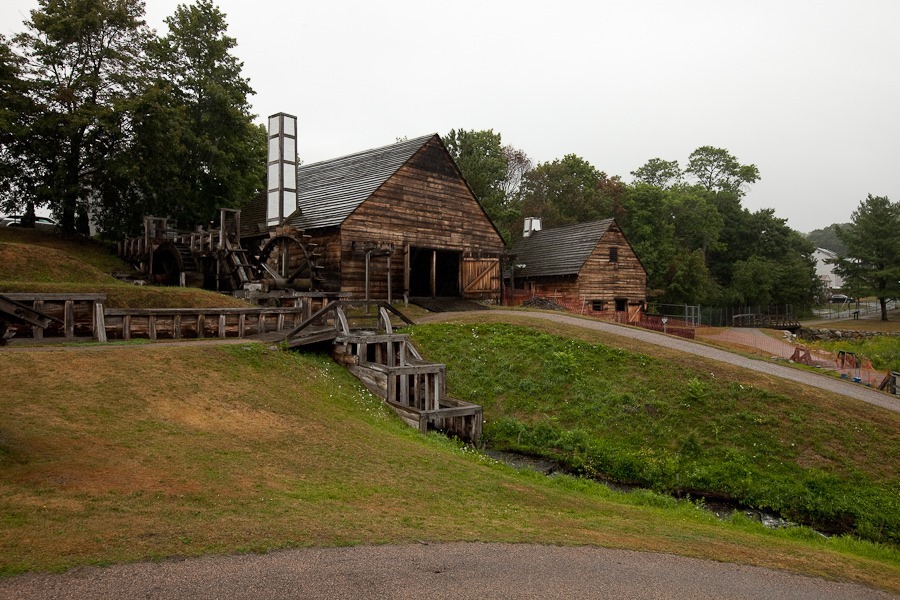
We walked out to the reconstructed iron works:

Day734_04

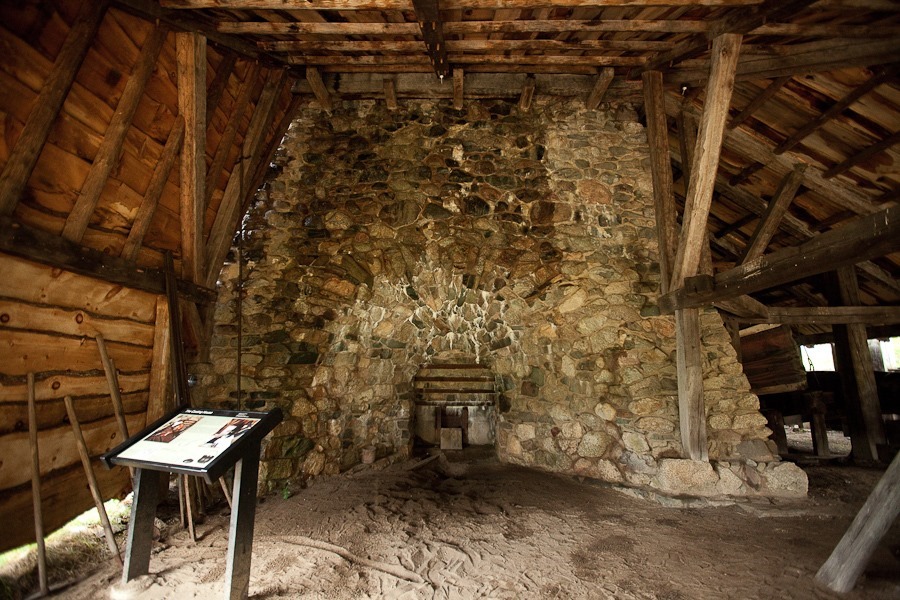
The bridge leads to the top of the massive charcoal blast furnace, where charcoal, iron ore, and gabbro were poured into the furnace to extract iron from the iron ore:

Day734_05

Down below, the water wheel shaft drives the bellows which feed oxygen to the fire in the furnace:

Day734_07

From the bottom of the furnace, molten iron is poured out of the furnace into troughs in the sand and allowed to cool into a unit of pig iron called a “sow”:

Day734_08

We continued to the forge building:

Day734_09

This 500 pound hammer, lifted and dropped by a water wheel driven four-tooth cog, was used to convert the pig iron into a wrought iron bar ready for sale:

Day734_10

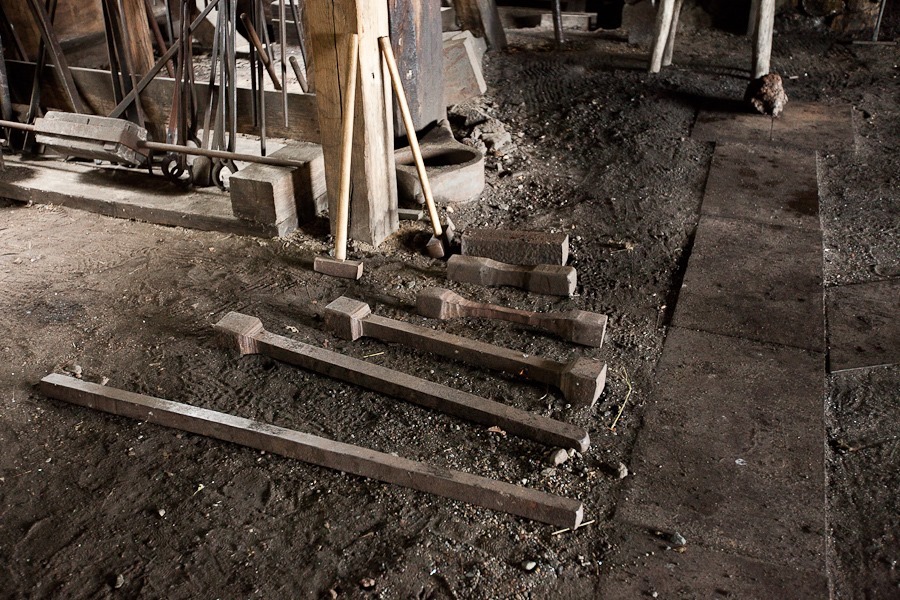
This six samples illustrate the progression from pig iron (top) to a wrought iron bar (bottom):

Day734_11

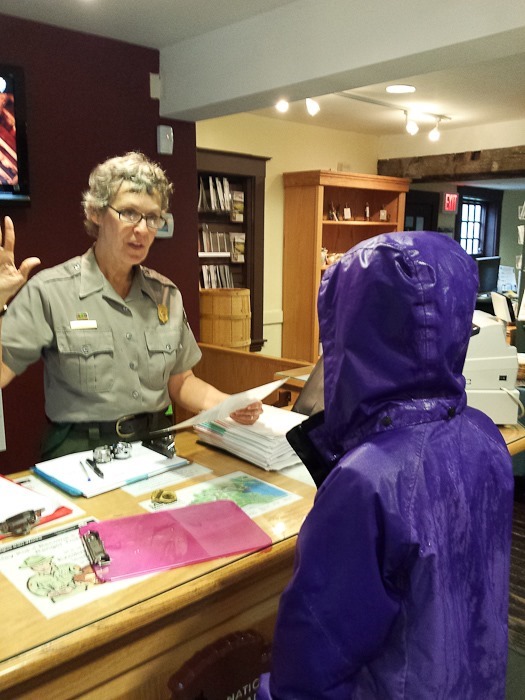
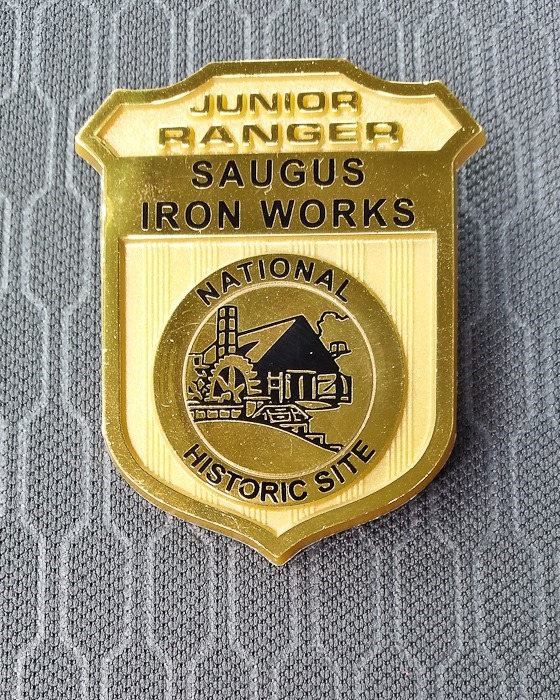
The kids completed their Junior Ranger workbooks and received their badges:

Day734_12

Day734_13

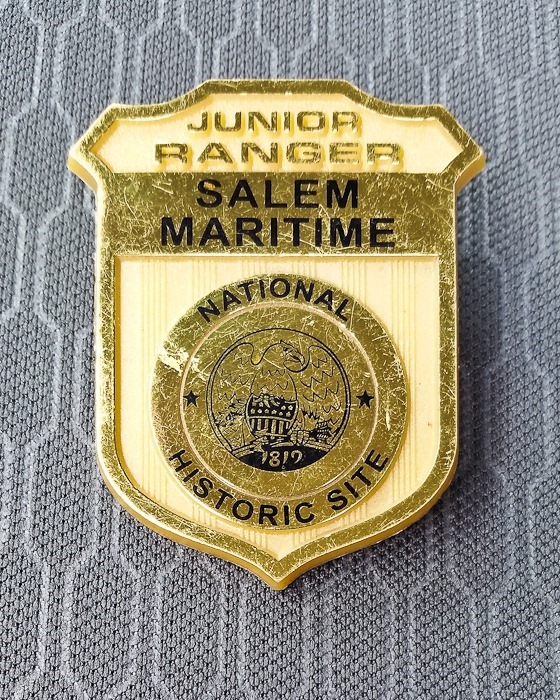
From Saugus, we drove east to Salem, Massachusetts, home of Salem Maritime National Historic Site.  The visitor center is downtown, and we couldn’t find a parking spot, so we settled for running in and picking up the Junior Ranger workbooks and badges.  When the kids complete their workbooks, they will receive their badges:

Day734_14

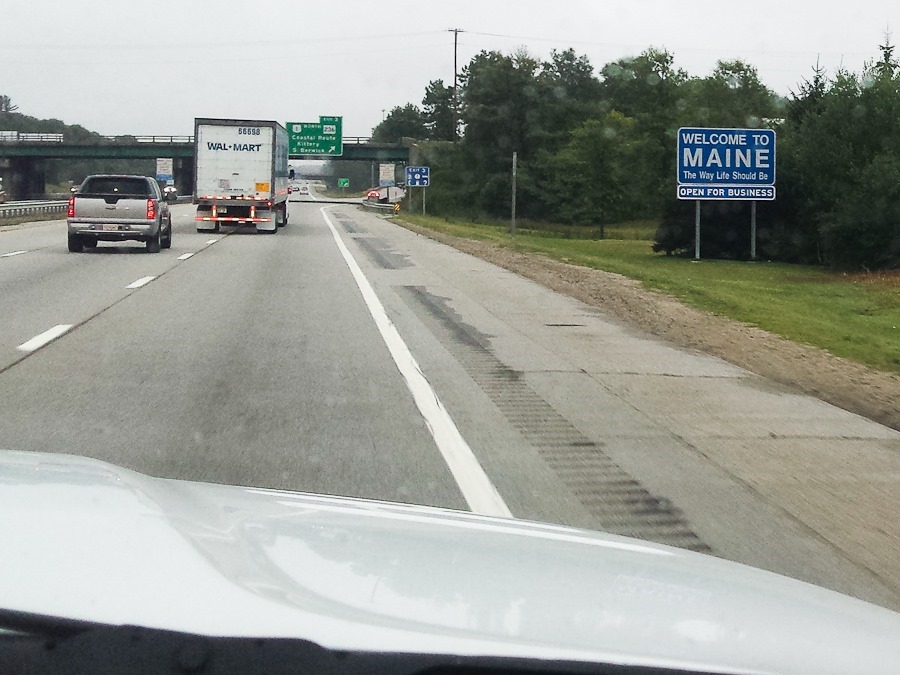
We continued north, transiting a few miles of New Hampshire before crossing into Maine:

Day734_15

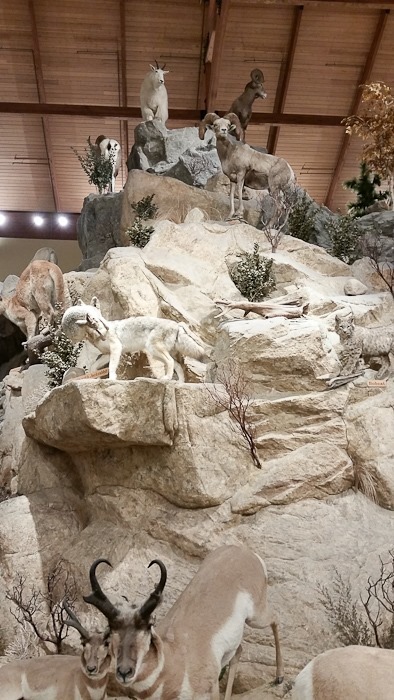
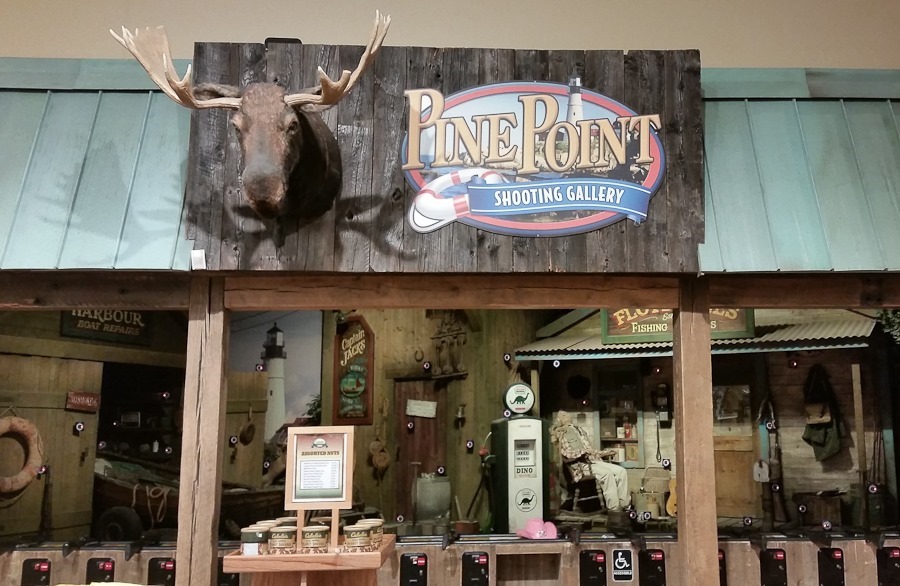
Tonight we are overnighting at the Cabela’s of Scarborough.  The interior is similar to the Cabela’s at which we overnighted on Day 1.  While Trish made dinner, I took the kids in to look around.  Several locations in the store have big game on display:

Day734_16

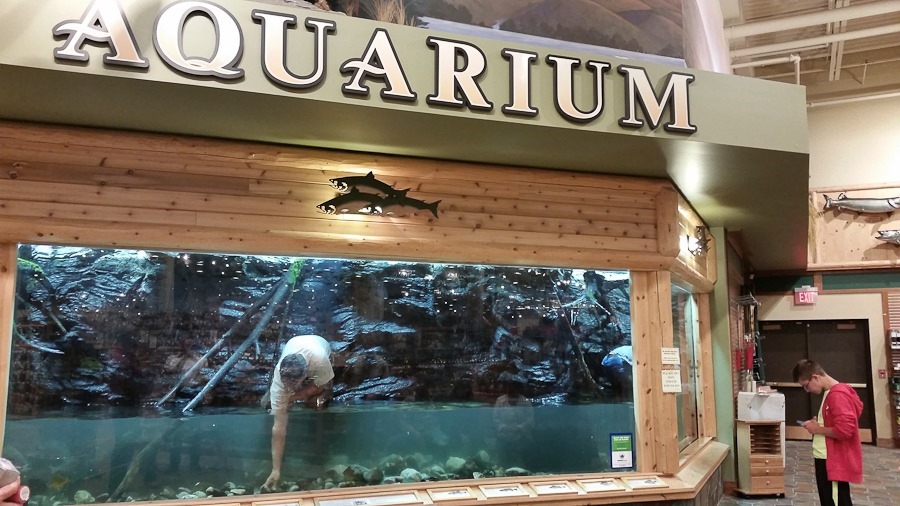
You know your aquarium is big when cleaning it involves hip waders:

Day734_17

Day734_18

Day734_19

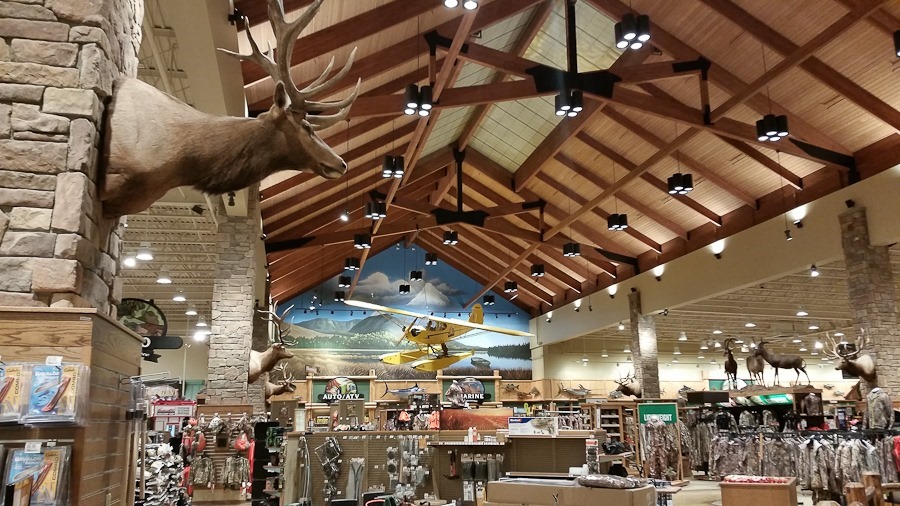
Where is the RV section?  Under the full-size airplane hanging from the ceiling, of course:

Day734_20

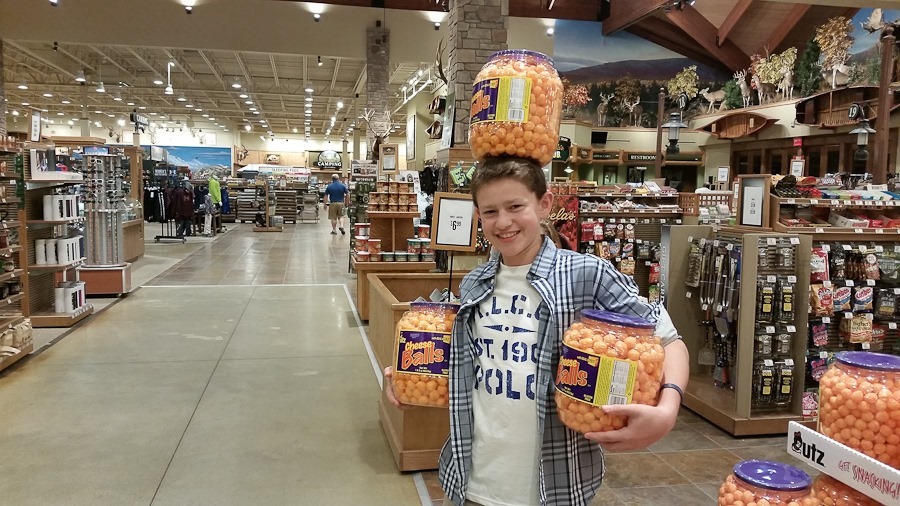
I told him to put them back:

Day734_21

See the trip map for today’s drive and our current location.
Day 733: Minute Man NHP and Lowell NHP

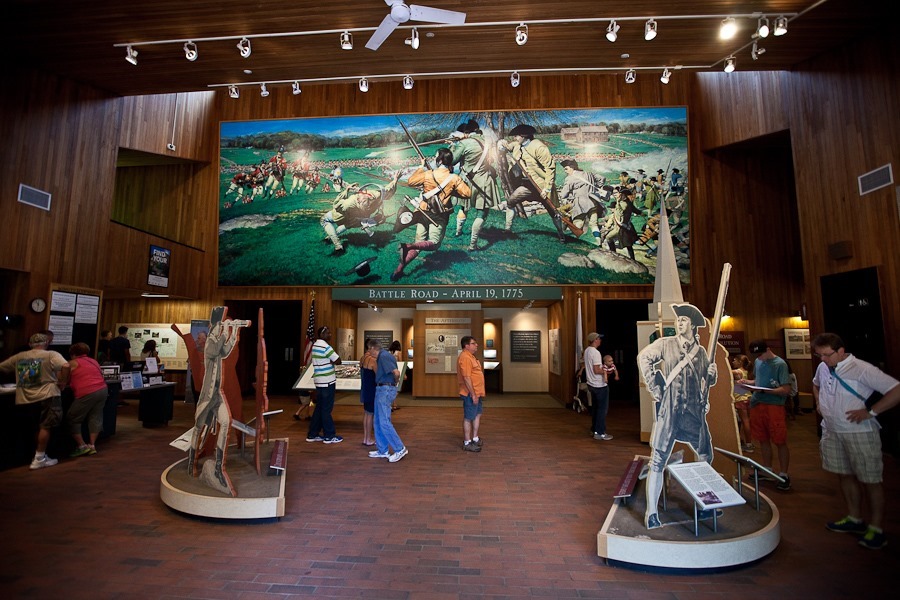
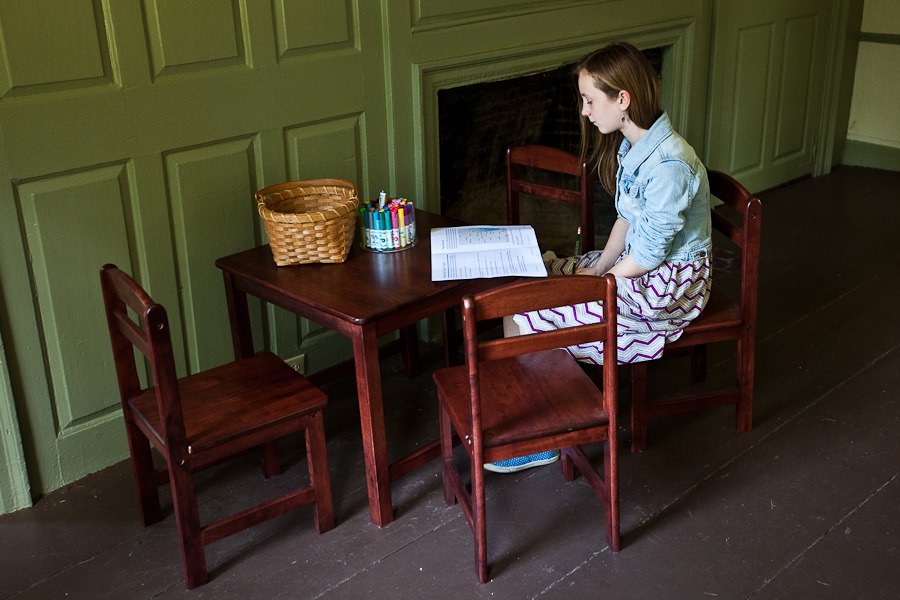
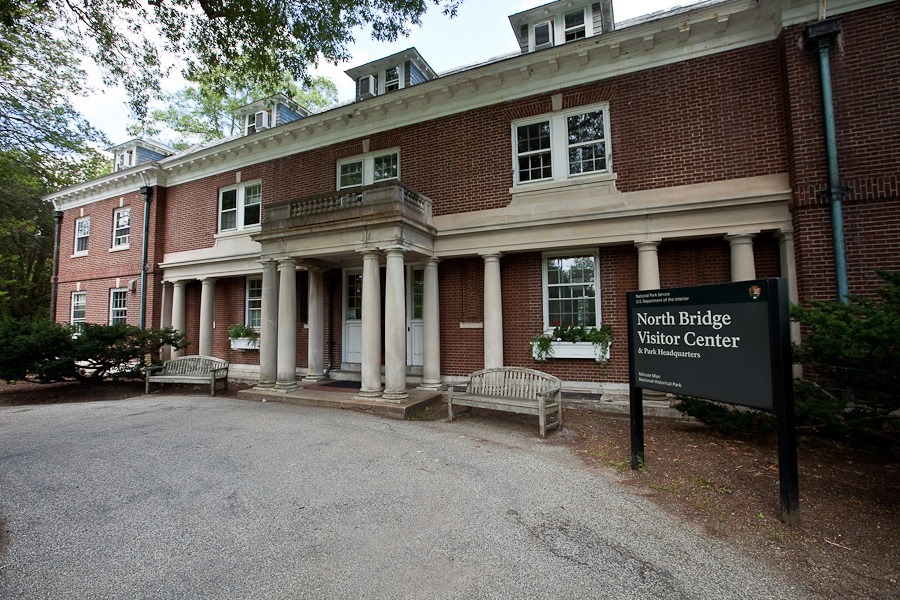
This morning we left the RV behind and drove north to Lexington, Massachusetts, home of Minute Man National Historical Park, which interprets the people, places, and events surrounding the American Revolutionary War’s Battles of Lexington and Concord.  The parking lot is a ten minute walk from the visitor center:

Day733_01

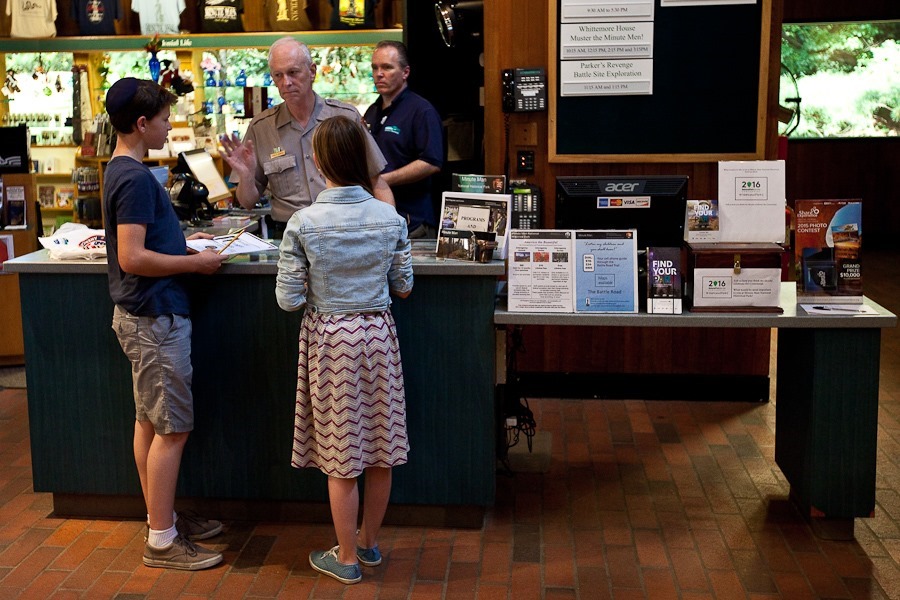
At the Battle Road visitor center, the kids picked up their Junior Ranger workbooks:

Day733_02

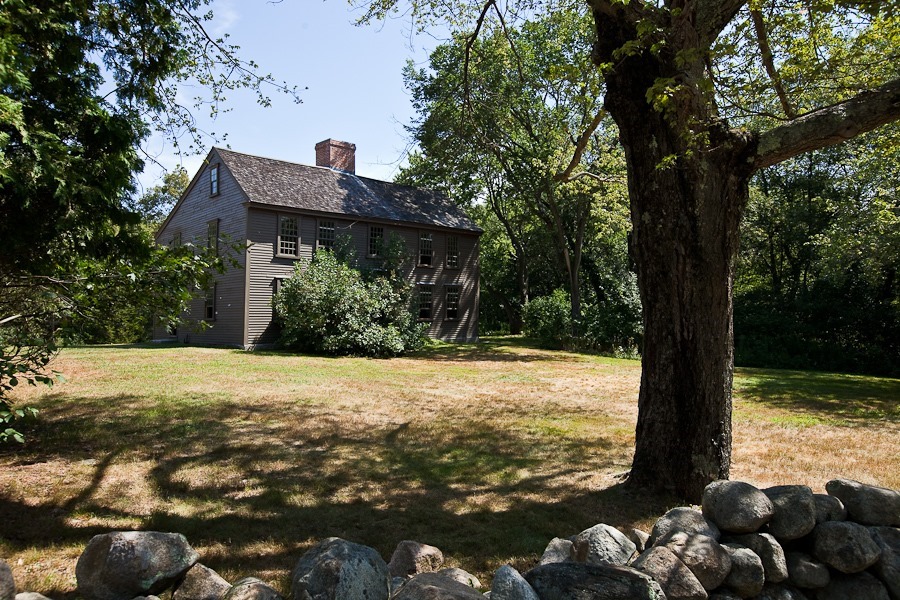
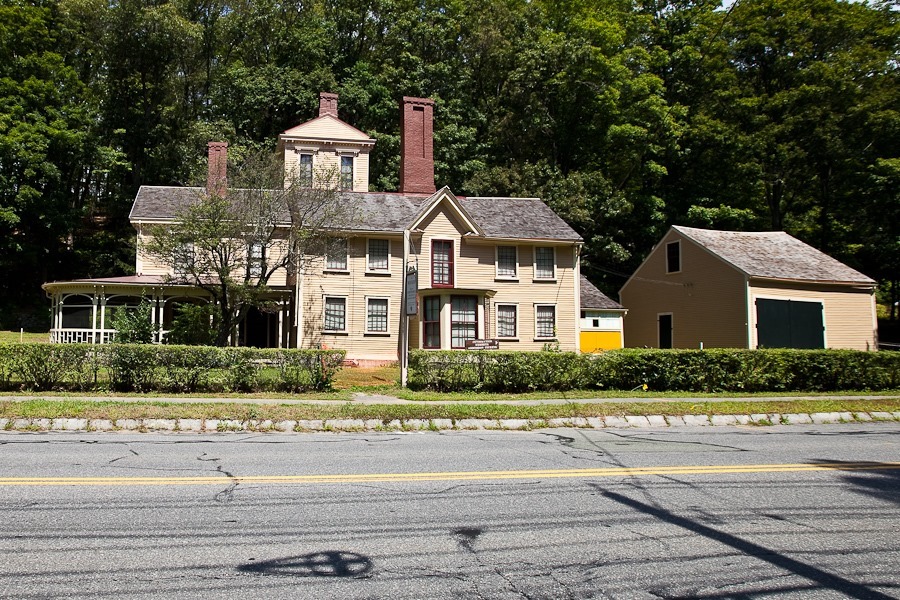
We walked over to the Jacob Whittemore house.  Whittemore evacuated his pregnant wife and children from the house as the fighting along what would late be known as Battle Road passed right by his house:

Day733_03

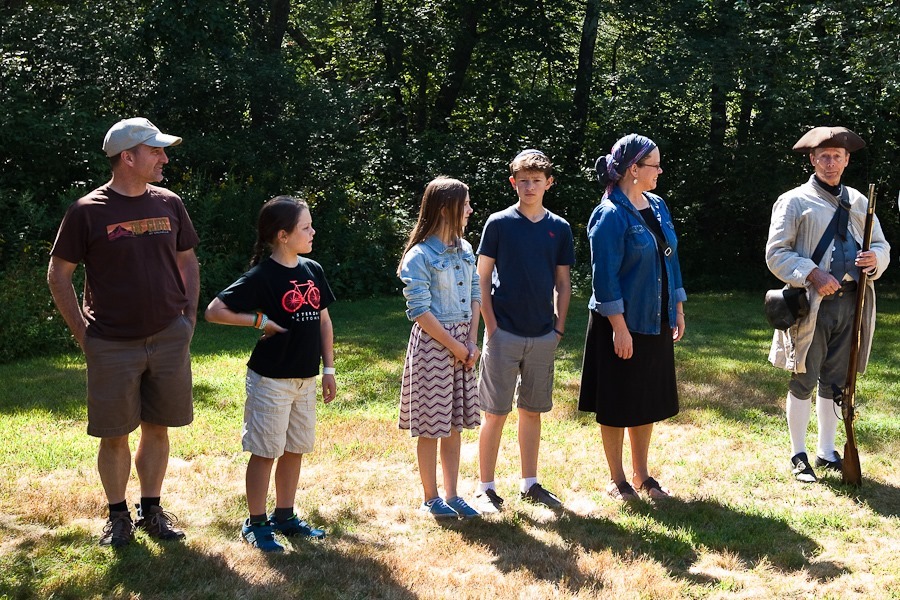
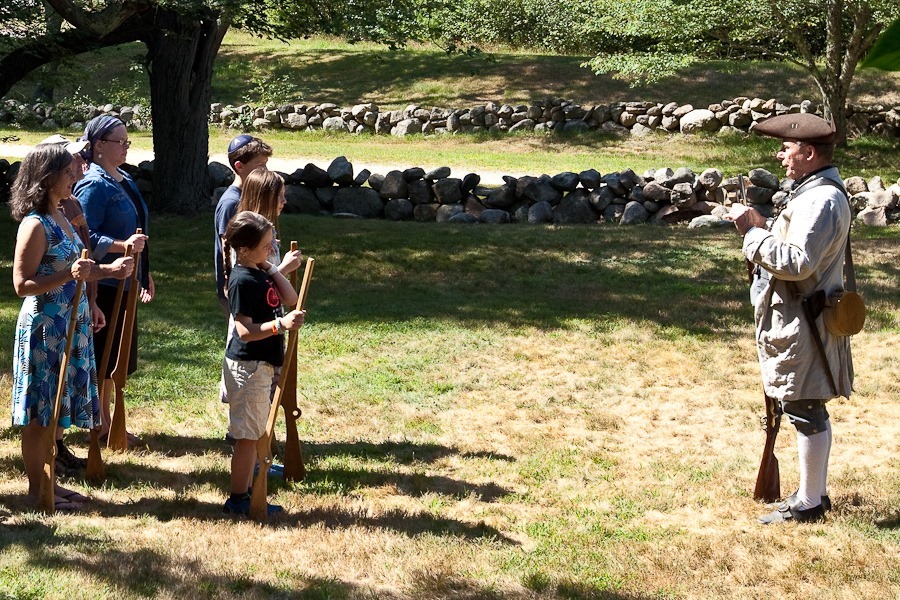
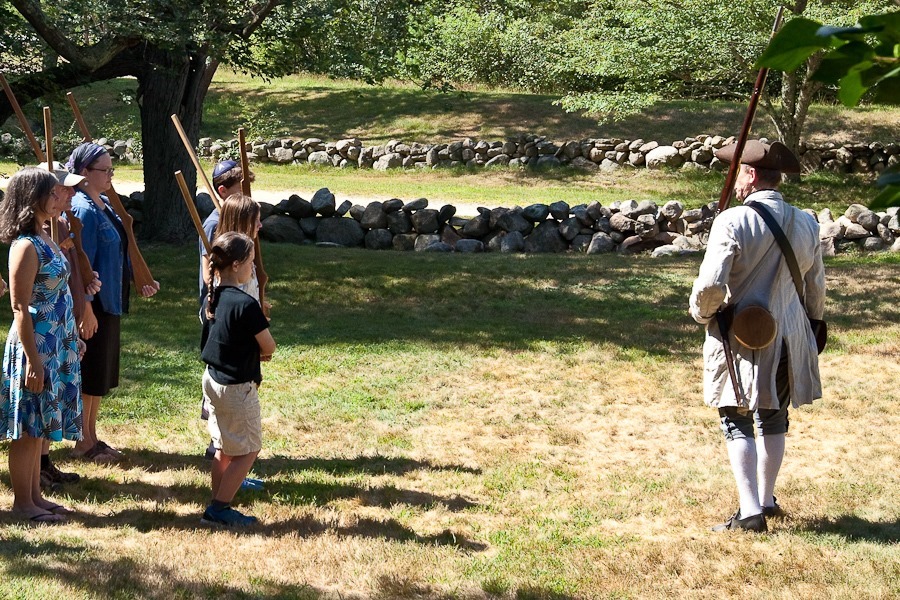
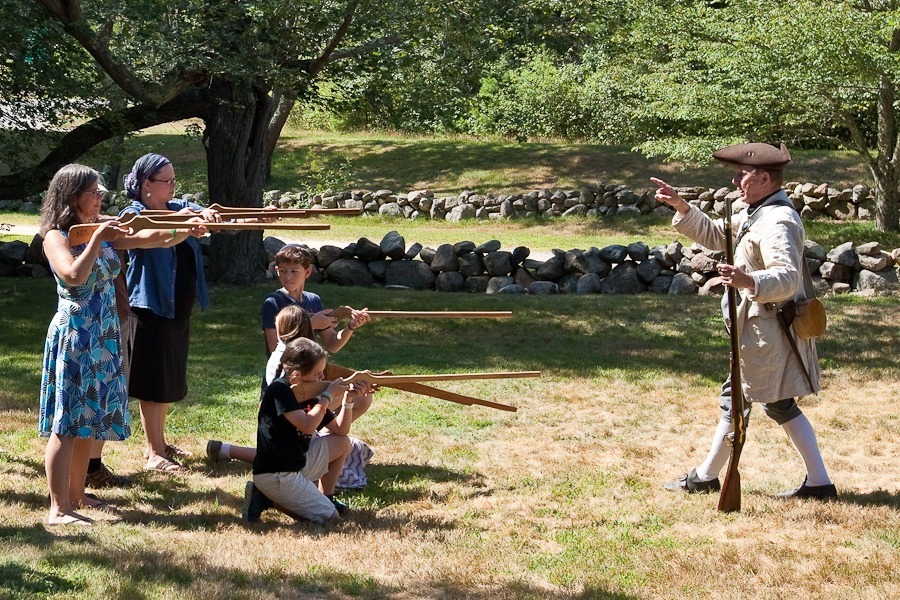
Trish and the kids participated in a reenactment of colonial militia training:

Day733_04

Day733_05

Day733_06

Day733_07

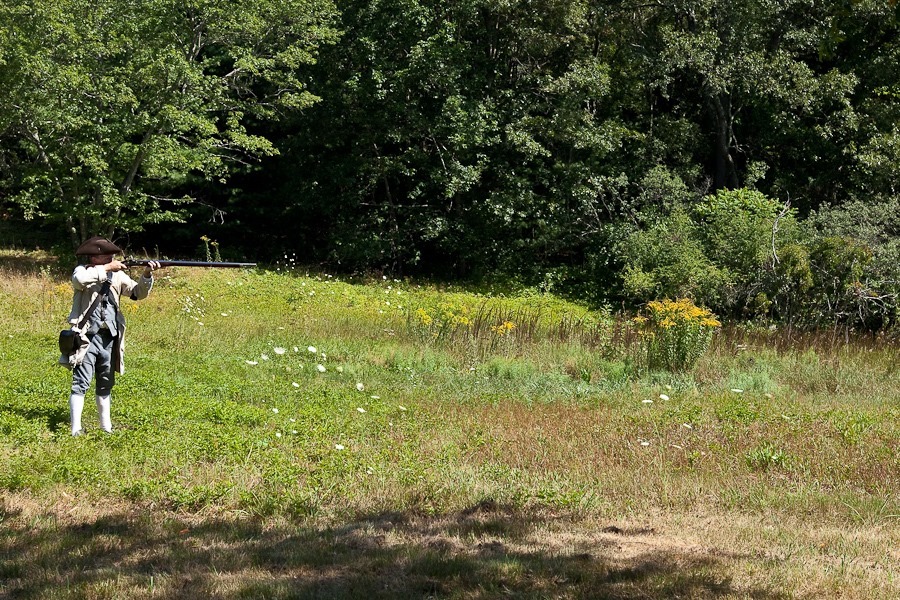
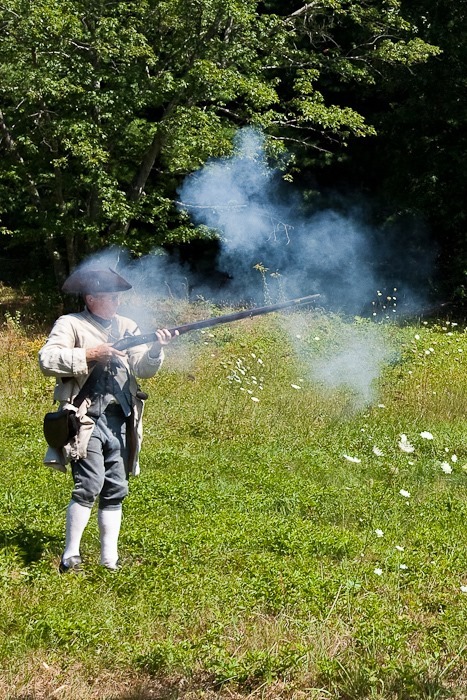
The ranger demonstrated the firing of his Musket:

Day733_08

Day733_09

Day733_10

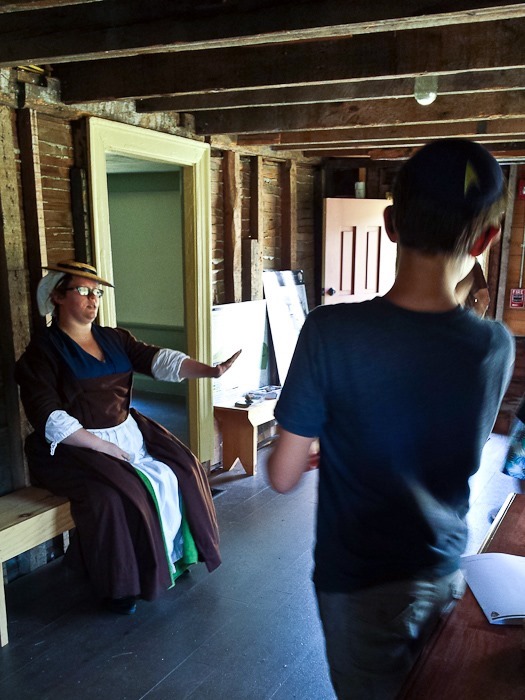
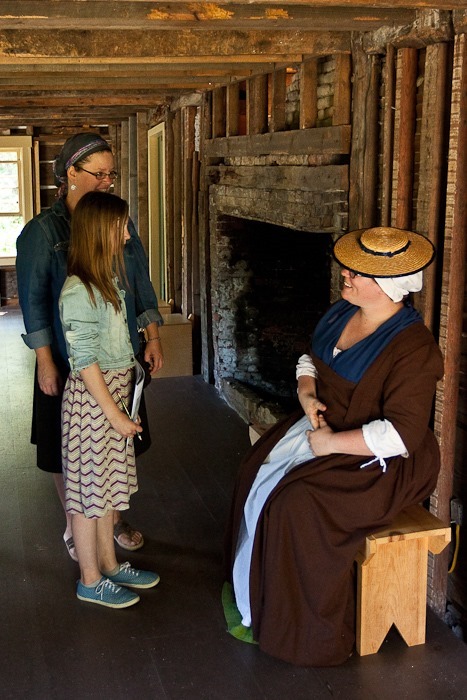
We spoke to the two other rangers in the house about colonial life:

Day733_11

Day733_13

Day733_12

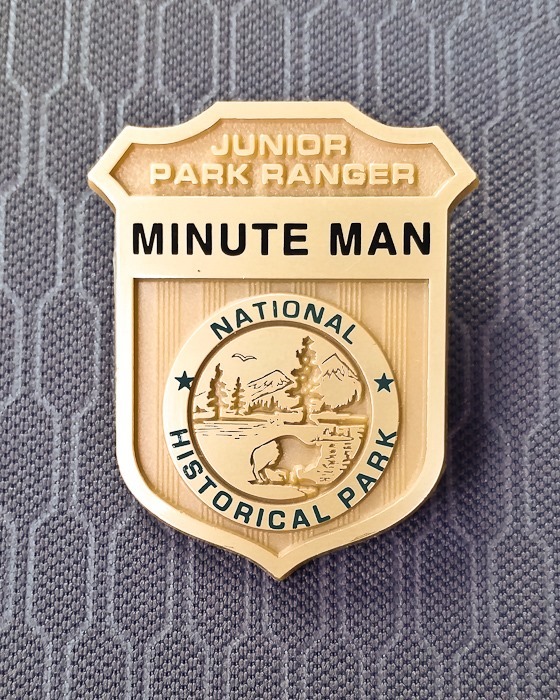
Back at the visitor center, the kids handed in their workbooks and received their Junior Ranger badges:

Day733_14

Day733_15

On the way to the North Bridge unit of the park, we stopped by The Wayside, owned at different times by Louisa May Alcott, Nathaniel Hawthorne, and Harriet Mulford Stone:

Day733_16

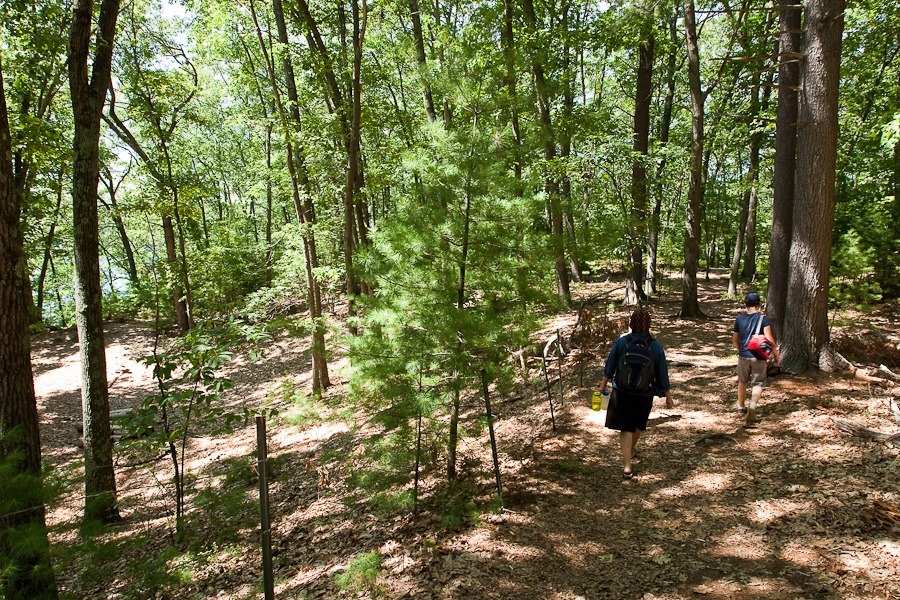
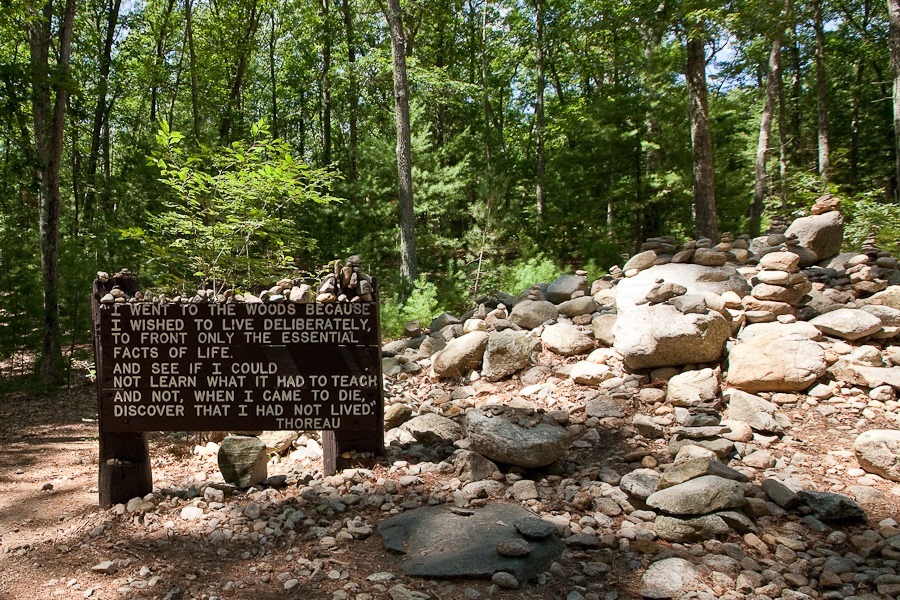
Our next stop was Walden Pond, where Henry David Thoreau wrote his most famous work in a cabin built on land owned by his mentor, Ralph Waldo Emerson.  We set out to find the cabin site:

Day733_17

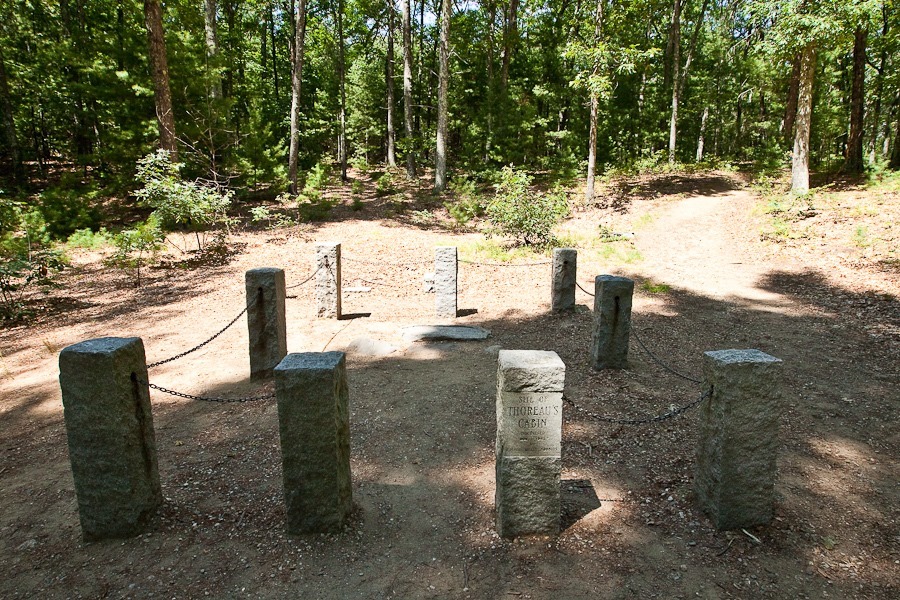
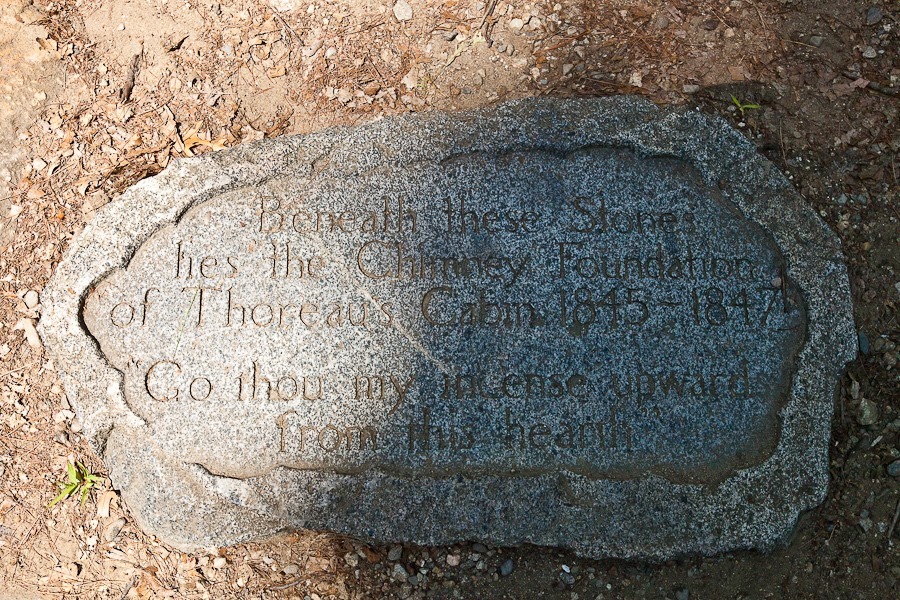
The cabin was torn down shortly after Thoreau’s two-year experiment in simple living was over in 1847.  The cabin roof was used as the roof of a local pig sty, and the rest of the wood used as scrap.  In 1945, amateur archaeologist Roland Wells Robbins (yes, the same Roland Wells Robbins who identified the location of the Saugus Iron Works) identified the location of Thoreau’s cabin:

Day733_18

Day733_19

Day733_20

Since well before the discovery of the cabin location, Thoreau fans would come to this nearby location and leave a stone where the cabin was thought to have stood.  The pile is now quite large:

Day733_22

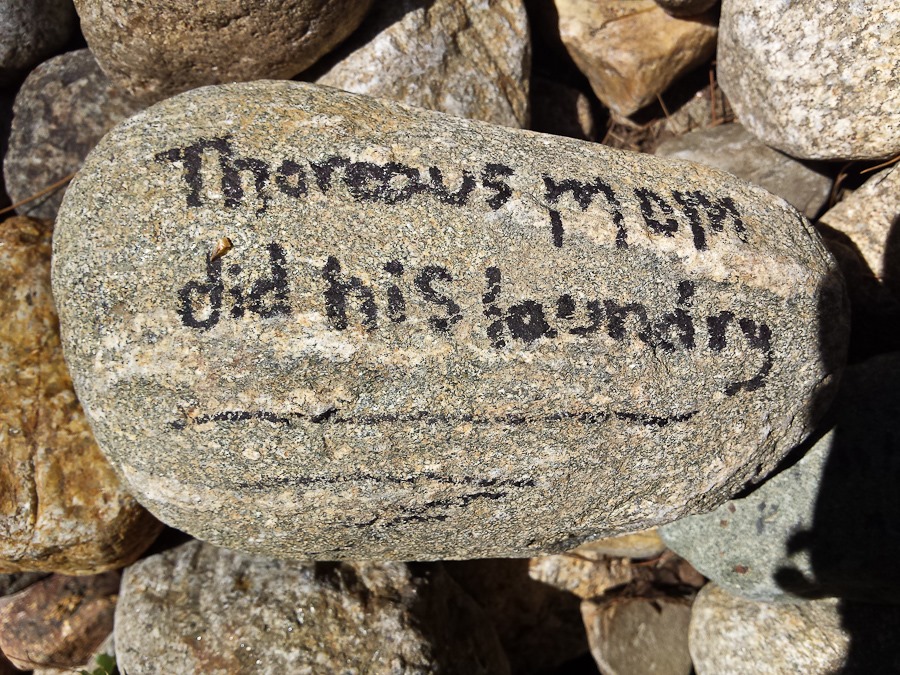
Many of the stones have engraved or written words on them, ranging from the profound to the mundane:

Day733_21

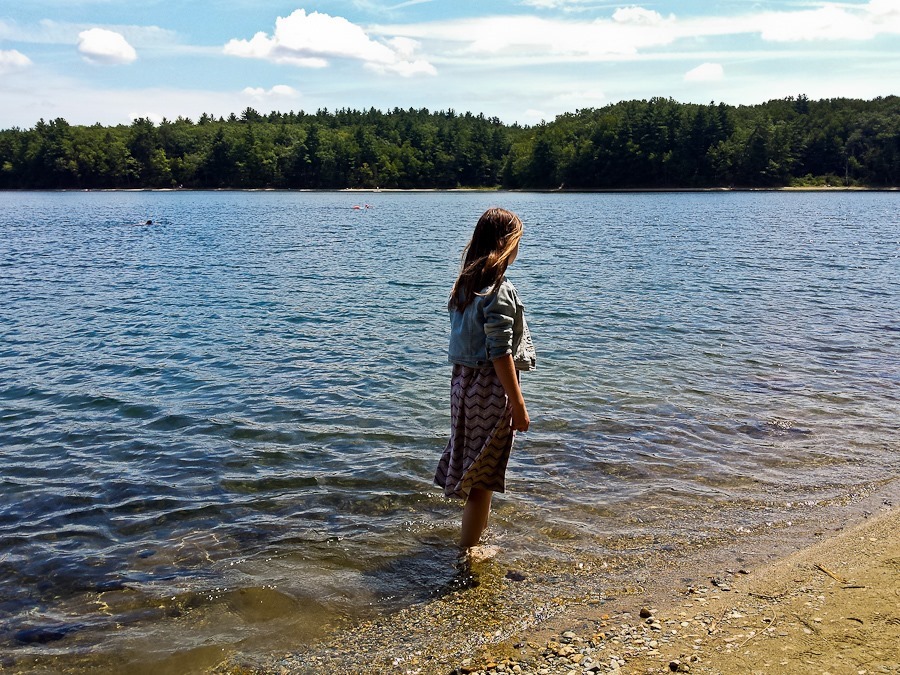
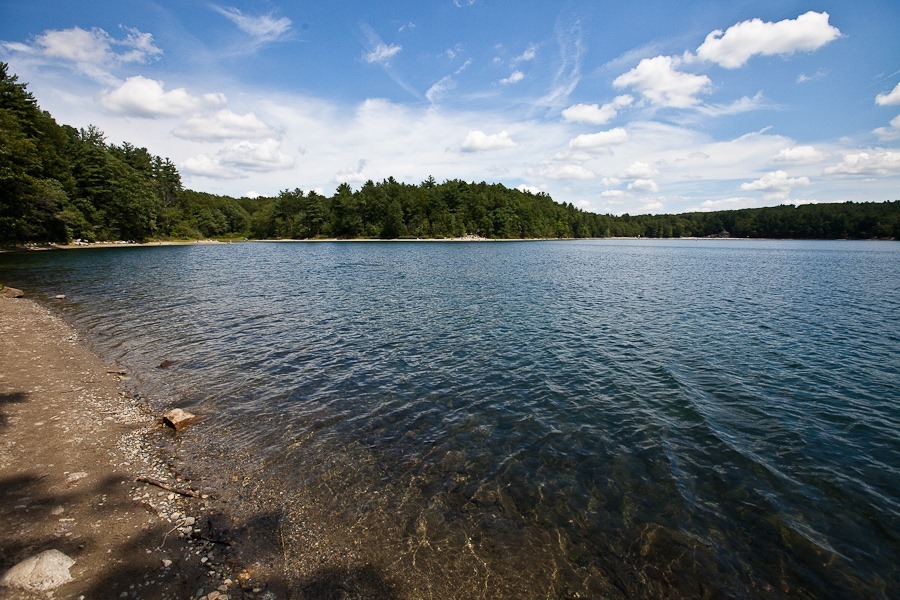
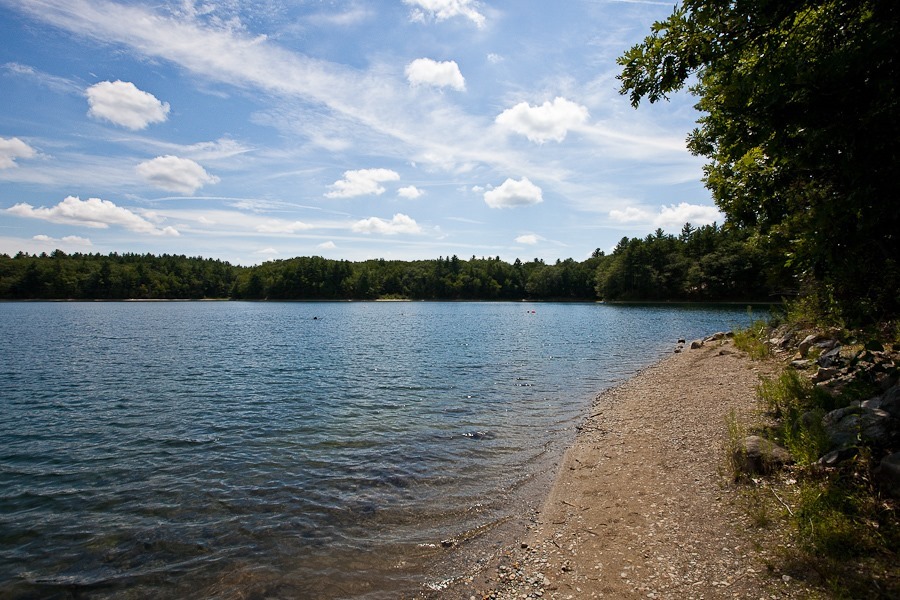
Walden Pond:

Day733_23

Day733_24

Day733_25

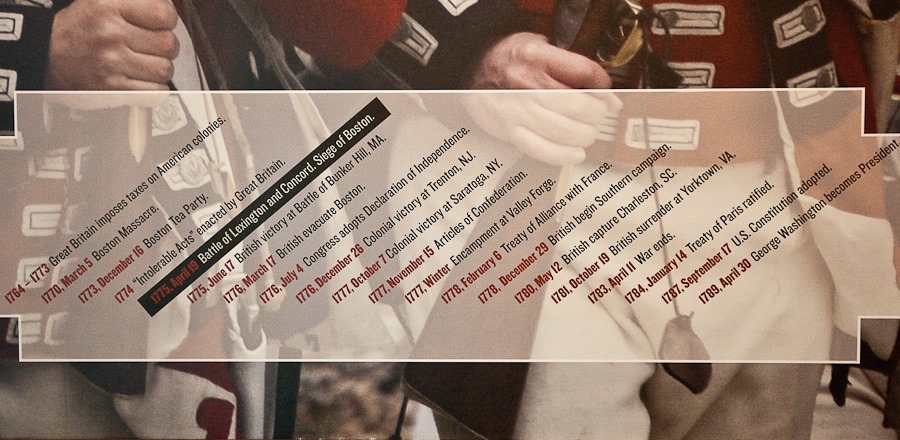
After hiking around Walden Pond, we arrived at the North Bridge unit of Minute Man National Historical Park, site of the bridge where Colonial Militia members, English subjects, first fired upon the King’s Army, starting the Revolutionary War.  Emerson’s poem would later describe this as the location of the “shot heard round the world”:

  Day733_26

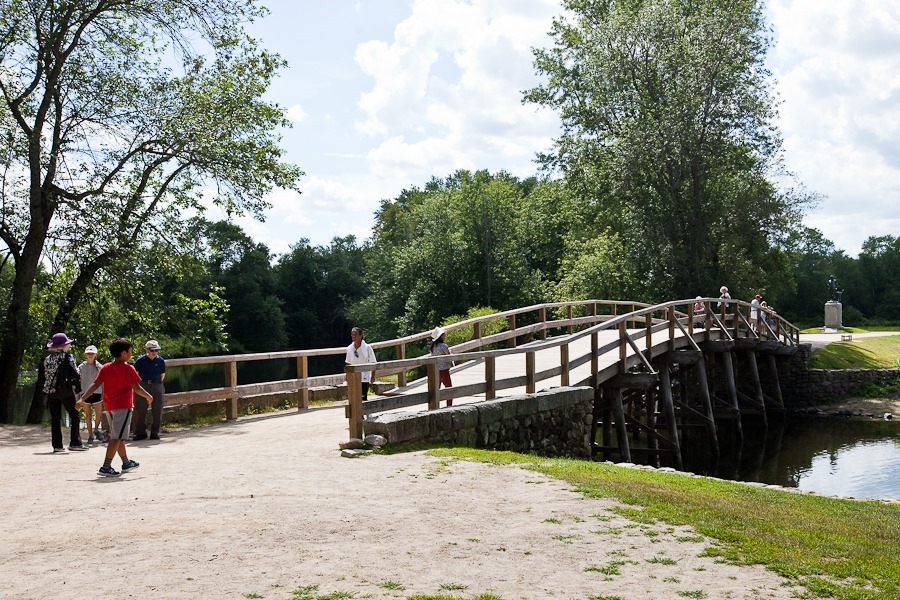
The recreated bridge:

Day733_27

Day733_28

Day733_29

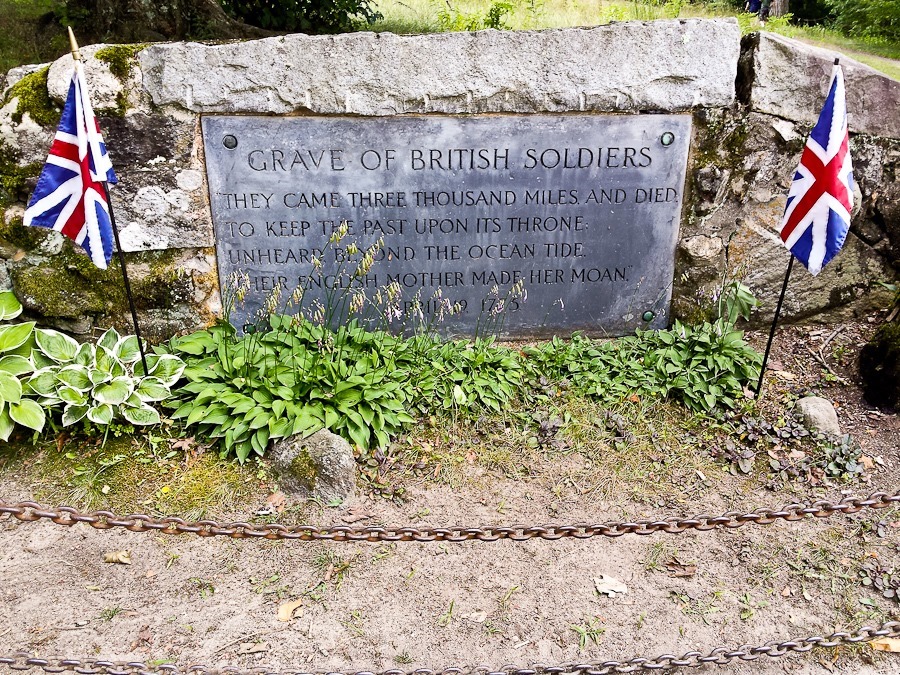
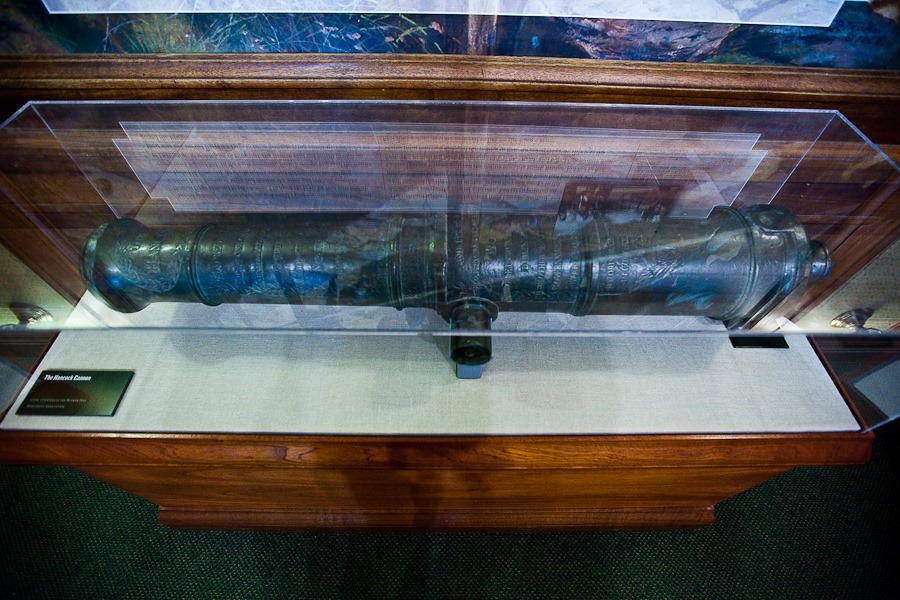
The British soldiers had set out from Boston to Concord to recover four cannons stolen and hidden by militia members at a local farm.  This is one of the four canons, known as “The Hancock”:

Day733_30

Day733_31

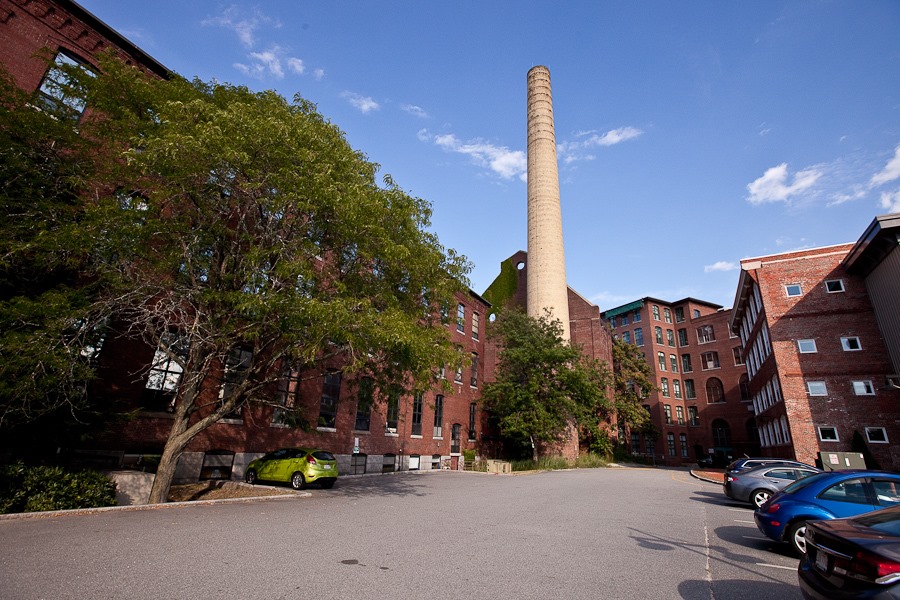
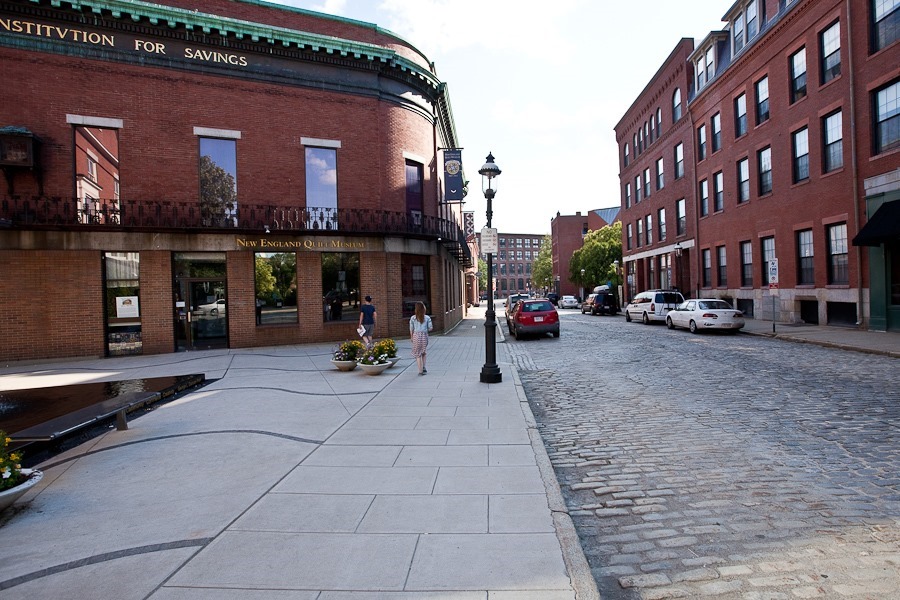
We left Minute Man NHP and drove north to Lowell, Massachusetts, home of Lowell National Historical Park, which interprets the rise and fall of Lowell as America’s first Company town and center of American textile production.  Most of the buildings in Lowell are former textile mills.  These buildings are now apartments and art studios:
Day733_34

This building is missing its roof:

Day733_32

Day733_33

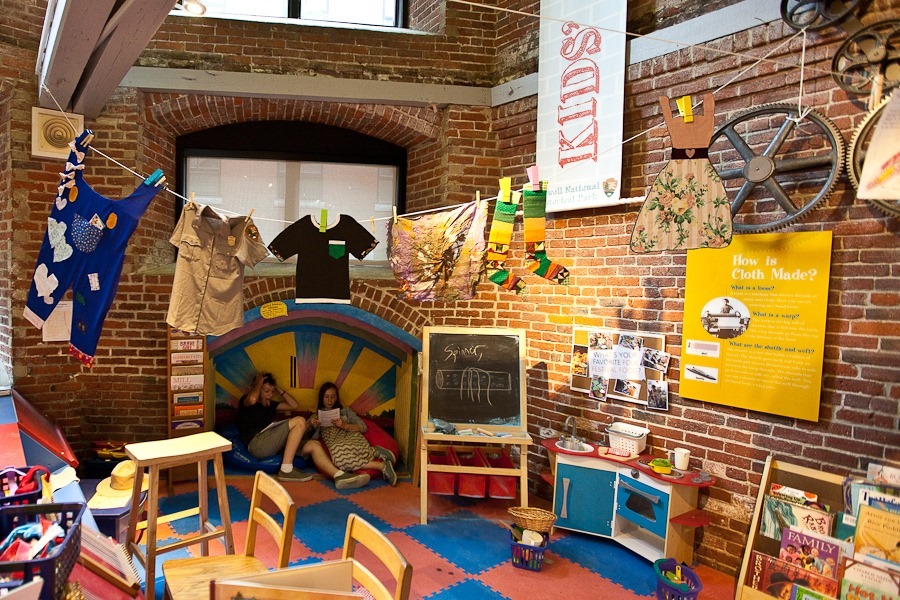
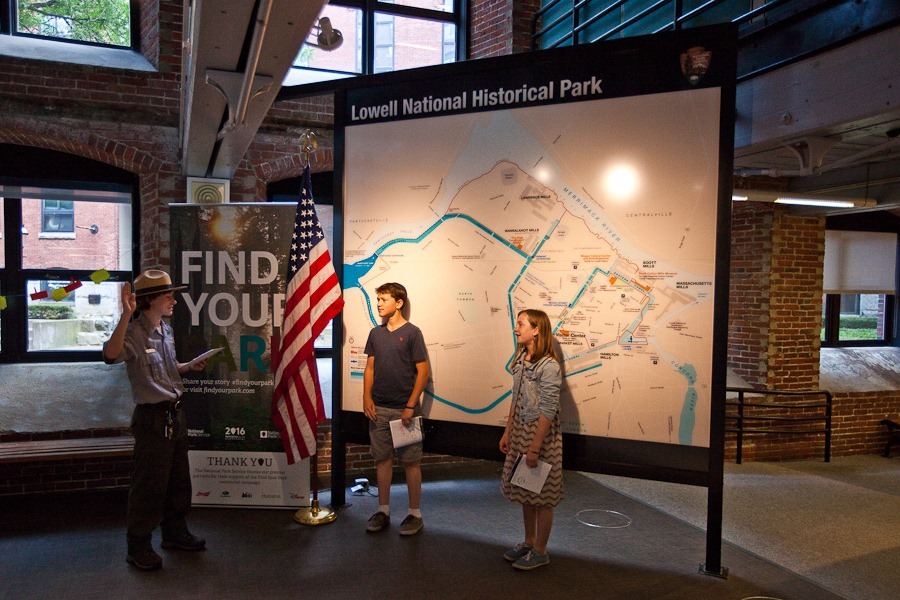
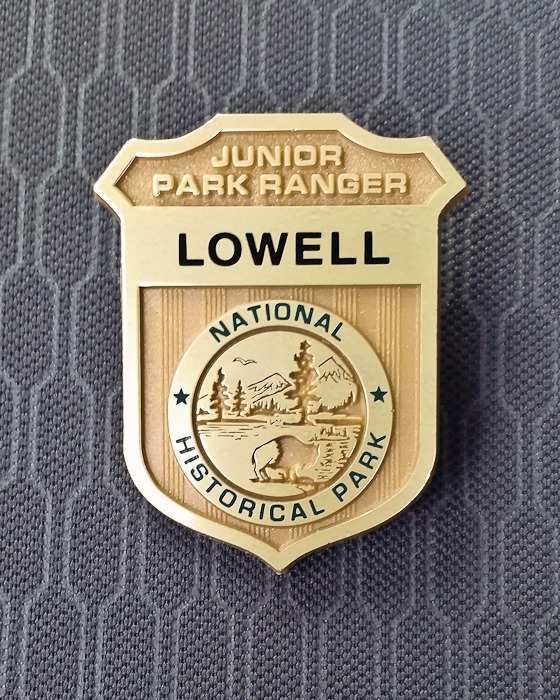
We walked over to the visitor center, where the kids completed their Junior Ranger workbooks and received their badges:

Day733_35

Day733_36

Day733_37

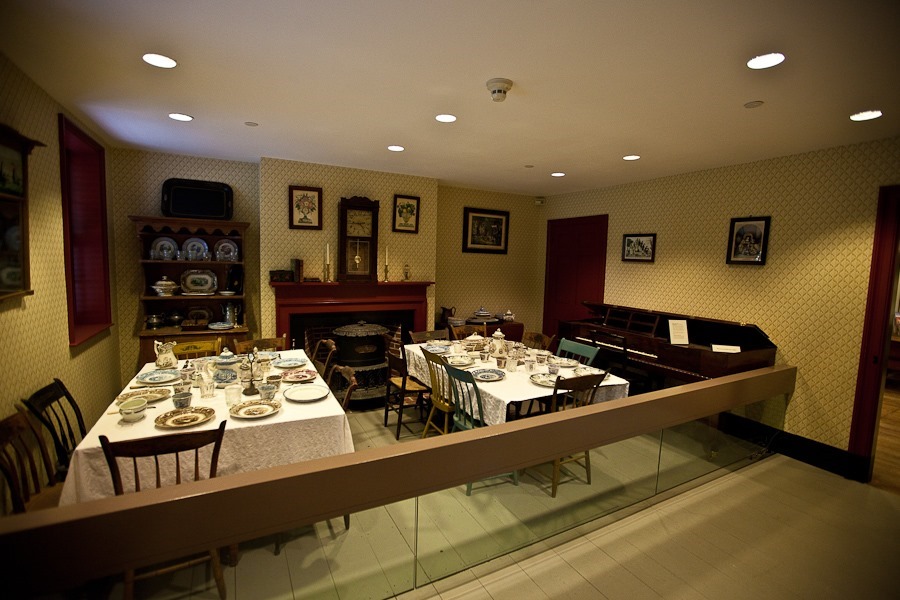
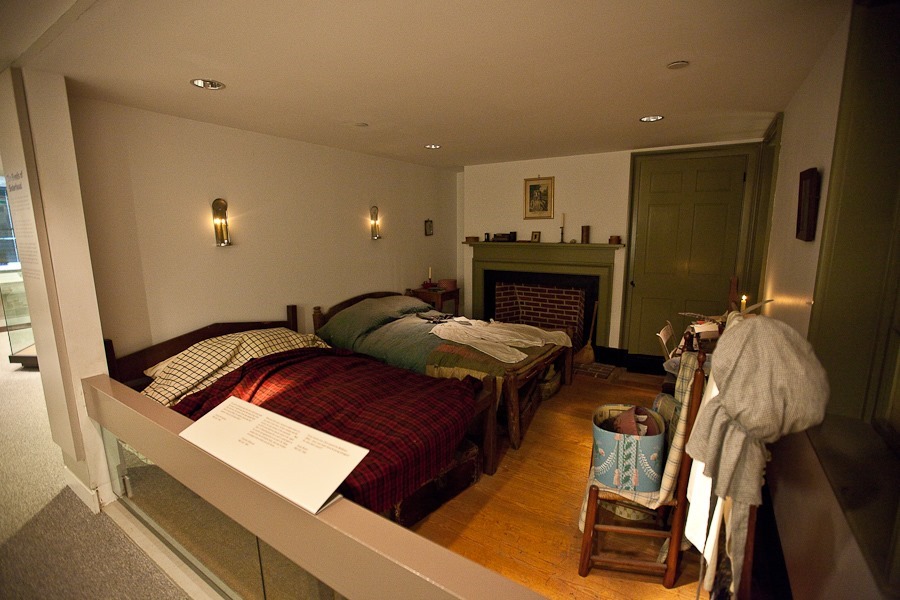
We walked over to the Mill Girl’s Boardinghouse, where rural farm women lived while working in the mills.  The mills created one of the first opportunities for women to work independently outside of a farm setting:

Day733_38

Day733_39

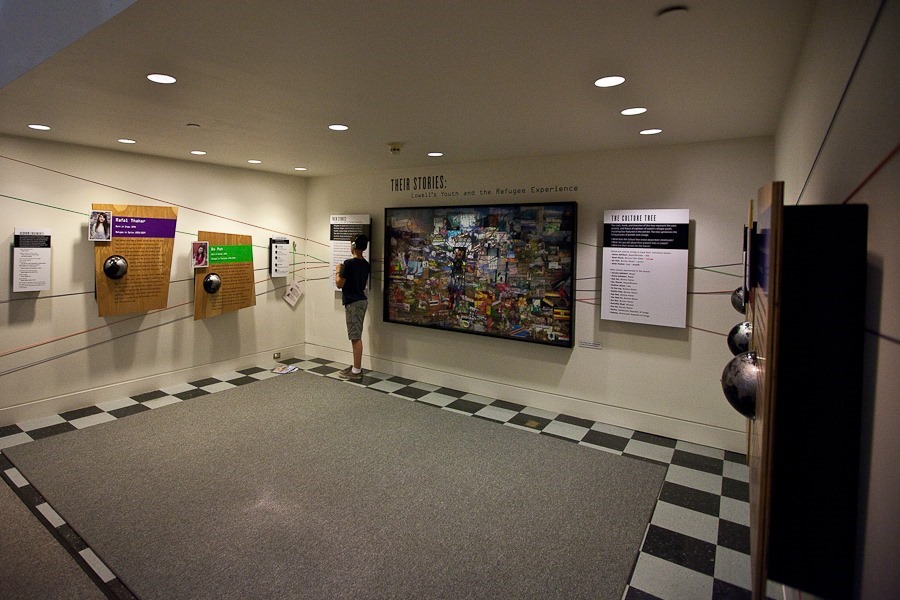
Mill girls were later replaced by immigrants willing to work for lower wages.  The boarding house included displays on modern immigrants:

Day733_40

We passed many more factory buildings on the way back to the car:

Day733_41

Day733_42

Day733_43

We’ve enjoyed learning about US history through the nine NPS sites we’ve visited over the last few days.  Only two more to go!

Day 732: Boston NHP, Boston AA NHS, Boston Harbor Islands NRA

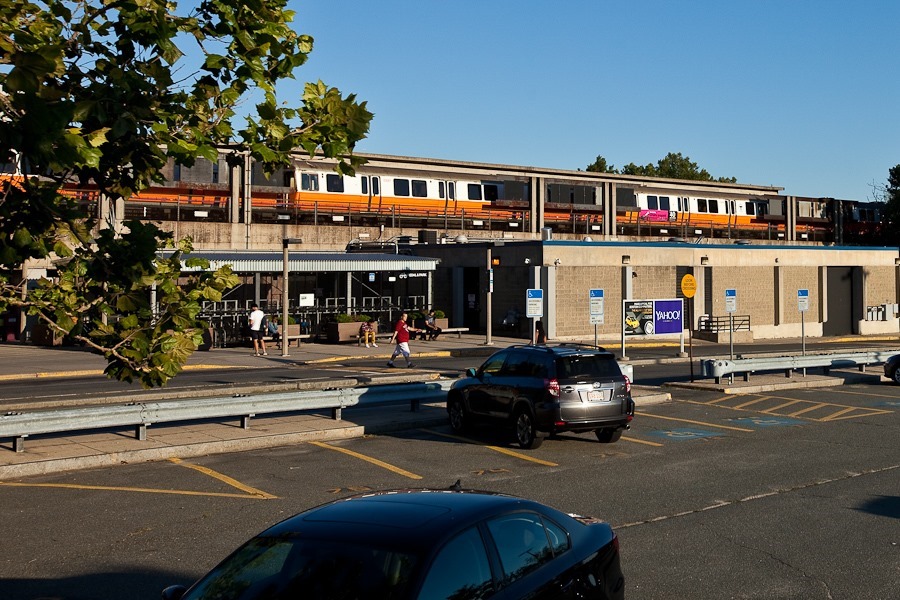
Today we walked from the RV to the train station here in Malden.  With only a few minutes until the inbound train arrived, I was quite confused by the ticket buying kiosk.  Thankfully, a depot employee gave me a CharlieCard and showed us how to charge it up.  We boarded the local Orange Line train and rode the 19 minute trip into downtown Boston:

Day732_01

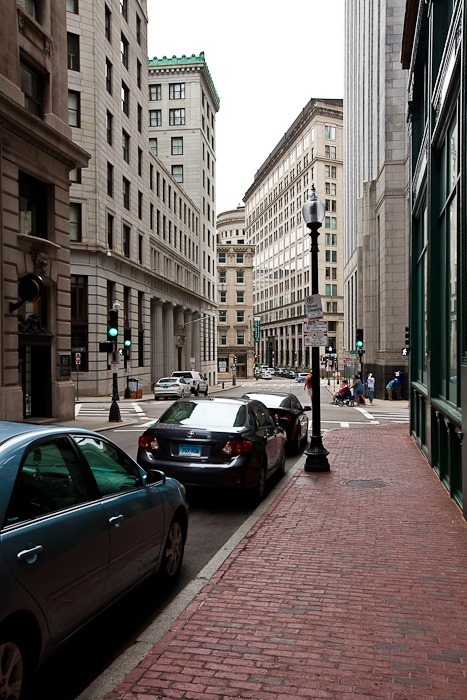
Downtown Boston isn’t at all laid out like a grid, increasing the sense of being in a labyrinth:

Day732_02

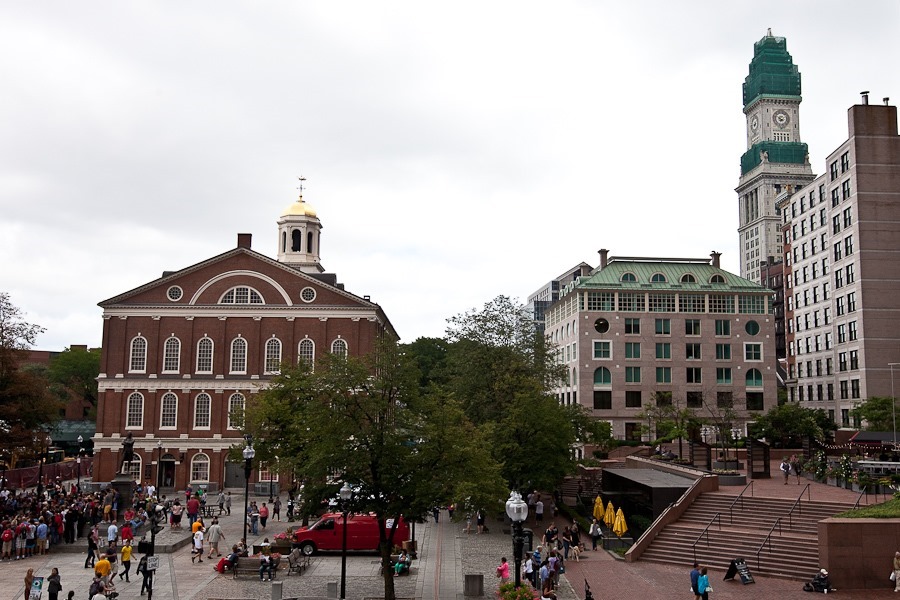
We walked to Faneuil Hall, home of the visitor center for Boston National Historical Park:
 Day732_03

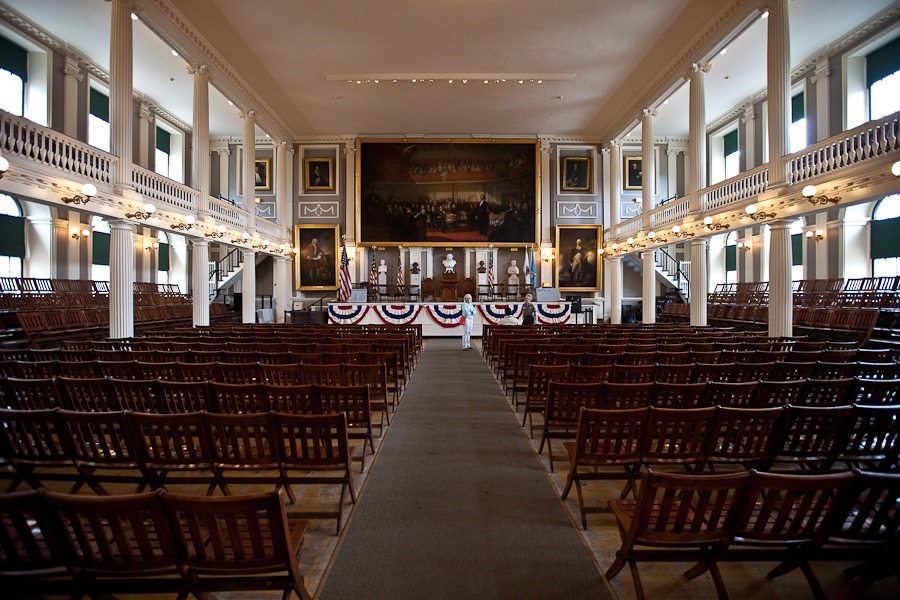
In this room at the hall, issues of the day have been debated in public meetings for over 200 years:

Day732_04

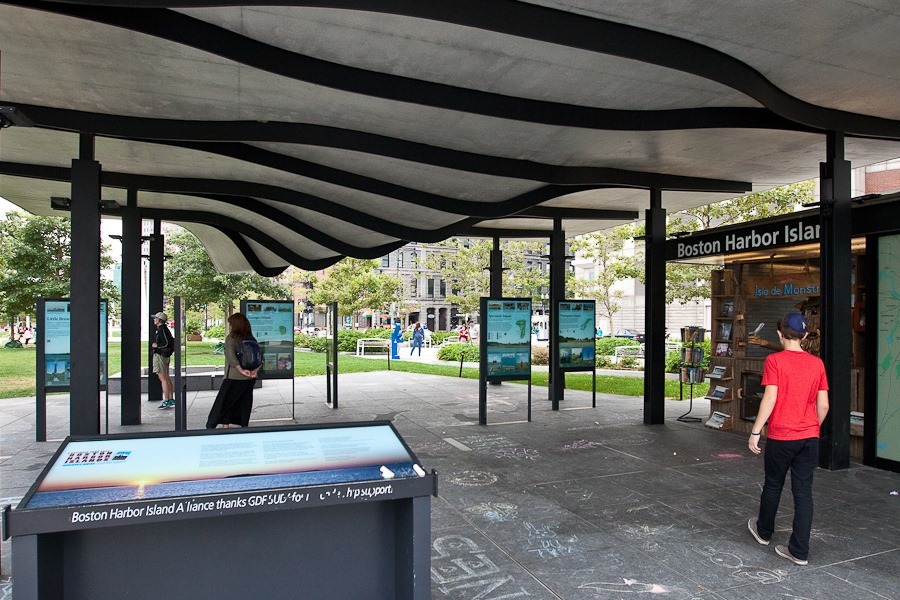
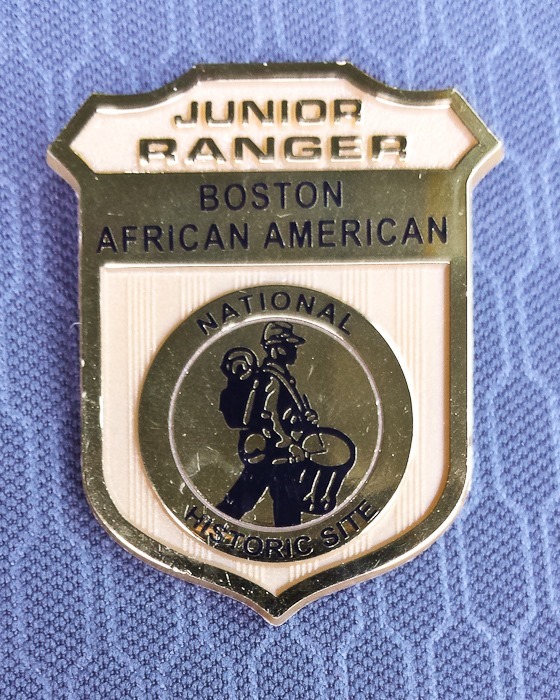
We picked up the Junior Ranger books for Boston National Historical Park, and also the Junior Ranger books for Boston African American National Historic Site since the visitor center dedicated to the latter is closed on Sundays.  We then wandered down to the harbor, where we picked up the Junior Ranger books for Boston Harbor Islands National Recreation Area.  It turns out that in addition to the “generic” Junior Ranger book for this unit of the NPS, there are five more books and badges for each of the five major islands in Boston Harbor.  Some other time….

Day732_05

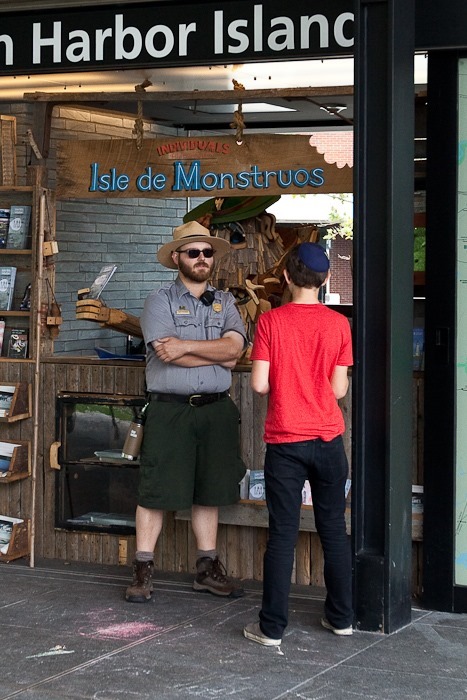
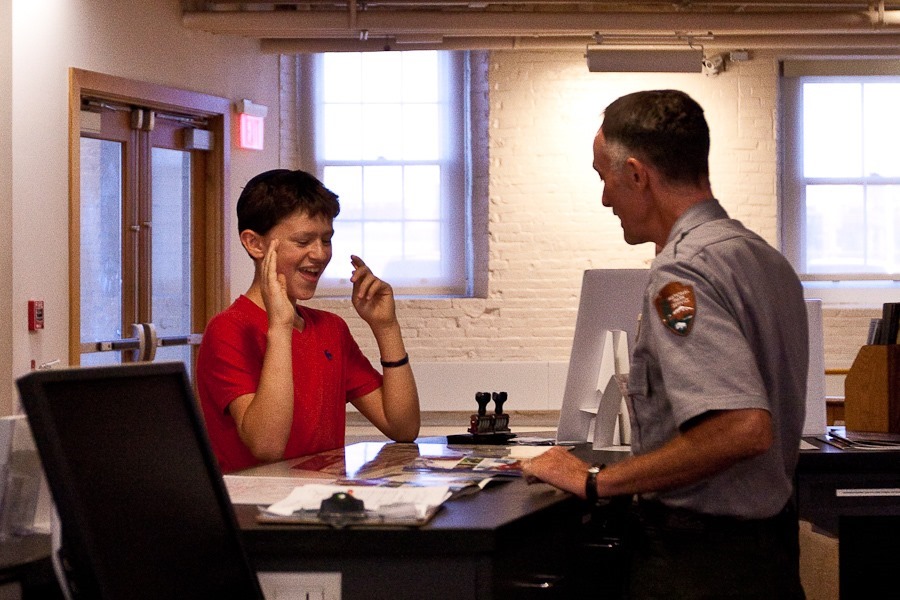
M asked the ranger a question as part of his Junior Ranger work:

Day732_06

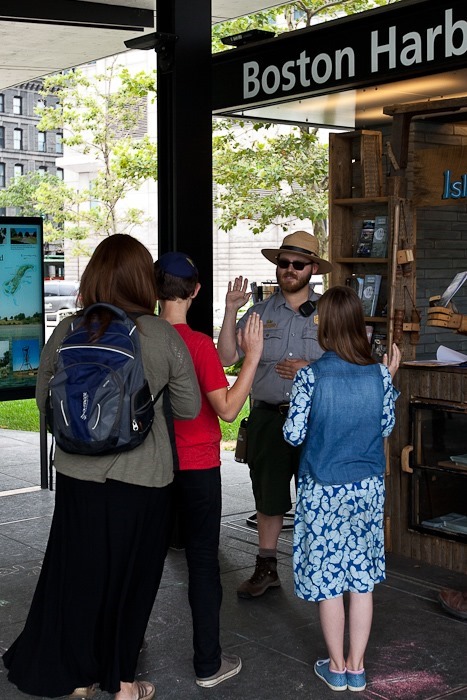
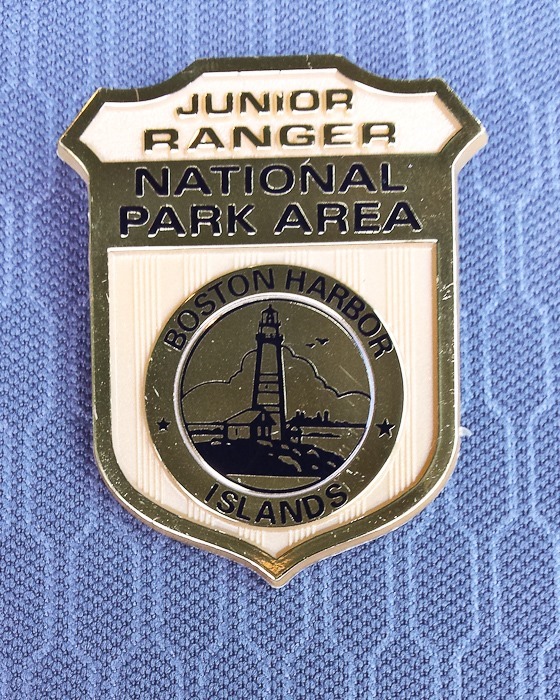
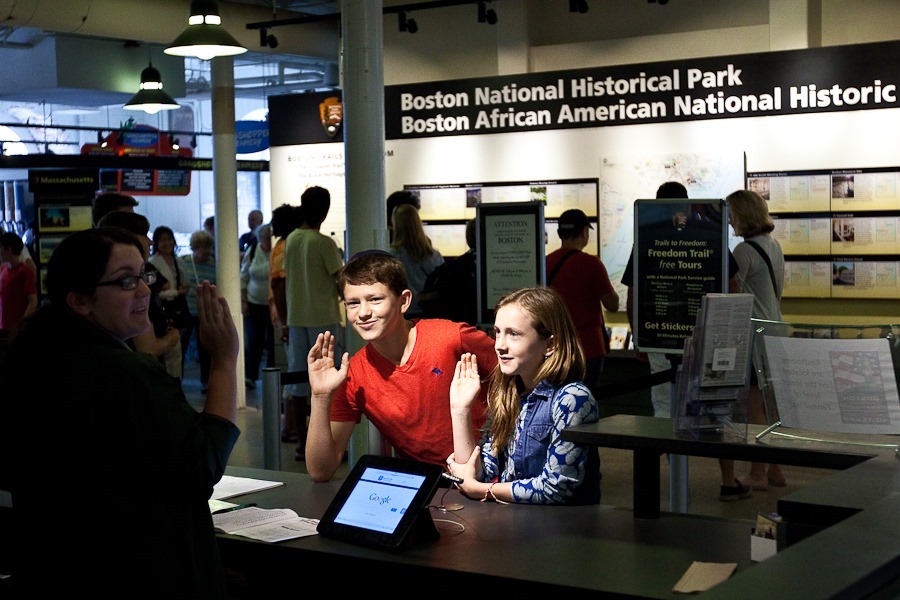
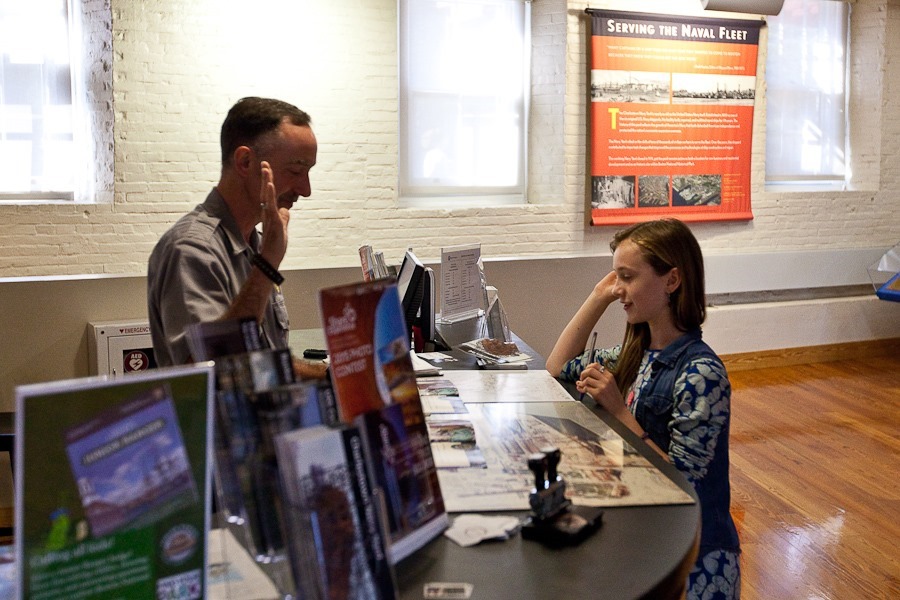
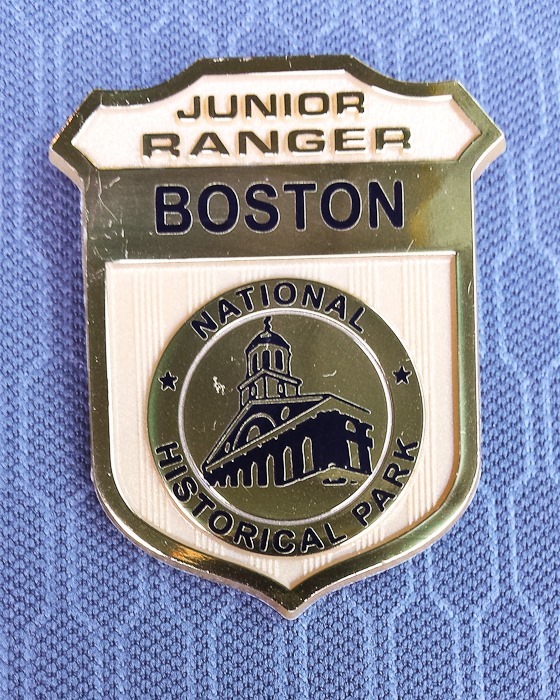
The kids completed their Junior Ranger workbooks and received their Junior Ranger badges:

Day732_07

Day732_08

Down at the waterfront the kids completed the Junior Ranger books for Boston African American National Historic Site as well.  We returned the workbooks to Faneuil Hall and the kids received their badges:

Day732_09

Day732_10

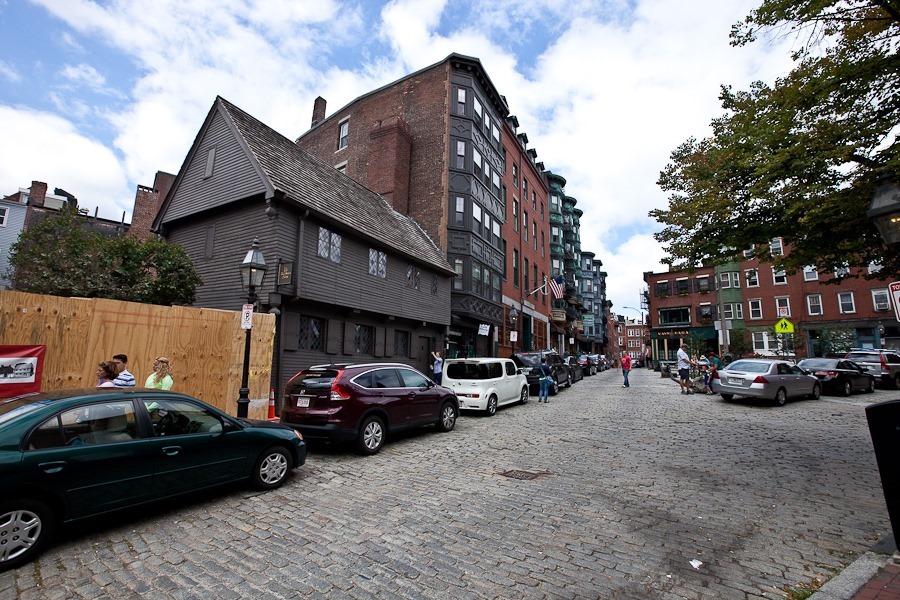
From Faneuil Hall, we walked the Freedom Trail, passing the Paul Revere House (grey, on the left), built in 1680 and the oldest structure in Boston:

Day732_11

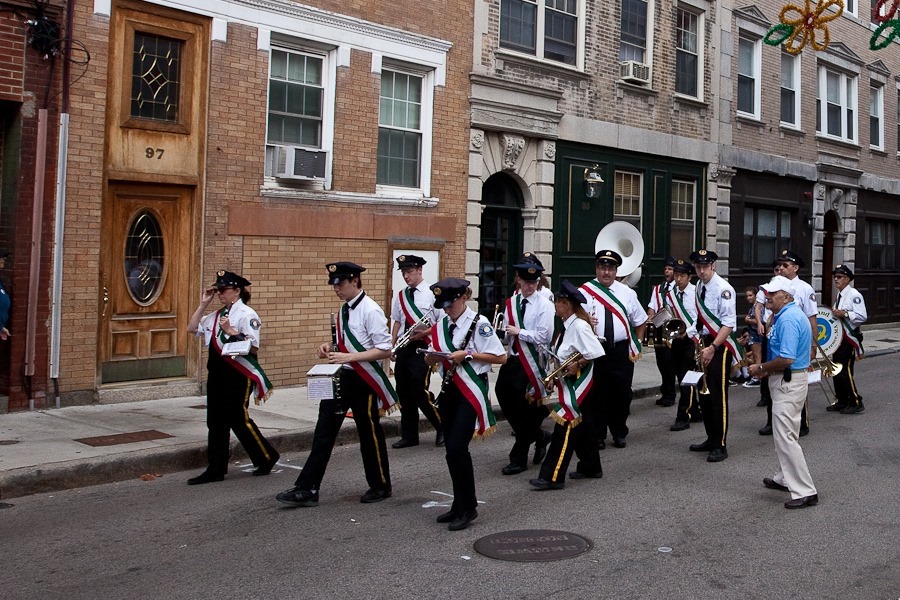
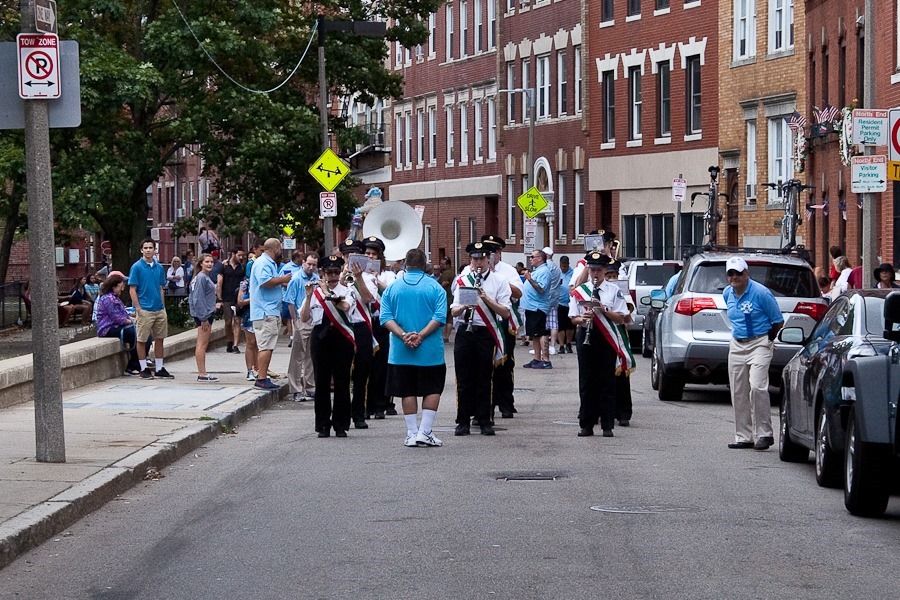
We walked by an Italian religious ceremony which if I understood correctly was the carrying down the street of a statue brought over from Italy 95 years ago:

Day732_12

Day732_13

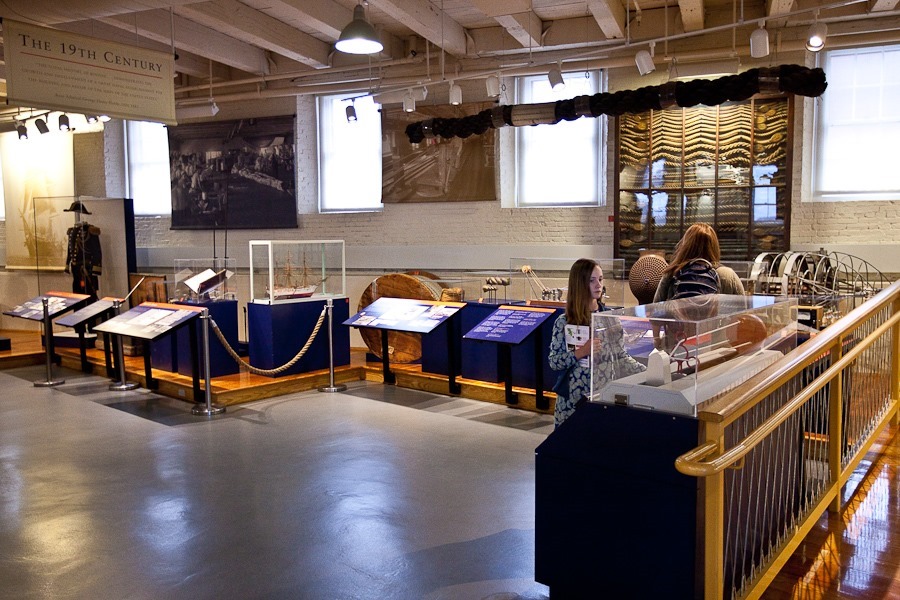
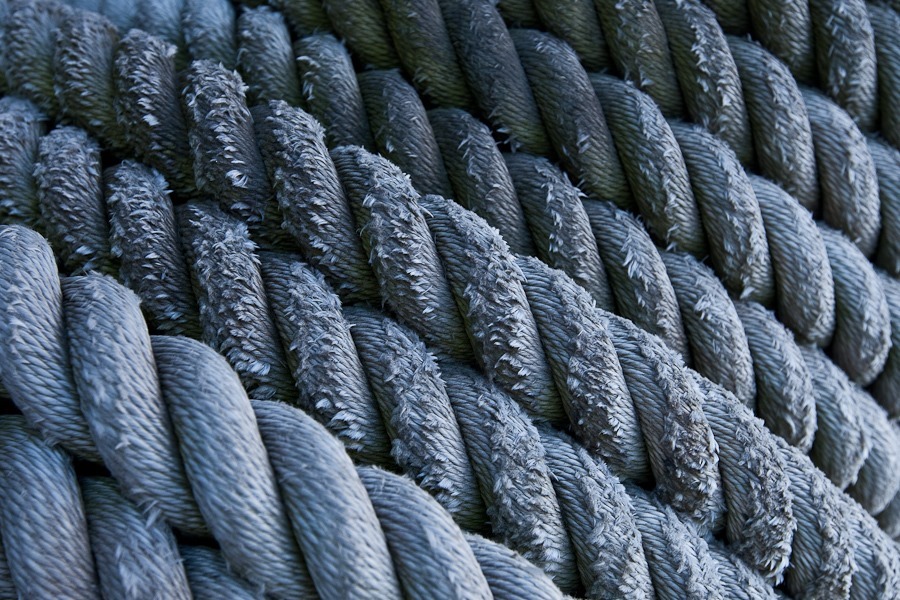
Continuing along the Freedom Trail, we crossed the Charles River and ended up at the Charlestown Navy Yard.  We visited the visitor center there, which is also part of Boston NHP.  This section of the visitor center focused on the yard’s rope making facility:

Day732_14

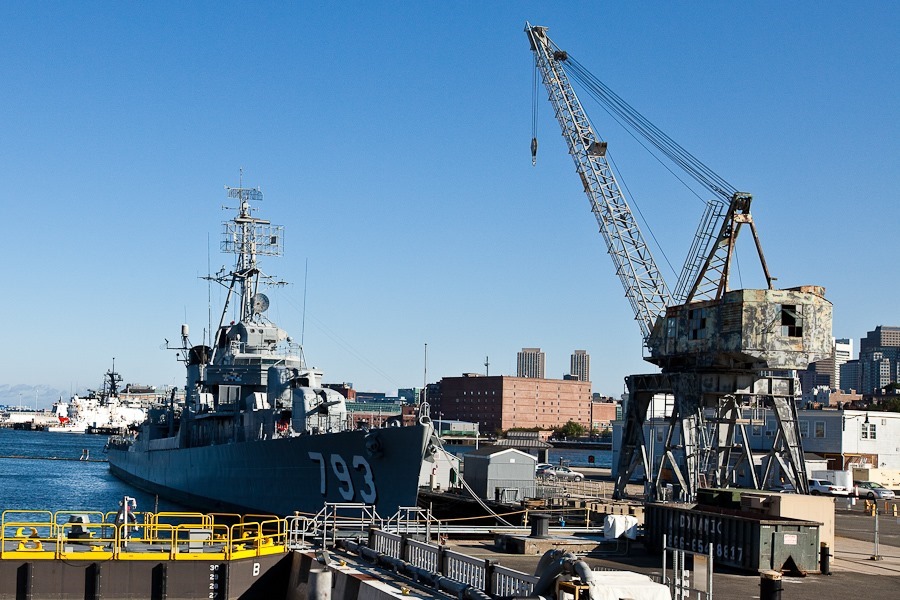
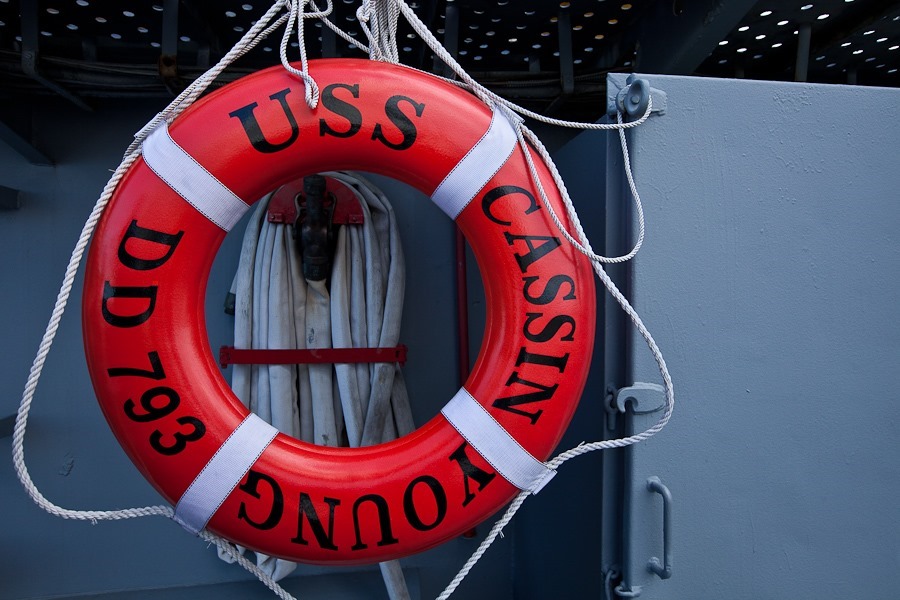
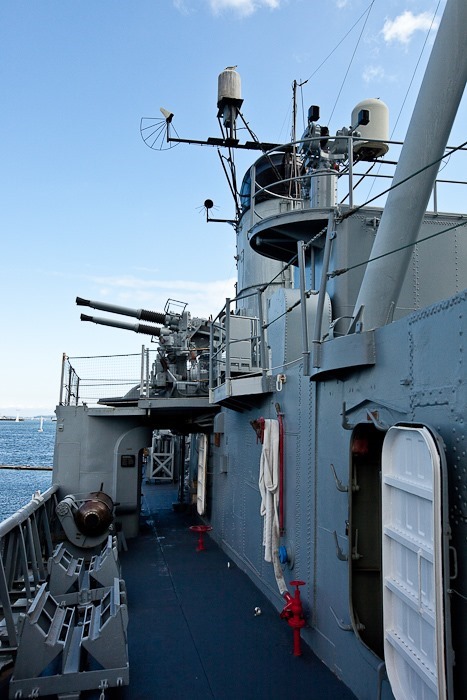
We next boarded the USS Cassin Young which is on display:

Day732_15

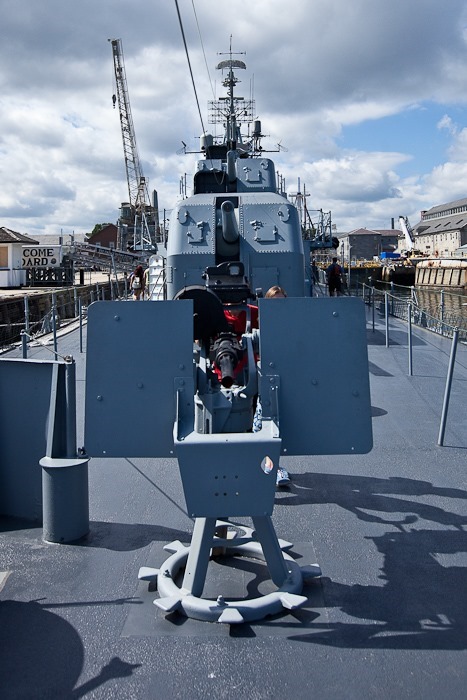
M and B man the stern 40mm Anti-aircraft gun:

Day732_16

View from the stern:

Day732_17

Day732_18

Day732_19

Day732_20

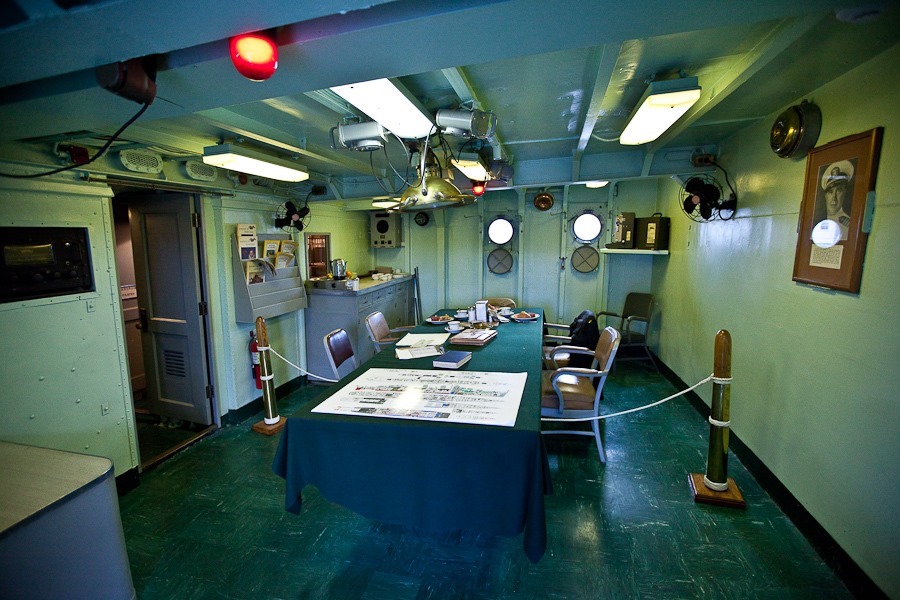
The officers meeting room.  Note the surgical light in the ceiling, as this was the only room on the ship large enough to be use as a surgical space:

Day732_21

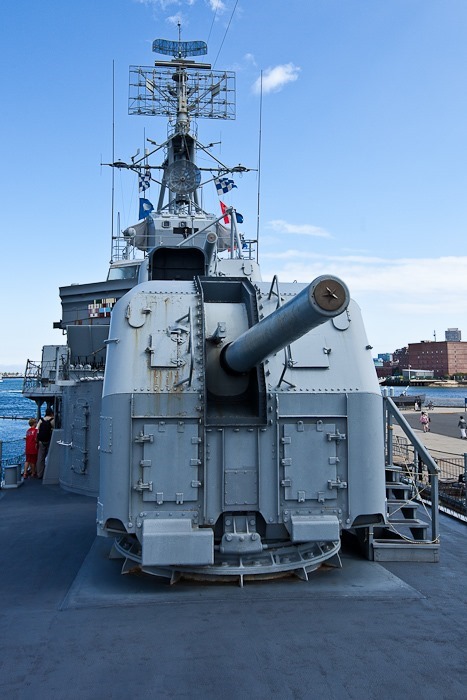
The forward 5-inch gun:

Day732_22

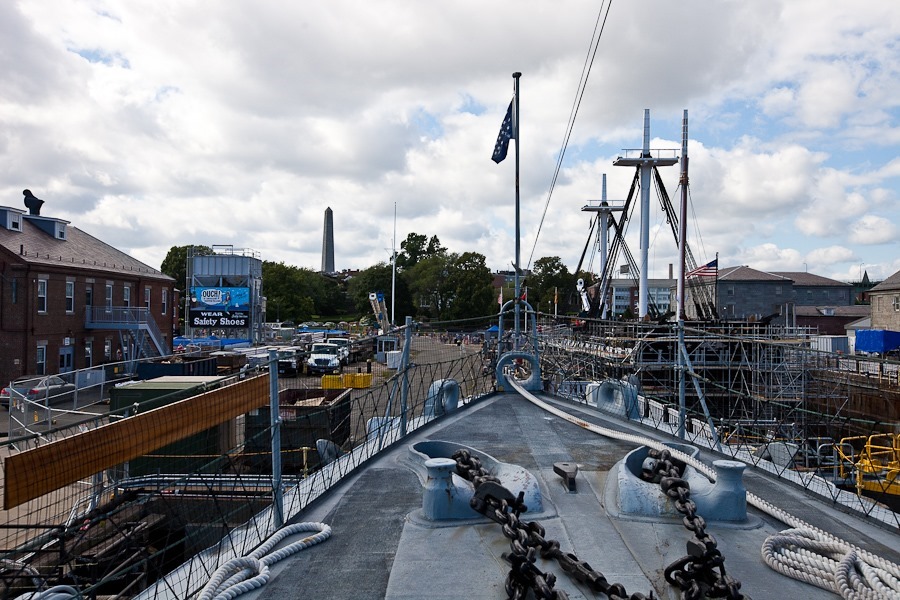
Looking off the bow, the Bunker Hill Monument can be seen on the horizon:

Day732_23

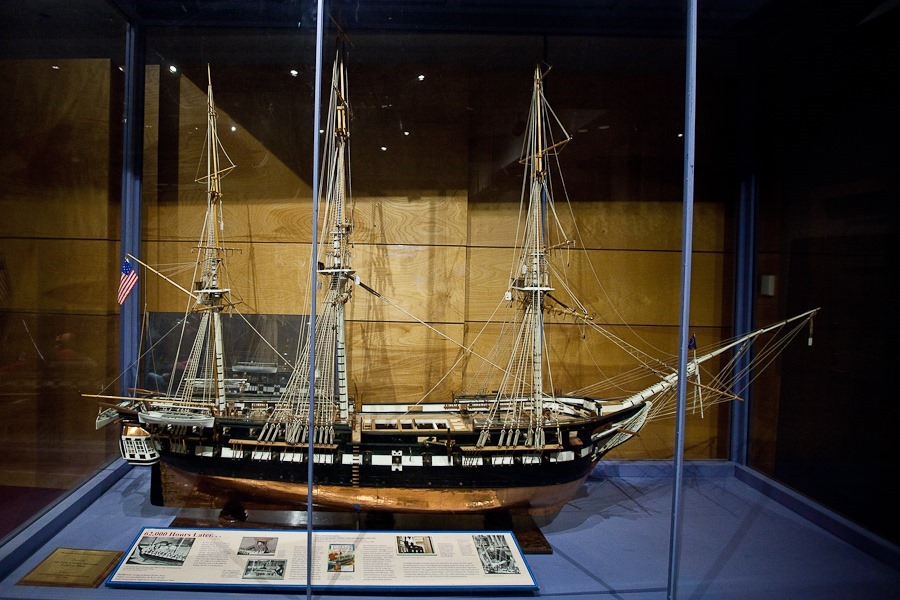
Before going aboard the USS Constitution, we visited the USS Constitution Museum.  The museum had a fine model of the heavy frigate on display:

Day732_25

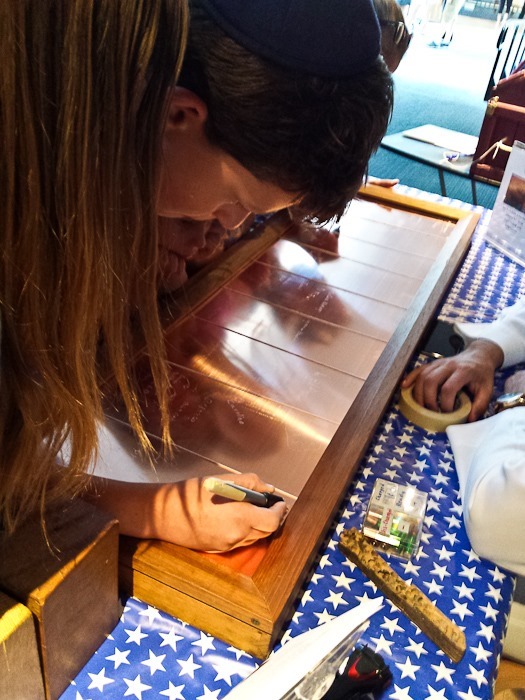
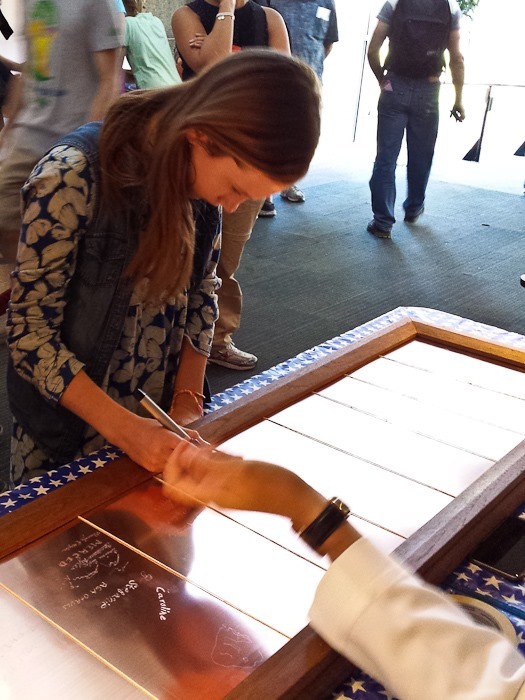
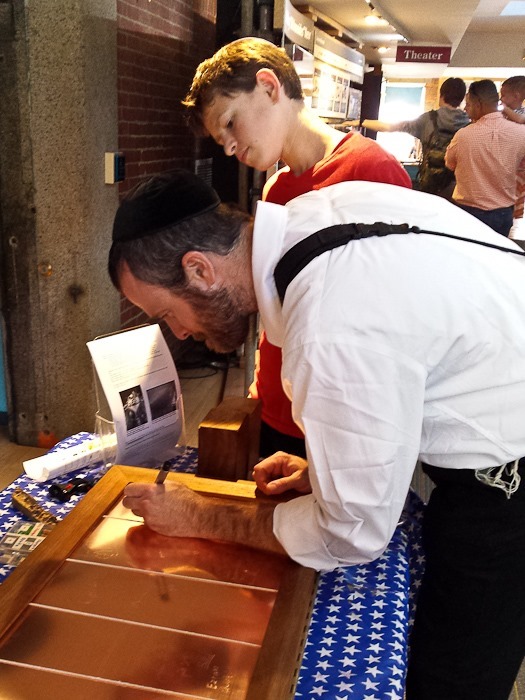
The Constitution is in dry dock right now, and the copper hull plating is being replaced.  The navy has a table set up in the museum where visitors can engrave their names on the copper plating that will ultimately be fastened to the hull:

Day732_26

Day732_27

Day732_28

After the museum, we returned to the navy yard visitor center where the kids handed in their Junior Ranger workbooks and received their badges:

Day732_29

Day732_30

Day732_31

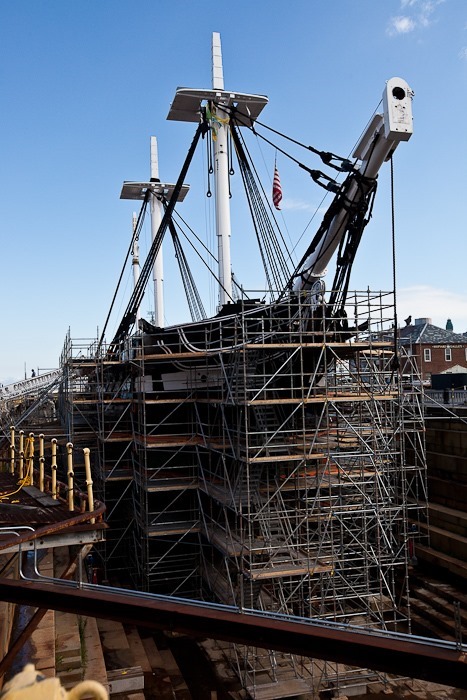
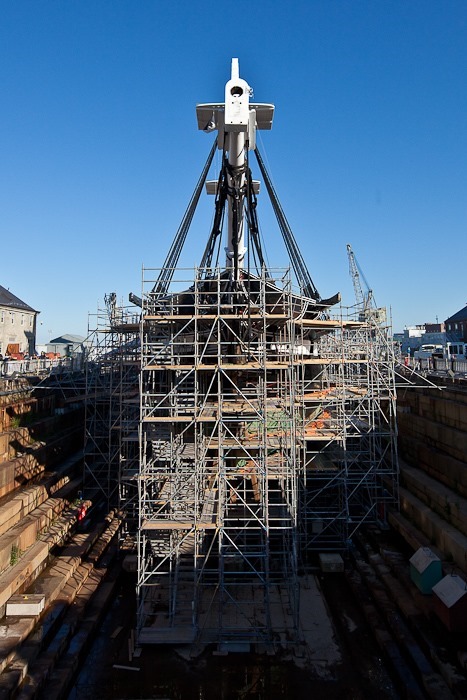
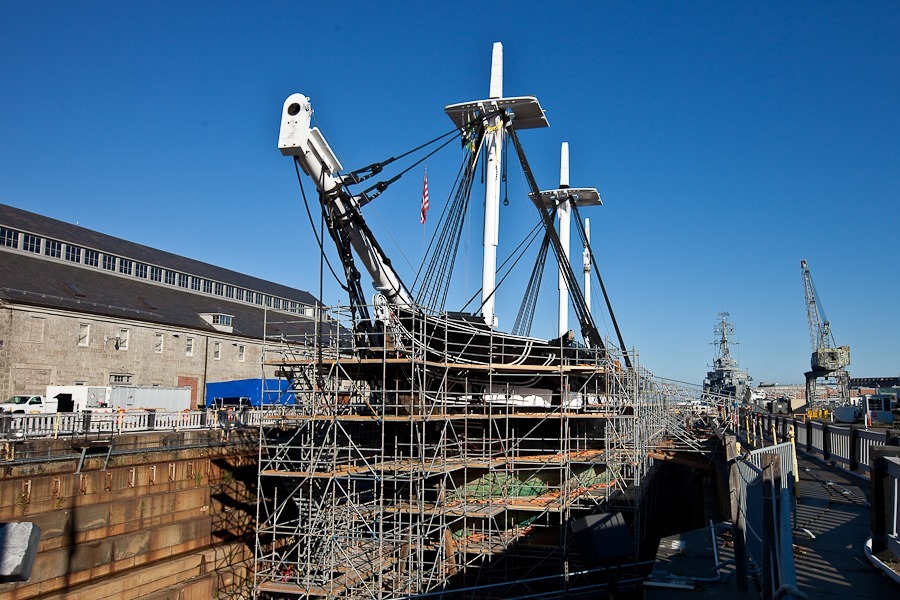
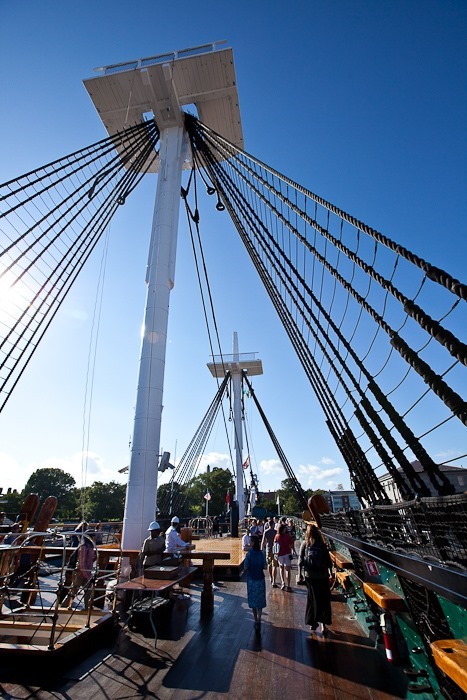
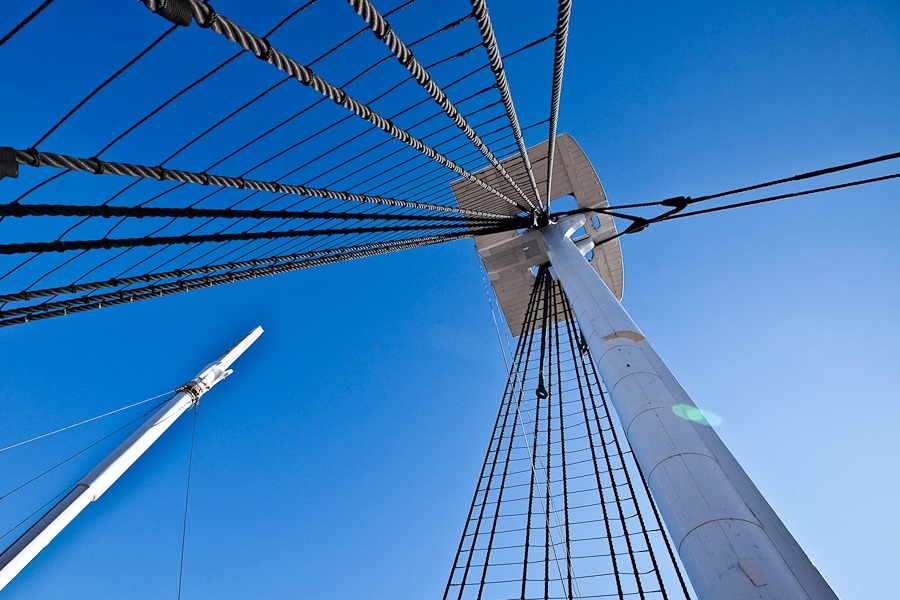
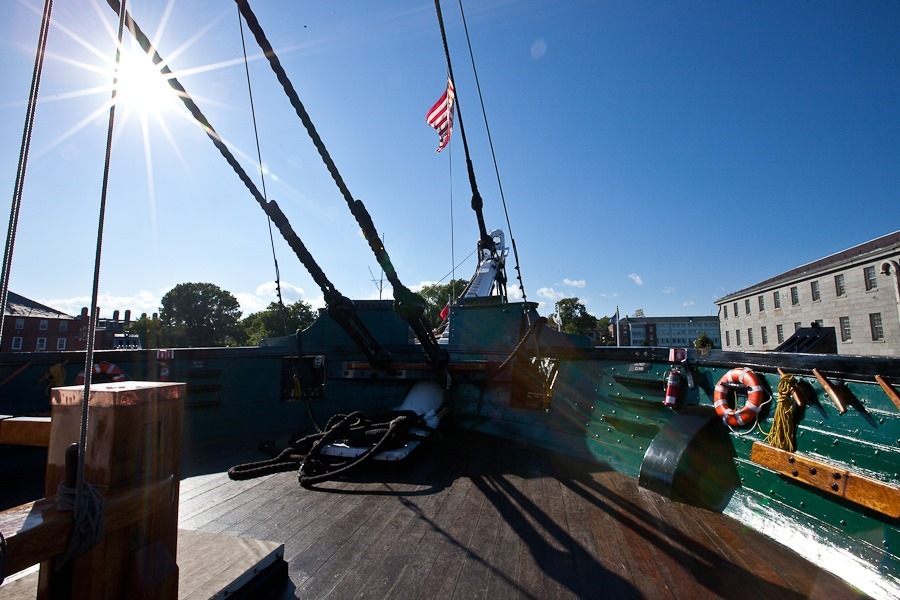
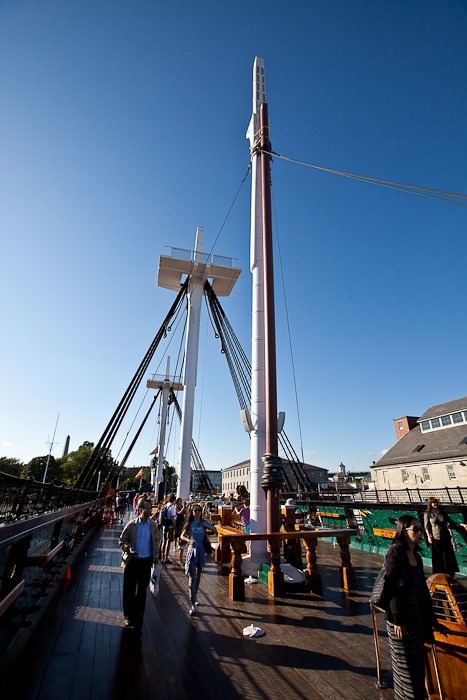
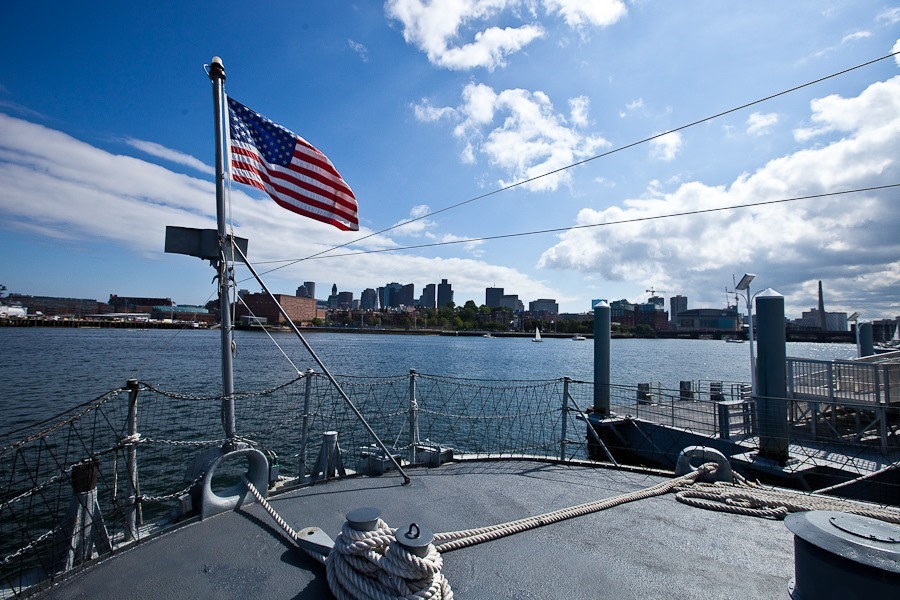
Our final stop of the day was visiting the USS Constitution.  Unfortunately, she is in dry dock, so her guns have been removed as well as the upper 75% of her masts and all of her sails.  The main deck can be walked, but no below deck access is available during this repair cycle:
Day732_32

Day732_33

Day732_34

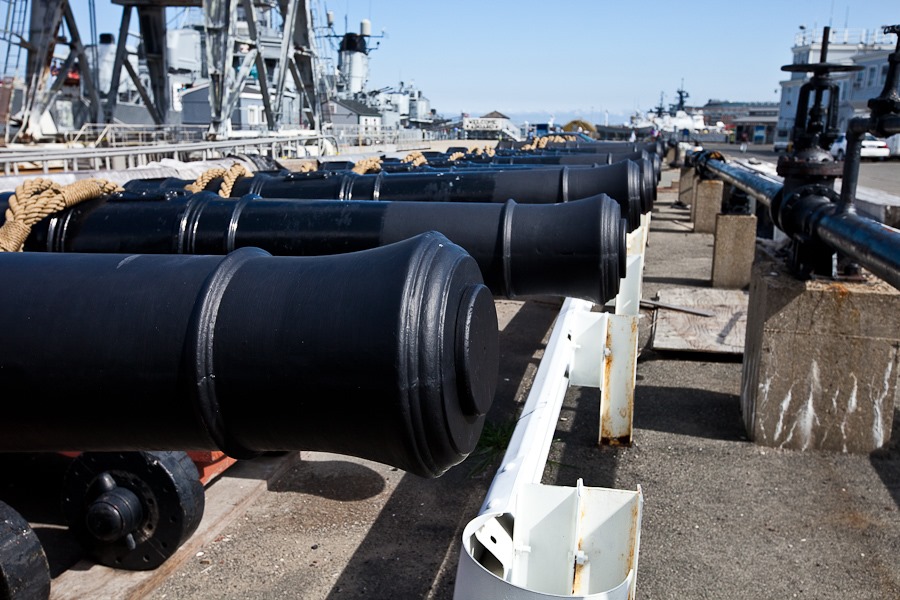
All of the Constitution’s 52 guns are ashore:

Day732_24

I was very excited and moved to be aboard one of the first six frigates built by the US Navy over 220 years ago, the ship that was victorious in her famous engagements with HMS Guerriere and HMS Java.  I’ve read the first 19 books of Patrick O’Brian’s Aubrey-Maturin series, so I consider myself to be something of an 18th and 19th century naval warfare aficionado.  Even without her sails, masts, and guns, the sense of history was palpable:
Day732_35

Day732_36

Day732_37

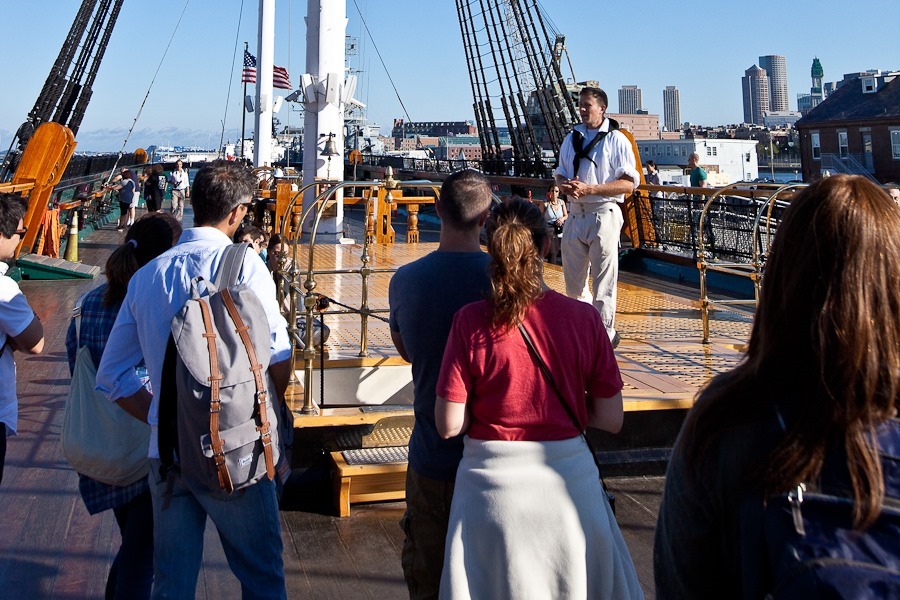
The USS Constitution is the oldest commissioned vessel afloat in the world.  “Commissioned” means that the USS Constitution is still an official part of America’s naval fleet.  The entire crew is composed of US Navy personnel.  One of the ship’s crew gave a brief talk about the ship:

Day732_38

Day732_39

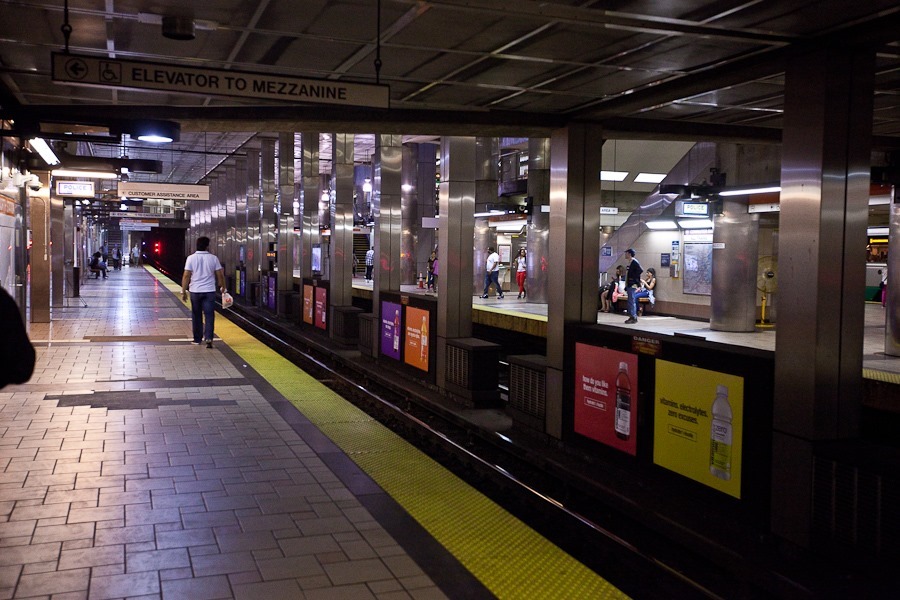
After touring the ship, we walked to the nearest train station for the ride home:

Day732_40

It was a long day, but we learned a lot about Boston’s revolutionary and naval history!