Day 730: Longfellow / GW HQ NHS, Olmstead NHS, JFK NHS

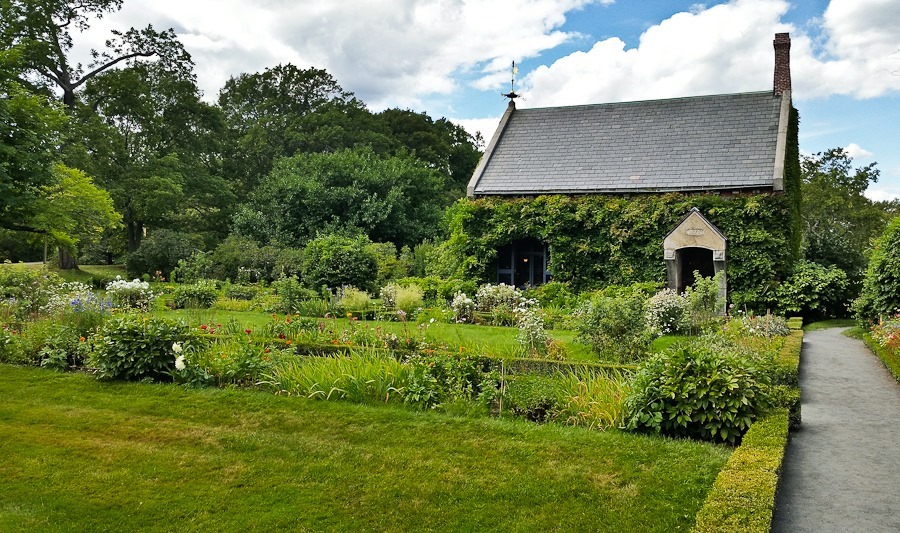
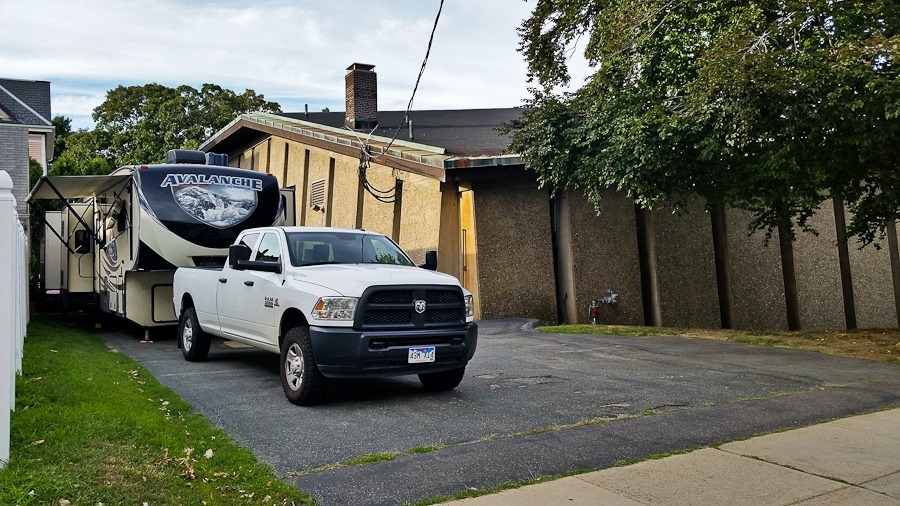
Today we left the RV at Congregation Beth Israel and drove to the Brookline area to visit three NPS locations.  The first was Longfellow House–Washington’s Headquarters National Historic Site, a house occupied by George Washington from 1775 to 1776 and the poet Henry Wadsworth Longfellow from 1837 to 1882:

Day730_01

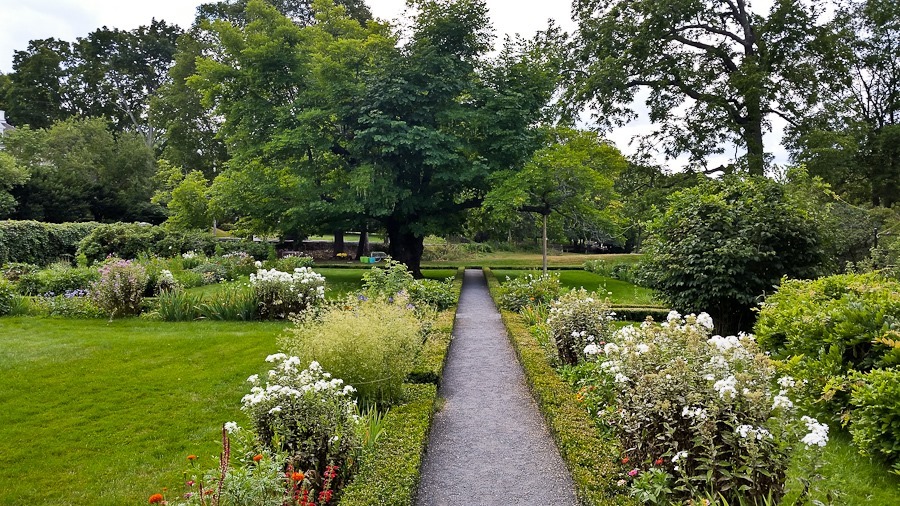
The grounds include a small formal garden:

Day730_02

Day730_03

The house was owned by the Longfellow family until it was given to the Park Service in 1972.  All of the furnishings in the home are original.  Longfellow and his children were quite the collectors:

Day730_04

Day730_05

Day730_06

The mirror on the left was in the house in Washington’s time, and was too heavy to move when the room was re-wallpapered in the 19th century, so behind the mirror the original 18th century wallpaper remains:

Day730_07

Longfellow’s study, where many of his poems were written:

Day730_08

Longfellow wrote a poem titled The Village Blacksmith which mentions a particular chestnut tree near his house.  When the tree needed to be cut down to build a road, local children presented Longfellow with this chair in 1879, made from the tree mentioned in the poem.  Longfellow in turn wrote the poem From my Arm-Chair regarding the chair:

Day730_10

At the window seat in the center of the photo, Mrs. Longfellow’s dress caught on fire, fatally burning her:

Day730_11

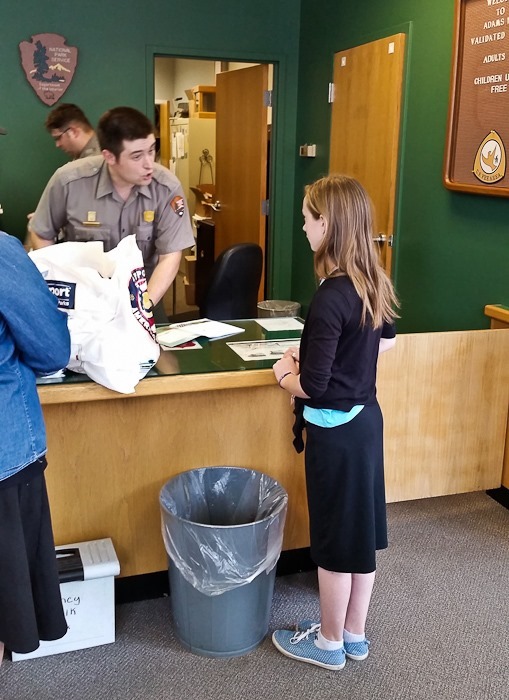
The kids completed their Junior Ranger workbooks and received their badges:

Day730_12

Day730_13

Our next stop was Frederick Law Olmsted National Historic Site.  This site is the home and office of Frederick Law Olmsted, the father of landscape architecture in the US, known for his designs of Central Park and Brooklyn’s Prospect Park, among many other parks and gardens.  He also was involved in the establishment of public lands set aside for preservation and conservation, authoring Yosemite and the Mariposa Grove: A Preliminary Report in 1865:

Day730_14

We explored the Olmstead-designed landscape around the home:

Day730_15

The kids completed their Junior Ranger workbooks and received their badges:

Day730_16

Day730_17

After having lunch at a local pizza place, we visited John Fitzgerald Kennedy National Historic Site, where JFK was born and lived for the first few years of his life:

Day730_18

Day730_19

The Kennedy family sold the house in 1920.  JFK’s mother Rose Kennedy purchased the house back in 1966 and restored it to represent what she recalled the home to look like when the Kennedy family lived there.  About 20% of the artifacts in the home were owned by the Kennedy family:

Day730_20

Day730_21

JFK was born in this room:

Day730_22

Day730_23

The kids completed their Junior Ranger workbooks and received their badges:

Day730_24

Day730_25

Good Shabbos from Congregation Beth Israel in Malden, Massachusetts!

Day 729: Low Bridges and Adams NHP

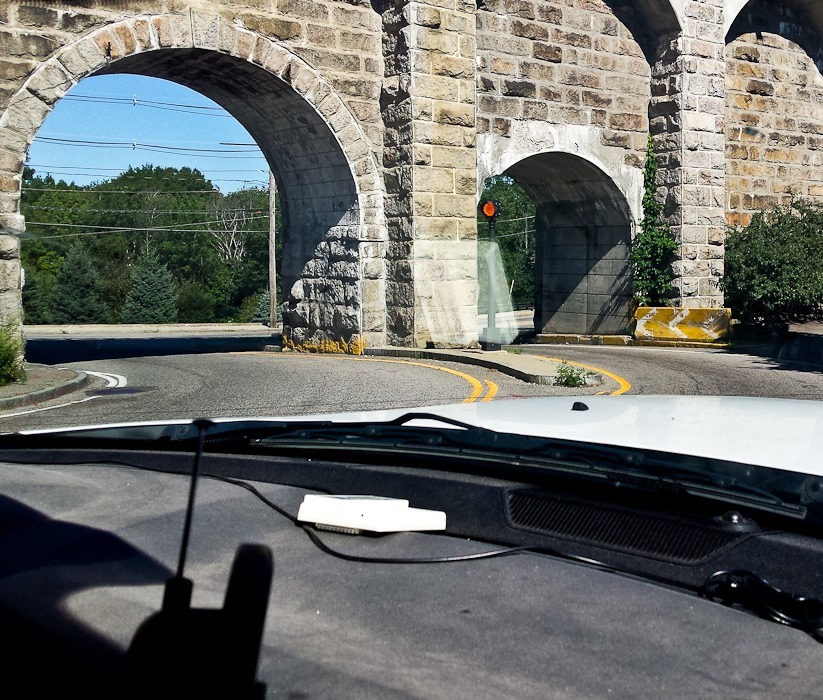
This morning we said goodbye to our old and new friends in Sharon and drove towards Quincy, Massachusetts.  Along the way, we ended up encountering this tunnel.  It might be high enough, but there are plenty of scrape marks on the inside of the tunnel and on the left side some of the arch is broken away.  We backed into a driveway and went another way:

Day729_01

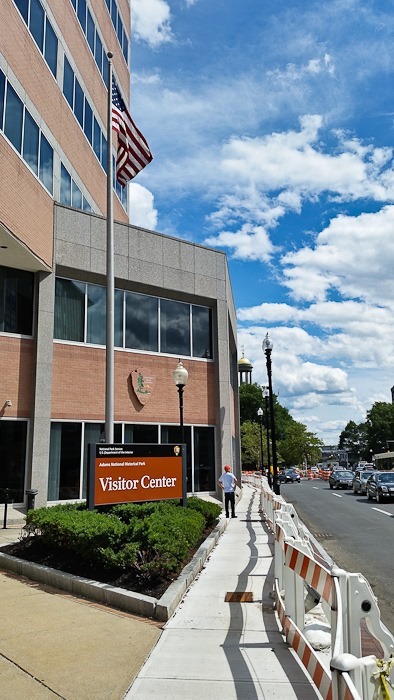
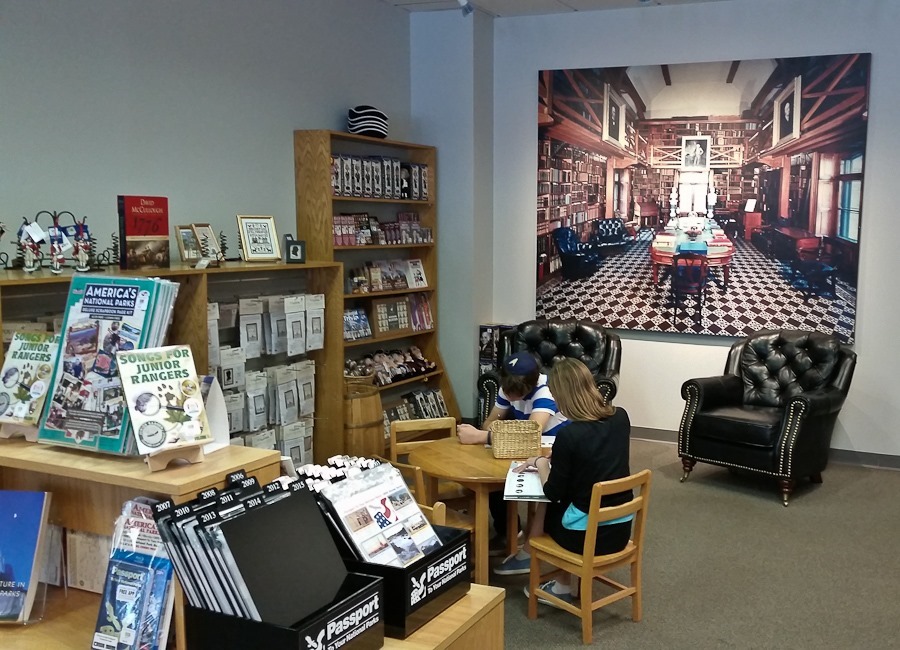
We arrived in Quincy and parked at a local supermarket, then walked the half or mile or so to the visitor center for Adams National Historical Park.  It’s the only NPS visitor center we’ve been to that’s located in a mall:

Day729_02

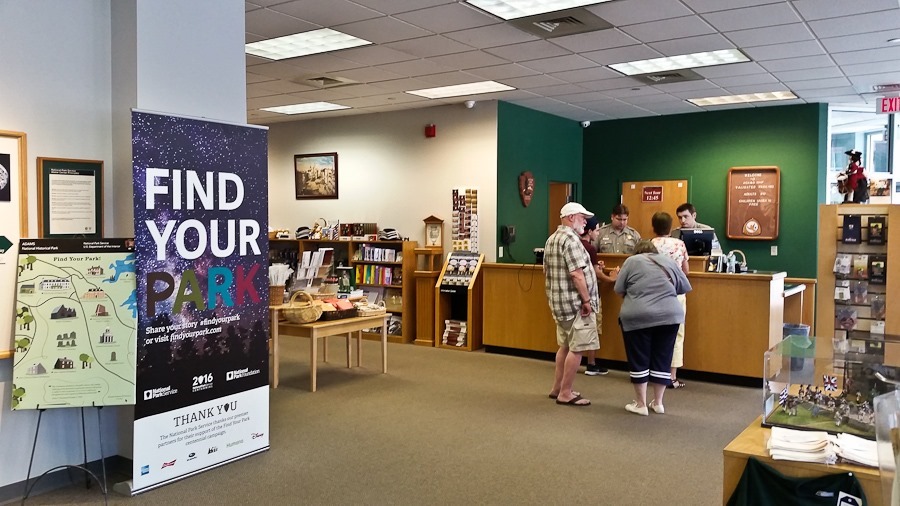
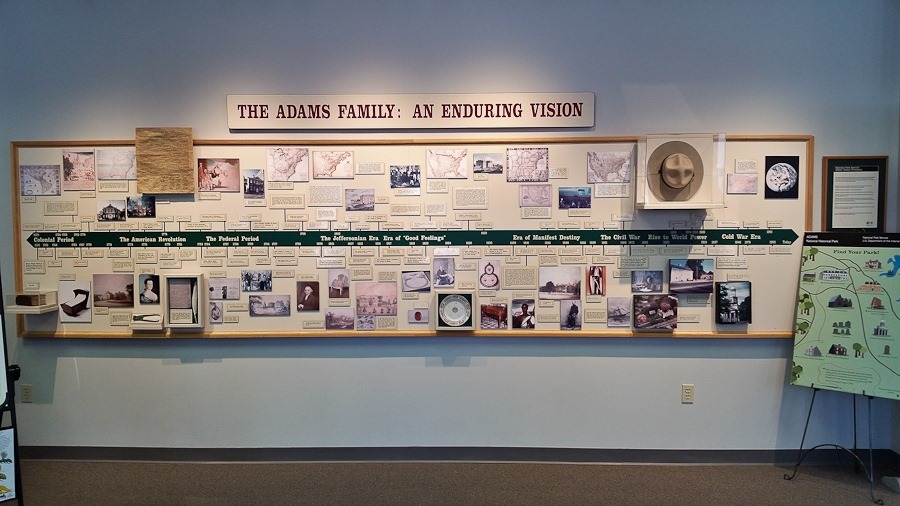
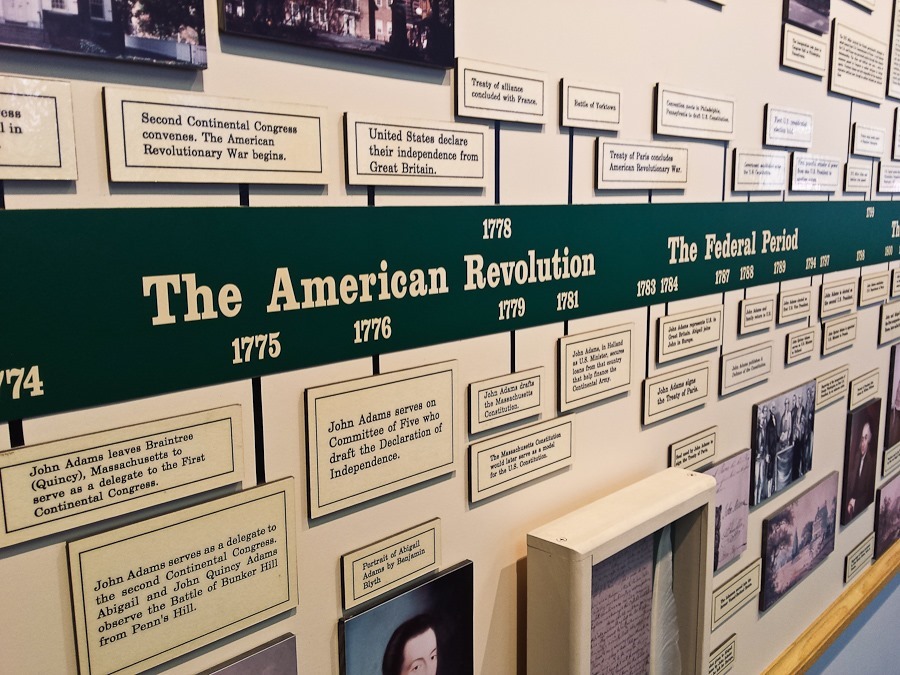
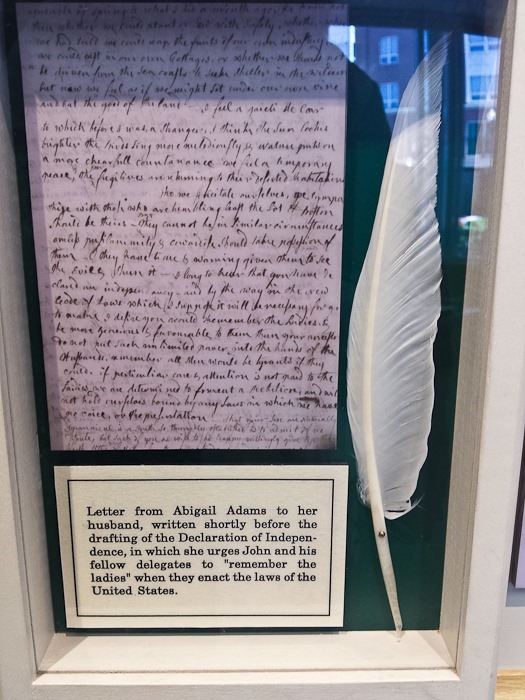
The visitor center interprets four generations of the Adams family, which include the second and sixth presidents of the US, John Adams and his son John Quincy Adams:

Day729_03

Day729_04

Day729_05

Day729_06

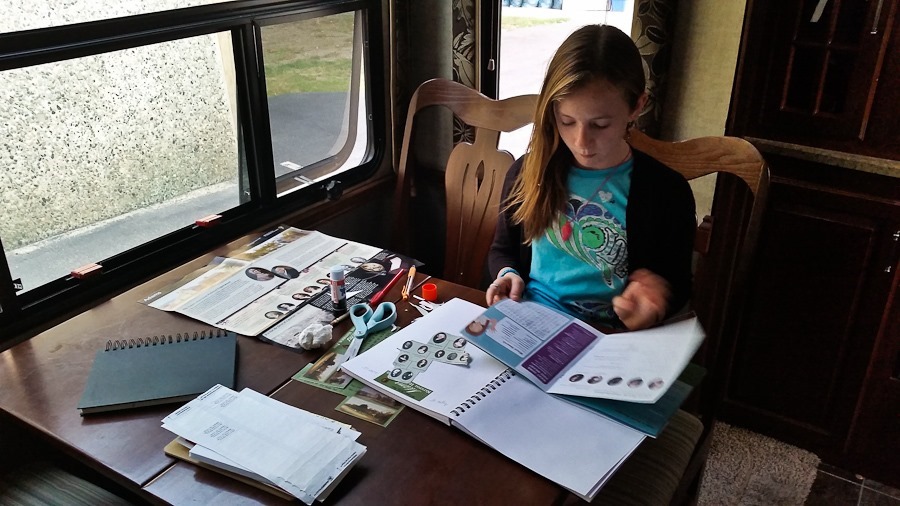
The kids worked on their Junior Ranger workbooks:

Day729_07

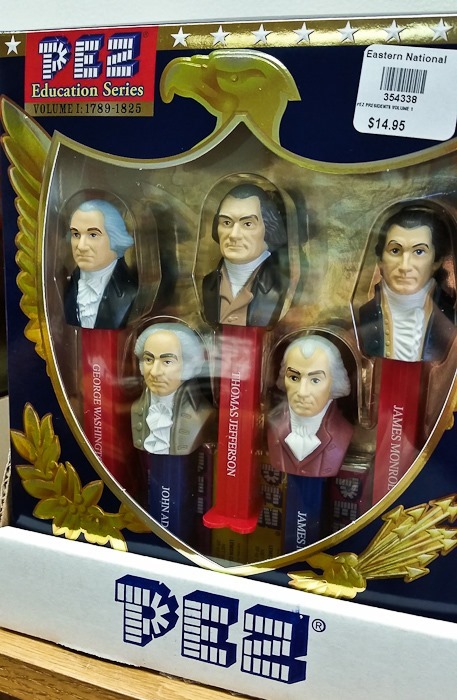
They look angry that they’ve been made into Pez dispensers:

Day729_08

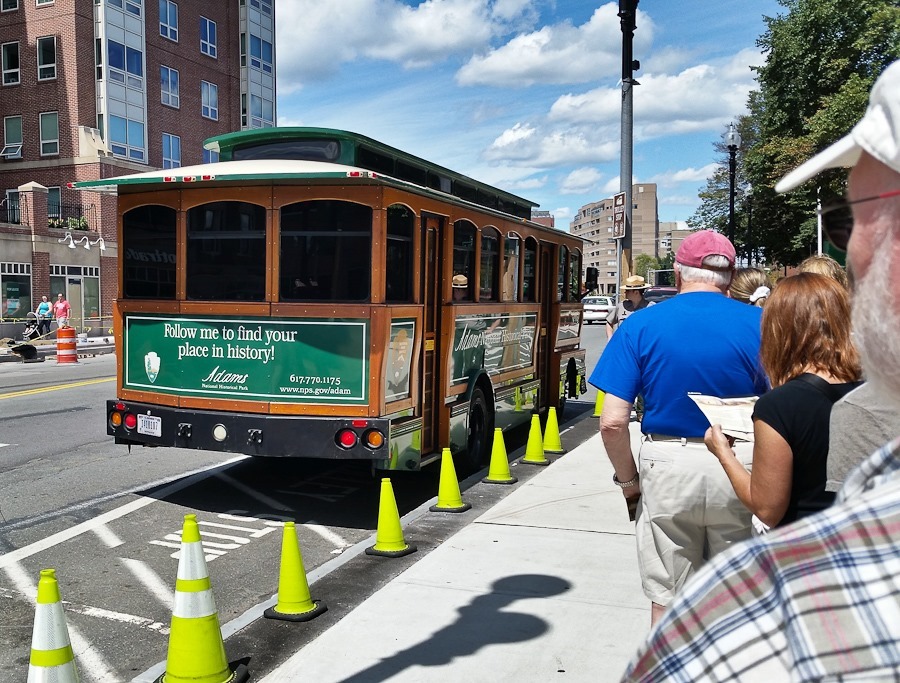
We waited for the trolley that picked us up for our tour:

Day729_09

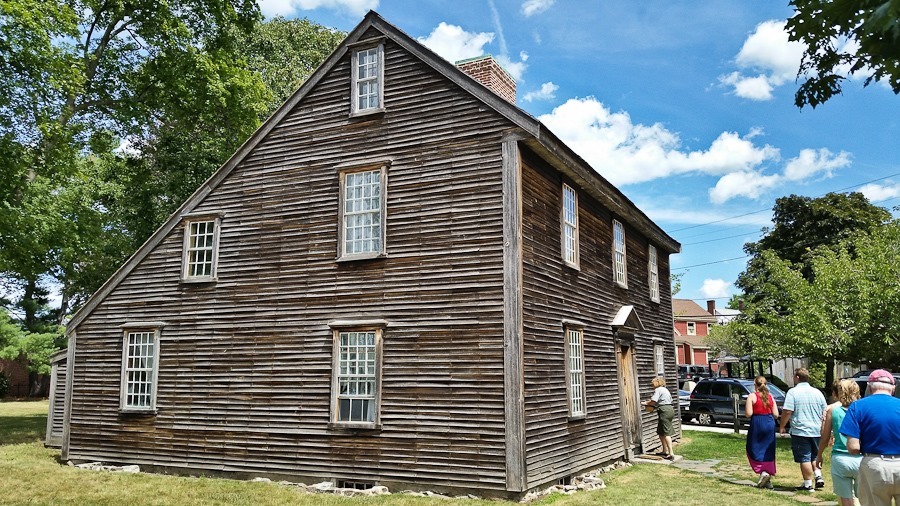
The first stop was the house of John Adams’ father, built in the late 1600s, where John Adams was born in 1735.  Unfortunately, no photography is allowed in any of the buildings in the park:

Day729_10

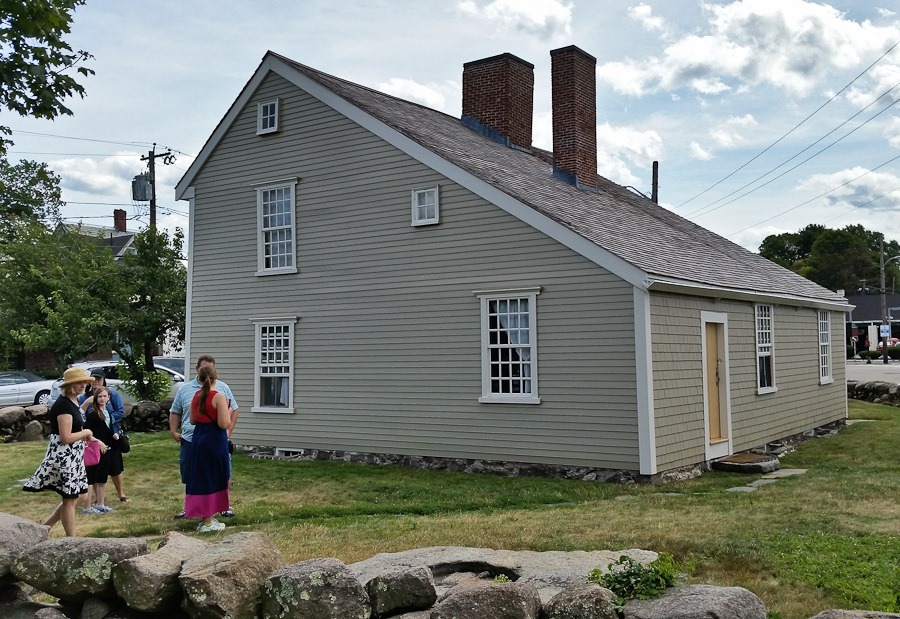
The house next door was bought by John Adams’ father and given to John Adams.  John Quincy Adams was born here in 1825:

Day729_11

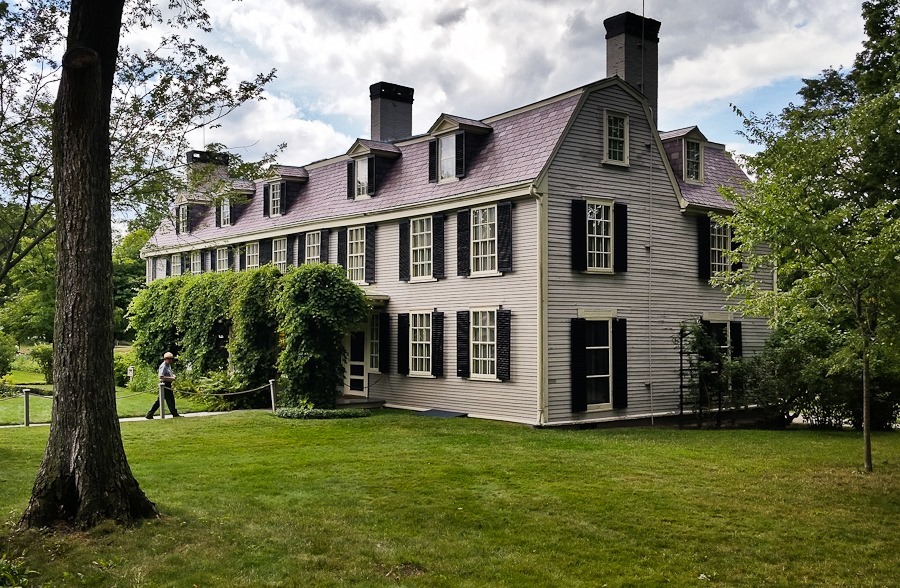
We next took the trolley to Peacefield, which was acquired by the Adams family in 1787.  John Adams died here on the 50th anniversary of independence, 4th of July, 1826, the same day that his friend and political opponent Thomas Jefferson died.  The interior contained family portraits that date back to the 1600s, as well as the desk at which John Adams wrote the Massachusetts constitution, which was the basis for the US constitution:

Day729_12

Also at this location is the library that was built posthumously for John Quincy Adams by his son, Charles Francis Adams.  Thousands of volumes fill the floor to ceiling shelves.  On display is the bible given as a gift to John Quincy Adams by the slaves of the Amistad, who were repatriated to Africa thanks to Adams’ actions as their lawyer in United States v. The Amistad

Day729_13

The formal garden at Peacefield:

Day729_14

On the way back to the visitor center we passed this statue, commemorating the birthplace of John Hancock in a house that used to stand here.  Today it is the site of the Adams Academy, a school founded by the Adams family:

Day729_15

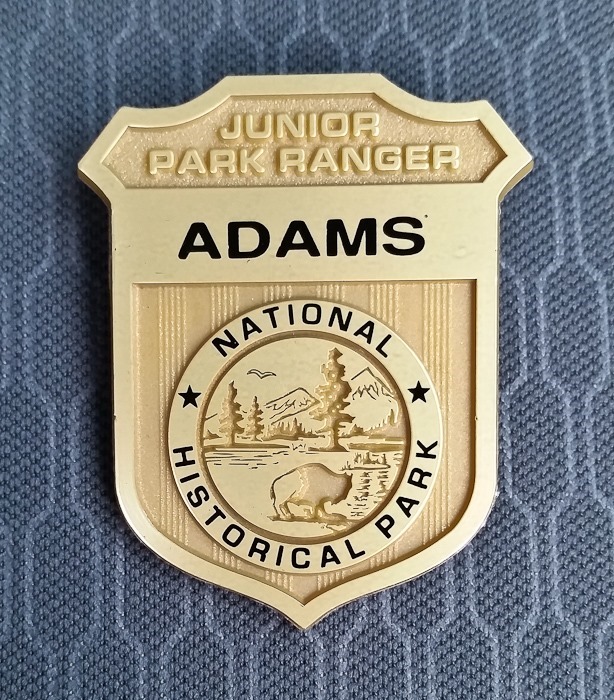
the kids completed their workbooks and received their Junior Ranger badges:

Day729_16

Day729_17

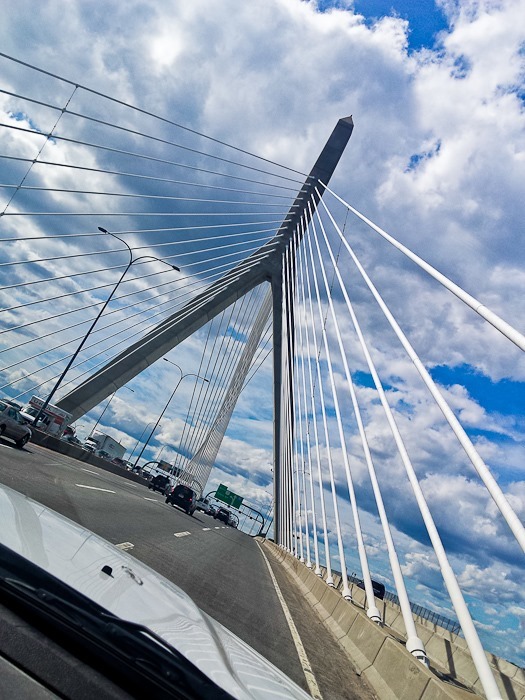
Leaving Quincy, we drove North through the Big Dig and across the Zakim Bunker Hill Bridge:

Day729_18

Our drive today ended at Congregation Beth Israel in Malden, Massachusetts.  We expect to be here through Shabbos:

Day729_19

The kids worked on their journals this afternoon as well as doing other homeschool:

Day729_20

Day 726: Cape Cod

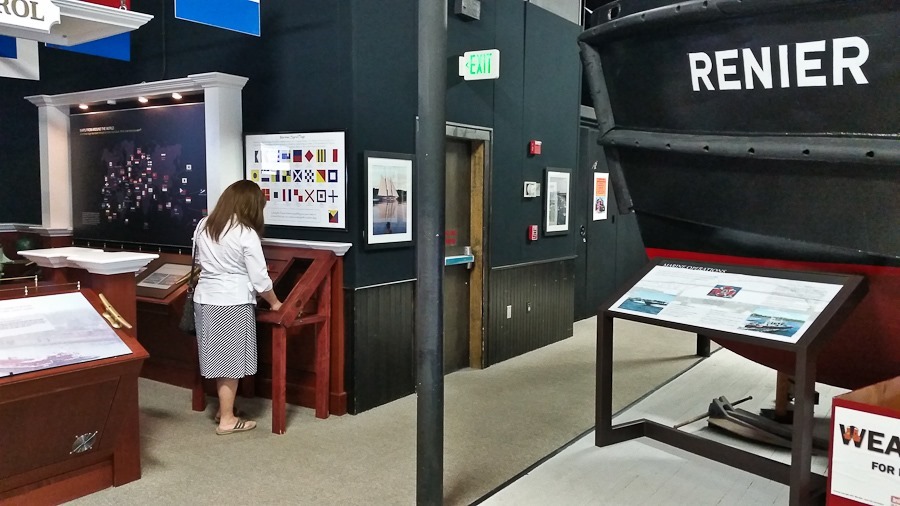
We awoke to another humid day at the Walmart of Onset, Massachusetts.  We drove east and crossed over the bridge onto Cape Cod.  Our first stop was the Cape Cod Canal Museum, a US Army Corps of Engineers museum which interprets the history of the Cape Cod Canal.  The museum has on display the canal patrol boat Renier:

Day726_01

Day726_02

The kids struggle to maintain control in stormy seas:

Day726_03

Day726_04

Day726_05

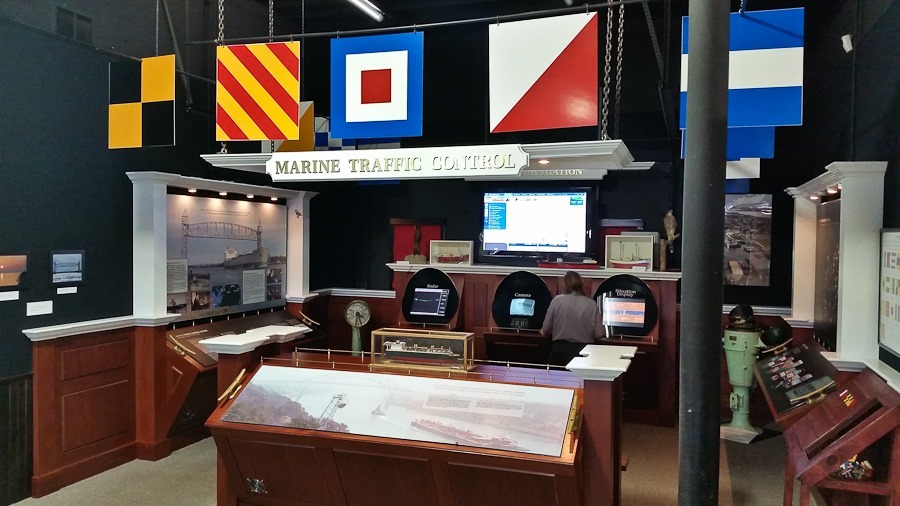
At the flag display, the kids spelled out YOU ARE BEING WATCHED:

Day726_06

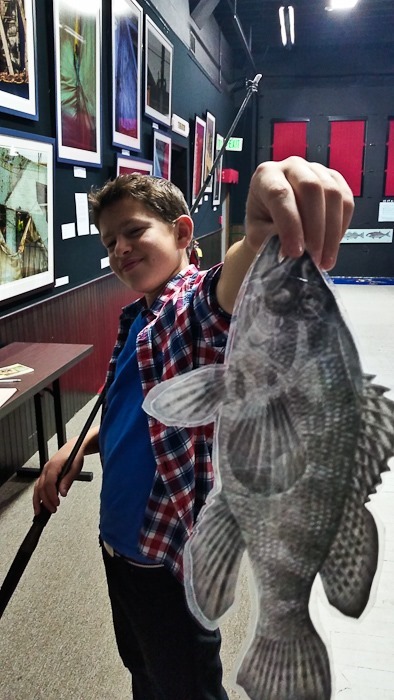
Magnetic fishing for laminated paper fish:

Day726_07

Looking from the canal out to sea:

Day726_08

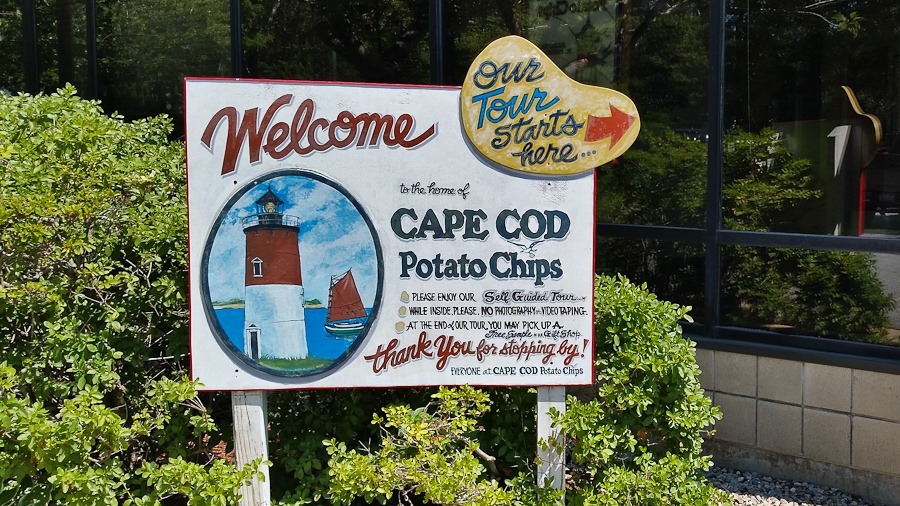
Continuing east, we stopped at the Cape Cod Potato Chip factory to tour the facility:

Day726_09

The tour involves walking down a hallway with interpretive signage and windows that look into the production area.  We could see the potato slices being fried and salted, then ride a conveyor belt off to packaging.  The tour was self guided and the factory doesn’t allow photographs to be taken:

Day726_10

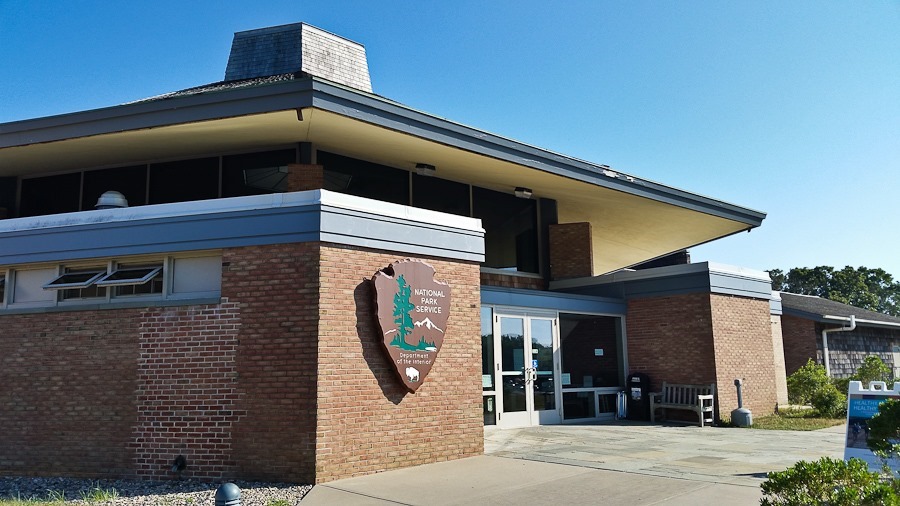
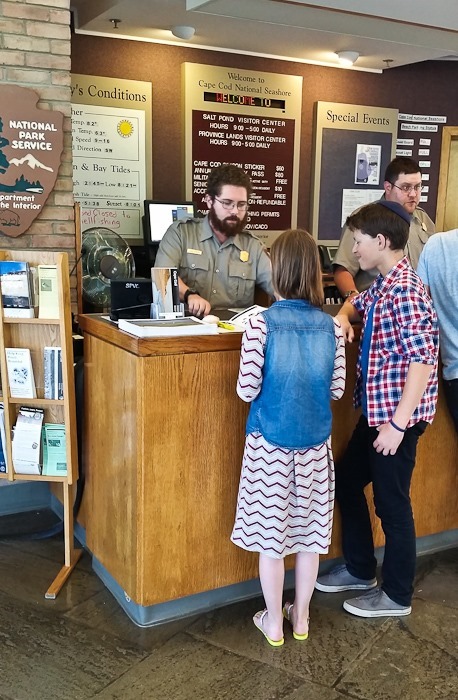
Next we visited Cape Cod National Seashore.  Our first stop was the visitor center:

Day726_11

Day726_12

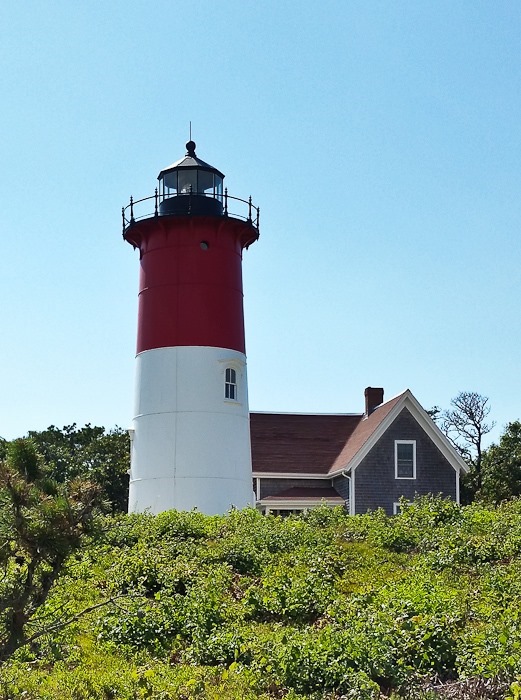
We visited the Three Sisters of Nauset lighthouses.  By the early 1900s, only the center lighthouse still had a beacon:

Day726_13

The Nauset Light replaced the Three Sisters lights in 1923:

Day726_14

We drove north to the Marconi Wireless Station Site, location of the first trans-oceanic radio broadcast:

Day726_15

Day726_16

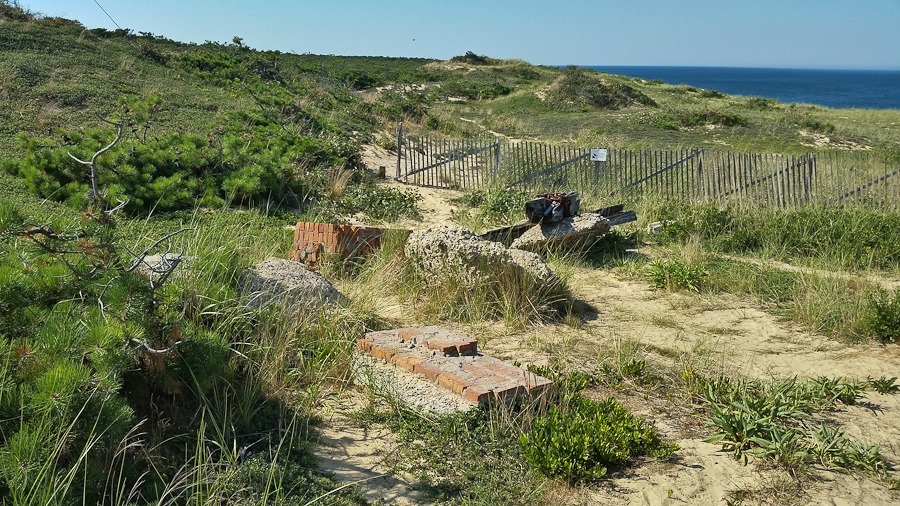
Fragments of the radio station?  Perhaps:

Day726_17

A bit south from the Marconi Site is Marconi Beach.  It was crowded, so we didn’t stay:

Day726_18

We returned to the visitor center where the kids handed in their Junior Ranger workbooks and received their badges:

Day726_19

Day726_20

Overall we found Cape Cod to be very crowded.  I’m not sure why people enjoy coming here.

We drove back off the island to overnight again at the Walmart of Onset, Massachusetts.  See the trip map for today’s drive and our current location.

Day 725: Roger Williams NM and New Bedford Whaling NHP

We had a nice Shabbos at Brothers of Joseph in Norwich, Connecticut.  The community has shrunk considerably in the last few decades, but those that still call Norwich home have tenaciously kept the congregation going.  Thanks for hosting us!

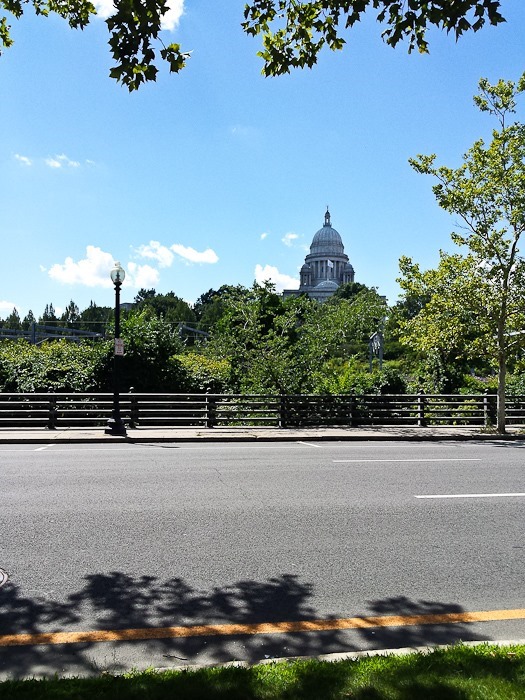
Today we drove north and east to Providence, Rhode Island, the capital of Rhode Island.  The capitol building greeted us as we drove into town.  Unfortunately, the capitol is not open for tours on Sunday:

Day725_01

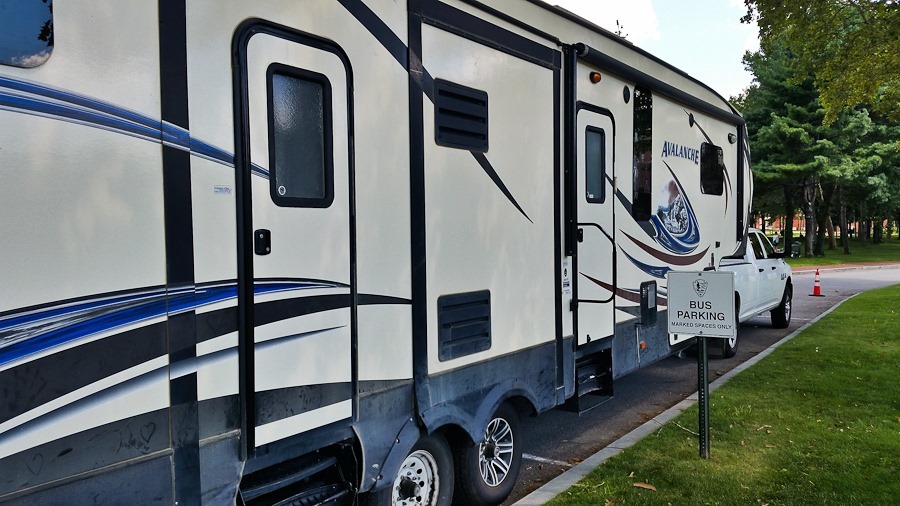
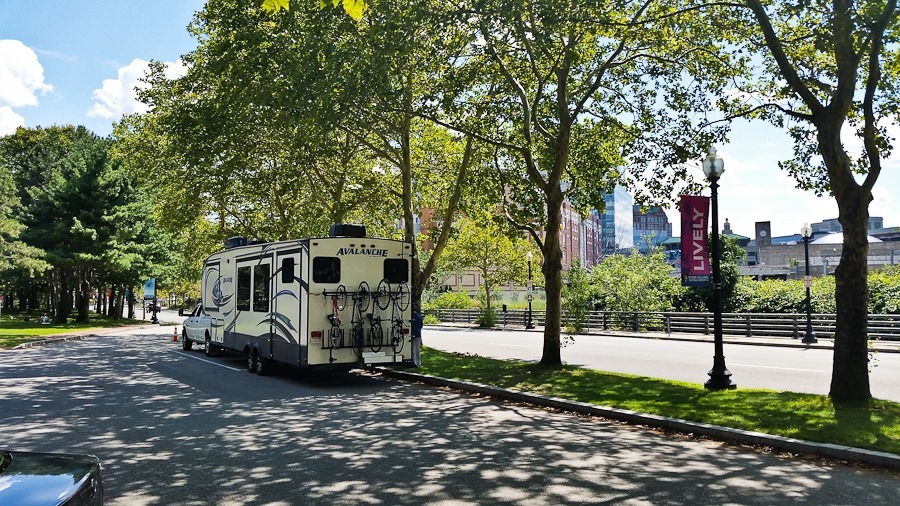
We managed to squeeze ourselves into the bus parking area at Roger Williams National Memorial in downtown Providence:

Day725_02

Day725_03

Day725_04

Day725_05

The capitol can be seen across the river:

Day725_06

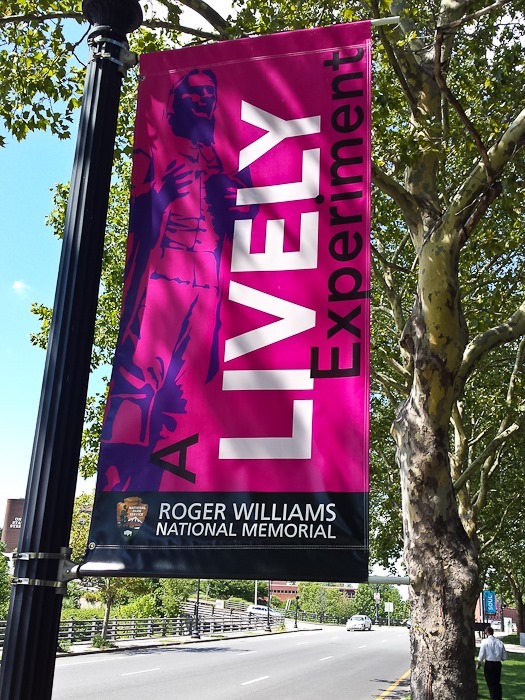
The National Memorial is housed in a small building.  Including the 4.5 acres of park adjacent to the visitor center, this park is the 20th smallest NPS unit in the country:

Day725_09

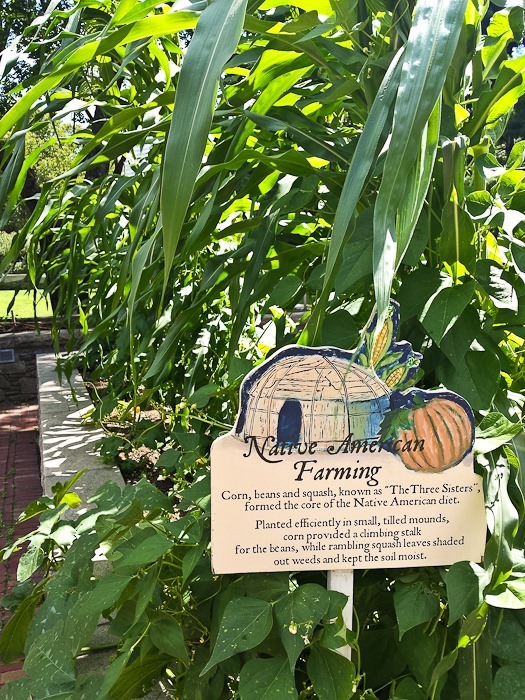
Around the side of the building, there’s a garden featuring plants that Native Americans would have grown in the times of Roger Williams:

Day725_07

Day725_08

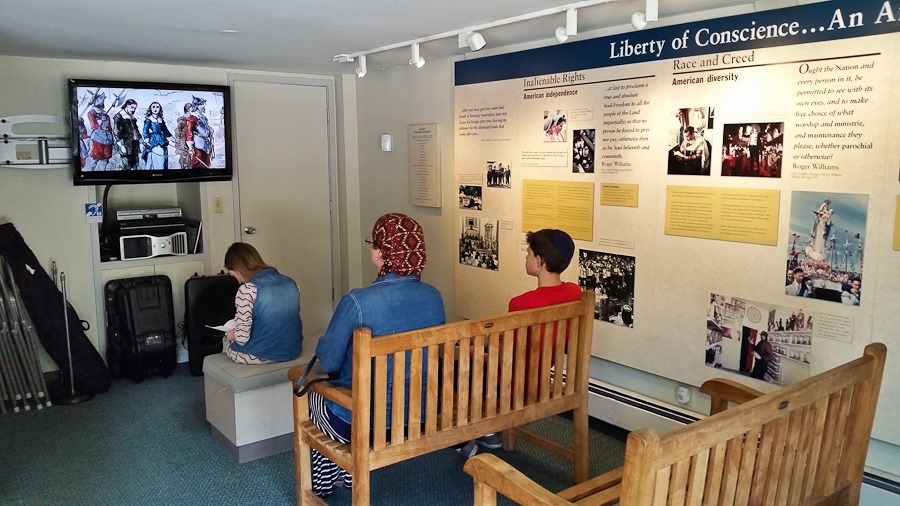
The visitor center interprets the life of Roger Williams, who, it can be argued, is the father of freedom of religion in the US:

Day725_10

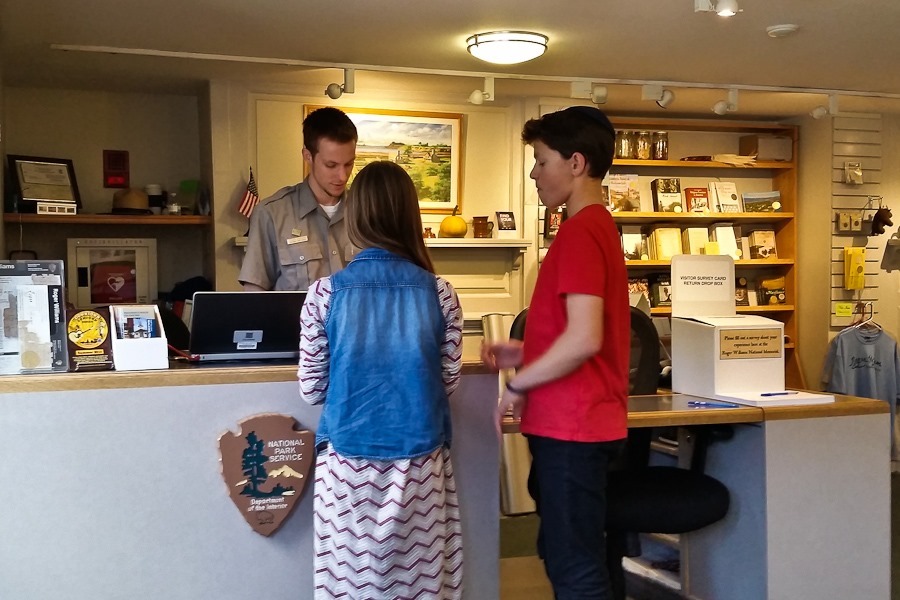
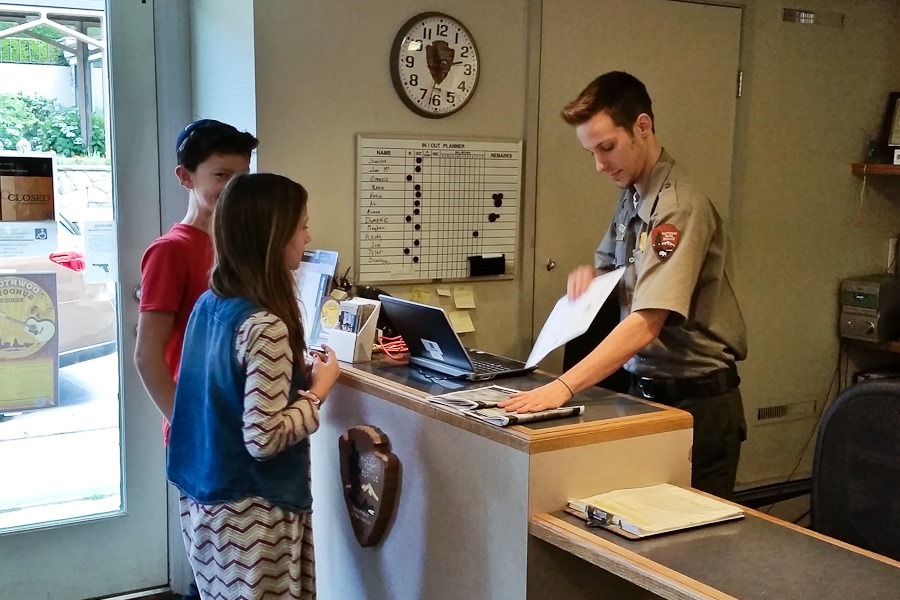
The kids completed their Junior Ranger workbooks and received their badges:

Day725_11

Day725_12

Day725_13

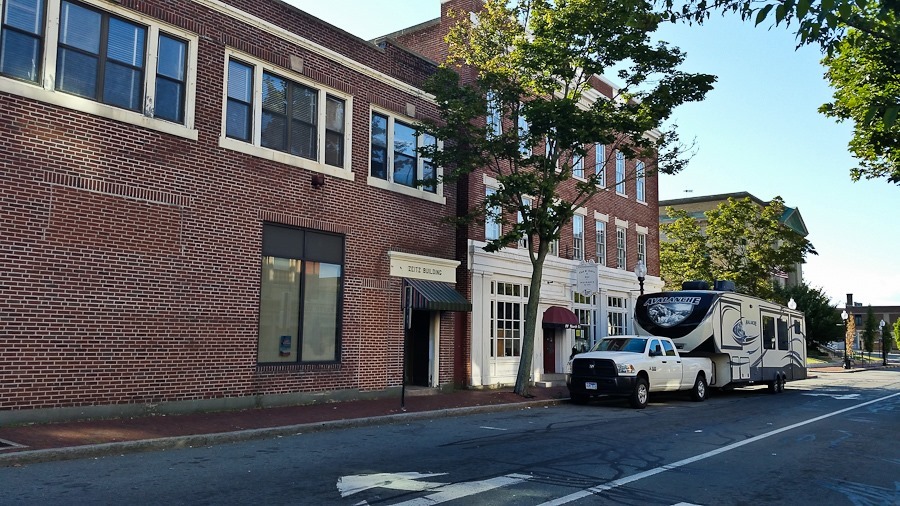
Continuing south and east, we arrived at the town of New Bedford, Massachusetts, home of the New Bedford Whaling National Historical Park.  After confirming very carefully with the police, we parked curbside and headed towards the visitor center:

Day725_14

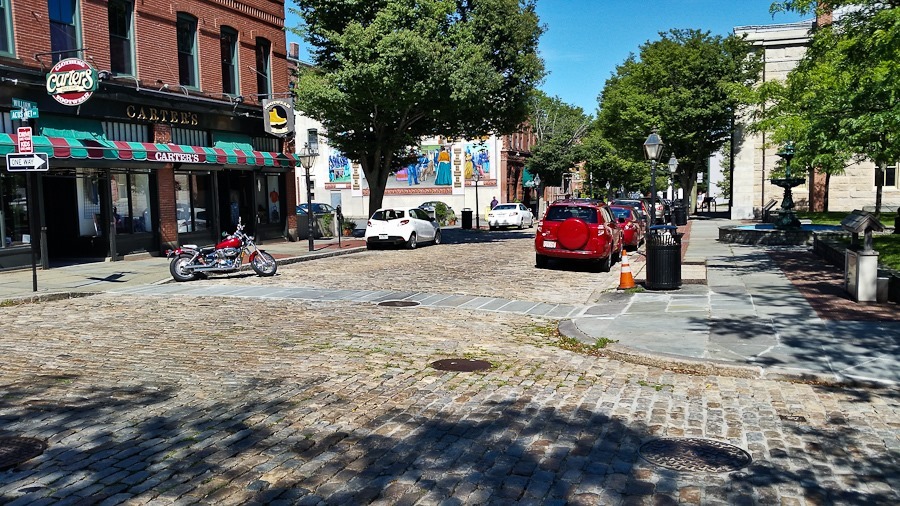
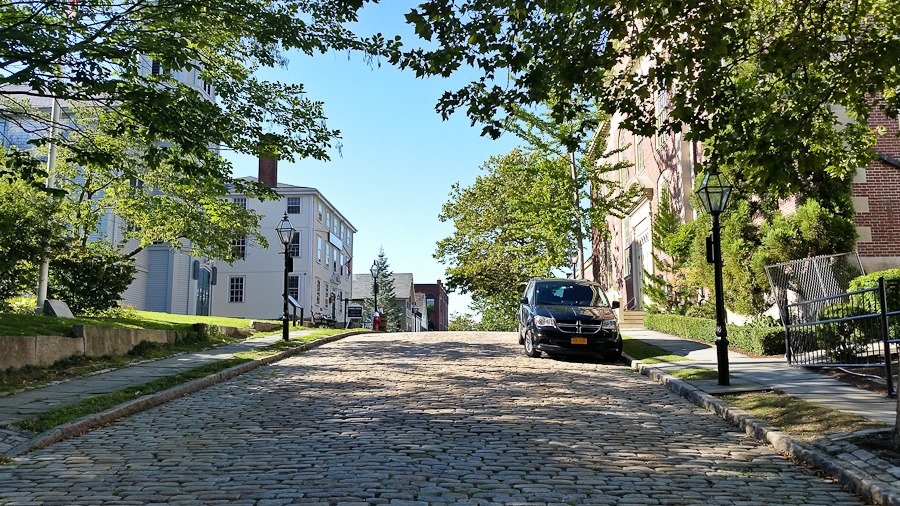
The historic district has cobblestone streets:

Day725_15

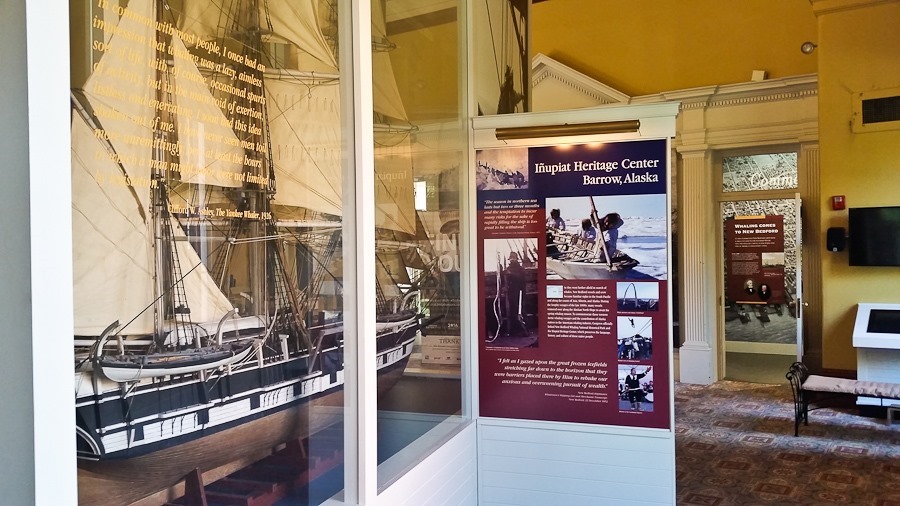
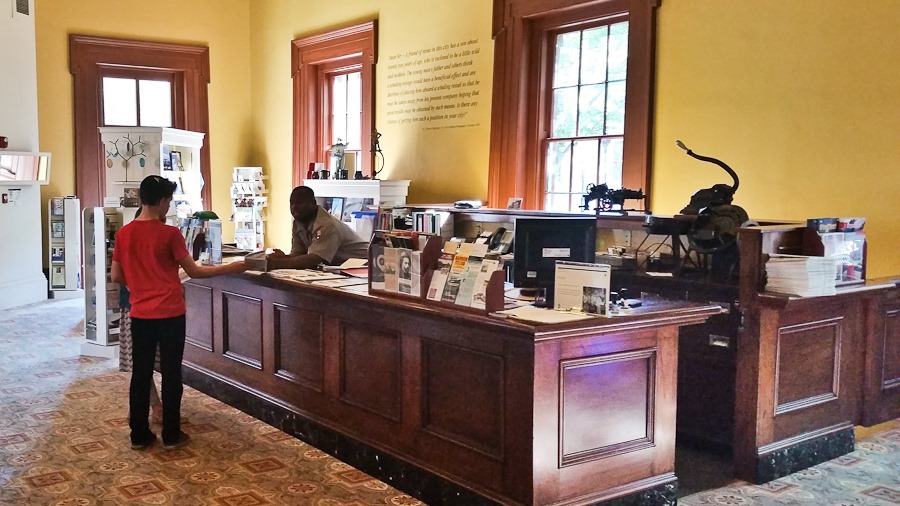
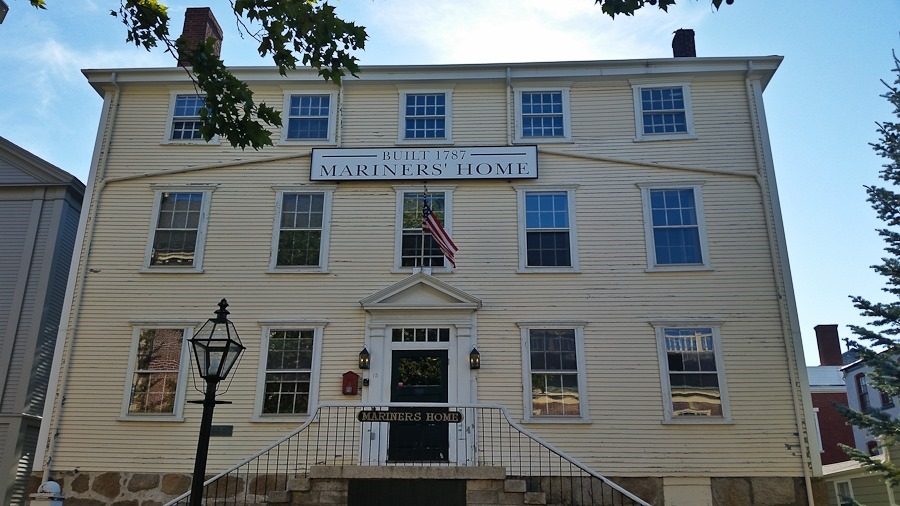
The visitor center is housed in a pair of old buildings.  The exhibits were well done, and we watched an interesting film about the history of whaling in New Bedford:

Day725_17

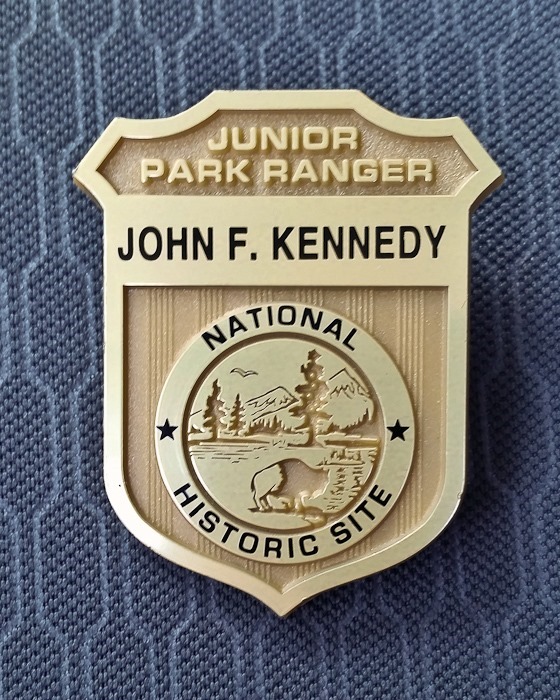
The kids completed their Junior Ranger workbooks and received their badges:
Day725_16

Day725_26

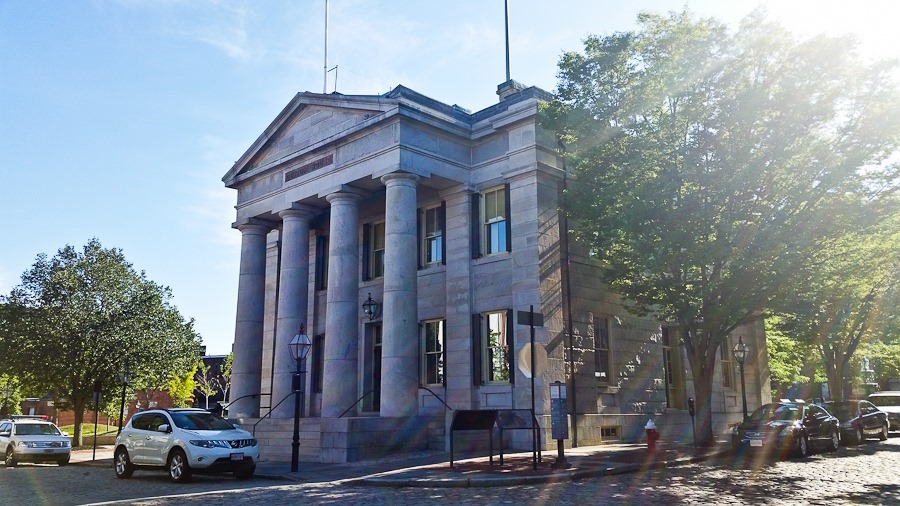
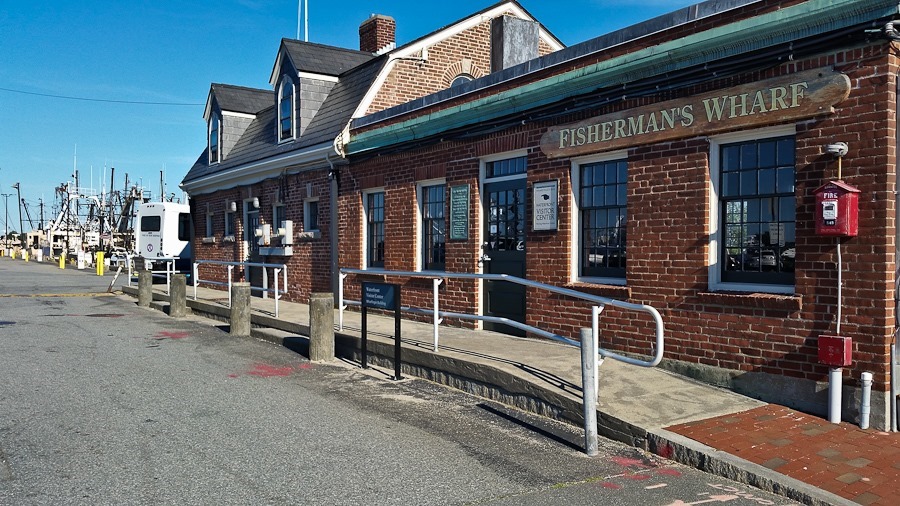
We decided to walk the historic district, which includes the oldest operating Customs building in the US:

Day725_18

Day725_19

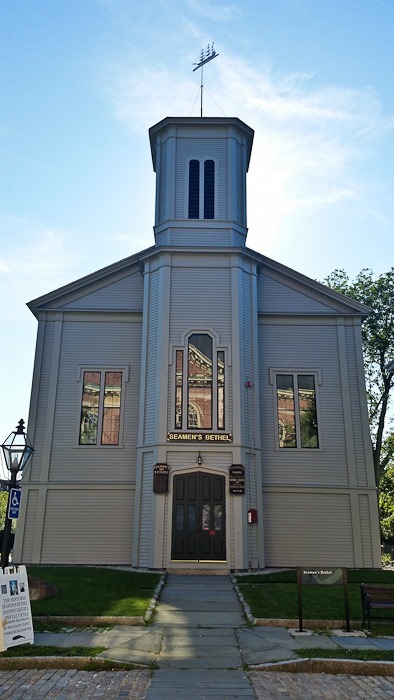
The Seamen’s Bethel, featured in New Bedford resident Herman Melville’s book Moby Dick as the “Whaleman’s Chapel”:

Day725_20

Day725_21

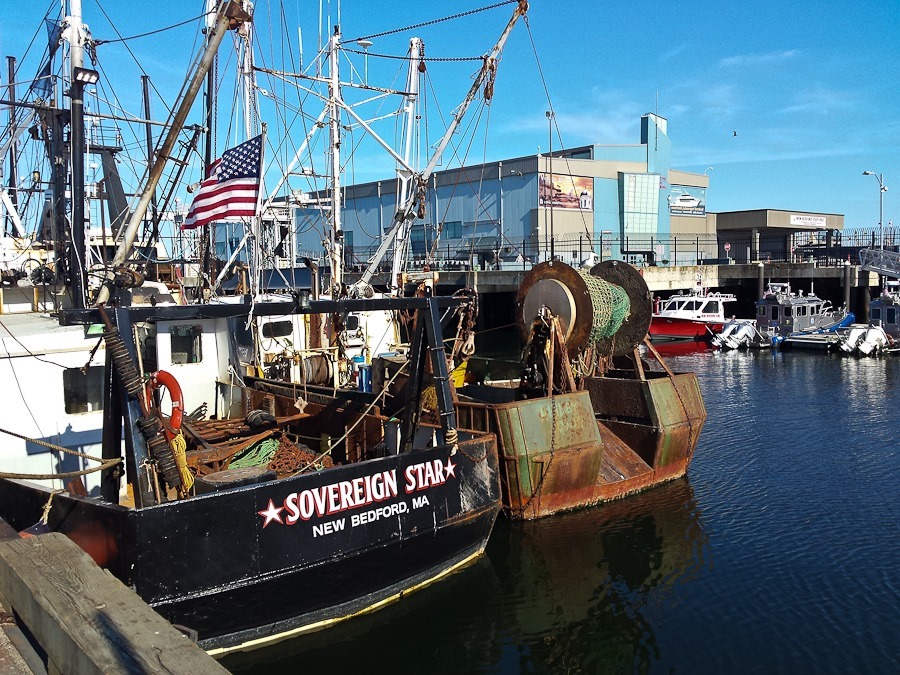
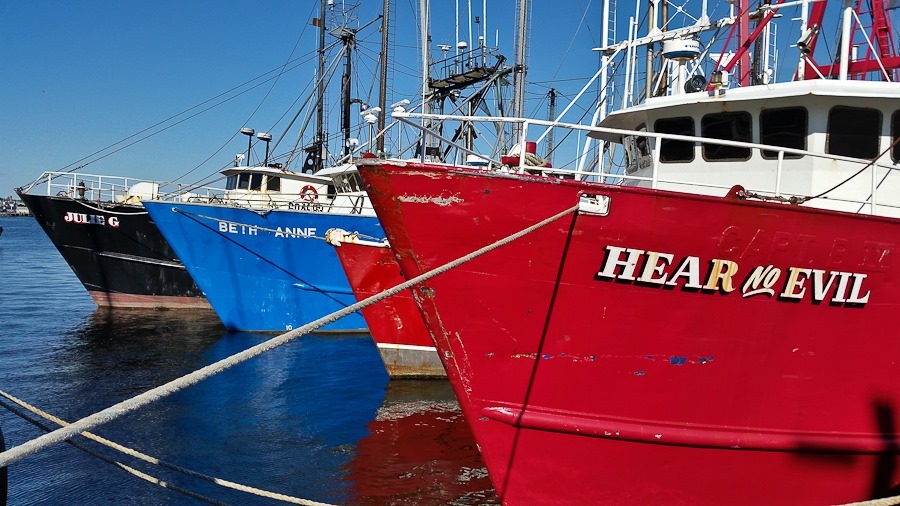
We walked around the waterfront.  Whaling, whose profits were derived from oil refined from whale blubber, declined as an industry in the 1860s after the discovery of source-drilled petroleum oil.  Nowadays, the boats here ply the ocean for scallops and flatfish, not whales:

Day725_22

Day725_23

Day725_24

Day725_25

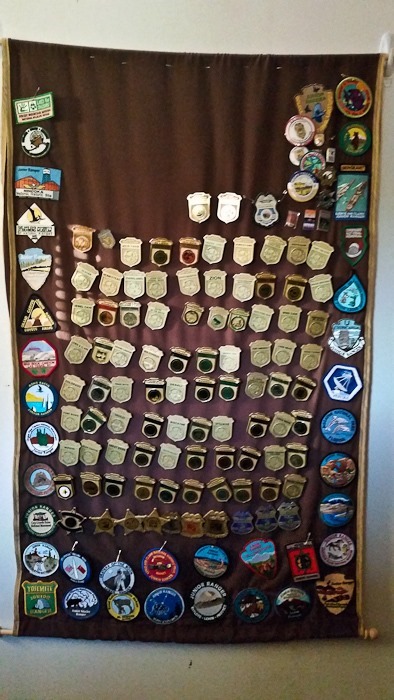
We pinned today’s Junior Ranger badges to M and B’s badge display wall hangings:

Day725_27

We continued east to overnight at the Walmart of Onset, Massachusetts.  See the trip map for today’s drive and our current location.

Day 722: Marshes, Subs, and the Coast Guard

We awoke to a disgustingly humid day at the Walmart of Brandford, Connecticut.  We got on the road as quick as we could and drove east to the Salt Meadow Unit of the Stewart B. McKinney National Wildlife Refuge:

Day722_01

Day722_02

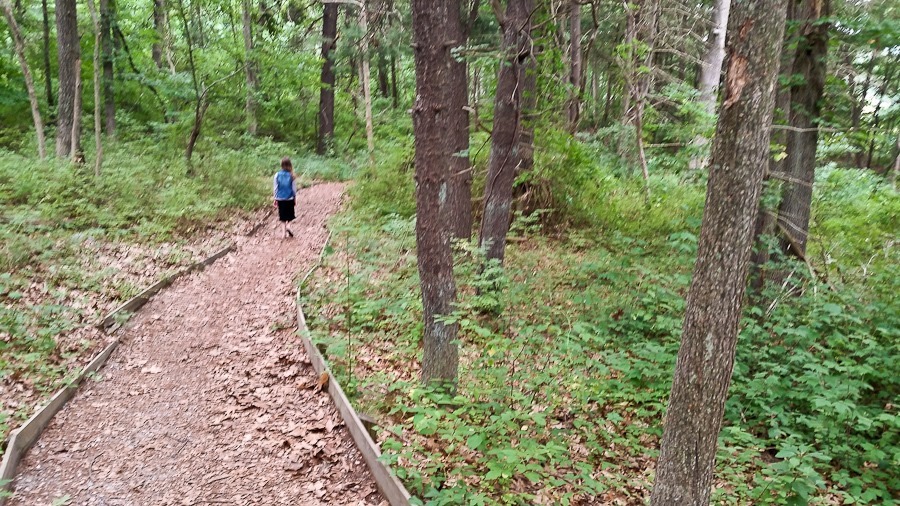
We hiked down to the marsh.  We had to walk quickly to avoid the tenacious swarms of flies:

Day722_03

Day722_04

On the way back, Trish and M encountered this healthy looking fellow:

Day722_05

Day722_06

Day722_07

At the visitor contact station, the kids received a Biologist in Training workbook which is designed to be completed at a body of water.  We took the books with us, as well as the patches they will receive when the workbooks are complete:

Day722_08

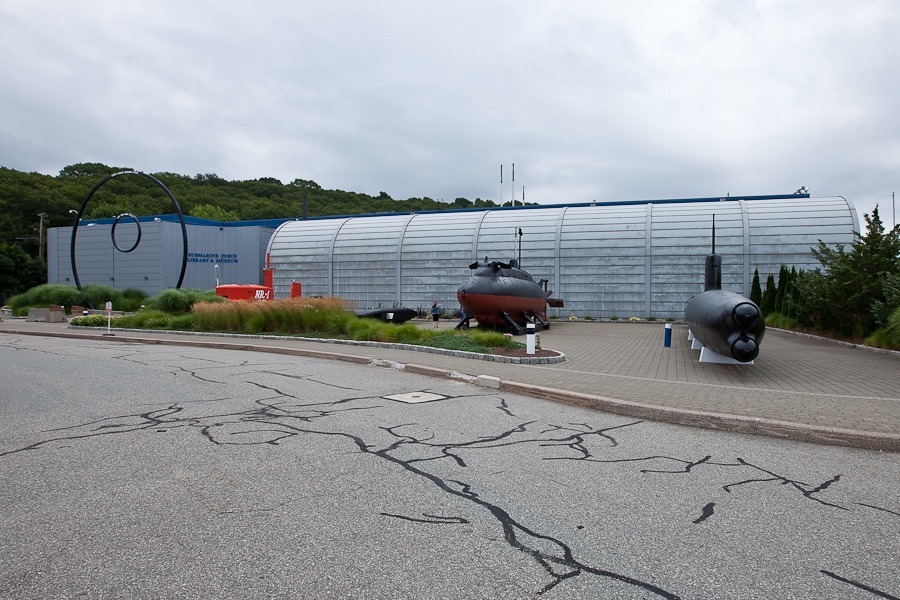
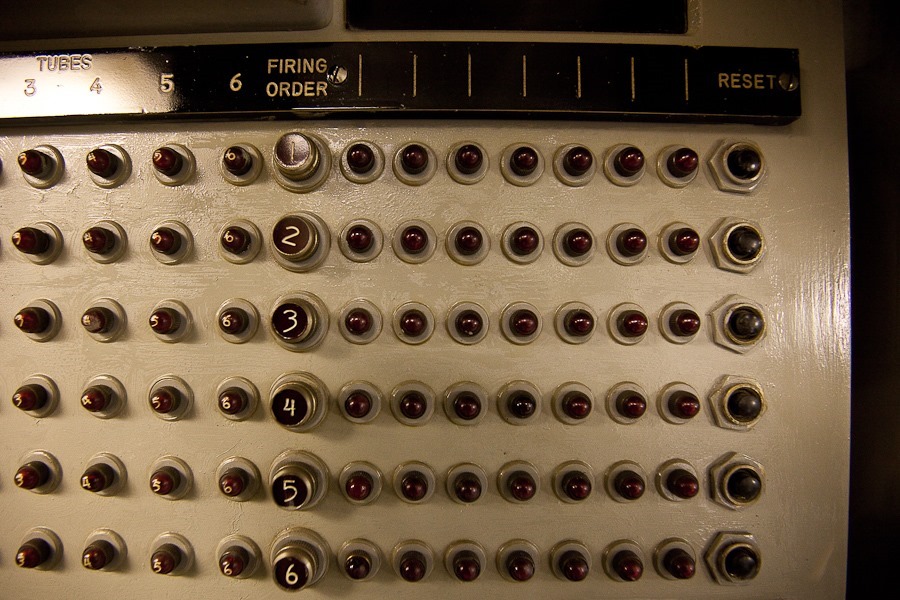
Our next stop was the Submarine Force Library and Museum in Groton, Connecticut.  The large hoop on the left represents the cross section of a modern Ohio-class submarine, while the small hoop represents the cross section of the Navy’s first submarine, the Holland-class submarine:

Day722_09

The kids found a bird nest in the tail section of this submarine display:

Day722_10

Day722_11

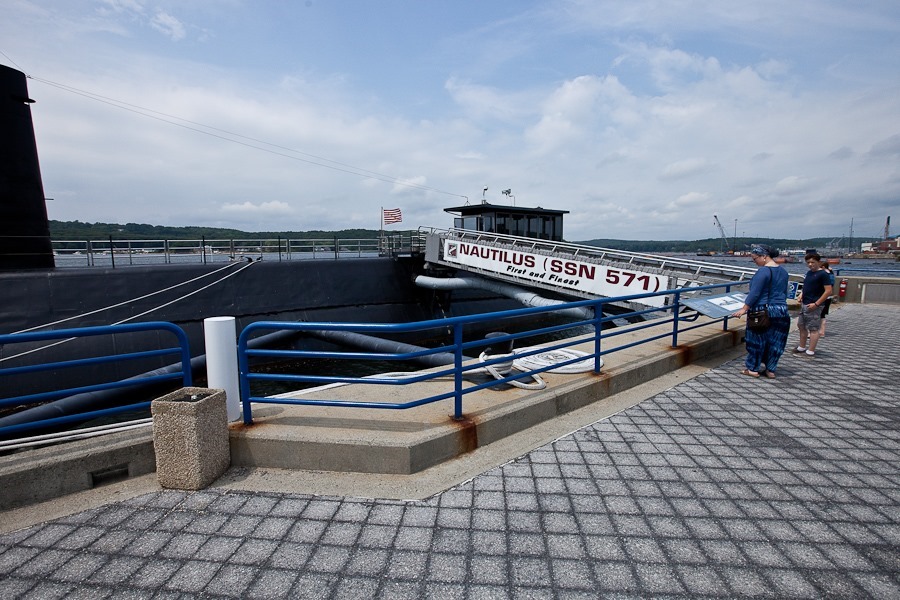
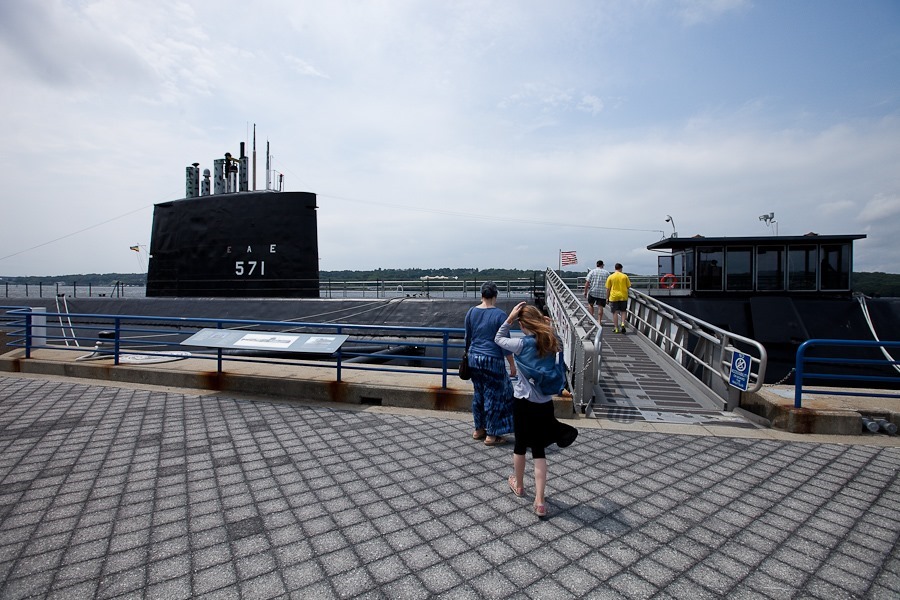
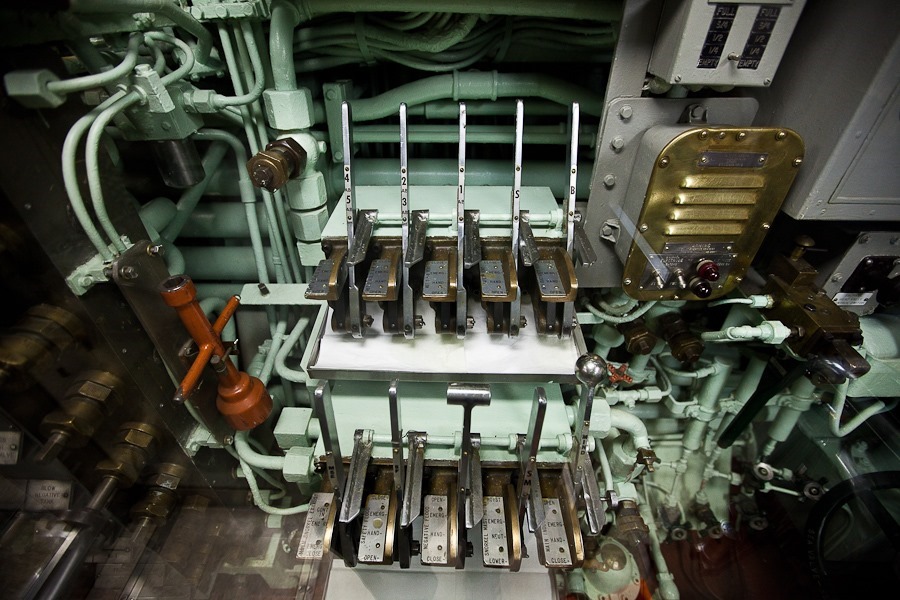
The museum includes a walking tour of the USS Nautilus, the world’s first nuclear submarine and the first nautical vessel to reach the North Pole:

Day722_12

Day722_13

The torpedo room:

Day722_14

Officer’s mess:

Day722_15

The boat commander was the only one to have a private cabin:

Day722_16

Day722_17

Day722_18

Day722_19

The Nautilus was the first submarine to use staircases instead of ladders to move between decks.  It’s quite steep:

Day722_20

Day722_21

Day722_22

It’s not the Hilton:

Day722_23

Day722_24

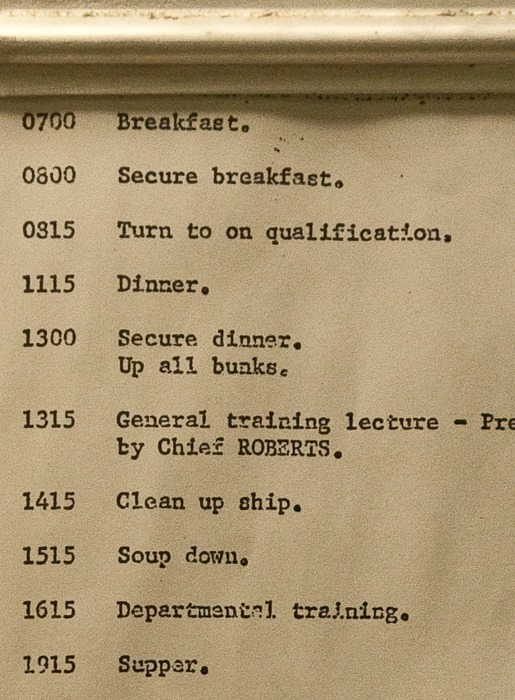
This schedule in the mess hall may soon appear in our RV:

Day722_25

More bunks:

Day722_26

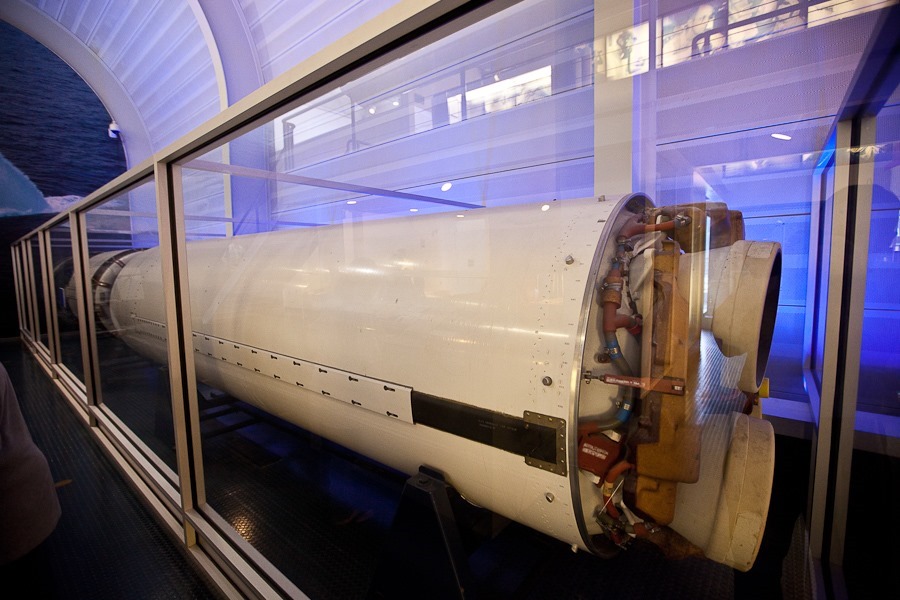
In the museum itself, a Polaris missile, a submarine-launched ballistic missile, was on display:

Day722_27

Day722_28

Day722_29

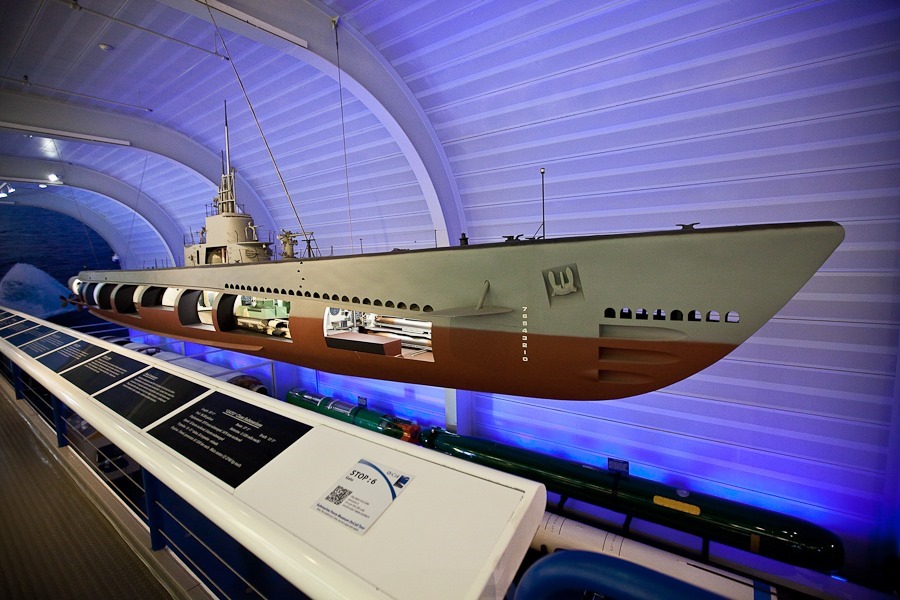
A model of a Gato-class submarine:

Day722_30

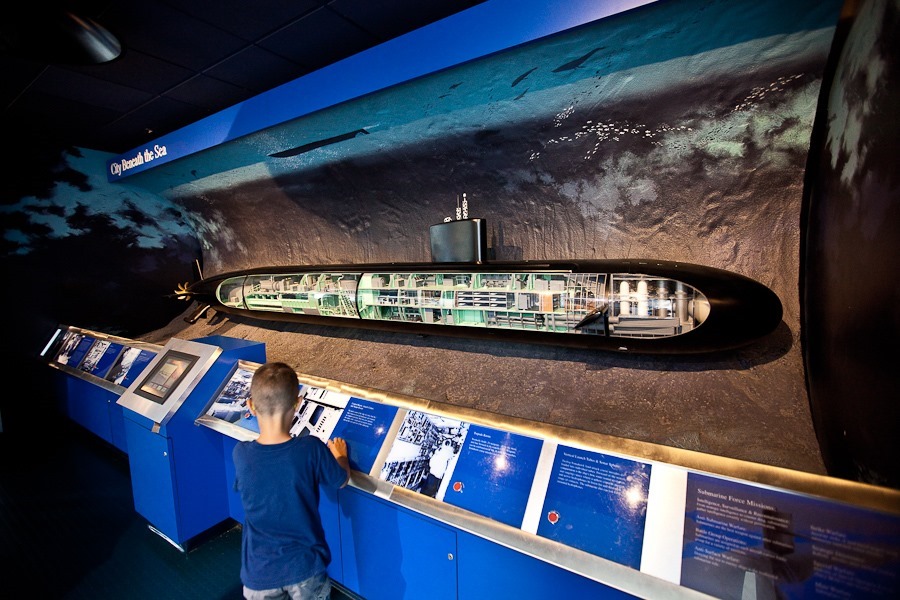
Modern submarines have three decks:

Day722_31

We left the RV at the museum and drove the truck across the river to the Coast Guard Academy in New London where we visited the US Coast Guard Museum:

Day722_32

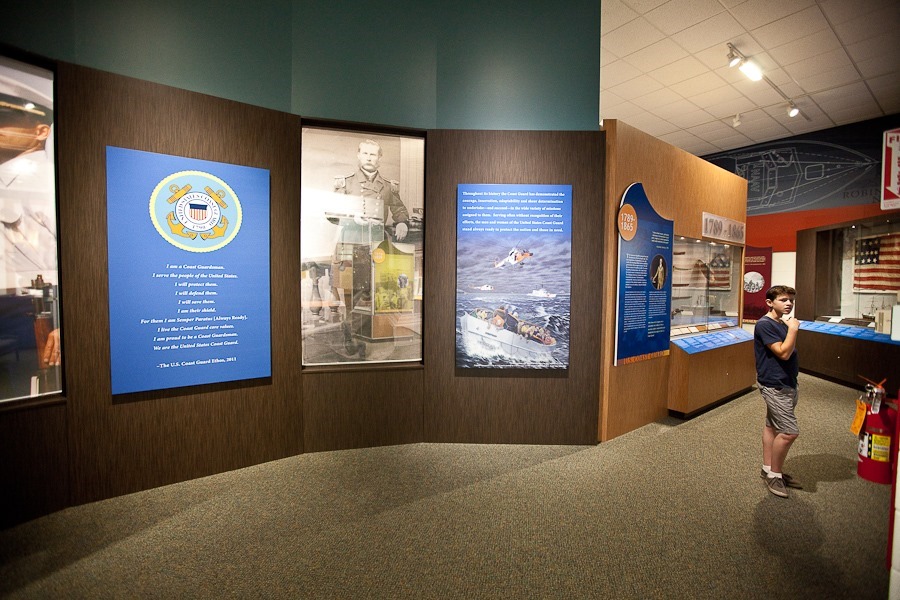
I really enjoyed this museum!  I had no idea that the Coast Guard was formed from many other services, including the U.S. Revenue Cutter Service which was formed in the 1790s to collect import taxes from ships arriving in the US.  The Coast Guard was moved from the Department of Treasury to Transportation to Homeland Security.  It’s the only branch of the military not under the Department of Defense:
Day722_33

Day722_34

Day722_35

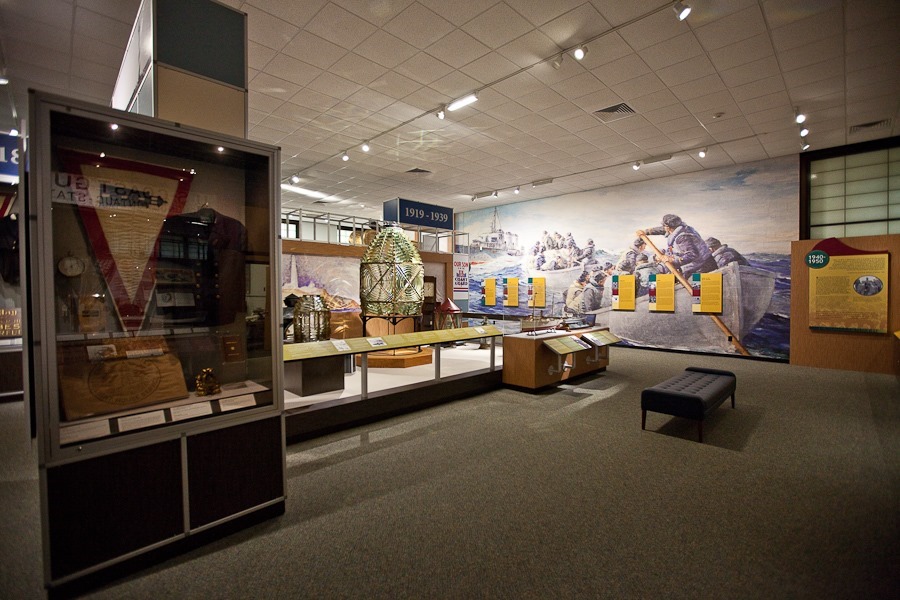
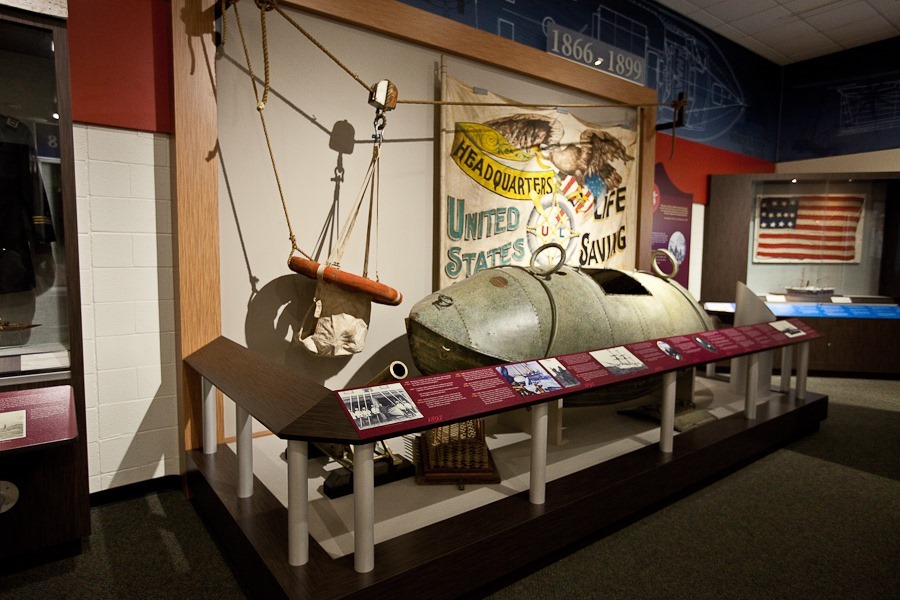
Here are various life saving devices from the U.S. Life-Saving Service, which was merged in 1915 with the U.S. Revenue Cutter Service to form the Coast Guard.  The object hanging from the block and tackle is a britches buoy, a floating life ring mated to a canvas diaper.  The person needing rescue would get into the diaper and be hoisted to safety:

Day722_36

This life preserver is made of wood and is hinged to be snapped around the neck.  The instructions say “when jumping, hold down with hands” to prevent a broken neck upon hitting the water.  We were relieved to read that this design never made it into production:

Day722_37

Day722_39

After returning to Groton to pick up the RV, we drove North to Norwich, Connecticut where we will be staying in the parking lot of the Brothers of Joseph synagogue through Shabbos.  See the trip map for today’s drive and our current location.