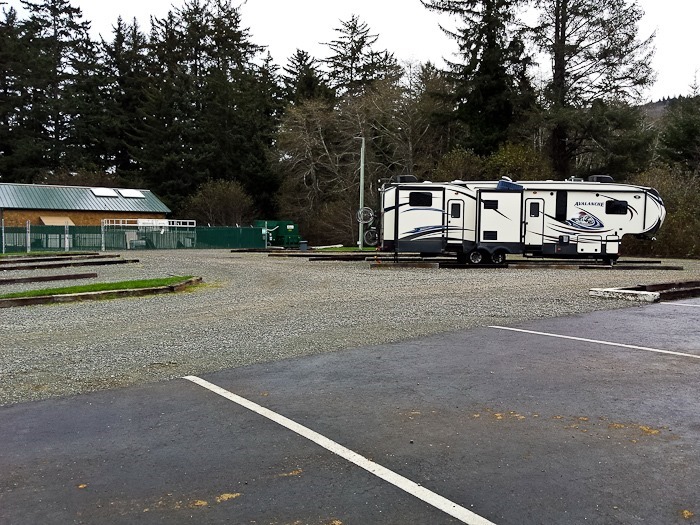
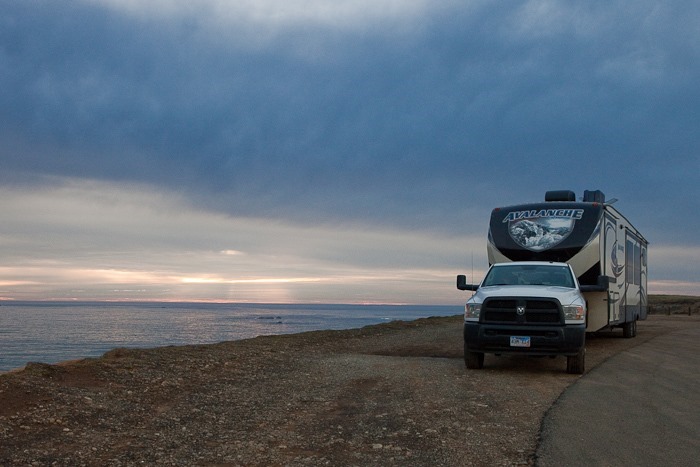
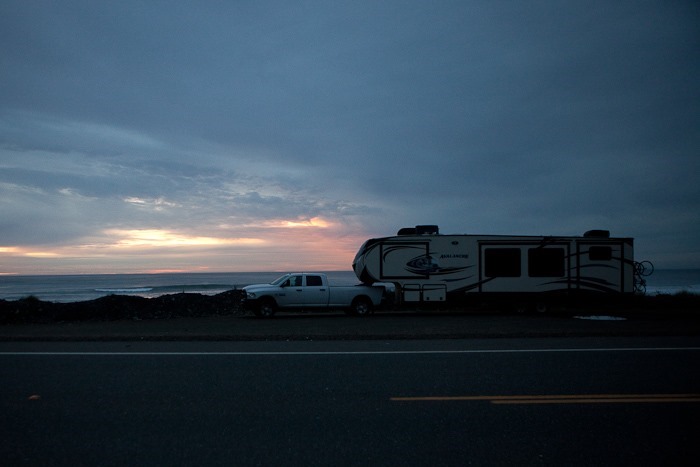
We woke up to our first morning here at the Lucky Seven Casino on the Tolowa Nation’s Smith River Rancheria. Looks like we’re the only ones holding down the fort here in the RV lot:
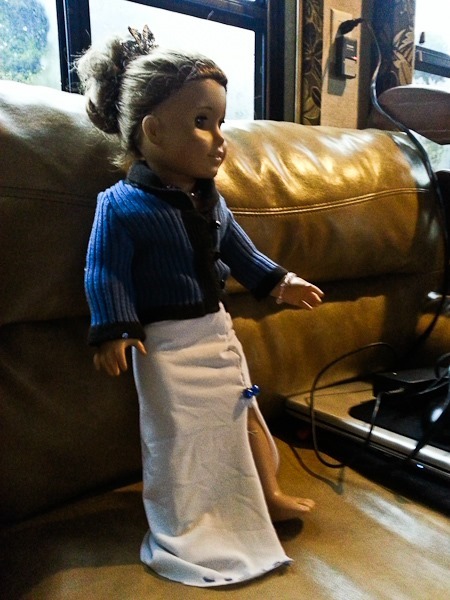
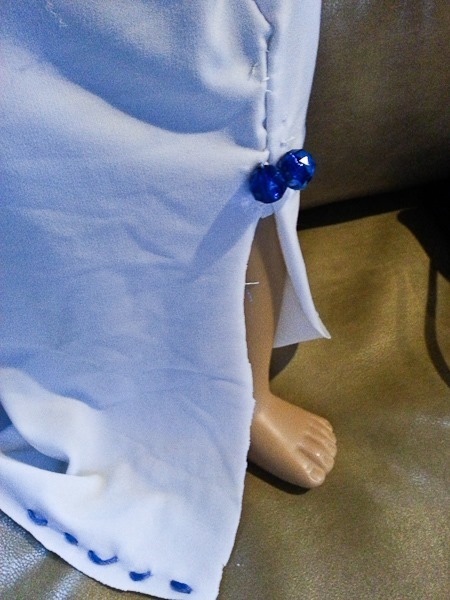
B sewed a skirt for her doll today:
Looks like we need a bit of Oz Vehadar Levusha review:
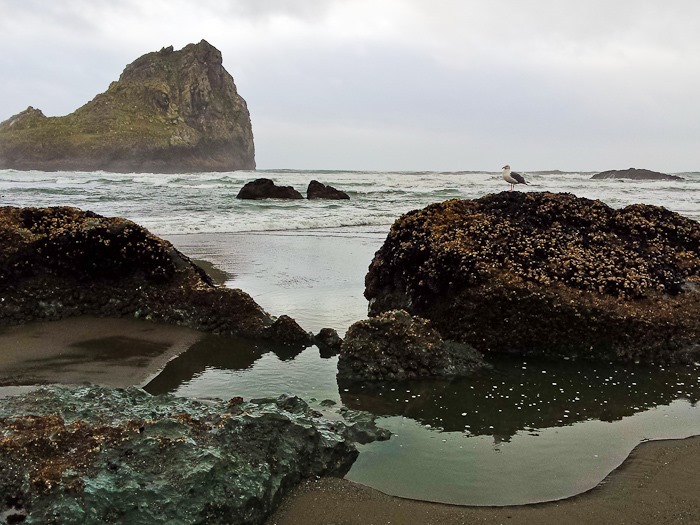
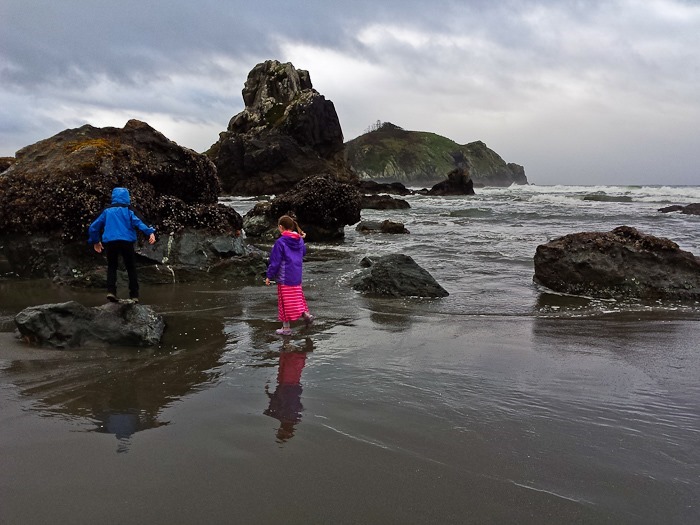
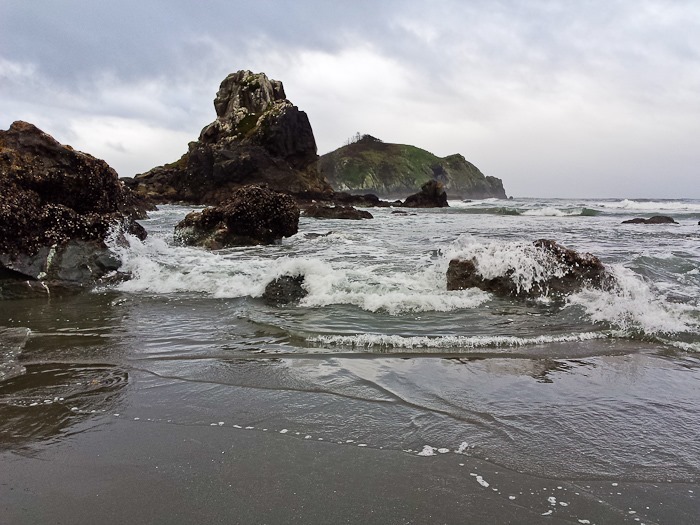
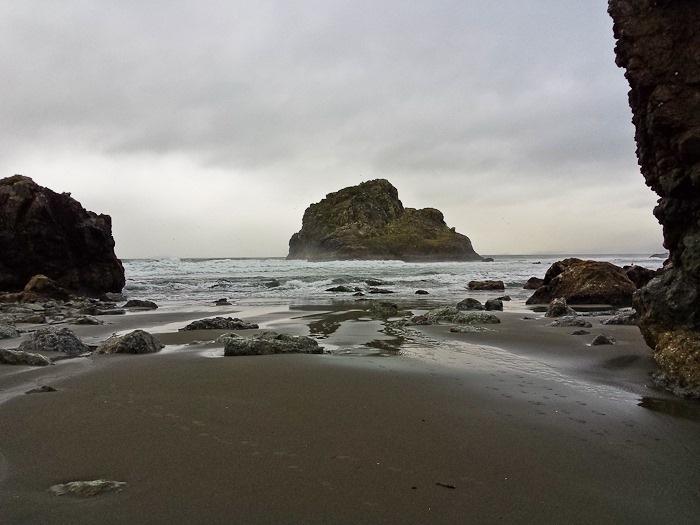
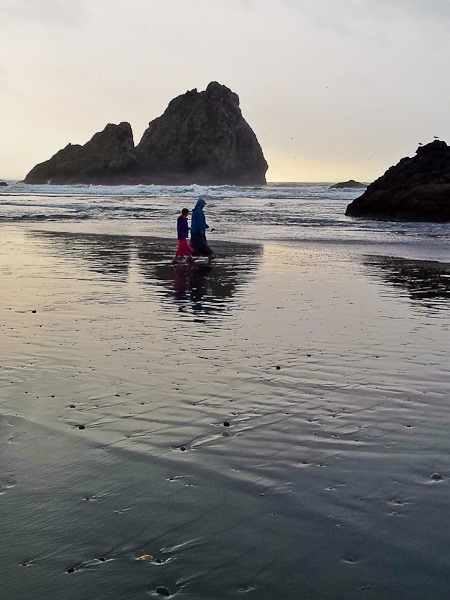
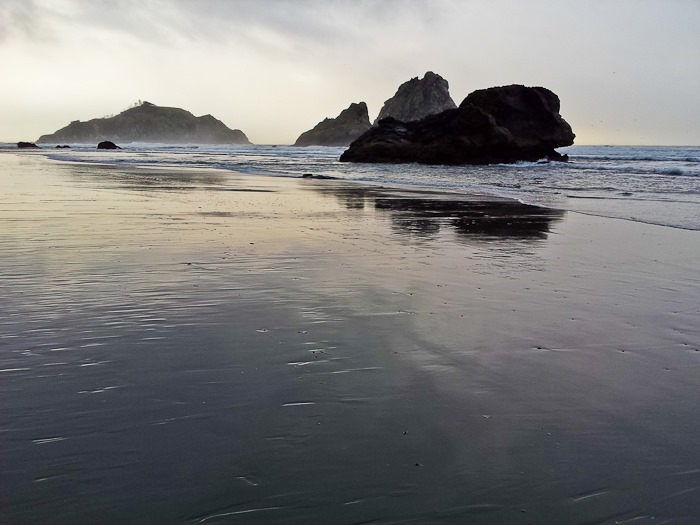
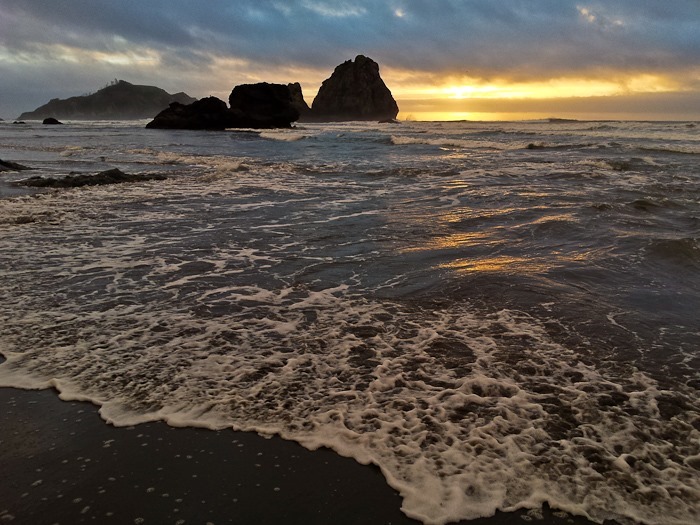
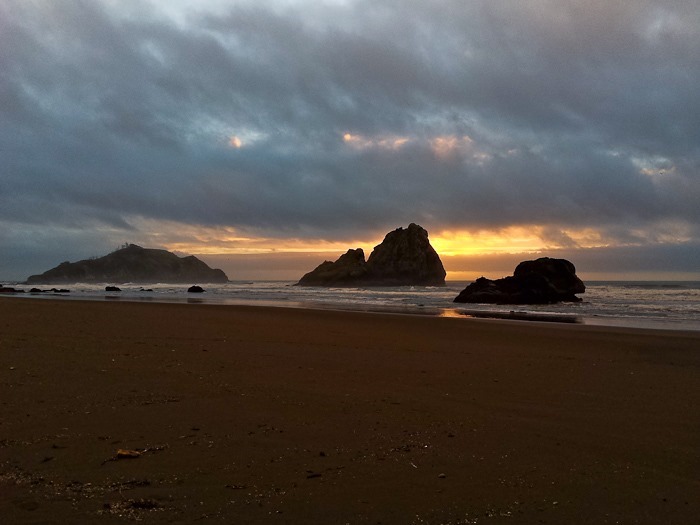
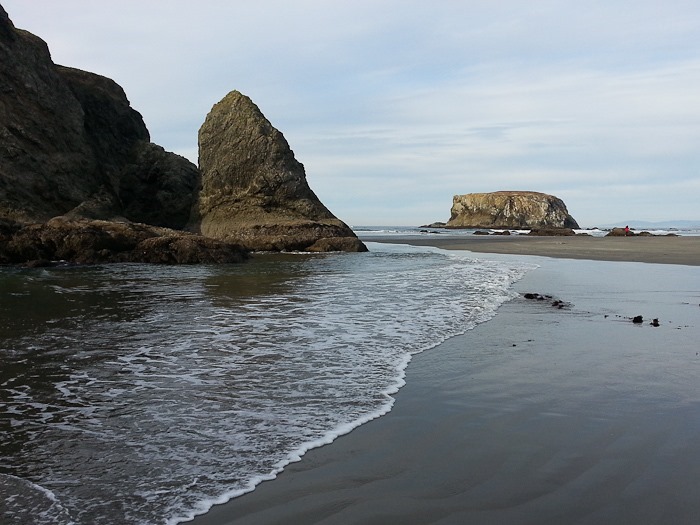
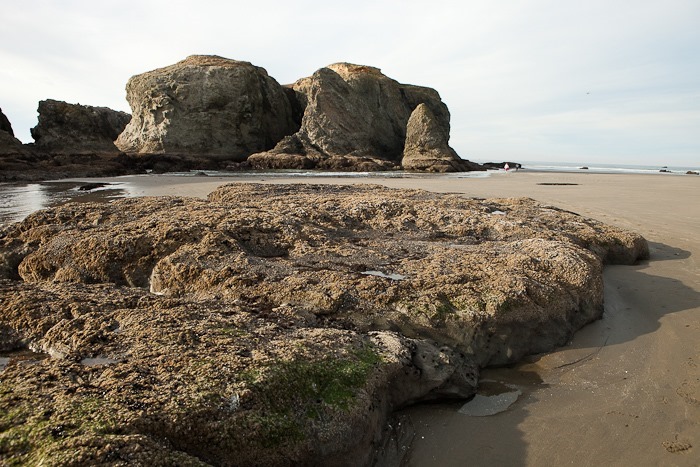
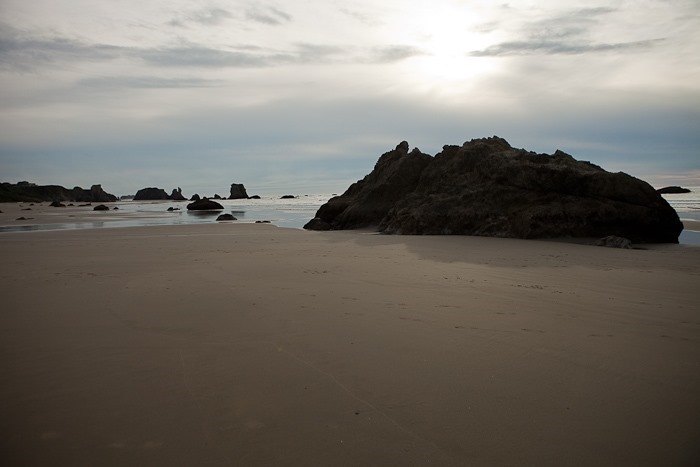
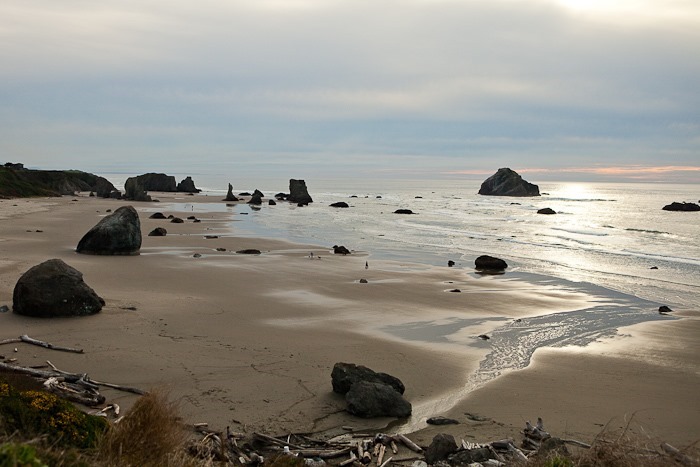
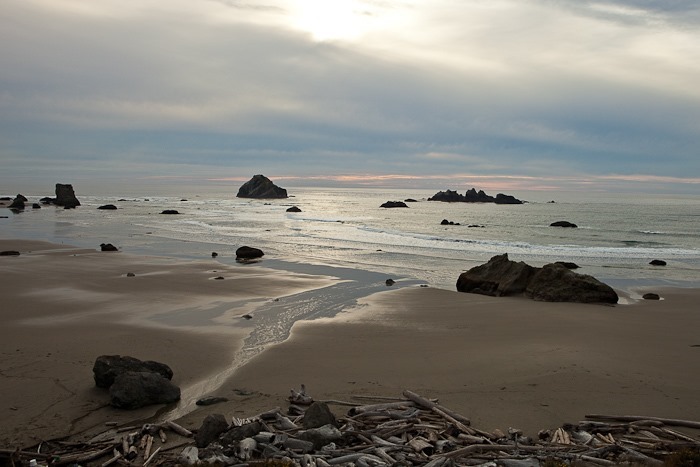
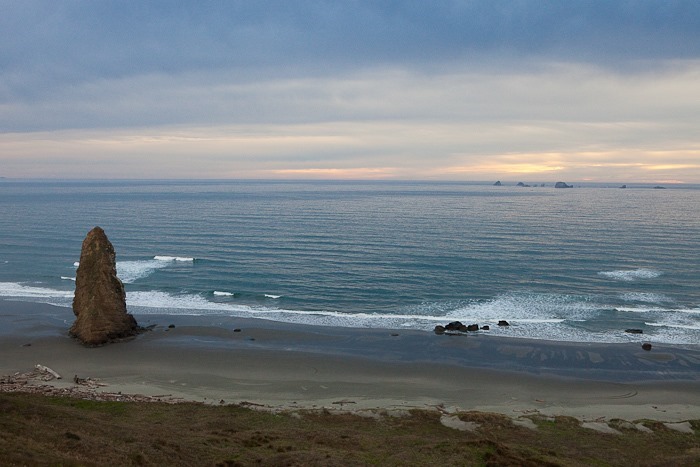
After homeschool we walked across US 101 and down to the beach. There’s no shortage of sea stacks here:
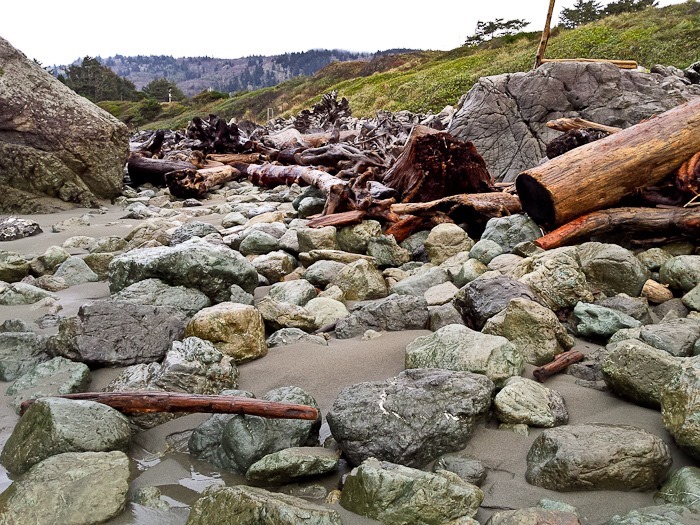
This beach also has an amazing amount of driftwood:
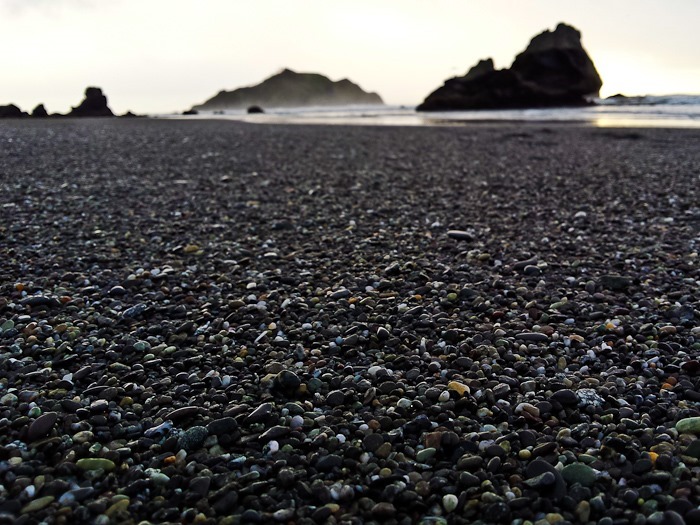
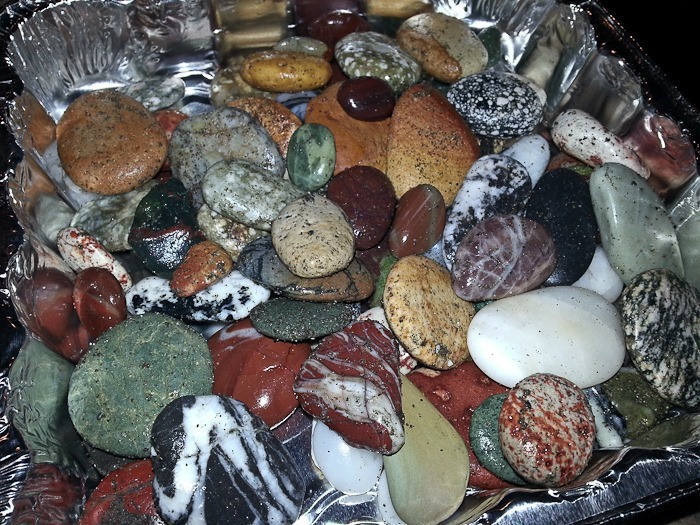
In places, the sand is covered with pebbles of all different colors and textures:
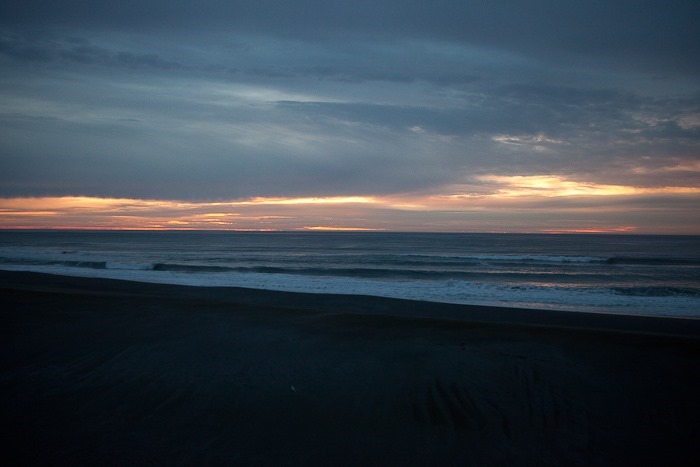
Stormy sunset:
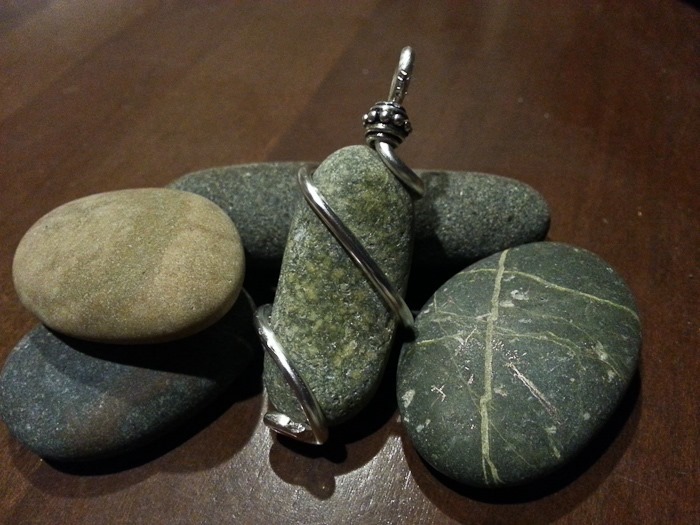
Here’s our haul from the beach, ready to be made into jewelry:
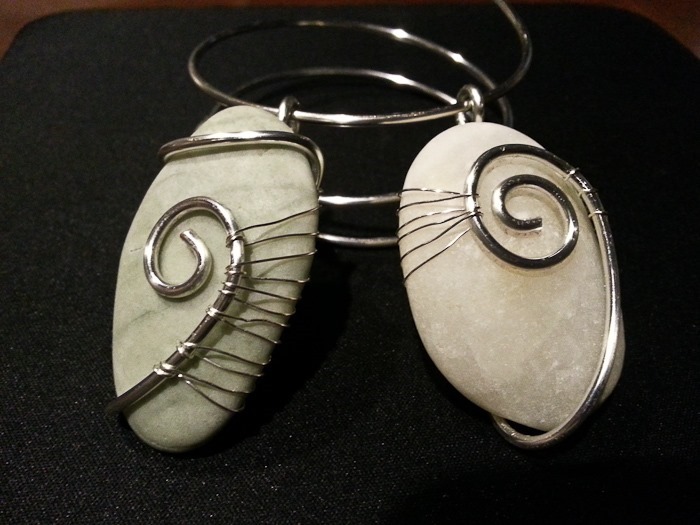
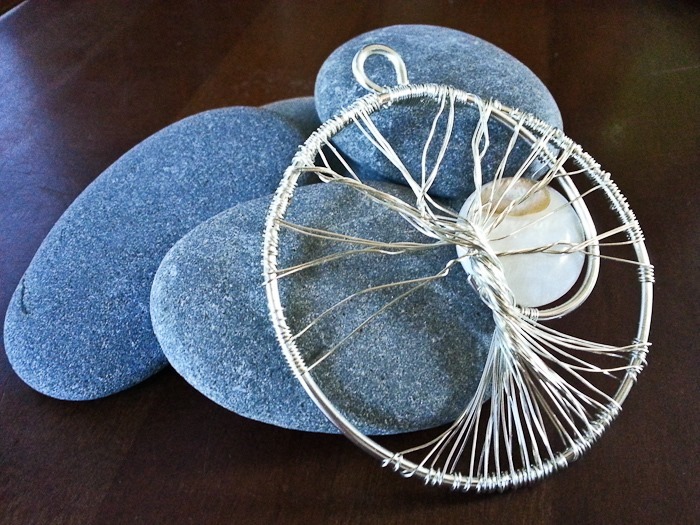
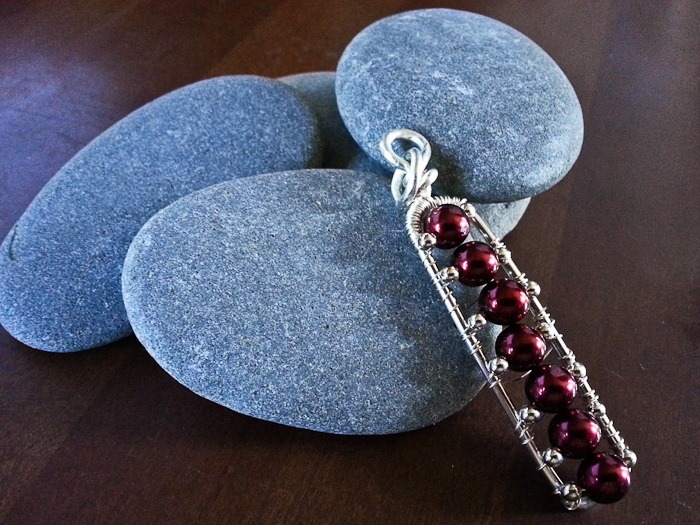
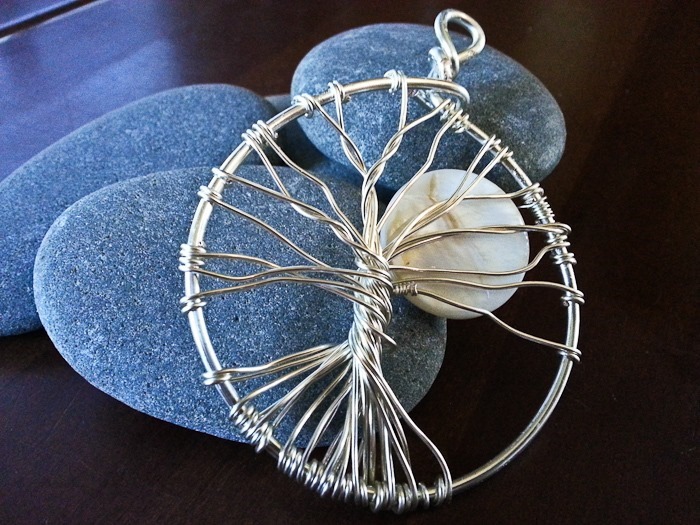
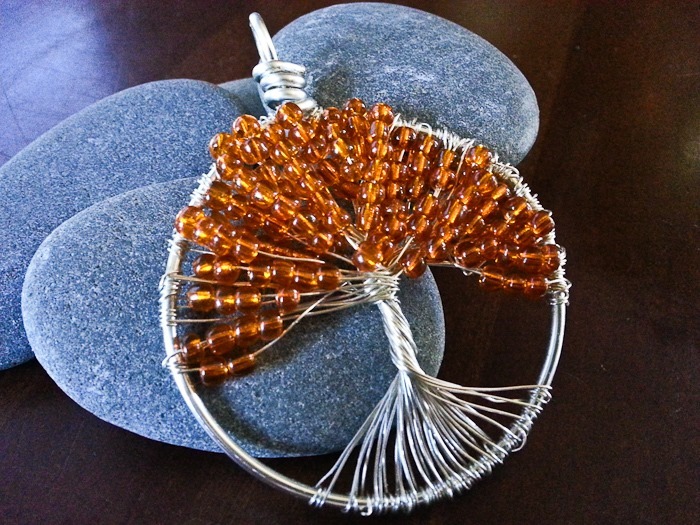
Trish got to work on a few pieces tonight:
Tomorrow, we will sadly say goodbye to the coast and head inland. Curious about what the coast south of here looks like? Start reading at Day 76.
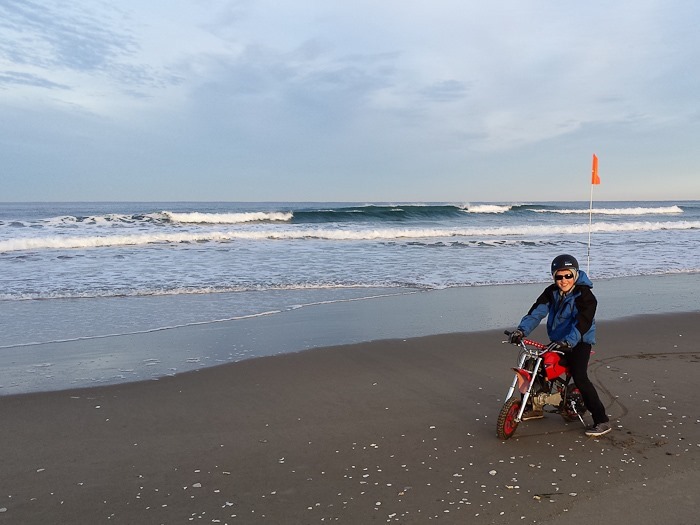
This morning, M and I got up early and drove down to the beach for more motorcycle riding. Unfortunately, it was high tide, so the sand was too soft for him to ride on:
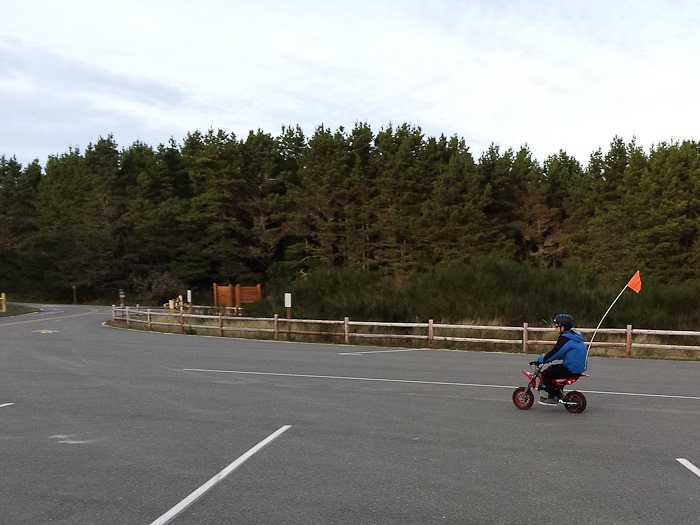
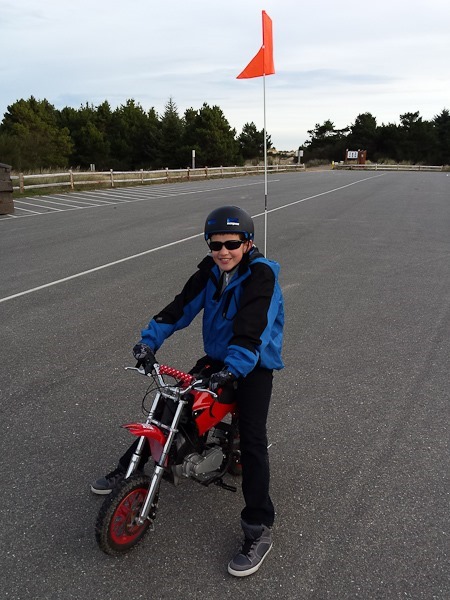
We drove over to a nearby OHV staging area and M had a great time driving around the parking lot:
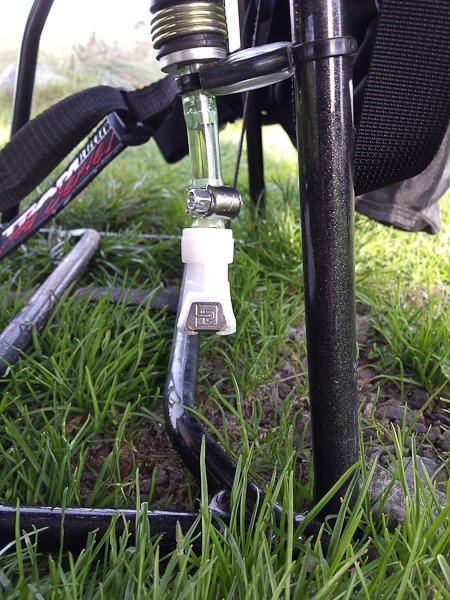
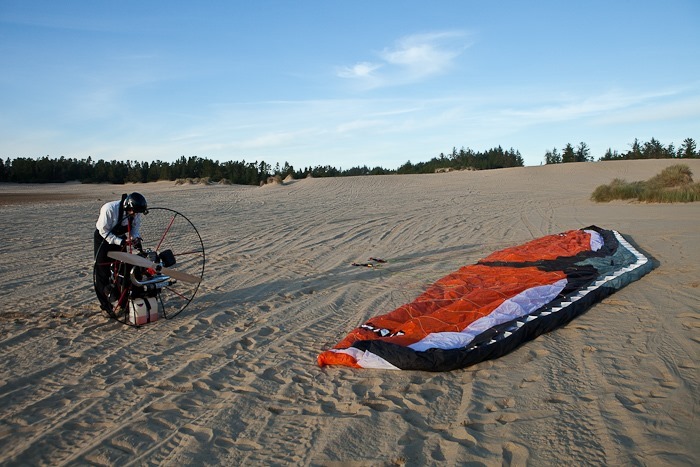
As long as I had the PPG motor out, I installed a fuel line quick release I’ve had waiting for just such an occasion. Now the fuel tank can be stored in the toolbox in the truck bed, instead of in the RV compartment where the PPG lives:
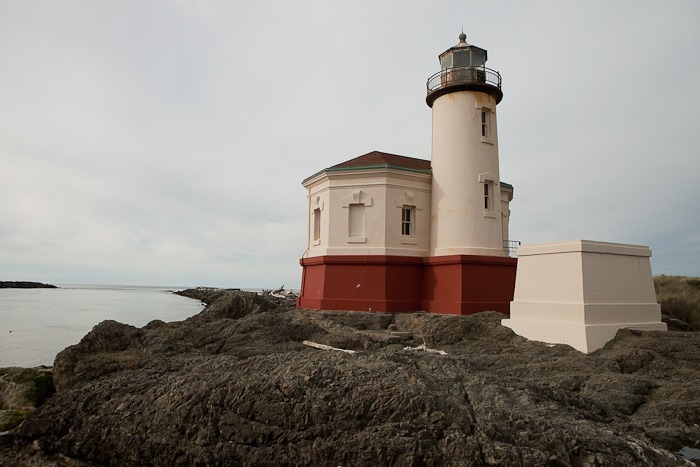
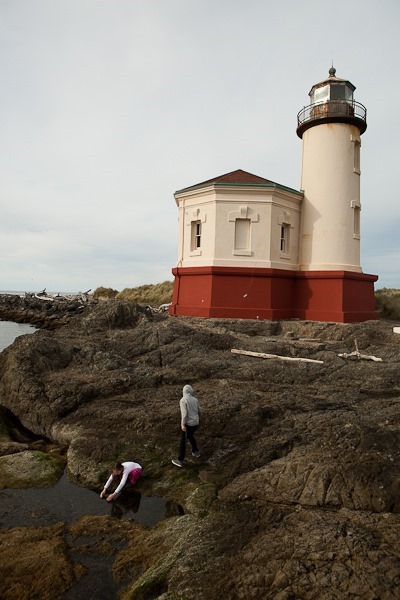
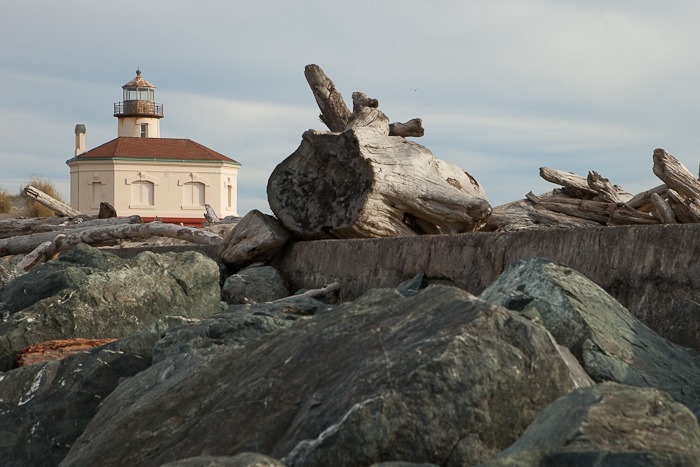
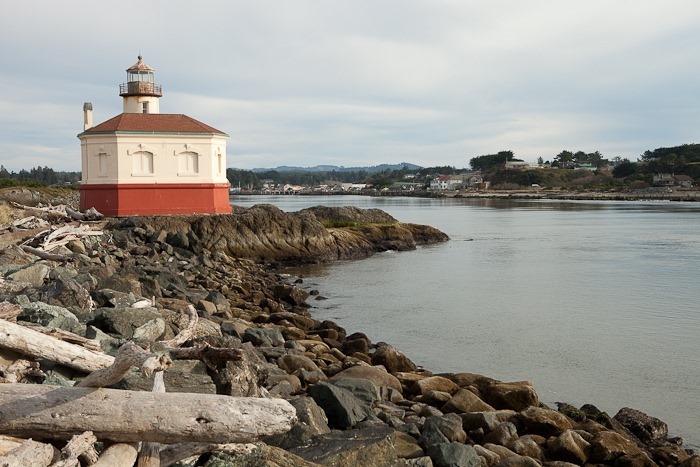
We said goodbye to the wonderful BLM spot in Coos Bay we’ve called home for several days now and drove south to the Coquille River Lighthouse. It is no longer active, nor does it have its lens anymore, but it’s still a neat structure:
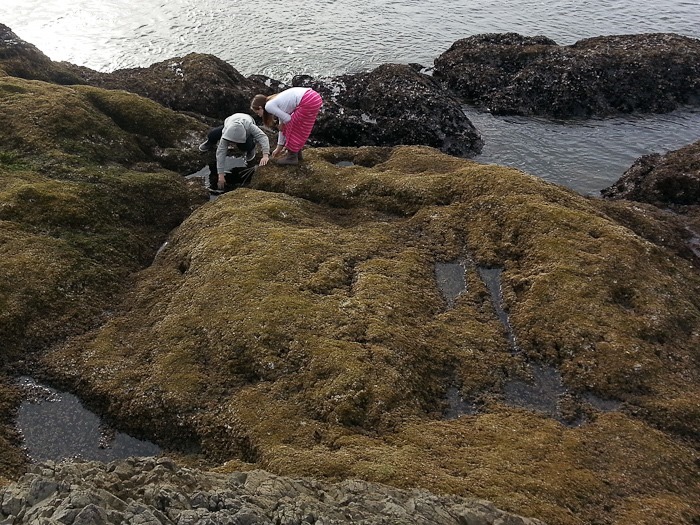
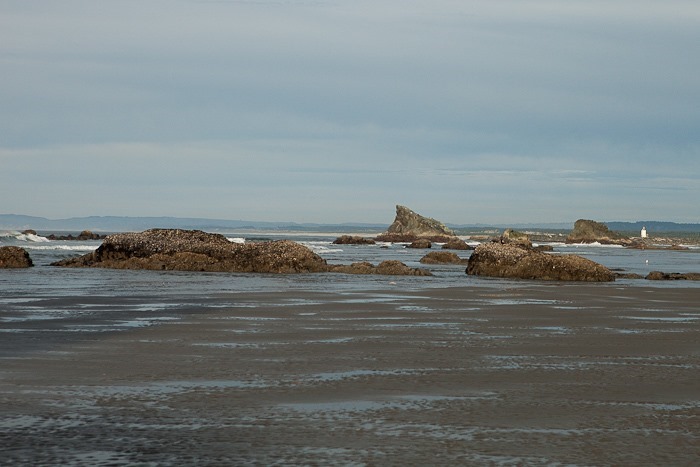
We poked around the tide pools next to the lighthouse:
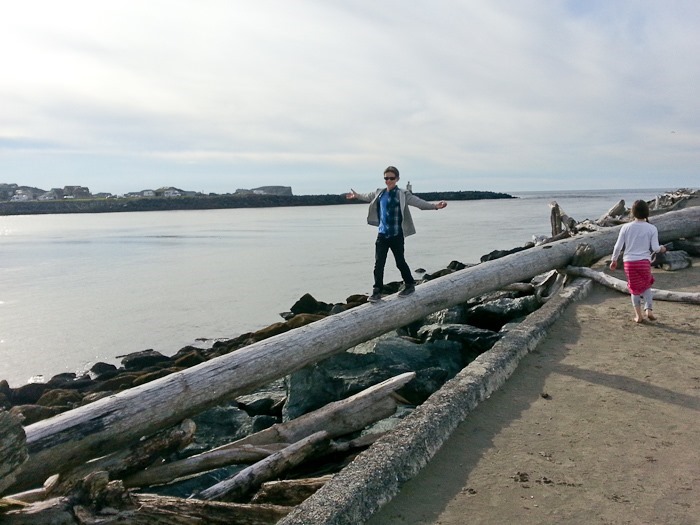
View from the jetty back towards the lighthouse:
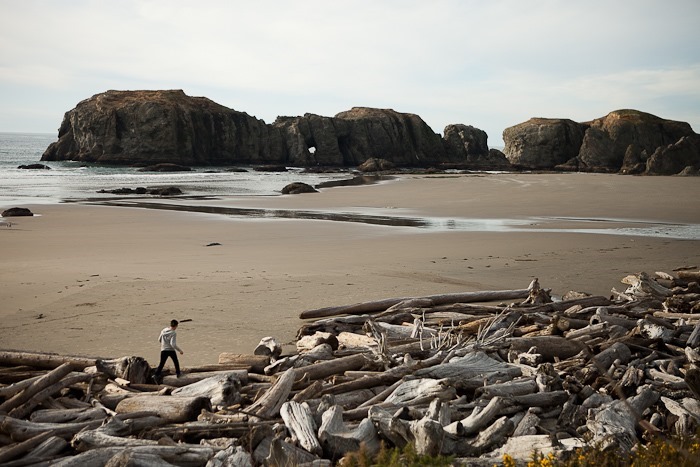
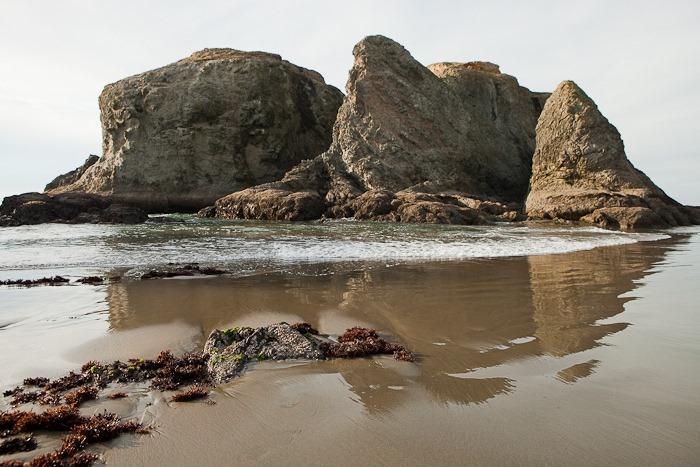
We drove around to Coquille Point, on the south side of the river mouth. Sea Stacks seem to be common in this part of the Oregon shore:
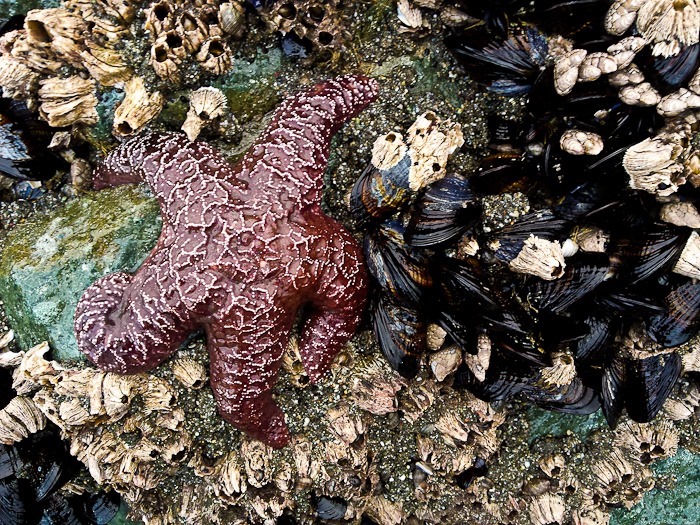
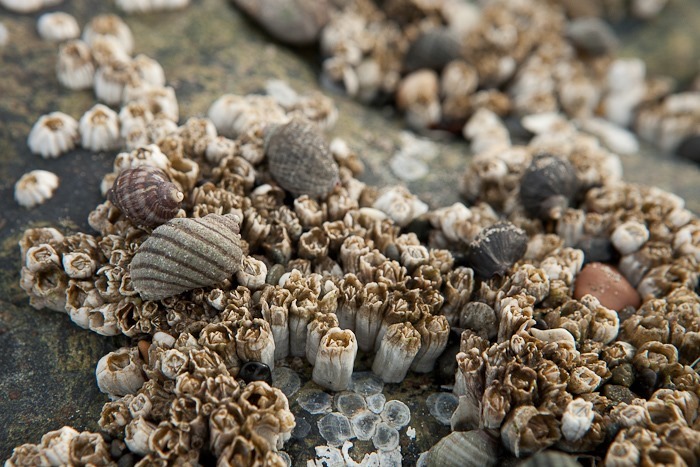
Marine life abounds in the tide pools:
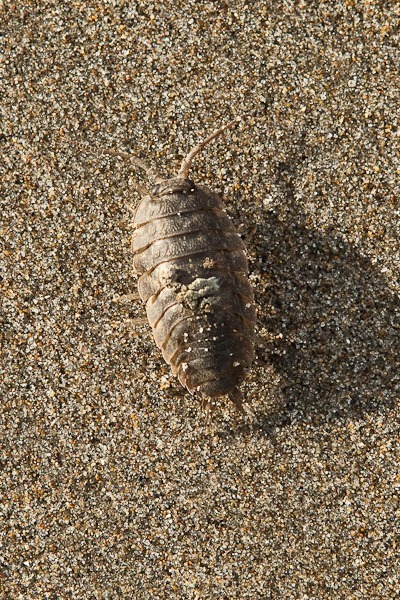
This fellow was running along the beach:
Looking north, the lighthouse is visible on the right side of the photo:
It’s a beautiful Oregon beach:
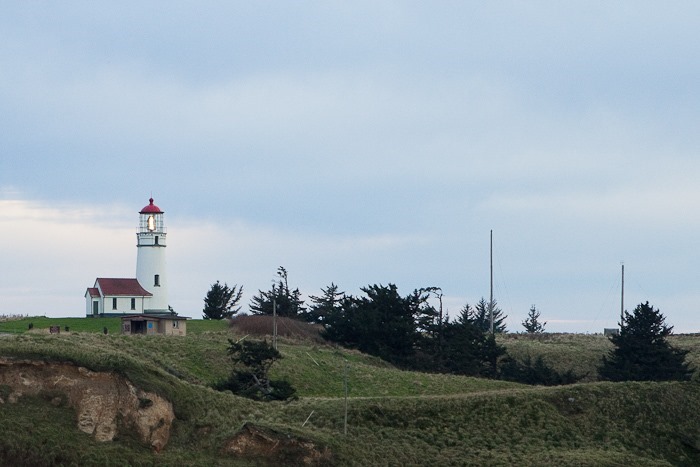
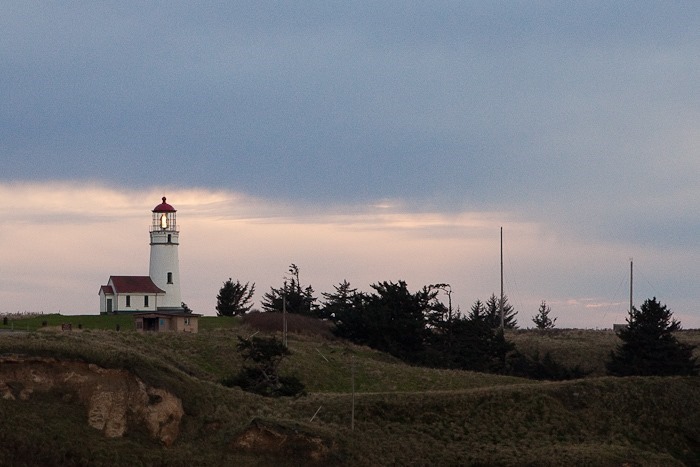
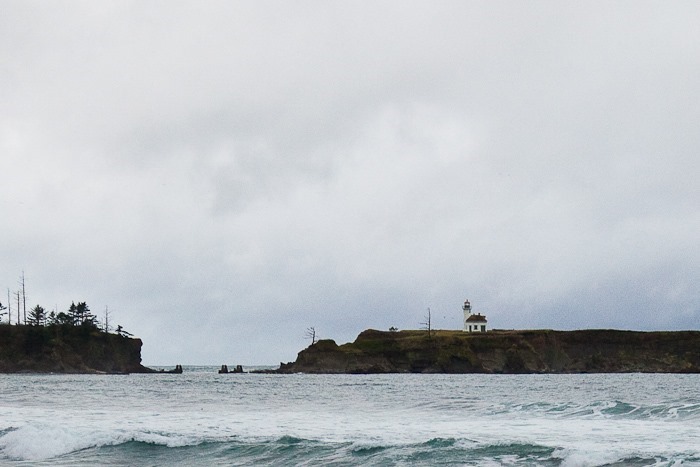
Continuing South, we stopped at Cape Blanco Lighthouse, which is still in operation. Tours are not available this time of year, and the grounds are closed, so photos had to be taken from a distance:
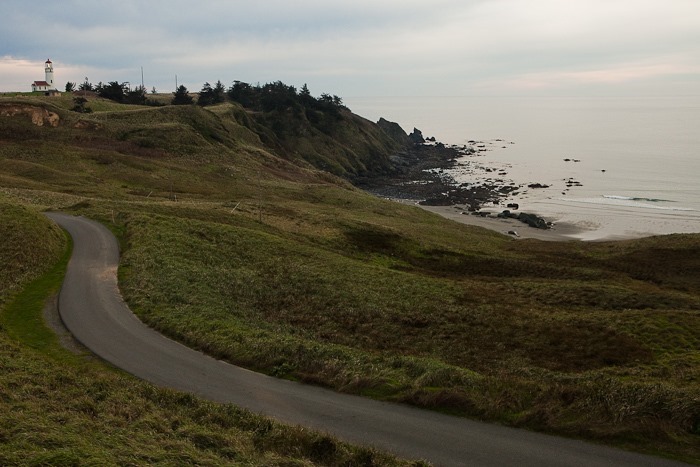
It’s a wonderfully rugged spit of land:
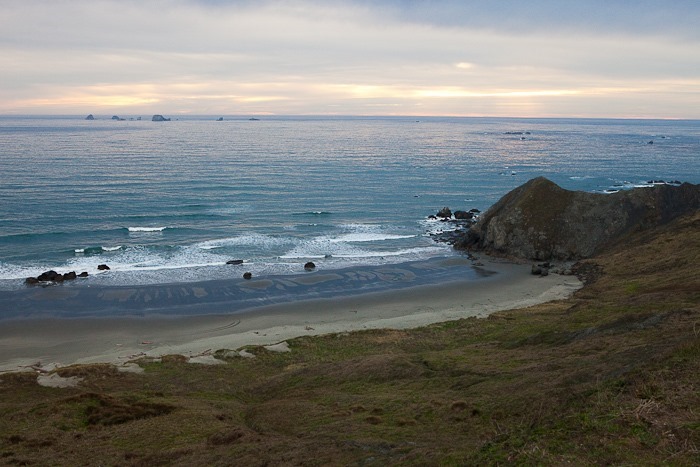
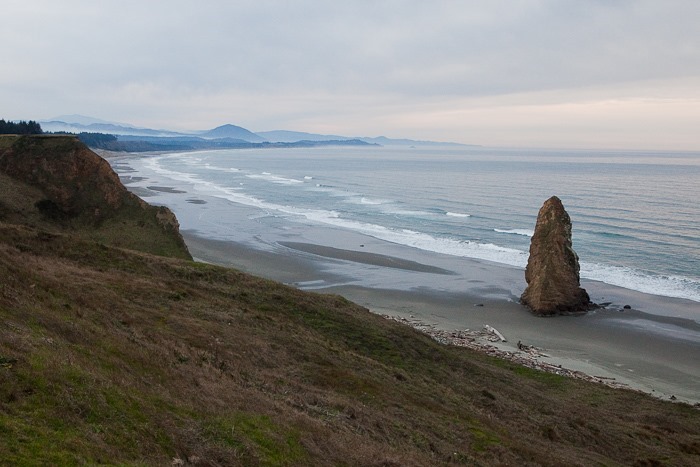
Great views were had to the south as well:
A storm looks poised to roll in:
Continuing south, we photographed the fading sunset over Ophir Beach:
We said goodbye to Oregon and arrived in Smith River, California a bit after dark, where we will be staying at the Lucky Seven Casino, located in the Smith River Rancheria of the Tolowa Nation. Long time readers may recall that we were here in October of 2013, when we built a ship and built a driftwood watch tower on the beach.
See the trip map for today’s drive and our current location.
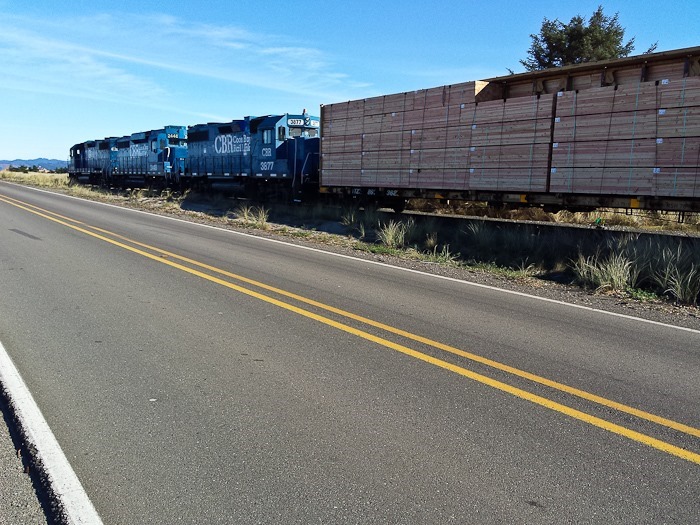
After homeschool, M and I walked out to watch a train drop off empty lumber cars and pick up loaded lumber cars at he lumber mill across the road from our BLM dispersed campsite. Watching the train use the sidings to drop off and pick up cars reminded me of my model train set from when I was but a lad:
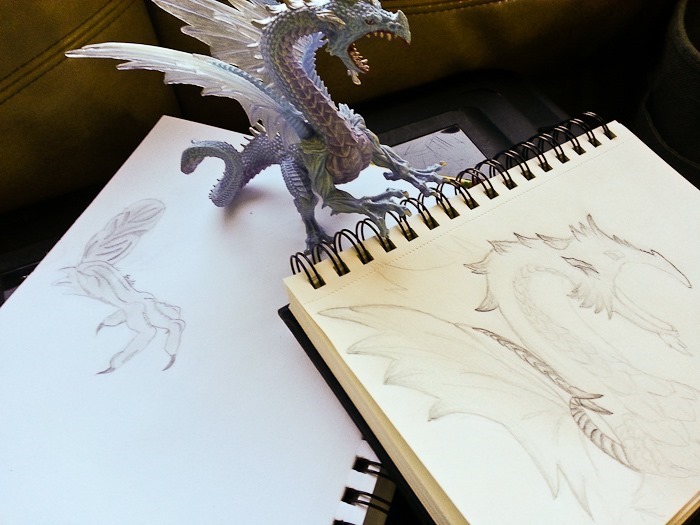
Trish and B worked on drawing this model dragon, part of their Asian “geography through art” study:
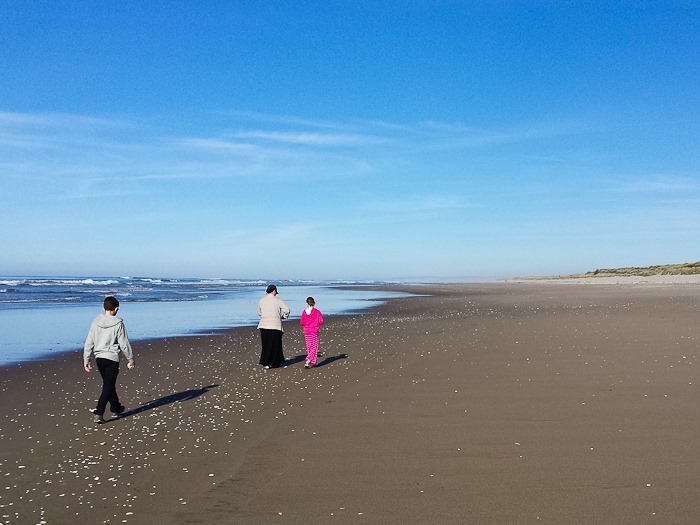
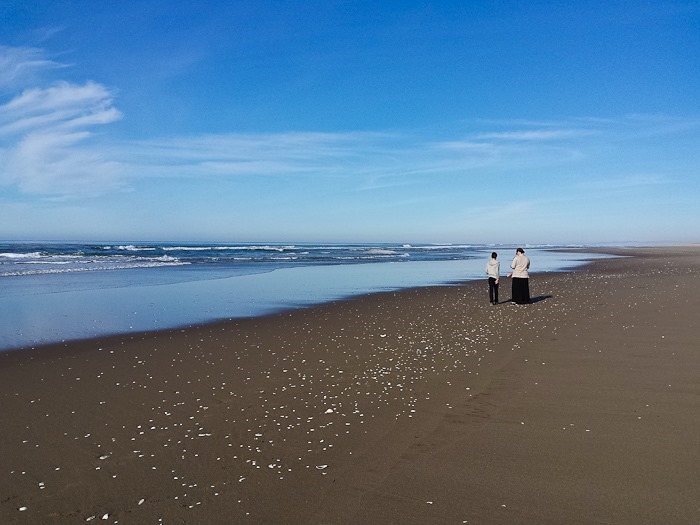
From our camping area, we drove down to the beach on the sand road and looked at the shells. Unfortunately, this is BLM beach, not Oregon Dunes NRA, so only street legal vehicles are allowed on the beach itself, so M will have to wait to ride his motorcycle:
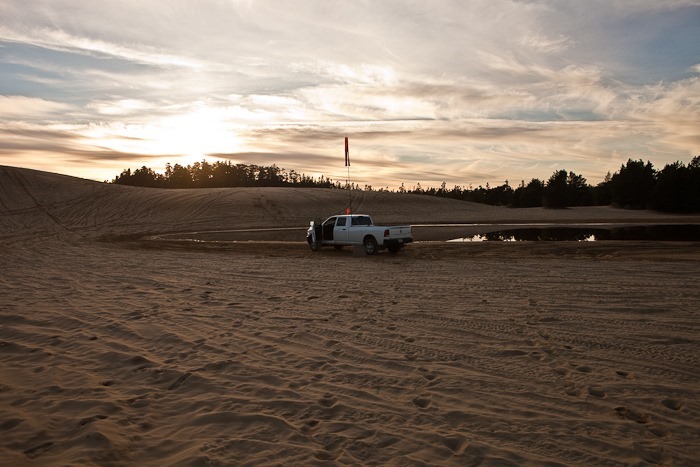
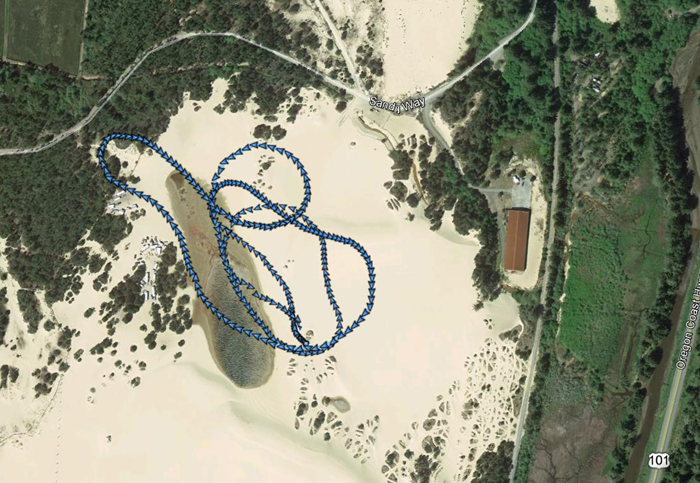
Towards the end of the day, we drove back to the dunes at Hauser Road to fly my PPG. The dune to the left marks the approximate edge of the airspace controlled by the local airport, so I had to stay north of there:
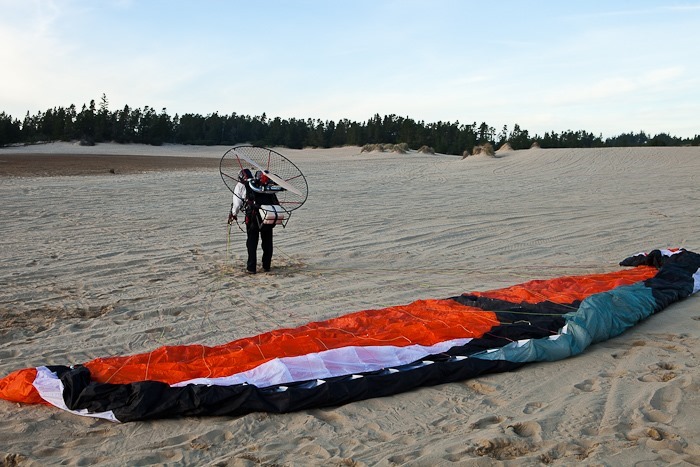
There was no wind at all. This was going to be a tough forward launch:
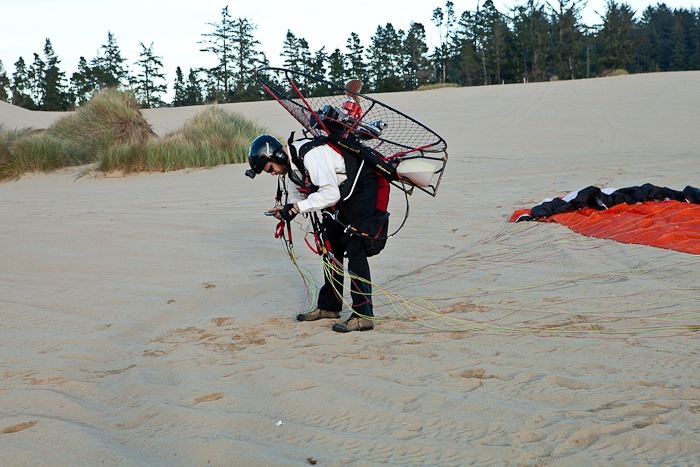
Checking the pre-flight checklist:
I had one failed launch, but was not deterred. Much.
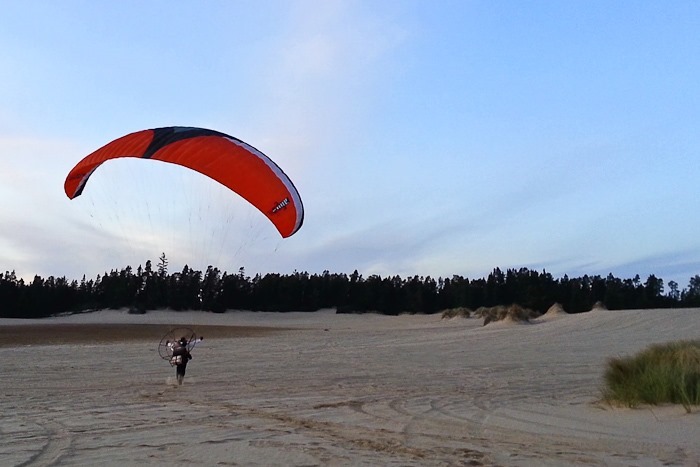
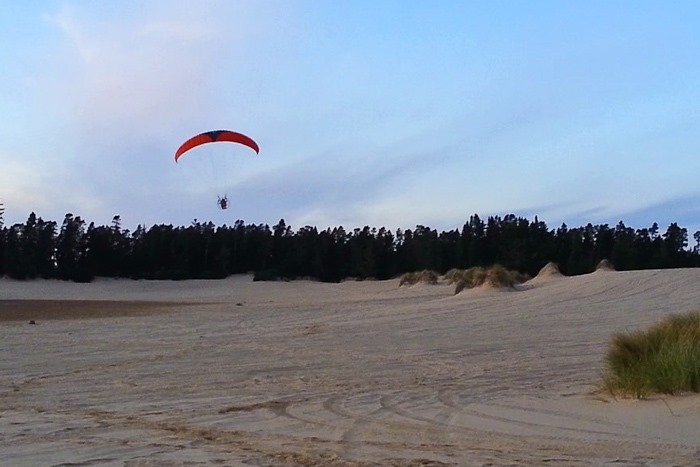
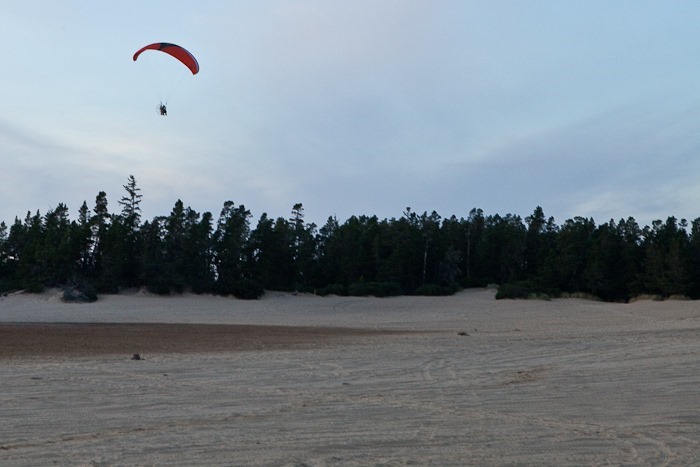
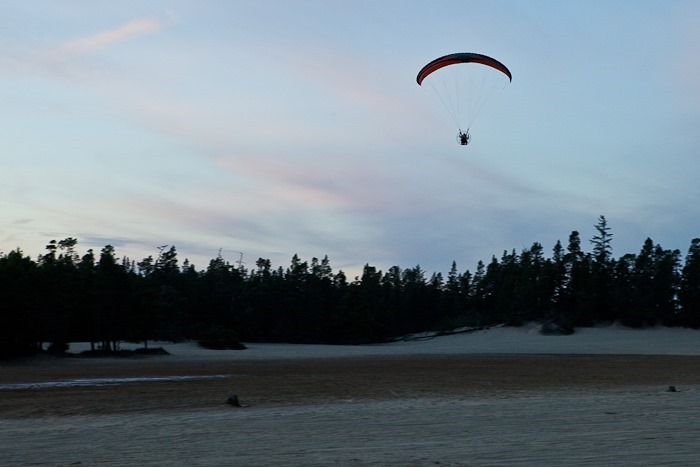
And away on my 6th solo flight:
The dune area was surprisingly small once I was up in the air and moving along at 25MPH or so. I couldn’t go south of the pond because of the local airport’s airspace, and I didn’t want to be out over the trees in case of an engine failure. It was nearly sunset anyway, so I just circled a couple times and came in for a landing, which I managed to successfully run out:
This evening, I went to get water at a nearby campground using our water bag. Trish worked on jewelry while I was gone:
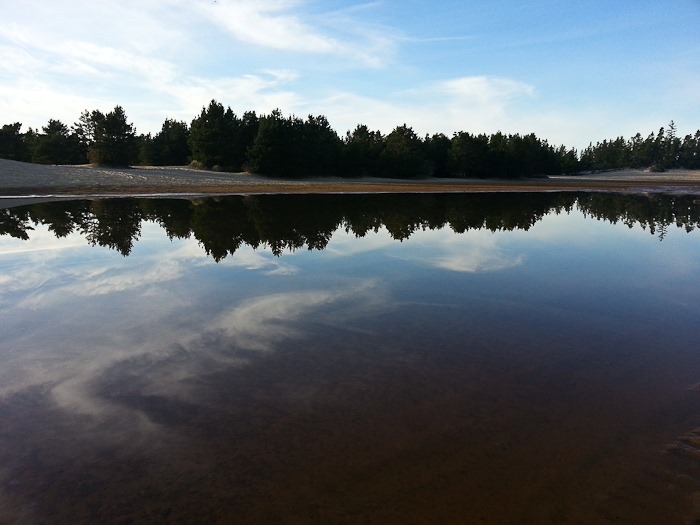
We had a nice Shabbos in our BLM camping location. Yesterday was the first sunny day we’ve had in some time, and it was beautiful. I went on an afternoon walk that included circling a small reservoir and walking along the bayside beach across the street from the RV. I’m glad most folks prefer paying to park cheek-by-jowl in a campground.
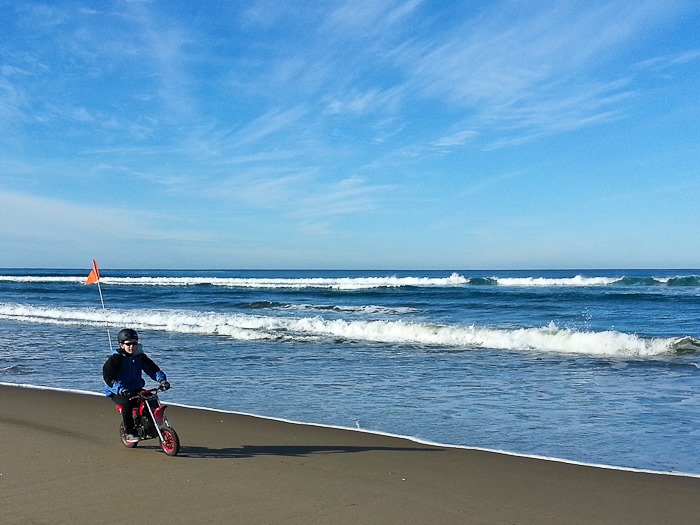
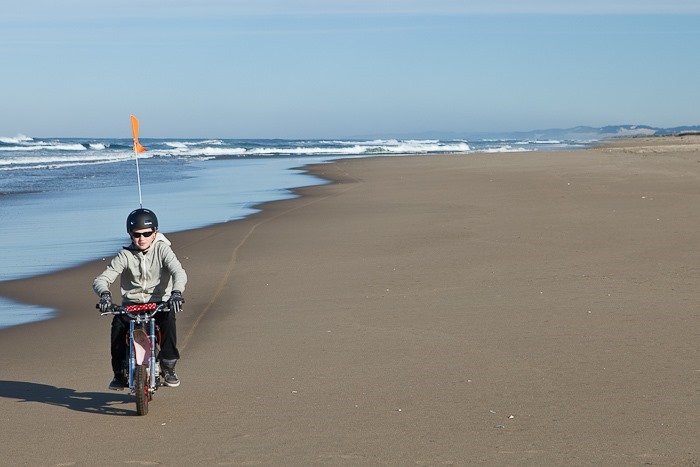
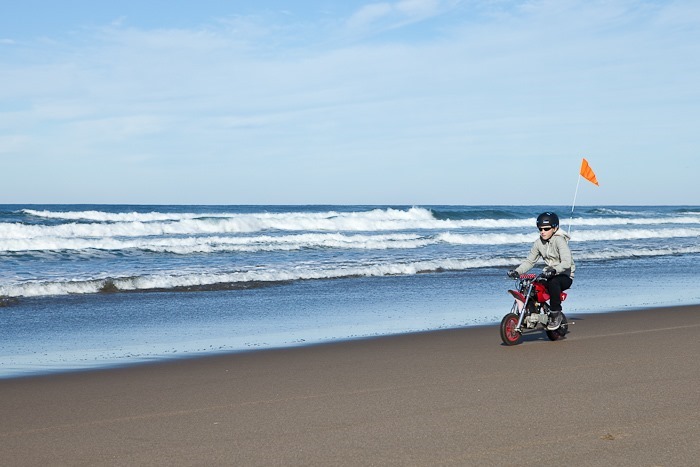
This morning we awoke to another beautiful day. We left the RV behind and drove out to the beach, where M used the ATV safety certificate he had earned on Friday to legally drive his motorcycle on the beach:
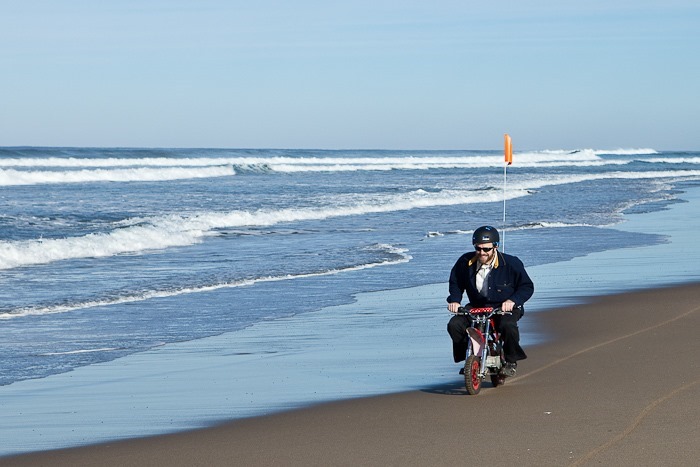
M could achieve about 25 MPH on the wet sand, the legal speed limit here. I was a bit slower due to my weight, and look to be practicing for the circus:
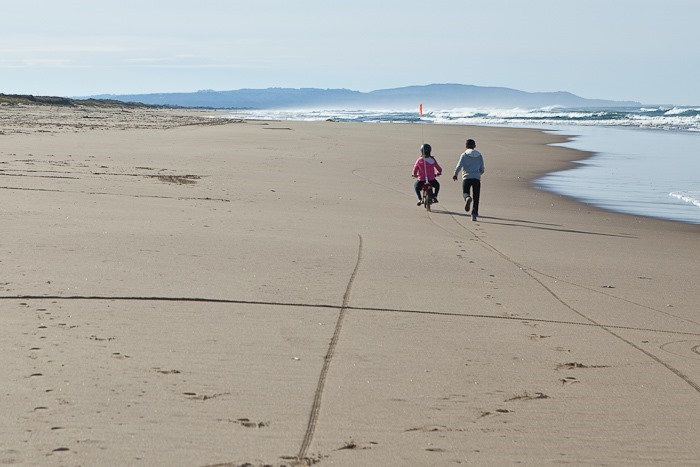
B took a spin as well with M running along side:
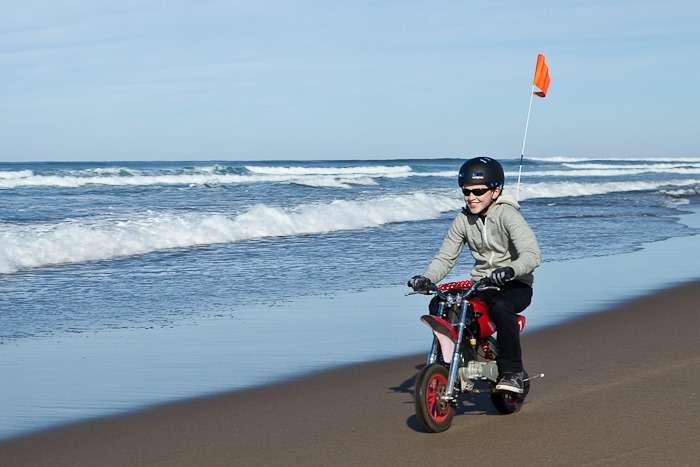
He’s pretty happy:
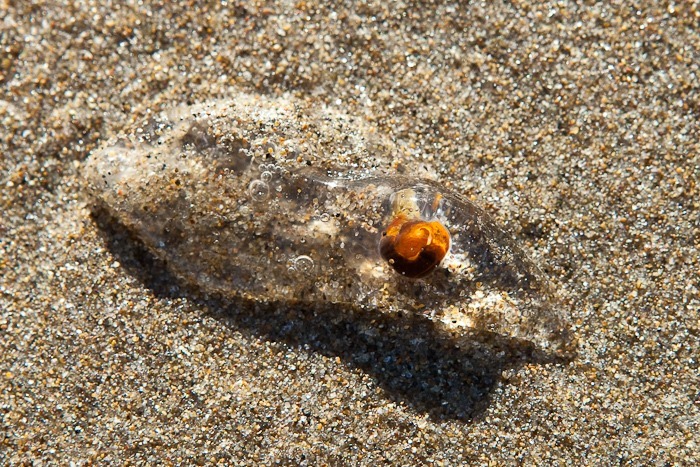
Along the beach we saw hundreds of what I think are Sea Butterflies. The brown object is their stomach:
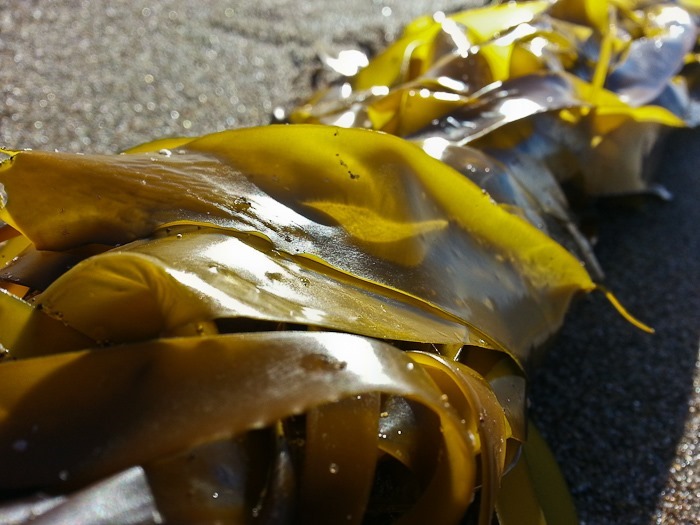
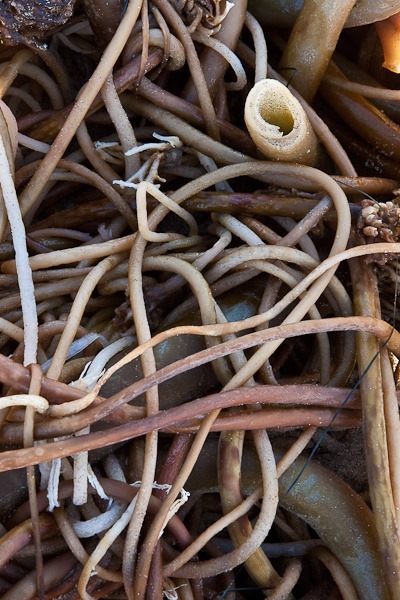
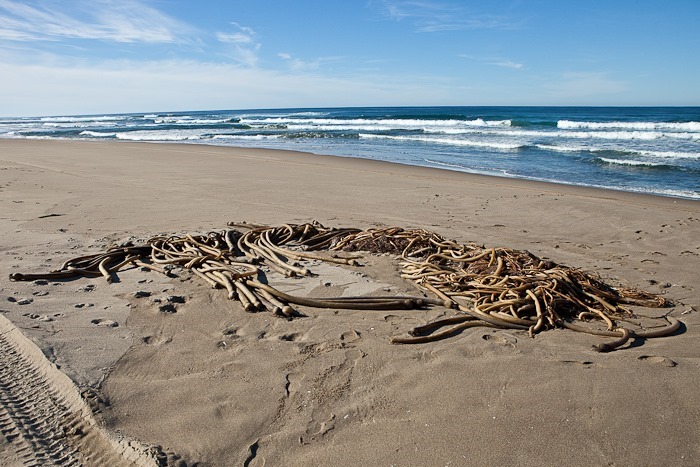
Lots of kelp too:
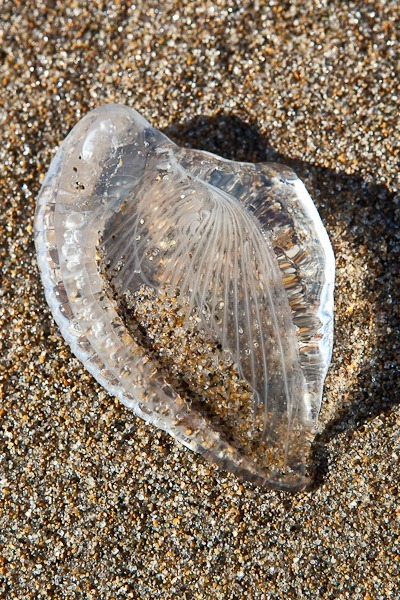
An amazing jellyfish:
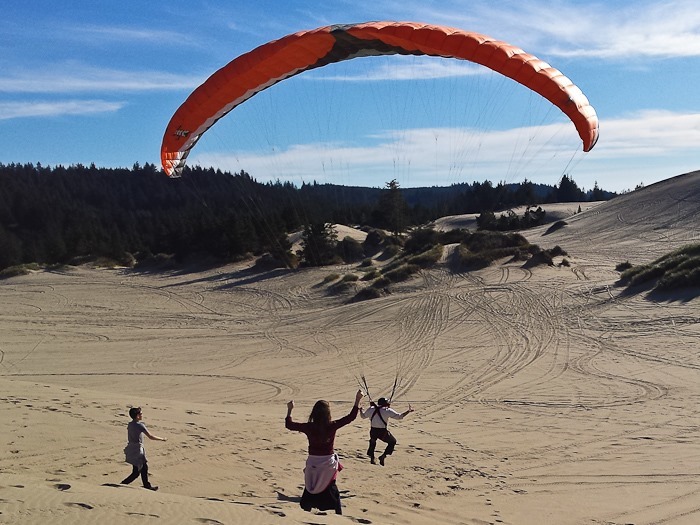
After lunch, we drove to a dune field where I did my first unpowered paragliding. It’s a bit hard to tell, but my shadow is mostly hidden by B, and I’m three or four feet off the ground:
Trish also did her first successful forward launch today!
On the way home, we went into Coos Bay and did a bit of shopping. We returned to the RV towards sunset:
We woke up to a cloudy and windy day at the Coos Bay South Jetty:
We had some pretty good wave action:
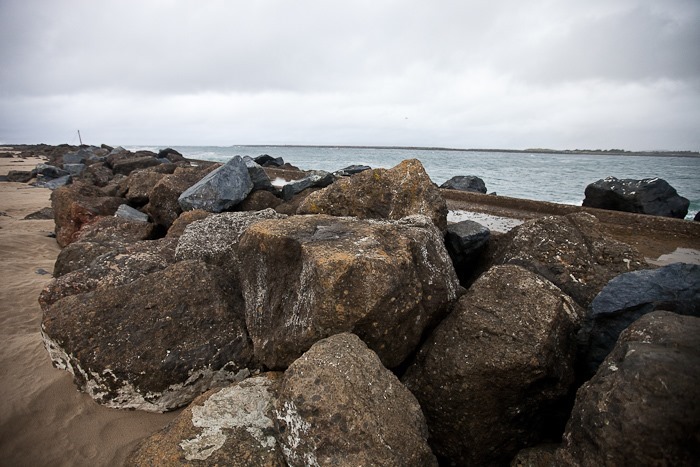
The jetty extends out into the sea:
From here, we continued south on Cape Arago Highway to Yoakam Point State Park, where an unmarked trail led us down to the beach. It’s hard to tell from this photo, but the last 100 yards were steep and slippery to get onto the beach, so much so that we relied heavily on a rope a previous visitor had tied onto a post above:
Looking north, we could see the Cape Arago Lighthouse on Chief’s Island in the distance:
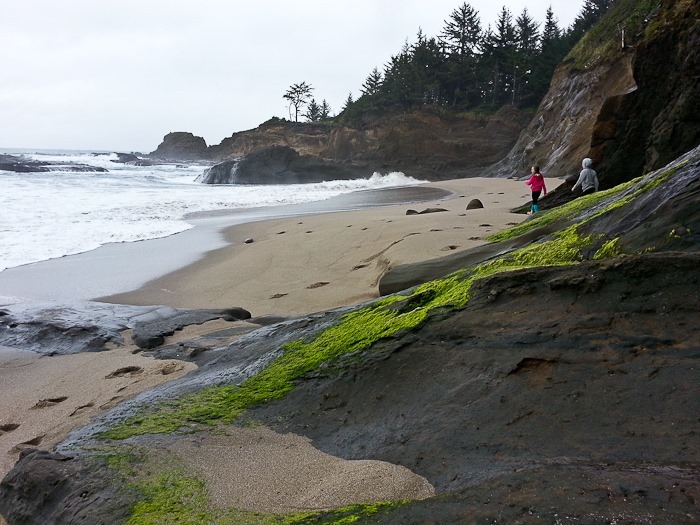
The beach here is as beautifully rugged as any we’ve seen in Oregon:
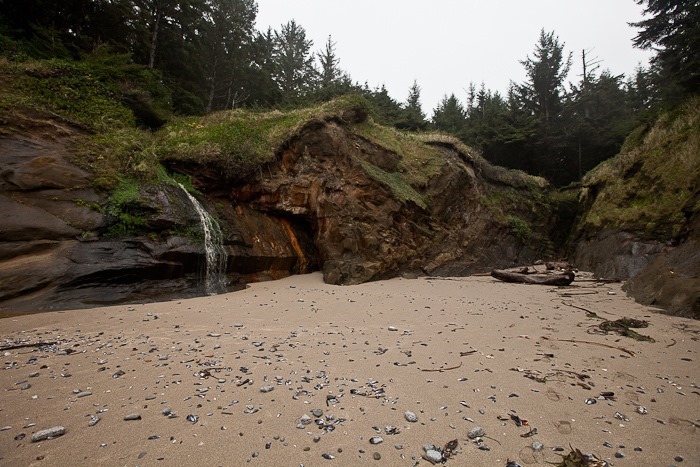
In a secluded beach alcove, we found a little waterfall:
We found all sorts of shells and smoothed pieces of driftwood:
The primary reason we came to this beach was to see the concretions. Minerals accumulate over a nucleus, much like the creation of a pearl. The precipitated material here is more resistant to weathering than the host material, so erosion exposes the concretions. These concretions are roughly grapefruit-sized:
Eventually the host material weathers away so much that the concretion falls out, leaving a socket:
Concretion in sand:
A stratum of shell-rich material:
Quick geology lesson:
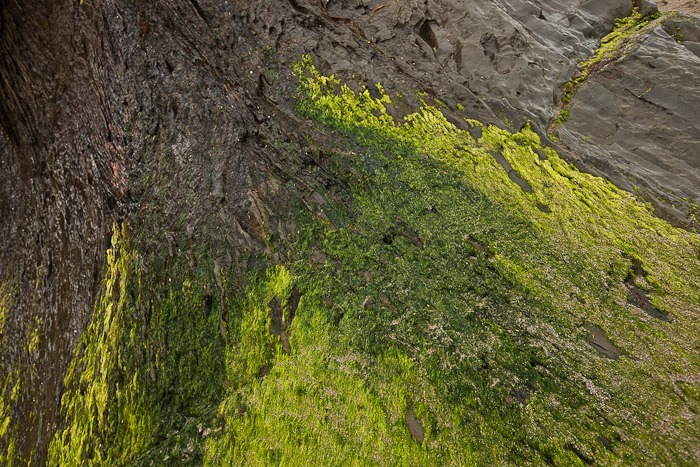
Moss on the rocks:
Despite the rain, it was a great experience:
We found an interesting mushroom on the trail back:
Continuing south, we stopped in at Shore Acres State Park to visit, in the rain, the formal gardens built here by timber tycoon Louis Simpson in the 1920s on what was then his private estate:
Continuing south, we arrived at an overlook for Simpson Reef and Shell Island. As soon as we got out the car, we could hear the barking of the Stellar Sea Lions:
Using binoculars, we could clearly see the seals and sea lions laying out on the rocks. The seals are the silver objects seen on the rocks in the foreground:
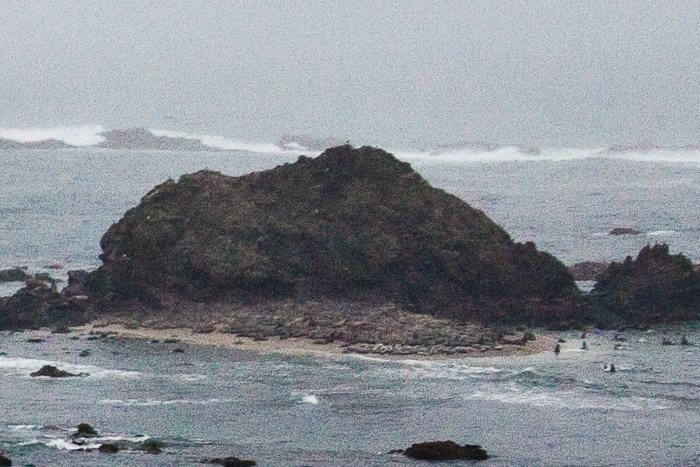
The light brown “pile” on the beach below the rock is in fact hundreds of Stellar Sea Lions. A few are swimming in the water to the right:
Continuing to the end of the road, we arrived at Cape Arago itself. Here’s the view to the west:
…And to the south:
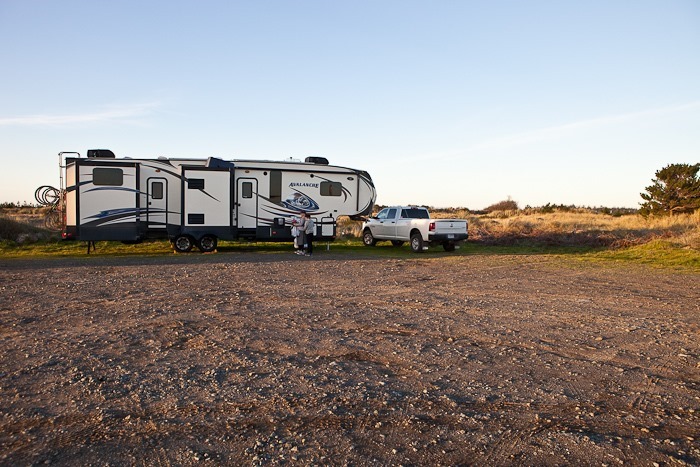
There’s a one-night stay rule for the BLM land we were camped on last night, so we drove out onto the North Jetty where the normal 14-day limit is in effect. Trish made jewelry out of some of the shells we collected:
We set out our collected driftwood to dry:
M worked on completing his online OHV safety course so he can ride his motorcycle here on Sunday. It took him about 90 minutes to read the 11 chapters and complete the 11 end-of-chapter quizzes and the 50 question final exam:
Good Shabbos from the Coos Bay North Jetty! See the trip map for today’s drive and our current location.












 Facebook
 Instagram
 Email
Email