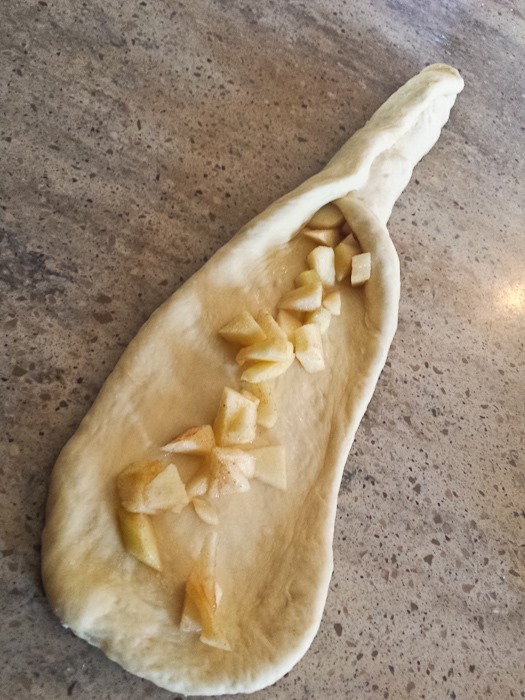
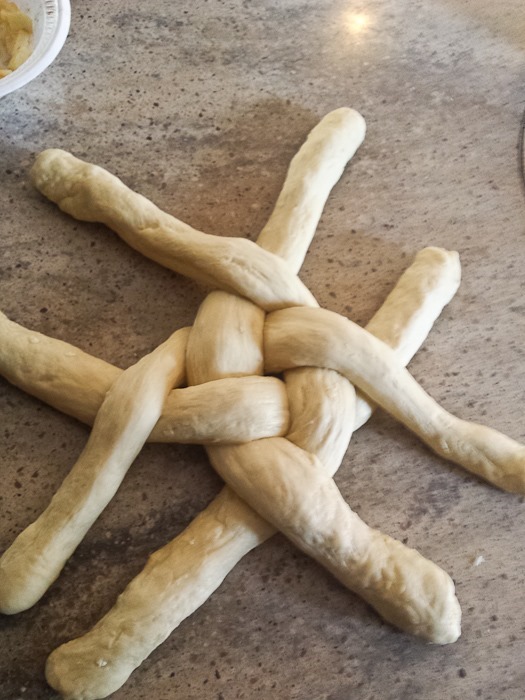
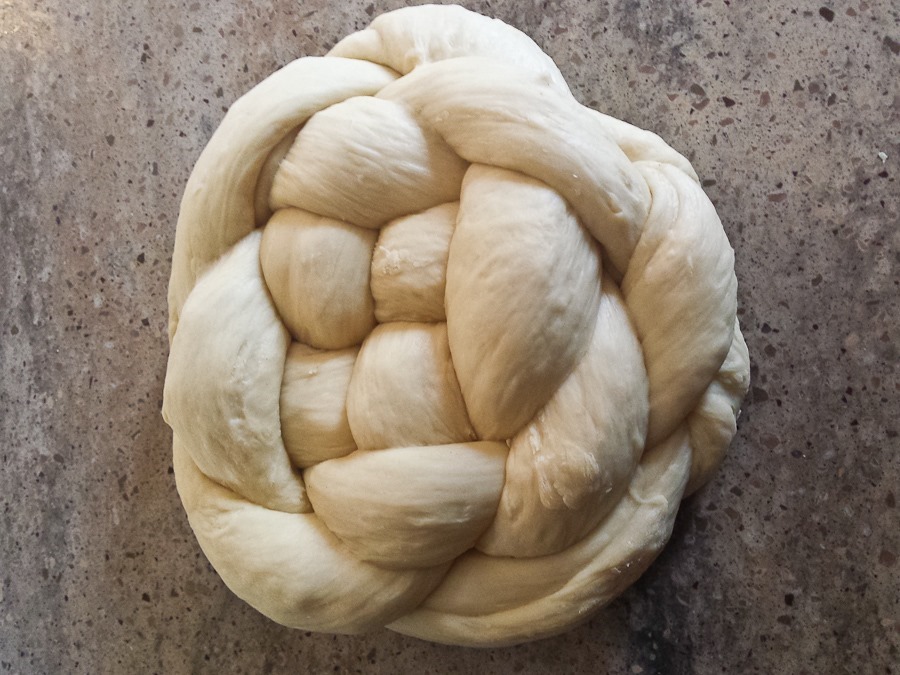
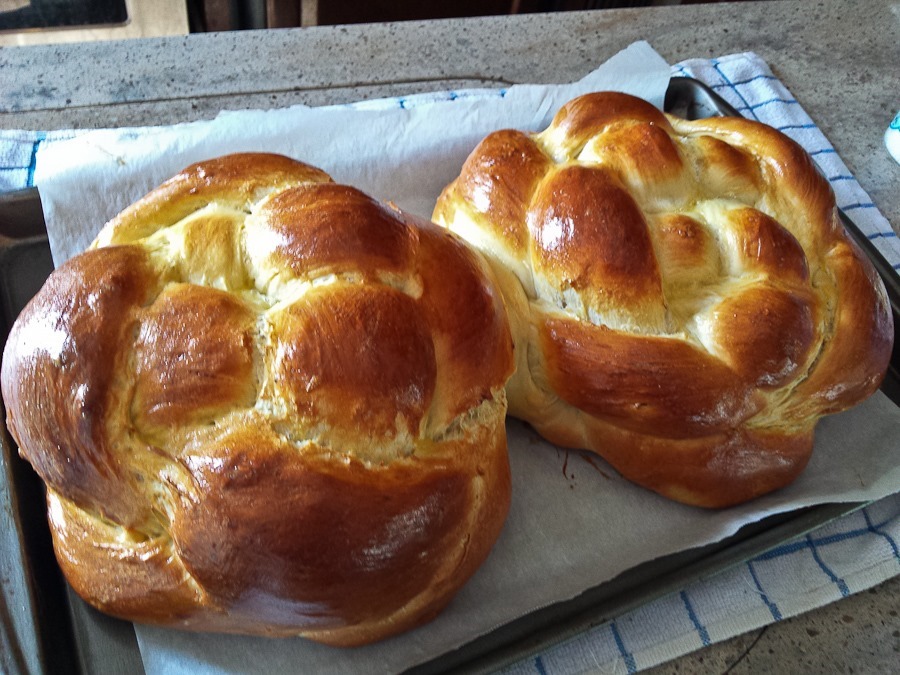
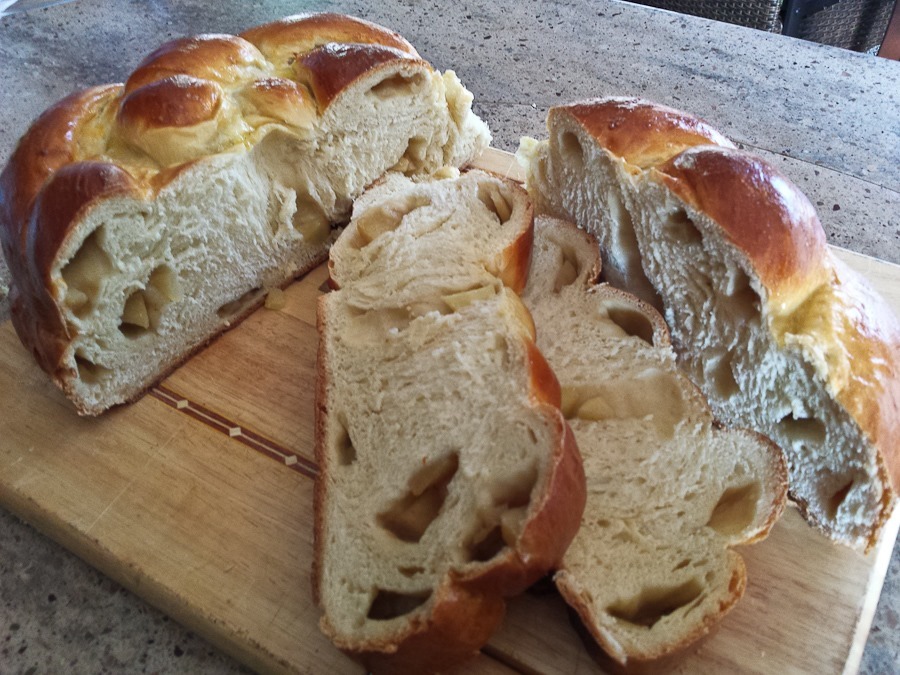
In between homeschool classes, Trish experimented with a new way to make Rosh Hashanah challah:

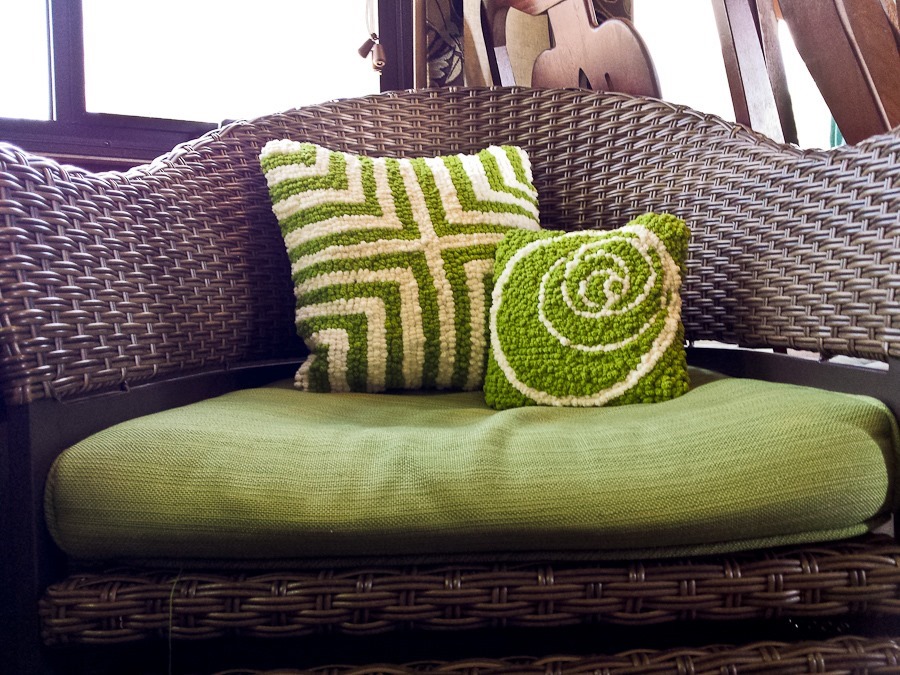
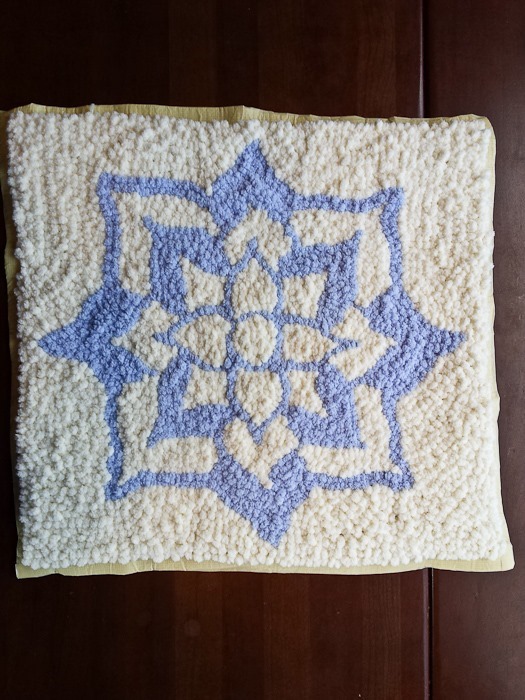
Trish also finished up more rug hooking projects:
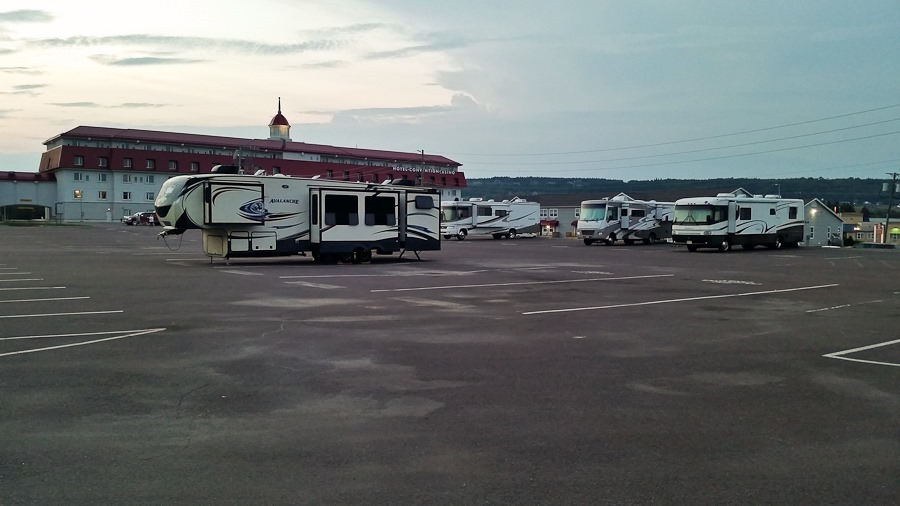
Good night from the Moncton casino:

In between homeschool classes, Trish experimented with a new way to make Rosh Hashanah challah:
Trish also finished up more rug hooking projects:
Good night from the Moncton casino:
Shabbos in Sydney, Nova Scotia, was nice, with perfect weather. I’m so glad to see the beginnings of Autumn.
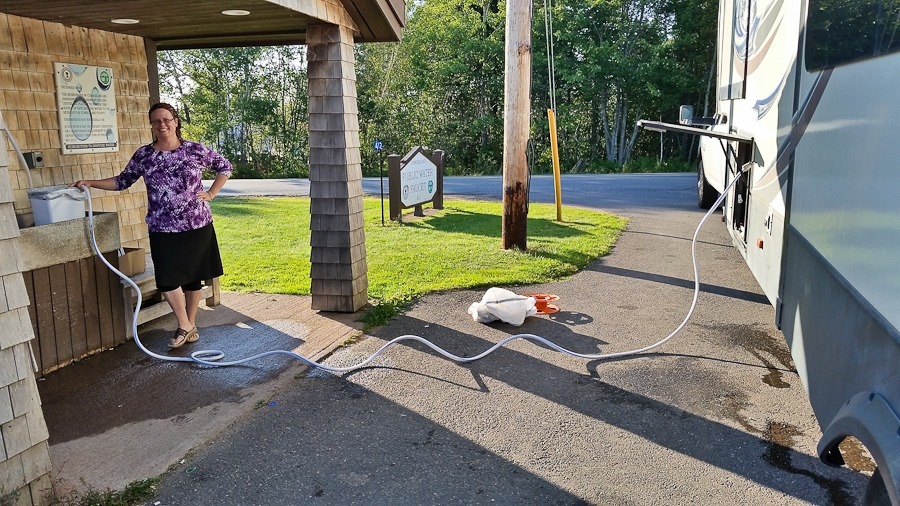
Today we said goodbye to Cape Breton Island and drove east to refill our water in Amherst, Nova Scotia. Last time we used a water bandit to mate our garden hose to the supply hose at the water station, which worked but we ended up soaking wet since the supply hose put out more water than the garden hose could handle. This time we had the supply hose pour into a garbage can, then used the transfer pump we usually use with our 45 gallon water bag to pump the water from the garbage can into the RV:

Just in time for leaving Nova Scotia (New Scotland), Trish finished her Scottish-craft Rug Hooking pillow project:

We drove about 300 miles today to overnight at the casino in Moncton, New Brunswick, which we last visited a few weeks ago. See the trip map for today’s drive and our current location.
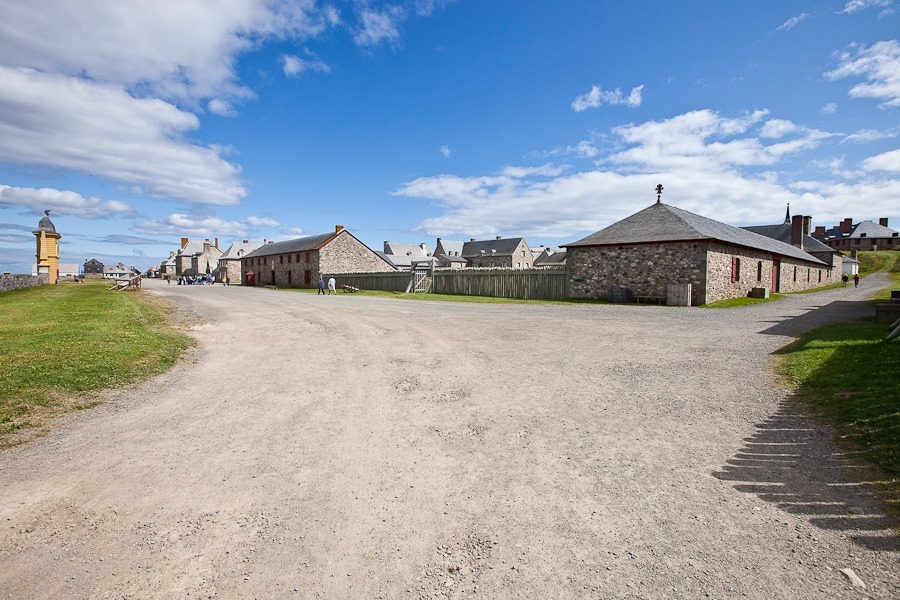
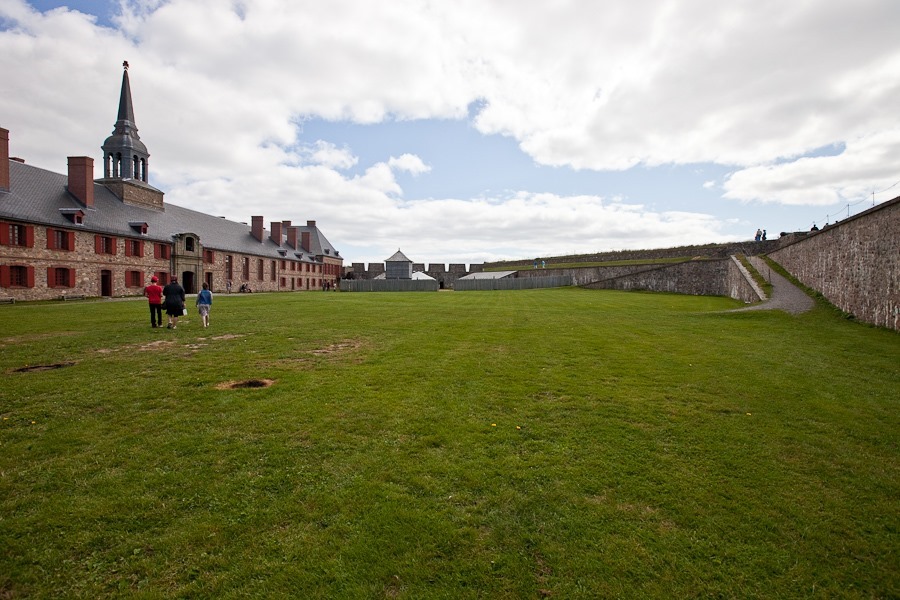
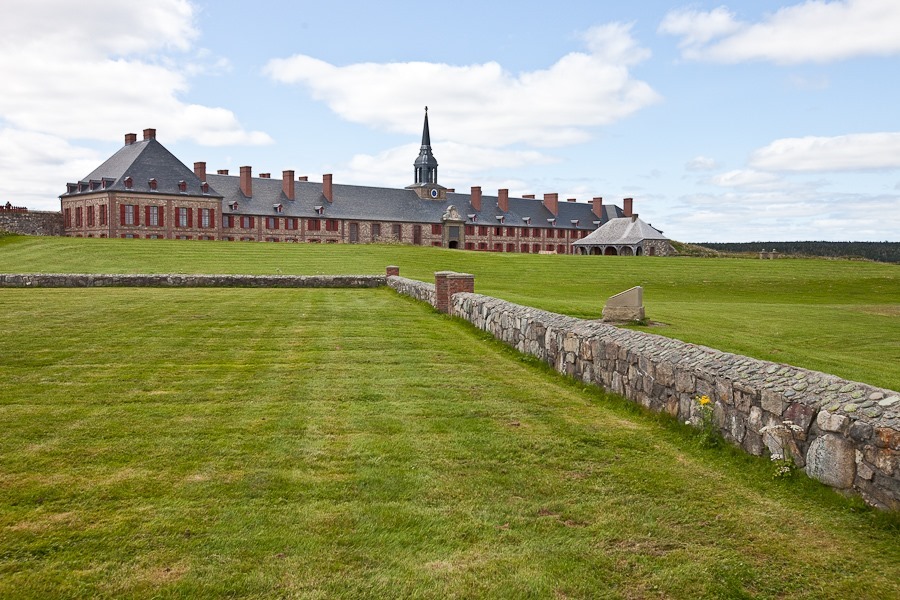
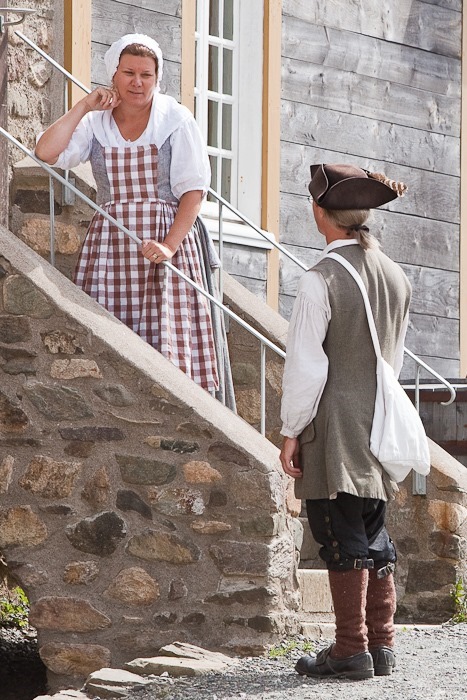
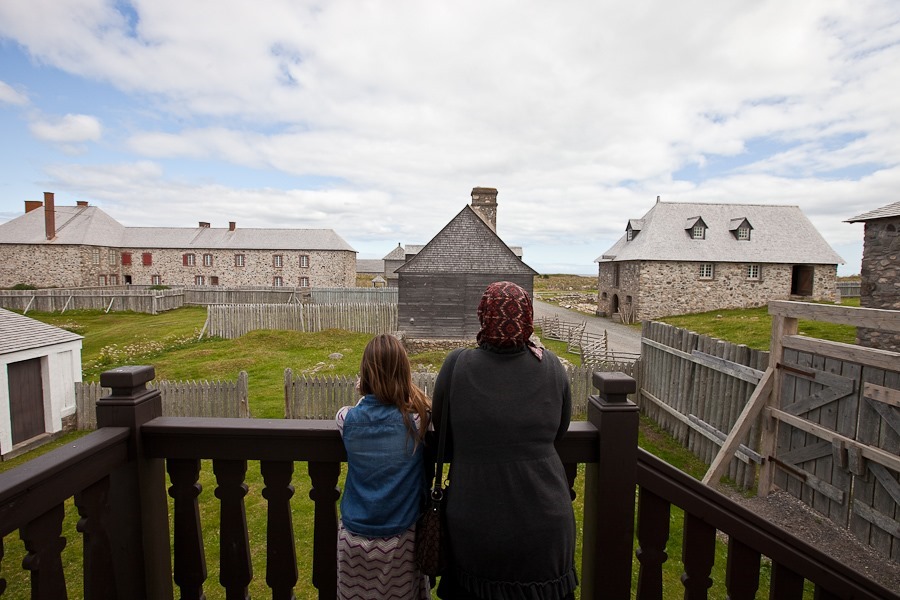
Today we left the Walmart of Sydney and drove south to visit Fortress of Louisbourg National Historic Park. This area was settled in 1713 by the French, and the fortress was mostly complete by 1740. The English captured the fort in 1745, returned it to the French via treaty in 1748, then captured it again in 1758 and destroyed the fort shortly thereafter. The fortress and town were partially reconstructed in the 1960s and 1970s by unemployed coal miners. To visit the fortress, we parked at the visitor center and took the shuttle bus to the fort site:
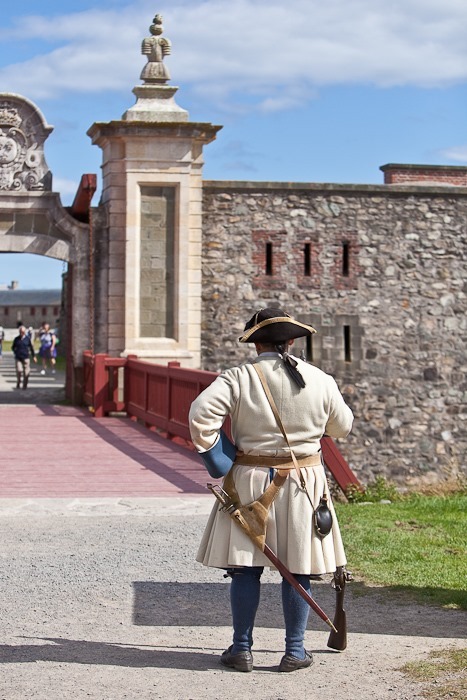
Outside the walls:
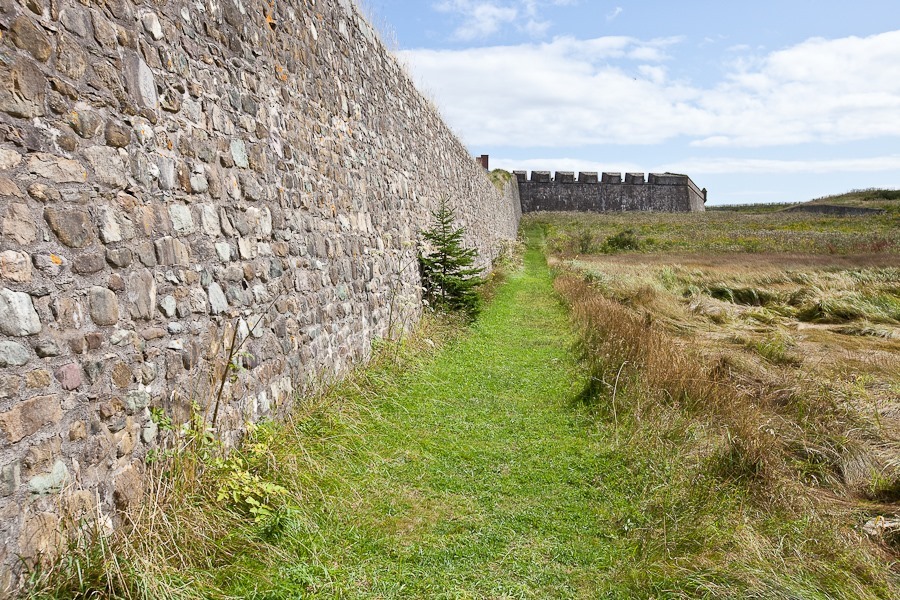
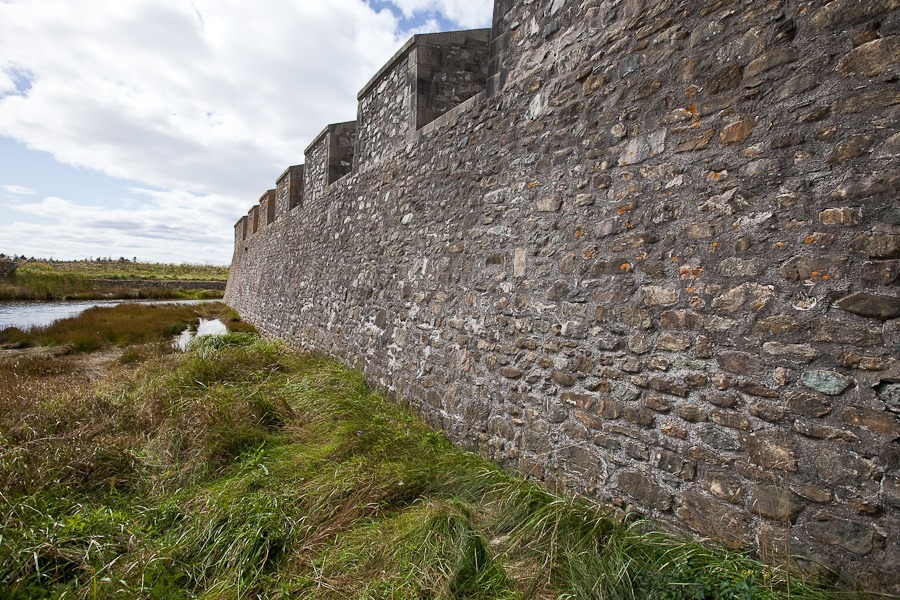
The town, only 25% reconstructed, is sizeable:
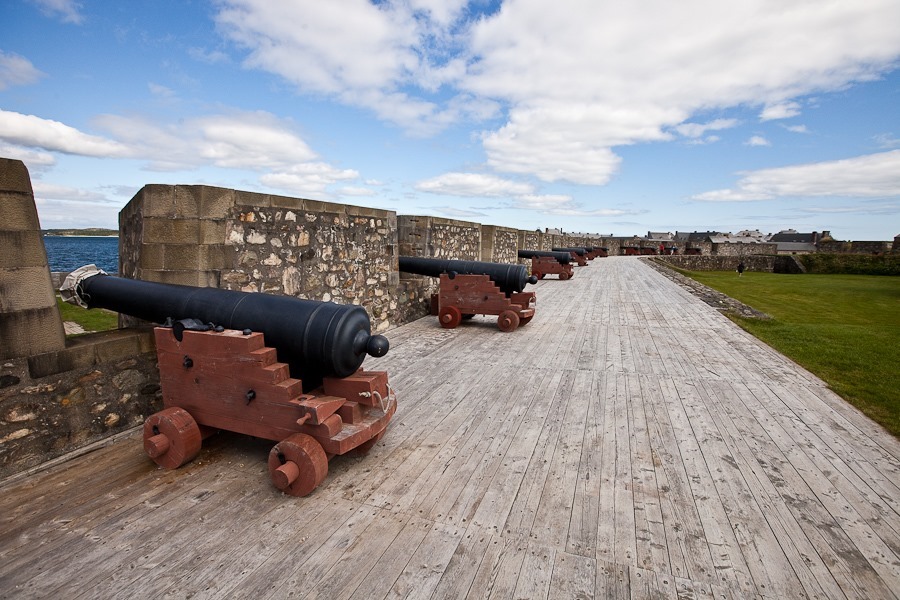
The great guns defending the harbor. This led the British to attack over land in both 1745 and 1758:
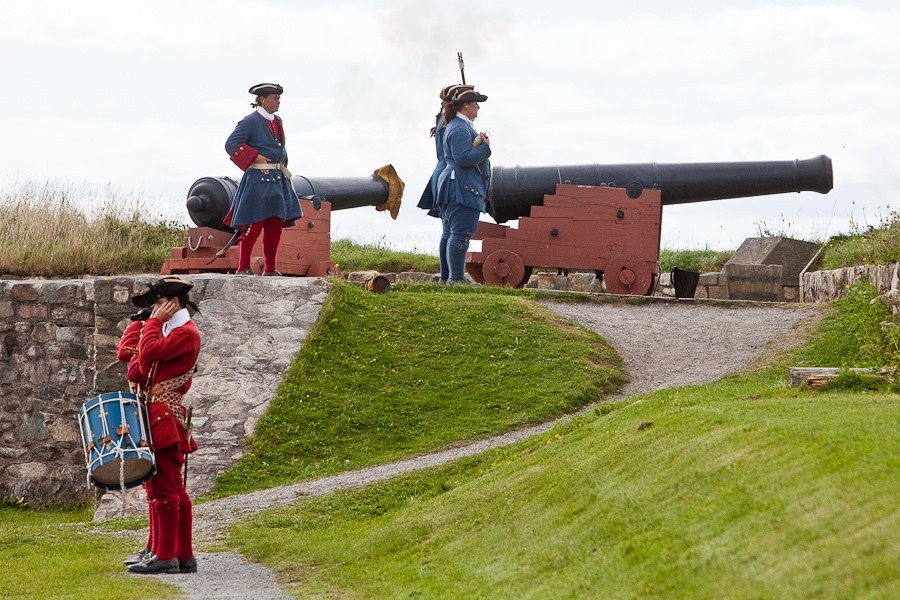
Exercising the great guns:
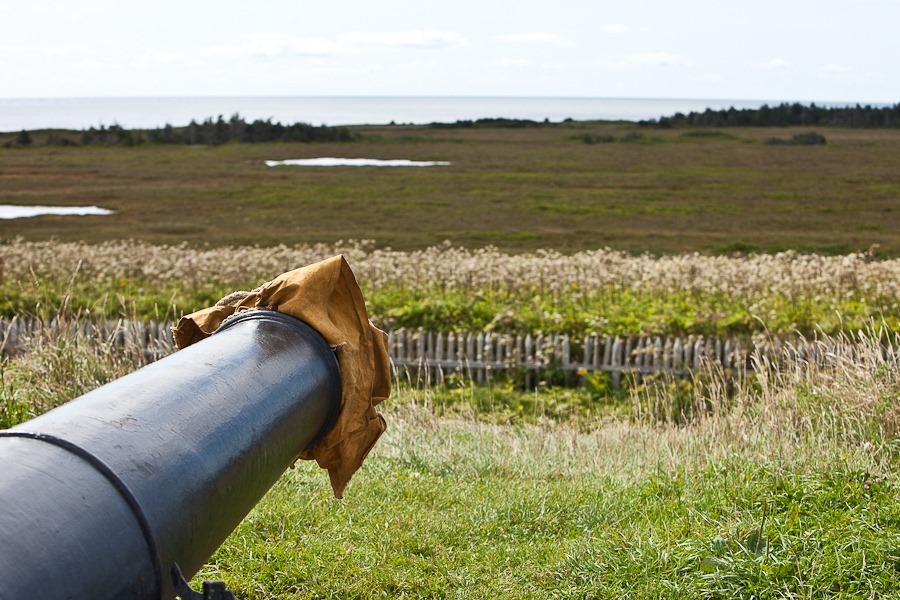
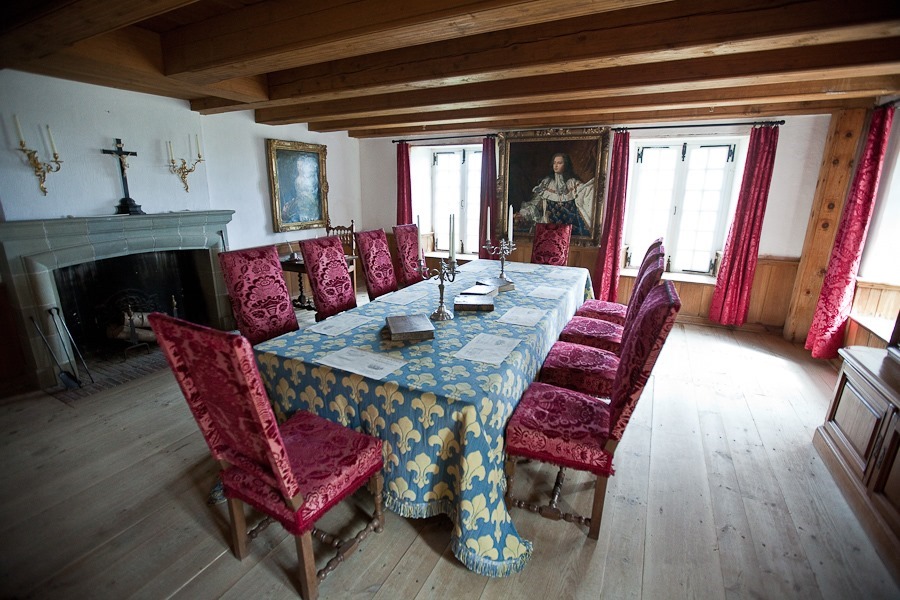
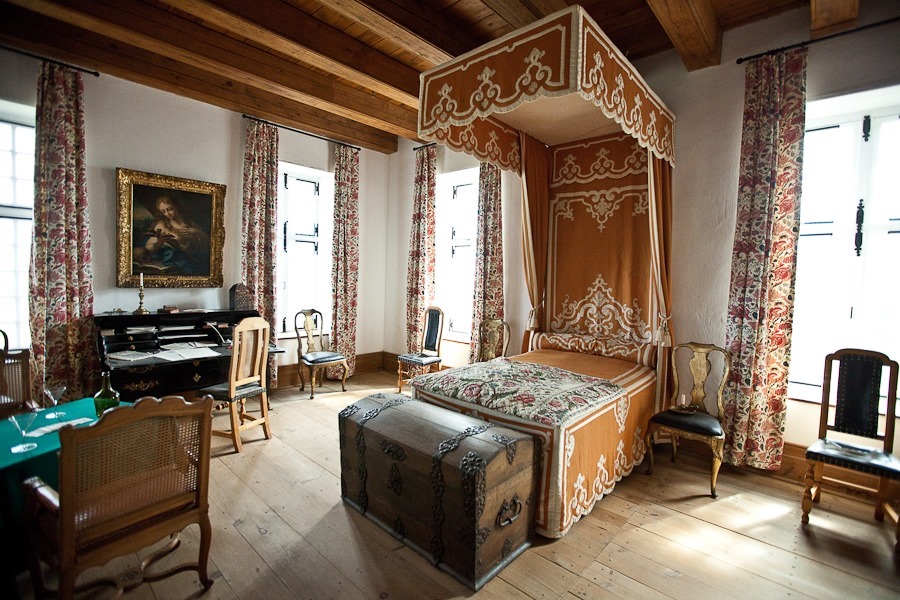
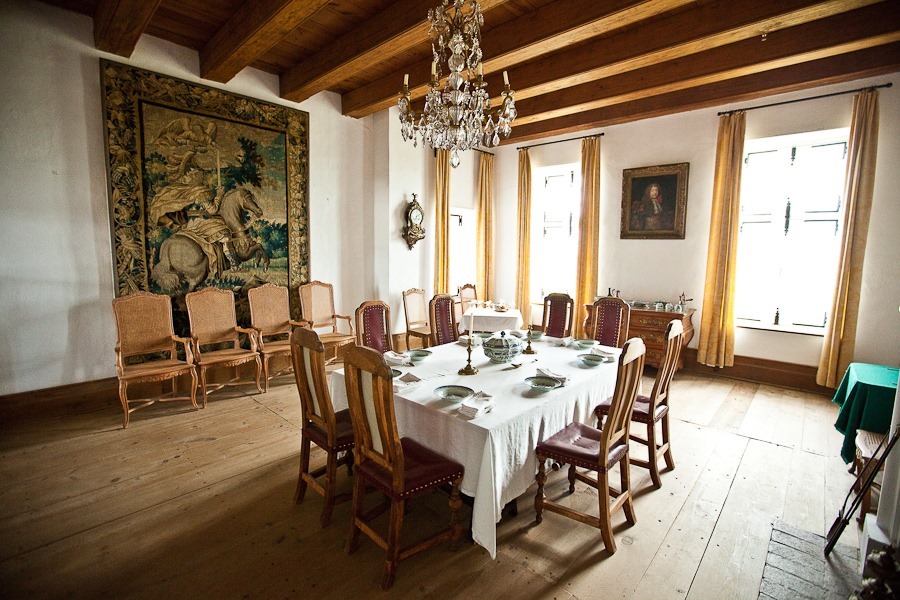
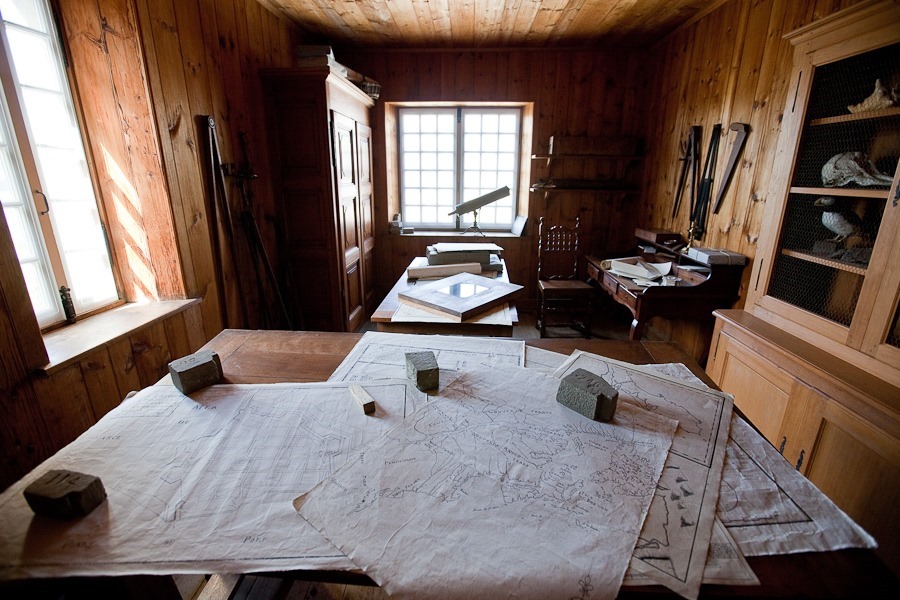
We first toured the Governor’s house:
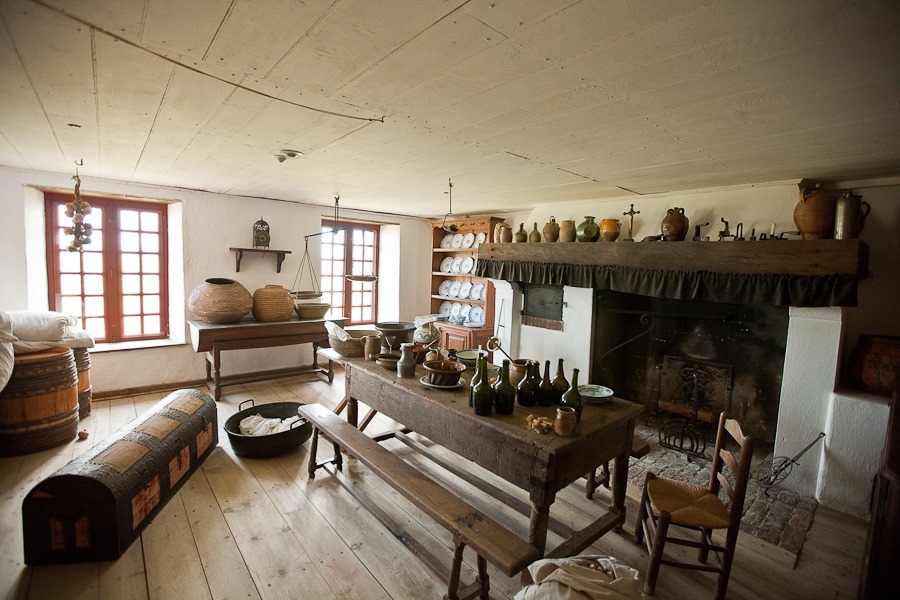
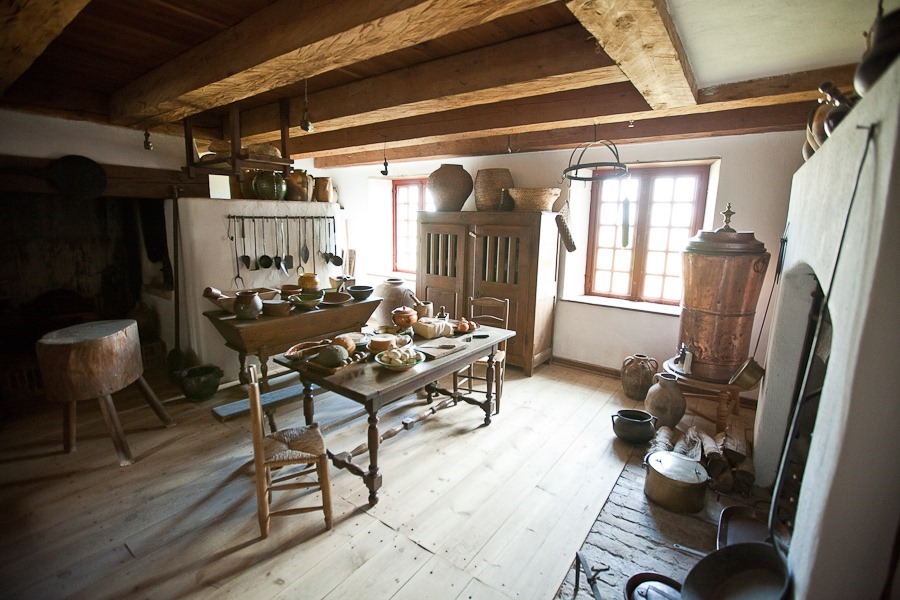

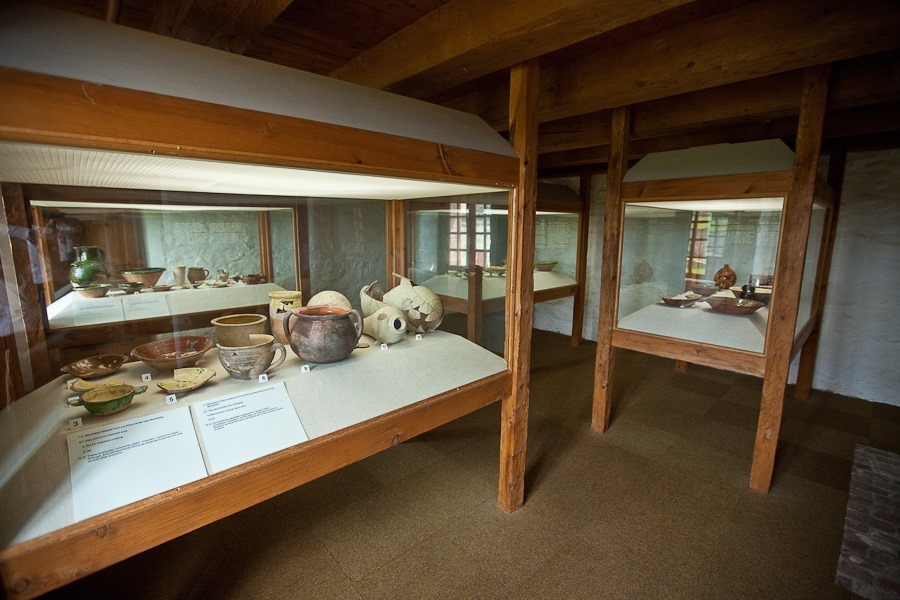
Artifacts found here during reconstruction:
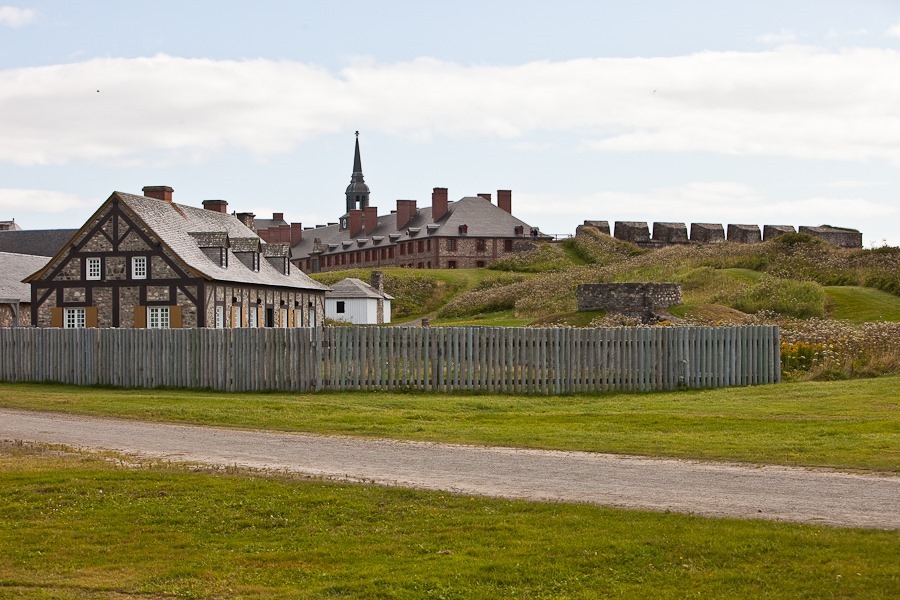
The Governor’s house and main barracks for the town:
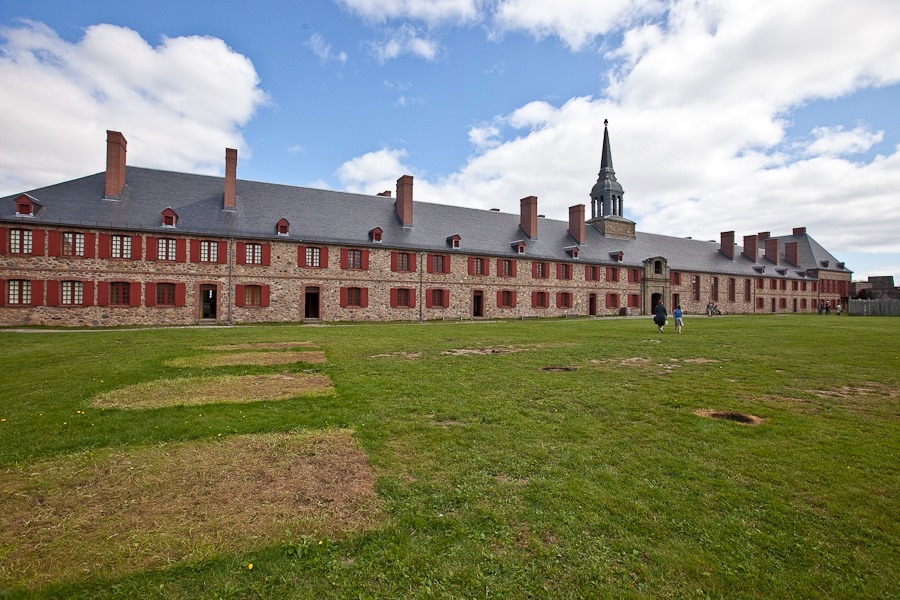
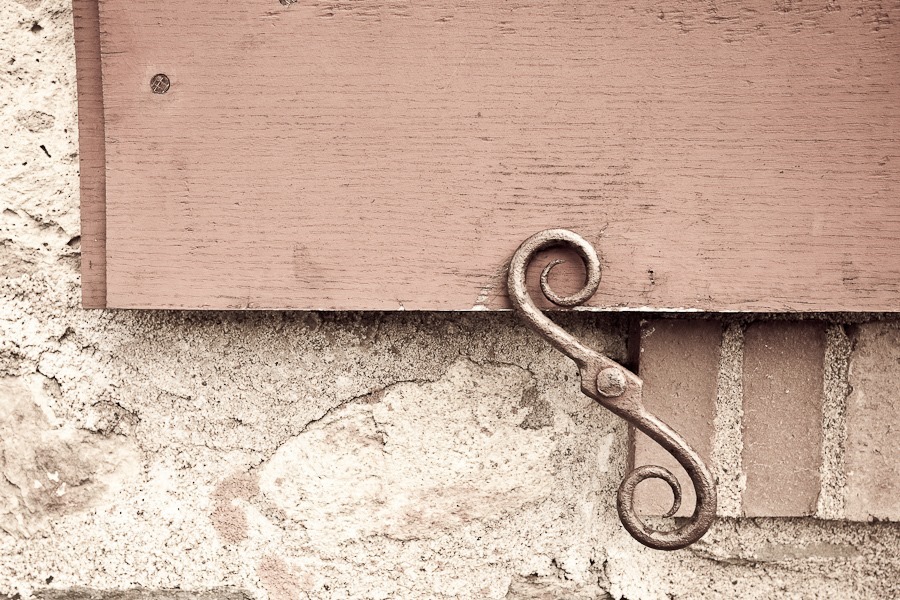
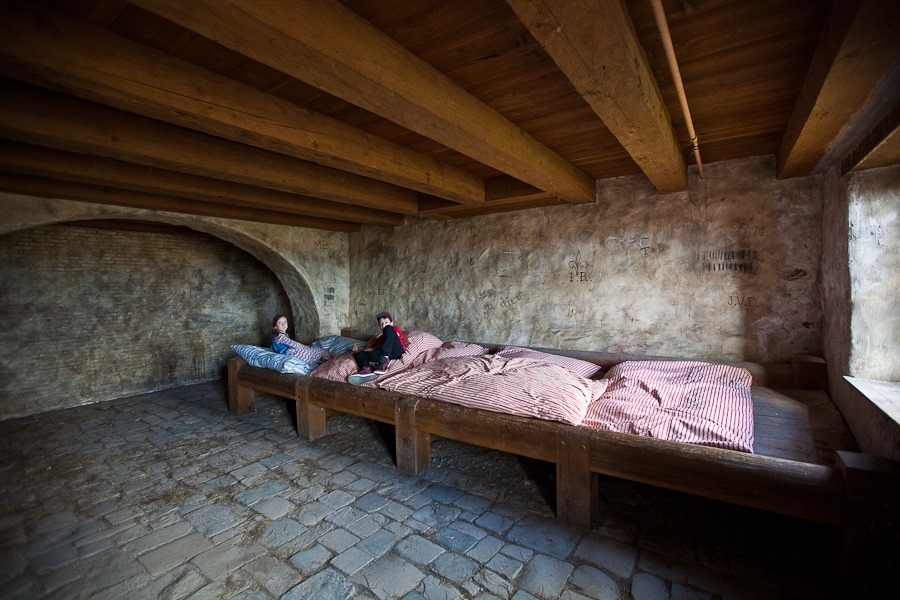
Testing out the barracks beds:
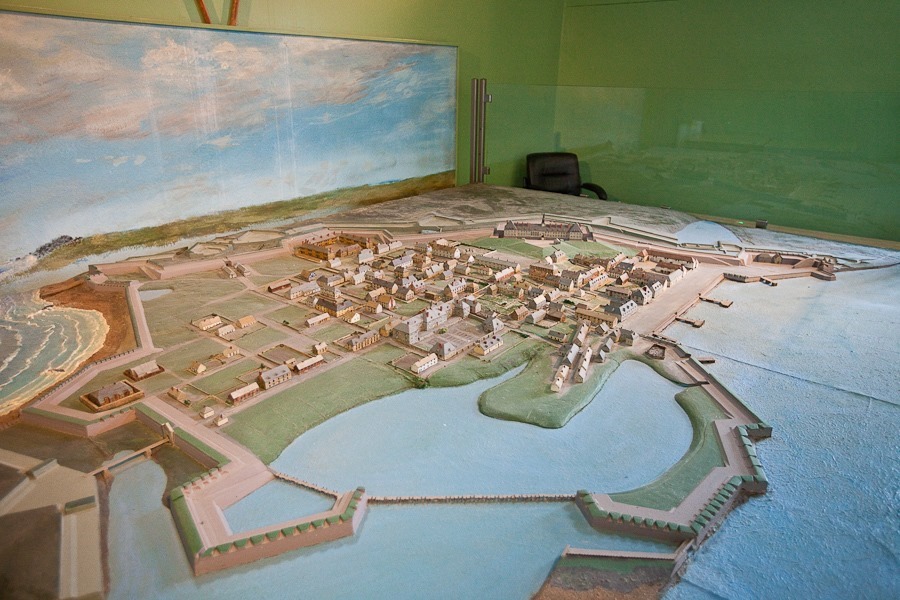
Model of the town:
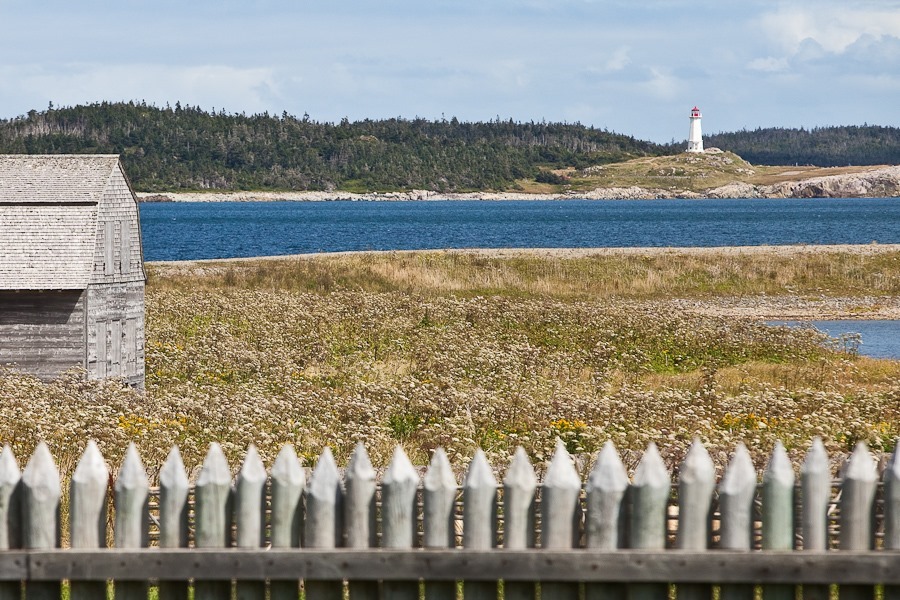
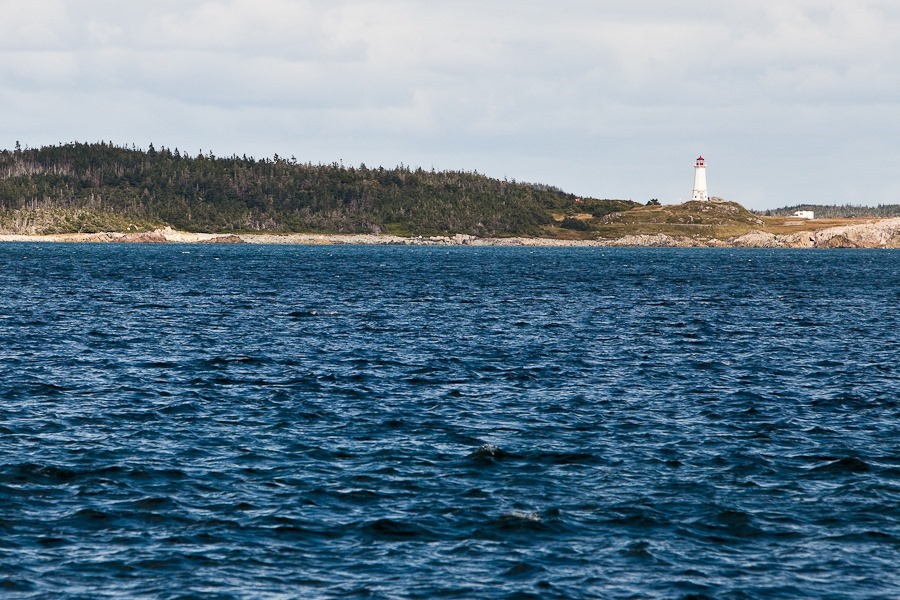
Looking out over the bay at the Louisbourg Lighthouse:
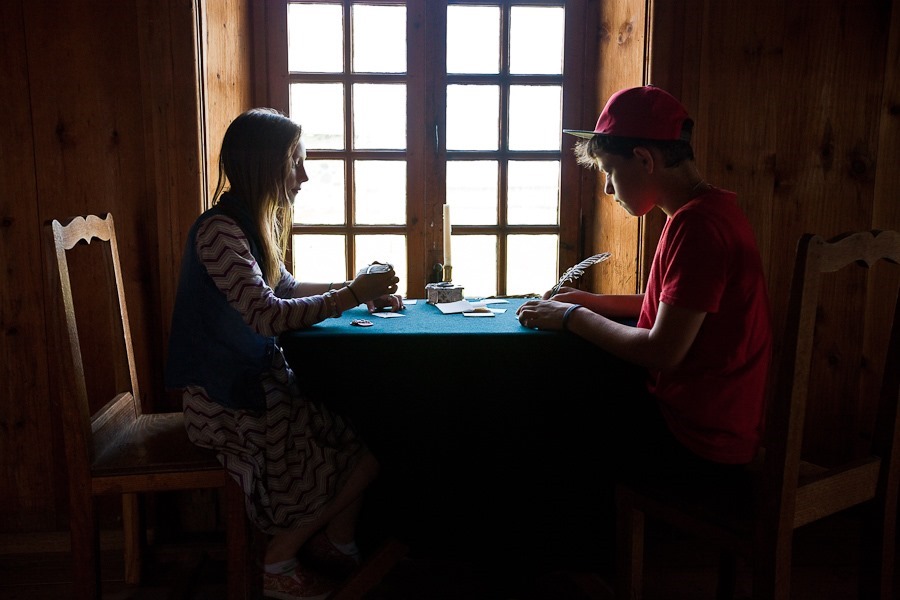
Practicing writing with quills:
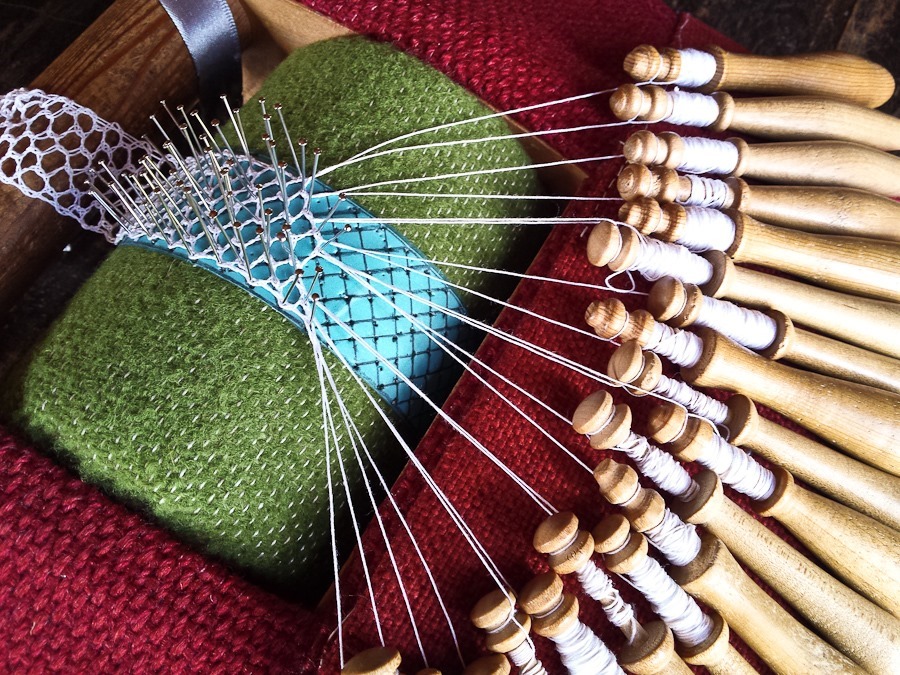
Lace making apparatus:
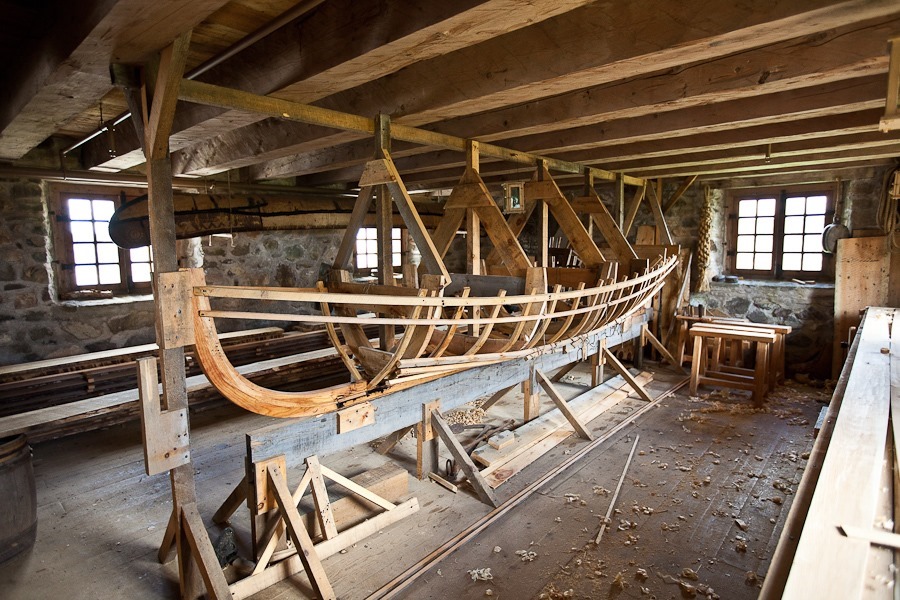
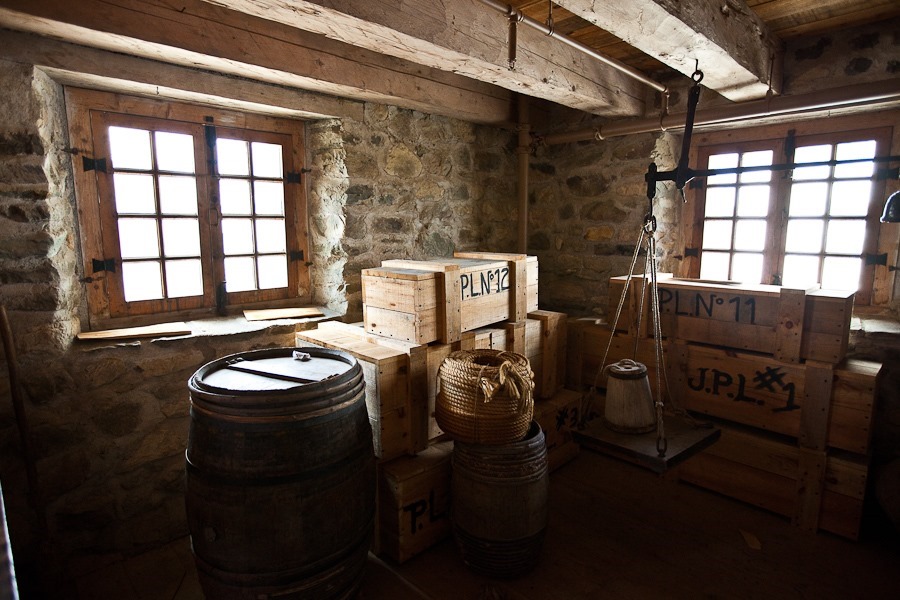
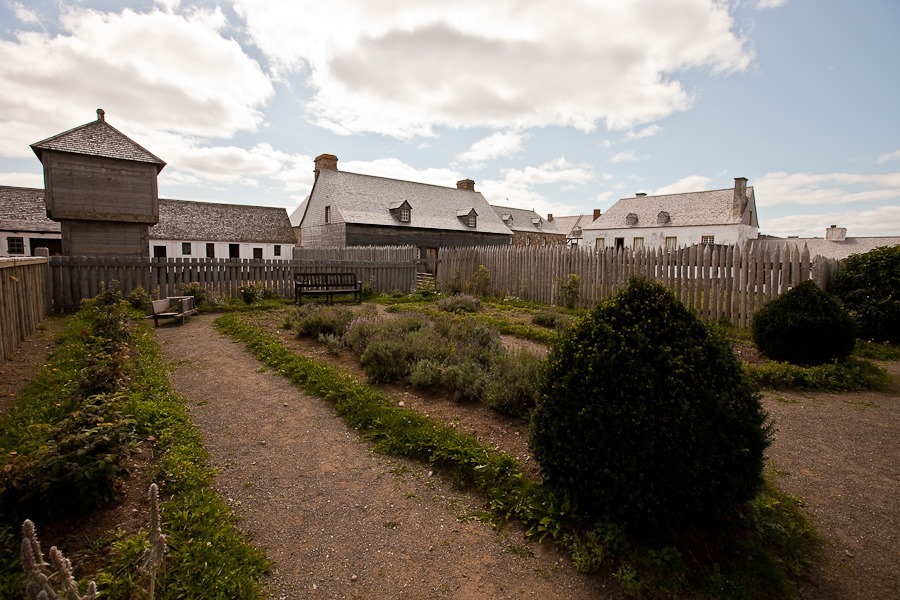
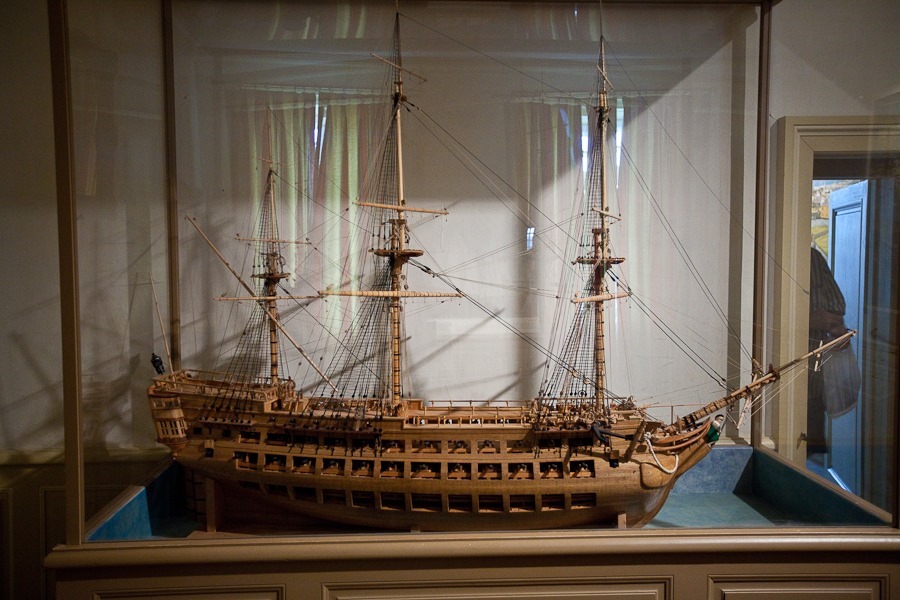
Several buildings were mini-visitor centers, focusing on various aspects of fortress construction, history, etc. This is a model of one of the three French Ships of the Line sunk in Louisbourg harbor during the siege of 1758:
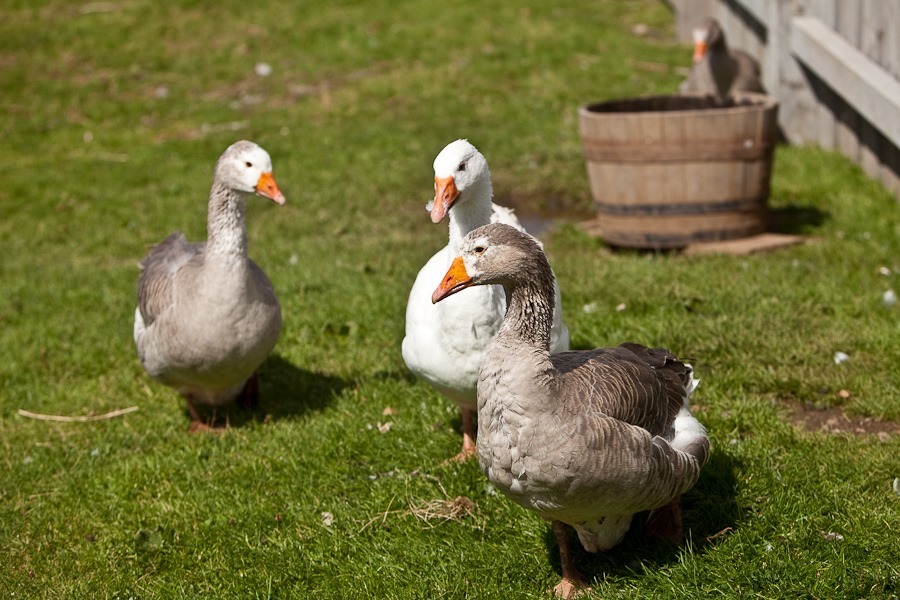
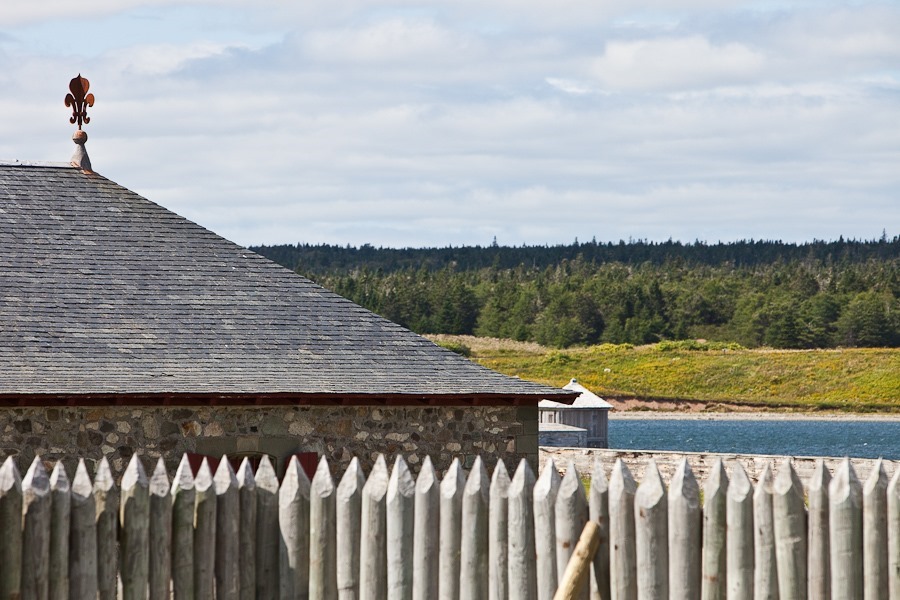
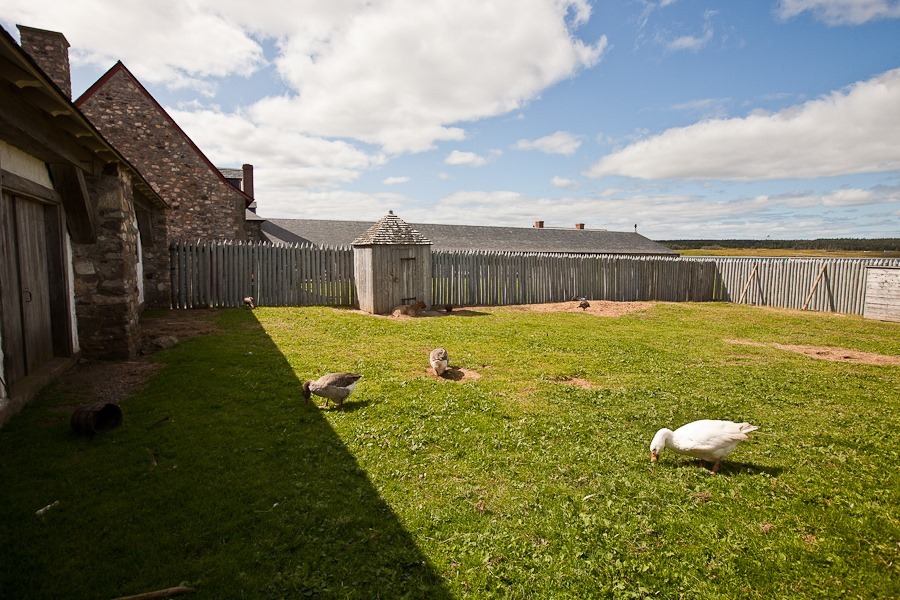
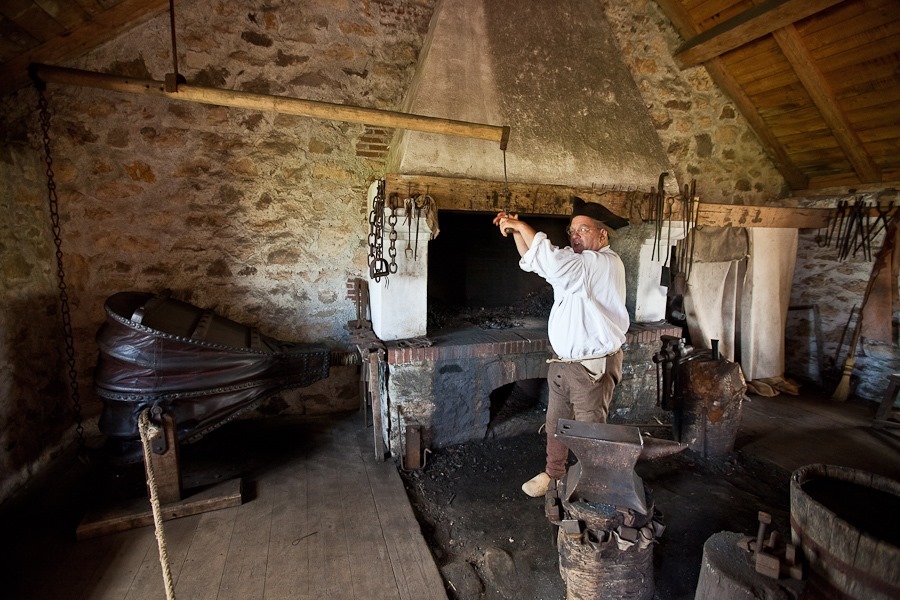
The forge:
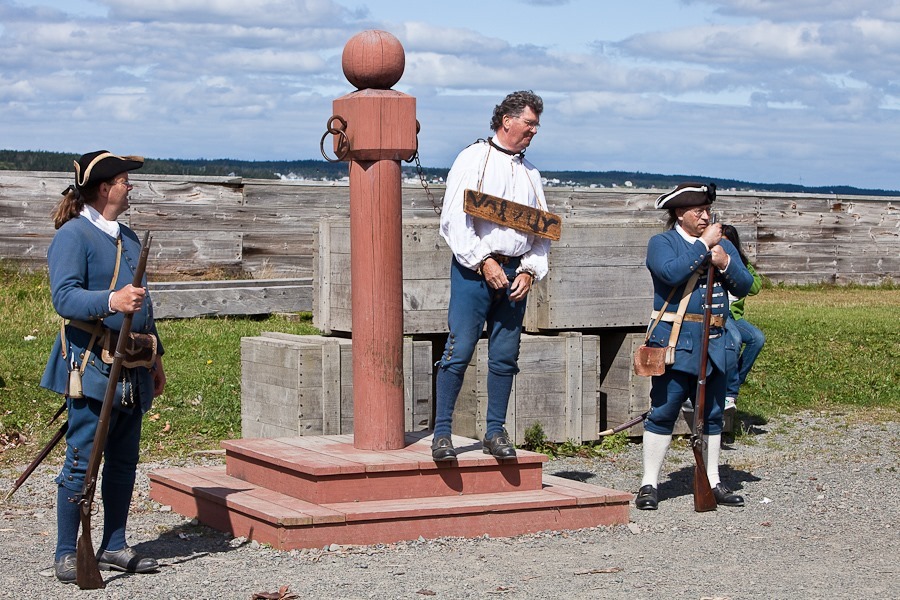
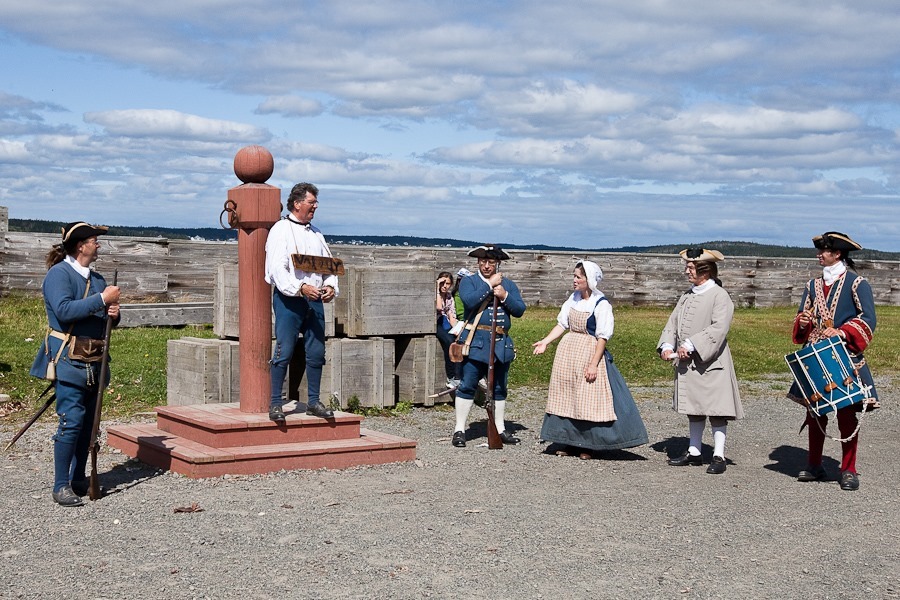
Bringing a criminal to justice:
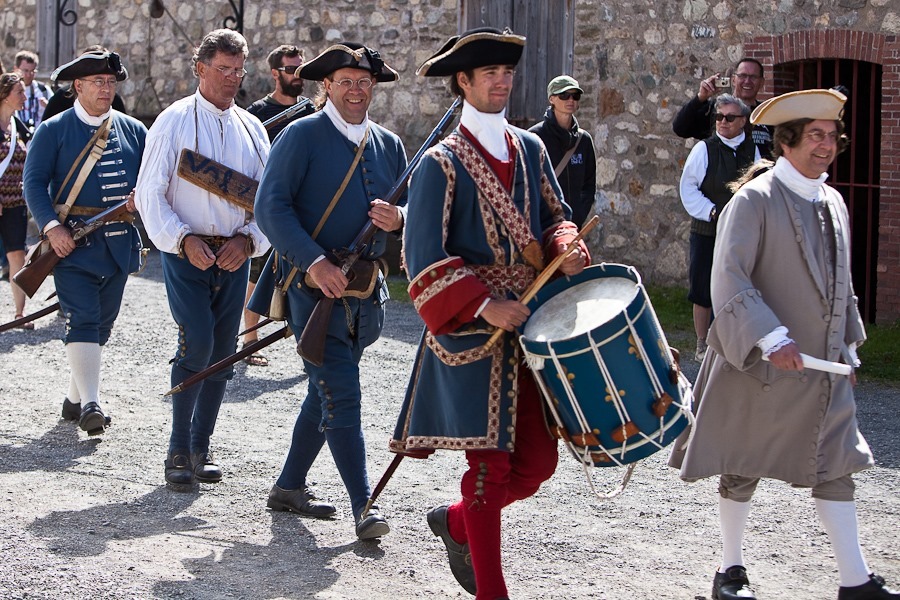
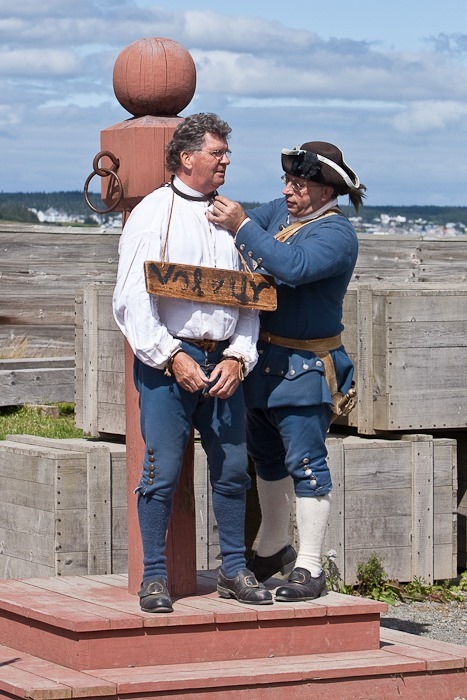
Reading the charges:

The powder magazine:

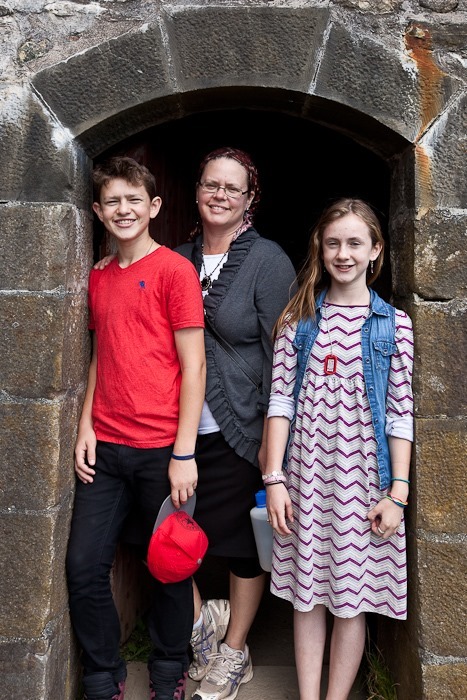
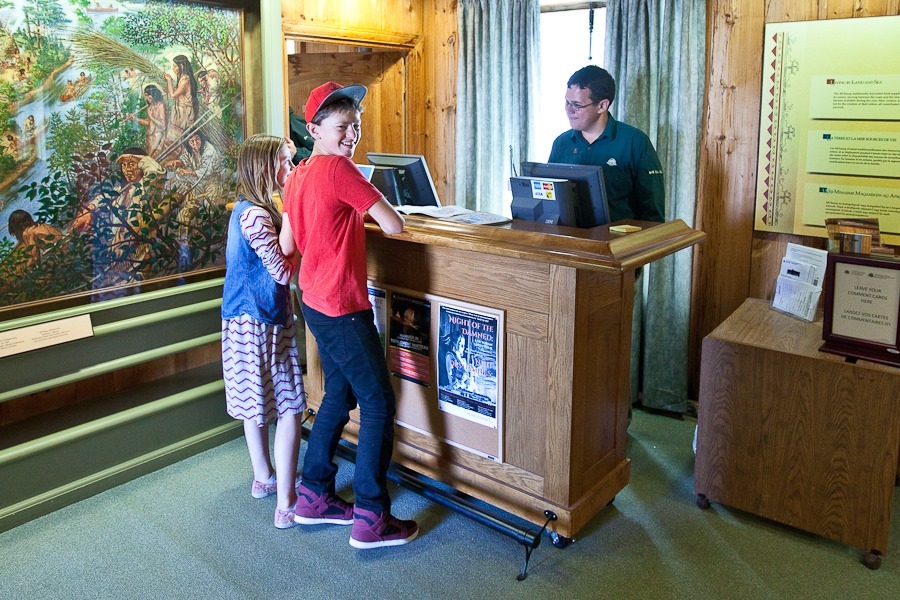
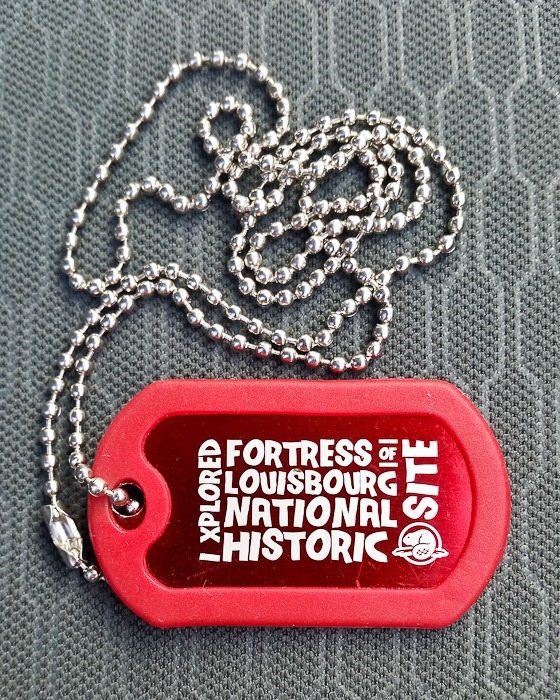
The kids completed their Parks Canada Xplorers workbooks and received their tags:
From the fort, we drove back to Sydney to overnight at the Walmart of Grand Lake Road, Nova Scotia. Good Shabbos from Sydney, Nova Scotia!
See the trip map for today’s drive and our current location.
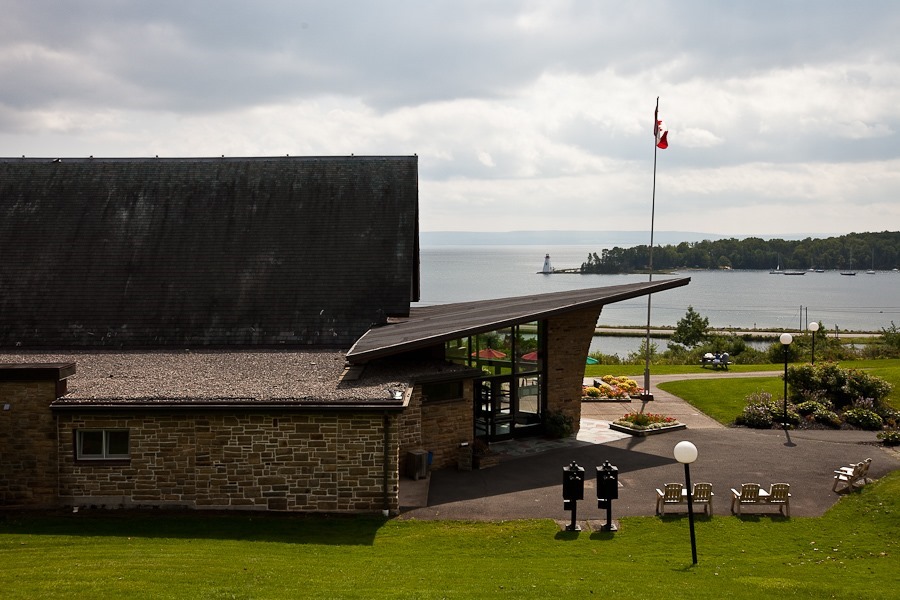
Today we left the Walmart in Port Hawkesbury and drove east to Alexander Graham Bell National Historic Site:
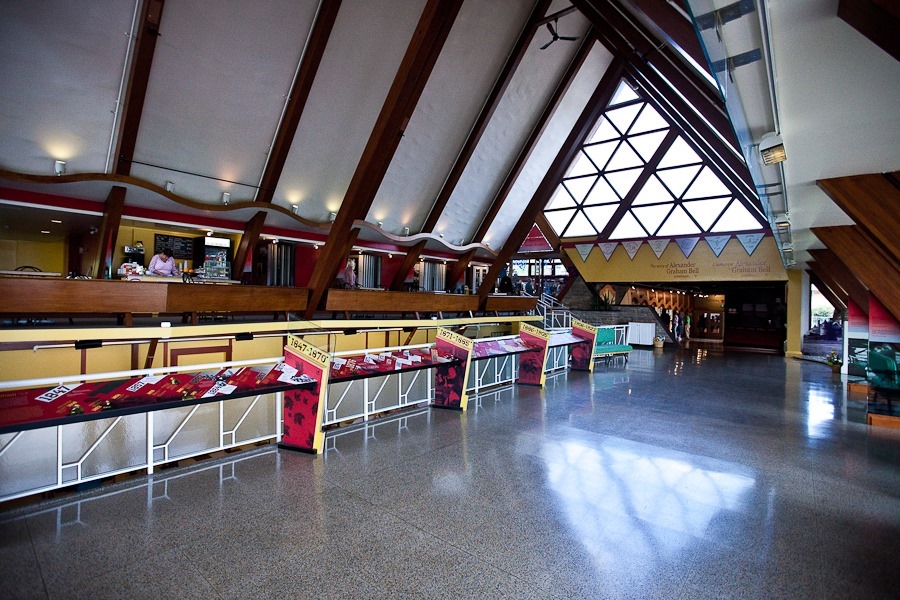
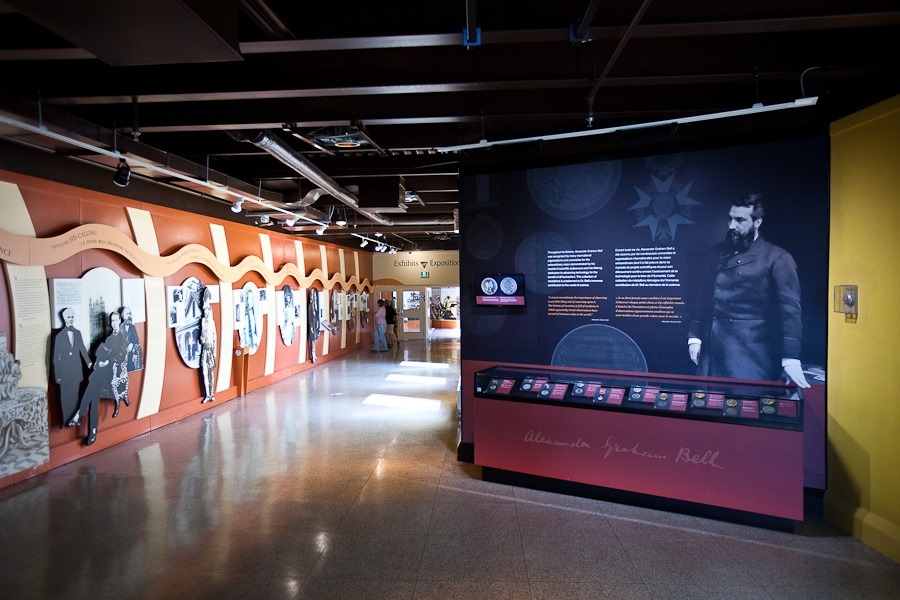
The first room focused on Bell’s work with the deaf, including a fascinating display explaining Bell’s father’s invention, Visible Speech. Bell’s efforts to understand the nature of spoken audio led him to discover the waveform of voice which in turn led him to the invention of the telephone:
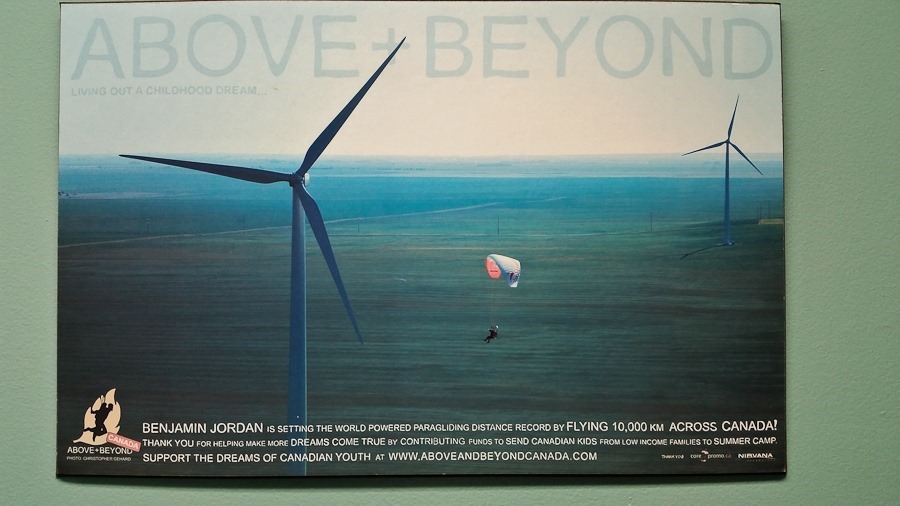
This poster was on the wall near the restrooms:
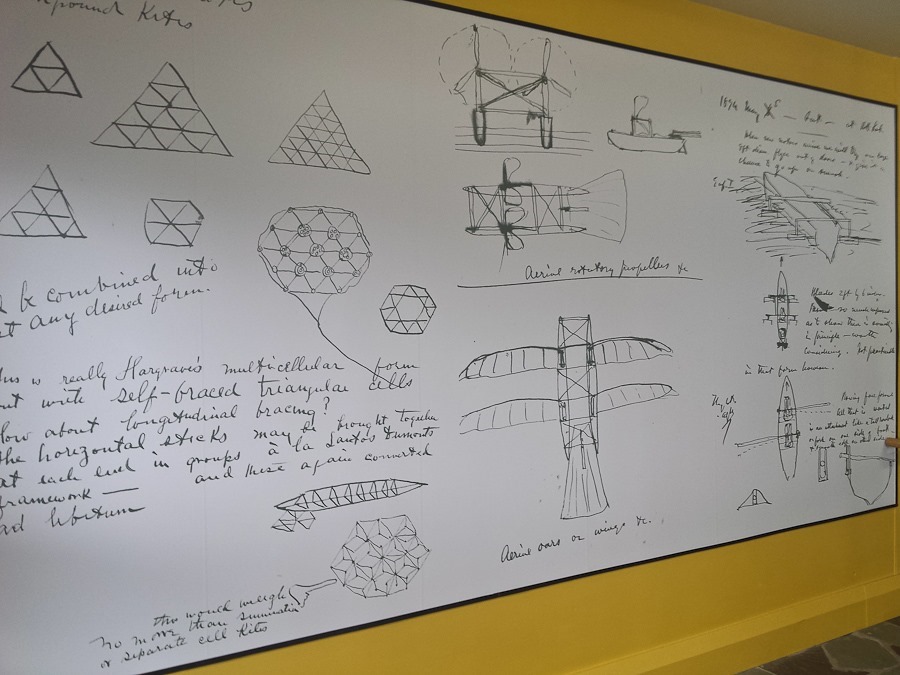
After inventing the telephone and making his fortune, Bell and his wife moved here to Cape Breton Island where he focused on aviation and hydrofoils:
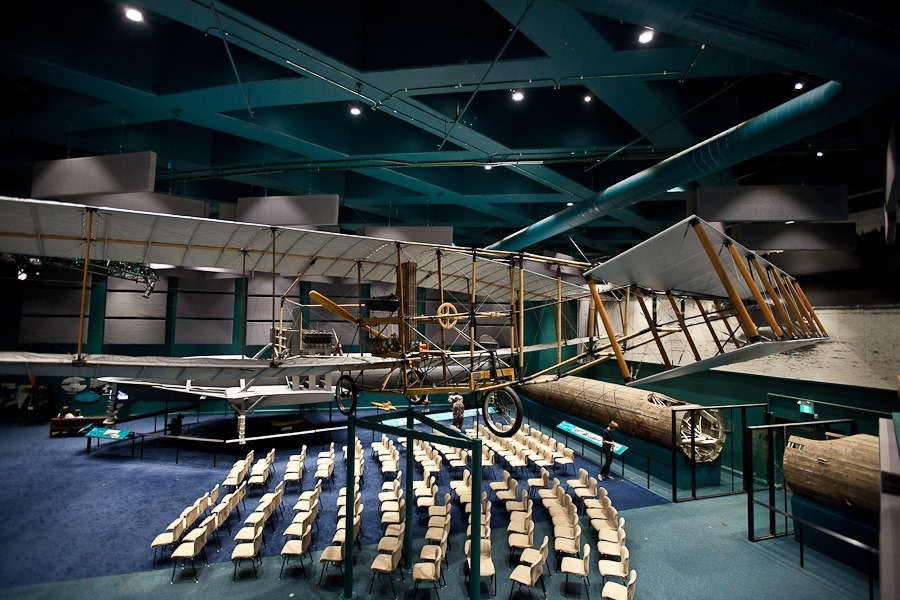
A replica of the Silver Dart, a collaboration with Bell and others in the Bell-funded and led AEA. This is the first heavier-than-air craft to fly in Canada, as well as the first airplane in North America to fly over one mile:
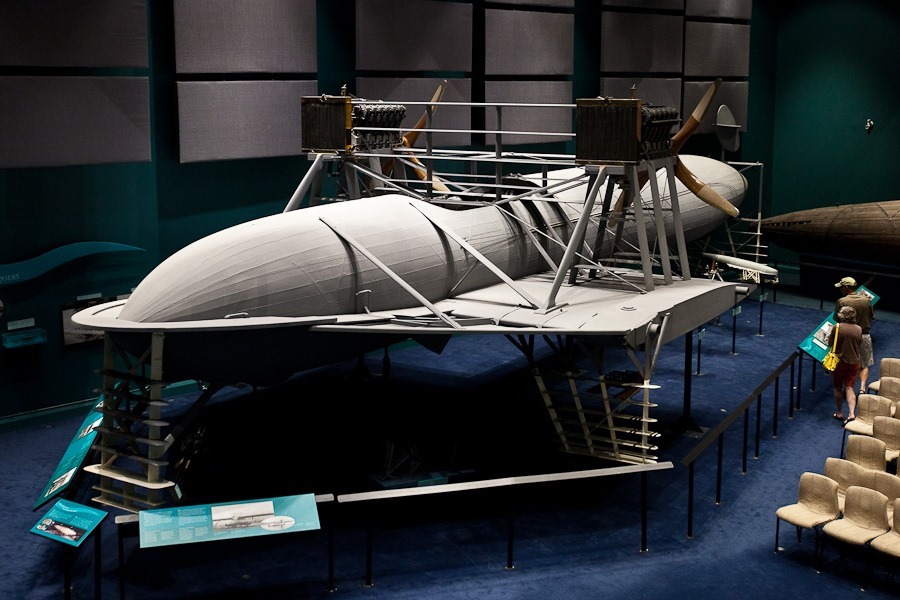
Bell and Baldwin developed the HD-4, the first water craft to travel over 100KPH. This is a full size replica of the original HD-4, completed in 1919:
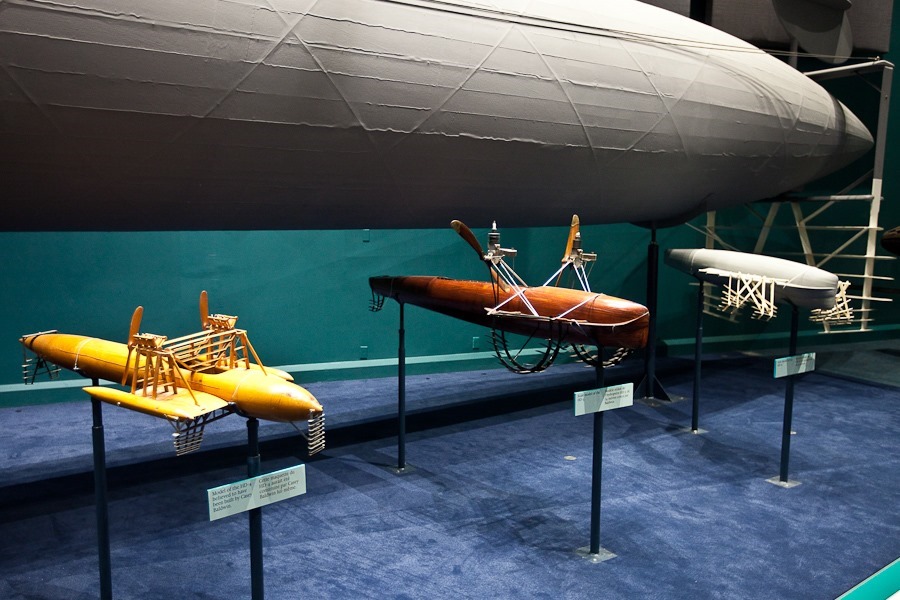
Models of the HD-4 (left), HD-5, and HD-6:
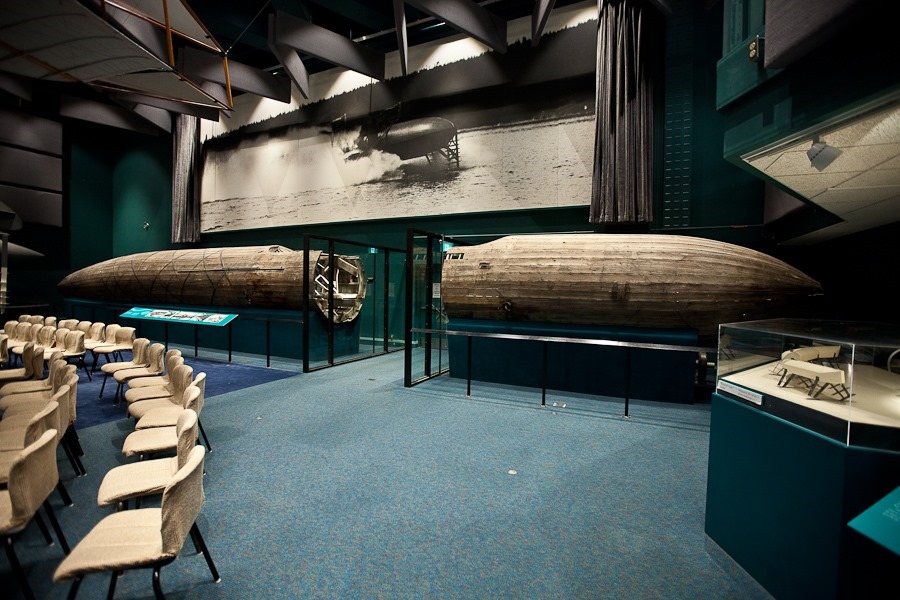
The original hull of the HD-4:
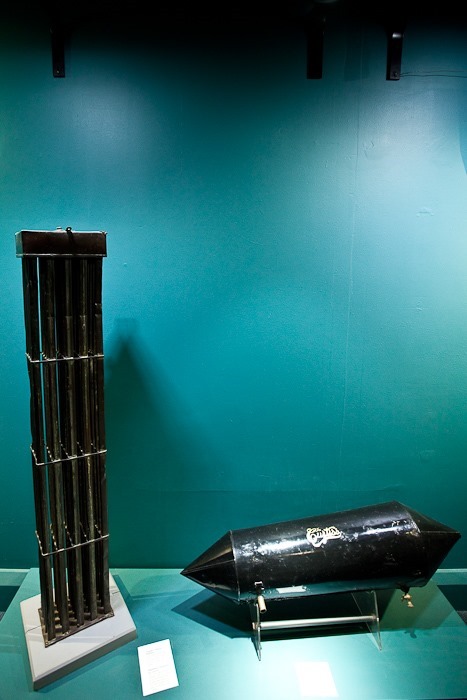
The original radiator and gas tank from the Silver Dart:
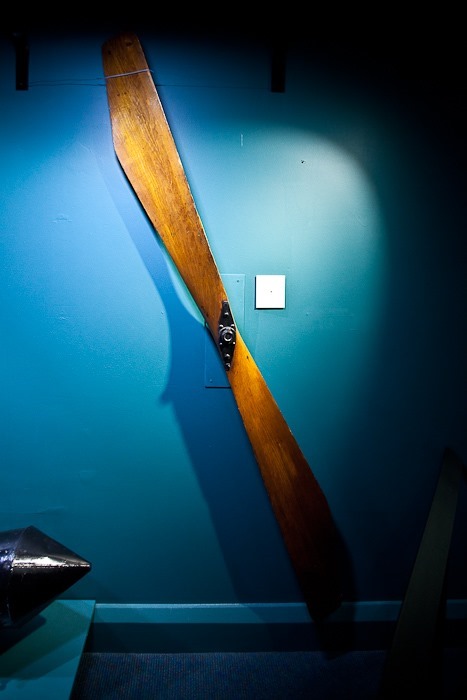
The original propeller from the Silver Dart:
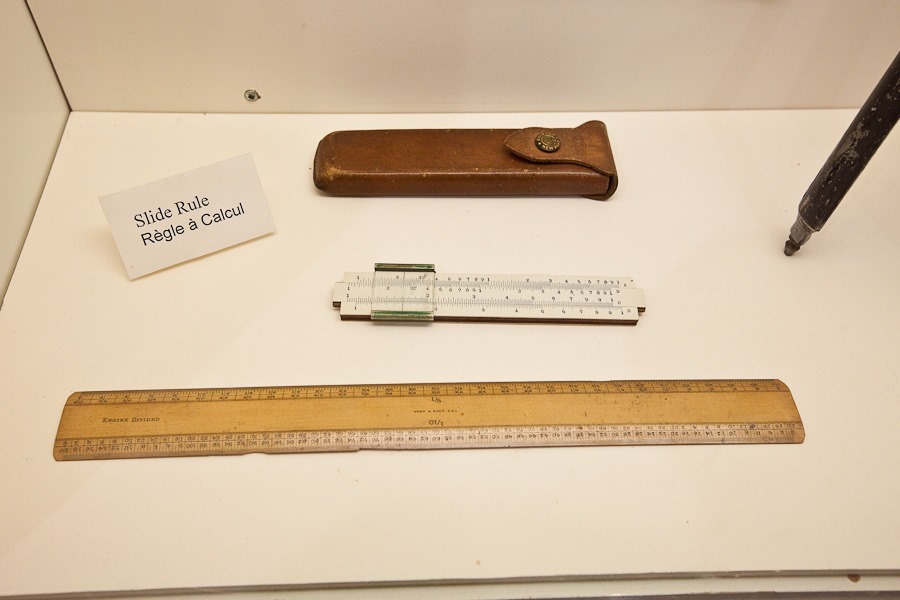
Alexander Graham Bell’s slide rule:
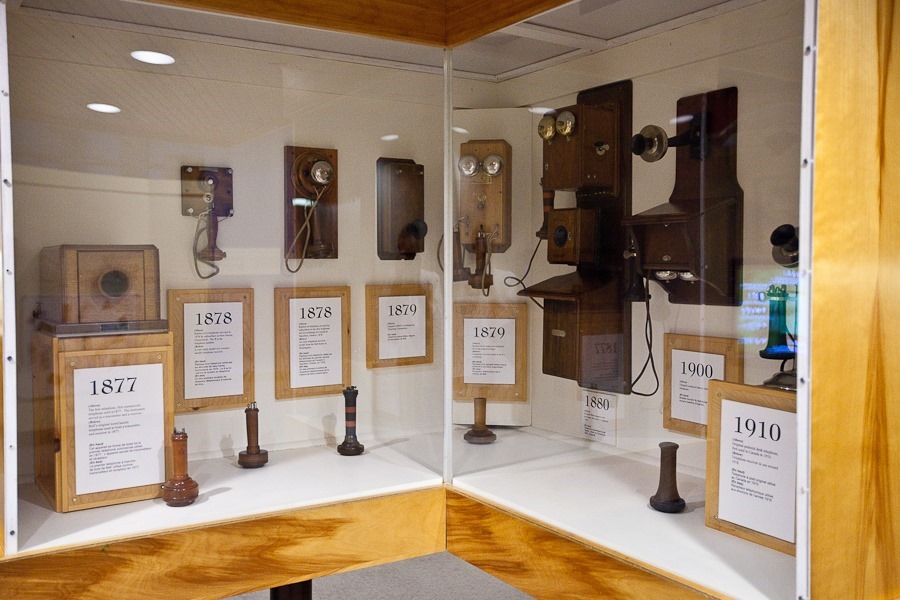
Bell telephones:
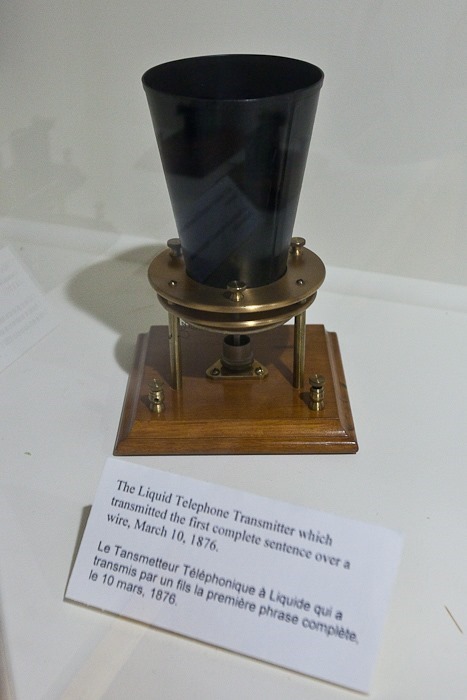
The first device to ever transmit voice over wire:
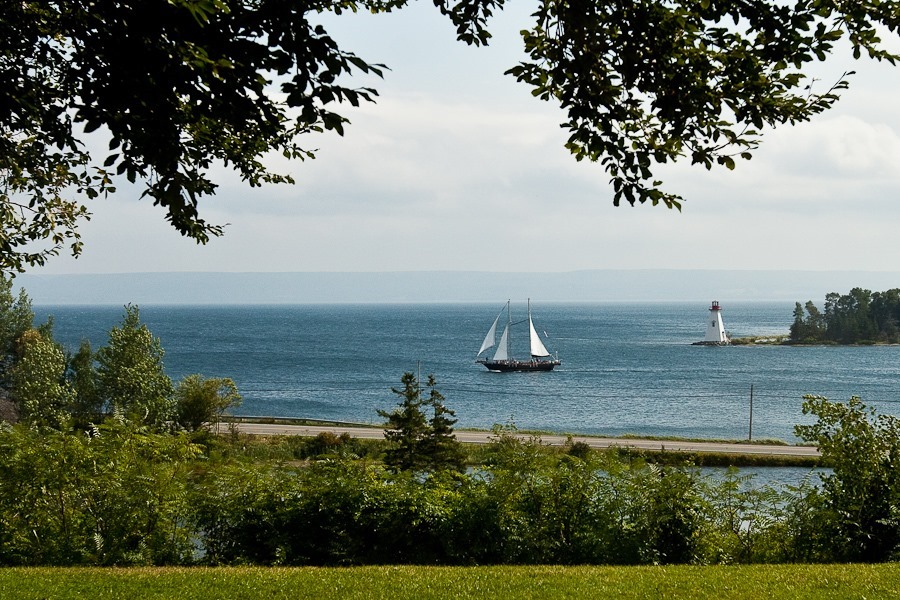
It’s easy to see why Bell called this area home in his later years:
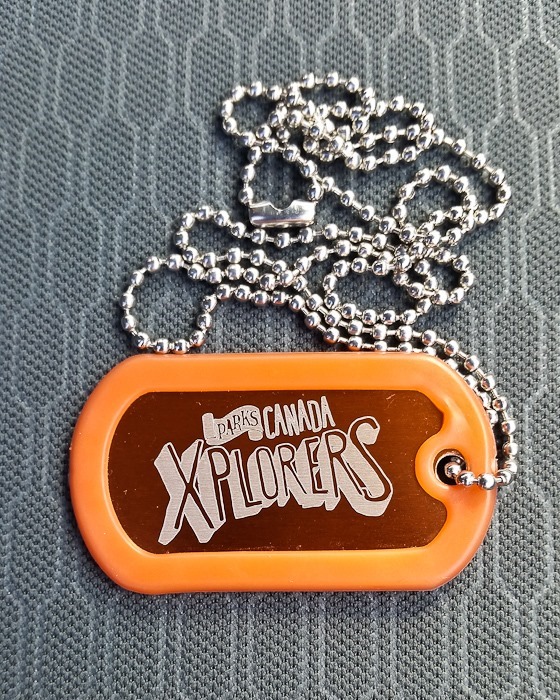
The kids completed their Parks Canada Xplorers workbooks and received their tags:
We left the RV at Alexander Graham Bell NHS and continued east with just the truck to visit Cape Breton Highlands National Park:
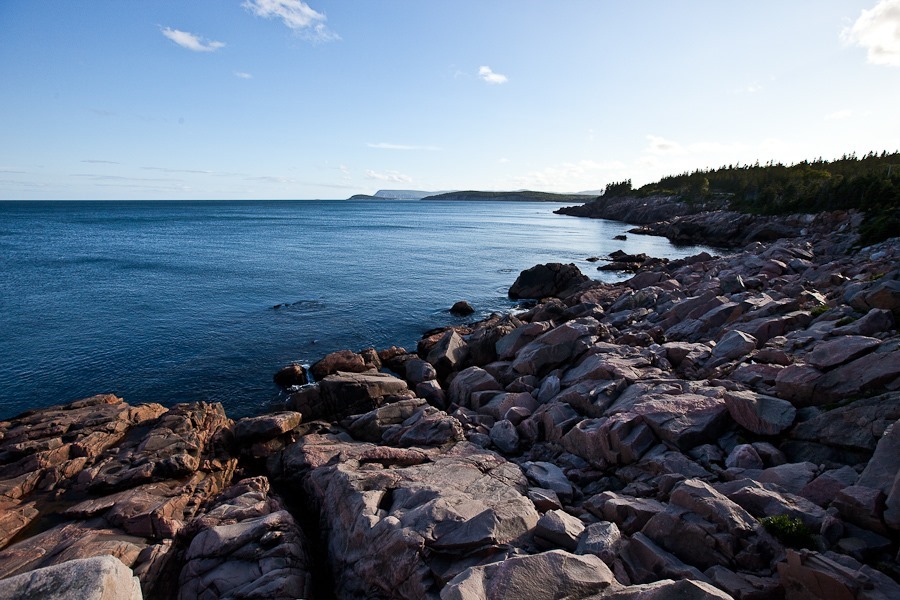
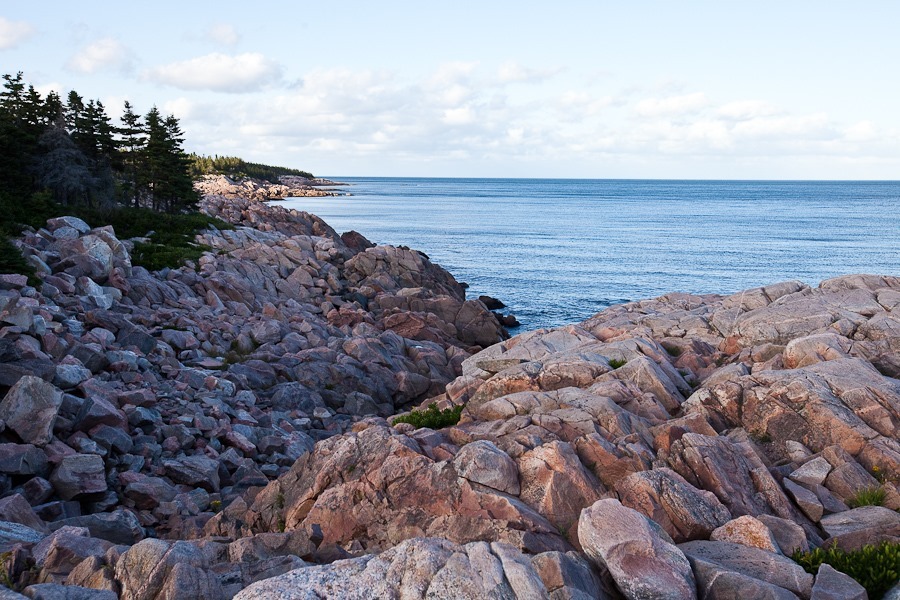
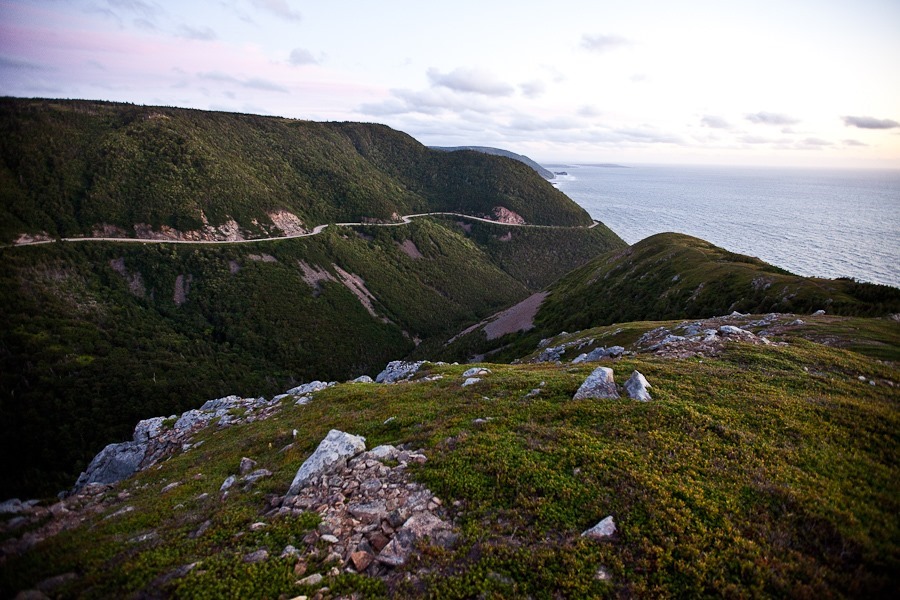
We drove the Cabot Trail through the park. The rugged shoreline was beautiful:
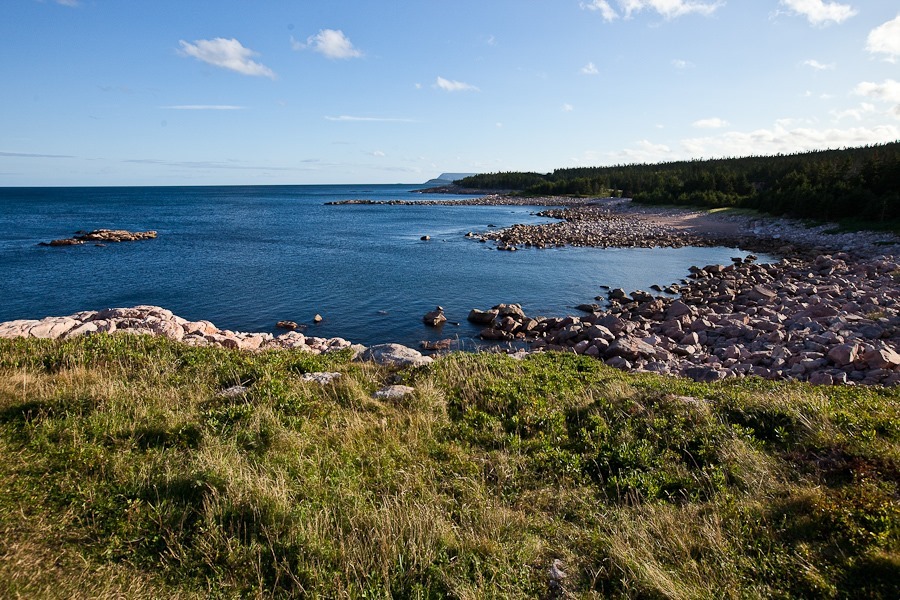
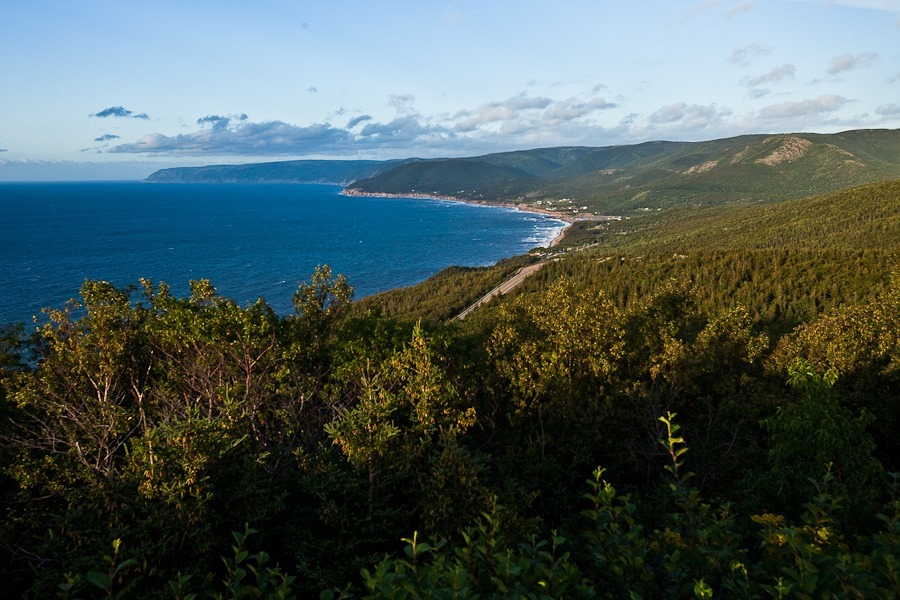
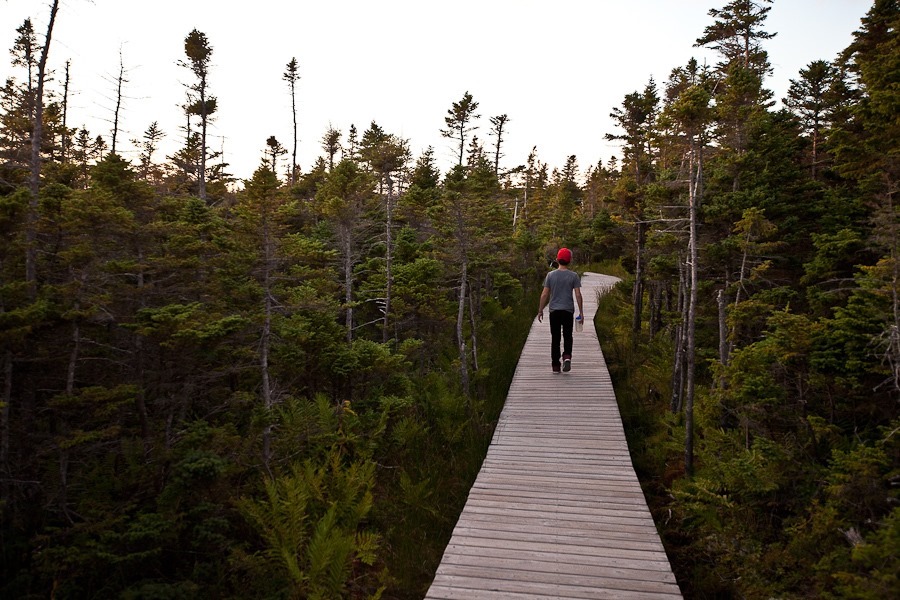
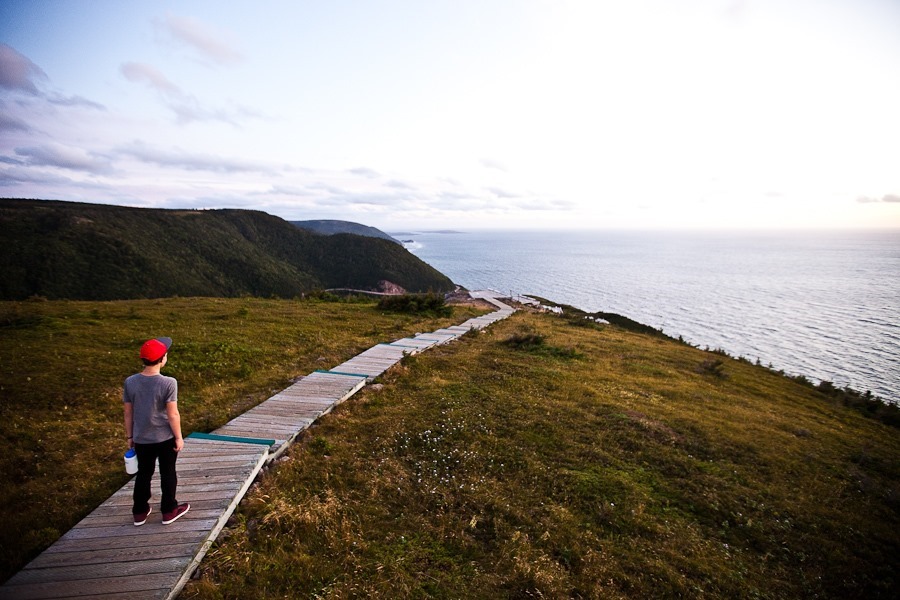
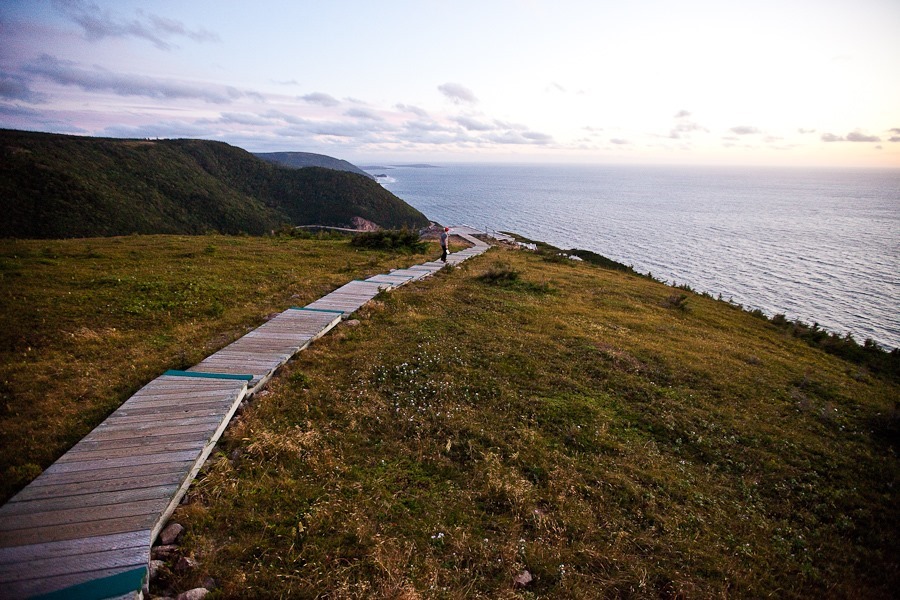
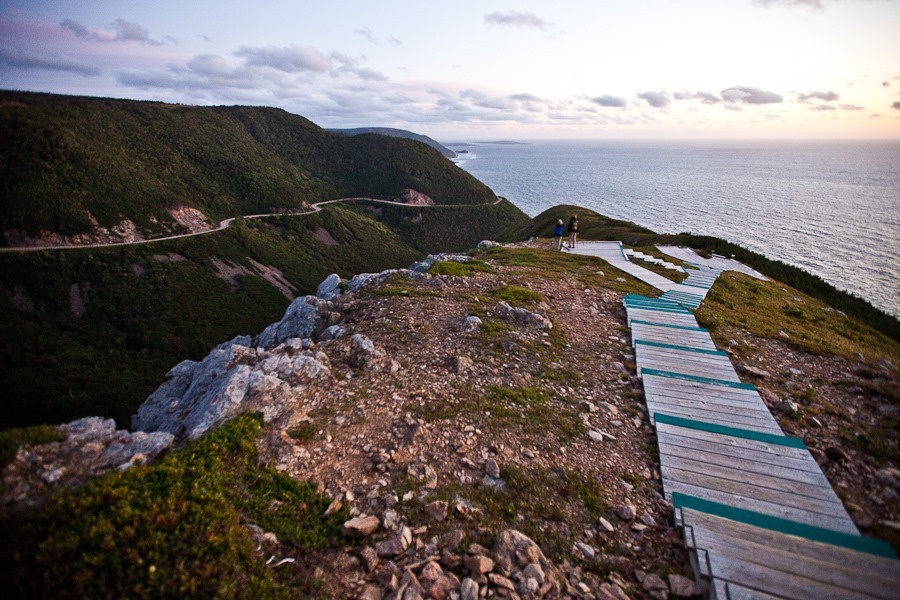
M and I hiked the Skyline Trail, despite the late hour and temperatures in the low 50s, which we did not expect. The altitude here is not that great, so perhaps the cold was due to winds blowing off the North Atlantic. We got handled both problems by walking fast:
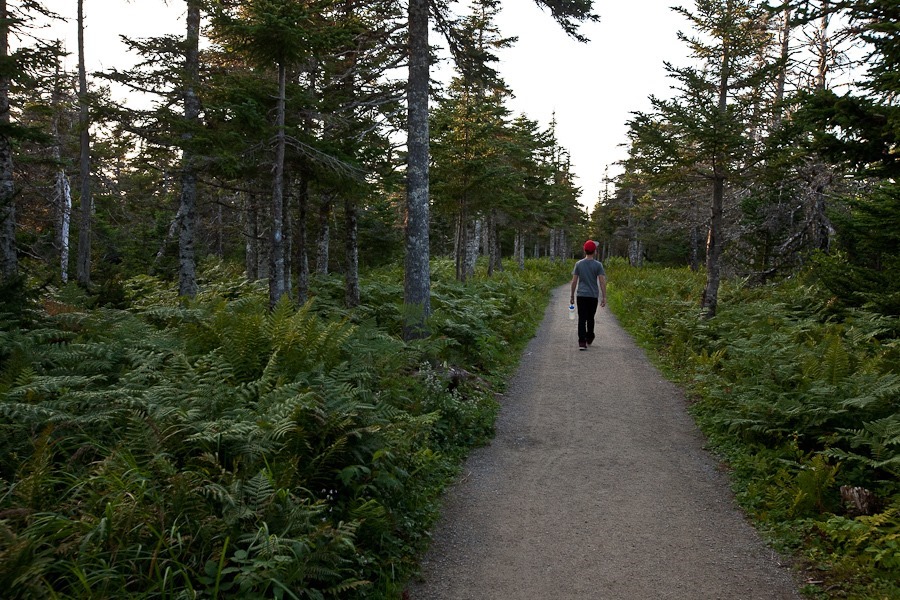
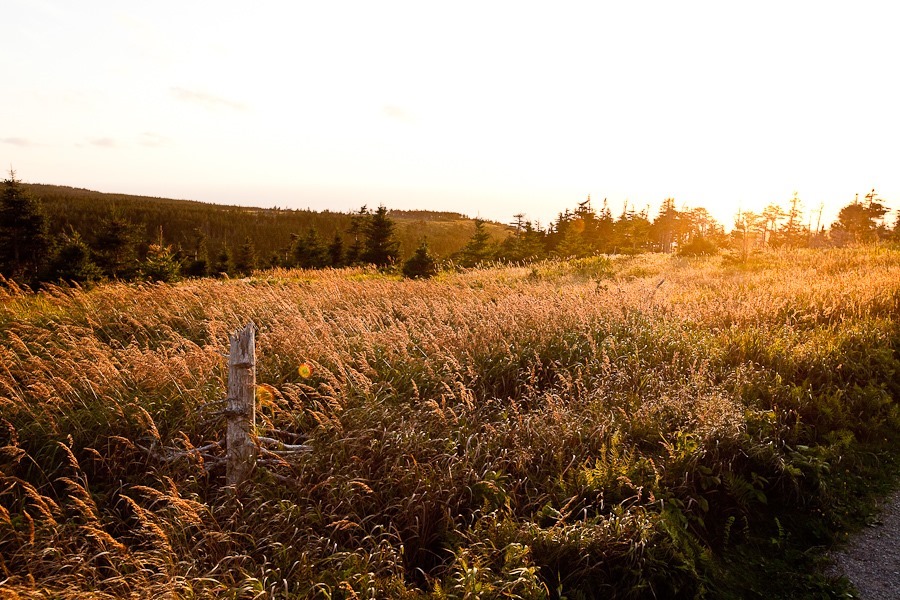
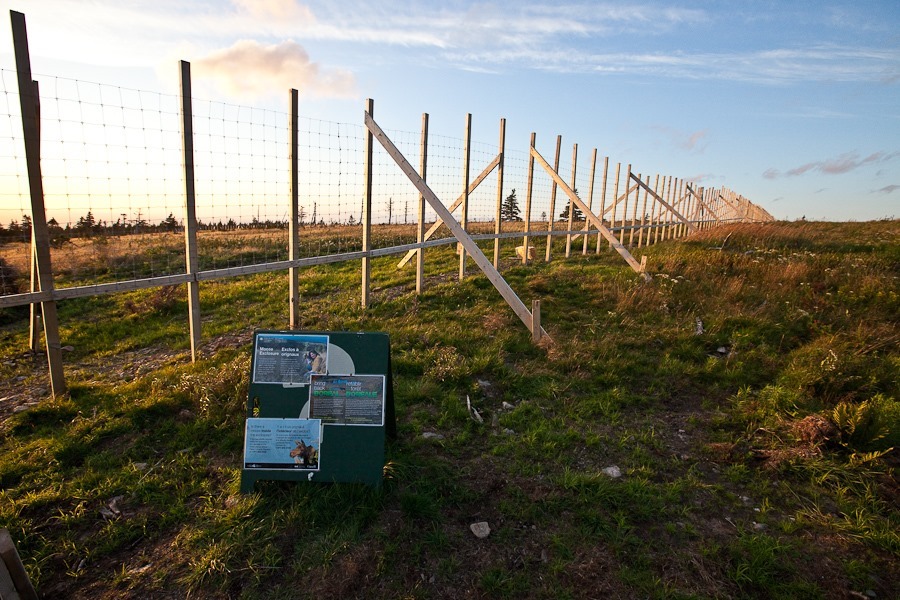
Meadows have recently formed here because moose are eating all the saplings. Parks Canada built this enclosure to compare rates of plant growth with and without moose influence:
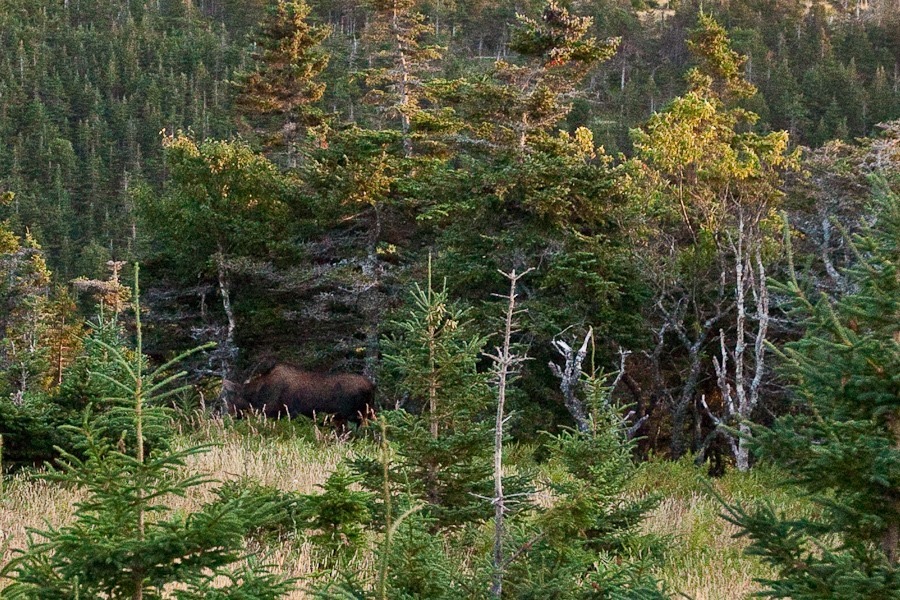
We spotted a moose cow browsing outside the enclosure:
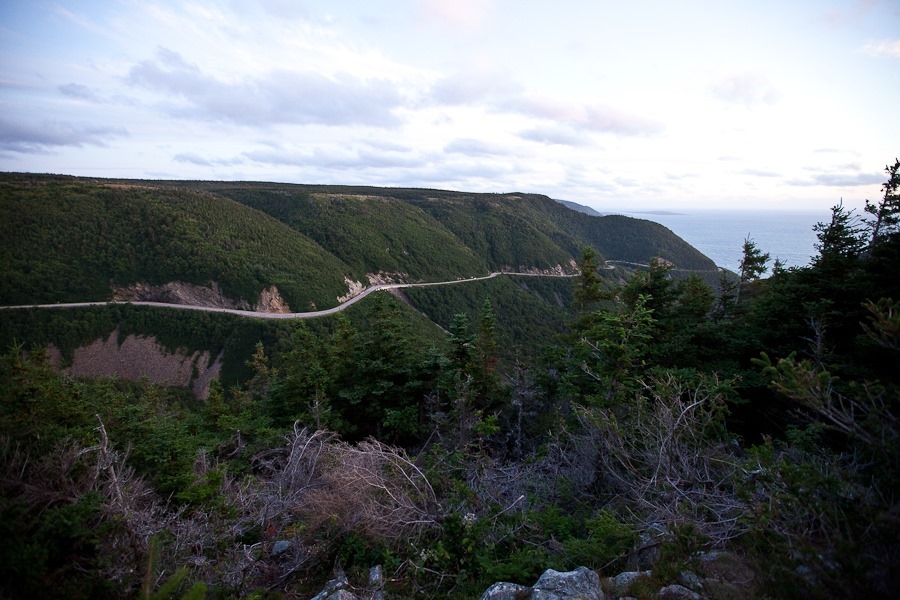
The Cabot Trail, where we will be driving after finishing the hike:
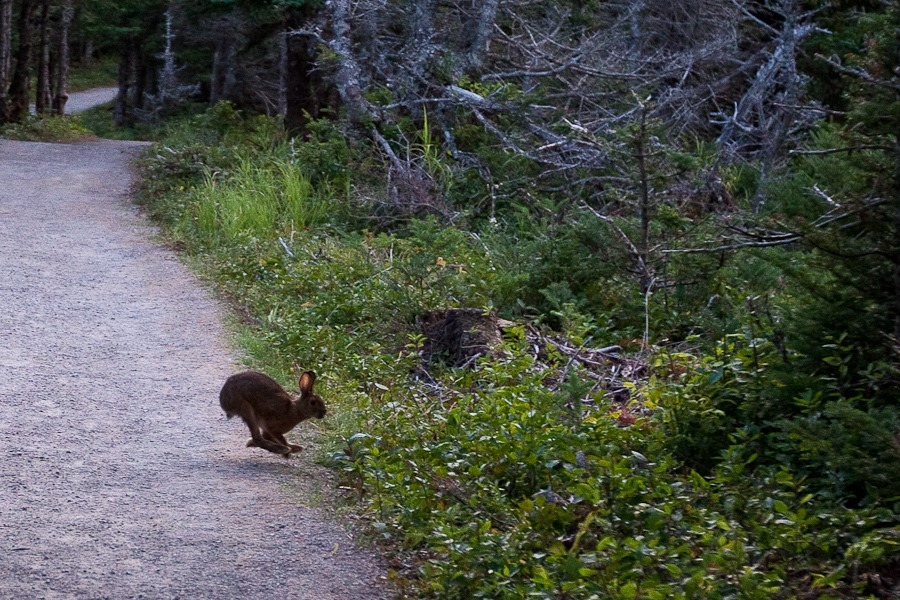
More wildlife:
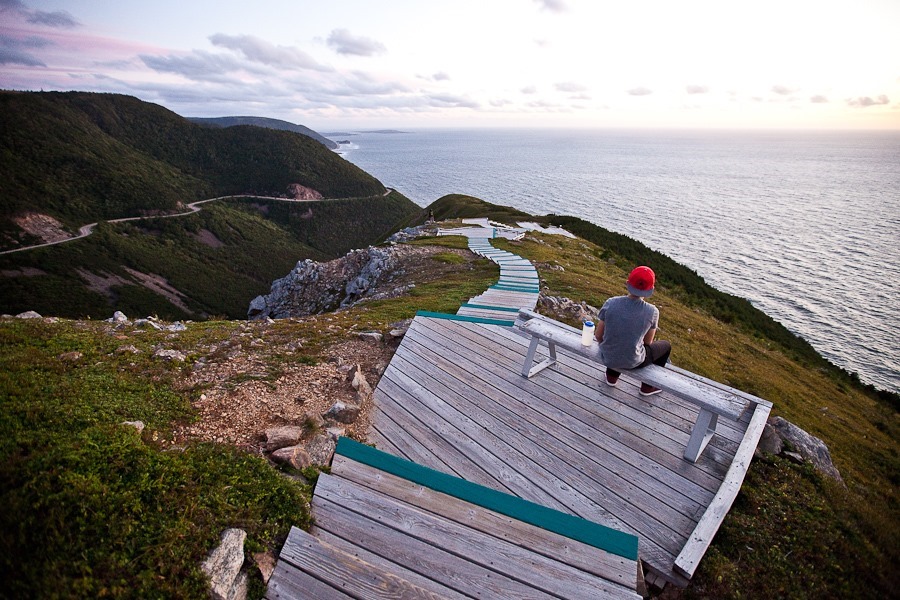
The end of the Skyline trail:
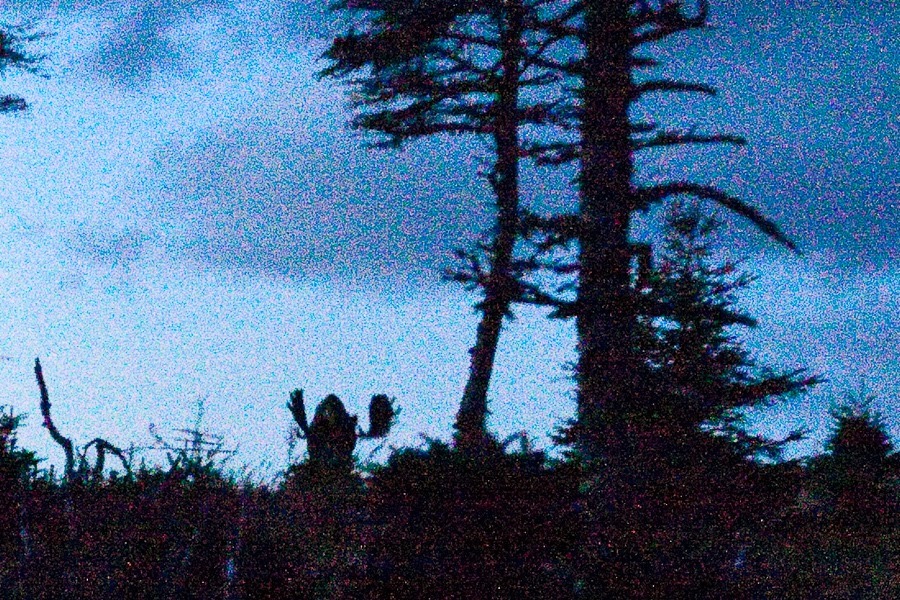
On the way back, now 20 minutes after sunset, we ran into this bull moose just outside the moose enclosure, about 50 feet away:
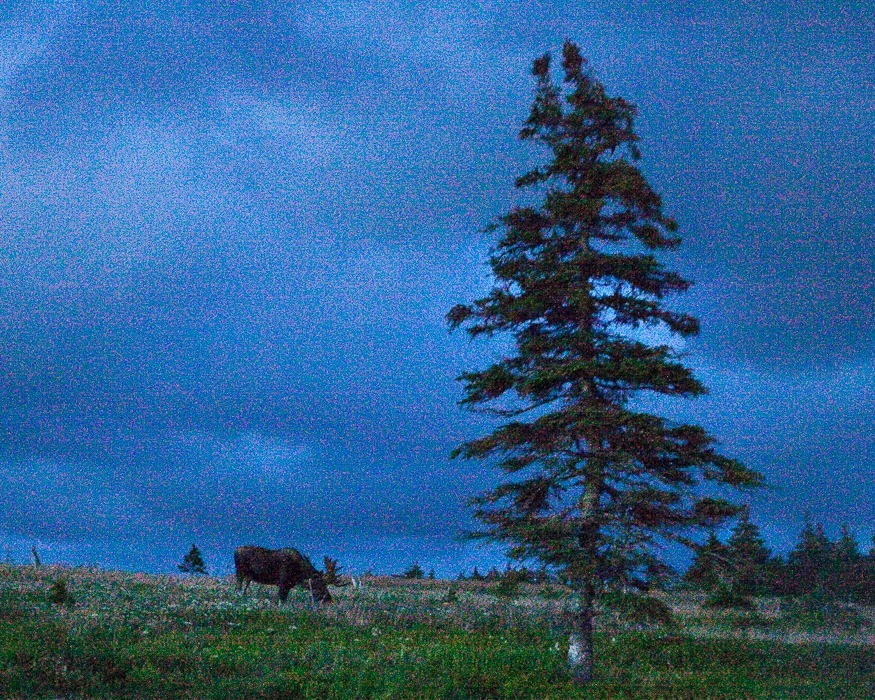
Moose inflict more human injuries than any land mammal except the hippopotamus, so we hiked cross-country the skirt the moose and avoid startling it into charging:
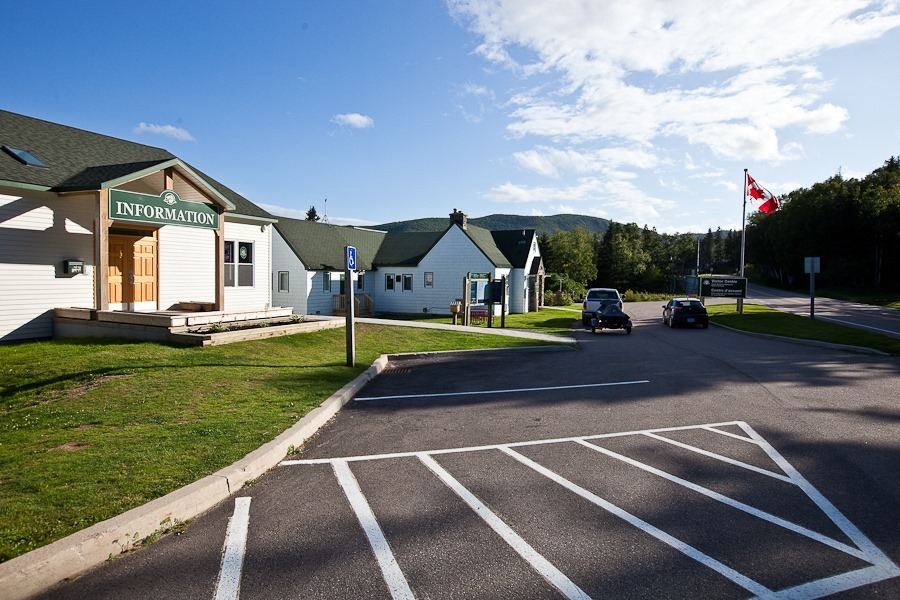
We managed to get back to the car and reach the visitor center minutes before its 9pm closing time. The kids handed in their Parks Canada Xplorers workbooks and received their tags:
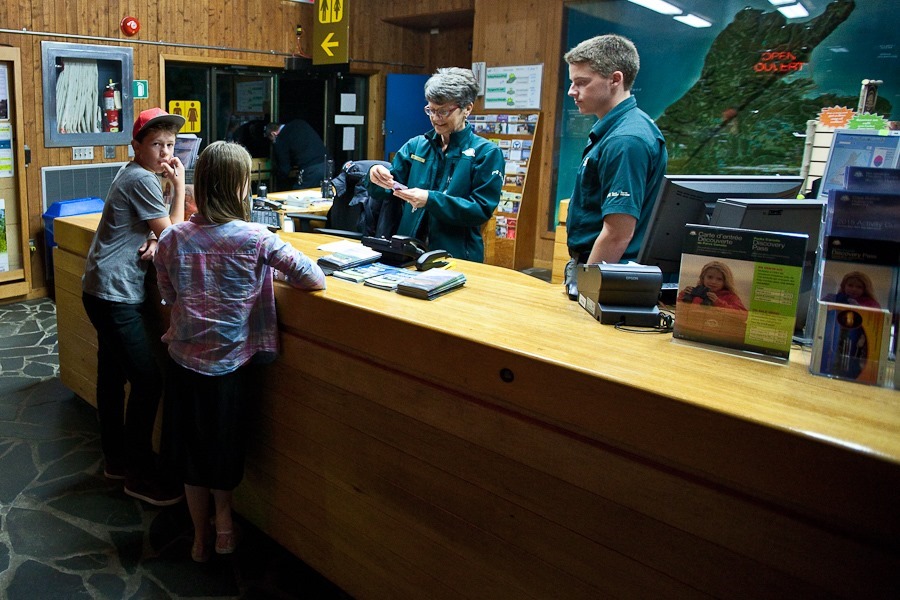
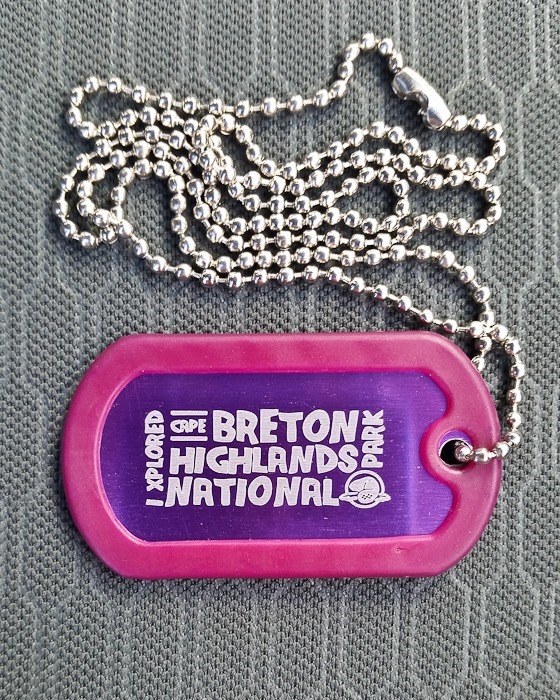
We drove back to Alexander Graham Bell NHS, hitched up the RV, and drove east to overnight at the Walmart of Sydney, Nova Scotia. See the trip map for today’s drive and our current location.
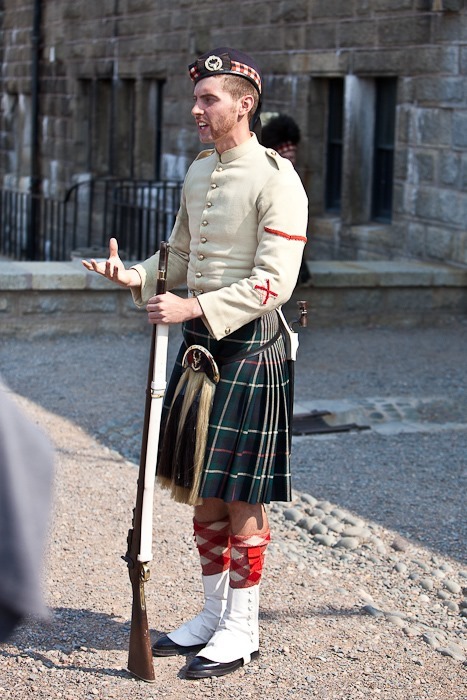
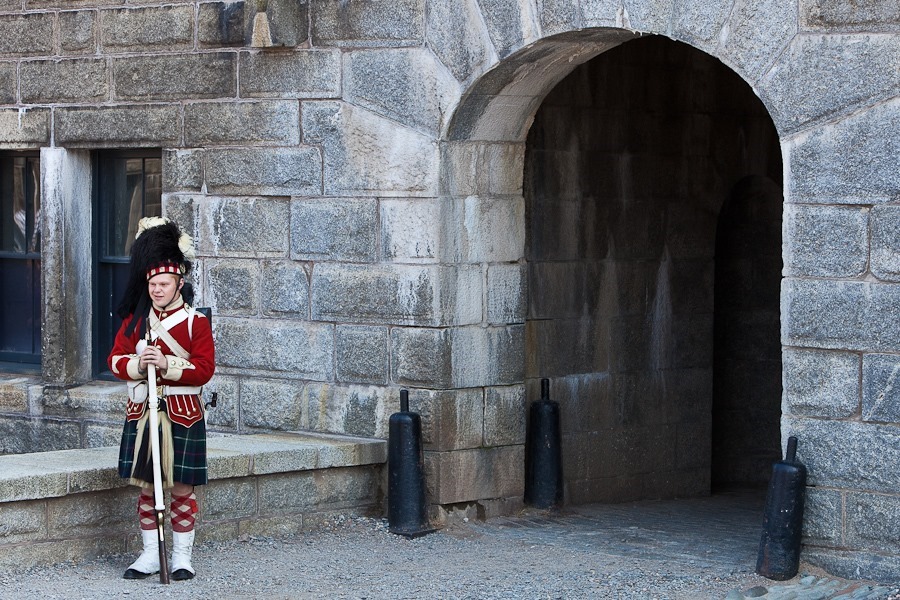
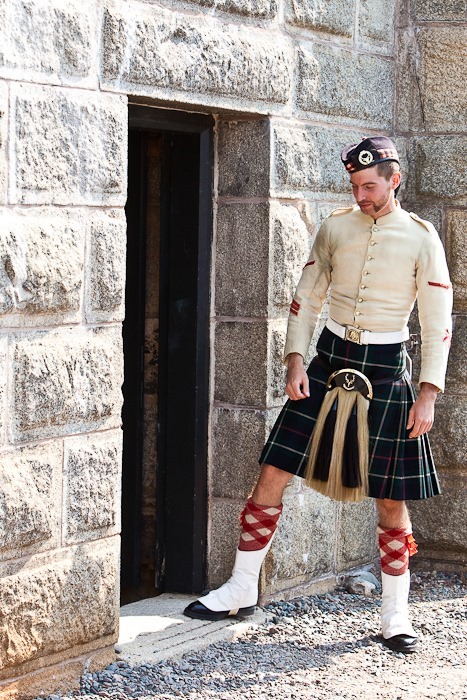
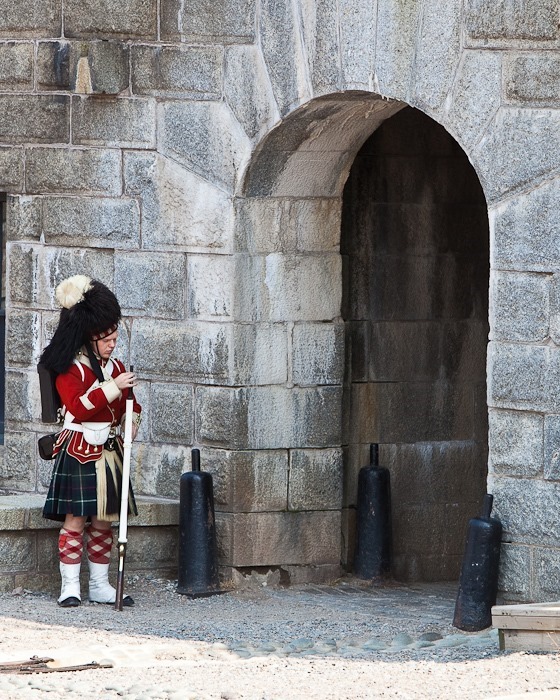
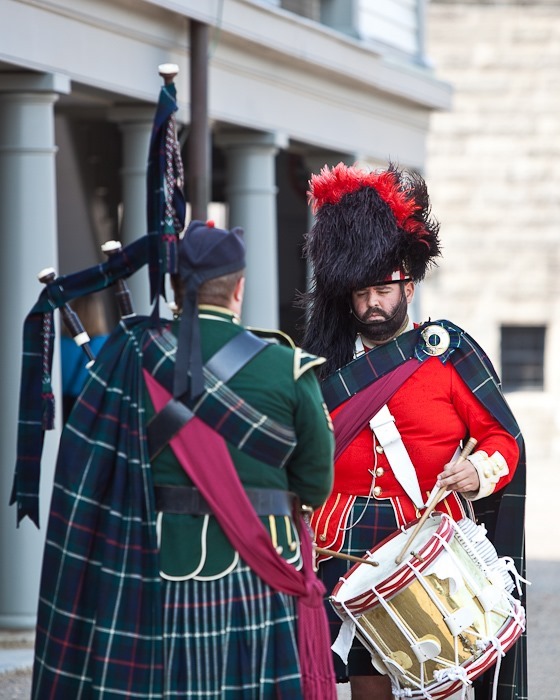
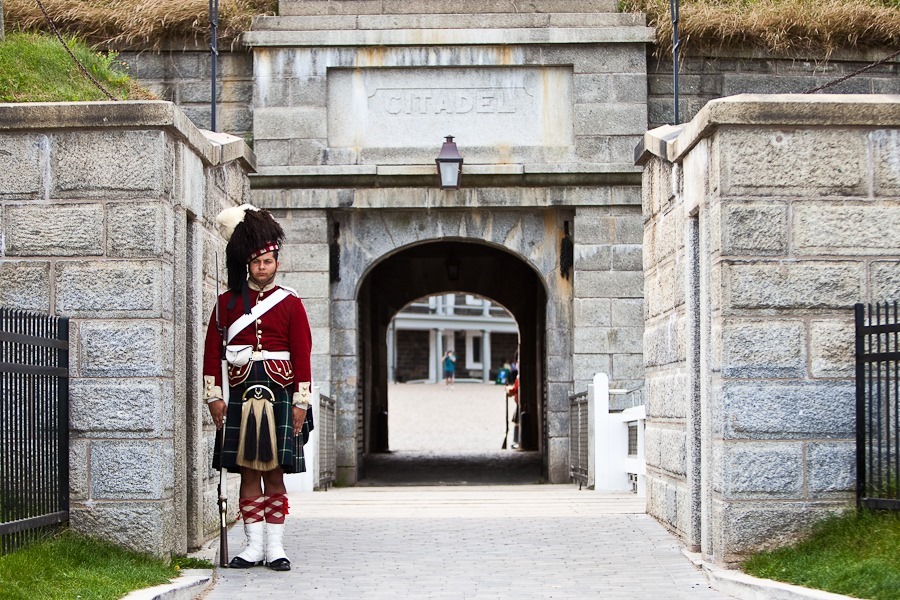
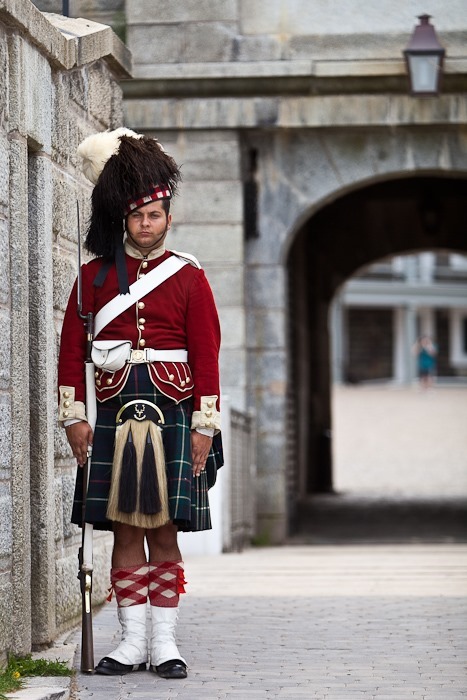
This morning we left our RV at the Walmart of Dartmouth and drove into Halifax to visit Halifax Citadel National Historic Site. The fort was built in 1749 as a response to the French Fortress of Louisbourg near present day Sydney, Nova Scotia. The fort was never attacked, and was rebuilt several times, the most recent incarnation being built in 1856. It is this period that the re-enactors attempt to bring back to life:
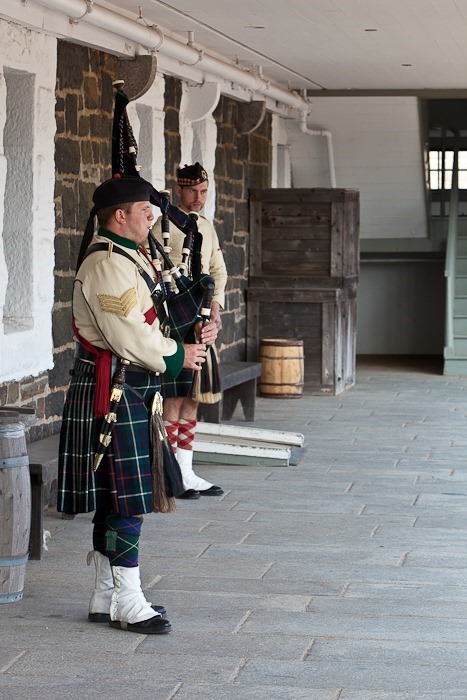
Our tour guide:
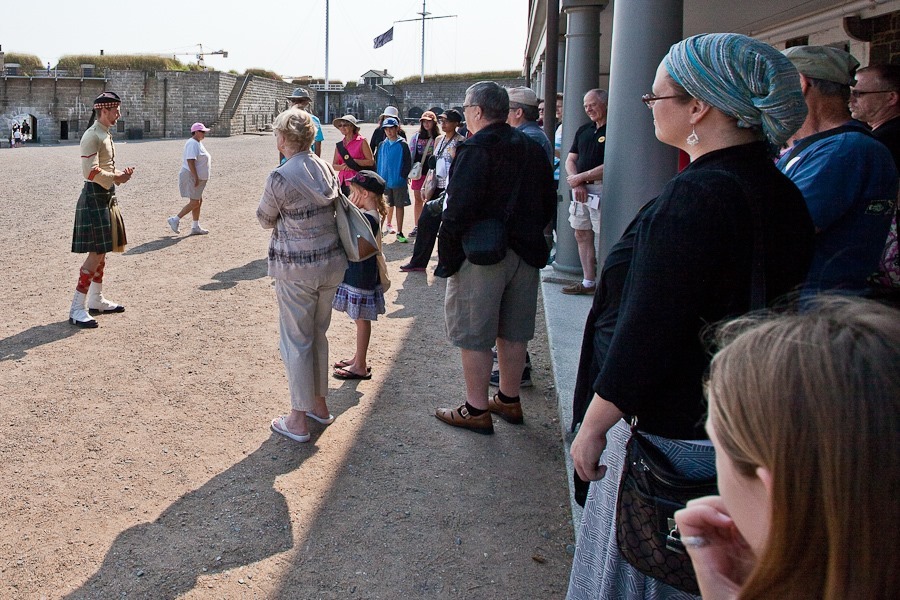
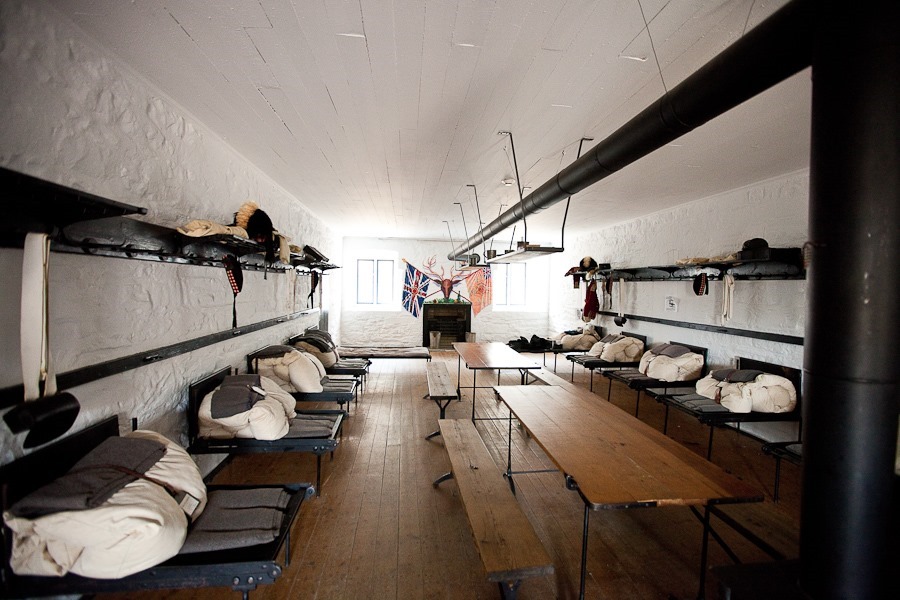
Barracks:
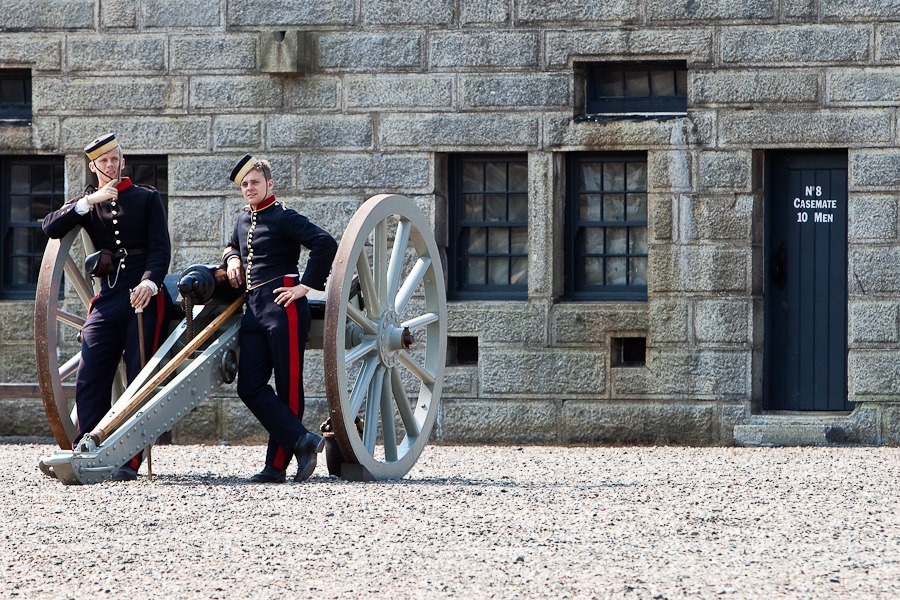
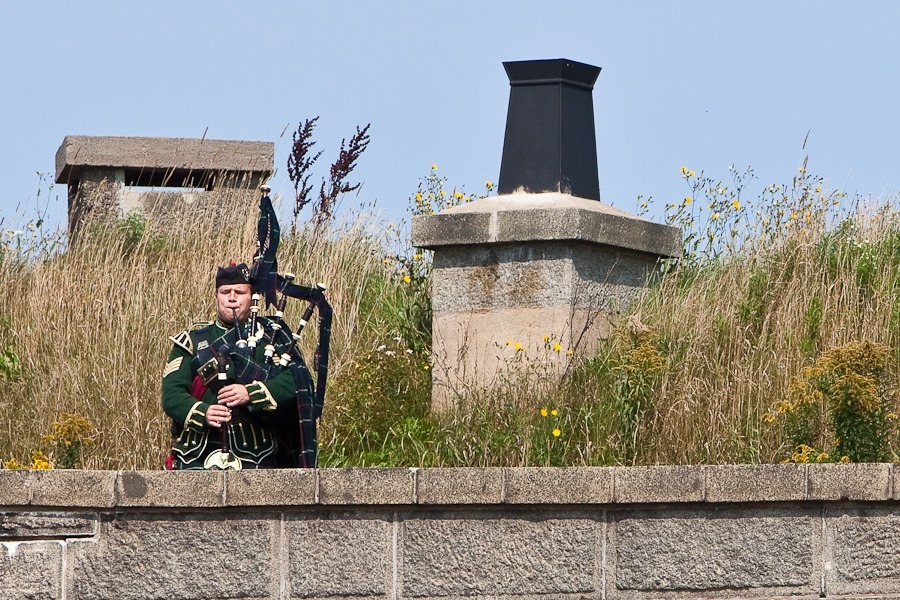
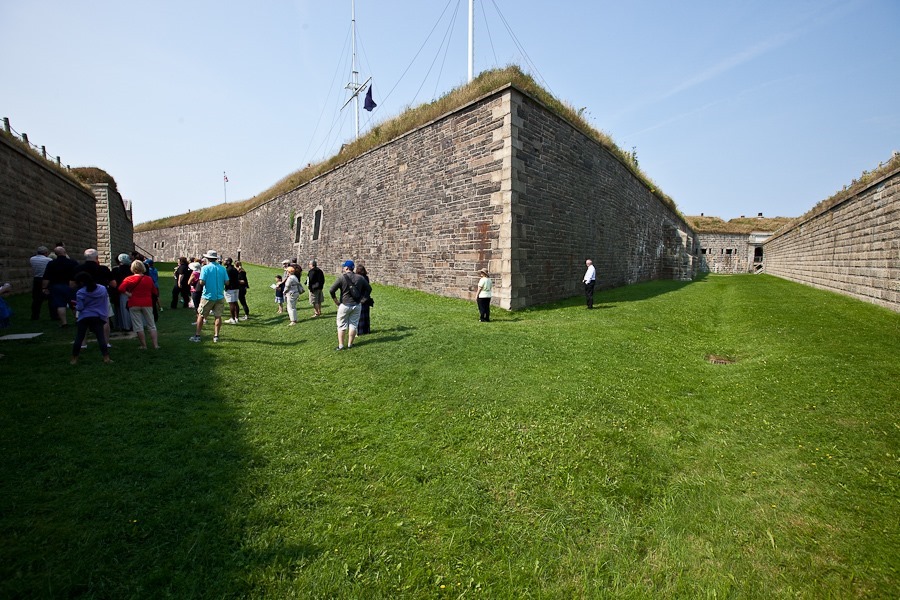
Between the citadel wall and one of the three ravelins:
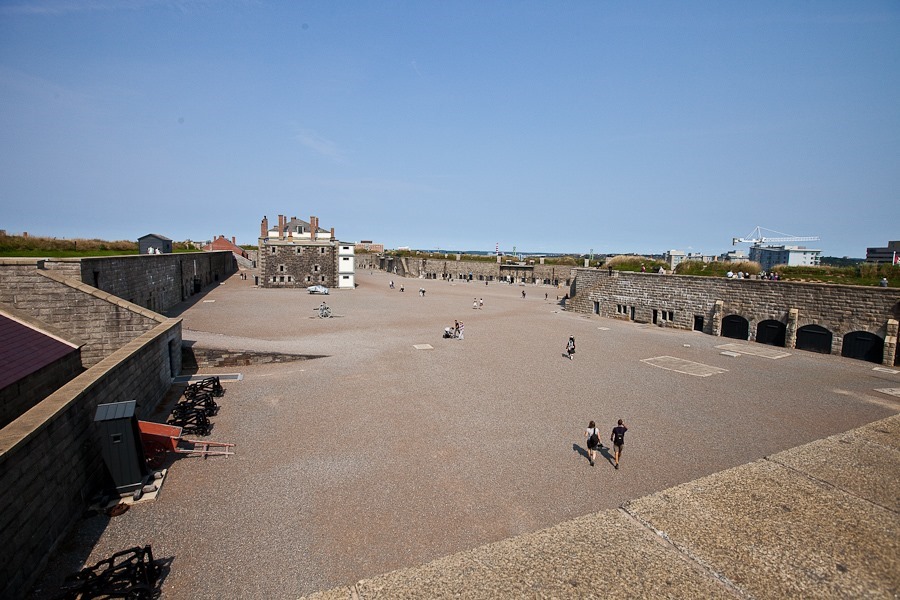
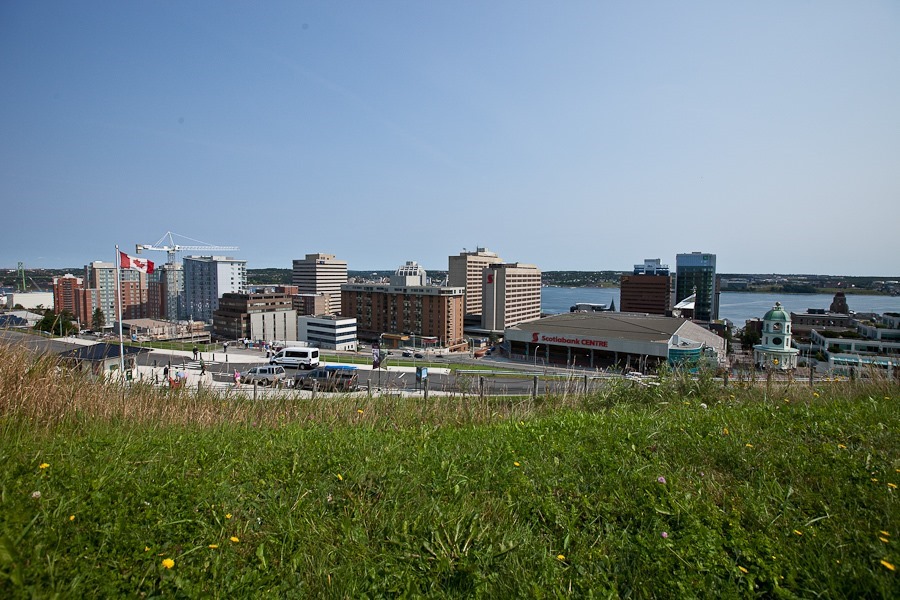
Looking over the rampart into downtown Halifax:
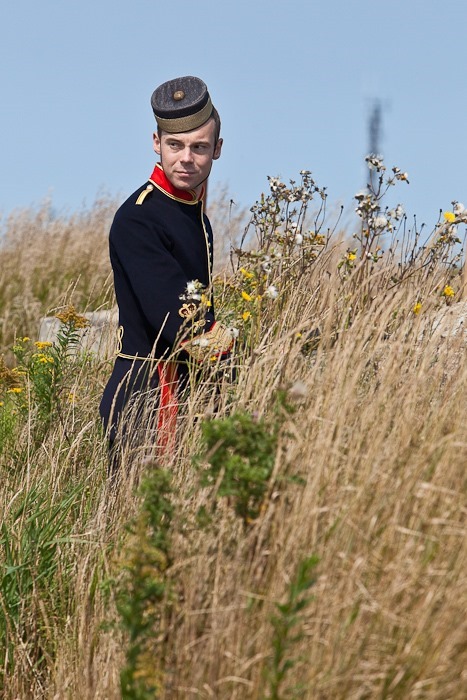
This gun is fired every day at noon:
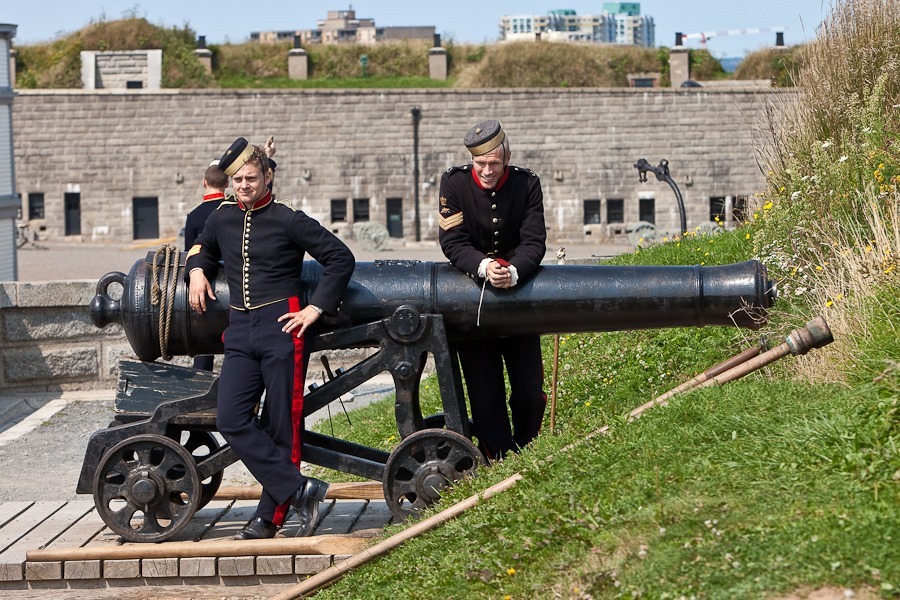
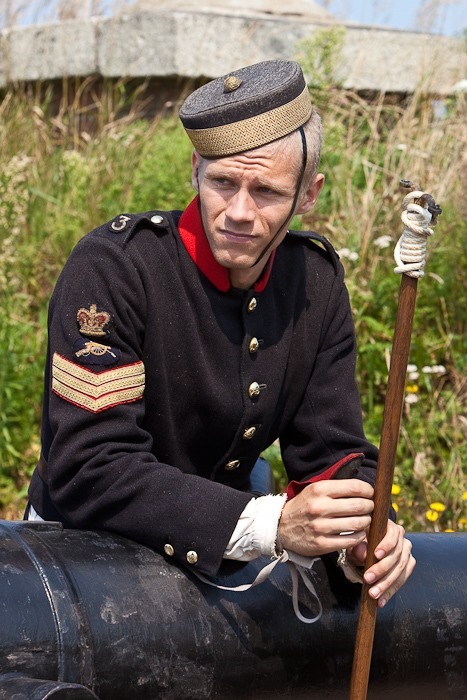
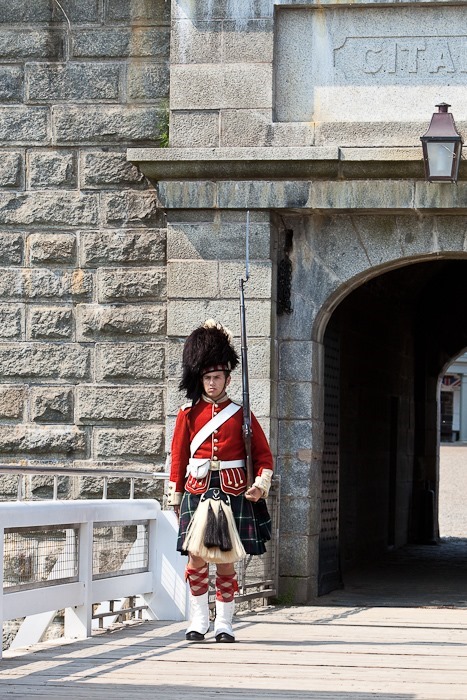
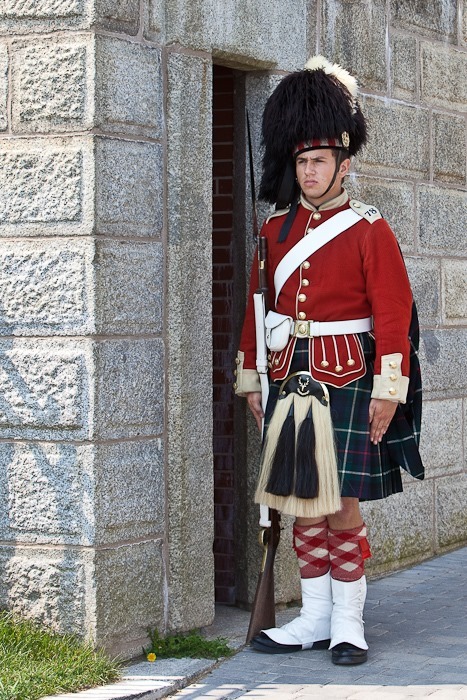
Guard house:
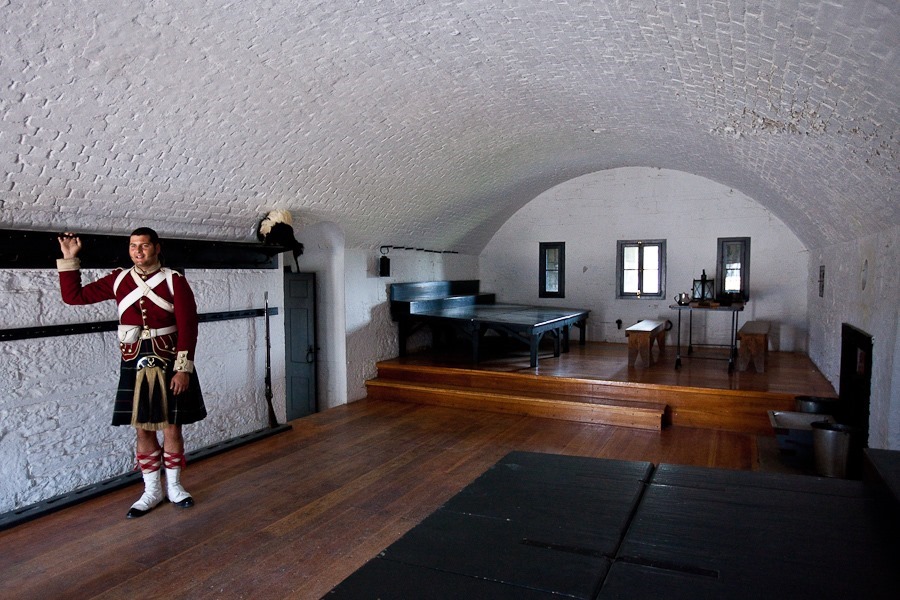
Tailor’s room:
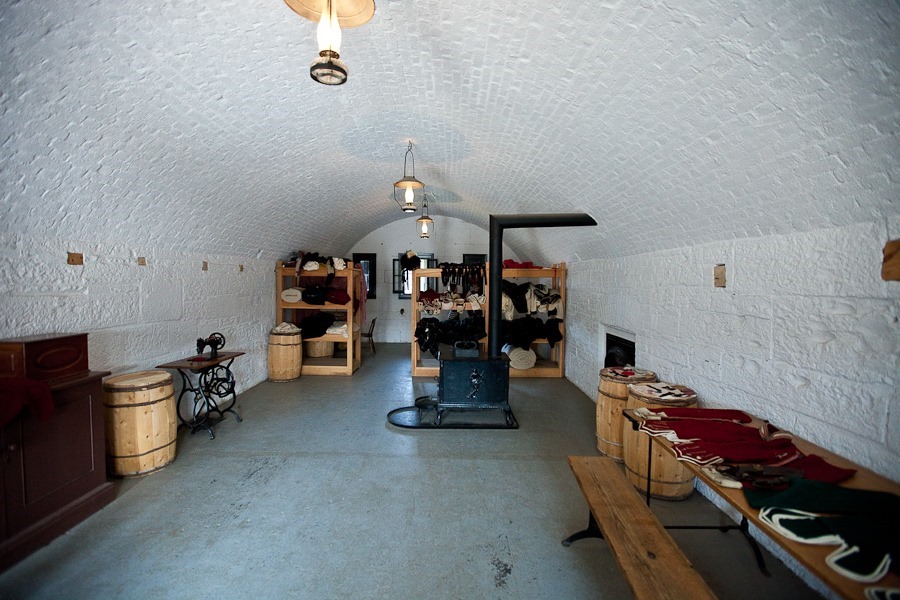
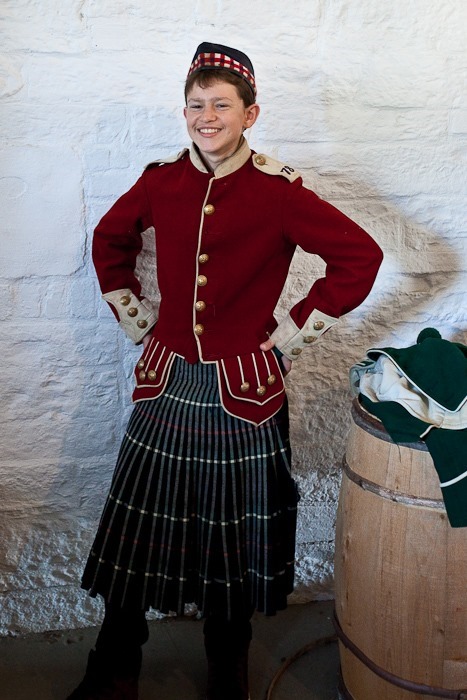
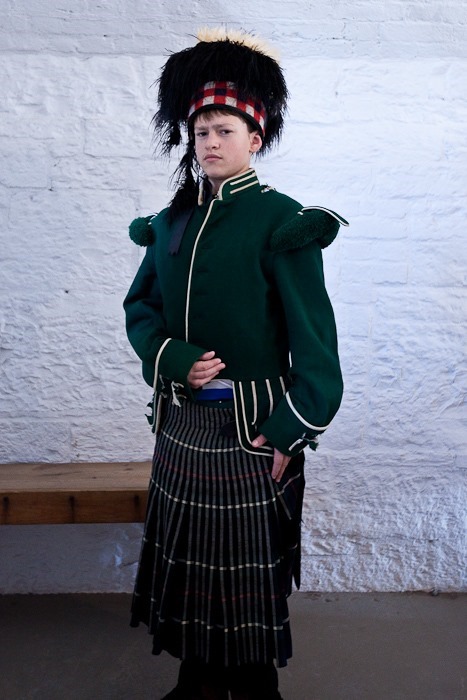
M tried on some of the costumes:
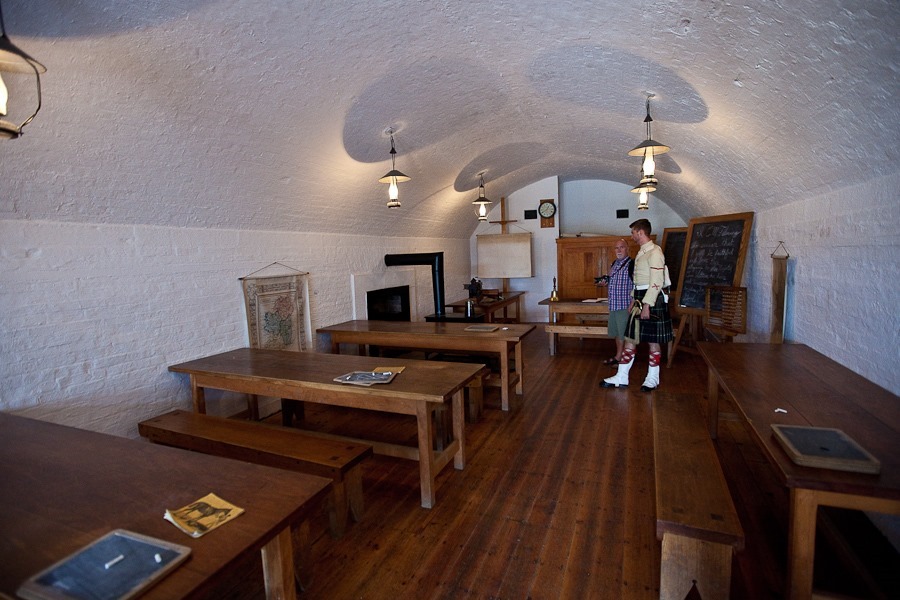
The school room, where soldiers were taught to read and write:
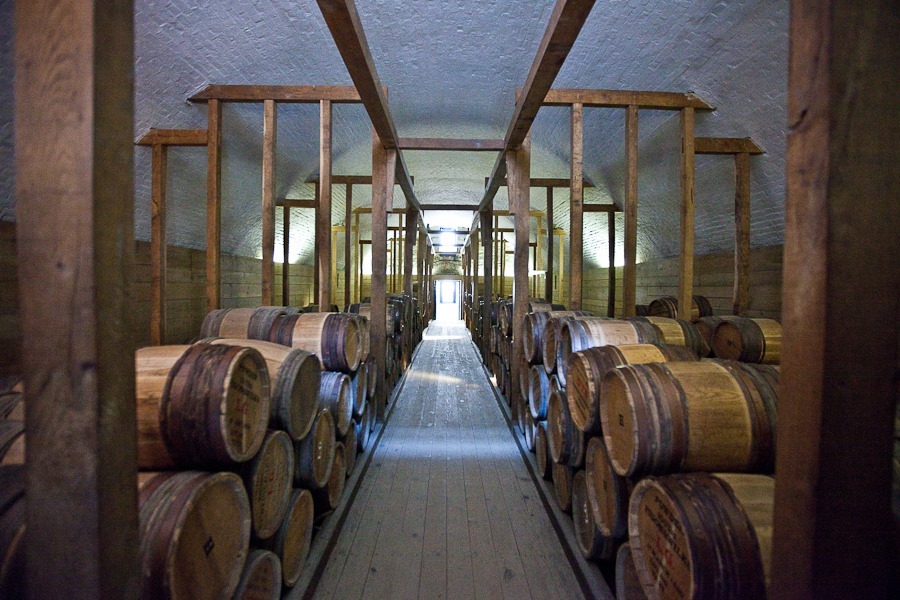
The powder magazine. Structural components are held together with wood pegs or copper to avoid any chance of a spark:
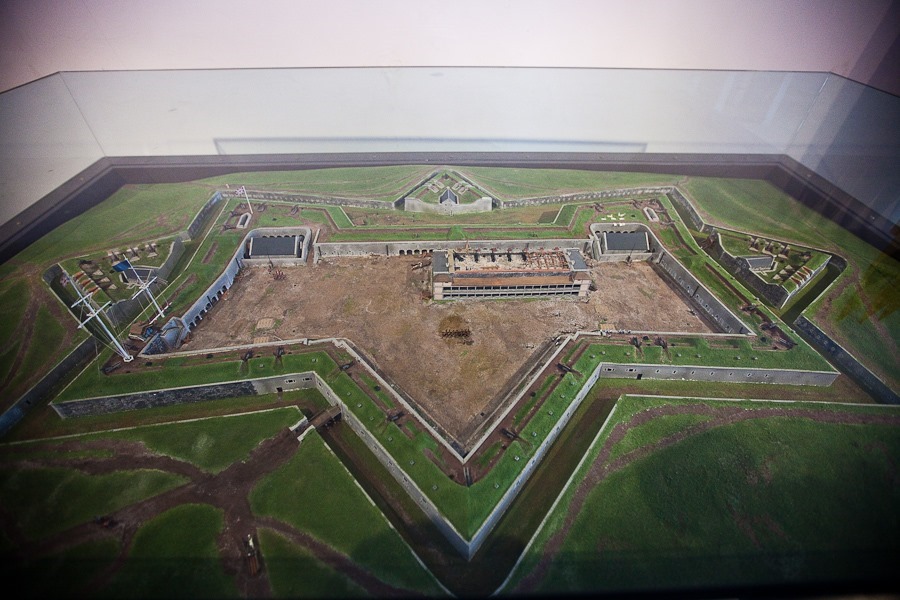
A model of the citadel:
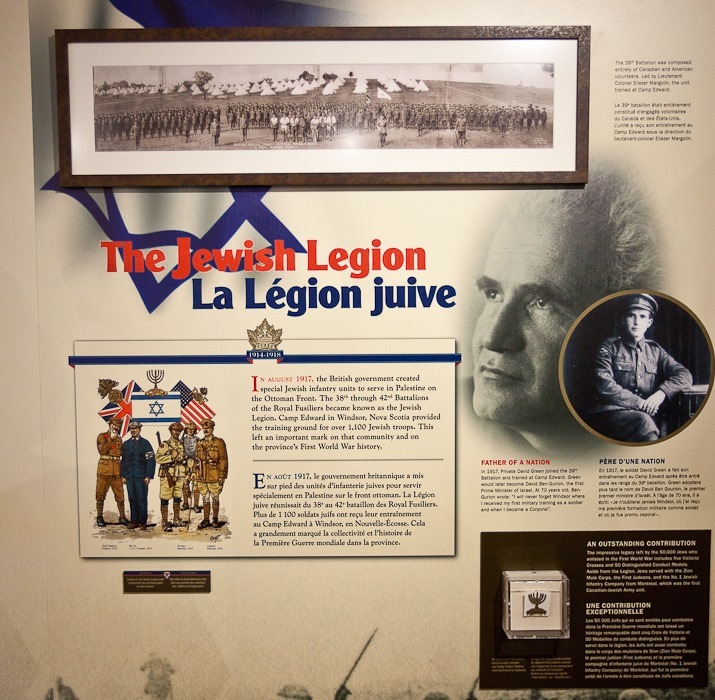
We went to the second story of the barracks, which today houses as extensive Canadian military museum. The docent was very excited to show us a display about the Jewish Legion, trained right here in Nova Scotia to fight the Ottomans in World War I:
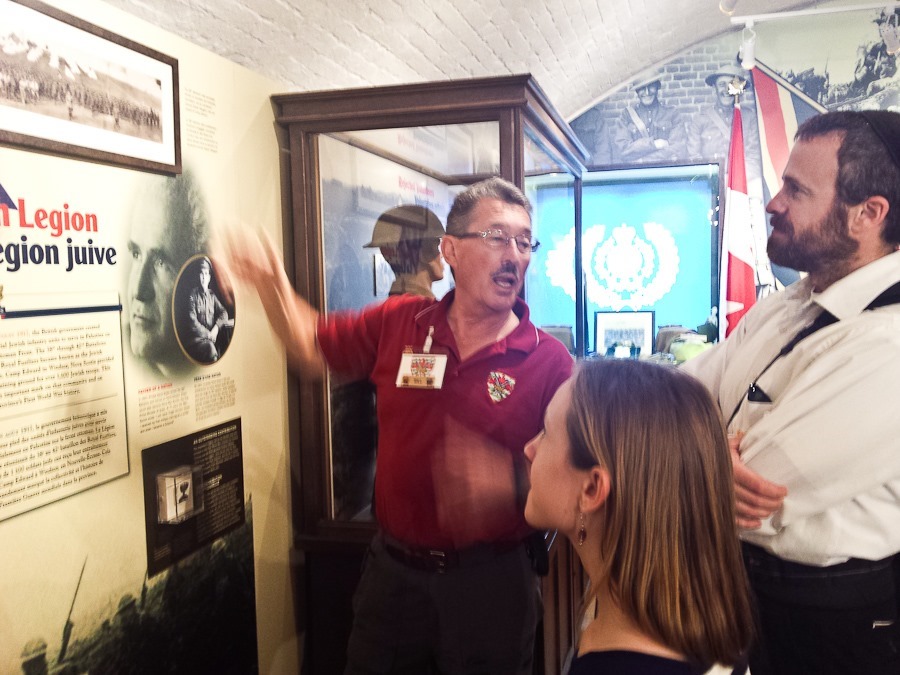
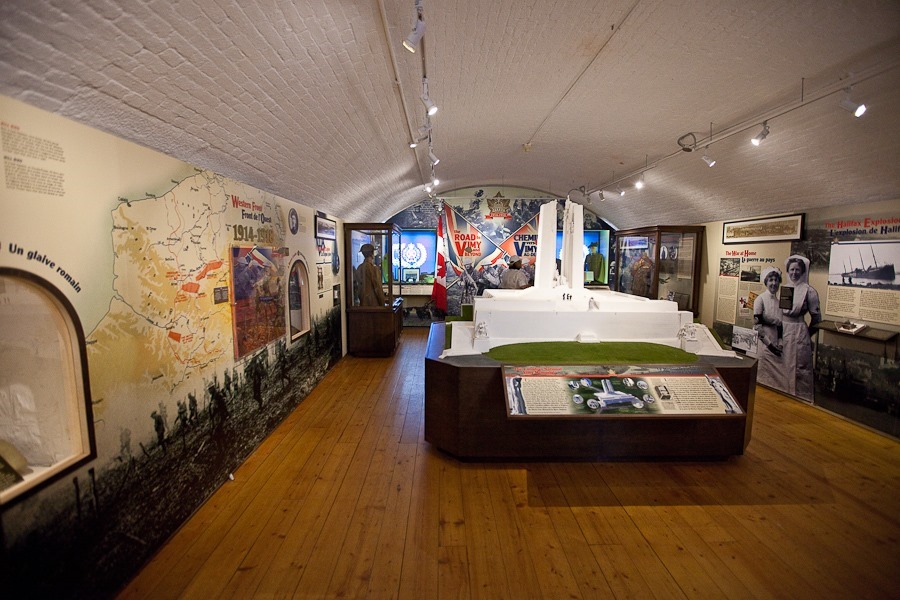
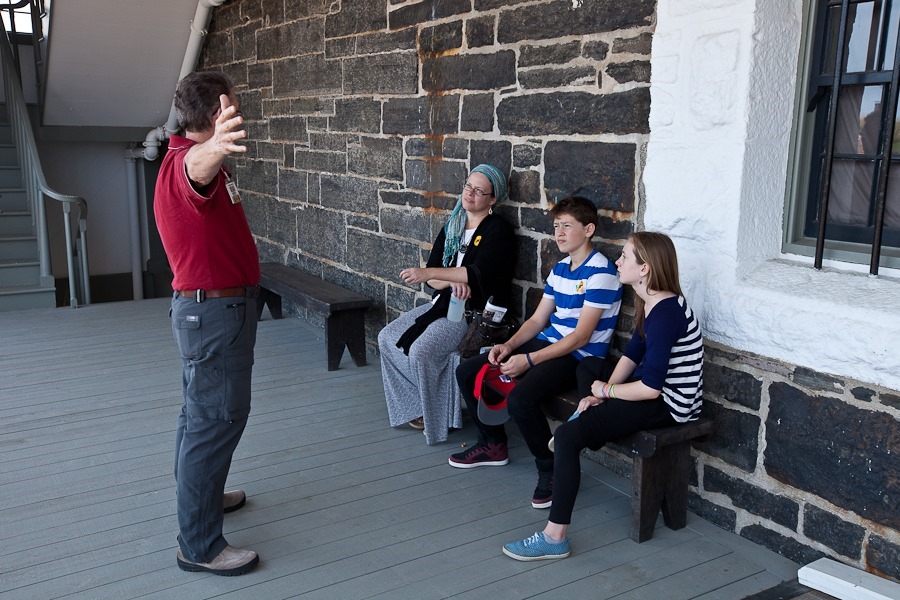
We heard more stories outside:
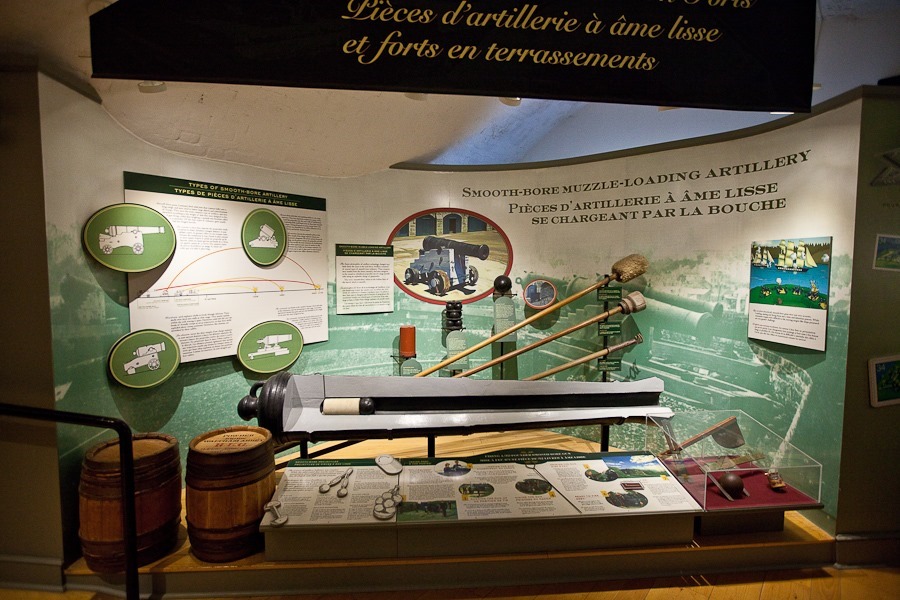
There were several exhibit areas in various buildings in the citadel:
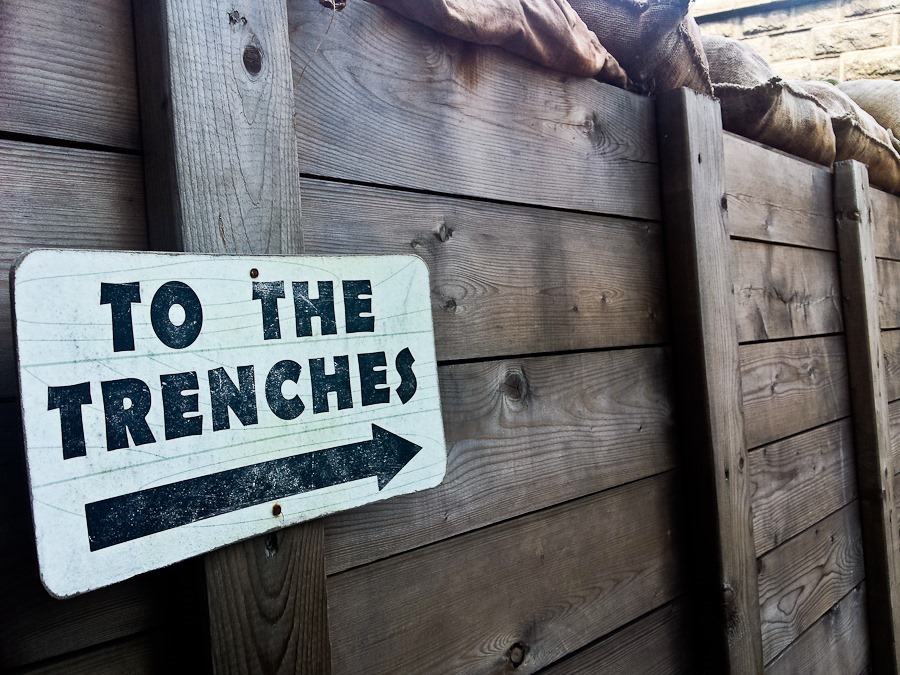
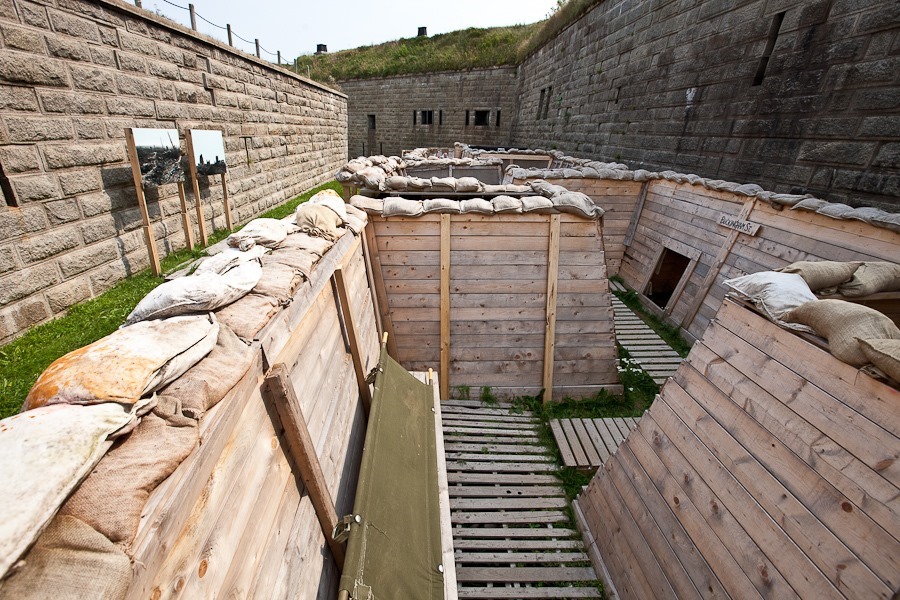
The park service has built a mock World War I trench between the citadel walls:
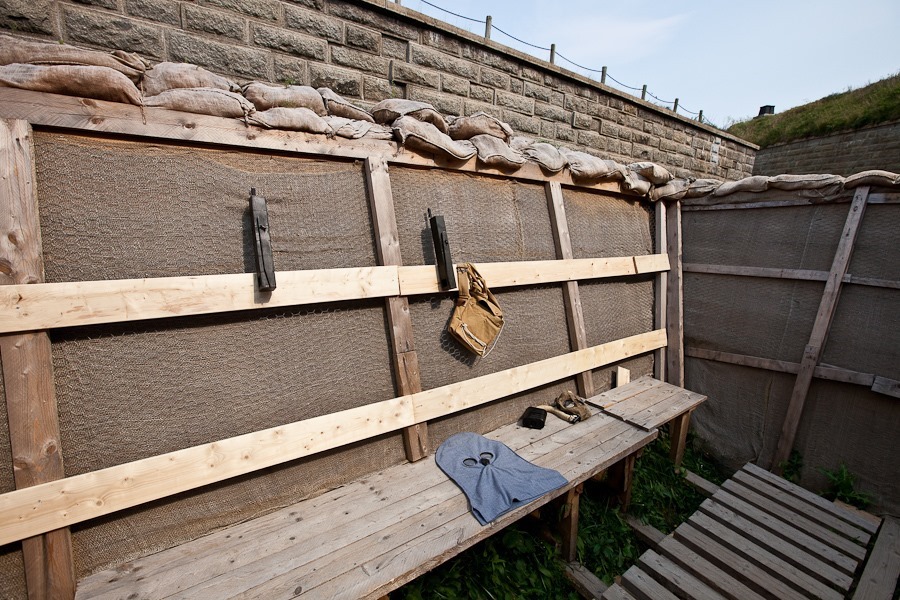
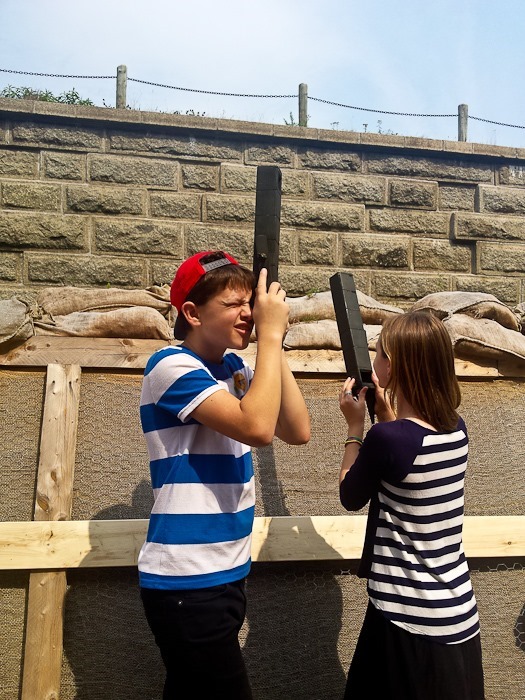
Using trench periscopes:
We watched more demonstrations:
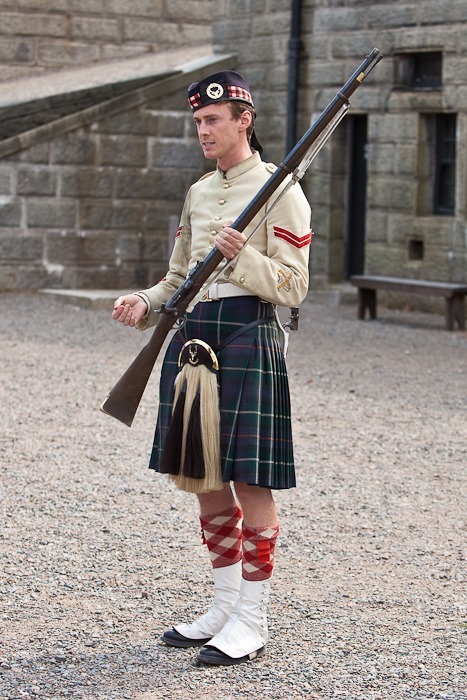
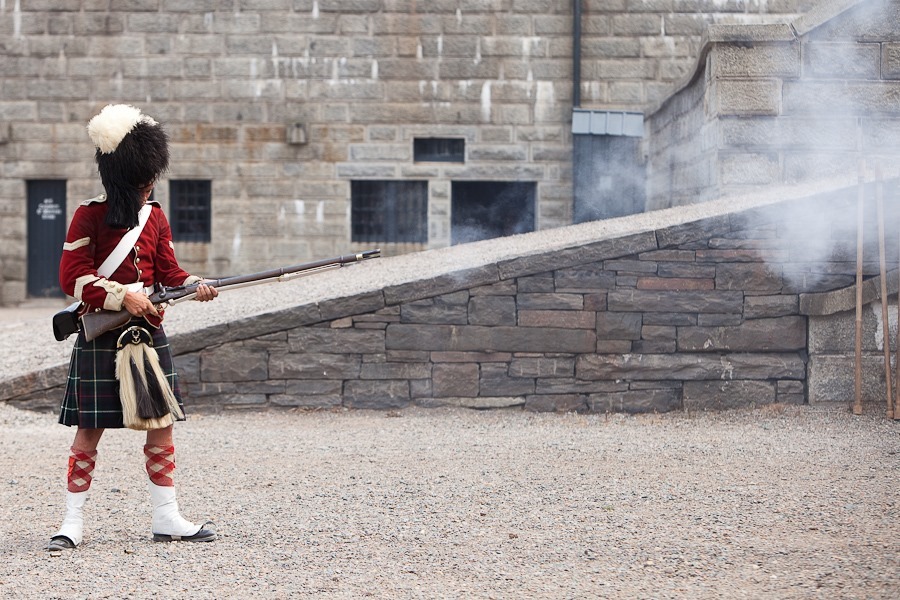
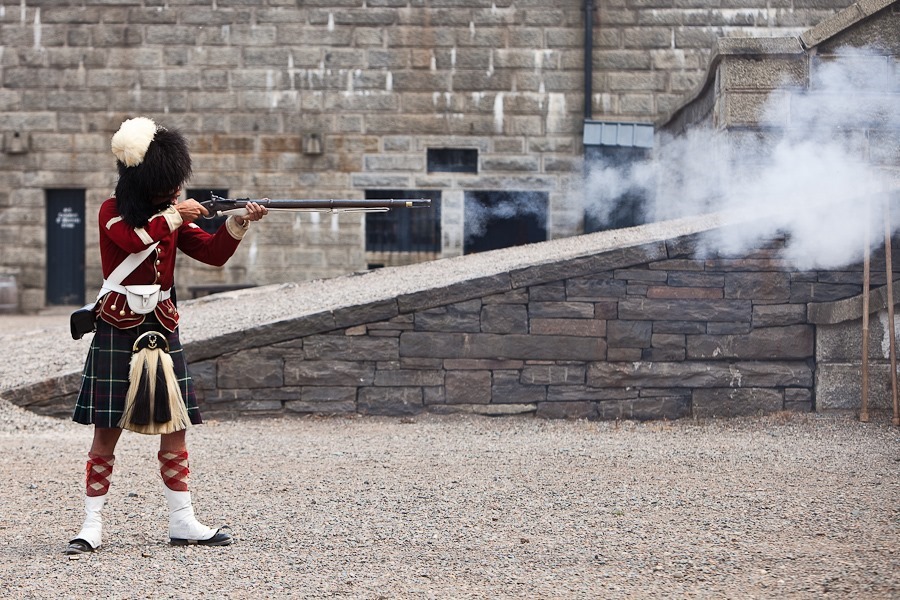
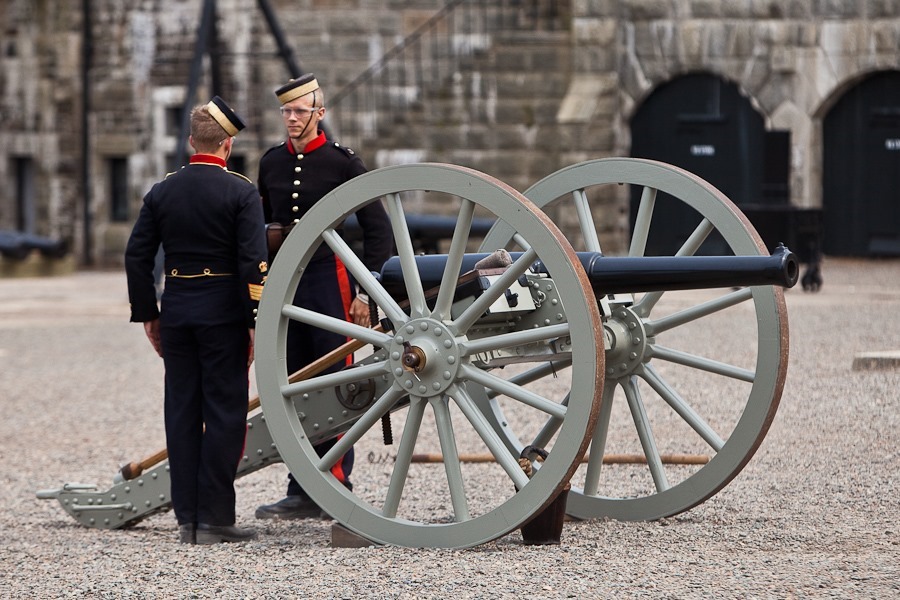
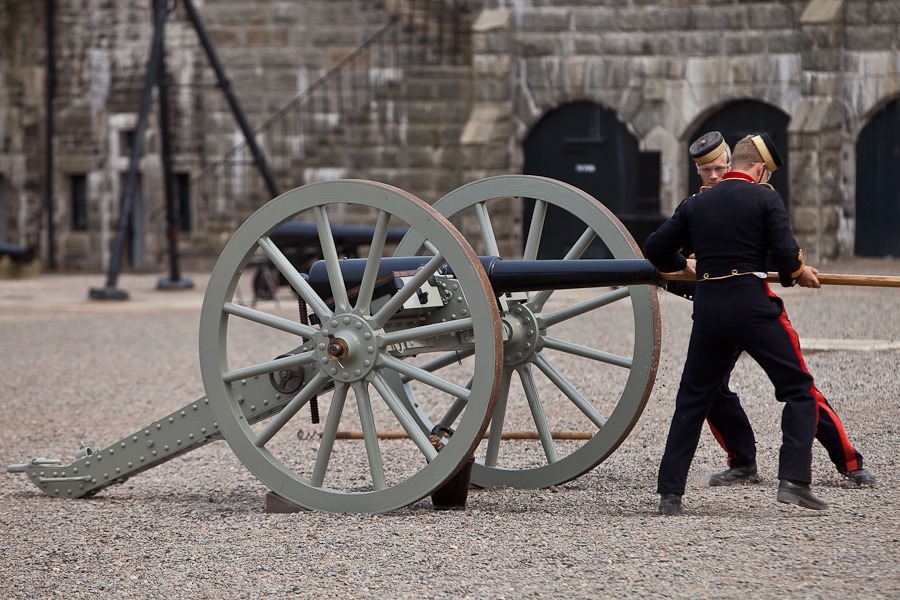
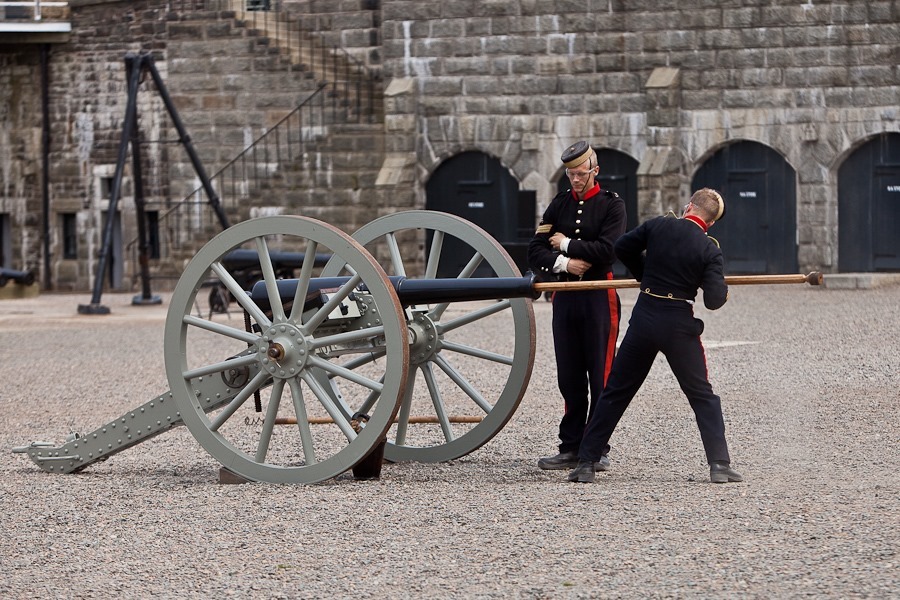
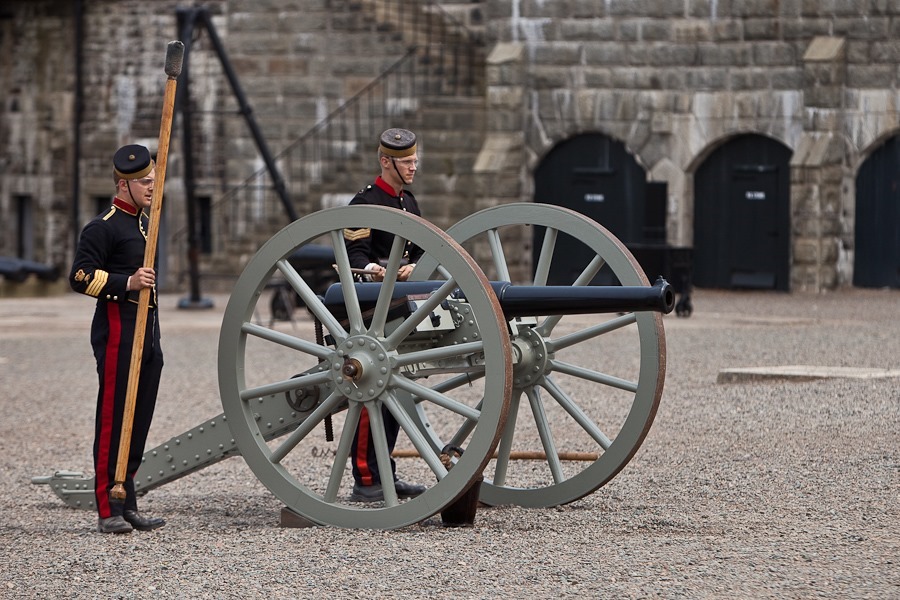
Boom! But not really, it seems they didn’t ram the charge in far enough, so the fuse couldn’t light the charge. The crew now has to fill the cannon with water to render the charge inert before they can remove the charge:
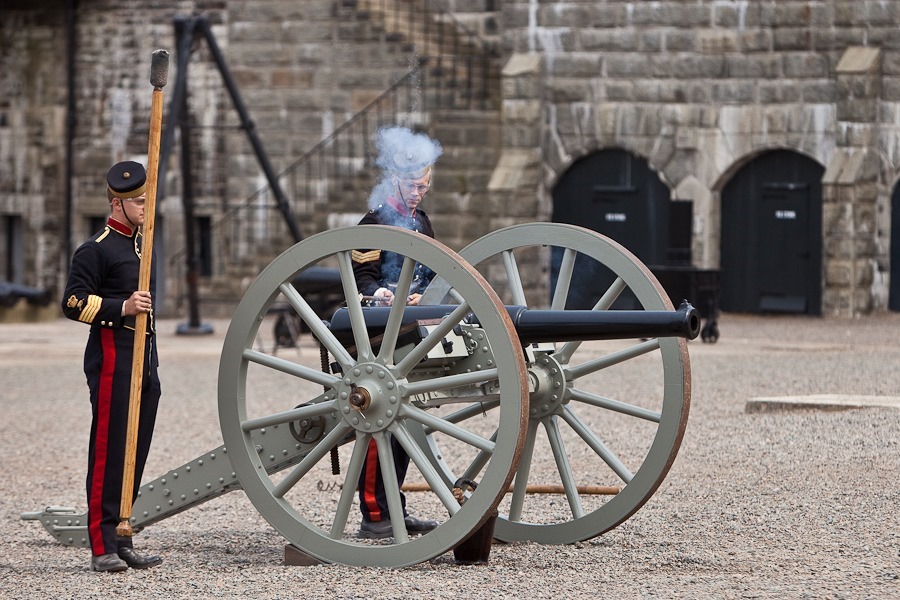
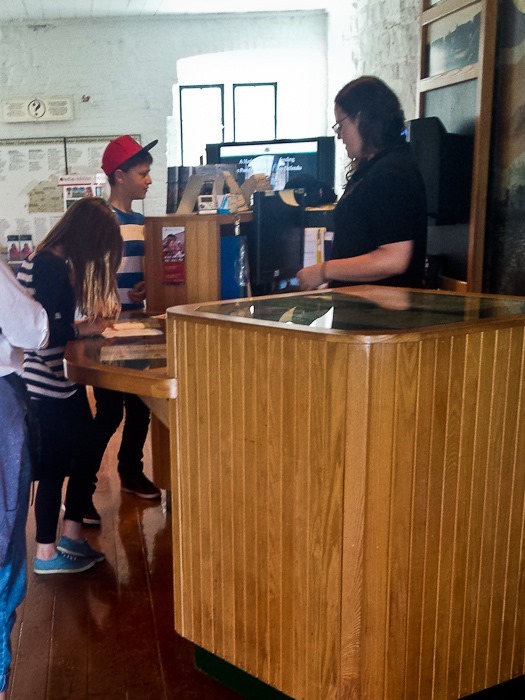
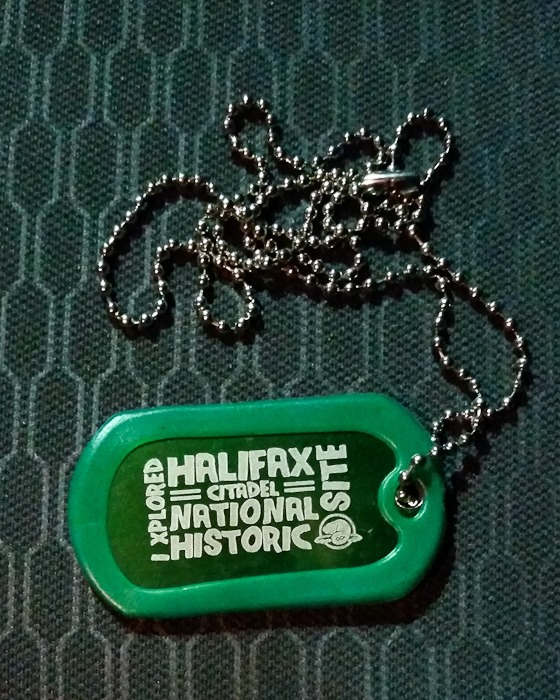
The kids completed their Parks Canada Xplorers workbooks and received their tags:
We did some grocery shopping in Halifax, then returned to the RV, hitched up, and drove east to overnight at the Walmart of Port Hawkesbury on Cape Brenton Island, Nova Scotia. See the trip map for today’s drive and our current location.


 Facebook
 Instagram
 Email
Email