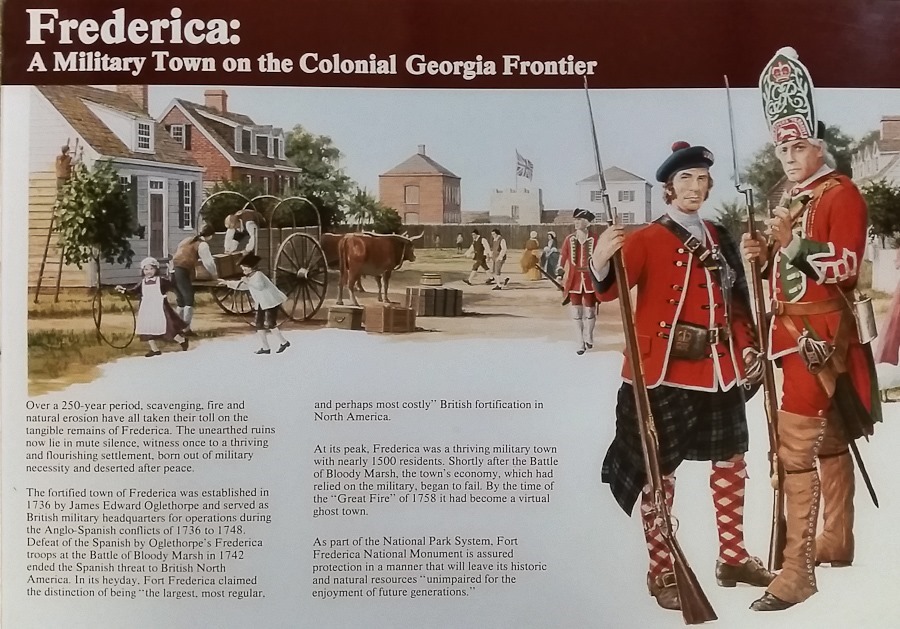
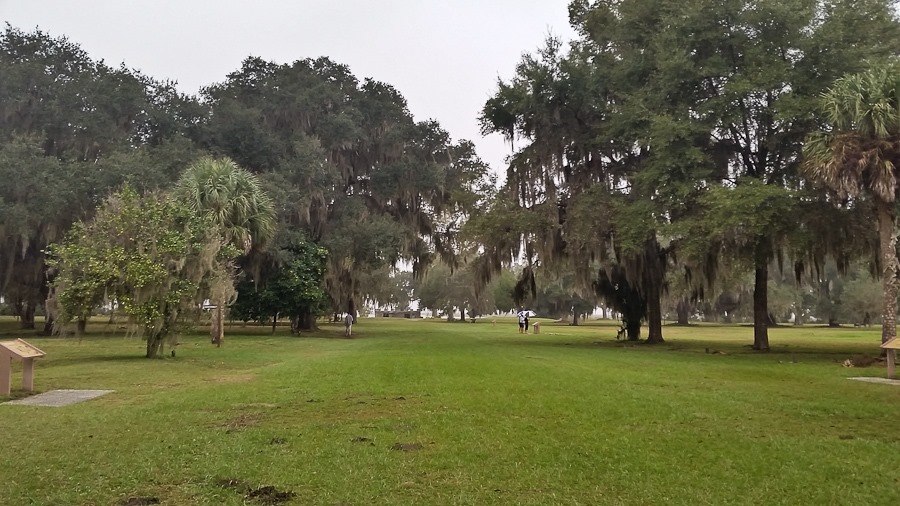
Fort Frederica was an English fort built in 1736 as a counterbalance to the Spanish Castillo de San Marcos in St. Augustine:
A Spanish attack on the fort was repulsed by English forces, ending Spanish attempts to take lands north of what today is the Florida/Georgia border.
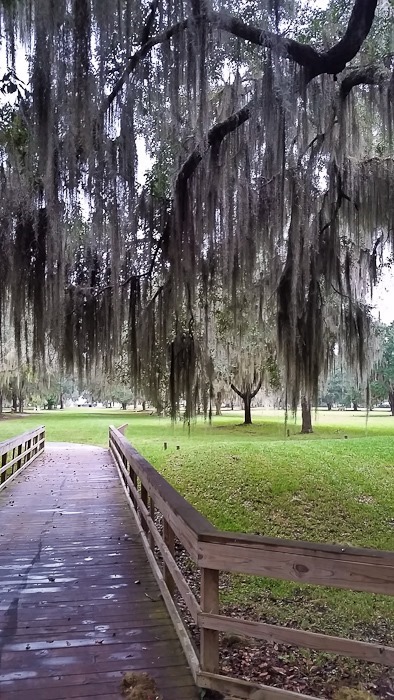
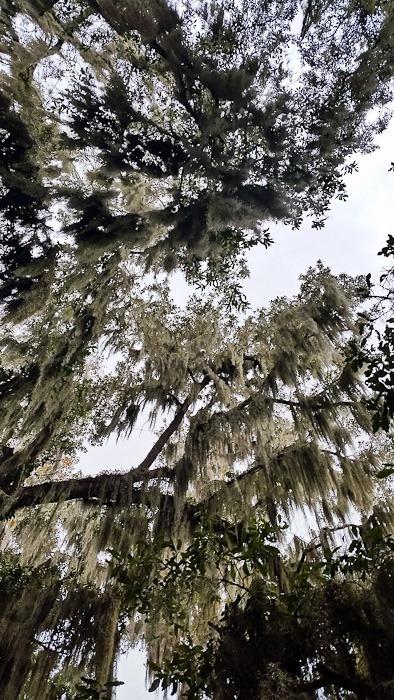
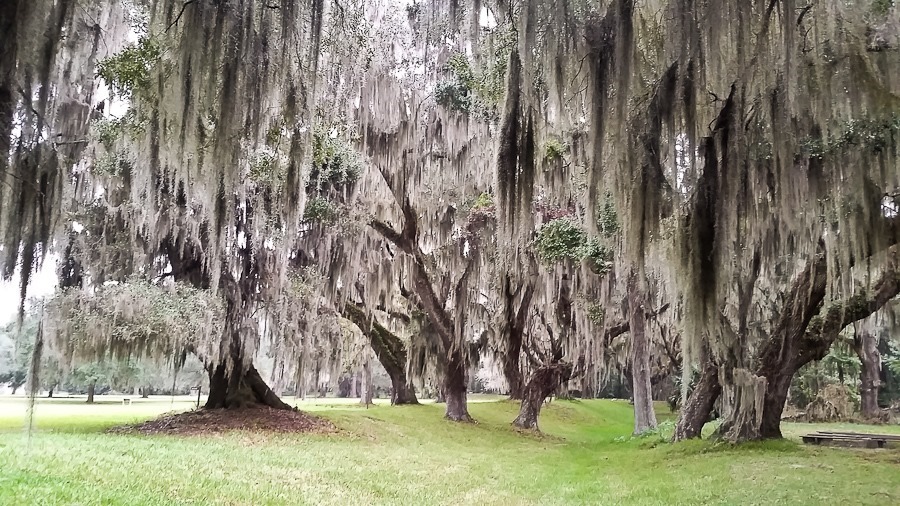
Spanish Moss hangs on everything here:
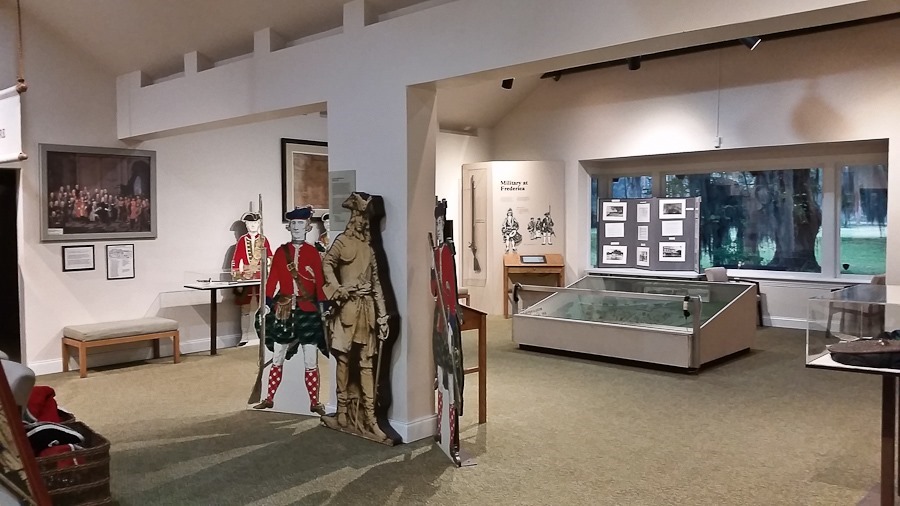
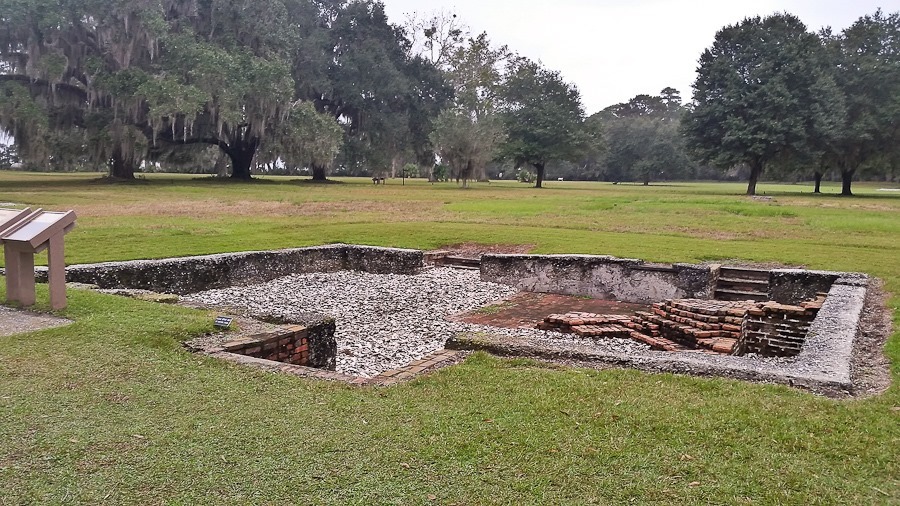
The fort and the surrounding town are gone now, but recent archeological efforts have uncovered building foundations. Park historians have been able to identify the function and ownership of most building sites thanks to 18th-century documents:
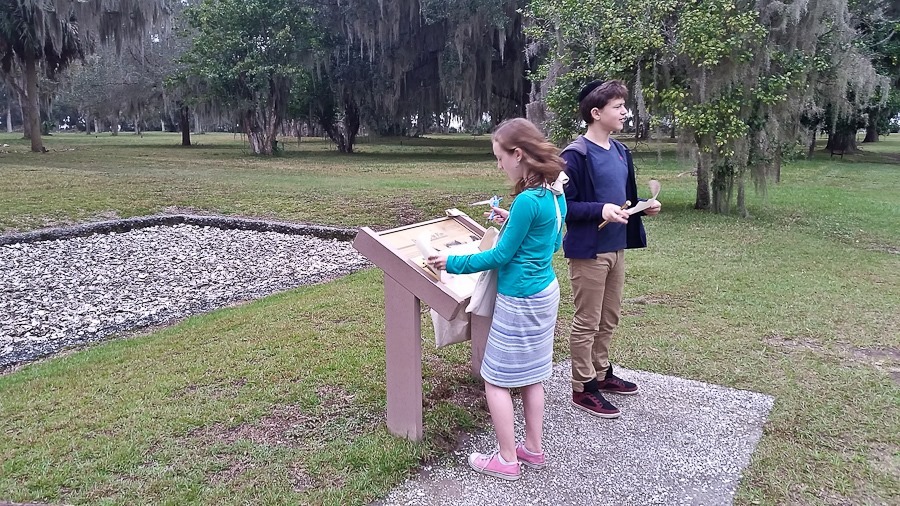
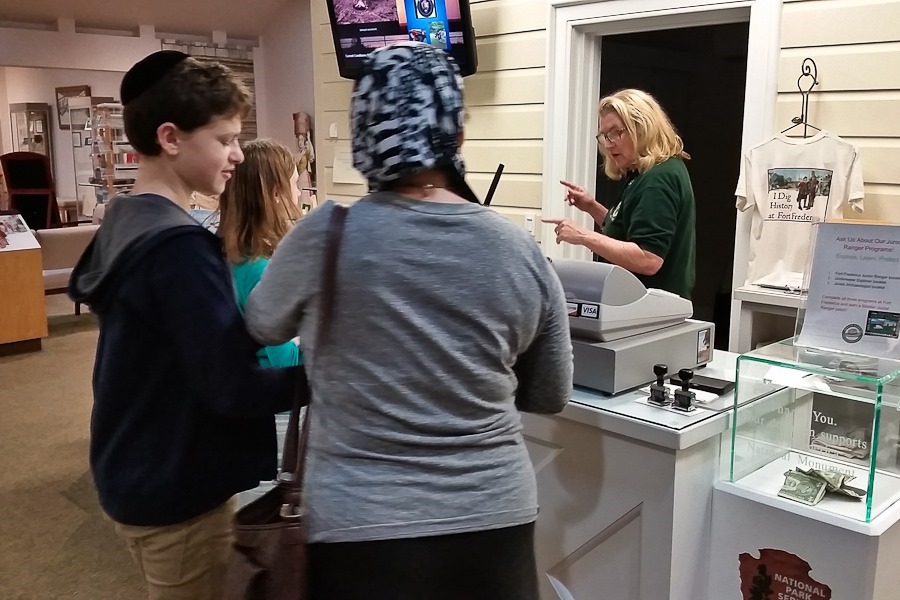
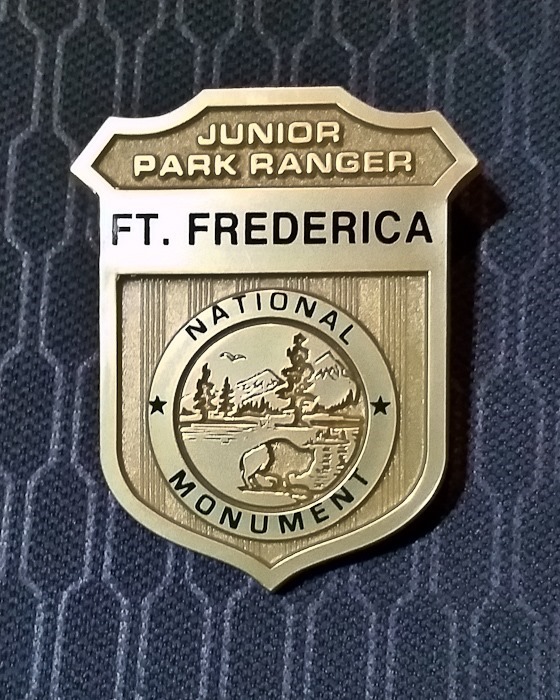
The kids completed their Junior Ranger workbooks and received their badges:
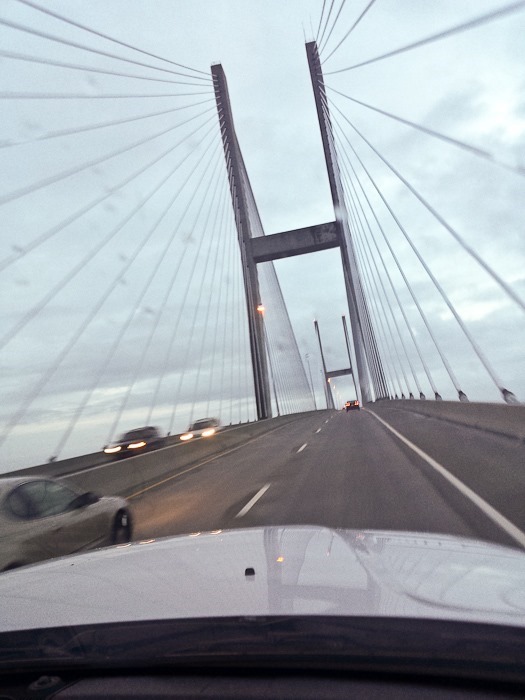
We continued south to overnight at a Walmart near Saint Marys, Georgia, crossing this bridge along the way:
See the trip map for today’s drive and our current location.
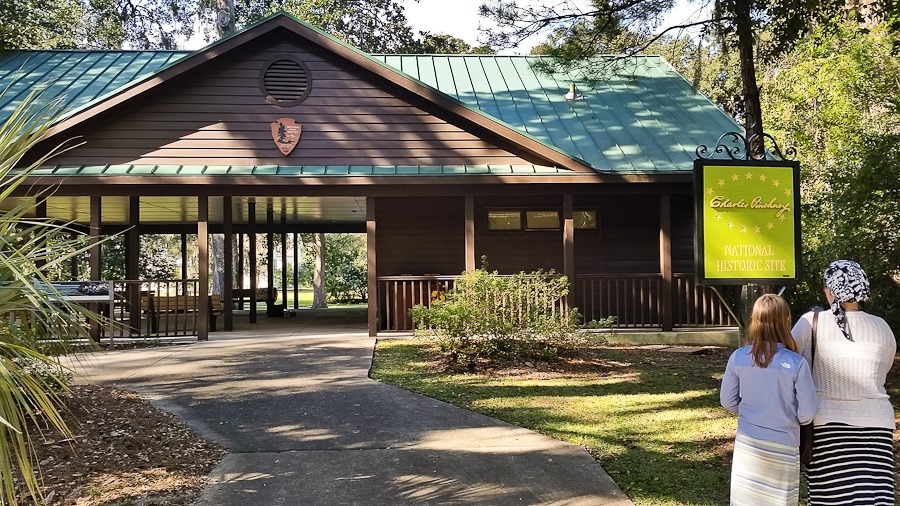
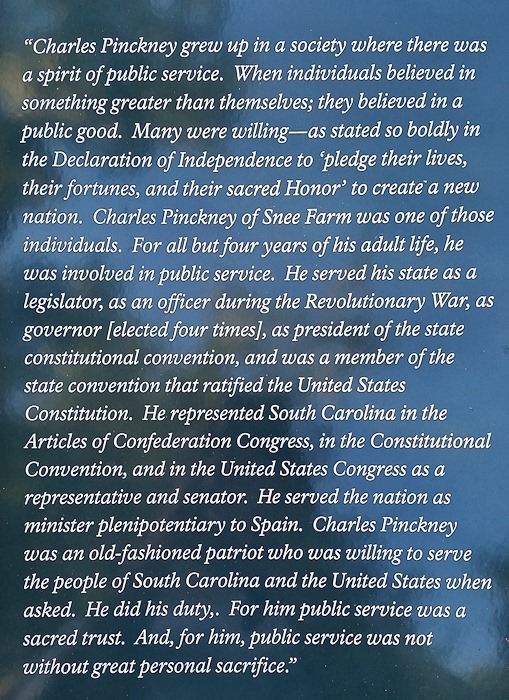
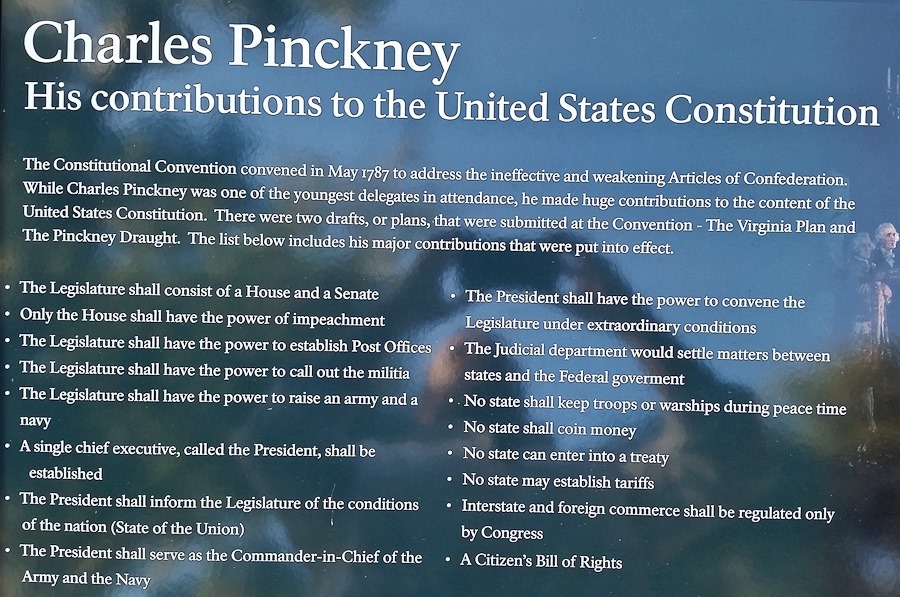
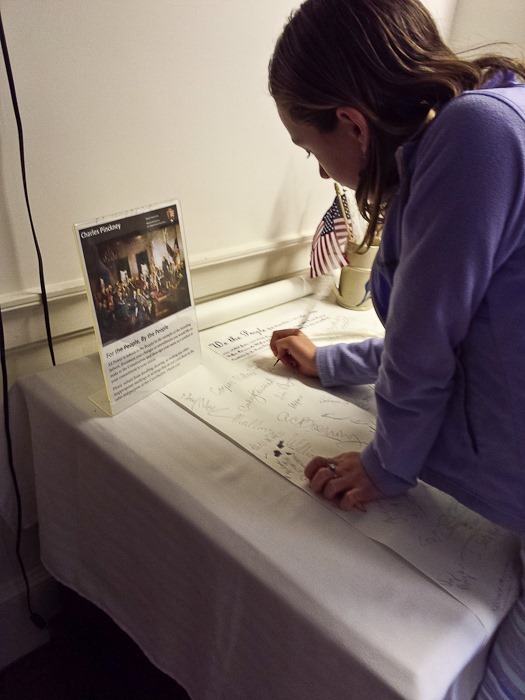
Today we first visited Charles Pinckney National Historic Site. Charles Pinckney was one of the youngest person to sign the constitution, and his “Pinckney Draft” contained many ideas that were ultimately put into the constitution:
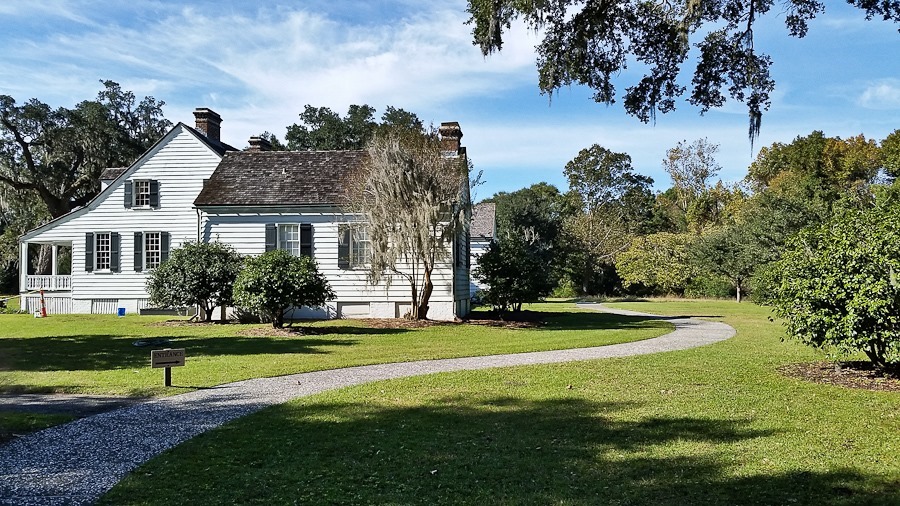
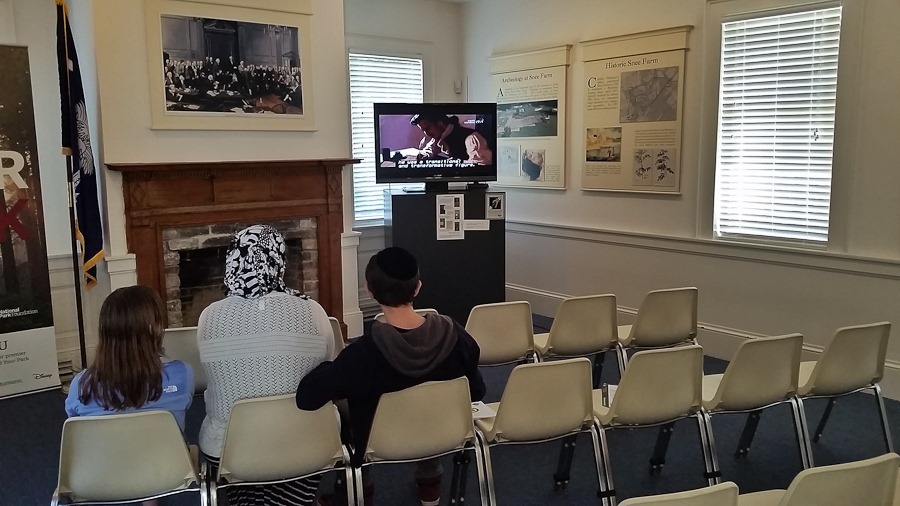
This house was built on the foundation of the original Pinckney house. It’s now a visitor center:
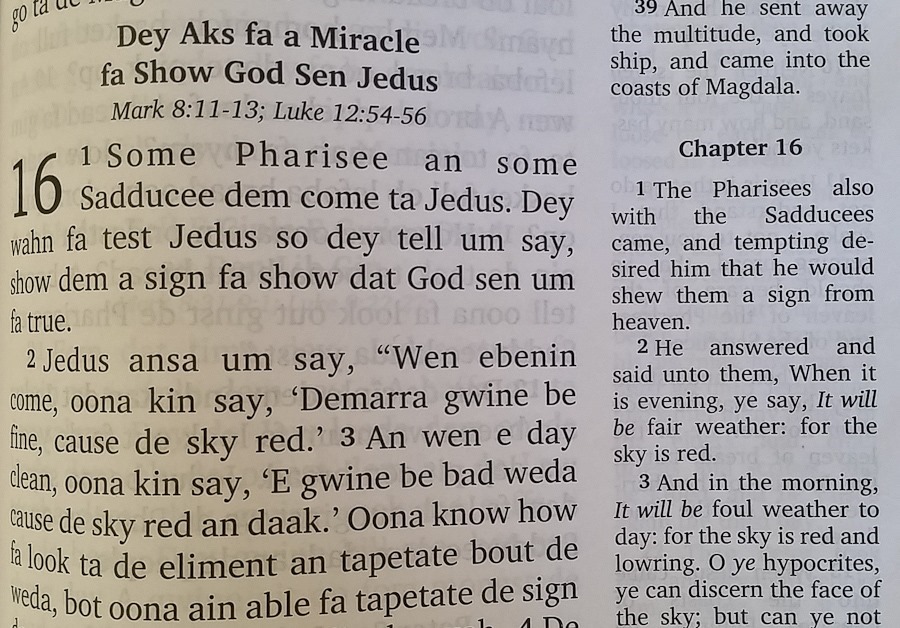
This Christian Bible has verses in English in the sidebar and in Gullah in the main bar:
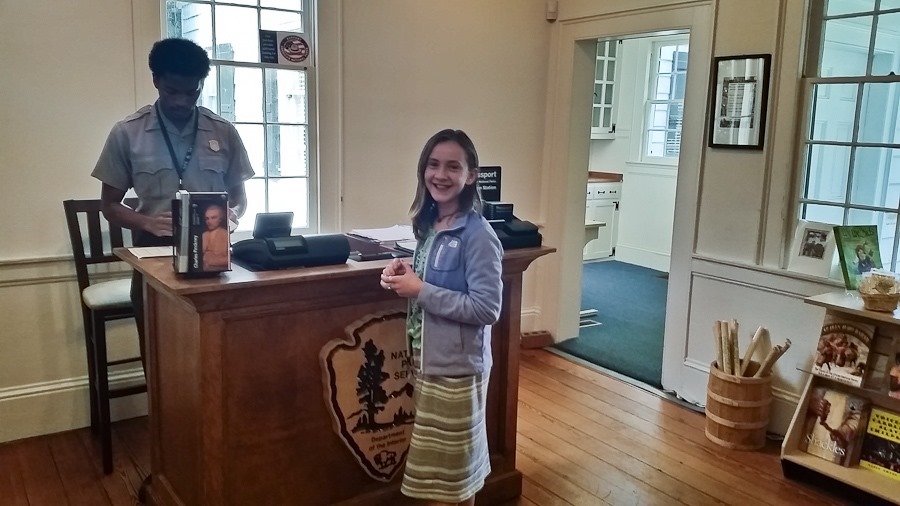
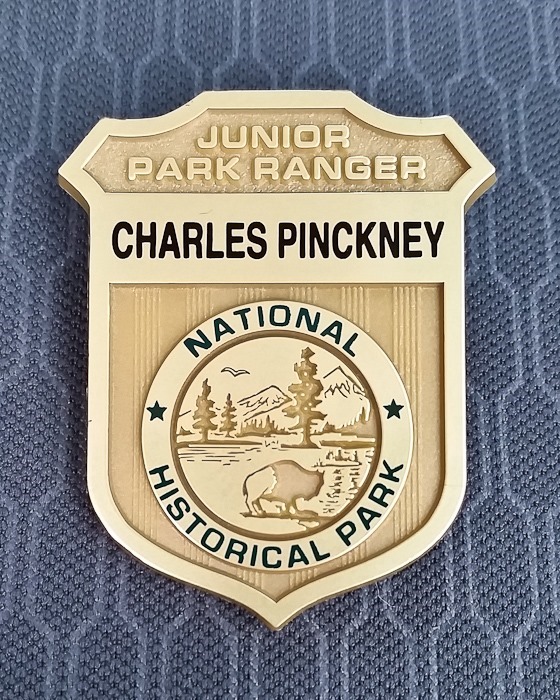
The kids completed their Junior Ranger workbooks and received their badges:
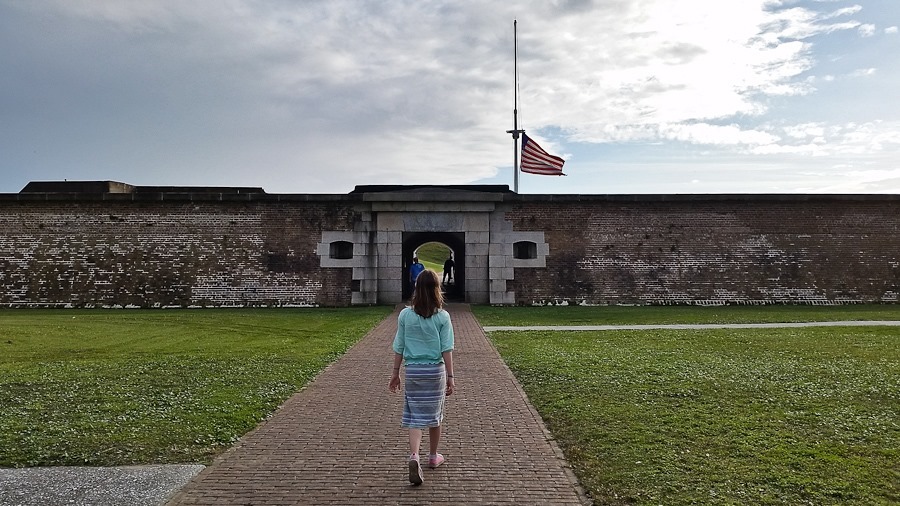
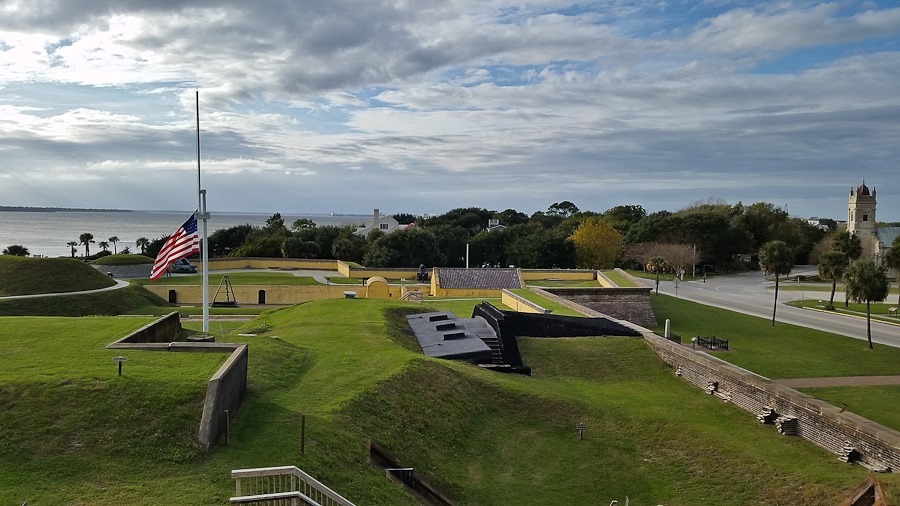
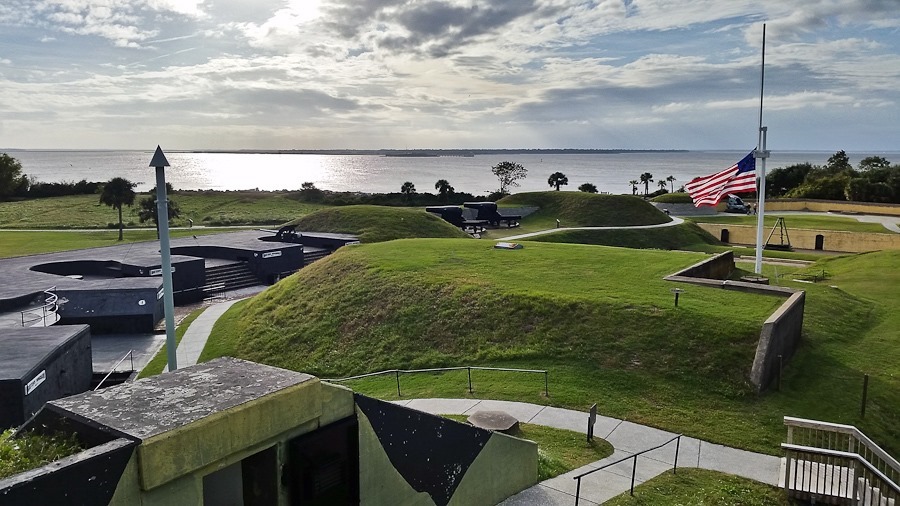
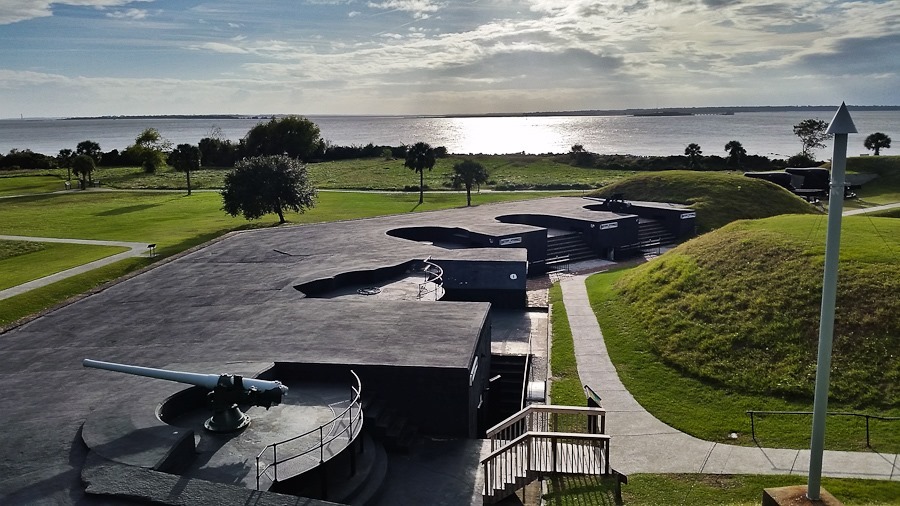
The fort was built in 1776, but this portion of the fort was modernized much later:
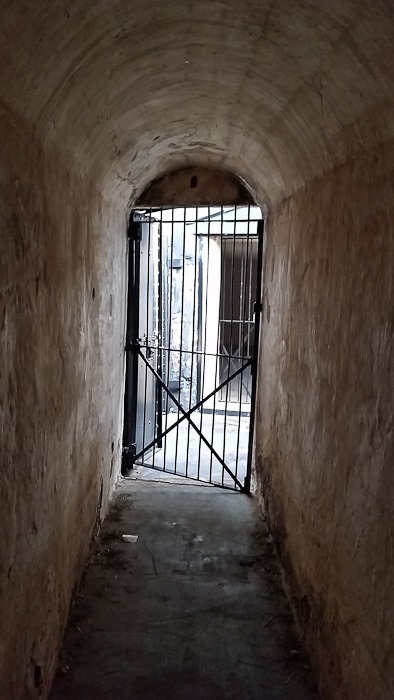
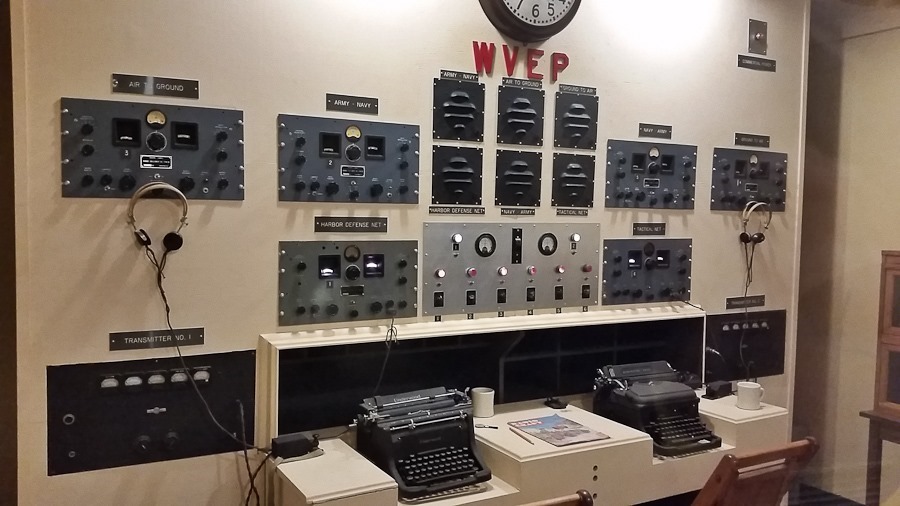
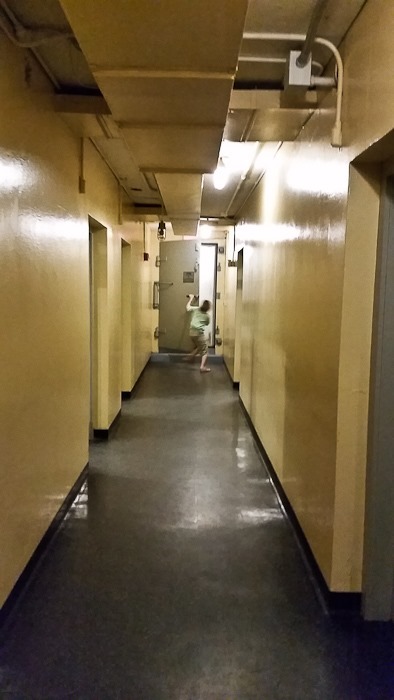
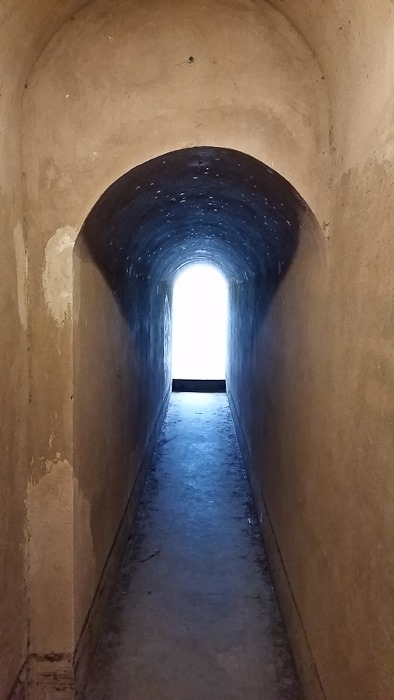
Underground, we walked through the World War II era bunker:
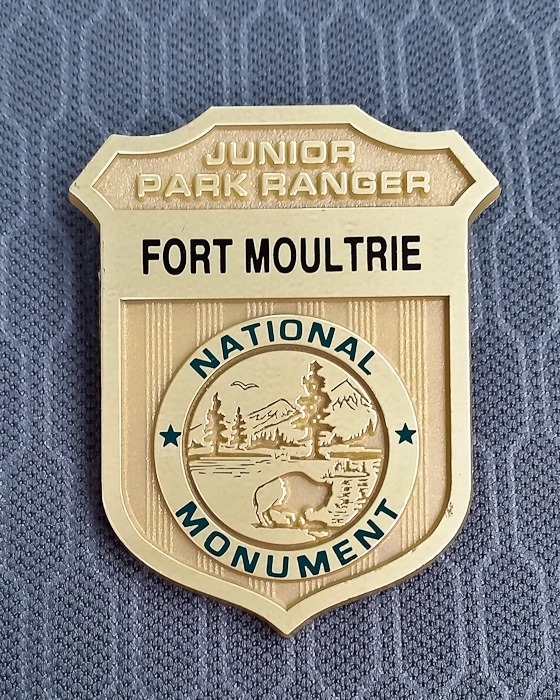
The kids completed their Junior Ranger workbooks and received their Junior Ranger badges:
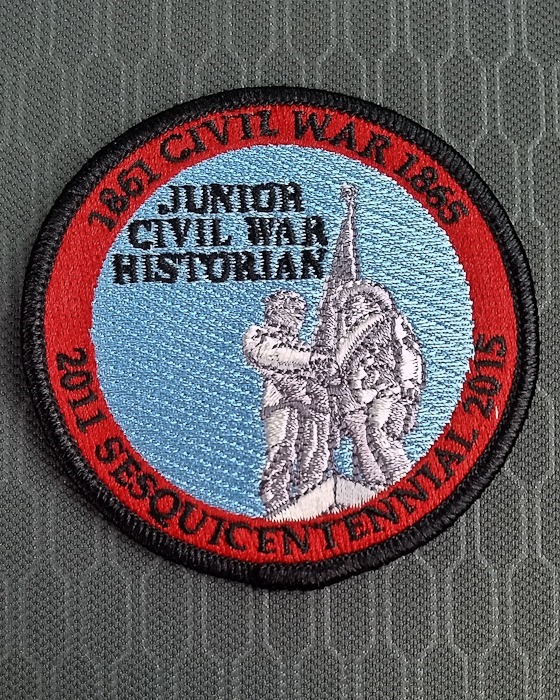
Since they’ve completed three Civil War Junior Ranger badges in this part of the country, the kids also received their Junior Civil War Historian patches:
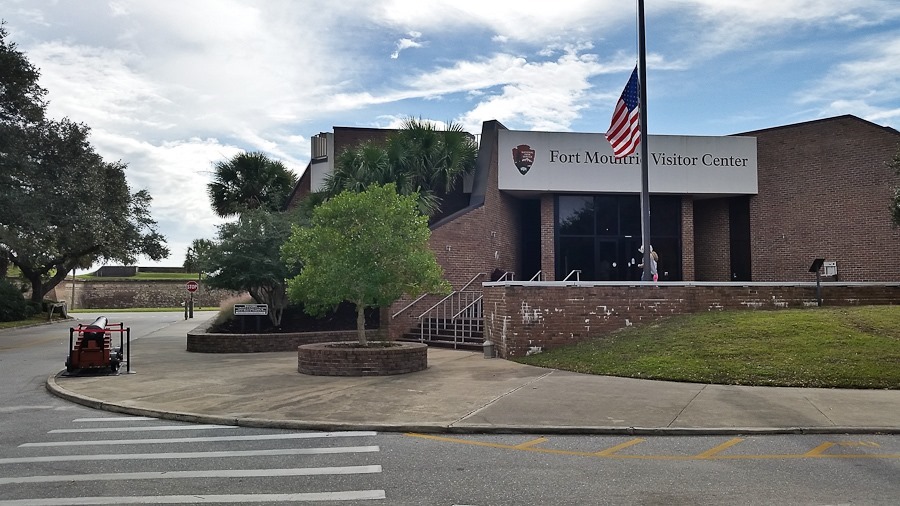
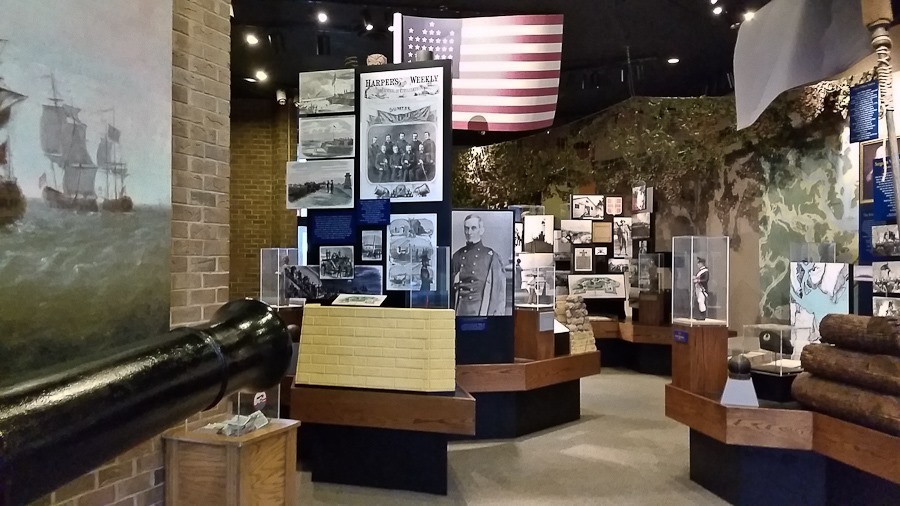
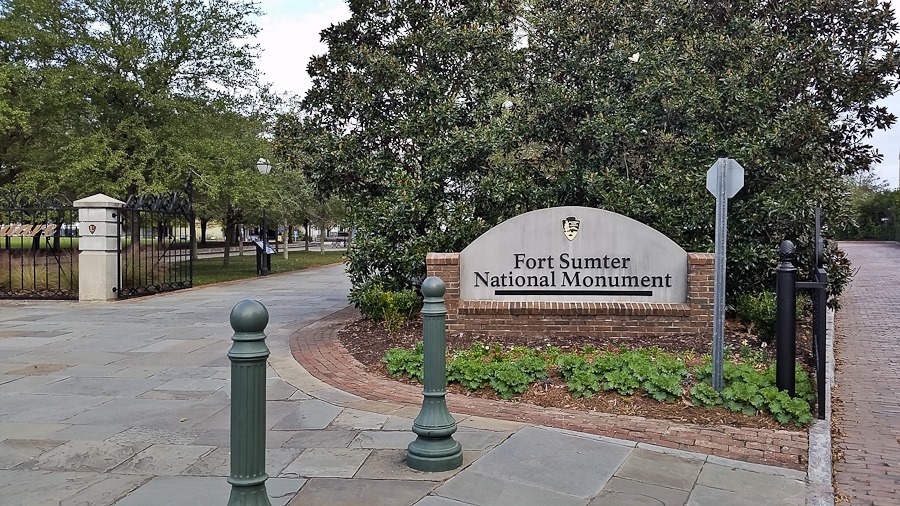
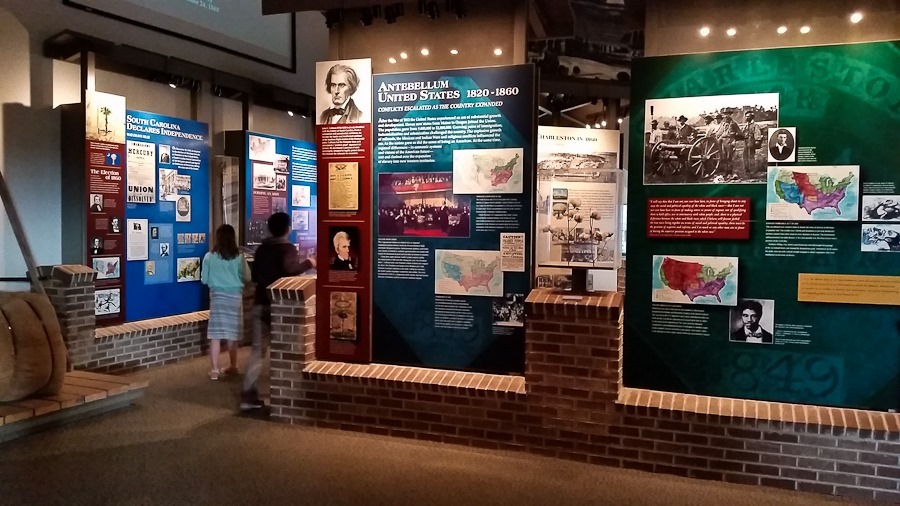
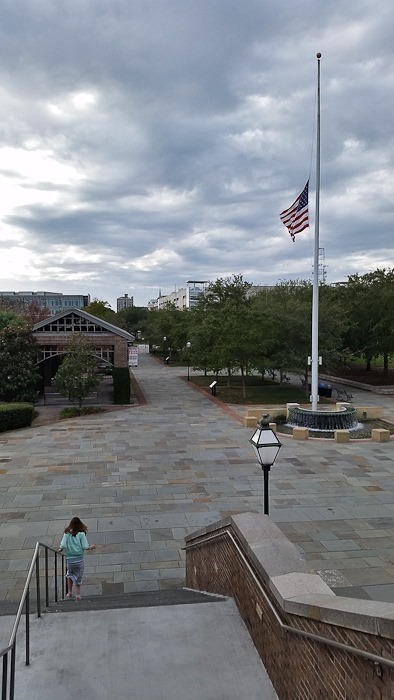
Our last stop of the day was the visitor center for Fort Sumter National Monument. Since the visitor center is downtown, we left the RV at Fort Moultrie and drove here with the truck. The ferry to the fort, which is on an island, was prohibitively expensive, so we settled for visiting just the visitor center:
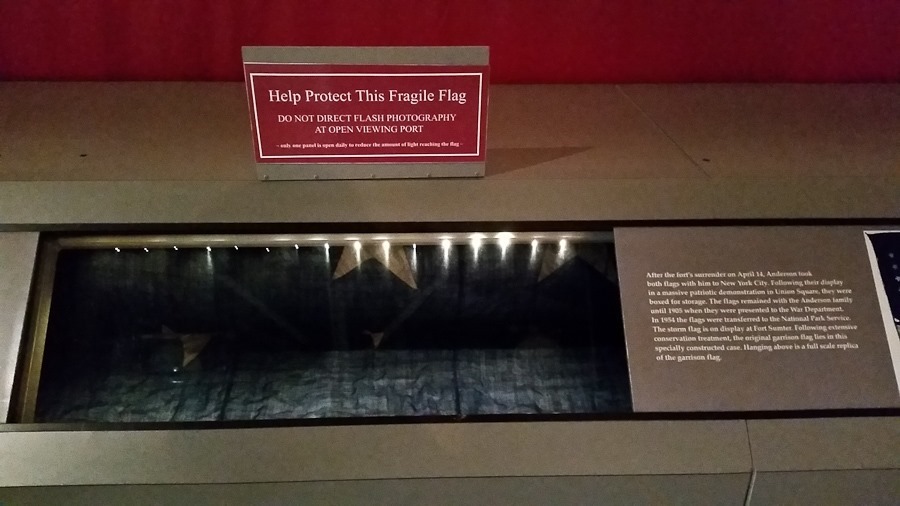
This is the flag that flew over Fort Sumter when Confederate forces shelled the fort into surrender, an action that initiated the Civil War:
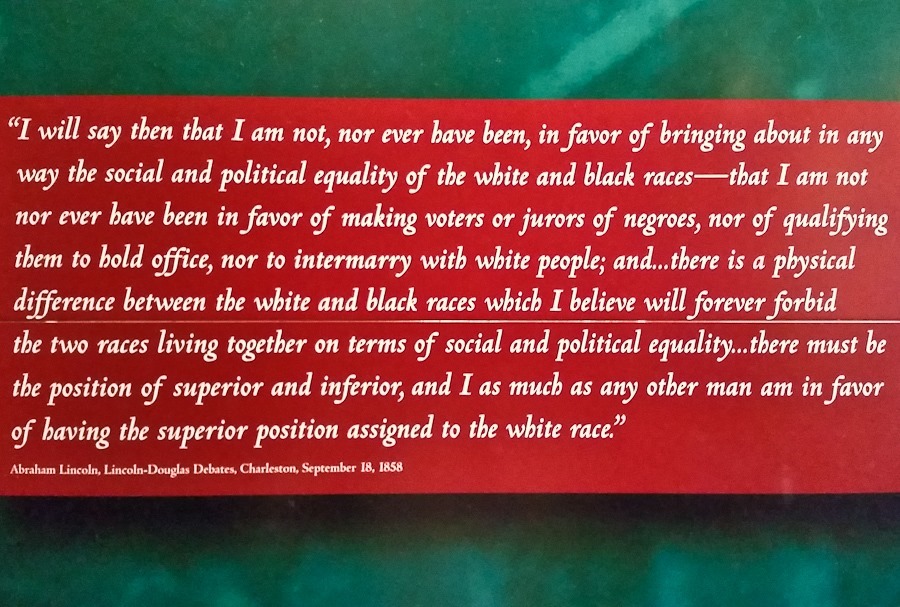
This was surprising:
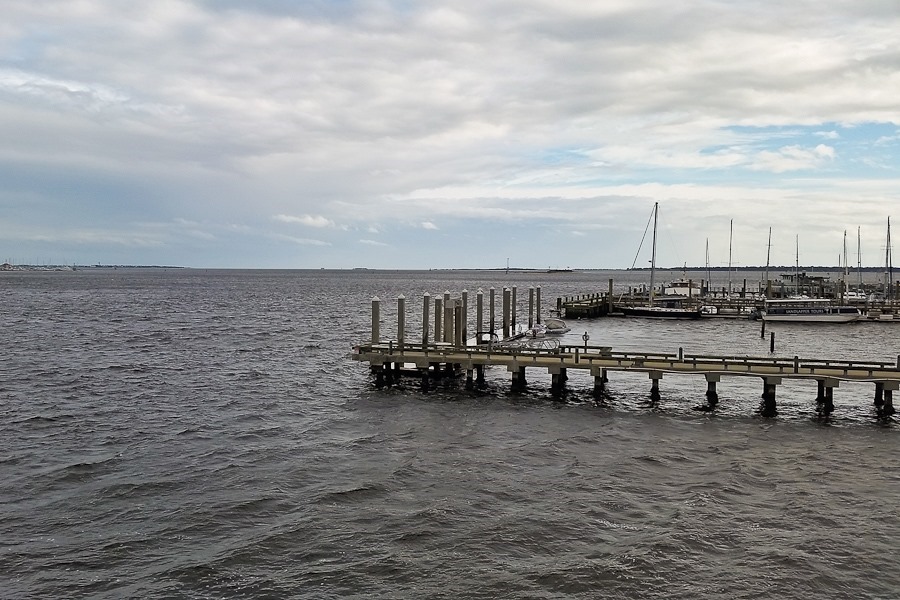
Fort Sumter can barely be seen on the horizon:
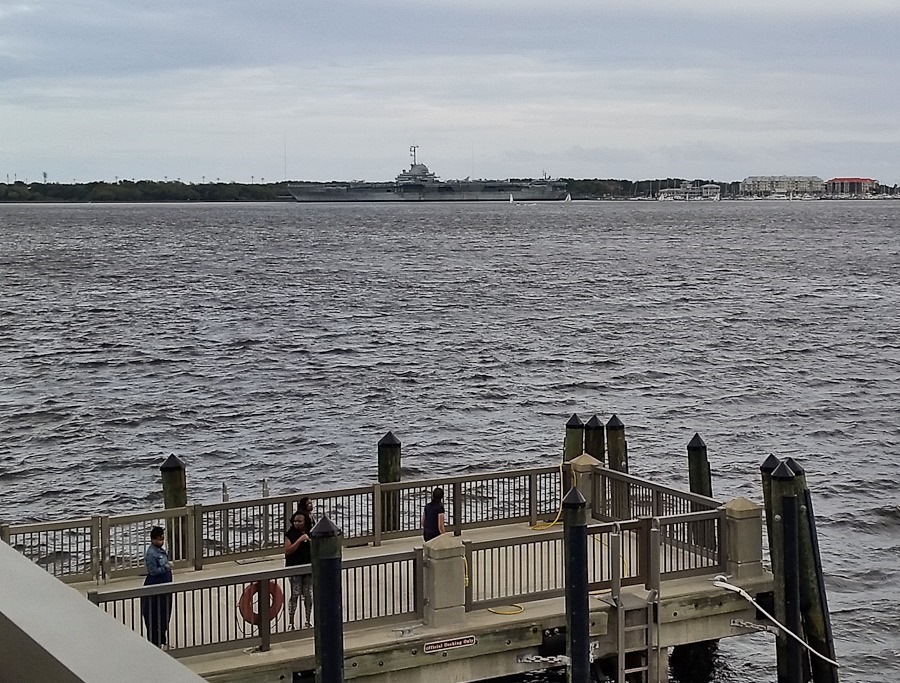
Across the bay we could see the USS Yorktown, now a museum ship:
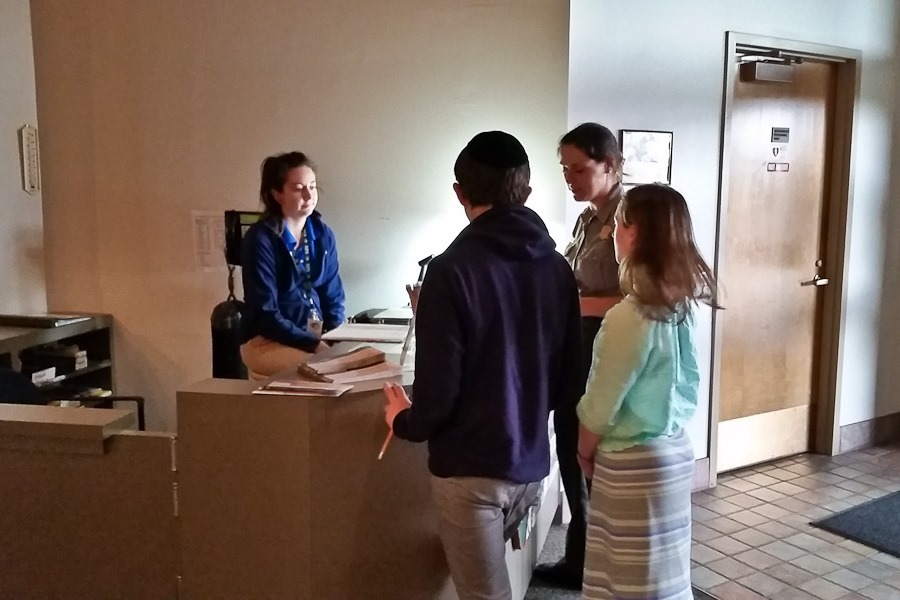
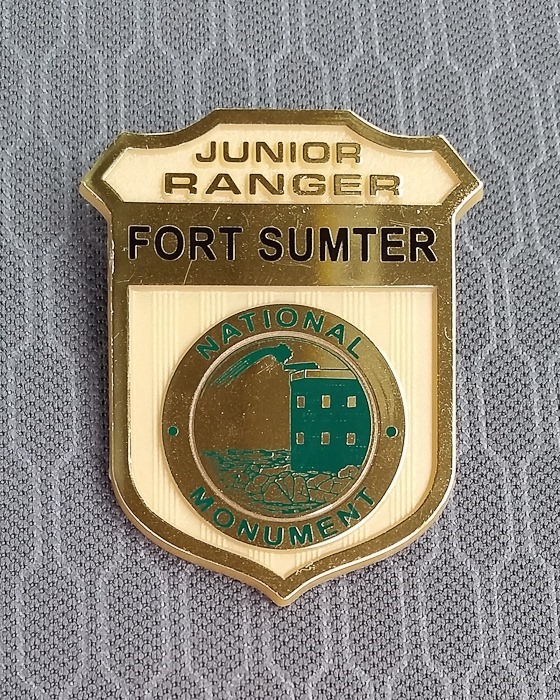
The kids completed their Junior Ranger workbooks and received their badges:
Returning to the truck:
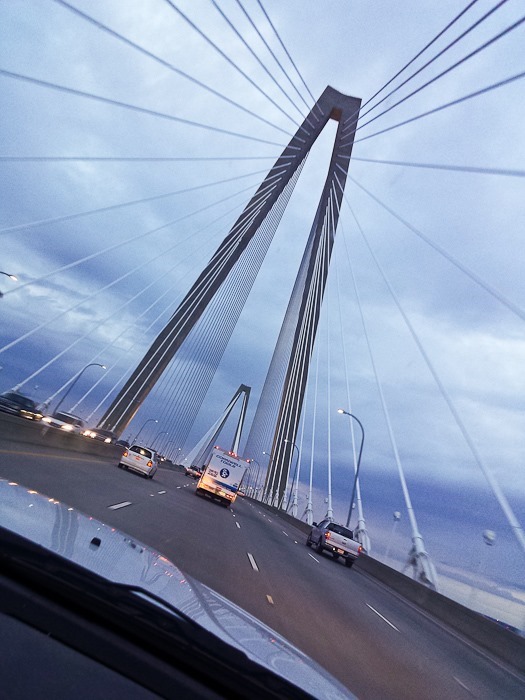
We continued driving south to overnight at the Walmart of Brunswick, Georgia. Along the way, we passed under this bridge:
See the trip map for today’s drive and our current location.
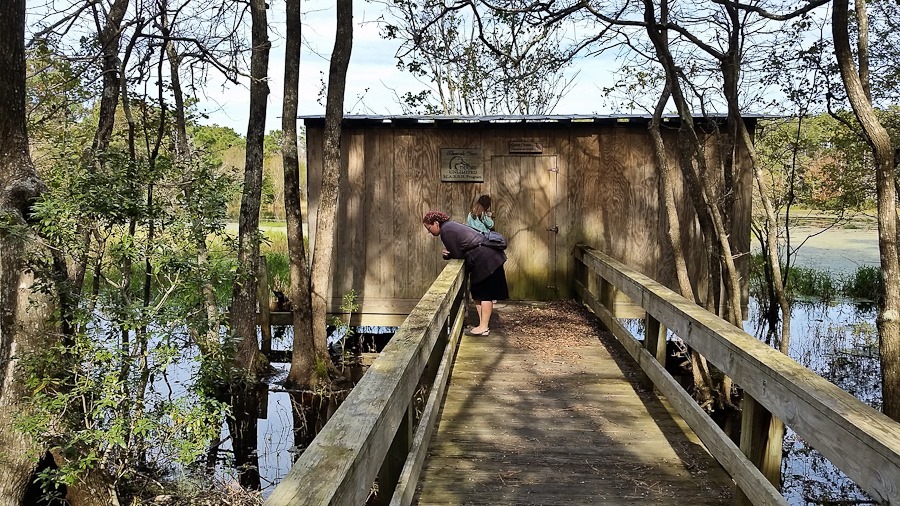
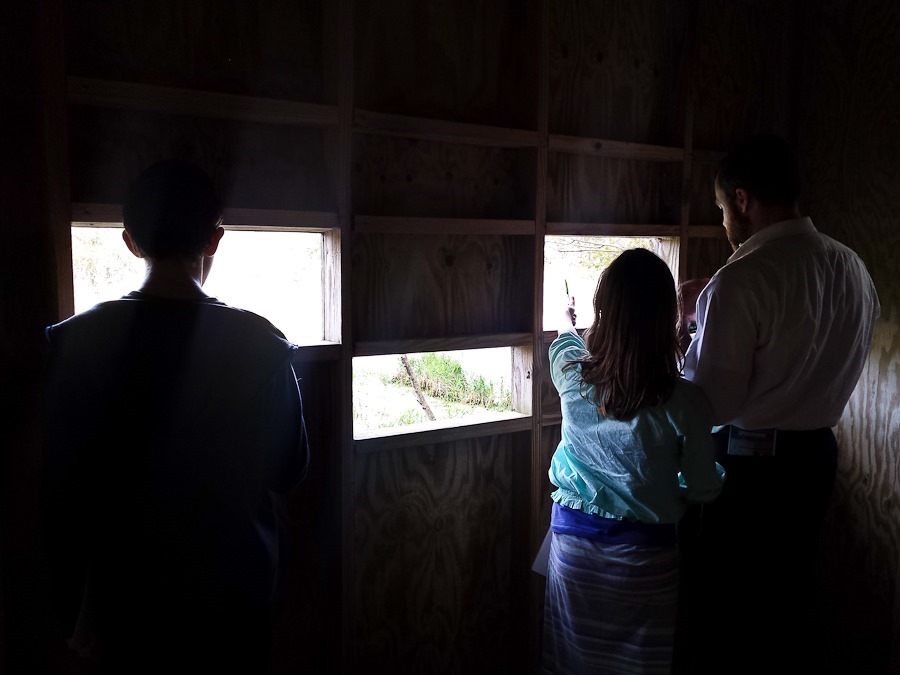
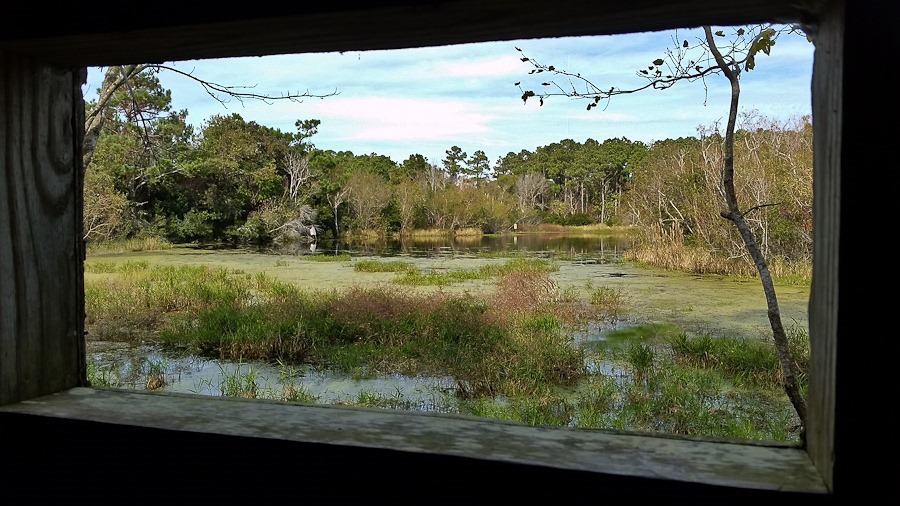
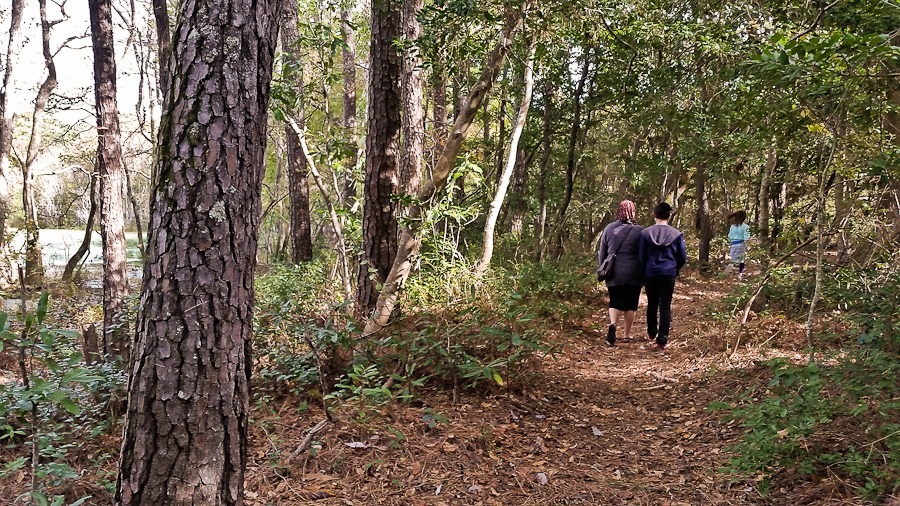
We walked a short nature trail which includes a duck blind:
We didn’t see anything moving out there, but it was pretty:
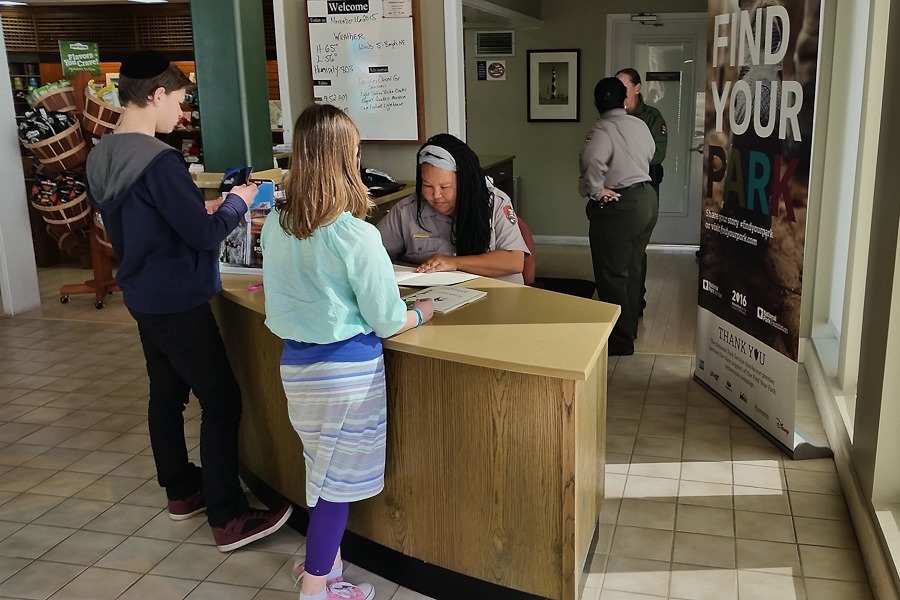
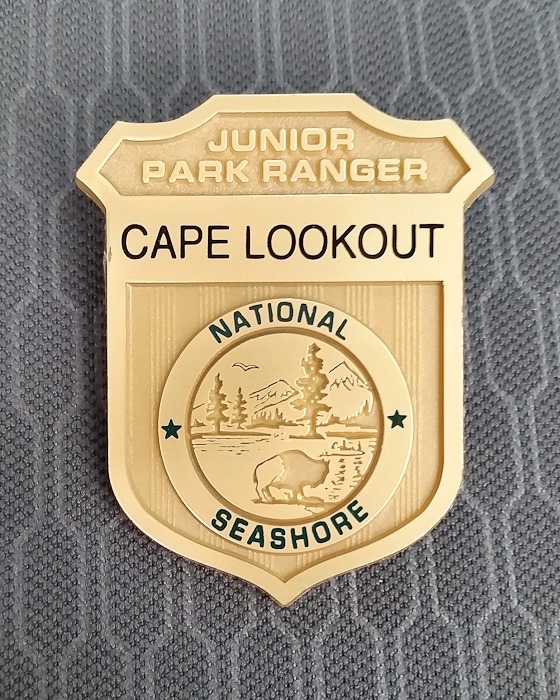
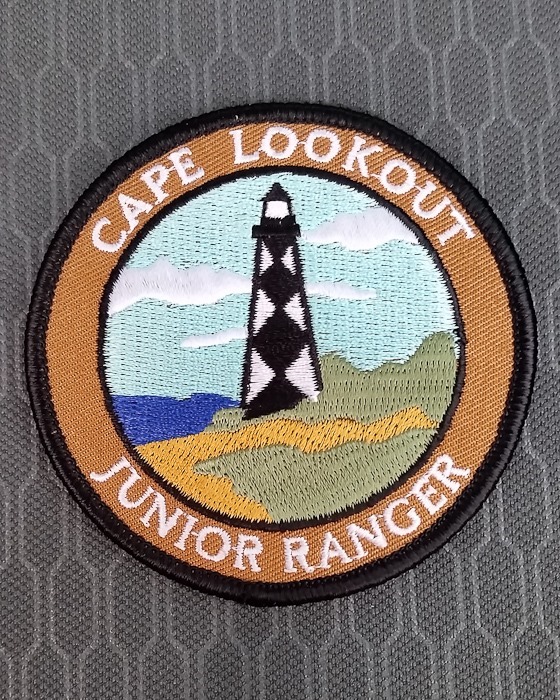
The kids completed their Junior Ranger workbooks and received their badges and patches:
We would have liked to have taken the ferry out to the cape, but it was prohibitively expensive, so we continued on to visit nearby Fort Macon State Park:
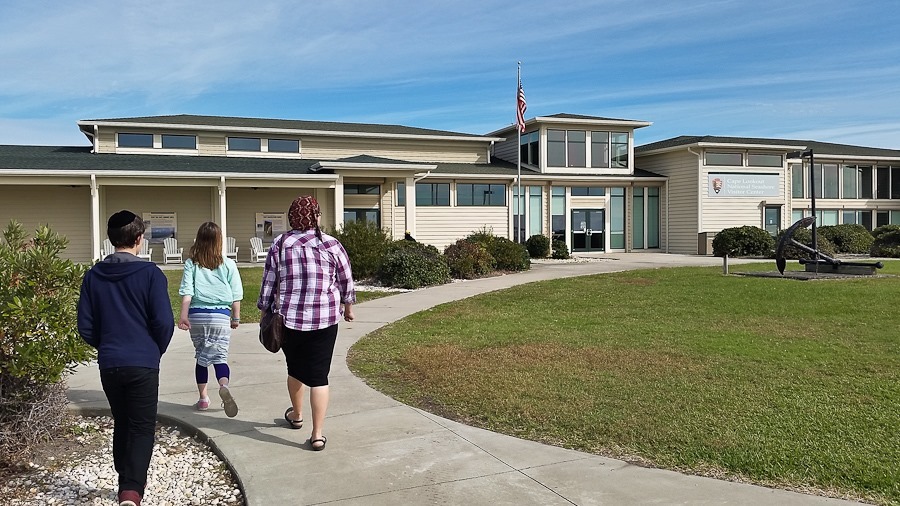
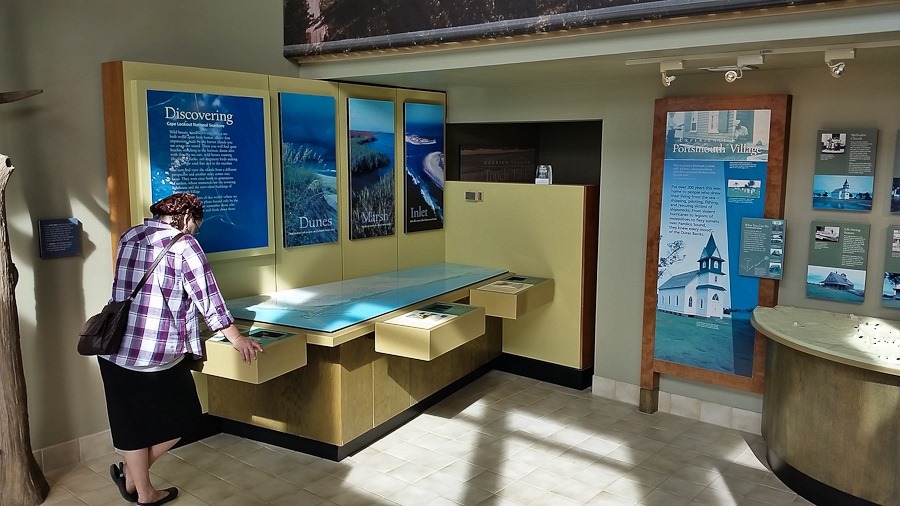
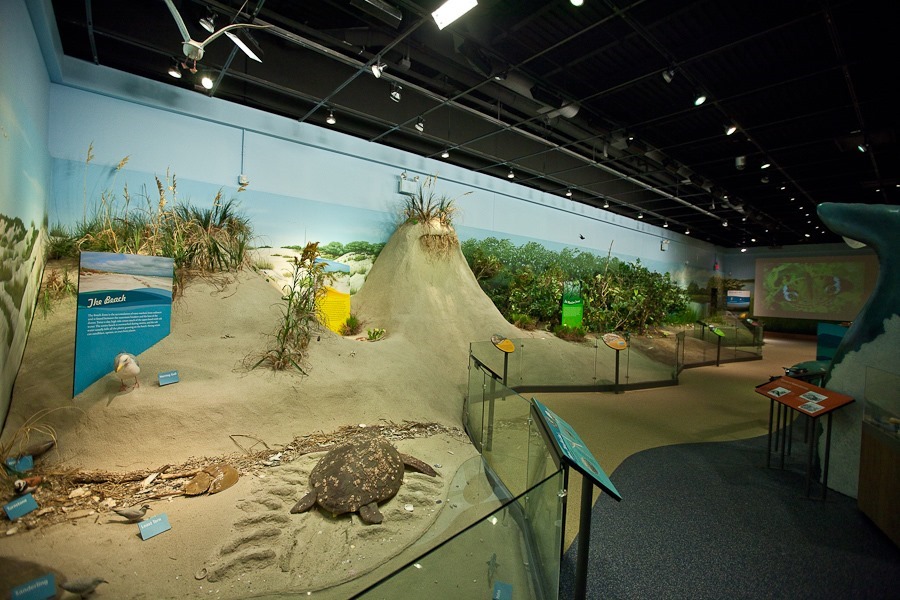
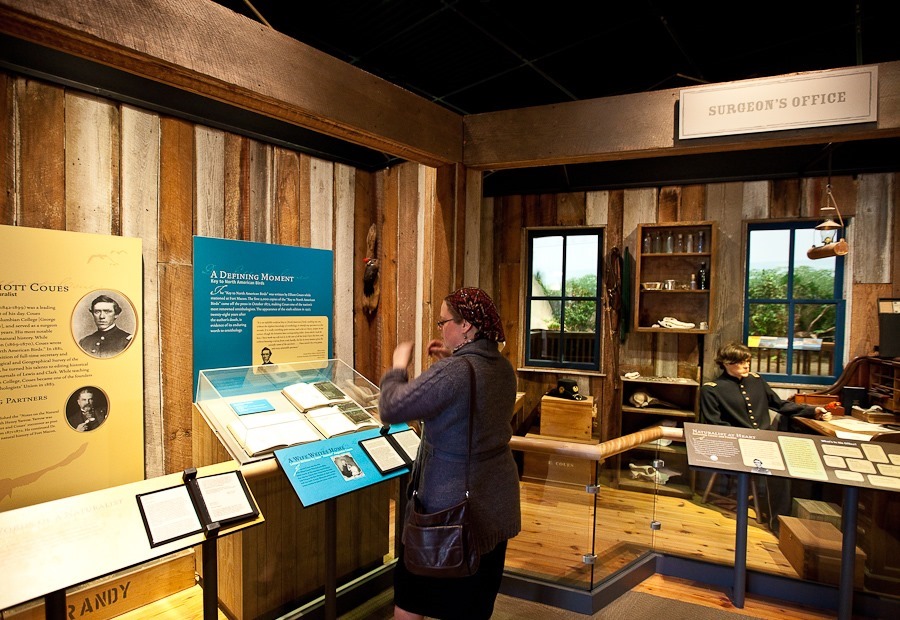
The visitor center was impressive:
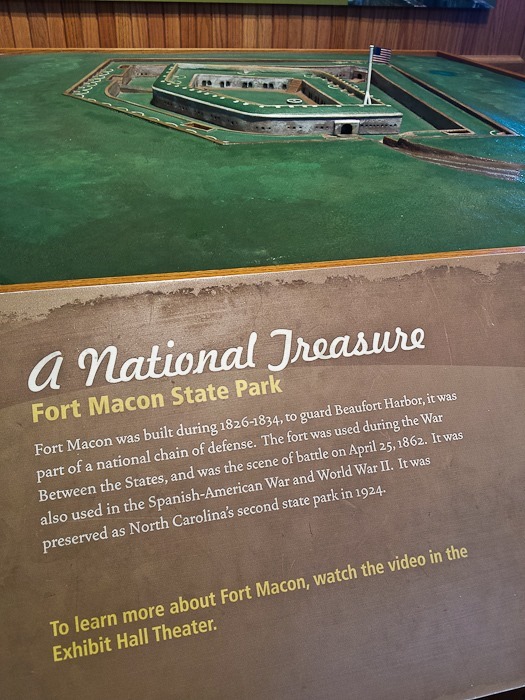
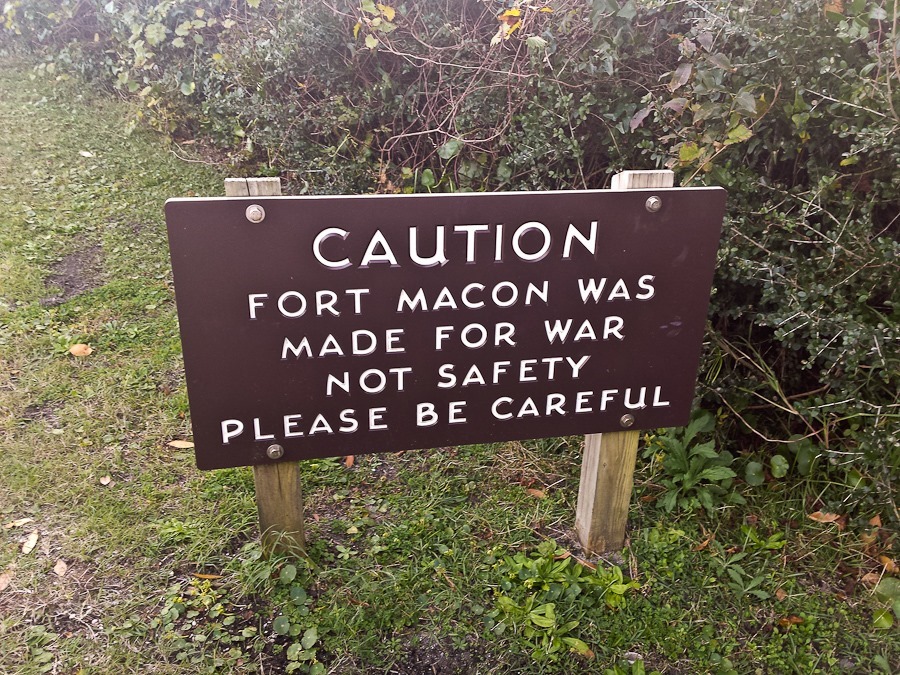
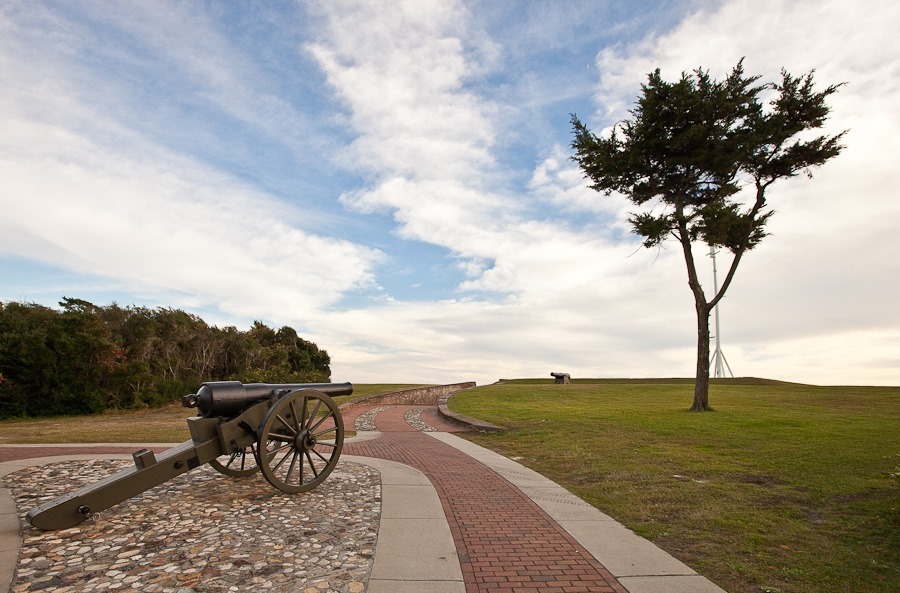
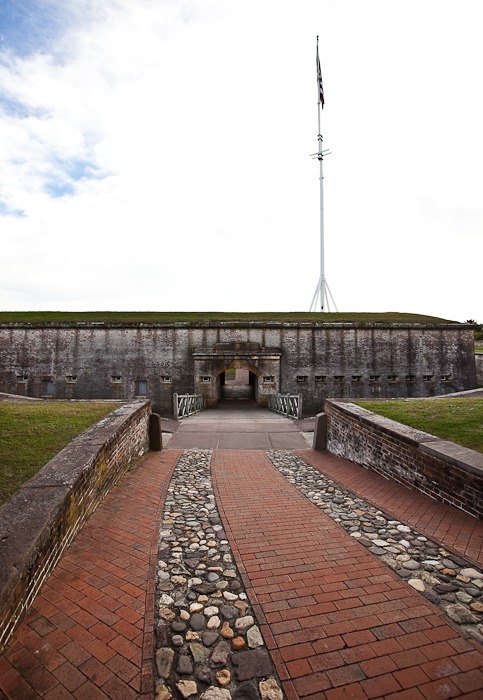
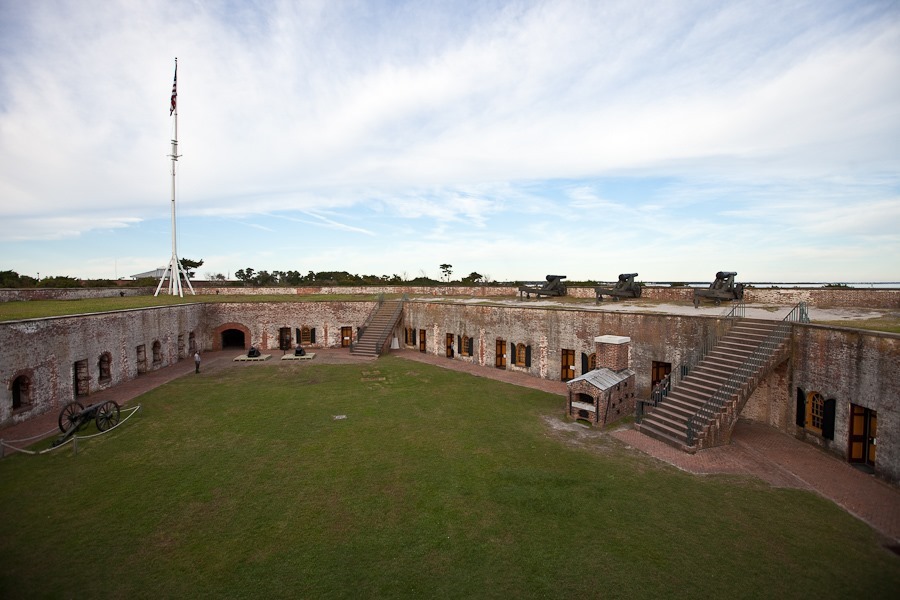
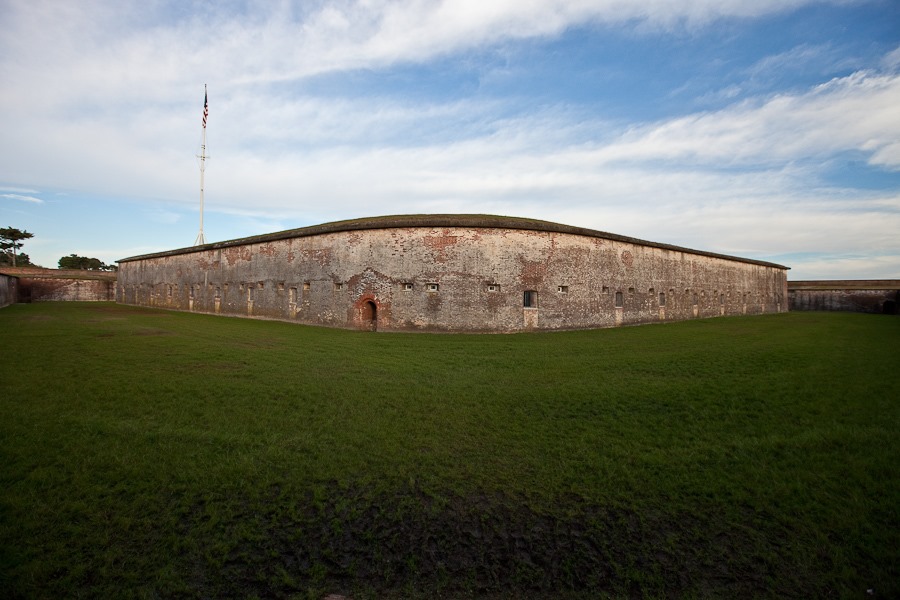
We walked out to the fort:
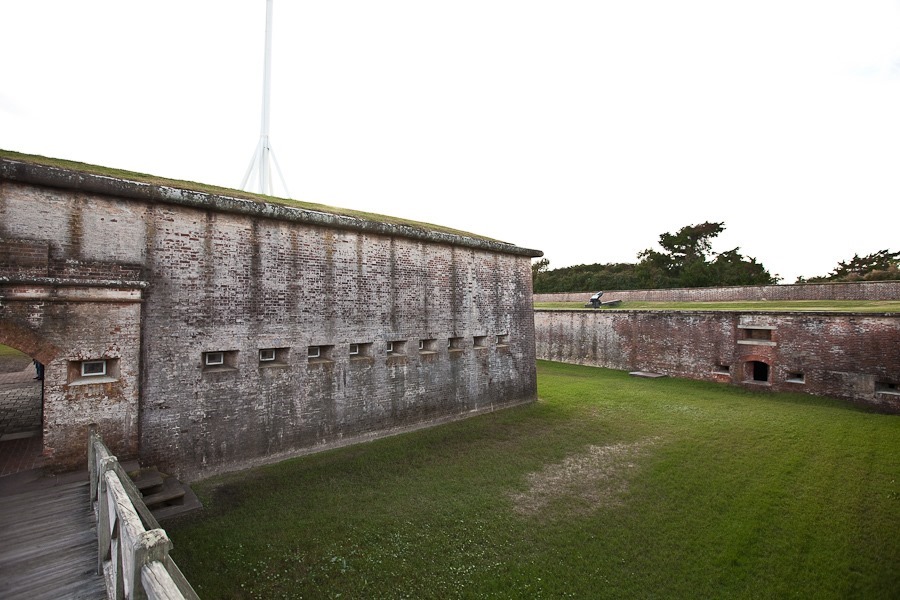
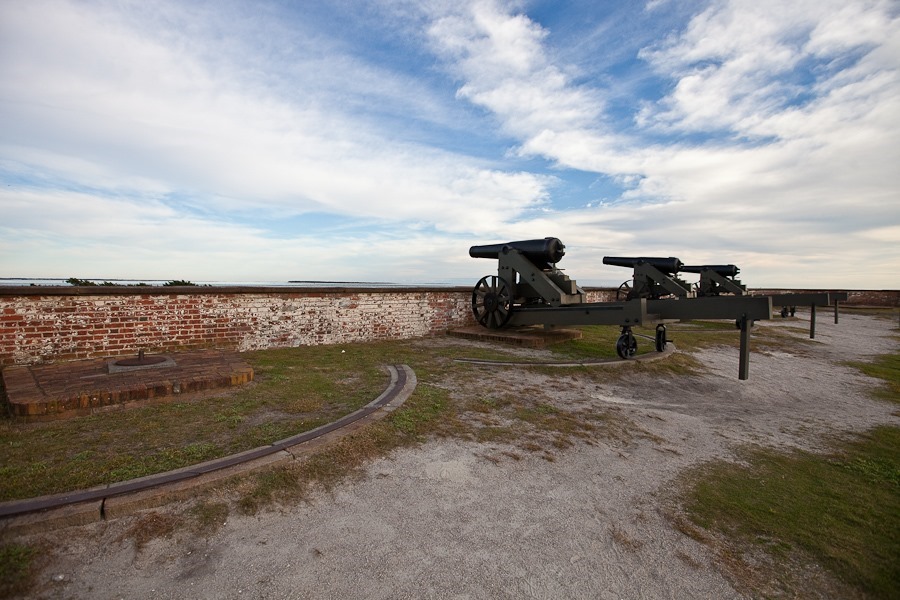
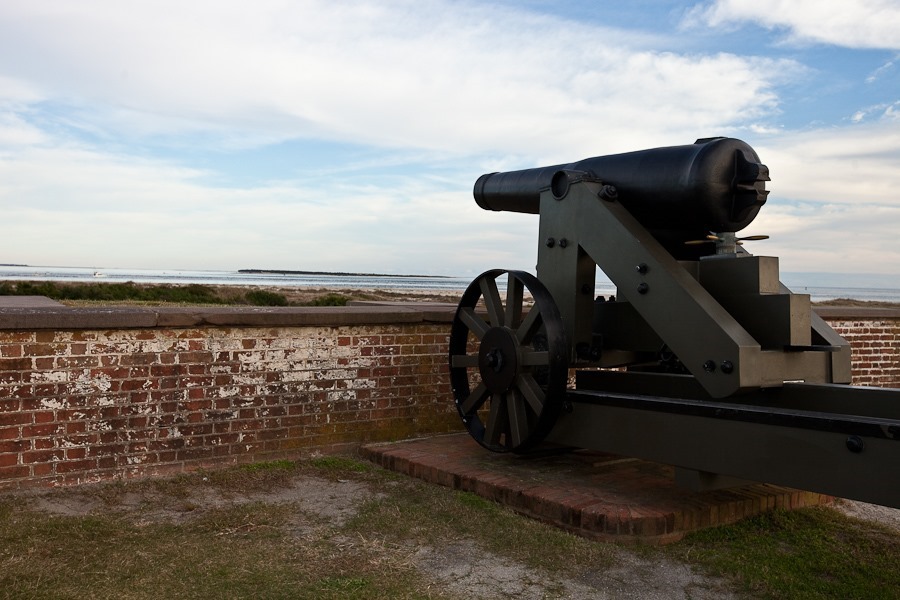
Like Fort Pulaski, which we visited in 2012, Fort Macon was a masonry fort built to withstand smoothbore cannon fire. During the Civil War, both Fort Pulaski and Fort Macon were quickly subdued with the Union’s new rifled cannons whose more powerful rounds could penetrate the walls:
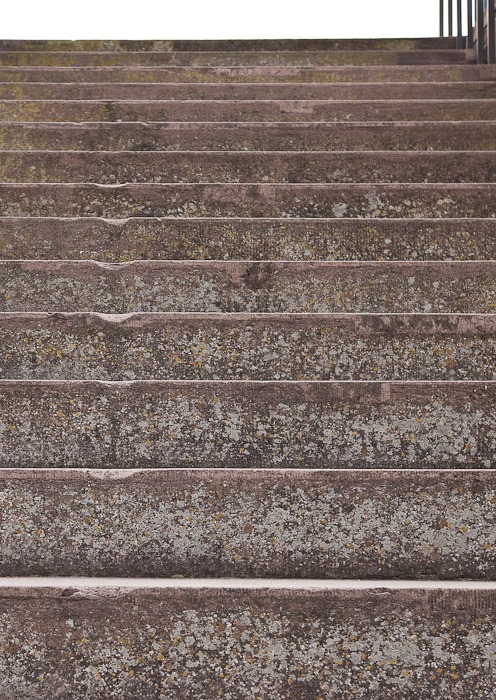
This staircase still bears the scar from an Union cannonball whose angle of approach perfectly matched the angle of the staircase:
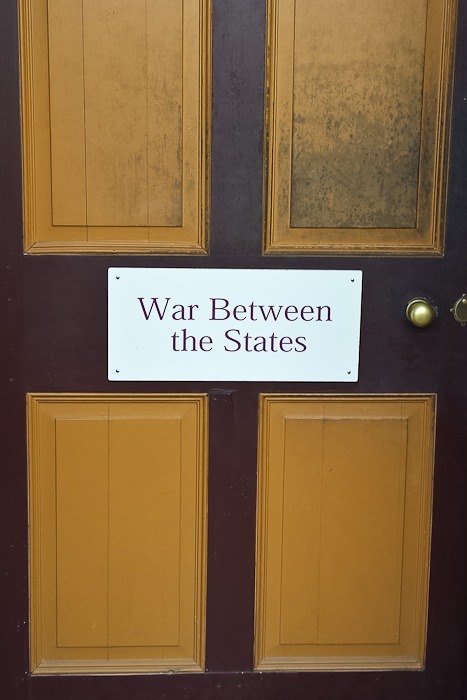
In North Carolina, the Civil War is known as “The War Between the States”. Personally, I prefer Queen Victoria’s “hostilities … between the Government of the United States of America and certain States styling themselves the Confederate States of America”:
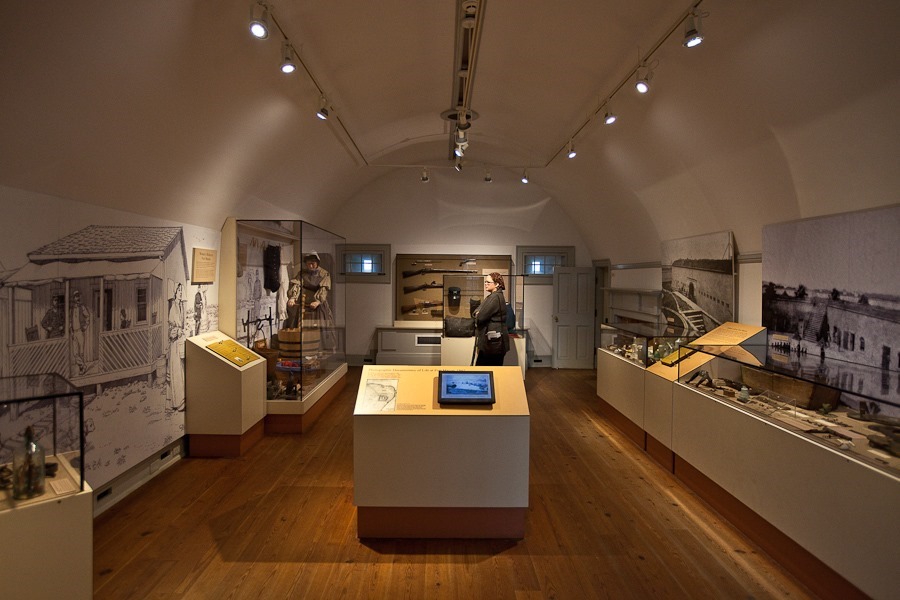
The inner wall’s casemates have been converted into exhibit space:
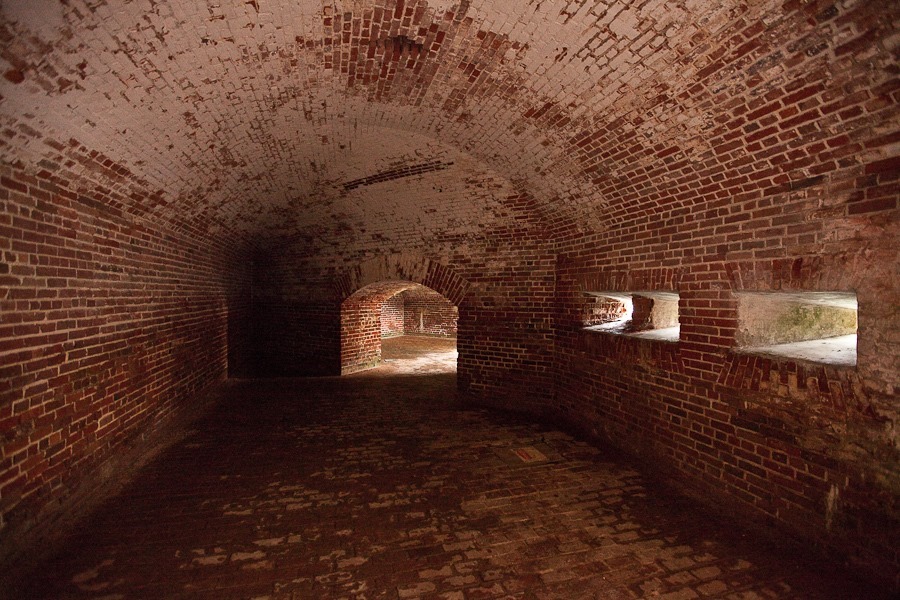
We explored the outer wall’s casemates:
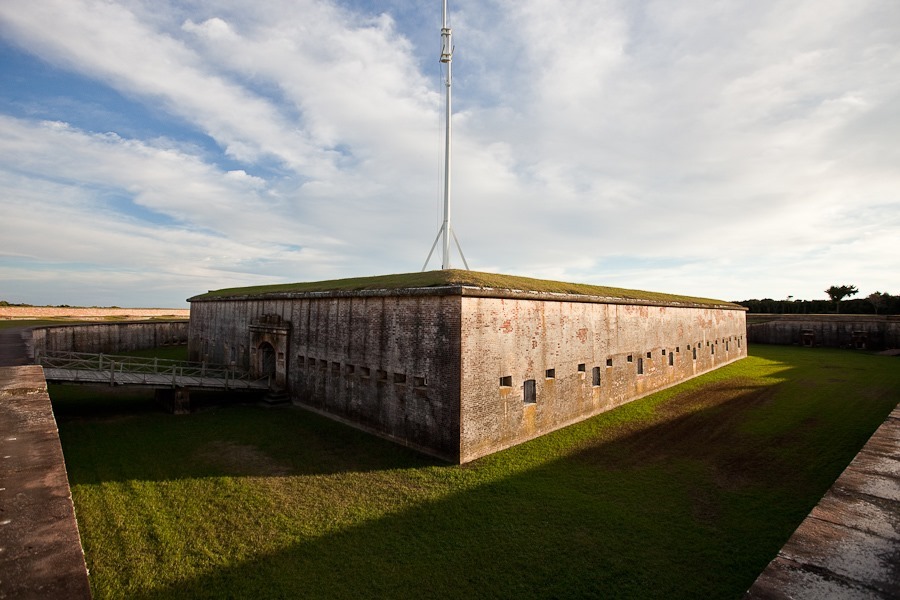
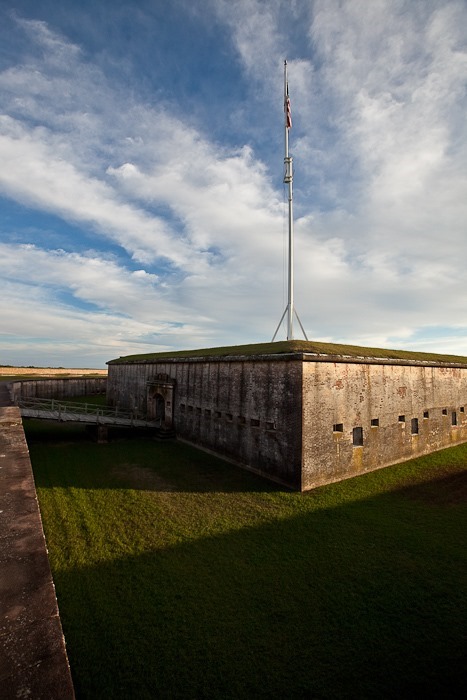
The inner wall from the moat between the inner and outer walls:
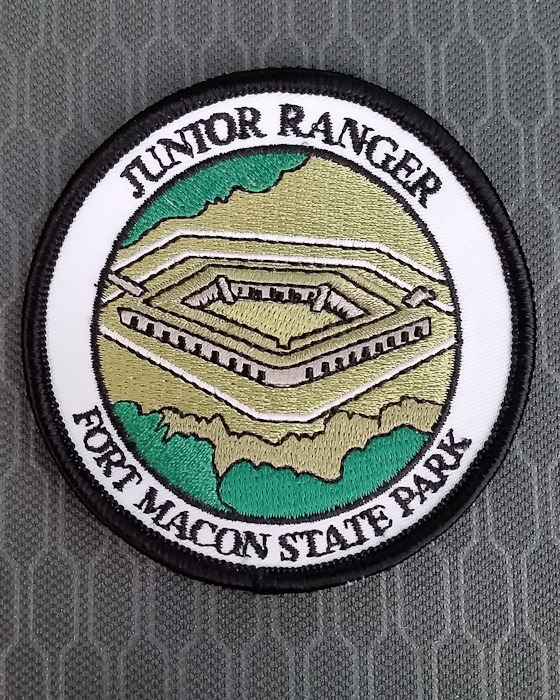
Like many other states, some North Carolina state parks have a Junior Ranger programs. The kids completed their Junior Ranger workbooks and received their badges:
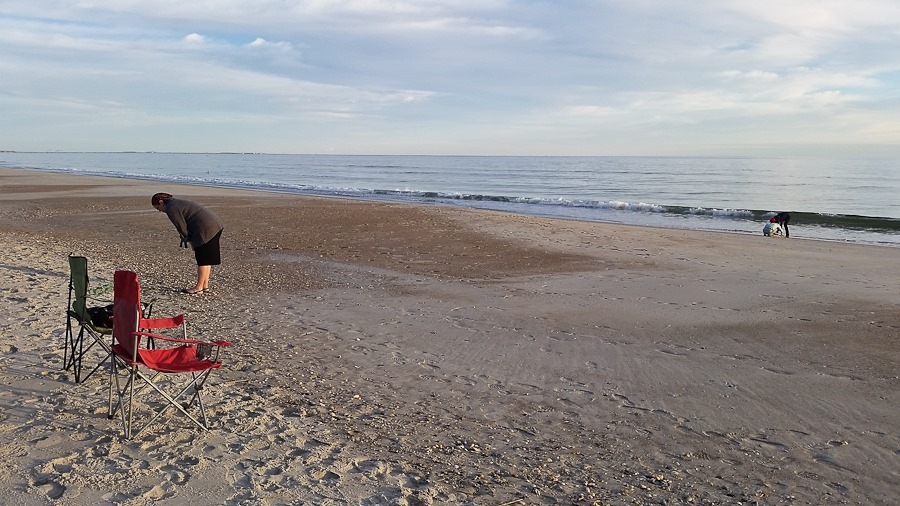
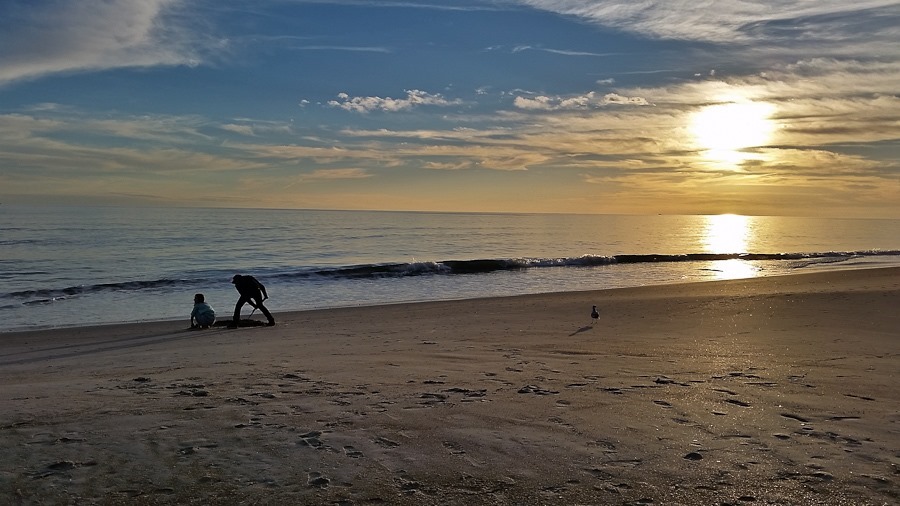
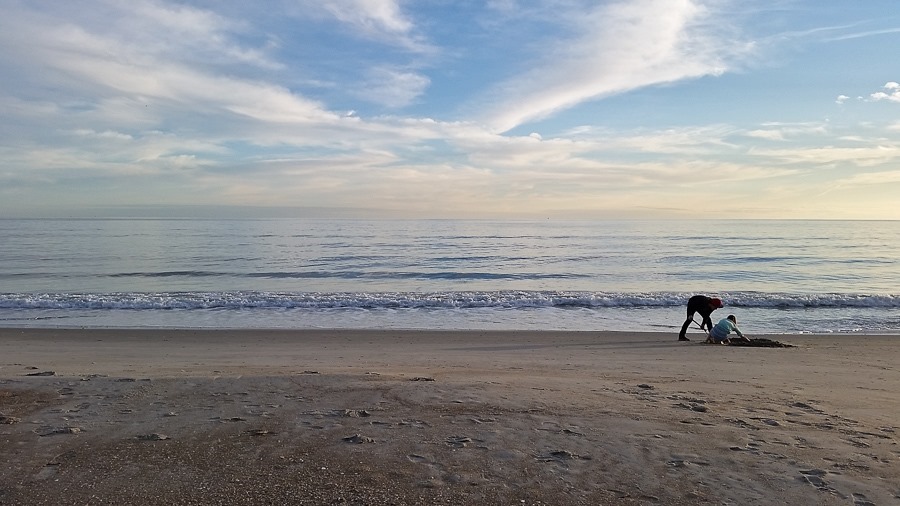
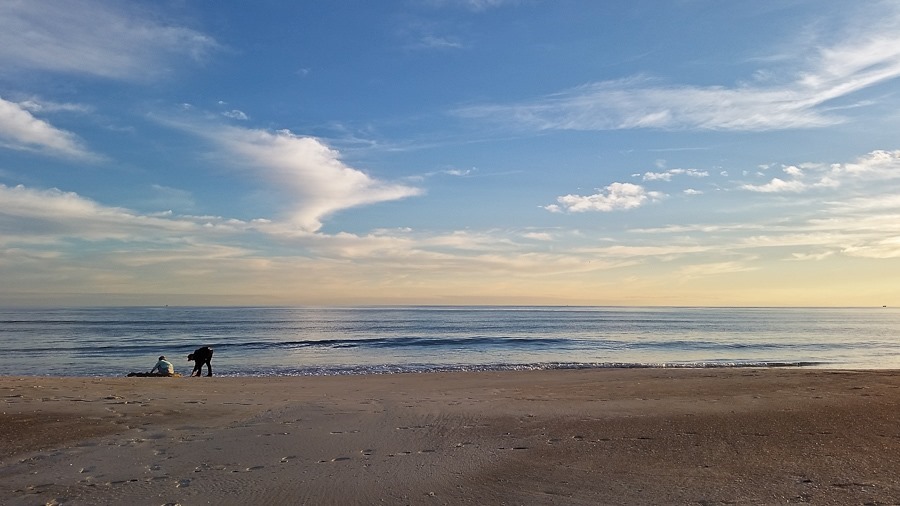
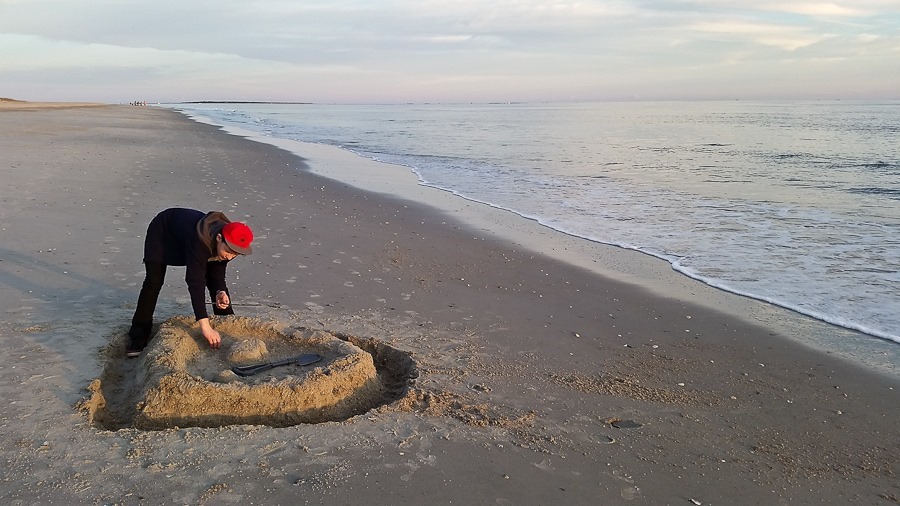
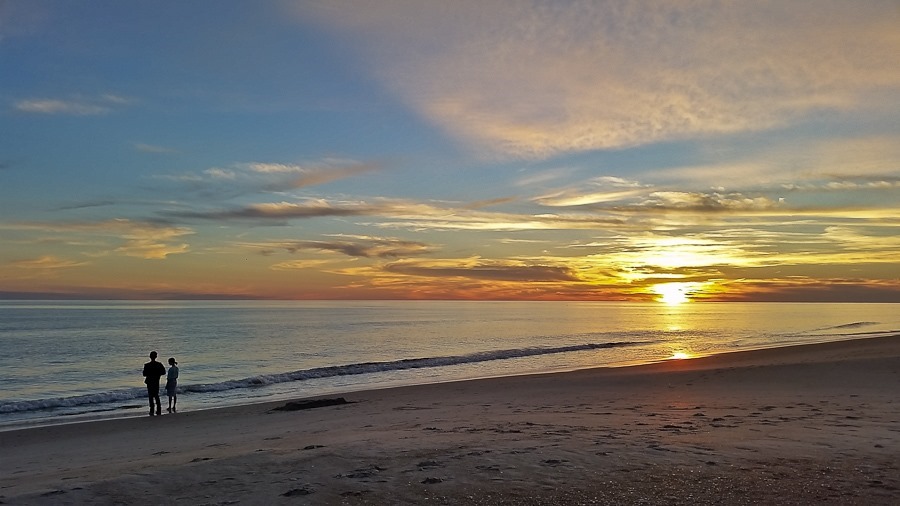
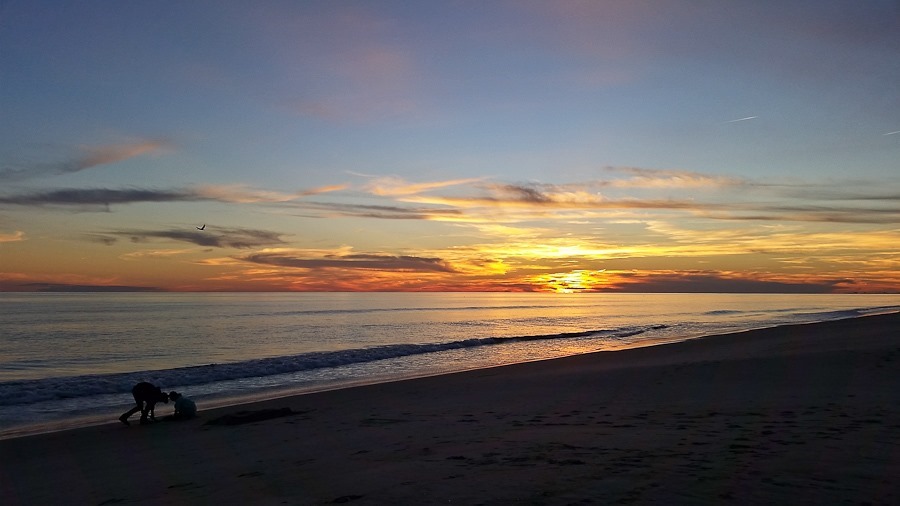
On the way out of the state park we took advantage of the adjacent beach access:
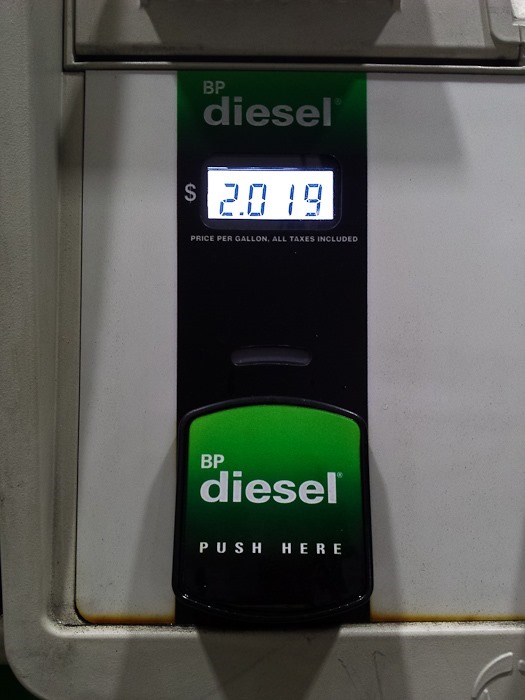
We continued south, driving many hours to overnight at a Walmart near Charleston, South Carolina. Along the way, we filled up on the cheapest diesel we’ve ever found:
See the trip map for today’s drive and our current location.
Shabbos in Norfolk was nice. The community is small and friendly. Around noon on Shabbos, Trish and B and I walked some folks home to their house, leaving M in the RV. When we returned, M told us that a couple of hoodlums tried to steal a bike off the back of the RV with only their hands. Between the bungees holding the bikes onto the rack and the cable lock, they didn’t get very far. M banged on the window overlooking the bike rack, and they ran away.
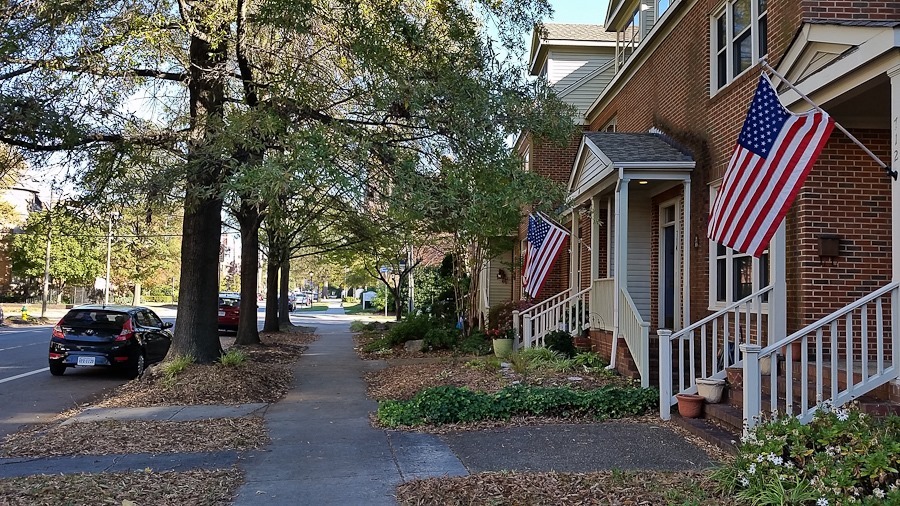
Today I toured the local yeshiva high school as a potential location for M’s upcoming school year. This part of Norfolk is very nice:
We hitched up the RV and drove north to visit Fort Monroe National Monument, declared to be the 396th NPS site by President Obama in 2011:
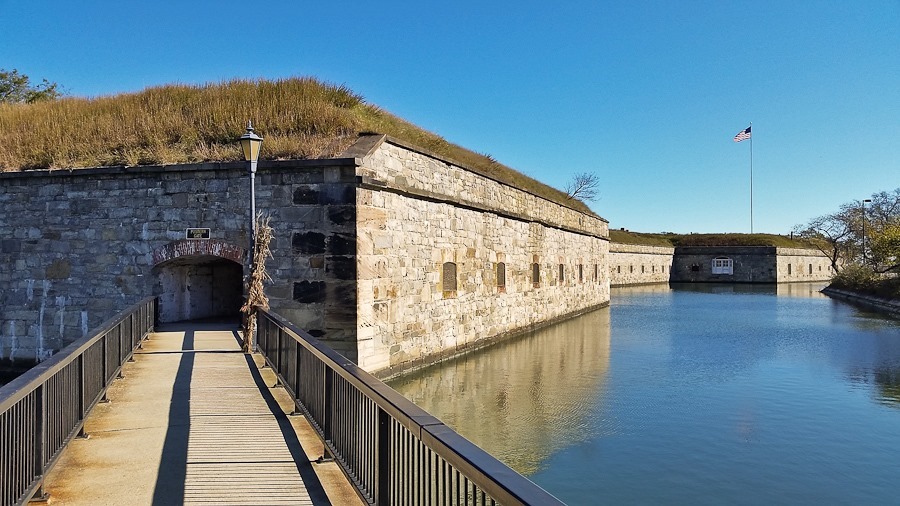
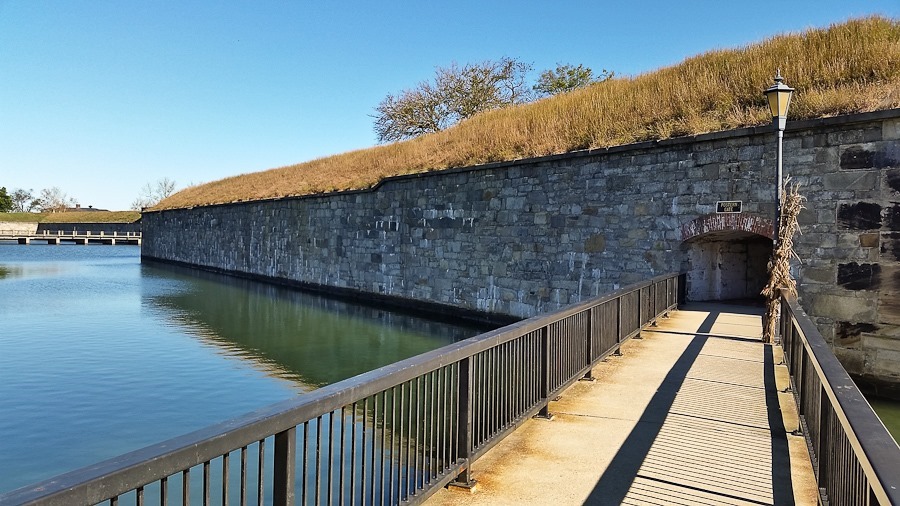
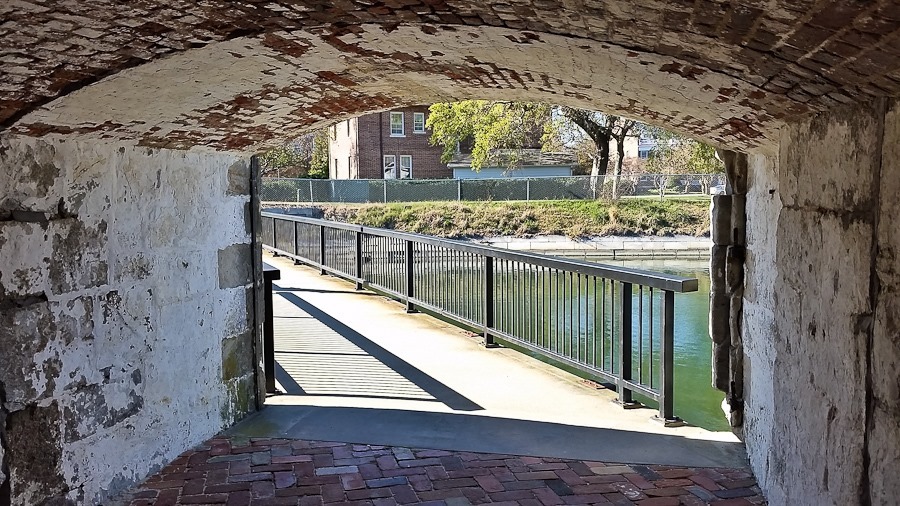
We crossed the moat to enter the fort:
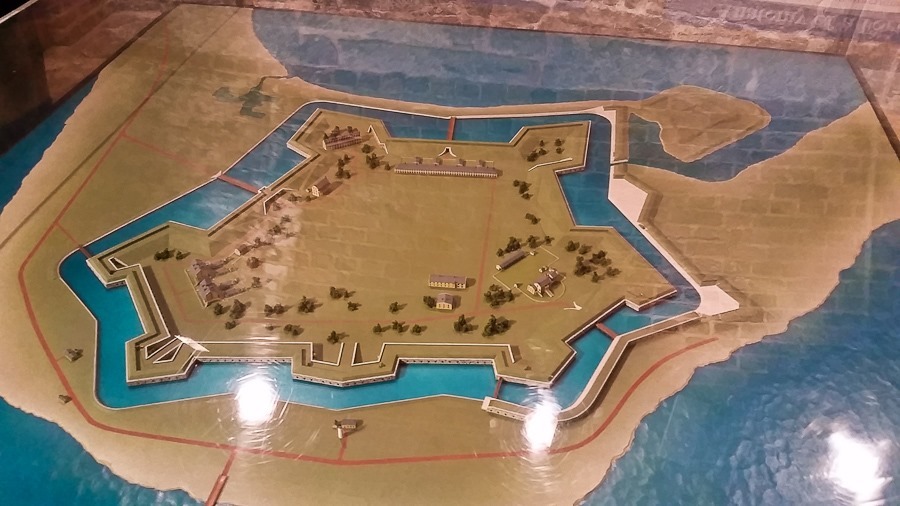
The fort, built in response to the War of 1812, and its surrounding land was an active military facility until 2011:
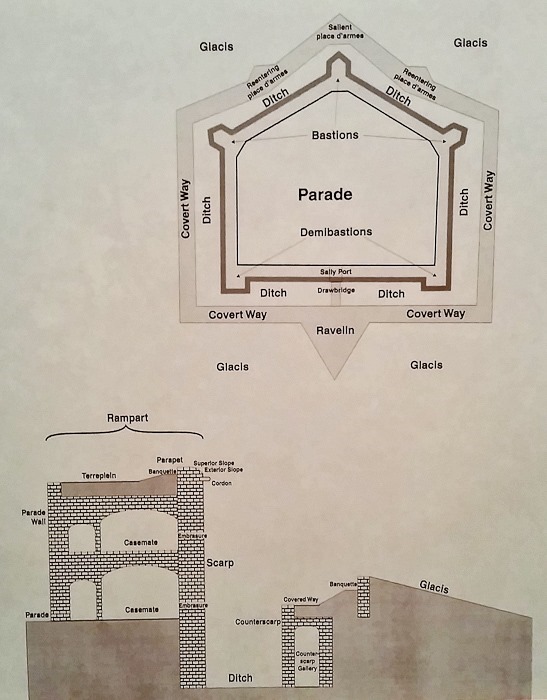
Masonry fort vocabulary:
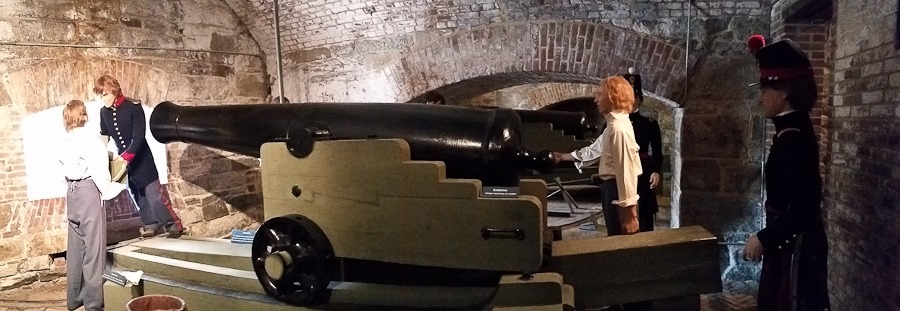
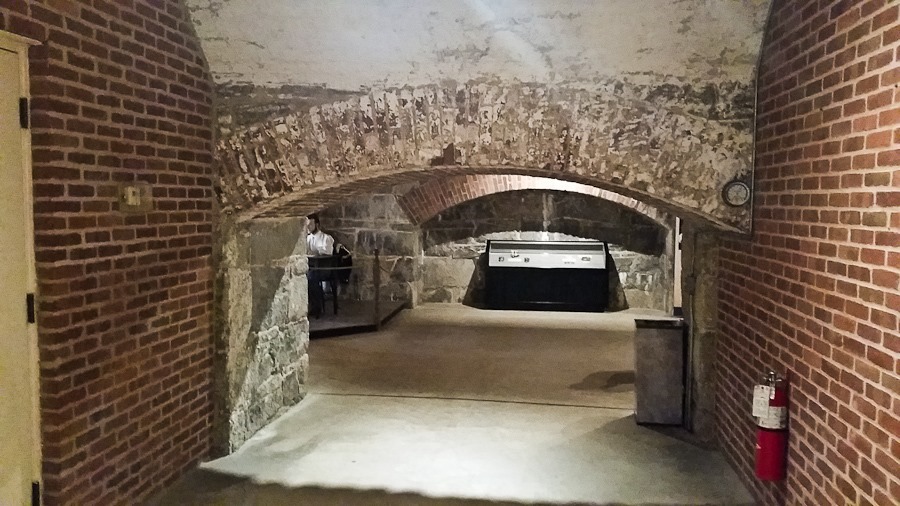
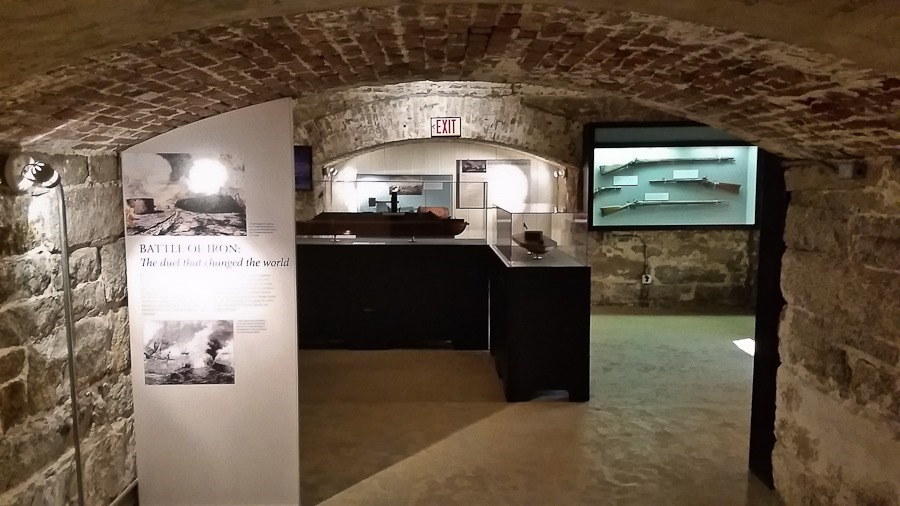
The museum is built into the casemates of the fort:
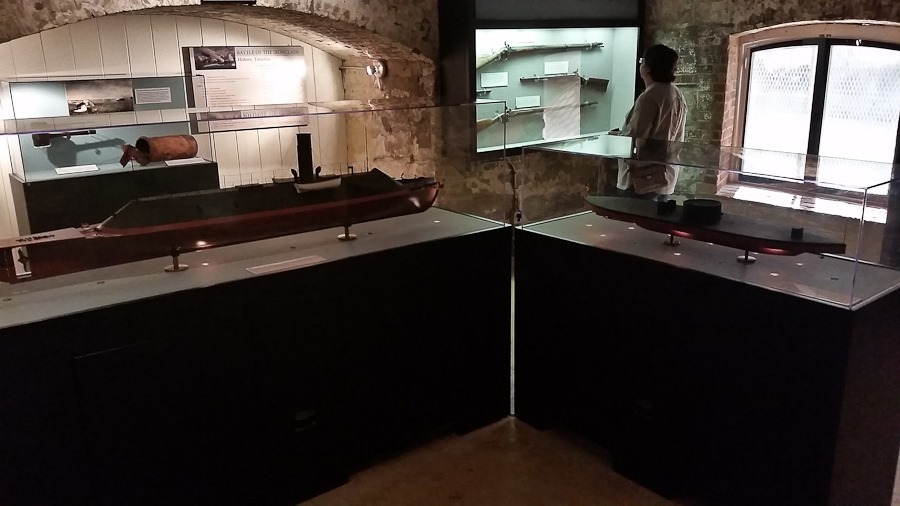
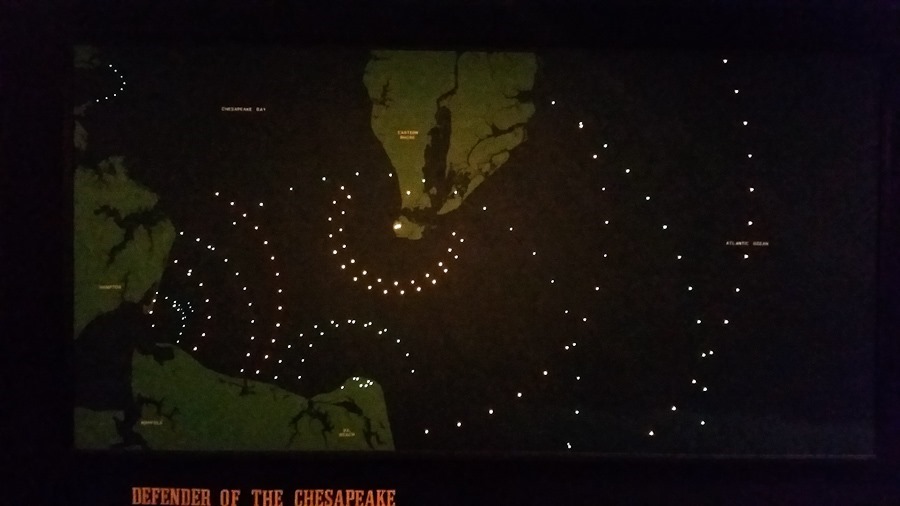
Scale models of the ironclads Monitor and Merrimack, whose only encounter occurred here in the waters off Fort Monroe:
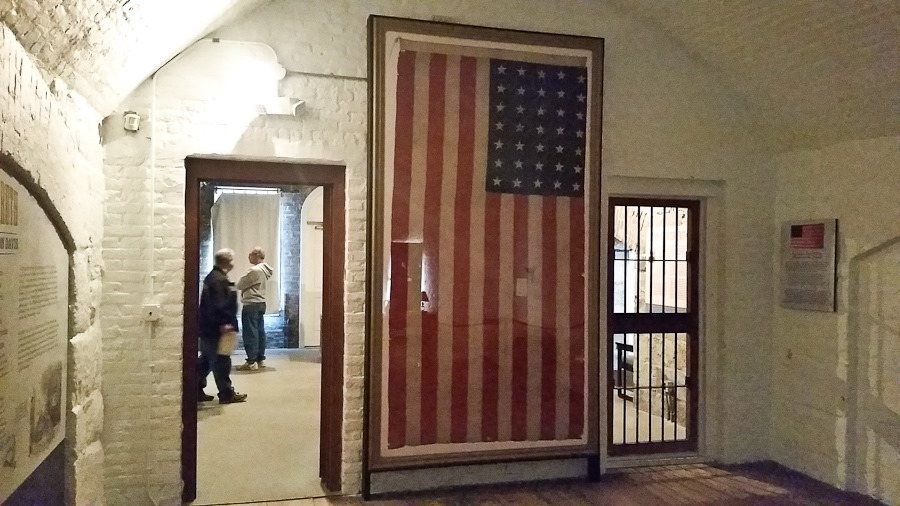
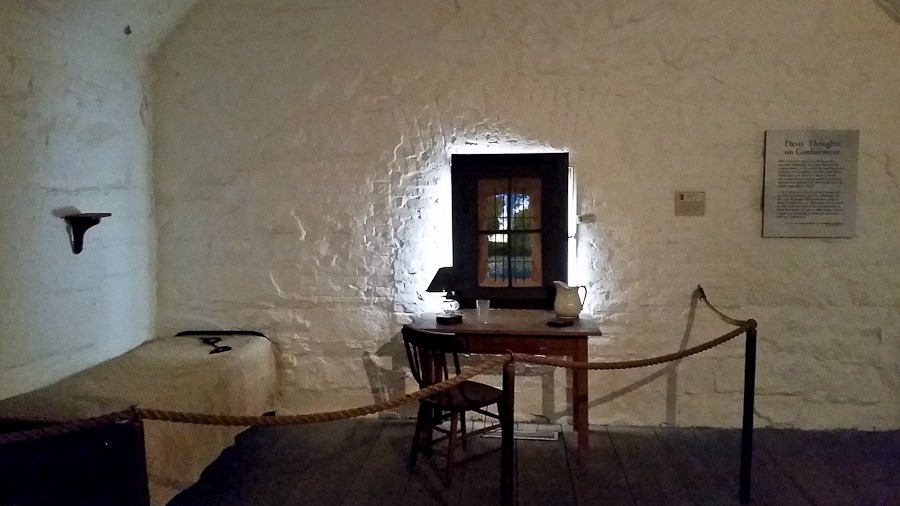
After the Civil War, confederate president Jefferson Davis was imprisoned in this casemate. The flag on display was hung in this cell on that wall, a reminder of his failure to succeed from the Union:
The rest of Davis’ prison cell:
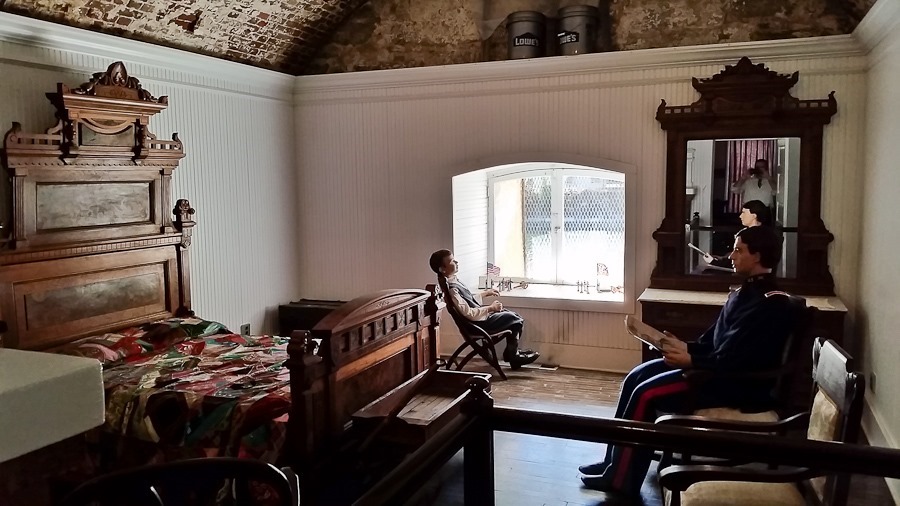
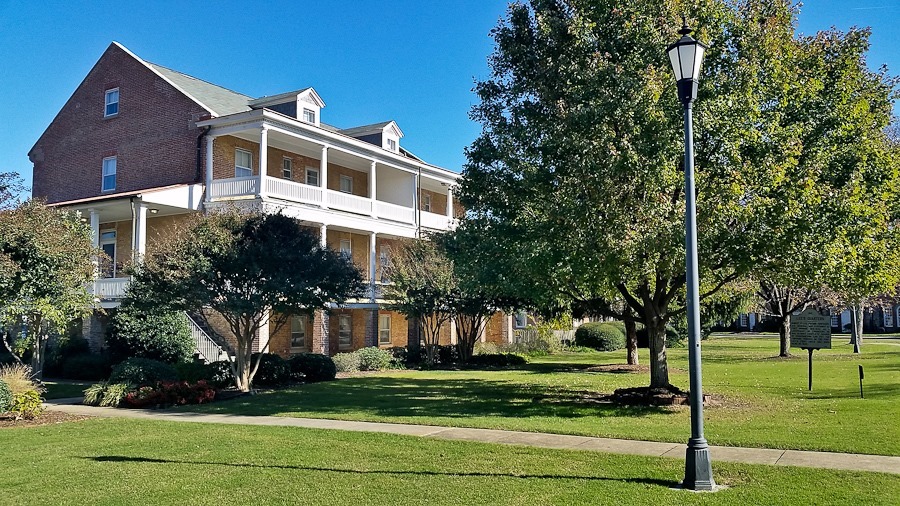
In later years, the fort was repurposed as housing for military officers:
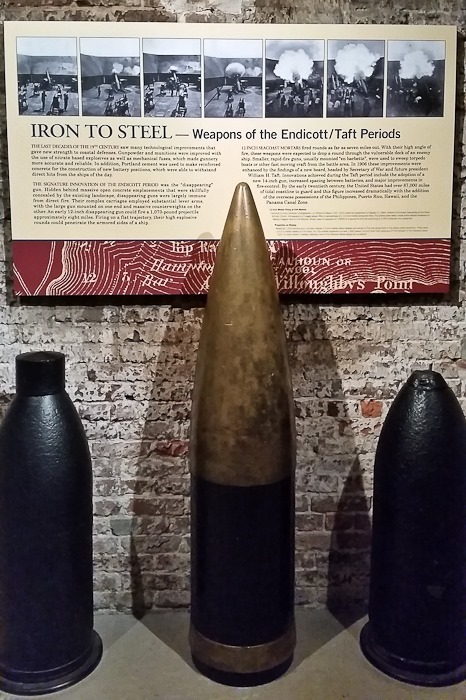
This exhibit shows World War II era gun emplacement ranges for the harbor:
This house within the fort housed first lieutenant and engineer in the U.S. Army, Robert E. Lee, who was stationed here from 1831 to 1834 and tasked with overseeing the construction of the fort:
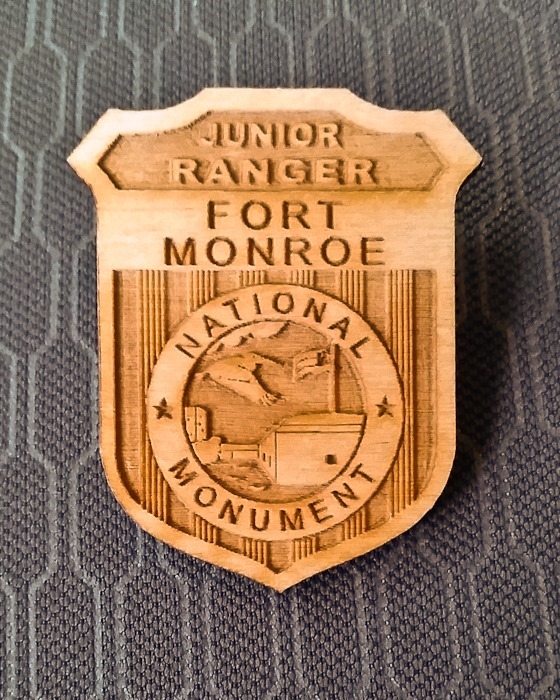
The kids completed their Junior Ranger workbooks and received their badges, the third wooden badge they’ve received:
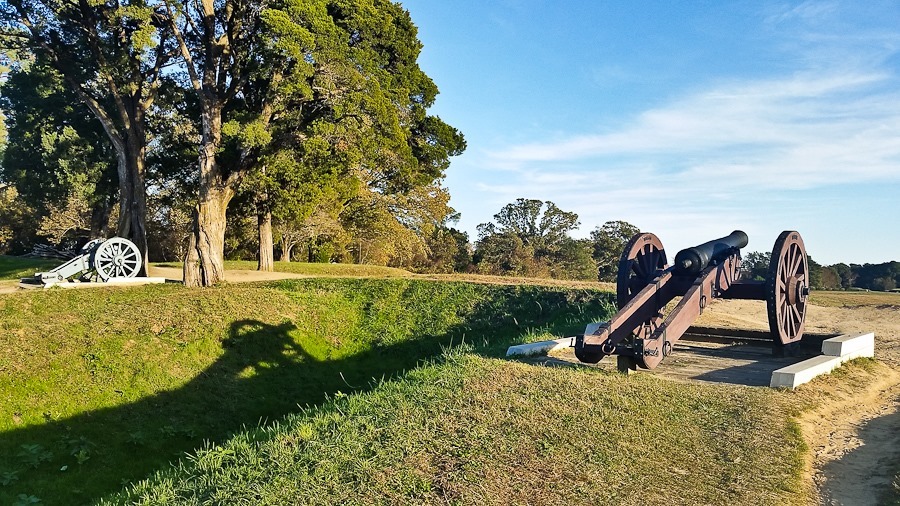
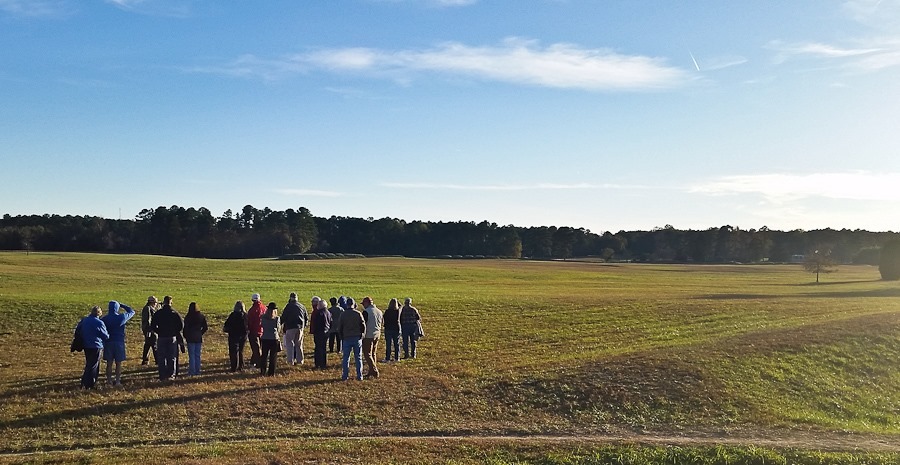
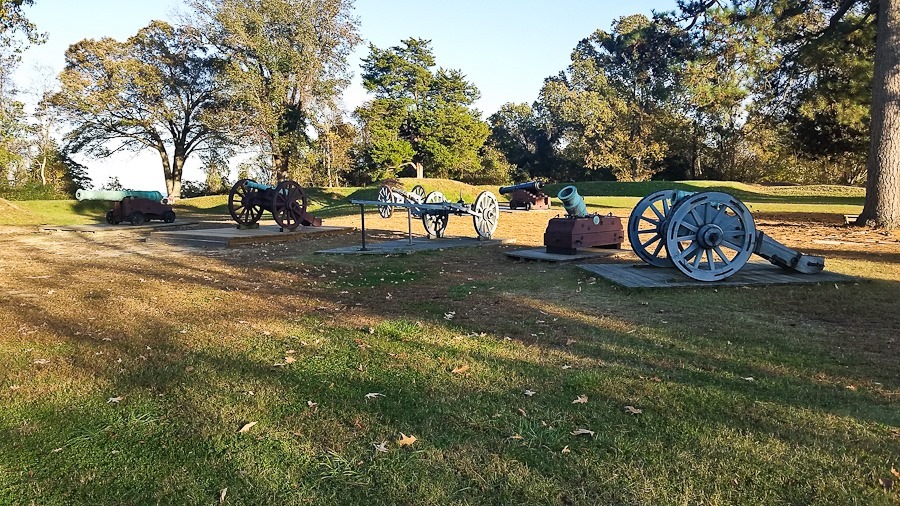
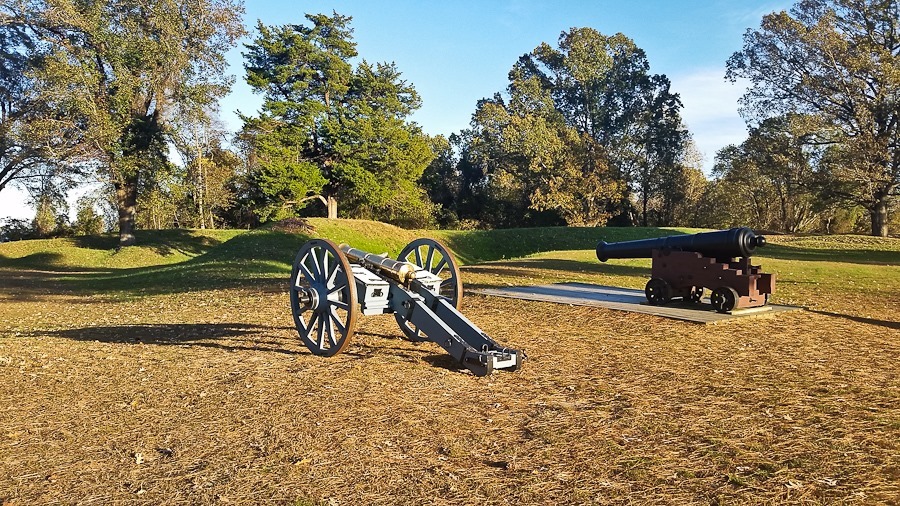
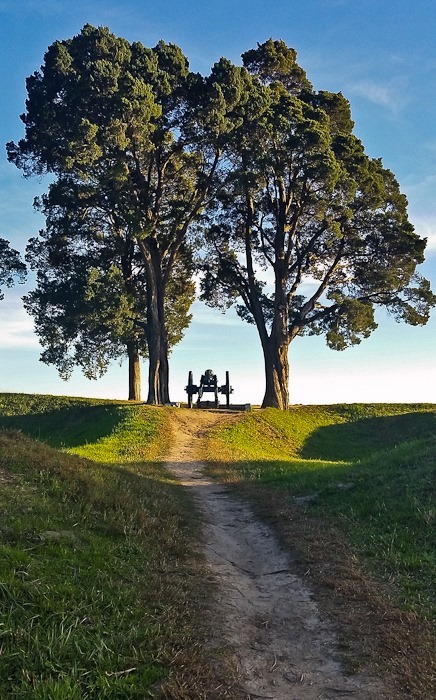
We continued on to Yorktown National Battlefield, a unit of Colonial National Historical Park. Here, Colonial and French forces bombarded trapped British forces in 1781, resulting in a British surrender of over 7,000 British troops and the beginning of treaty negotiations between America and Britain:
Standing in the British fortifications, we looked out towards the Colonial and French positions:
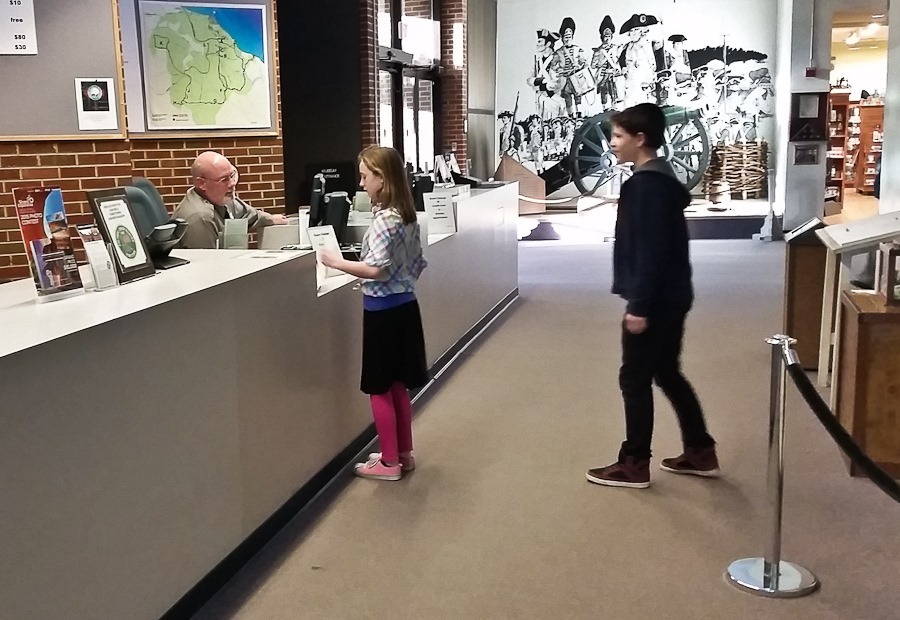
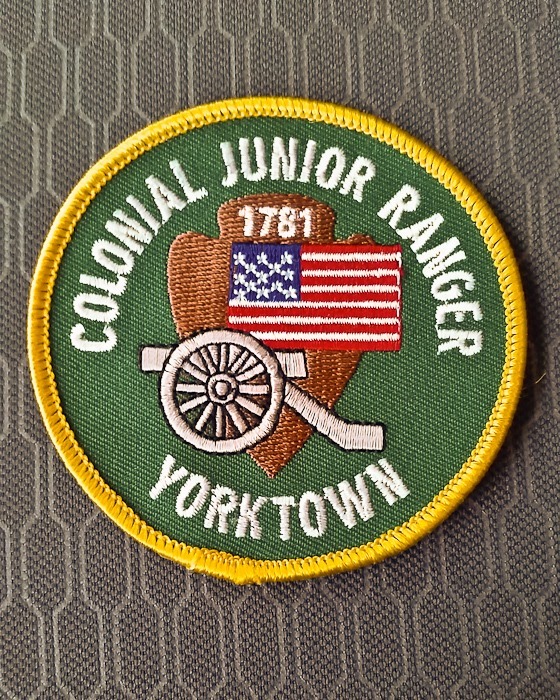
The kids completed their Junior Ranger workbooks and received their badges:
We drove south for several hours, overnighting at the Walmart of Wildwood, North Carolina. See the trip map for today’s drive and our current location.
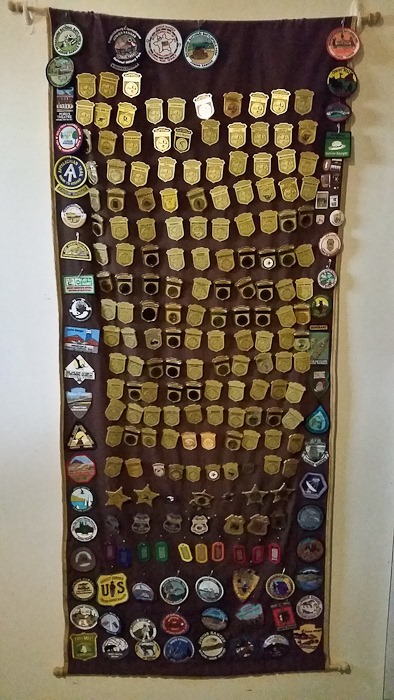
M’s Junior Ranger wall is rapidly filling up, we’re soon going to have to make a new one for him:
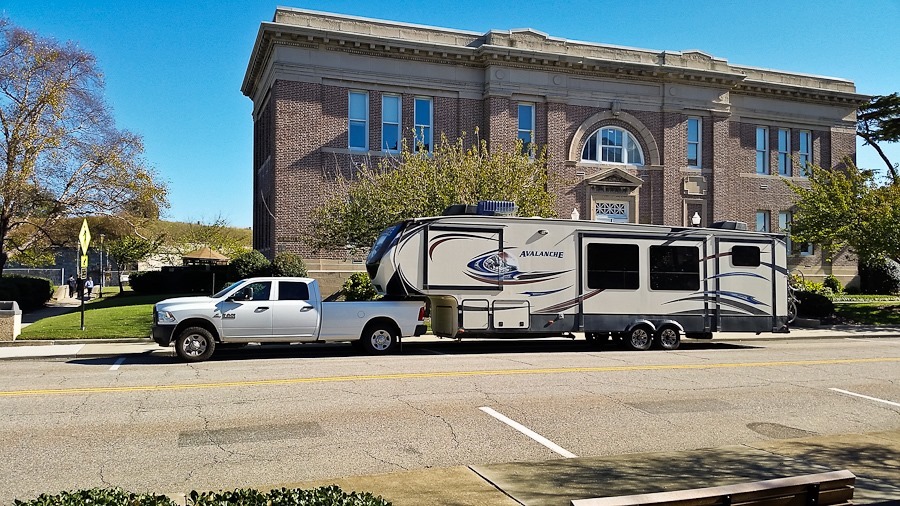
Today when heading out, I noticed a damaged sidewall on one of the RV tires. We stopped at a tire store to have a new tire installed on the wheel:
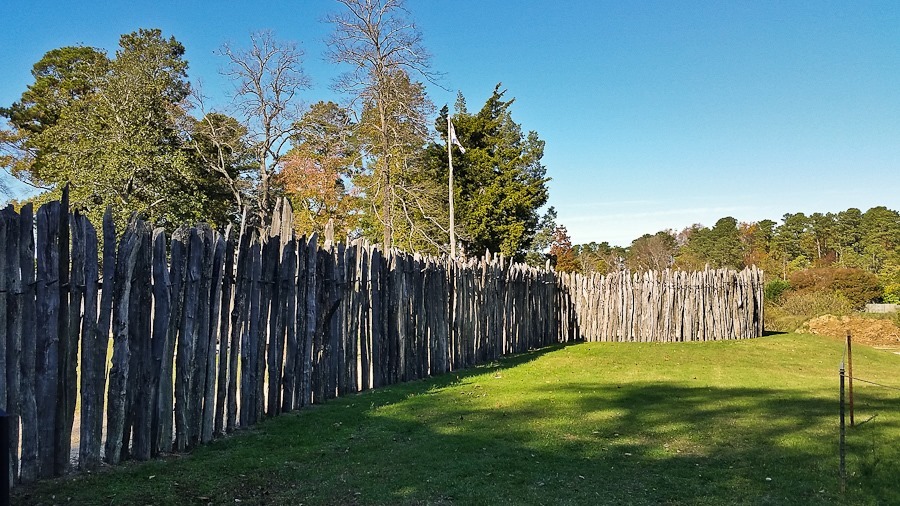
Now running a couple hours late, we visited Historic Jamestowne, part of Colonial National Historical Park. The theatre has a pair of curved screens, with seating under each screen positioned to see the other:
We walked out to the site, passing this spire erected in1907 to commemorate the 300th anniversary of the founding of Jamestowne in 1607:
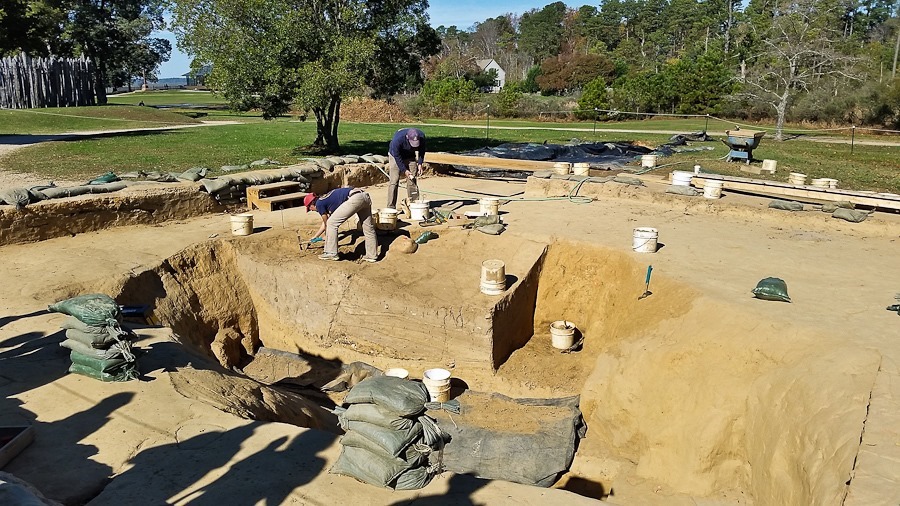
The location of the site wasn’t discovered until the 1990s, and archeology here continues today:
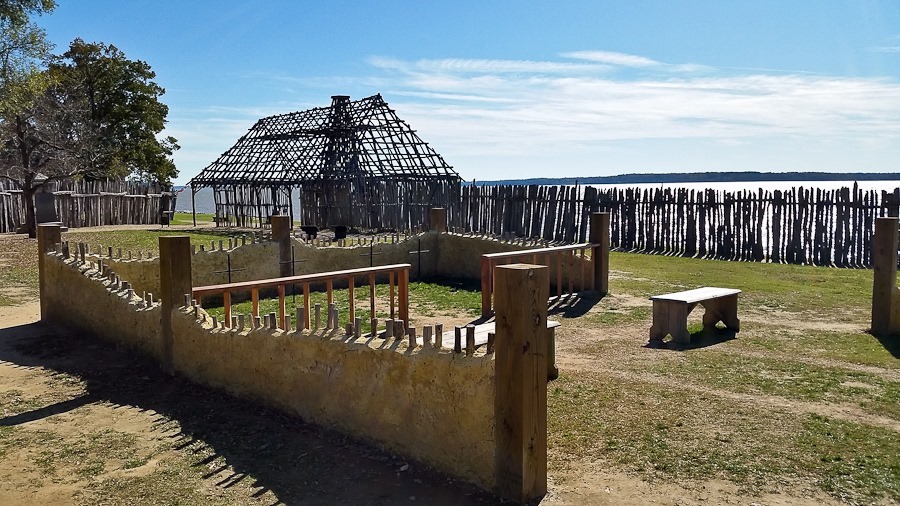
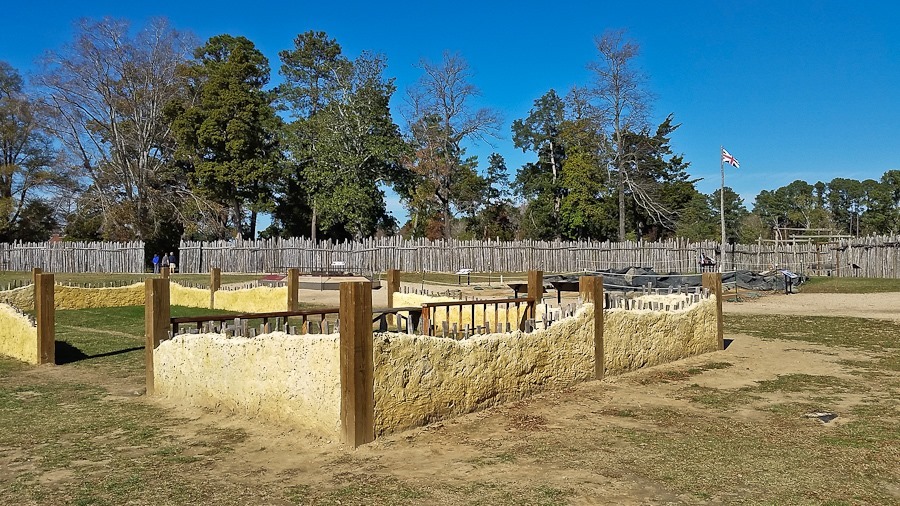
This structure was built over the location of an identical original structure, now long gone:
A model of what the settlement used to look like:
The site also houses an extensive museum:
The kids completed their Junior Ranger workbooks and received their patches:
They also received this glass coaster, made on site:
We were supposed to visit Yorktown today as well, but because of the tire delay this morning, we skipped Yorktown and continued on to Norfolk, where we will be spending Shabbos in a synagogue parking lot:
Good Shabbos from Norfolk, Virginia! See the trip map for today’s drive and our current location.







 Facebook
 Instagram
 Email
Email