We had a nice Shabbos at Brothers of Joseph in Norwich, Connecticut. The community has shrunk considerably in the last few decades, but those that still call Norwich home have tenaciously kept the congregation going. Thanks for hosting us!
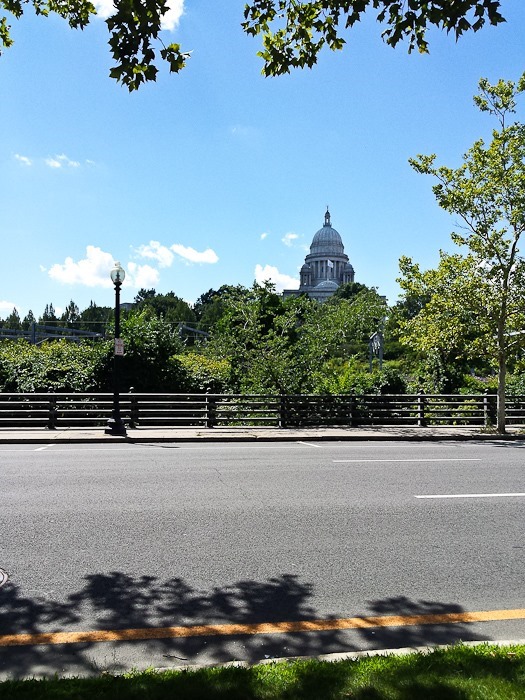
Today we drove north and east to Providence, Rhode Island, the capital of Rhode Island. The capitol building greeted us as we drove into town. Unfortunately, the capitol is not open for tours on Sunday:
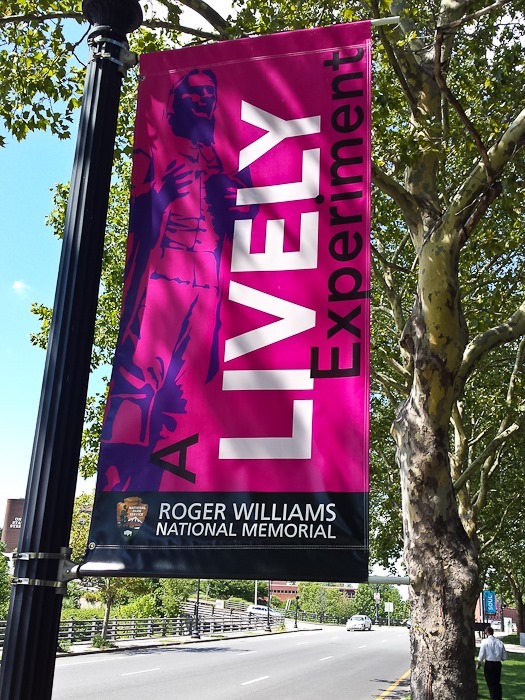
The National Memorial is housed in a small building. Including the 4.5 acres of park adjacent to the visitor center, this park is the 20th smallest NPS unit in the country:
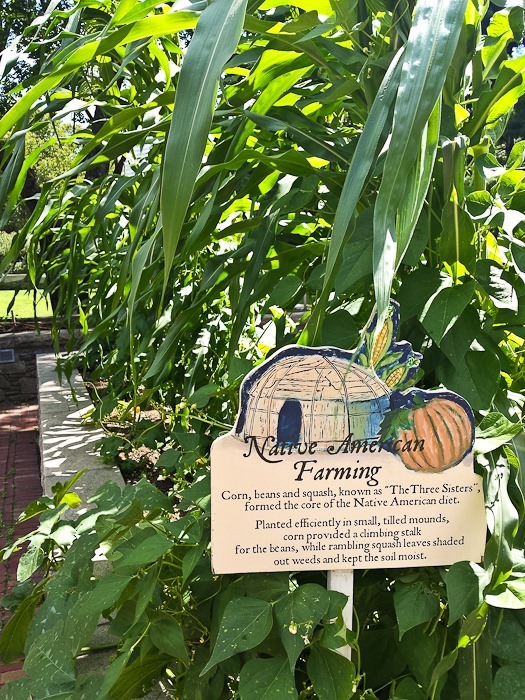
Around the side of the building, there’s a garden featuring plants that Native Americans would have grown in the times of Roger Williams:
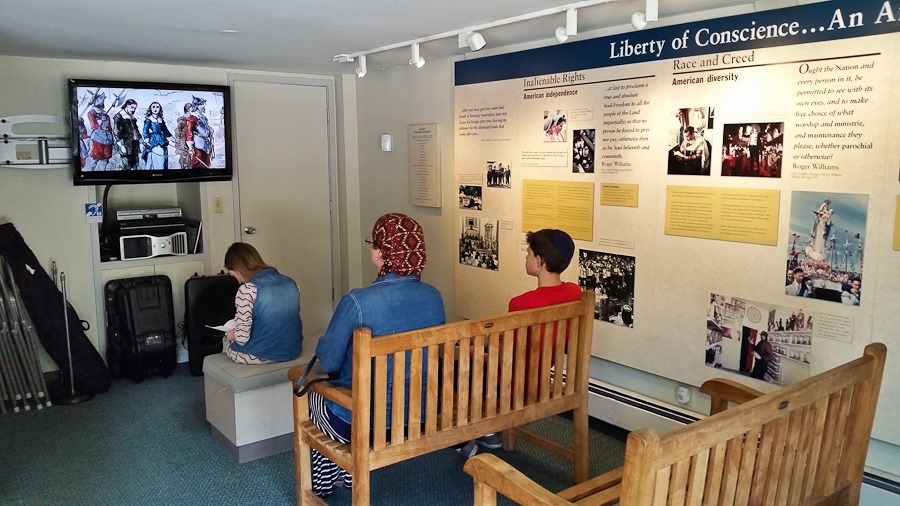
The visitor center interprets the life of Roger Williams, who, it can be argued, is the father of freedom of religion in the US:
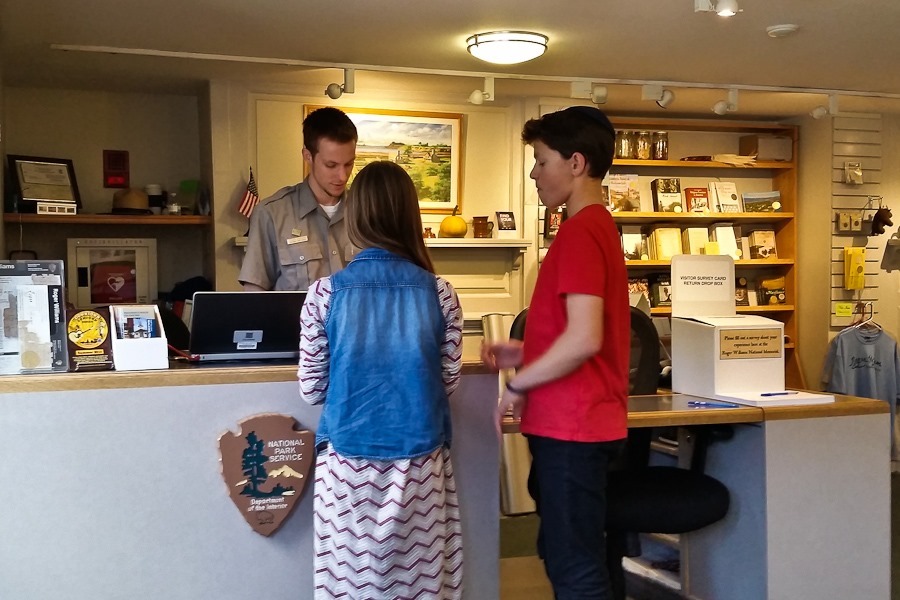
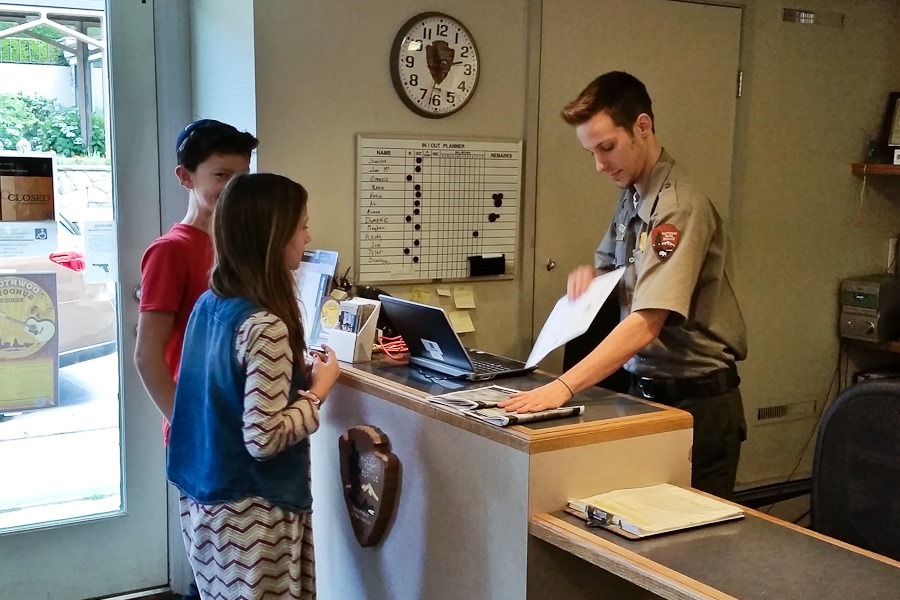
The kids completed their Junior Ranger workbooks and received their badges:
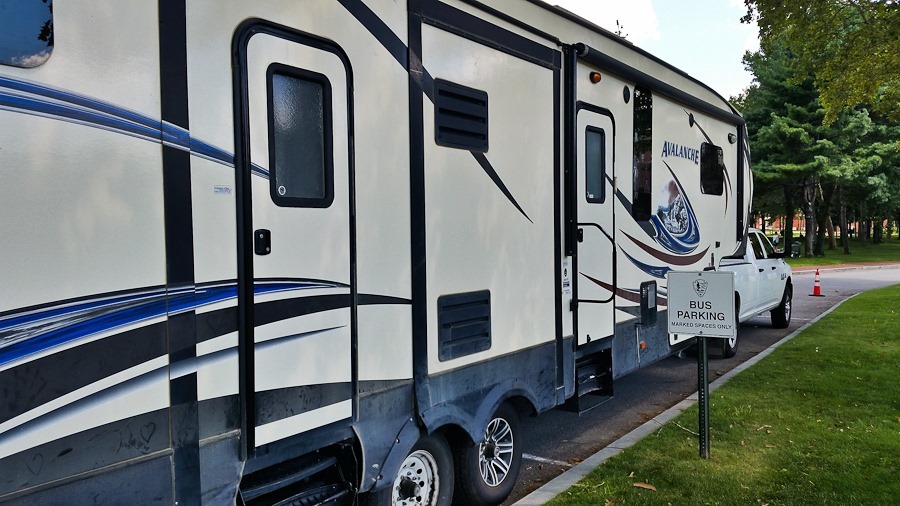
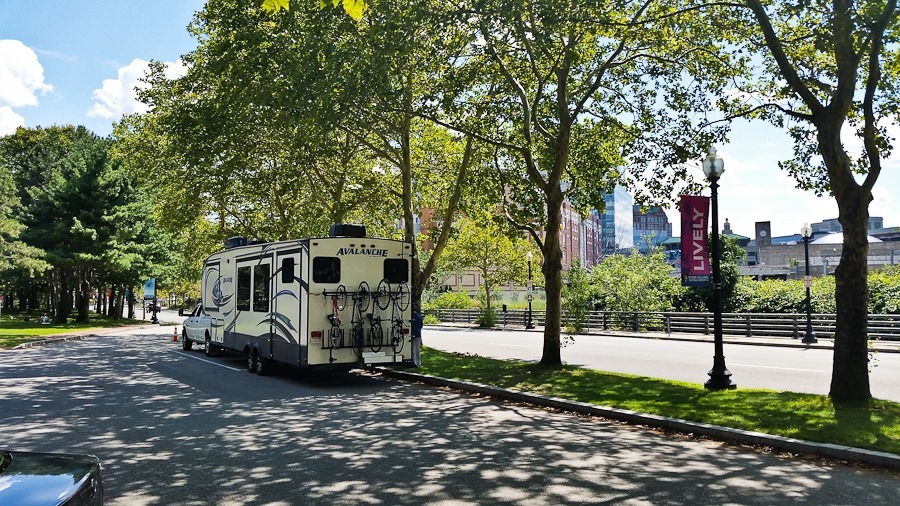
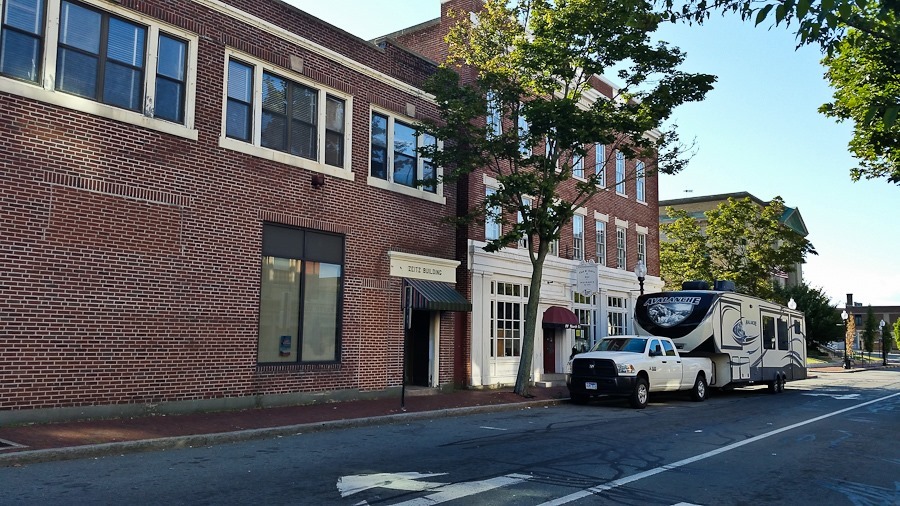
Continuing south and east, we arrived at the town of New Bedford, Massachusetts, home of the New Bedford Whaling National Historical Park. After confirming very carefully with the police, we parked curbside and headed towards the visitor center:
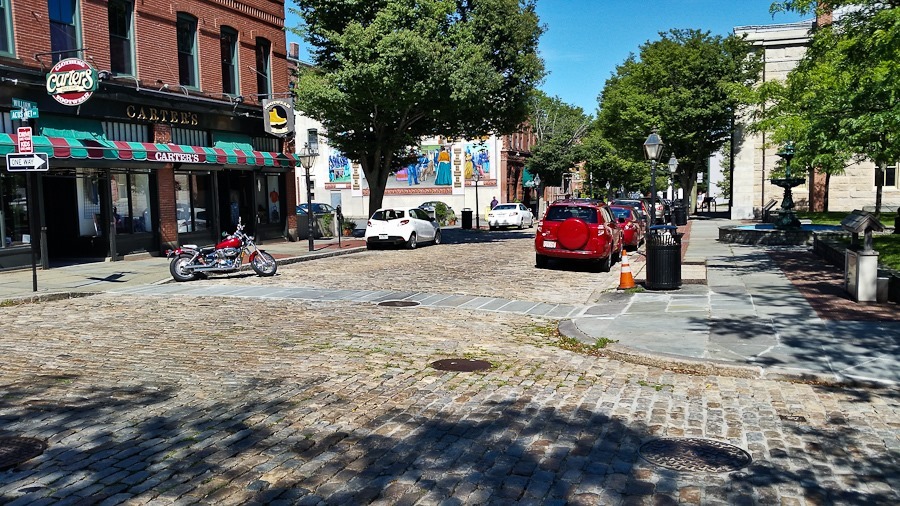
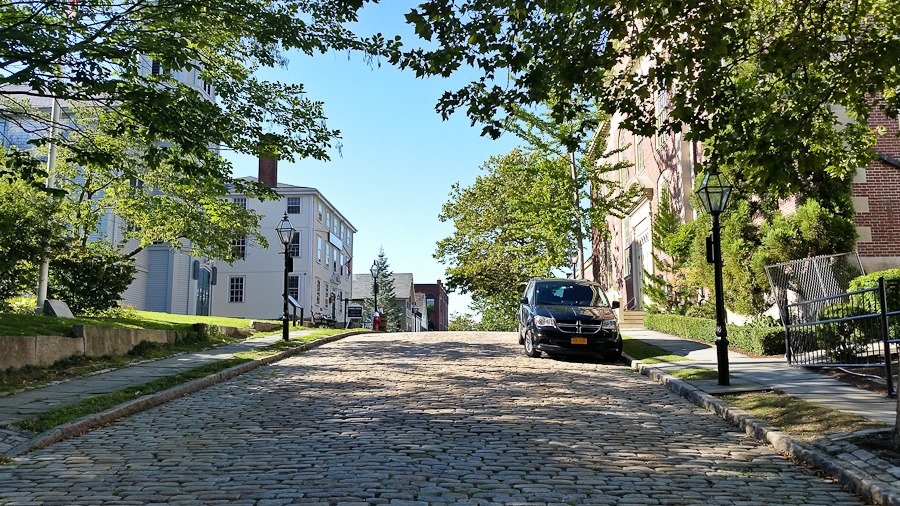
The historic district has cobblestone streets:
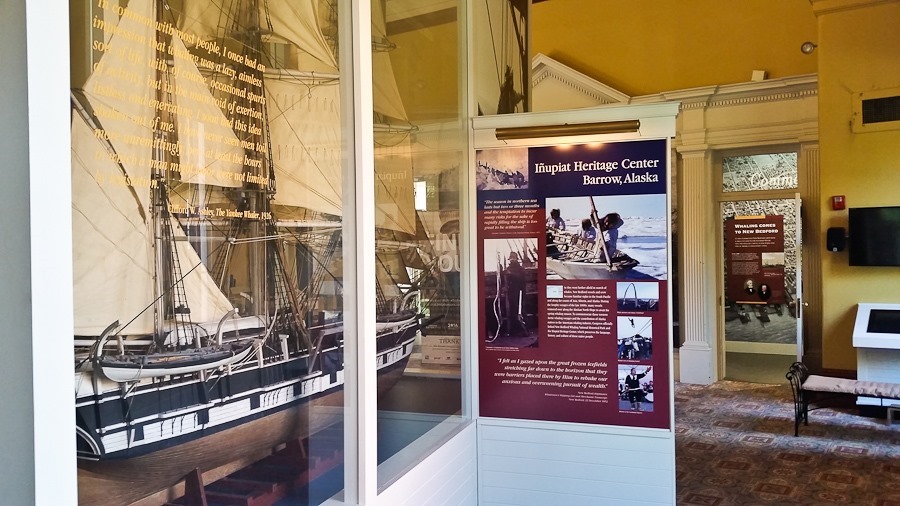
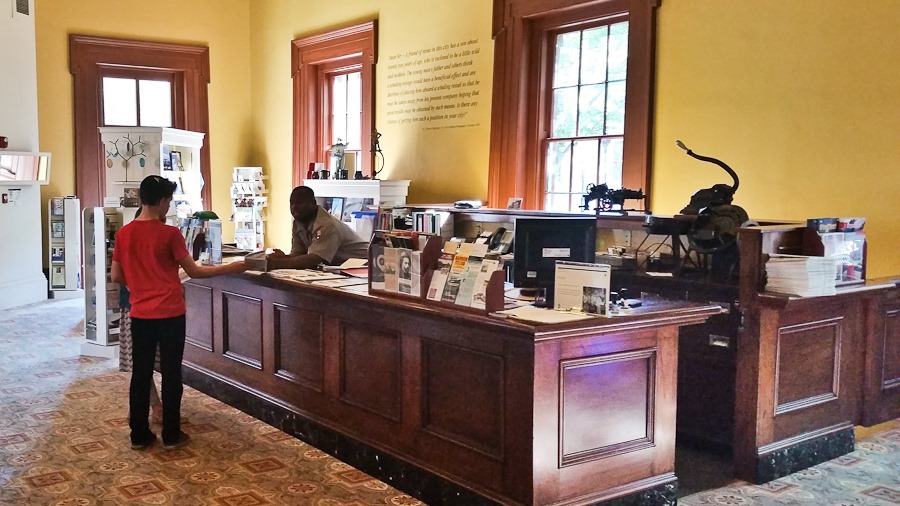
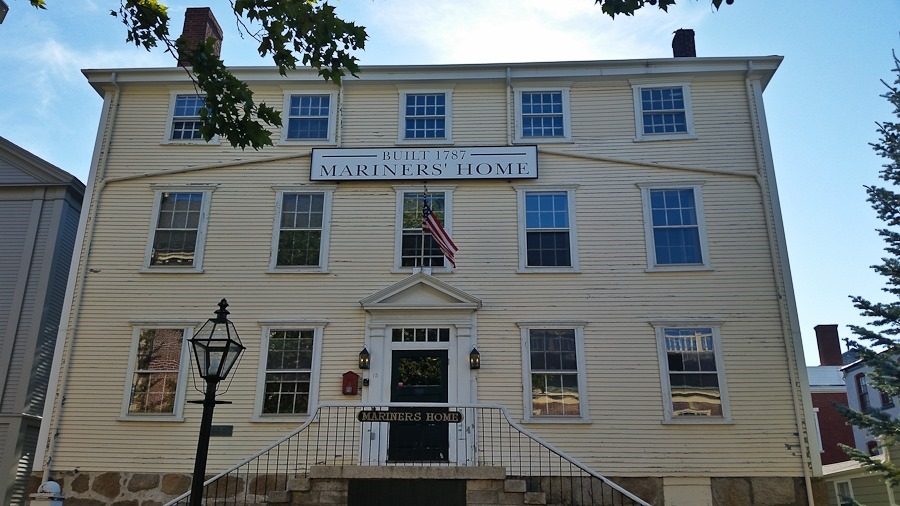
The visitor center is housed in a pair of old buildings. The exhibits were well done, and we watched an interesting film about the history of whaling in New Bedford:
The kids completed their Junior Ranger workbooks and received their badges:
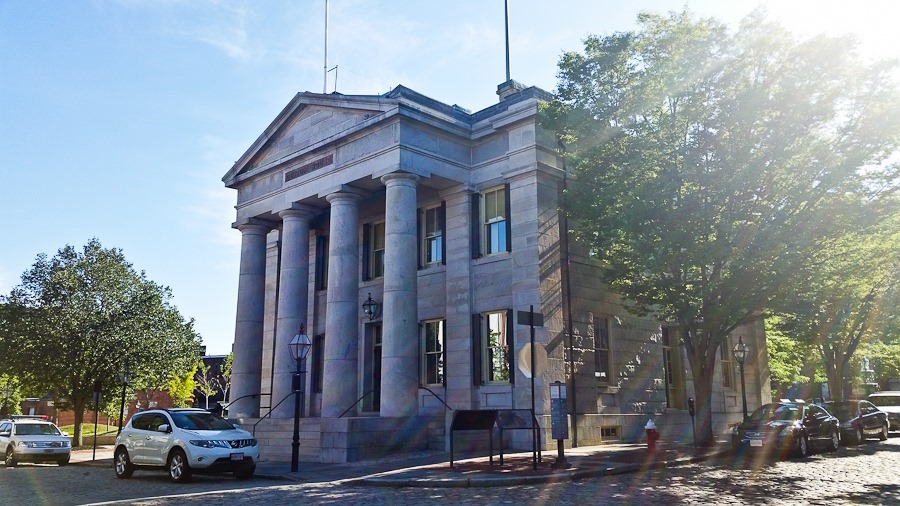
We decided to walk the historic district, which includes the oldest operating Customs building in the US:
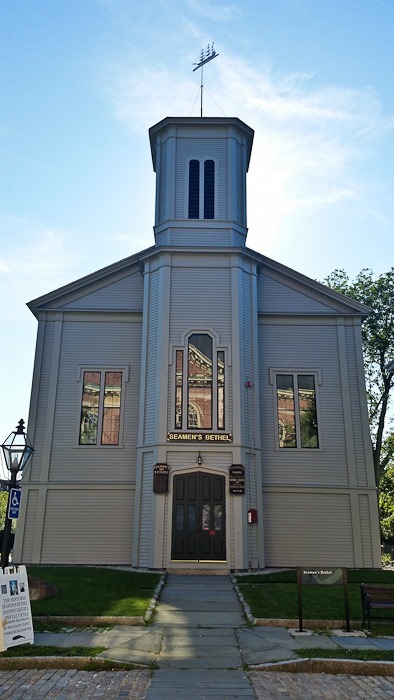
The Seamen’s Bethel, featured in New Bedford resident Herman Melville’s book Moby Dick as the “Whaleman’s Chapel”:
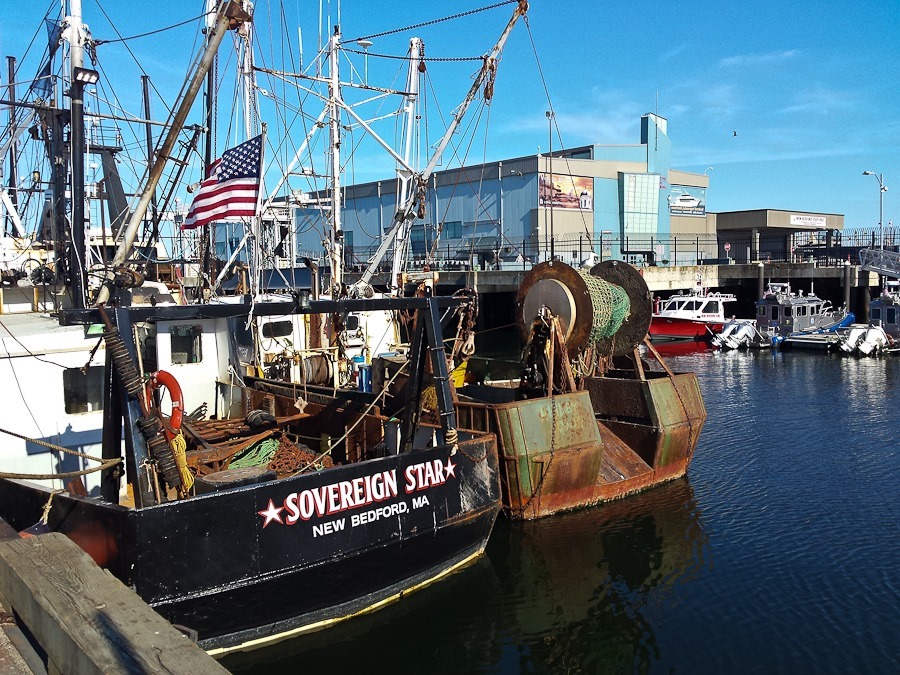
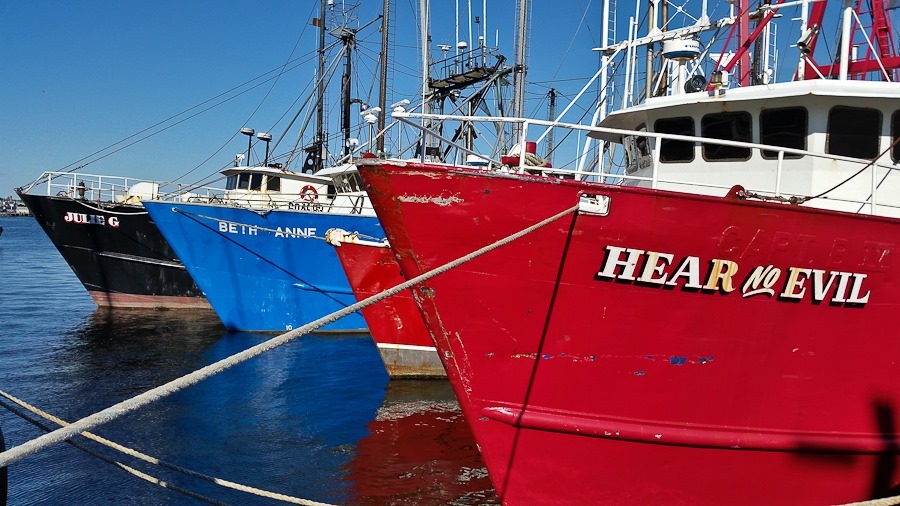
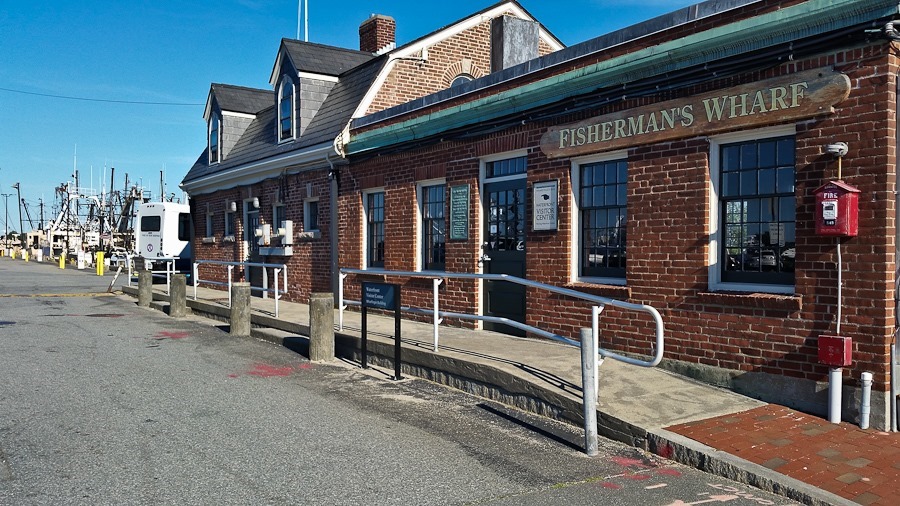
We walked around the waterfront. Whaling, whose profits were derived from oil refined from whale blubber, declined as an industry in the 1860s after the discovery of source-drilled petroleum oil. Nowadays, the boats here ply the ocean for scallops and flatfish, not whales:
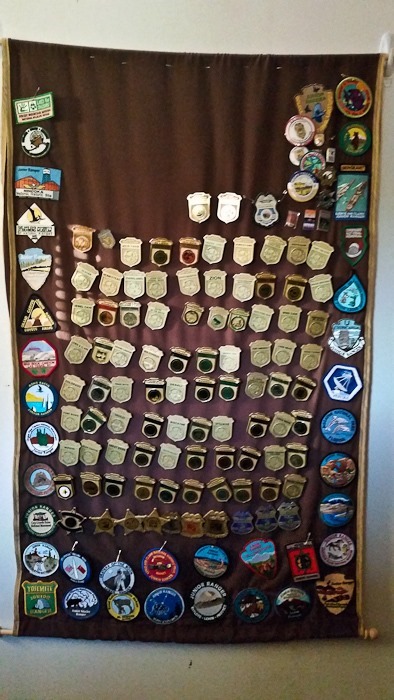
We pinned today’s Junior Ranger badges to M and B’s badge display wall hangings:
We continued east to overnight at the Walmart of Onset, Massachusetts. See the trip map for today’s drive and our current location.
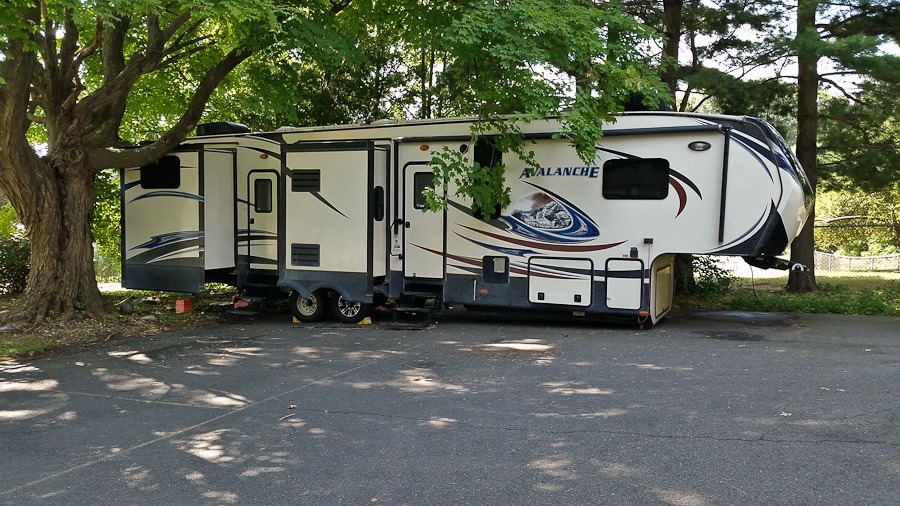
This morning was the beginning of another warm Northeast day here in Norwich, Connecticut. We’re parked here at the Brothers of Joseph congregation, where thankfully we’re plugged in so we have air conditioning:
We awoke to a disgustingly humid day at the Walmart of Brandford, Connecticut. We got on the road as quick as we could and drove east to the Salt Meadow Unit of the Stewart B. McKinney National Wildlife Refuge:
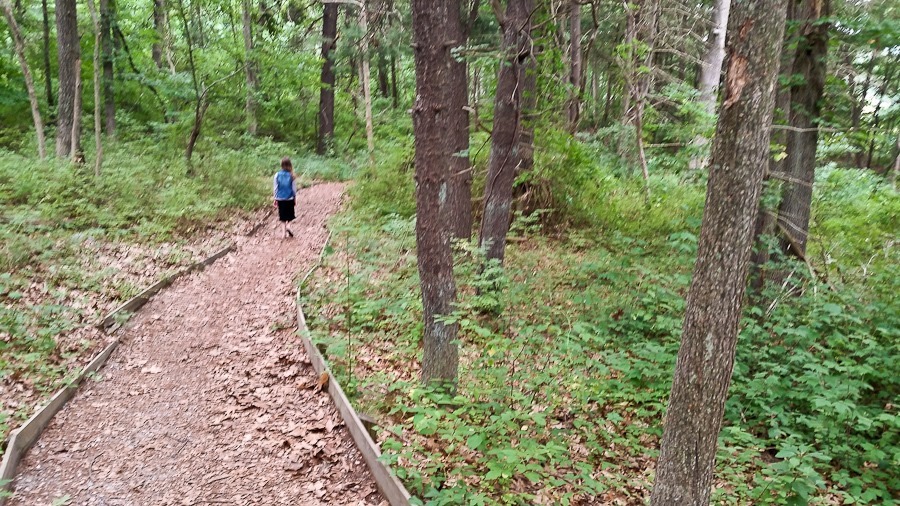
We hiked down to the marsh. We had to walk quickly to avoid the tenacious swarms of flies:
On the way back, Trish and M encountered this healthy looking fellow:
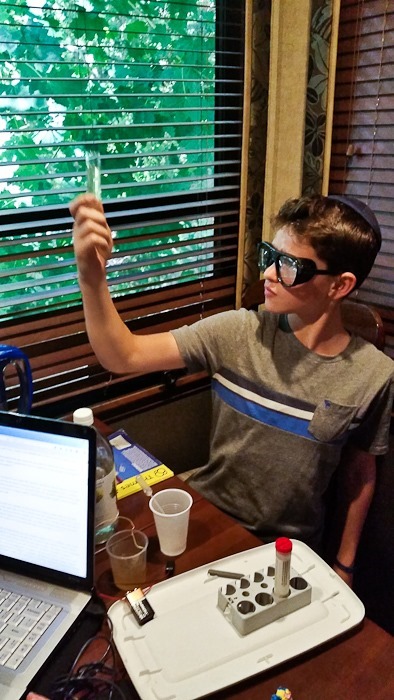
At the visitor contact station, the kids received a Biologist in Training workbook which is designed to be completed at a body of water. We took the books with us, as well as the patches they will receive when the workbooks are complete:
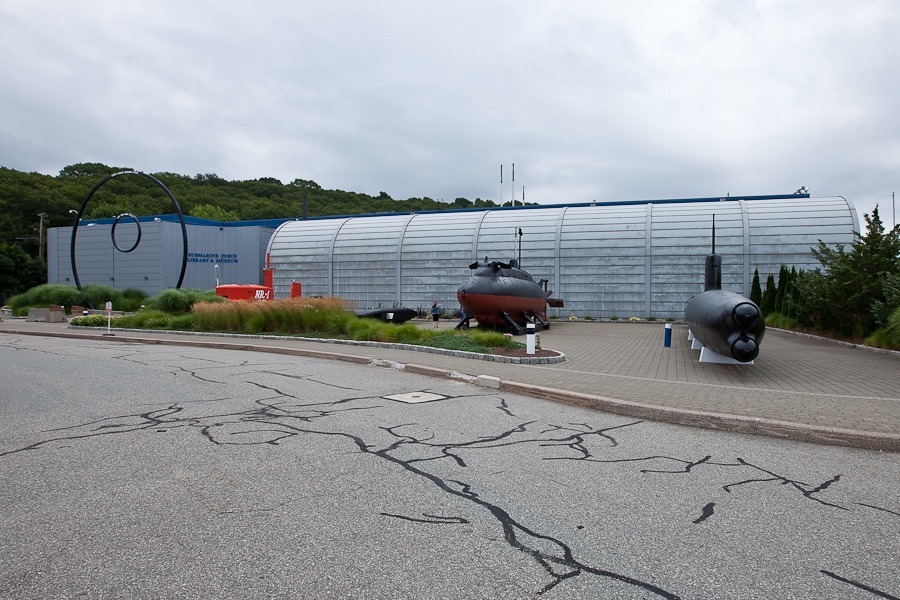
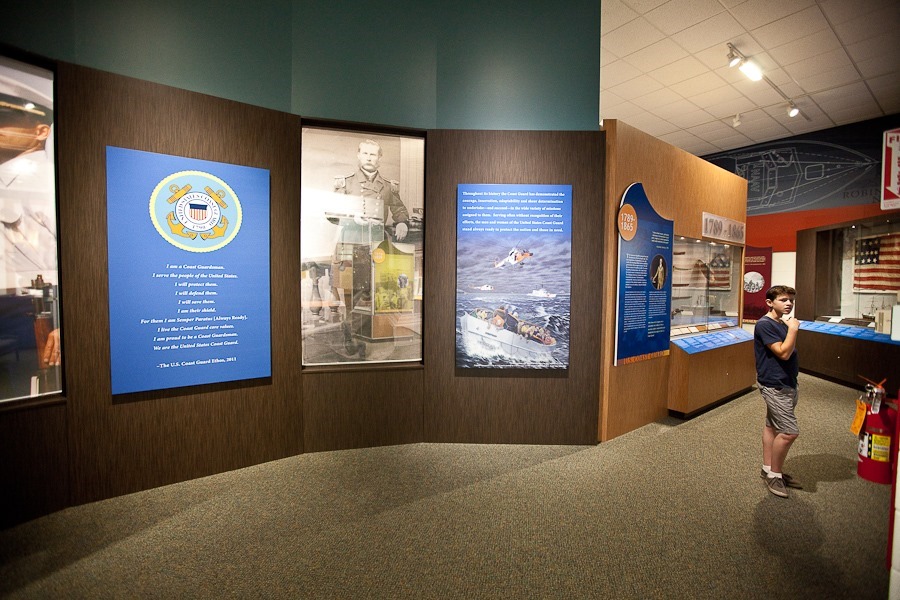
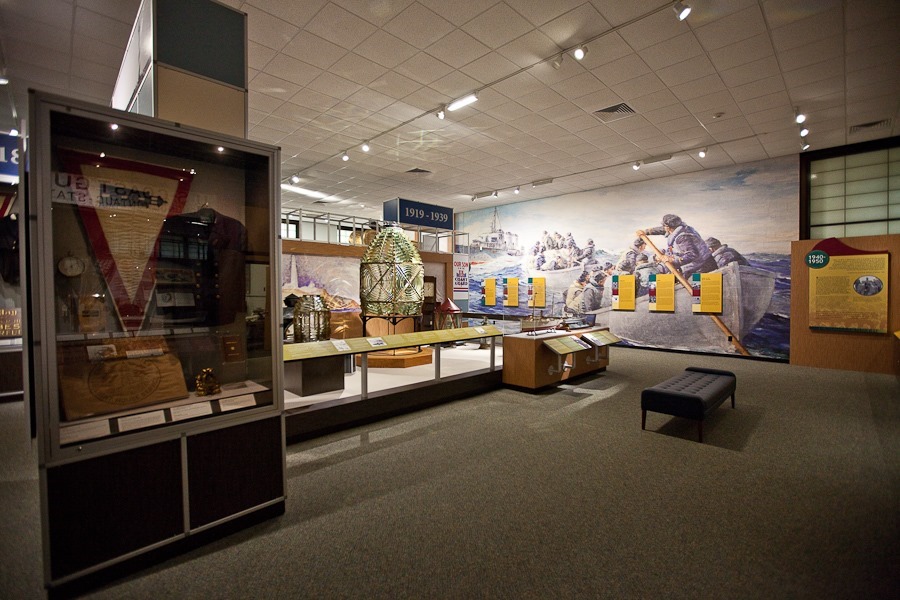
We left the RV at the museum and drove the truck across the river to the Coast Guard Academy in New London where we visited the US Coast Guard Museum:
I really enjoyed this museum! I had no idea that the Coast Guard was formed from many other services, including the U.S. Revenue Cutter Service which was formed in the 1790s to collect import taxes from ships arriving in the US. The Coast Guard was moved from the Department of Treasury to Transportation to Homeland Security. It’s the only branch of the military not under the Department of Defense:
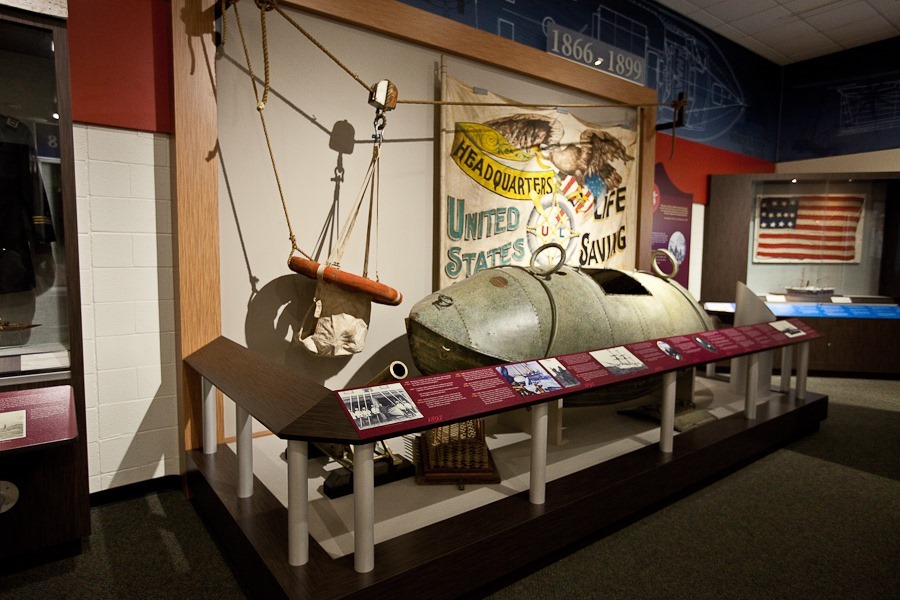
Here are various life saving devices from the U.S. Life-Saving Service, which was merged in 1915 with the U.S. Revenue Cutter Service to form the Coast Guard. The object hanging from the block and tackle is a britches buoy, a floating life ring mated to a canvas diaper. The person needing rescue would get into the diaper and be hoisted to safety:
This life preserver is made of wood and is hinged to be snapped around the neck. The instructions say “when jumping, hold down with hands” to prevent a broken neck upon hitting the water. We were relieved to read that this design never made it into production:
After returning to Groton to pick up the RV, we drove North to Norwich, Connecticut where we will be staying in the parking lot of the Brothers of Joseph synagogue through Shabbos. See the trip map for today’s drive and our current location.
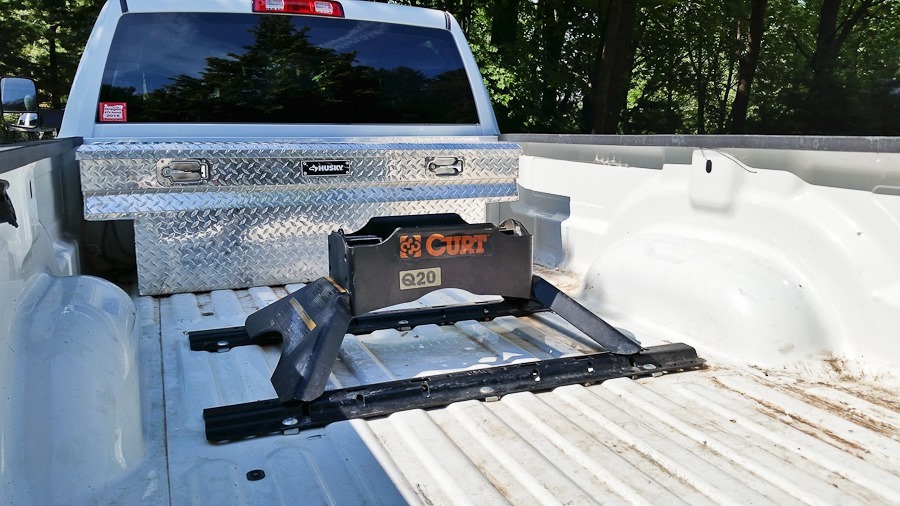
Today we left our driveway, where we have been parked for the last three weeks, to officially begin our third year of travels. Ben reinstalled the fifth wheel hitch in the bed of the truck after removing it to take a load to the dump. Here the lower half of the hitch is installed:
Farewell, camping spot:
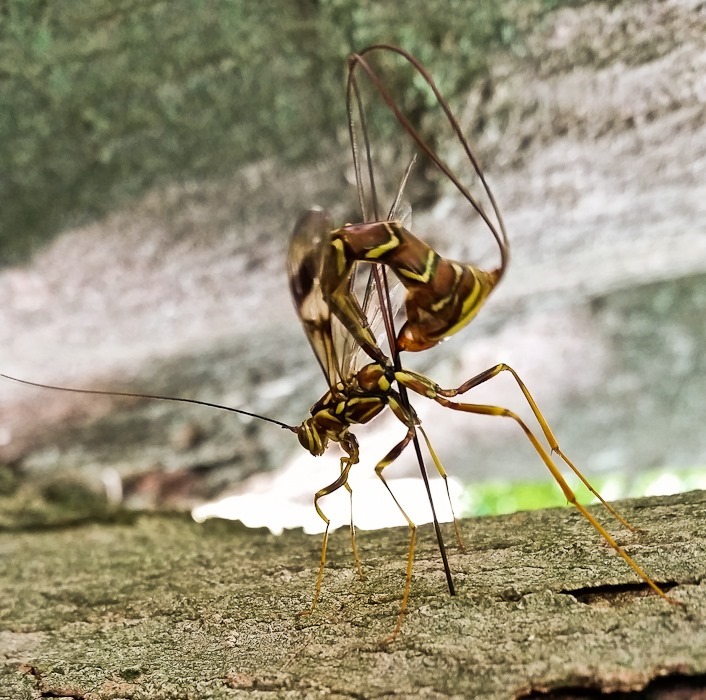
Ben saw this wasp while trimming dead branches off a tree. He’ll explains what’s going on here:
At first, I thought this wasp, which is about 3 inches long, was molting. After further research, I found out that this is a Giant Ichneumon Wasp (Megarhyssa sp., likely Megarhyssa greenei or Megarhyssa macrurus). The female uses her antenna to find a Pigeon Horntail larva living inside the tree. She drills about 1.5 inches through the wood and into the larva using her two inch-long ovipositor, then lays her eggs inside the larva. When the eggs hatch, they consume the larva. In this photo, the ovipositor is drilled about halfway in to the tree. The two loops are protective sheathing for the ovipositor that are drawn away during the drilling process:
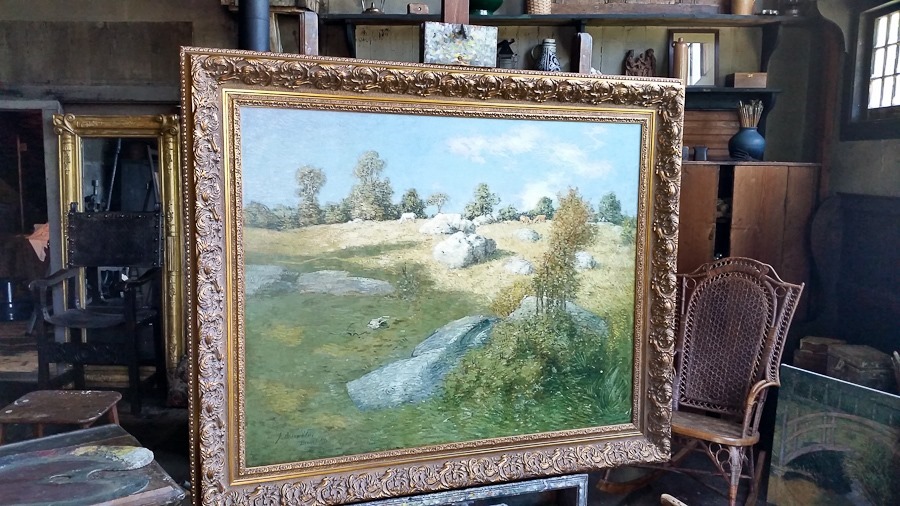
J. Alden Weir began his career in New York as an art instructor and portrait painter after studying for several years in France. Although his early opinions of the French Impressionists were rather critical, Weir began to explore painting in the Impressionist style outside on the grounds of the farm he purchased in 1882. He preferred softer colors to the French style of bright colors, and focused mainly on his family and scenes around his large and beautiful property:
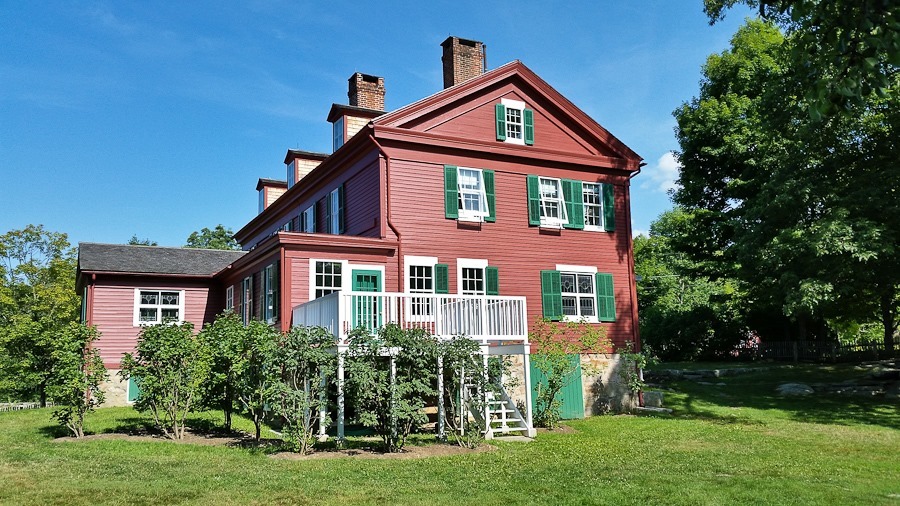
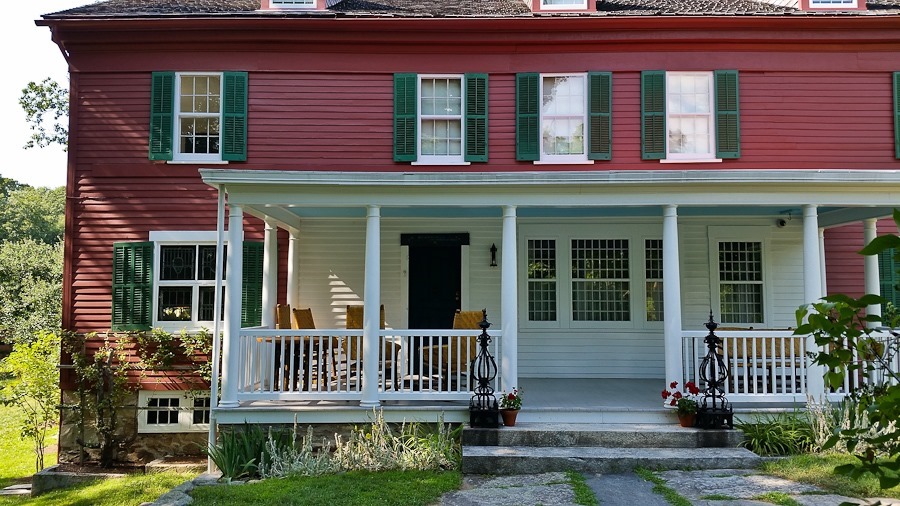
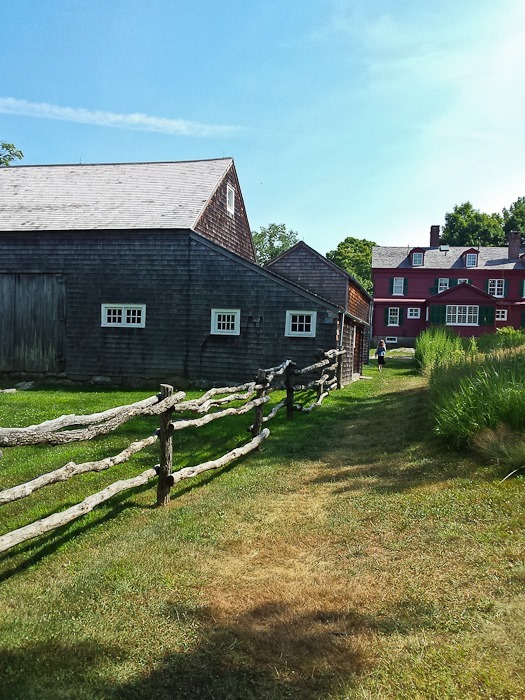
The Weir Family Home:
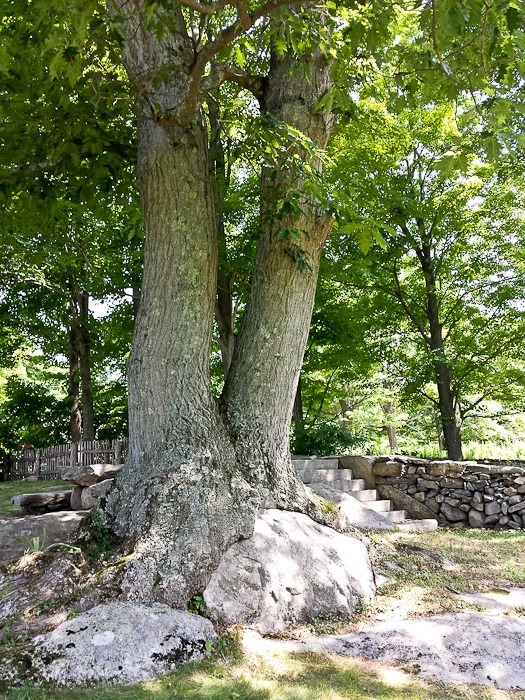
Weir painted his wife and children seated on this rock. In the painting, the tress are spaced far apart and are obviously quite young. Today, the trees have nearly merged at their base and completely cover the rock:
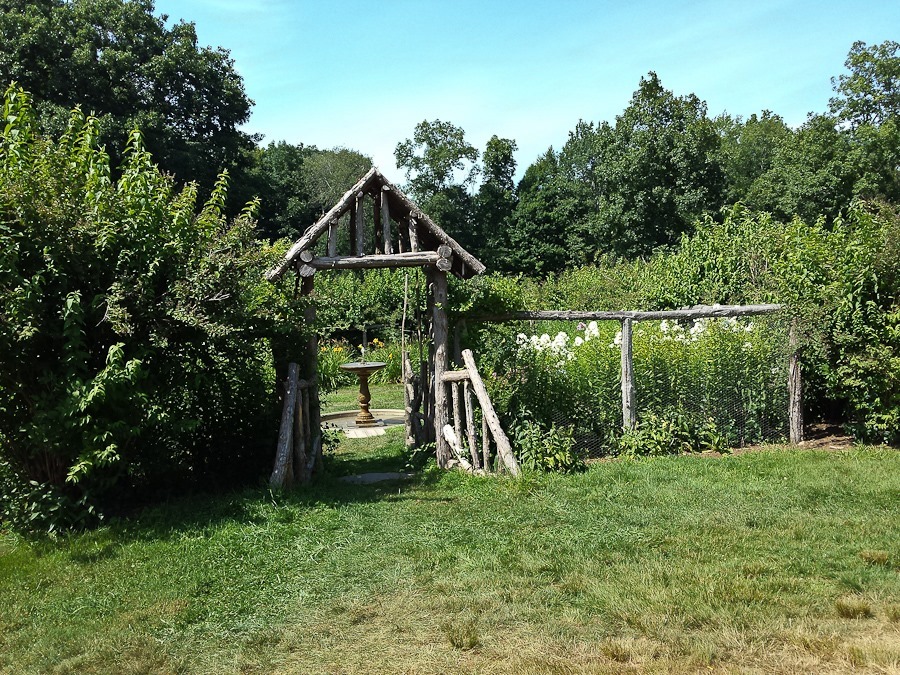
Weir created many beautiful areas on his property. Here is the entrance to his “secret garden” where several varieties of flowers and shrubs offer ample material to inspire any painter:
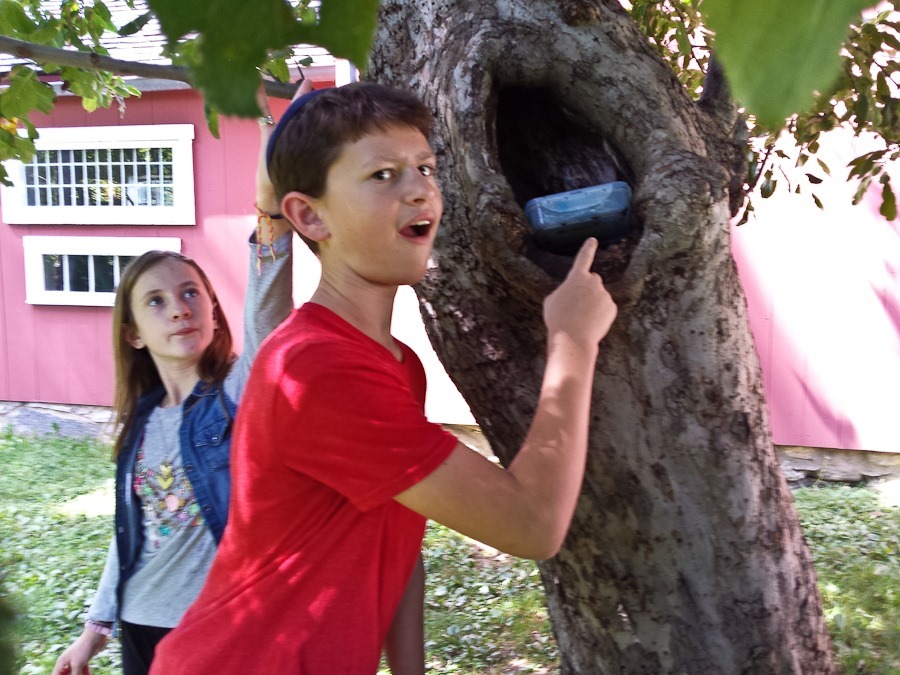
The kids and I worked on their Junior Ranger booklets together. When researching this Historic Site last night, I learned that the Junior Ranger program involved letterboxing which is something we have really enjoyed at different locations on our trip! We came prepared with our own letterboxing stamps that we added to the 5 letterboxes we found around the property:
B is hot on the trail to letterbox #3 which she found just around the corner of this barn:
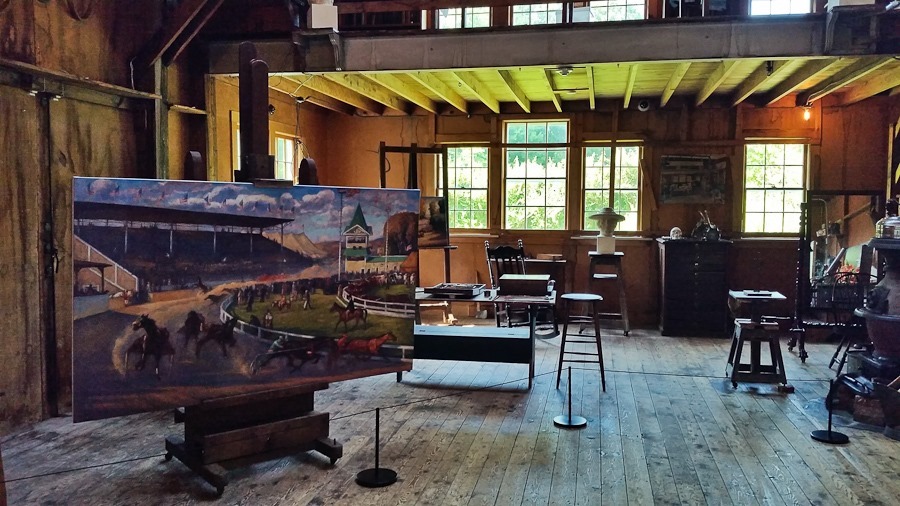
After completing the Junior Ranger books, we all headed to Weir’s art studio:
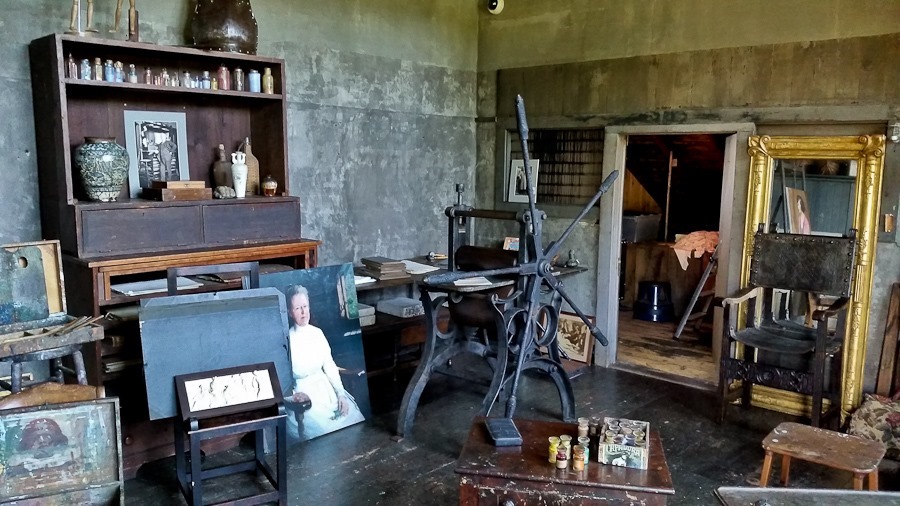
Walking into Weir’s studio was like stepping into another world. The Park Service has done a wonderful job of preserving his studio space, including several paintings, original paints, and his mixing palette. The park rangers were very knowledgeable, and told us many interesting facts about Weir’s studio. We were told that Weir included stars on the ceilings of all his buildings, and we saw the only remaining examples in his studio. The rangers also told us how Weir made several changes to his studio, including changing the color of the ceiling from green to grey to prevent the reflected light from affecting his work. He also blocked off a set of windows for a similar reason:
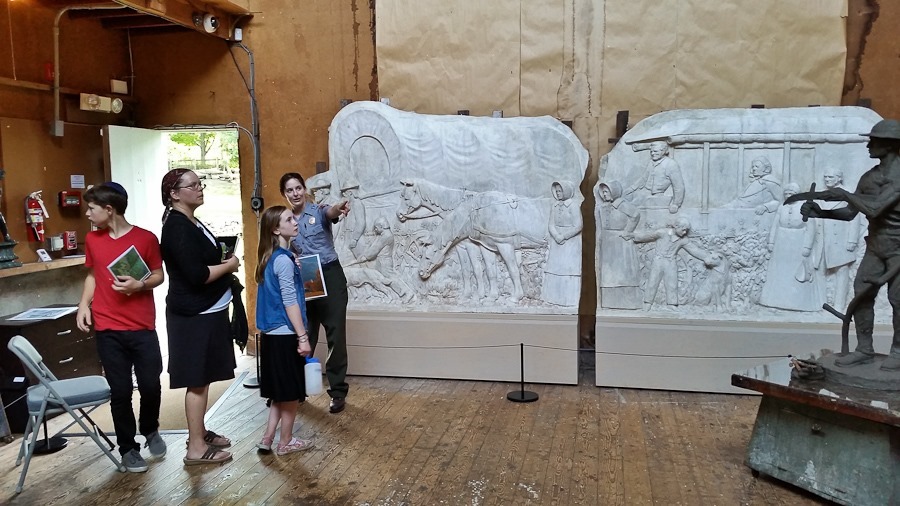
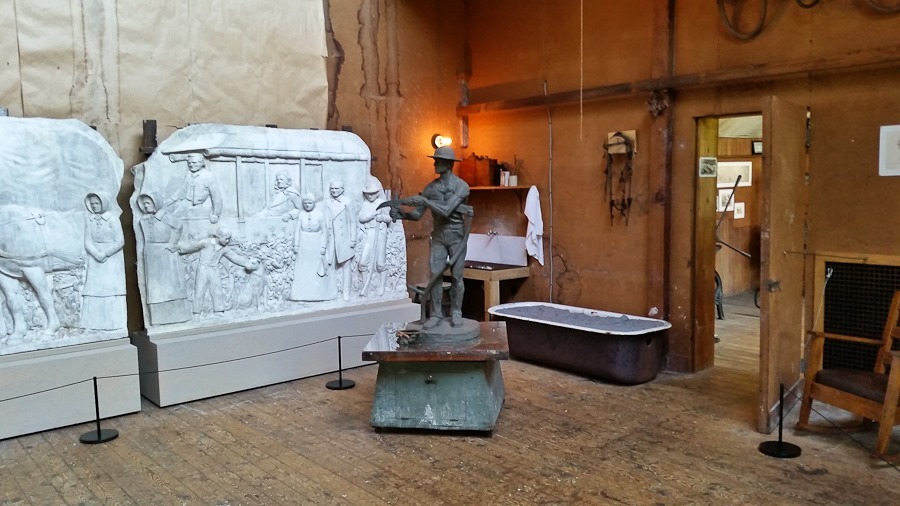
Weir built a second studio for his son-in-law, sculptor Mahonri Young, grandson of Brigham Young. Many of Young’s works reflected his Mormon roots, including his most famous work, This is the Place, which is displayed outside Salt Lake City, Utah. The original panels used to cast this work are on site, and two of the panels are currently displayed in Young’s studio:
Weir Farm had no room for our RV, so we had left it at the nearby G & B Cultural Center and drove over to Weir Farm. After leaving Weir Farm, we returned to the RV, had dinner, and then visited the various galleries in the Cultural Center:
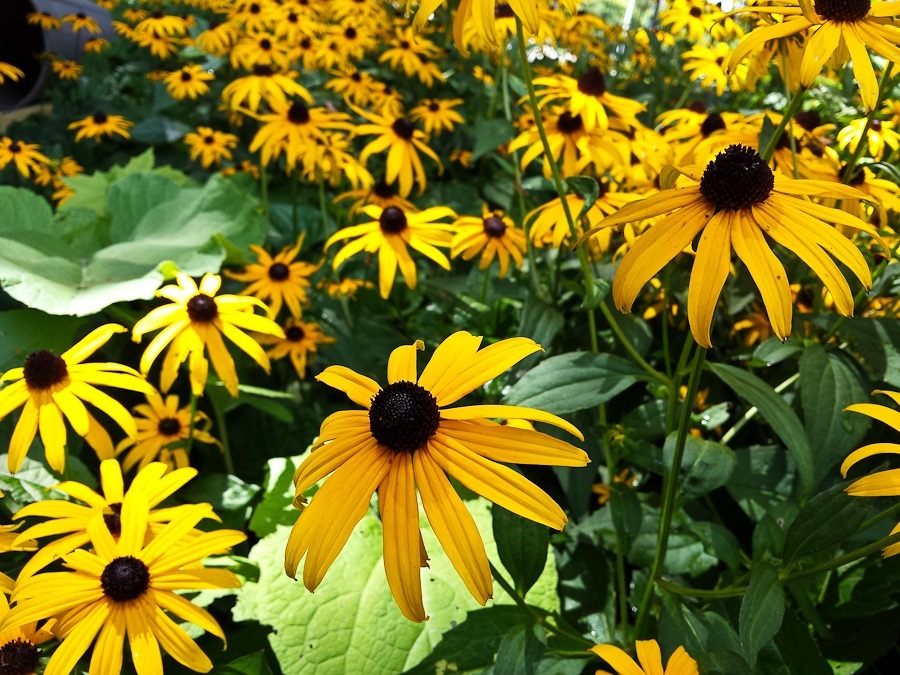
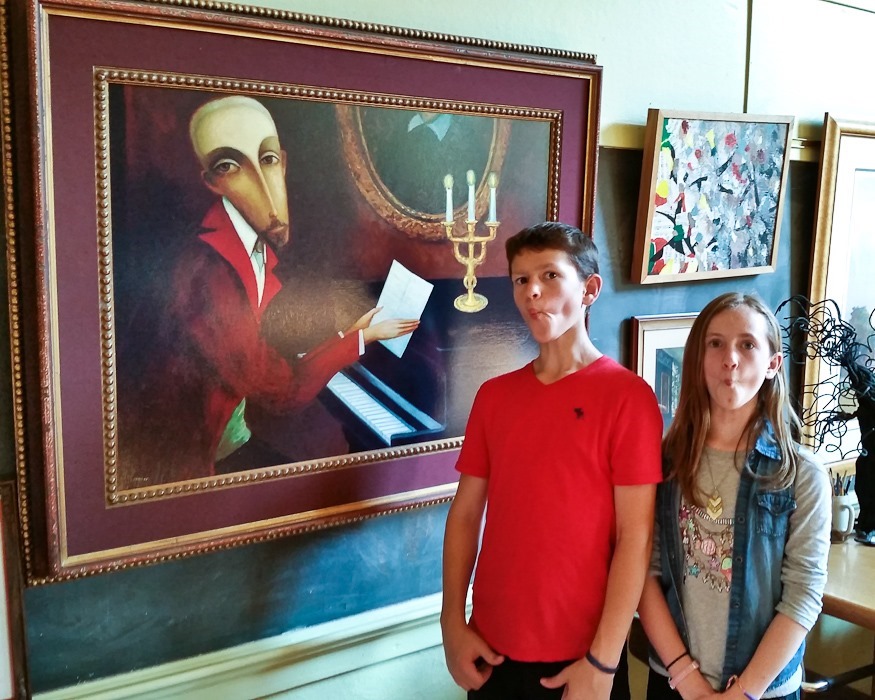
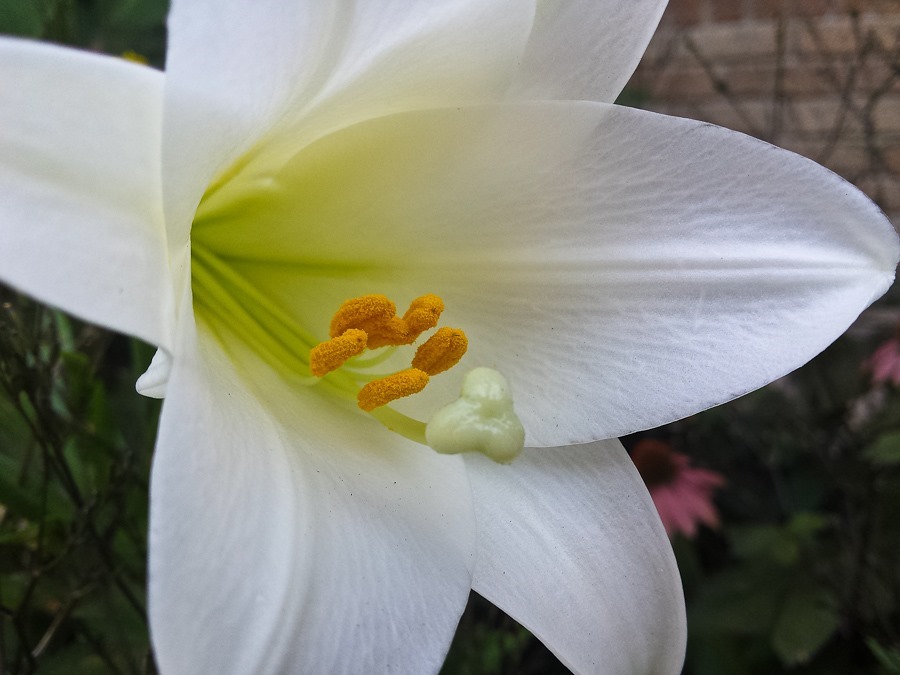
B took some time to photograph the beautiful flowers outside the gallery:
The director of the cultural center generously offered to have us overnight there, but since the temperature was still in the 90s, we decided to drive another hour to overnight at the Walmart of Branford, Connecticut, which is near tomorrow’s activities. It turned out to be a great decision, having cooled down to the the mid 80’s with a light breeze by the time we arrived. It was still really hot and humid, so we broke out the generator to run the air conditioner for an hour before bed. We sure do miss being plugged in back home with the AC running!
See the trip map for today’s drive and our current location.
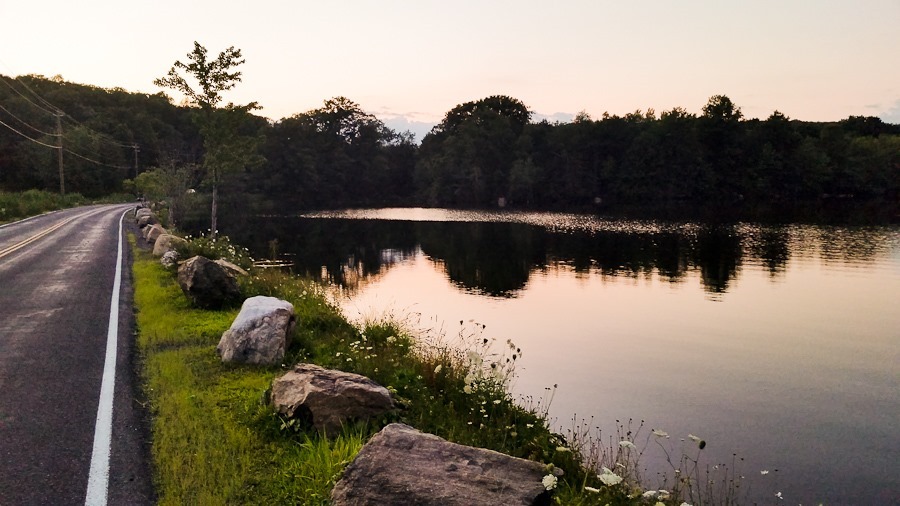
Today we did homeschool, as we’re waiting until Wednesday to leave since the visitor center at our first stop, Weir Farm National Historic Site, is closed today. I did get in a last ride up into the Harriman Range today:
We’re really looking forward to getting back on the road!







































 Facebook
 Instagram
 Email
Email