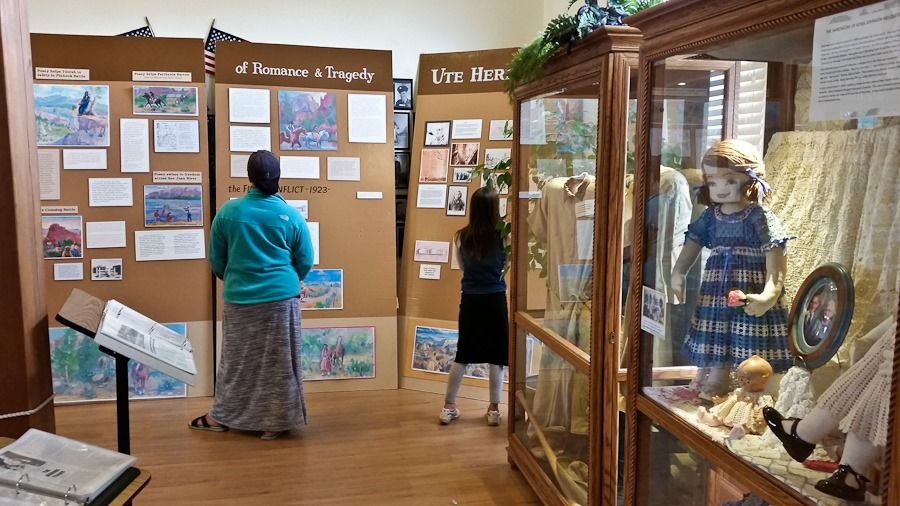
Today we stopped at the tourist information center in Blanding on the way our of town. We refilled the RV’s water tank and checked out the museum in the visitor center:
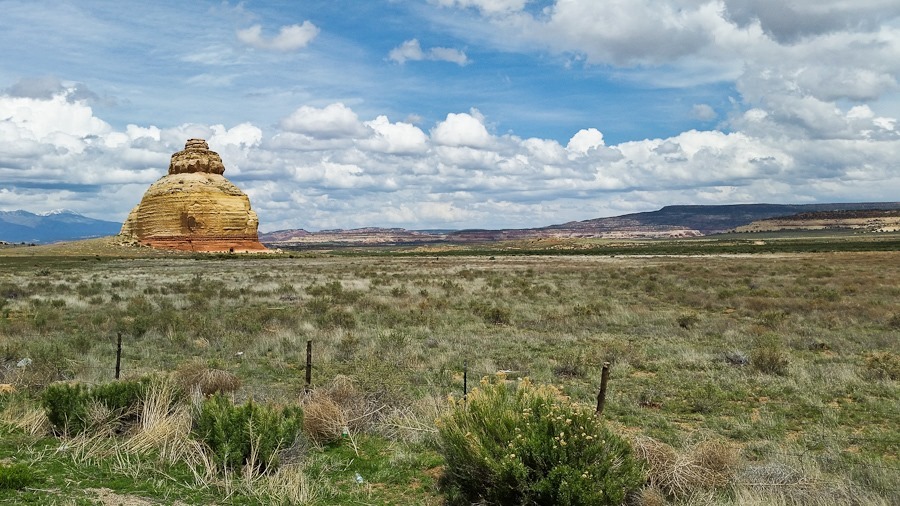
Driving north, we passed Church Rock:
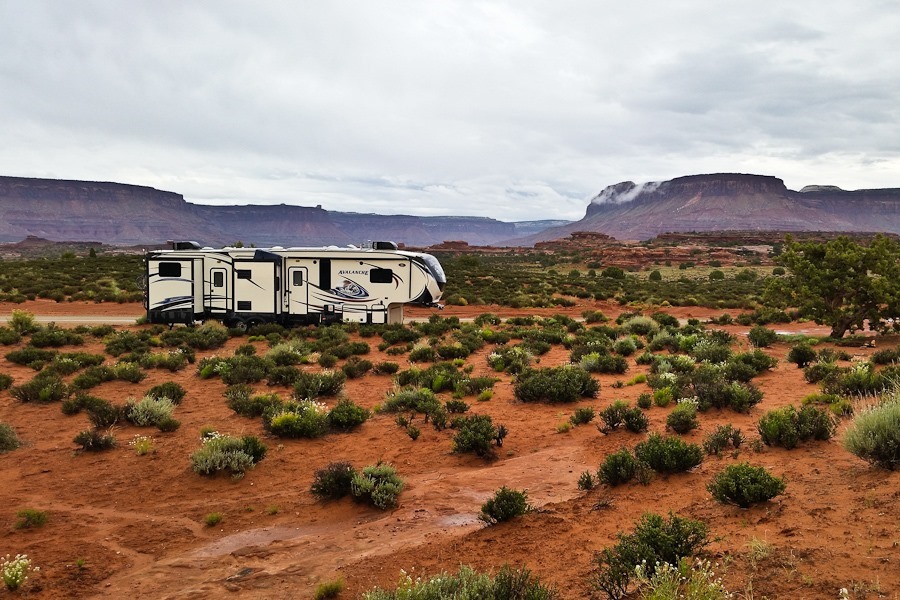
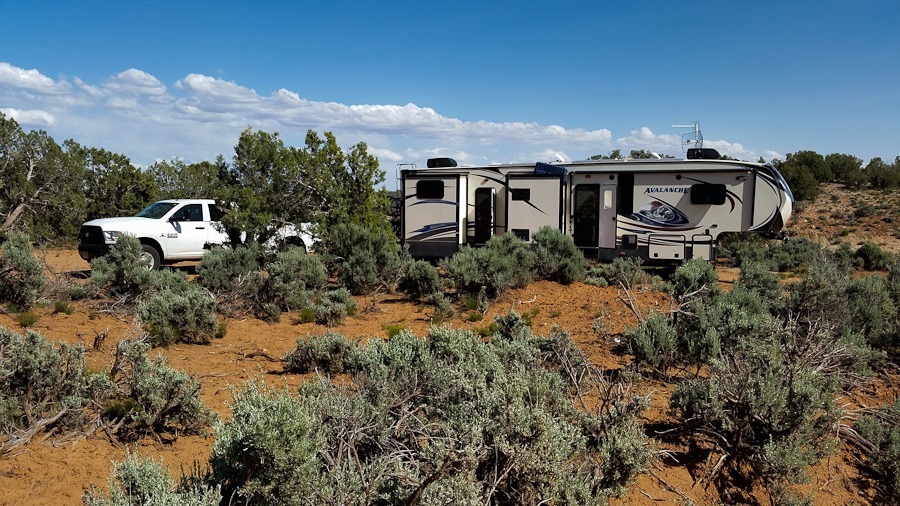
We found a dispersed camping spot on BLM land a few miles from the visitor center at the Needles district of Canyonlands National Park:
Good Shabbos from near Canyonlands National Park! See the trip map for today’s drive and our current location.
Today we drove into the greater Blanding metro area, also known as Blanding, and did grocery shopping and laundry, as well as filling up the truck and having an RV tire replaced. Tomorrow we will leave our dispersed camping location here and head North to Canyonlands National Park:
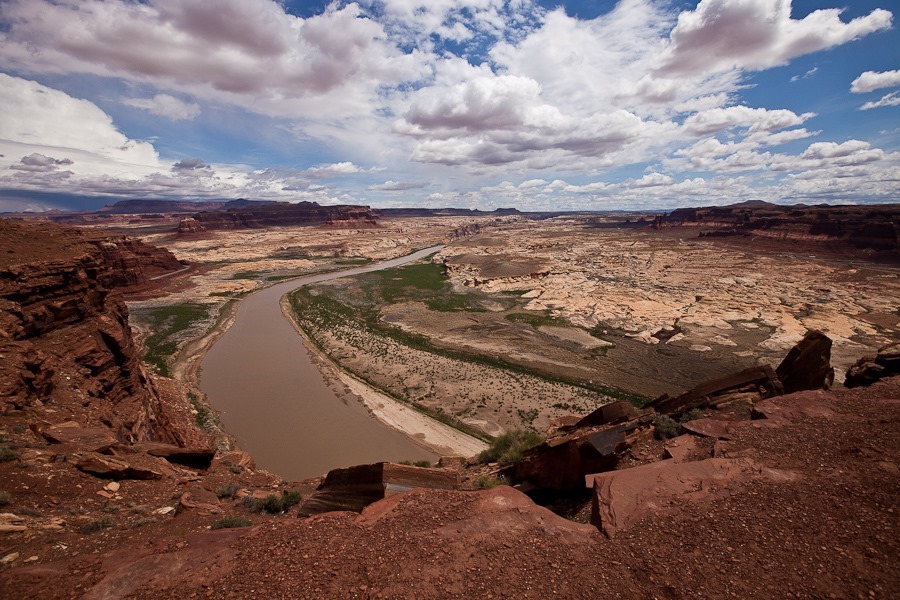
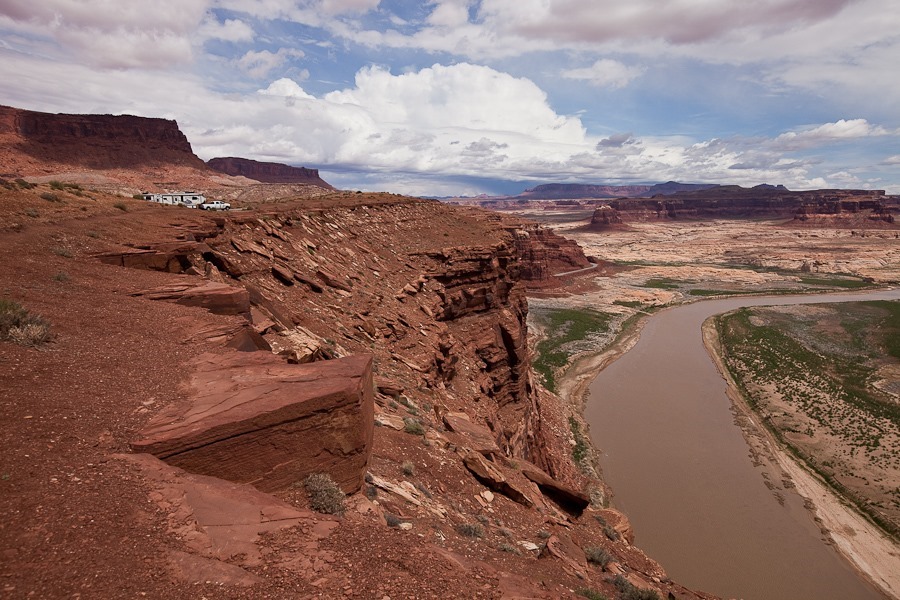
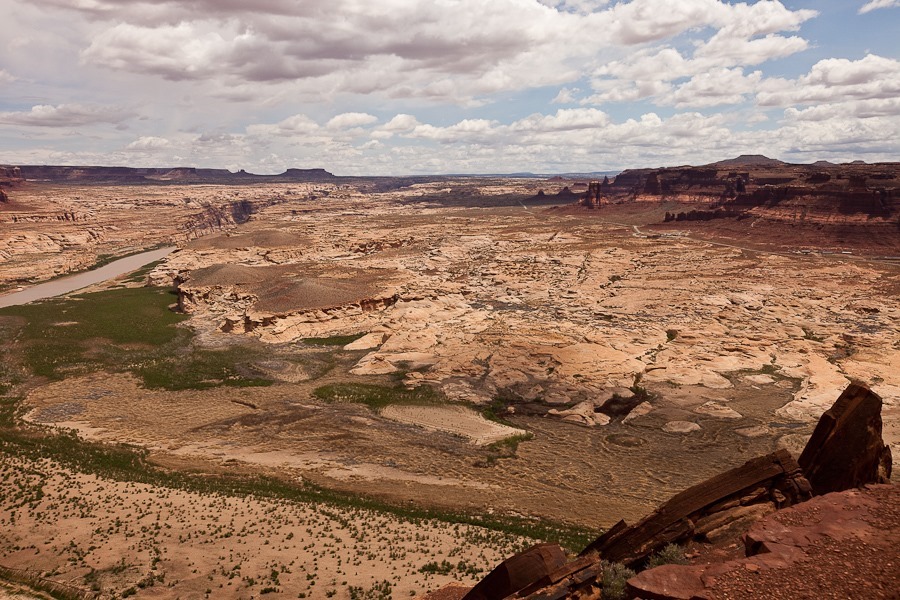
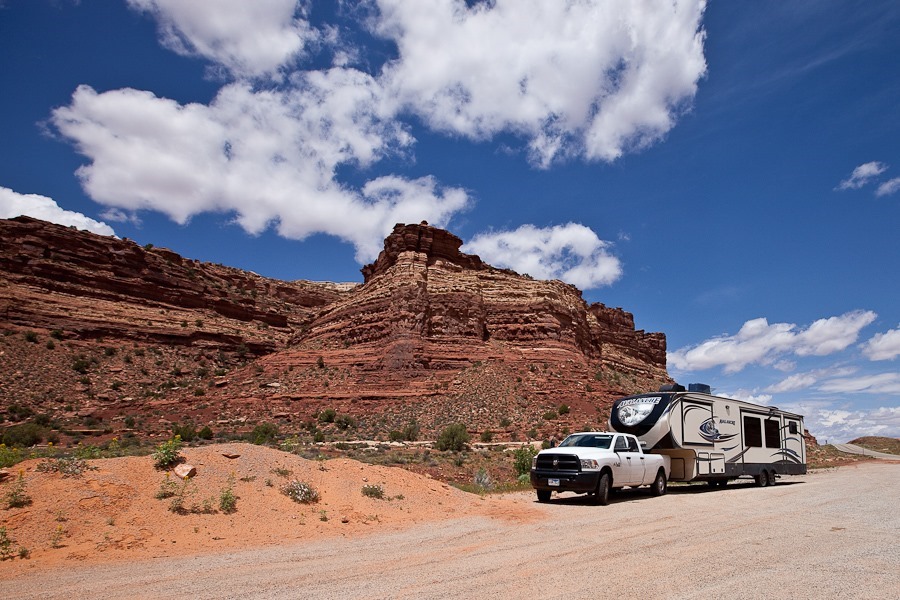
We left Hanksville this morning and drove east and south to an overlook on the Colorado River:
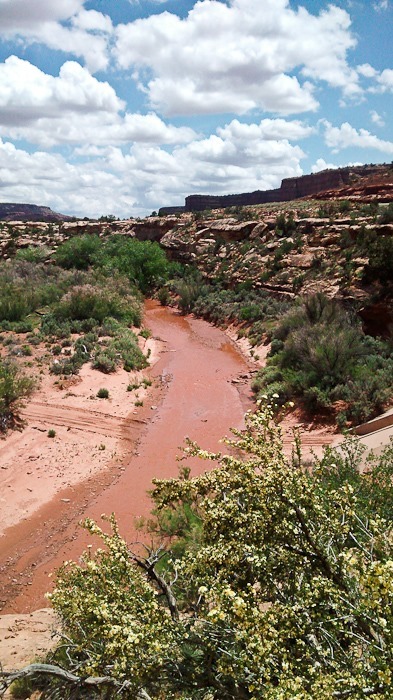
We crossed the Colorado River using the bridge at Hite (as opposed to the ferry crossing at Lees Ferry), and pulled off the road a few miles to hike up to a pair of arches I had read about:
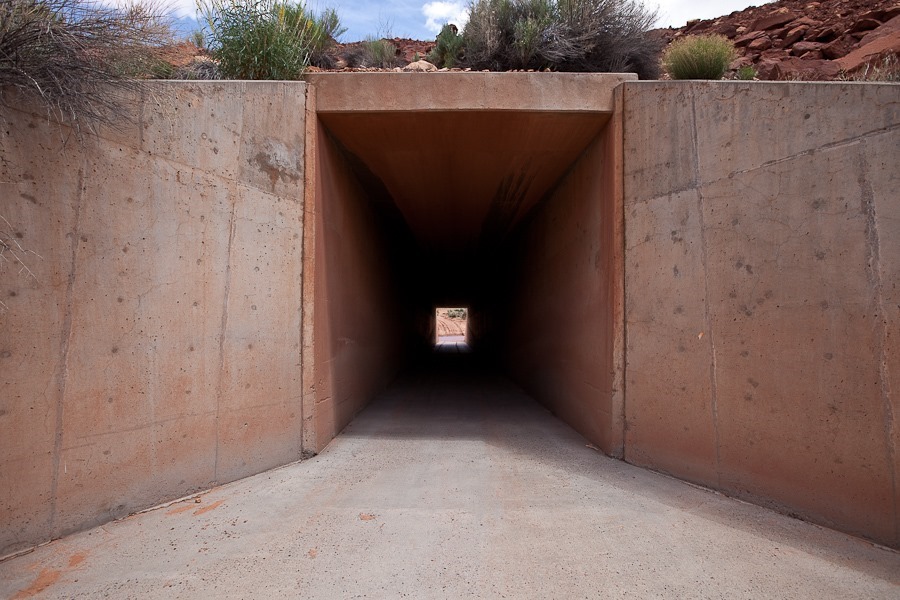
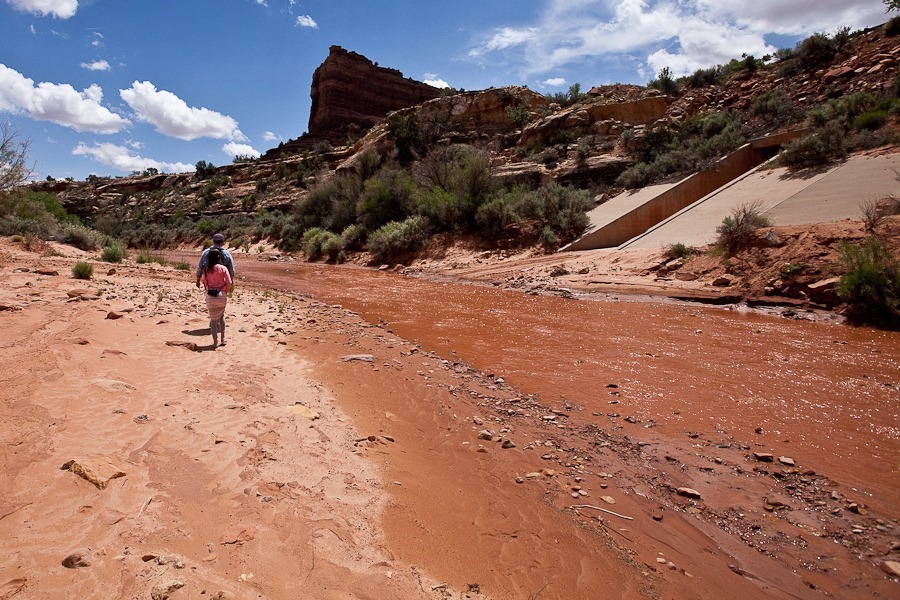
We walked across the road and saw that we it would be easiest to get down to the river through the vehicle culvert under the road, so we went back:
Walking through the culvert under the road:
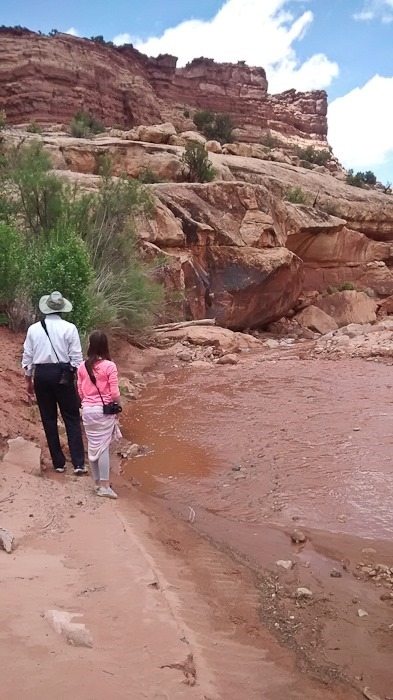
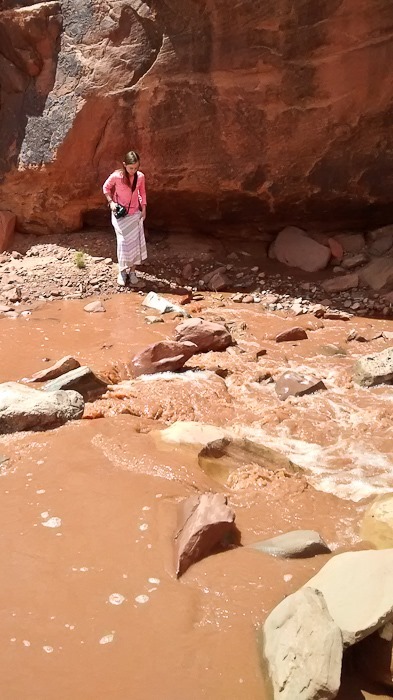
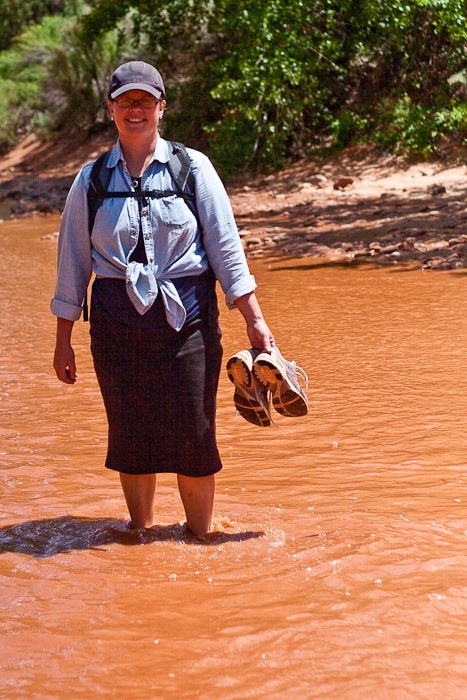
Trish took off her shoes and waded across the river. The kids and I went downstream 50 feet and found a place to cross:
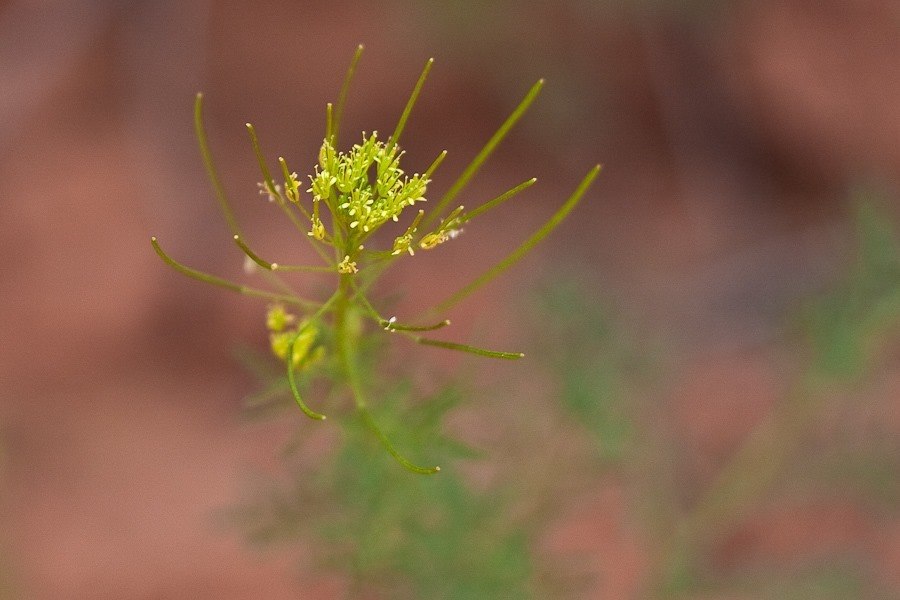
One of B’s flower photos:
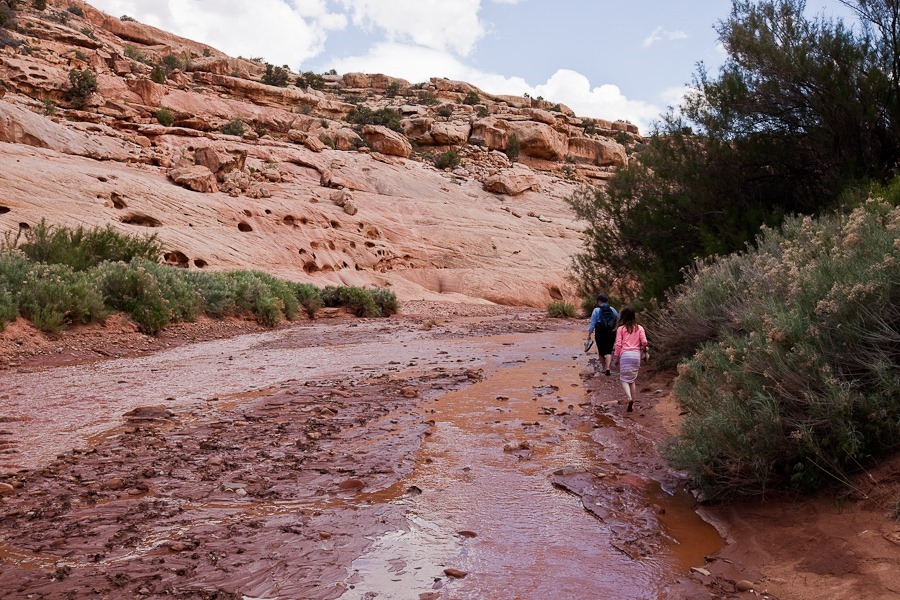
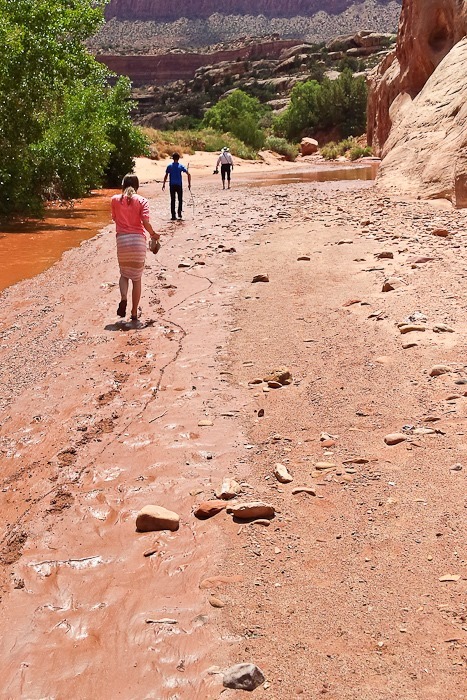
Eventually, the trail ended and we were forced to walk in the river:
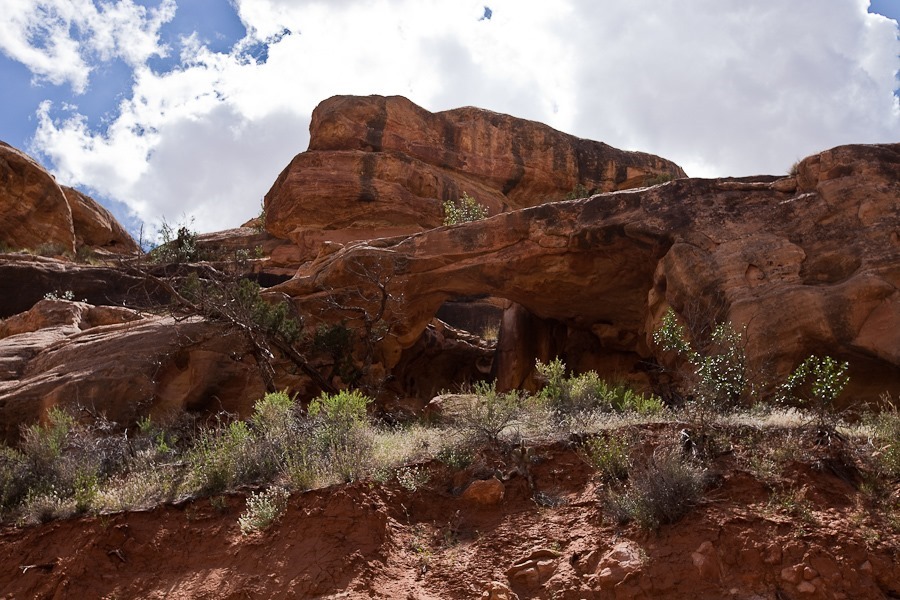
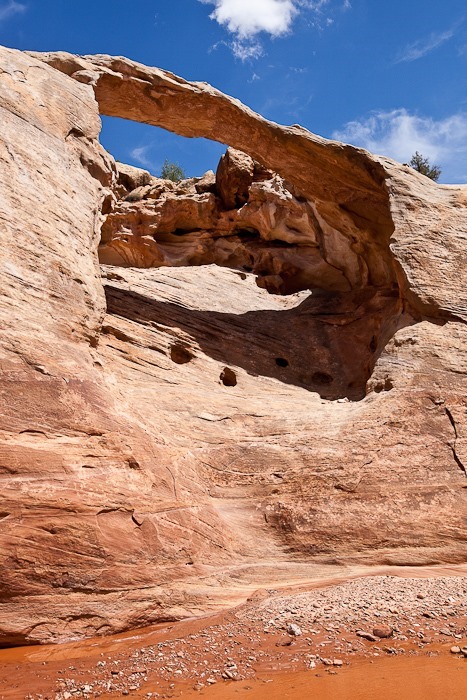
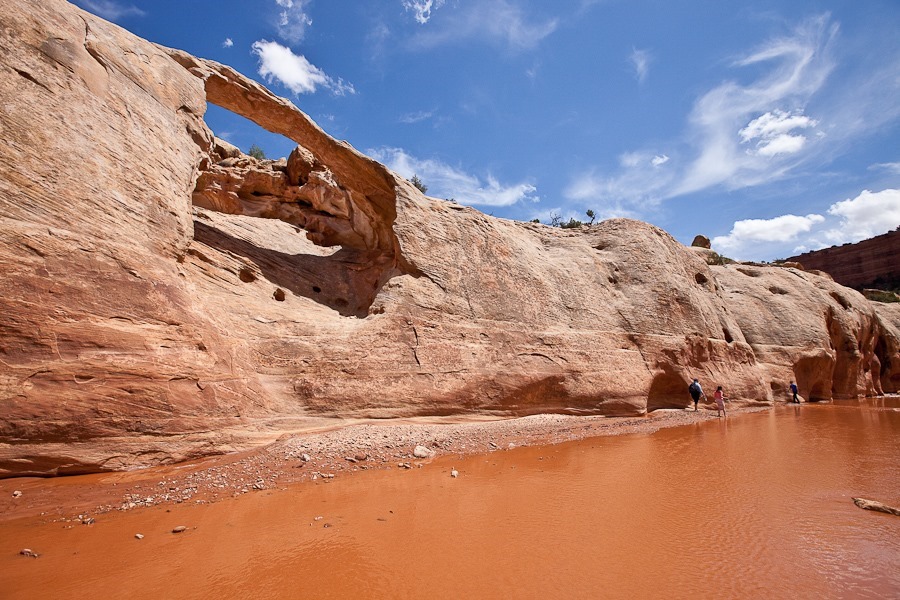
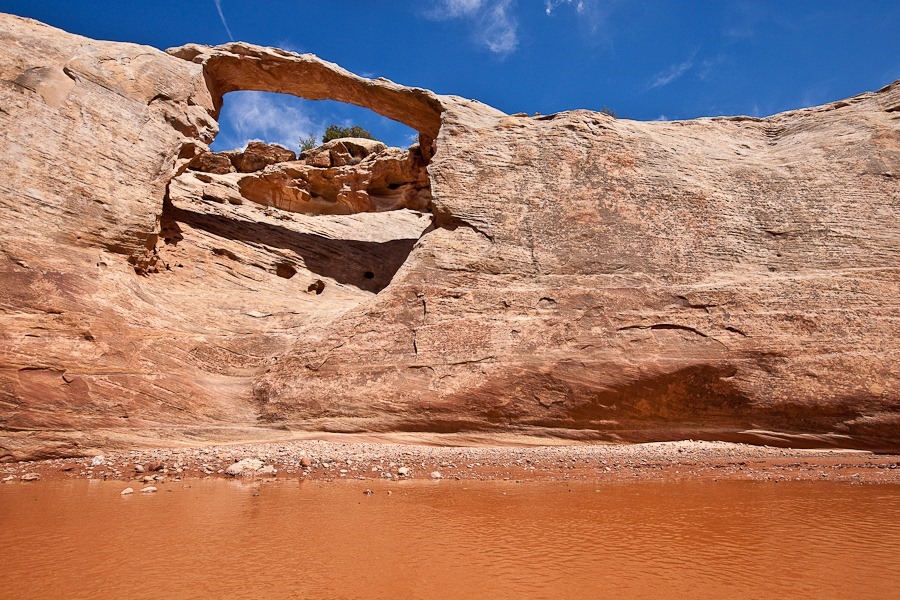
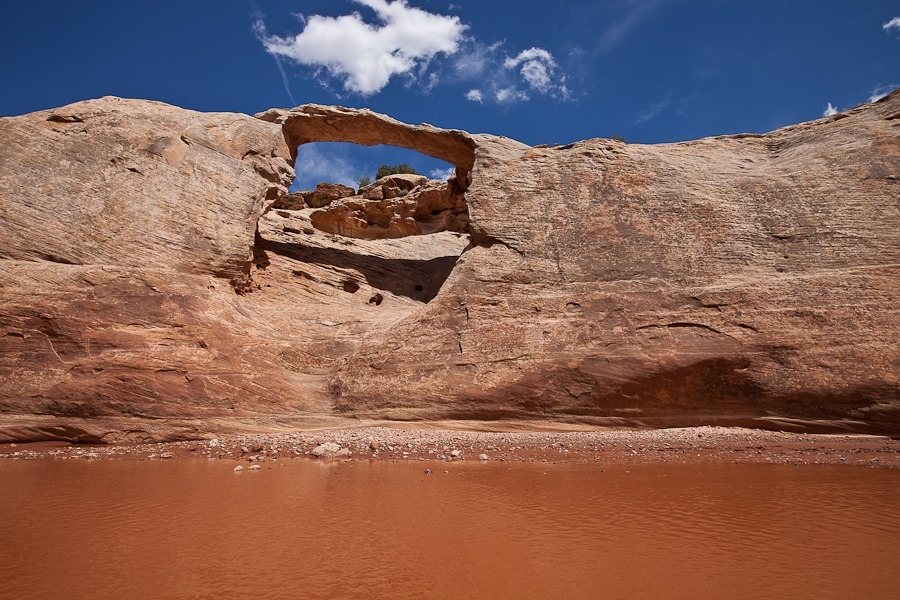
We found Ducket Arch along the river bank:
Farther upstream we reached Big Arrowhead Arch:
We stopped at this structure, called The Grottos. The kids found a few nice petrified wood chunks:
On the way back:
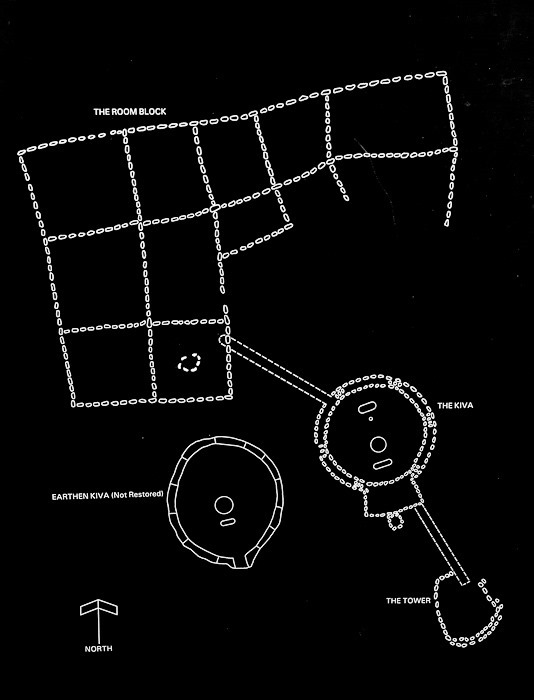
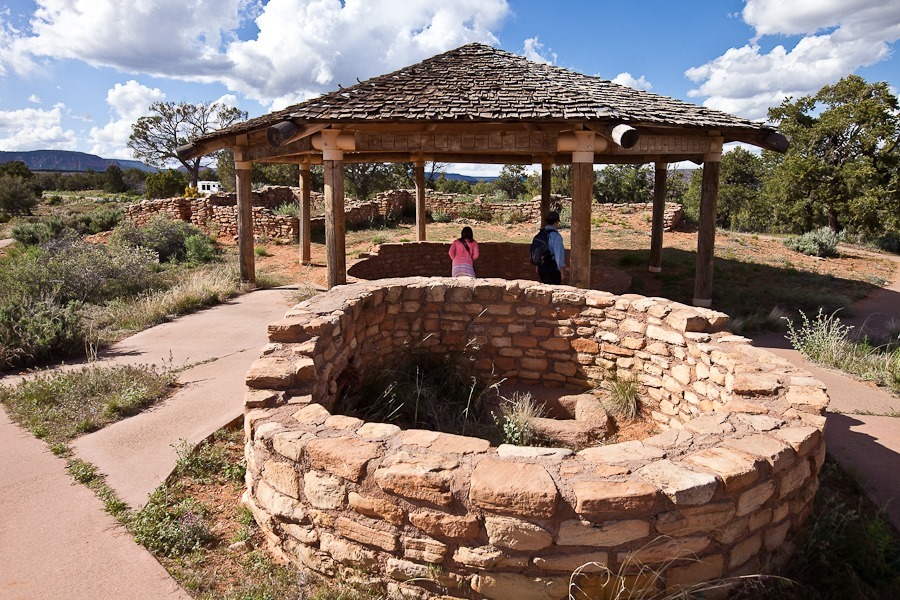
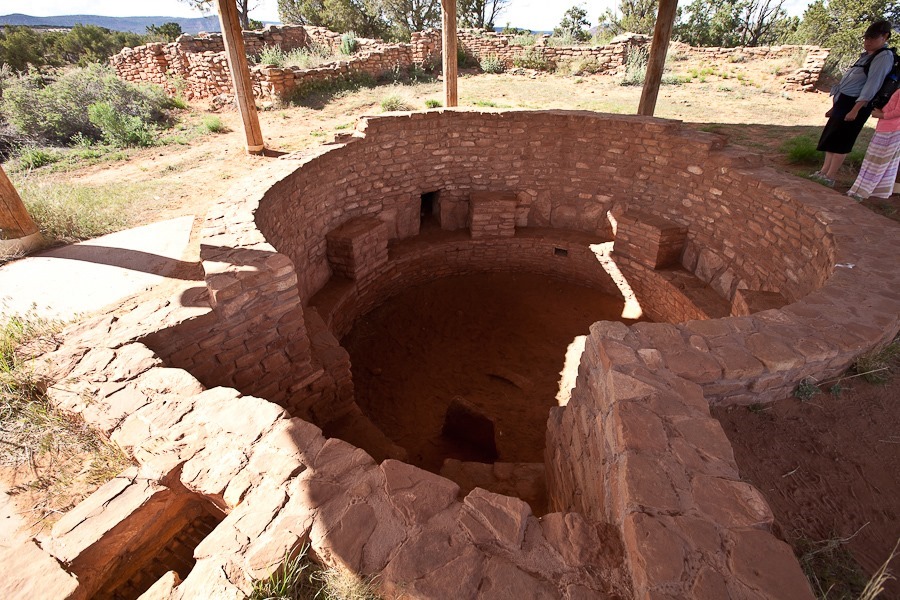
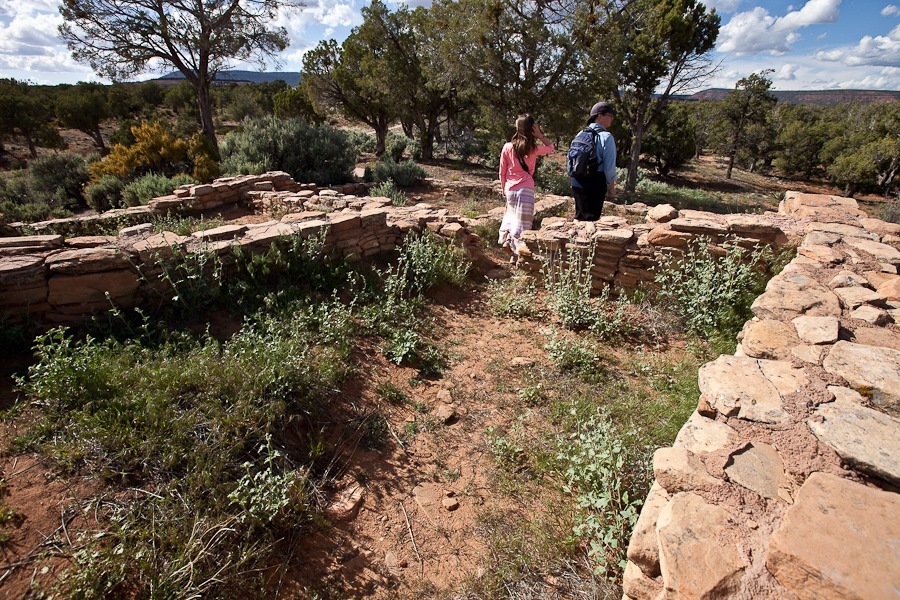
Continuing on, we stopped at a roadside pullout where a preserved 11th century Native American site has been restored:
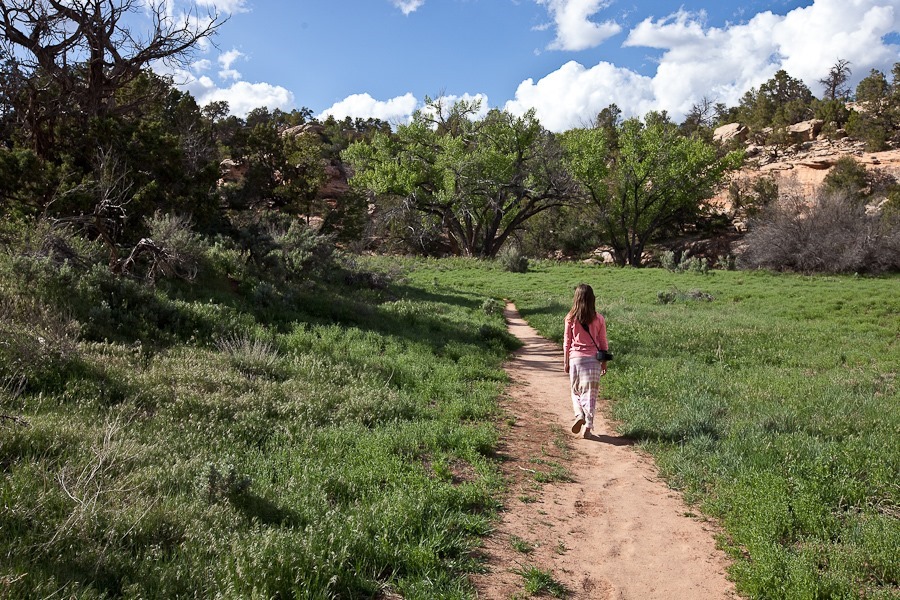
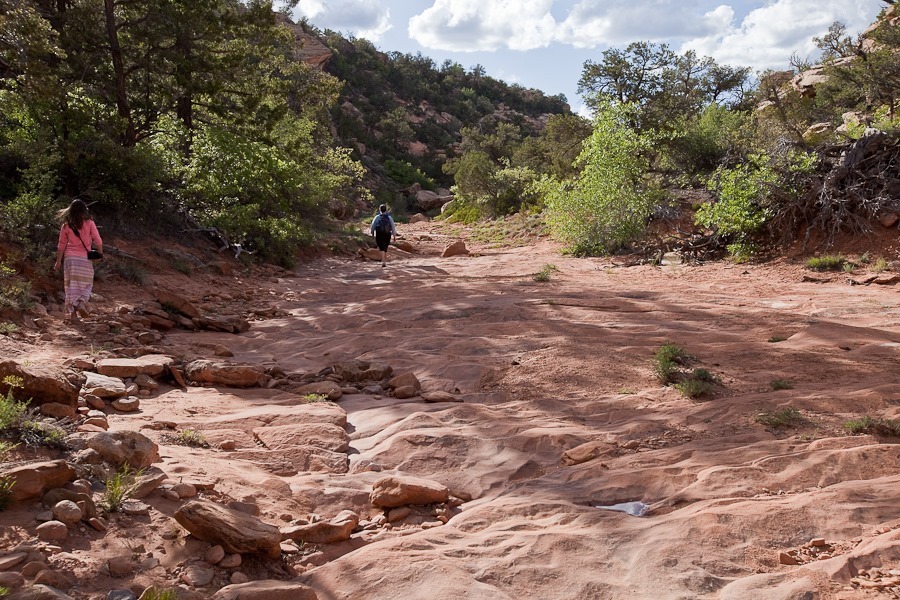
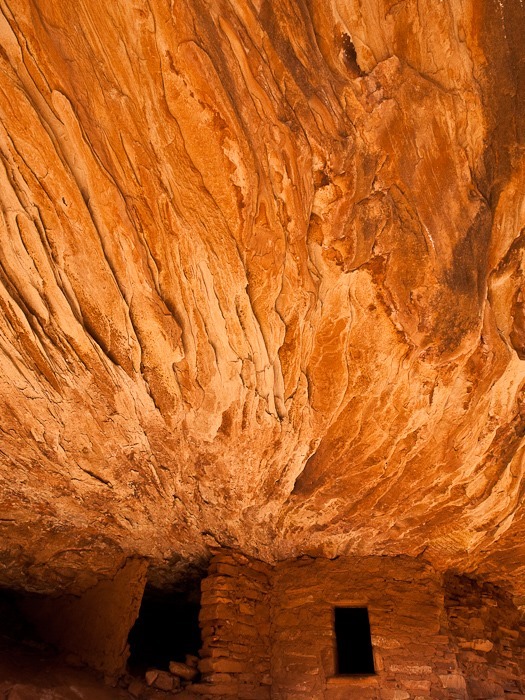
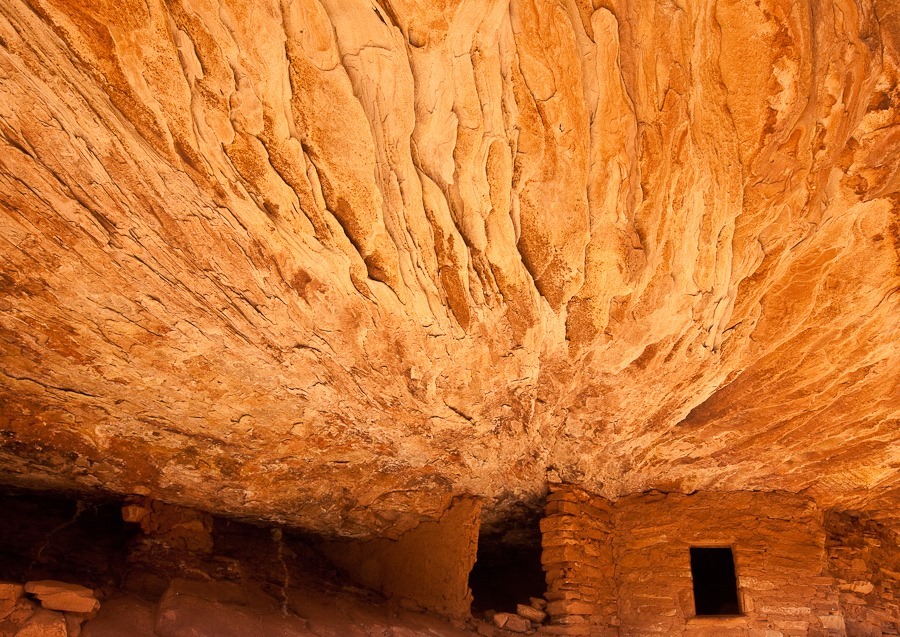
We drove another mile and pulled off at the trailhead for Lower Mule Canyon, home of the Native American structure called House on Fire. The trail through the canyon was lush in spots:
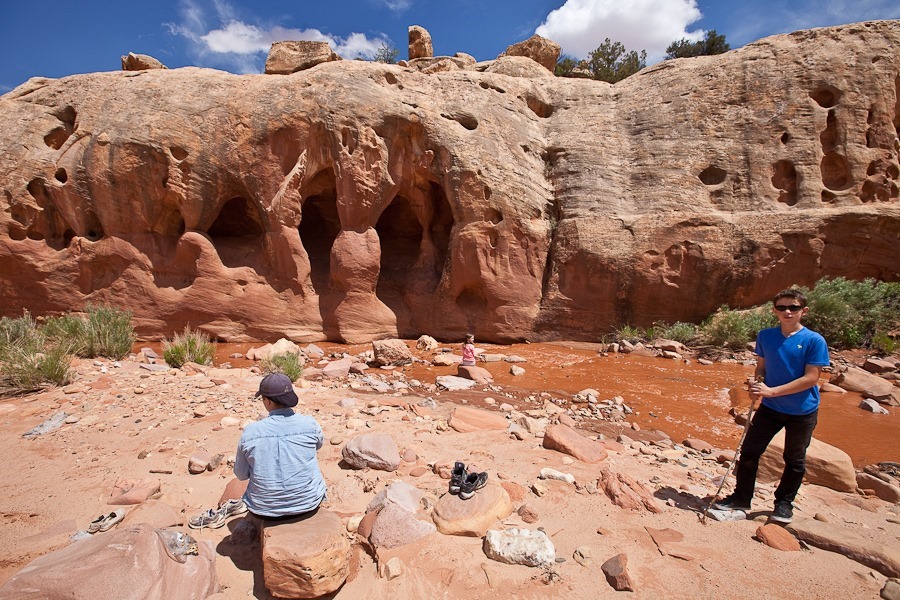
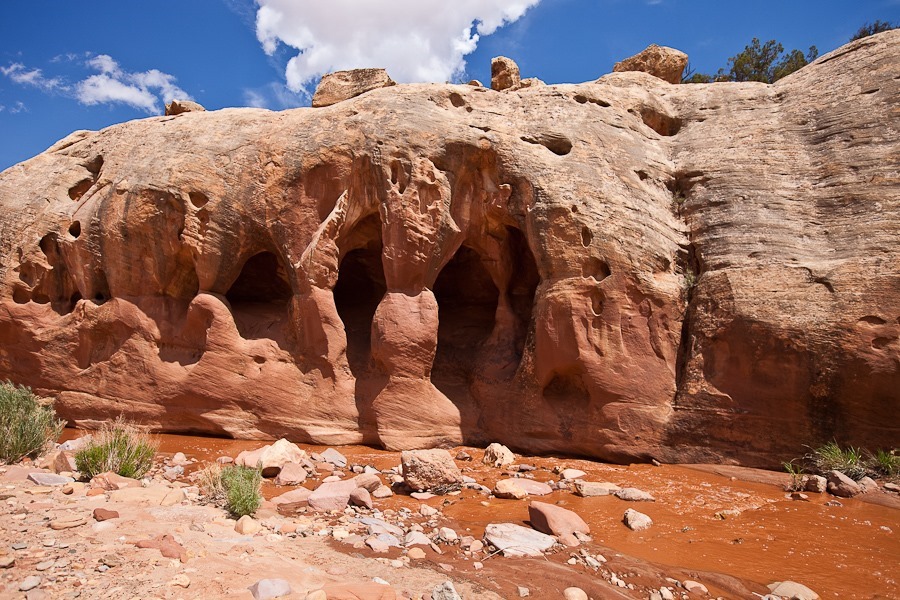
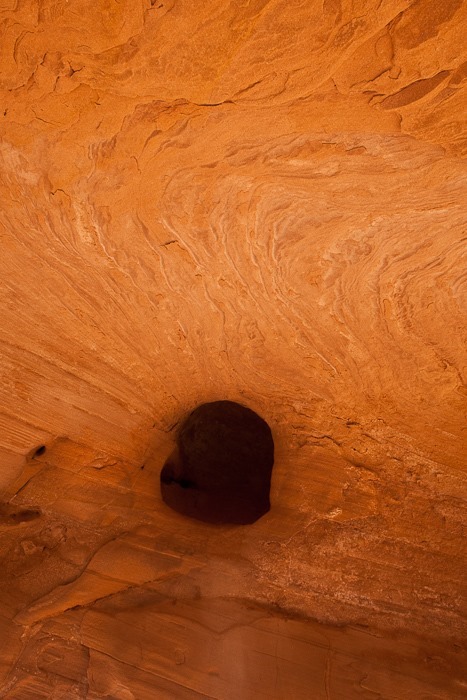
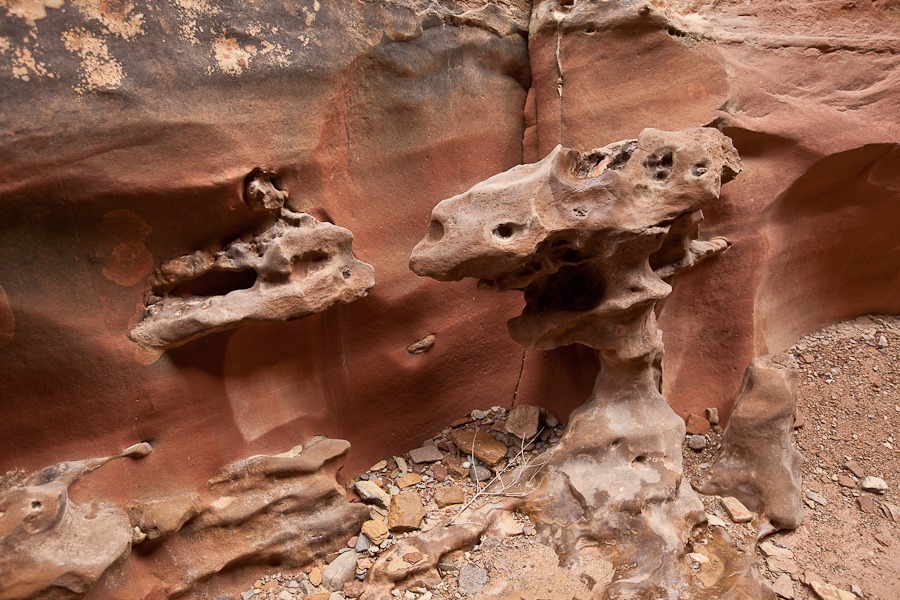
The canyon wall had some interesting eroded grottos:
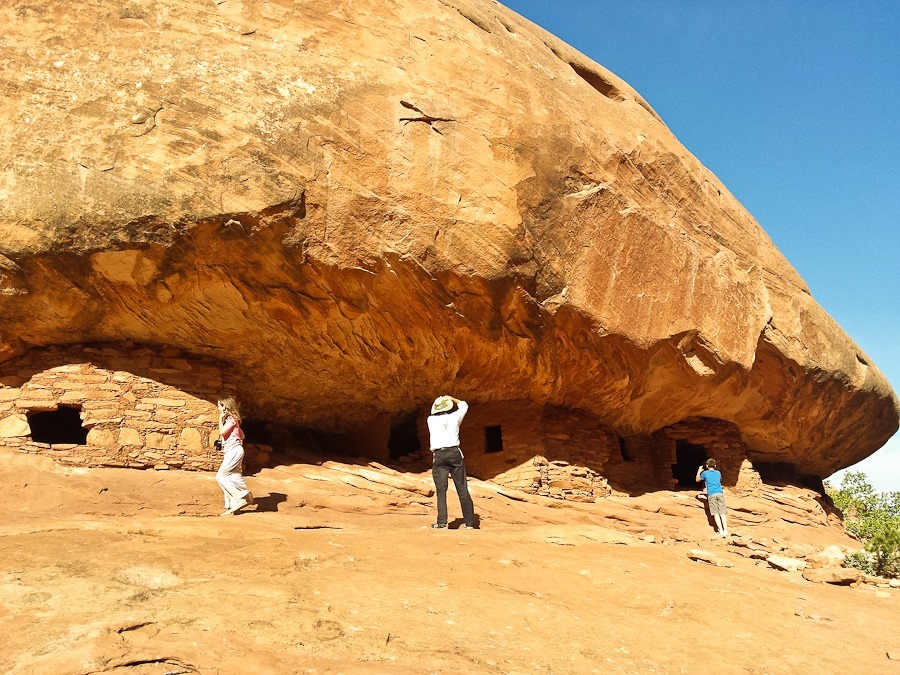
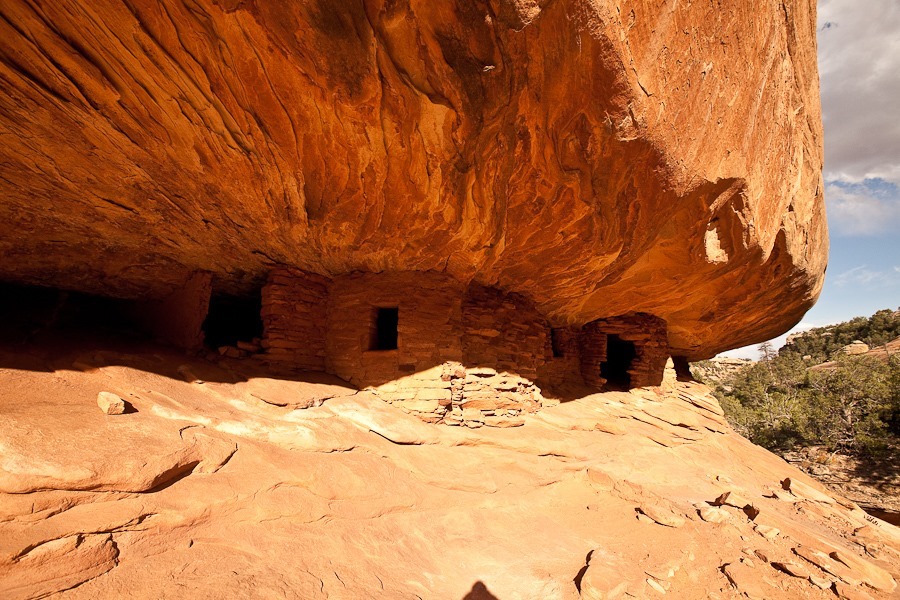
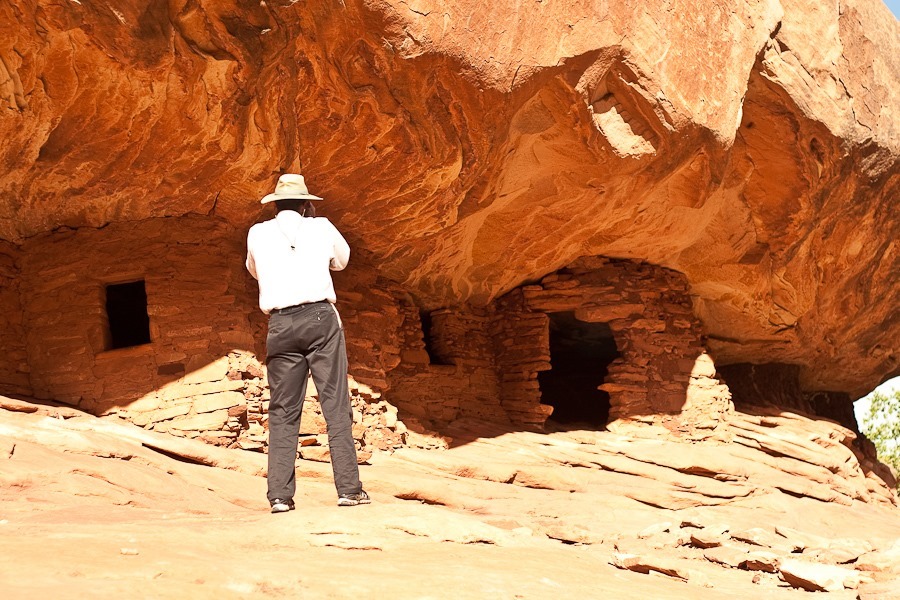
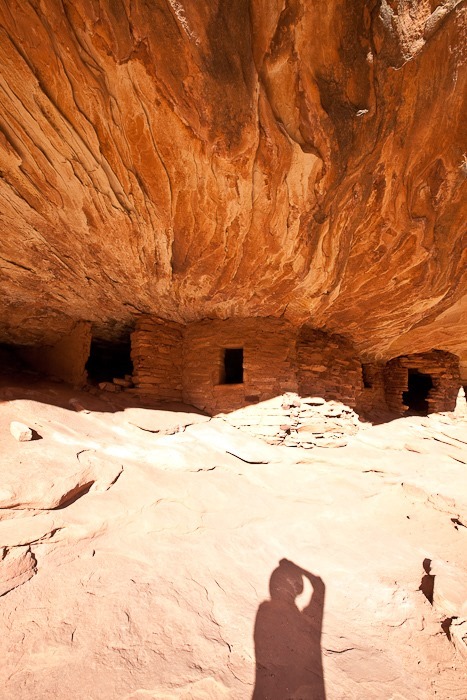
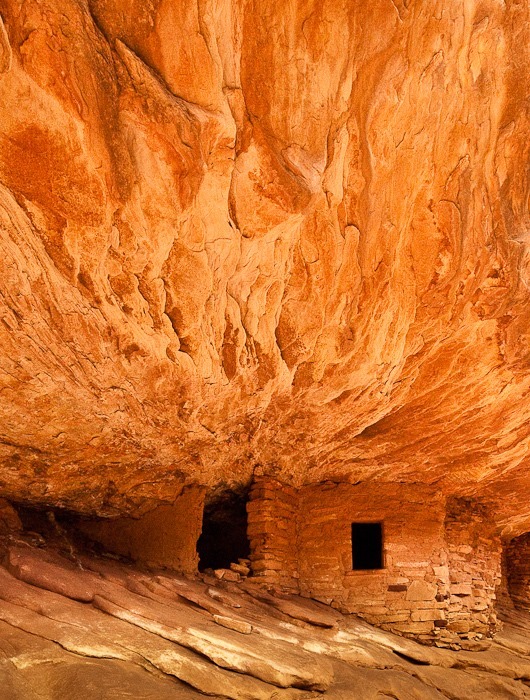
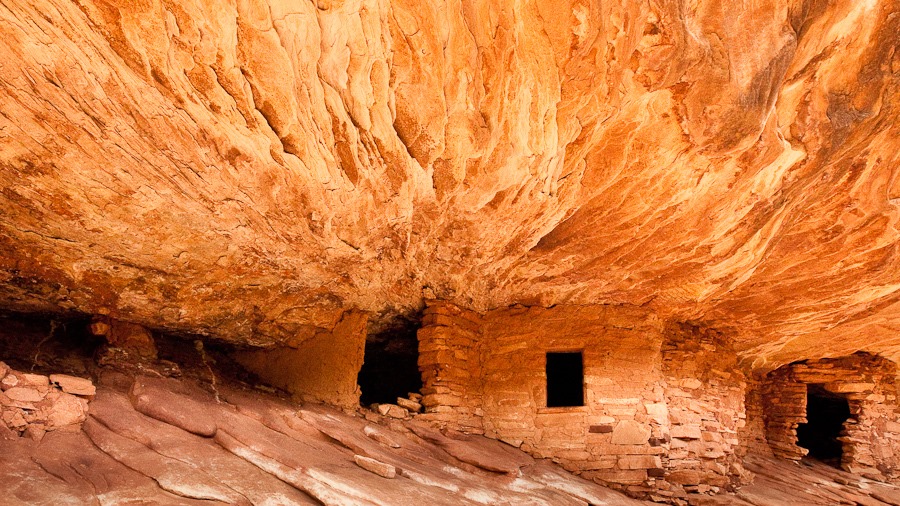
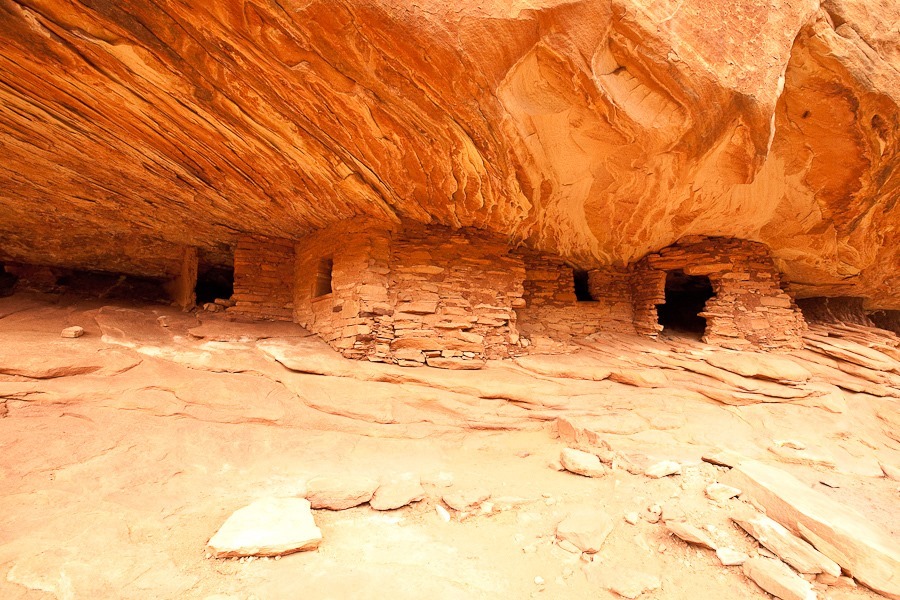
At last we reached the House on Fire dwelling complex. Ideal time for photography is when the sun is highest, around 1pm during daylight savings time. We arrived a few hours later, so the sun was unfortunately fully illuminating the lower half of the structure:
The House on Fire:
From this side, much of the effect is lost:
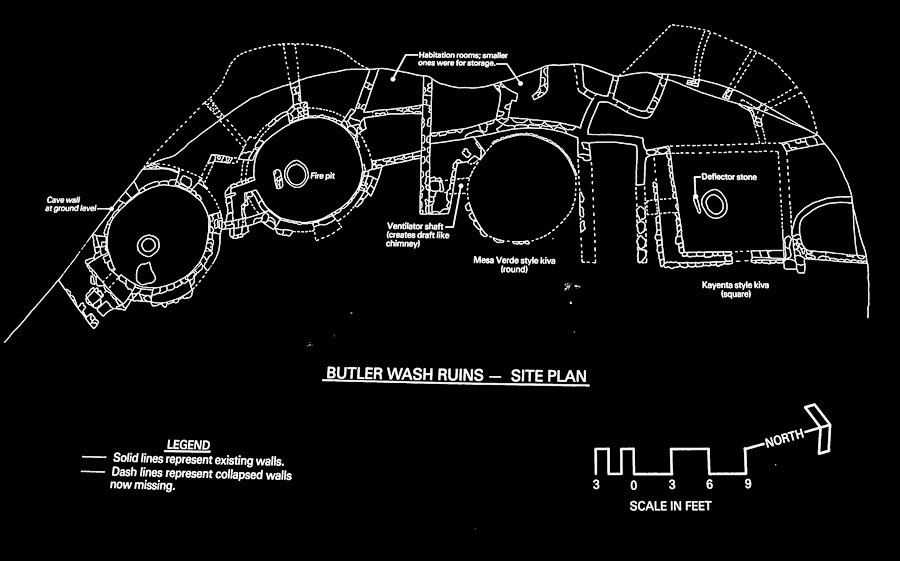
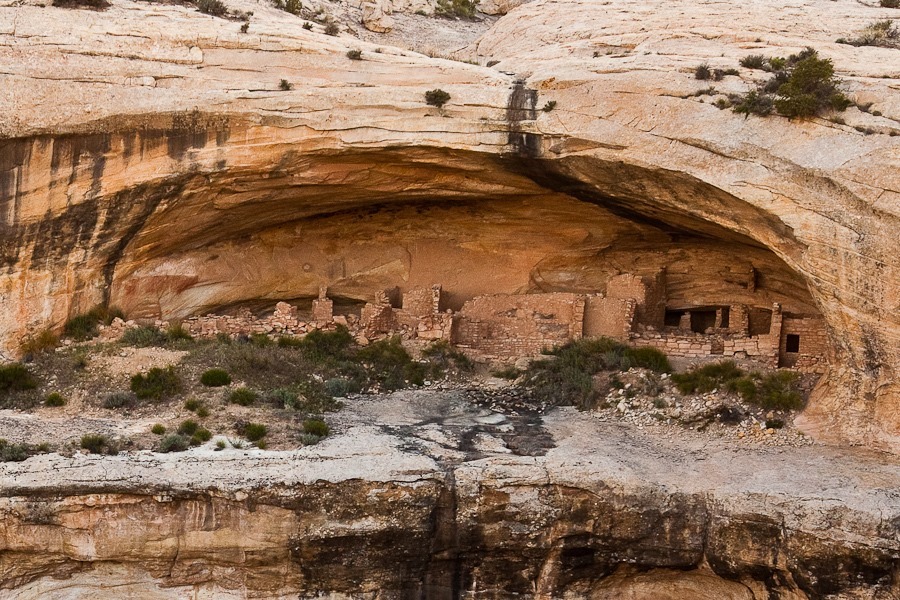
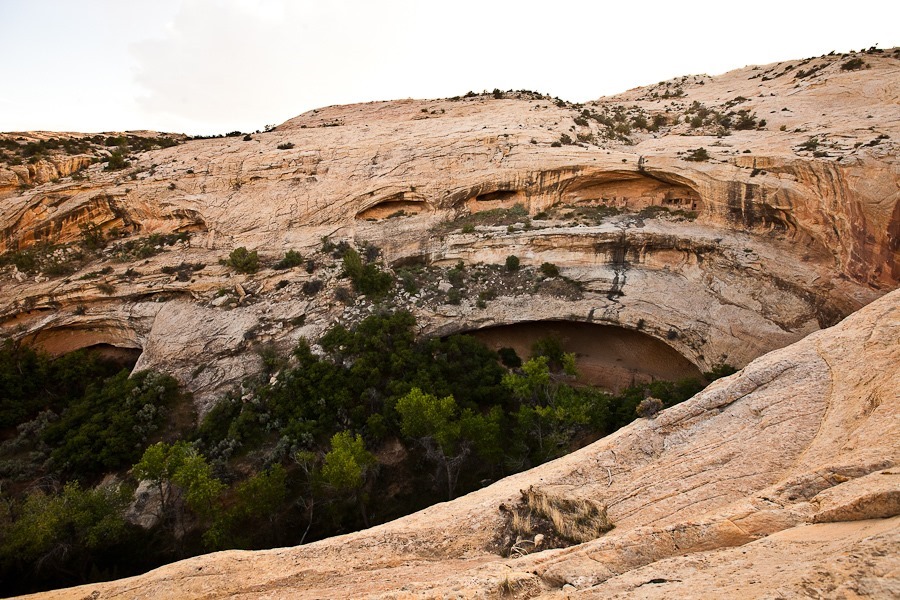
Driving on, we visited the Butler Wash overview. I walked out a half mile or so to view the townsite built into the canyon wall, much like at Mesa Verde:
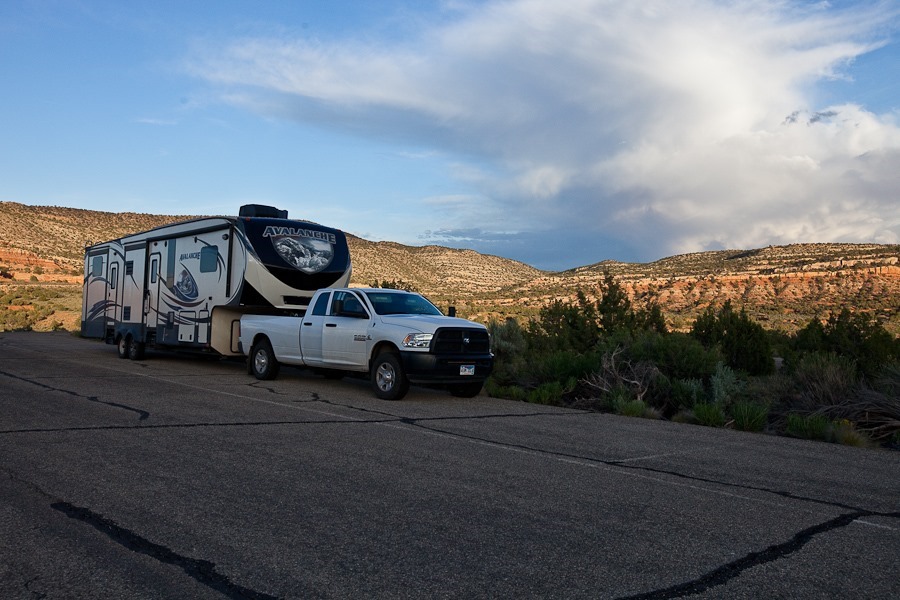
Continuing on a bit father, we are overnighting in a dispersed camping location a few miles west of Blanding, Utah. See the trip map for today’s drive and our current location.
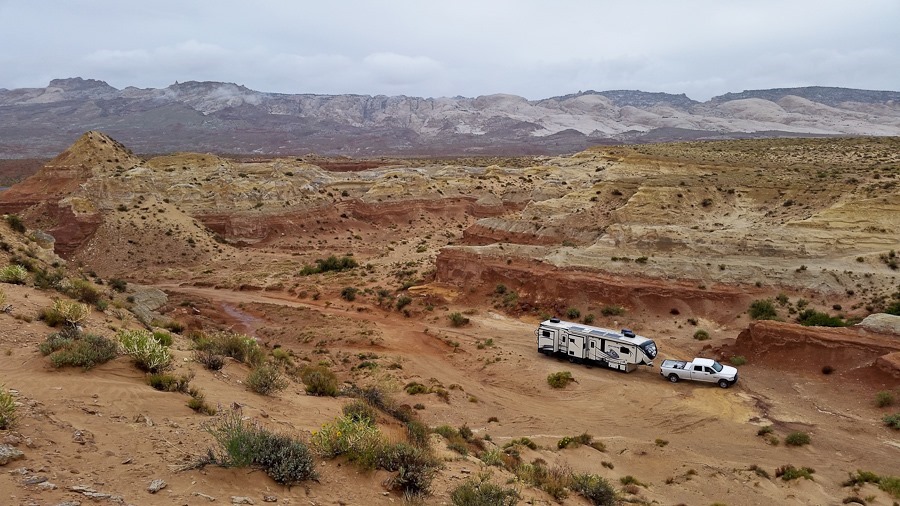
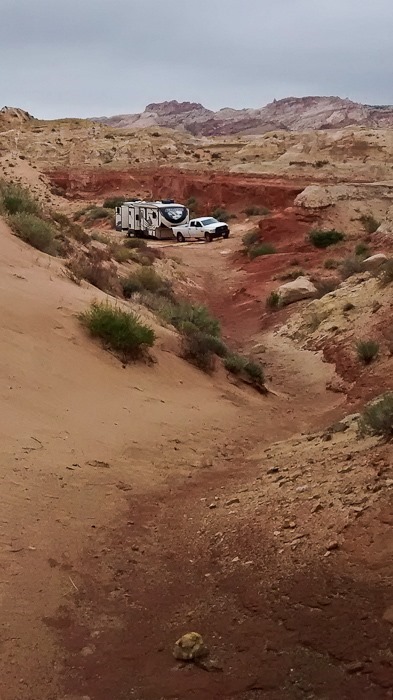
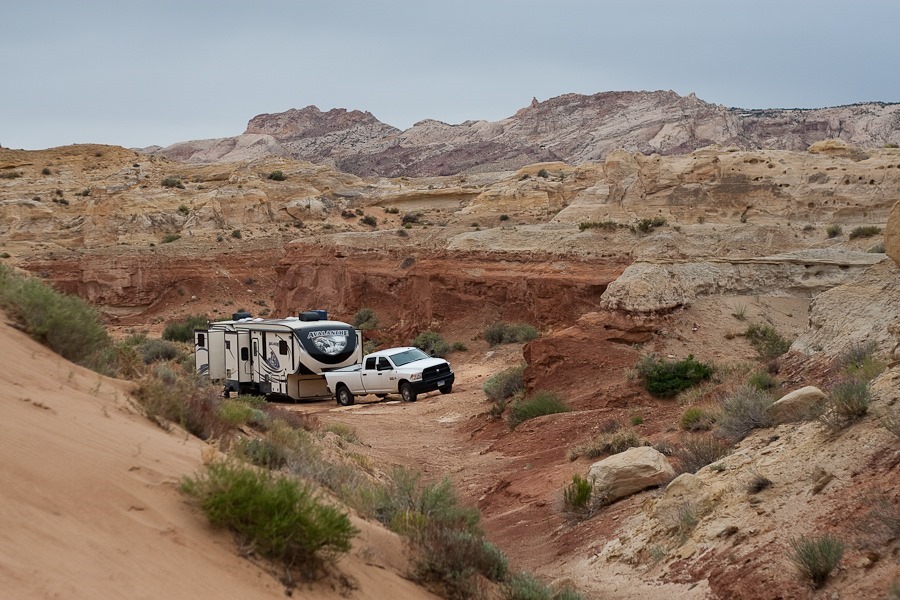
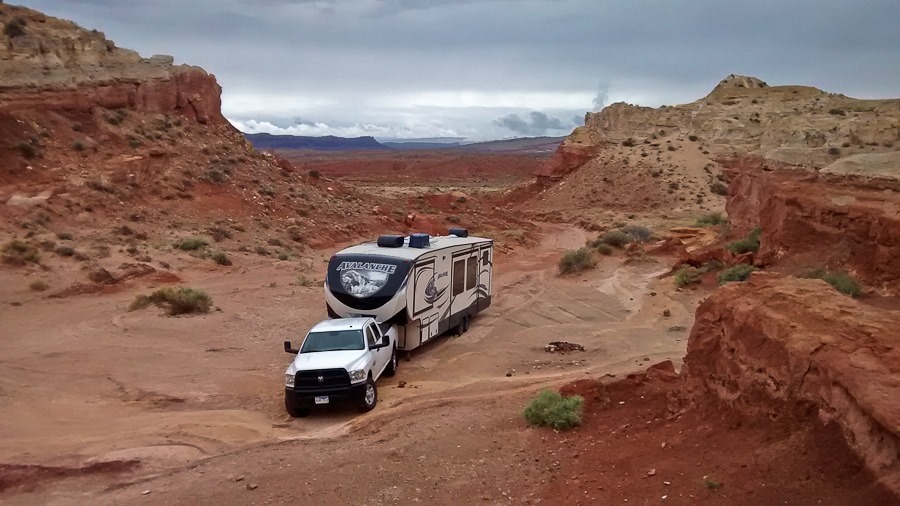
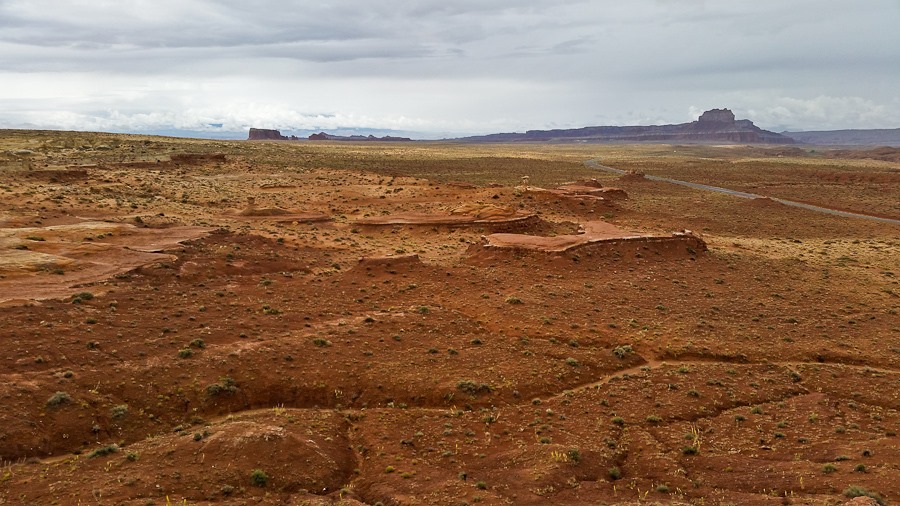
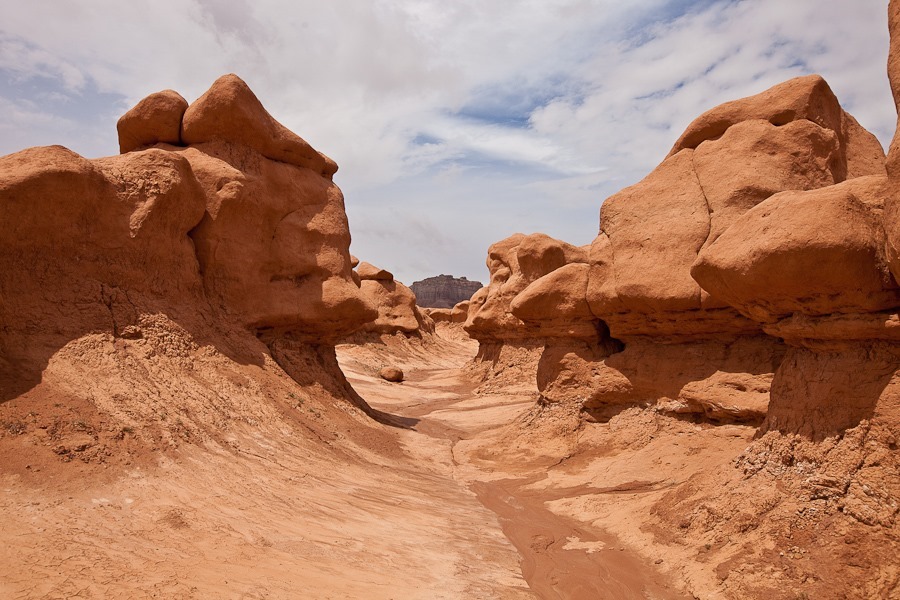
It’s a cloudy day here outside of Goblin Valley State Park. We overnighted in this short little canyon:
I climbed to the top of the canyon wall, where I could see Goblin Valley to the south. It’s also the only place around here that the phone seems to work:
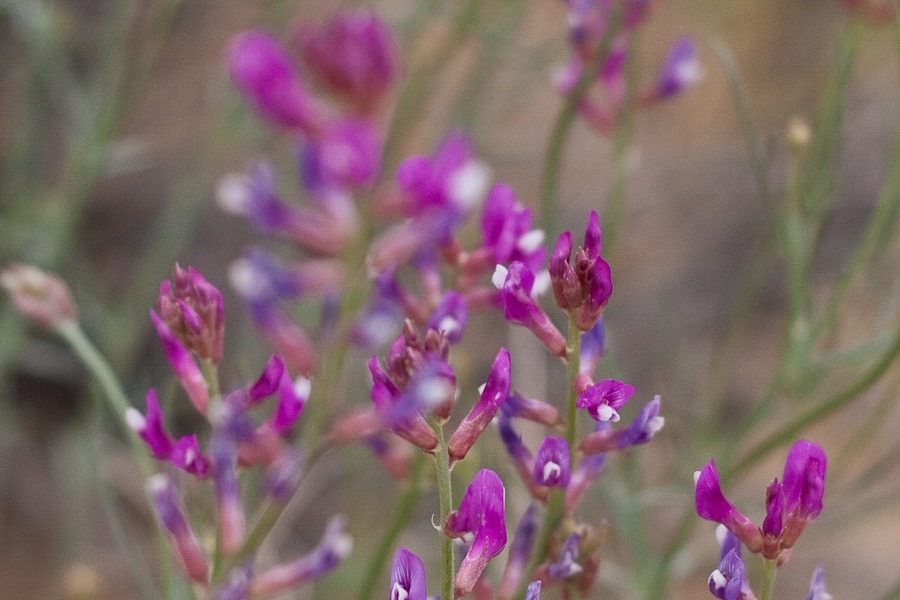
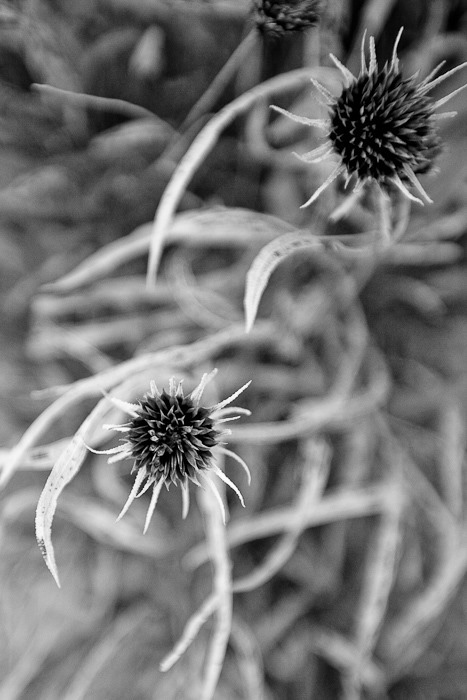
B has started creating flower photos:
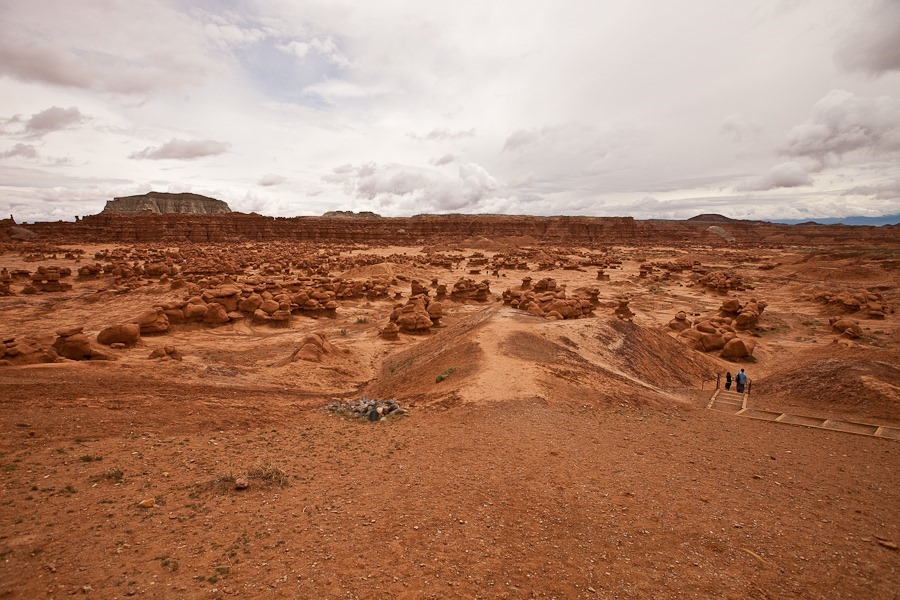
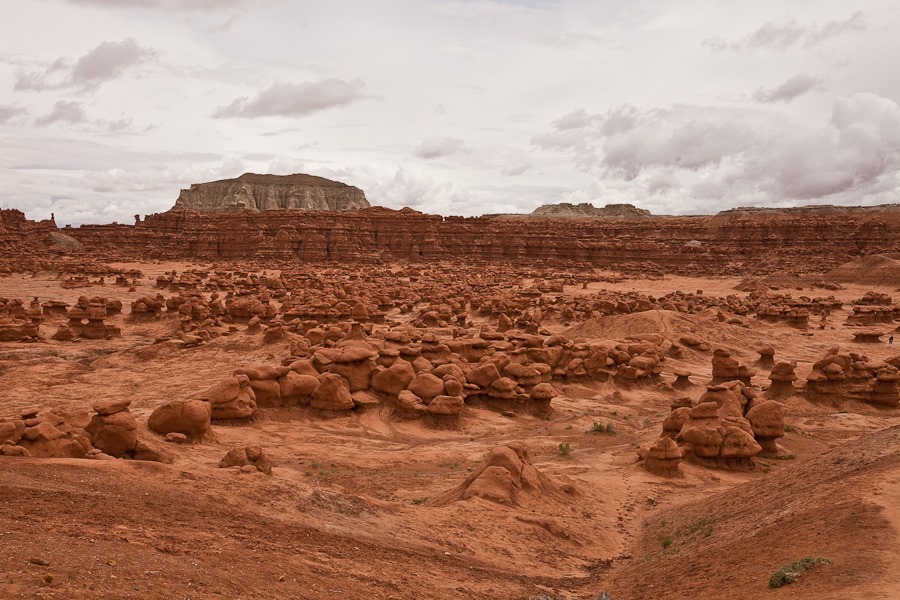
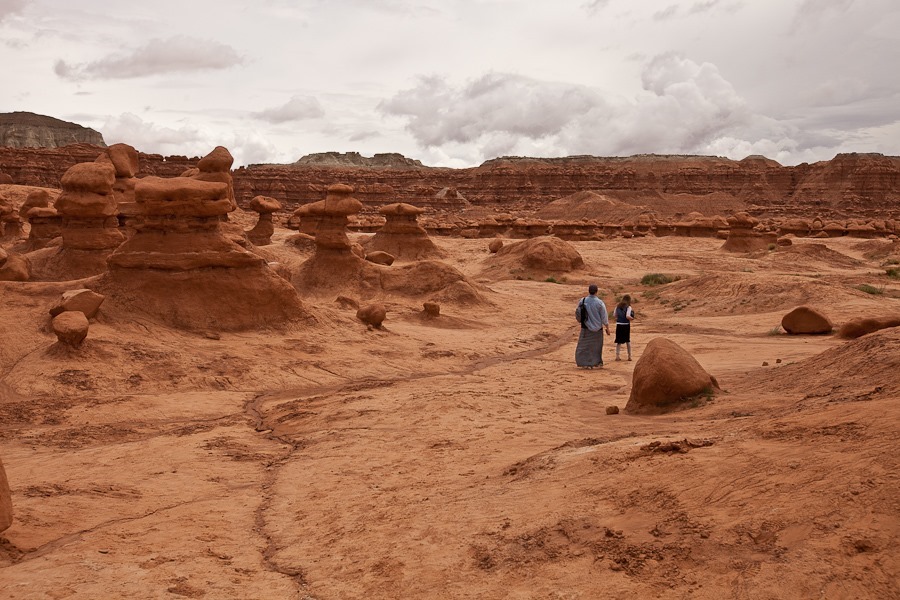
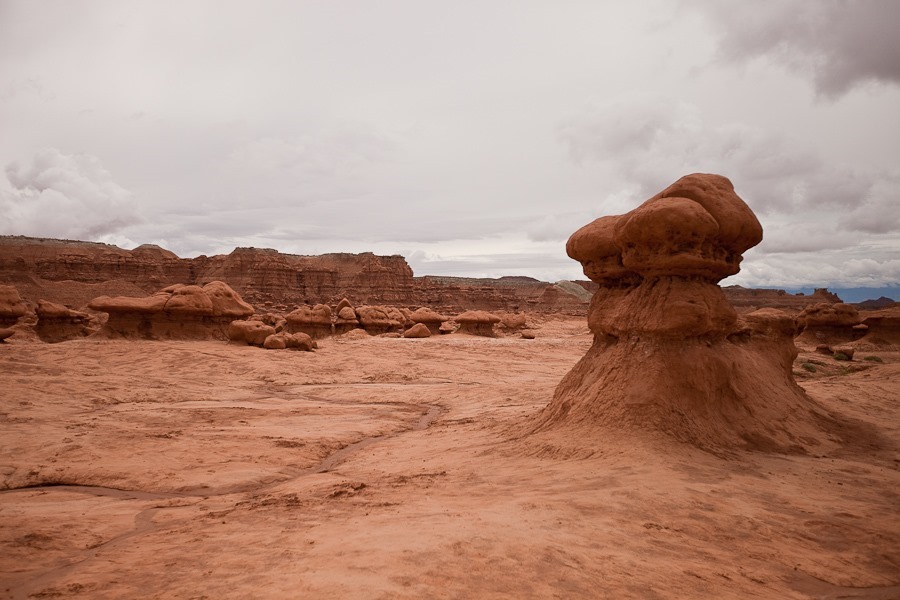
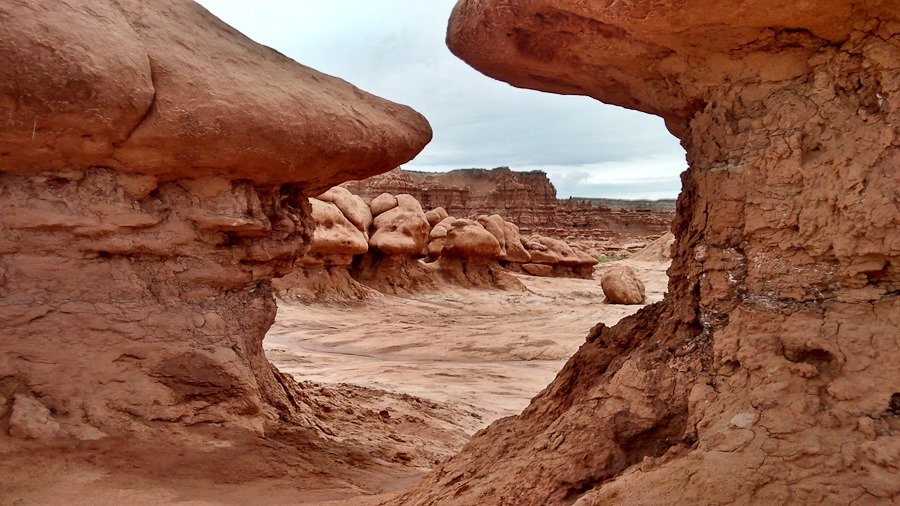
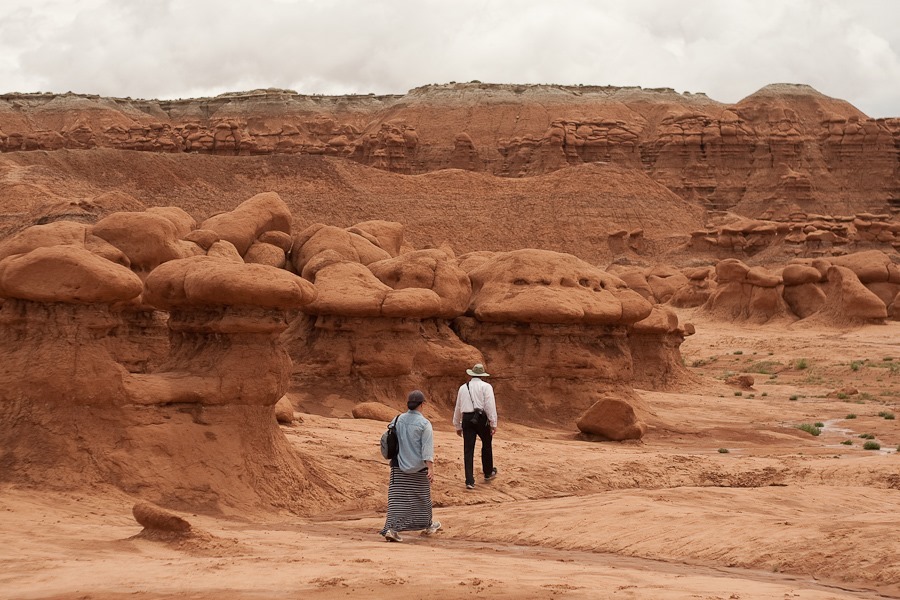
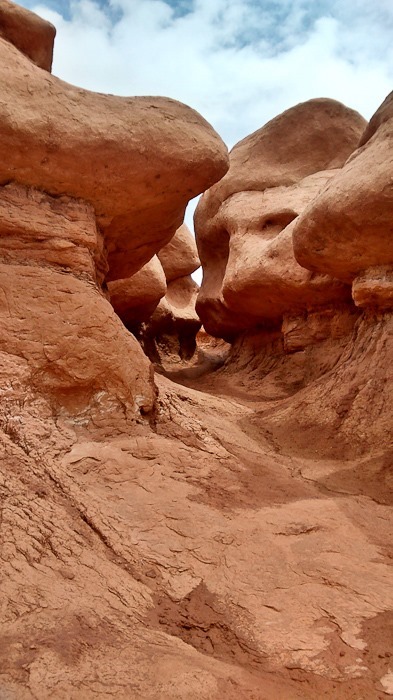
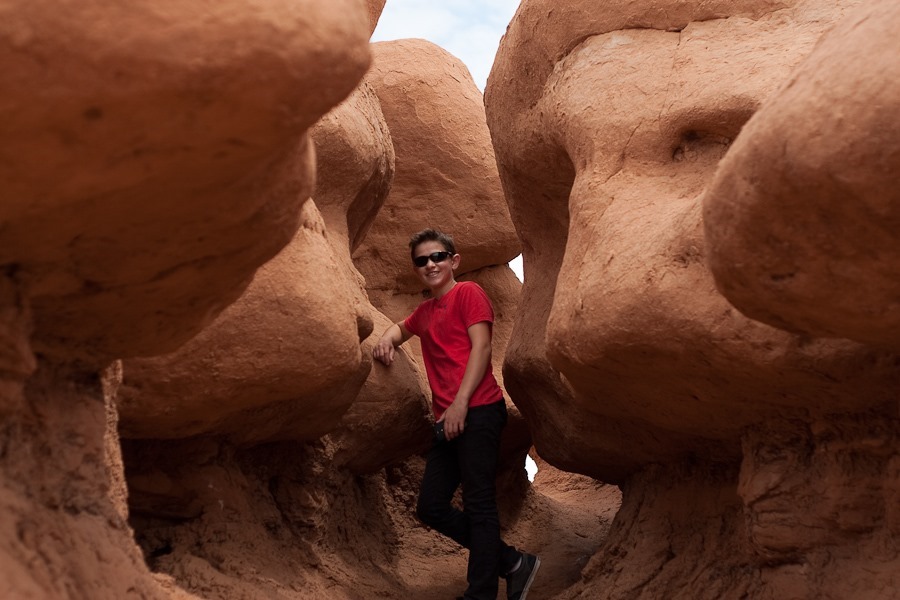
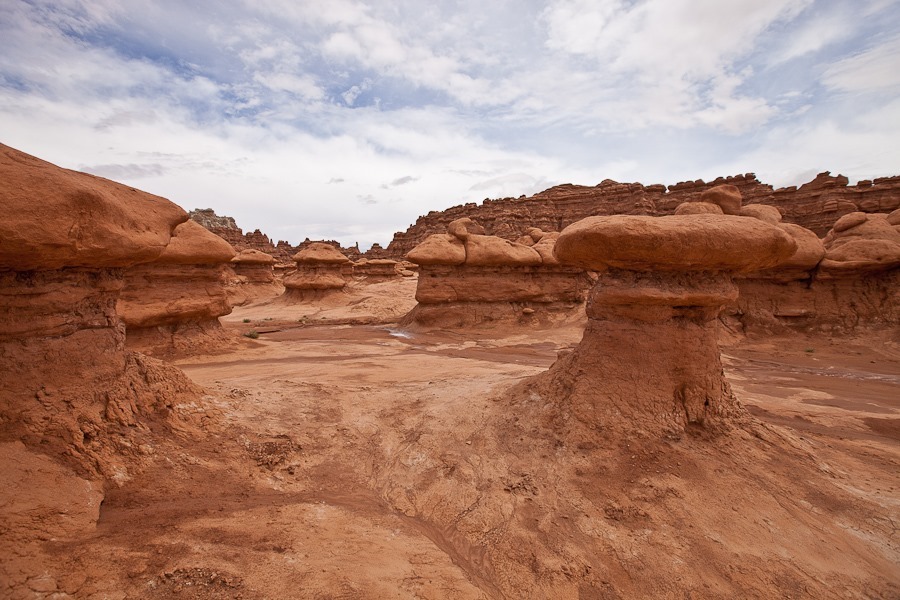
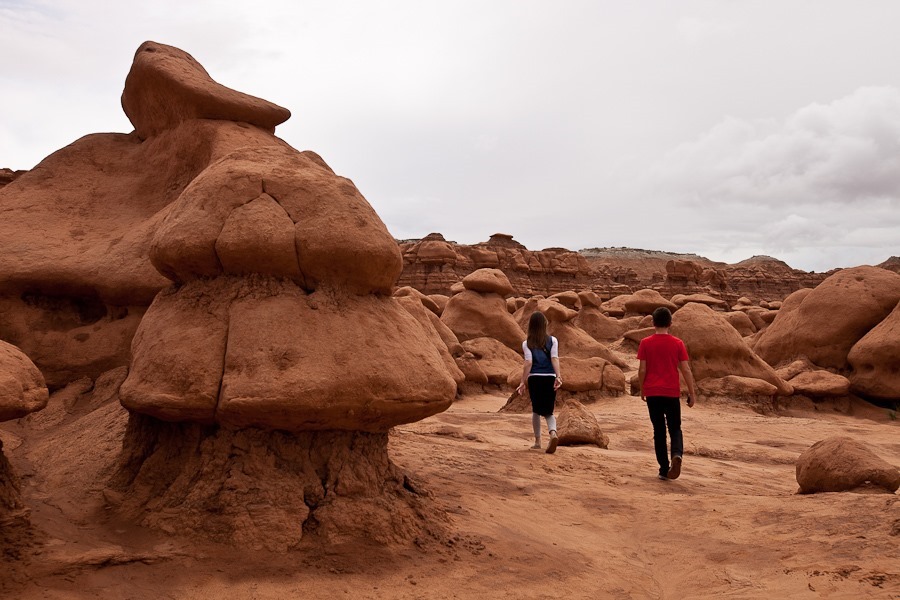
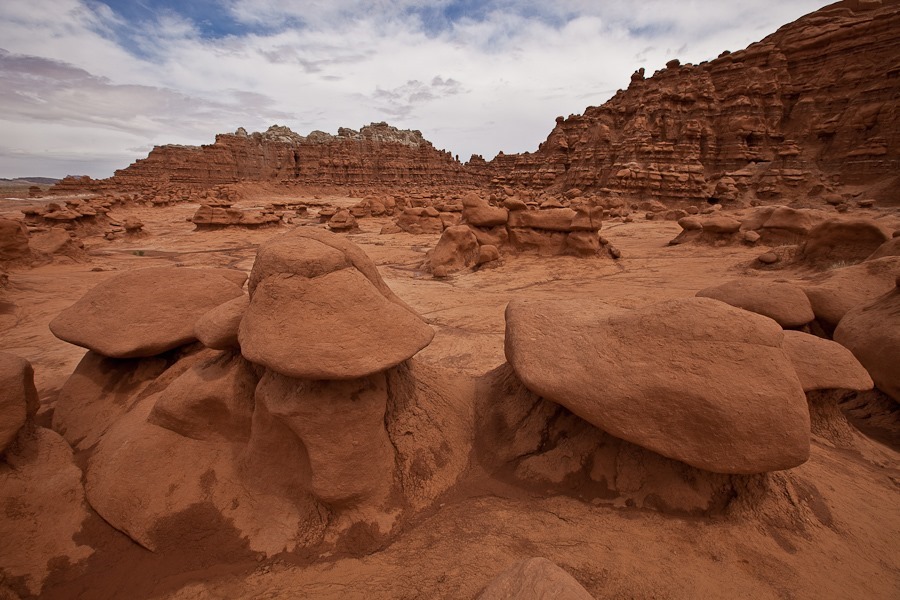
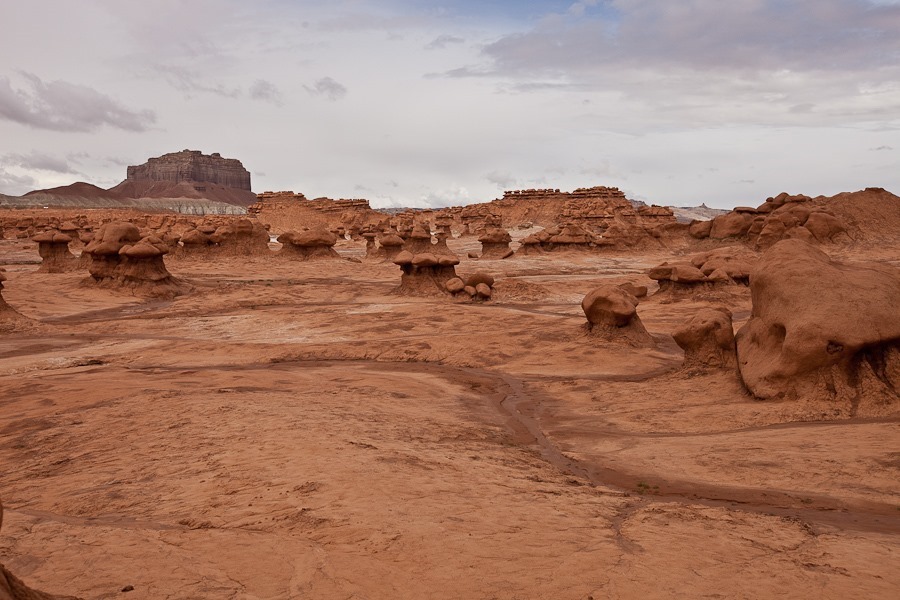
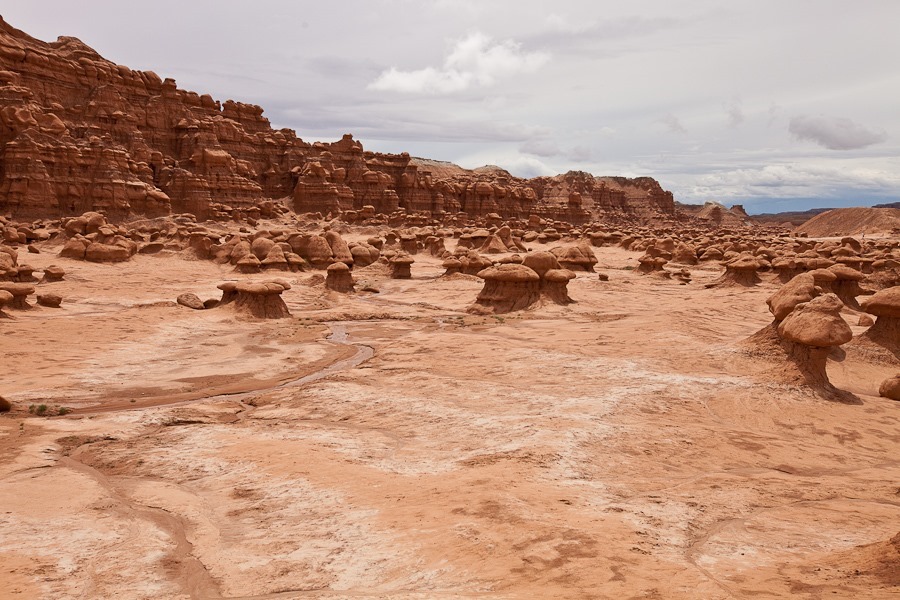
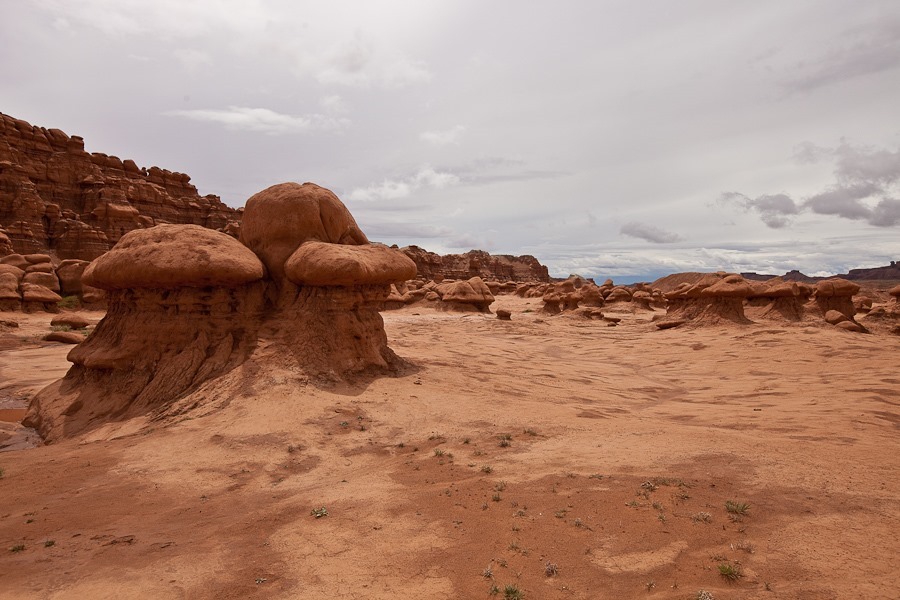
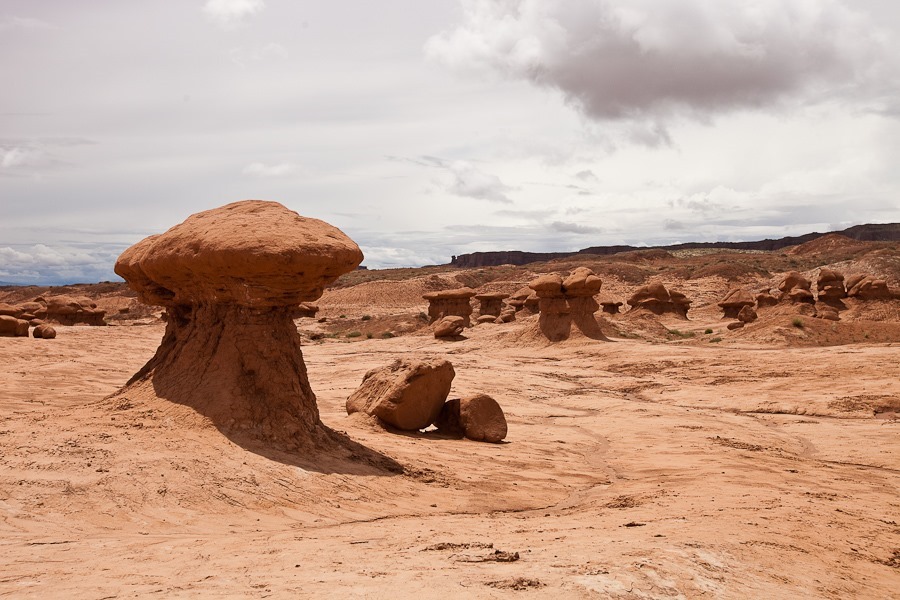
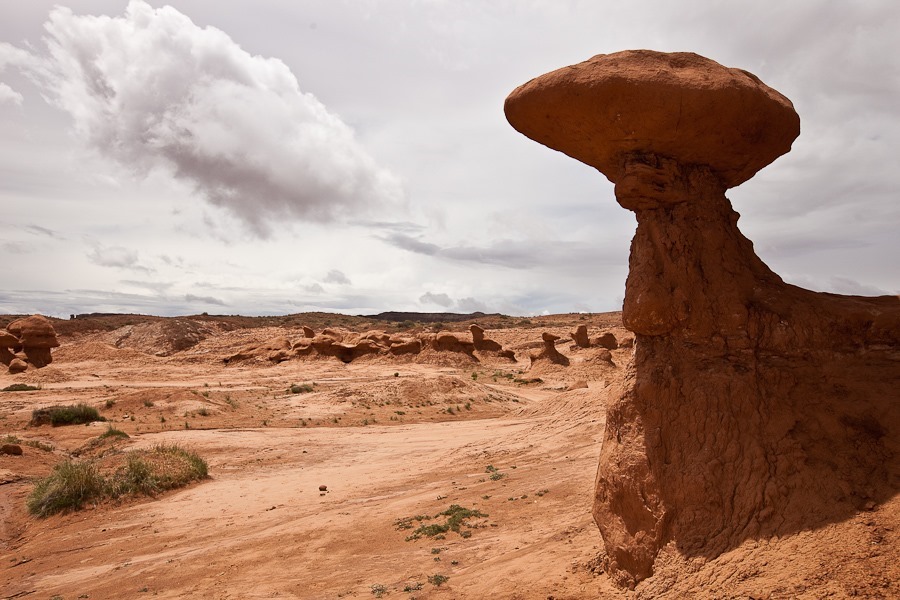
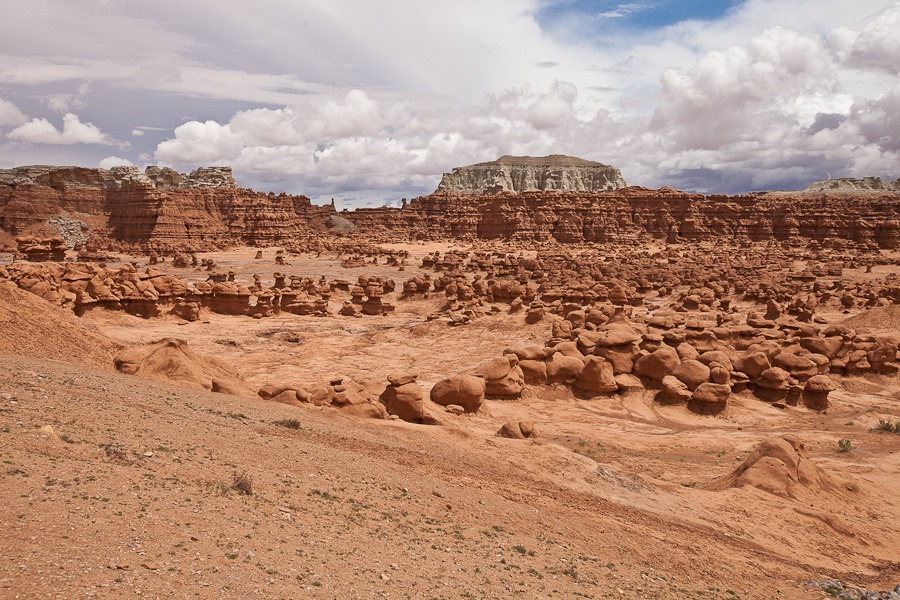
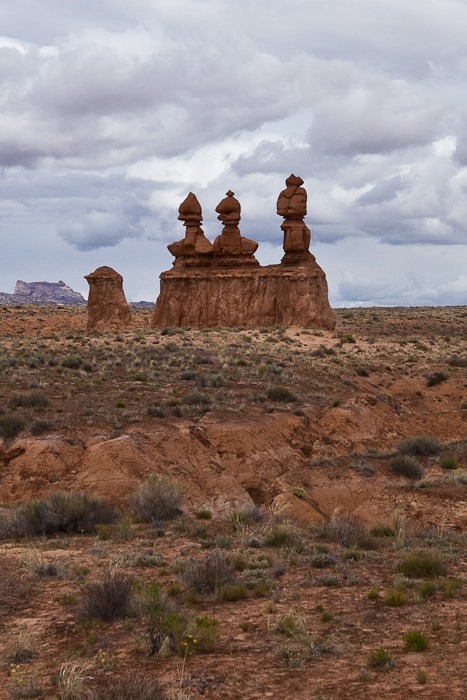
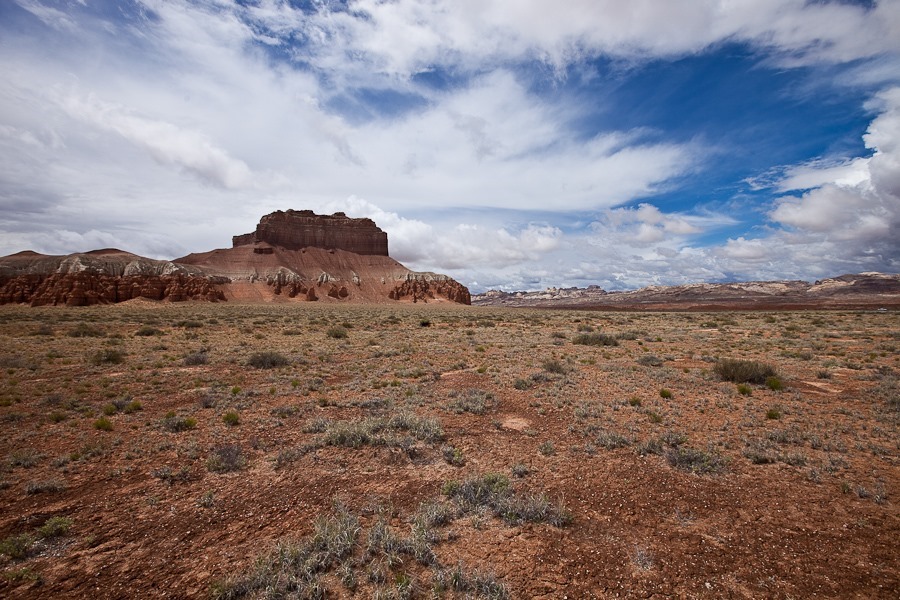
We drove into Goblin Valley State Park. The park is known for its interesting hoodoos, which are called goblins here:
This area is composed of alternating layers of sandstone and siltstone. The toadstool shape occurs because the softer siltstone of the “stem” erodes more quickly than he harder cap of sandstone:
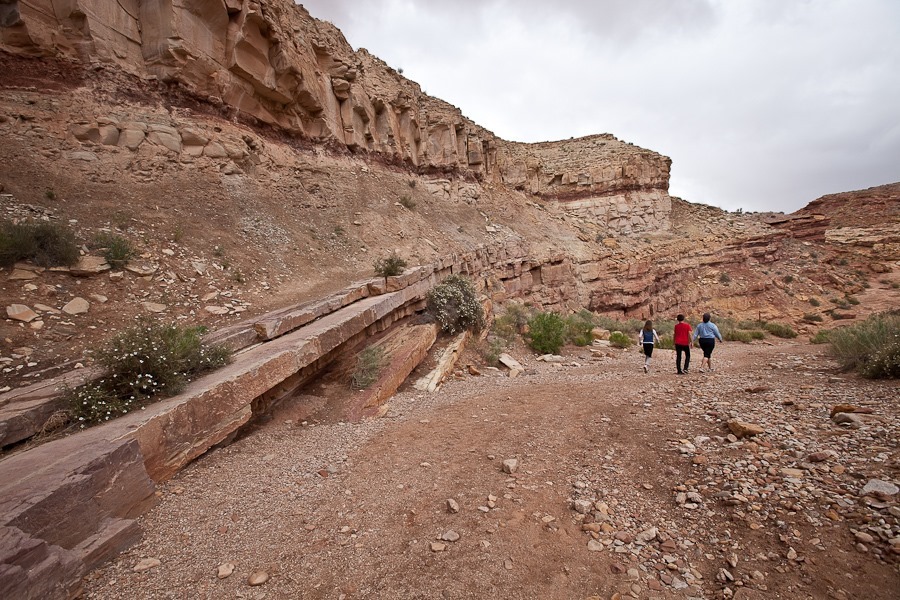
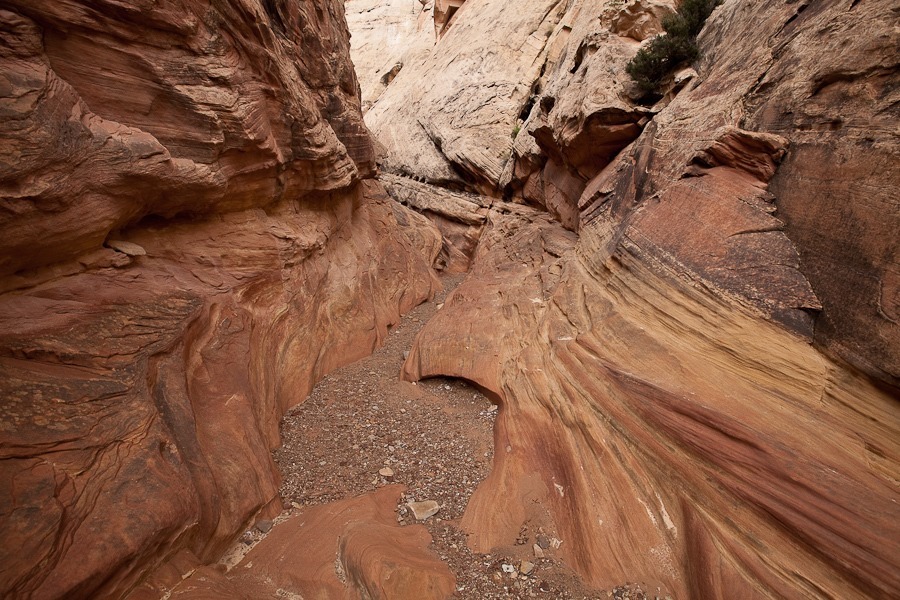
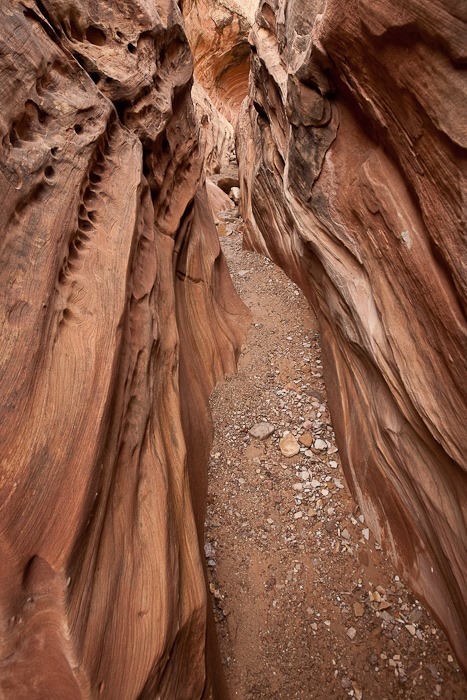
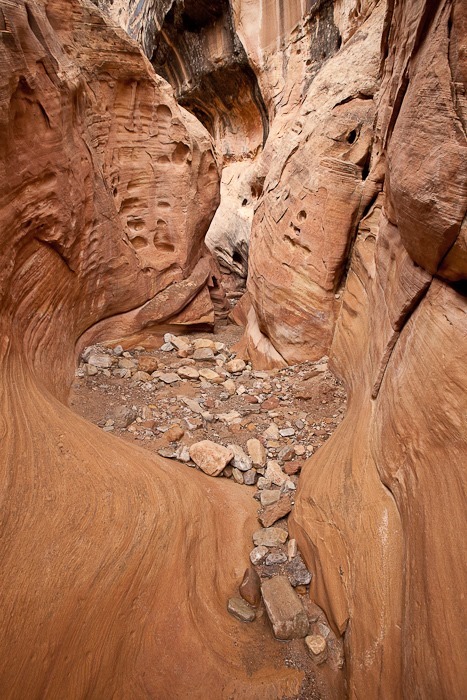
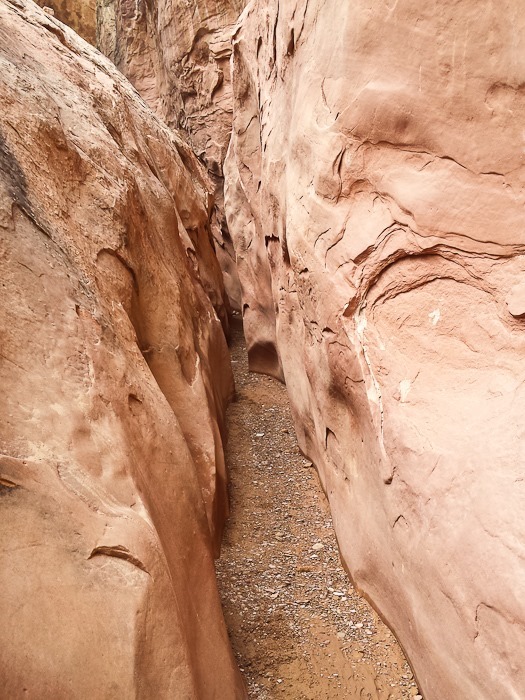
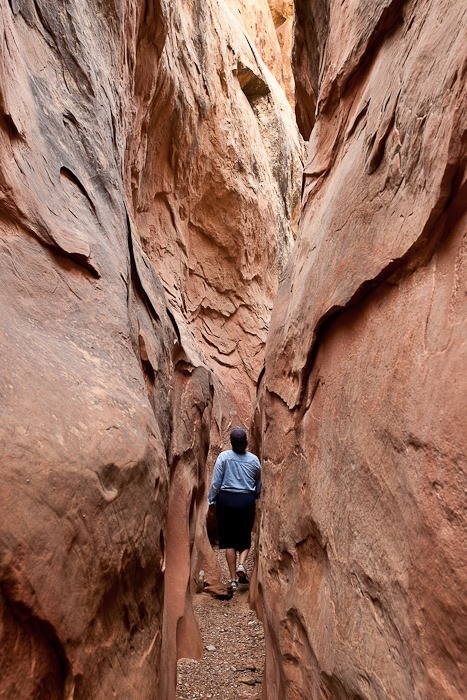
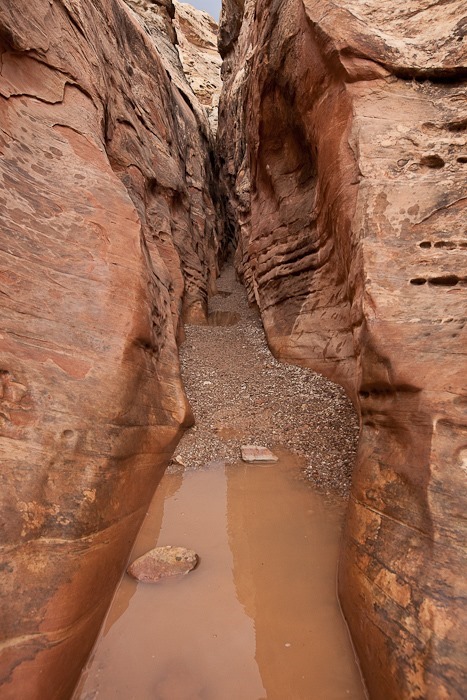
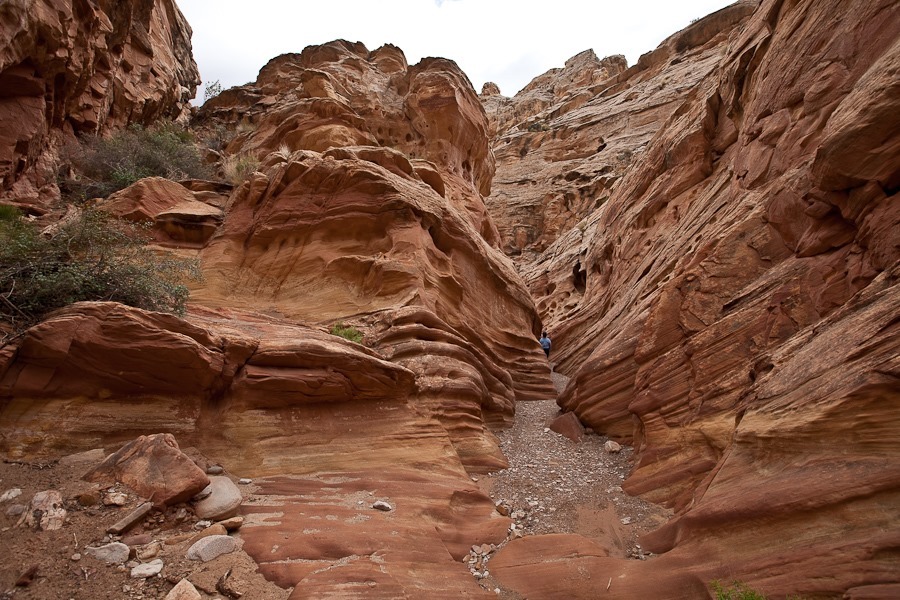
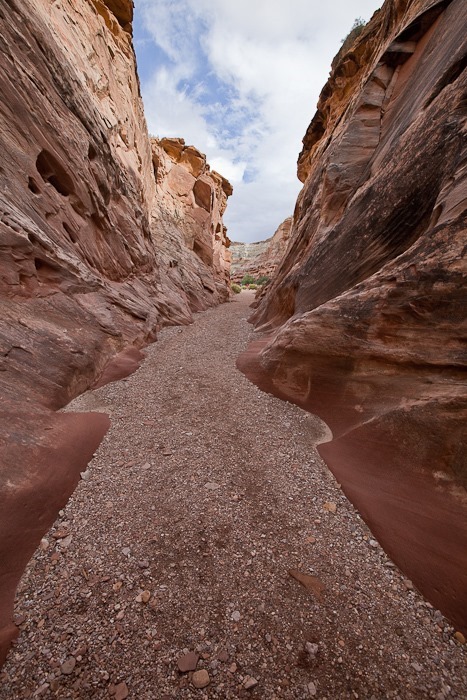
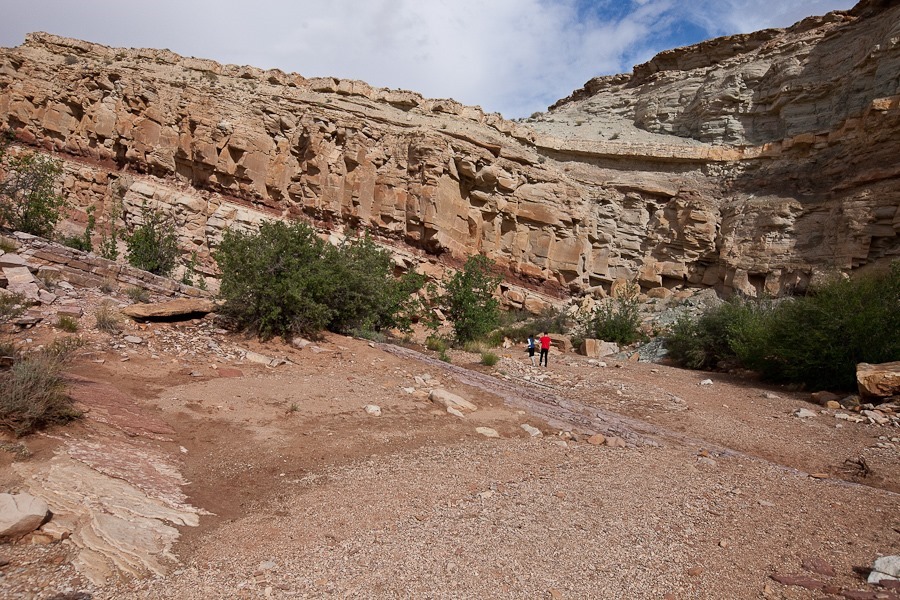
We unhitched and drove a few miles west to the trailhead for Little Wild Horse Canyon and Bell Canyon. The canyon starts out normally enough:
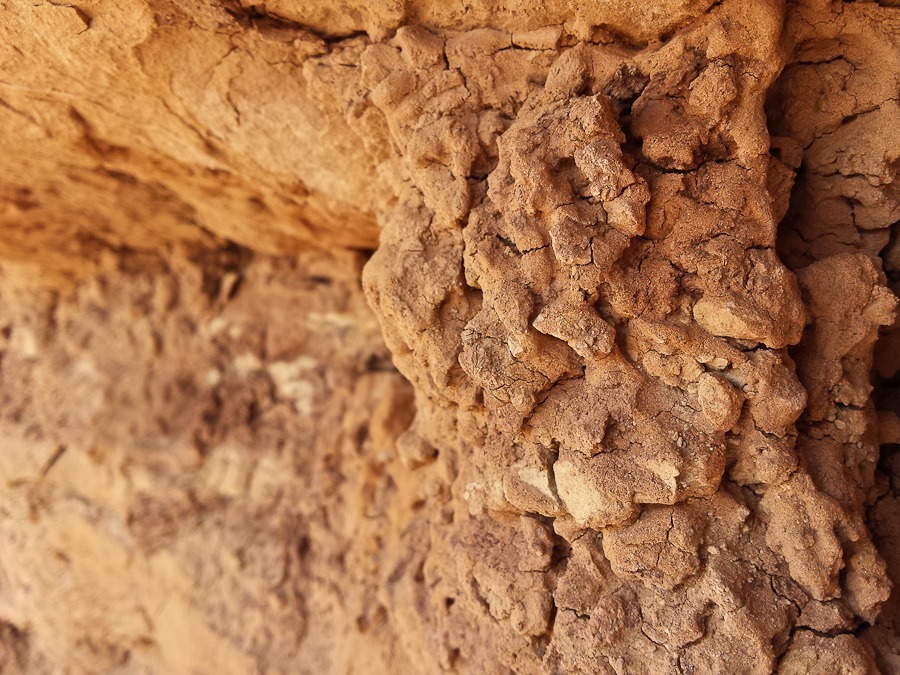
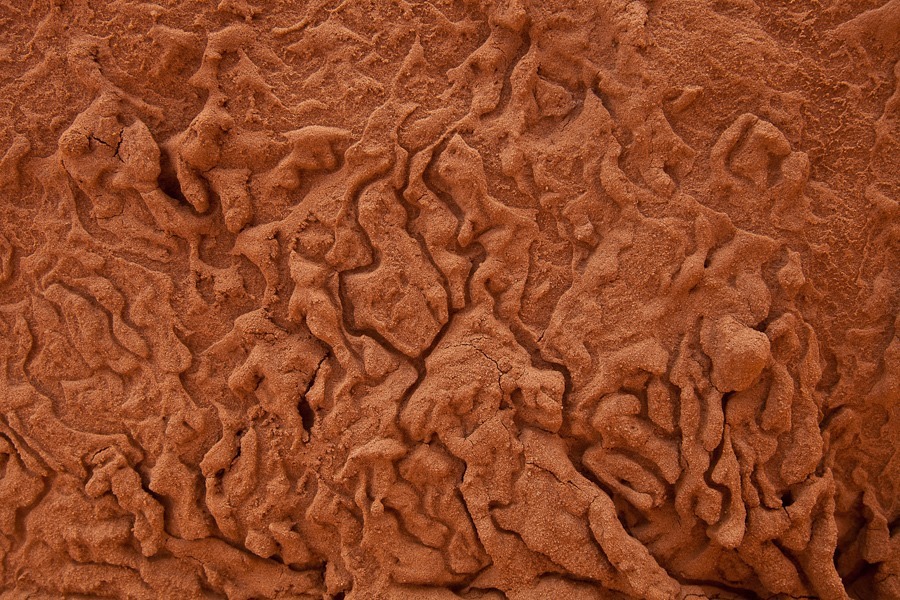
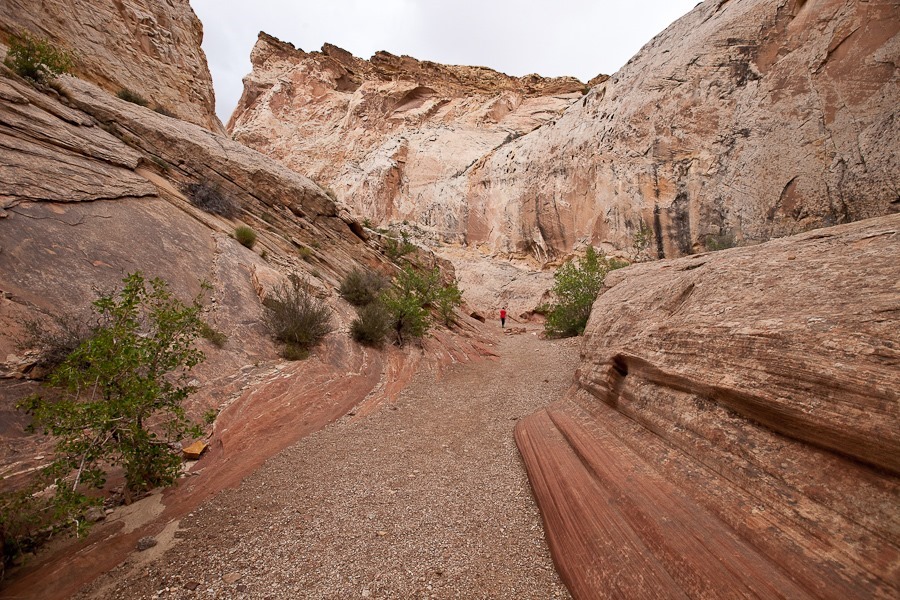
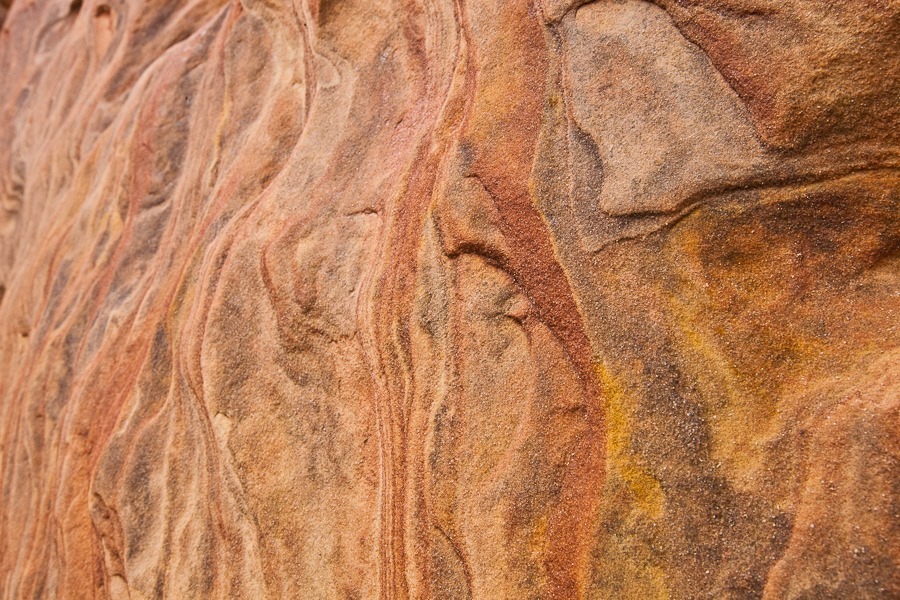
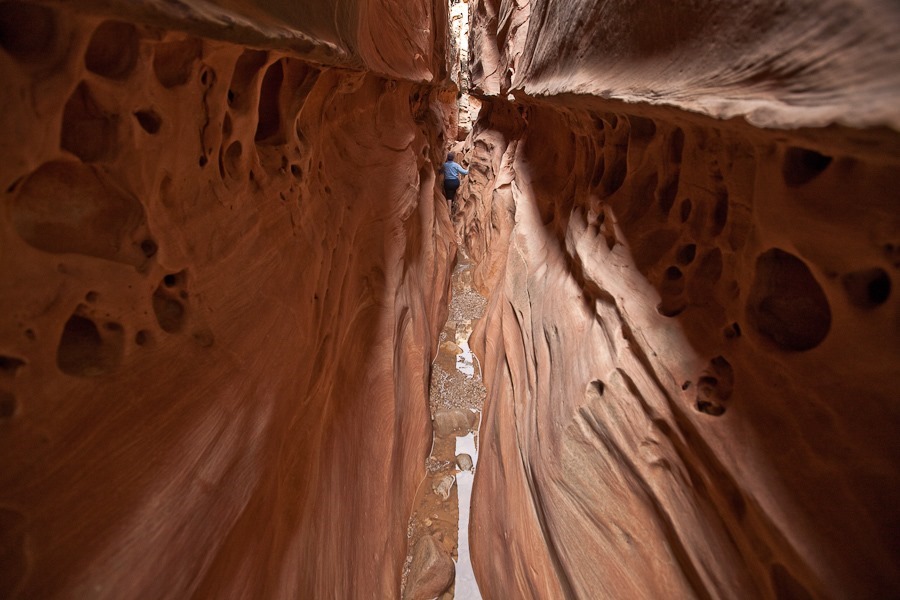
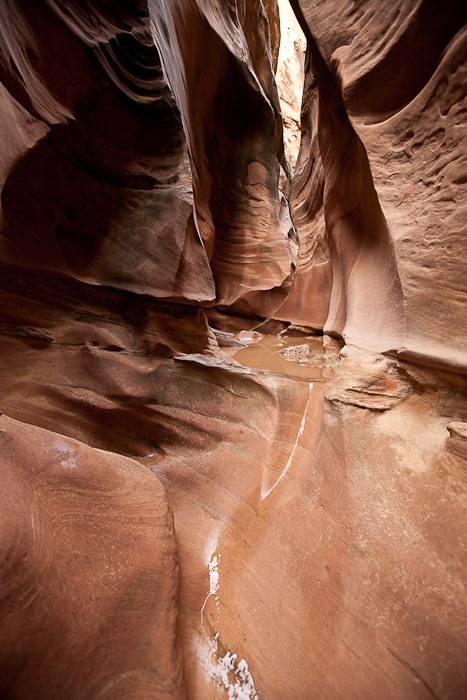
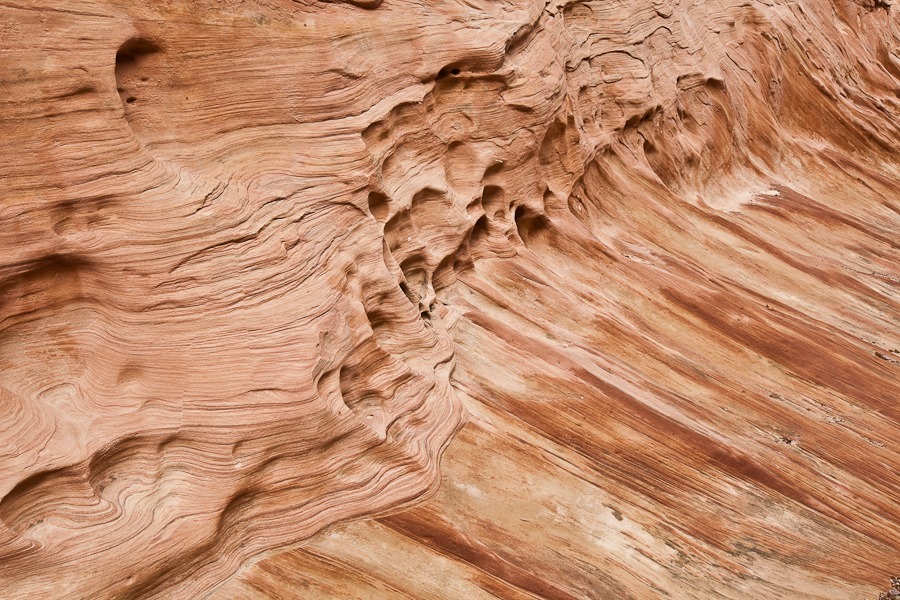
Interesting textures:
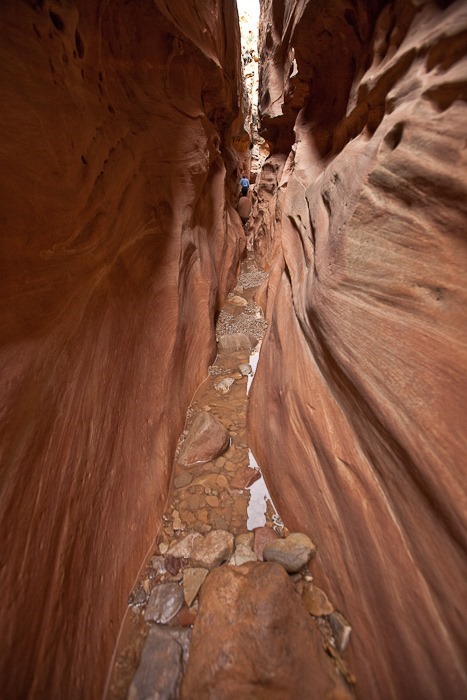
At the fork in the canyon, we decided to go up Little Wild Horse Canyon first:
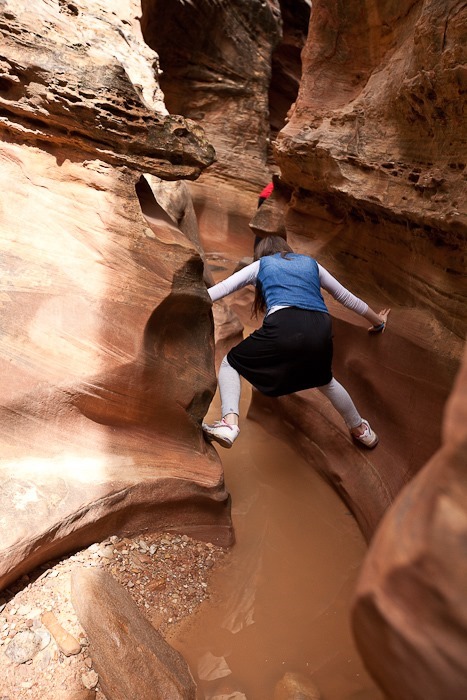
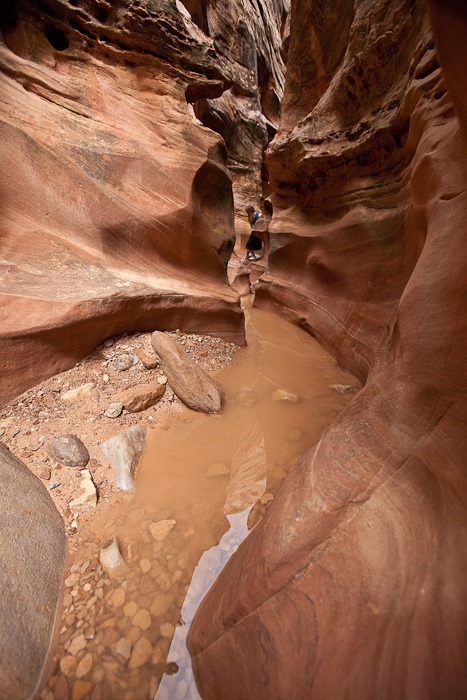
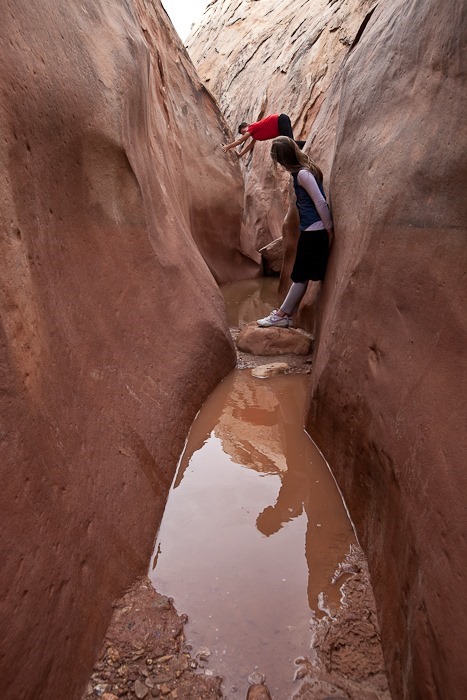
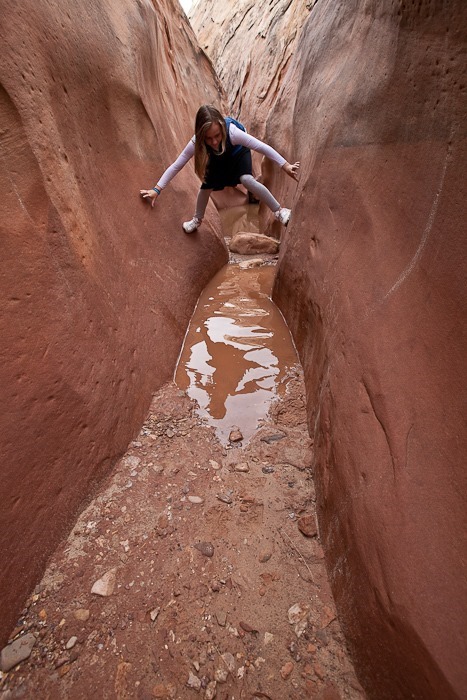
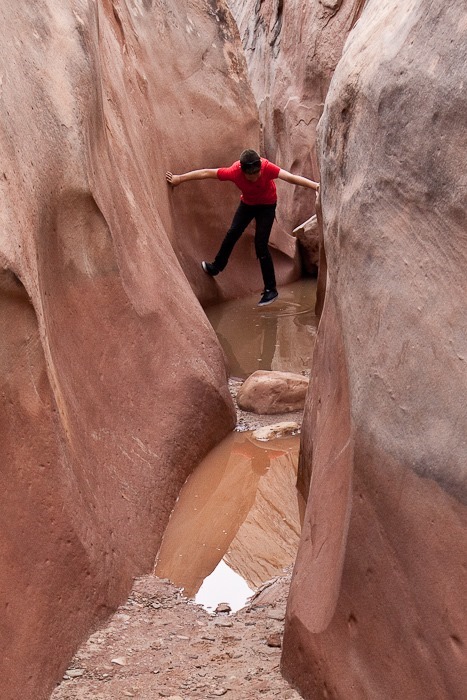
Eventually the canyon became water filled, so we had to climb the walls to avoid the water:
‘
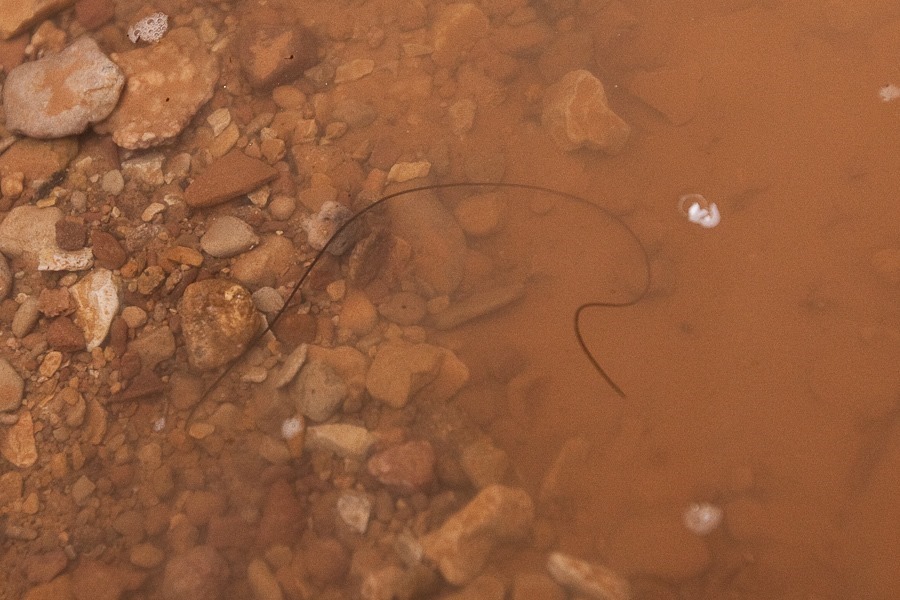
On the way down we spotted a wriggling Horsehair Worm. In its larval stage, it gets eaten by a host animal like a cricket, then burrows out of the host’s stomach into the animal’s organ cavity and grows into a worm several inches long. When ready to emerge from the host, it emits neurotransmitters that convince the host to jump into water (and usually drown) so that the worm can emerge into the water and swim away:
Here a harder layer of sandstone emerges from the canyon wall:
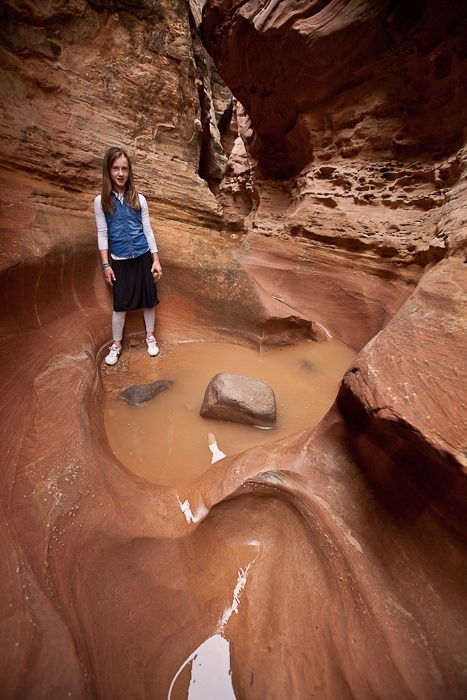
We hiked back down to the fork and hiked up Bell Canyon. We pretty soon ran into deep pools:
M got into trouble here as the walls were almost too wide for him to wedge himself between the walls. He narrowly escaped getting really wet:
Heading out:
We left Goblin Valley State Park, driving north, east, and south back to Hanksville, where we used the grocery store’s WiFi:
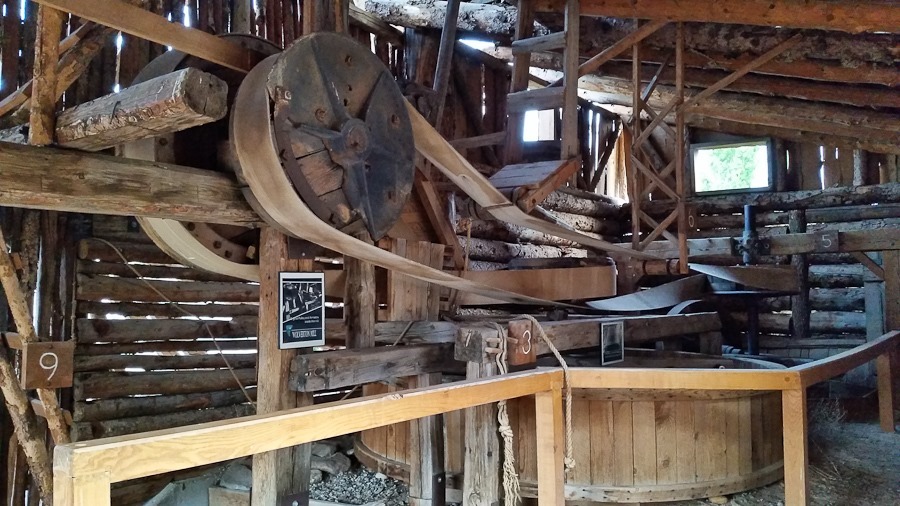
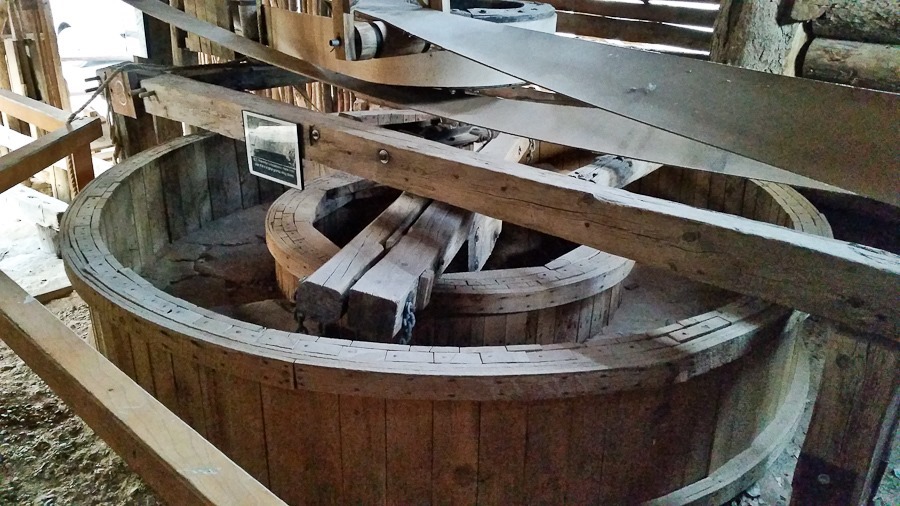
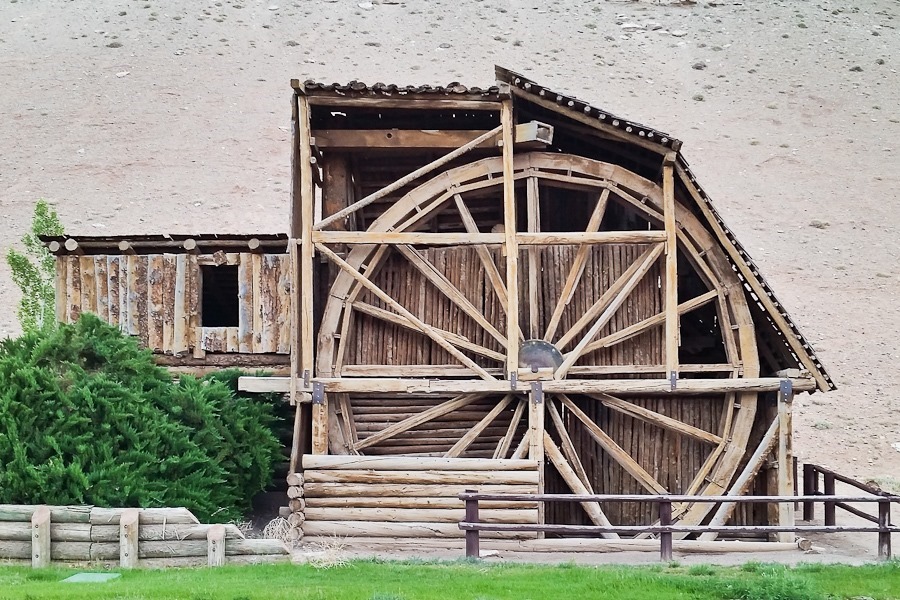
We visited the Wolverton Mill in Hanksville. The mill is unique in that the waterwheel drives a gold ore crusher, an arrastra, and a saw for milling wood, all via a complex array of belts:
The arrastra:
Today we overnighted at a gas station on the east side of town. See the trip map for today’s drive and our current location.
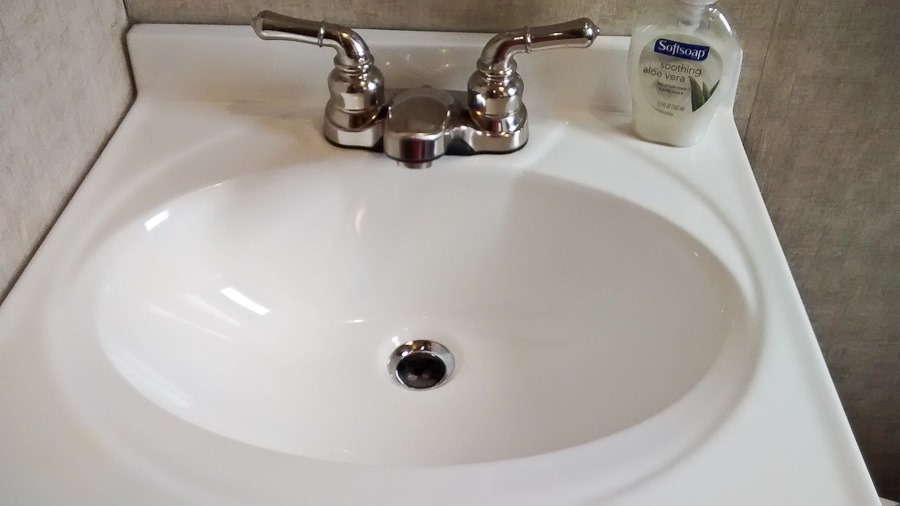
B took a moment to clean her bathroom sink this morning:
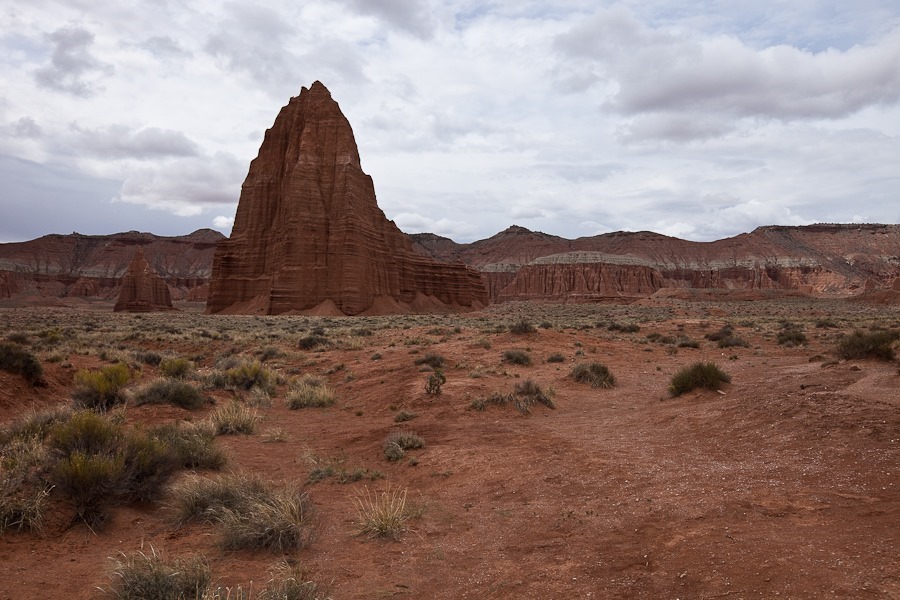
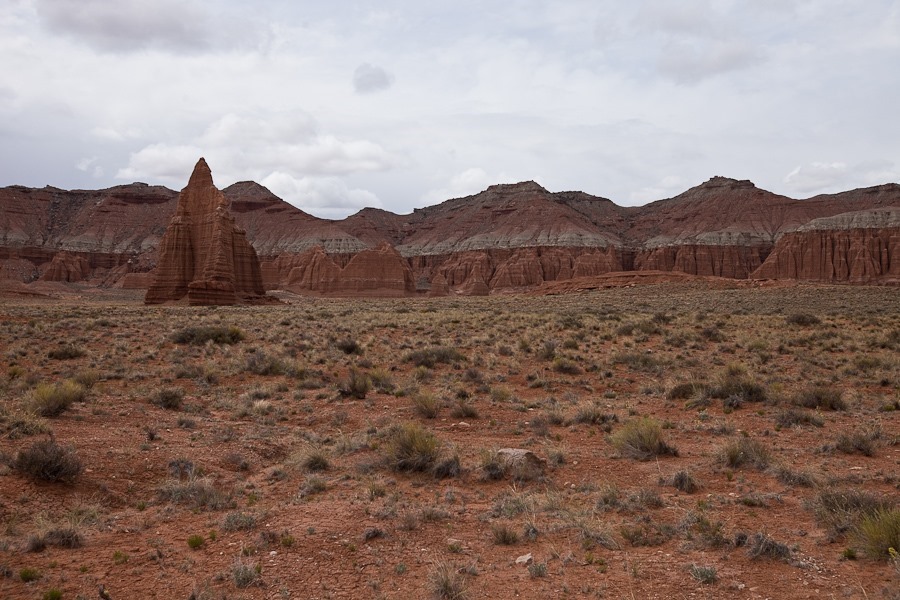
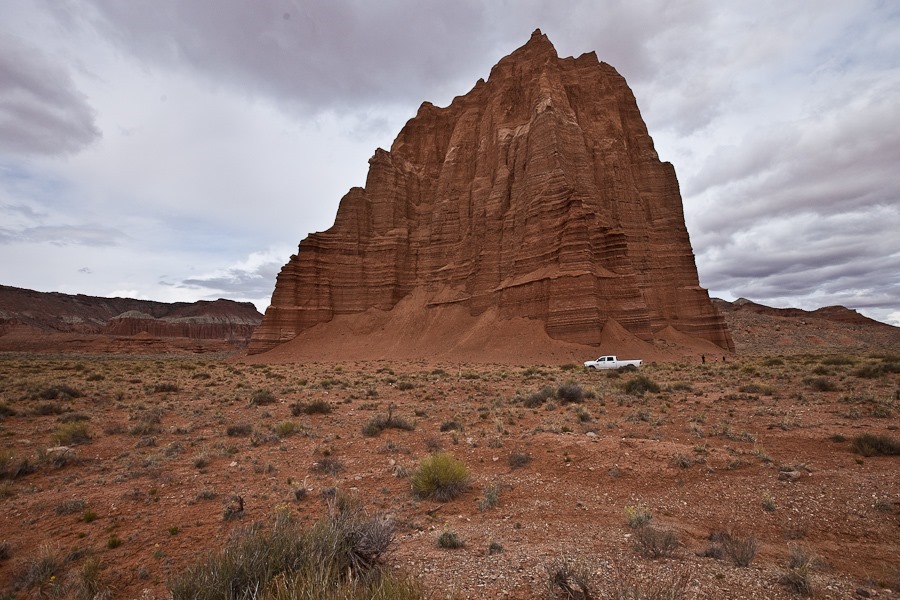
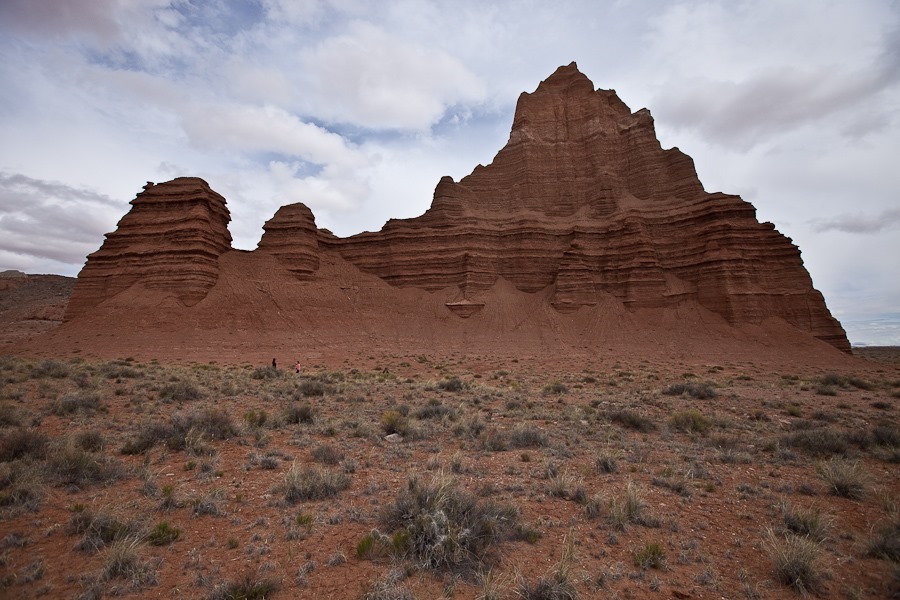
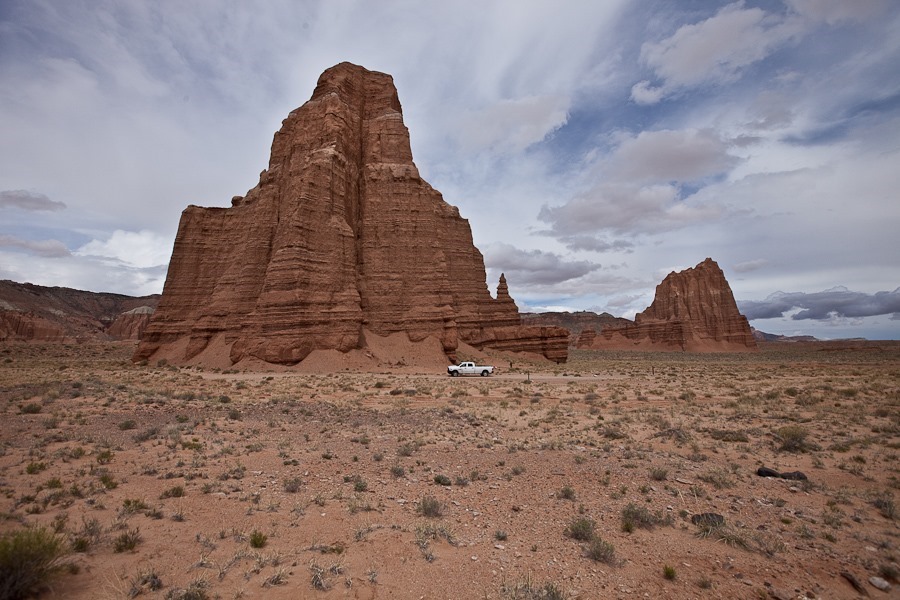
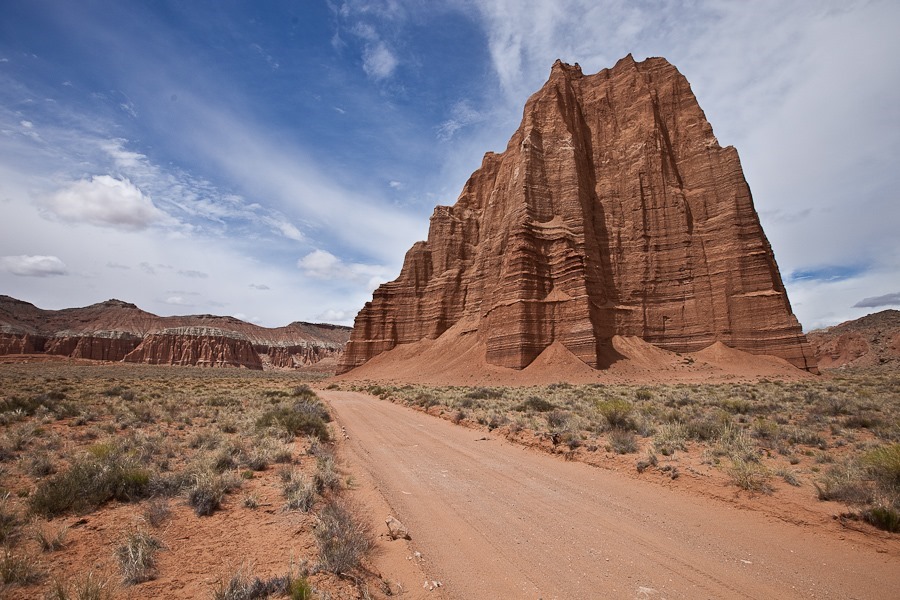
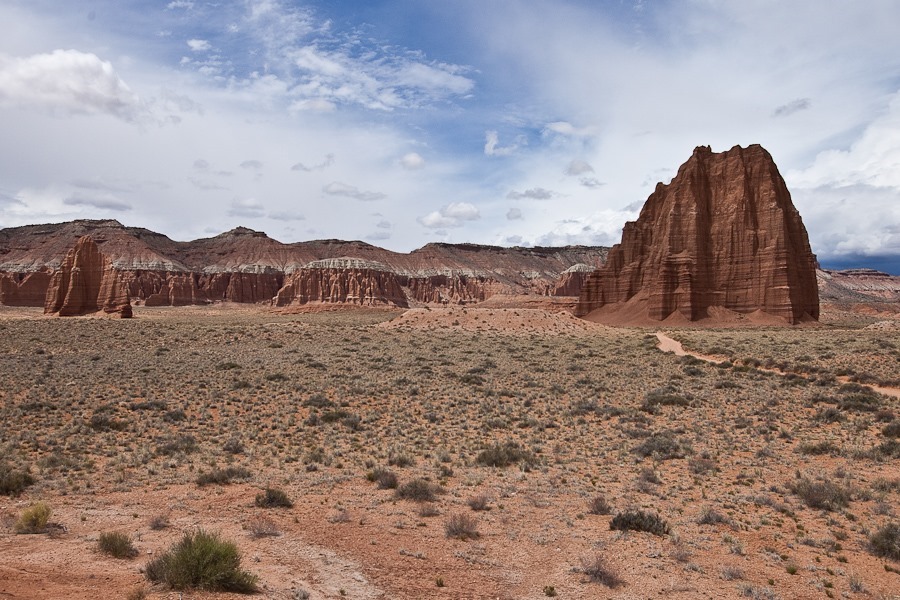
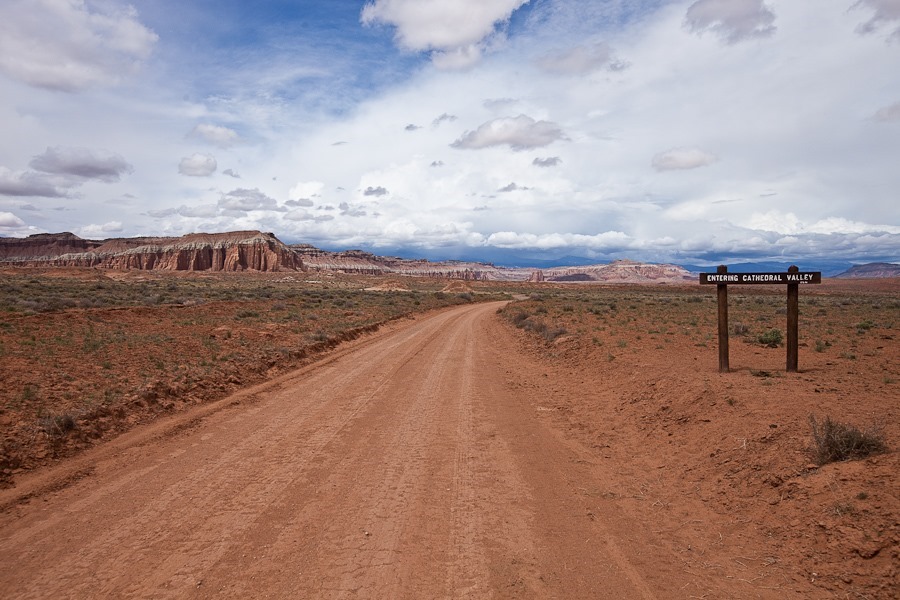
We drove north on a BLM road for about 20 miles to reach Cathedral Valley, the northernmost section of Capitol Gorge National Park. The Valley contains the Temple of the Sun (TotS) monolith, as well as the smaller Temple of the Moon (TotM) monolith, seen here to the left of TotS:
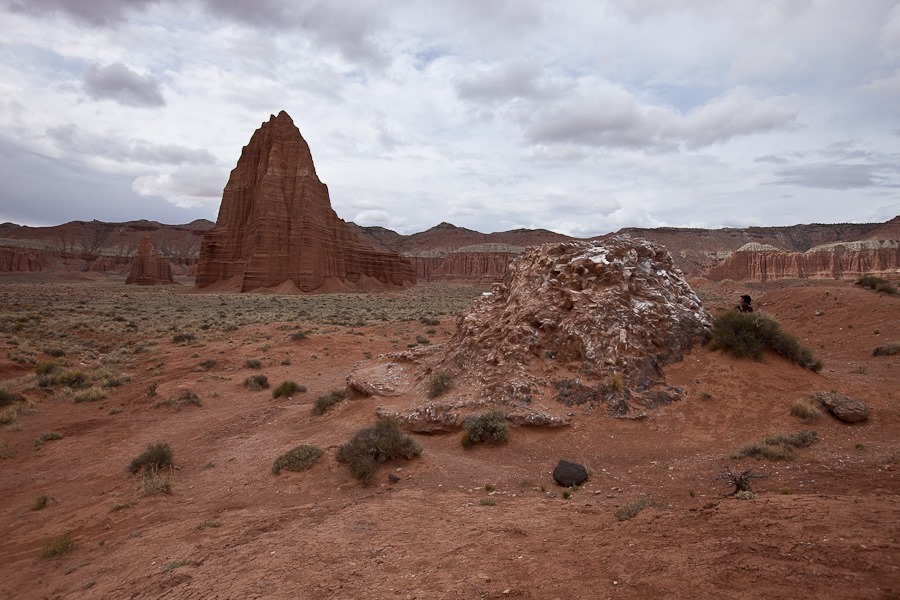
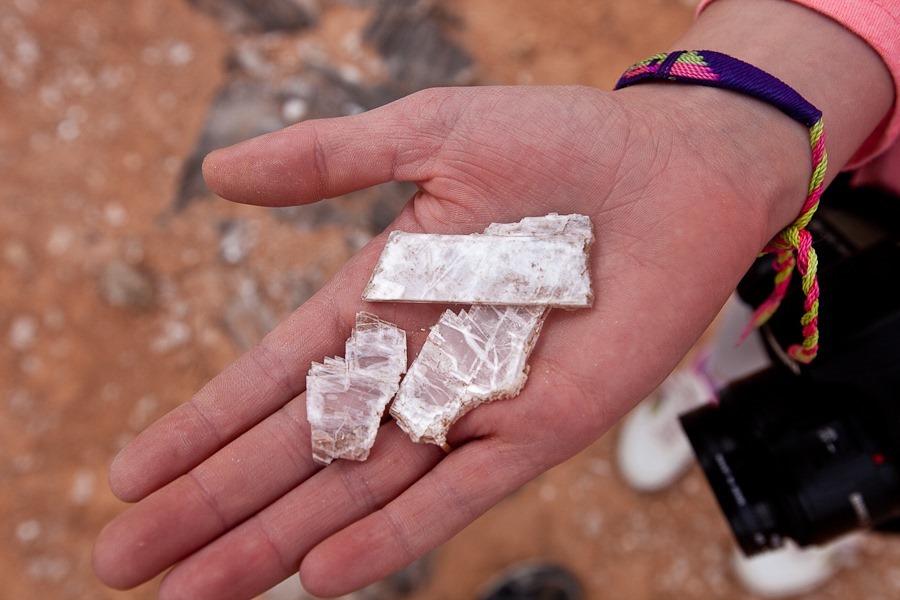
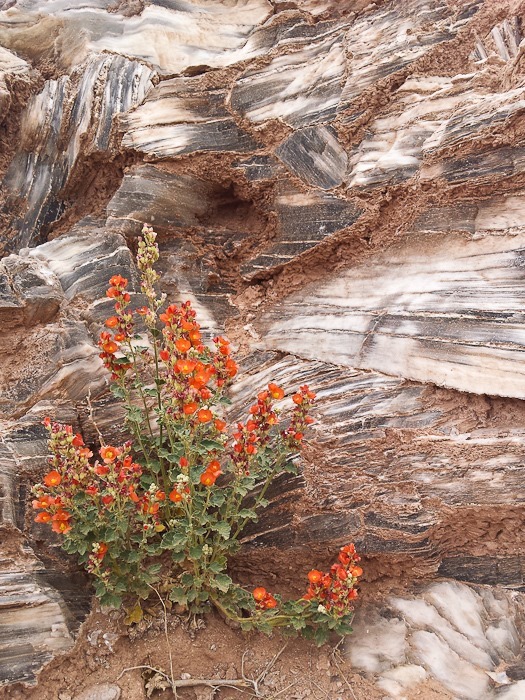
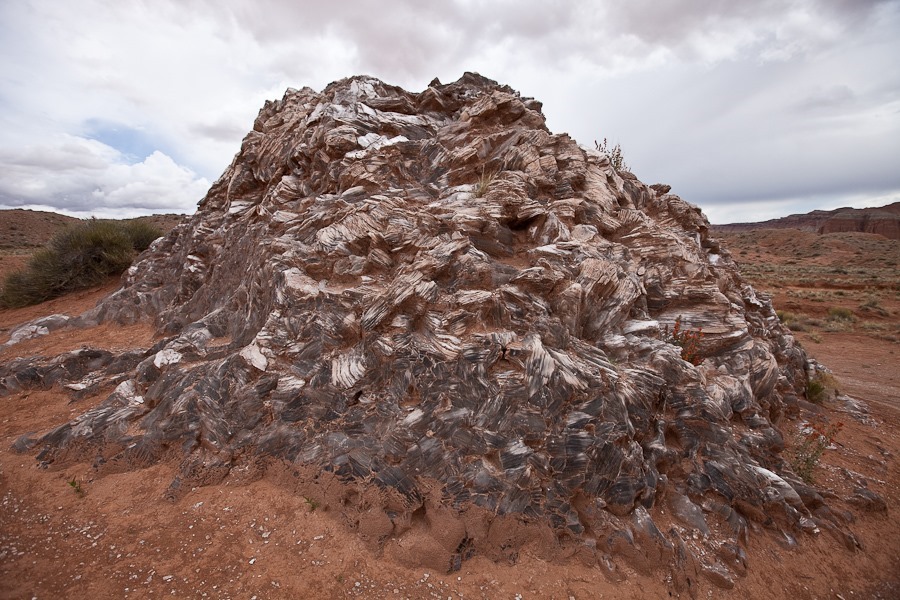
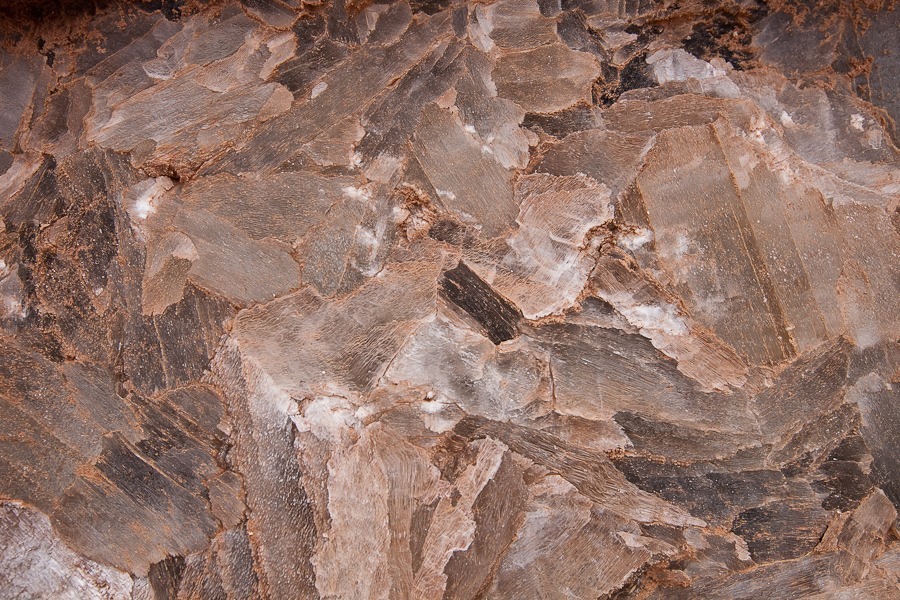
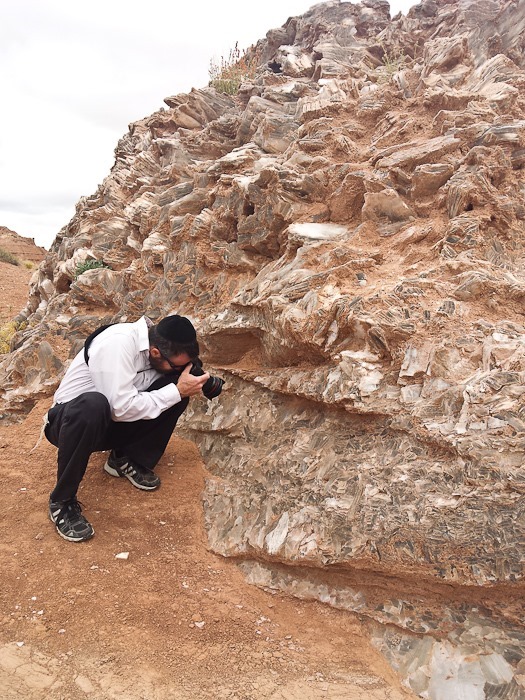
Our first stop was Glass Mountain, a selenite plug exposed by the weathering of surrounding softer material:
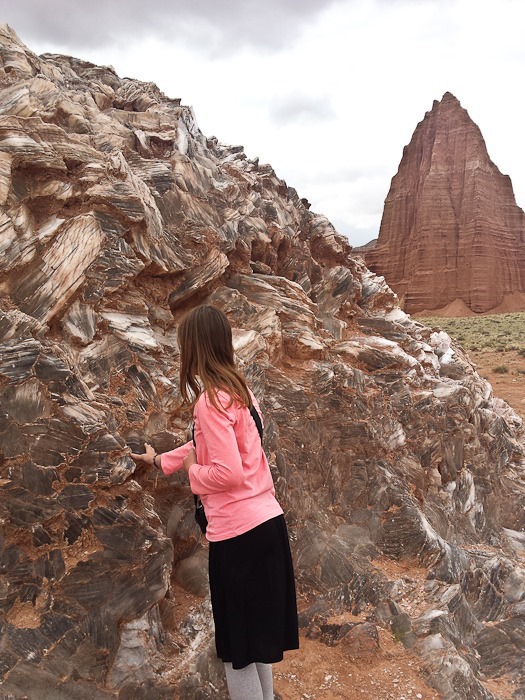
Selenite is soft and can be peeled into thin sheets:
‘
‘
TotM in the distance:
We parked next to TotS and walked around it:
The back side of TotS:
Next we drove over to TotM and hiked around it as well:
Leaving TotS behind:
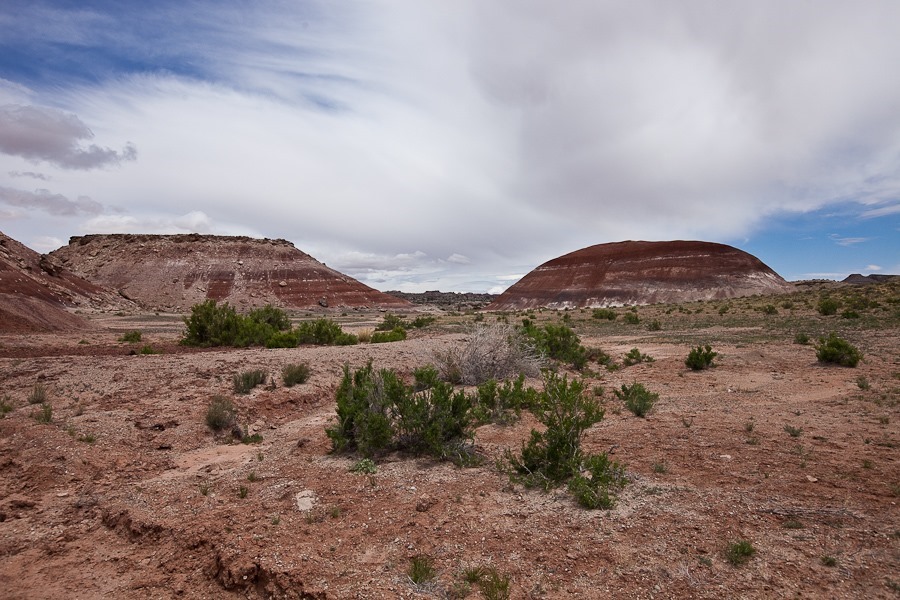
On the way back we passed these painted hills:
This outcropping is called Queen of the Wash:
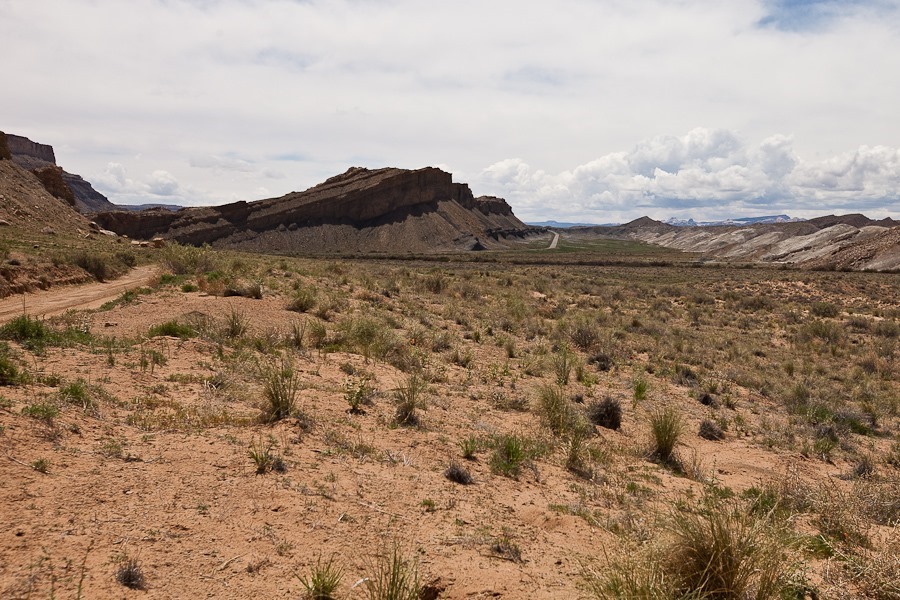
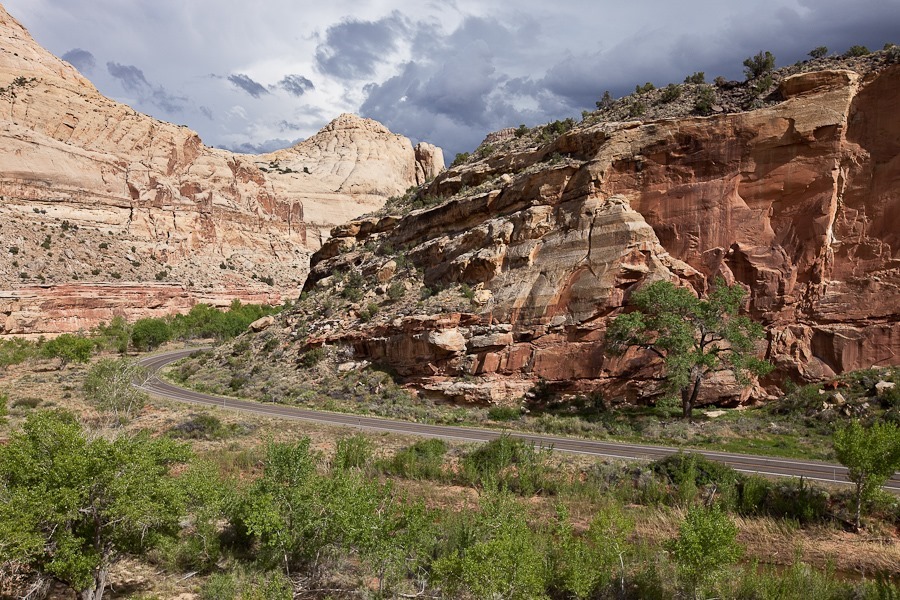
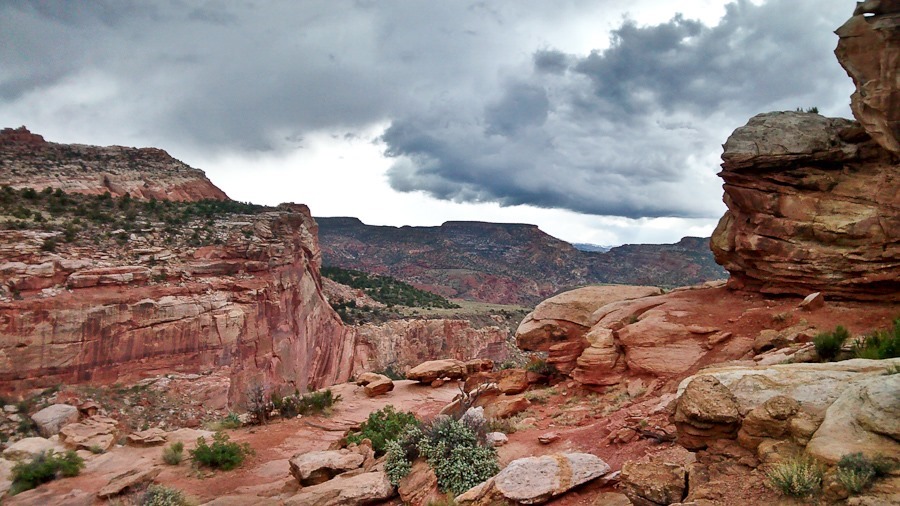
Back near the main road, the Waterpocket Fold can be seen here coming right into the photo:
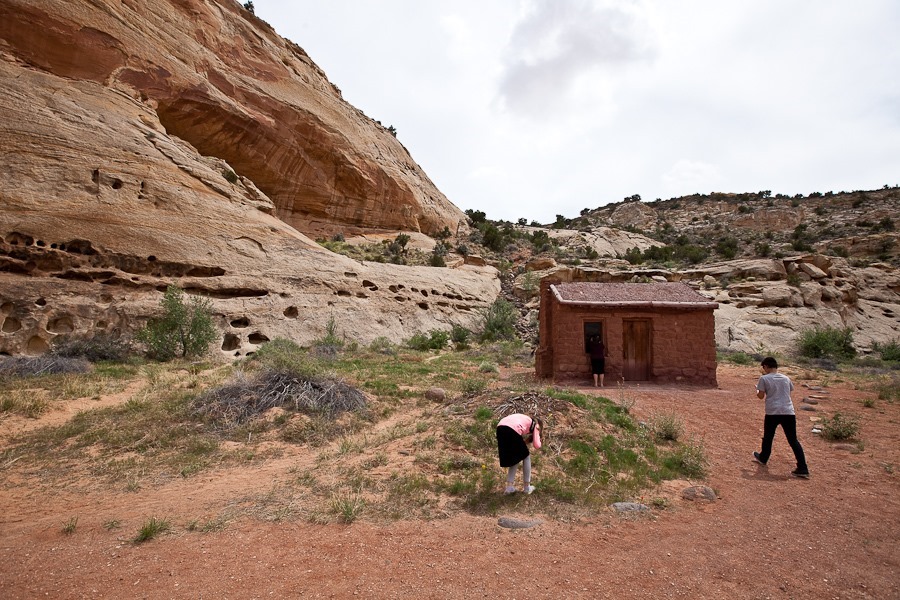
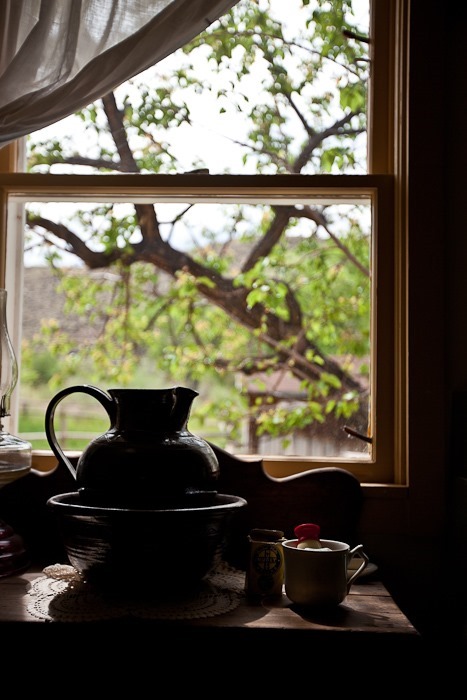
We stopped at the RV for lunch, then drove back into the park. We stopped to peek into a preserved Mormon settler’s cabin:
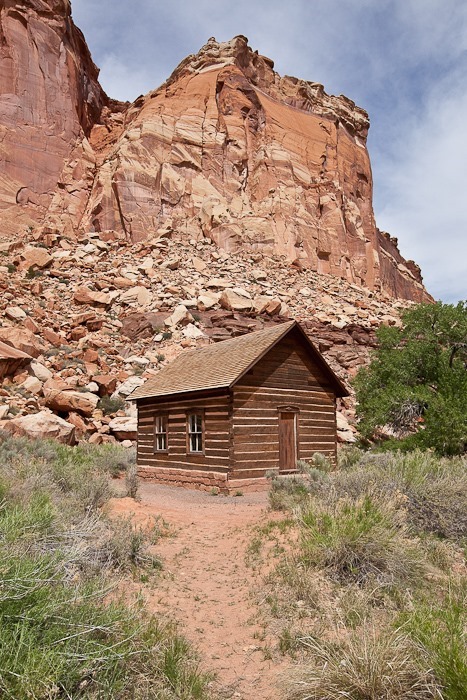
We also saw the one room school, which was in operation until the late 1940s:
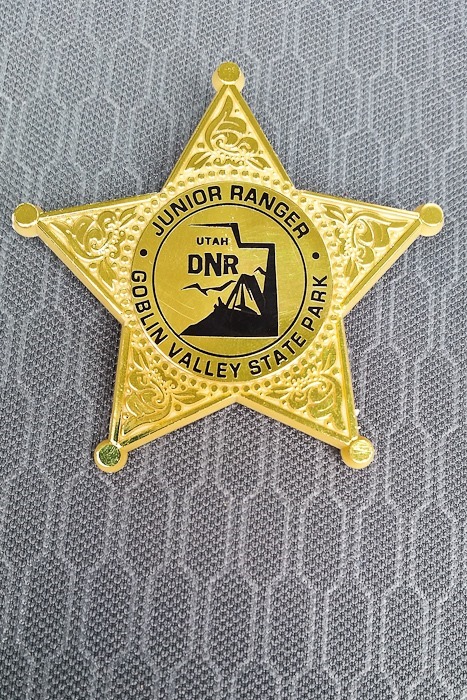
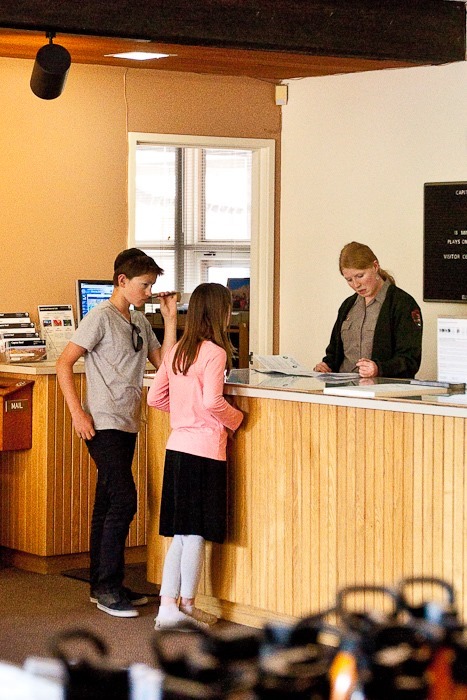
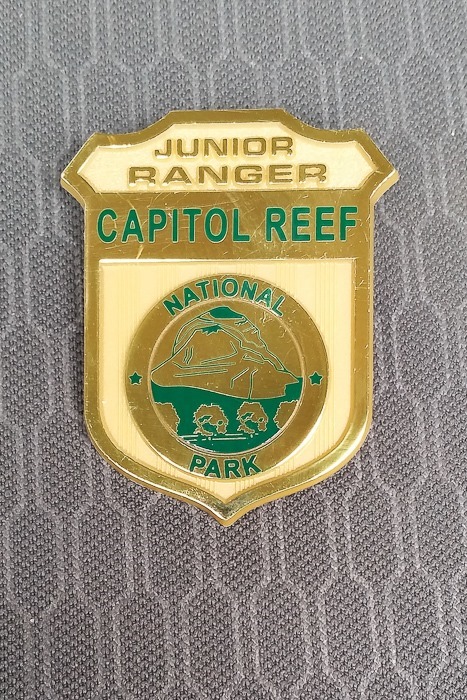
At the visitor center, the kids received their Junior Ranger badges:
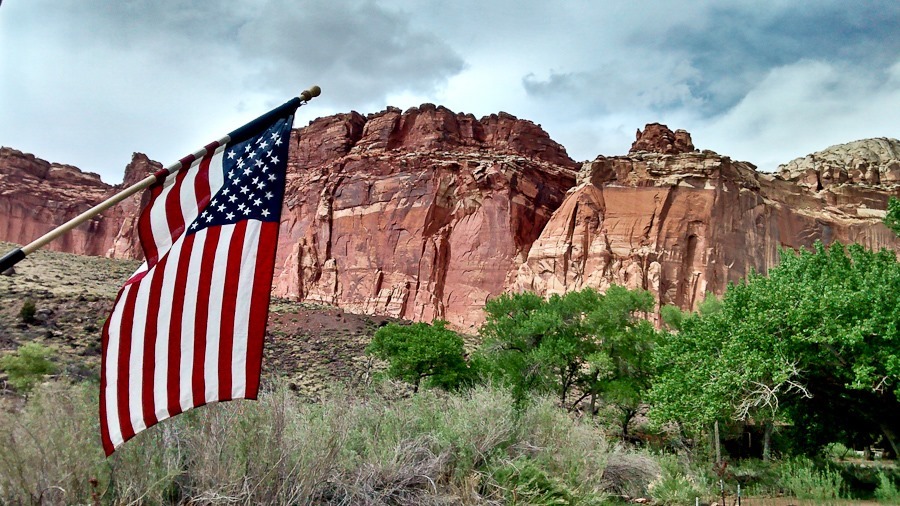
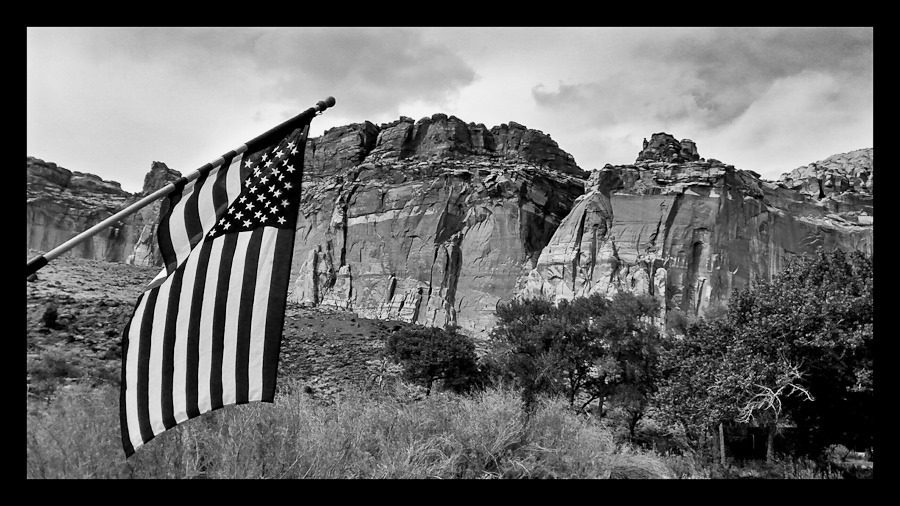
M captured this photograph near the visitor center:
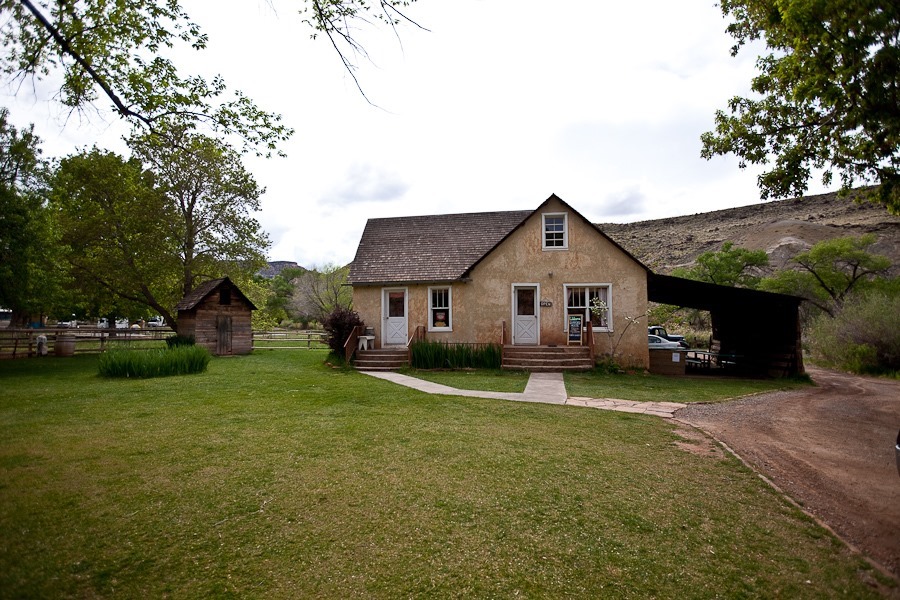
We visited the Gifford House in the Fruita complex, now operated as a museum and gift shop:
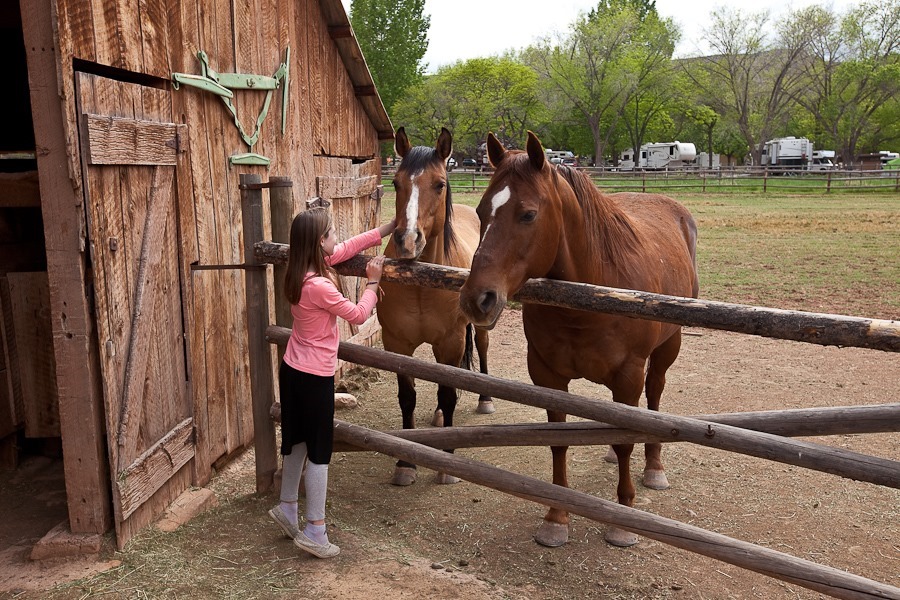
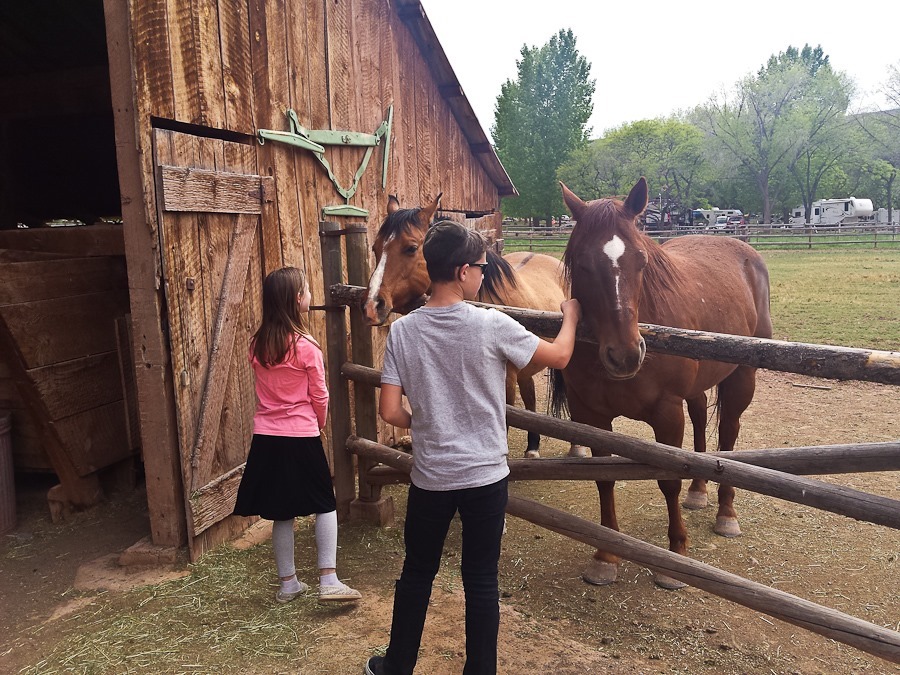
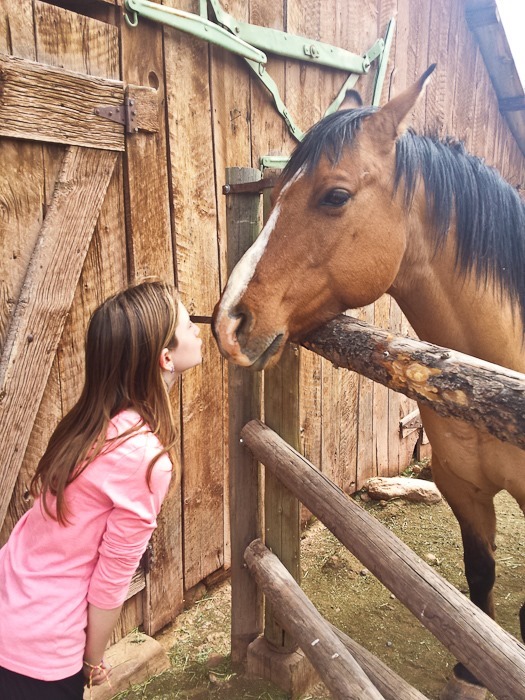
We visited the horses again:
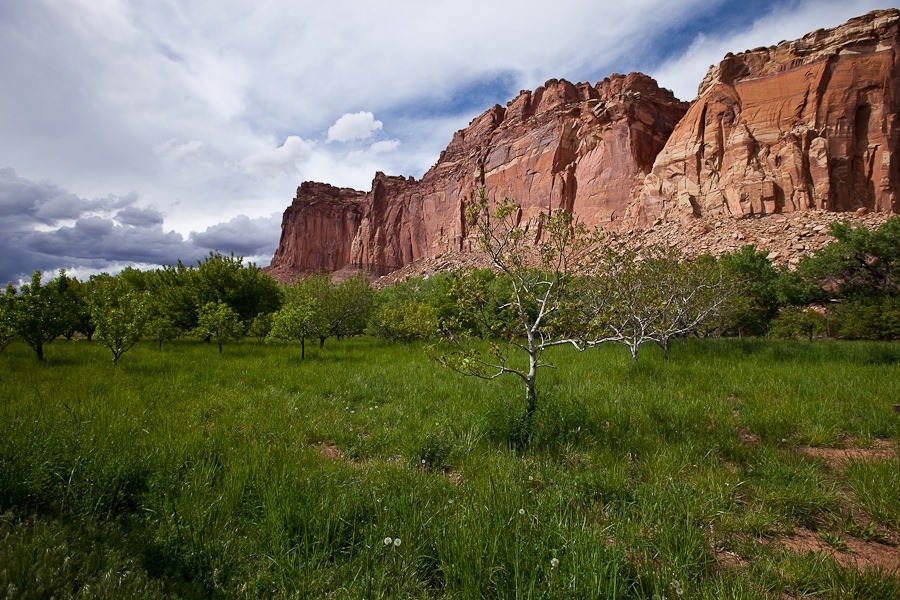
The orchards of Fruita:
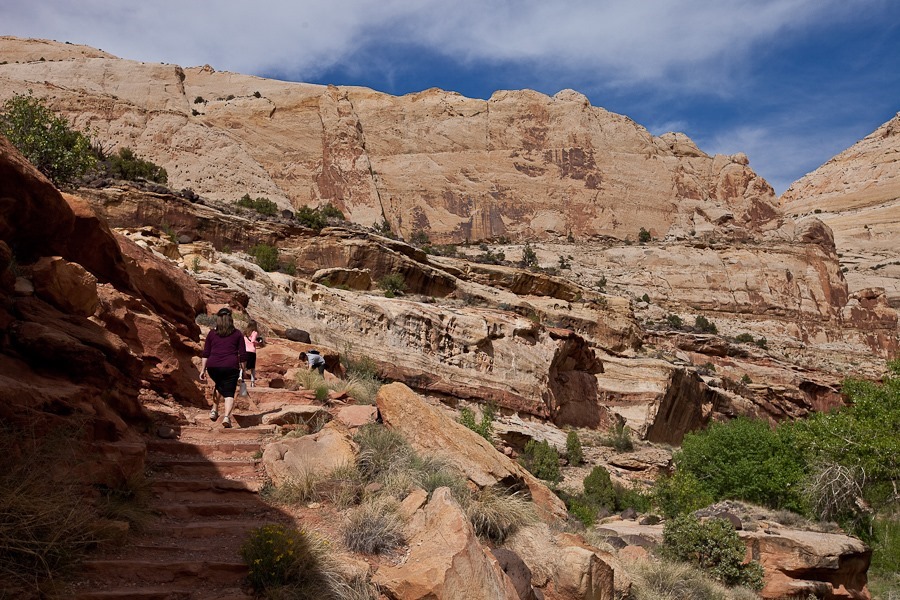
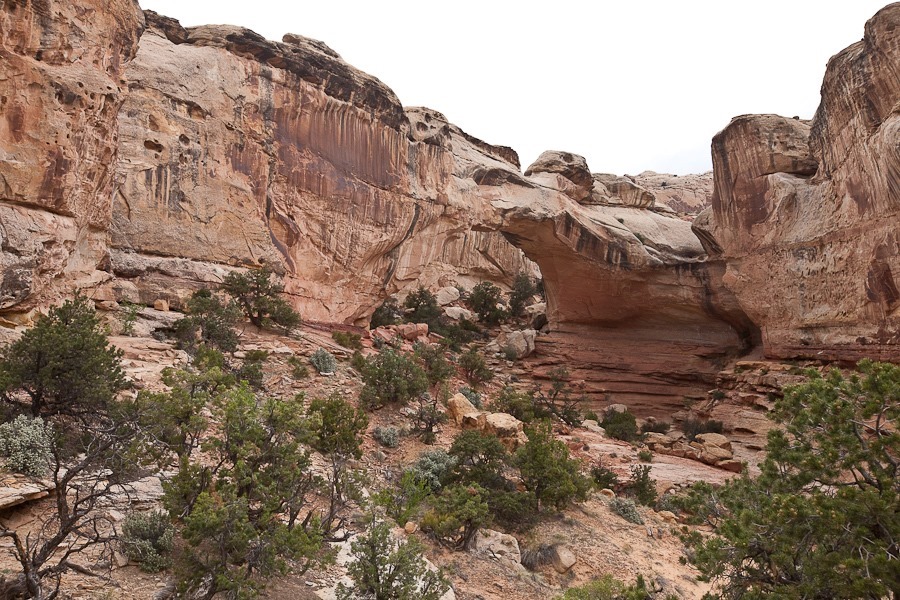
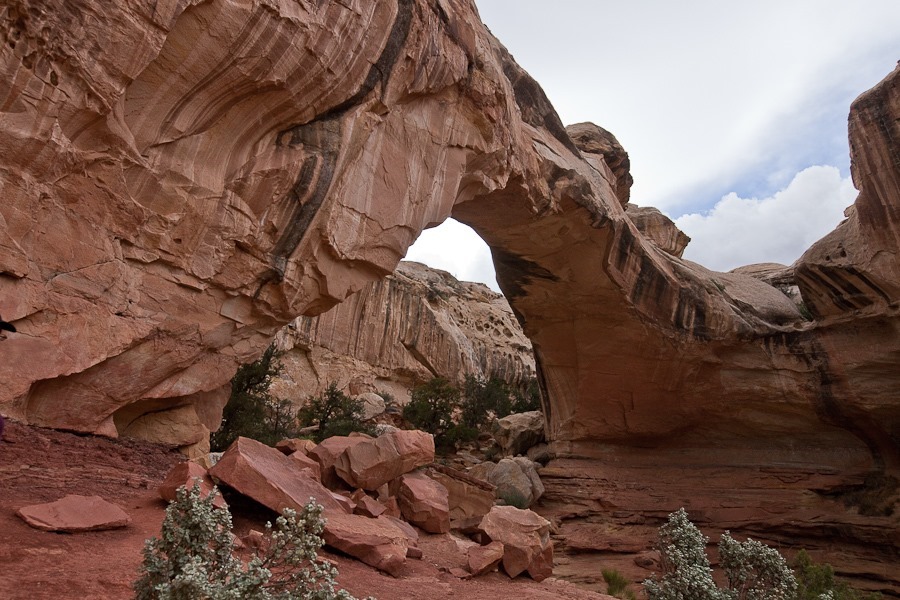
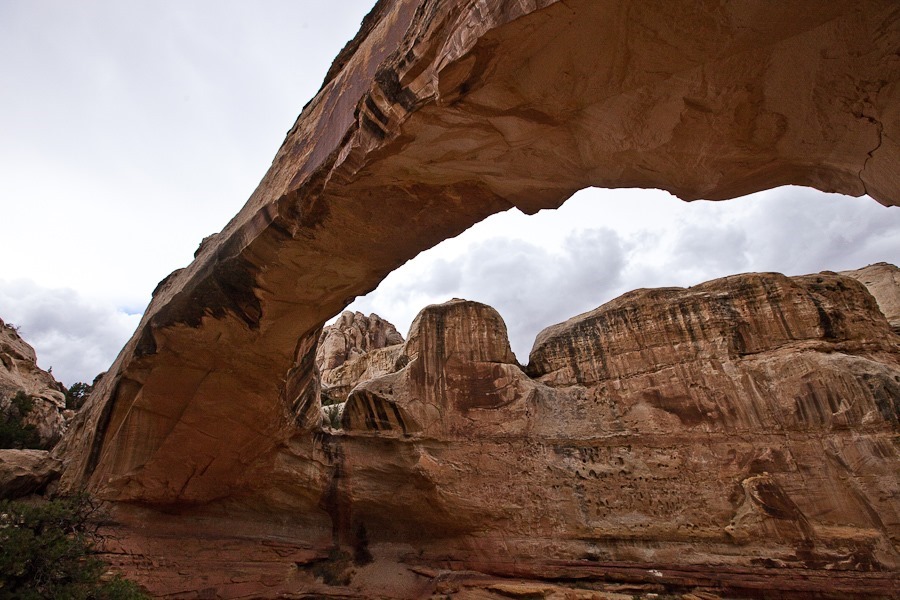
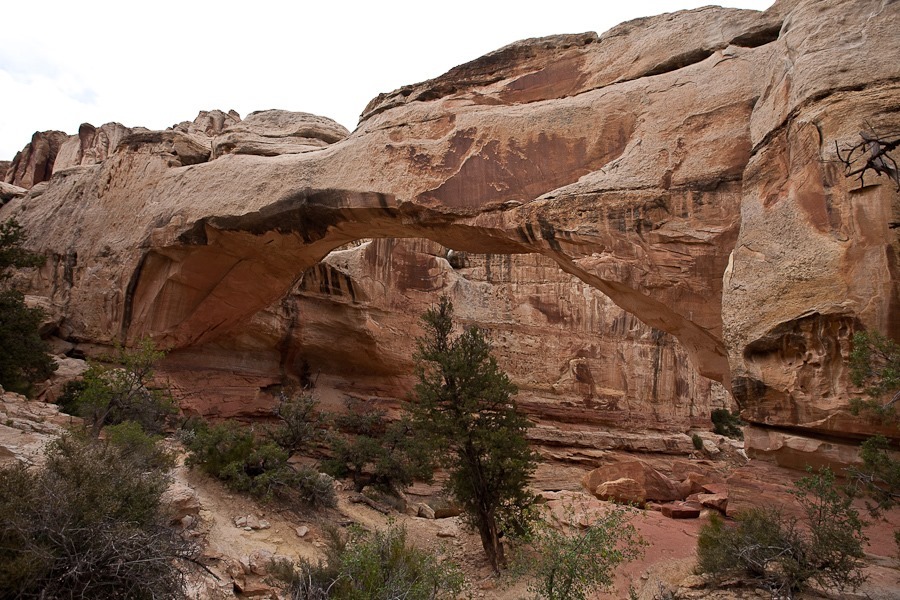
On our way out of the park, we stopped at the Hickman Bridge trailhead:
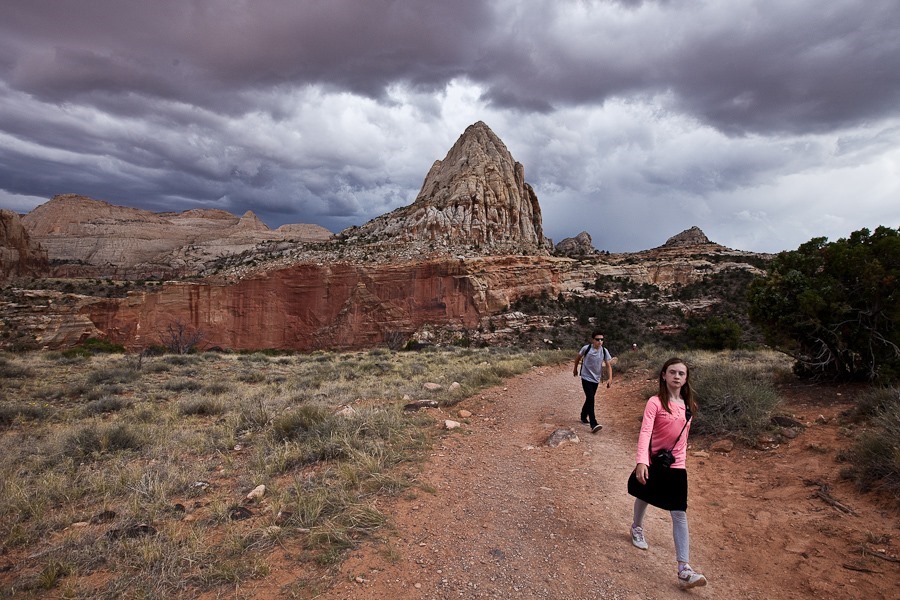
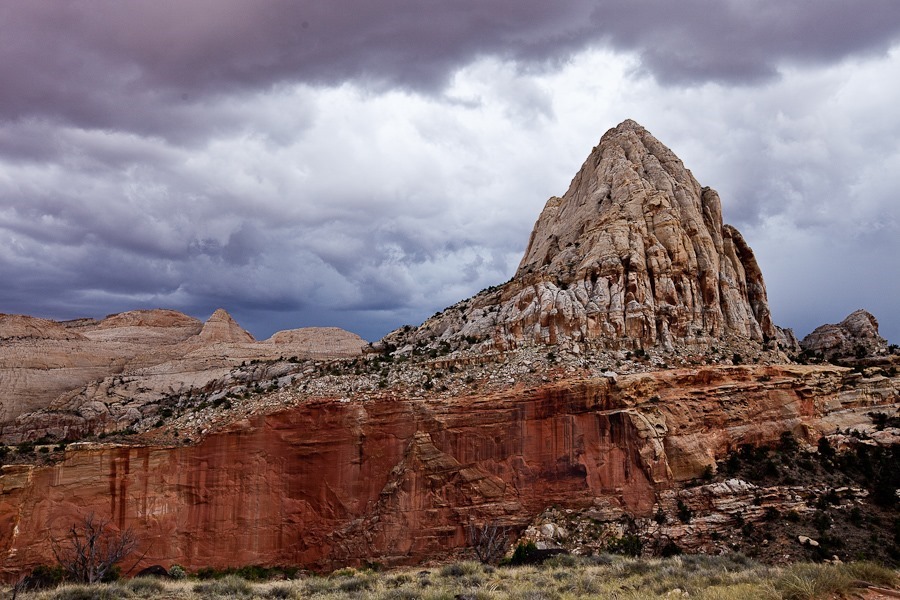
The weather made us nervous, but we kept going:
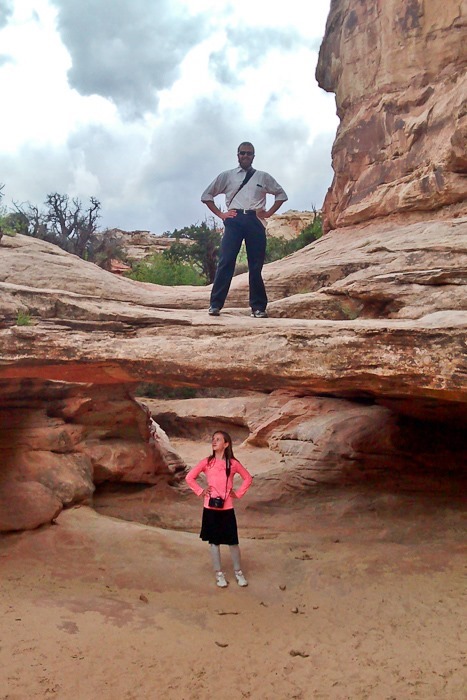
We found a set of small natural bridges in the creek bed:
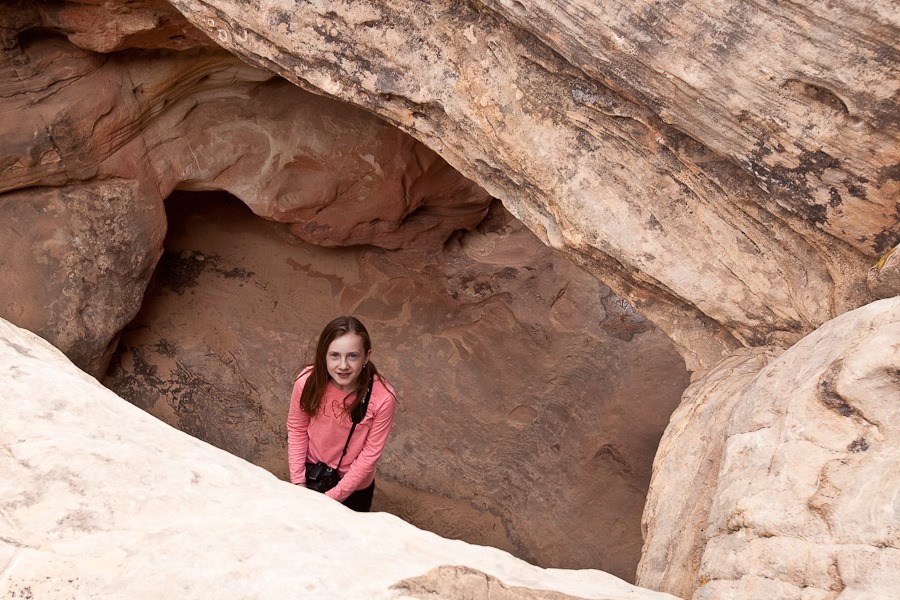
The bridge blends in with the stone behind it, but it’s there:
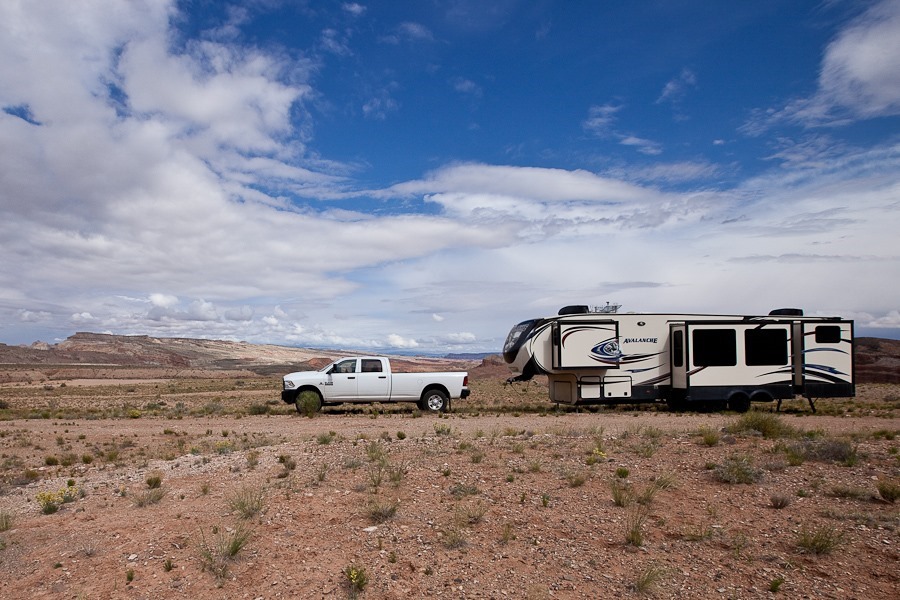
After the hike, we drove back to the RV and hitched up. We drove east to Hanksville, stopping for groceries and WiFi. We then drove north, west, and south to a dispersed camping location just outside Goblin Valley State Park. See the trip map for today’s drive and our current location.

 ‘
‘
 ‘
‘
 ‘
‘


 Facebook
 Instagram
 Email
Email