This morning the weather was favorable for flying, so I set up for launch along with my Albuquerque flying friends Sue and Carl. We last flew together at Salton Sea. Kirk is here too but decided not to fly today.
Winds were light and variable, and at 4,600 feet of elevation I had a number of failed launches before managing to launch flight #97:
Our RV is in the center, and Team Albuquerque is on the right:
Lots of lakeshore to explore:
Above the lake sits the town of Hot Springs Landing:
After homeschool, the kids had a great time playing in the shallow water:
We’re only a couple feet from the shoreline, so we feel like we’re houseboating:
This morning I woke up before sunrise. I wanted to take off from our dispersed camping location on BLM land to get an aerial view of the Very Large Array. The lack of wind coupled with the thin air at over 7000’ of elevation here would require a great deal of running to launch, and a correspondingly high speed landing, so I decided not to risk equipment and limb:
This high up, it’s pretty cold in the morning:
Rather than go back out to the highway to get to the VLA, we decided to continue along the dirt road that led to our overnight camping location. We had to open and close a number of cattle gates:
We drove towards the VLA, which is composed of 27 radio antennas that ride on three railroad tracks. The antennas are moved along the rails to place the array in one of four different configurations, each of which provides different detection characteristics, like changing the zoom on an optical lens. This configuration shown here is comparatively compact, as the railway that defines each leg of the “Y” is 12 miles long. Image courtesy NRAO:
Each antenna lives on a mount next to the rails used to change the antenna positions in the array. Image courtesy NRAO:
On the way to the VLA, we passed an antenna mount point used in a wider array configuration than the configuration currently in use. A special locomotive drives under an antenna, lifts it up,and rolls out to the main rails. The locomotive then lifts each of its corners at a time, rotating the lifted wheel assembly 90 degrees and then lowering the rotated wheel assembly onto the main rails. Once all four locomotive wheel assemblies are rotated onto the main rails, the locomotive moves the antenna at a maximum speed of 2 MPH to the antenna’s updated mount point. The process is then reversed to place the antenna on it’s updated mount point:
The VLA rails on this one of the three legs of the “Y” extend into the distance in both directions:
We at last arrived at the entrance to the VLA:
The VLA is so sensitive that it could detect a cell phone signal emanating from Jupiter, so it’s understandable that local radio signals need to be kept to a minimum to avoid interference with ongoing observations. Unlike optical observations, radio observations go on both day and night:
We watched the site video, narrated by actress Jodi Foster, who starred in the movie Contact which was partially filmed here. We also checked out the displays in the auditorium:
A feedhorn like this is used by the VLA antennas to receive radio signals. Each antenna contains many feedhorns which vary dramatically in size, each feedhorn’s size being proportional to the wavelength of the radio signal it is designed to receive:
This model shows an antenna about to the moved by the special locomotive mentioned above:
We went outside on the walking tour. The first stop was this radio telescope we were able to aim and watch a meter on the telescope change based on how much radio “light” was received. We discovered that the sun emits a good bit of radio signal:
This exhibit showed the power of parabolic dishes to focus an incoming signal. B and Trish could whisper into their dish and hear each other very clearly over this considerable distance:
Dishes everywhere:
Each dish is 82 feet wide and weighs 230 tons:
Throughout our visit, the dishes moved in unison as they observed different points in space. Dishes under repair did not move along with their operational counterparts:
Our last stop was the antenna barn where the antennas are serviced. The VLA uses 27 antennas for observation, but the array has 28 antennas so that one antenna can be in the barn while the rest are observing:
The signal hits the main dish, bounces up to the secondary reflector mounted on the arms, then back down into the feedhorns clustered at the center of the dish:
We drove east and south to Bosque del Apache National Wildlife Refuge. Probably the most famous wildlife refuge in the US, Bosque del Apache hosts Sandhill Cranes for the winter portion of their annual migration:
Sadly, the cranes for the most part have departed, but we contented ourselves with a tour of the refuge’s cactus garden:
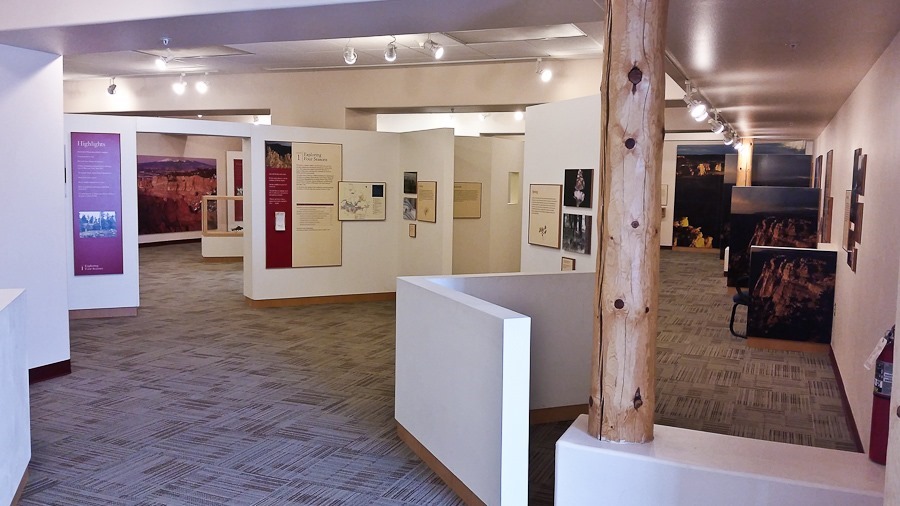
The visitor center was quite well done:
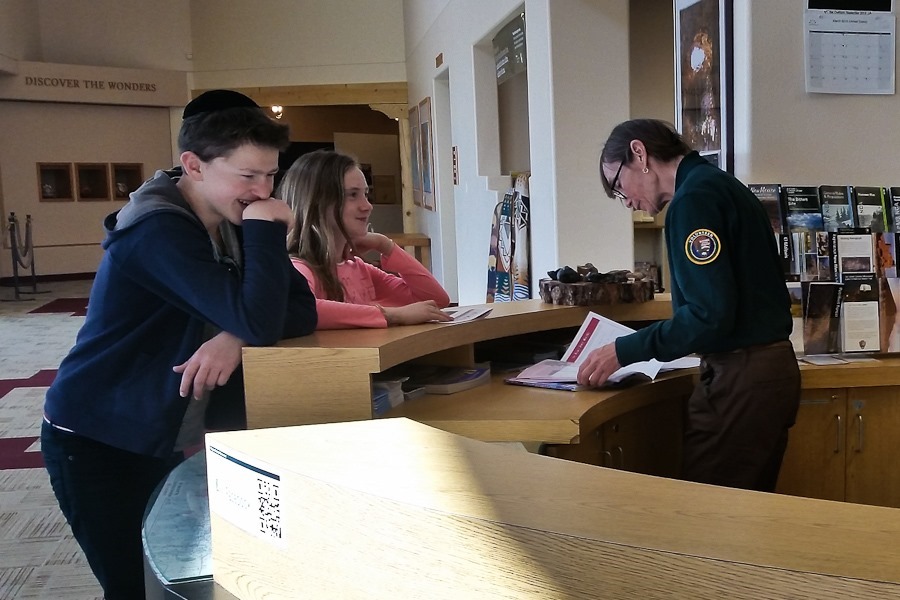
Like the NPSJunior Ranger program, Fish and Wildlife has a Junior Refuge Manager program at a few of the wildlife refuges. The kids completed their workbooks and received their badges:
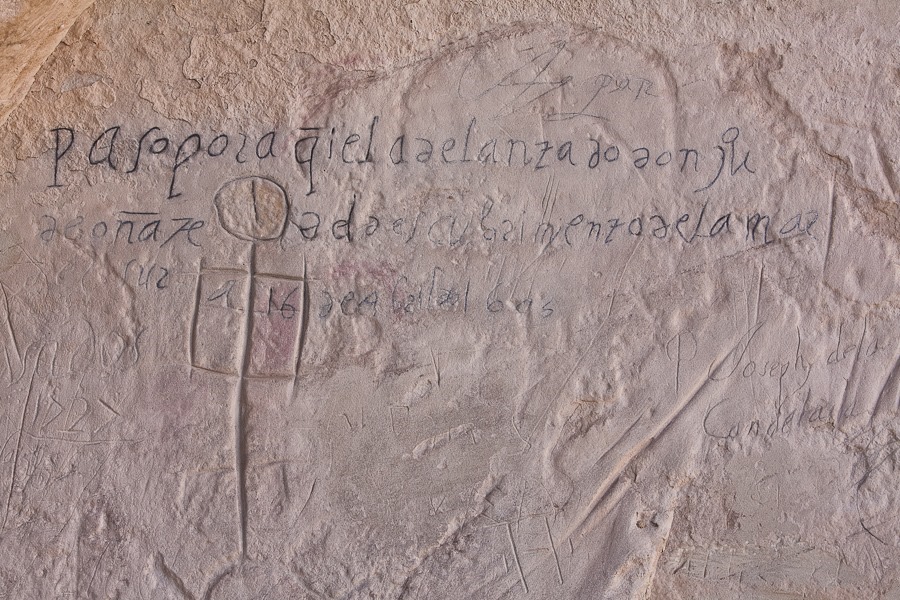
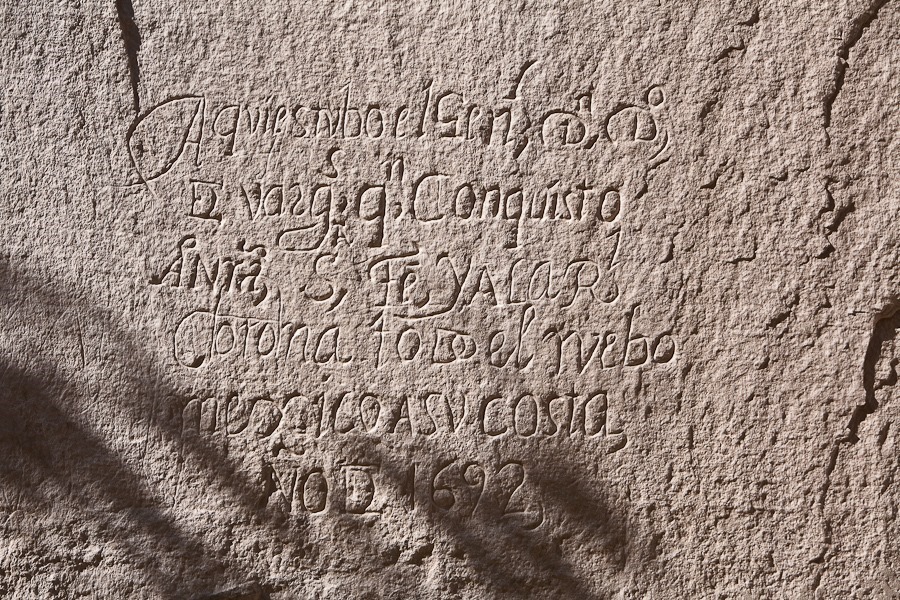
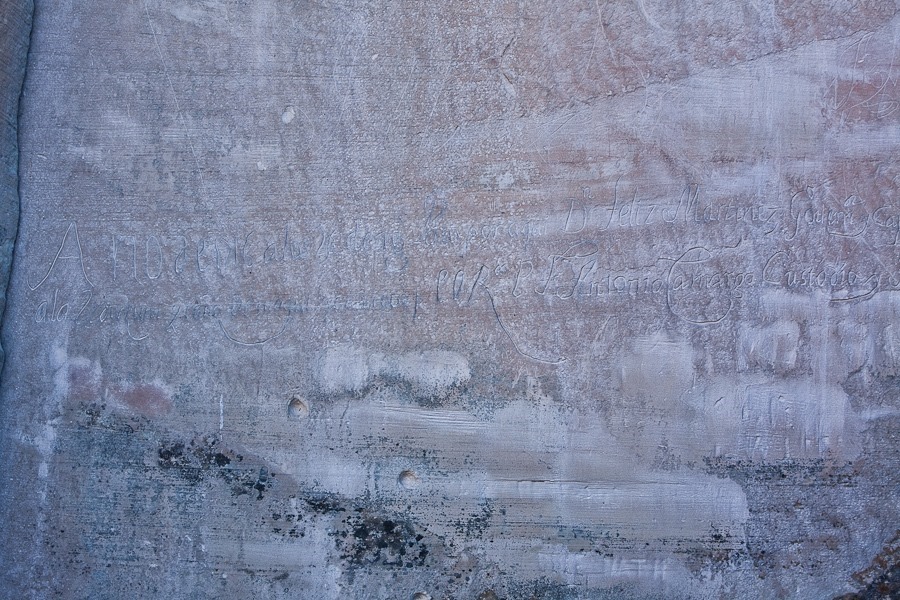
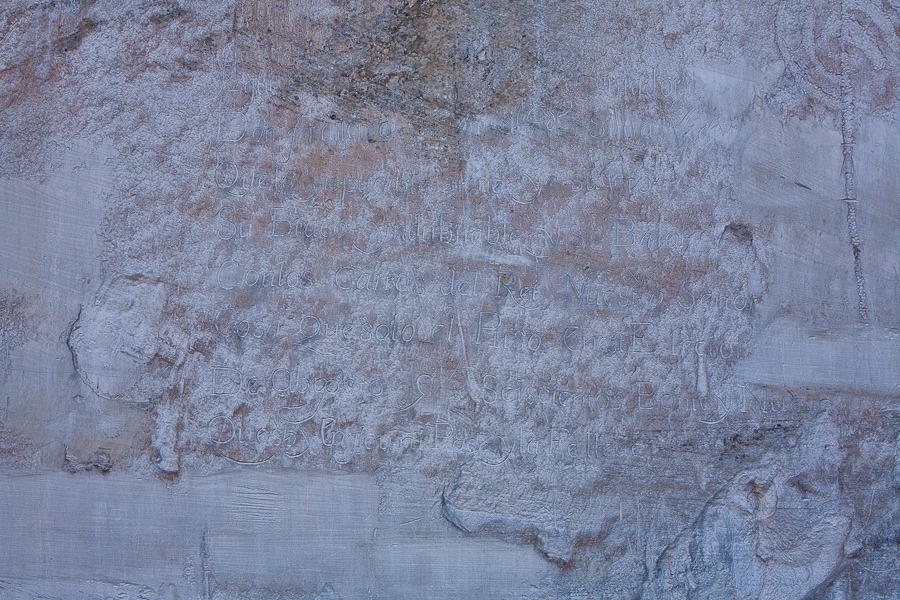
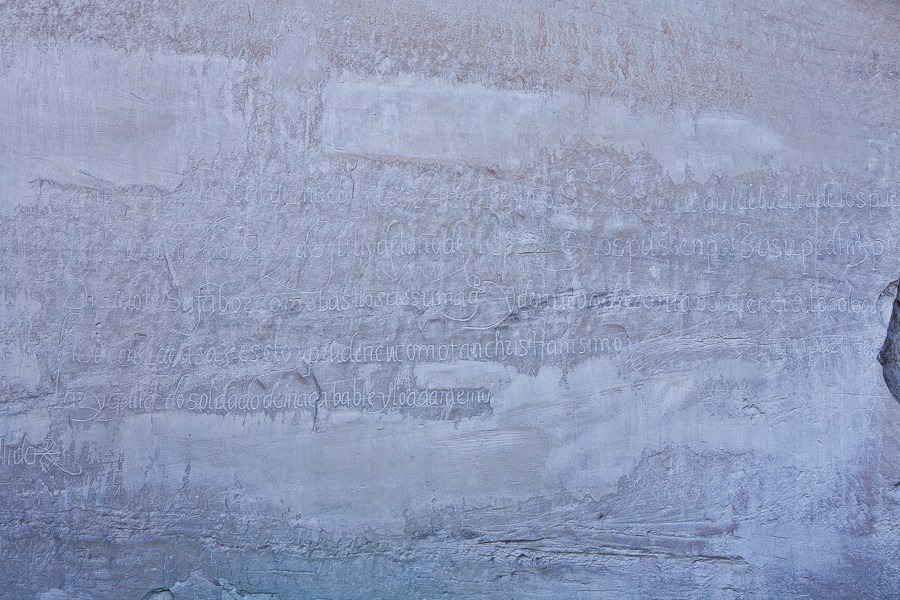
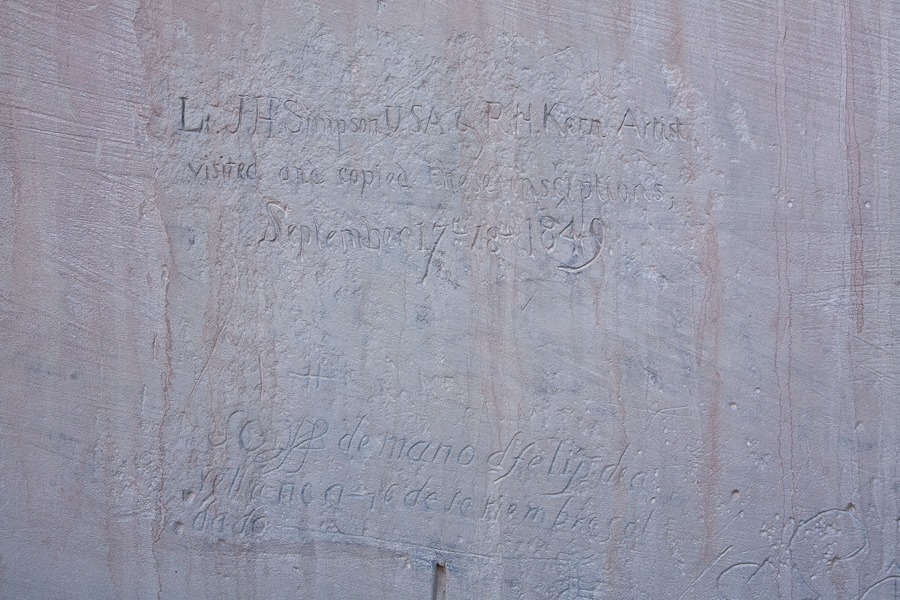
The visitor center tells the story of the El Camino Real, a pathway of trade and colonization used for over 300 years. Juan de Oñate, whose own signature we saw carved at El Morro National Monument a few days ago, travelled this route in 1598 from Mexico in an effort to colonize what today is New Mexico:
The visitor center was very well done:
The kids completed their Junior Ranger workbooks and received their patches:
We continued south to Elephant Butte Lake State Park, where for only $8 a night we will be camped beachside and doing some flying over the next few days.
See the trip map for today’s drive and our current location.
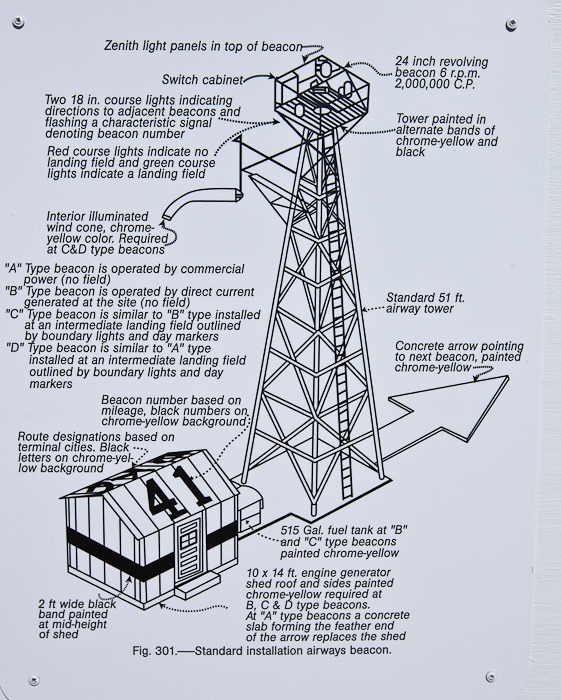
At the beginning of our trip, one of our readers e-mailed a link to us about the giant concrete arrows that were installed all over the US to aid in air mail navigation in the 1920s (thanks Mrs. S!). Each site consisted of a 51-foot tall lighthouse, an operations shack, and an arrow shaped concrete slab. These sites were spaced about 10 miles apart from one another so the pilot could find his way along the route. Thanks to this network of beacon stations, night flying was made possible, halving the time needed for air mail to make its way across the country.
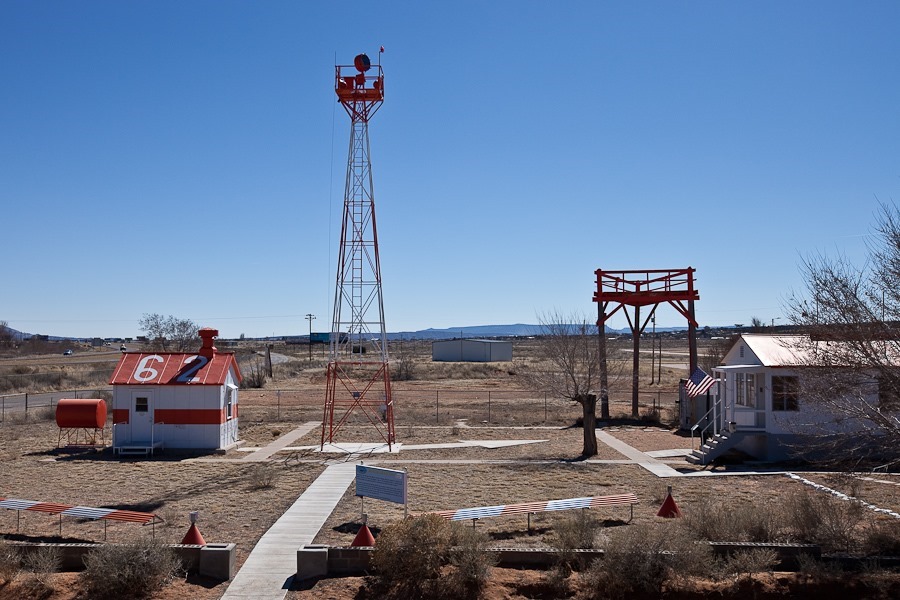
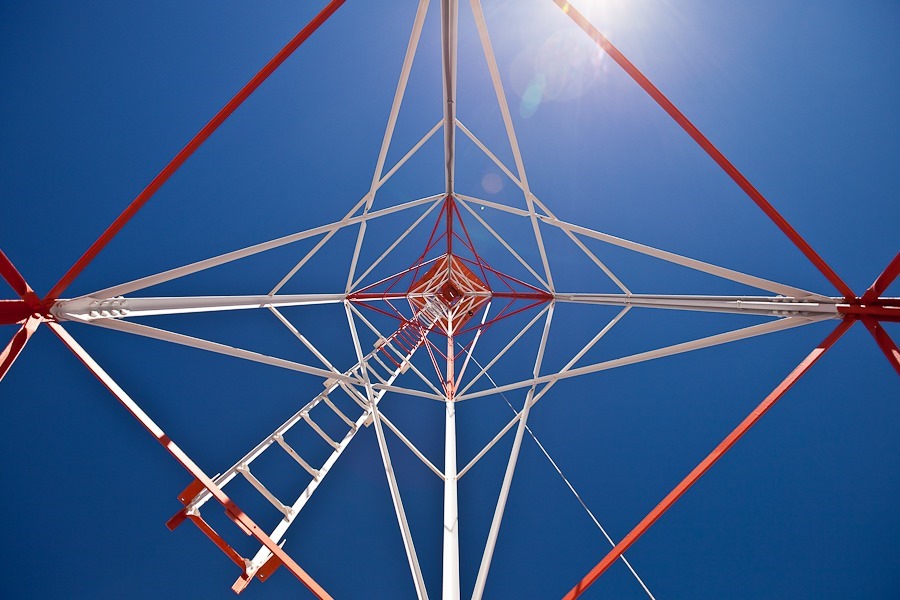
On Day 106, we found our first navigation beacon site, and on Day 200 we found our second site. Today we visited the Western New Mexico Aviation Heritage Museum, which hosts a restored navigation beacon site. The authentic generator shack and light tower were brought here from two different beacon locations, and placed on this recreated concrete navigation arrow:
One side of the shack’s roof is painted with the beacon number, which usually corresponds to the distance, in tens of miles, from the beginning of the route:
The other side of the roof shows the route name, in this case Los Angeles to Albuquerque:
During the day, the pilot would use the arrow to adjust his heading to the next beacon station as he flew over:
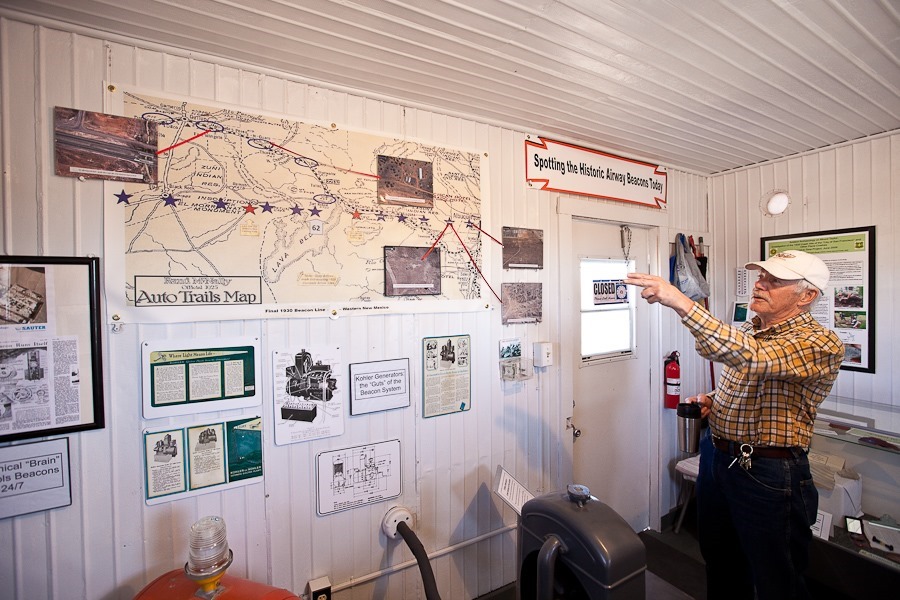
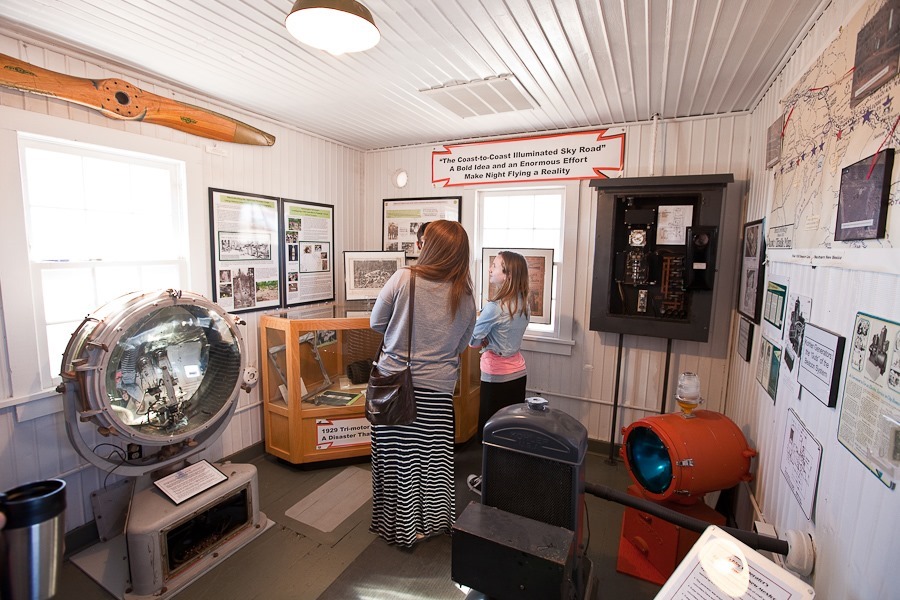
The inside of the shack has been converted into a museum describing the history of these beacon stations:
A scale model of a beacon station:
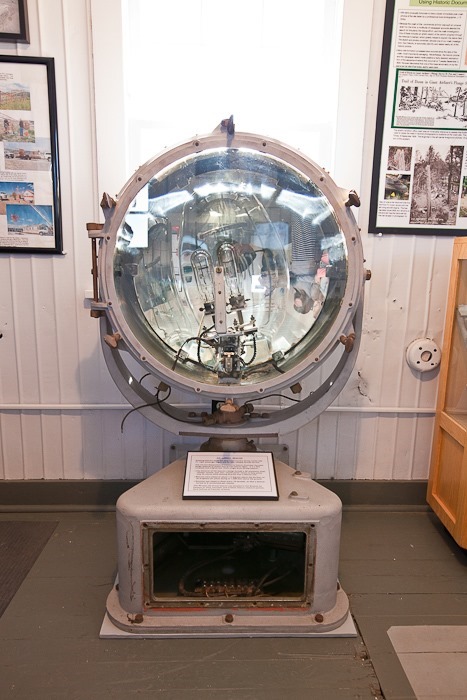
This rotating signal light is two feet across and is illuminated by a 1,000 watt bulb. A spring loaded mechanism automatically switches to a backup bulb when the primary bulb fails:
A model of the Ford Trimotor, the 747 of its day, used by Transcontinental Air Transport to transport passengers and air mail along the route. It was a TAT-piloted Trimotor that crashed near here into Mount Taylor in 1929, the first plane crash on a regular commercial land route:
This display shows concrete arrows that still exist:
Transporting and restoring the shack and tower:
In an adjacent communications building, I noticed a license plate fragment was used to patch a hole in the floor:
Eventually concrete arrows were phased out in favor of elevated steel arrows, as the latter could not be buried under snow:
The kids completed their Junior Ranger workbooks and received their badges:
We drove south to visit locations in El Malpais National Monument. We also visited the visitor center for the BLM’s El Malpais National Conservation Area which is adjacent to the National Monument:
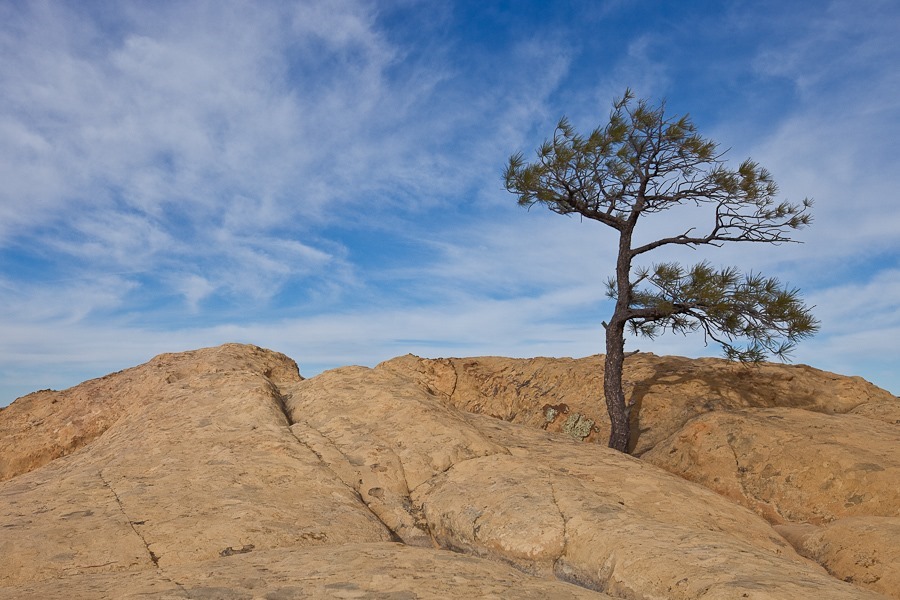
We visited the Sandstone Bluffs Overlook:
B photographed this caterpillar:
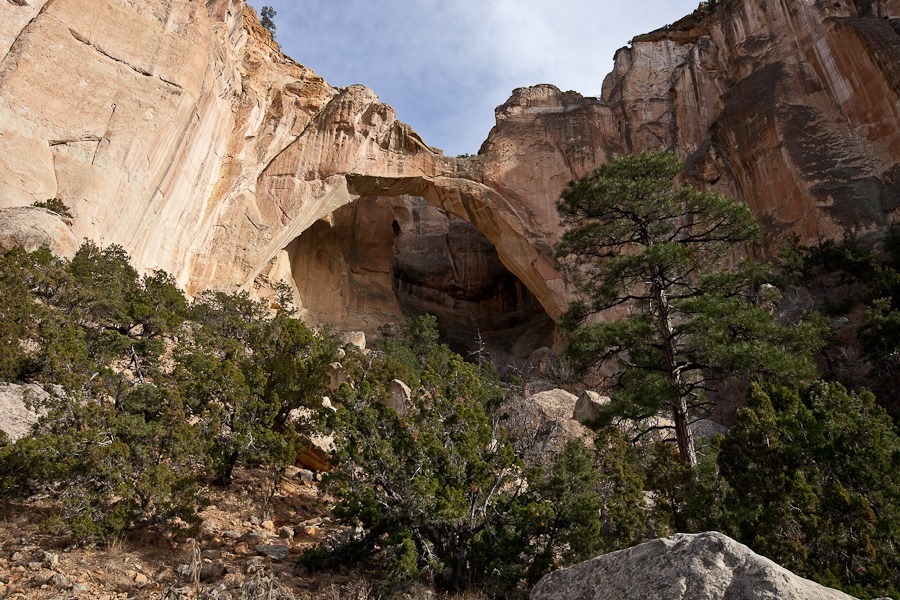
Next we hiked out to La Ventana Natural Arch:
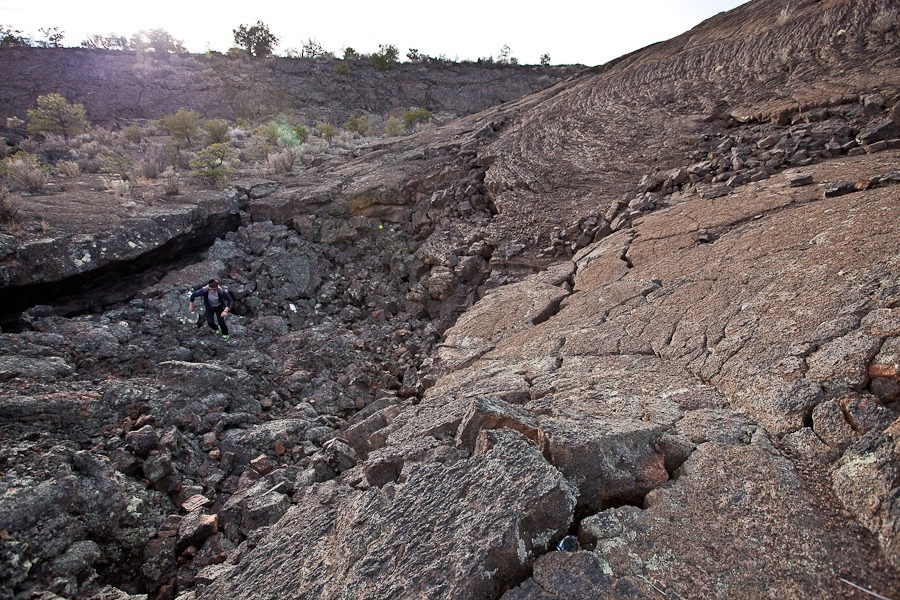
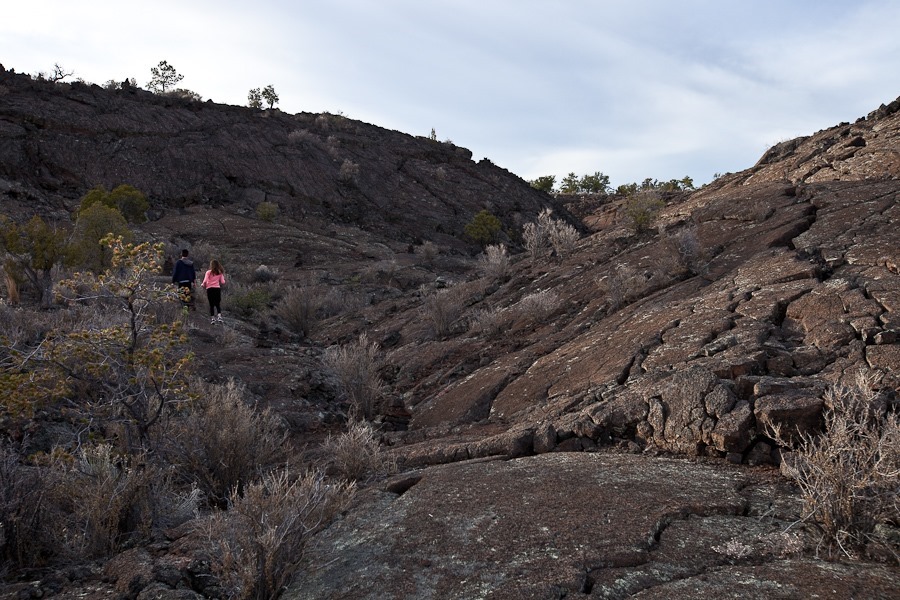
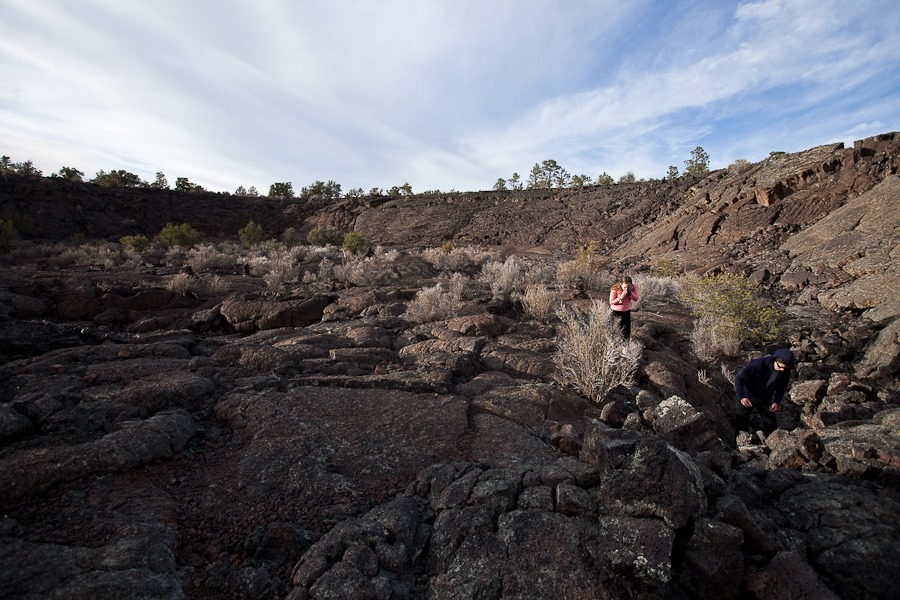
Our last stop was the Lava Falls area, where the trail took us out onto the lava flows that are the primary feature of El Malpais National Monument:
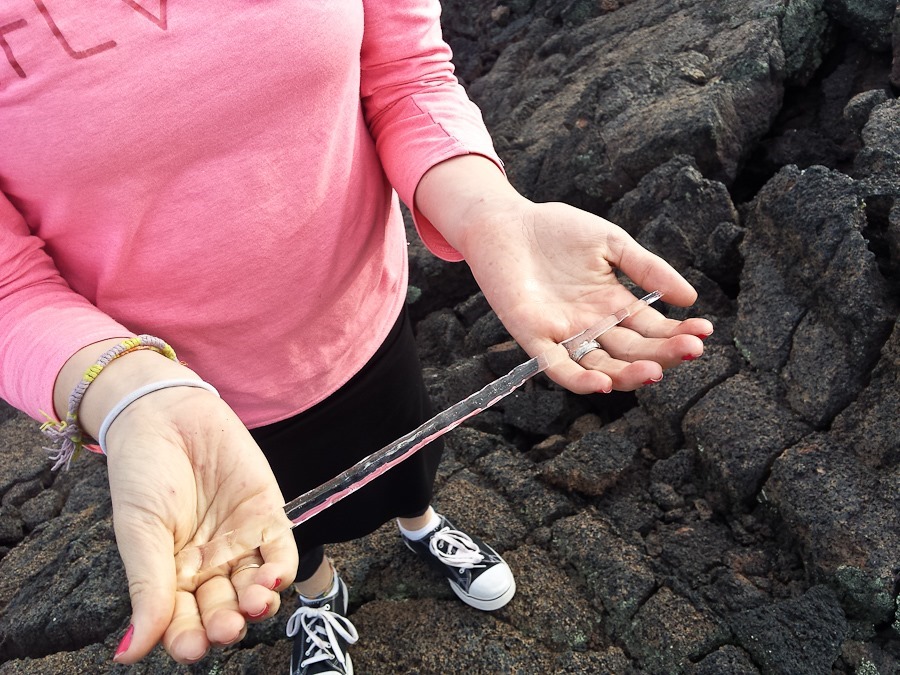
The kids found icicles handing under a shaded shelf in the lava flow:
We continued south and east to overnight on BLM land next to the Very Large Array, which we plan to visit tomorrow.
See the trip map for today’s drive and our current location.
We left the RV at the visitor center and drove out along the South Rim Drive, stopping first at the White House trailhead:
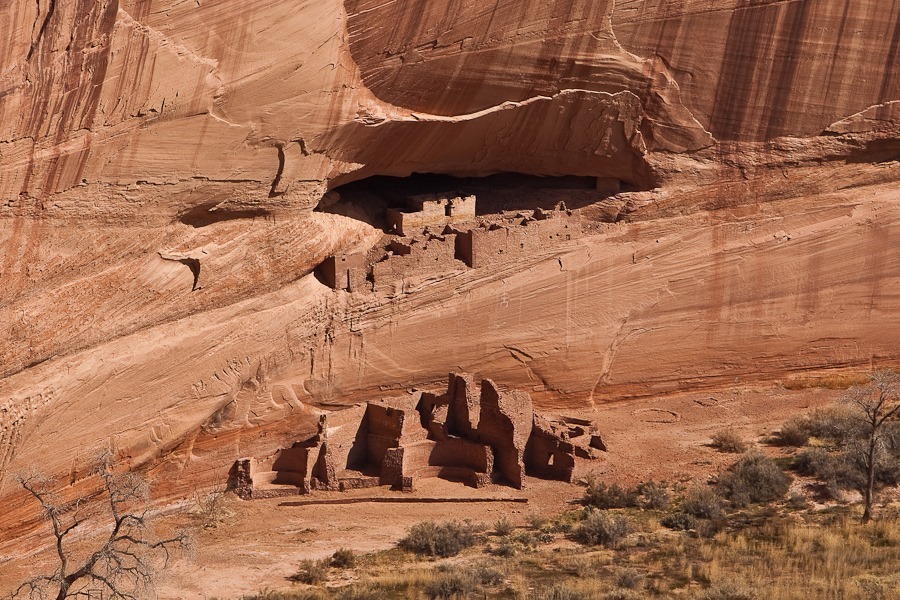
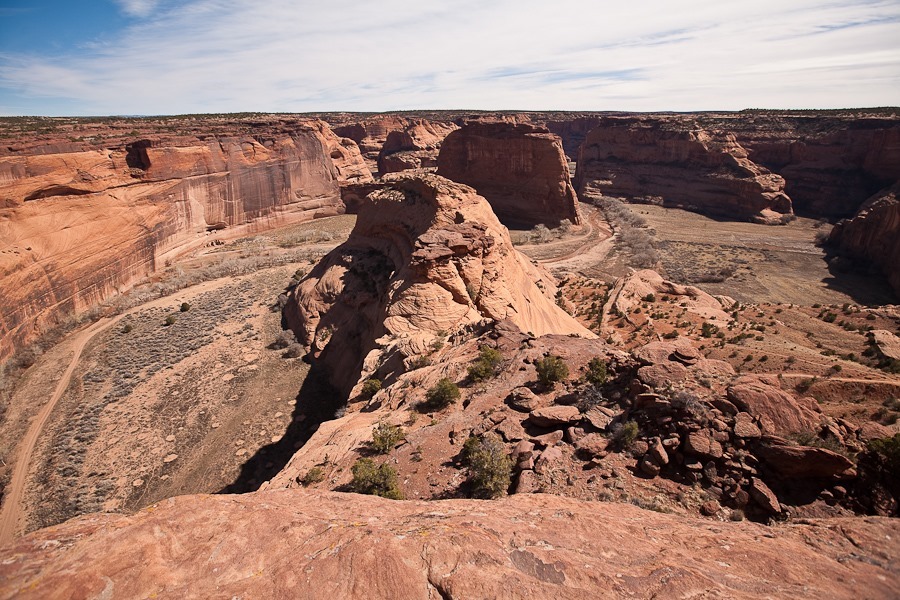
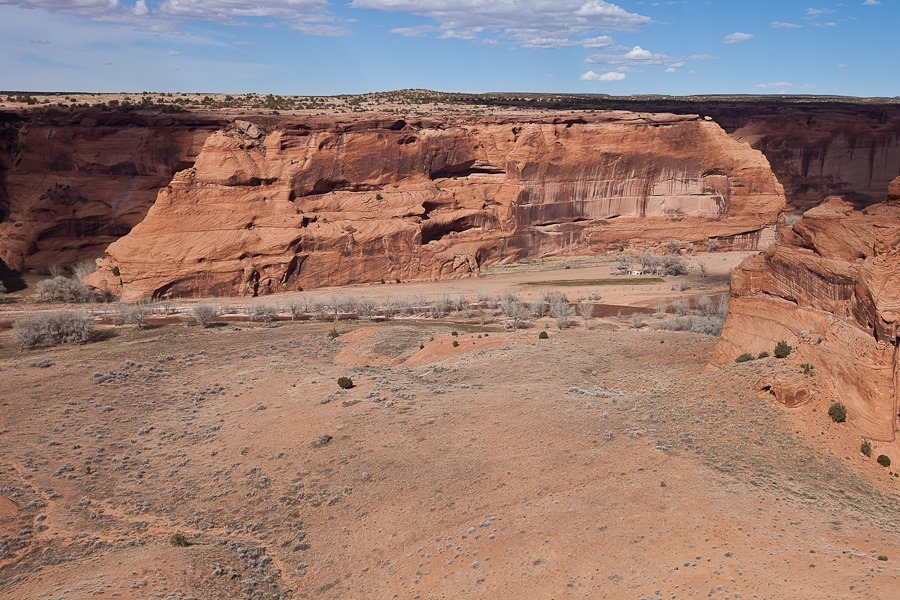
Across the canyon, the White House ruins are visible. Like the other cliff dwellings in the park, this site was built and occupied by the Anasazi between 1100 and 1300:
The White House ruins are along the canyon floor on the left side of this photo:
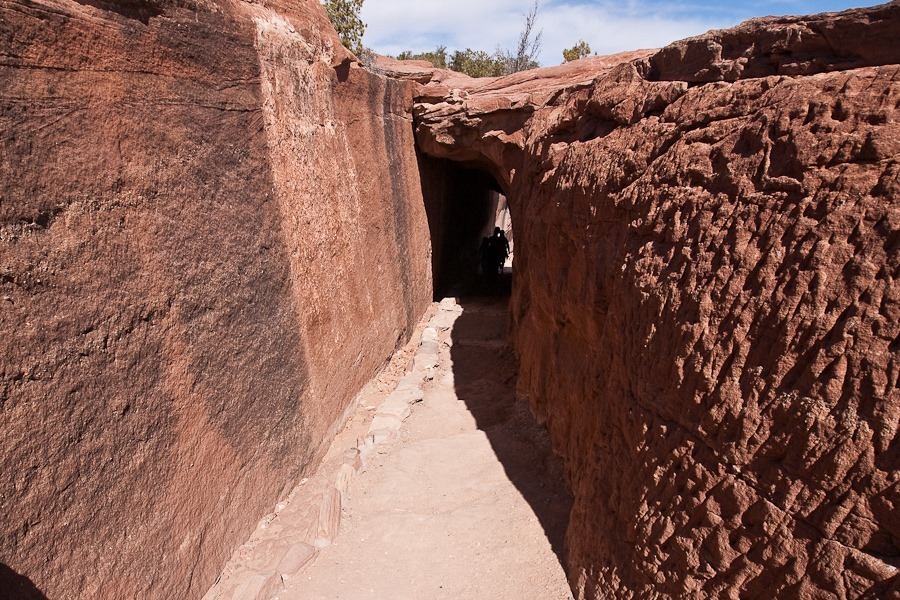
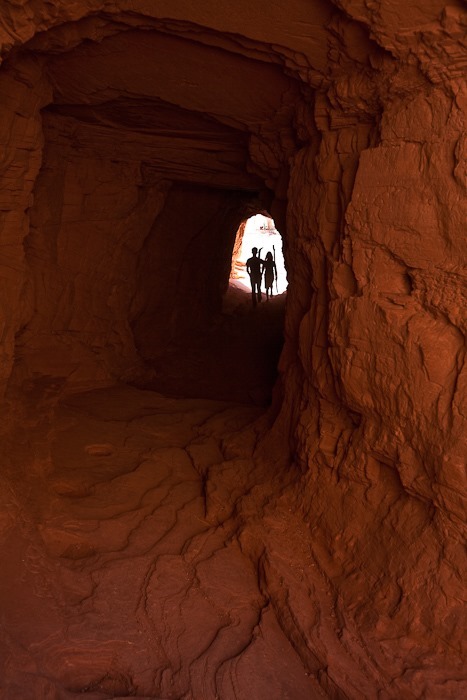
We started our hike down to the canyon floor. In places where the canyon wall is too steep for a trail, the trail was carved through the canyon wall:
Another man-made tunnel:
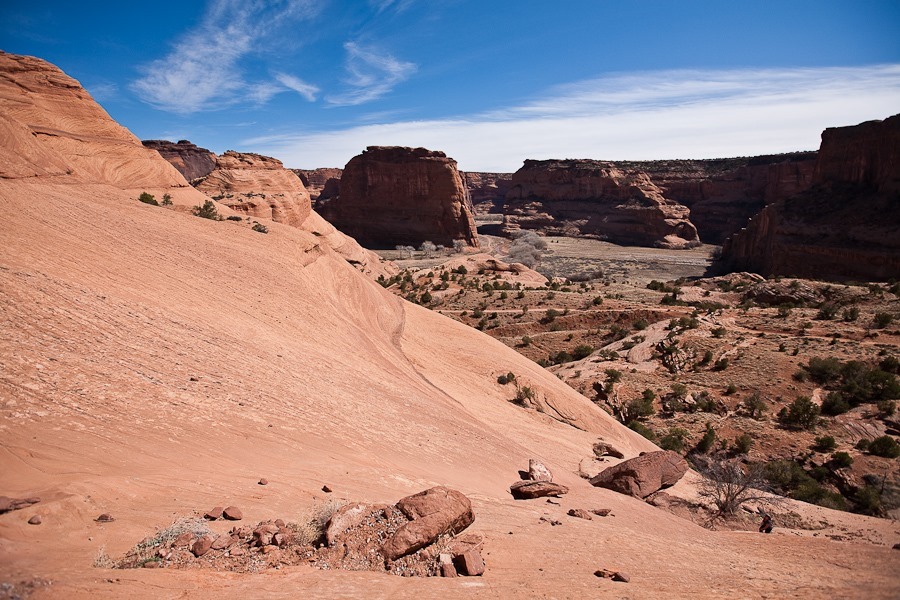
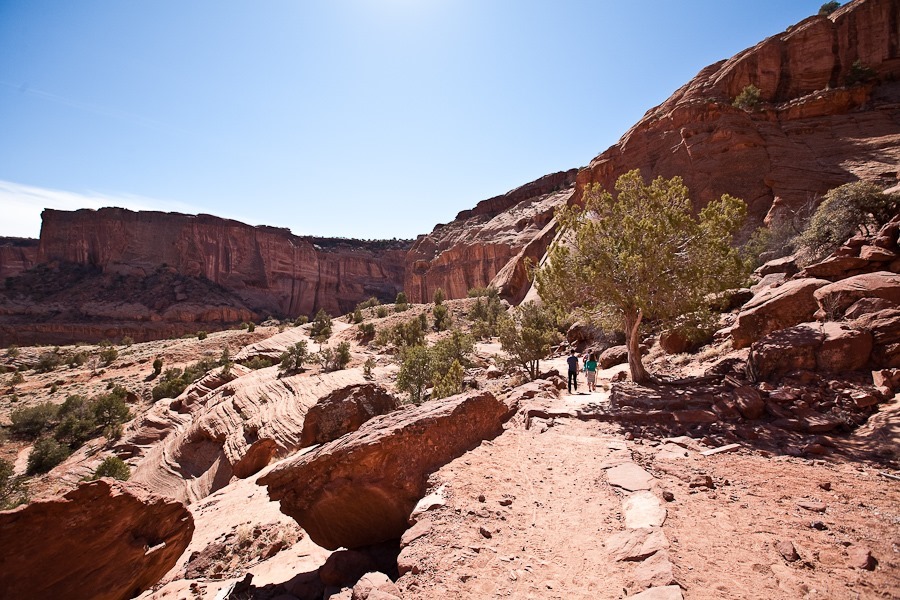
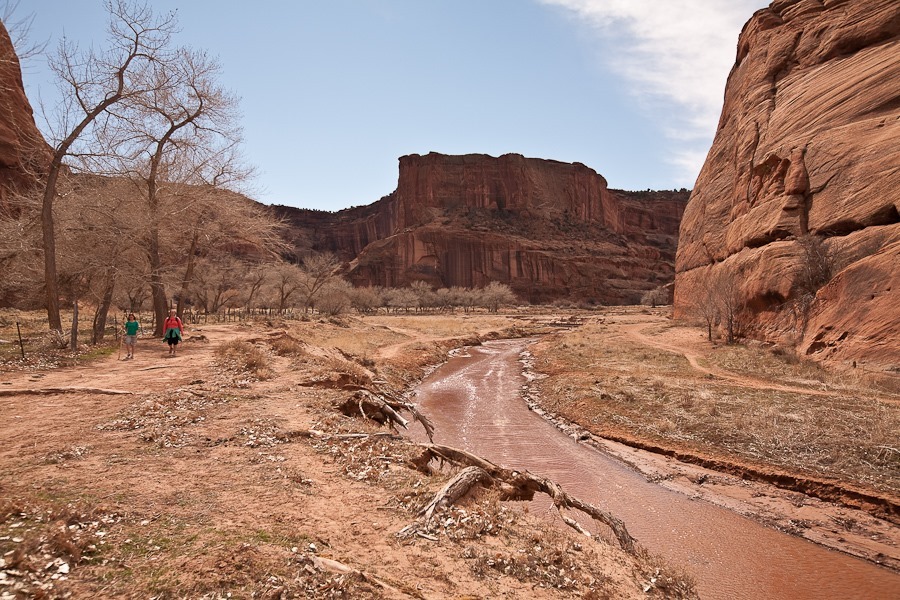
Down of the canyon floor:
White House ruins from ground level:
Heading back up:
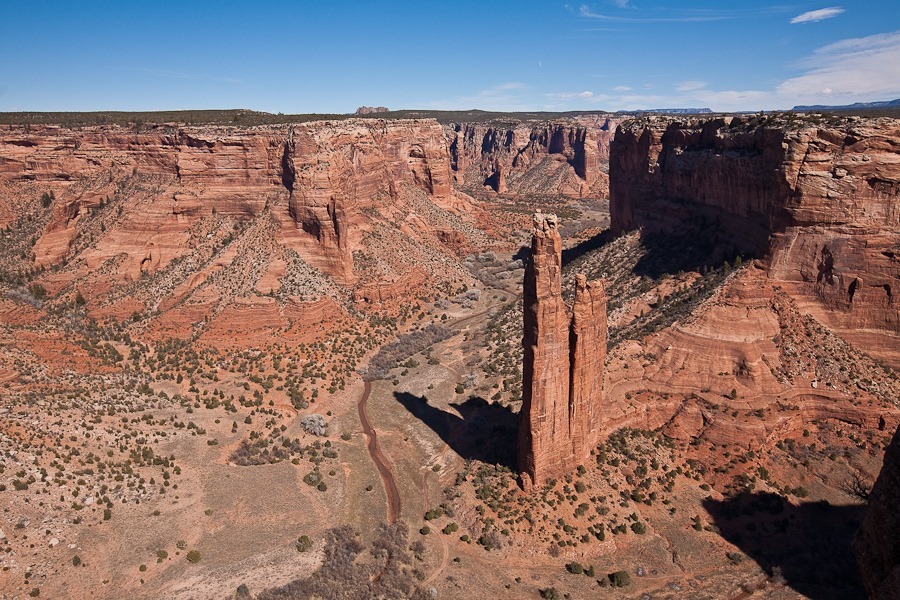
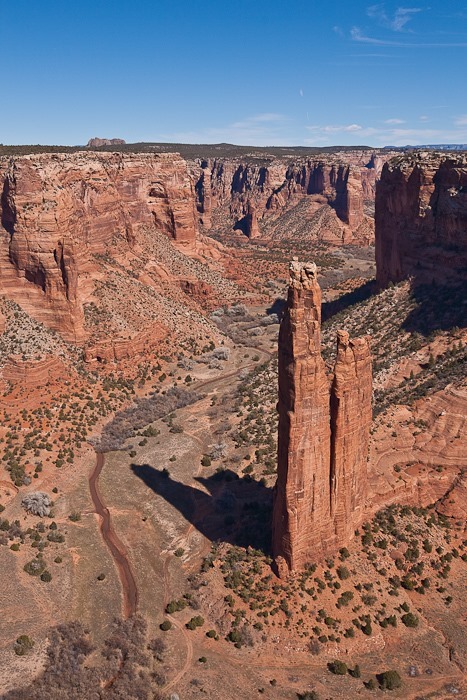
Our next stop was a trail to an overlook of Spider Rock. The taller of the two spires is 750 feet tall:
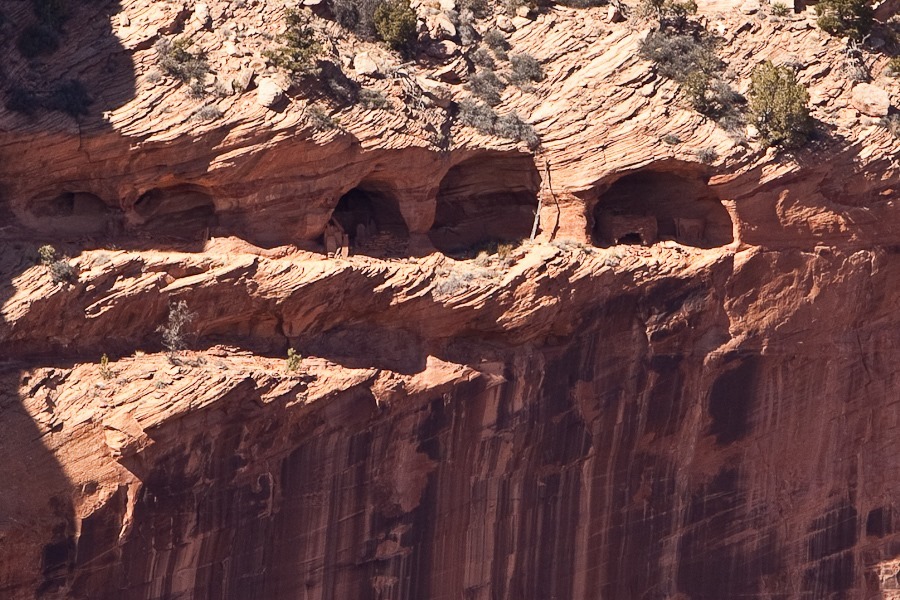
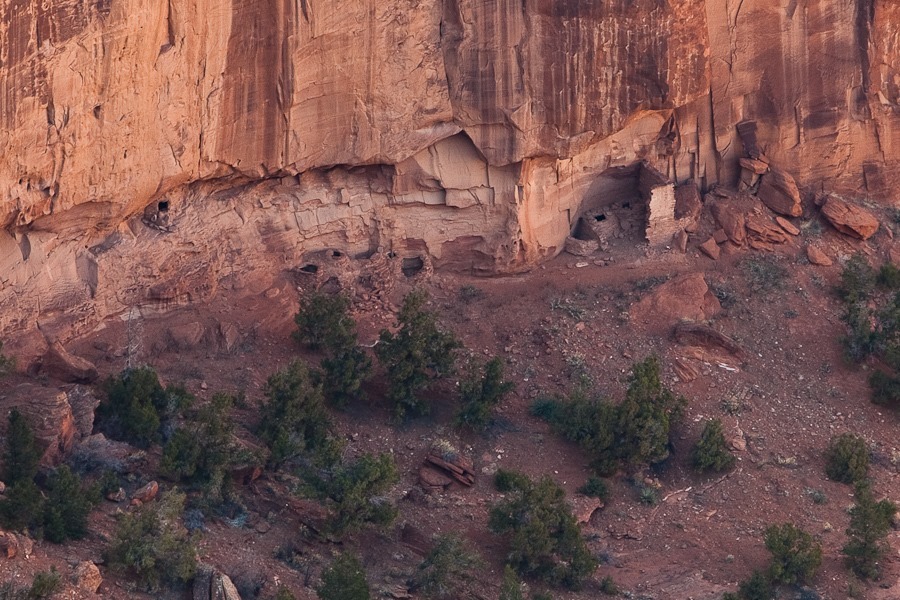
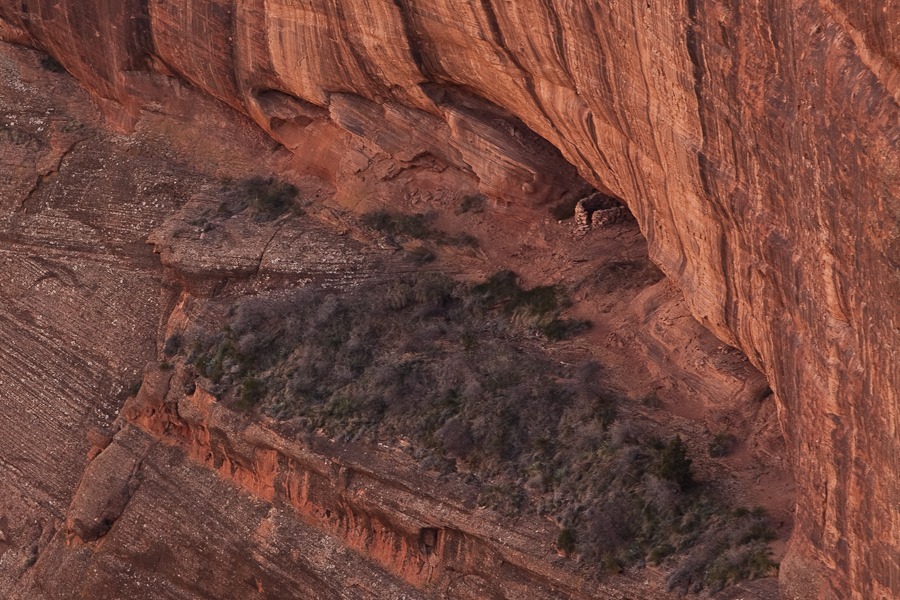
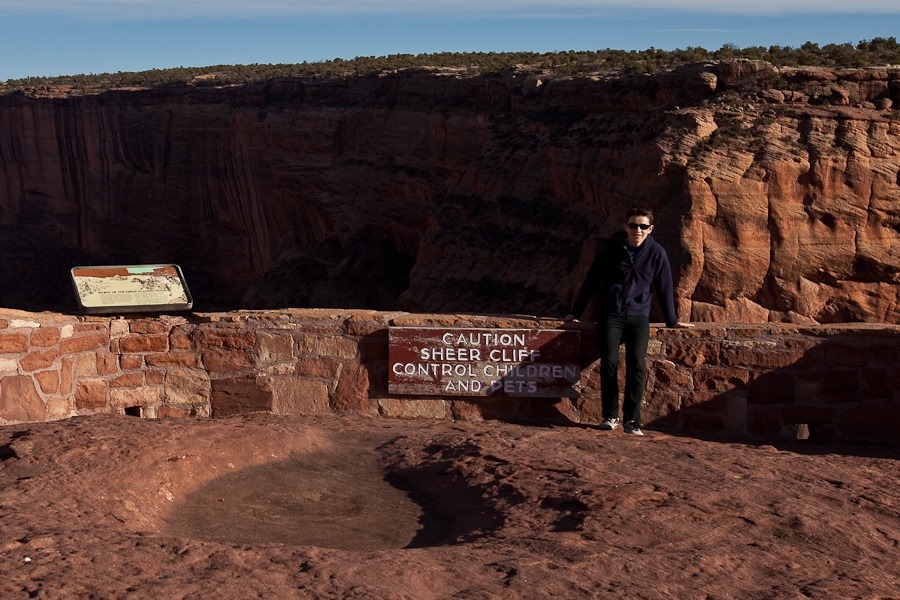
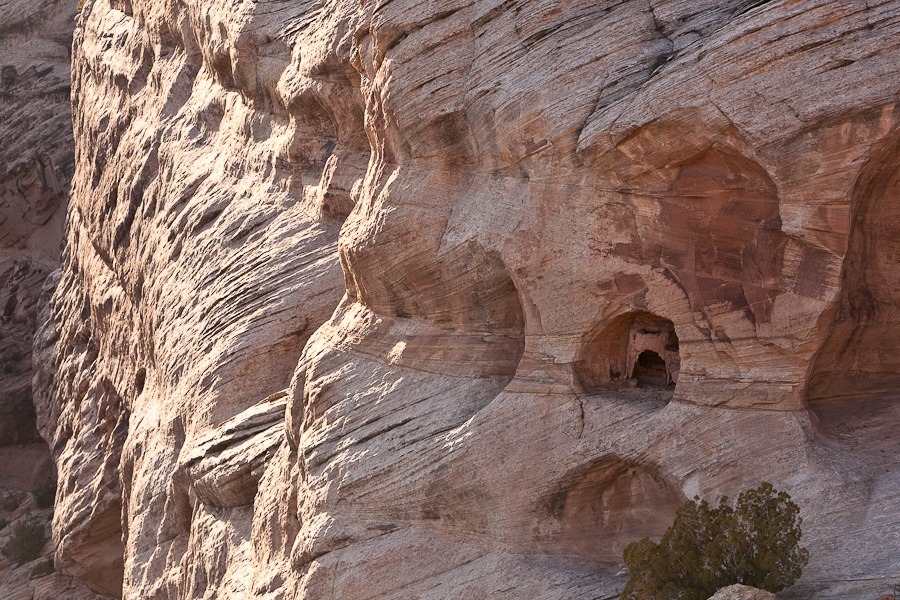
We stopped at a number of other overlooks where cliff dwellings could be seen in the distance:
Navajo tribal members still farm and ranch the canyon floor today:
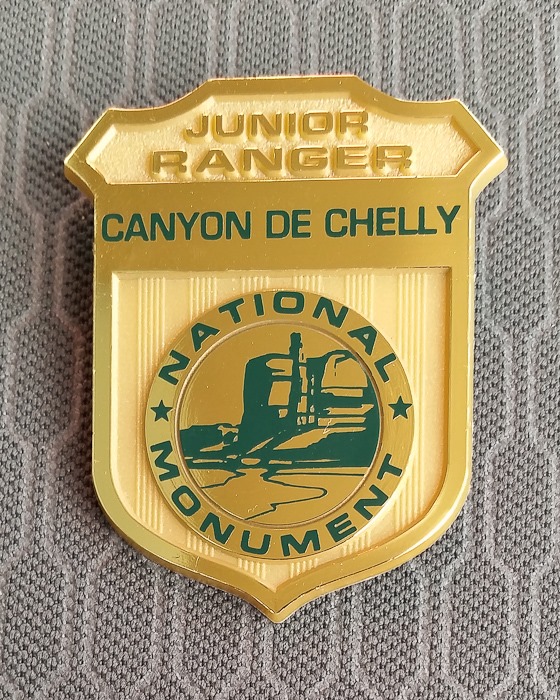
We returned to the visitor center and hitched up the RV. The kids handed in their Junior Ranger workbooks and received their badges:
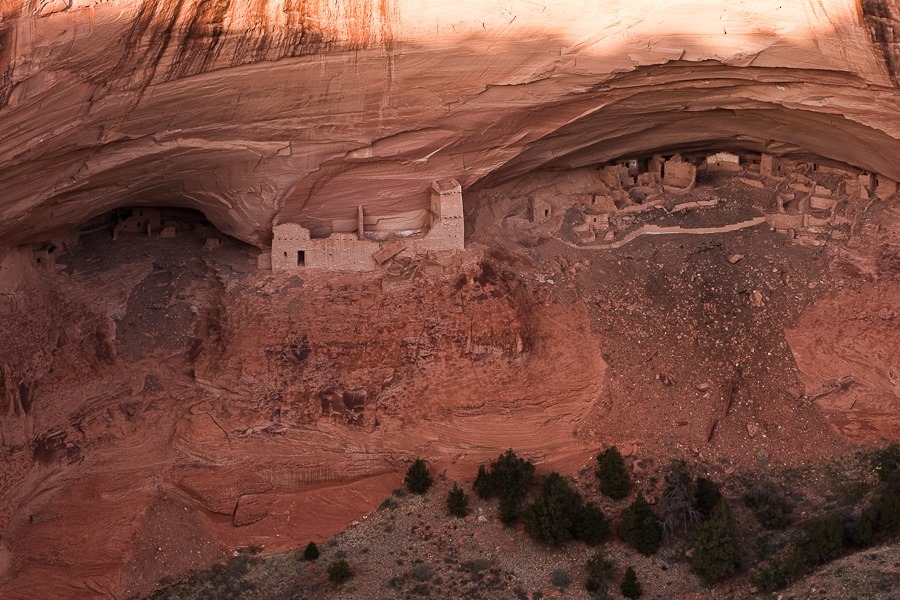
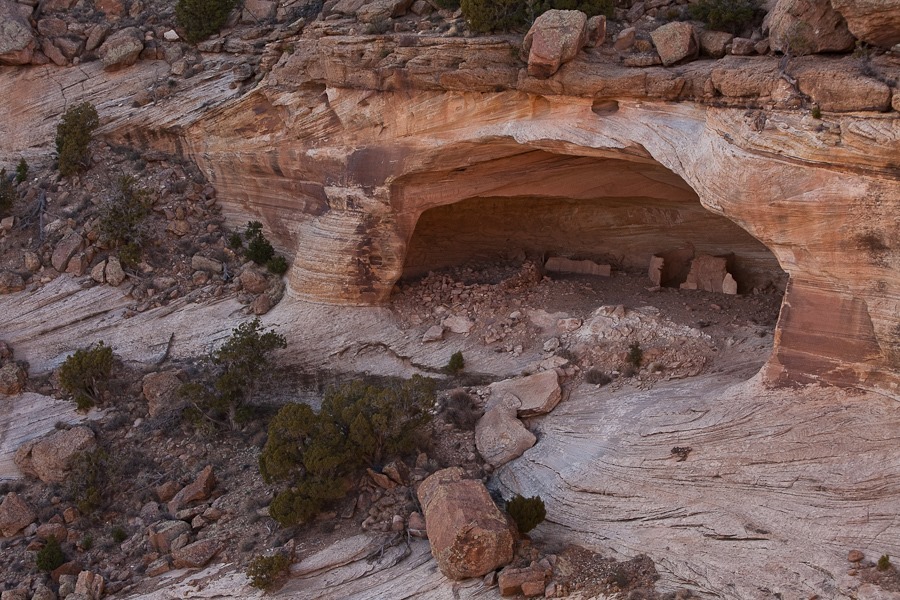
We left the park by way of the North Rim Drive, stopping along the way to view the park’s northern canyon and the cliff dwellings therein:
The Mummy Cave complex is the largest cliff dwelling in the Park:
Our Canyon de Chelly parting shot:
We drove south. Since we left the Phoenix area, we’ve been above 6,000 feet, and this afternoon we passed this frozen lake at over 7,000 feet:
We continued on to overnight at the Walmart of Gallup, New Mexico, where we last slept on Day 383.
See the trip map for today’s drive and our current location.


































 Facebook
 Instagram
 Email
Email