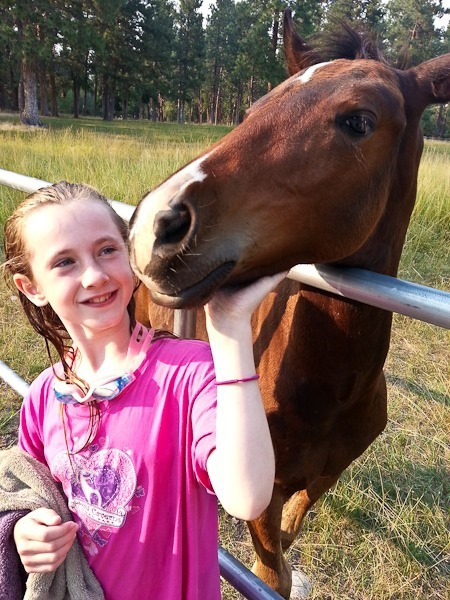
Shabbos here at Aunt Linda’s ranch was relaxing. We went for a couple walks and watched the horses graze.
This morning, the kids took the paddleboat out on the pond:
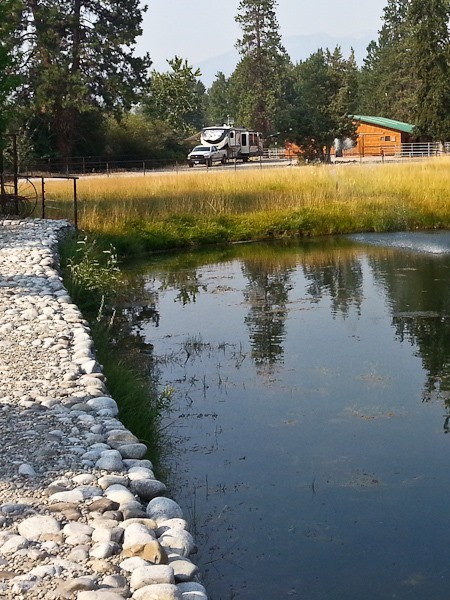
The RV is parked out by the barn:
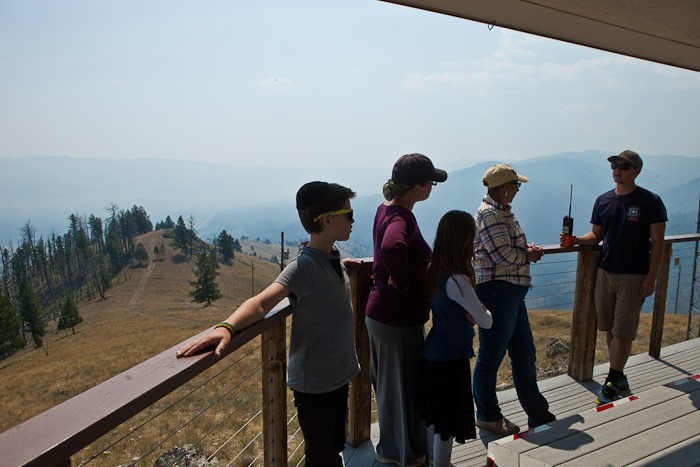
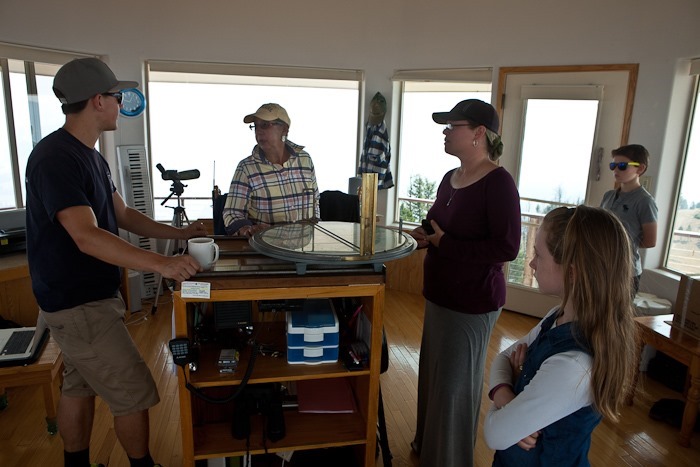
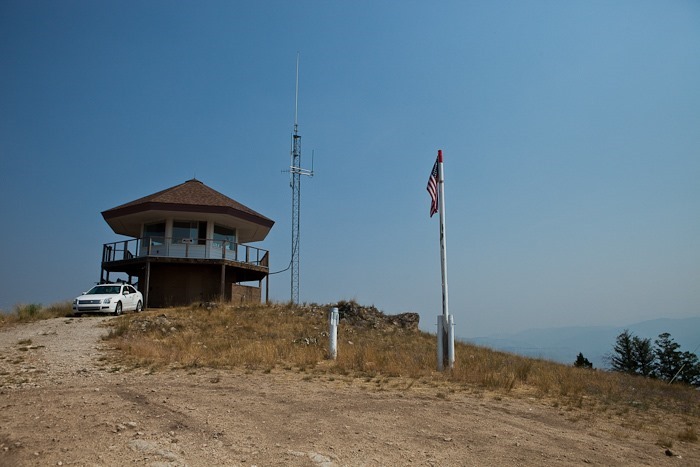
Later in the day, Aunt Linda drove us up to a manned fire tower at the South end of the valley. The watchman explained what he does and showed us around inside his watch tower, which is also his house six days of every week:
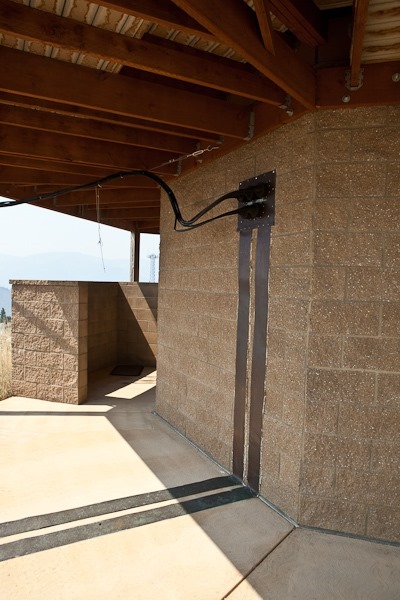
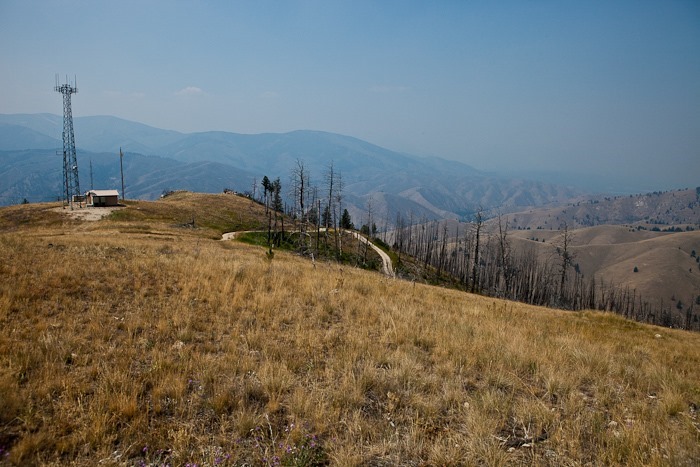
Being the highest structure for miles around, the watch tower has some pretty impressive grounding for lightning strikes:
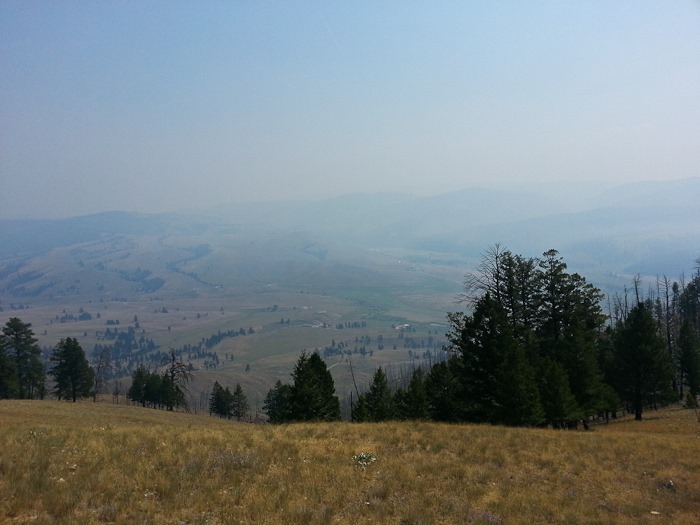
Winds carry smoke from fires in Washington state into the valley, reducing visibility quite a bit:
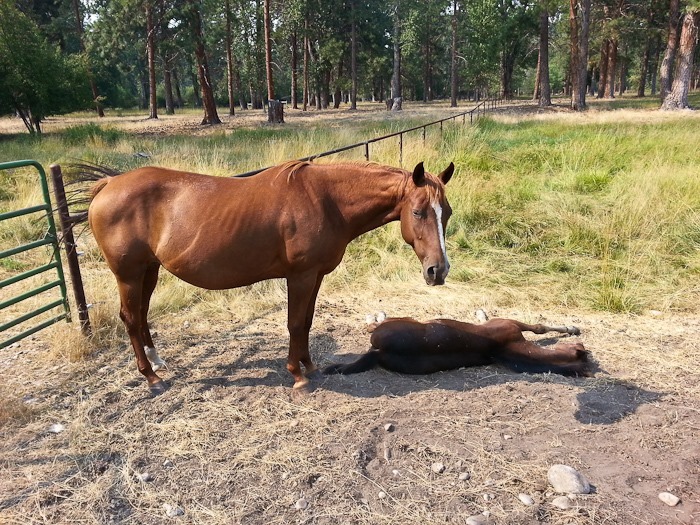
Back at the ranch, the colt was taking a nap:
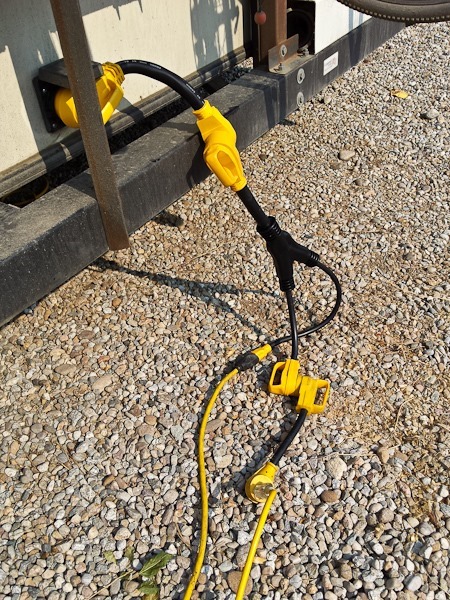
It’s really hot here, so I’m glad we have this Y adapter. It allows us to bring two conventional household circuits into the RV’s 50 Amp, two circuit connector so we can run both air conditioners, one on each circuit:
Yesterday was Tisha B’Av, and the fast went as well as could be expected. While it’s obvious driving around in Canada that we’re not in the US, within the synagogue walls there’s no difference between Calgary and any synagogue in the US.
We were supposed to leave Calgary today, but our new friend Gary from the synagogue, who works at the Heritage Park here in Calgary, took us into the park as his guests.
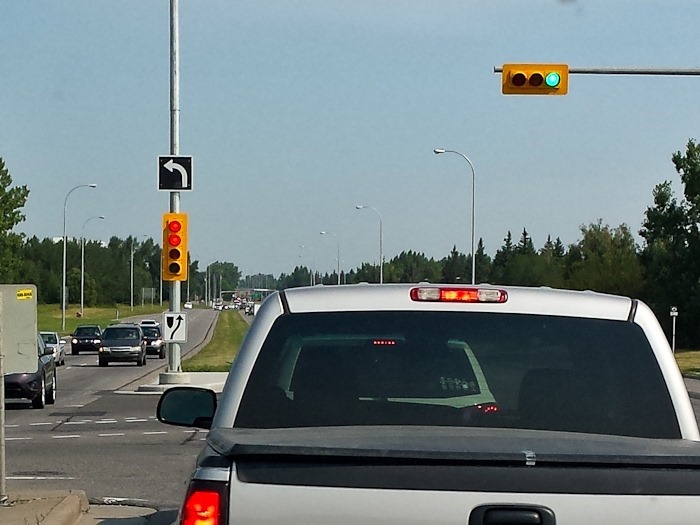
On the way over, we noticed that turn lanes in Canada have two red lights. I’m not sure why:
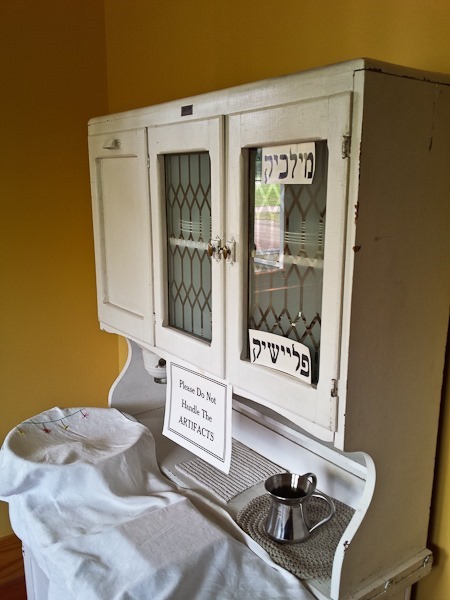
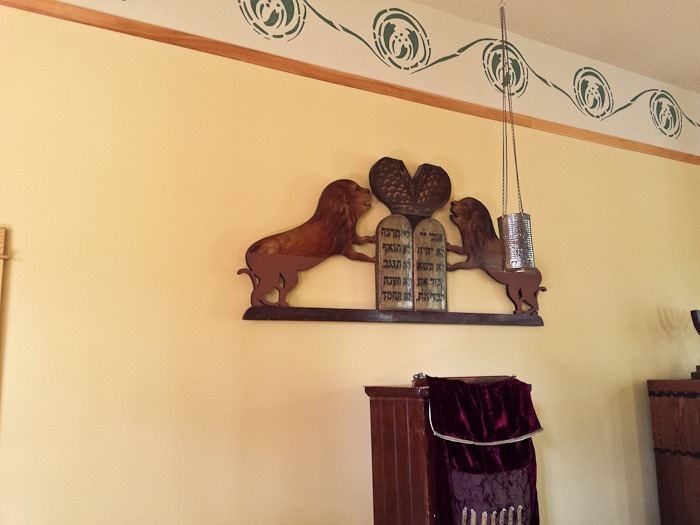
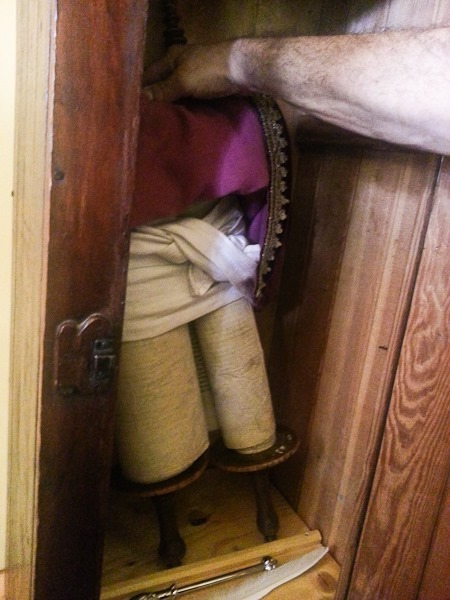
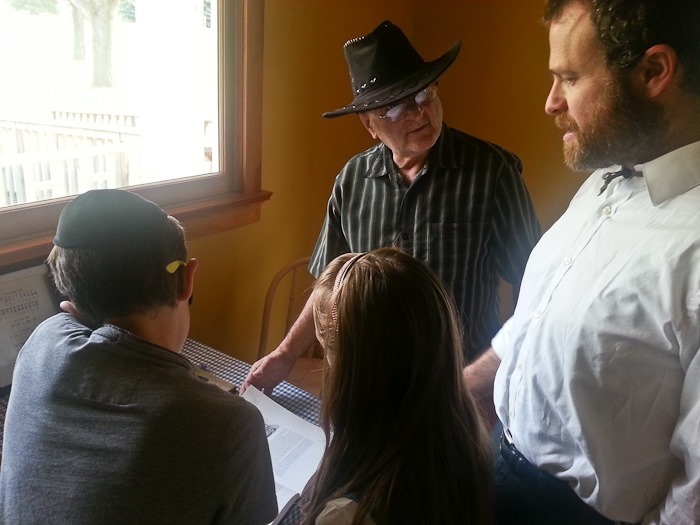
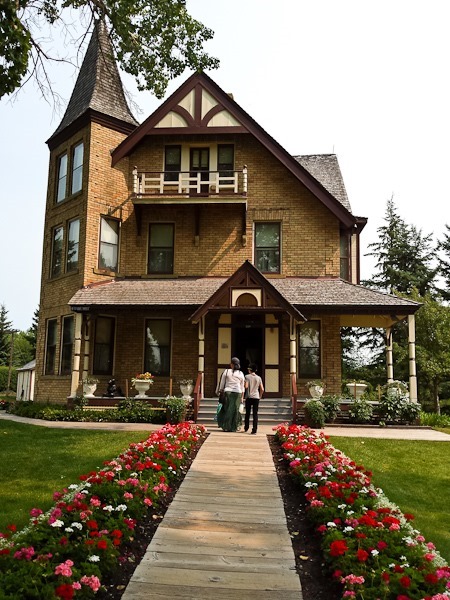
The first building we visited in the park was a synagogue from the the turn of the century. Like most of the buildings in the park, it was trucked here from another location in Alberta and restored:
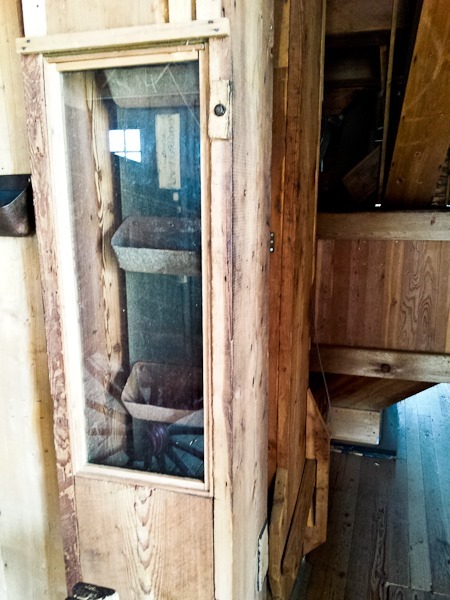
This acrylic window allowed us to see the grain scoops moving inside the elevator:
Here the cart is poised to dump its grain into the weighing area before being scooped up into the elevator:
Shave and a haircut, two bits:
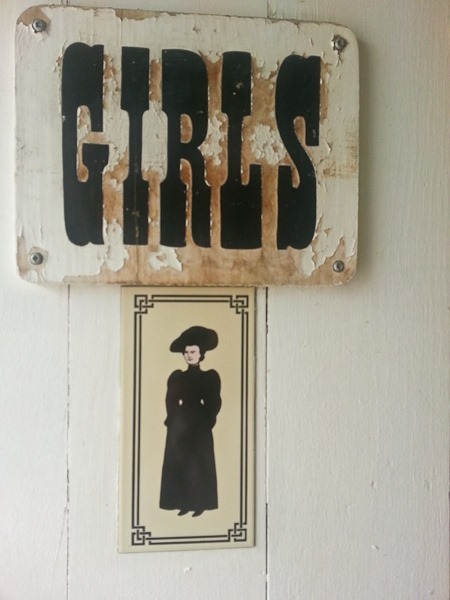
Restroom kitsch:
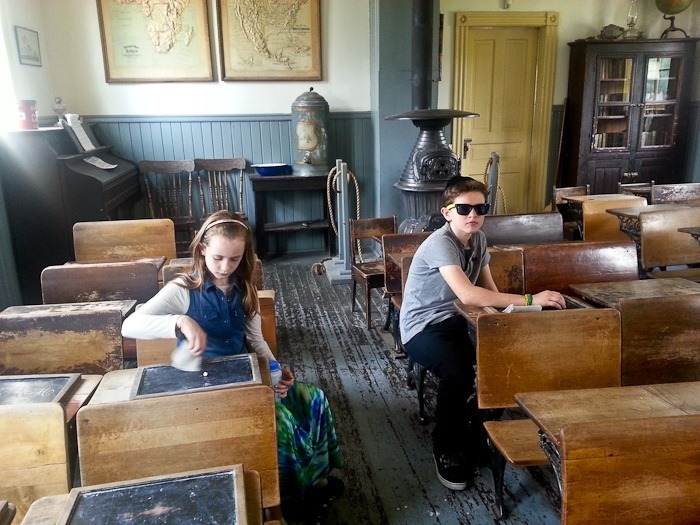
1920s prairie schoolhouse:
In jail:
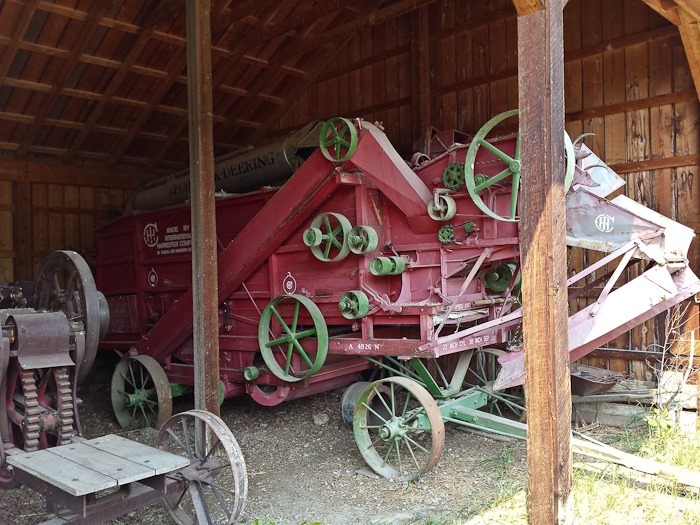
Harvester:
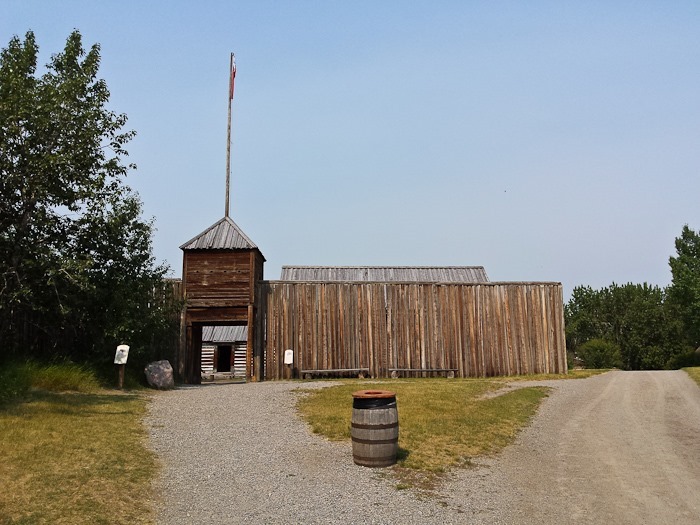
Another part of the park focused on the fur trade circa 1870:
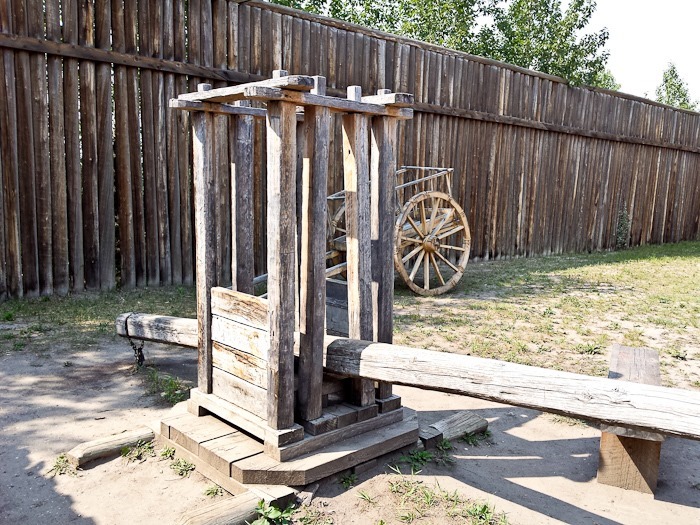
This fur stamp was used to compress stacks of furs for bundling and shipping to England:
Surveyor’s cabin:
Massive snowplow railcar:
The house of one of the famous five is here as well:
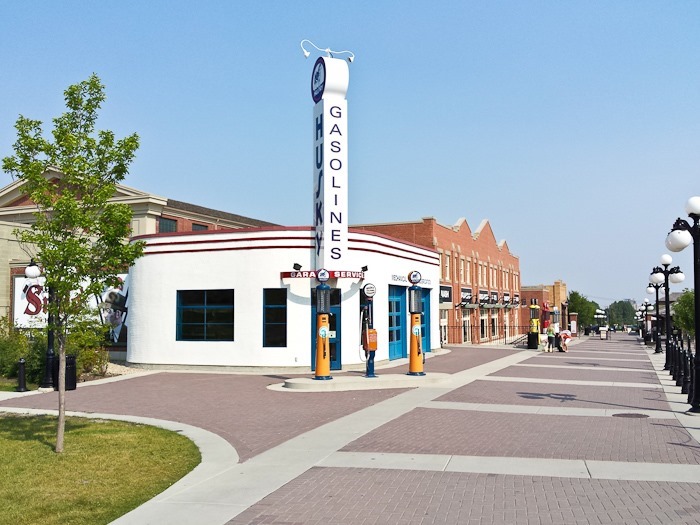
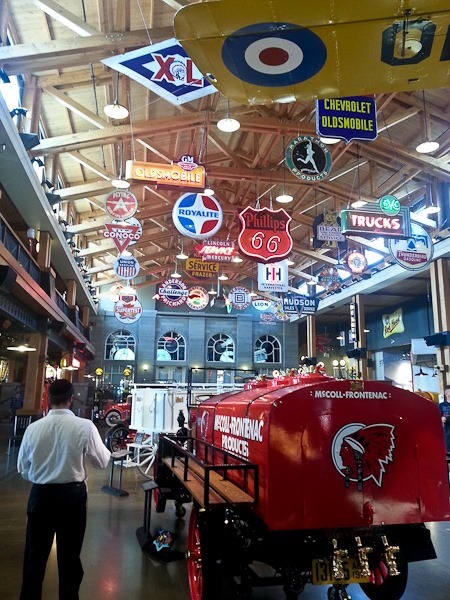
Our last stop was gasoline alley:
I liked the old pumps even more than the cars:
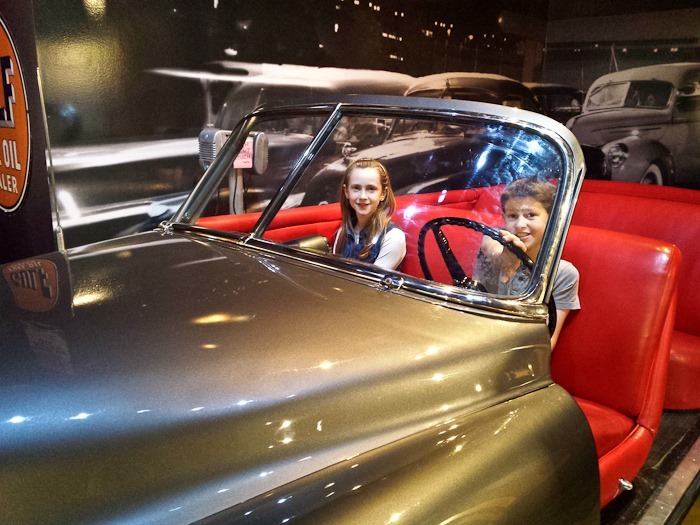
There was a 1950s RV on display:
The heritage museum was fantastic, and we didn’t get back to the RV until 5:15PM, so we decided to stay a third night in Calgary and leave tomorrow morning.
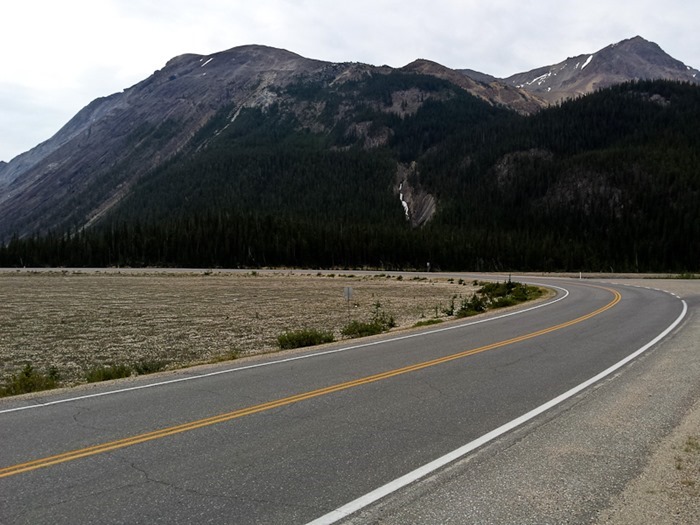
This morning I went for a pre-breakfast ride. Heading East from the RV, I soon climbed 200 vertical feet to cross Sunwapta Pass, then descended 1,800 vertical feet on the far side. Great biking scenery was had throughout:
Of course I had to climb those 1,800 feet back up to the pass, then descended back to the RV. I was ready for breakfast by the time I got back to the RV!
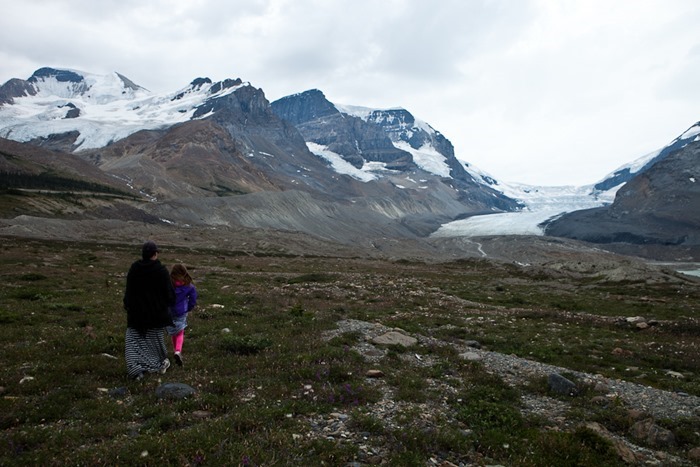
After breakfast, we hiked cross-country towards the Athabasca Glacier:
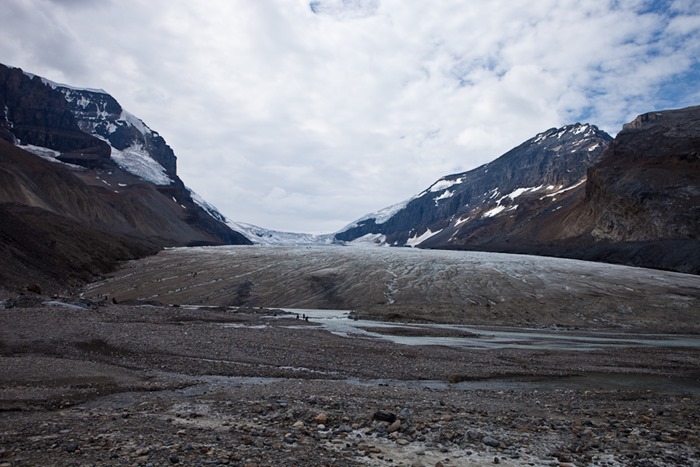
As we approached the toe of the glacier, we could see that it was covered in glacial debris:
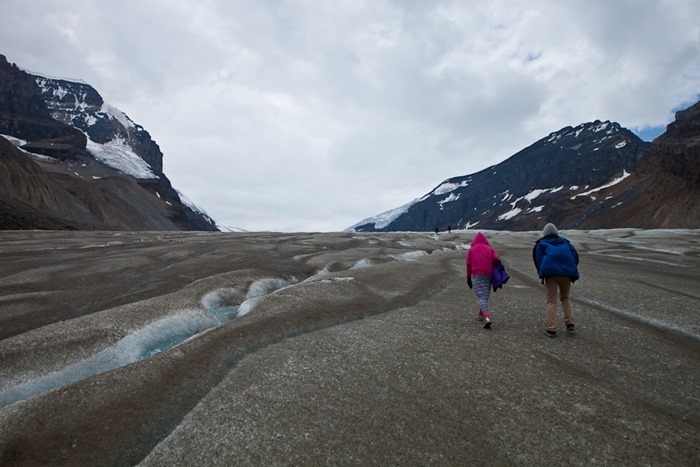
We hiked up onto the glacier for a bit:
The higher we went, the cleaner and more slippery the glacier became:
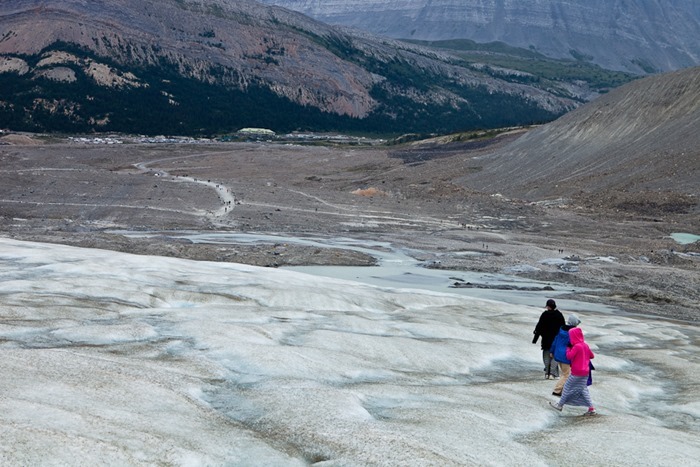
We carefully climbed down:
Next we drove East to cross over Bow Summit. We hiked out to an overlook for Peyto Lake:
The glacial runoff that feeds this lake is rich with silt that gives the lake its turquoise color:
After Peyto Lake, we continued East out of the park to arrive in Calgary. We’re overnighting in Calgary in the Jewish community tonight and tomorrow night for Tisha B’Av. See the trip map for driving details and our current location.
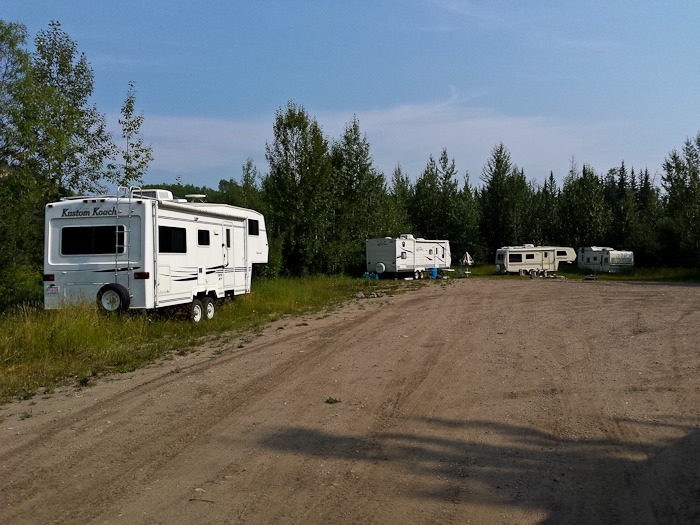
This morning we headed out from our Shabbosdispersed camping location. It’s called Crown Land here in Canada, and it doesn’t seem to have the same 14 day limits that BLM land has in the US. Some folks live here while working in the nearby oil and gas fields, and some live in town and leave their RVs here and come down for the weekends. We spent some time Saturday night chatting with our neighbors John and Carla around their impressive campfire.
Here’s a view of our corner of the camping area as we left:
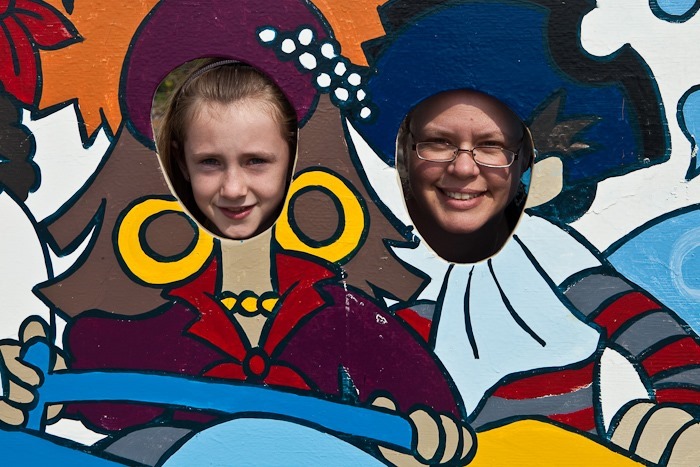
We drove South to Grande Cache and stopped at the visitor center. Canadians do love their stick-your-heads-though-the-wall things, we see them all the time up here:
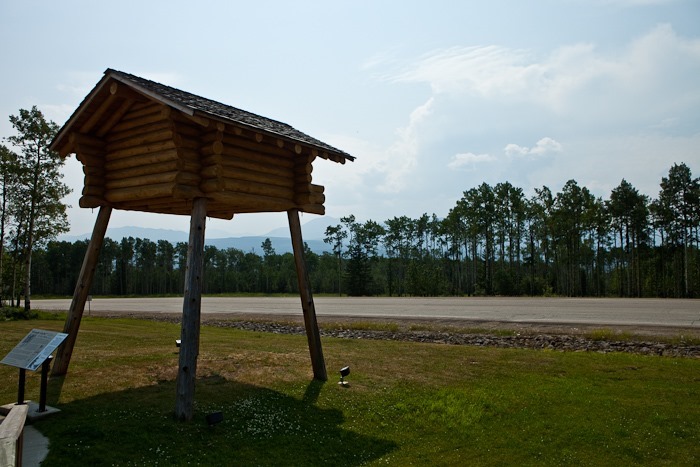
Here is a “Grande Cache”, a large elevated building for keeping a trapper’s furs, food, and equipment high and dry for the winter:
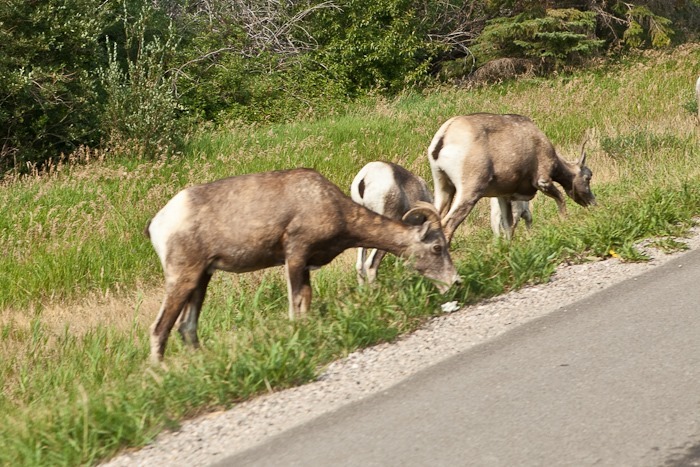
We continued Southwest into Jasper National Park, where we passed some sheep grazing curbside:
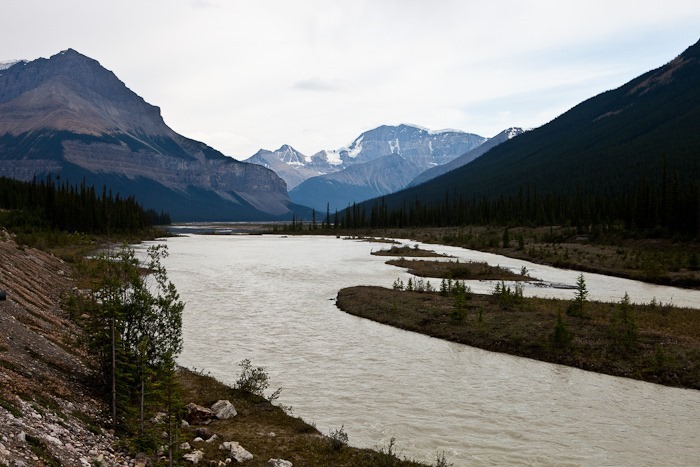
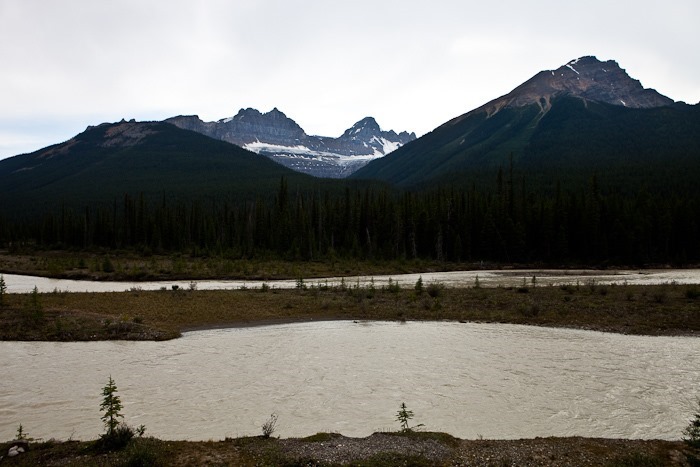
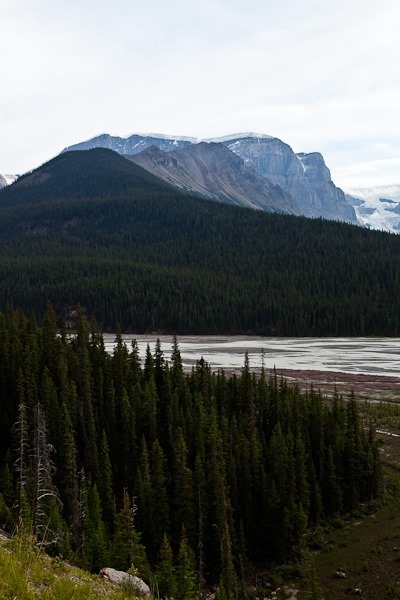
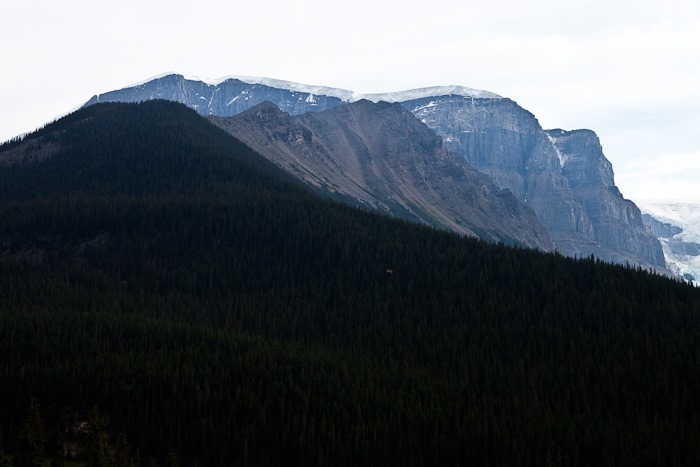
There were plenty of great views to be had as we drove on through the park:
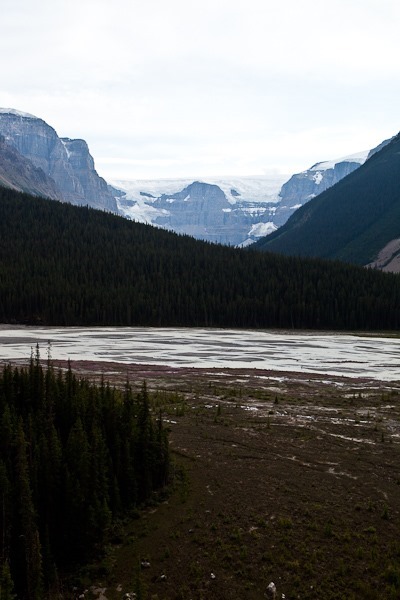
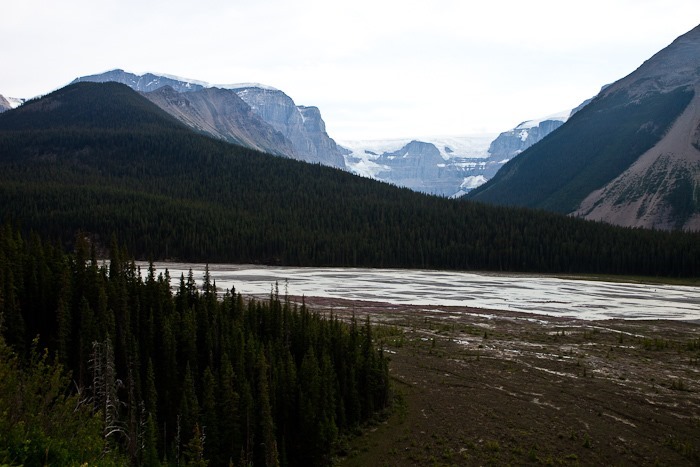
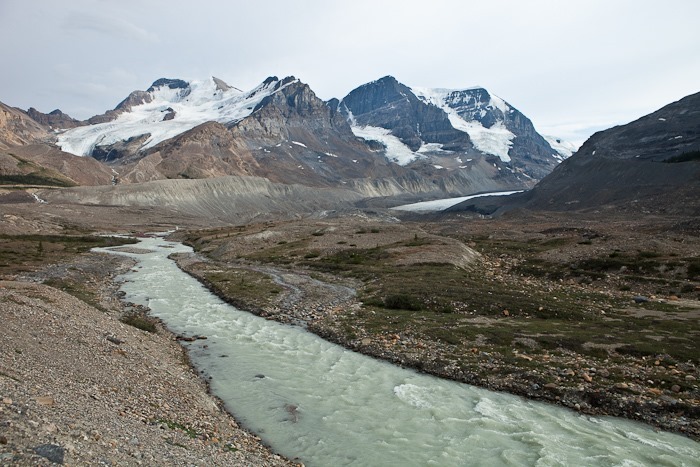
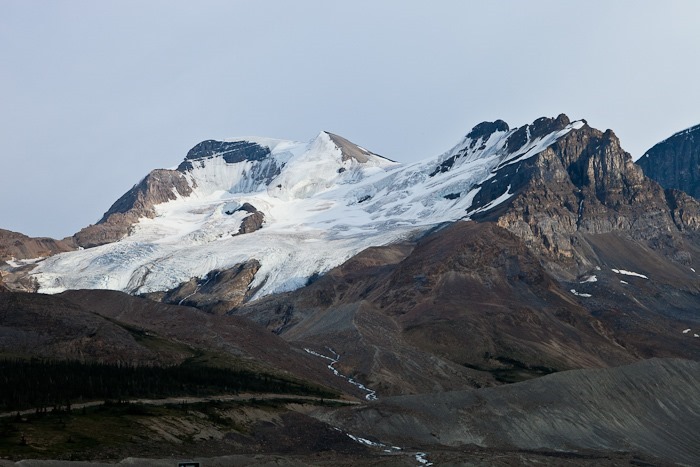
Eventually we reached the Columbia Icefield, which is like a giant bowl, spilling ice over its edge to form glaciers as they move downhill into low valleys:
Here the ice pushed out breaks off and falls to the valley floor below. This rim of ice must be at least 100 feet thick:
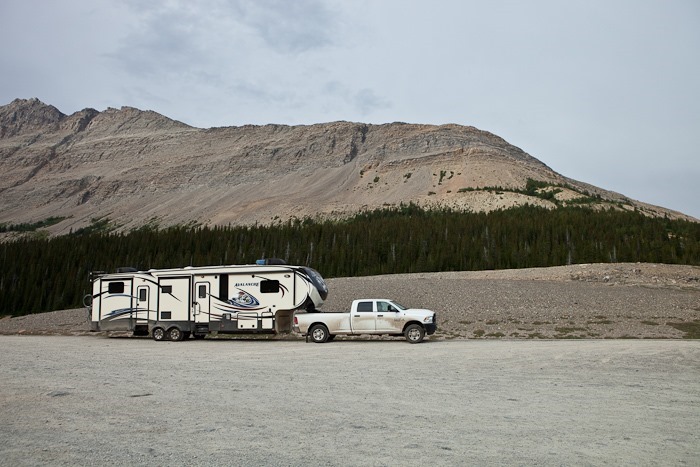
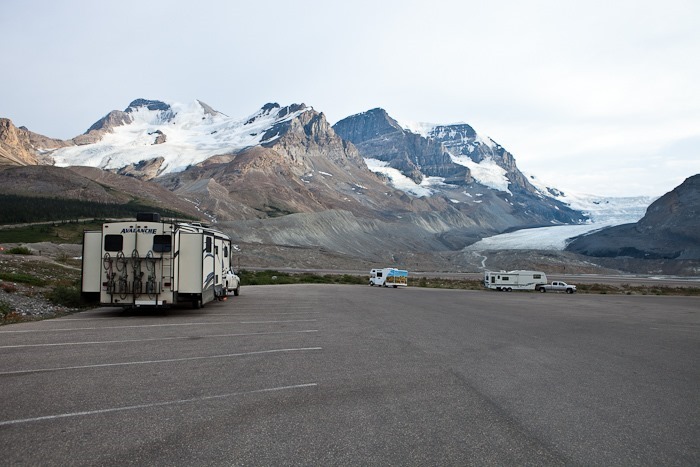
We are overnighting at the Columbia Icefield parking lot, across from the Athabasca Glacier. It’s $15.70 to park here for the night, but at least we get some great views:
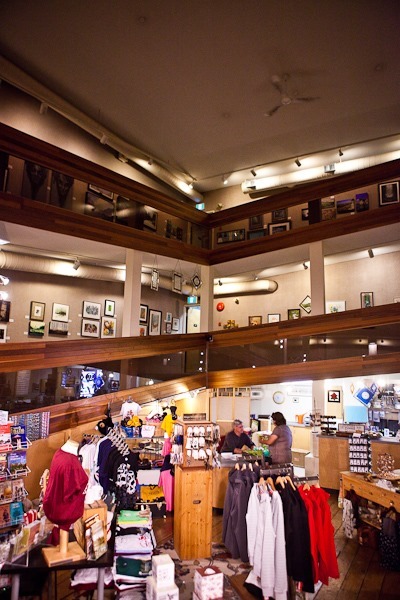
This morning we returned to the Dawson Creek visitor center and stopped by the grain elevator next door which has been converted into an art gallery:
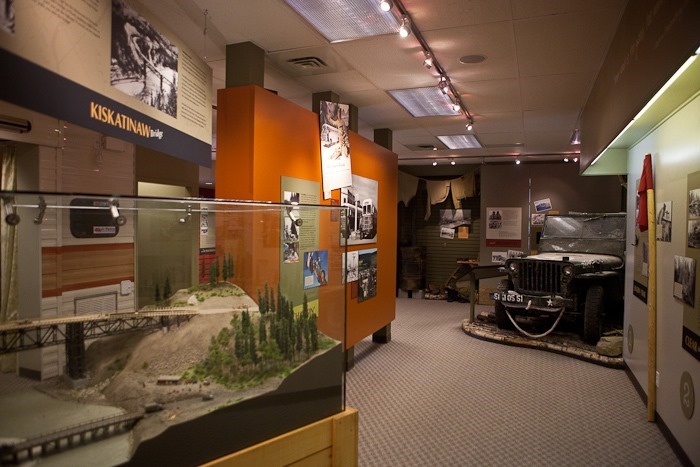
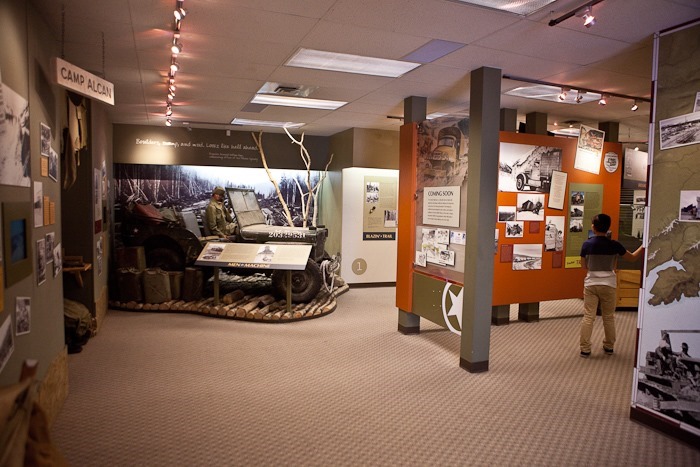
A couple blocks away in downtown is the Alaska Highway museum:
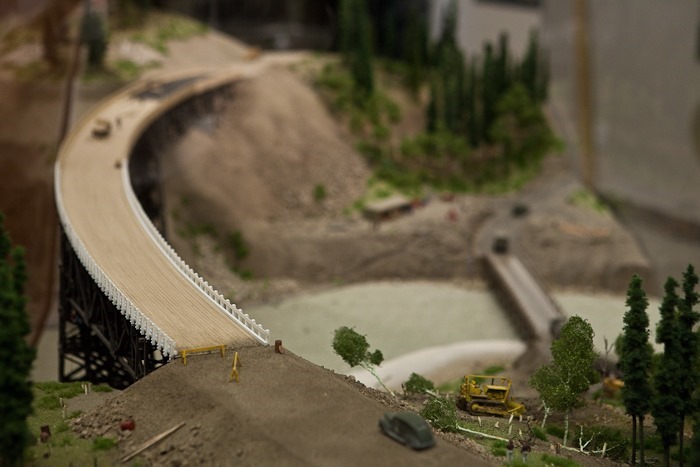
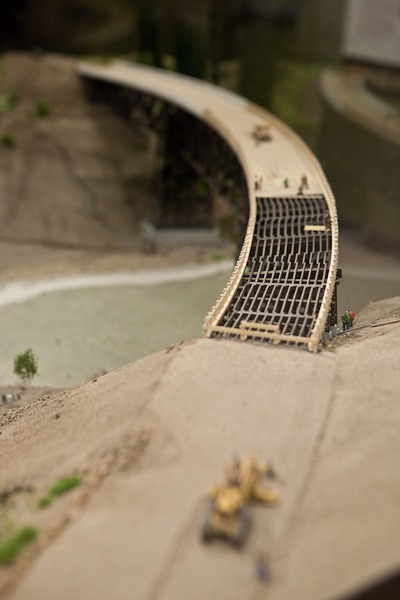
They had a nice model of the Kiskatinaw bridge that we crossed yesterday:
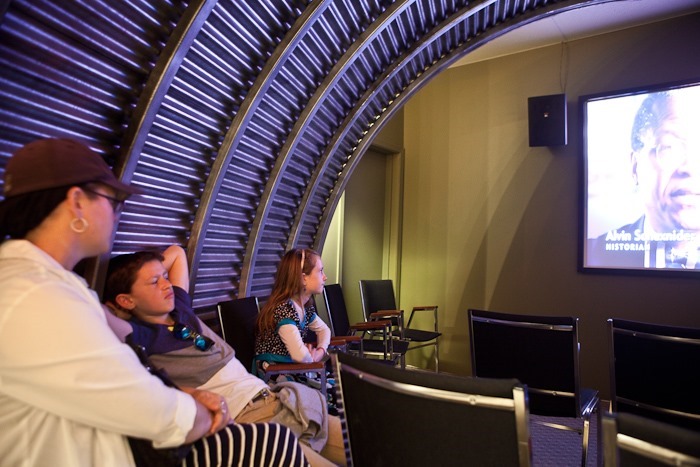
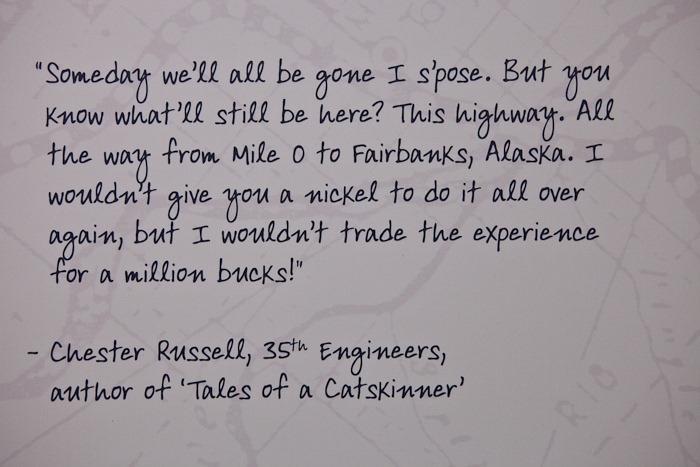
The museum was showing the excellent PBS documentary about AlCan, the Alaska Highway:
It’s amazing to think that the Army Corps of Engineers were able to build this road through 1,500 miles of wilderness in less than a year.
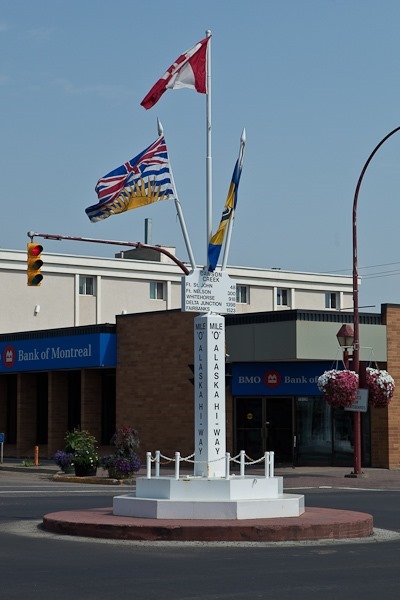
Outside stood the official Mile 0 obelisk, where it all began:
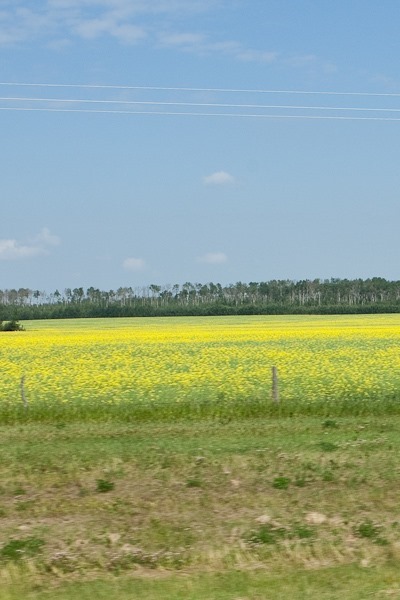
Driving South, we passed through the town of Pouce Coupe and continued on towards Grande Prairie, crossing into Alberta and Mountain Time on the way. This area is known for it’s canola production, its flowers creating vibrant tracts of bright yellow along the highway:
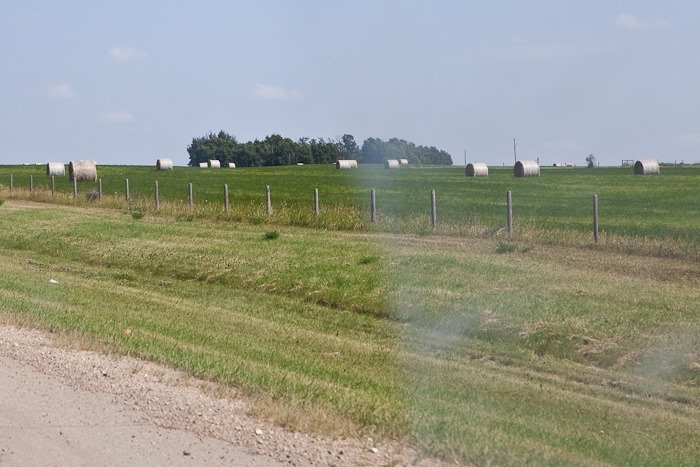
Suddenly we find that we’ve moved from mountainous bear country into the Canadian equivalent of Wisconsin:
Our Alaska adventure was amazing. It was a ton of driving, much of it over unpaved and awful roads. But I’ll never forget the fireweed along the highways, the unending expanse of black spruce over permafrost, the soggy and desolate tundra, the chill of the Arctic Ocean, the blue glaciers spilling down impossibly steep and rugged mountains into the ocean, the bears, the moose, the caribou, and going to sleep beneath the midnight sun.
Tonight, we’re dispersed camping along the Bighorn Highway between Grande Prairie and Grande Cache. Most of our neighbors live here all summer, leaving each morning to go work at the nearby oil and natural gas fields.
Good Shabbos from the Bighorn Highway! See our trip map for today’s drive.



































 Facebook
 Instagram
 Email
Email