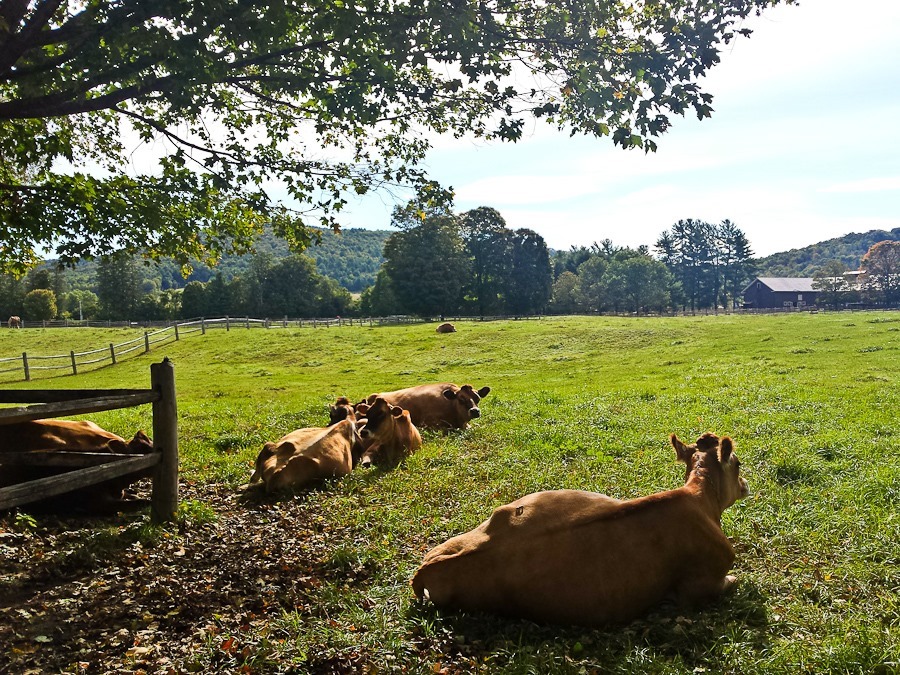
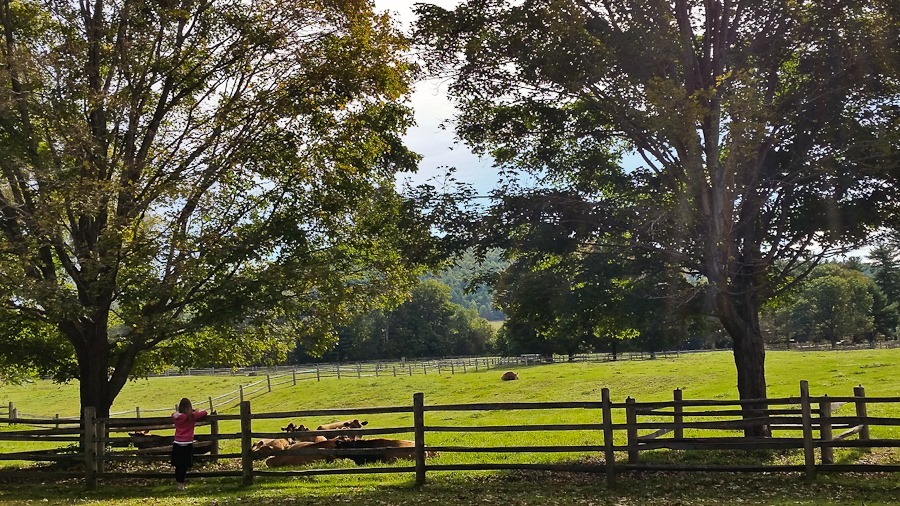
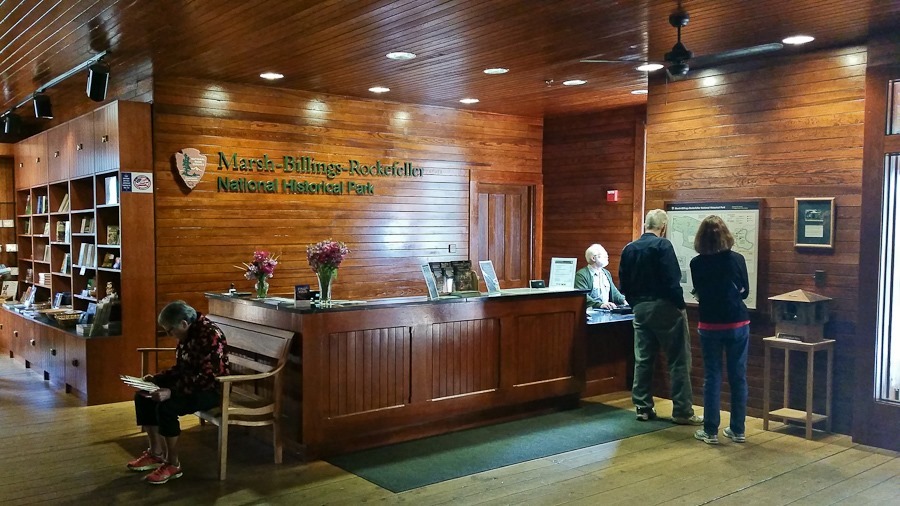
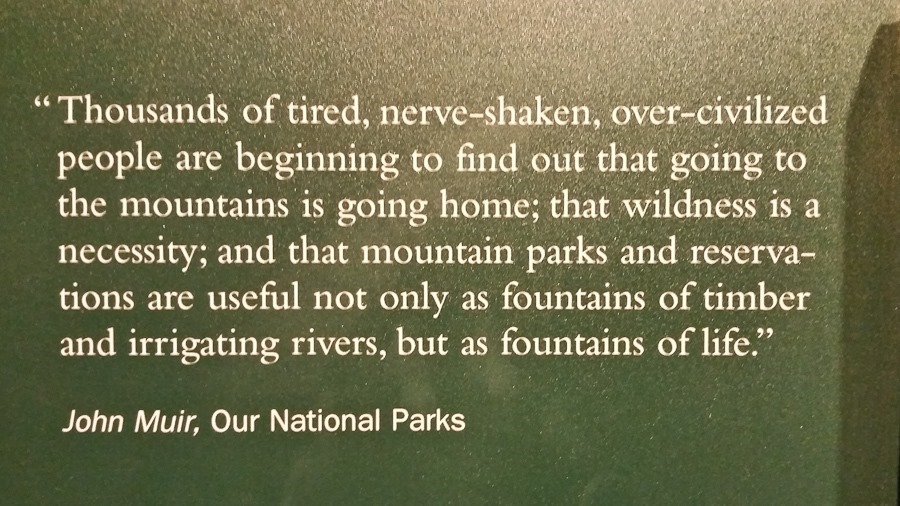
Our first stop of the day was Marsh-Billings-Rockefeller National Historical Park, which preserves the history of the modern conservation movement, forefather of the environmental movement. A portion of the estate is now a dairy farm museum:
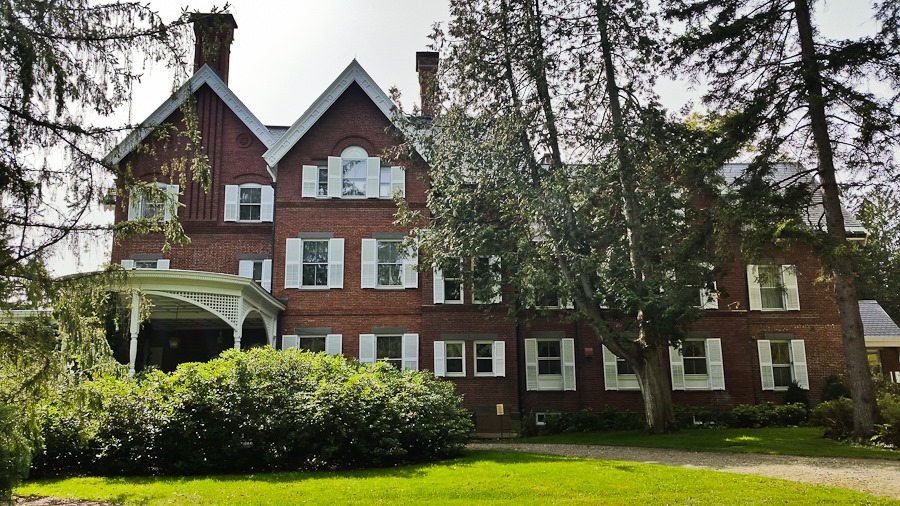
We walked through the park, which includes the mansion occupied by the Marsh, Billings, and Rockefeller families from the mid 1800s to the 1990s:
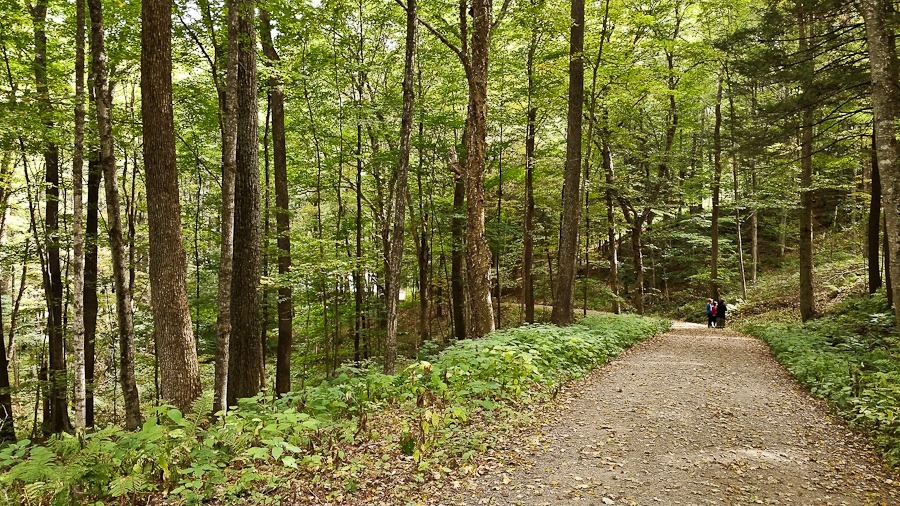
We didn’t know what to expect at this park, but we were very glad we visited here. The park does a great job of explaining the history and motivation of the roots of the environmental movement. The park movie was fantastic.
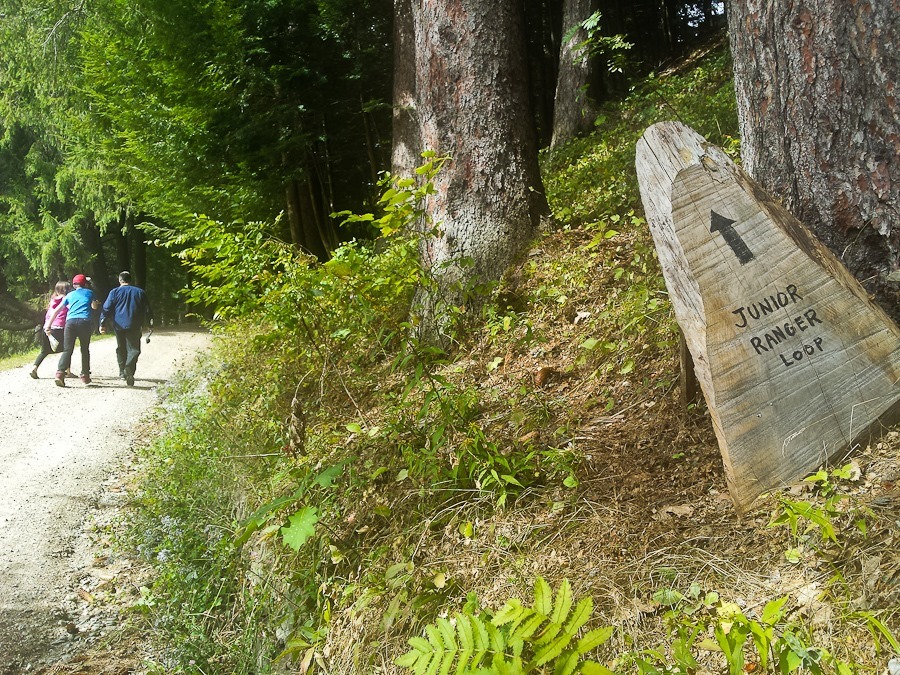
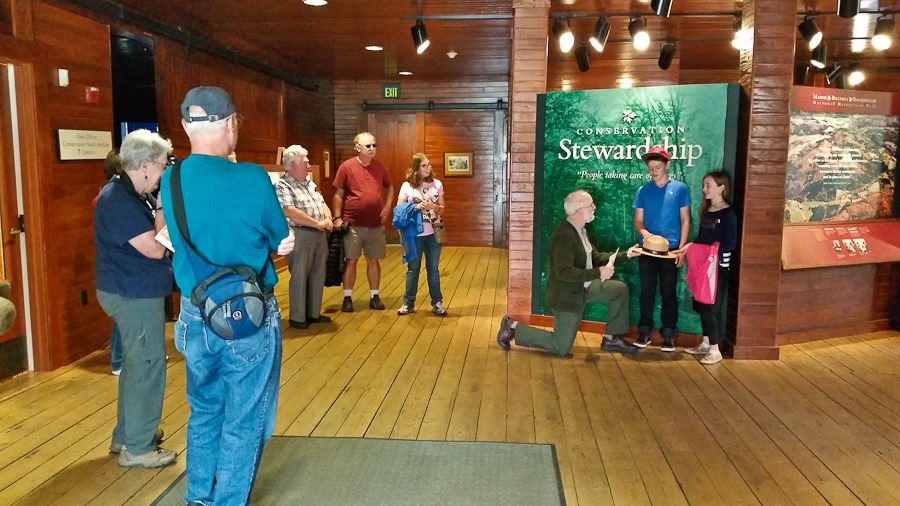
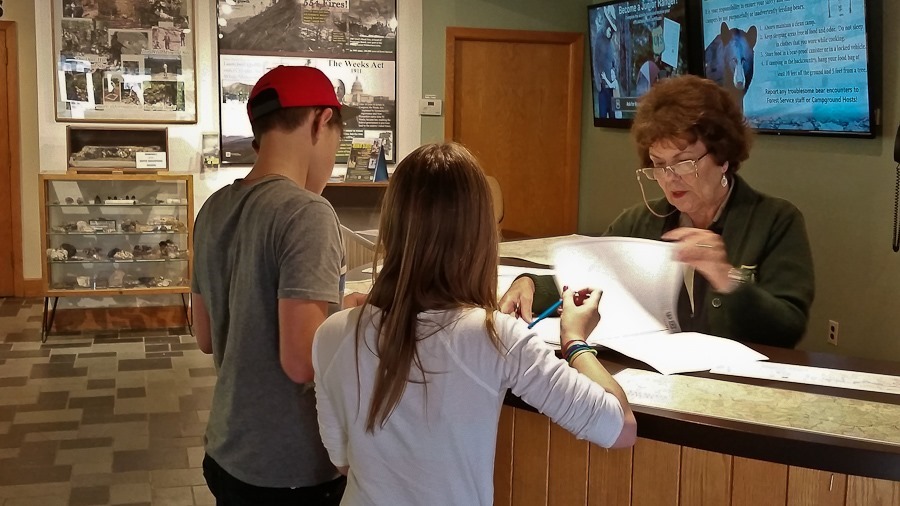
The kids completed their Junior Ranger books and received their badges with quite a bit more ceremony than they’re accustomed to. They were suitably embarrassed:
We continued on to Saratoga National Historical Park, site of the Battles of Saratoga in 1777, the first significant American military victory of the American Revolutionary War. It was here that General Burgoyne’s successful campaign from Canada along the Hudson River was halted, with Burgoyne ultimately participating in the first-ever surrender of a British military force. This British defeat convinced the French to join forces with the Colonial Army and declare war of Britain, ultimately leading to American independence.
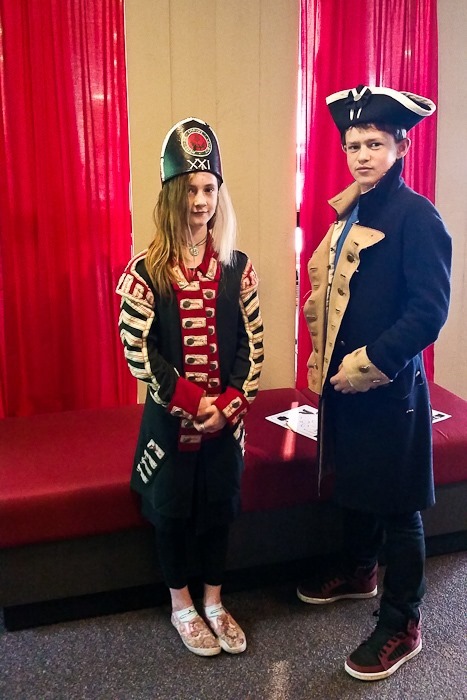
The kids tried on period costumes:
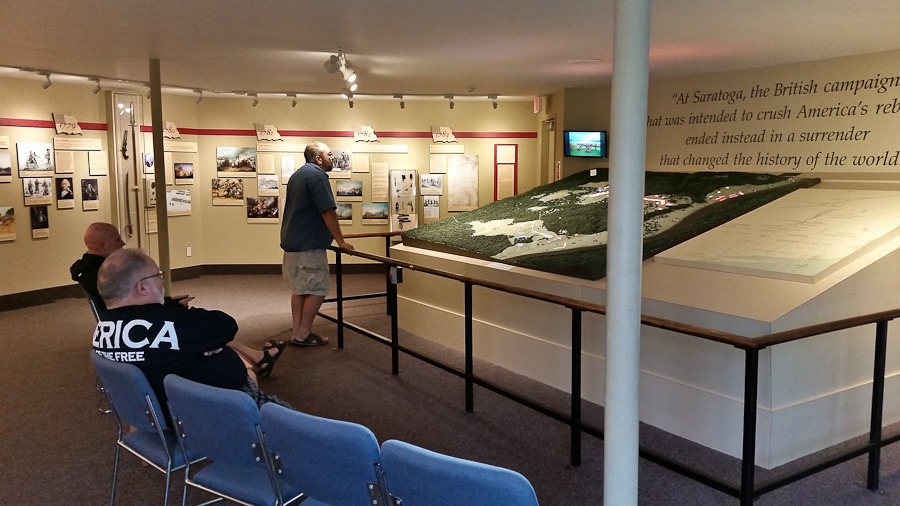
The visitor center has a movie and a fiber-optic map with narration that describe the sequence of battle:
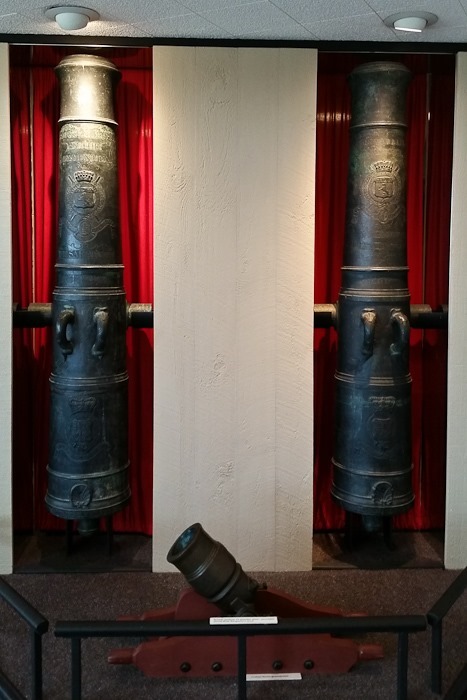
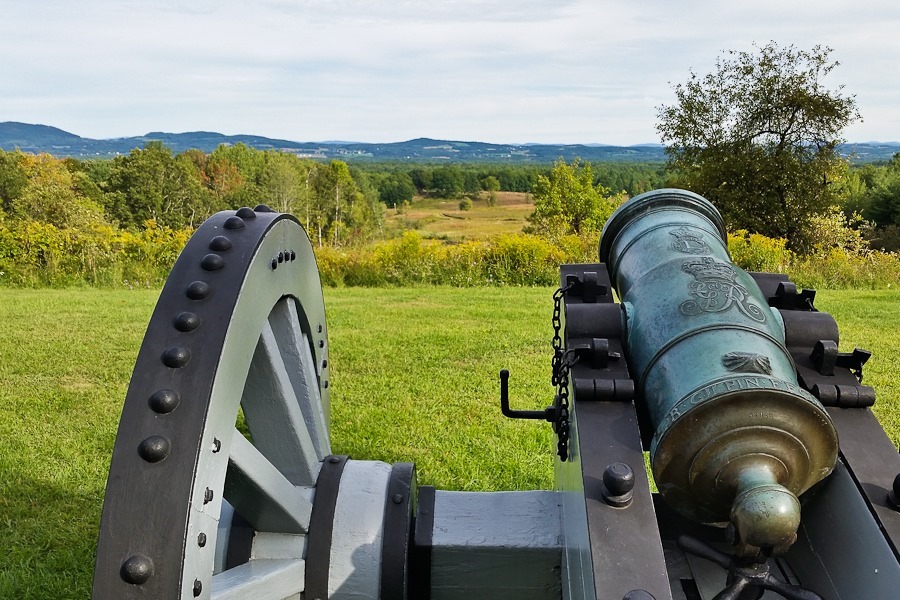
Canons from the battle:
Looking out over the battlefield:
The kids completed their Junior Ranger workbooks and received their badges:
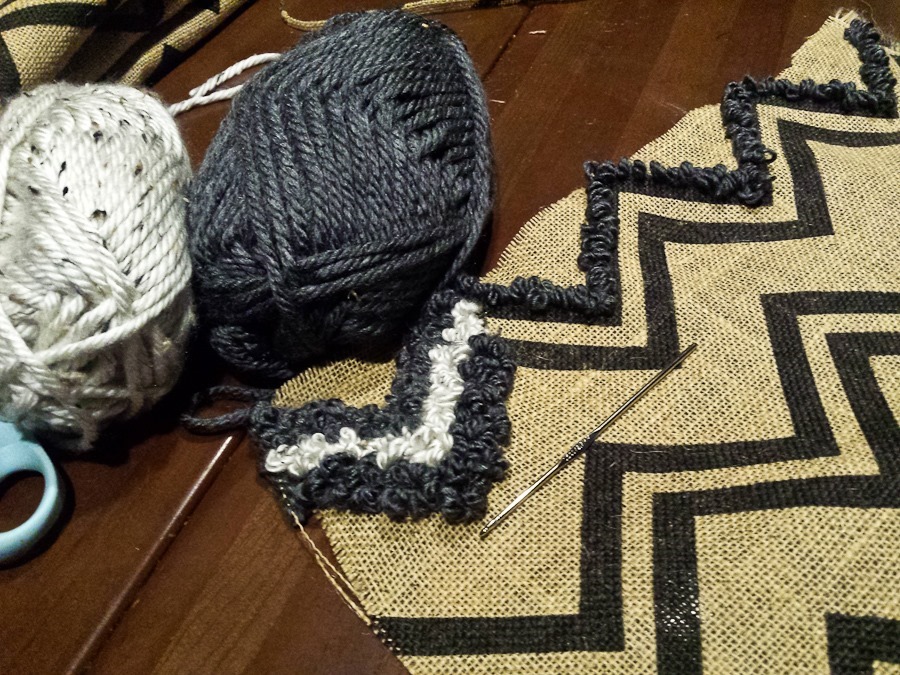
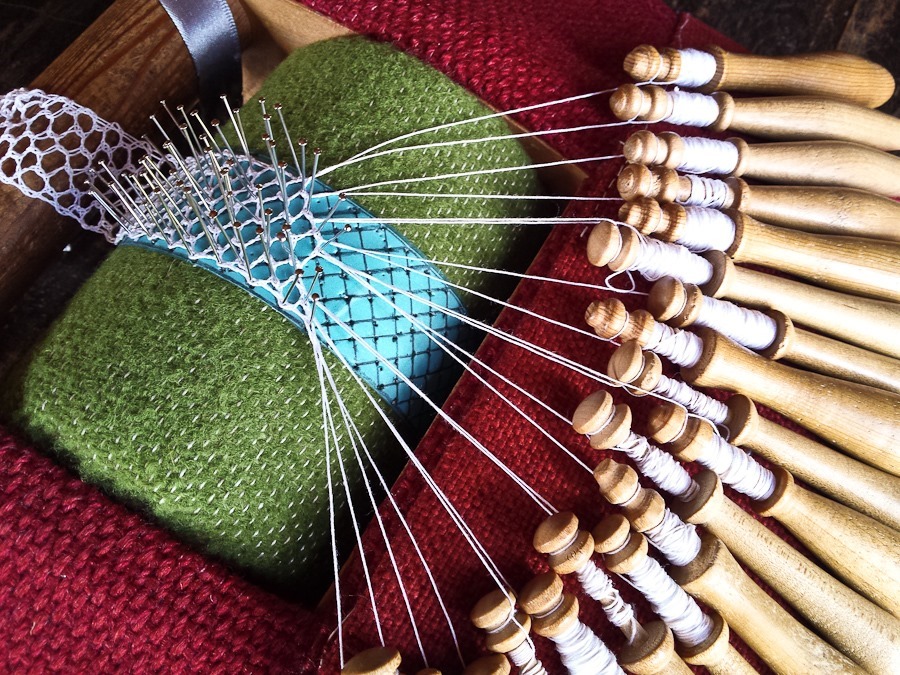
Continuing south, we are overnighting at the Walmart near Albany. Trish did a bit of rug hooking:
See the trip map for today’s drive and our current location.
Shabbos in the White Mountains was pleasant. The leaves are starting to turn, and the air was crisp and clean.
Today we drove southwest towards Saint-Gaudens National Historic Site, which preserves the house and studios of Augustus Saint-Gaudens, one of America’s most prominent sculptors. We arrived at the town of Windsor, Vermont, and discovered that we could not get across the river as the bridge there is the Cornish–Windsor Covered Bridge, the longest wooden covered bridge in the world with a height clearance of less than ten feet. We left the RV in Windsor and drove to Saint-Gaudens.
The sculptures at the park are castings from the same mold as the first casting, and are considered originals although the more well known casting is installed elsewhere.
This building housed smaller works by Saint-Gaudens:
Saint Gaudens started his artistic career as a teen apprentice to a cameo maker. These samples of his work were on display:
Gaudens was asked by Teddy Roosevelt to create coinage for the US. Gaudens’ $20 gold Double Eagle coin is considered one of the most beautiful coins of all time, but the coin had such high relief that it took nine strikes of the coin stamp to create the coin. The designed was later flattened to a three-strike version, and finally to a one-strike version which was practical for commerce and put into production. The US Mint ran created a set of the ultra-high relief nine-strike coins in 2009. Its hard to tell from the photograph, but the coin is about three times the thickness of a quarter and the design has much more depth to it than a standard coin:
We spent some time talking to the artist in residence, who is producing a commemorative sculpture for the 50th anniversary of the site. We learned that the initial sculpture is made in clay, then a mold is made with flexible rubber, then a wax positive is made, then a plaster mold of the wax is made and into that mold the brass is poured for the final sculpture:
The Adams Memorial, which also stands in Washington, DC:
The kids completed their Junior Ranger workbooks and received their badges:
Back on the Vermont side of the river, we visited the American Precision Museum, birthplace of the precision tool industry and the first factory in the US where interchangeable parts were made. Here in the 1850s, rifles were made for the first time by machine, with each worker producing one part of the gun, rather than an entire rifle being manually produced by a single craftsman:
This sanding machine creates wooden rifle stocks from the steel master form in the background:
An inletting machine, which carved out a portion of the gun stock to allow the insertion of the steel lockplate:
A barrel rifling machine:
Trying out a test gauge, which can be quickly used to check if a part is machined to the correct size:
The docent demonstrated how to make a gear from a brass disc blank:
The completed gear, as well as two brass goblets made from a length of half-inch brass rod stock:
Part of the museum was devoted to John Aschauer, who spent 25,000 hours making miniature models of machine tools. Even the screws were made by hand:
A universal milling machine, built in 1861:
This Bridgeport Milling machine, made in 1938, is serial number “1”:
It’s a mill, it’s a drill press, it’s a lathe, it’s the Gillman 4-in-1 machine built in 1940, used on Navy ships where there wasn’t room for a full machine shop:
After leaving the museum, we hitched up to the RV and drove north to overnight at the Walmart of Lebanon, New Hampshire.
See the trip map for today’s drive and our current location.
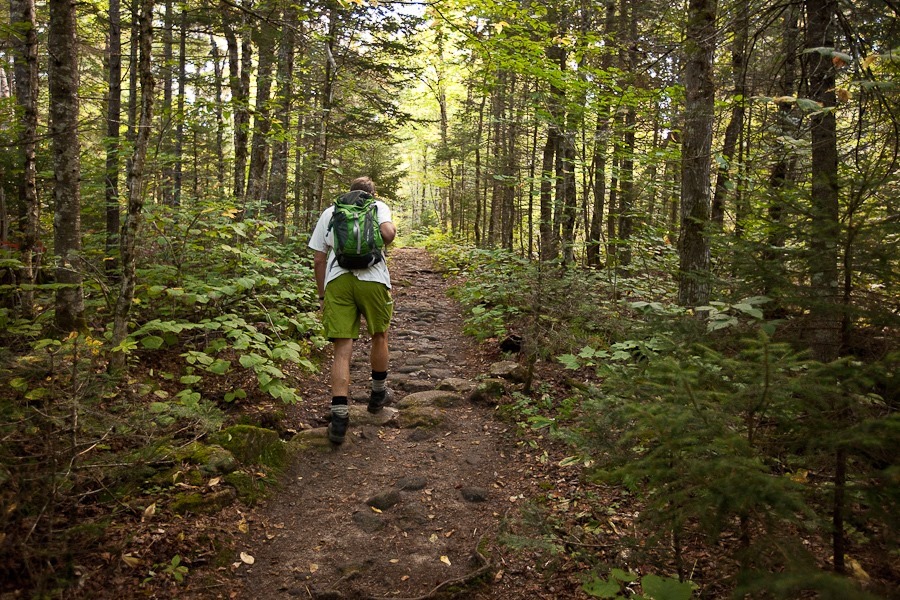
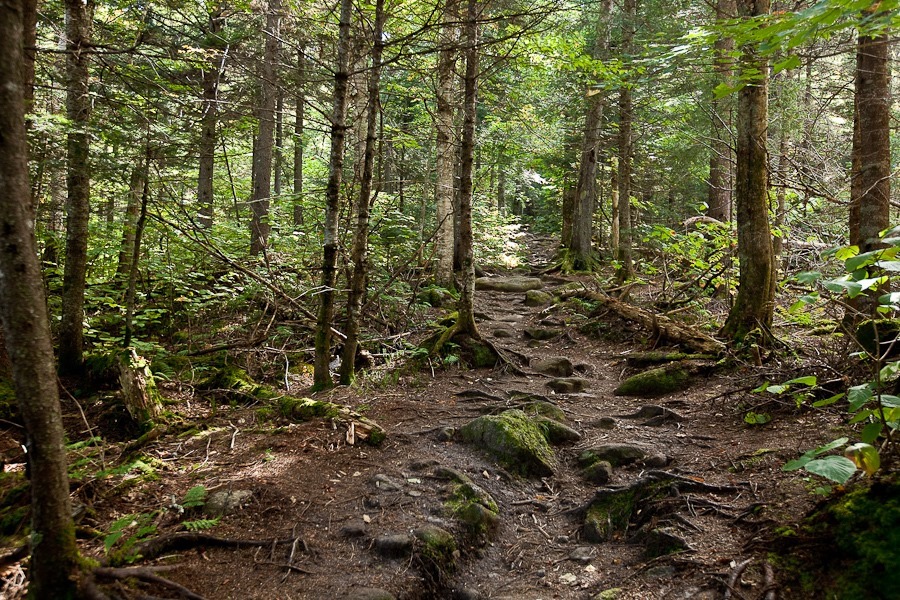
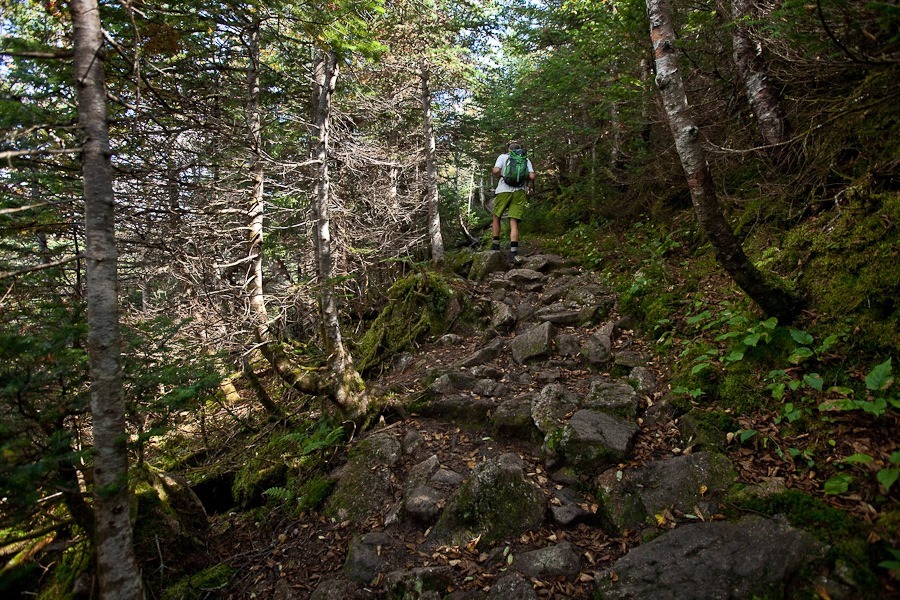
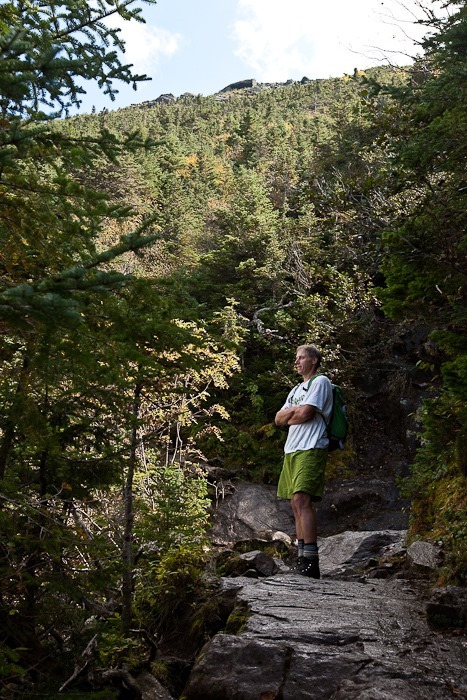
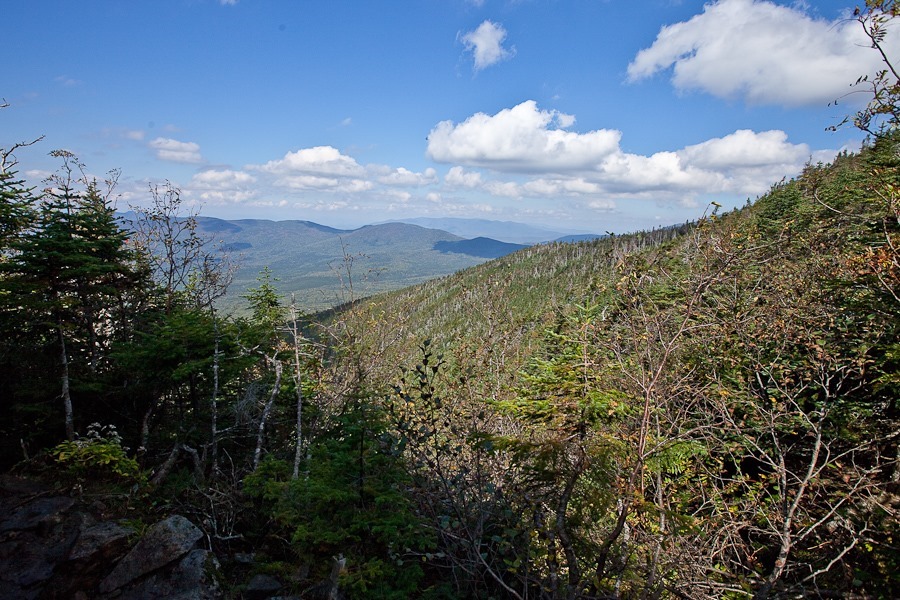
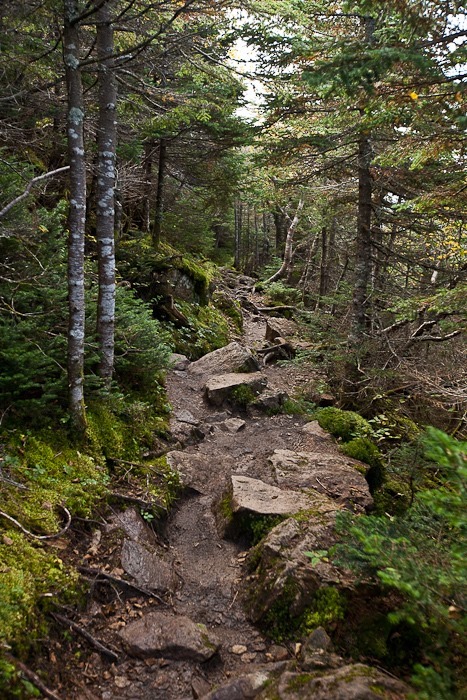
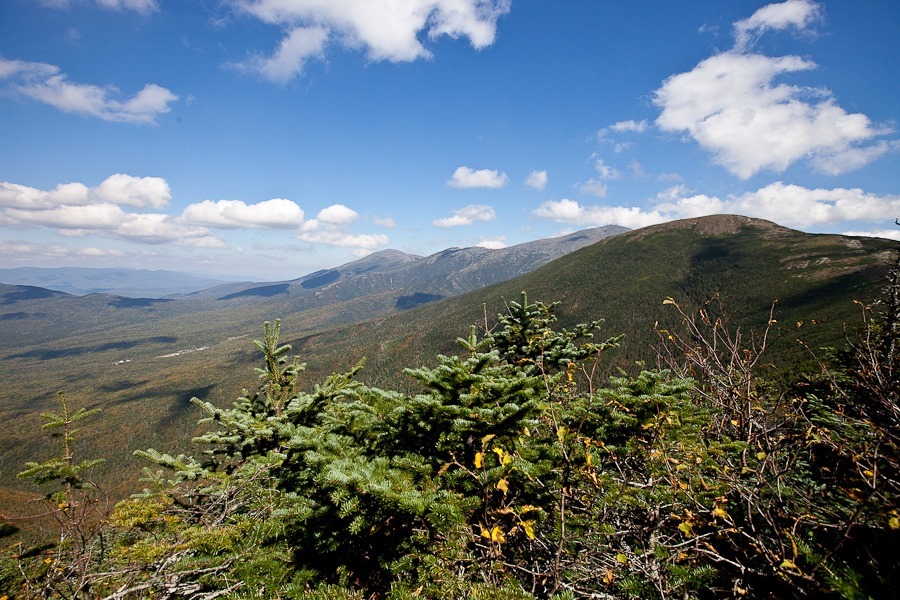
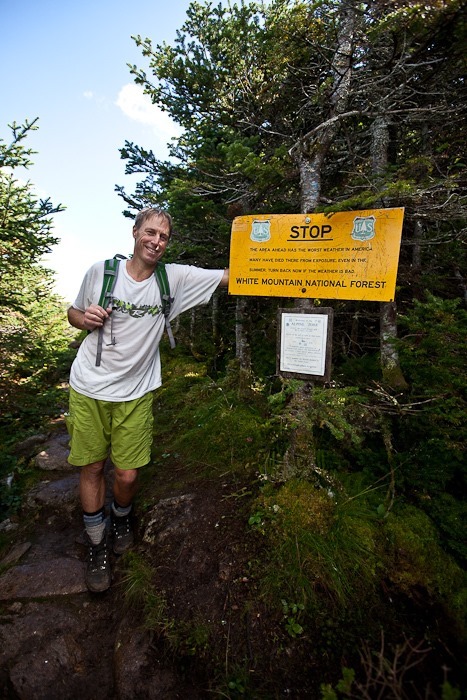
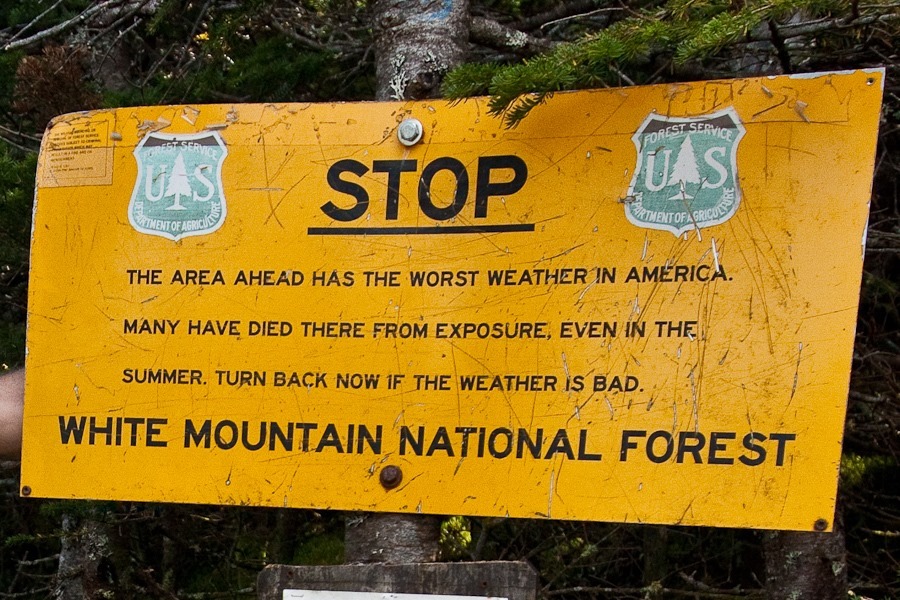
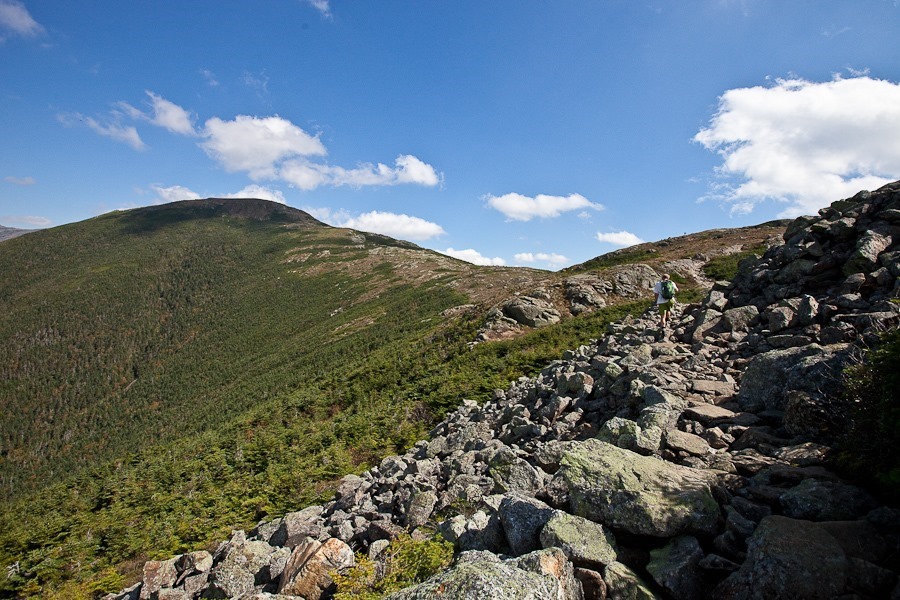
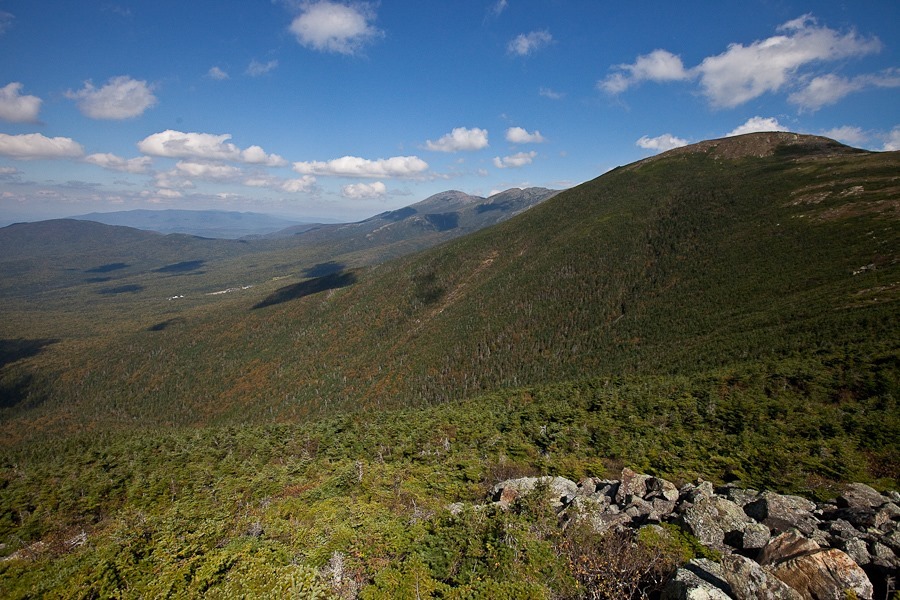
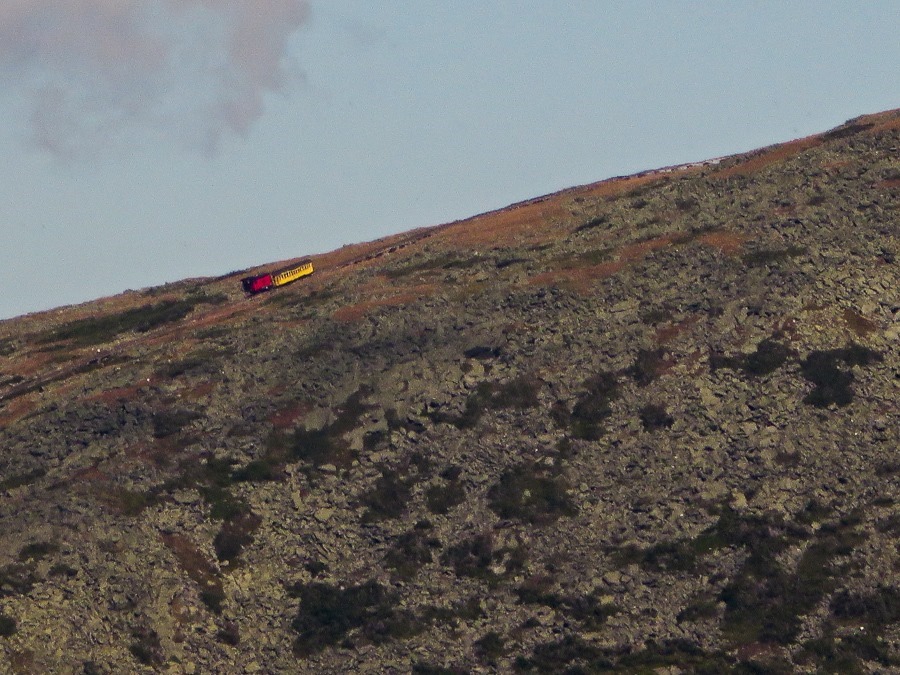
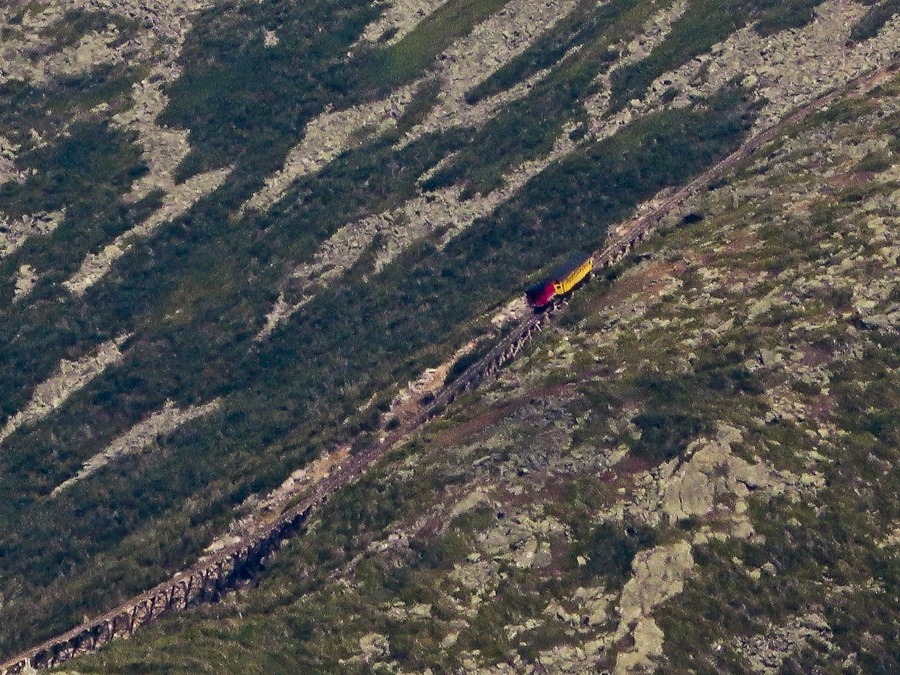
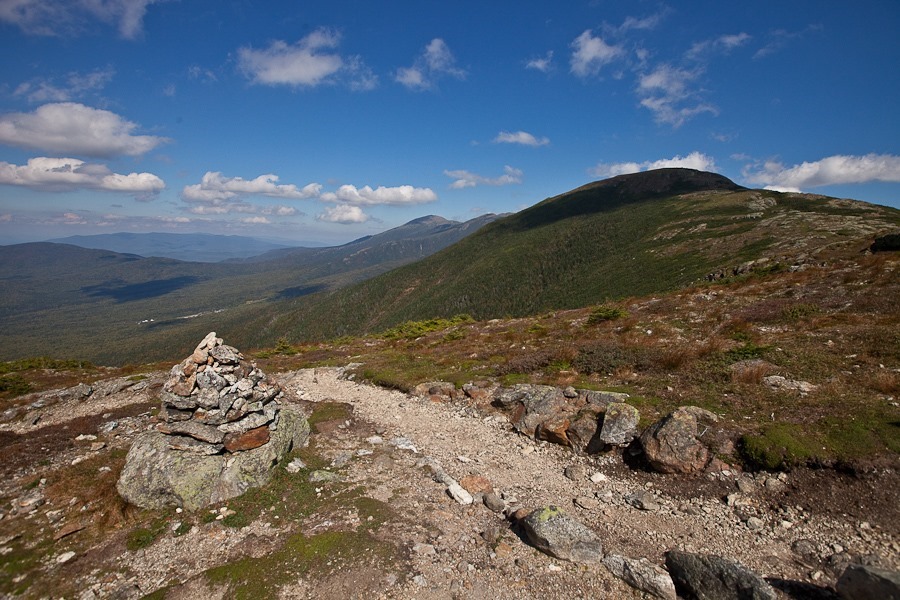
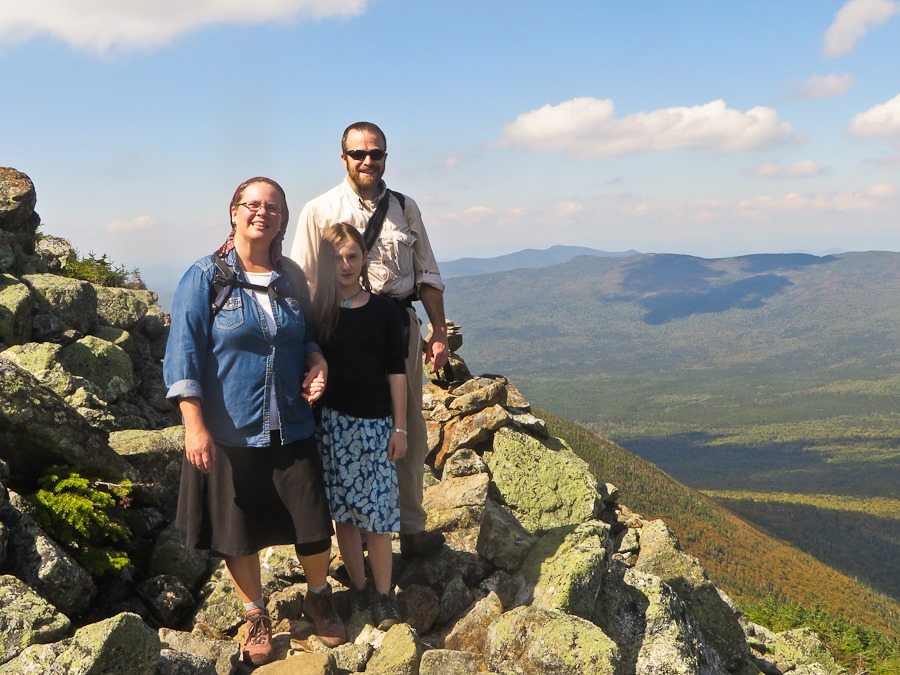
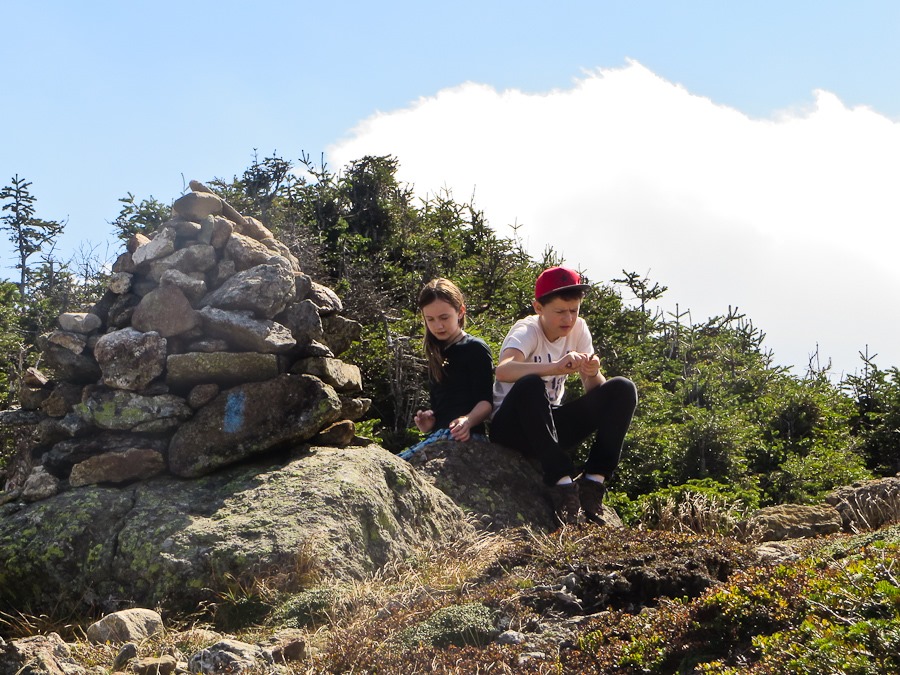
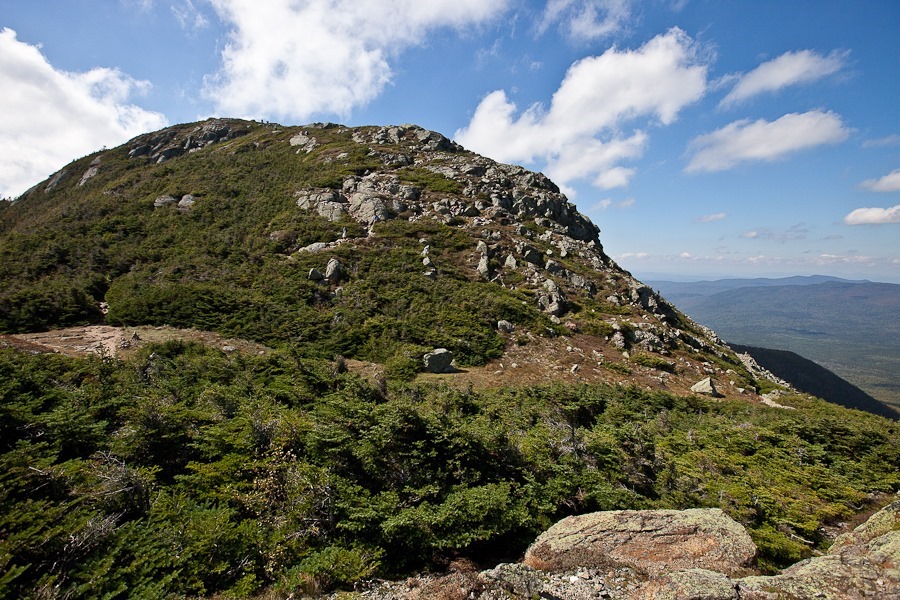
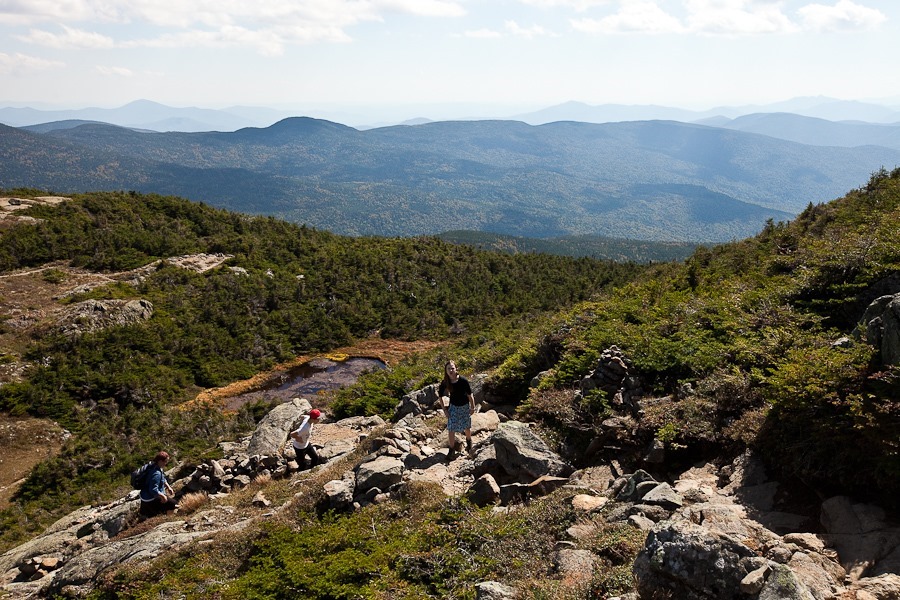
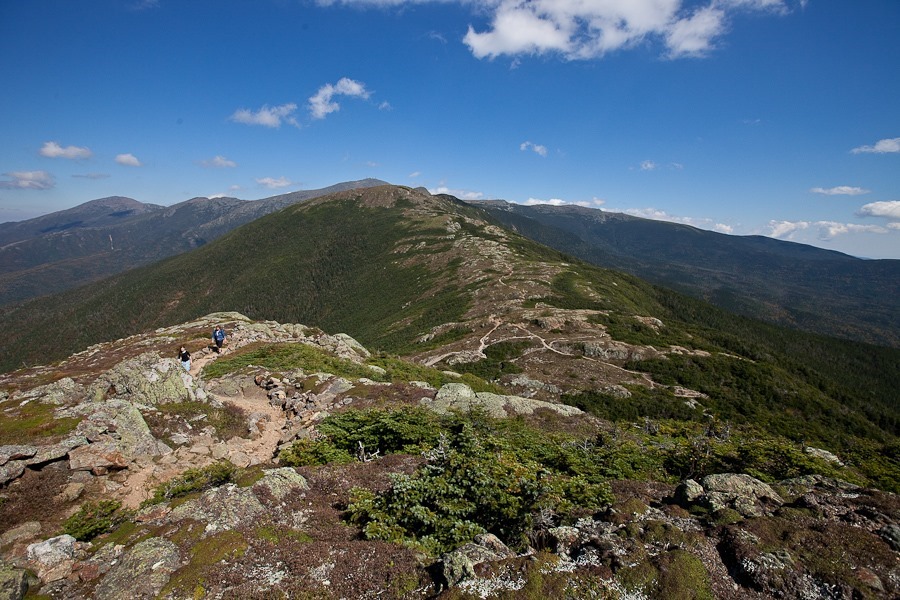
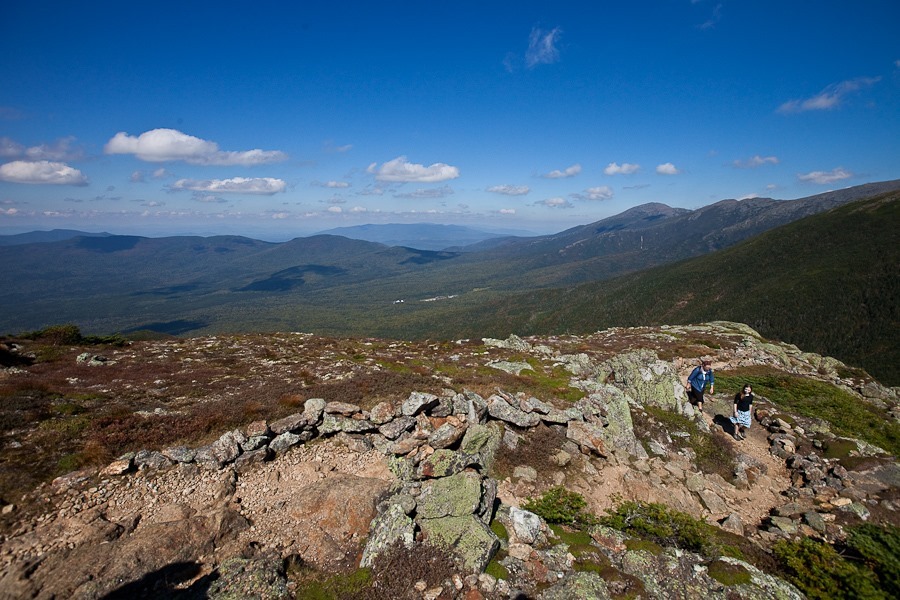
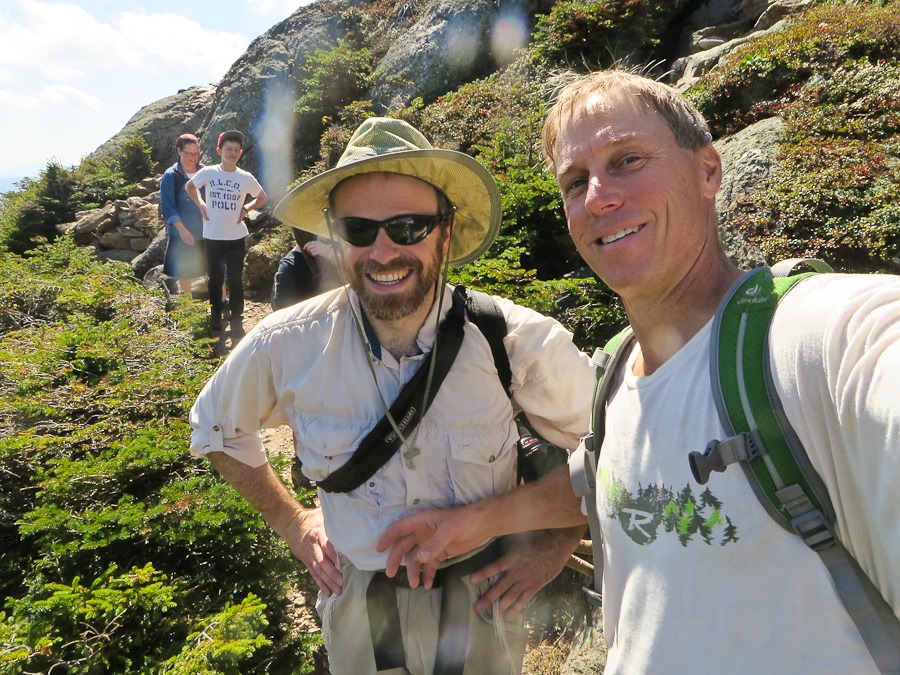
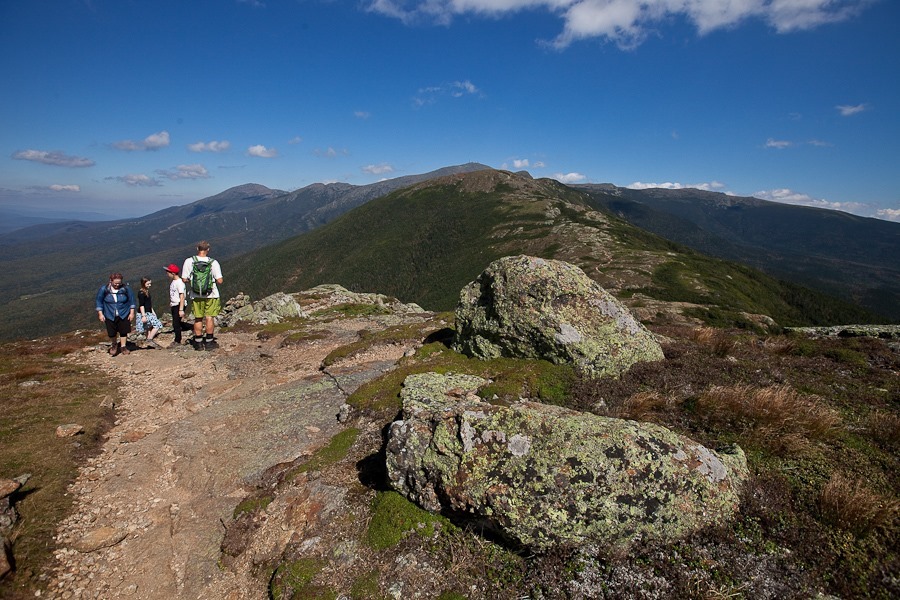
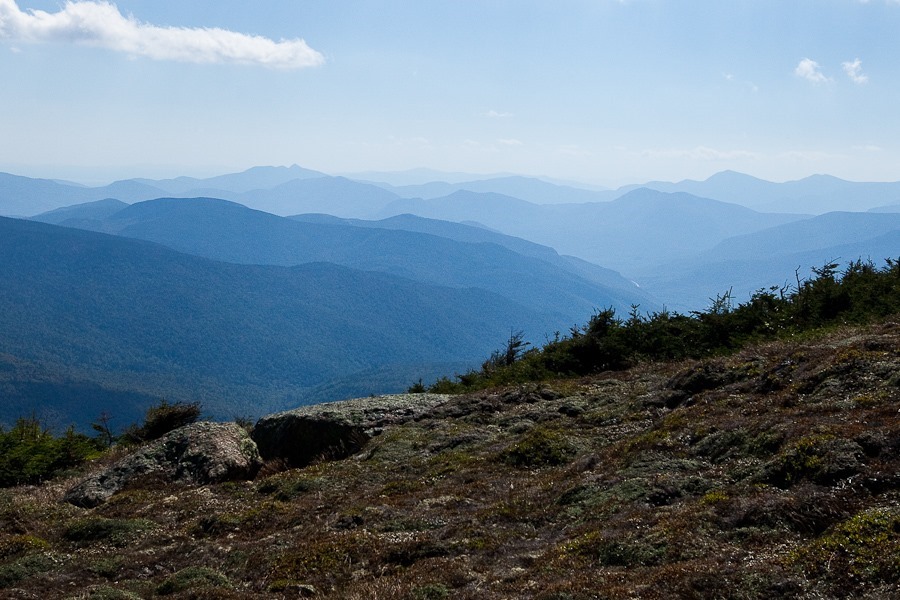
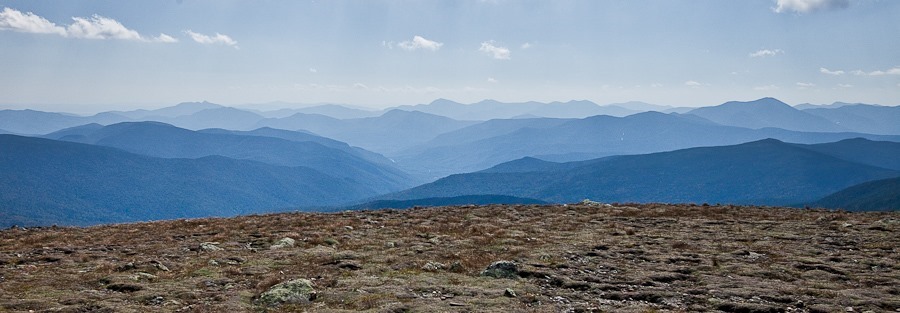
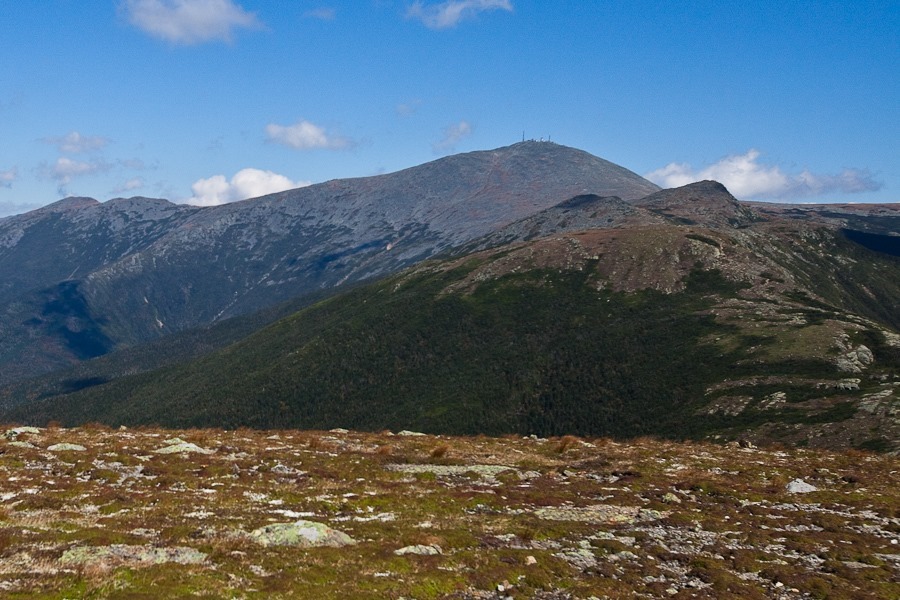
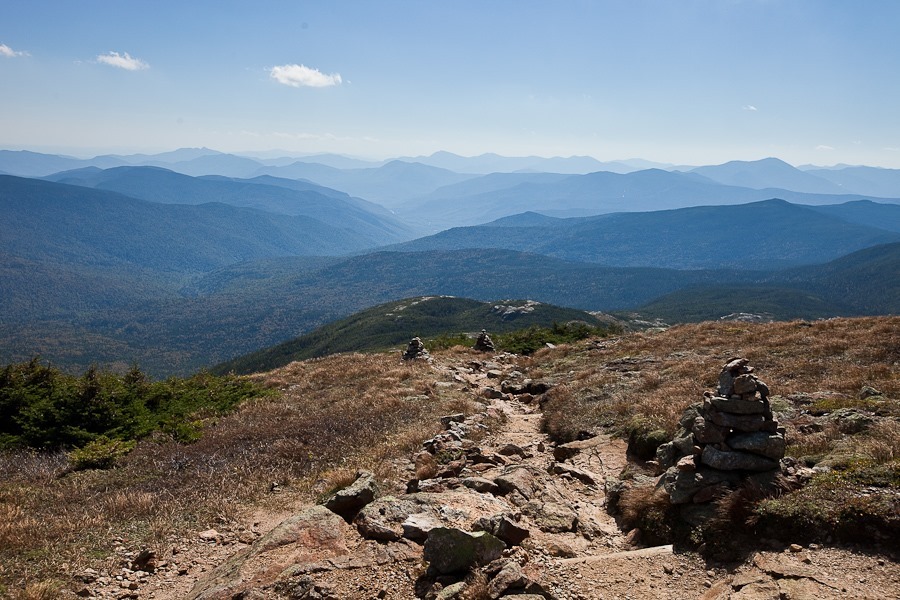
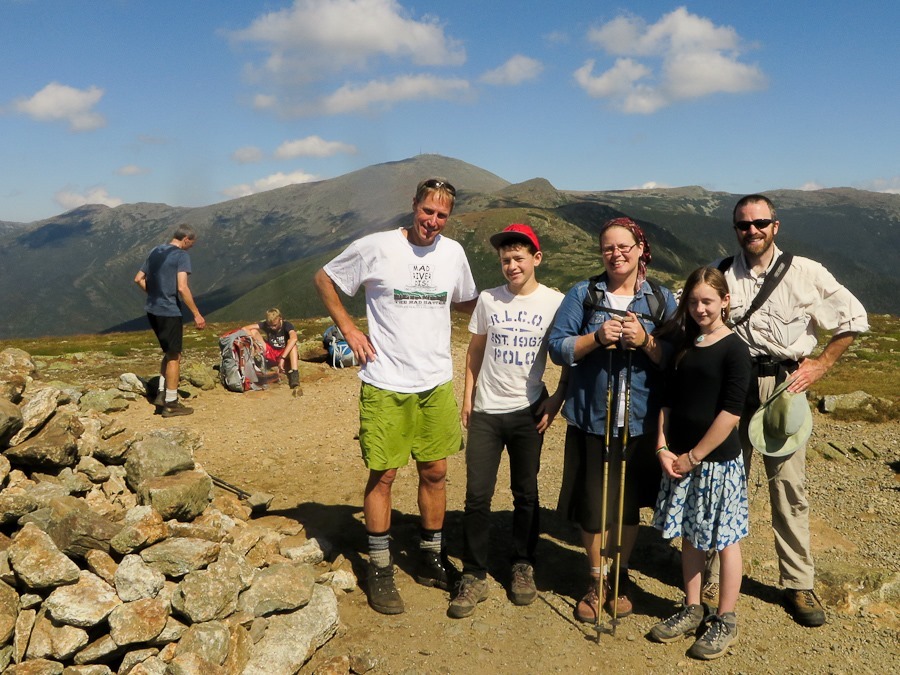
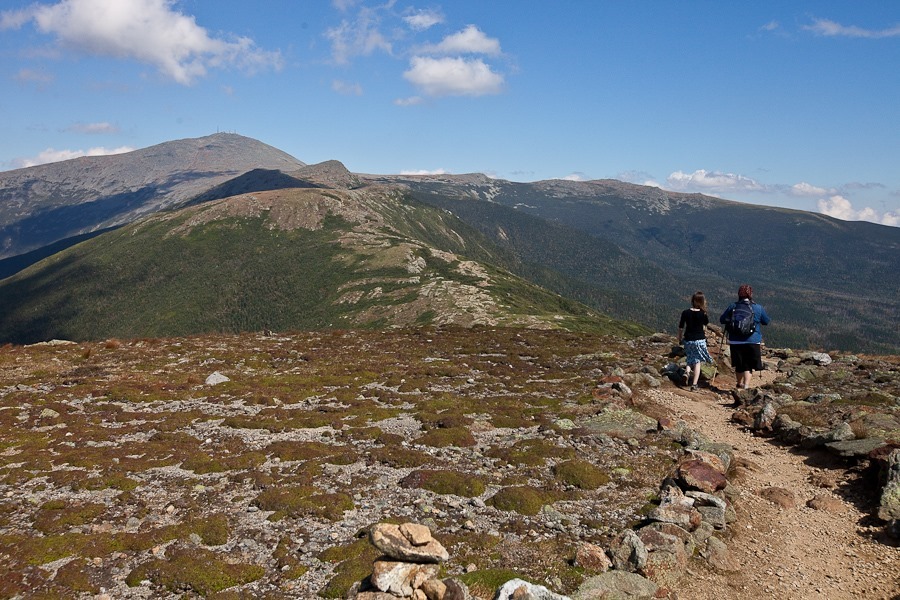
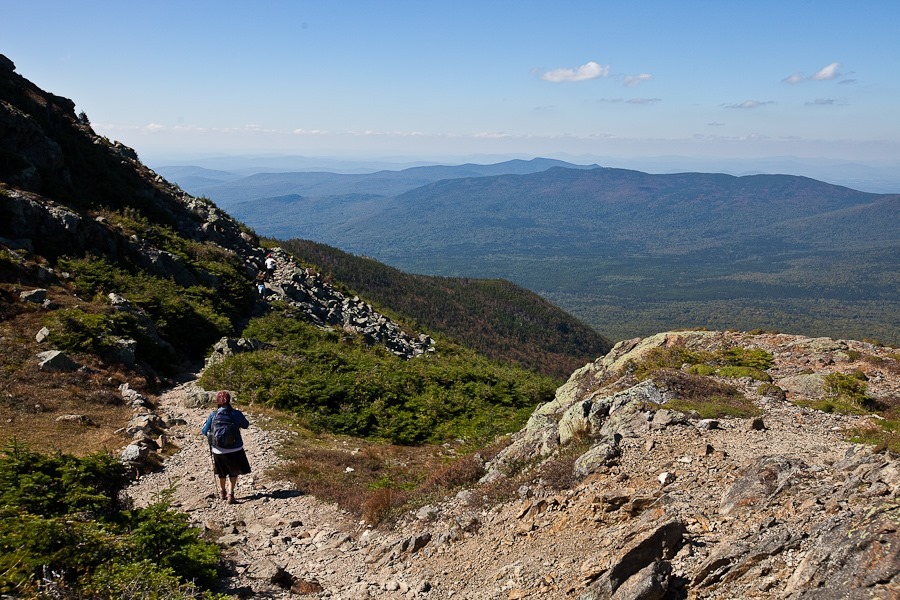
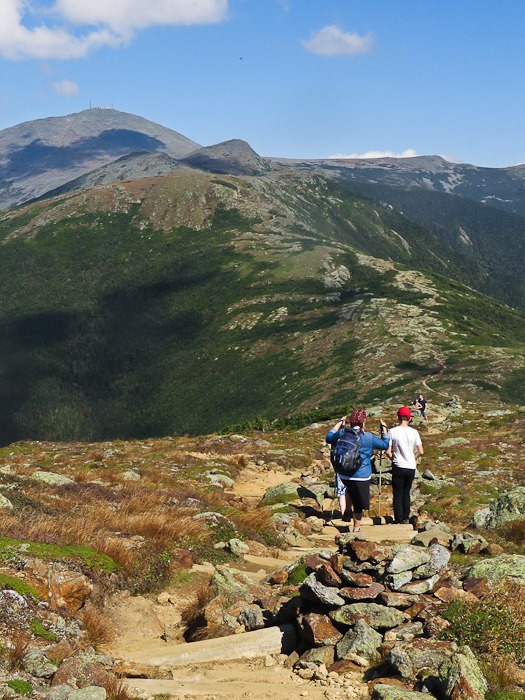
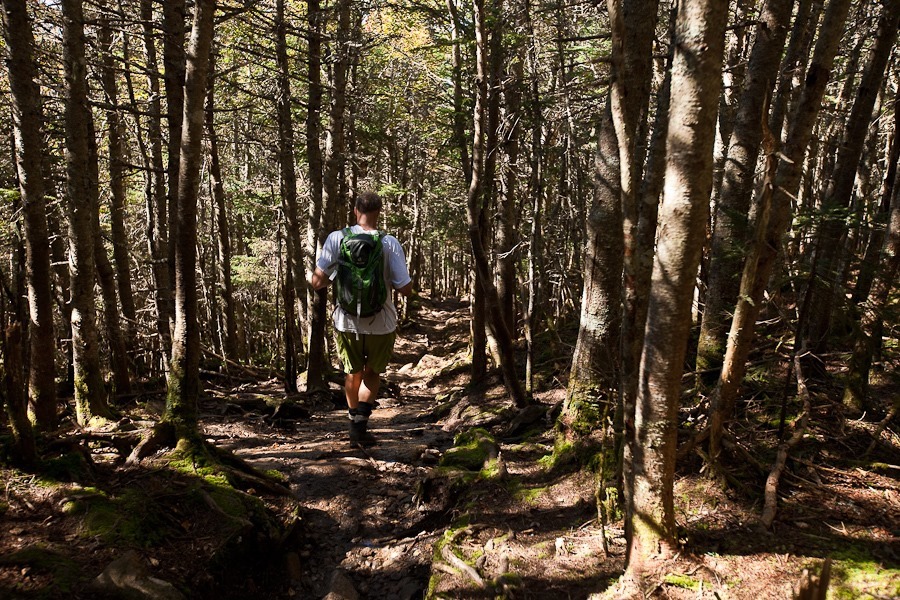
It turns out that we’re dispersed camping about 15 miles from my PPG school classmates, Glen and Rhonda. Glen drove up this morning and together we hiked to the summit of Mount Eisenhower:
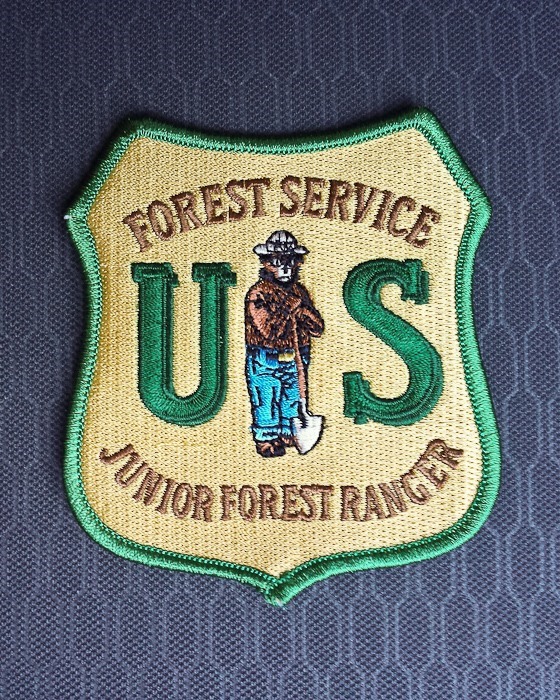
Today we left Portland, Maine, driving northwest to Conway, New Hampshire, home of one of the visitor centers for the White Mountain National Forest. The kids completed the Junior Ranger workbooks and received their patch:
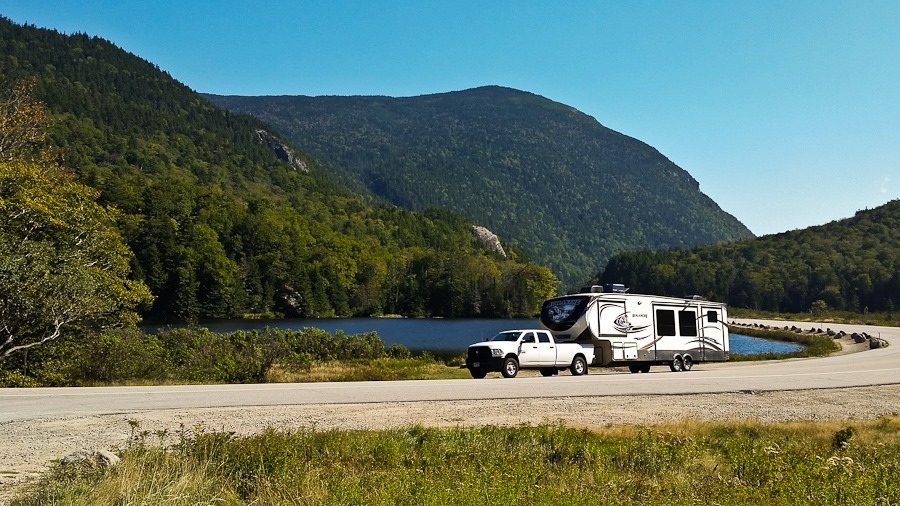
We pulled over in the picturesque Crawford Notch for a photo:
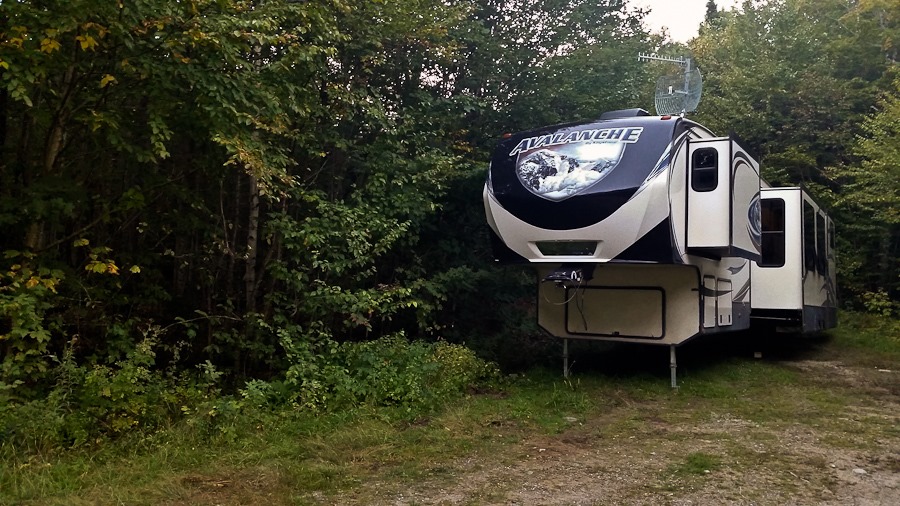
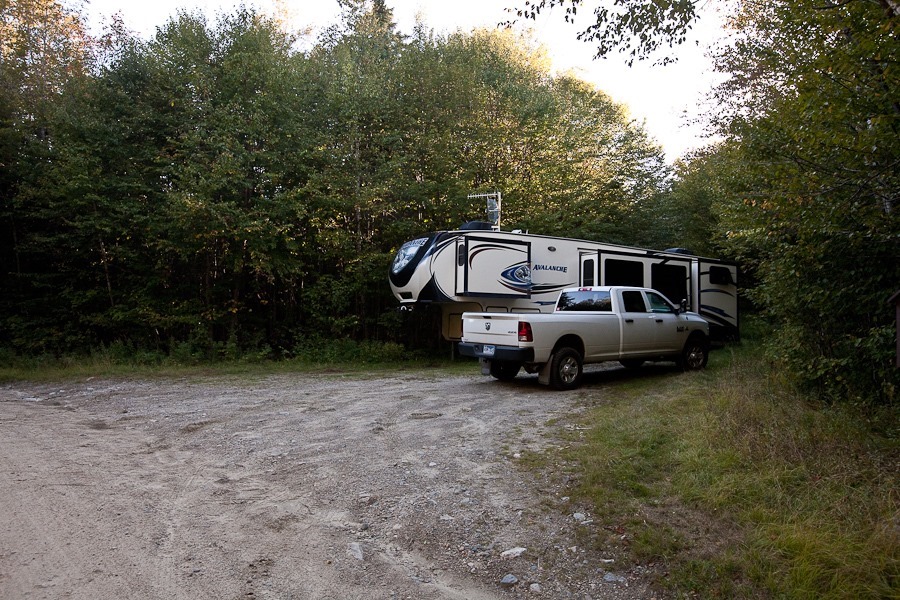
Like the BLM, the US Forest Service allows dispersed camping. After consulting the White Mountains National Forest MVUM map, we found a dispersed camping site a few miles up Old Cherry Mountain Road. With our directional cell antenna deployed, we’re getting three bars of cell service with no data service. We haven’t been able to do any dispersed camping since Colorado, so we’re looking forward to a few quiet days up here:
See the trip map for today’s drive and our current location.
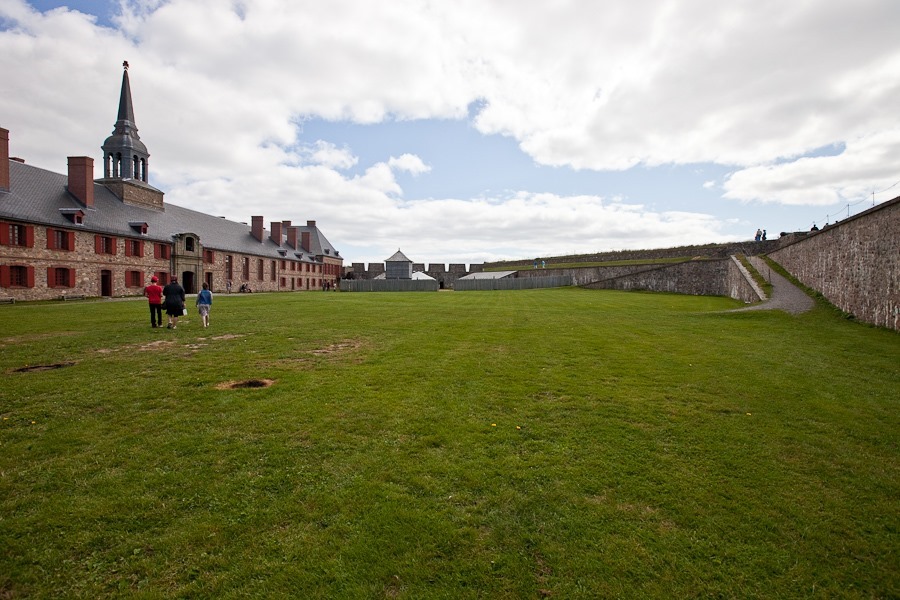
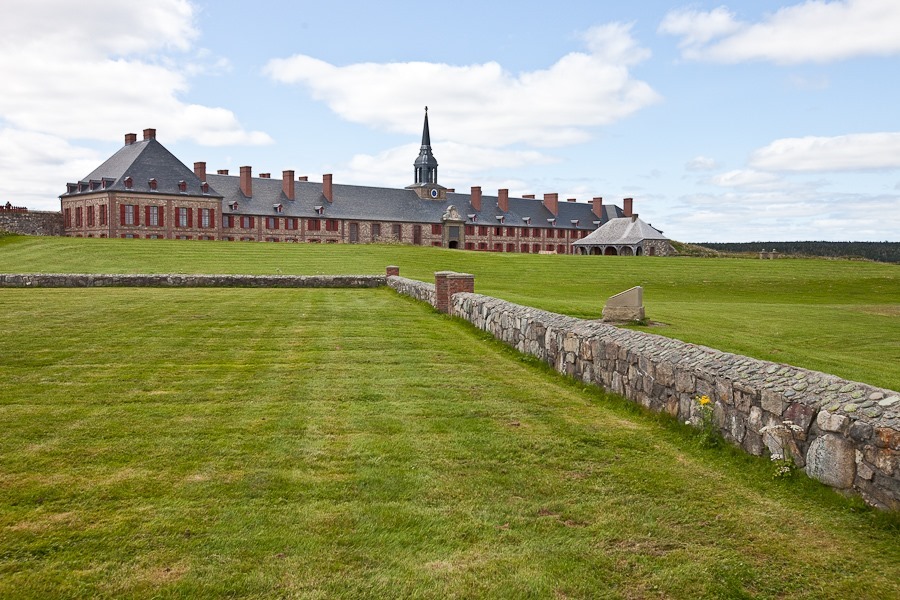
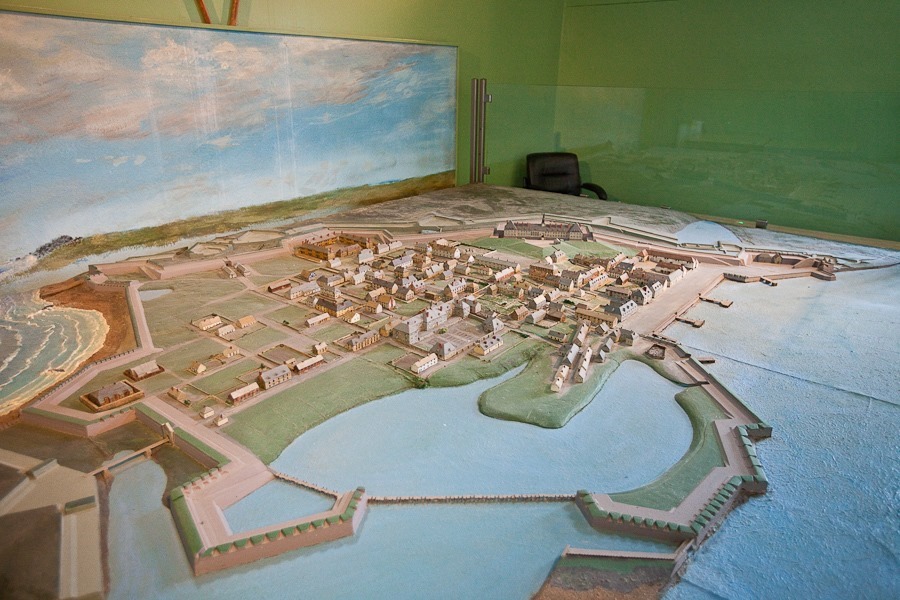
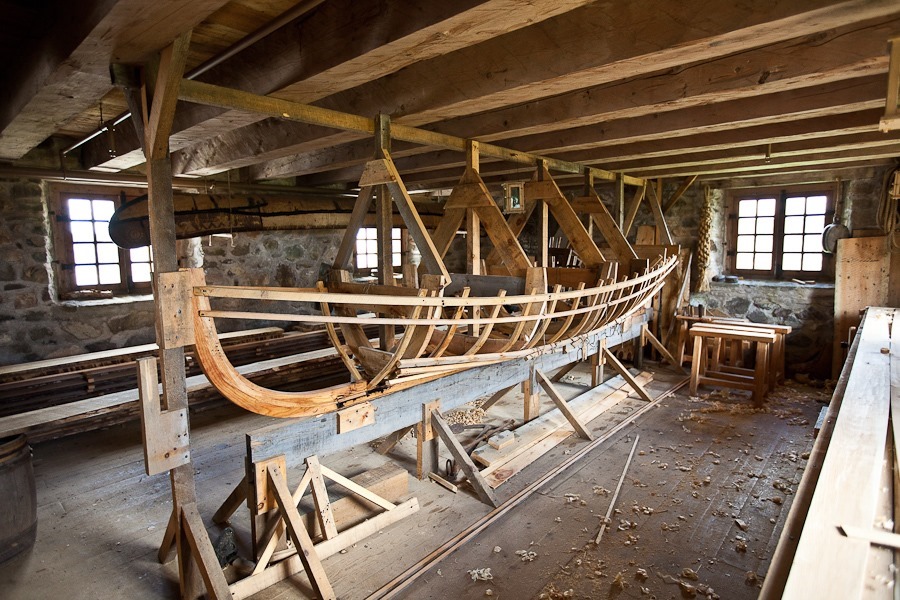
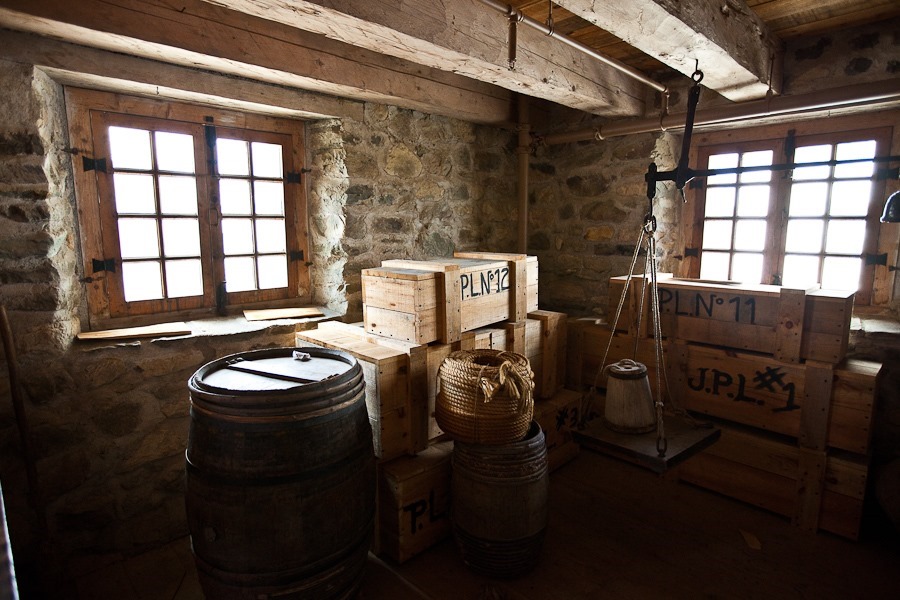
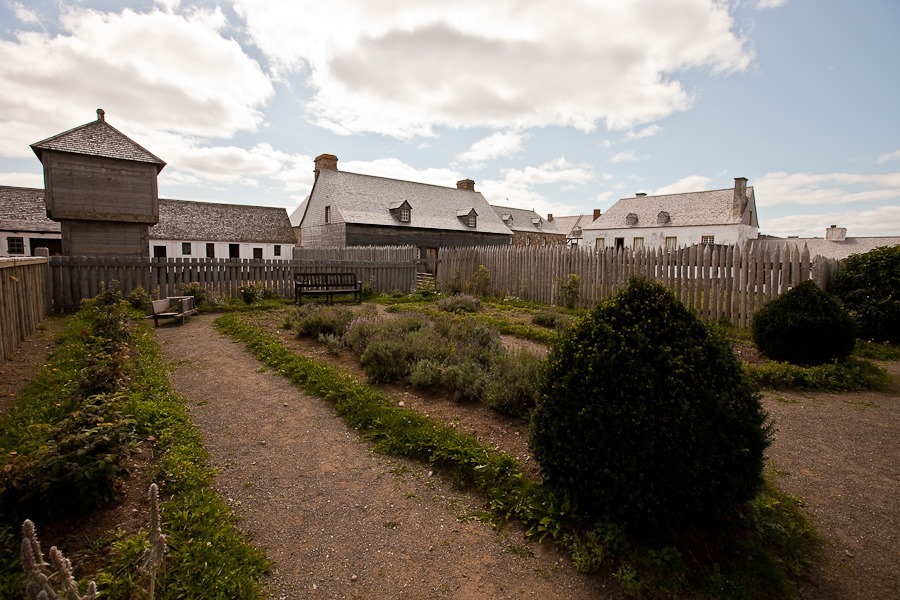
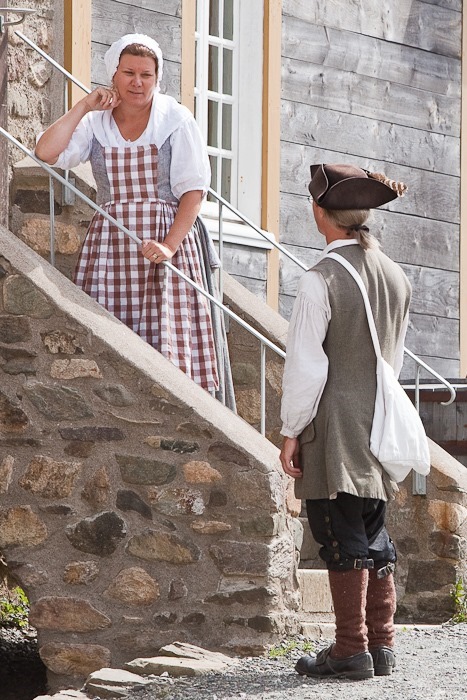
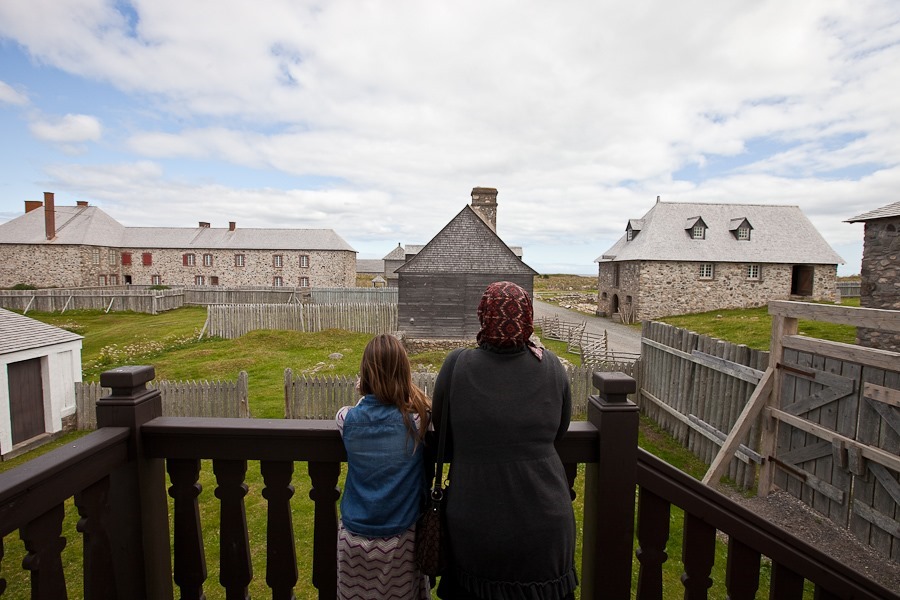
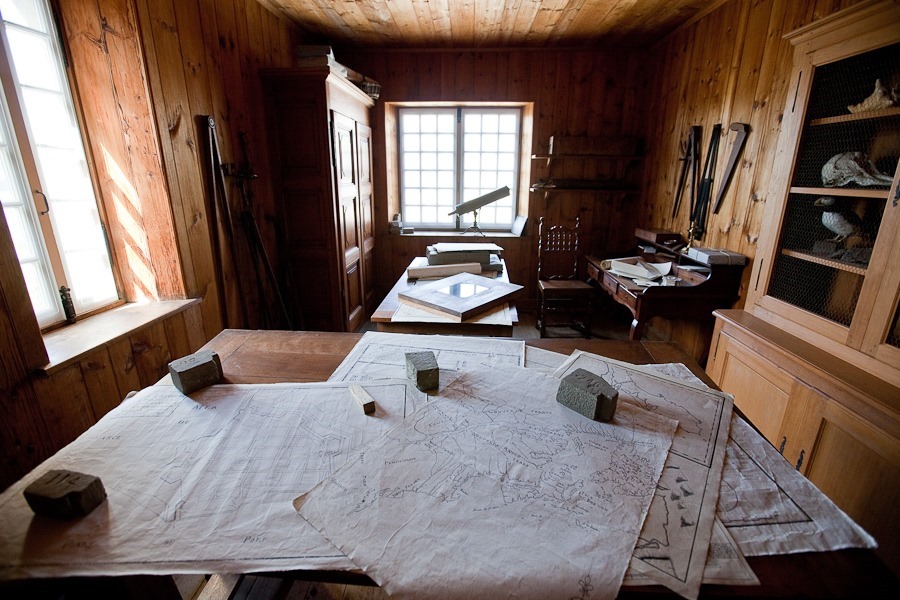
Today we left the Walmart of Sydney and drove south to visit Fortress of Louisbourg National Historic Park. This area was settled in 1713 by the French, and the fortress was mostly complete by 1740. The English captured the fort in 1745, returned it to the French via treaty in 1748, then captured it again in 1758 and destroyed the fort shortly thereafter. The fortress and town were partially reconstructed in the 1960s and 1970s by unemployed coal miners. To visit the fortress, we parked at the visitor center and took the shuttle bus to the fort site:
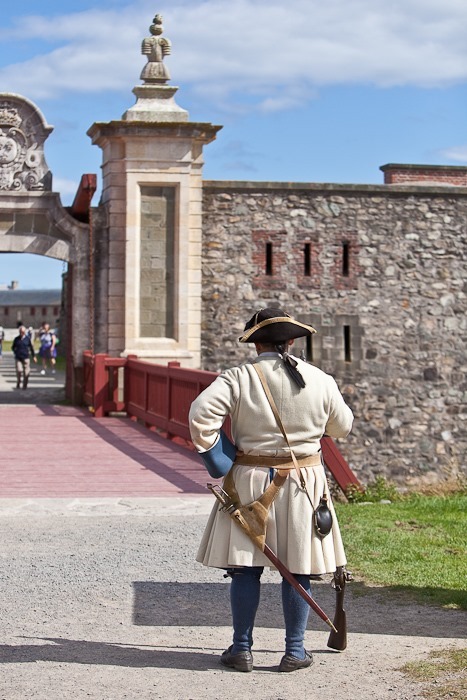
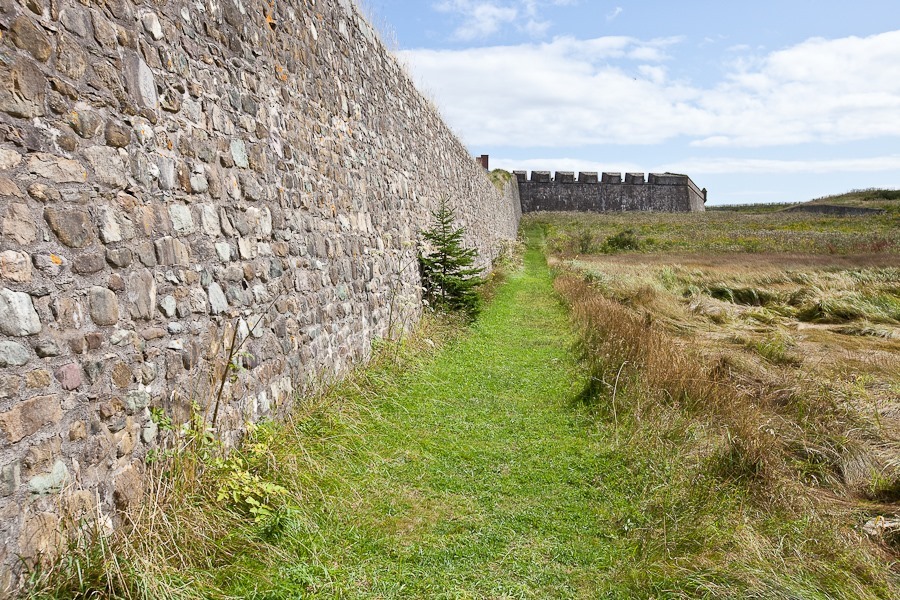
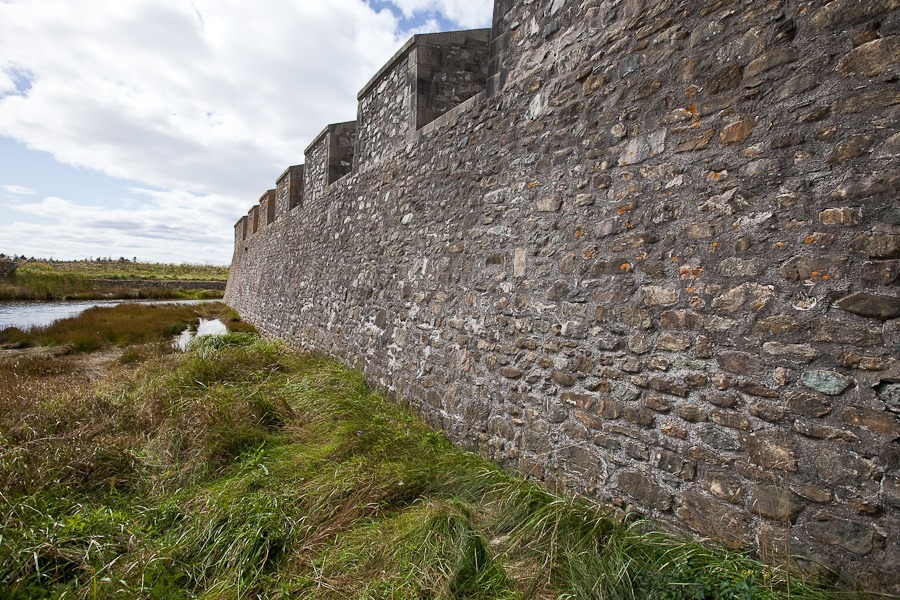
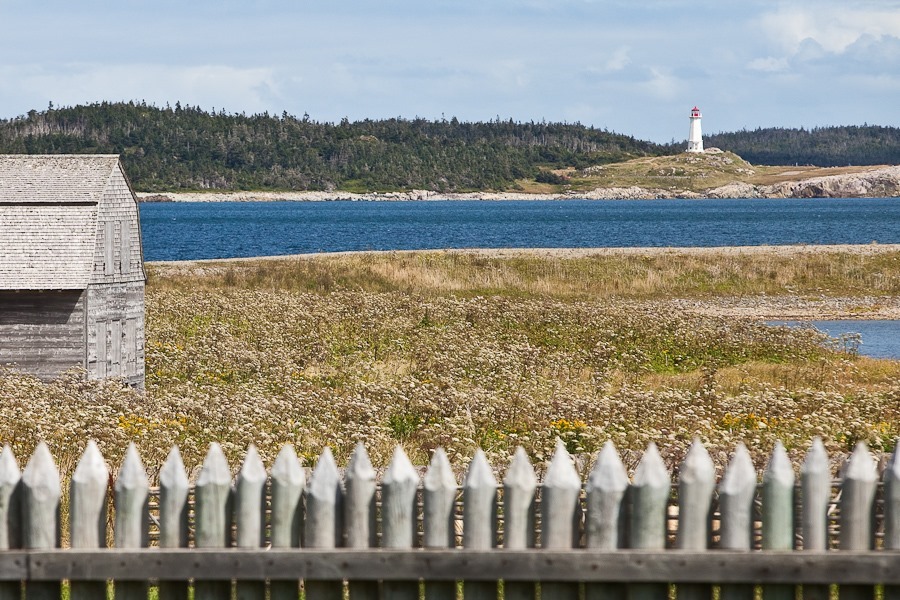
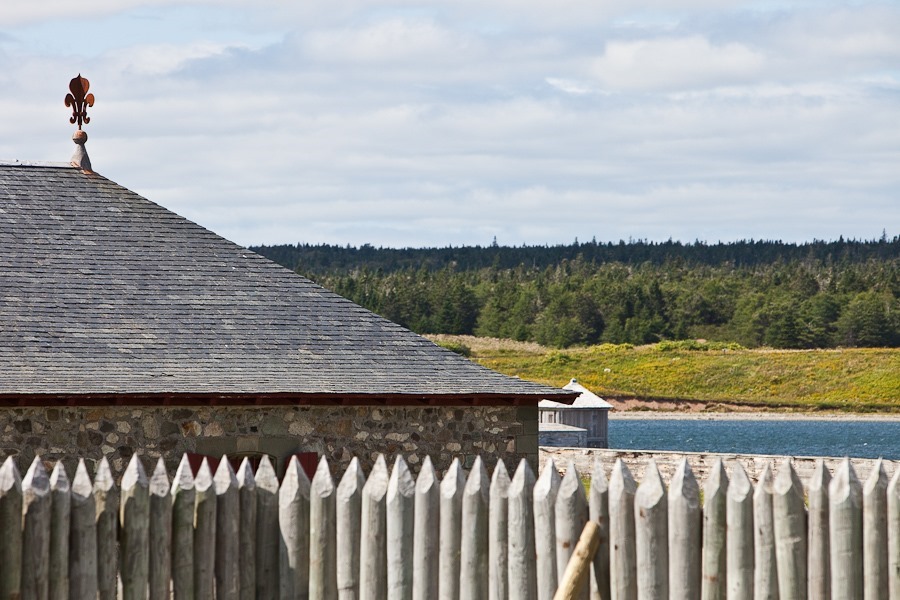
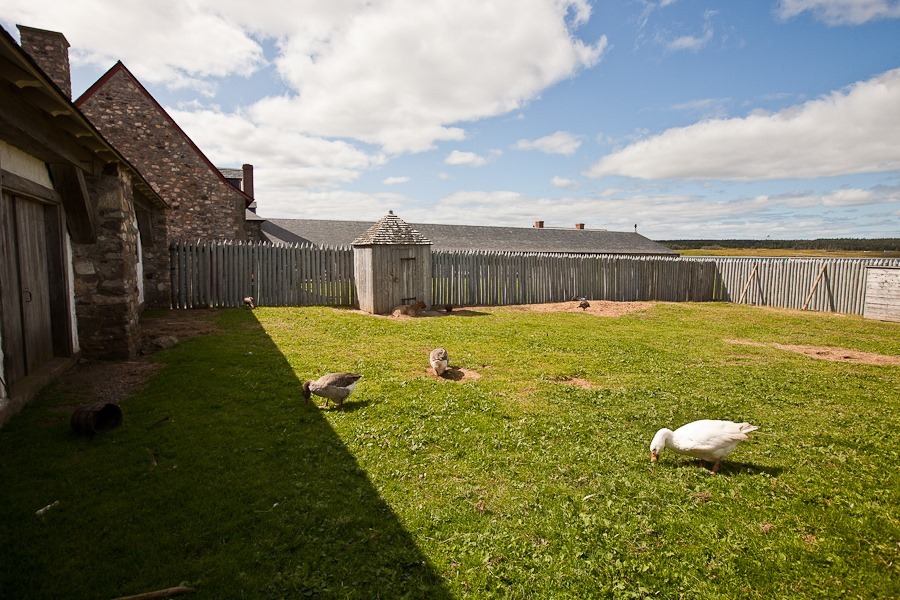
Outside the walls:
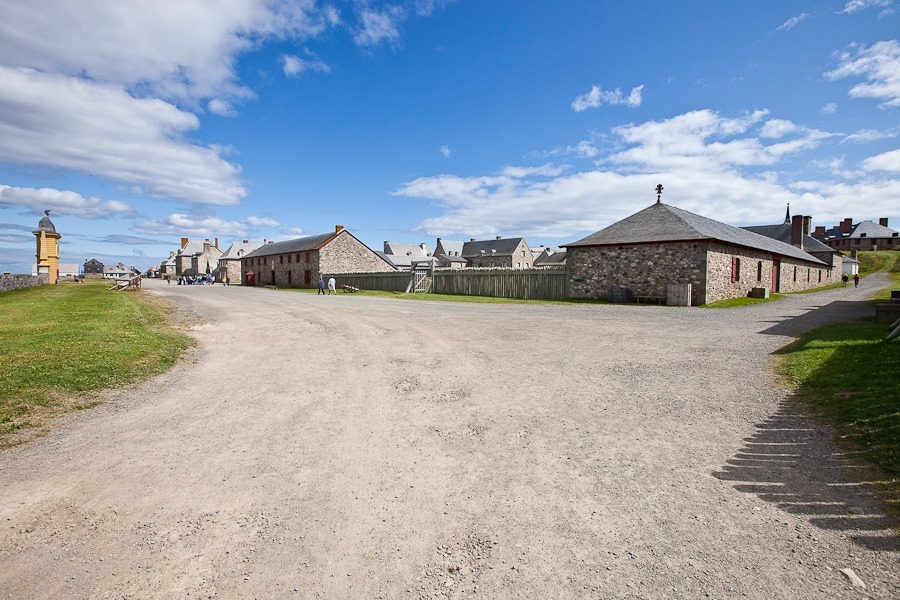
The town, only 25% reconstructed, is sizeable:
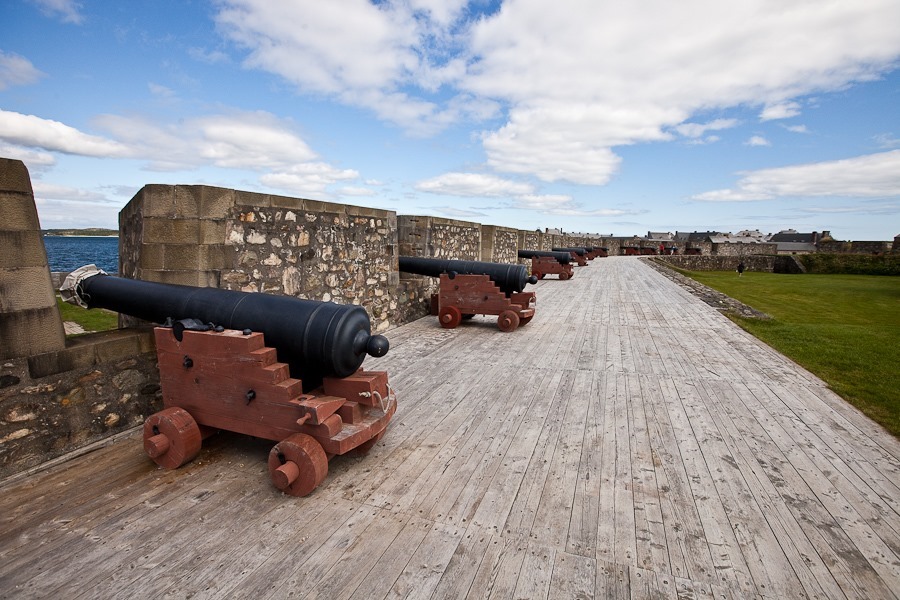
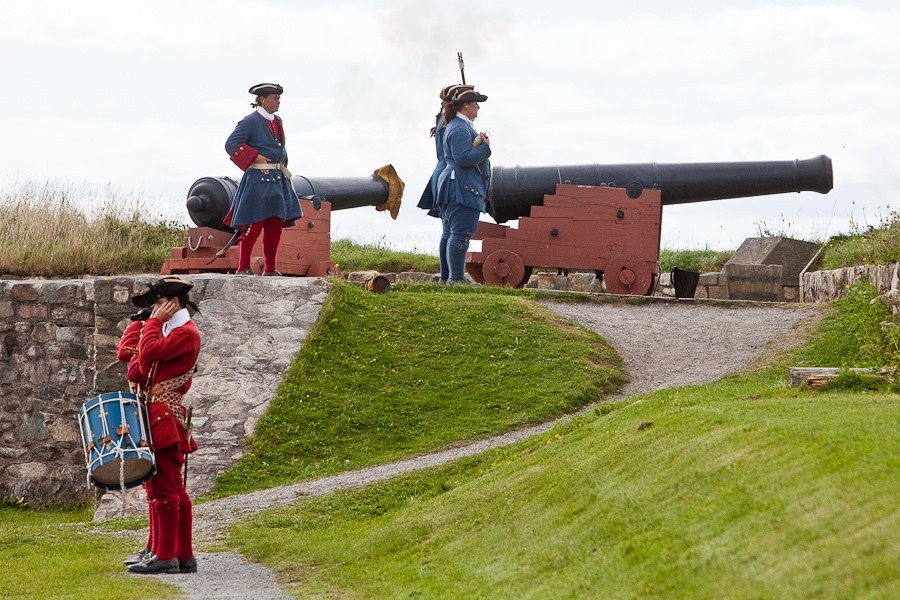
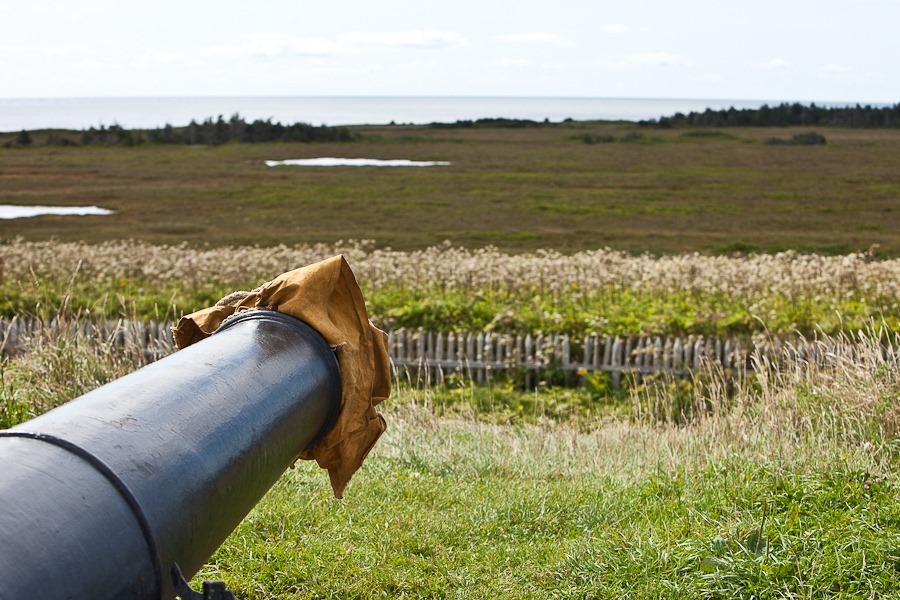
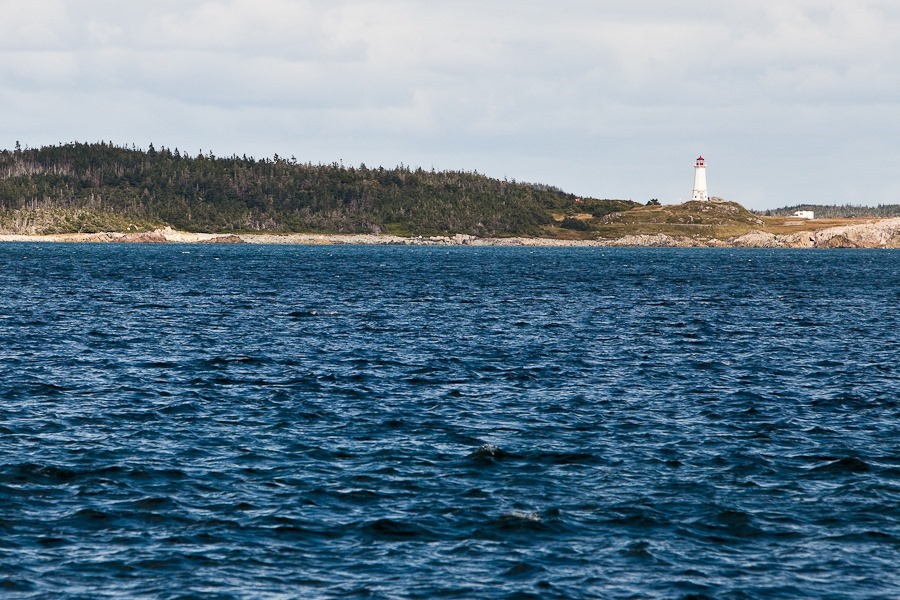
The great guns defending the harbor. This led the British to attack over land in both 1745 and 1758:
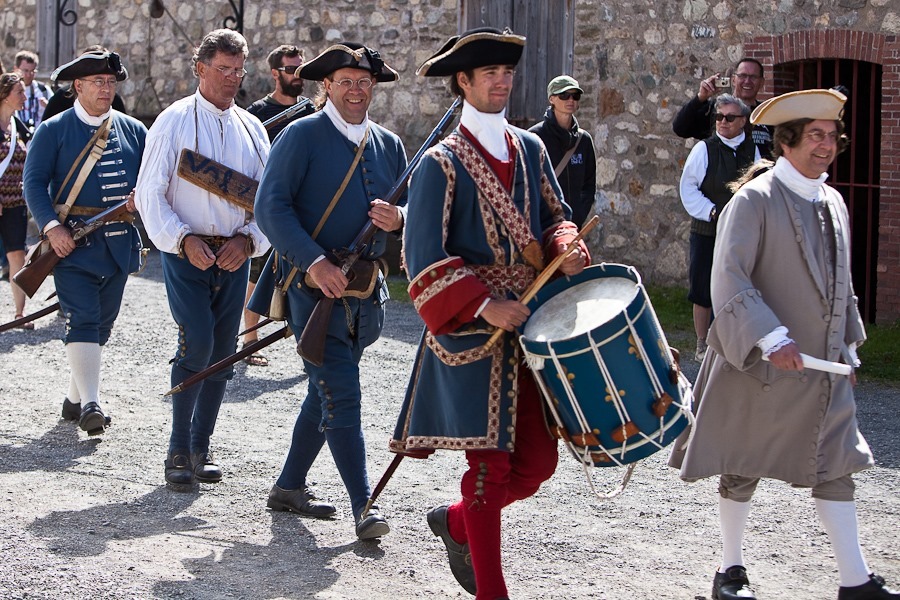
Exercising the great guns:
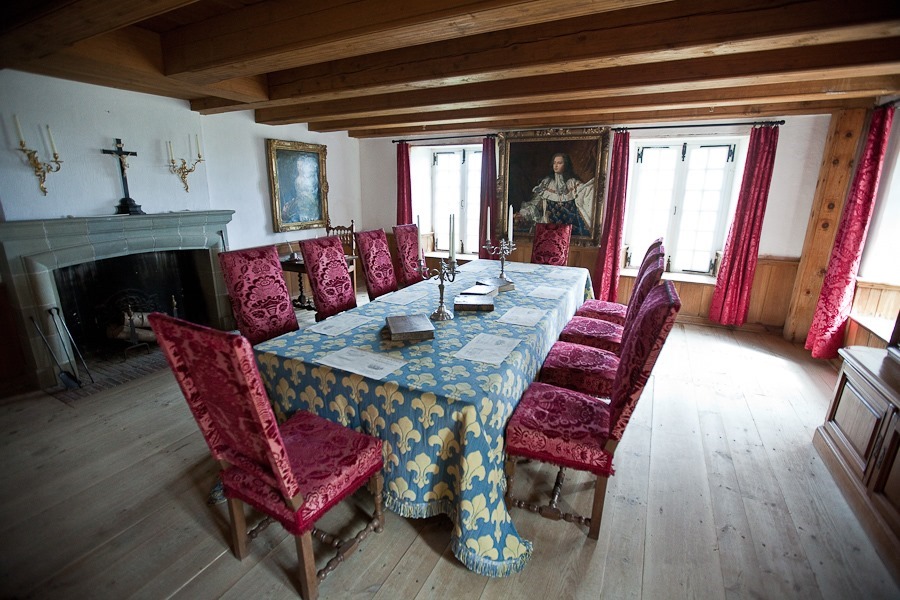
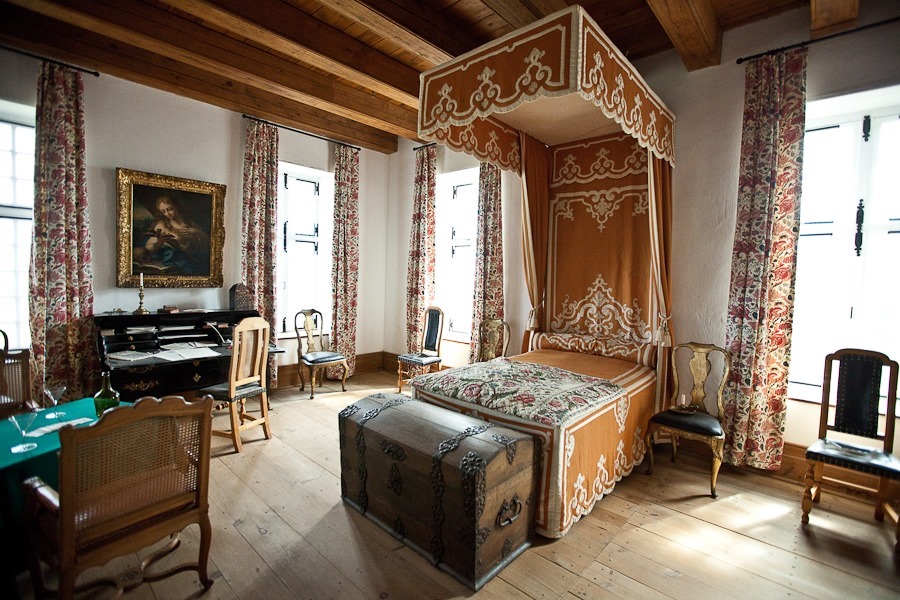
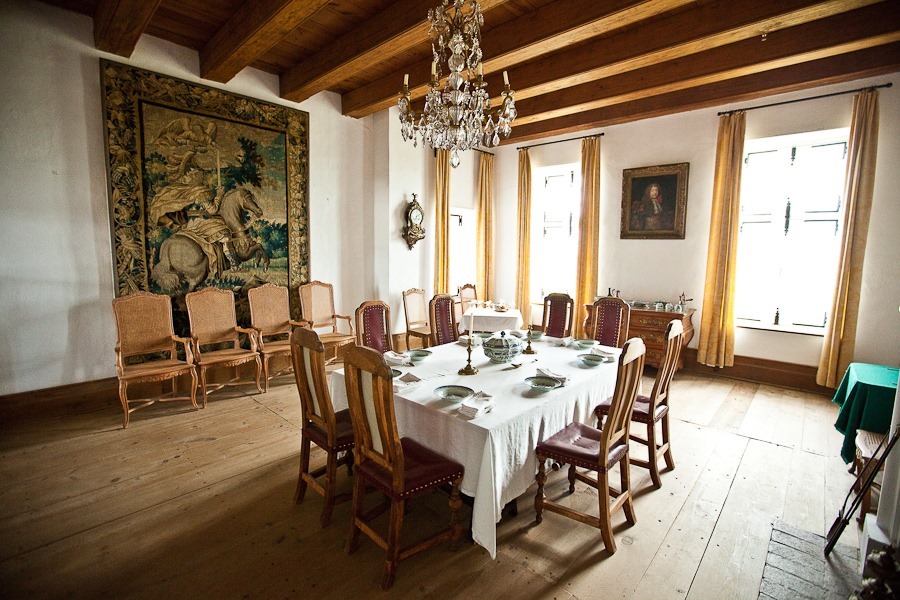
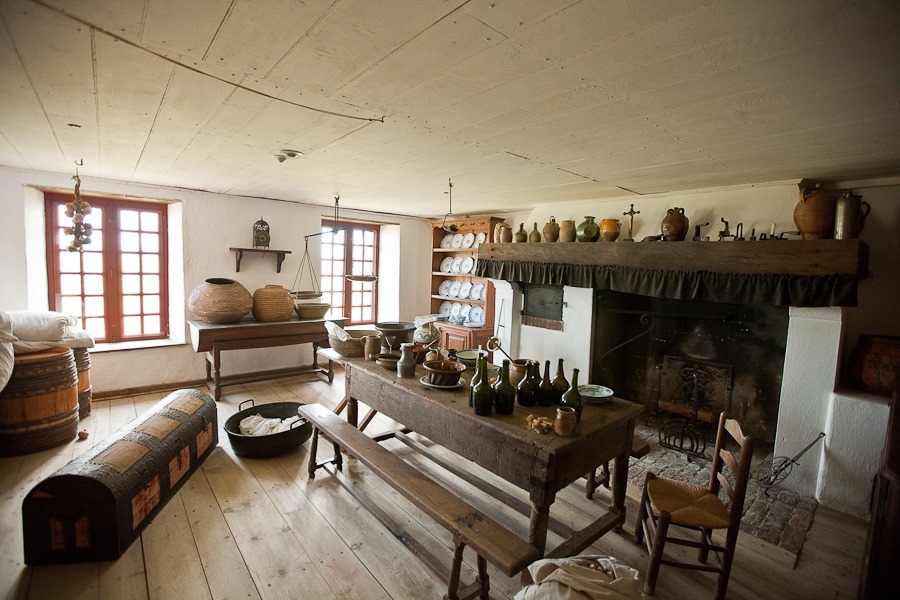
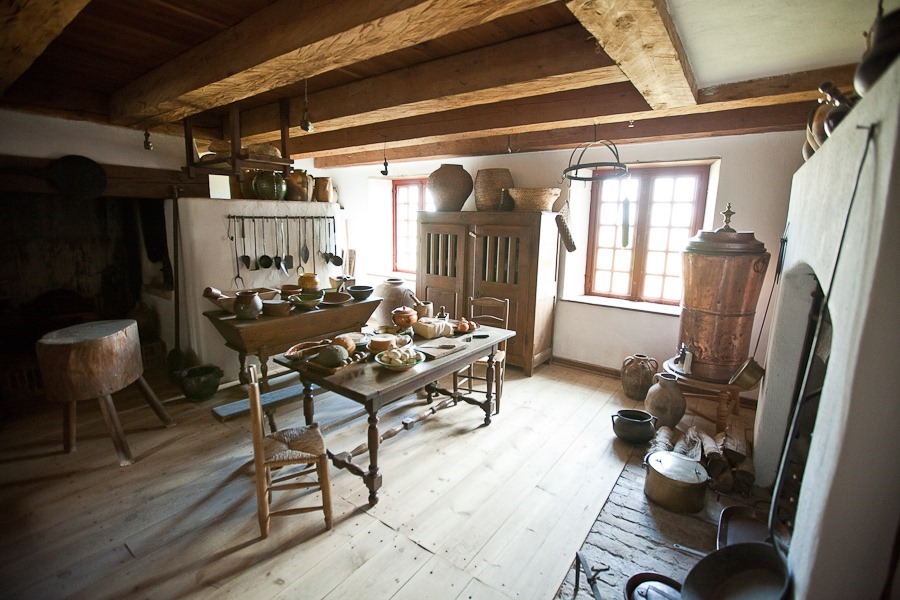
We first toured the Governor’s house:
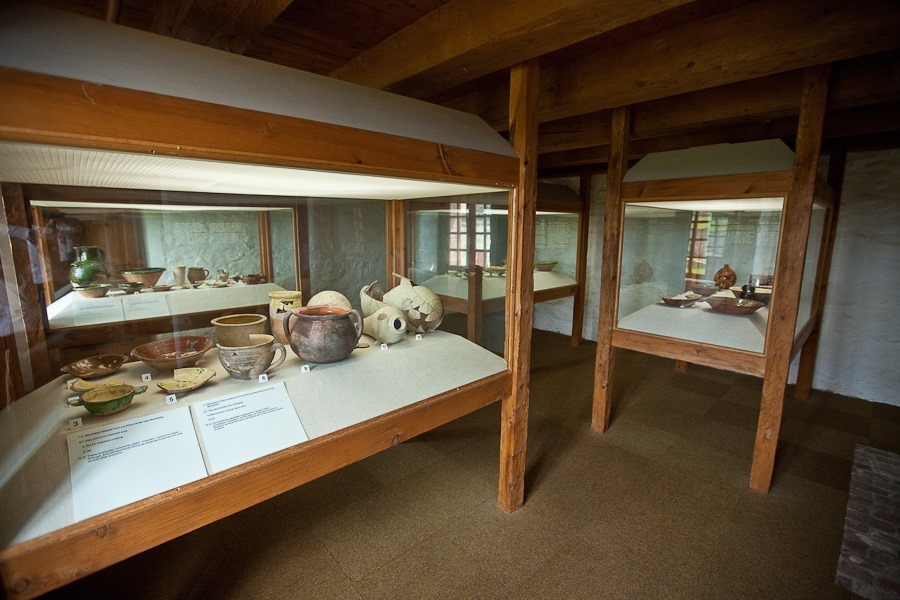
Artifacts found here during reconstruction:
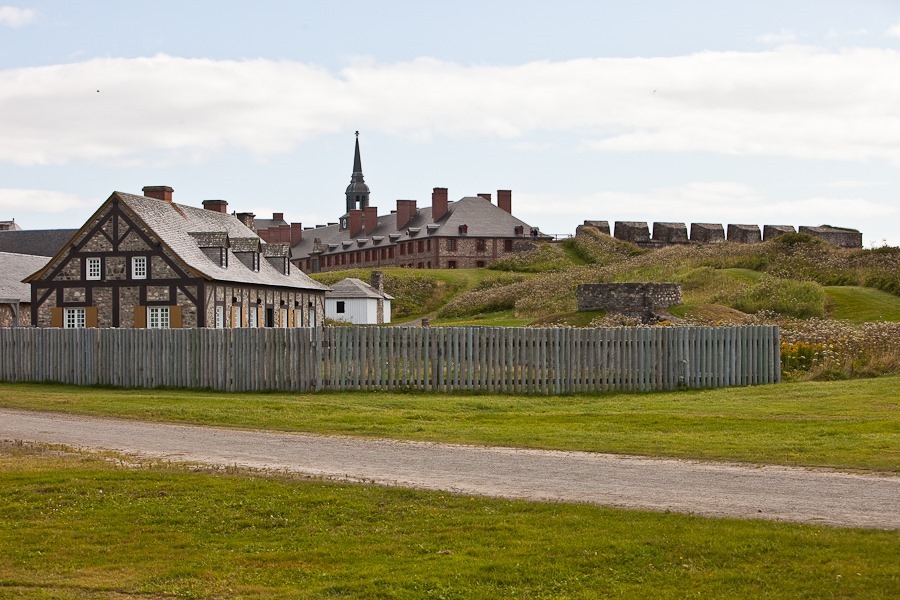
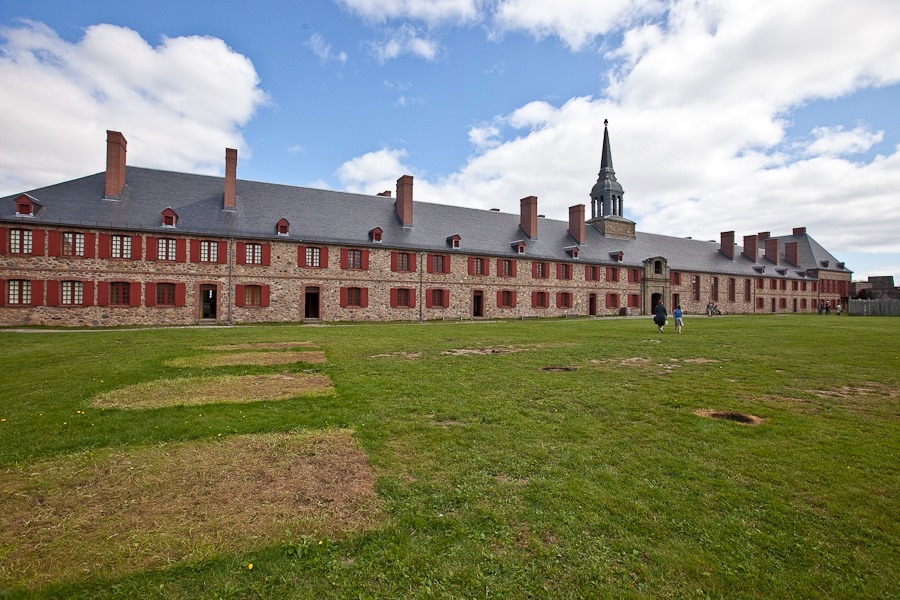
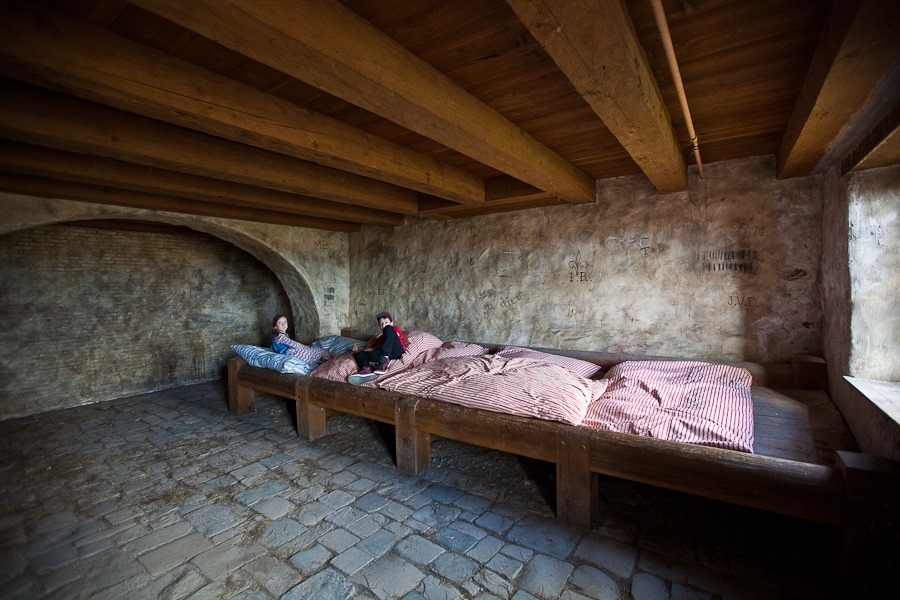
The Governor’s house and main barracks for the town:
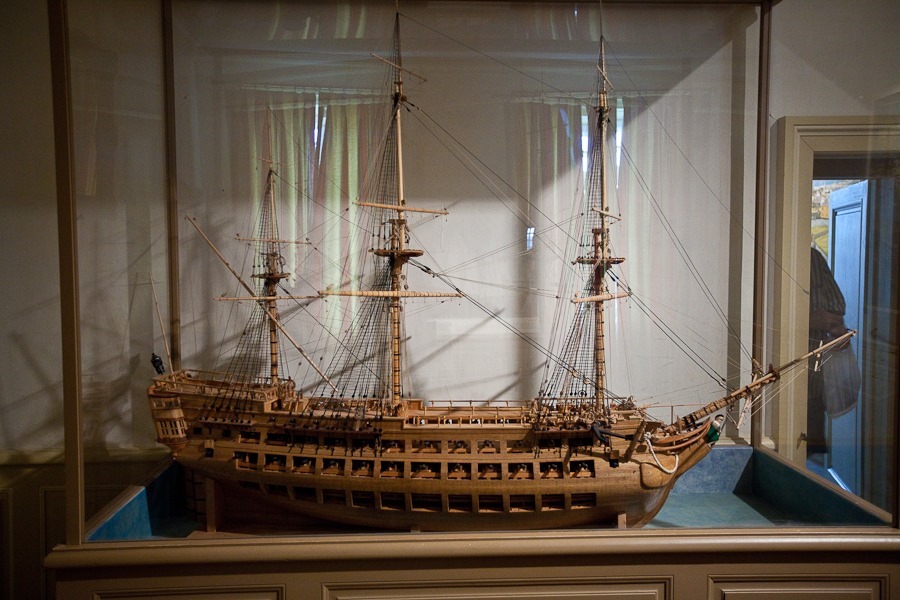
Several buildings were mini-visitor centers, focusing on various aspects of fortress construction, history, etc. This is a model of one of the three French Ships of the Line sunk in Louisbourg harbor during the siege of 1758:
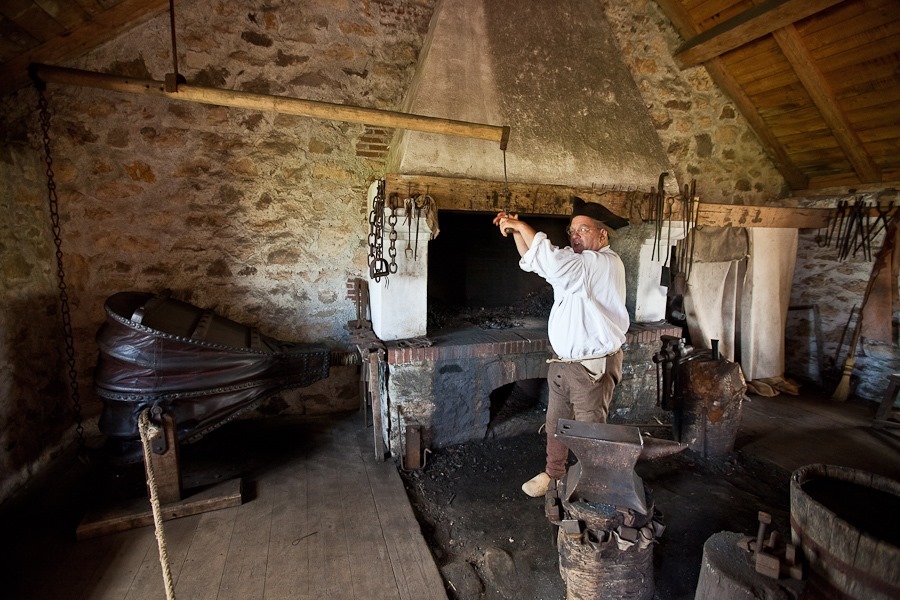
The forge:
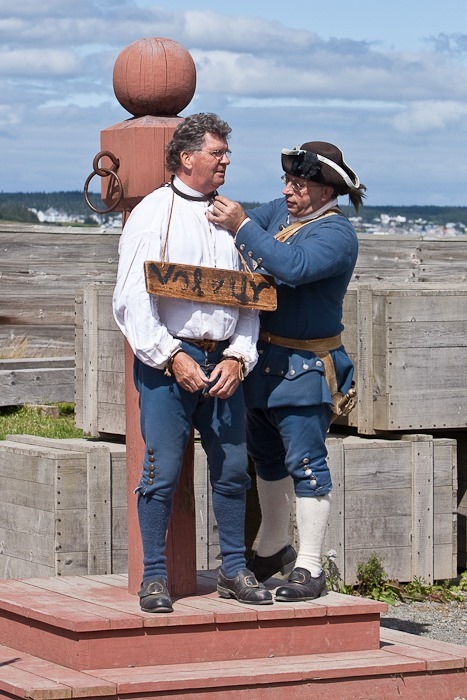
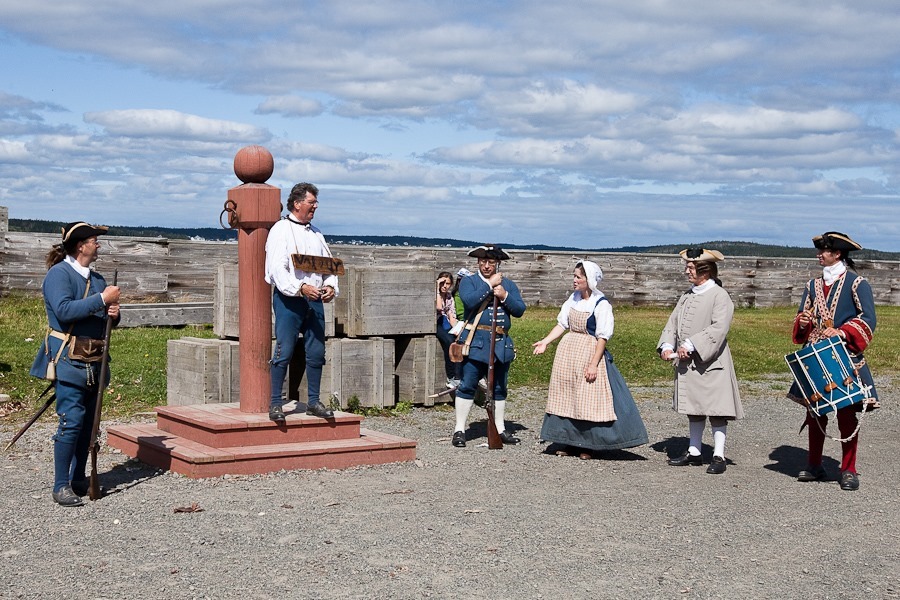
Bringing a criminal to justice:
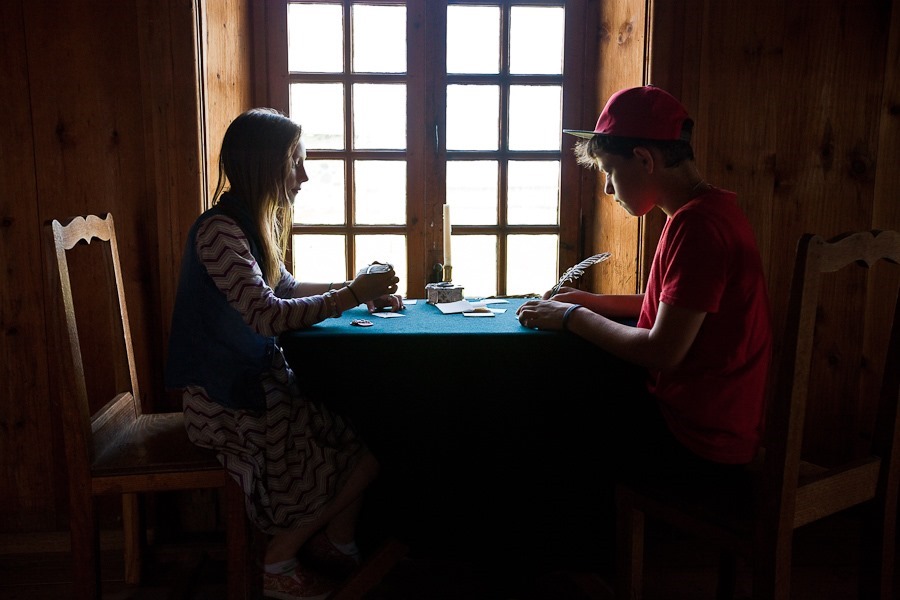
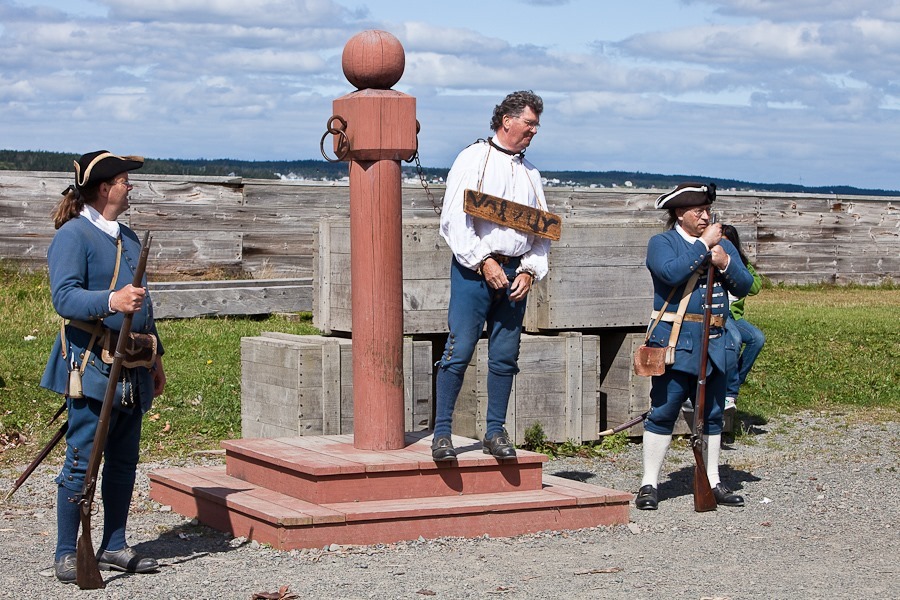
Reading the charges:
The powder magazine:
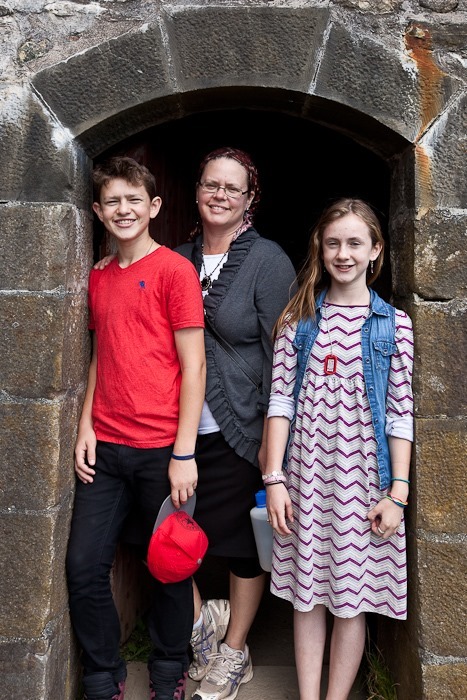
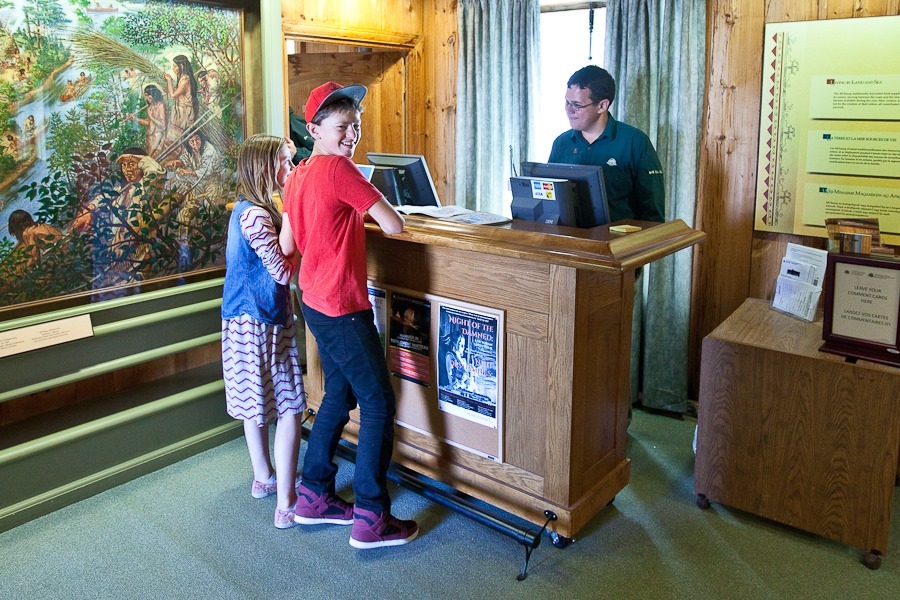
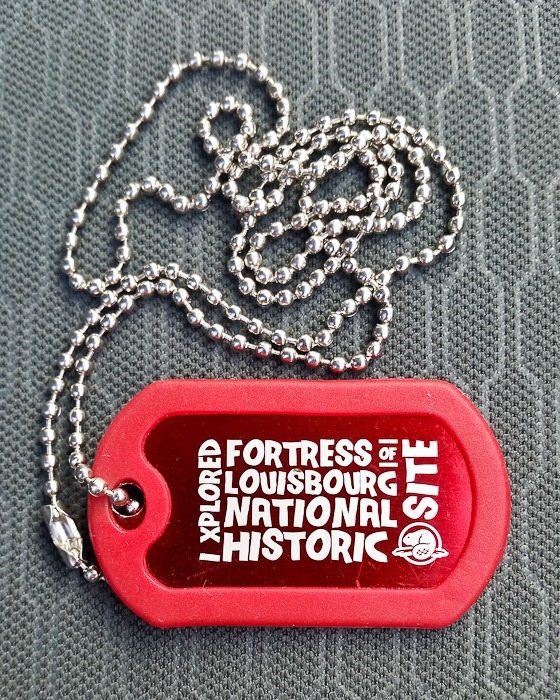
The kids completed their Parks Canada Xplorers workbooks and received their tags:
From the fort, we drove back to Sydney to overnight at the Walmart of Grand Lake Road, Nova Scotia. Good Shabbos from Sydney, Nova Scotia!
See the trip map for today’s drive and our current location.














 Facebook
 Instagram
 Email
Email