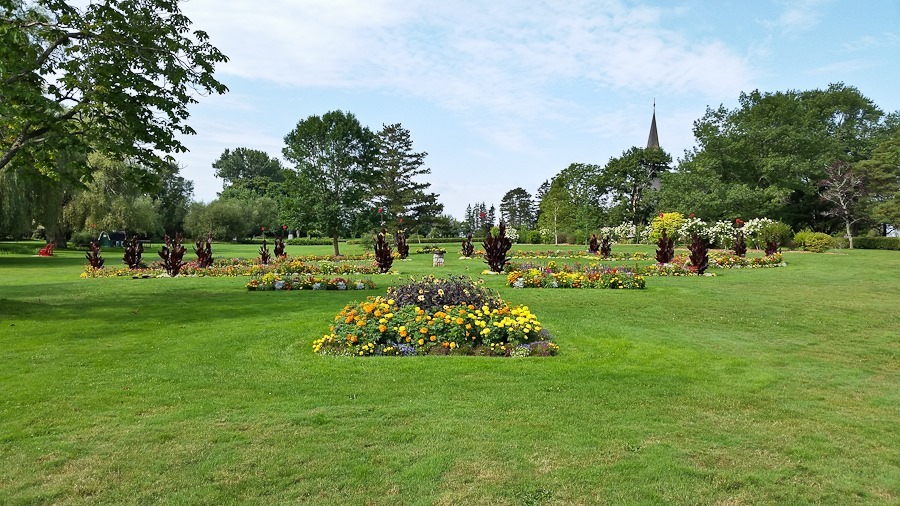
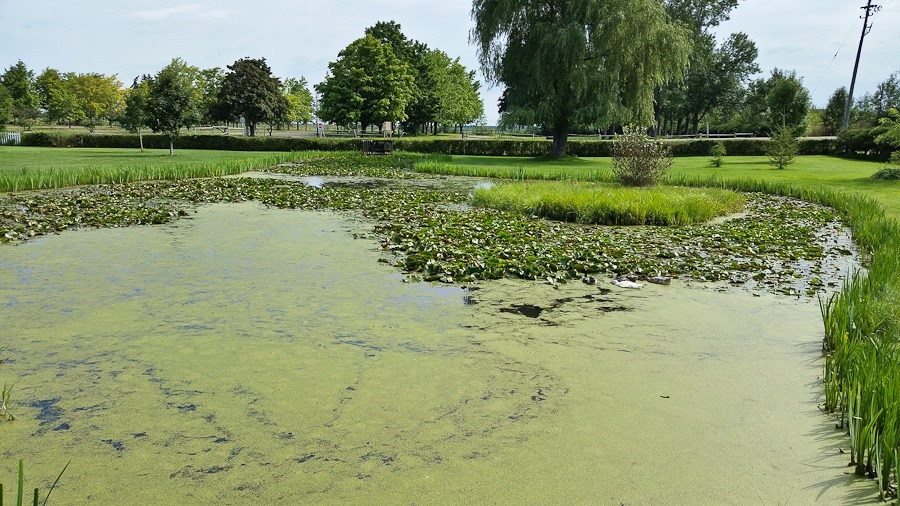
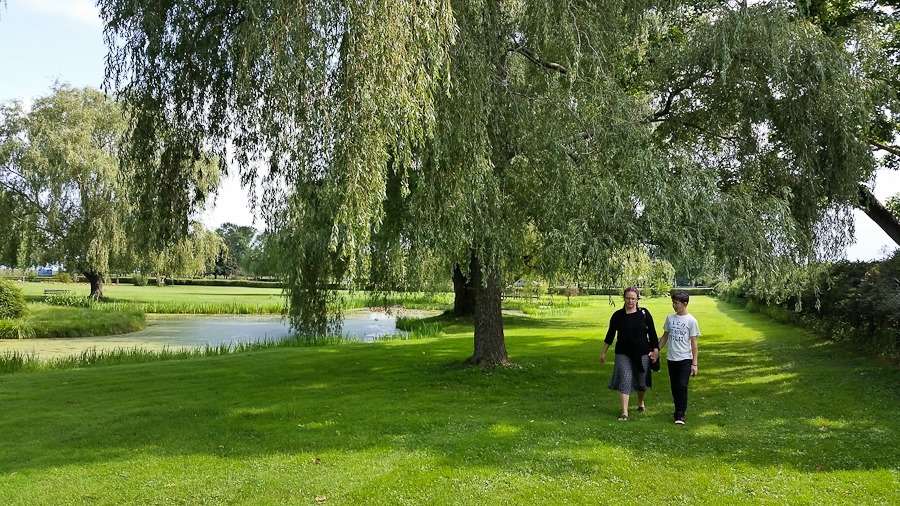
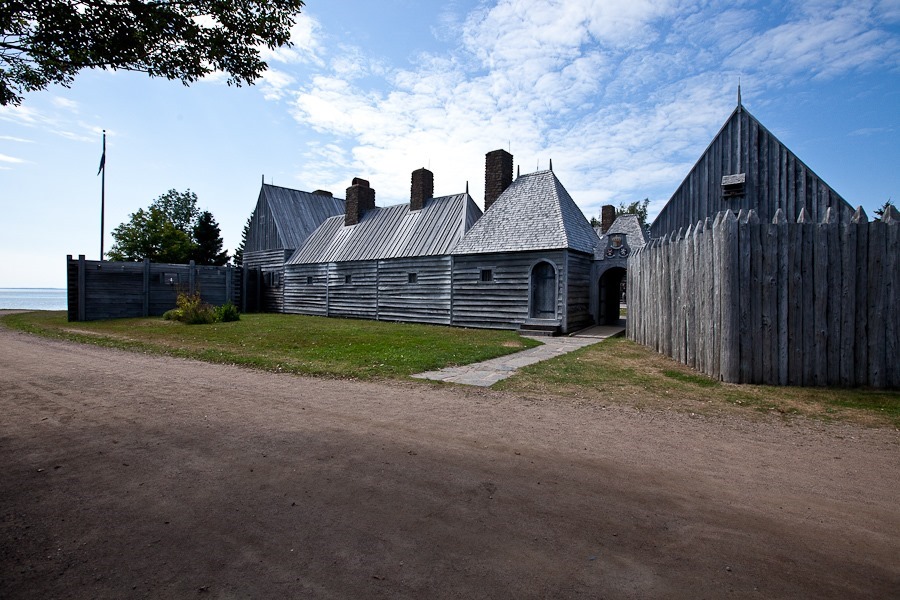
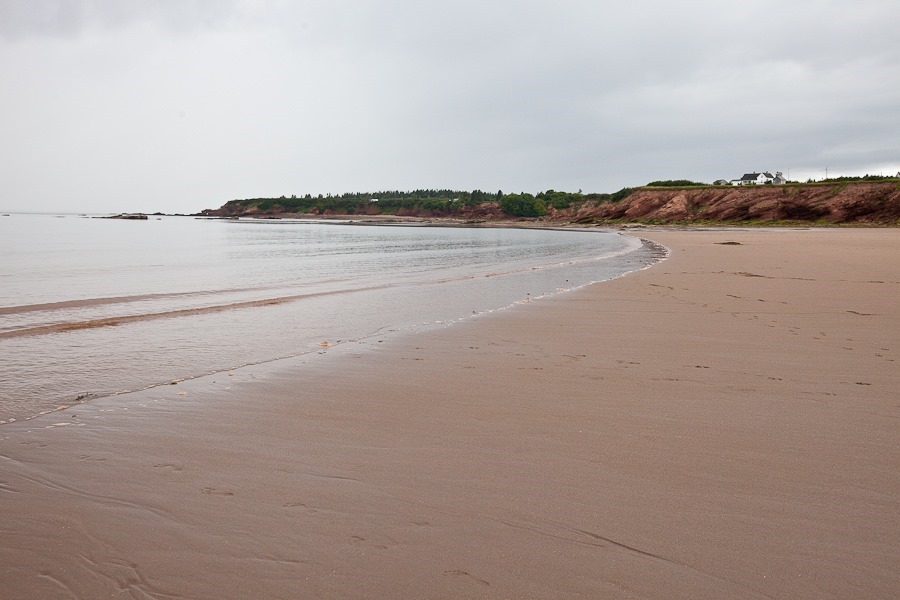
Day 757: Alexander Graham Bell NHS, Cape Breton Highlands NP

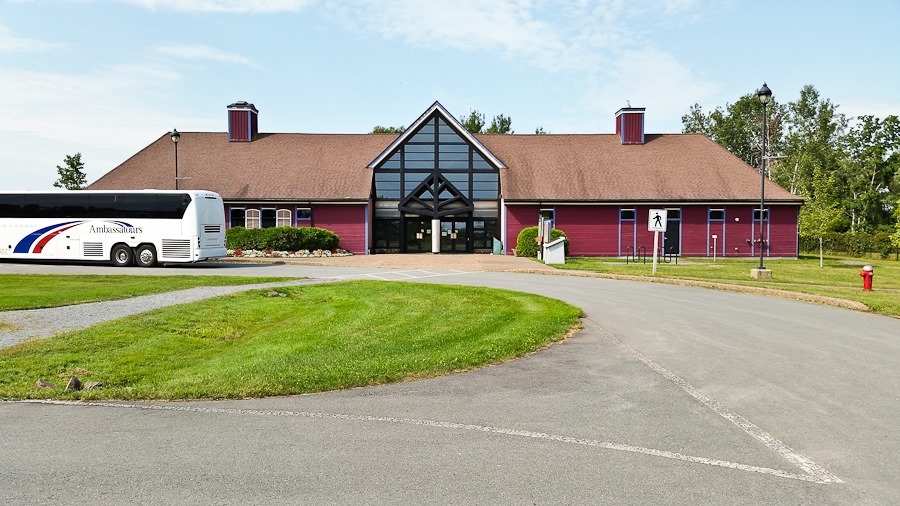
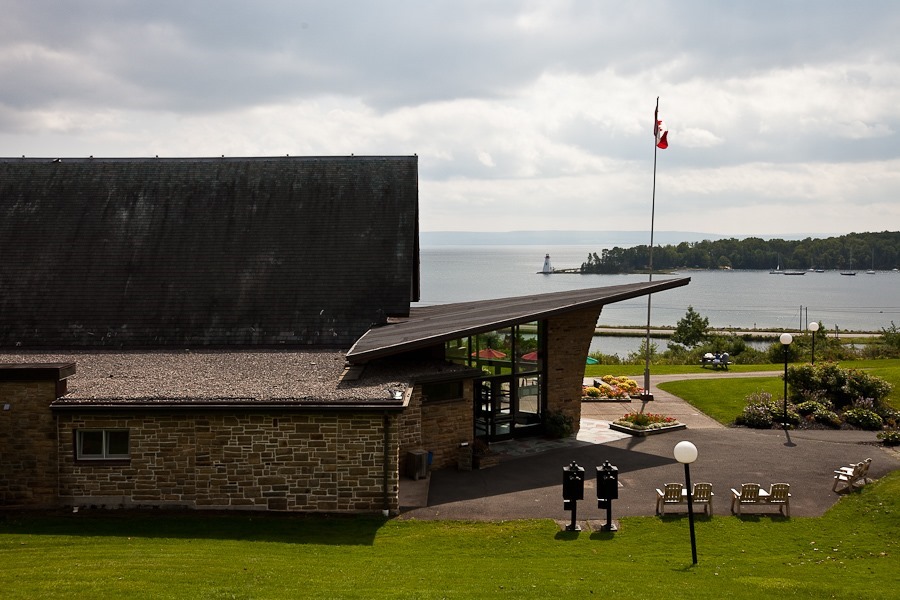
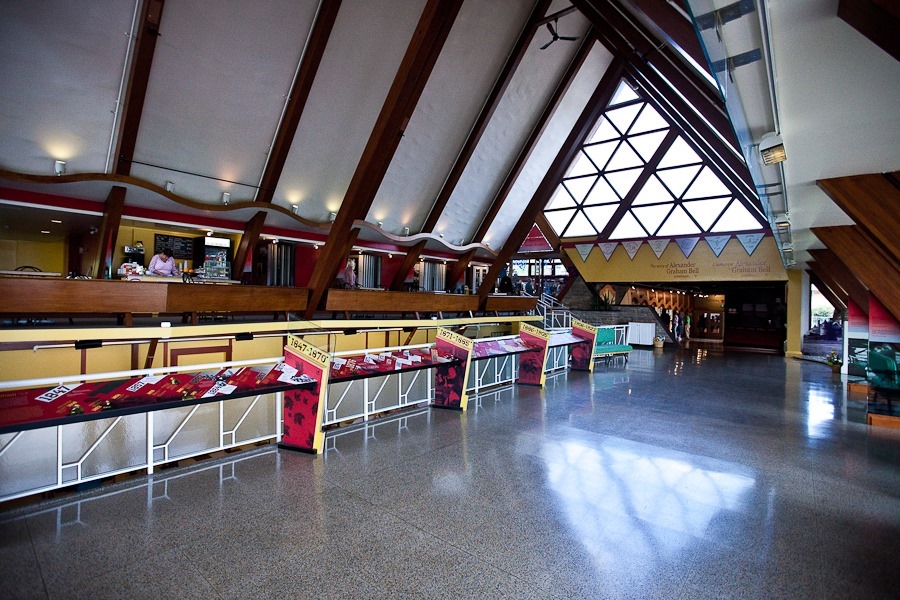
Today we left the Walmart in Port Hawkesbury and drove east to Alexander Graham Bell National Historic Site:
Day757_01

Day757_02

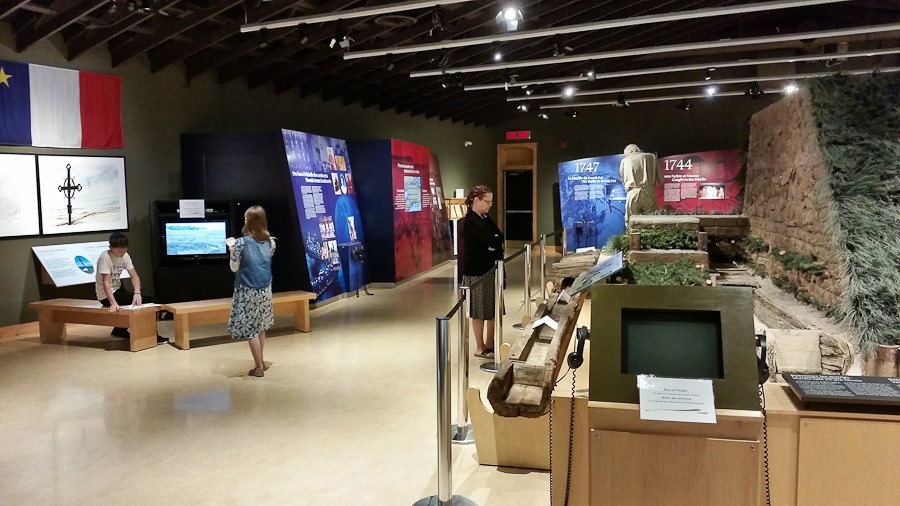
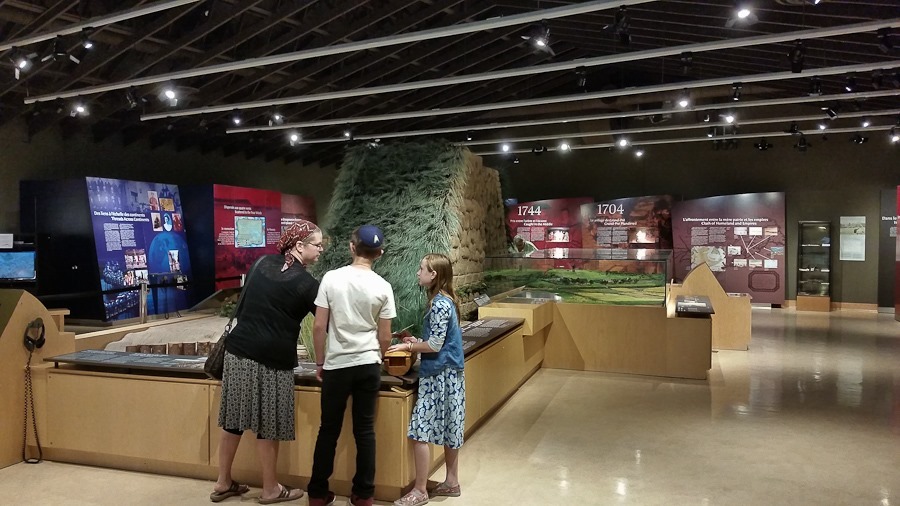
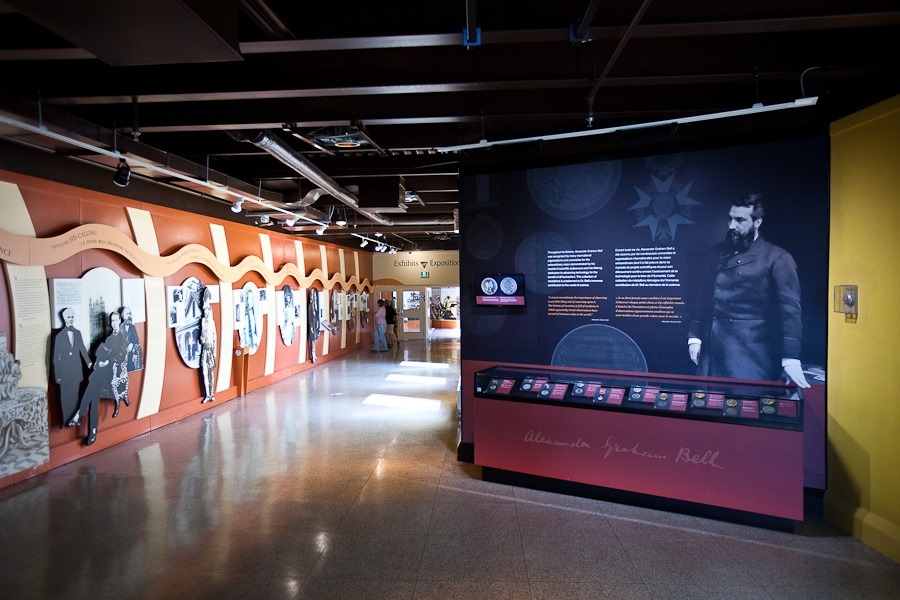
The first room focused on Bell’s work with the deaf, including a fascinating display explaining Bell’s father’s invention, Visible Speech.  Bell’s efforts to understand the nature of spoken audio led him to discover the waveform of voice which in turn led him to the invention of the telephone:
Day757_03

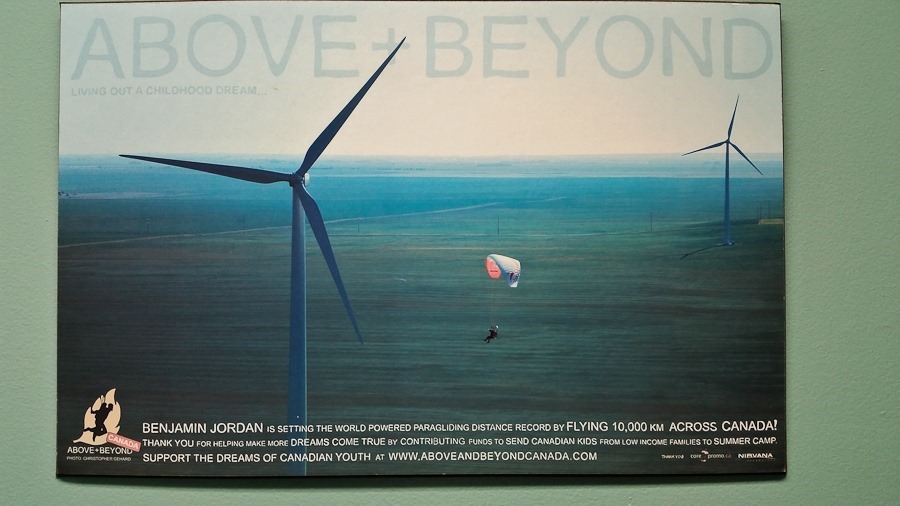
This poster was on the wall near the restrooms:
Day757_04

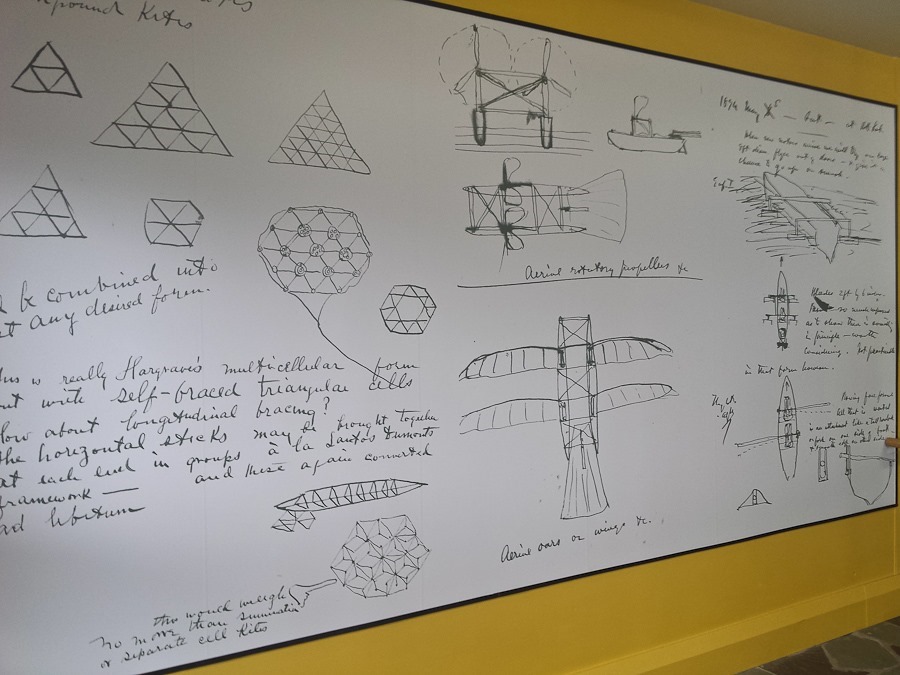
After inventing the telephone and making his fortune, Bell and his wife moved here to Cape Breton Island where he focused on aviation and hydrofoils:
Day757_05

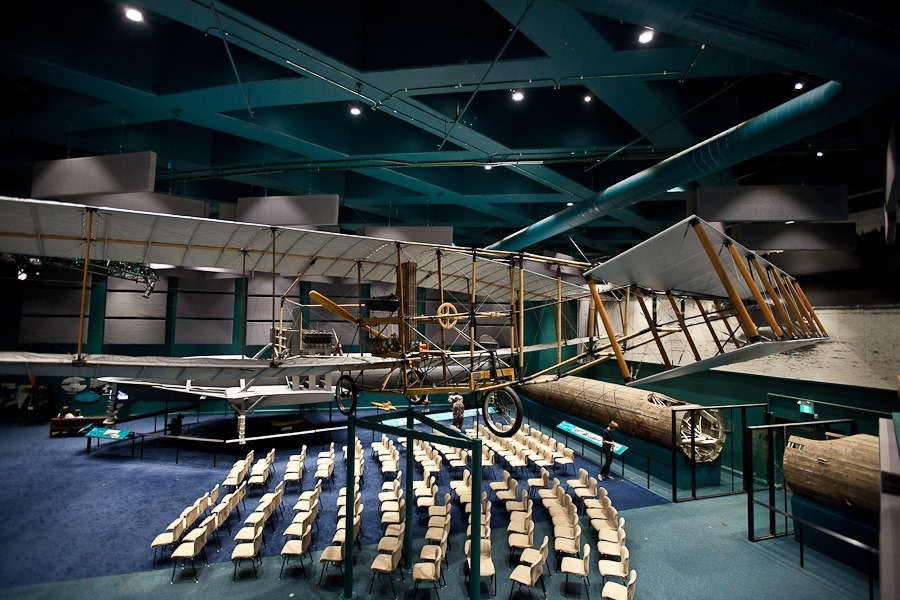
A replica of the Silver Dart, a collaboration with Bell and others in the Bell-funded and led AEA.  This is the first heavier-than-air craft to fly in Canada, as well as the first airplane in North America to fly over one mile:
Day757_06

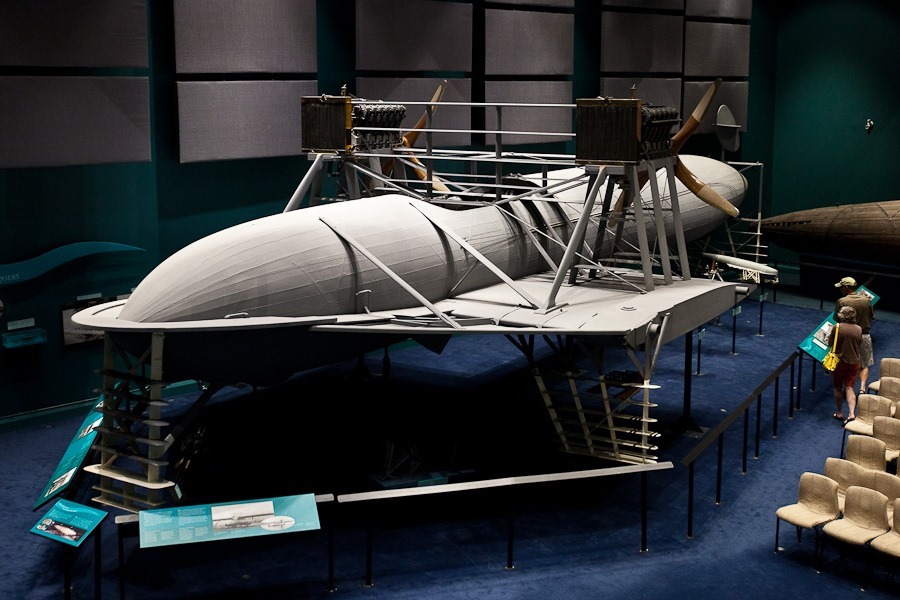
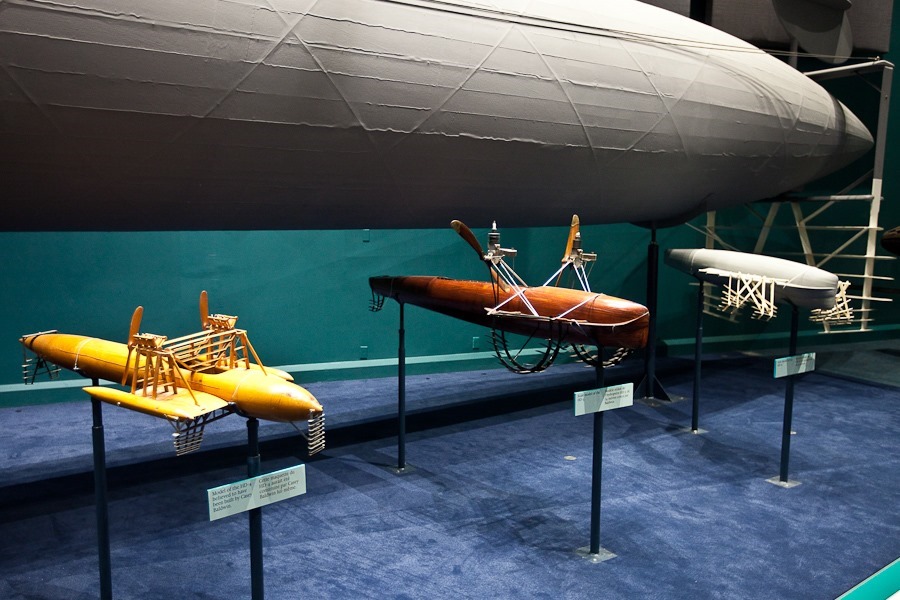
Bell and Baldwin developed the HD-4, the first water craft to travel over 100KPH.  This is a full size replica of the original HD-4, completed in 1919:
Day757_07

Models of the HD-4 (left), HD-5, and HD-6:
Day757_08

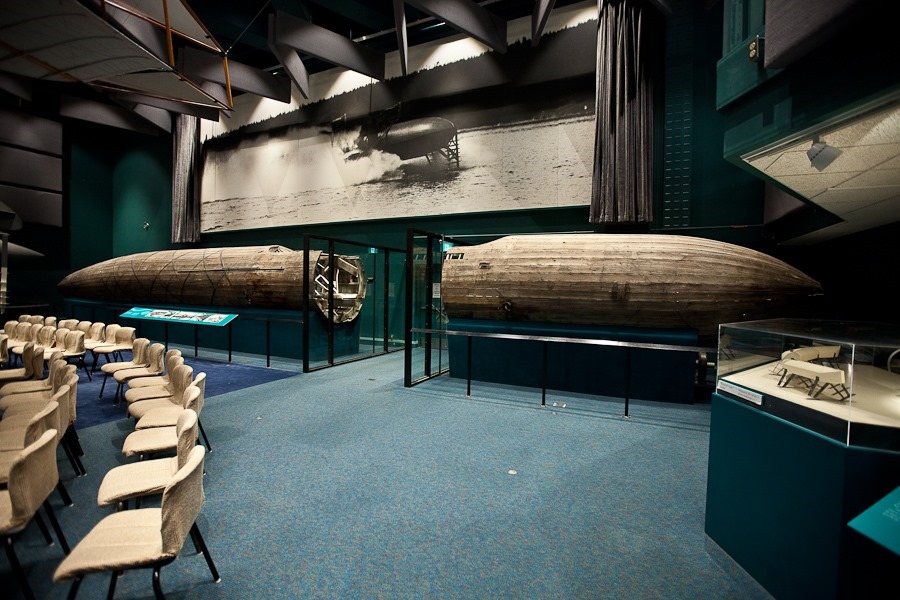
The original hull of the HD-4:

Day757_09

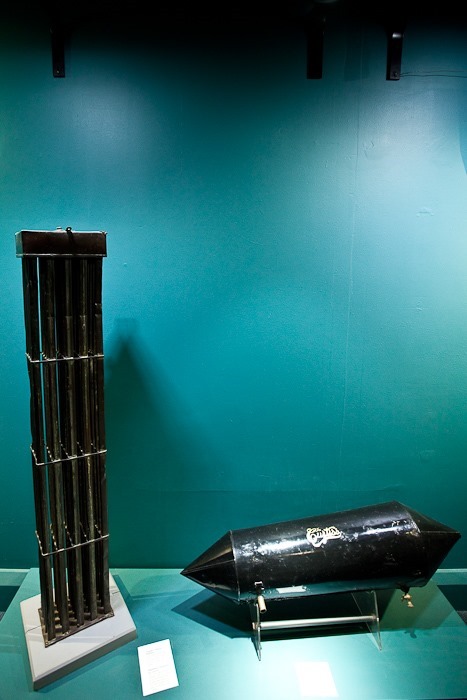
The original radiator and gas tank from the Silver Dart:
Day757_10

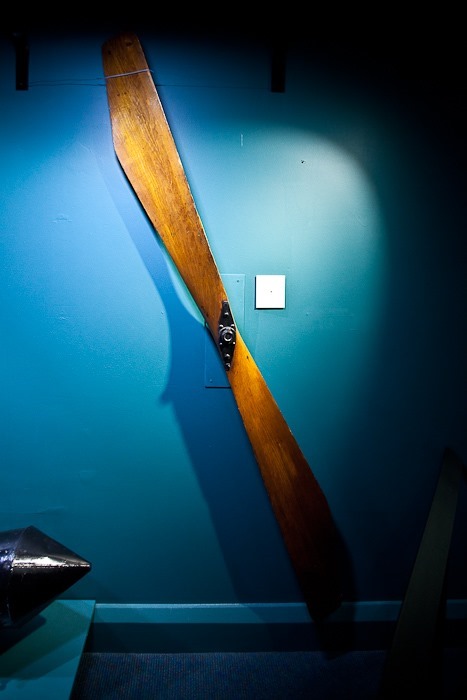
The original propeller from the Silver Dart:
Day757_11

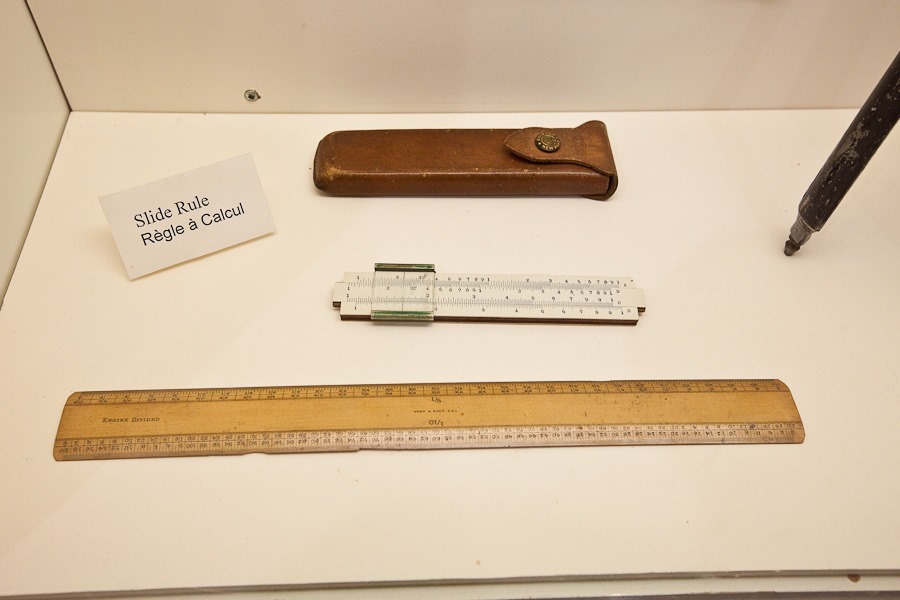
Alexander Graham Bell’s slide rule:

Day757_12

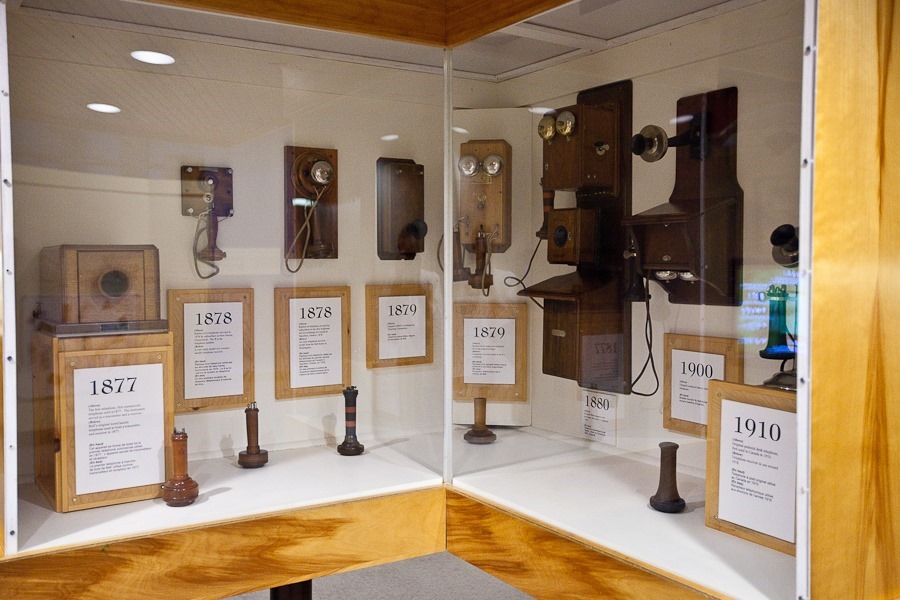
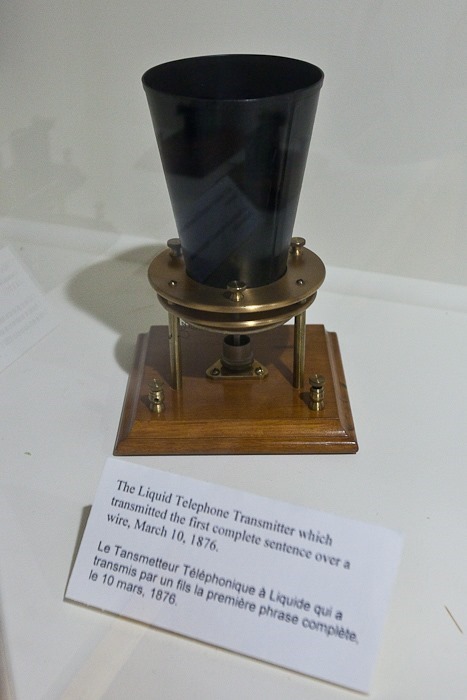
Bell telephones:

Day757_13

The first device to ever transmit voice over wire:
Day757_14

It’s easy to see why Bell called this area home in his later years:
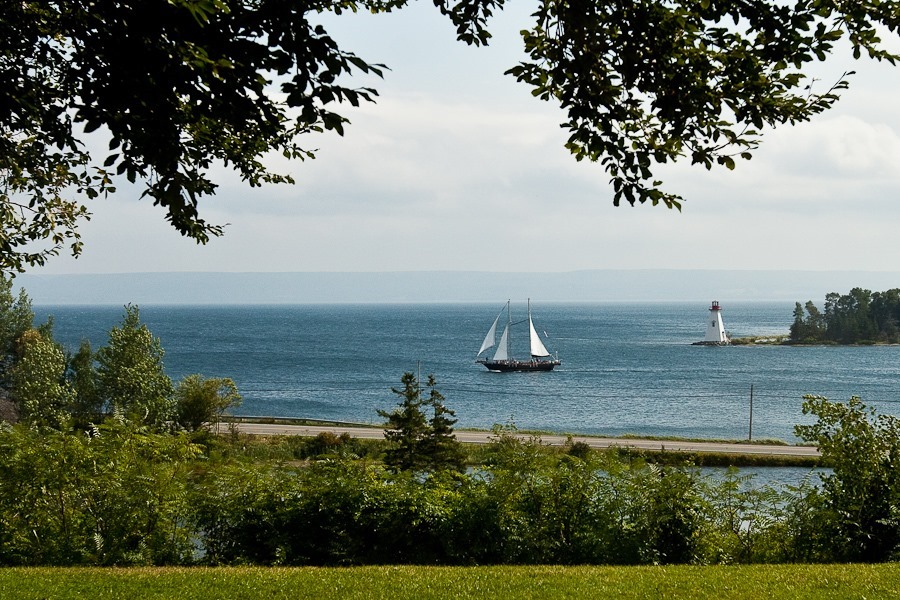
Day757_15

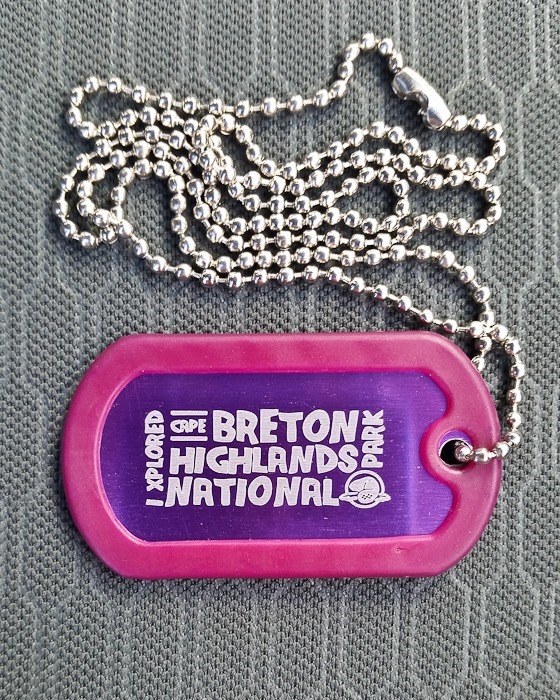
The kids completed their Parks Canada Xplorers workbooks and received their tags:
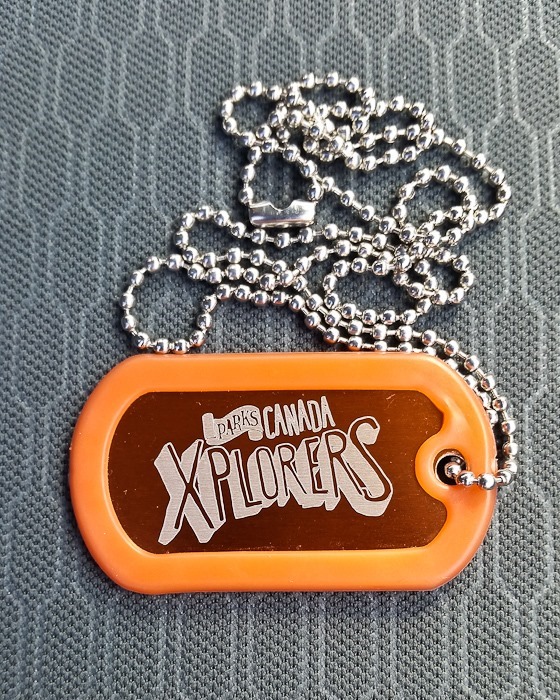
Day757_16

We left the RV at Alexander Graham Bell NHS and continued east with just the truck to visit Cape Breton Highlands National Park:
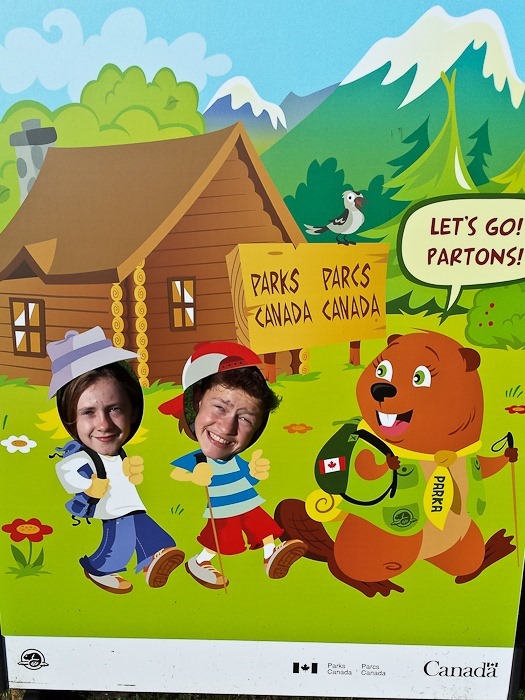
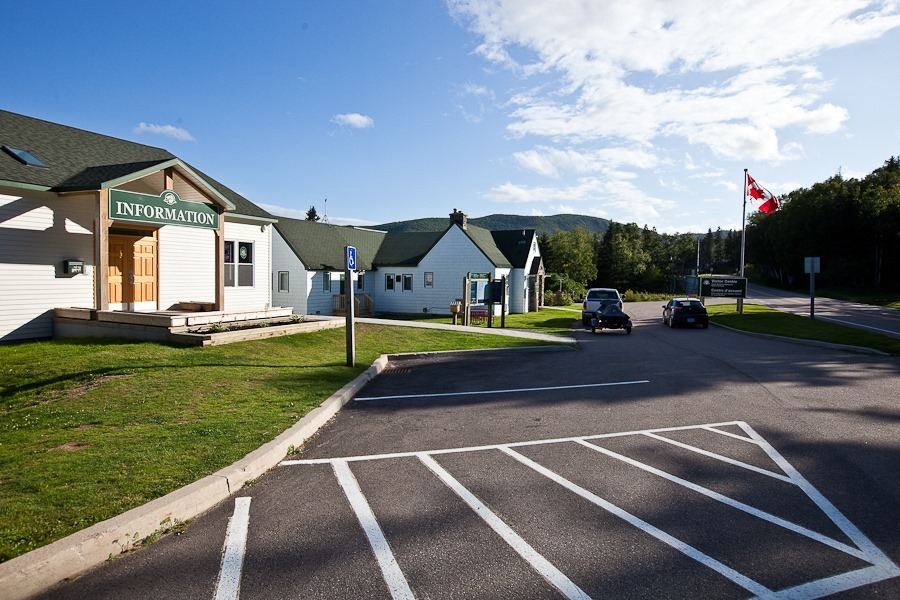
Day757_17

Day757_18

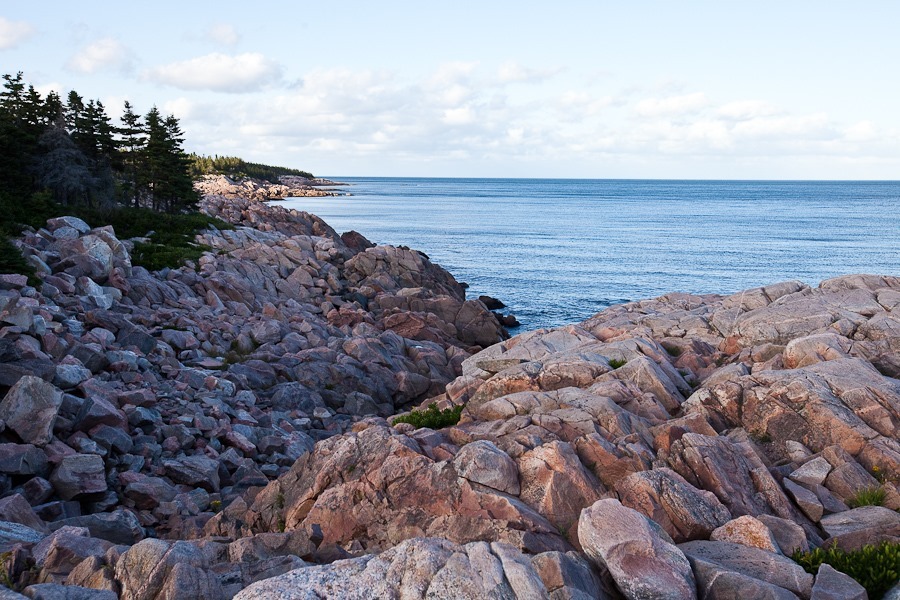
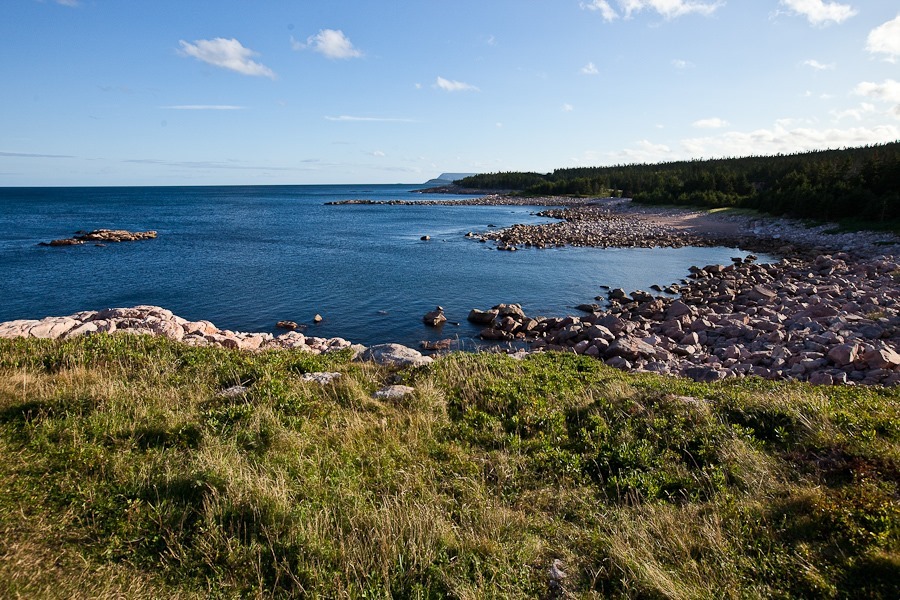
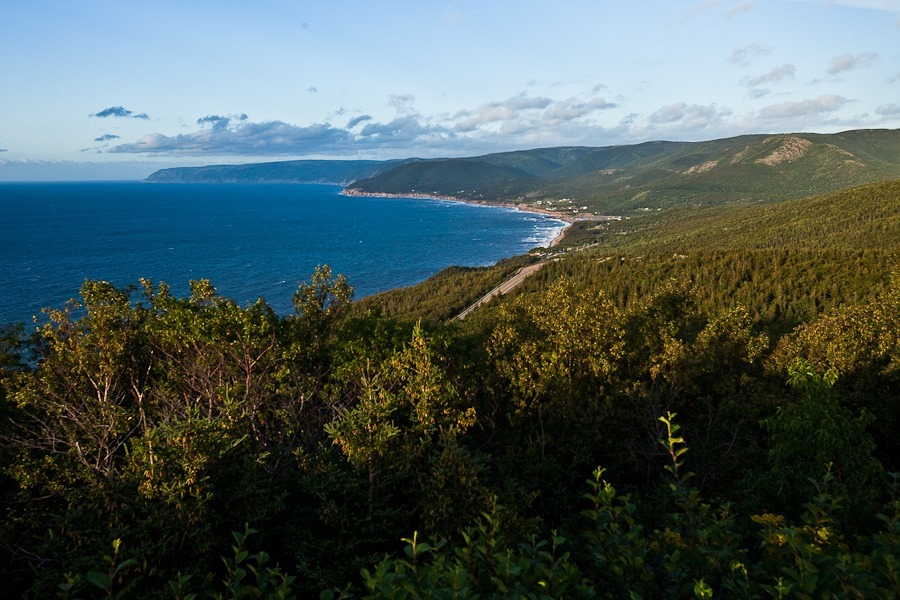
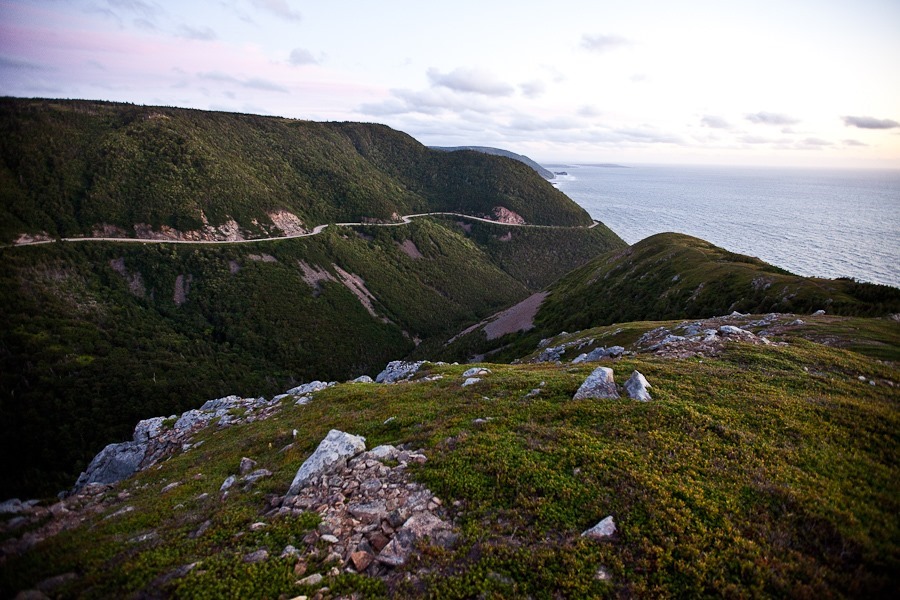
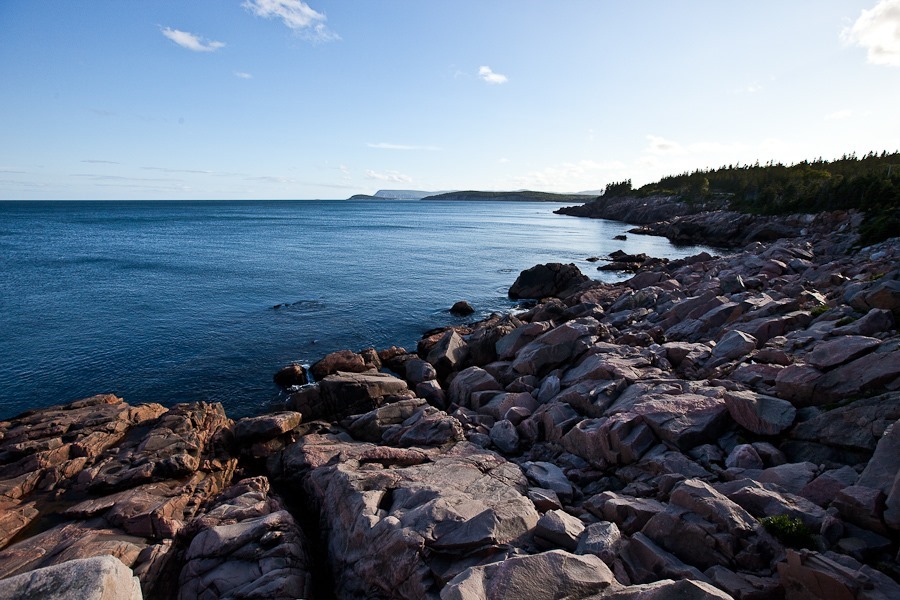
We drove the Cabot Trail through the park.  The rugged shoreline was beautiful:
Day757_21

Day757_22

Day757_23

Day757_24

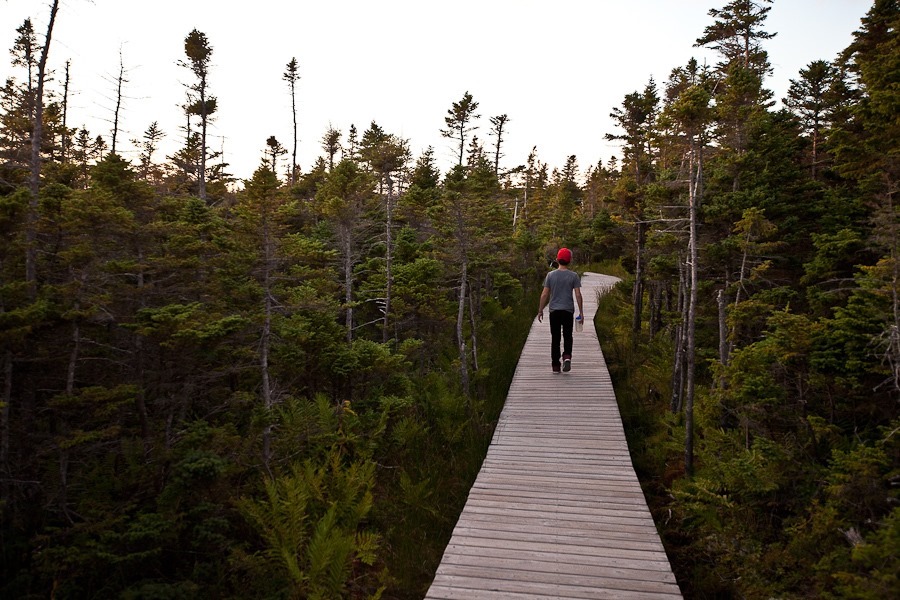
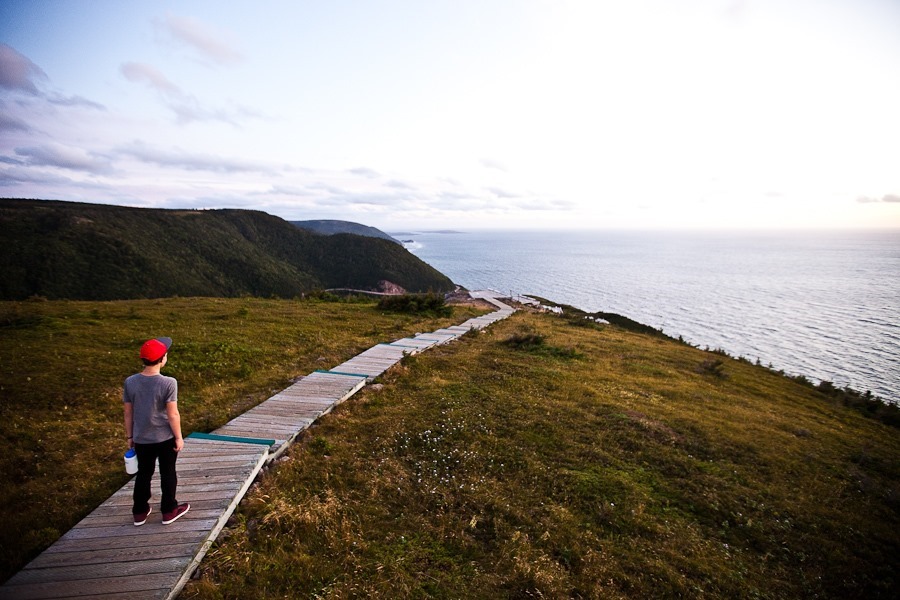
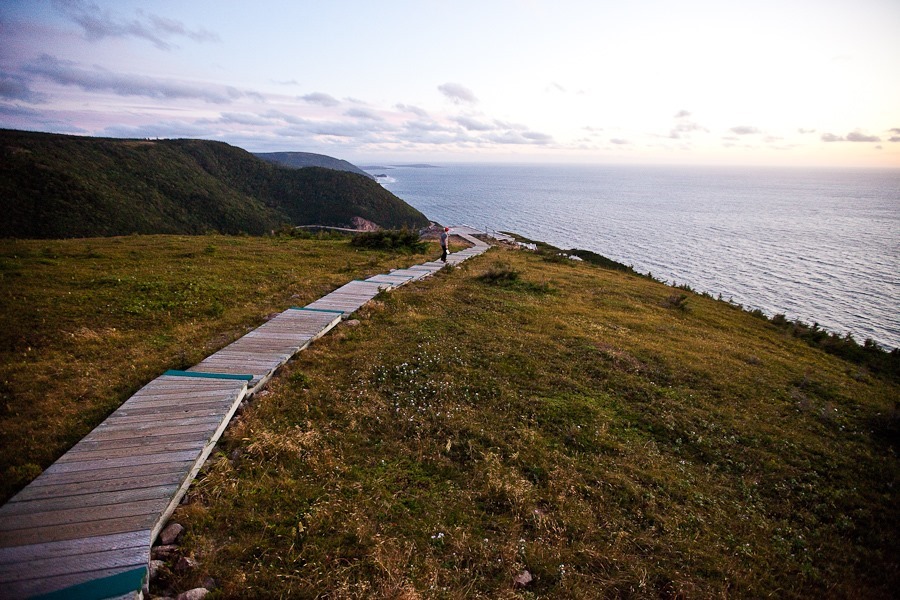
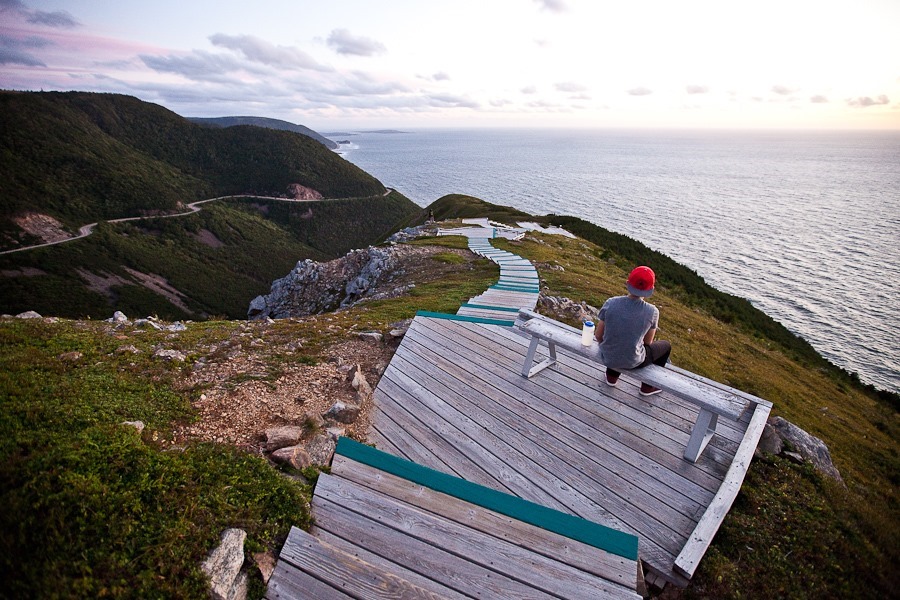
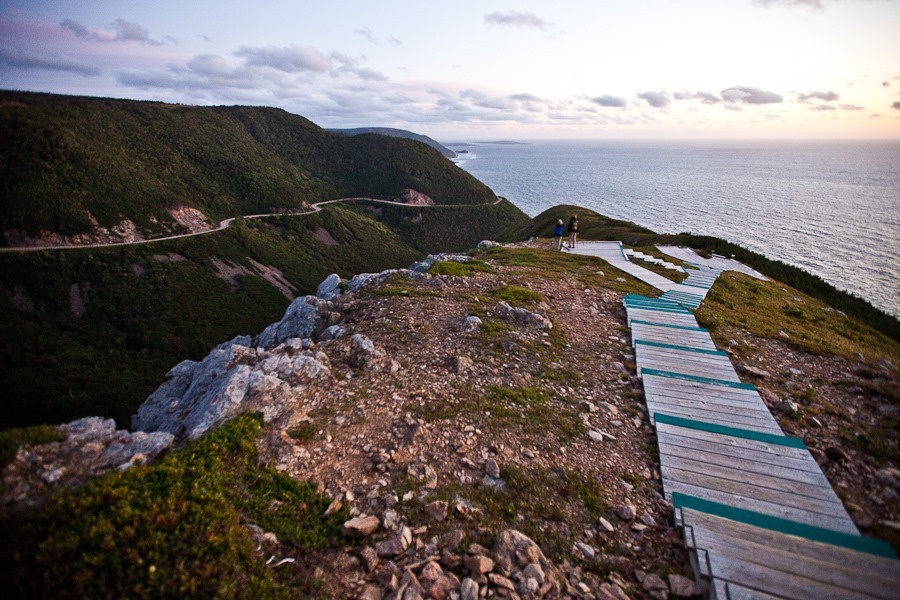
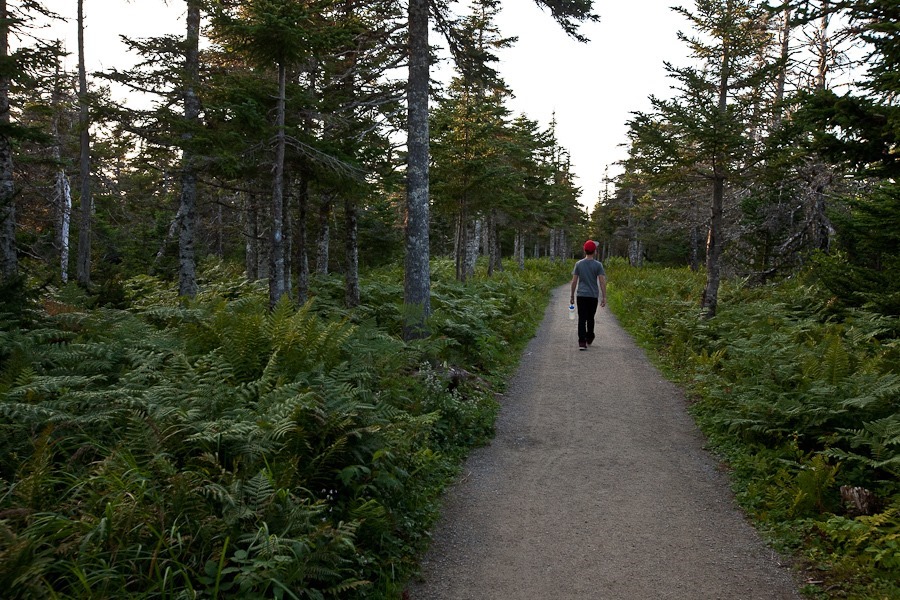
M and I hiked the Skyline Trail, despite the late hour and temperatures in the low 50s, which we did not expect.  The altitude here is not that great, so perhaps the cold was due to winds blowing off the North Atlantic.  We got handled both problems by walking fast:
Day757_25

Day757_26

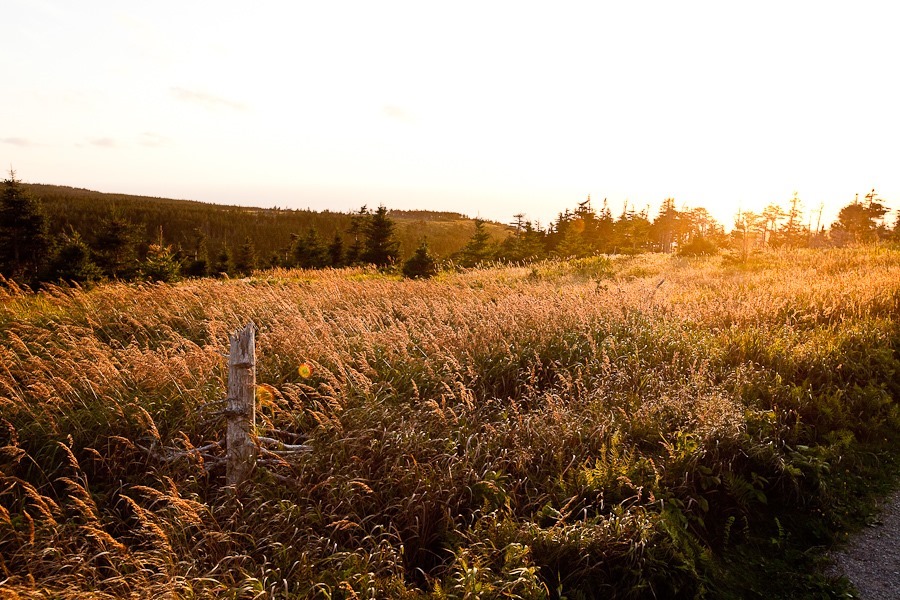
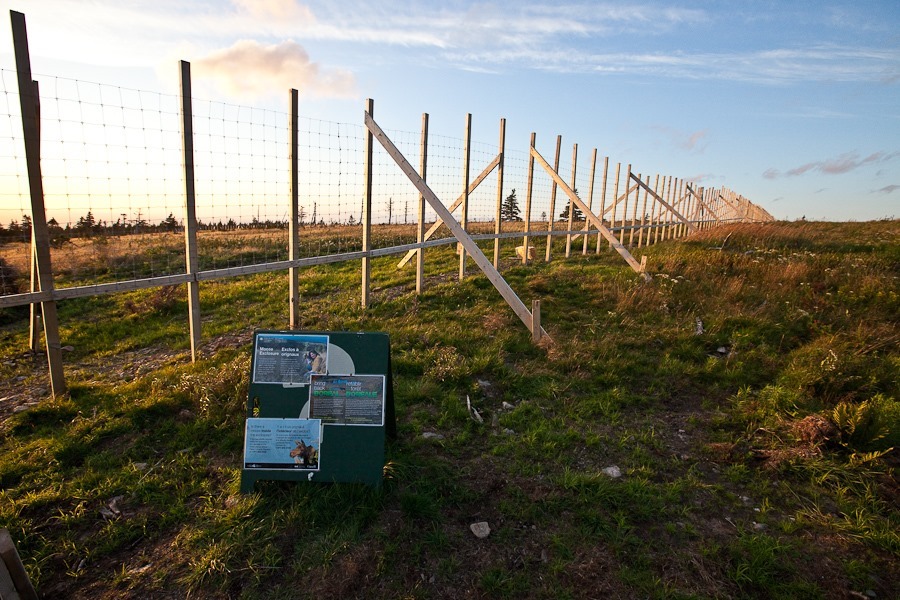
Meadows have recently formed here because moose are eating all the saplings.  Parks Canada built this enclosure to compare rates of plant growth with and without moose influence:
Day757_27

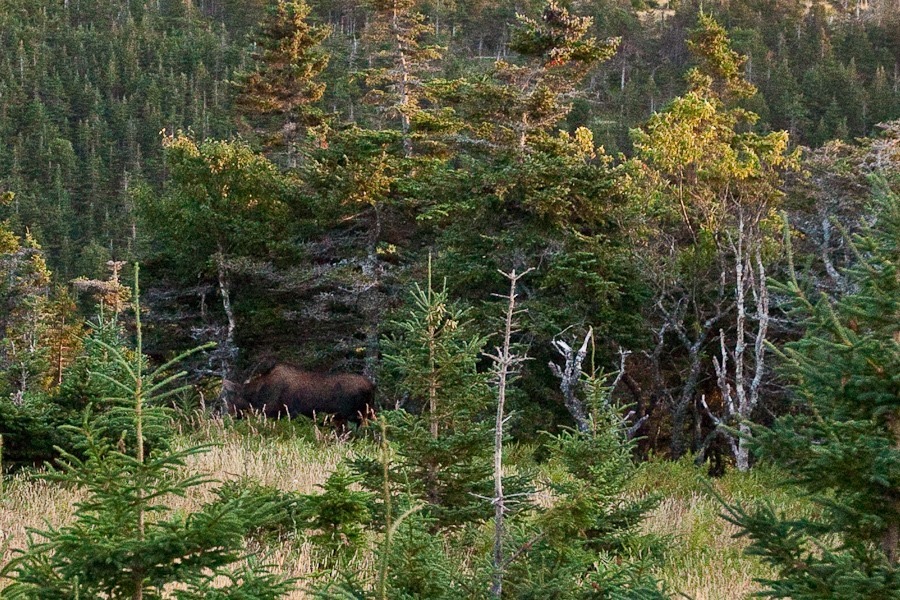
We spotted a moose cow browsing outside the enclosure:
Day757_28

Day757_29

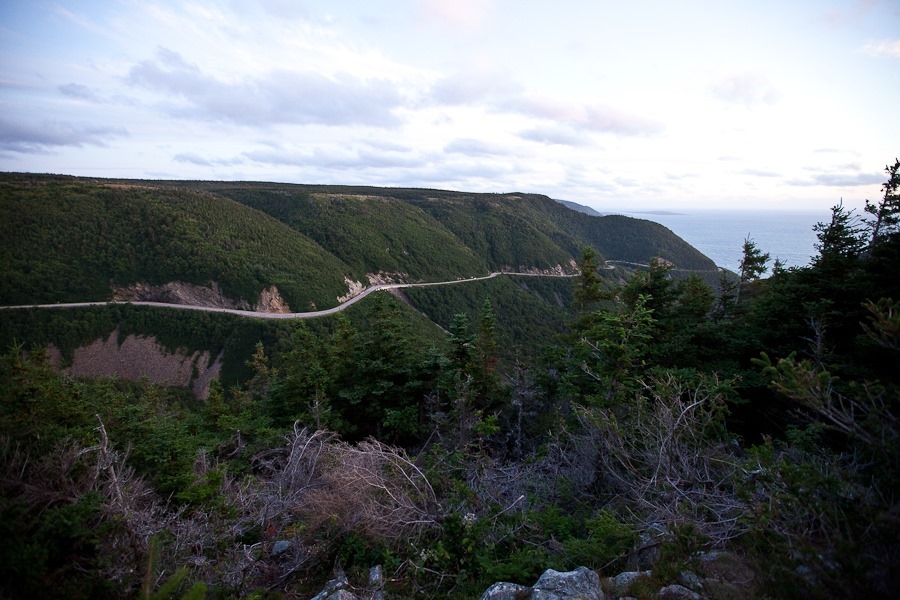
The Cabot Trail, where we will be driving after finishing the hike:
Day757_30

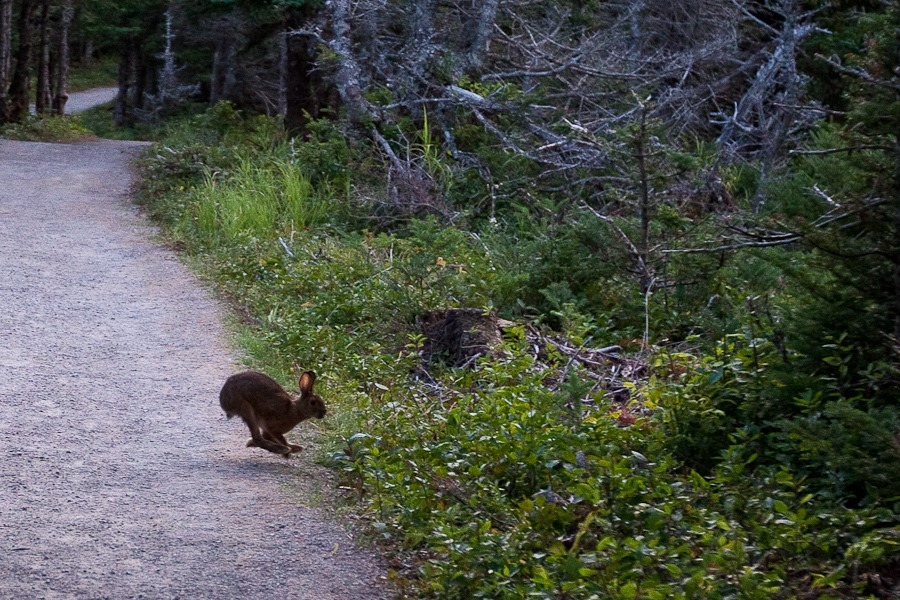
More wildlife:

Day757_32

The end of the Skyline trail:

Day757_33

Day757_34

Day757_36

Day757_37

Day757_38

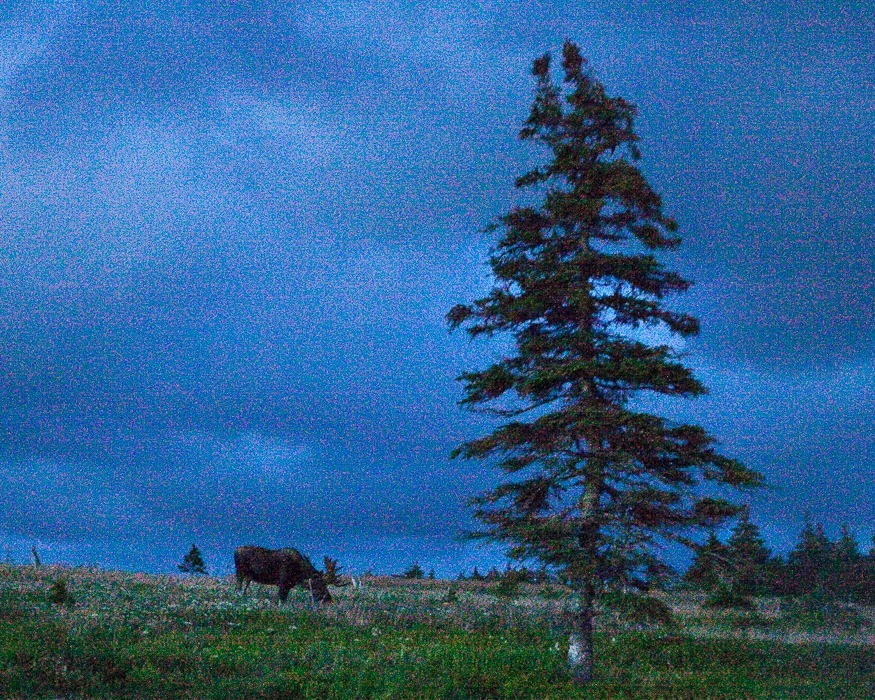
On the way back, now 20 minutes after sunset, we ran into this bull moose just outside the moose enclosure, about 50 feet away: 
Day757_39

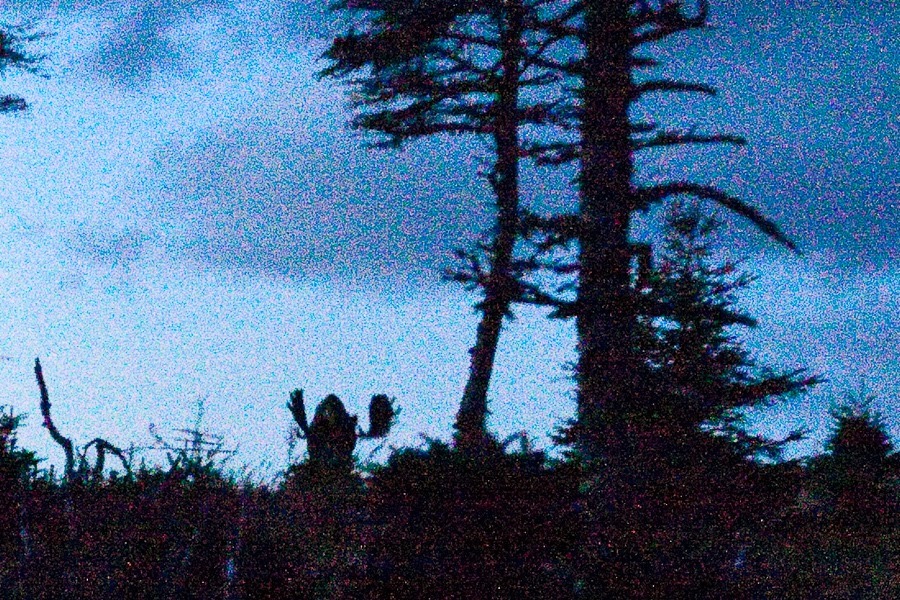
Moose inflict more human injuries than any land mammal except the hippopotamus, so we hiked cross-country the skirt the moose and avoid startling it into charging:
Day757_40

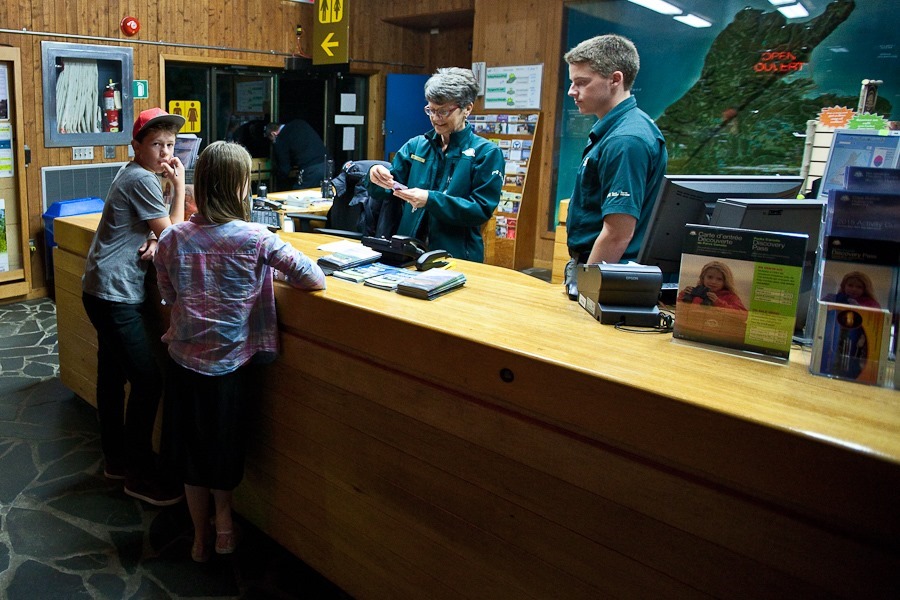
We managed to get back to the car and reach the visitor center minutes before its 9pm closing time.  The kids handed in their Parks Canada Xplorers workbooks and received their tags:
Day757_41

Day757_42

We drove back to Alexander Graham Bell NHS, hitched up the RV, and drove east to overnight at the Walmart of Sydney, Nova Scotia.  See the trip map for today’s drive and our current location.

Day 756: Halifax Citadel NHS

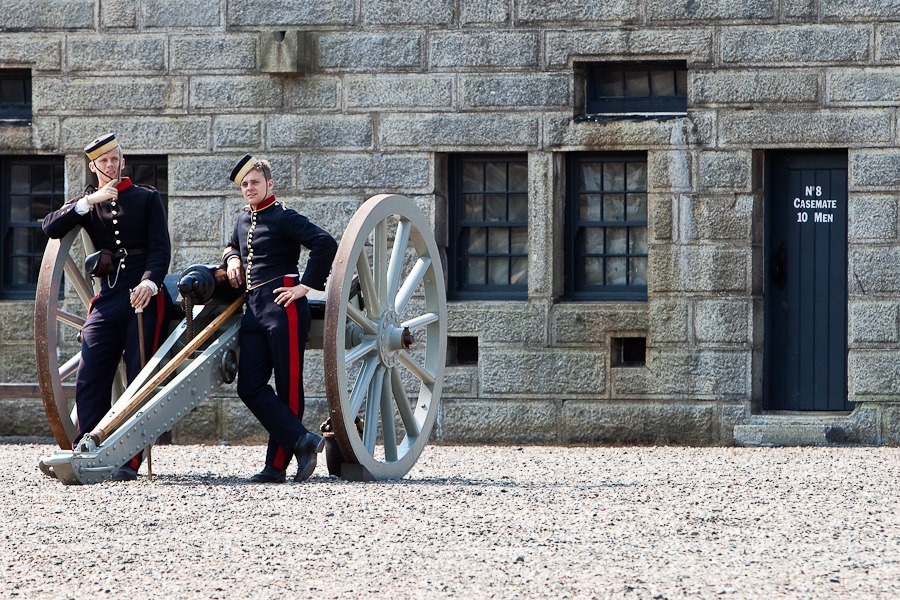
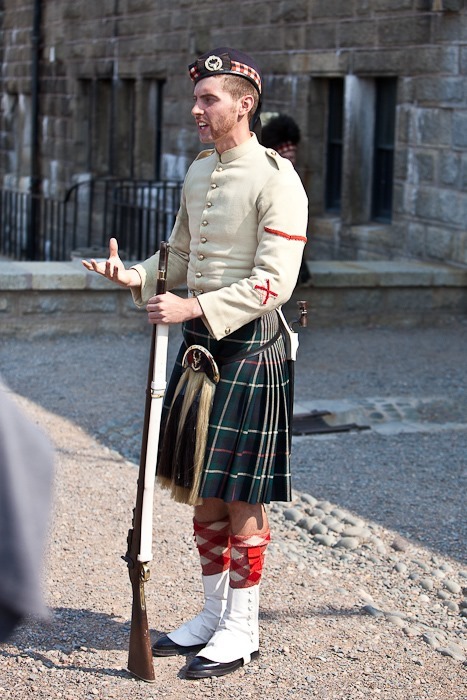
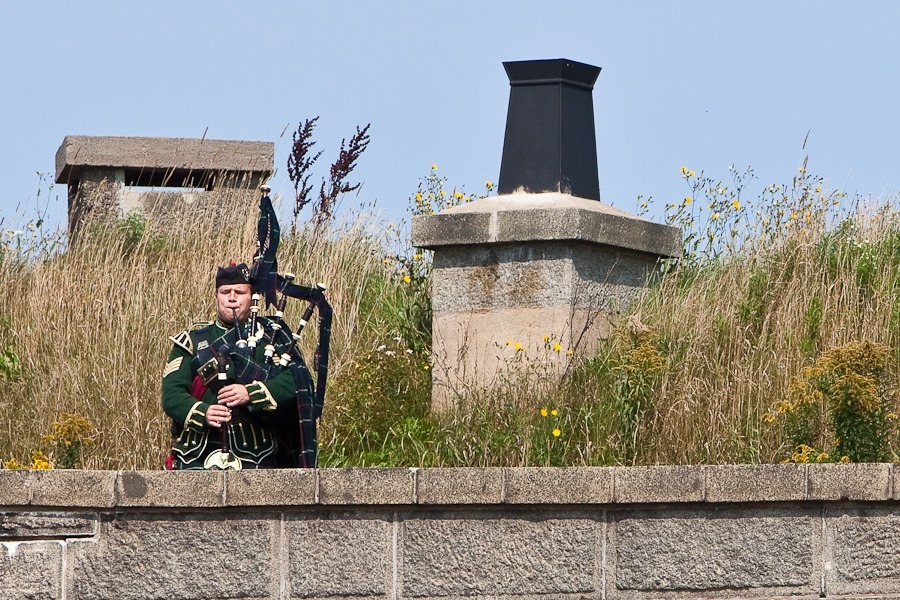
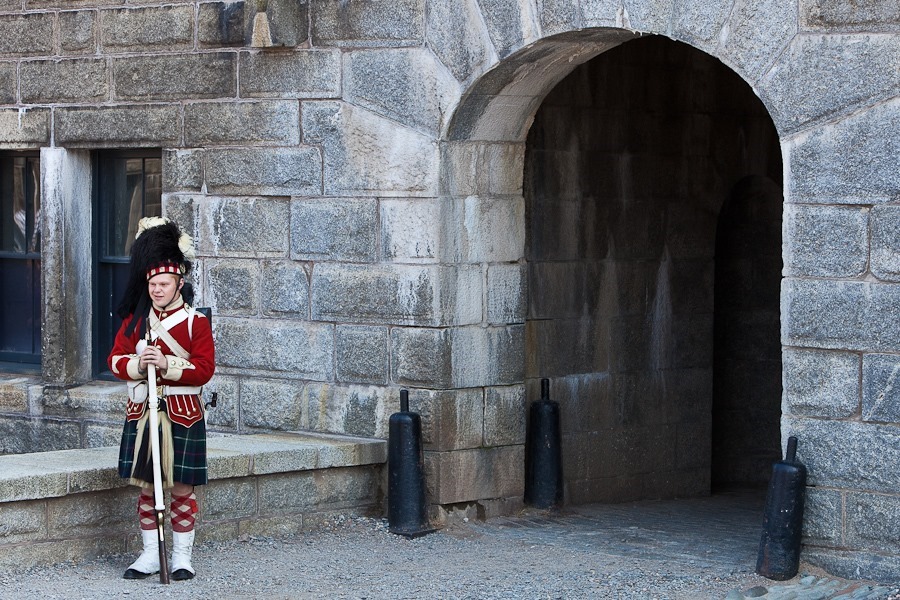
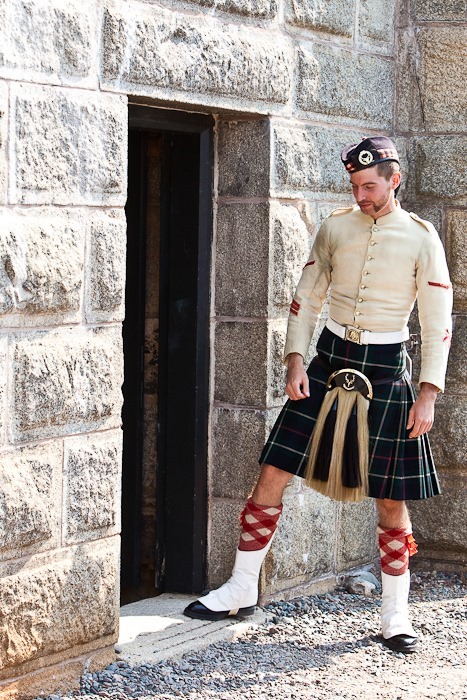
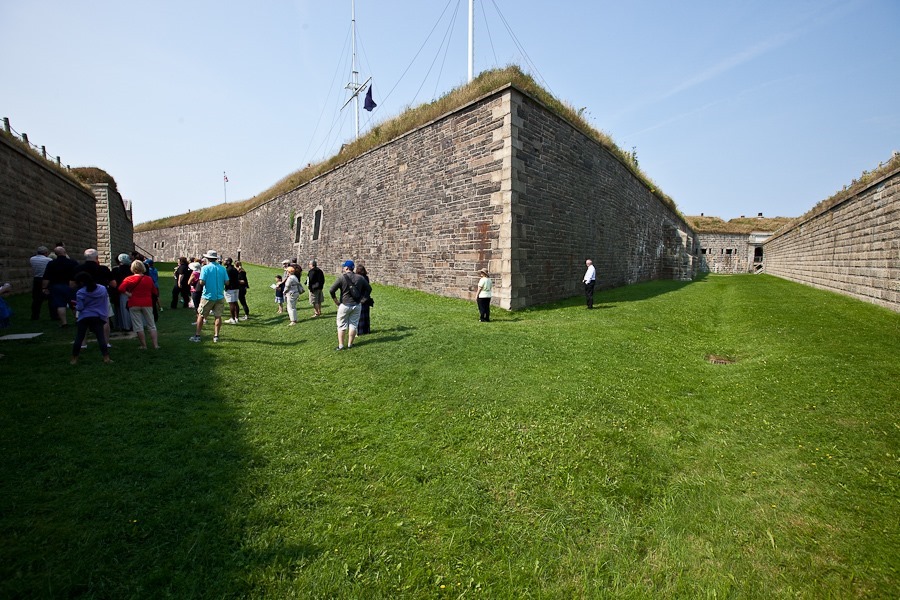
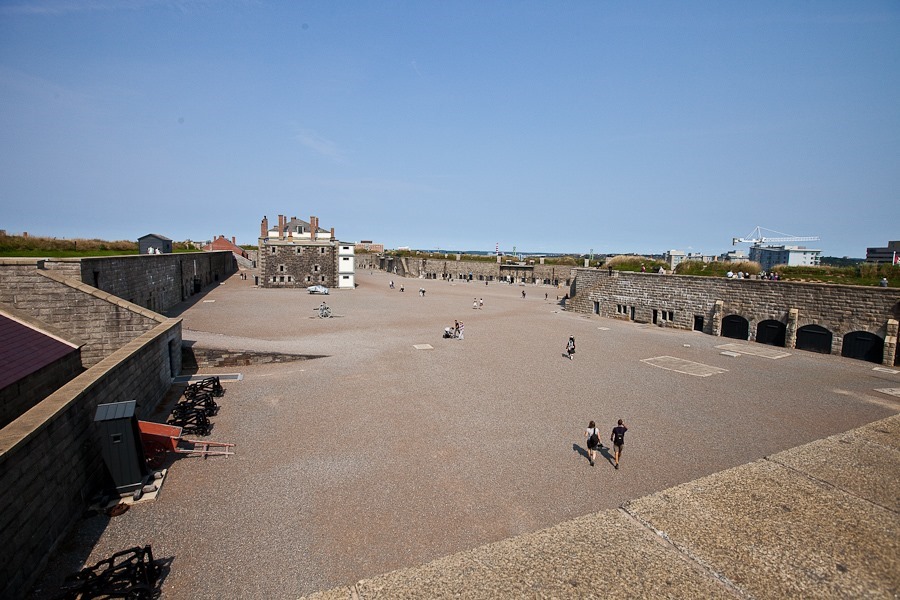
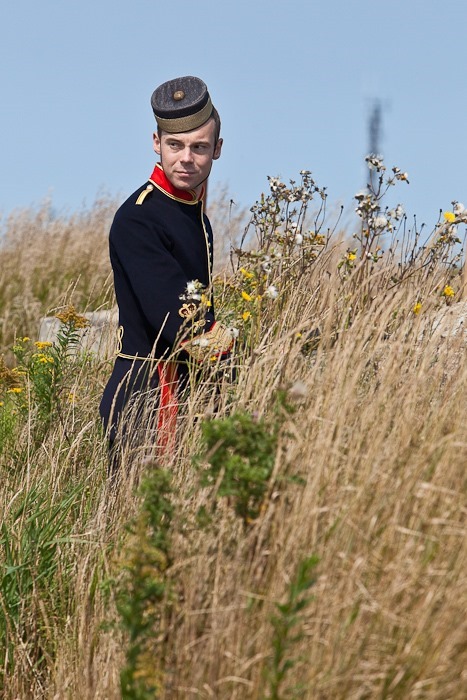
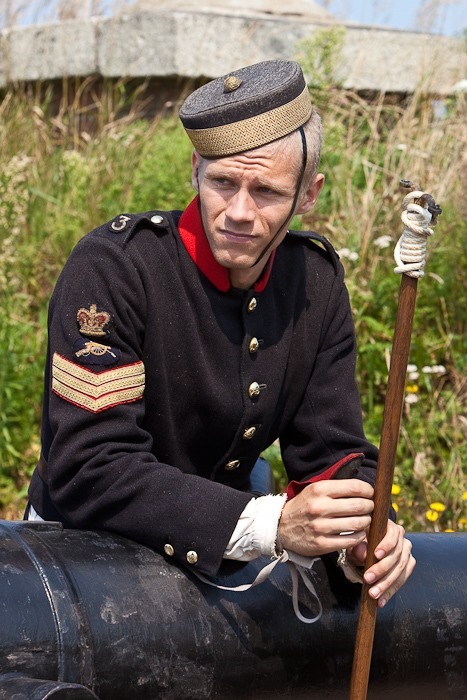
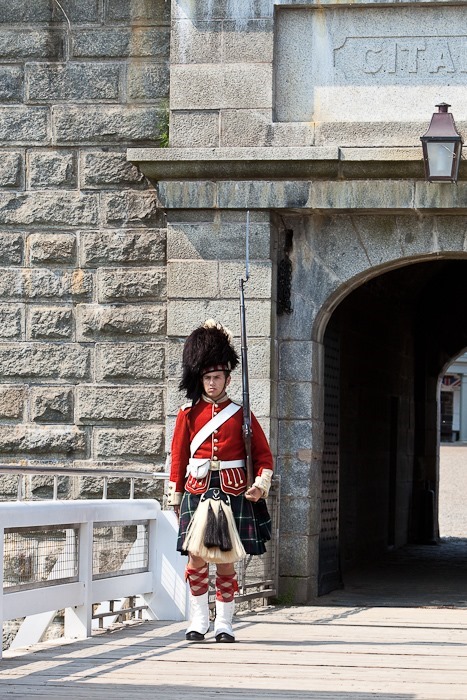
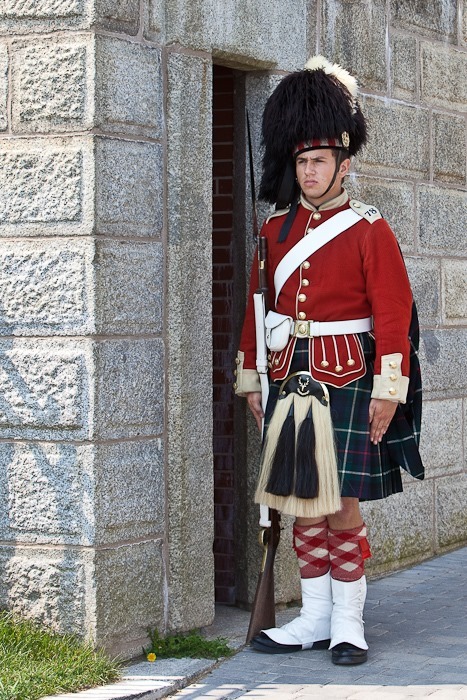
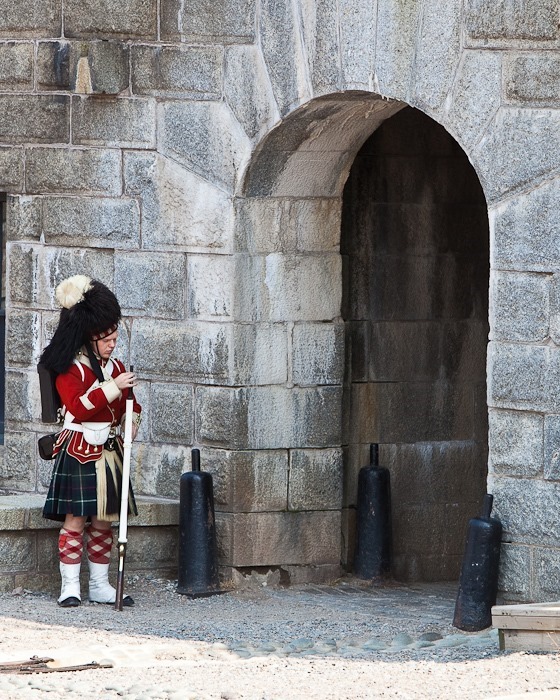
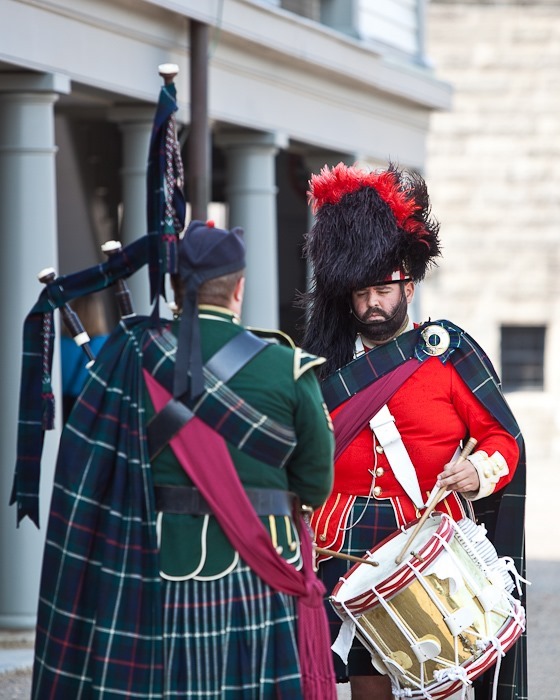
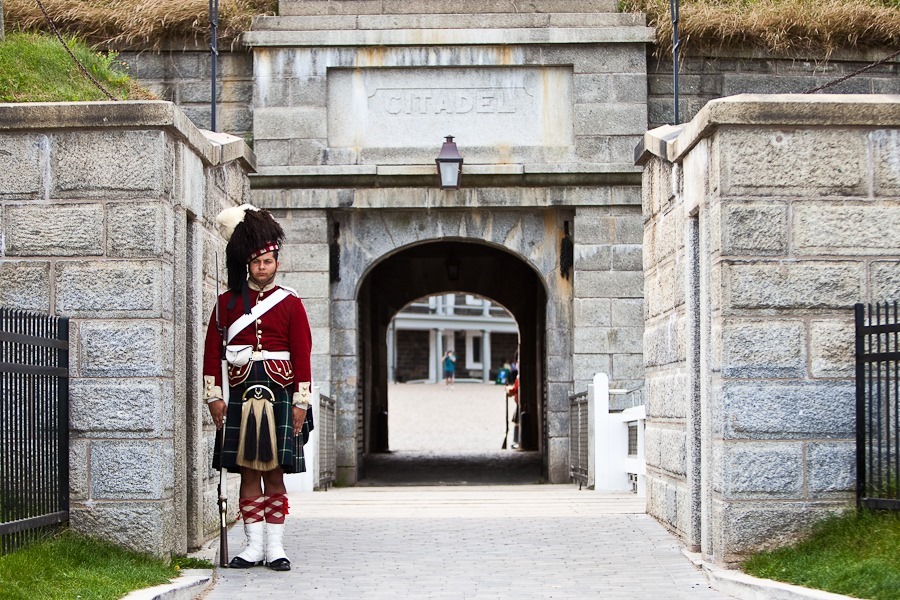
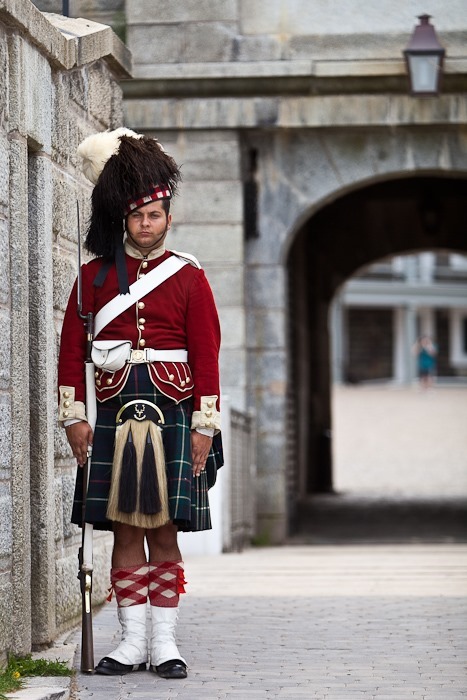
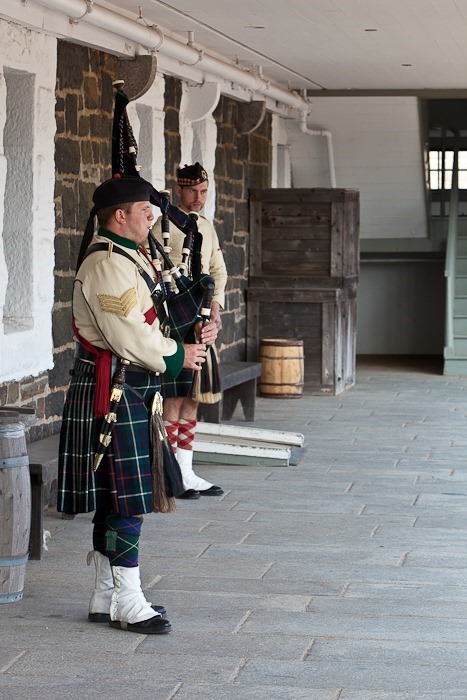
This morning we left our RV at the Walmart of Dartmouth and drove into Halifax to visit Halifax Citadel National Historic Site.  The fort was built in 1749 as a response to the French Fortress of Louisbourg near present day Sydney, Nova Scotia.  The fort was never attacked, and was rebuilt several times, the most recent incarnation being built in 1856.  It is this period that the re-enactors attempt to bring back to life:

Day756_01

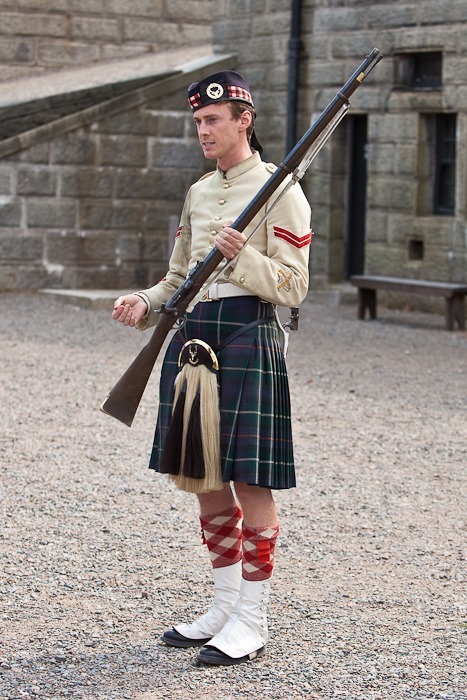
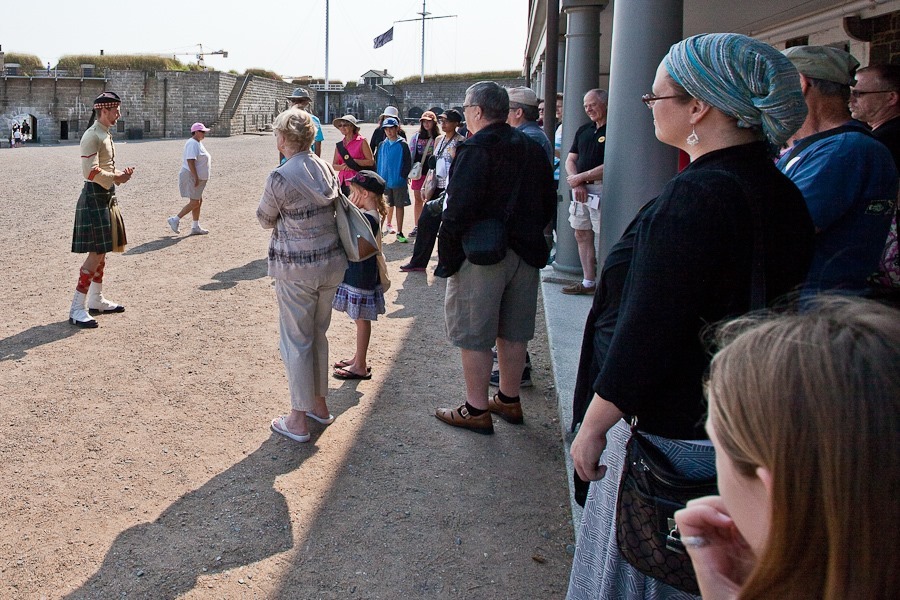
Our tour guide:

Day756_02

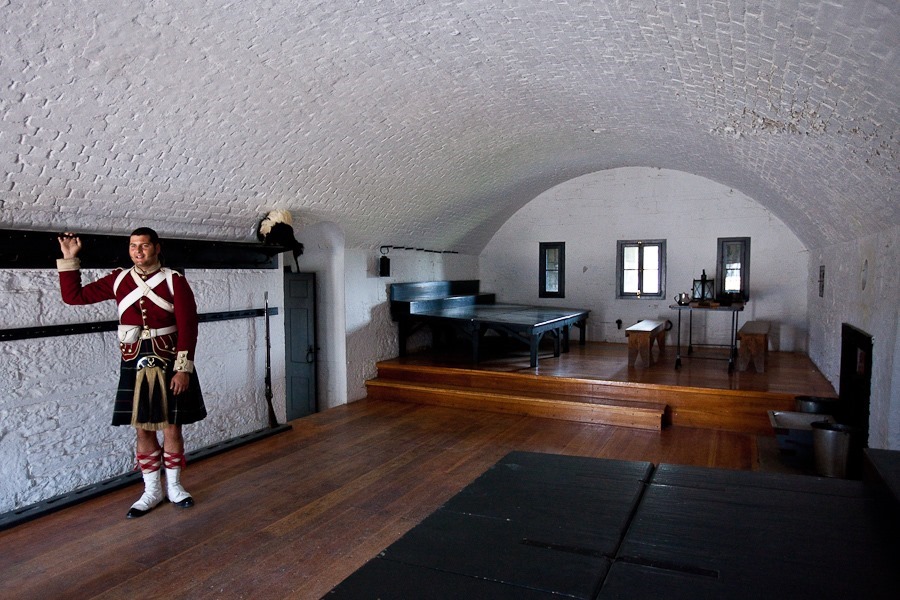
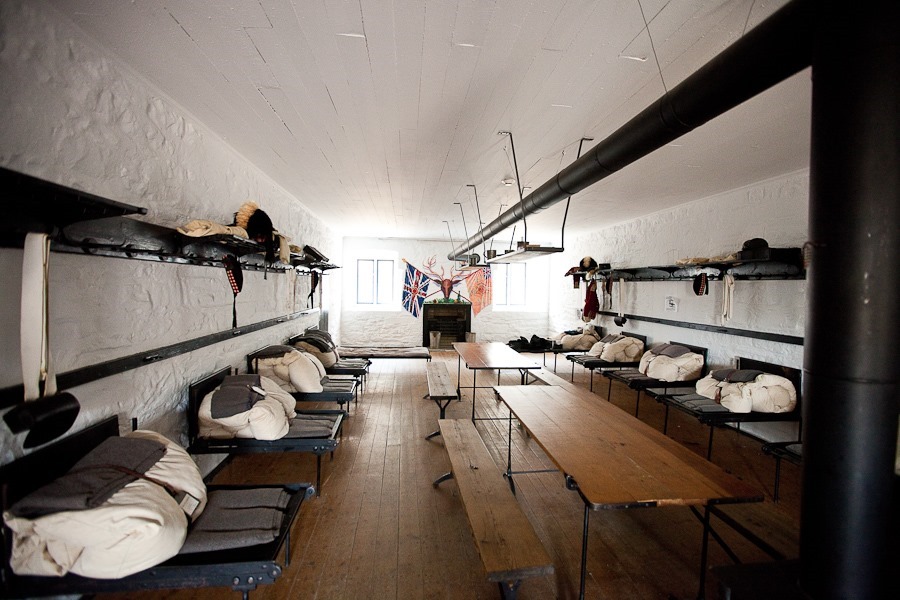
Barracks:

Day756_03

Day756_04

Day756_05

Day756_06

Day756_07

Day756_08

Between the citadel wall and one of the three ravelins:

Day756_09

Day756_10

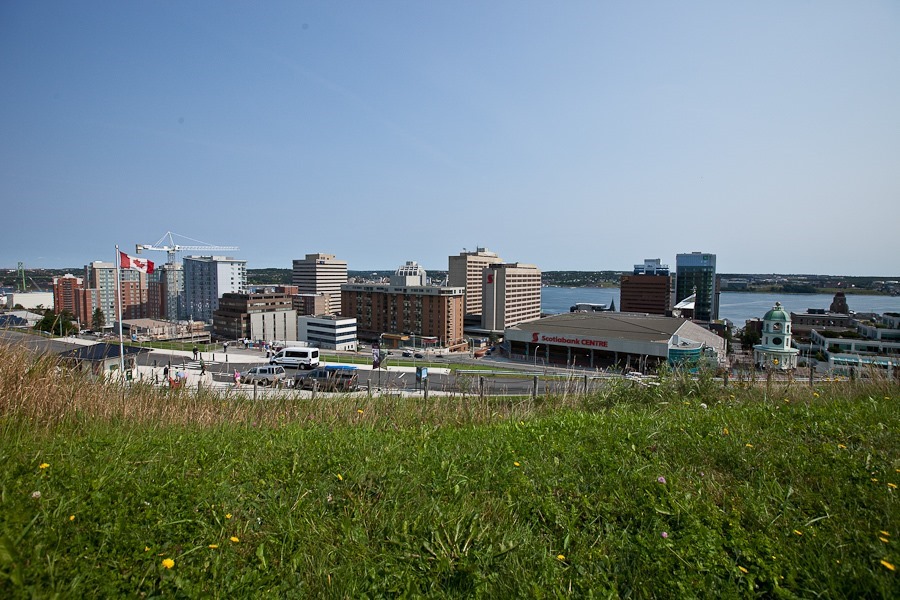
Looking over the rampart into downtown Halifax:

Day756_11

Day756_12

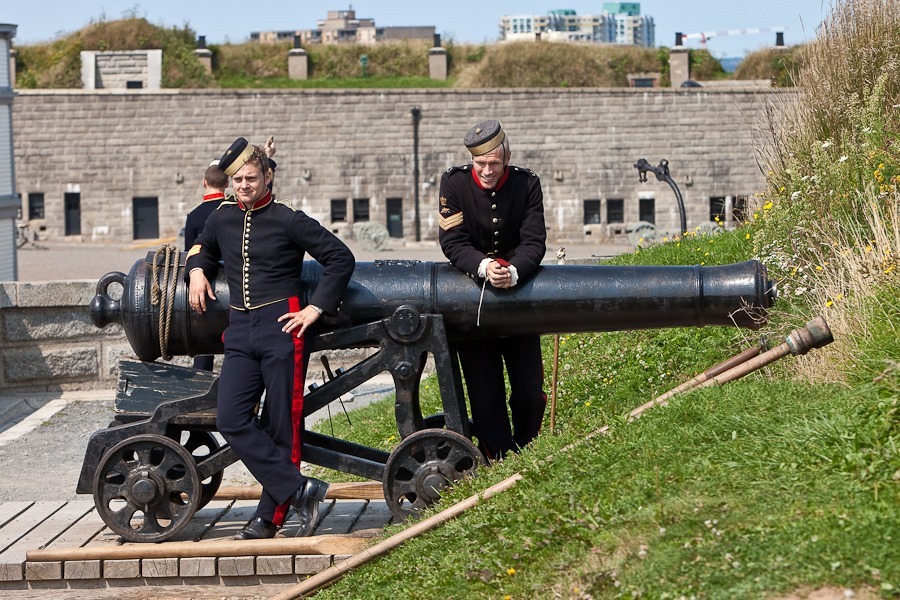
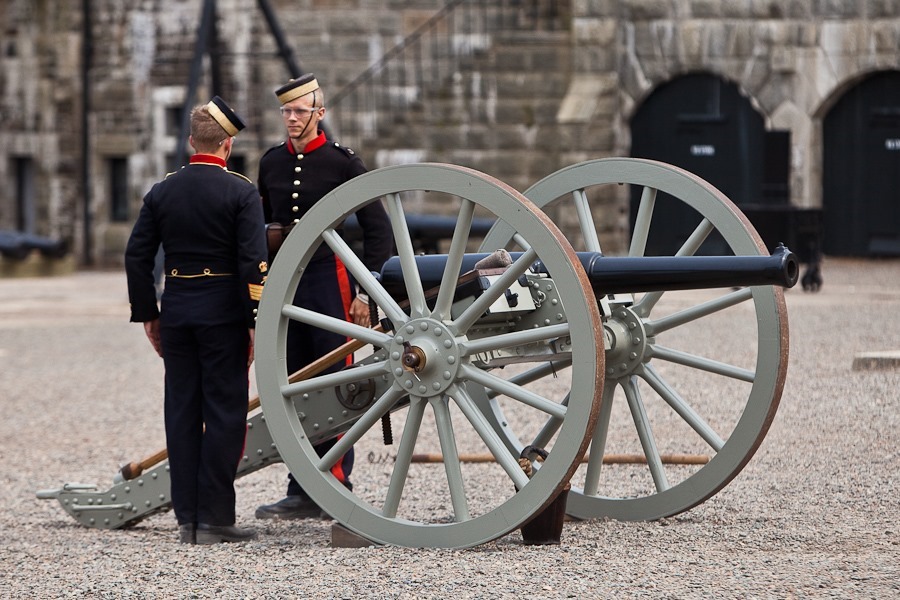
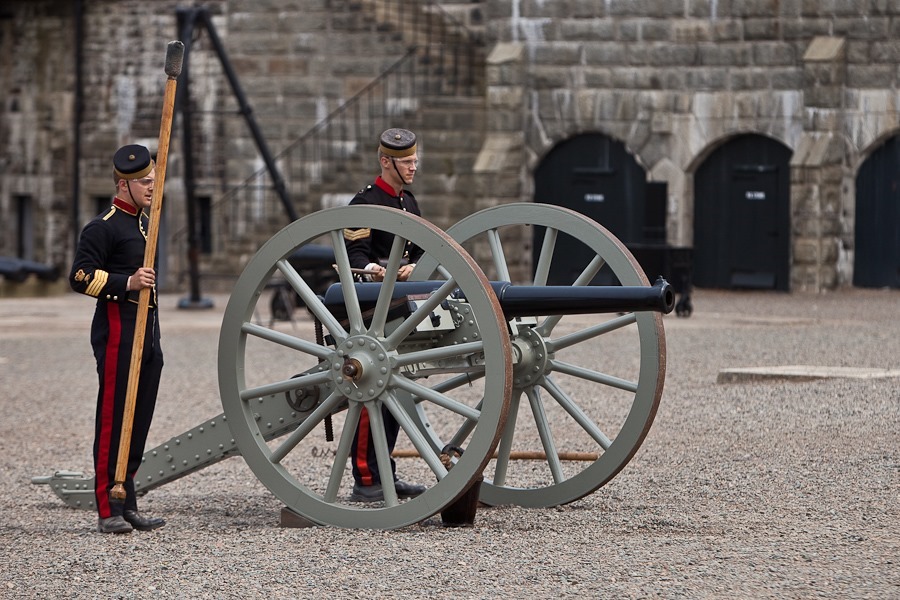
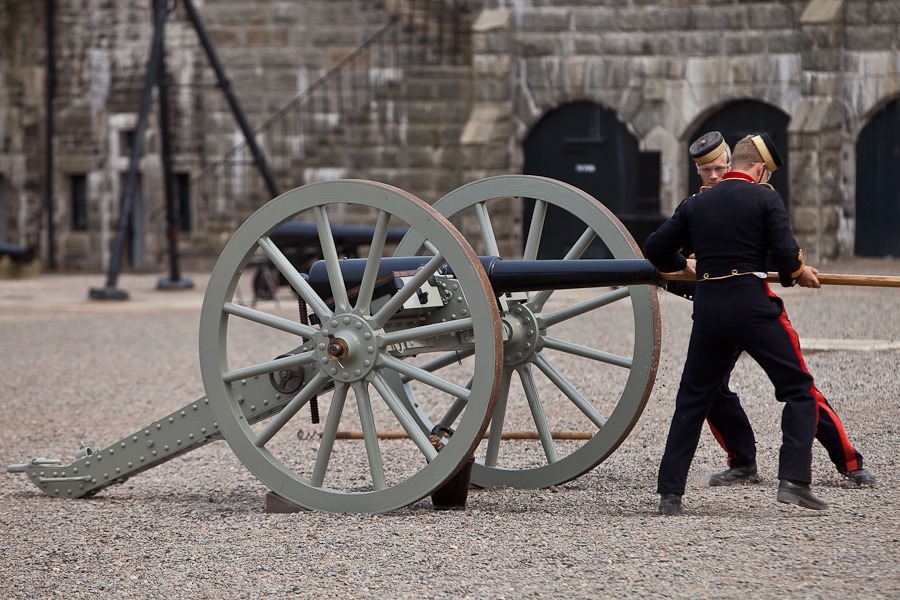
This gun is fired every day at noon:

Day756_13

Day756_14

Day756_15

Day756_16

Guard house:

Day756_17

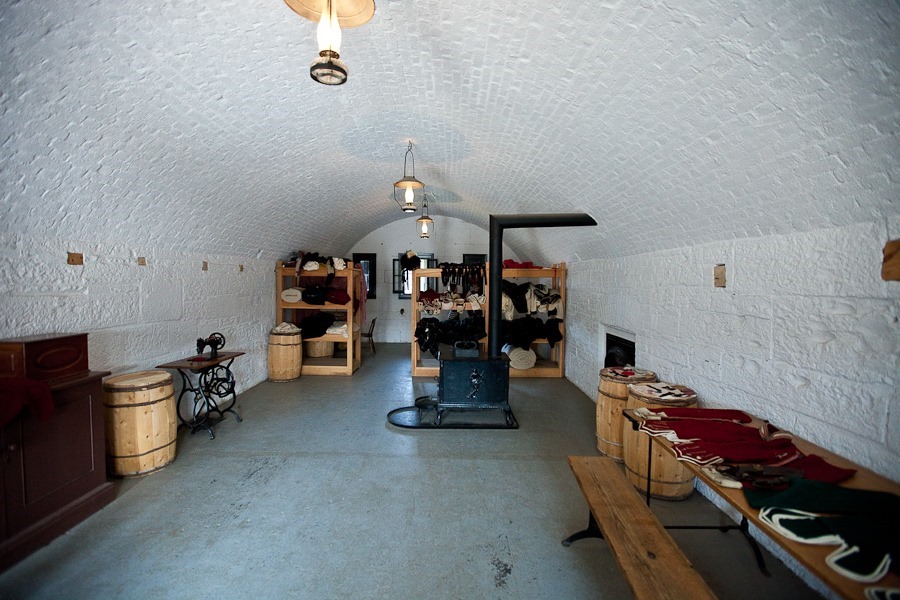
Tailor’s room:

Day756_18

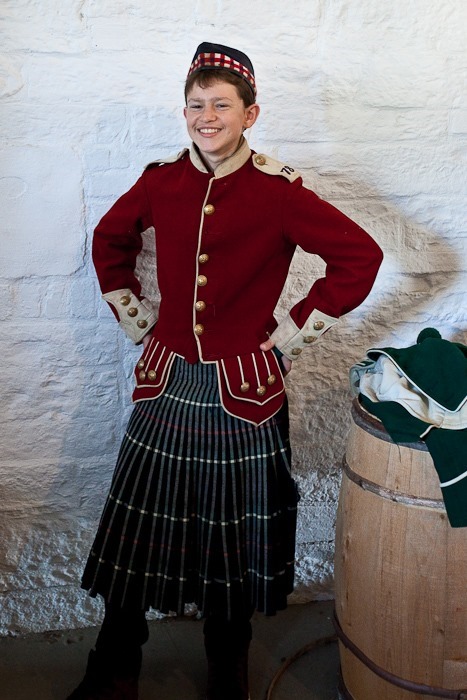
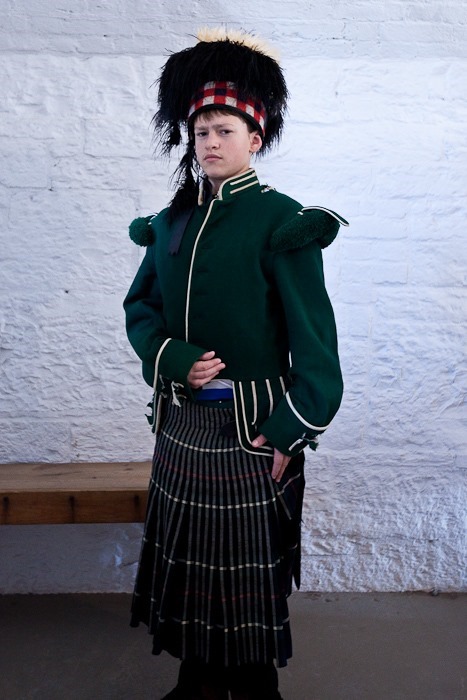
M tried on some of the costumes:

Day756_19

Day756_20

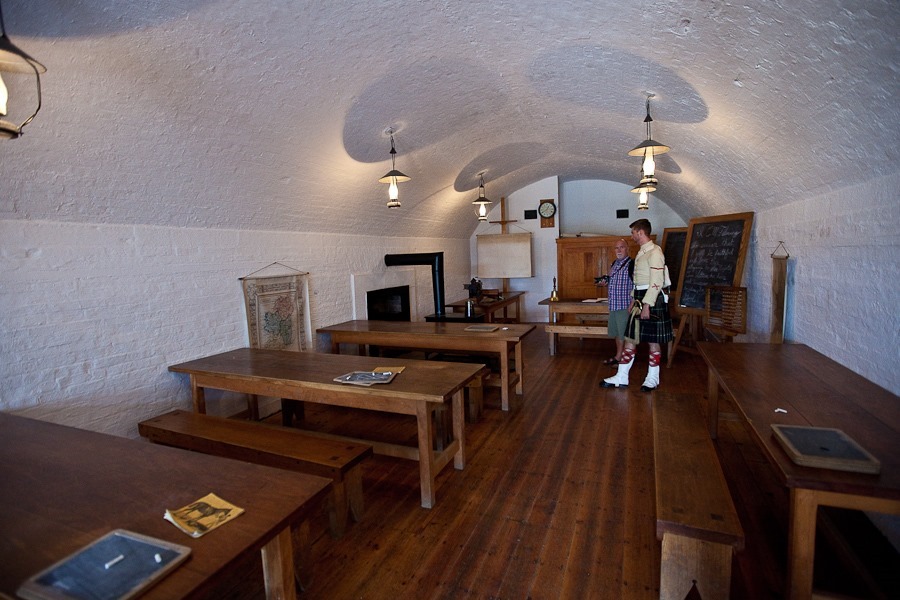
The school room, where soldiers were taught to read and write:

Day756_21

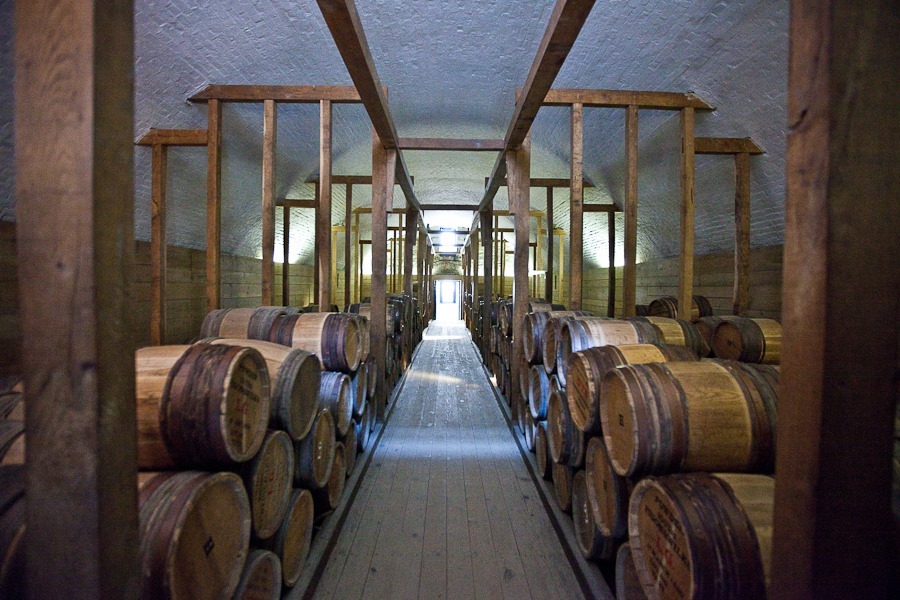
The powder magazine.  Structural components are held together with wood pegs or copper to avoid any chance of a spark:

Day756_22

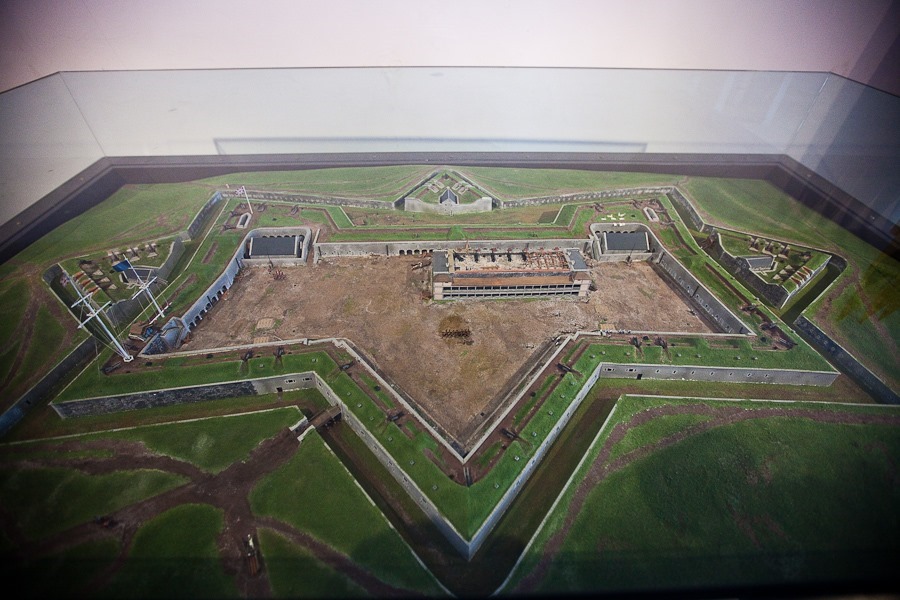
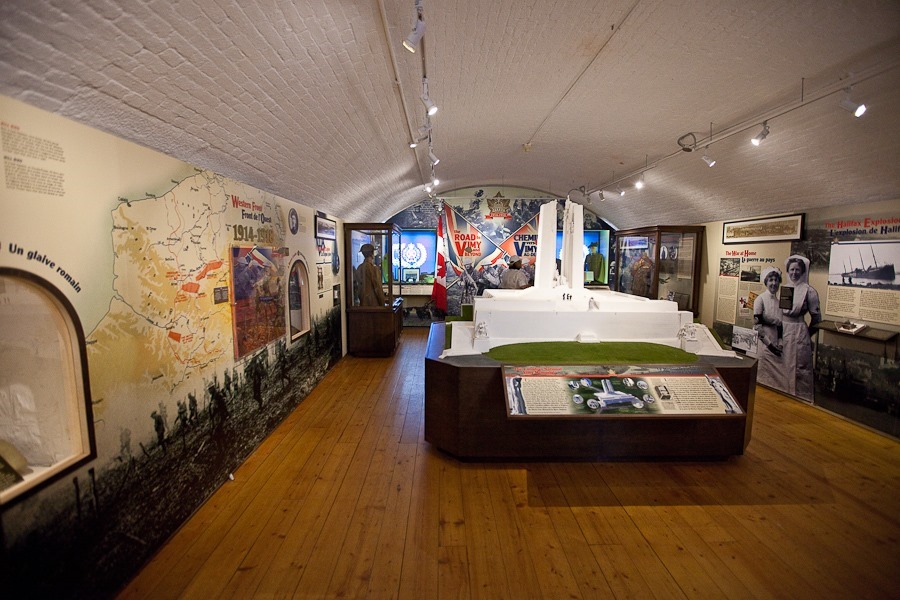
A model of the citadel:

Day756_23

Day756_24

Day756_25

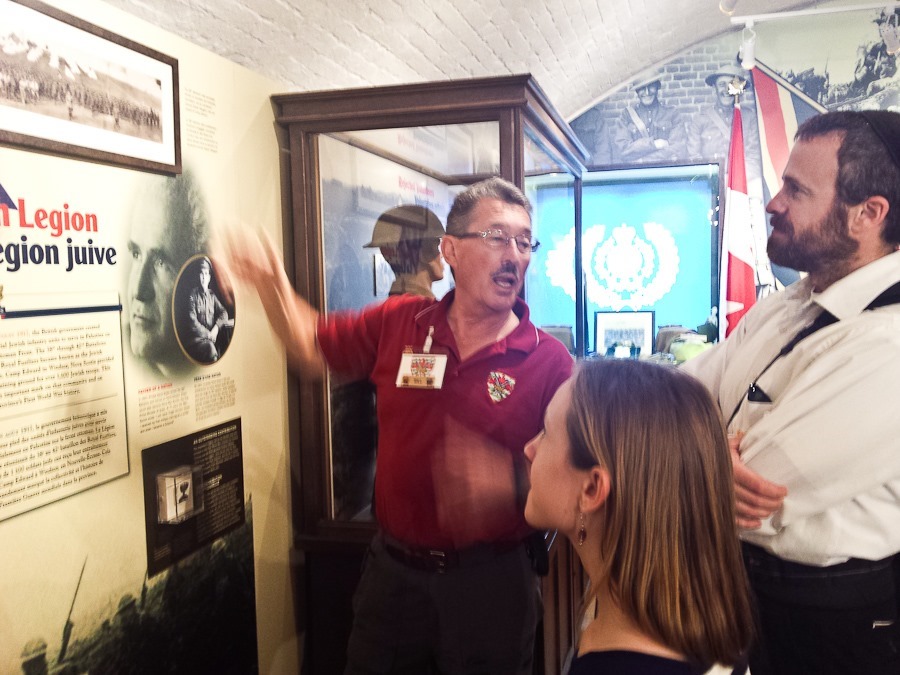
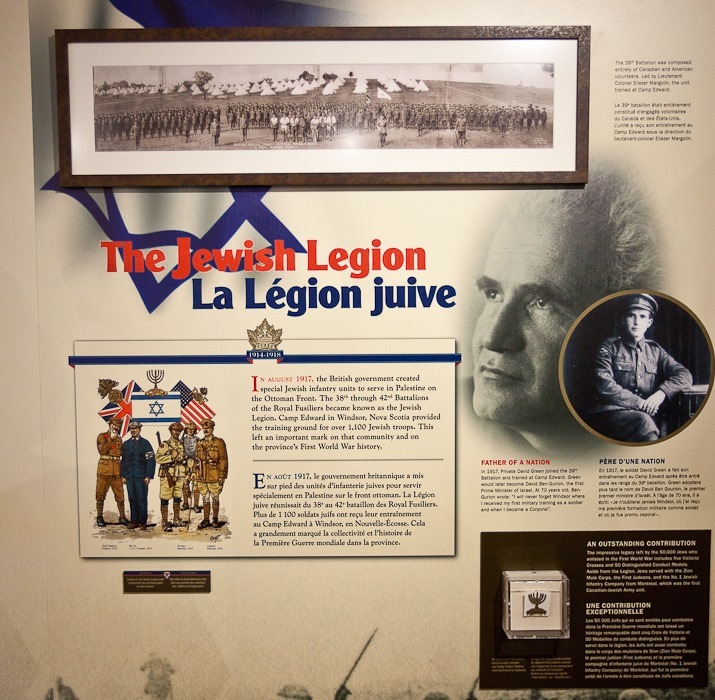
We went to the second story of the barracks, which today houses as extensive Canadian military museum.  The docent was very excited to show us a display about the Jewish Legion, trained right here in Nova Scotia to fight the Ottomans in World War I:

Day756_26

Day756_27

Day756_28

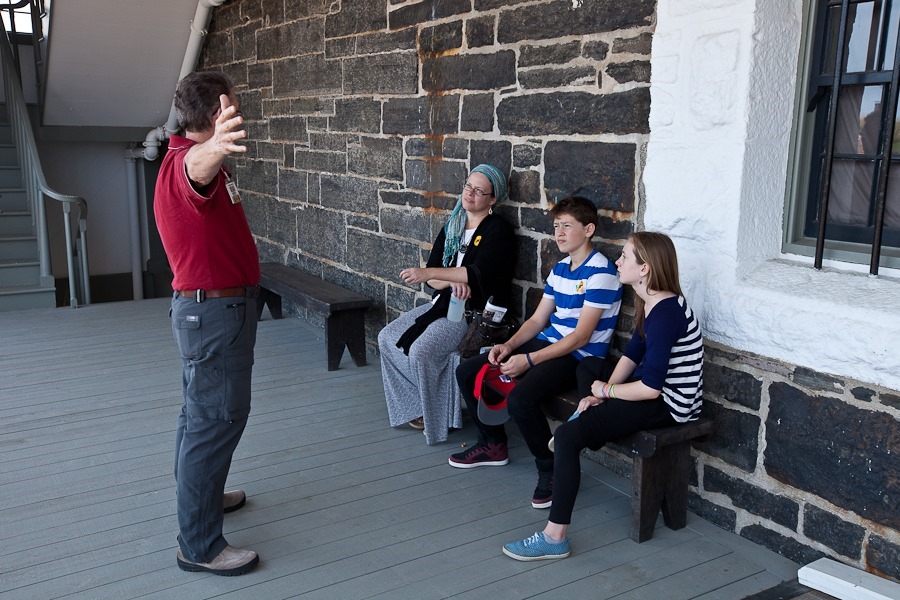
We heard more stories outside:

Day756_29

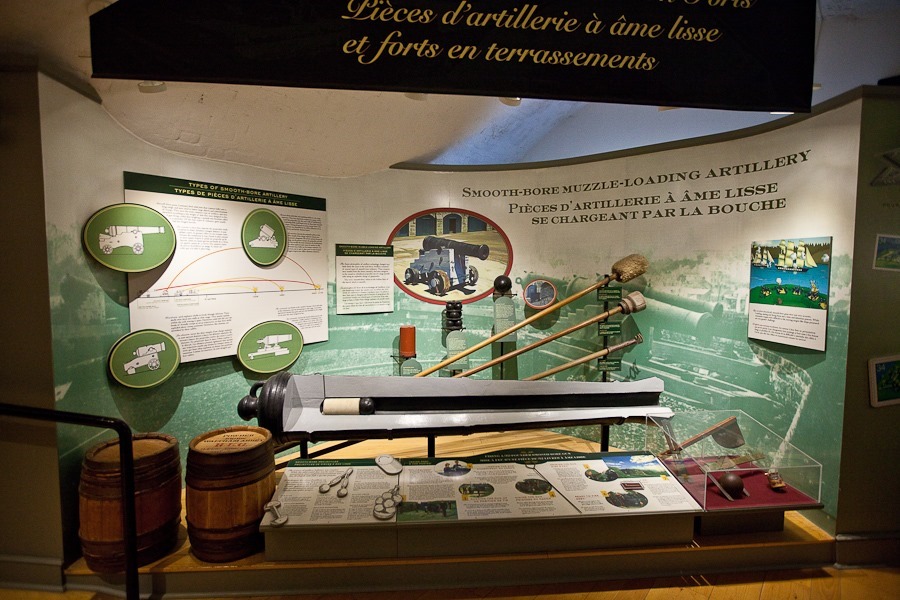
There were several exhibit areas in various buildings in the citadel:

Day756_30

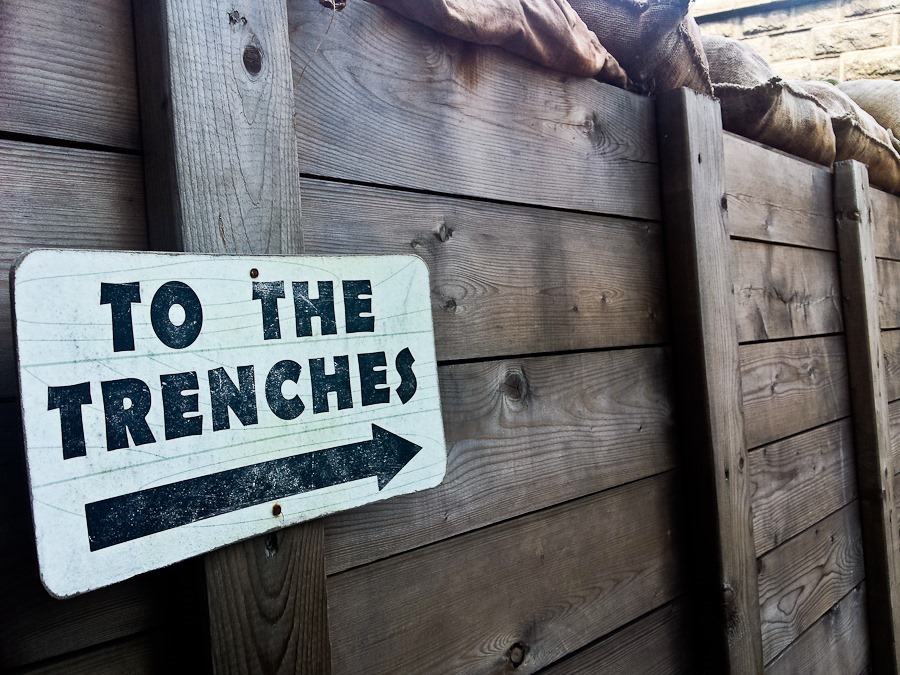
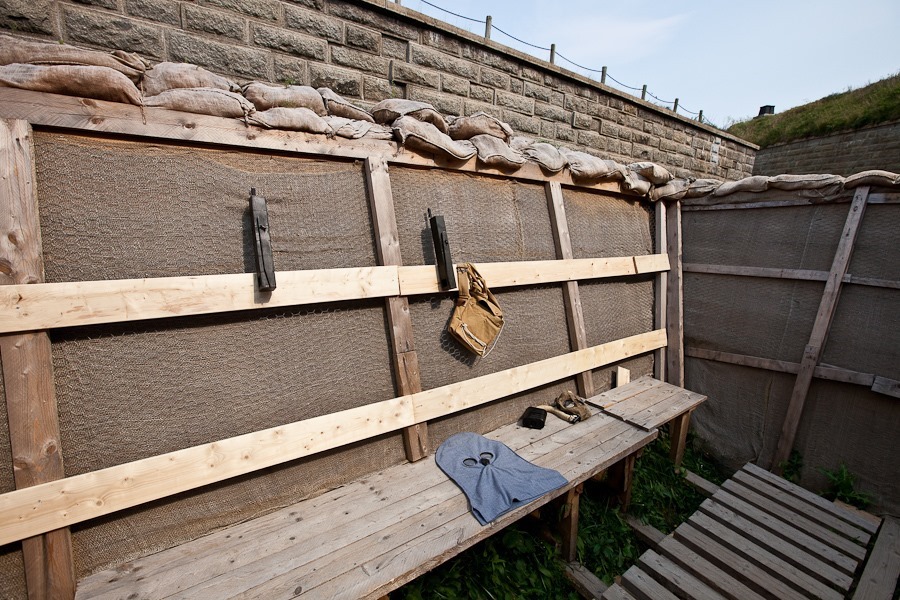
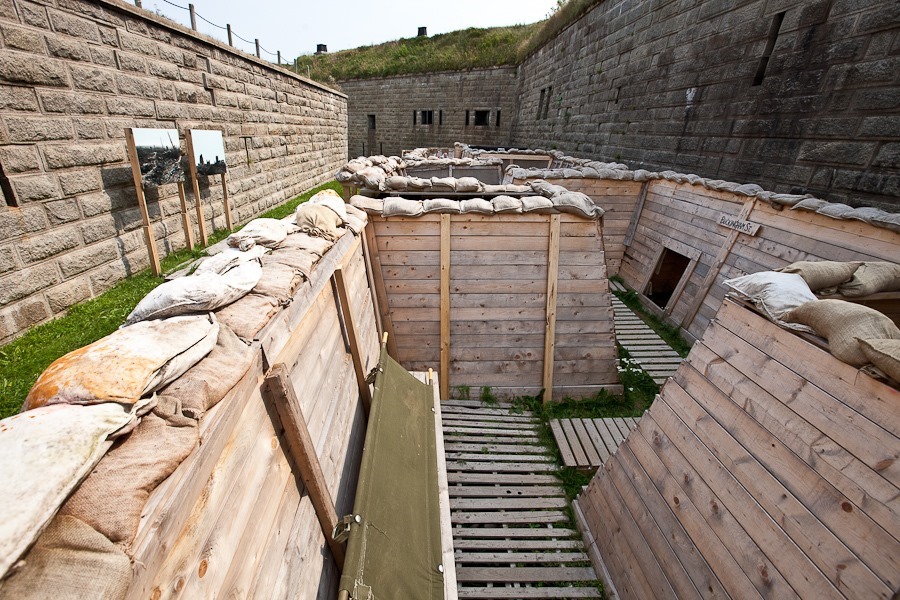
The park service has built a mock World War I trench between the citadel walls:

Day756_31

Day756_32

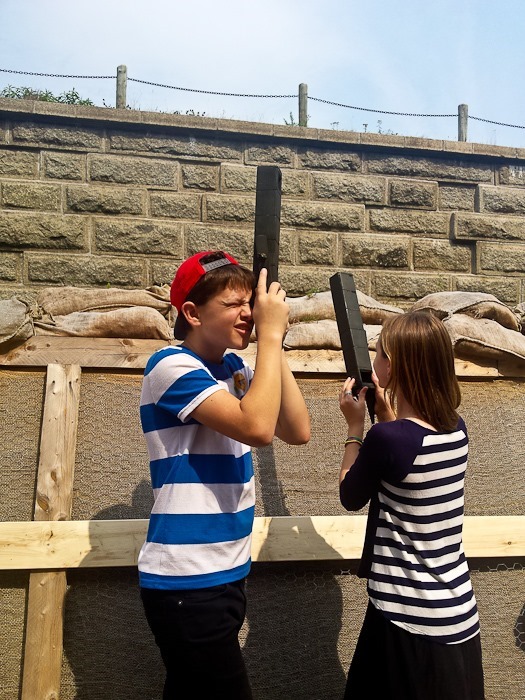
Using trench periscopes:

Day756_33

Day756_34

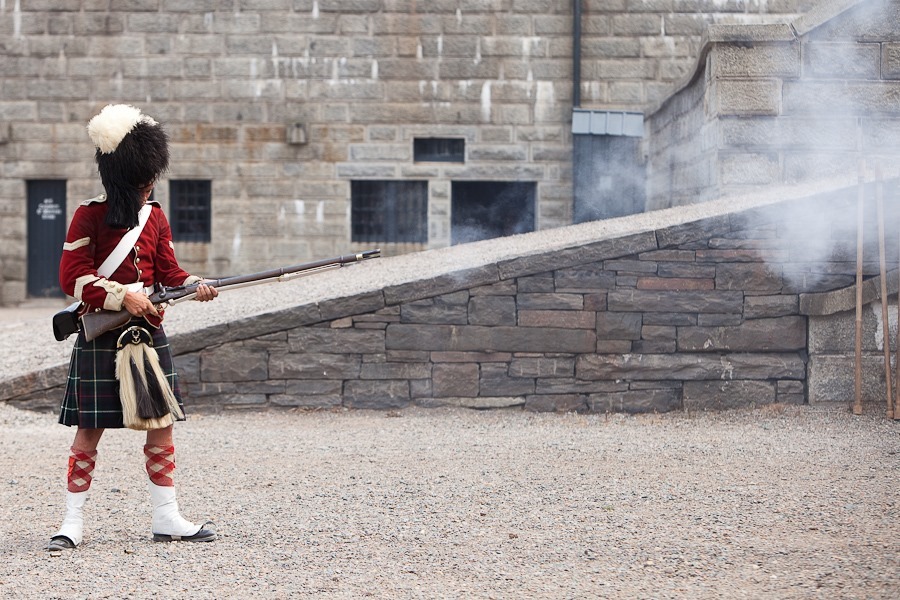
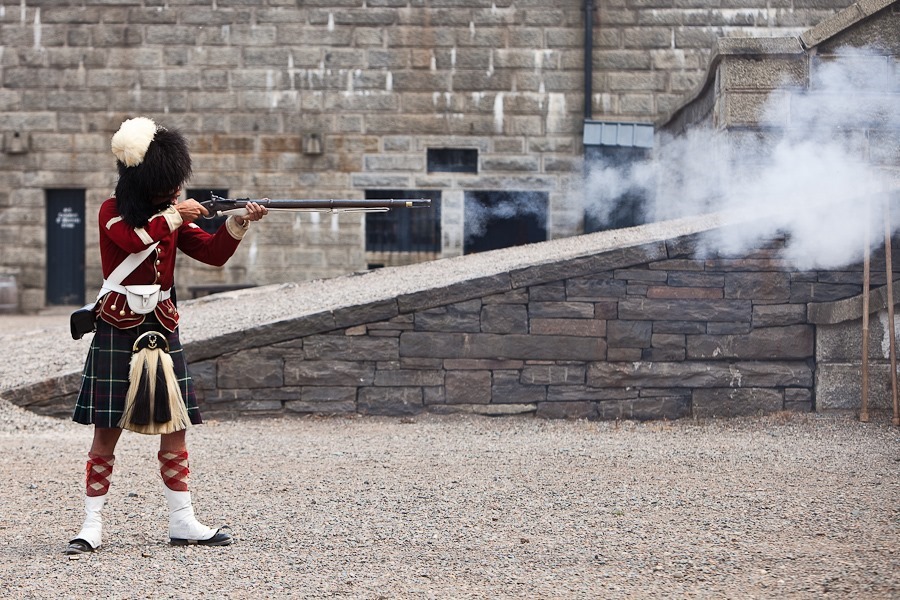
We watched more demonstrations:

Day756_35

Day756_36

Day756_37

Day756_38

Day756_39

Day756_40

Day756_42-2

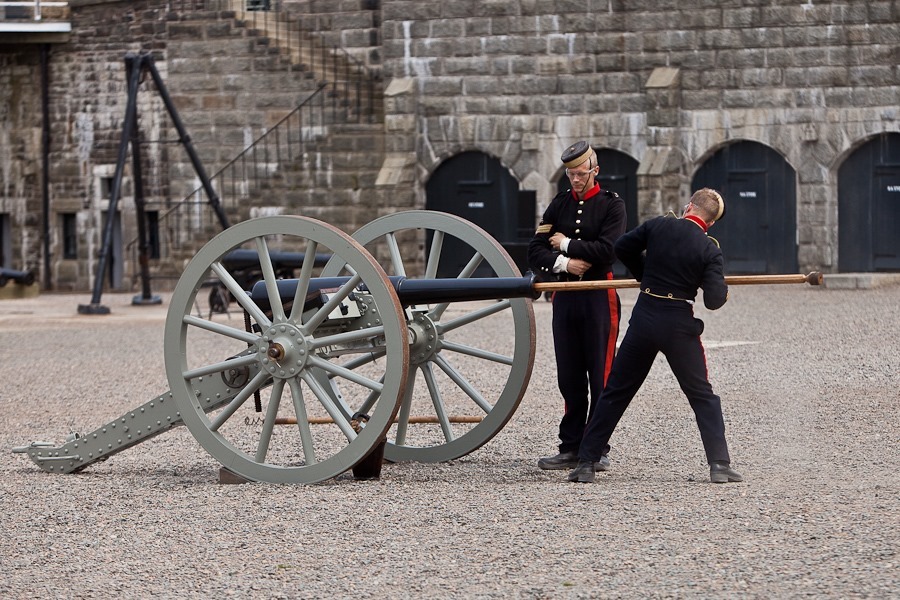
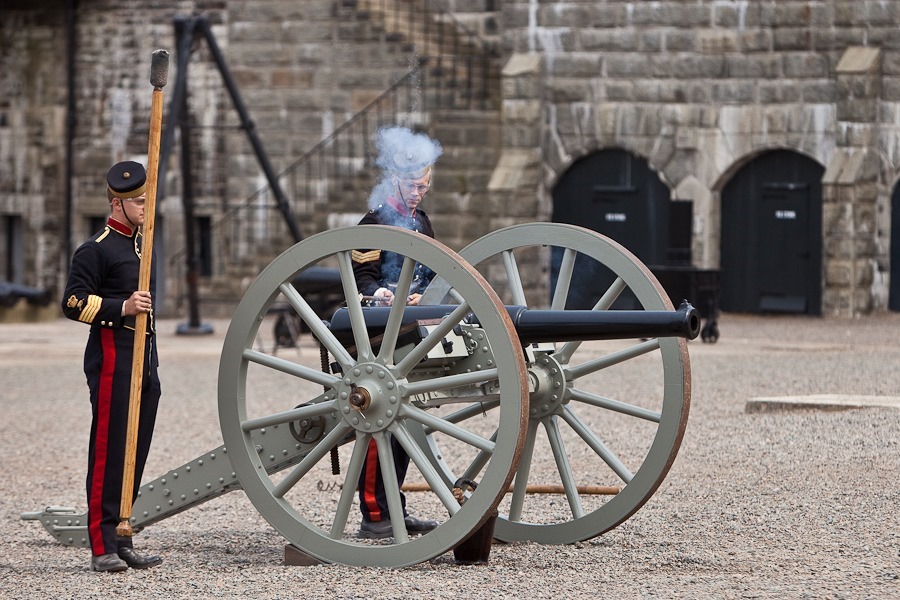
Boom!  But not really, it seems they didn’t ram the charge in far enough, so the fuse couldn’t light the charge.  The crew now has to fill the cannon with water to render the charge inert before they can remove the charge:

Day756_43

Day756_44

Day756_45

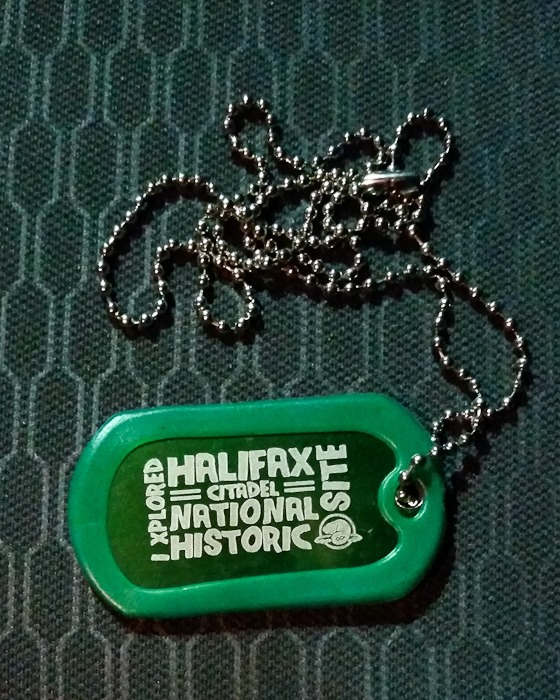
The kids completed their Parks Canada Xplorers workbooks and received their tags:
Day756_46

20150907_203736-35

We did some grocery shopping in Halifax, then returned to the RV, hitched up, and drove east to overnight at the Walmart of Port Hawkesbury on Cape Brenton Island, Nova Scotia.  See the trip map for today’s drive and our current location.
Day 753: Grand-Pré NHS, Port Royal NHS, Fort Anne NHS

Shabbos at the Walmart of Dartmouth, Nova Scotia was nice.  We had mild weather and went for a family walk in the afternoon.

Today we got up early, knowing that we had a full day ahead of us.  We drove northwest to Grand-Pré National Historic Site:

Day753_01

We first watched the site movie in the auditorium.  Each seat had headphones with a switch to select english or french audio.  The movie focused on the history of Grand-Pré, an Acadian settlement founded in 1682.  The settlement flourished until 1755 when the British deported the Acadians from Acadia for refusing to swear allegiance to the Crown of England.  The Acadian population, historically French but under alternating French and English rule from 1605 to 1755, developed its own identity and attempted to remain neutral.  Acadian assistance in the defense of French Fort Beauséjour (see Day 748) in 1755 encouraged the English to view Acadians as siding with the French, and shortly thereafter the Acadians where deported wholesale from what is today New Brunswick.  Most Acadians were forced onto ships and transported to the American colonies, where the English Protestant colonists refused to accept the French-Speaking Catholic Acadians.  The Acadians were then shipped back to Europe.  Many Acadians fled to what is today Nova Scotia, where they remained until the English captured the Fortress of Louisbourg and expelled the Acadians from Nova Scotia in 1758.  Eventually, many Acadians made their way to the only non-English controlled portion of North America, Spanish-controlled Louisiana, where the Acadians became known as Cajuns.

The visitor center had exhibits on the deportation, as well as the extensive dike system built by the residents of Grand-Pré, so historically significant that the “Landscape of Grand Pré” was listed as a World Heritage Site by UNESCO in 2012.  The settlers of Grand-Pré used dikes to convert over 1,000 acres of tidal marshland into the most fertile farmland at this latitude in North America:

Day753_02

Day753_03

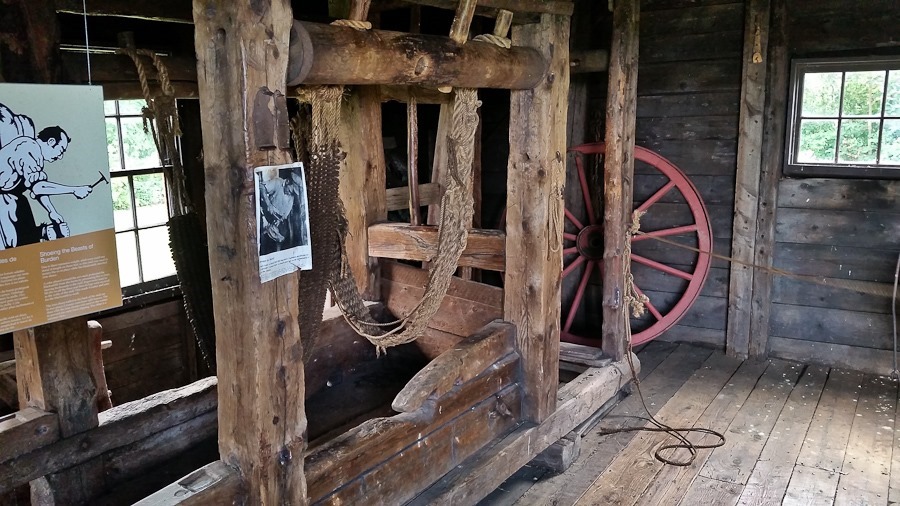
The dike’s clapet, a one way gate that allows the diked marshland to drain but does not allow incoming seawater into the diked area:

Day753_04

We walked the grounds where the settlement of Grand-Pré used to stand.  A statue of Longfellow’s Evangeline, which inspired a wave of Acadian resettlement of Maritime Canada, stands watch over the grounds:

Day753_05

Looking out over the diked marshlands:

Day753_06

Playing settler games:

Day753_07

Day753_08

The reconstructed blacksmith shop contains a sling for horses which, when raised, allowed easy access to the hooves for shoeing:

Day753_09

Bust of Longfellow:

Day753_10

An archeological dig is underway to find the palisade built by the English to impound the Acadians during deportation:

Day753_11

Day753_12

Day753_13

Day753_14

Day753_15

Day753_16

The kids completed their Parks Canada Xplorers workbooks and received their tags:

Day753_17

Continuing west, we stopped at a tourist information center to refill our water tanks, then continued on to Port-Royal National Historic Site:

Day753_18

Port Royal was settled by Pierre Dugua, Sieur de Mons in 1605 after loosing half his colonists in the winter of 1604 at St Croix (see Day 743).  This site was the captial of Acadia until 1613 when the English destroyed this site:

Day753_19

Looking out into the Bay of Fundy:

Day753_20

This site was rebuilt in the mid-20th century by Americans in “compensation” for the Amercian colonial destruction of the original site in 1613.  The attention to detail is impressive:

Day753_21

Day753_22

Park staff dressed in period dress use recreated period tools to fabricate roof shingles:

Day753_23

Day753_24

Day753_25

Day753_26

Day753_27

Day753_28

Day753_29

Day753_30

Pondering the Acadian’s fate:

Day753_31

Day753_32

Day753_33

Day753_34

Day753_35

Day753_36

Day753_37

Day753_38

Day753_39

The kids completed their Parks Canada Xplorers workbooks and received their tags:

Day753_40

Day753_41

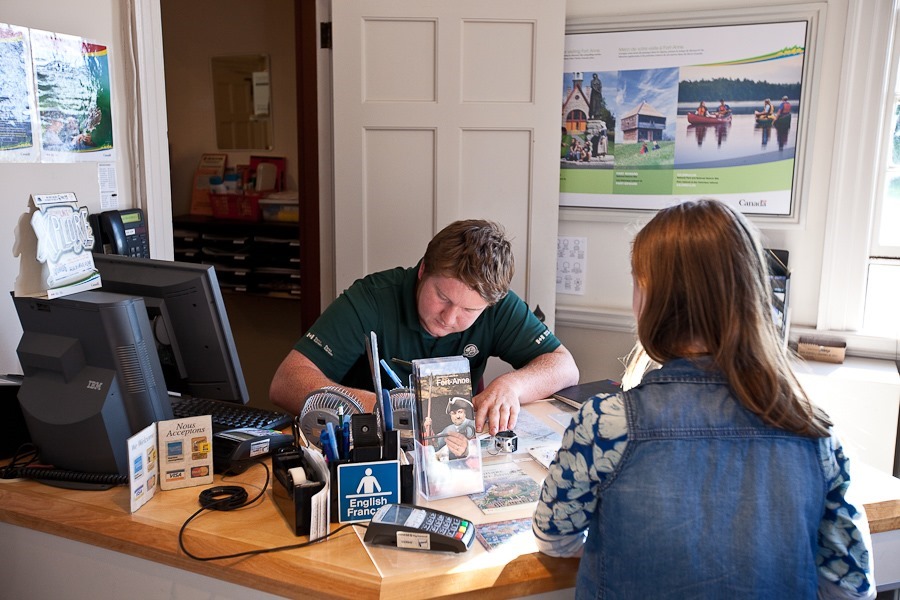
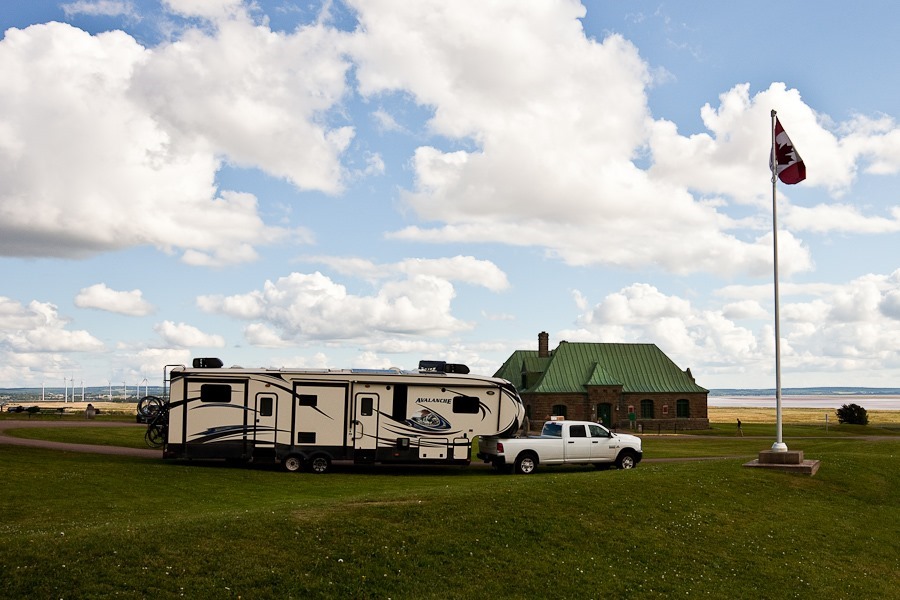
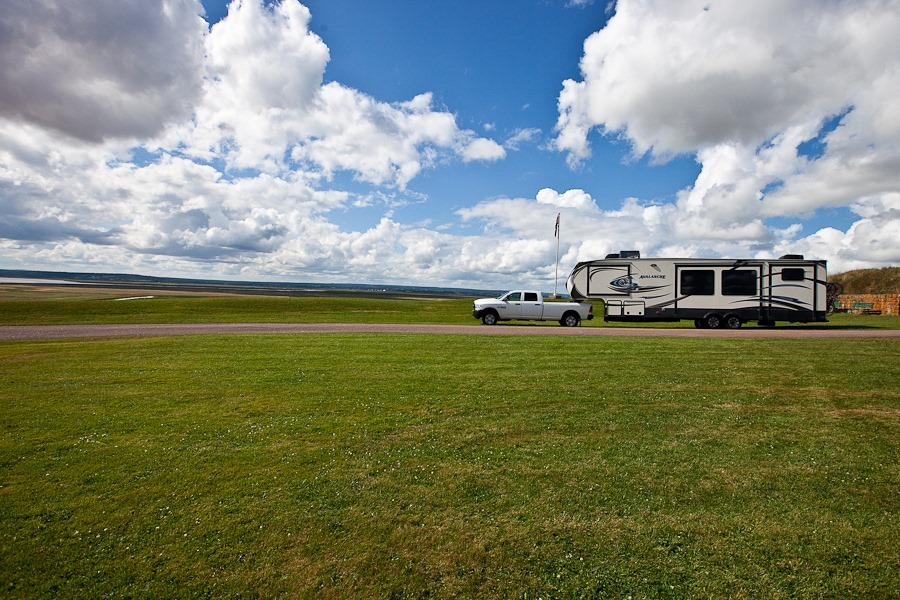
We drove east a couple miles to Fort Anne National Historic Site.  After the above-mentioned destruction of Port Royal in 1613, the French moved the Acadian captial here in 1632, when the area was ceded to the French by treaty, forcing the removal of Scottish settlers from the area.  In 1710, the English captured the French fort and ultimately renamed the fort Fort Anne.

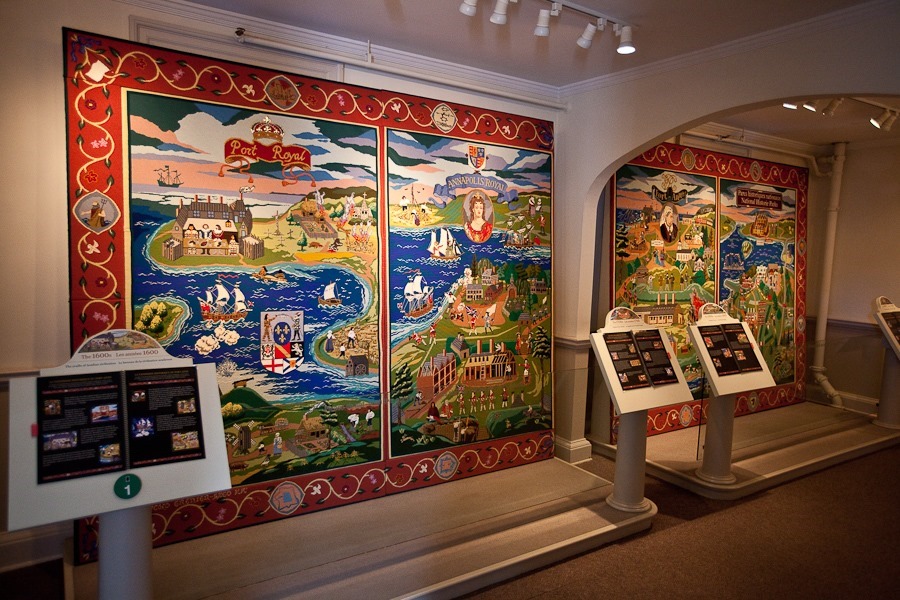
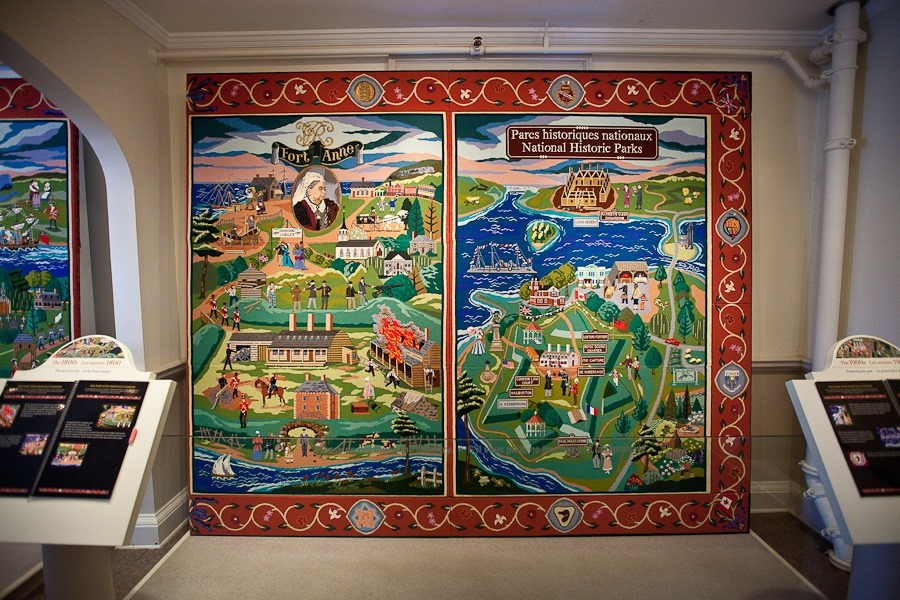
This needlepoint, completed by dozens of volunteers, tells the convoluted story of the history of the area:

Day753_42

Day753_44

Day753_43

The original charter for Nova Scotia, granted to Sir William Alexander by King James in 1621:

Day753_45

The kids had fun with the costumes in the visitor center:

Day753_46

Day753_47

Day753_48

Day753_49

Day753_50

A model of Fort Anne.  Later building projects would add more ravelins:

Day753_51

Out on the grounds, we played croquet:

Day753_52

Day753_53

Day753_54

A casemate, later used as a prison:

Day753_55

Day753_56

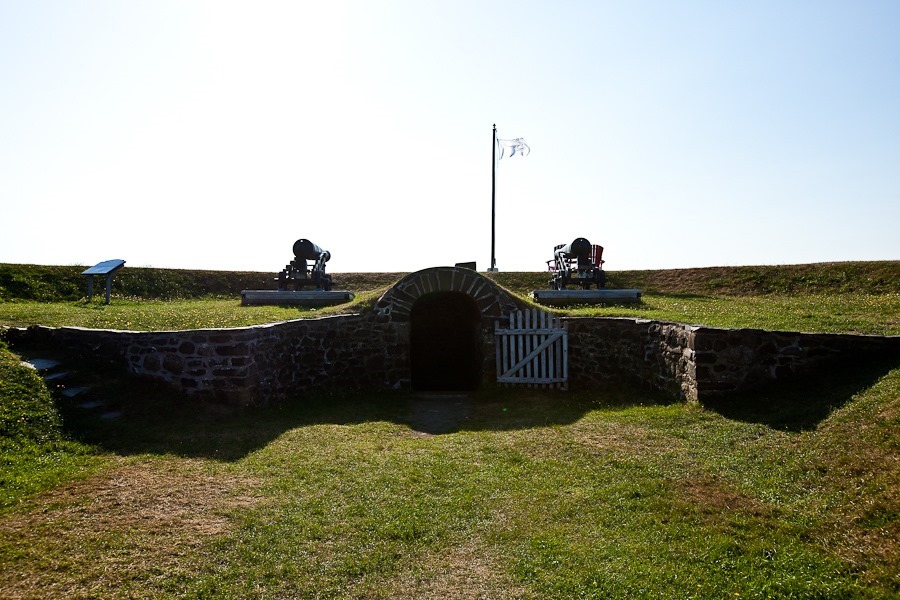
The oldest Parks Canada building in the country, a powder room built in 1708:

Day753_57

Day753_58

This is gym class:

Day753_59

Day753_60

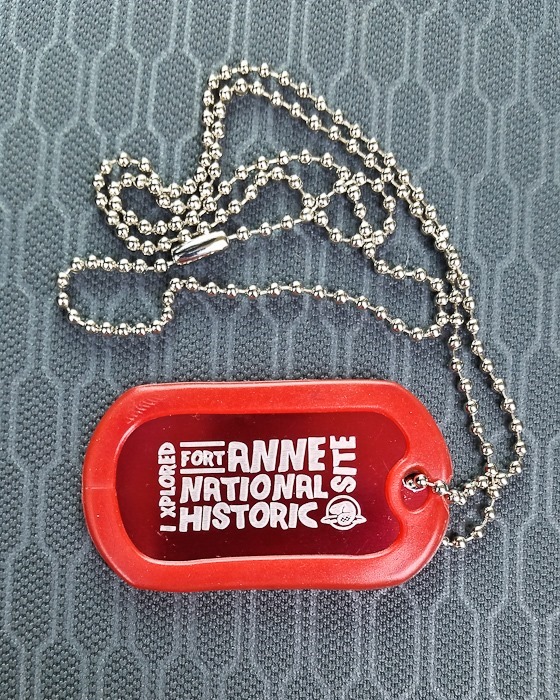
The kids completed their Parks Canada Xplorers workbooks and received their tags:

Day753_61

Day753_62

We drove west and south along the Nova Scotia coast.  Towards evening, the fog settled in:

Day753_63

Trish has taken up Rug Hooking, a craft synonymous with Scottish Nova Scotia:

Day753_64

Tonight were overnighting at the Walmart of Yarmouth, Nova Scotia.  See the trip map for today’s drive and our current location.
Day 748: Fort Beauséjour – Fort Cumberland National Historic Site

Today the kids did homeschool while I took the truck out to get gas and propane.  We left the Moncton casino this afternoon and drove east to Aulac, New Brunswick, where we visited Fort Beauséjour – Fort Cumberland National Historic Site:

Day748_01

Day748_03

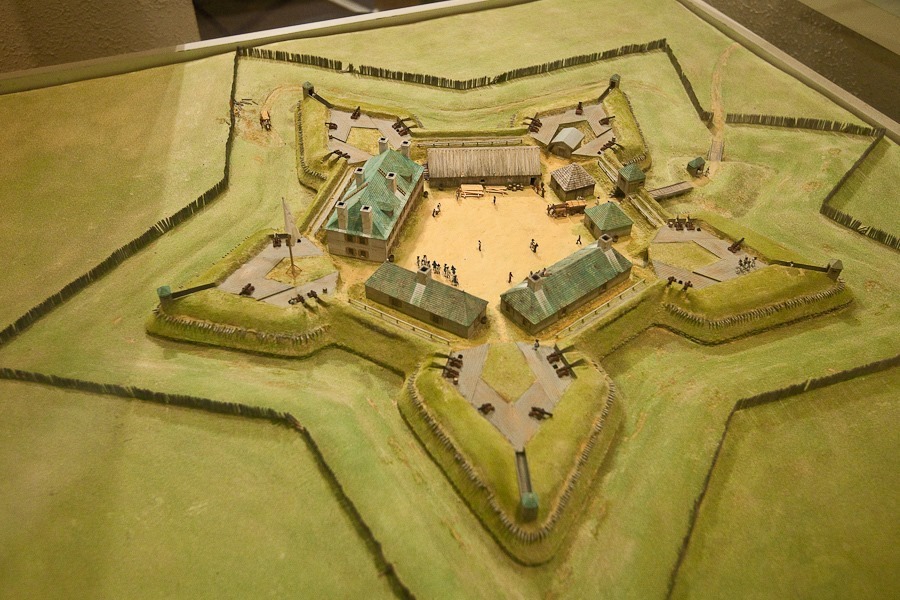
The site preserves the fort built here as Fort Beauséjour in 1751 to protect what was established as the border between British and French Acadia by the Treaty of Utrecht in 1713.  In 1755, the British captured the fort from the French after laying siege to the fort.  The fort was renamed Fort Cumberland, and was instrumental in preventing American control of Nova Scotia during the revolutionary war.  This model depicts Fort Beauséjour in 1755 on the eve of the British assault:

Day748_04

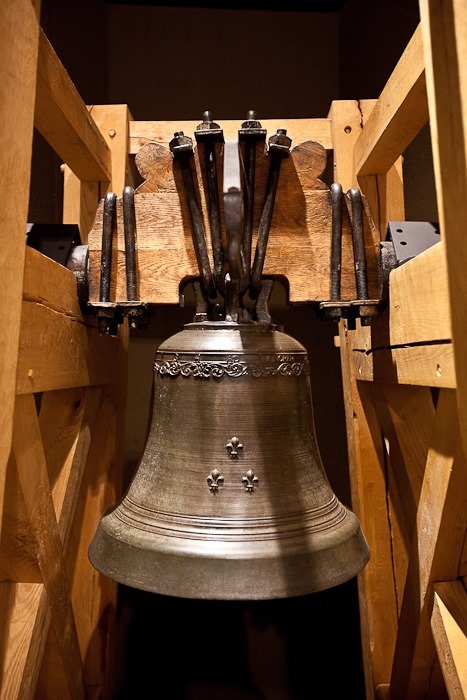
The bell from an Acadian church nearby, cast in France in 1734:

Day748_05

This room in the visitor center was filled with relics collected by a local Acadian, and didn’t necessarily have anything to do with Fort Beauséjour:

Day748_06

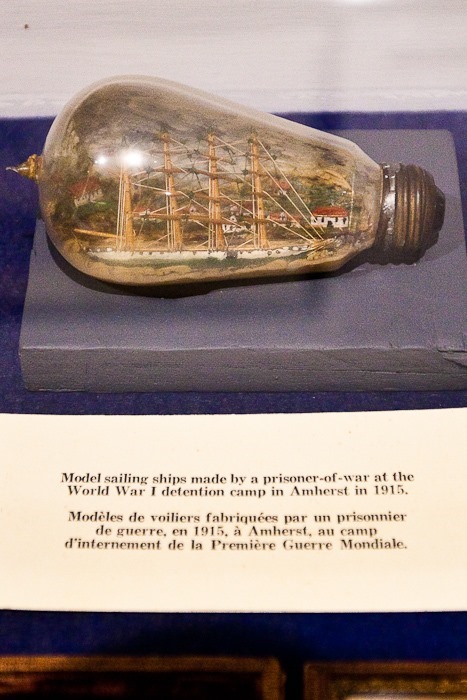
Ship in a lightbulb:

Day748_07

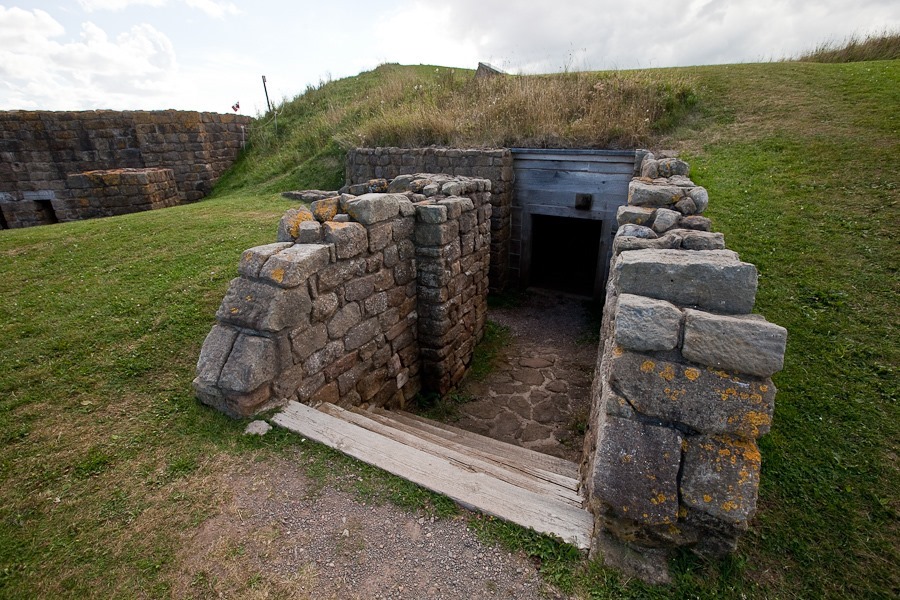
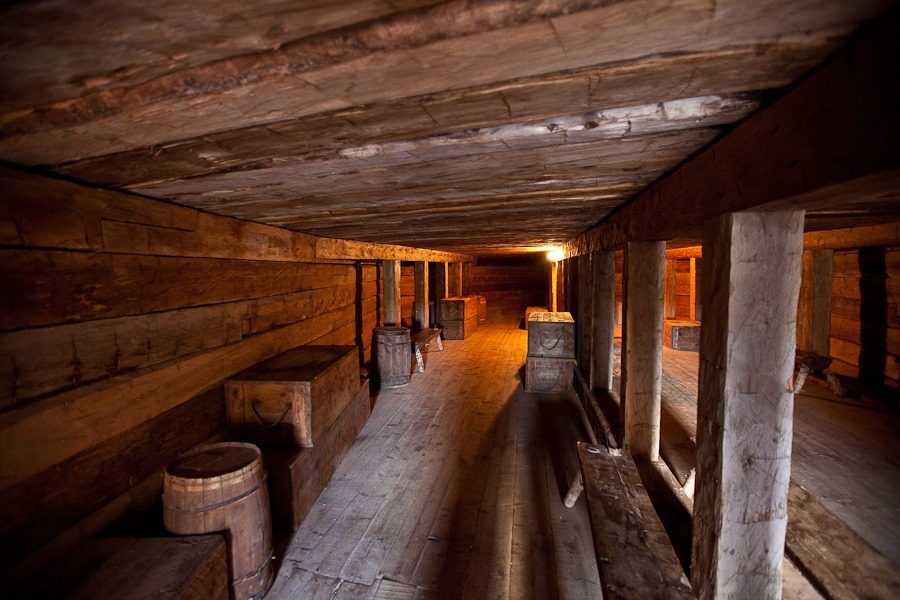
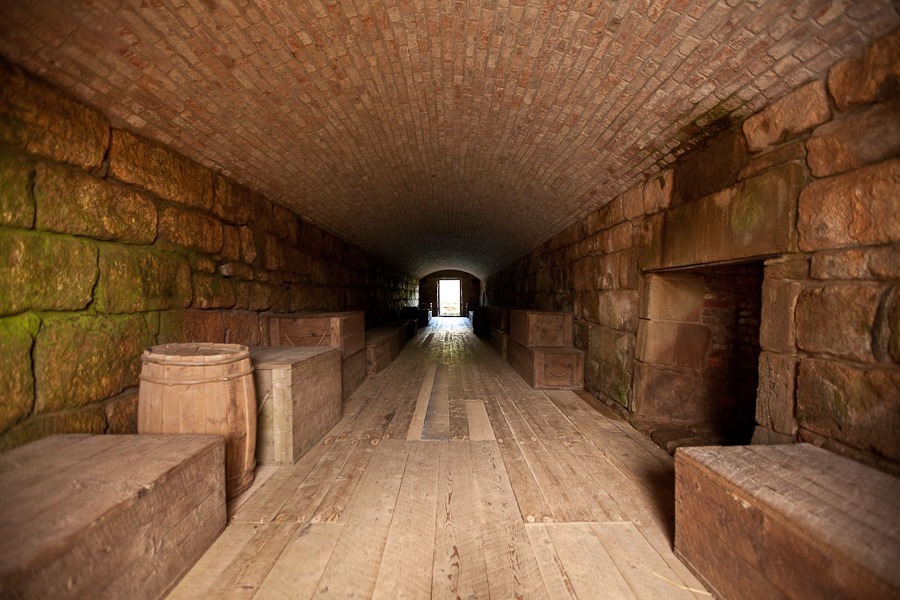
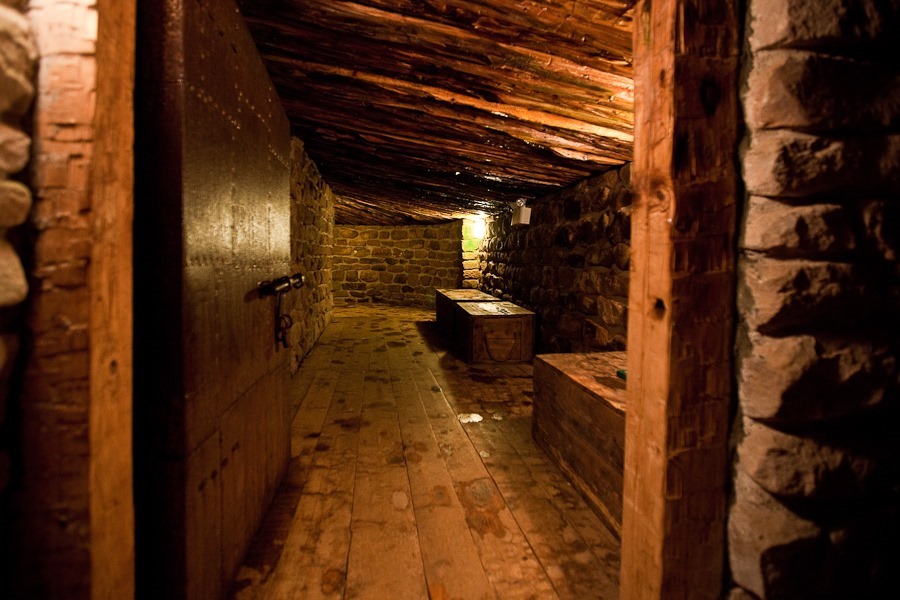
We toured the fort, whose walls contained several casemates, this one built by the French to house foodstuffs:

Day748_08

Day748_09

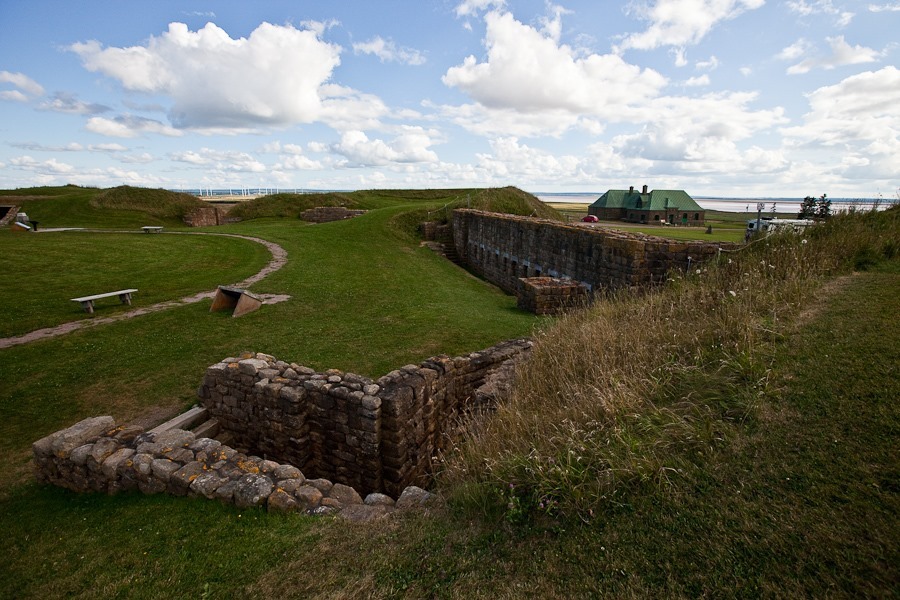
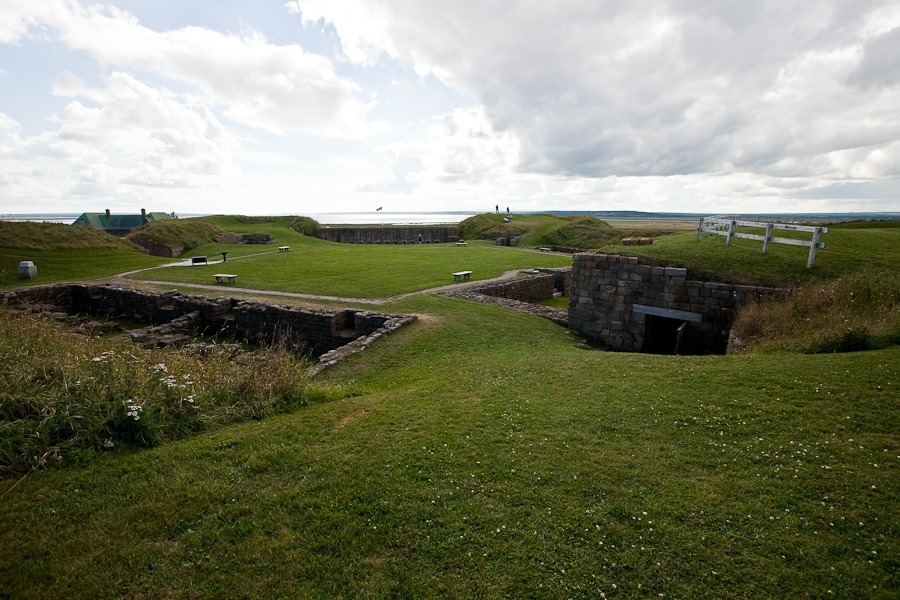
Looking down into the fort:

Day748_10

Barracks foundation:

Day748_11

This stone casemate was added by the British after conquering the fort in 1755:

Day748_12

Day748_13

Another French casemate:

Day748_14

Cannons from the fort are on display:

Day748_15

Day748_16

Day748_19

The kids completed their Parks Canada Xplorers workbooks and received their tags:

Day748_20

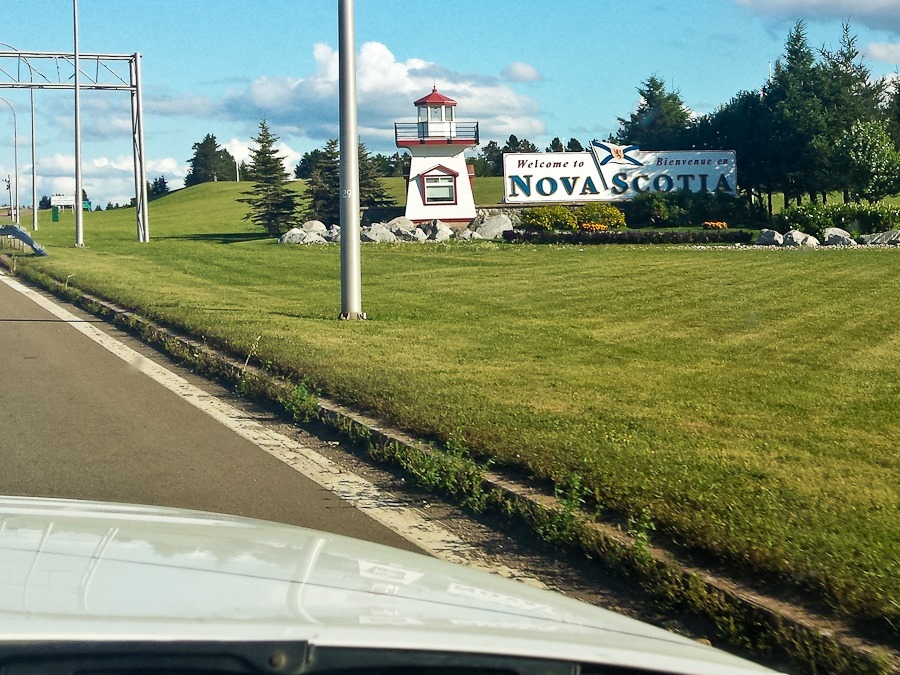
Continuing east, we crossed into Nova Scotia and stopped at the nearby welcome center:

Day748_21

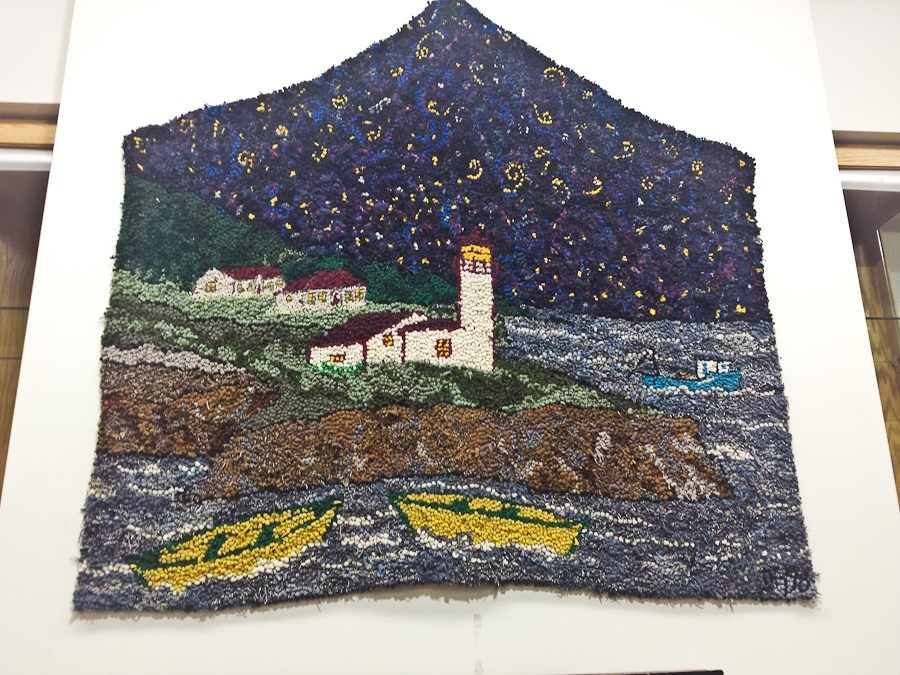
The welcome center had a display on traditional rug pulling and included an area where visitors could try it themselves:

Day748_22

A completed pulled rug:

Day748_23

The welcome center had a nice flower garden:

Day748_24

Day748_25

We continued east, stopping in Amherst, Nova Scotia.  We had called ahead and the Chamber of Commerce told us that the town had a public water spigot.  When we got there, we discovered it had an unthreaded hose, and that a button had to be pushed to dispense water one gallon at a time.  We used our water bandit to attach our hose, but the pressure was too high so I had to push the water bandit against the supply hose each time Trish pushed the button.  It took a while, and we were both pretty wet by the time we were done, but we managed to fill the tank.

After getting diesel (about $3.75 per gallon here), we continued on to overnight at the Walmart of Amherst.  See the trip map for today’s drive and our current location.
Day 744: Fundy National Park

Unlike their US counterparts, Canadian Walmarts have WiFi, which is great.  At the Walmart, we bought a Chatr SIM card for our unlocked phone.  $60 Canadian (about $45 US) buys unlimited in-Canada calling and 2GB of data for a month.  Like the last time we visited Canada, I used a free Canadian DID from Les.net and a free PBXes.com account to route inbound and outbound US calls through a Canadian phone number to avoid Chatr’s $0.20 a minute international call fee.  As far as Chatr is concerned, it’s a free domestic Canadian call, and I pay fifteen-hundredths of a cent per minute to Les.net for making the Canada to US portion of the call.  Not too shabby!  See the link above for diagrams and more geek-talk.
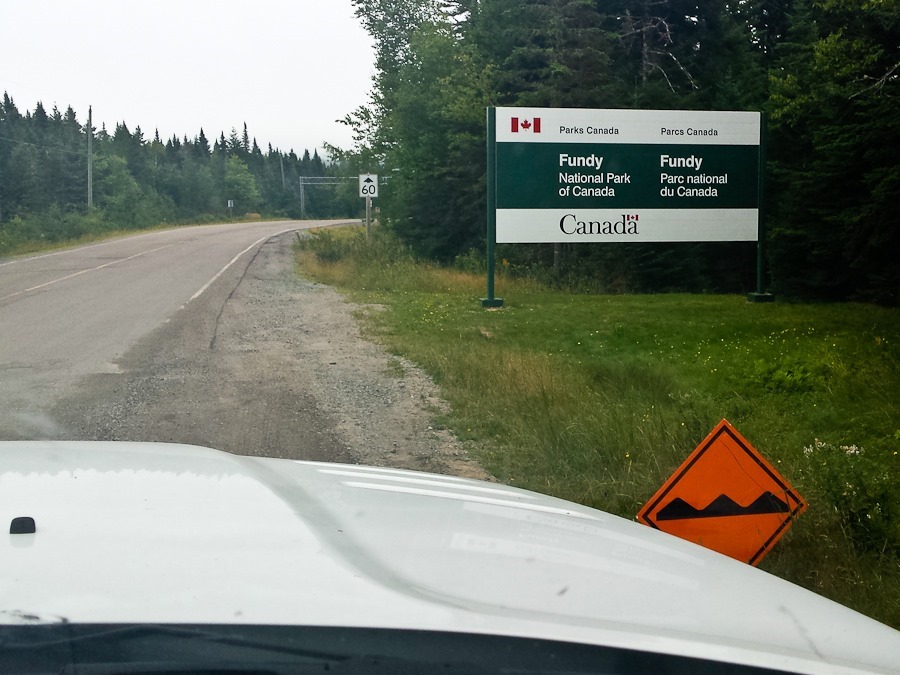
Today we drove east to Fundy National Park, which preserves one of the last Acadian forests in New Brunswick:

Day744_01

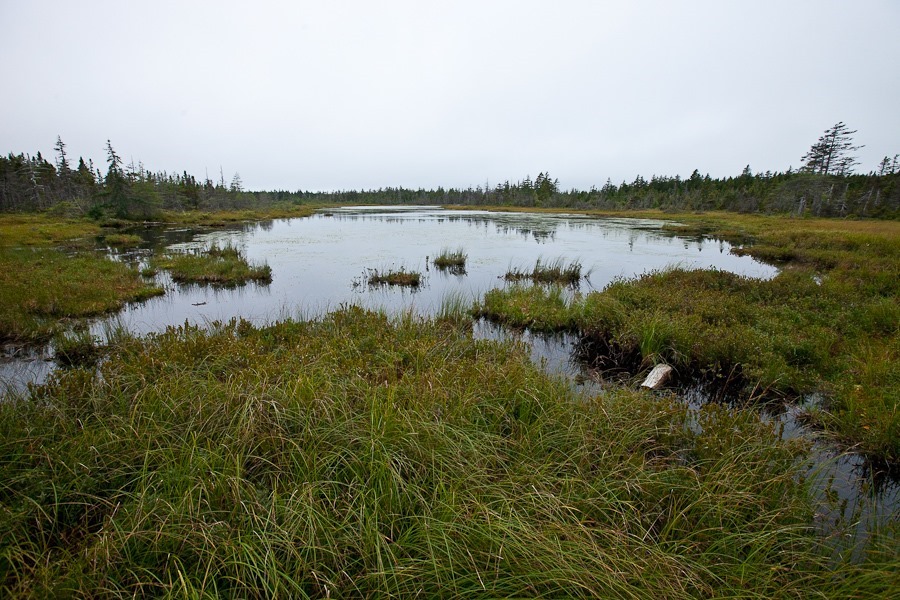
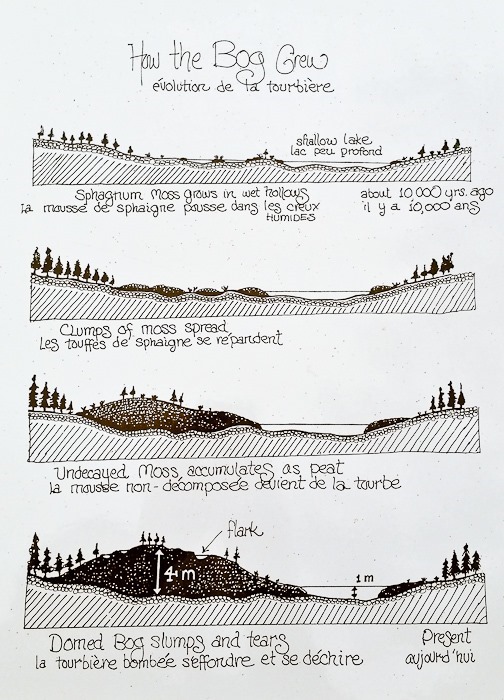
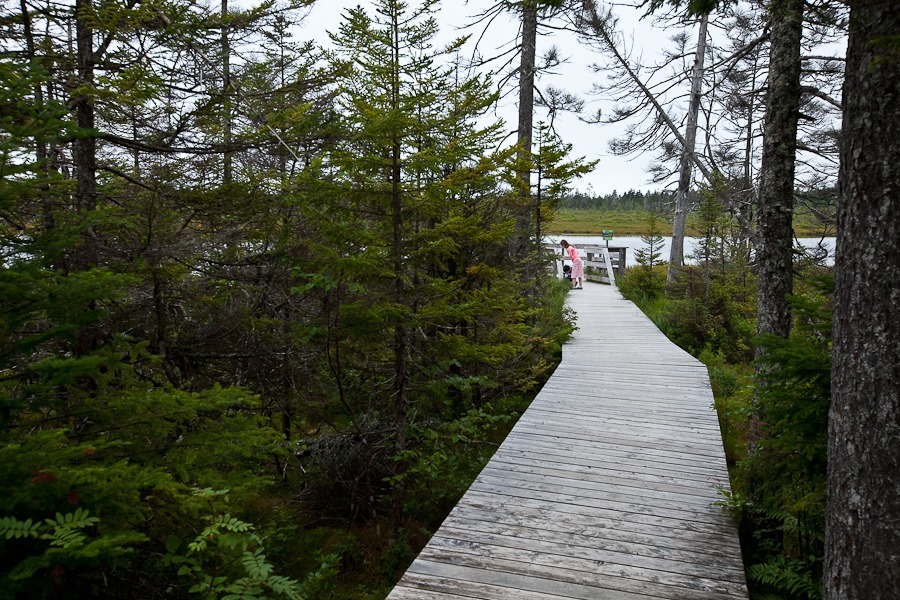
We hiked the Caribou Plain trail.  The trail leads to a viewpoint overlooking a bog.  The bog here is about 12 feet thick, with successive layers of sphagnum moss growing on top of each other, leaving older layers below to accumulate as undecayed peat.  At this viewpoint, the peat pile is so thick that the pile slumped as it slid downhill, leaving a water-filled depression called a flark:

Day744_02

Day744_03-2

Day744_04

The kids dropped sticks and rocks into the flark to test its quicksand-like characteristics.  From time to time, moose become mired in the flark and die if not rescued in time:

Day744_05

Day744_06

Day744_07

Day744_08

Day744_09

Day744_10

Day744_11

Day744_12

Day744_13

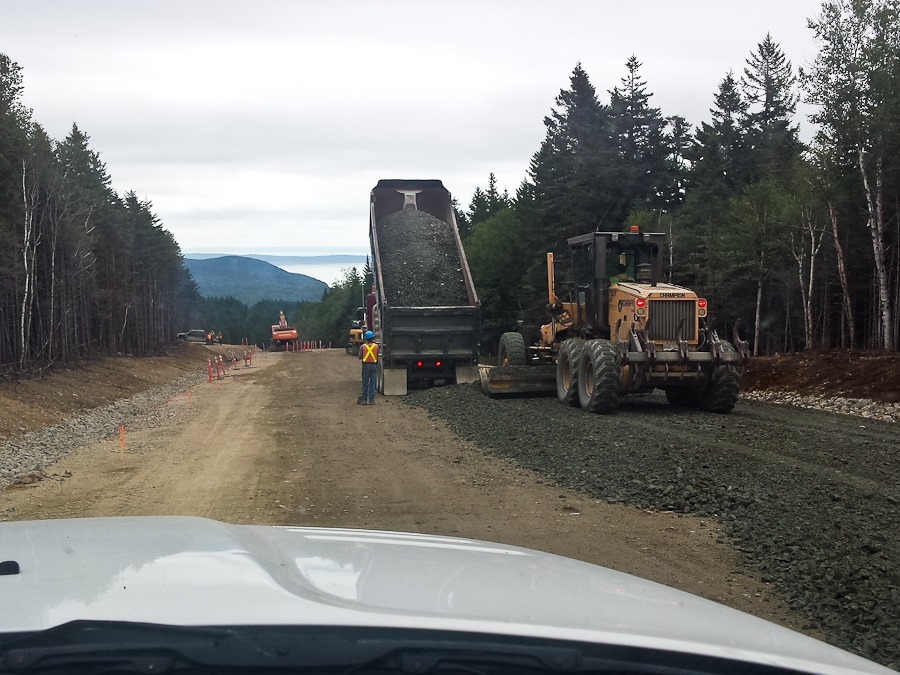
After finishing the hike, we continued east.  We ran into road work, which reminded us of Alaska:

Day744_14

We reached the visitor center for the park:

Day744_15

The kids completed their Parks Canada Xplorers workbooks and received their dog tags:

Day744_16

20150823_121008-1

We went for a hike on the Dickson Falls trail:

Day744_17

Day744_18

Silver Falls it ain’t, but it was still pretty:

Day744_19

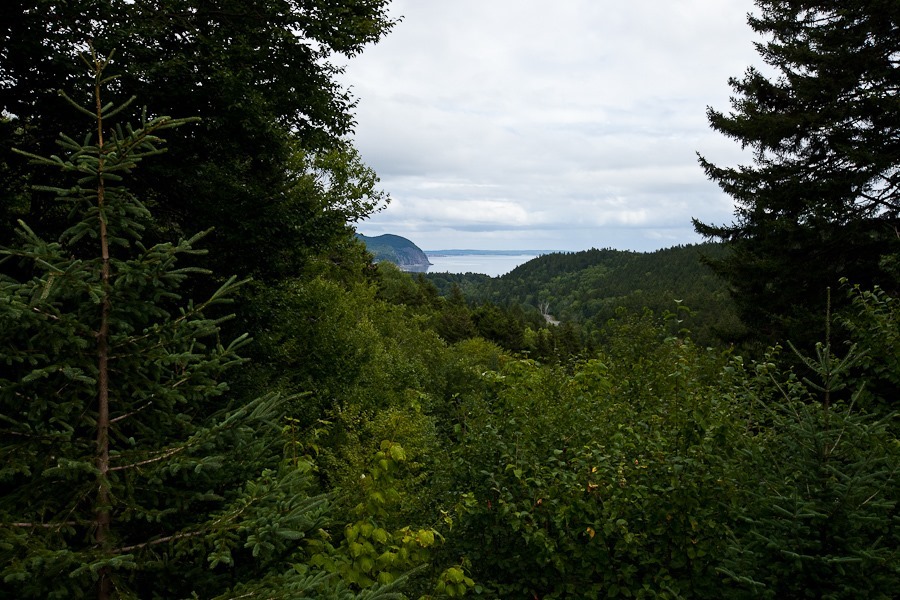
We drove down to the shore of the Bay of Fundy:

Day744_20

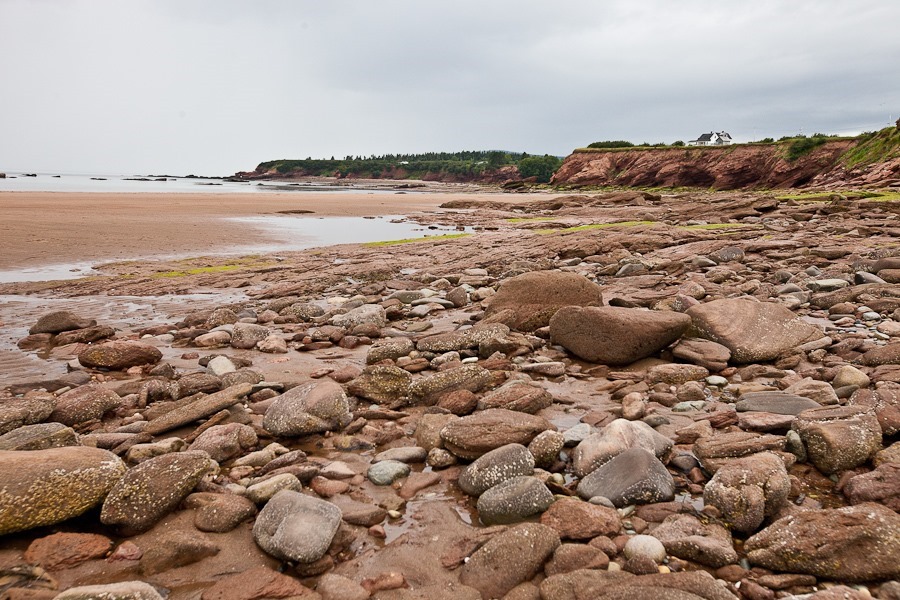
Leaving the park, we continued east and happened upon this lovely turnoff with access to the bay:

Day744_21

Day744_22

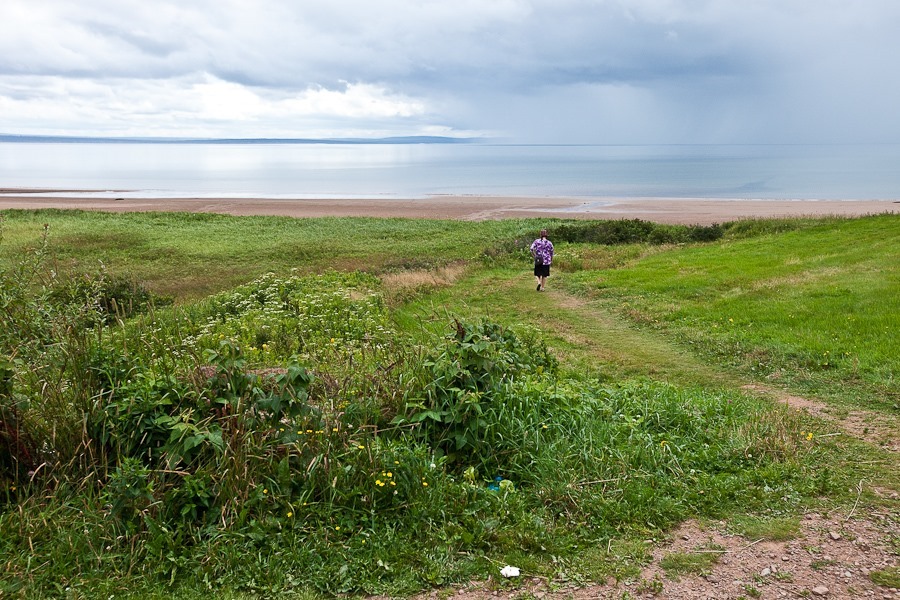
This is the first sandy beach we’ve seen on the Bay of Fundy:

Day744_23

Day744_24

Day744_25

Day744_26

Day744_27

We were chased off the beach by a thunderstorm, so we continued east and north to Moncton, New Brunswick.  The plan was to spend Shabbos with the Jewish community here, but the parking didn’t work out so we drove to the other side of town where we will be parked at the Casino New Brunswick.

Good Shabbos from Moncton, New Brunswick!  See the trip map for today’s drive and our current location.