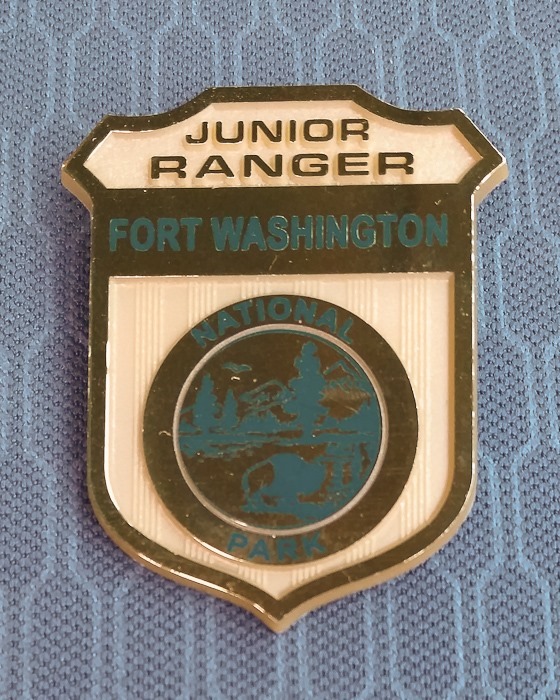
Day 826: Prince William Forest Park, National Museum of the Marine Corps, Fredericksburg and Spotsylvania NMP

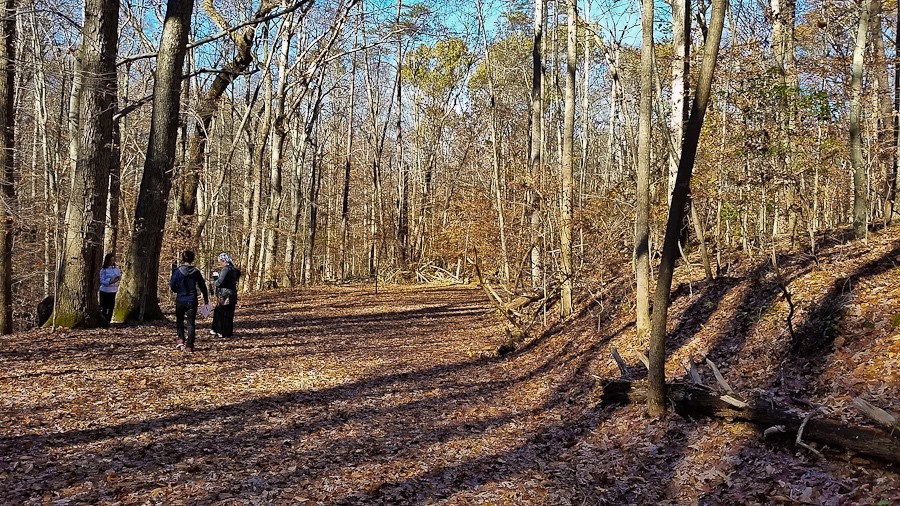
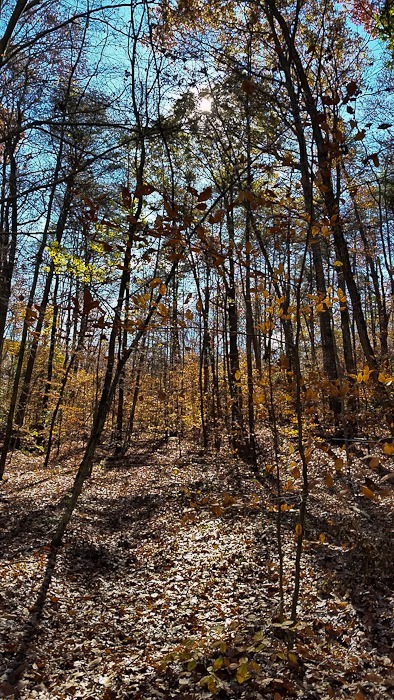
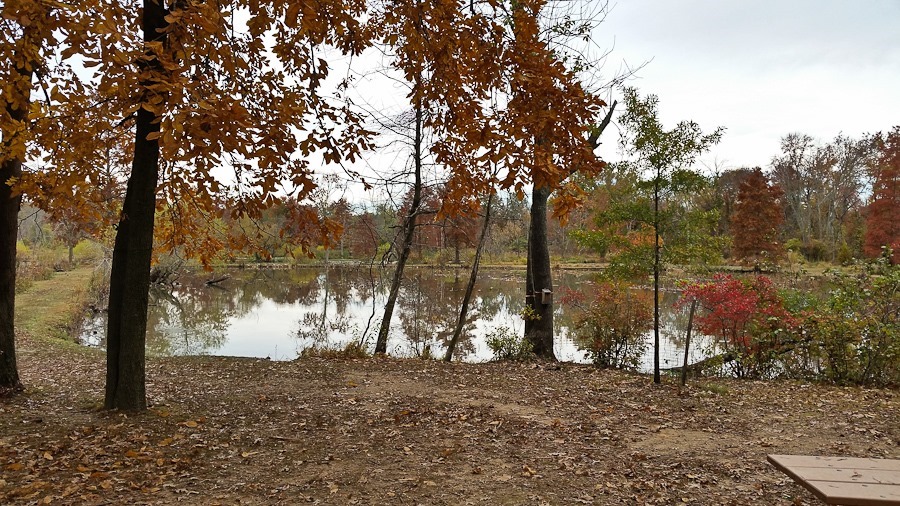
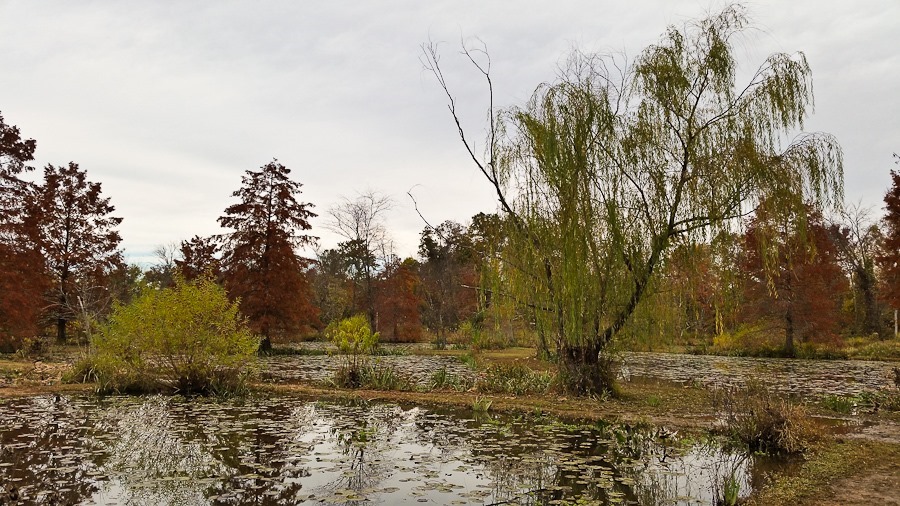
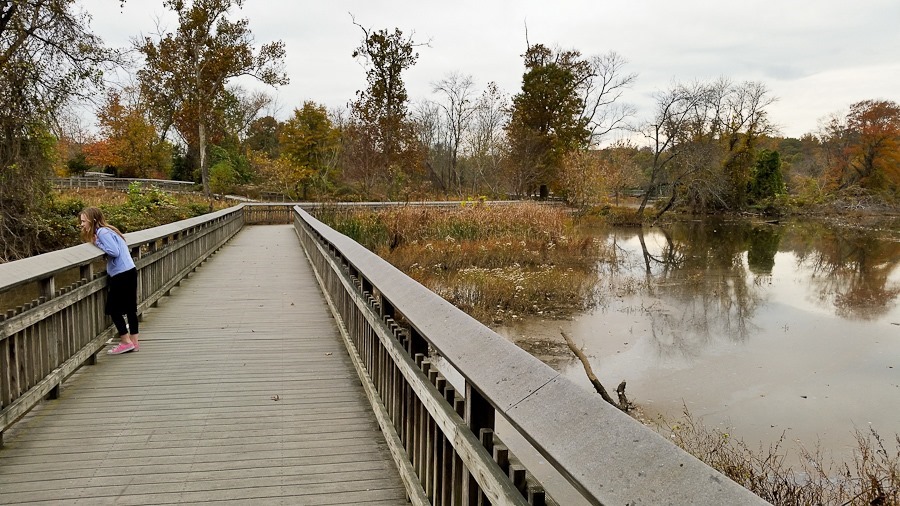
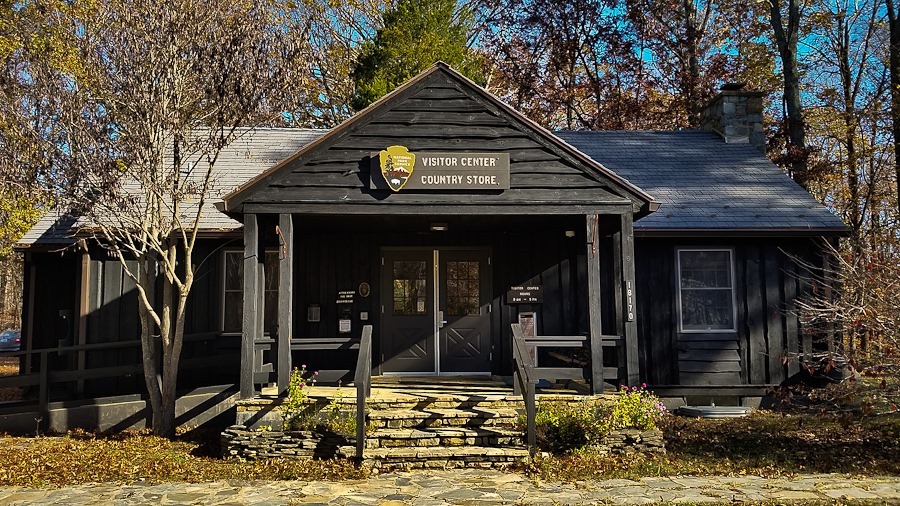
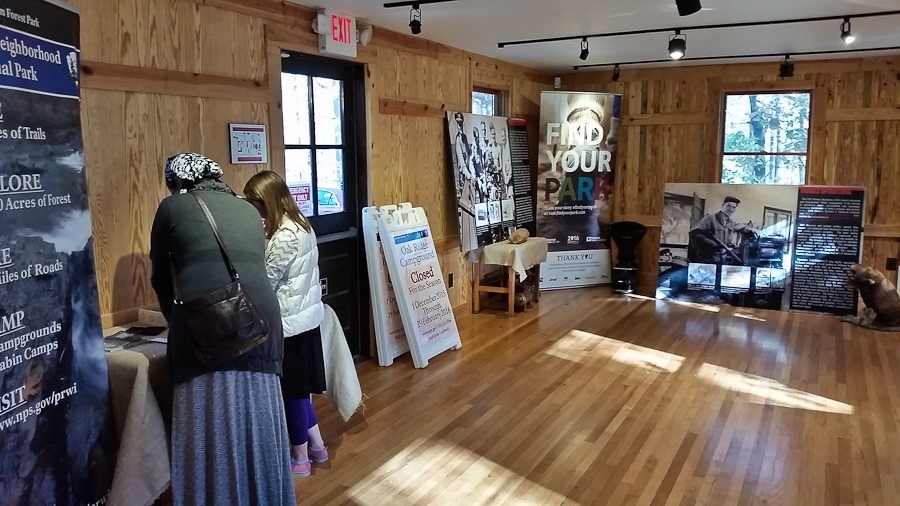
After a rather noisy night at Walmart, we drove north a few miles to visit Prince William Forest Park.  Like Catoctin Mountain Park, which we visited on Day 810, Prince William Forest Park started out as a Recreational Demonstration Area.  The area was later used for military training, and was eventually given to the NPS to operate as a park:
Day_826_01

Day_826_02

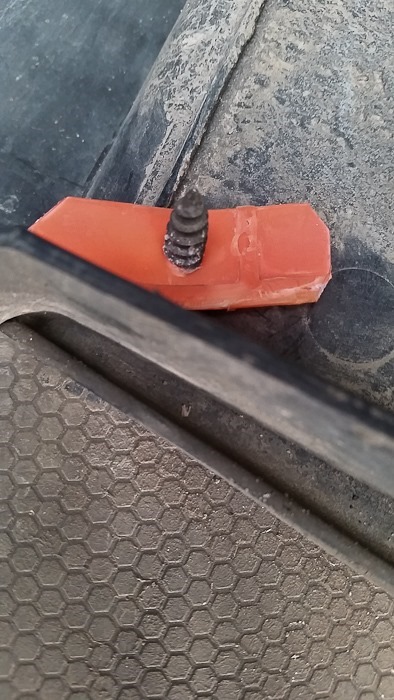
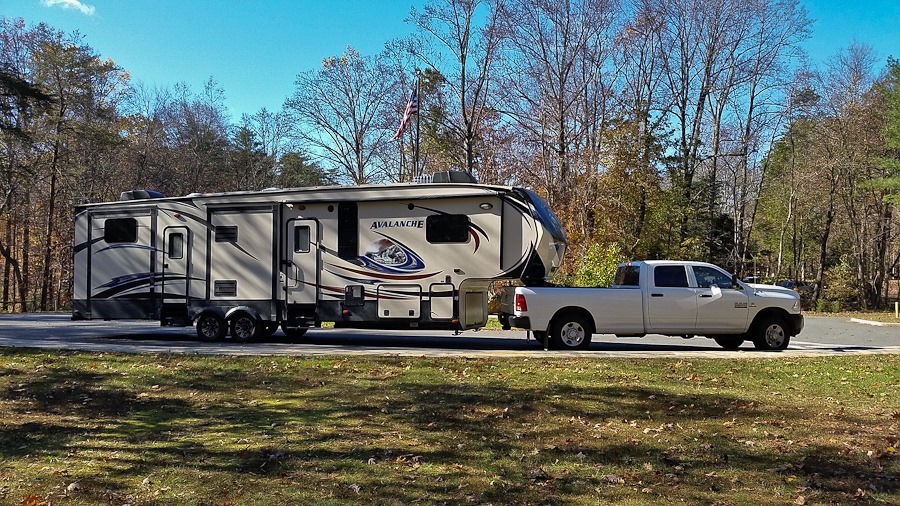
While the kids were working on their Junior Ranger workbooks, I reattached one of the truck mudflaps that had stripped out of the sheet metal it was screwed into by using a fragment of one of our leveling blocks to stop the screw from pulling out of the sheet metal:
Day_826_03

Day_826_04

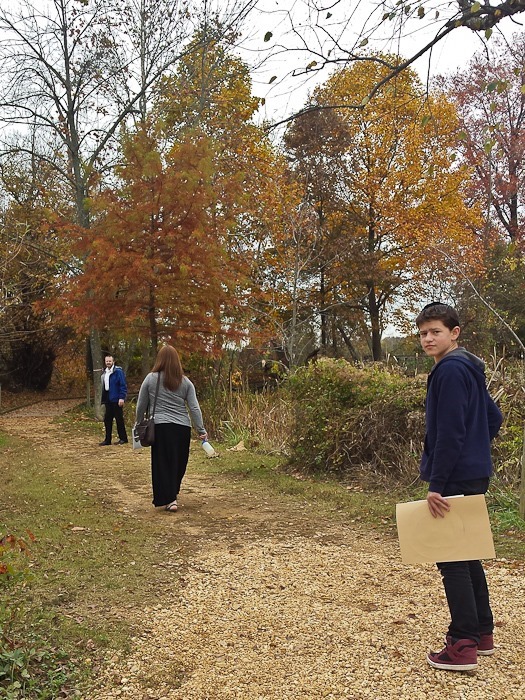
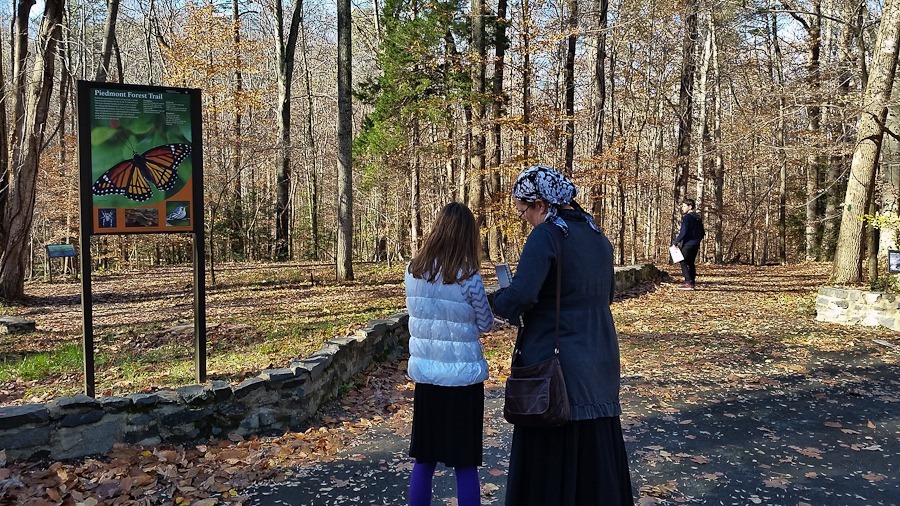
We did a letterboxing activity on the Piedmont Forest Trail:
Day_826_05

Day_826_06

Day_826_07

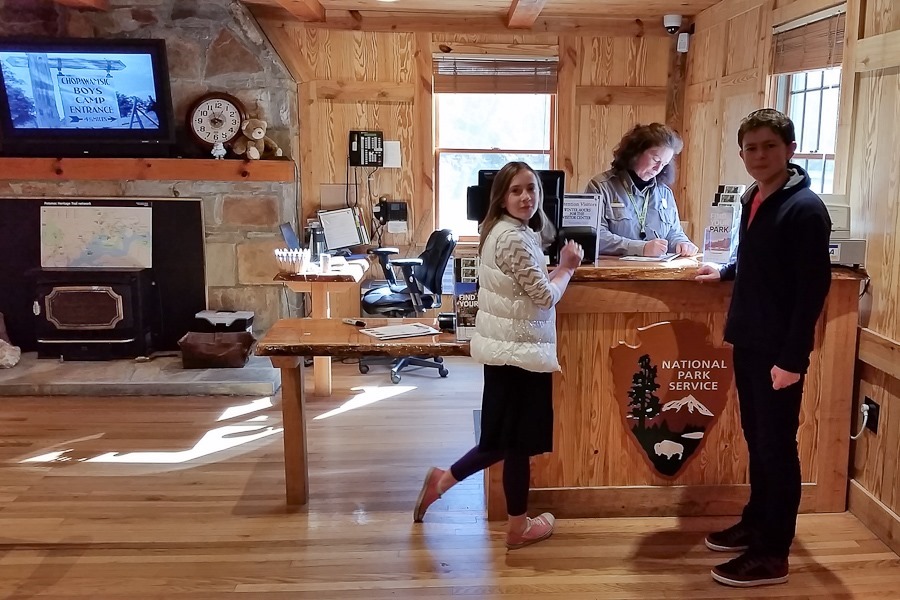
The kids completed their Junior Ranger workbooks and received their badges:
Day_826_08

Day_826_09

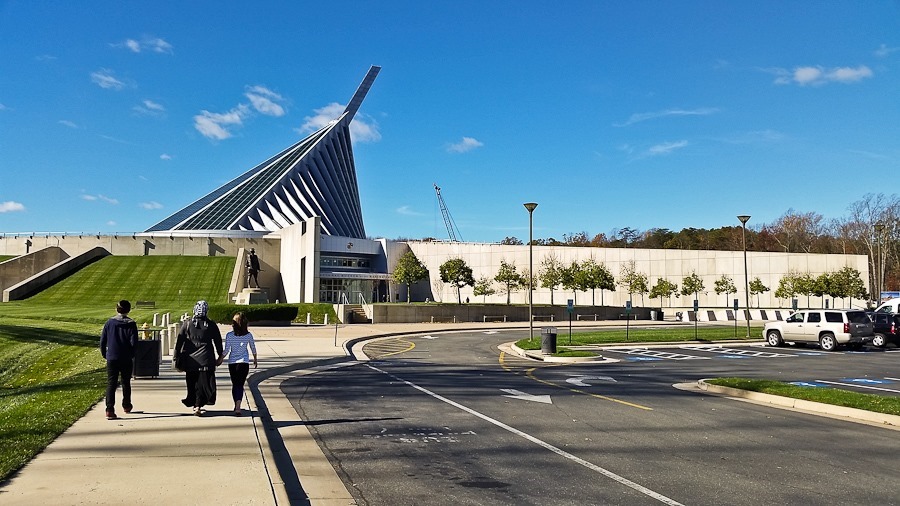
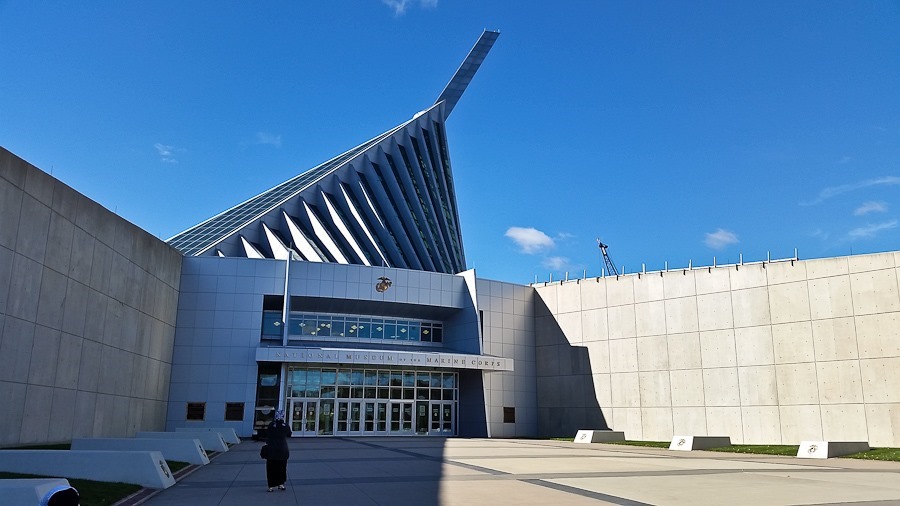
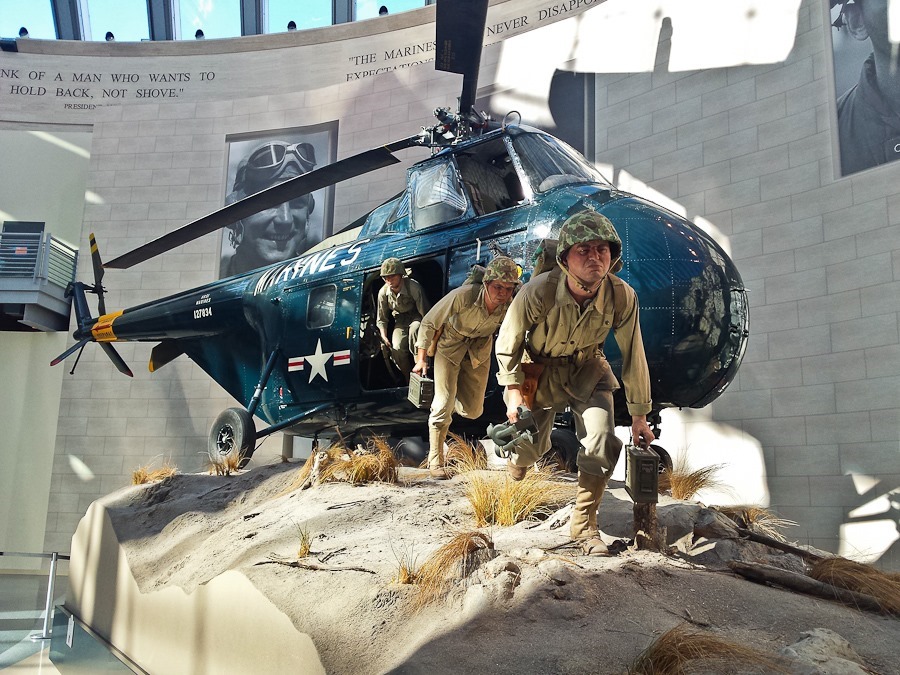
Our next stop was the National Museum of the Marine Corps:

Day_826_10

Day_826_11

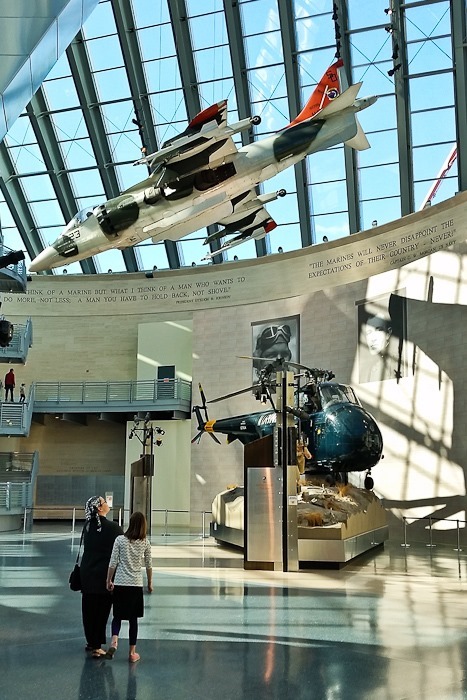
A Harrier hangs from the ceiling in the atrium:

Day_826_12

Day_826_13

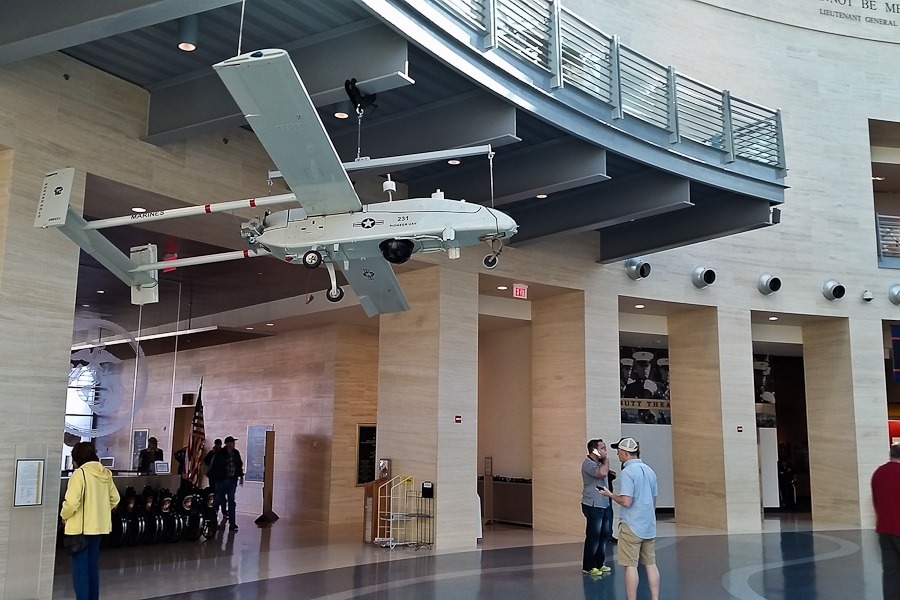
An early American UAV, created after the Israeli Military’s success with UAVs in Lebanon in 1981:

Day_826_14

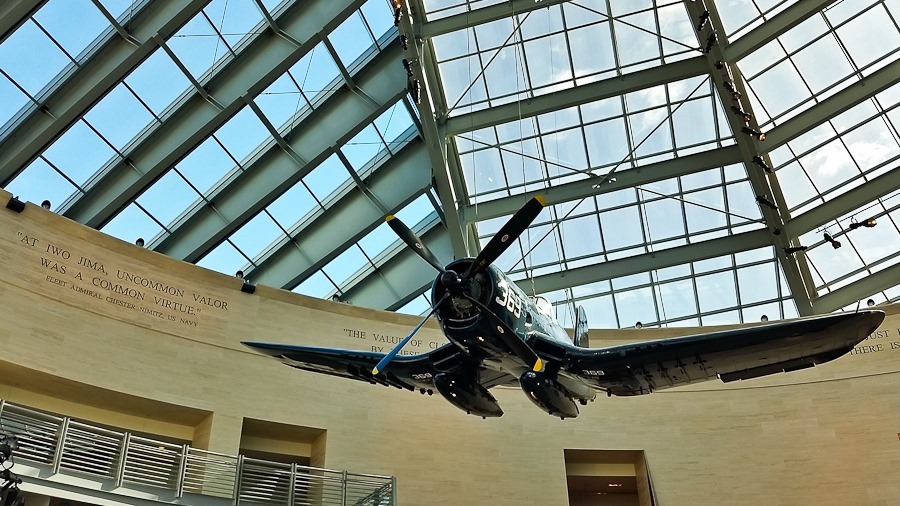
A Vought F4U Corsair:

Day_826_15

Day_826_16

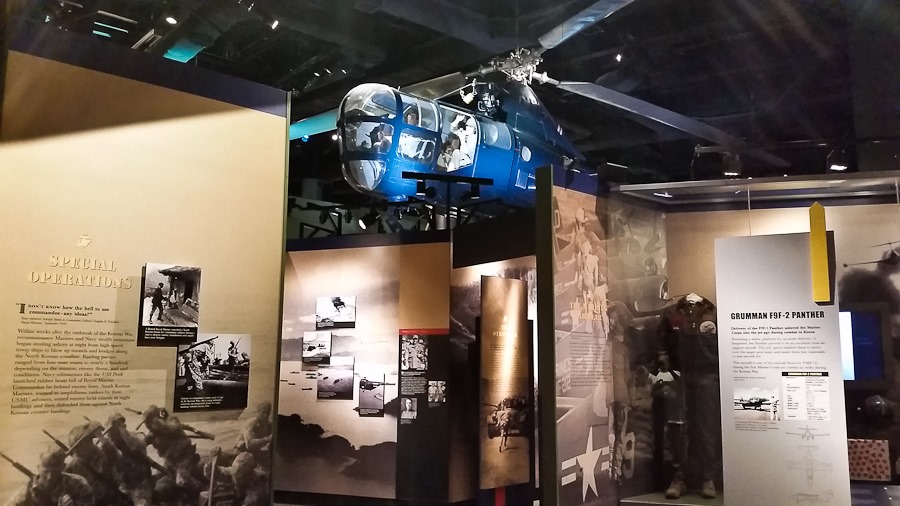
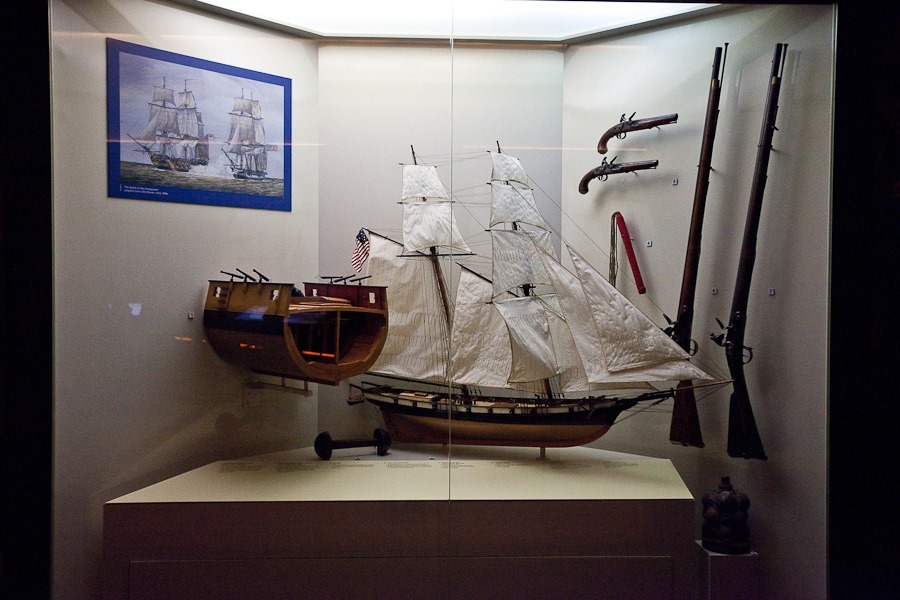
We walked through all of the galleries in the museum, each dedicated to a period of Marine history from the birth of the nation through Vietnam.  A second section of the museum is being built to contain galleries dedicated to the post-Vietnam history of the Marines:

Day_826_17

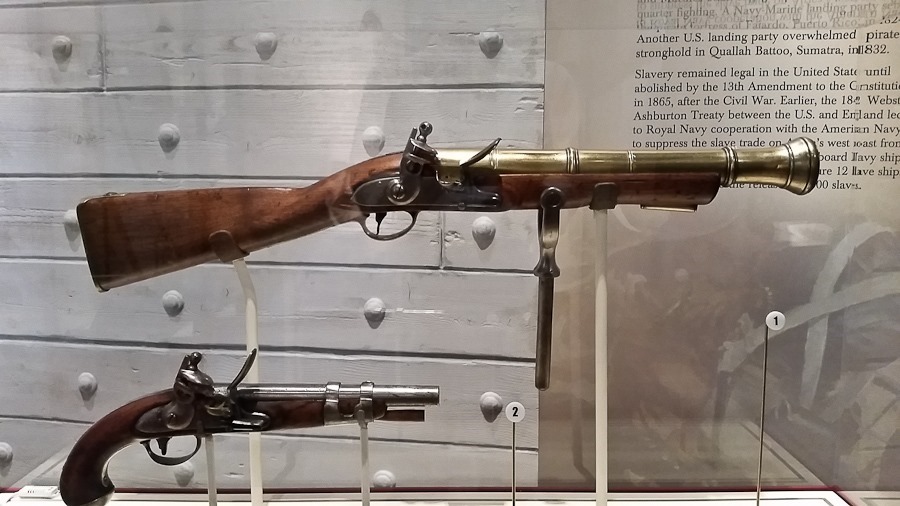
“Is that a Blunderbuss?” you might be asking.  Yes, indeed it is:

Day_826_18

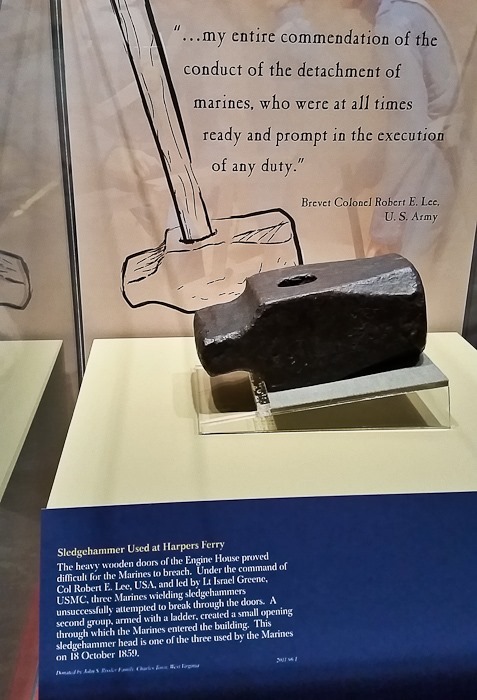
A sledgehammer head used by marines to attempt to break down the doors of the firehouse in which John Brown was holed up (see Day 811):

Day_826_19

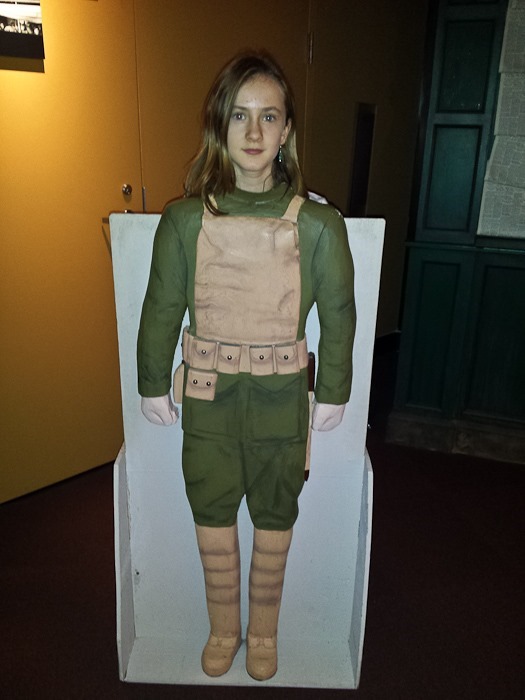
Ready for duty:

Day_826_20

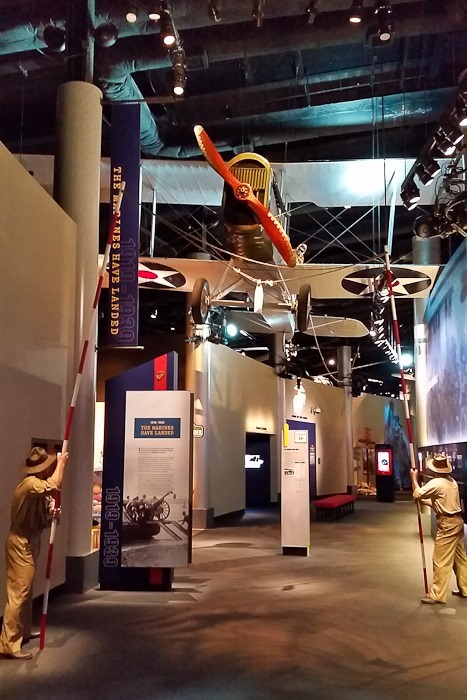
Back in day, pilots would pick up messages by flying low over a pair of soldiers holding poles with a rope across the pole tops holding a small bag.  A hook on the plane would grab the bag:

Day_826_22

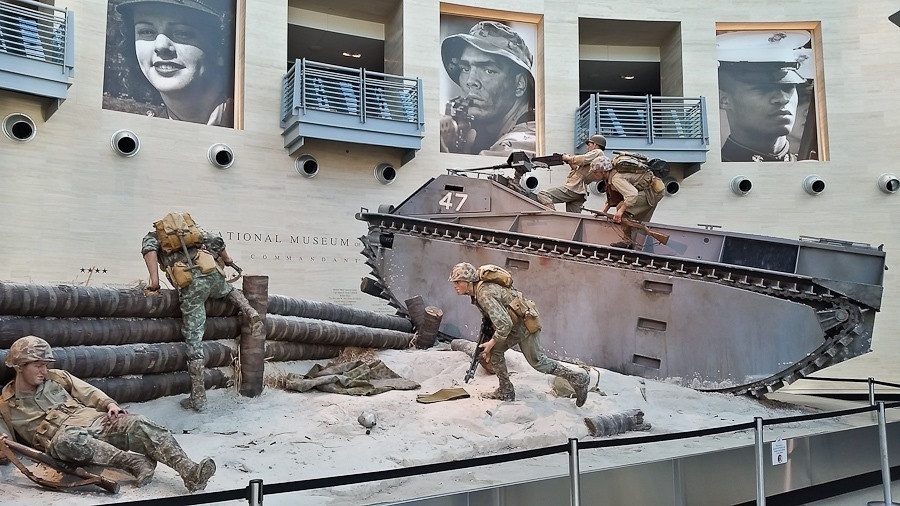
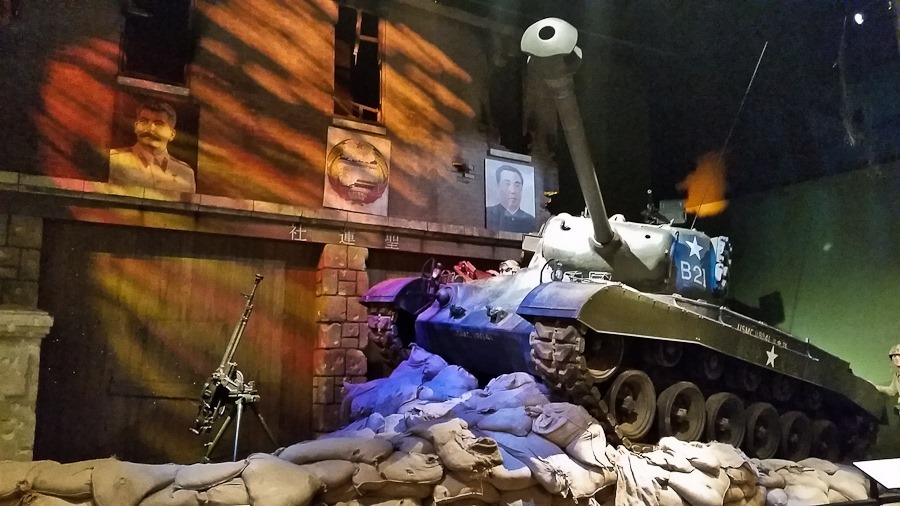
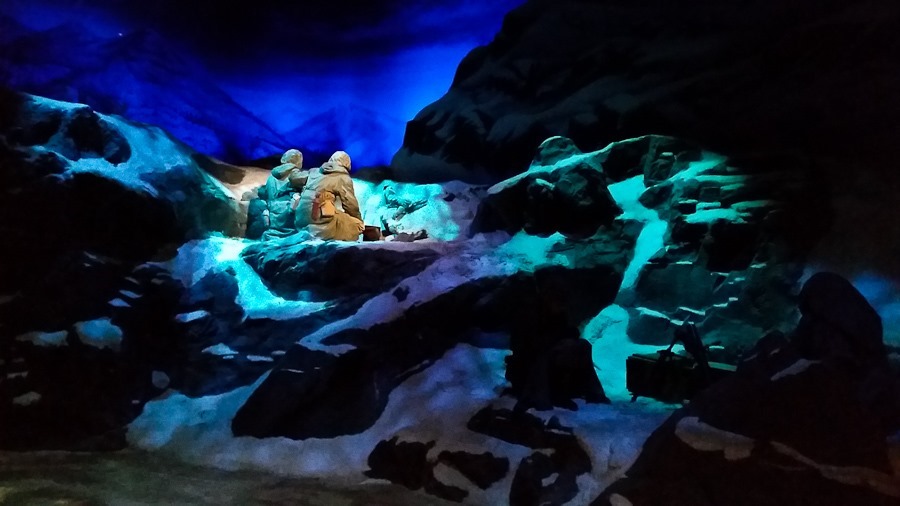
Galleries had immersive experience areas which used lighting and sound effects to simulate combat situations:

Day_826_24

Day_826_25

Day_826_28

Day_826_27

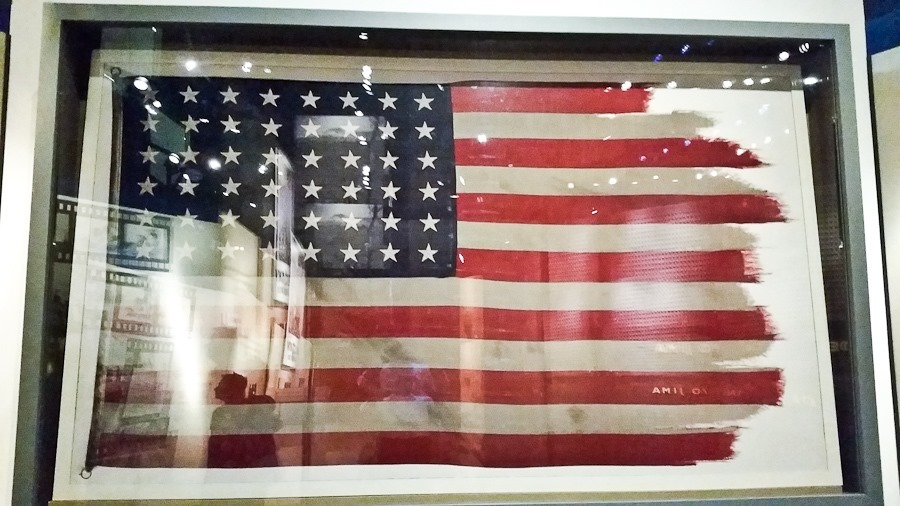
The flag raised over Iwo Jima:

Day_826_23

Day_826_26

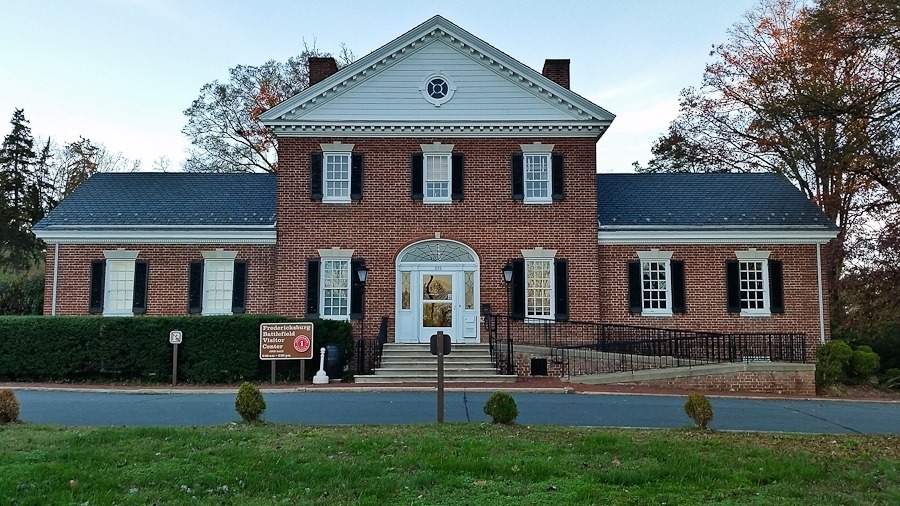
Our last stop of the day was the Fredericksburg unit of Fredericksburg and Spotsylvania National Military Park, site of the Battle of Fredericksburg:

Day_826_29

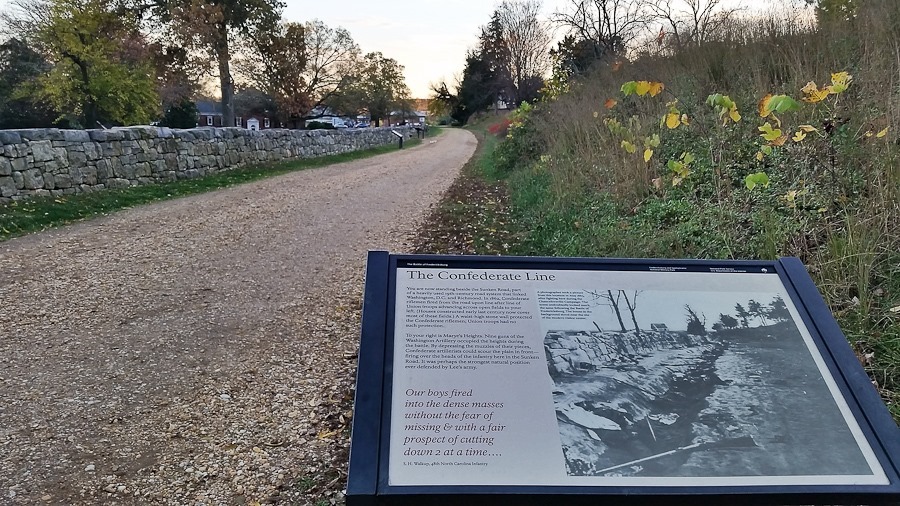
Confederate troops crouched behind this wall four men deep and slaughtered Union troops trying to charge across the open field to the left of the wall. The Union suffered nearly 13,000 casualties, never reaching the wall:

Day_826_30

Bullet holes in the interior wall of this building caught between the two armies:

Day_826_31

Day_826_32

Day_826_35

A monument to Richard Rowland Kirkland:

Day_826_33

Day_826_34

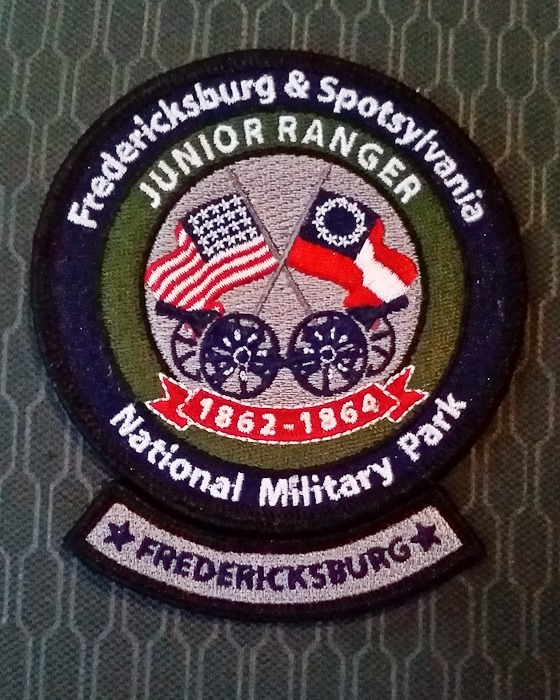
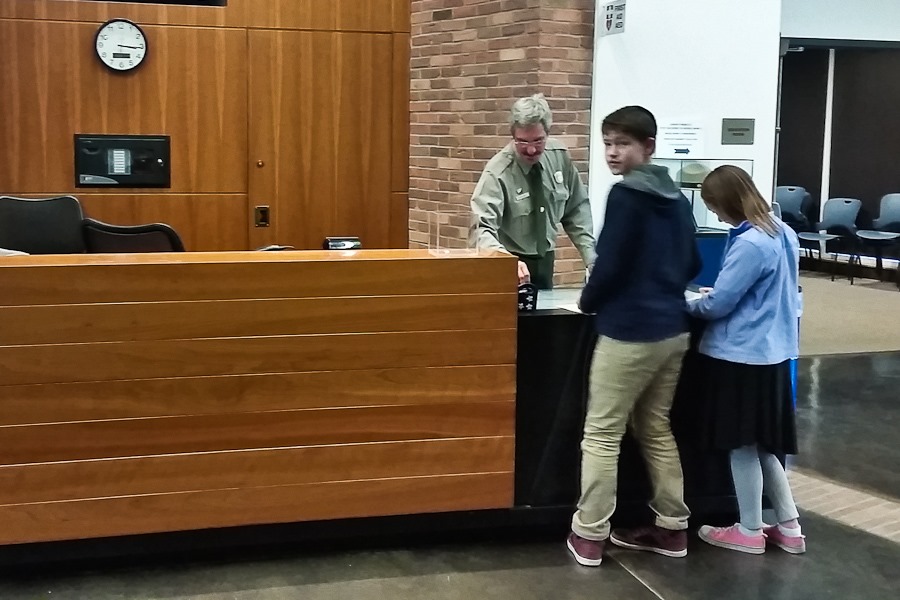
The kids completed their Junior Ranger workbooks and received their patches:

Day_826_36

Day_826_37

We continued south to overnight at a Walmart in the northern suburbs of Richmond, Virginia.  See the trip map for today’s drive and our current location.

Day 824: Fort McHenry

Today we visited Baltimore schools to see if they would work for us next year.

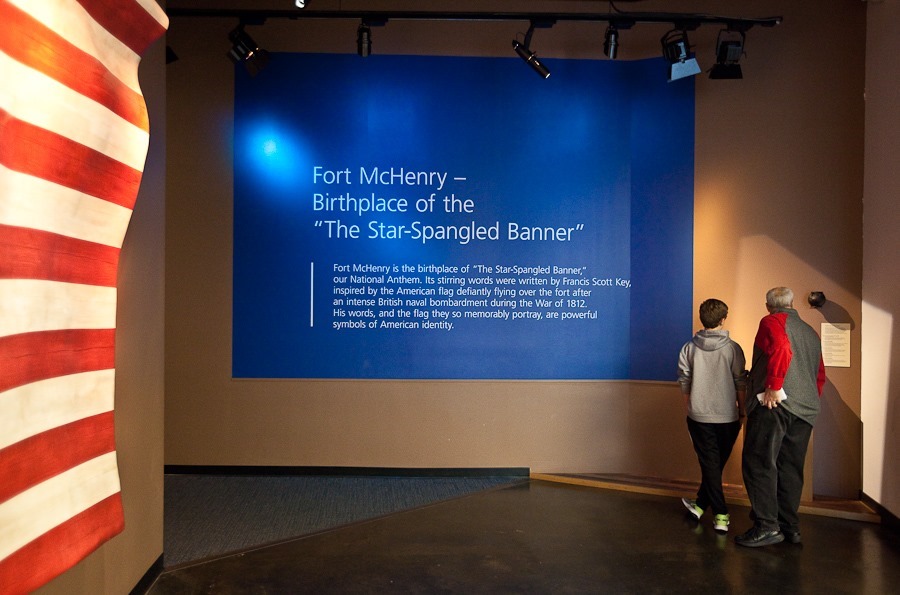
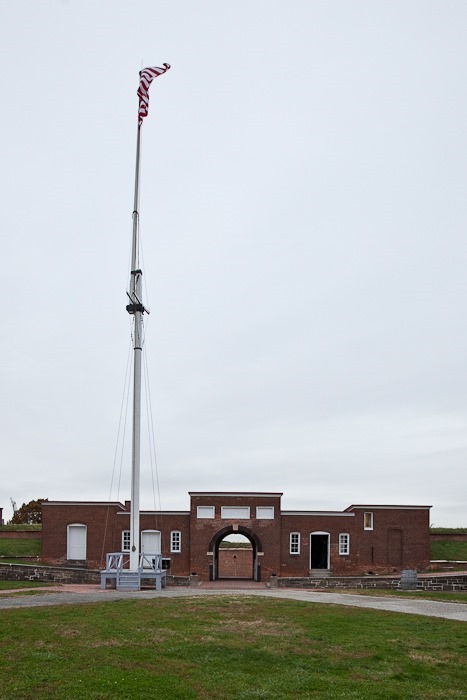
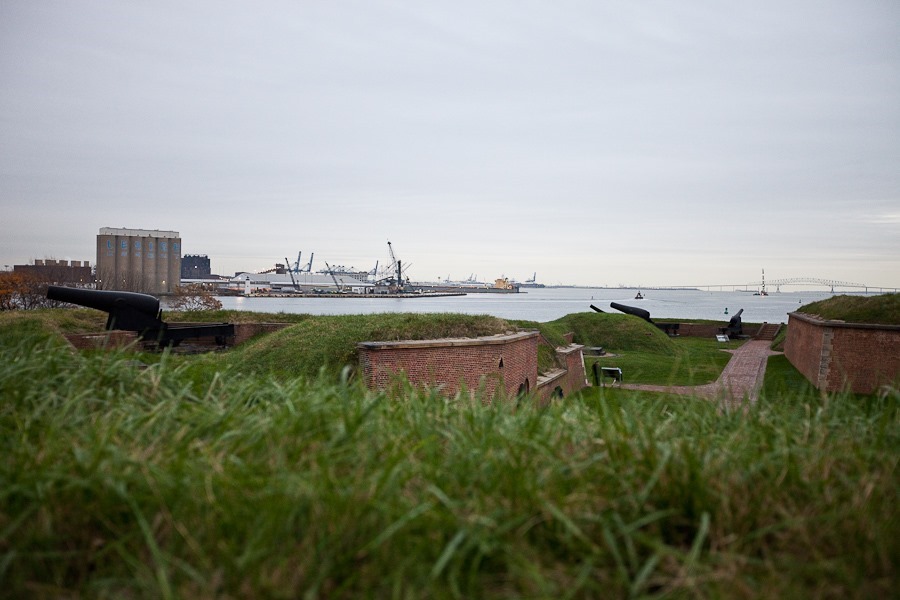
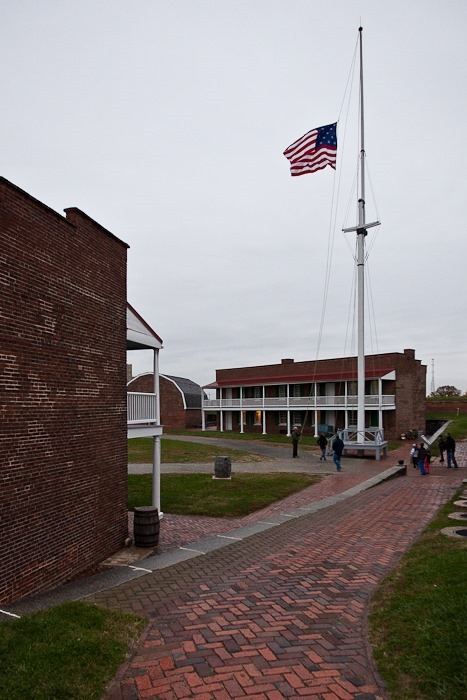
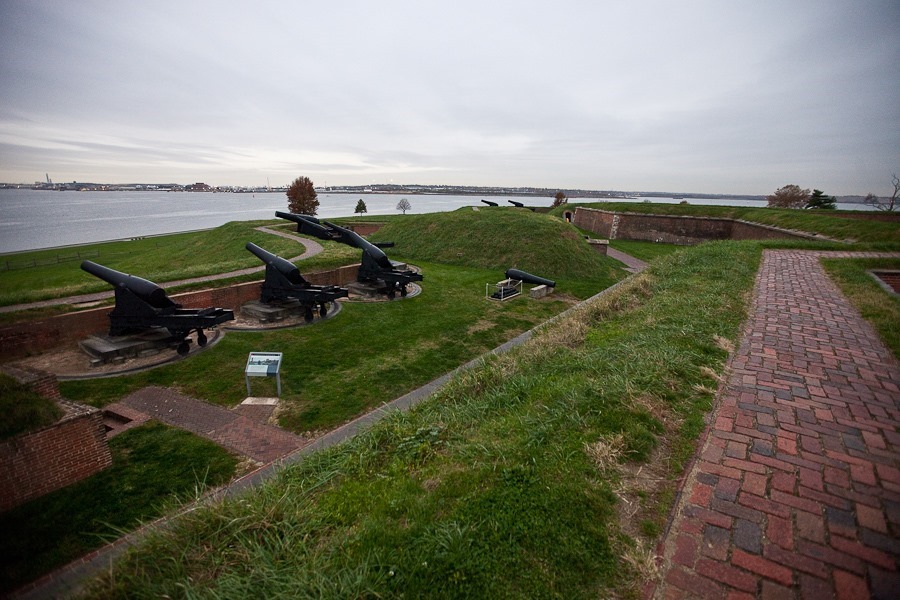
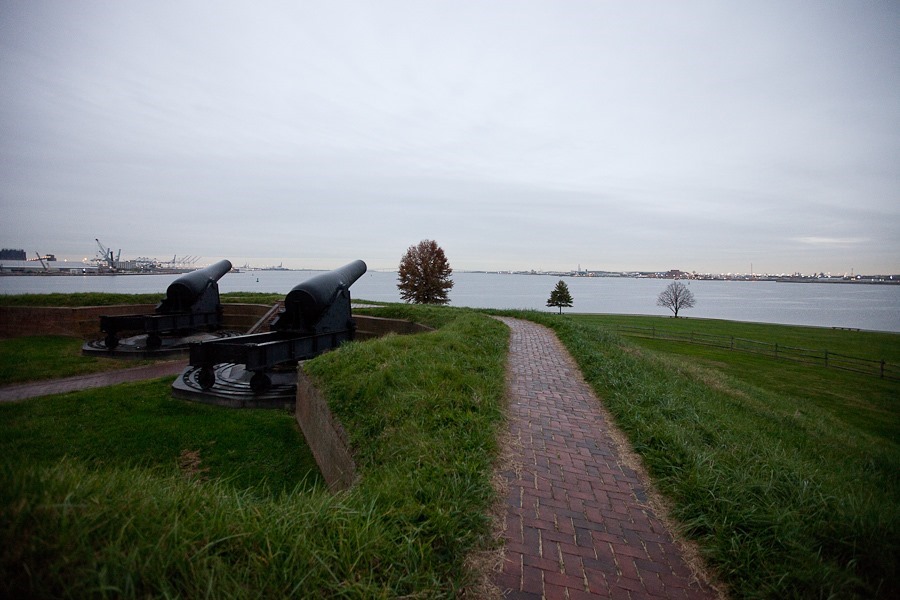
This afternoon, we visited Fort McHenry National Monument and Historic Shrine, where American forces turned back a British naval assault during the Battle of Baltimore in the War of 1812.  Inspired by seeing the survival of the fort, Francis Scott Key wrote the poem “Defence of Fort McHenry”, soon renamed “The Star-Spangled Banner,” the national anthem of the United States of America.

Day_824_02

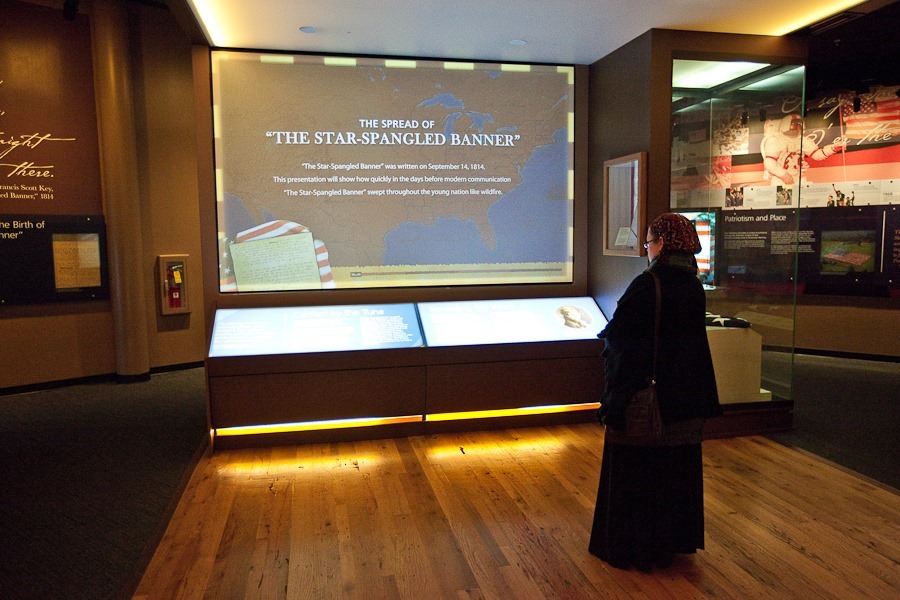
The visitor center had great displays and an amazing film:

Day_824_03

Day_824_04

Day_824_05

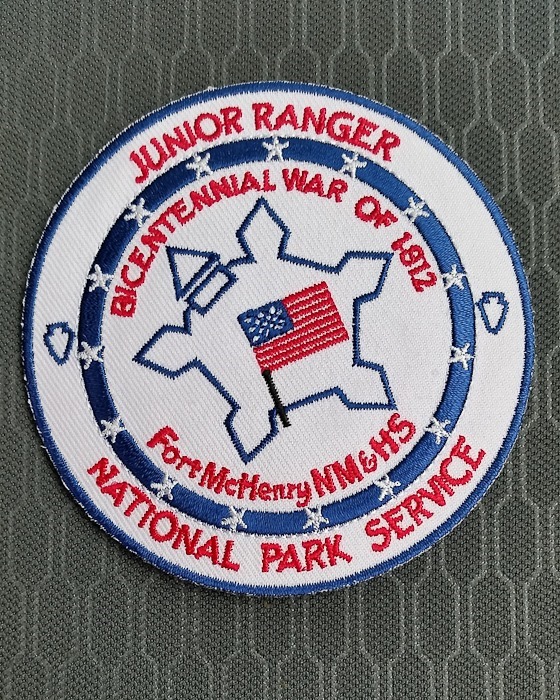
The kids completed their Junior Ranger workbooks and received their patches:

Day_824_01

20151110_114234-1

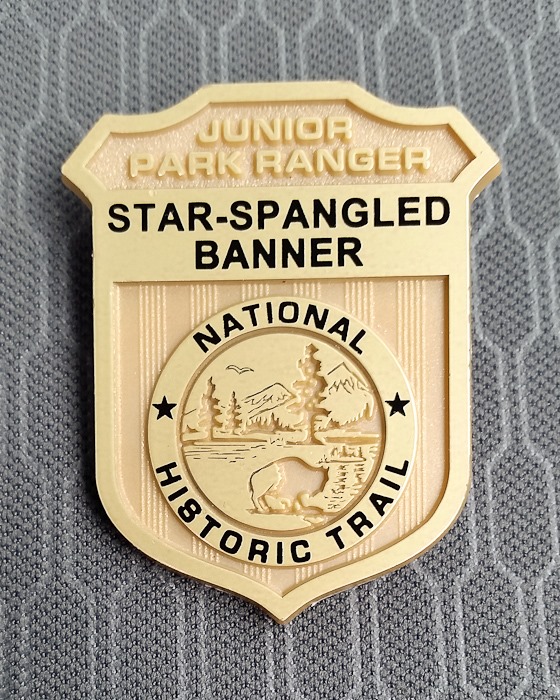
I later discovered that the badge the kids received was for Star-Spangled Banner National Historic Trail, not Fort McHenry.  We called the visitor center, and they will be mailing to us the correct badges, as well as the workbooks for this badge that we received:

20151110_114250-2

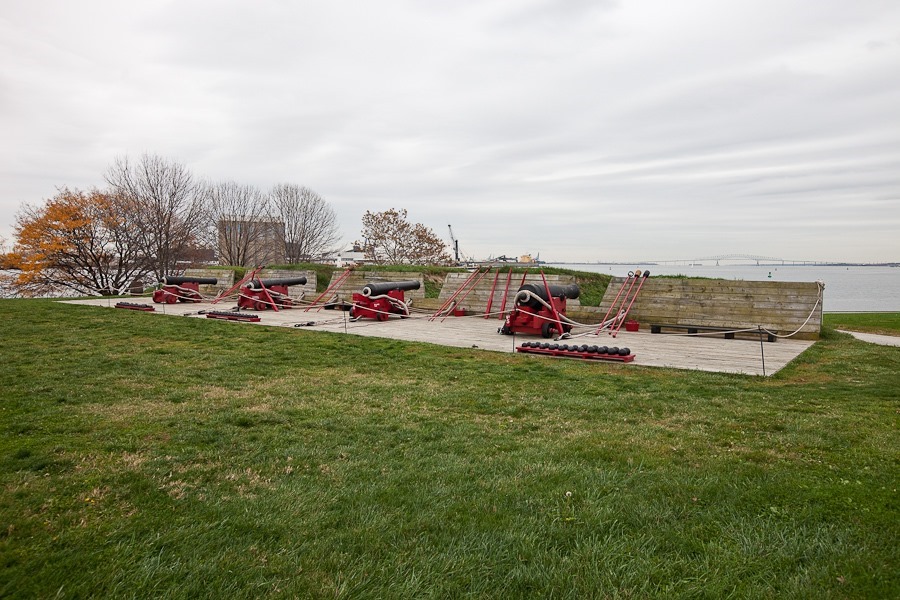
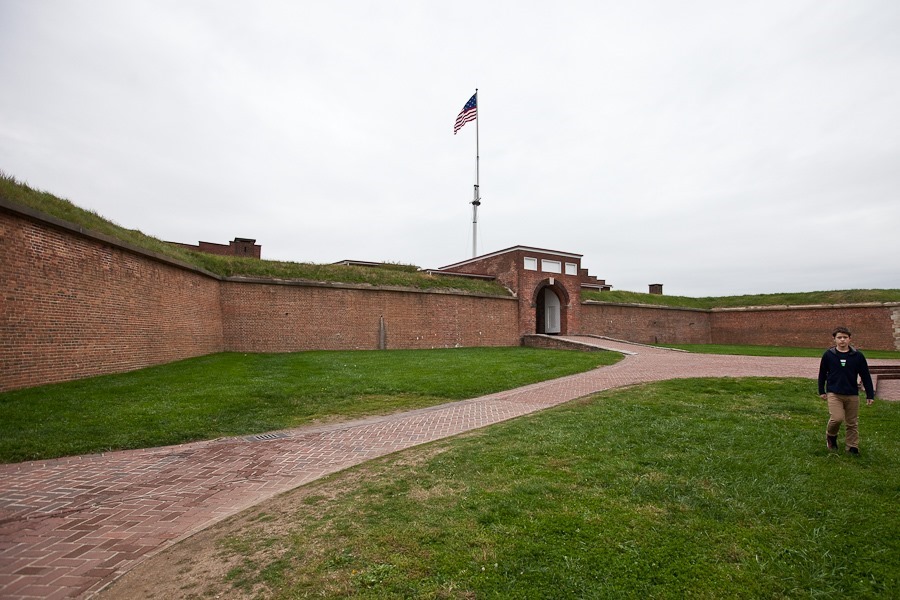
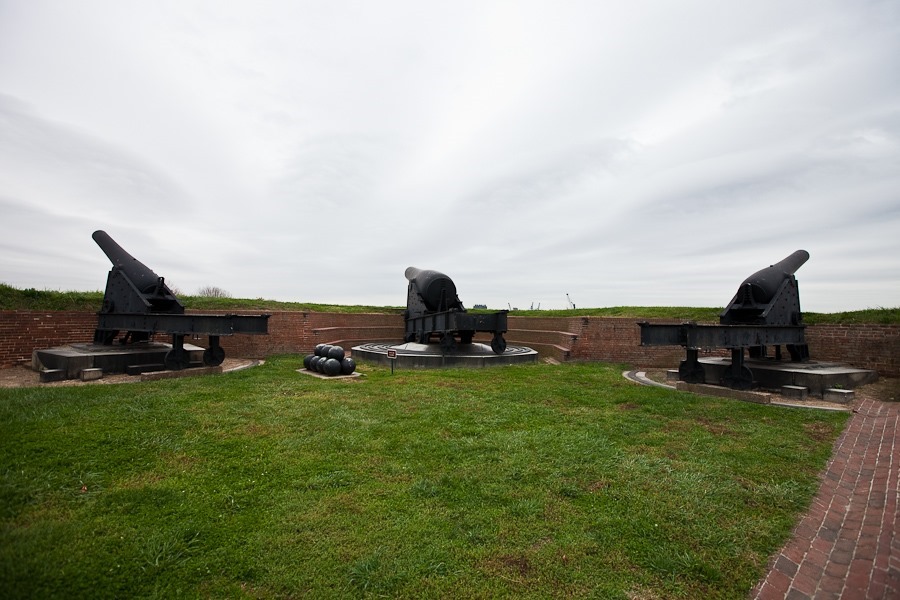
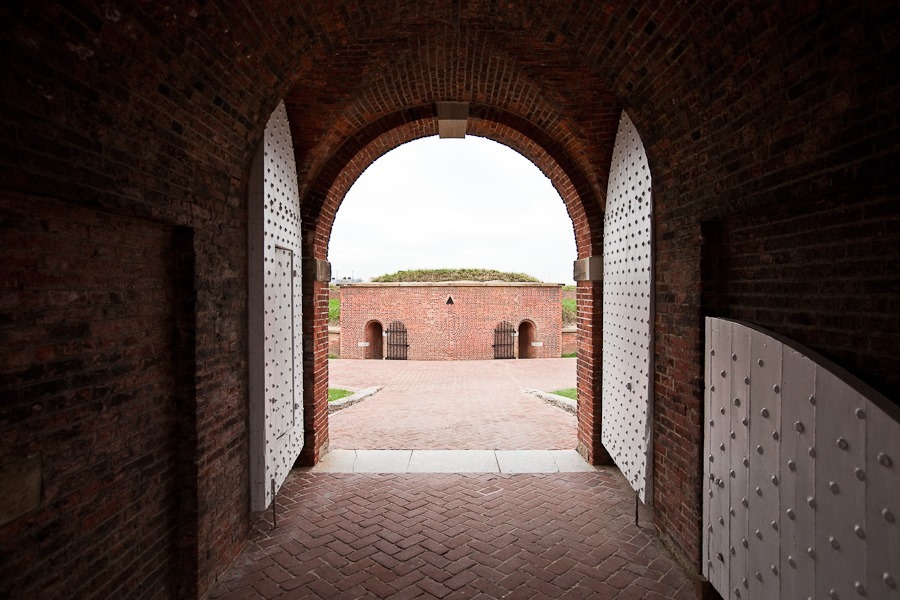
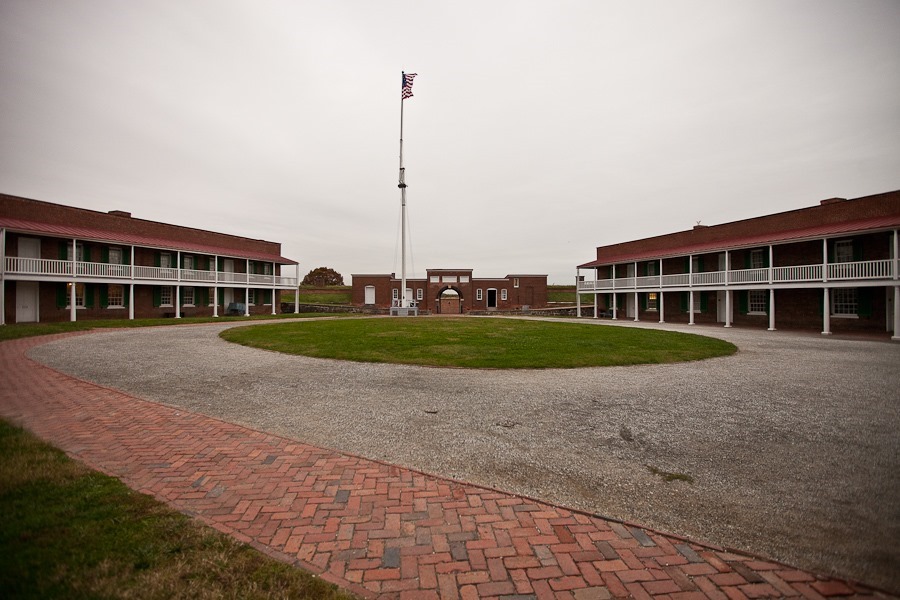
We left the visitor center and walked to the fort:

Day_824_06

Day_824_07

Day_824_08

Day_824_09

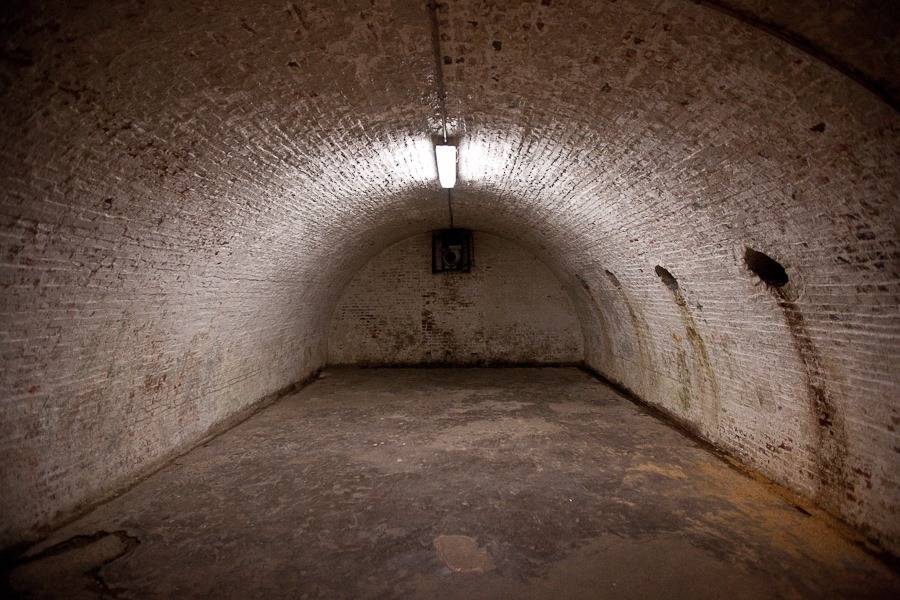
A bomb shelter built under the fort after the bombardment of the Battle of Baltimore:

Day_824_10

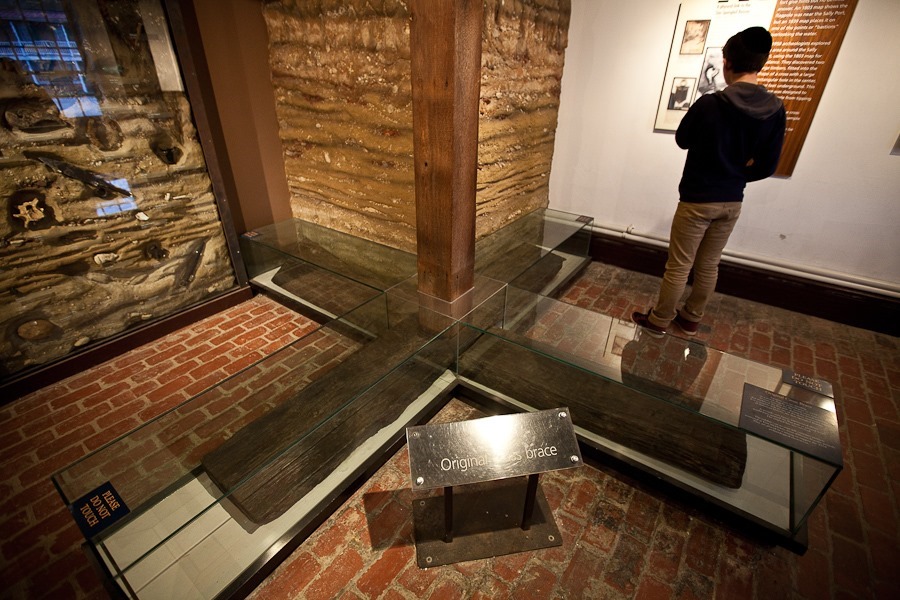
The original underground cross brace for the pole from which flew the Star Spangled Banner is on display:

Day_824_11

Day_824_12

Day_824_13

Day_824_14

Day_824_15

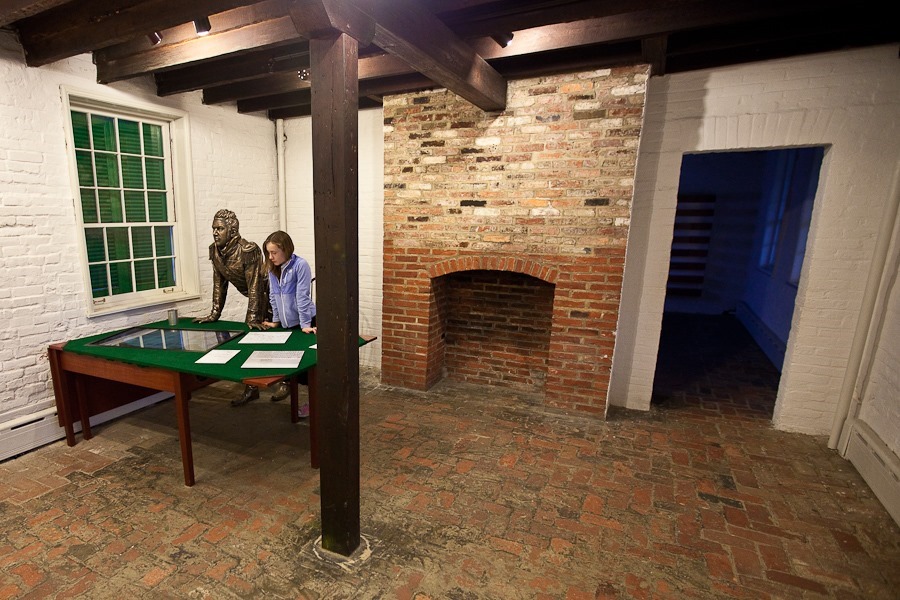
From this room, Major George Armistead planned the defense of Fort McHenry:

Day_824_16

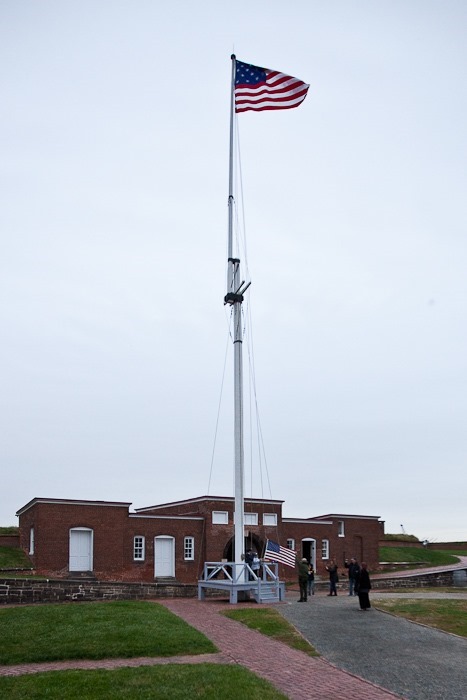
We later found out that the rangers will raise and lower flags that visitors bring with them to the fort:

Day_824_17

Day_824_18

Lowering the flag for the night:

Day_824_19

It’s not hard to imagine a fleet of dozens of British ships, less than two miles away, firing cannons, mortars, and rockets at the fort as the defenders huddled against the walls.

And the rockets’ red glare, the bombs bursting in air,
Gave proof through the night that our flag was still there;

Day_824_20

O say does that star-spangled banner yet wave
O’er the land of the free and the home of the brave?

Day_824_21

Day 818: Visiting the Capitol

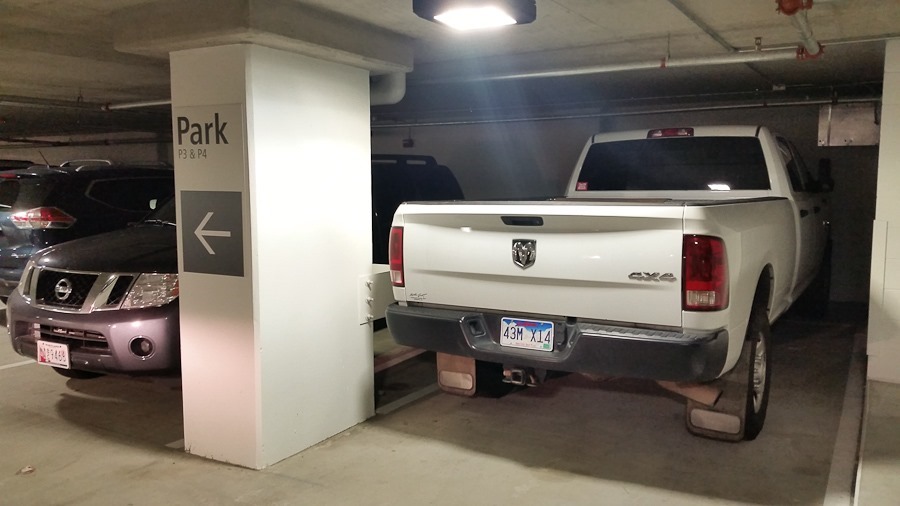
Today we drove into DC to visit the Capitol.  Getting into the parking garage was dicey:

Day_818_01

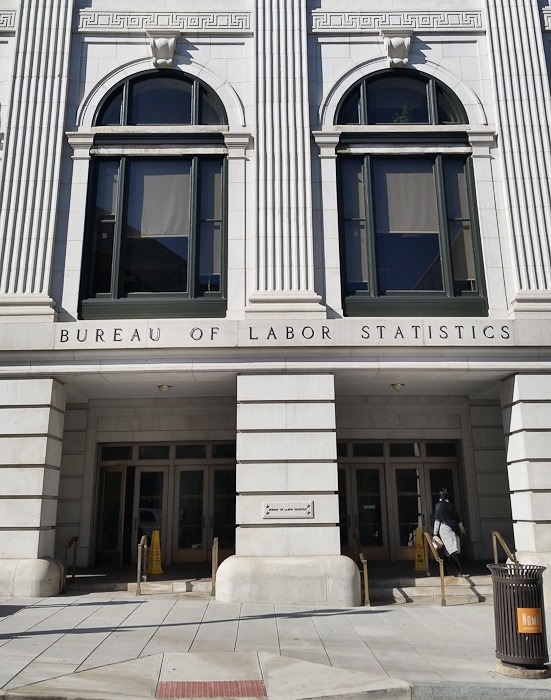
“I’d love to work for the Bureau of Labor Statistics”, said no-one ever:

Day_818_02

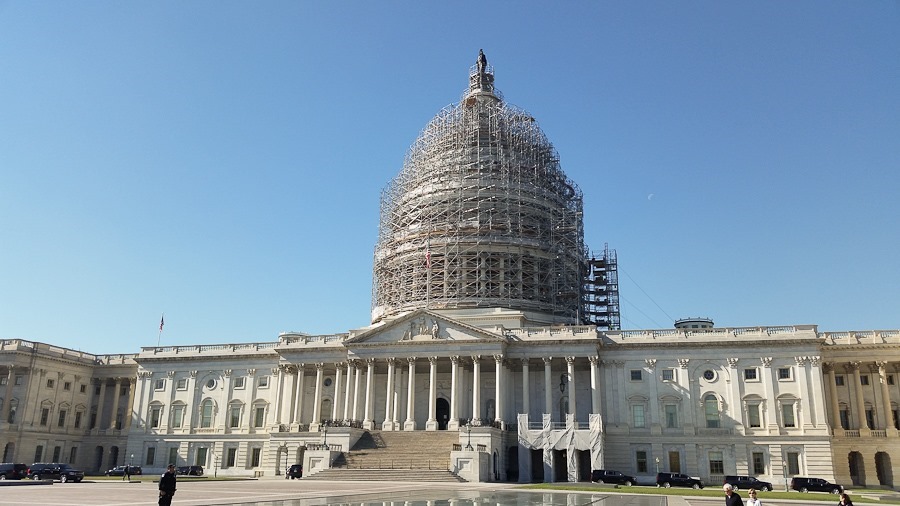
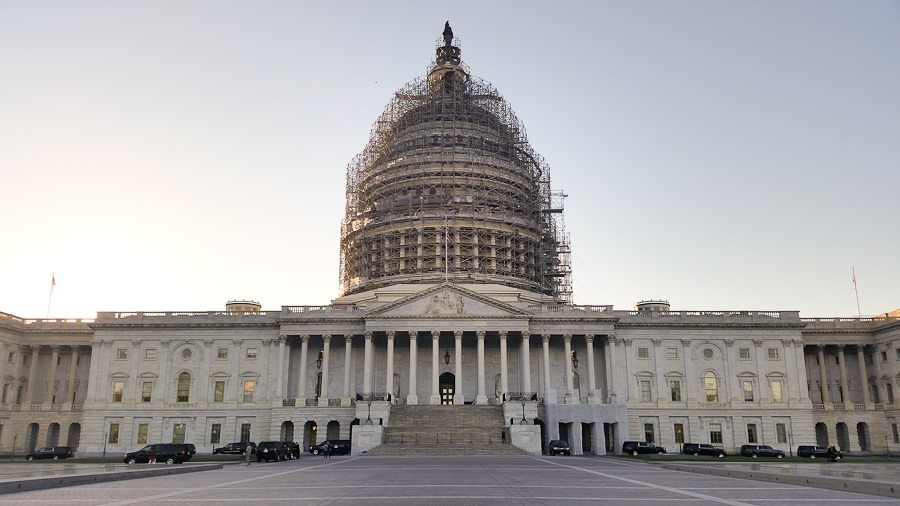
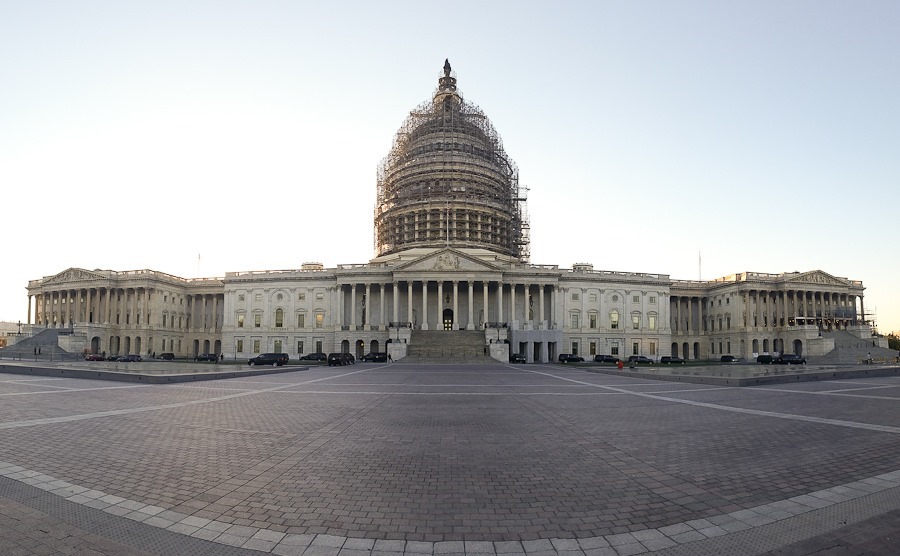
Behold, the Capitol:

Day_818_03

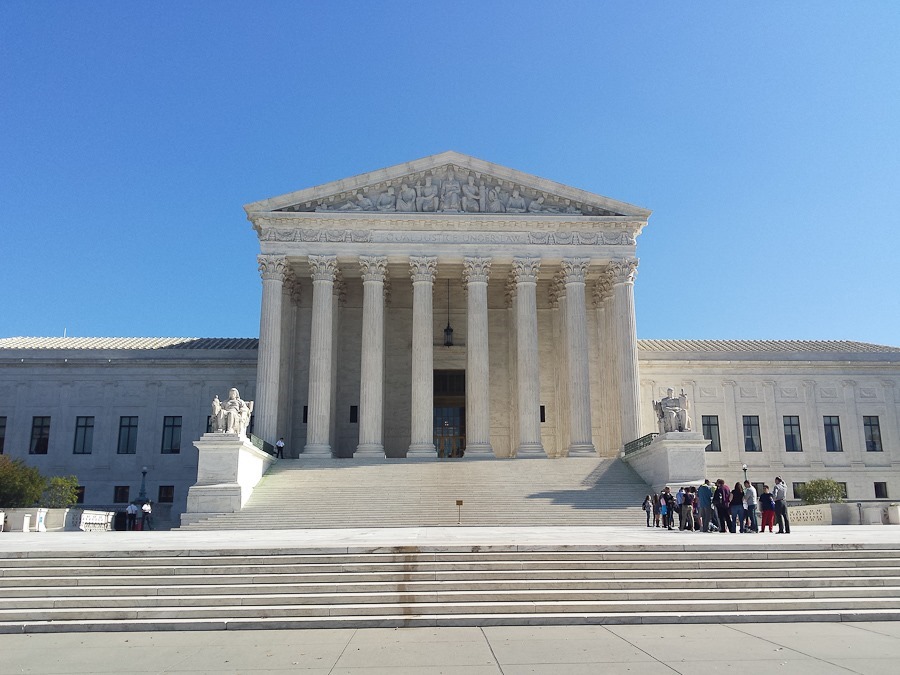
We wanted to visit the Senate and House galleries, but we were told we had to get tickets from our senator’s office.  On the way there, we passed the Supreme Court building:

Day_818_04

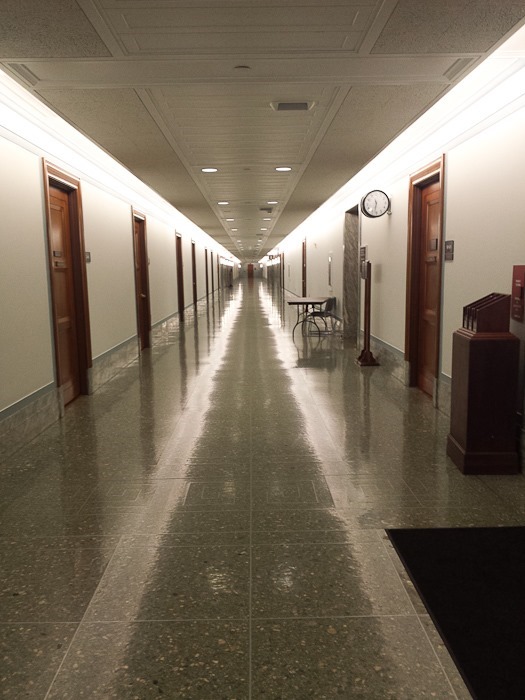
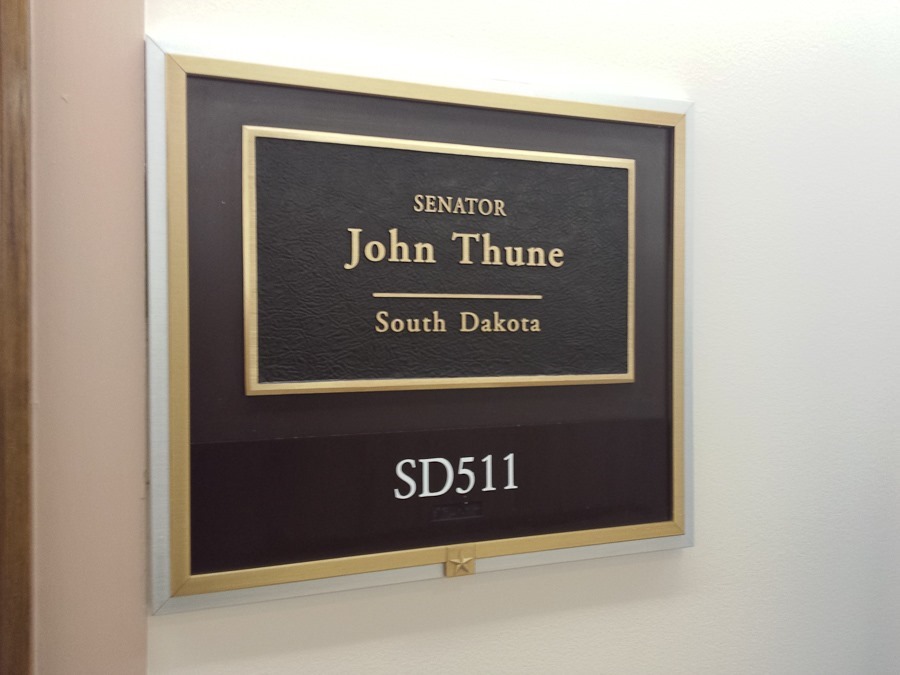
Our senator’s office building:

Day_818_05

Day_818_06

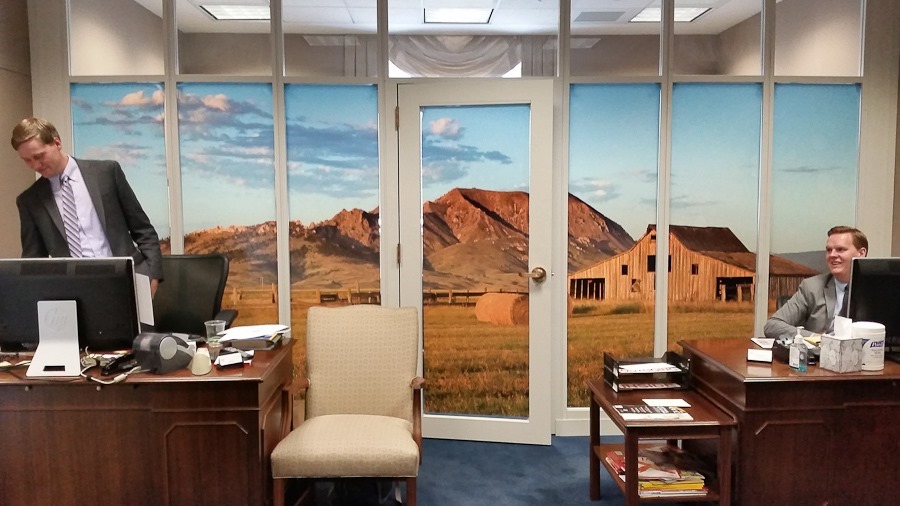
We received the tickets, and chatted briefly with these guys about how we’re South Dakota residents, but don’t actually live there:

Day_818_07

We visited the Senate gallery, where we listened to our senator, John Thune of South Dakota, speak in support of a bill opposing a proposed EPA rule to give the EPA control over many more bodies of water.  The bill is S.J.Res.22 – A joint resolution providing for congressional disapproval under chapter 8 of title 5, United States Code, of the rule submitted by the Corps of Engineers and the Environmental Protection Agency relating to the definition of “waters of the United States” under the Federal Water Pollution Control Act.

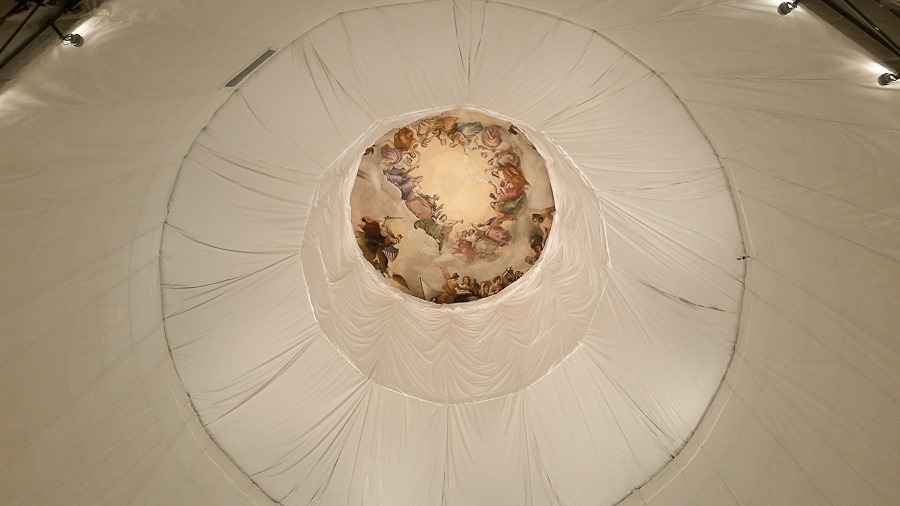
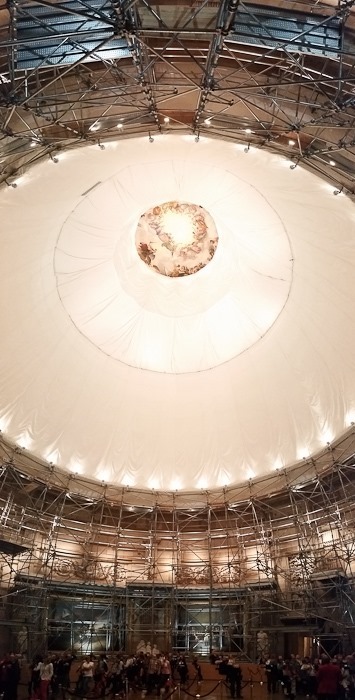
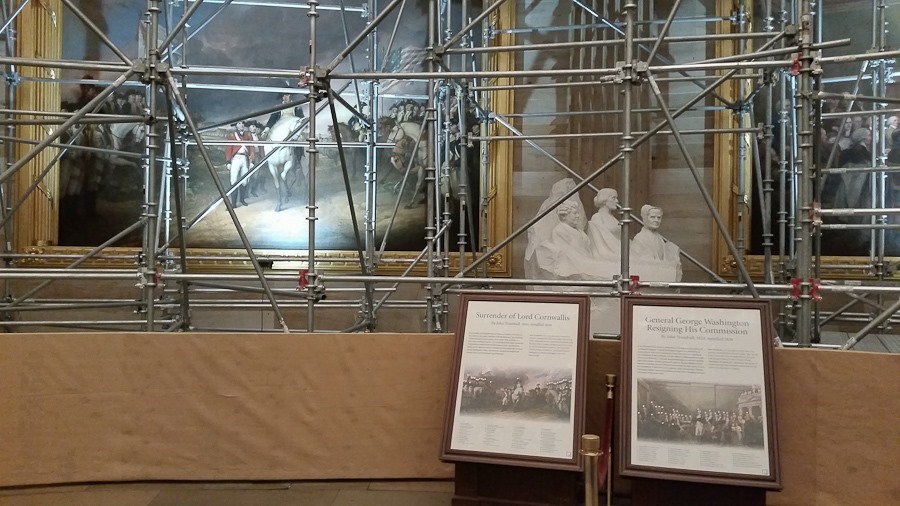
We then went on a tour of the Capitol.  The interior of the dome is under repair, but the 4,664 square foot fresco 180 feet above the floor, The Apotheosis of Washington, was still visible:


Day_818_08

Day_818_09

Day_818_10

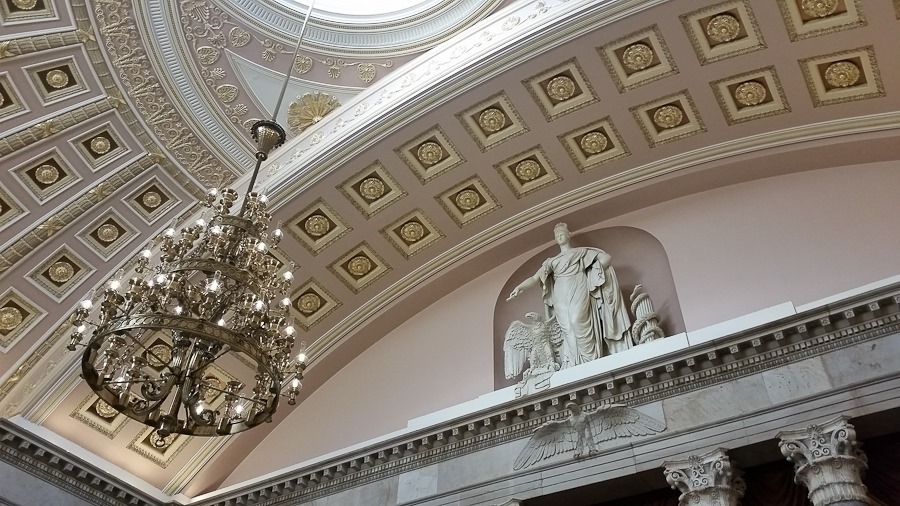
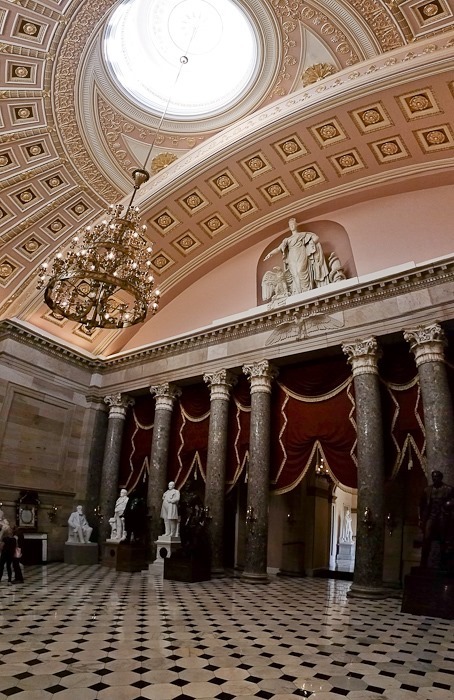
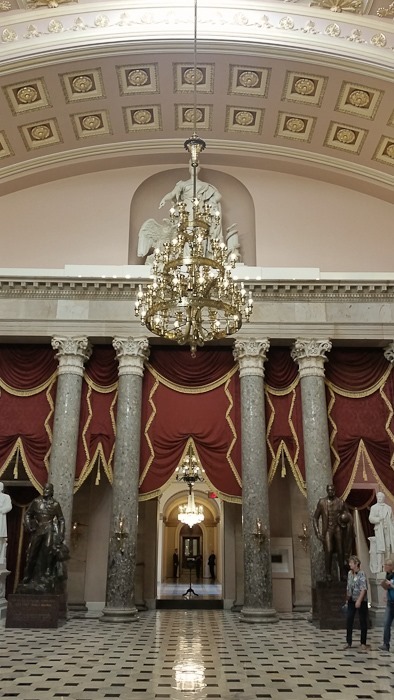
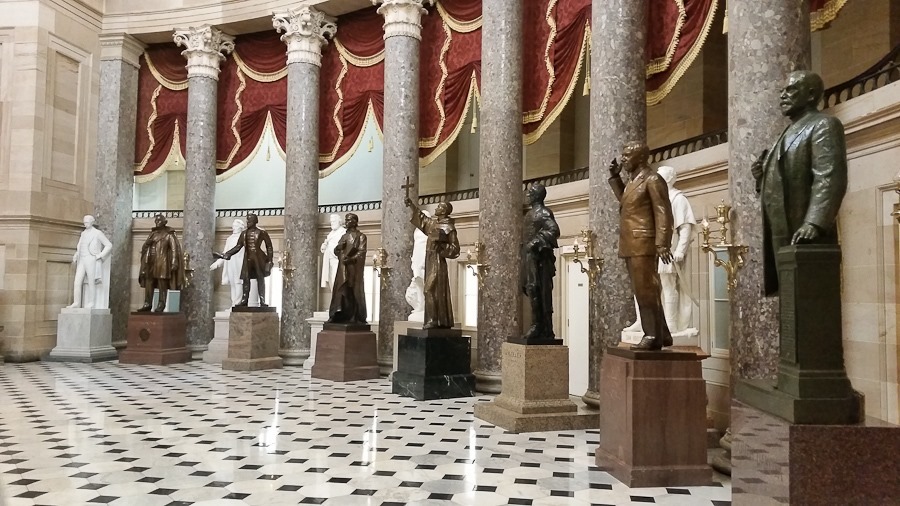
We also toured the room which contains the National Statuary Hall Collection:

Day_818_11

Day_818_12

Day_818_13

Day_818_14

Next we visited the House of Representatives gallery.  The only congressperson we recognized on the floor was Nancy Pelosi

We witnessed a number of votes related to H. Res. 507 — “Providing for consideration of the Senate amendments to the bill (H.R. 22) to amend the Internal Revenue Code of 1986 to exempt employees with health coverage under TRICARE or the Veterans Administration from being taken into account for purposes of determining the employers to which the employer mandate applies under the Patient Protection and Affordable Care Act; providing for proceedings during the period from November 6, 2015, through November 13, 2015; and providing for consideration of motions to suspend the rules.”

We also witnessed the unanimous passage of H. Res. 354 — “Expressing the sense of the House of Representatives regarding the safety and security of Jewish communities in Europe.”

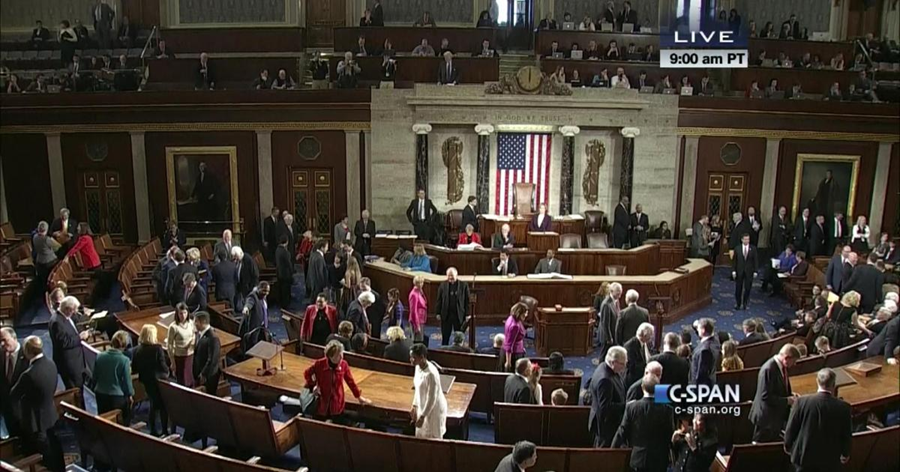
Cameras are not allowed in the galleries, but it looked something like this:

image

We next returned to the Senate gallery where saw a number of senators we recognized, including John McCain, Lindsey Graham, Mitch McConnell, Marco Rubio, and Ted Cruz.  The highlight of the visit was listening to freshman Nebraska senator Ben Sasse’s first speech on the floor.  It was profound and moving, but I didn’t think it would make the news.  I was surprised to find analysis at Washington Times, NPR, and The Atlantic.  The text of the speech is here, and the video of the speech is below:

We next visited the visitor center in the Capitol building:

Day_818_15

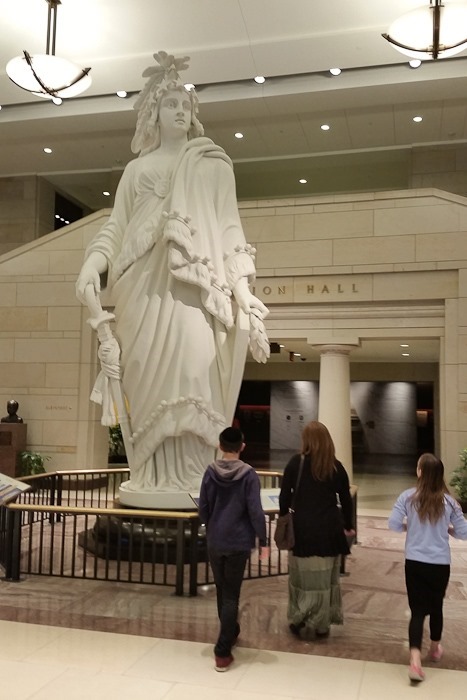
A full-scale model of the statue atop the Capitol dome, FreedomShe looks good considering she weighs 15,000 pounds:

Day_818_16

The Capitol at sunset:

Day_818_17

Day_818_18

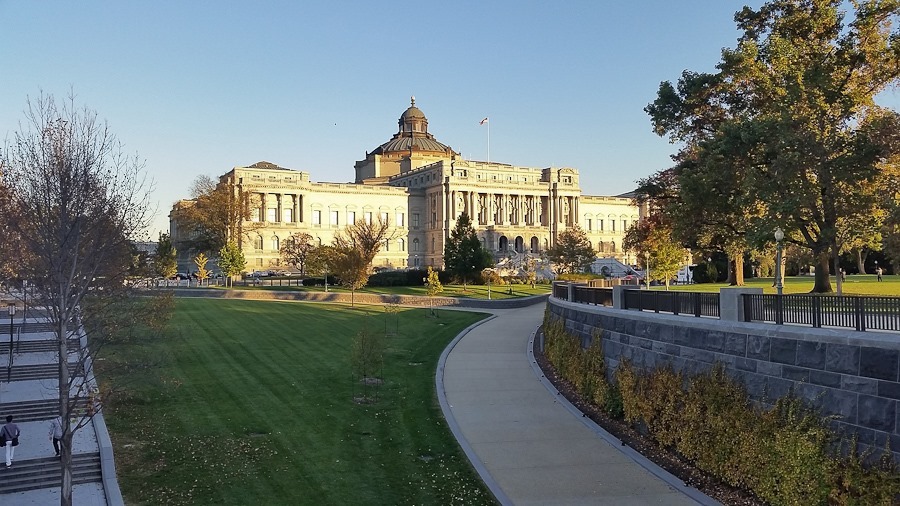
Across the way we could see the Library of Congress, the second-largest library by collection size in the world. The Library’s holdings include:

  • 32 million cataloged books and other print materials in 470 languages
  • more than 61 million manuscripts
  • the largest rare book collection in North America, including the rough draft of the Declaration of Independence and one of only three perfect vellum copies of the a Gutenberg Bible known to exist
  • over 1 million U.S. government publications
  • 1 million issues of world newspapers spanning the past three centuries
  • 33,000 bound newspaper volumes
  • 500,000 microfilm reels
  • 5.3 million maps
  • 6 million works of sheet music
  • 3 million sound recordings
  • more than 14.7 million prints and photographic images

Day_818_19

We headed back to the RV for the night.  There’s so much more to see here in DC, but I think we’re going to move on tomorrow.

Day 817: Kenilworth Aquatic Gardens, Frederick Douglas NHS, Anacostia Park, Oxon Cove Park, Fort Washington Park

Today we focused on the east side of DC metro.  Our first stop was Kenilworth Park and Aquatic Gardens:

Day_817_01

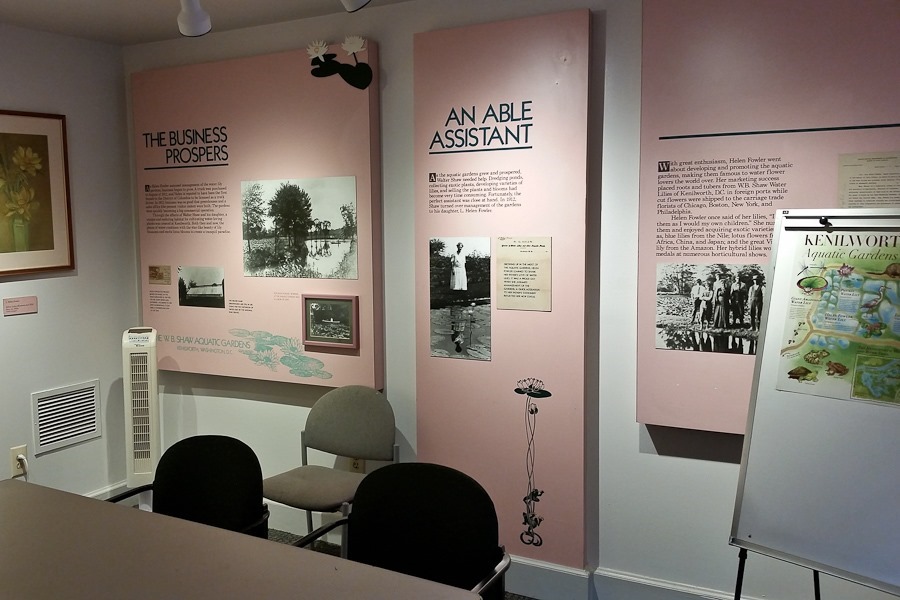
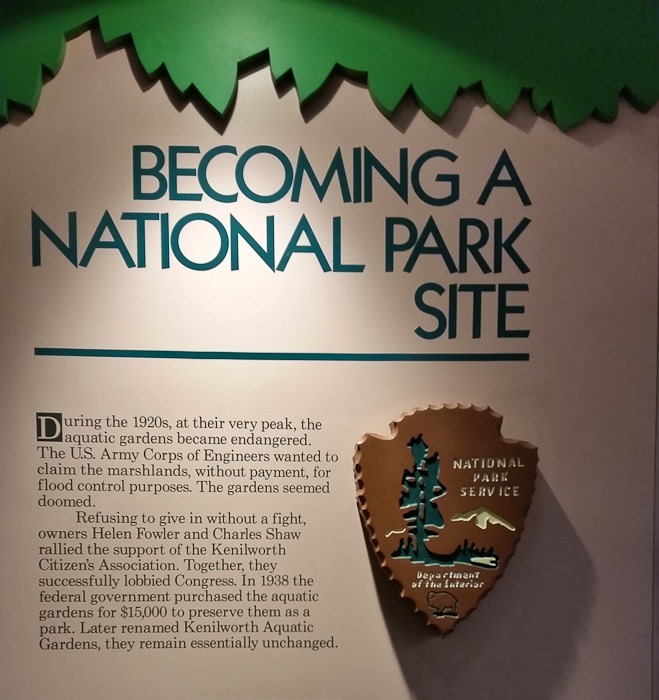
Kenilworth Gardens is a former water plant nursery donated to the NPS, effective after the death of the owners, to avoid imposed filling of the ponds here as “marsh reclamation” by the Army Corps of Engineers:

Day_817_03

Day_817_04

We walked the grounds:

Day_817_06

Day_817_07

Day_817_08

Day_817_09

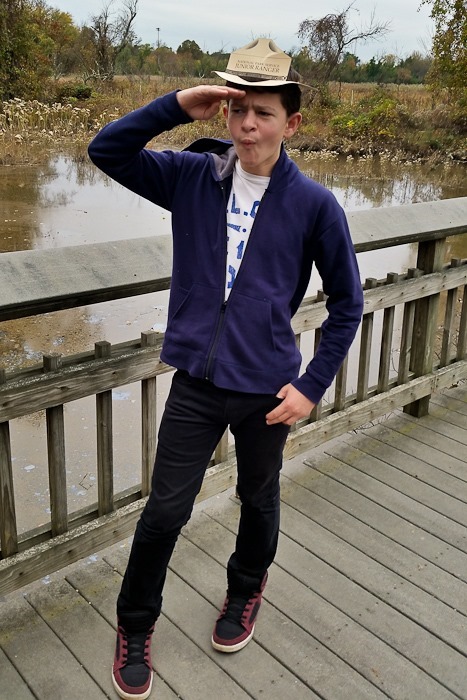
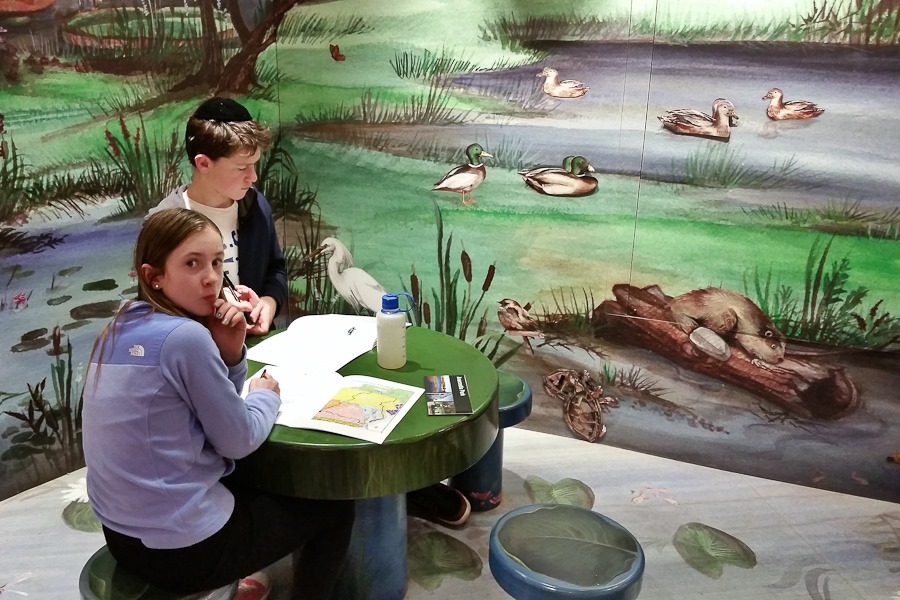
M tried on his paper Junior Ranger hat:

Day_817_10

Day_817_11

Day_817_12

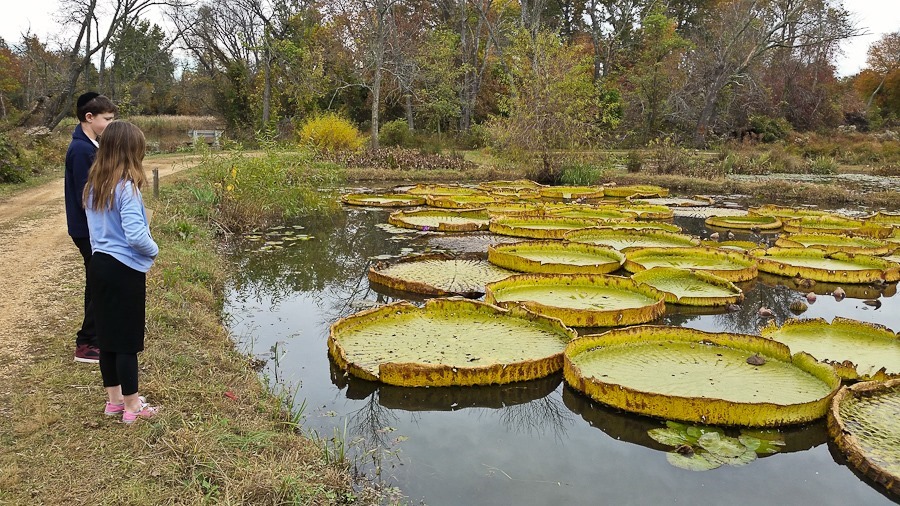
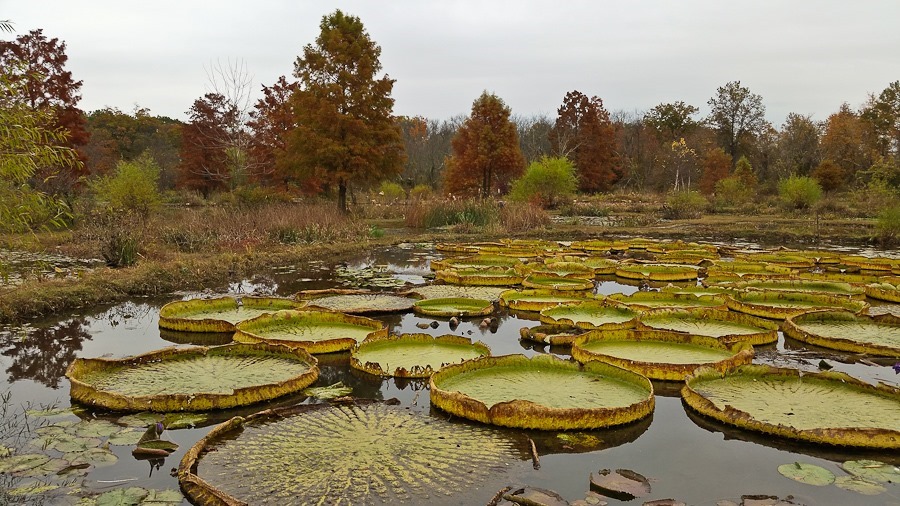
It’s very late in the season, so most of the lilies are gone now, but the massive lily pads of the Amazon water-lily haven’t completely died off:

Day_817_13

Day_817_14

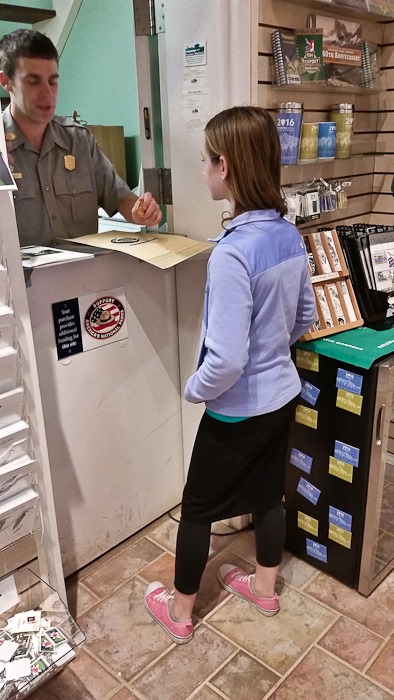
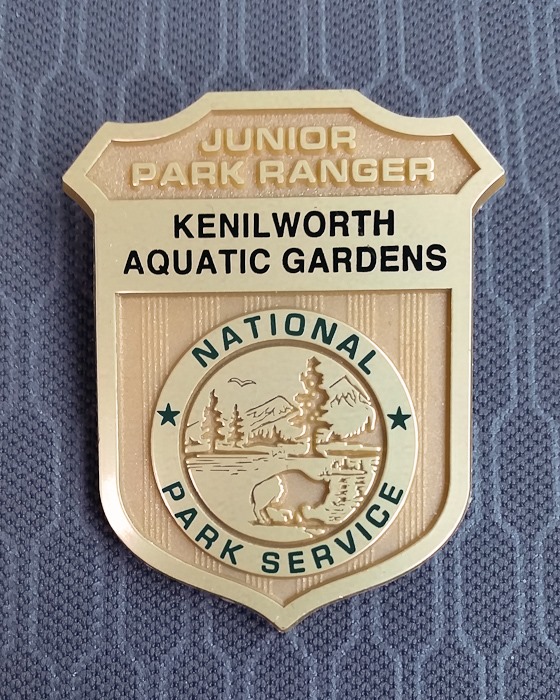
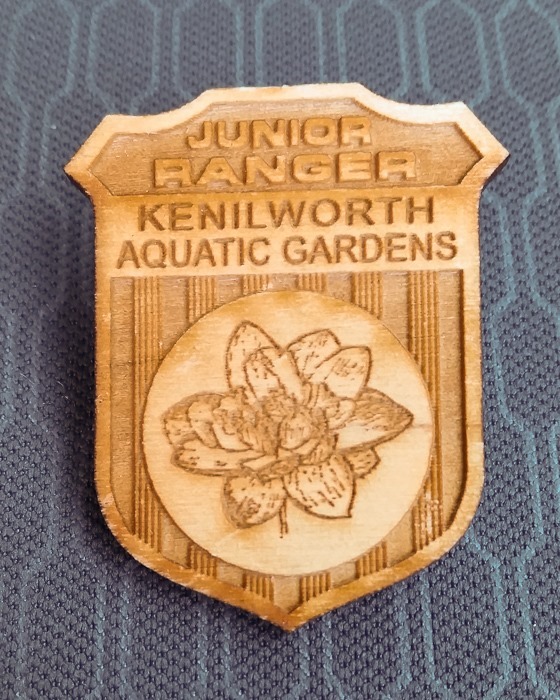
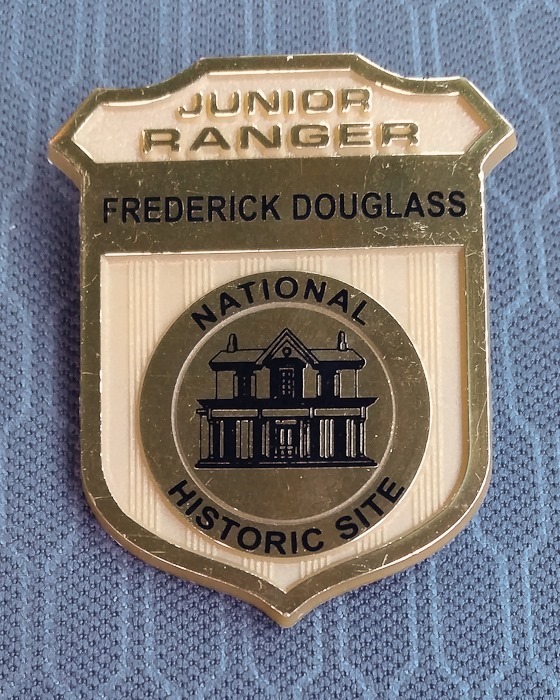
The kids completed their Junior Ranger workbooks and received their badges:

Day_817_02

Day_817_05

The ranger gave to the kids both the newer plastic and older wooden badges:

Day_817_15

Day_817_16

We stopped briefly at Fort Dupont Park, but the ranger station was closed.  We continued on to Frederick Douglass National Historic Site:

Day_817_17

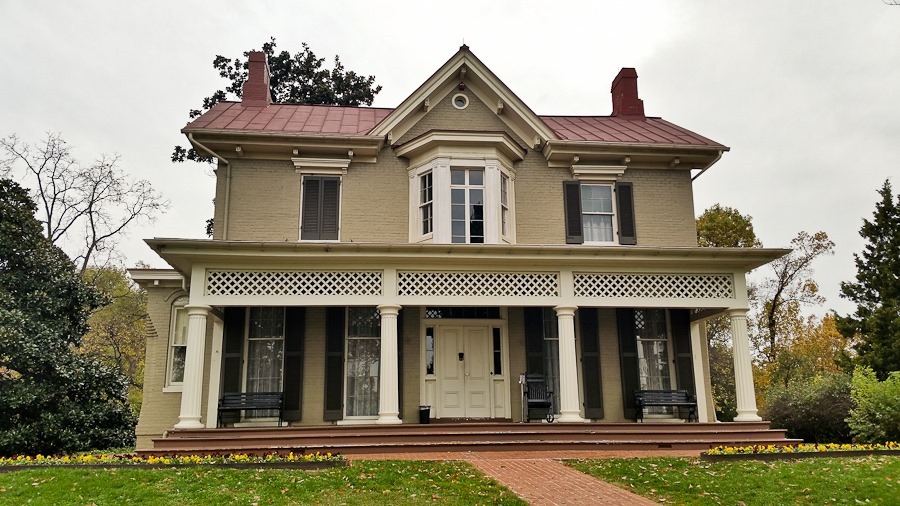
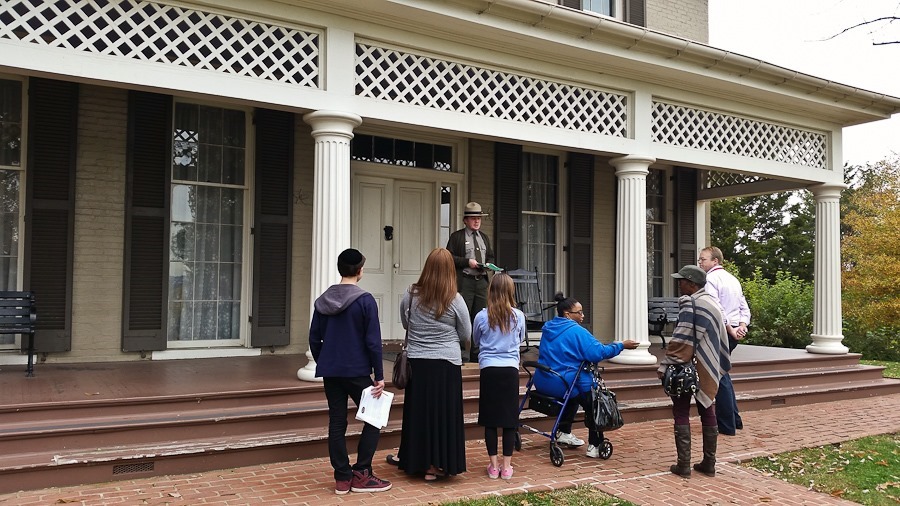
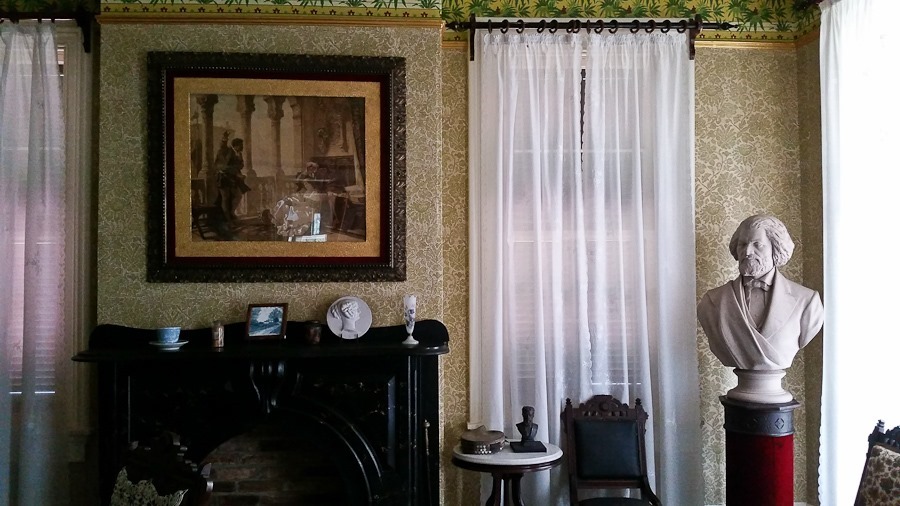
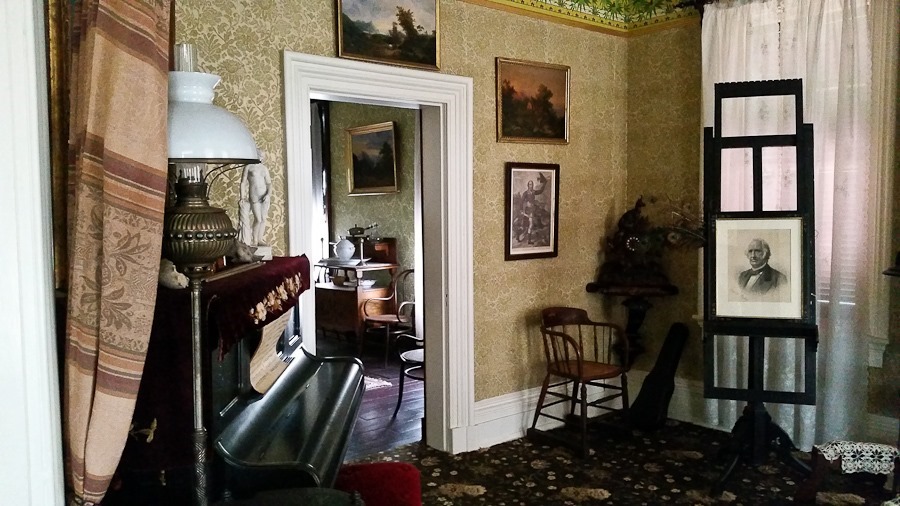
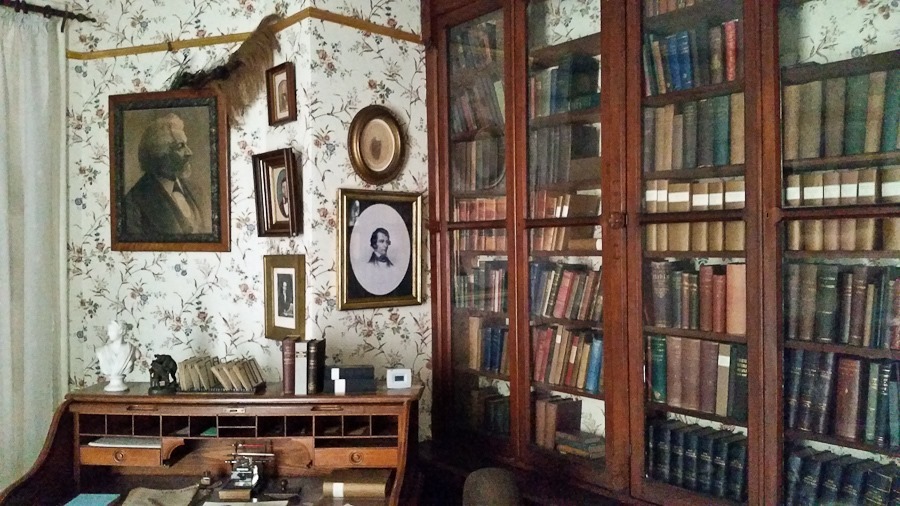
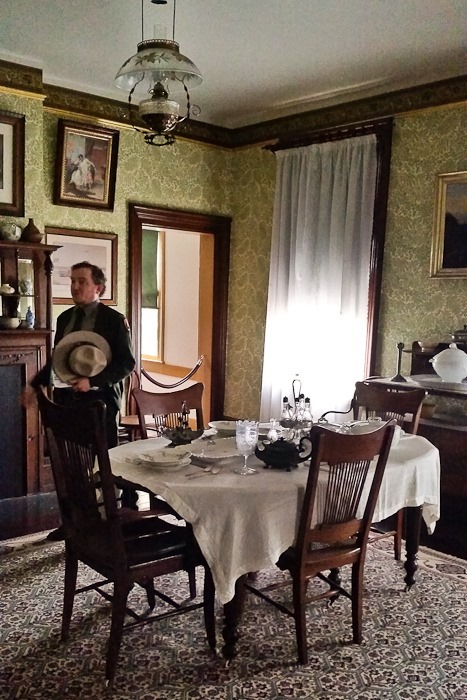
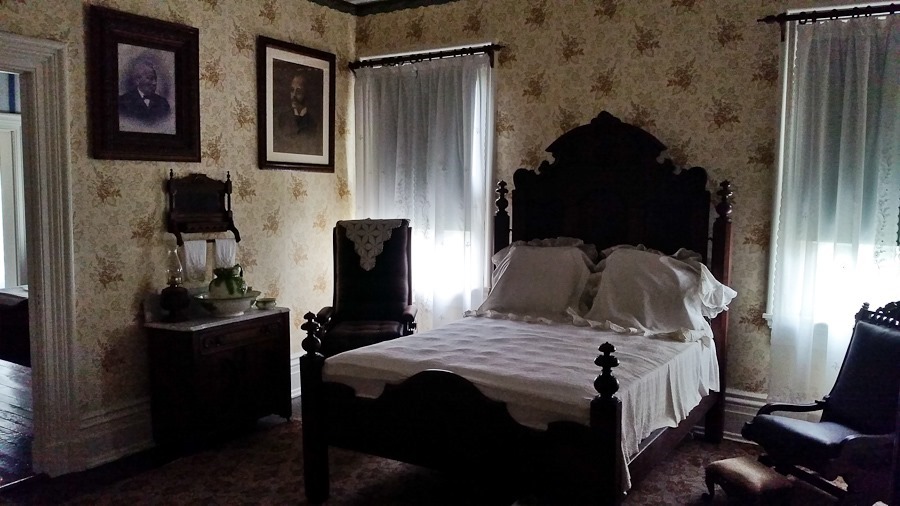
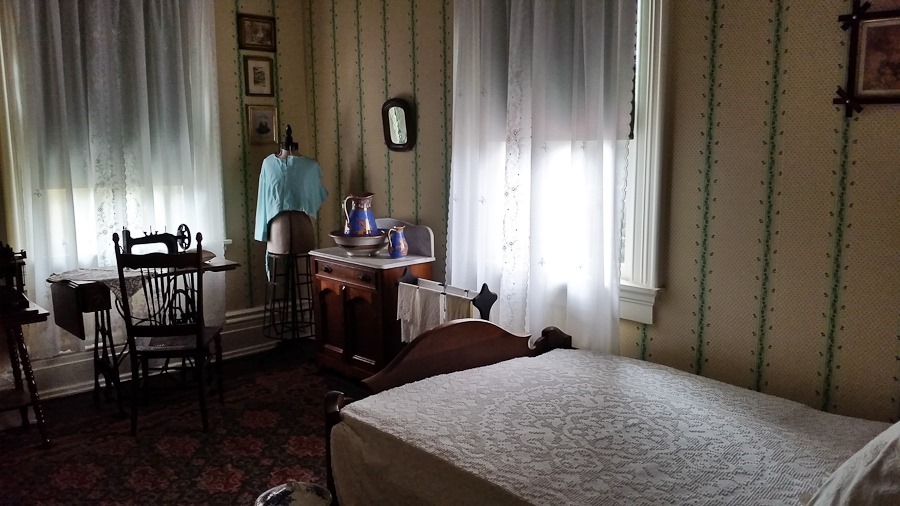
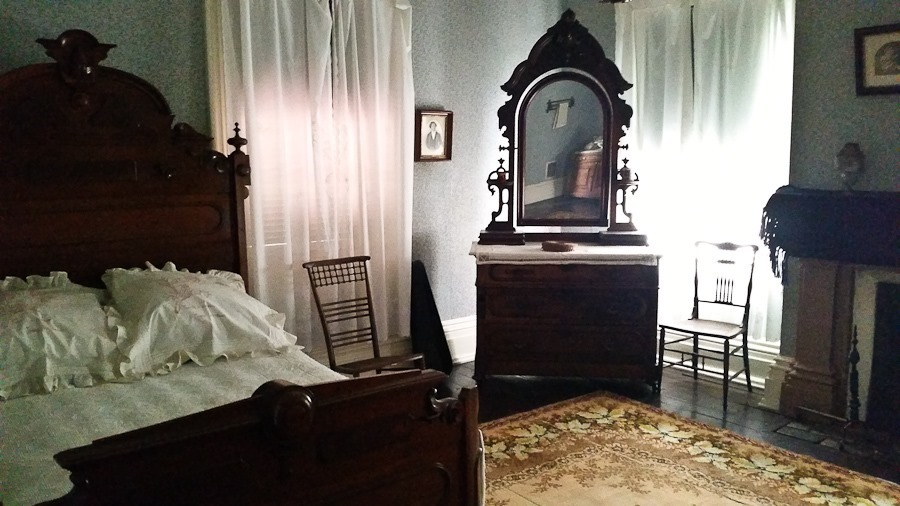
The site preserves the house in present-day Anacostia where Frederick Douglass lived from 1877 until his death in 1895:

Day_817_18

Day_817_19

All of the interior furnishings are originals:

Day_817_20

Day_817_21

Day_817_22

Day_817_23

Day_817_24

Day_817_25

Day_817_26

Day_817_27

Day_817_28

Day_817_29

Day_817_30

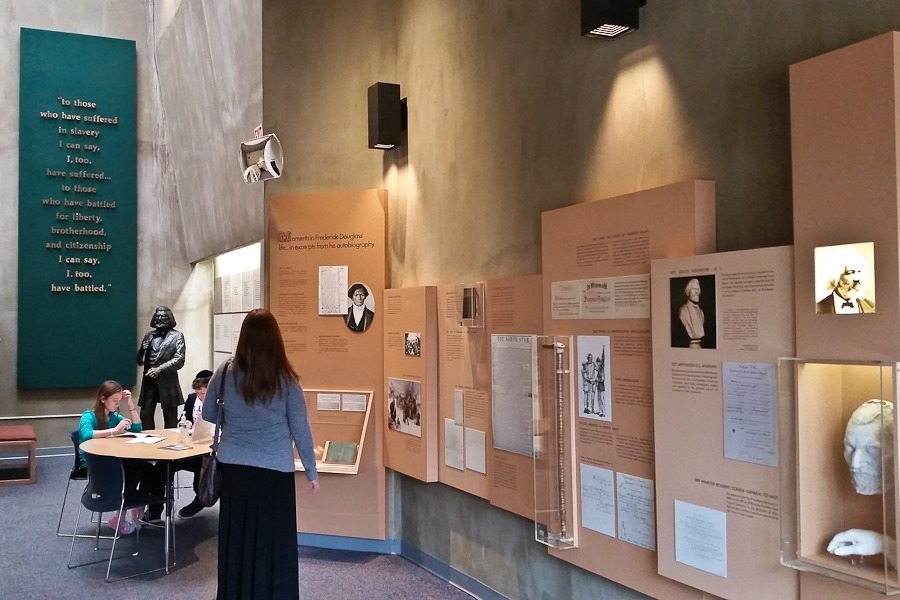
We toured the small visitor center:

Day_817_31

The kids completed their Junior Ranger workbooks and received their badges:

Day_817_32

Day_817_33

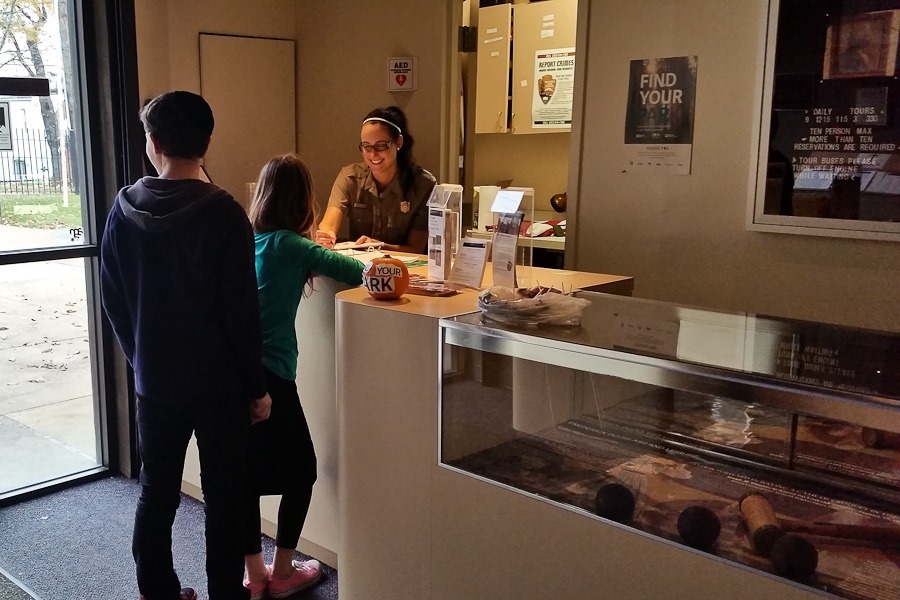
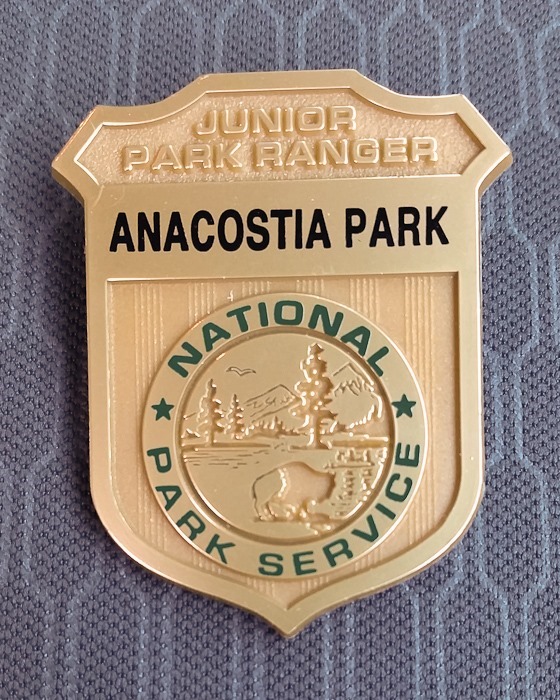
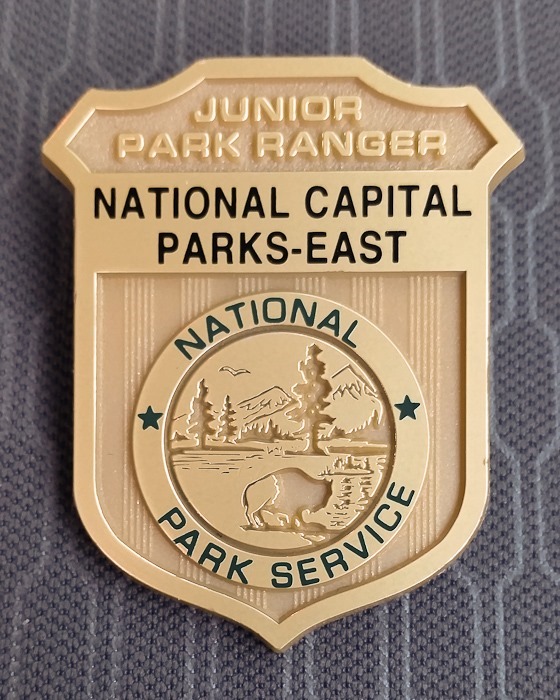
Our next stop was Anacostia Park, where we visited the headquarters of National Capital Parks-East.  The kids completed the National Capital Parks-East workbook, and received a badge for both National Capital Parks-East and Anacostia Park:

Day_817_34

Day_817_35

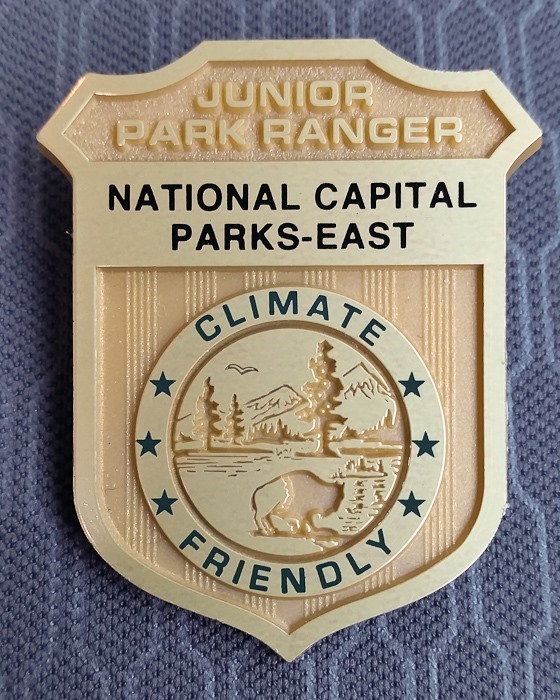
The kids also completed the National Capital Parks-East “Climate Friendly” Junior Ranger workbook:

Day_817_36

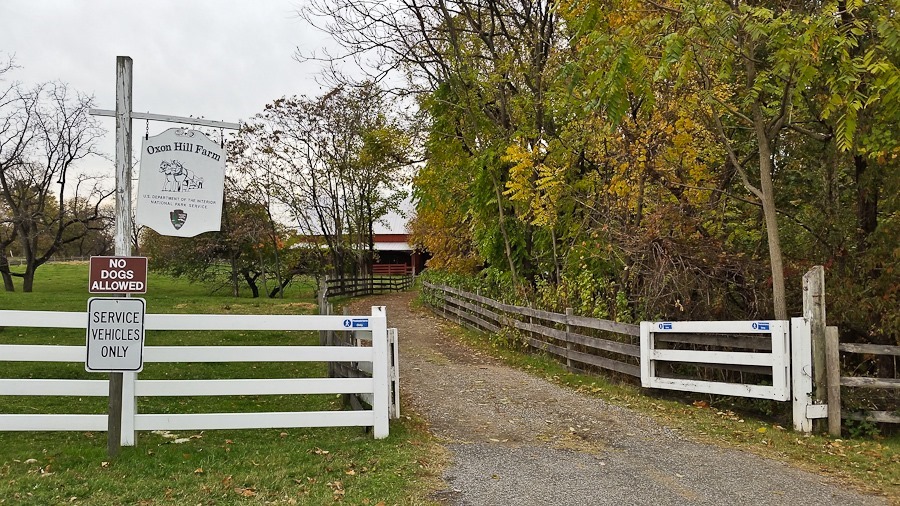
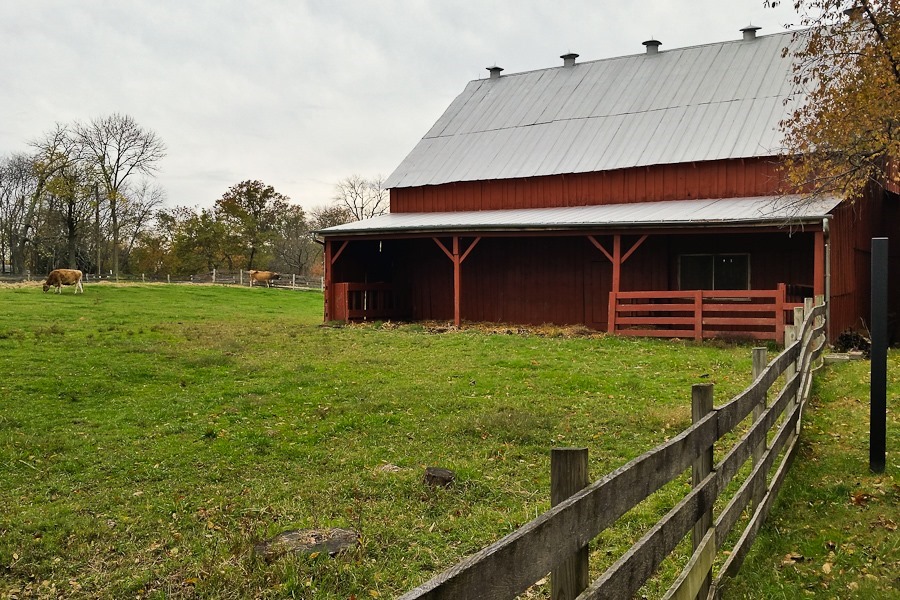
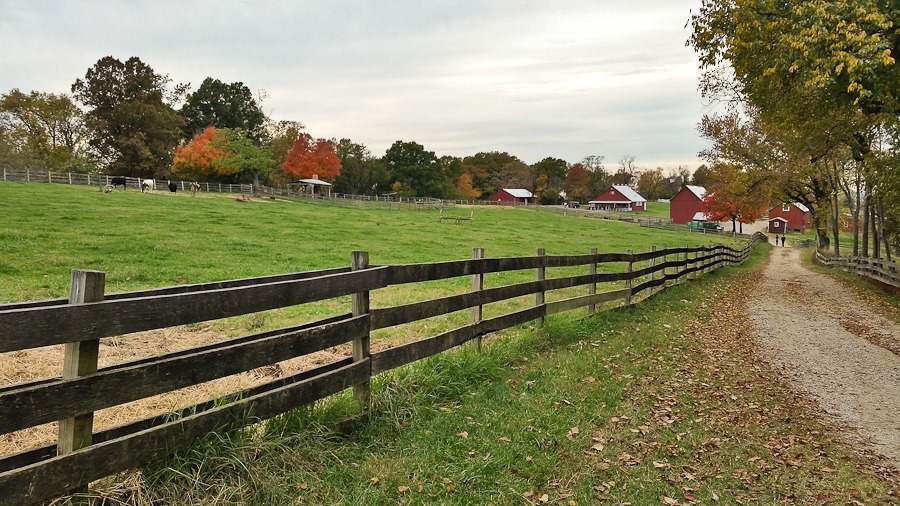
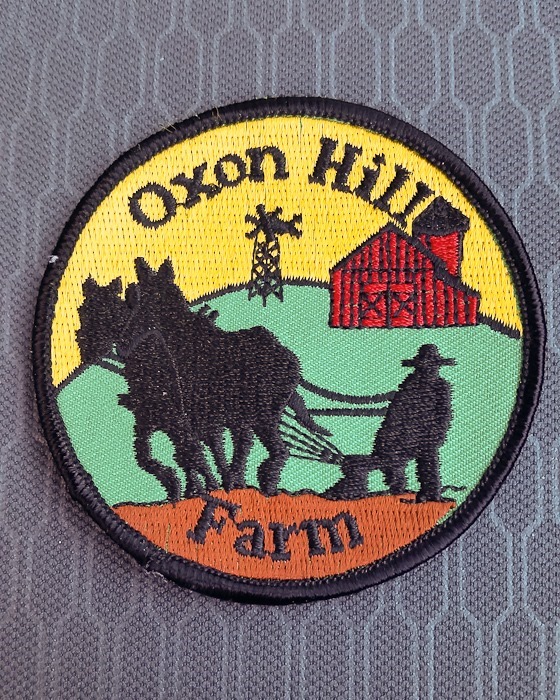
Continuing south, we visited Oxon Cove Park and Oxon Hill Farm, an NPS site last used as farmland to grow crops and act as farm therapy for the patients at a nearby mental hospital:

Day_817_37

Day_817_38

Day_817_39

Day_817_40

Day_817_49

Day_817_41

Day_817_42

Day_817_43

This house, built in 1807, is called Mount Welby:

Day_817_44

Day_817_45

Day_817_46

Day_817_47

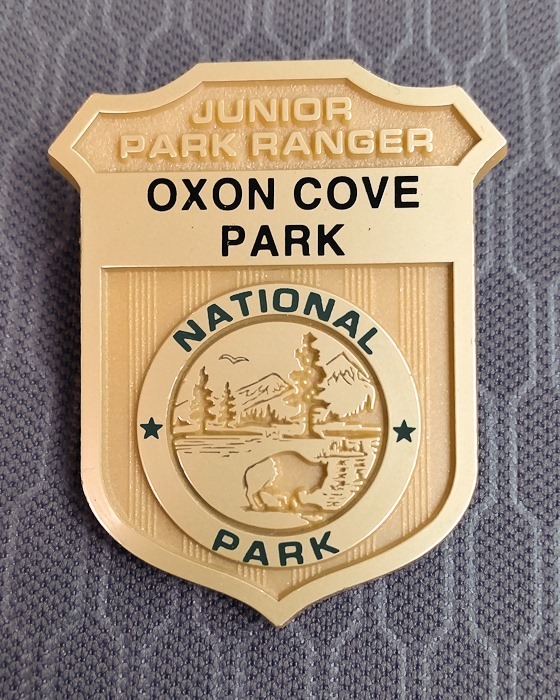
The kids completed their Junior Ranger workbooks and received their Junior Ranger badges:

Day_817_48

Day_817_50

Day_817_51

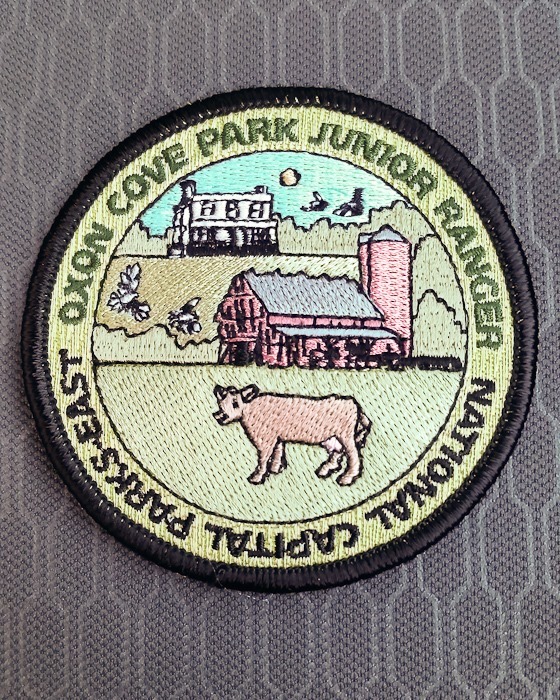
The ranger also gave each of them the old patch they used to use:

Day_817_52

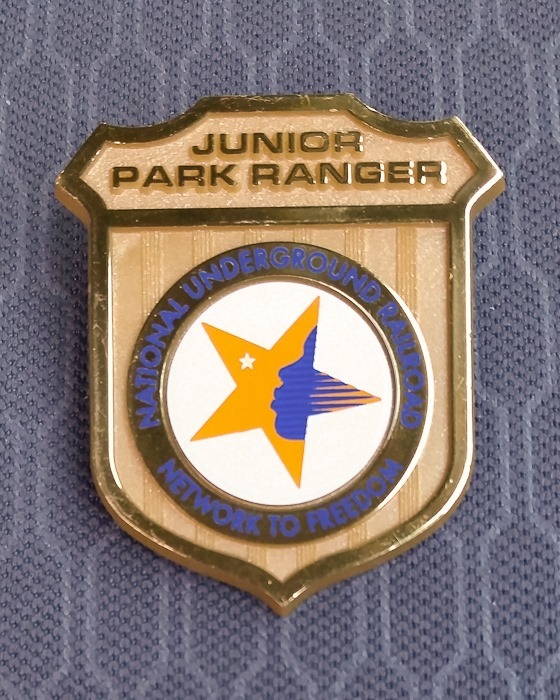
The kids already completed the Junior Ranger program for the National Underground Railroad Network to Freedom on Day 665, but here they had the older badges so we received those as well:

Day_817_53

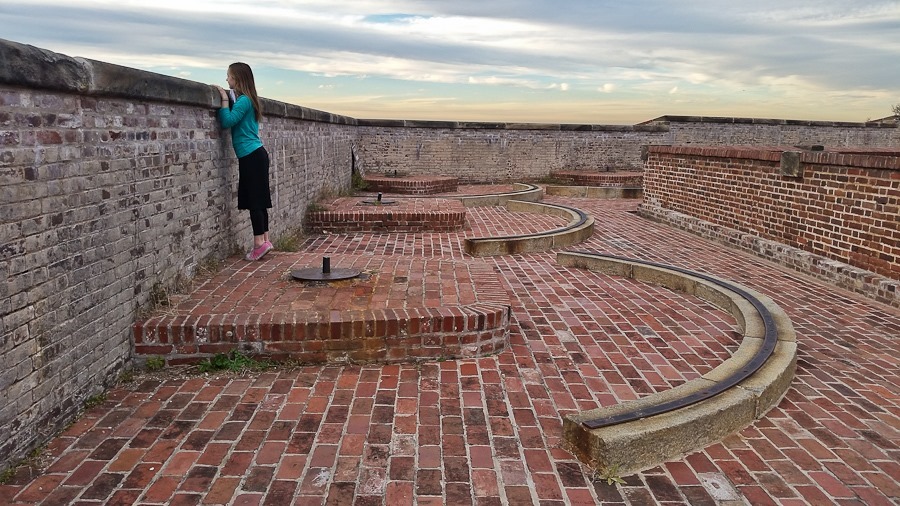
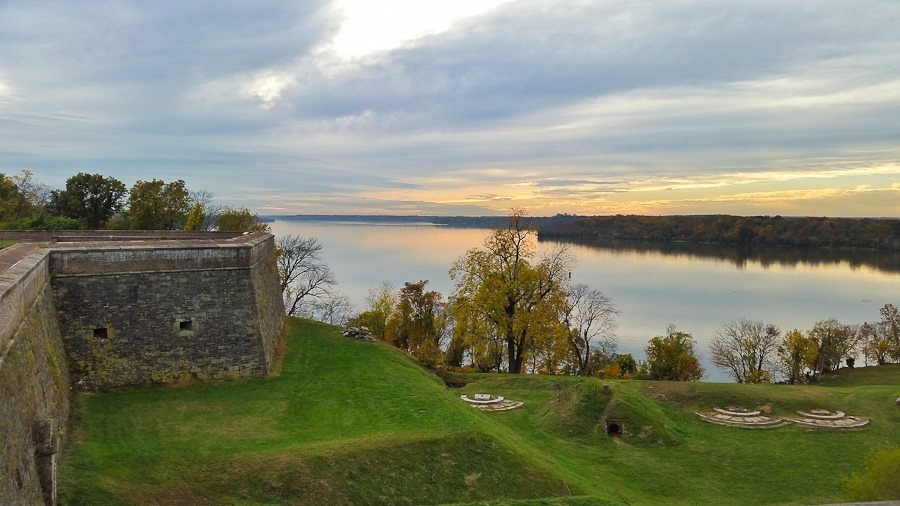
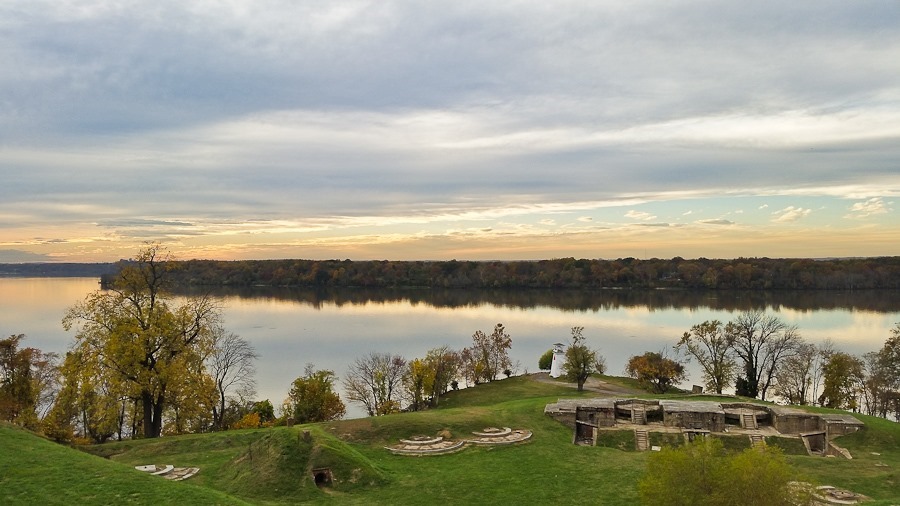
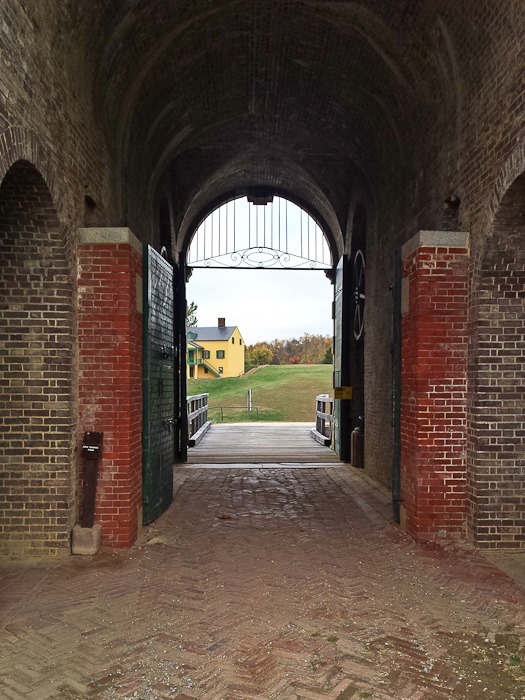
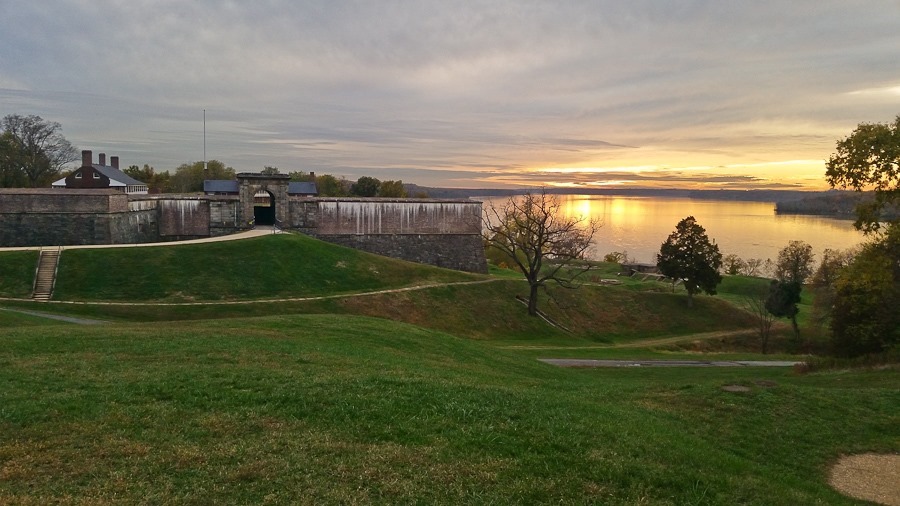
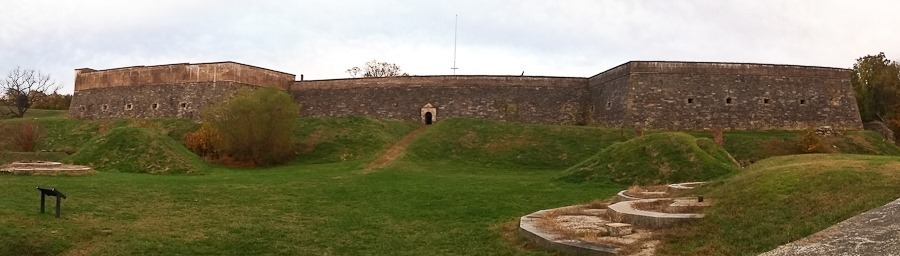
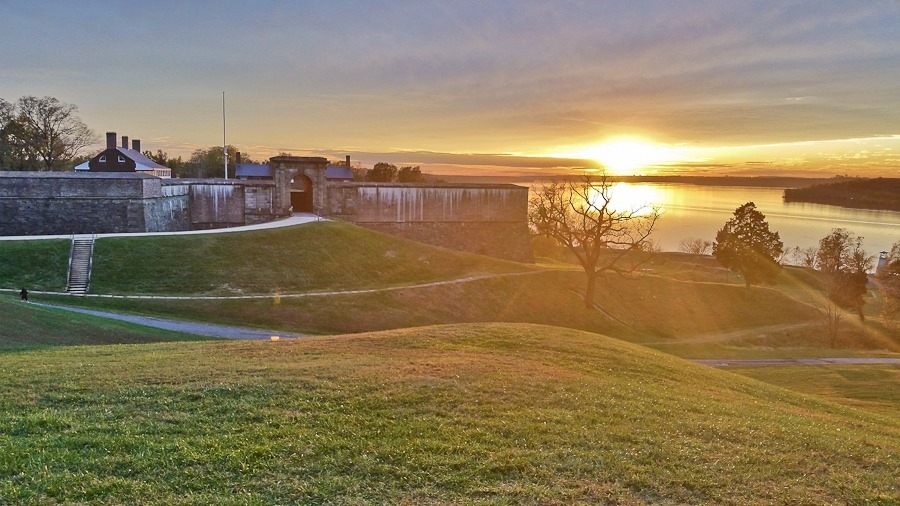
Our last stop of the day was Fort Washington Park, built in 1809, and expanded in 1824, the 1840s, and the 1890s.

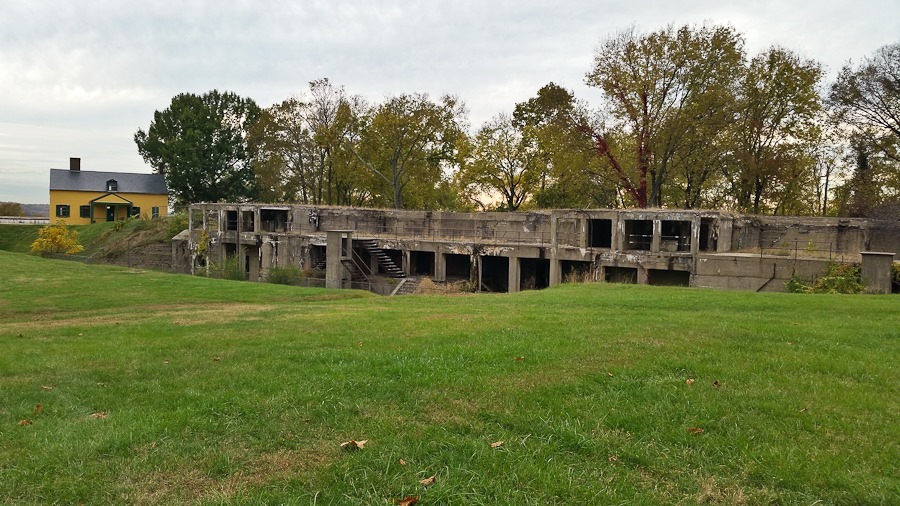
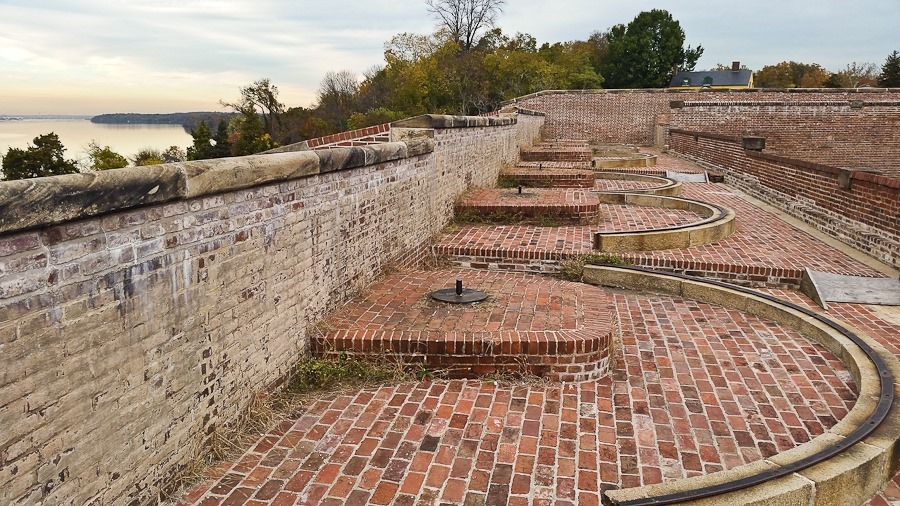
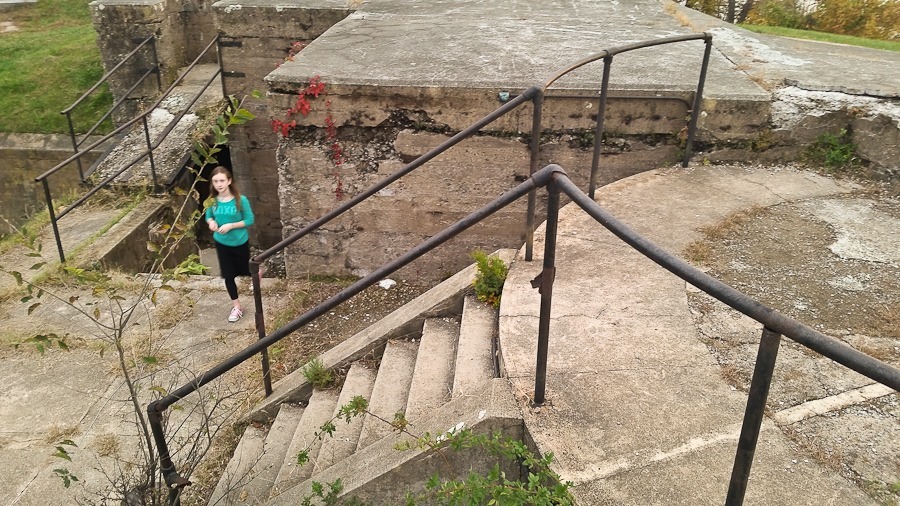
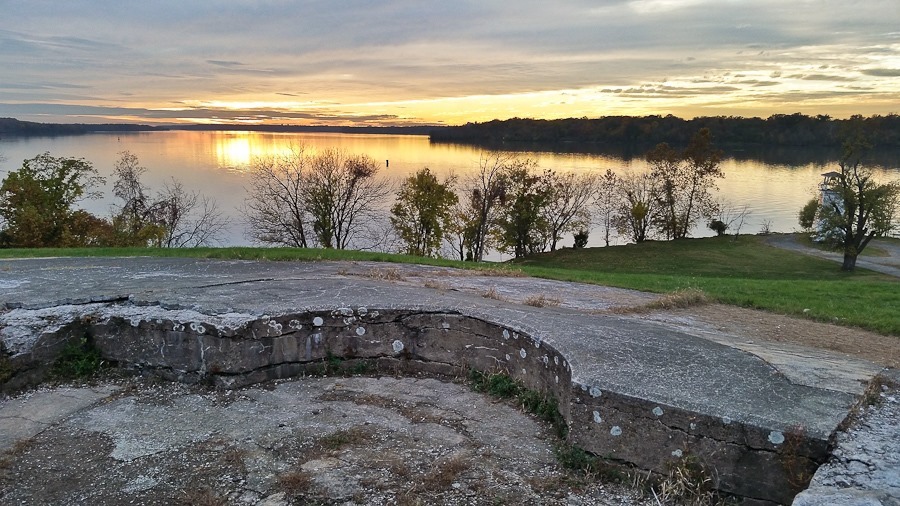
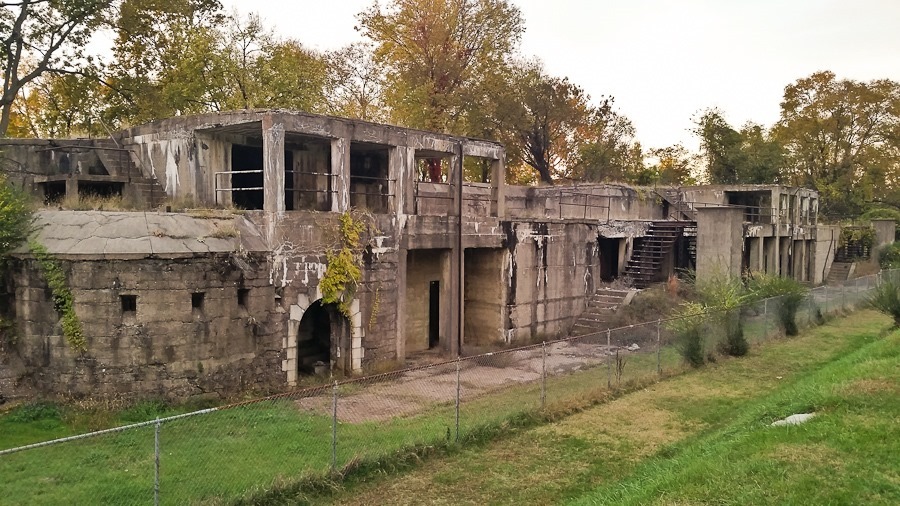
One of many fortifications here, an Endicott period battery, built in the 1890s, equipped with disappearing guns:

Day_817_54

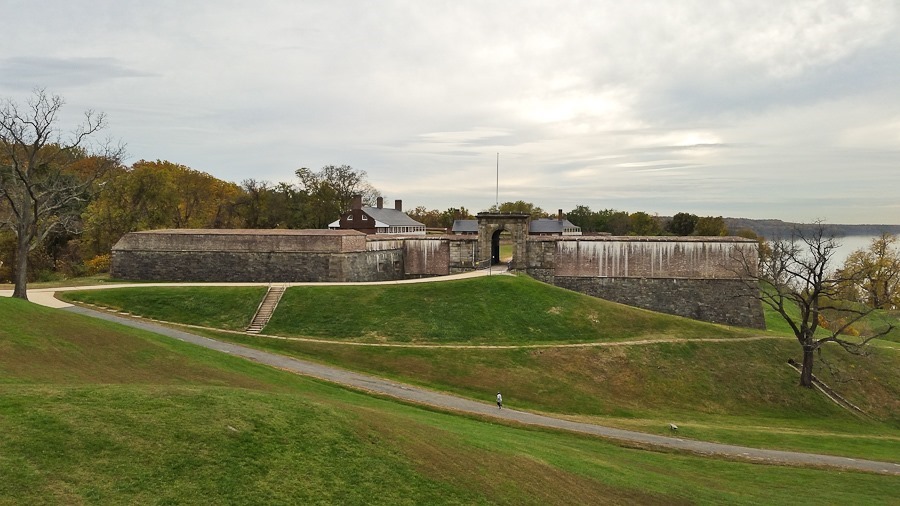
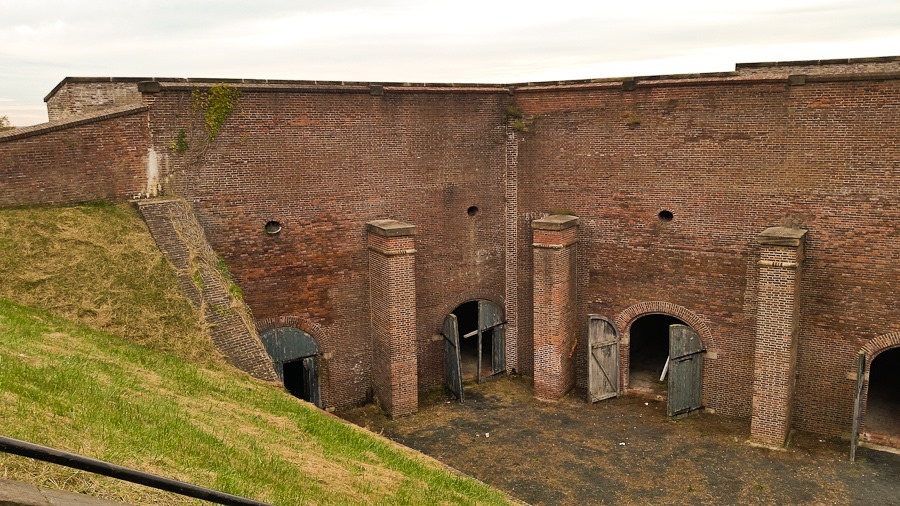
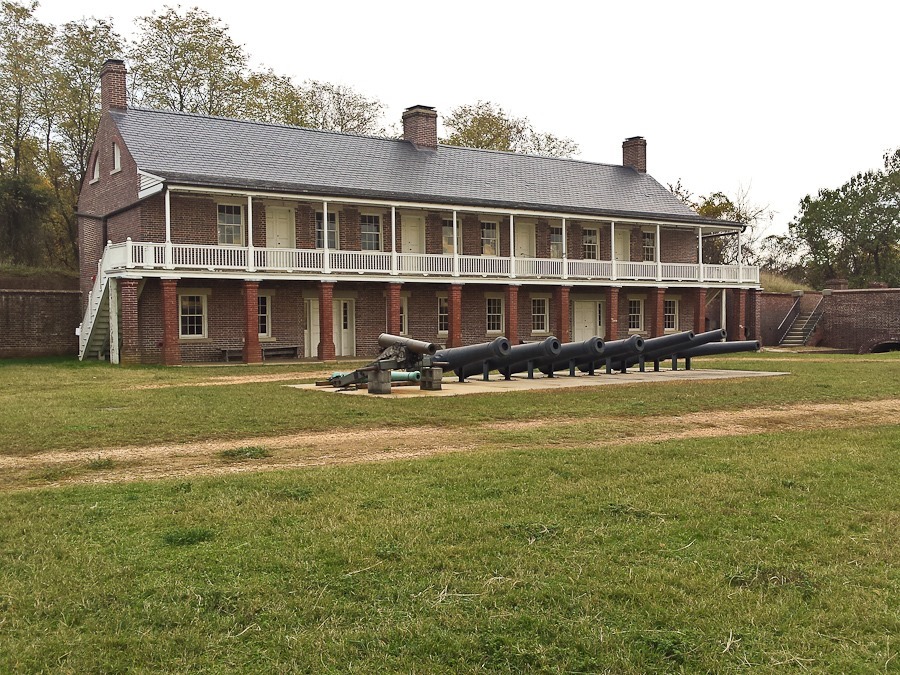
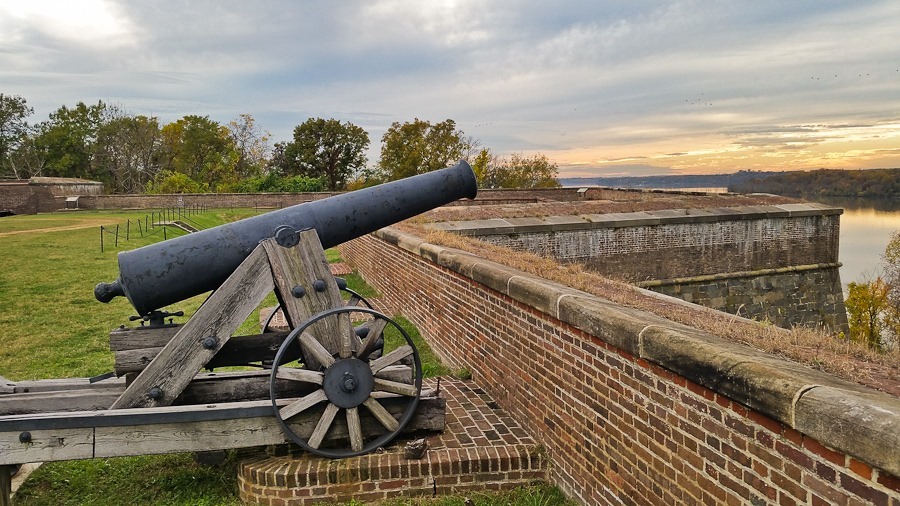
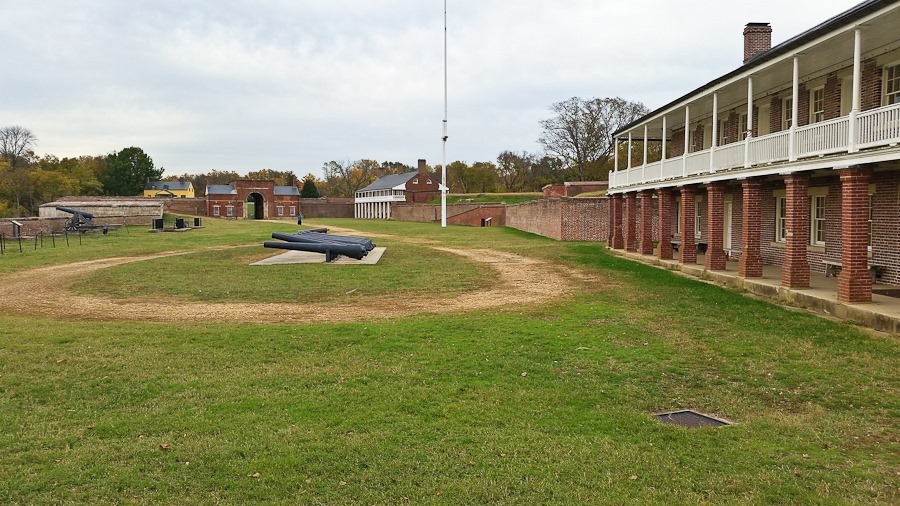
The 1824 fort, built of brick.  As we learned during our 2012 visit to Fort Pulaski, before the invention of the rifled cannon, masonry forts were sufficiently strong to resist smoothbore cannon fire:

Day_817_55

Day_817_56

Day_817_57

Day_817_58

Day_817_59

Day_817_60

The tracks for the cannon mounts remain:

Day_817_61

Day_817_62

Day_817_63

Day_817_64

Day_817_66

Day_817_67

Day_817_68

Day_817_69

Day_817_70

Day_817_72

We walked down to the waterfront battery:

Day_817_73

Day_817_74

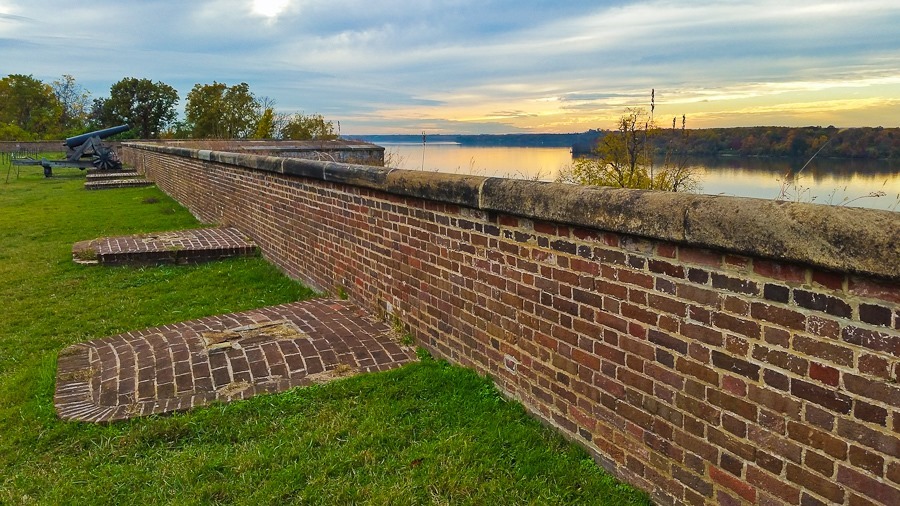
The old fort from the river:

Day_817_75

Day_817_76

Day_817_77

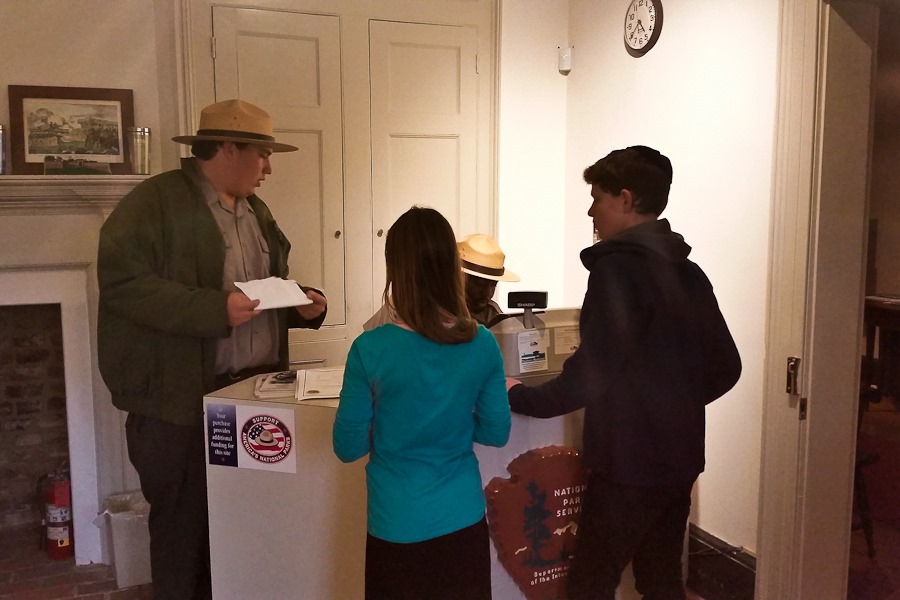
The kids completed their workbooks and received their Junior Ranger badges:

Day_817_71

Day_817_78

Tomorrow we hope to our the Capitol building.

Day 816: Visiting Washington DC

Shabbos at the Kemp Mill Synagogue was pleasant.  We made new friends and went for a relaxing walk in an adjacent park.

Today we drove into northwest DC and started walking towards the National Mall:
 

Day_816_01

We passed the statue of General Logan in Logan Circle:

Day_816_02

Our first stop was the Mary McLeod Bethune Council House National Historic Site:

Day_816_03

We learned quite a bit about Miss Bethune, as she’s referred to by NPS staff.  Mary McLeod Bethune was a giant in the civil rights movement and advisor to four US presidents, among other accomplishments:

Day_816_04

We toured her home, which was also the headquarters for the organization she founded, the National Council of Negro Women.  The chandelier in this parlor was a gift from President Roosevelt, the husband of Miss Bethune’s best friend, first lady Eleanor Roosevelt:
Day_816_05

The kids completed their Junior Ranger workbooks and received their badges:

Day_816_06

This visitor center is also the visitor center for the not-yet-opened Carter G. Woodson Home National Historic Site, so the kids completed the workbook for that site here as well:
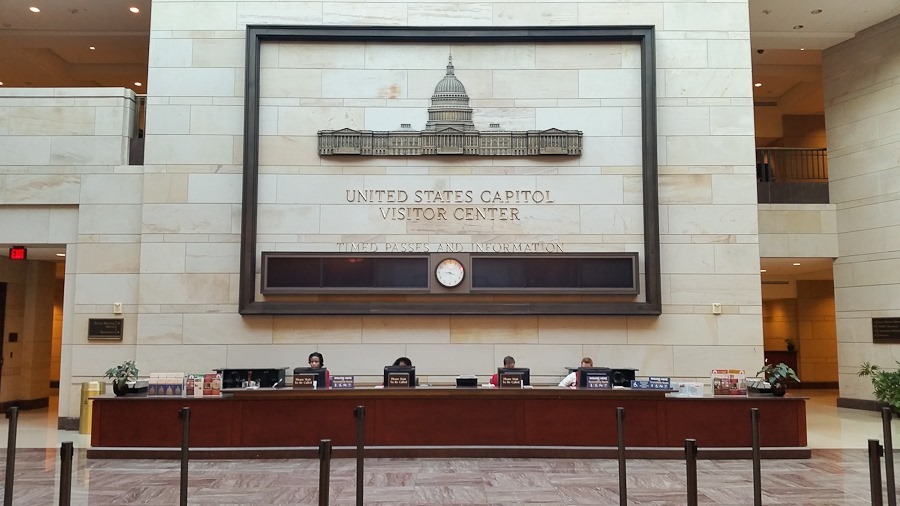
Day_816_07

We continued walking south towards the Mall, arriving at Ford’s Theatre National Historic Site.  In the lower level of the building there’s a visitor center:
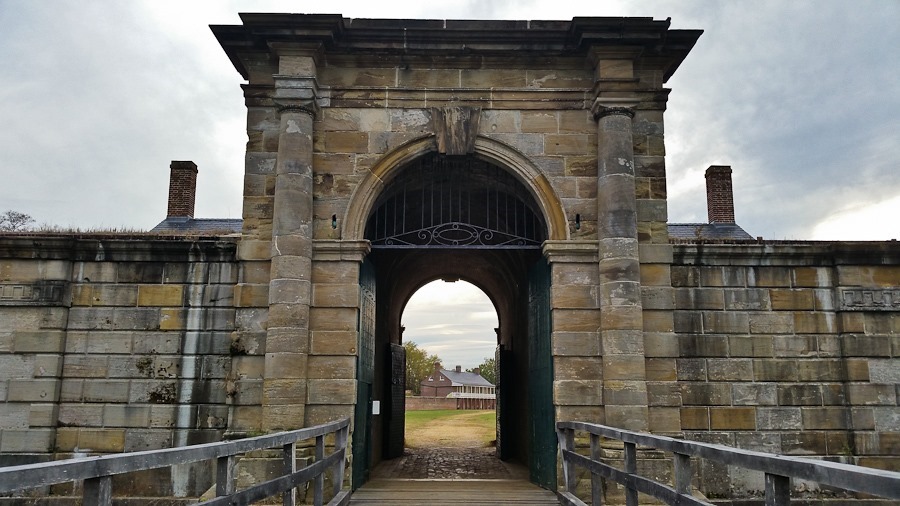
Day_816_08

Day_816_09

Day_816_10

After viewing the exhibits, we went upstairs to the theatre and viewed the box seat where President Lincoln was assassinated:

Day_816_11

The gun that Booth used to kill President Lincoln:

Day_816_12

The kids completed their Junior Ranger workbooks and received their badges and patches:

Day_816_13

Day_816_14

Day_816_15

We continued towards the Mall:

Day_816_16

We could see the scaffold-covered Capitol Building in distance:

Day_816_17

We next visited the visitor center for President’s Park National Historic Site, which includes the White House and the surrounding grounds.  The film was incredibly moving:

Day_816_18

Day_816_19

Day_816_20

Day_816_21

Day_816_22

The kids completed their Junior Ranger workbooks and received their badges:

Day_816_23

Day_816_24

Behold, the White House:

Day_816_25

Looking from the White House towards the Washington Monument:

Day_816_26

We next visited the Washington Monument:

Day_816_27

Day_816_28

Day_816_29

Day_816_30

Day_816_33

We could see the Jefferson Memorial in the distance:

Day_816_32

We continued on to the World War II Memorial:

Day_816_31

Day_816_34

Day_816_35

Day_816_36

Next, we visited the Vietnam Memorial:

Day_816_37

Day_816_38

Our last stop on the National Mall was the Lincoln Memorial:

Day_816_39

Day_816_40

Day_816_41

Day_816_42

The kids completed the Junior Ranger worksheets for the Washington Monument, World War II Memorial, Vietnam Memorial, and Lincoln Memorial, and received their badges for the National Mall and Memorial Parks:

Day_816_43

Day_816_44

As night fell, we started walking back to the truck:

Day_816_45

Day_816_46

We waved to President Obama as we walked by his house:

Day_816_47

After over seven miles of walking, we made it back to the truck and drove back to the RV at the synagogue.

See the trip map for today’s drive and walk.