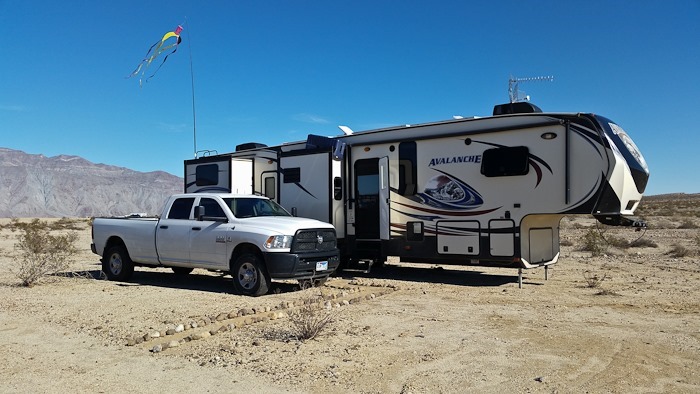
After shopping, dumping sewer, filling water, and doing 16 days-worth of laundry, we drove east and south from the Palm Springs area to Anza Borrego State Park, where we will be staying for a few weeks. This after-sunset photo doesn’t do the scenery justice, but it does show some of the hundreds of RVs dispersed camping over this vast area:
We parked our RV in the same spot we used when we were here from Day 175 through Day 190. Feel free to take a look back at all the amazing things there are to see and do here!
See the trip map for today’s drive and our current location.
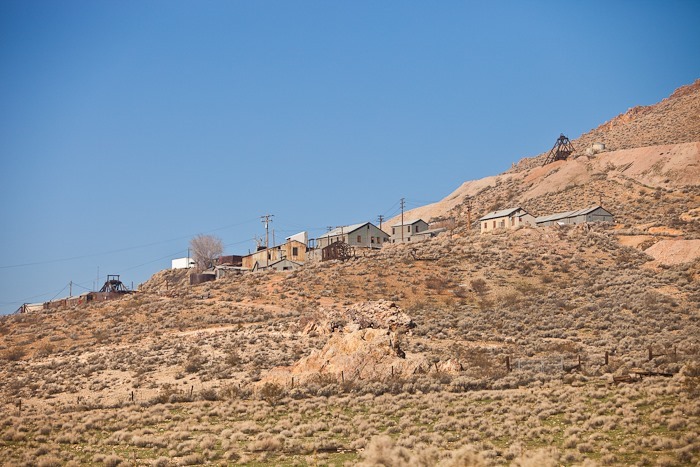
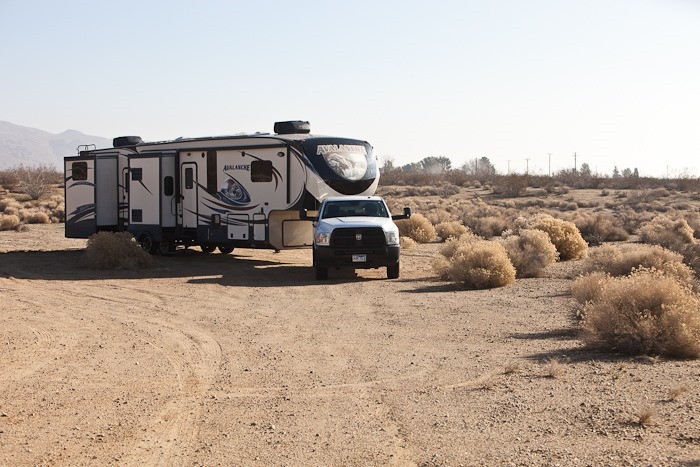
This morning we woke up to discover that we were parked across the street from the Tropico Mine, which produced 7 million dollars of gold since the 1890s. The mine has been for the most part inactive since World War II:
Not a bad spot. Thanks BLM!
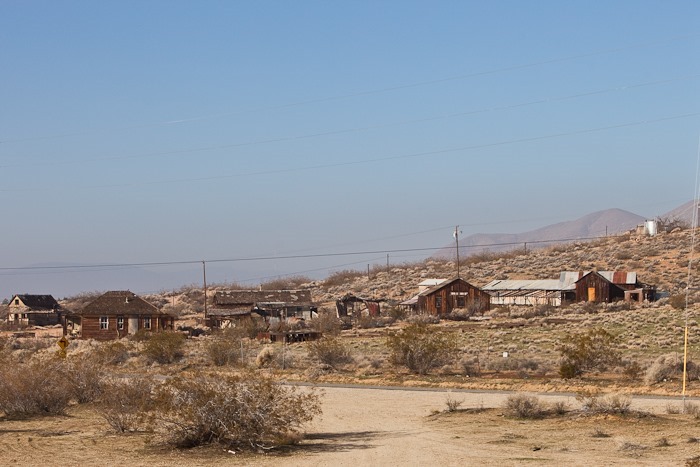
Buildings below the mine were purchased from other locations and brought here to create a ghost town as a tourist attraction. The attraction never got off the ground, but the buildings are still here:
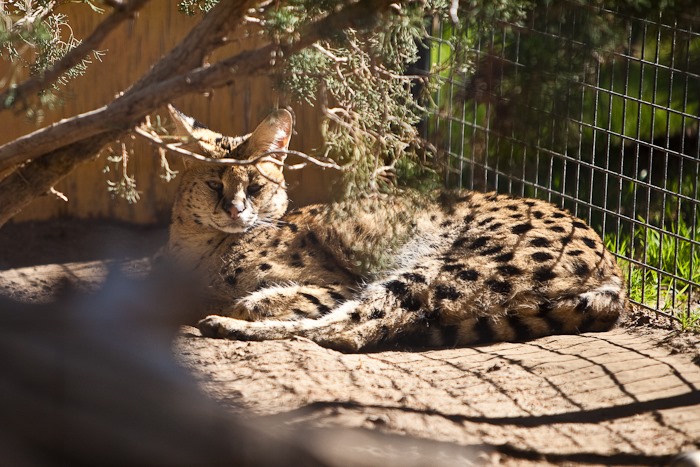
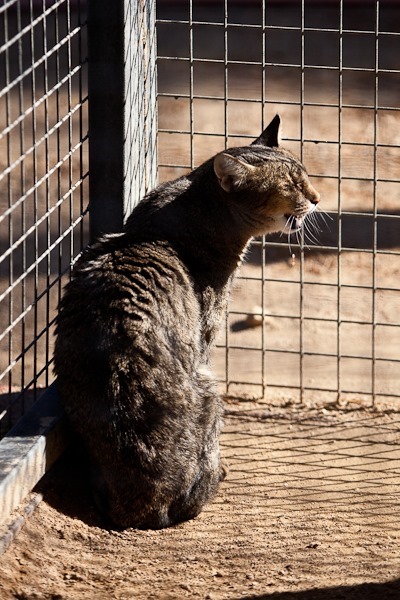
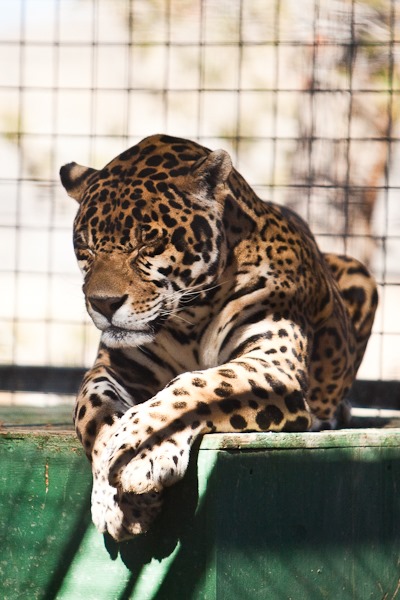
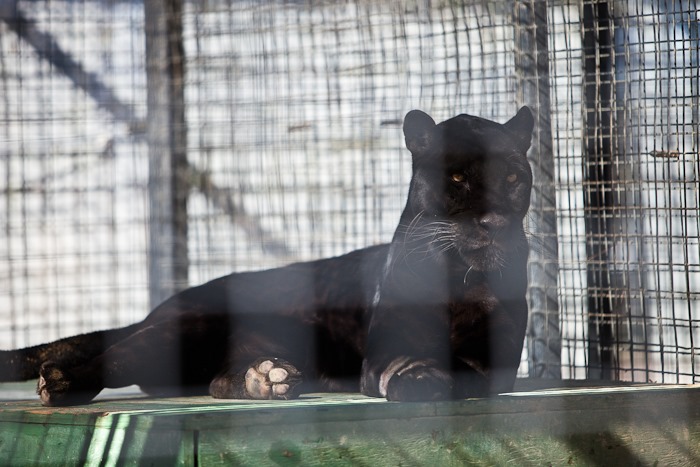
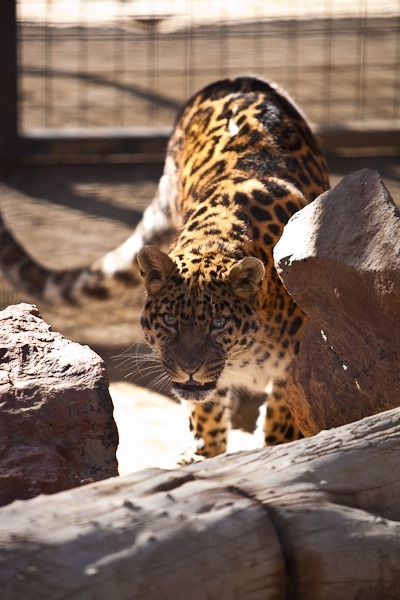
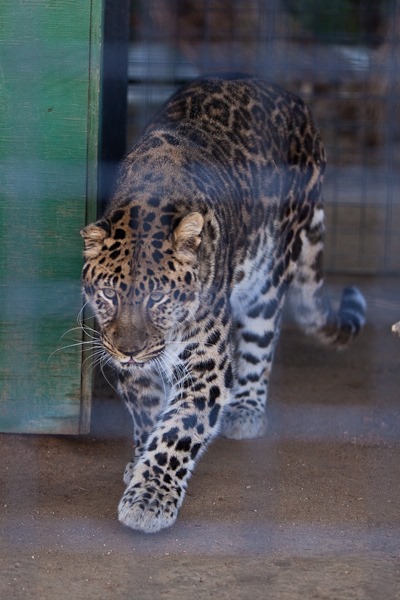
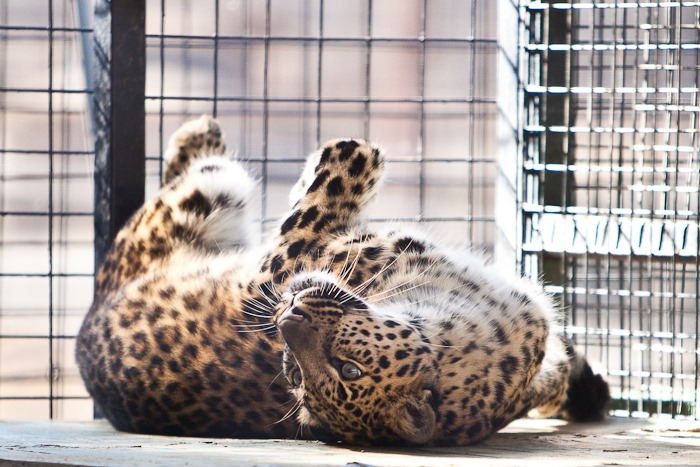
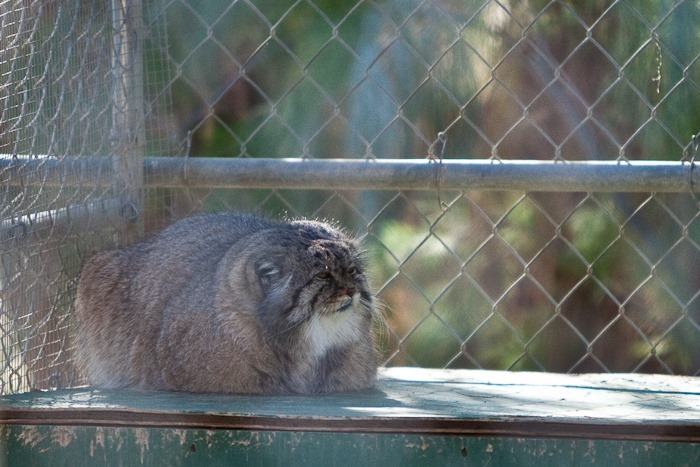
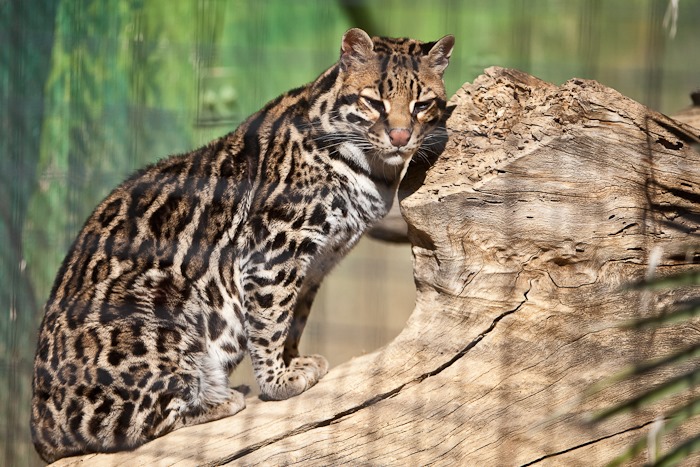
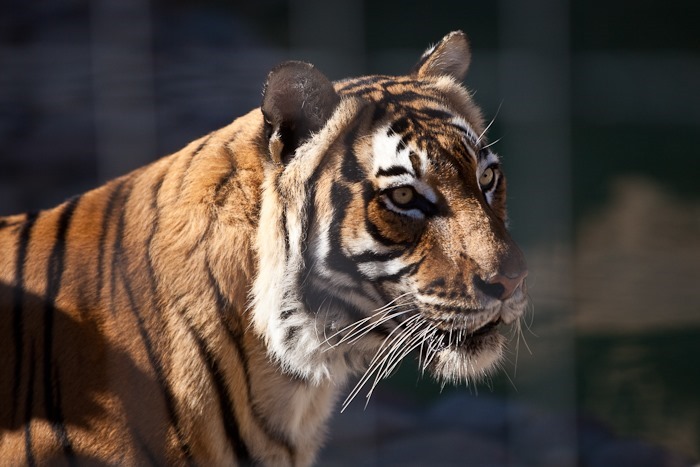
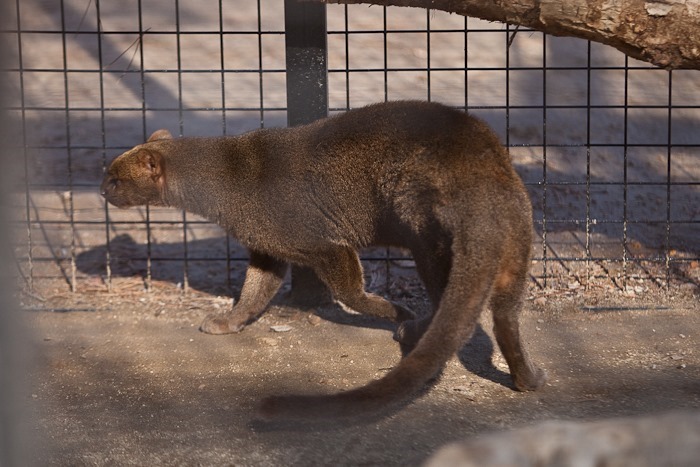
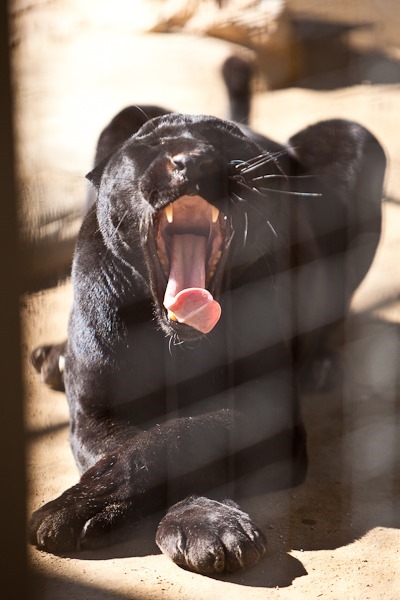
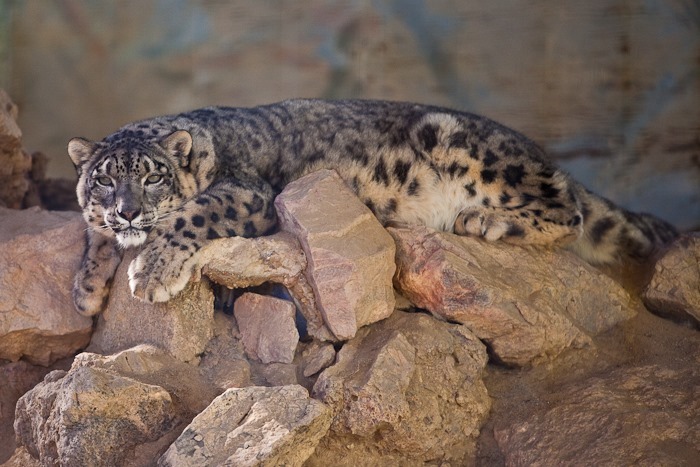
Just a few blocks away is the Feline Conservation Center. The facility exists to promote population recovery and genetic diversity for endangered cat species through captive breeding programs in cooperation with zoos and other facilities worldwide. In response to public demand, the center eventually became open to the public:
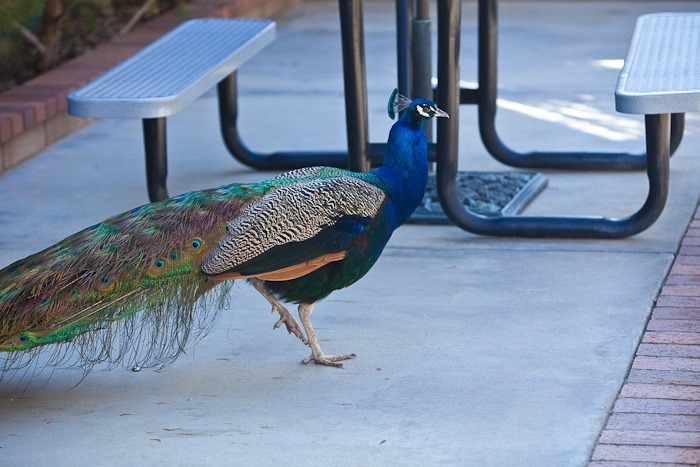
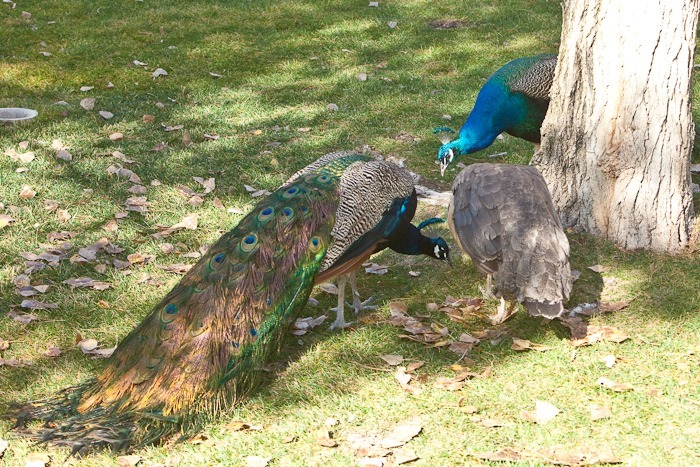
The center has a flock of peacocks that roam the facility:
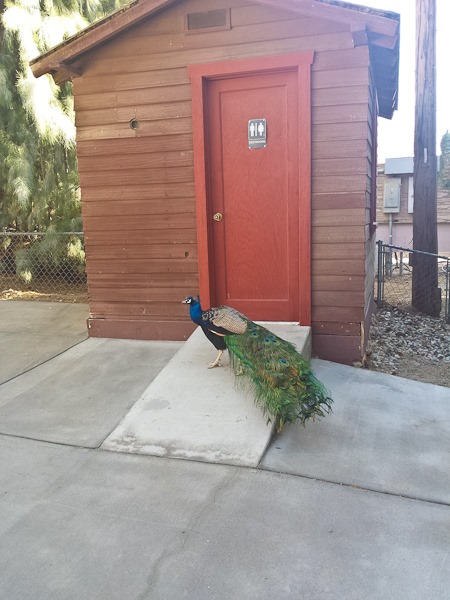
They also double as bathroom guards:
Thumper, a Canadian Lynx. The Lynx has large feet to provide snowshoe-like floatation on snow:
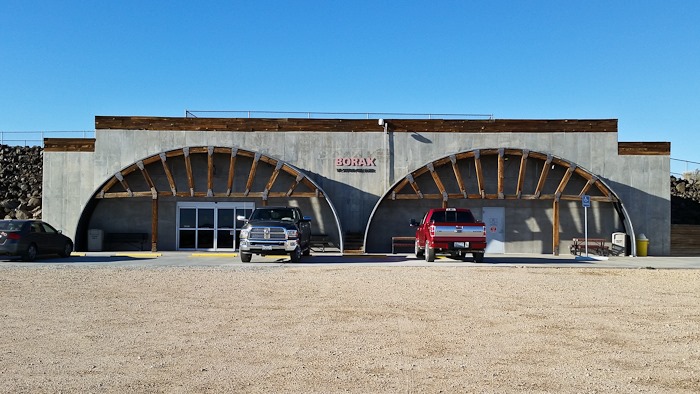
We spent about 2 hours at the center. We then drove North and East to Boron, where Rio Tinto operates a Borax mine that produces 40% of the world’s refined borates. The mine has a visitor center that overlooks the 1 mile by 1.5 mile pit where the borax is mined:
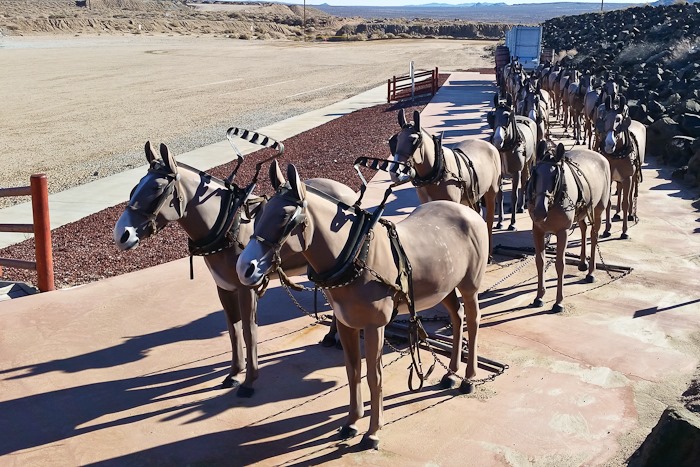
Out front is a model of the twenty mule team that was used to ship mined borates from Death Valley:
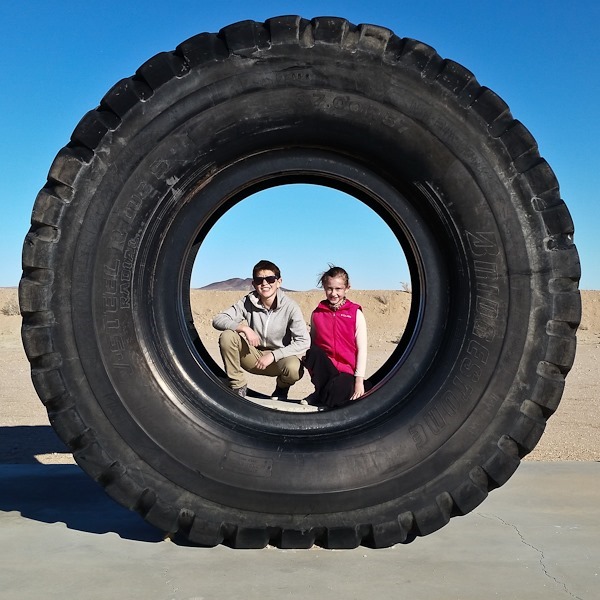
The mule team wagons, which could move 20 tons of ore, have been replaced with 250 ton-capacity dump trucks. Their tires cost $15,000 each and are quite large:
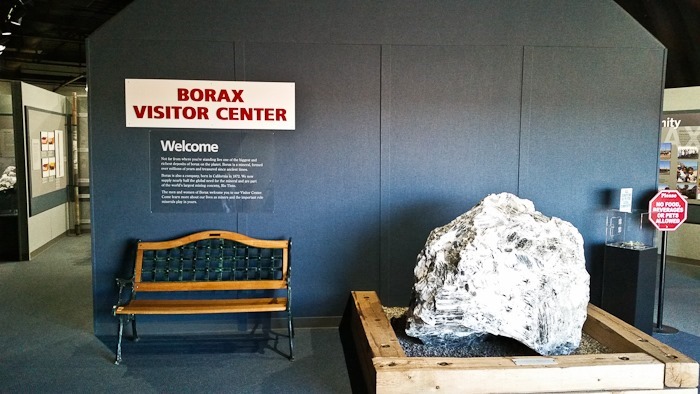
The entryway displays a massive block of Kernite, a sodium borate. At the processing facility the Kernite (Na2B4O7·4H2O) is hydrated to become Borax (Na2B4O7·10H2O) so it can be processed in the same way as the borax mined directly:
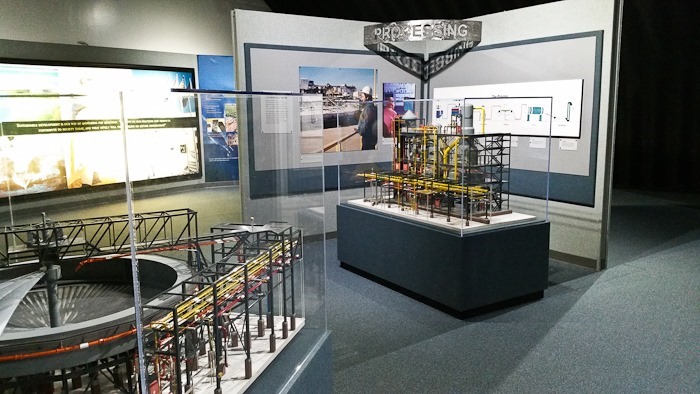
The museum was very well done, and explained the extraction and processing of Borax, as well as the geology of the pit mine, how Borax came to be here, and what Borax is used for:
The docents were very friendly and explained the various parts of the mine that we could see from the observation area in the visitor center. They gave the kids coloring books and sample cards with the four types of borates mined here (Borax, Kernite, Ulexite, and Colemanite). Borax and Kernite, the sodium borates, are much easier to process than Ulexite and Colemanite, so the latter two are piled up for processing when the sodium borates are mined out at this location, which should be in 40 years or so.
More fun with the big tire:
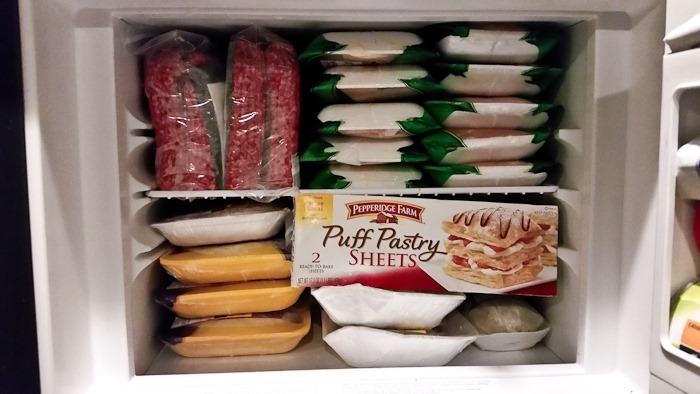
From Boron, we drove east and south to Palm Springs. Trader Joe’s has three stores in the area, which allowed us to restock our kosher meat. Trish told me to buy 5 trays of chicken and 5 pounds of beef, which she estimated was all I could fit in the upper shelf area of the freezer. With careful arranging and throwing out the ground beef packaging, I managed to get 10 trays of chicken and 8 pounds of beef to fit:
Tonight we’re overnighting at the Walmart of Palm Desert. See the trip map for today’s drive and our current location.
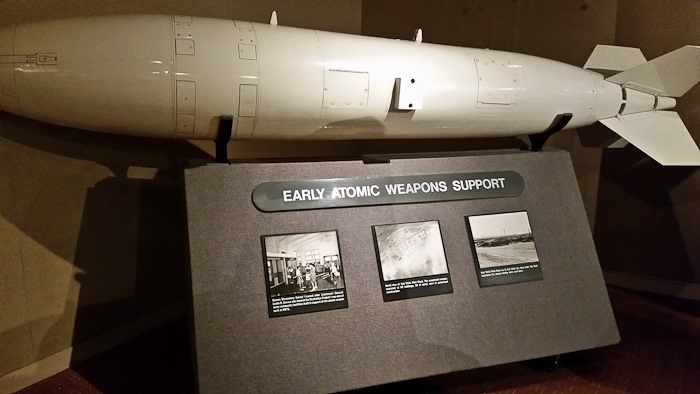
Today we drove up to Naval Air Weapons Station China Lake to visit the US Naval Museum of Armament and Technology. It took about an hour to meet with a base clerk to fill out forms, have a background check run, and get passes to drive onto the base. Out front, the museum has a Fat Man-type atomic bomb chassis which was tested here NAWS China Lake:
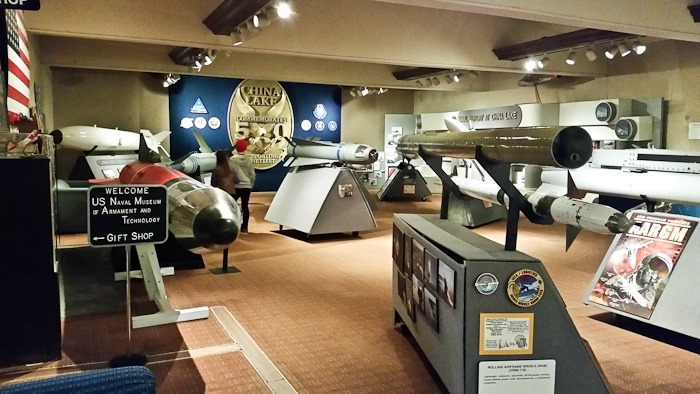
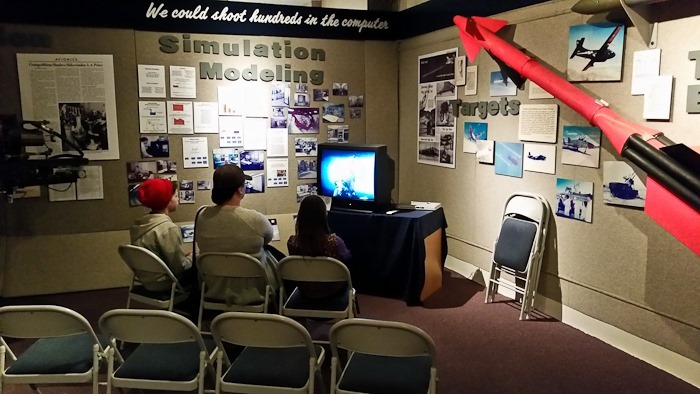
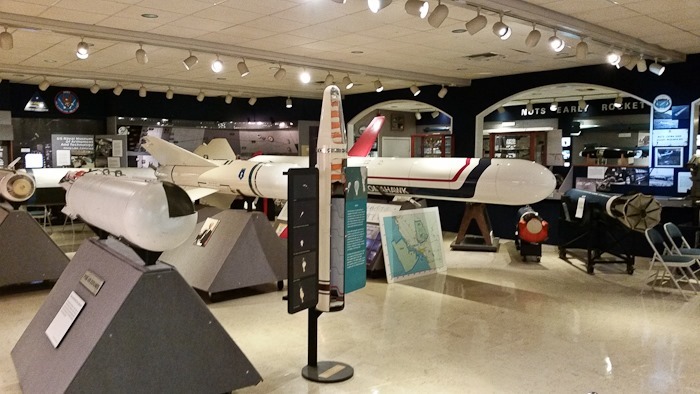
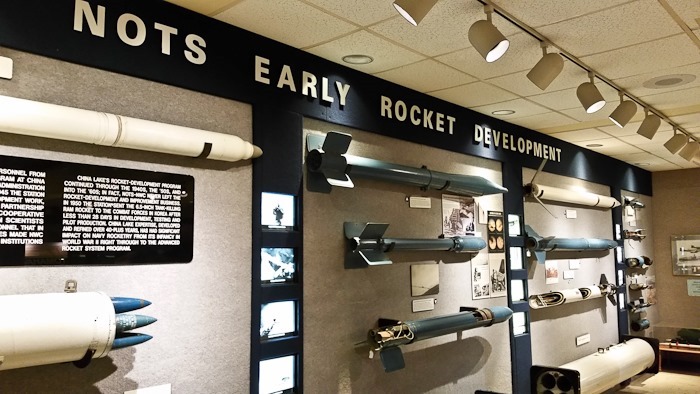
The museum is extensive, and covers the armaments designed and/or tested here at China Lake:
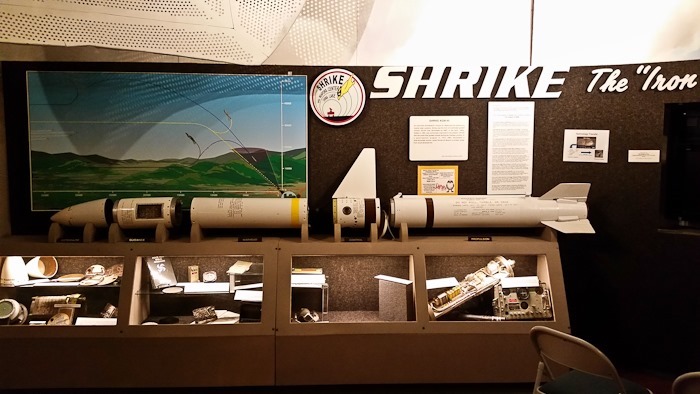
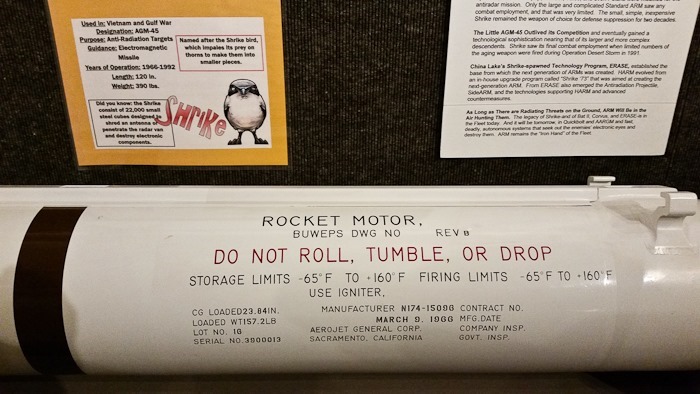
The Shrike anti-radar missle:
Some things go without saying:
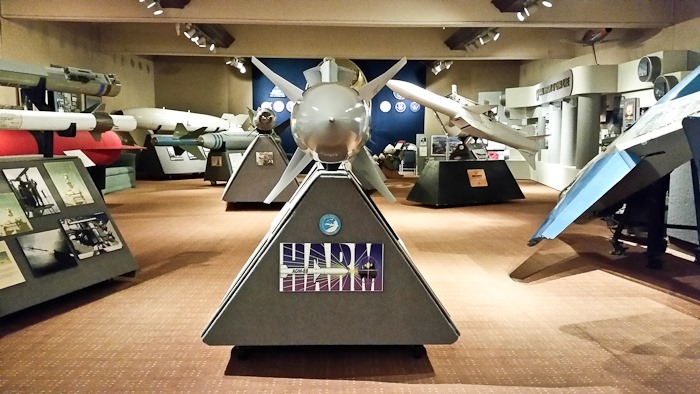
HARM, the replacement for the Shrike:
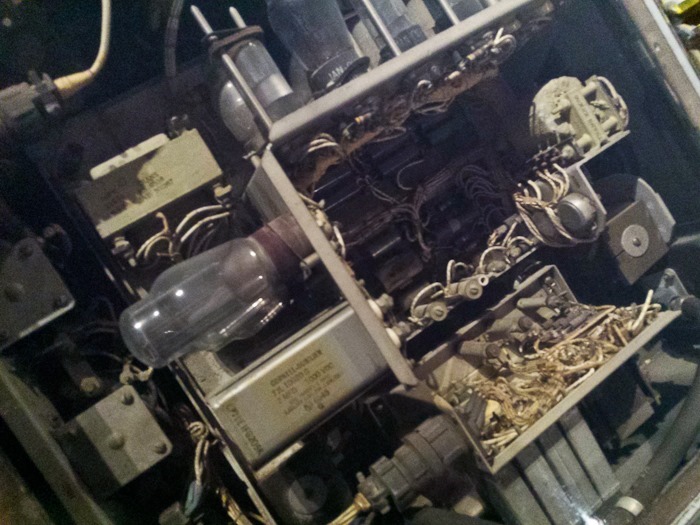
This is The Bat, a radar-guided bomb used in World War II. Not to be confused with the bat bombs developed in the US during the same period, which released thousands of bats with napalm strapped to them:
It’s all vacuum tubes in The Bat, as the silicon transistor wouldn’t be invented until 1954:
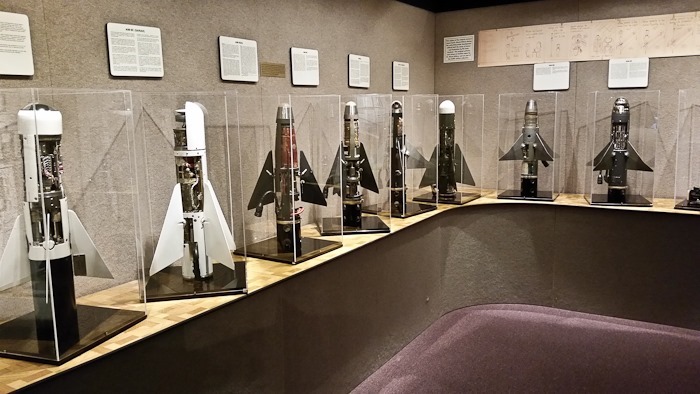
Much of the museum was devoted to the Sidewinder missile and its many variants:
Each of these warhead variants served different purposes:
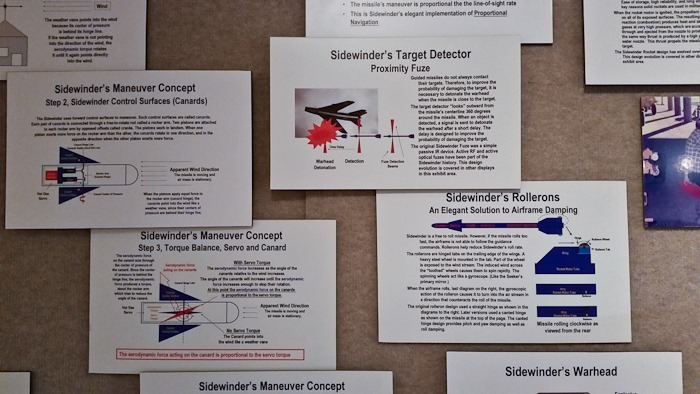
I really enjoyed the wealth of technical information provided:
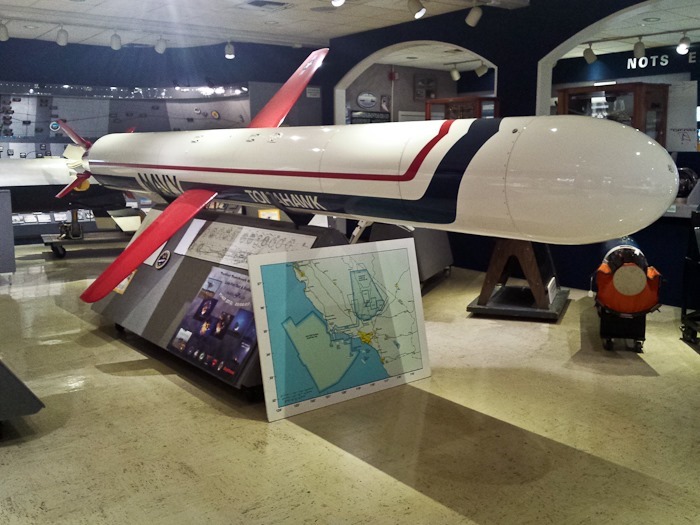
More missiles:
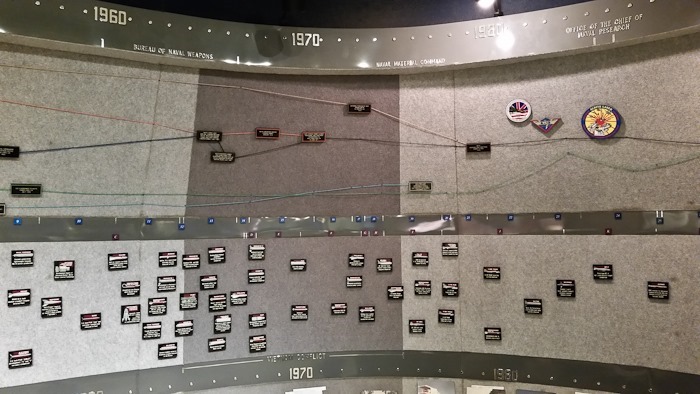
Many weapon systems have been developed here over the decades:
When we finished touring the museum, we drove west and south to overnight on BLM land outside of Rosamond, California. On the way, we passed the Mojave Air and Space Port, where Virgin Galactic spacecraft are tested. See the trip map for today’s drive and our current location.
We woke up to the sound of rain on the roof this morning. So much for our plans to fly my PPG and mountain bike around the spires.
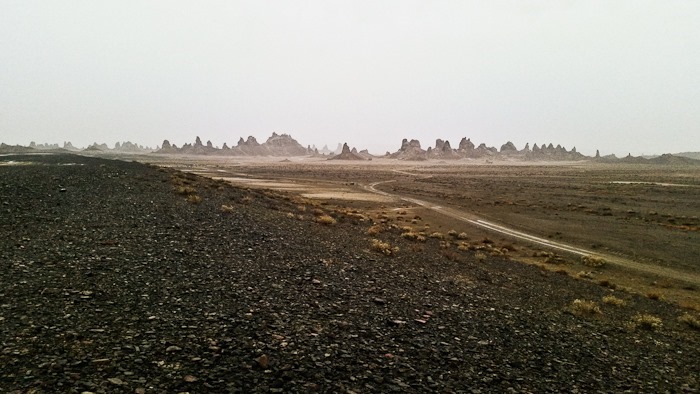
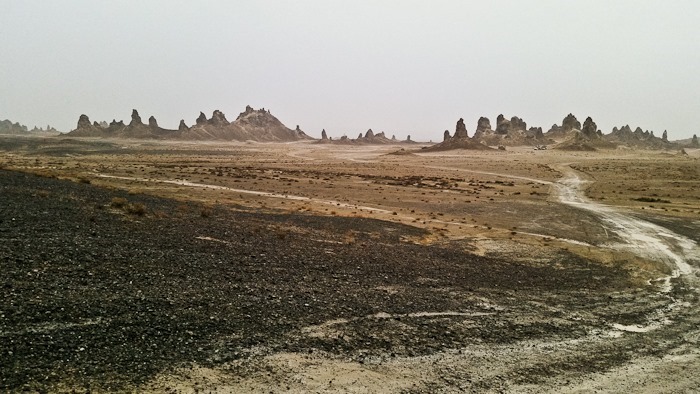
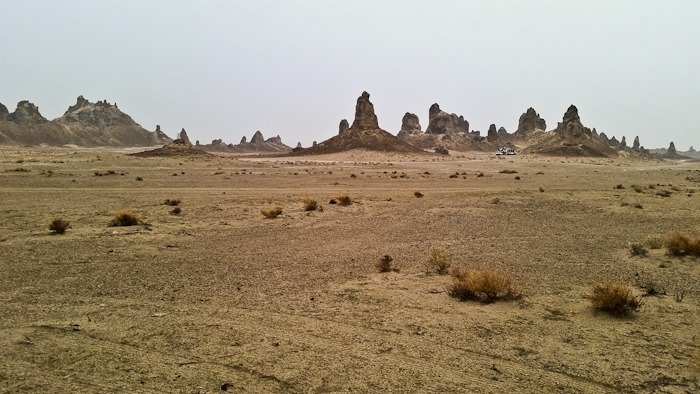
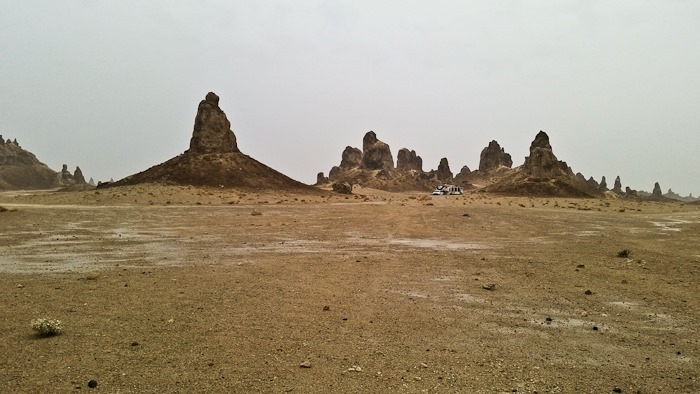
Because this is an ancient lake bed, rains can flood this area, so we reluctantly decided to leave while we could. I walked out to evaluate our exit route. Looking back, the misting rain made the pinnacles look even more other-worldly:
We managed to back up onto the road through the pinnacles and make our way up and out to the highway. From there, we drove west to Ridgecrest, California. We parked at Walmart and did some homeschooling, then decided to stay here overnight so tomorrow we can visit the Naval Armament Museum on-base at Naval Air Weapons Station China Lake.
See the trip map for today’s drive and our current location.



























 Facebook
 Instagram
 Email
Email